
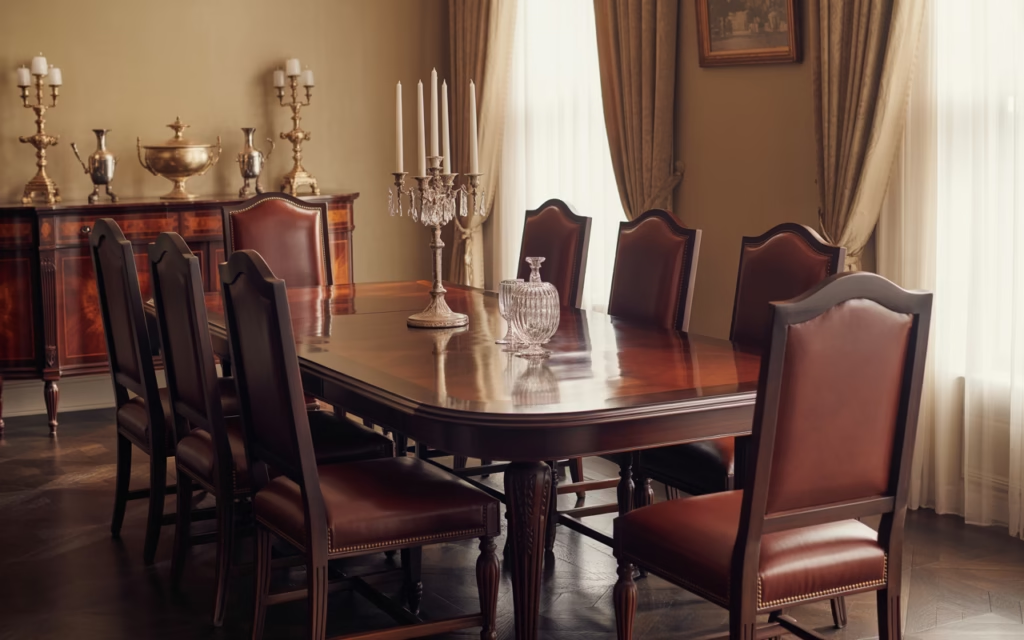
Old money style has this quiet confidence that never begs for attention, and honestly, that’s exactly why people love it. It doesn’t rely on flashy trends, loud colors, or furniture that looks cool for six months and then starts giving showroom clearance energy. Instead, it leans on timeless materials, classic silhouettes, layered textures, and rooms that feel collected over time. The whole look says, “I know what I’m doing,” without ever needing to announce it.
What I love most about old money home decor is that it feels elegant in a way that’s actually livable. You get rich wood tones, soft neutral palettes, vintage pieces, tailored upholstery, and those little architectural details that make a room feel finished. Ever notice how these spaces almost always look calm, polished, and somehow effortless? That’s not an accident. The magic comes from restraint, quality, and a sharp eye for what deserves a place in the room.
1. Lean Into Neutral, Muted Color Palettes
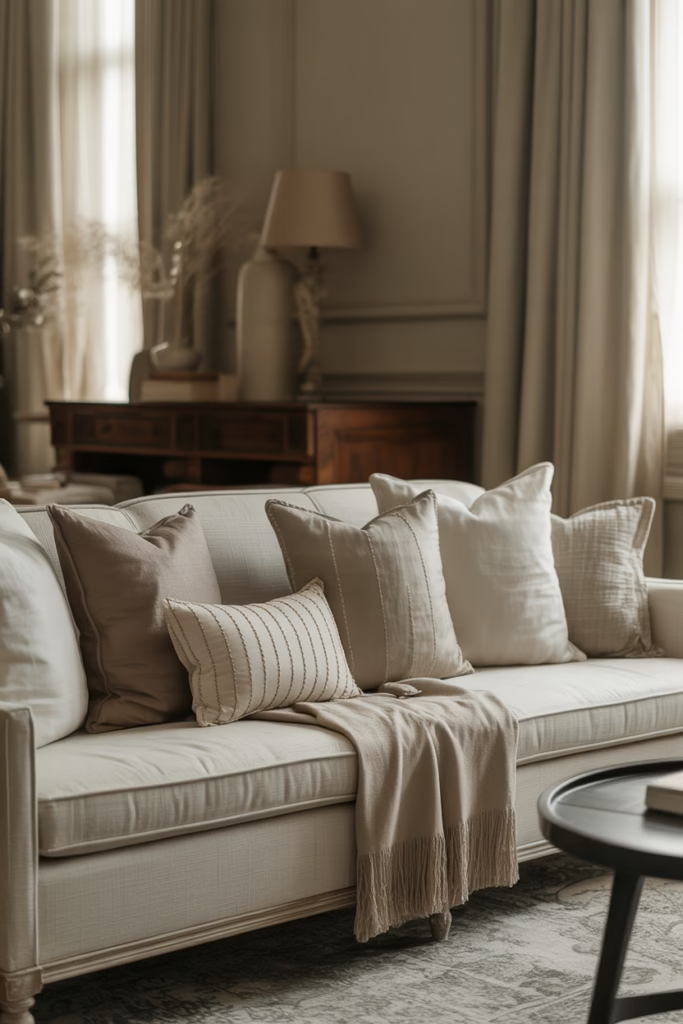
Old money rooms don’t shout. They whisper — eloquently.
Stick to colors like cream, ivory, taupe, warm greige, soft sage, and dusty navy. These tones create a sense of calm and timelessness that trendy colors simply can’t replicate. Forget your millennial gray phase; this is about warmth and depth.
The trick is layering different shades of the same family together. Think an ivory linen sofa against a warm white wall with a taupe area rug underneath. Simple, but it hits different.
2. Invest in Quality Upholstered Furniture
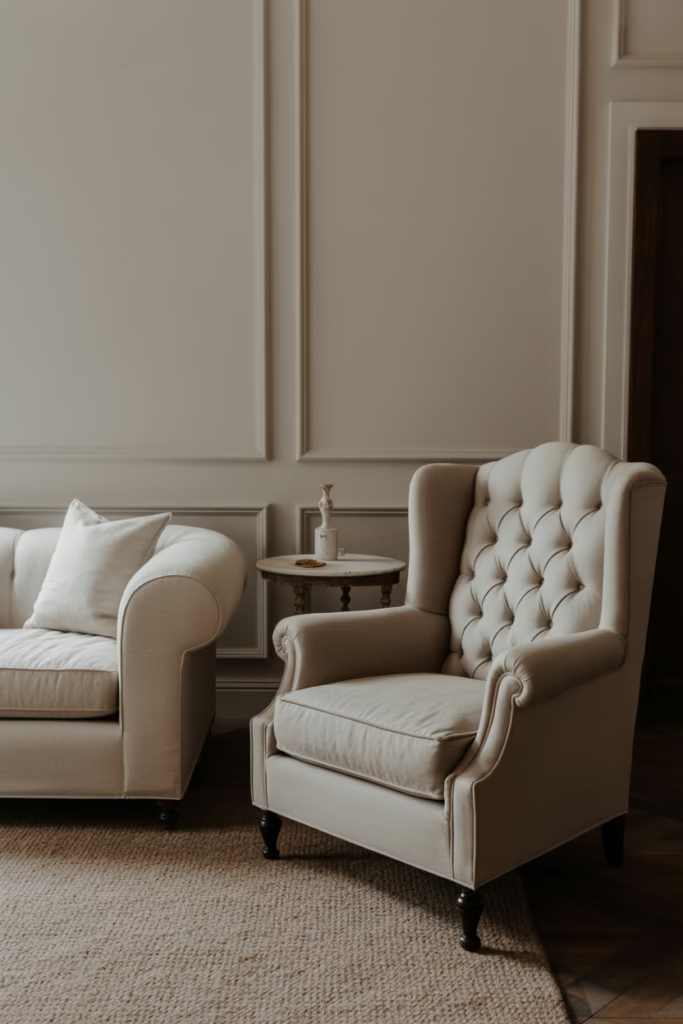
If there’s one area to spend your budget, it’s seating. Old money homes feature deep-seated sofas, tufted armchairs, and settees upholstered in linen, velvet, or wool. These aren’t showroom pieces — they look like they’ve been in the family for 30 years and aged beautifully.
Look for clean, classic silhouettes with rolled arms or camelback profiles. Avoid anything overly modern or aggressively minimalist — those styles belong to a different aesthetic entirely.
3. Layer Your Rugs Like You Mean It
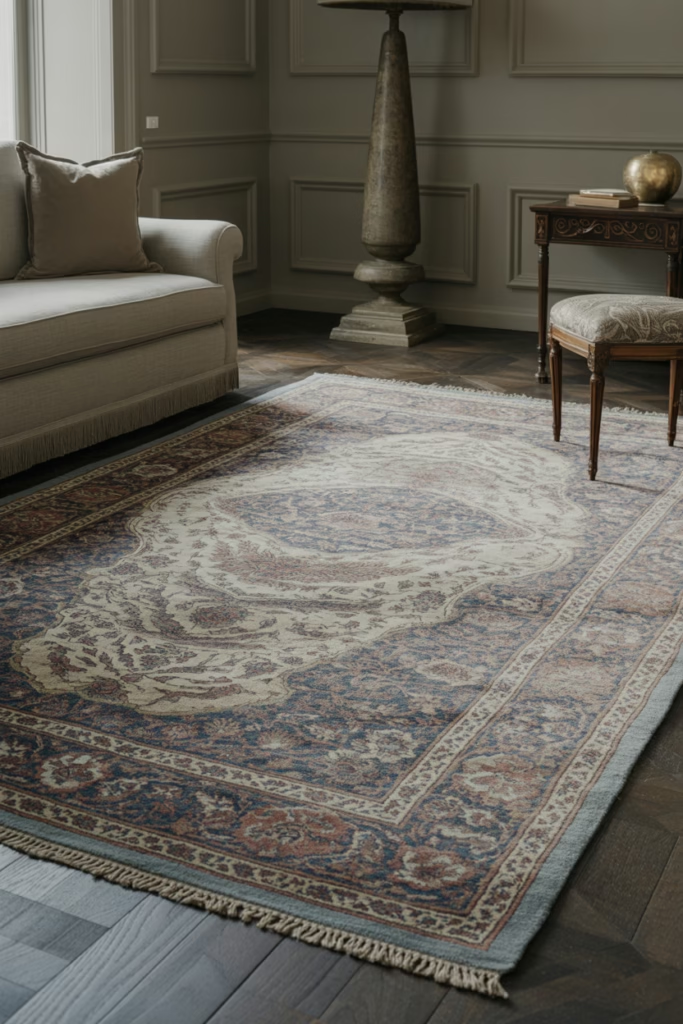
A single rug on hardwood floors? Perfectly fine. But layering a smaller patterned rug over a larger neutral one? That’s old money magic.
Oriental rugs, Persian-inspired patterns, and antique kilims are all staples of this look. They add color, texture, and history to a room without you having to do much else. FYI — even budget-friendly vintage-style rugs from places like Ruggable or Wayfair can nail this aesthetic if you choose the right pattern.
The worn, slightly faded look is actually a feature, not a bug. A pristine rug almost reads as trying too hard.
4. Display Books — Real Ones
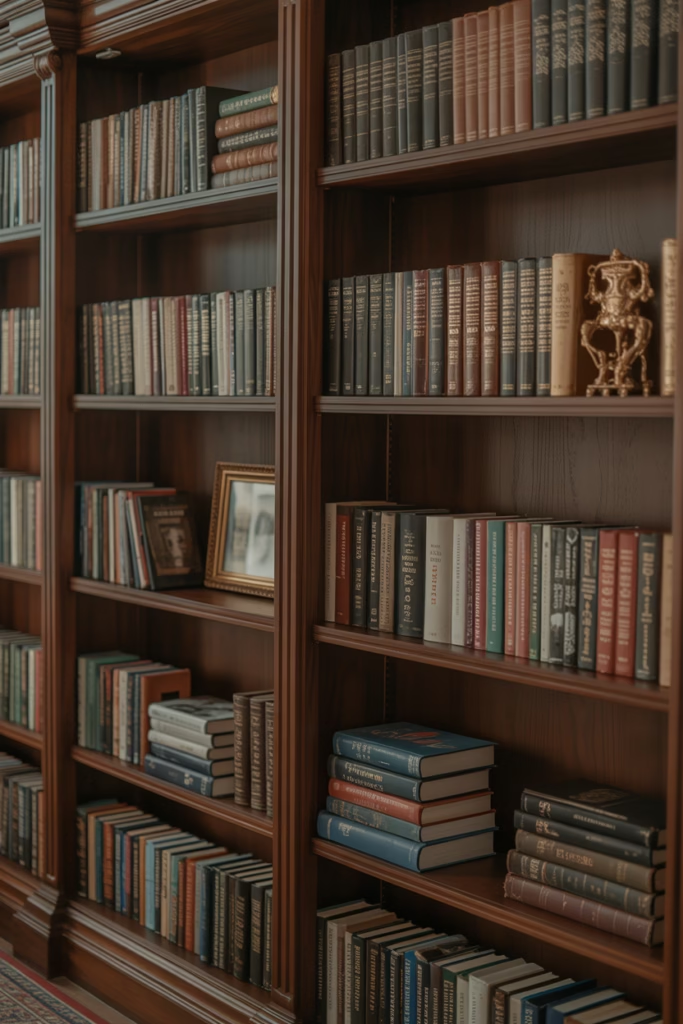
Nothing says “I come from old money” quite like a room lined with actual books. Not decorative faux books (please, no), but real, well-read, slightly dog-eared books organized thoughtfully on built-in shelves or a mahogany bookcase.
Hardcovers, leather-bound classics, and coffee table art books all work beautifully here. Mix in a few small objects — a brass paperweight, a porcelain figurine, a framed photo — and you’ve got yourself a genuine old money vignette.
If you don’t have a massive collection yet, secondhand bookstores are goldmines. Stack them horizontally, vertically, mix sizes — let it look lived in.
5. Choose Dark, Rich Wood Tones
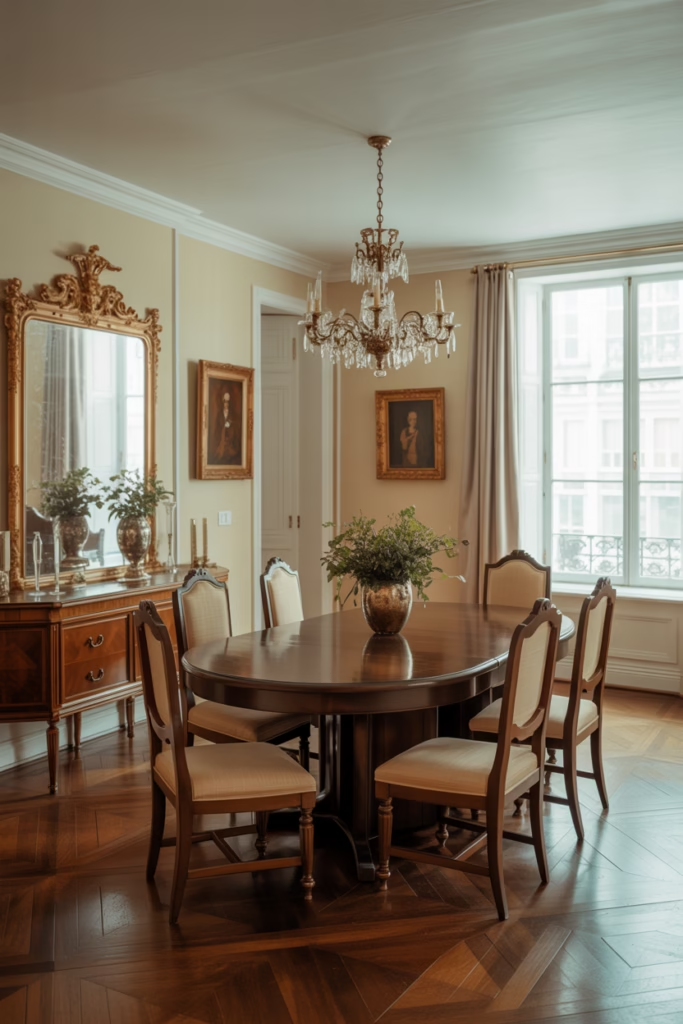
Light oak and blonde wood are very much a modern trend. Old money spaces feature mahogany, walnut, cherry, and dark ebony finishes on furniture and architectural details. These tones add gravitas to a room that lighter woods simply can’t.
An antique writing desk, a dark wood dining table, or even a mahogany-framed mirror can anchor a room and make the whole thing feel more established. Think of dark wood as the backbone of the old money look.
6. Add Crown Molding and Architectural Details
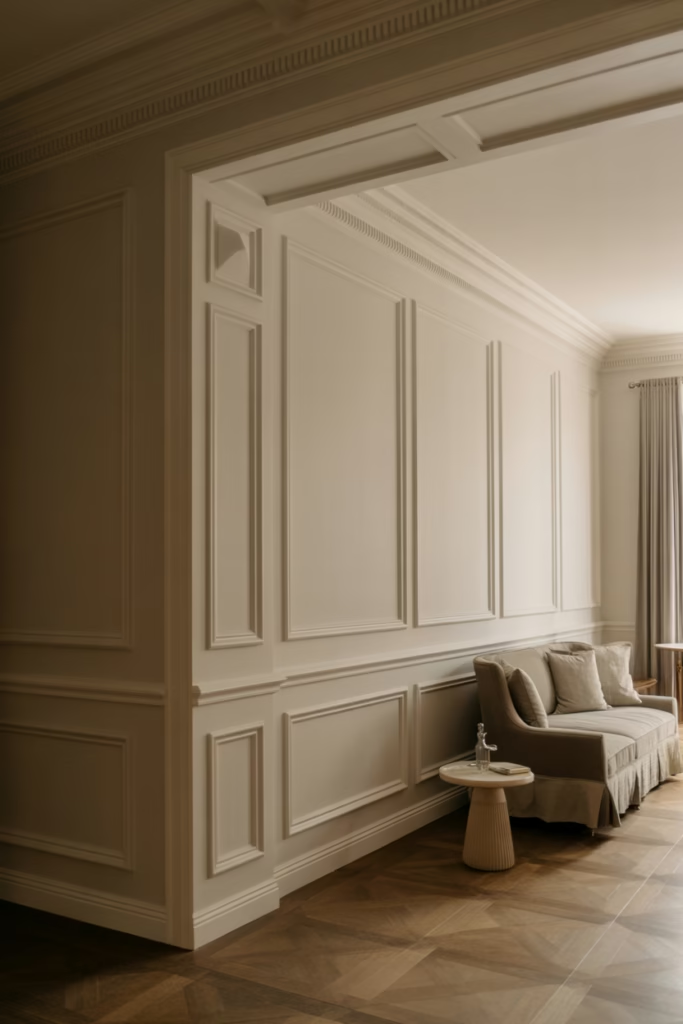
Here’s where things get interesting — architectural elements do more heavy lifting than furniture ever will. Crown molding, wainscoting, coffered ceilings, and paneled walls are classic features of old money interiors.
If your home doesn’t have these built in, don’t panic. You can add peel-and-stick molding, paint-on paneling effects, or even hire a carpenter for a relatively affordable wainscoting install. The return on investment, aesthetically speaking, is enormous.
These details instantly make a room look more expensive and more permanent. It’s the difference between a house and a home.
7. Hang Oversized Oil Paintings or Portraits
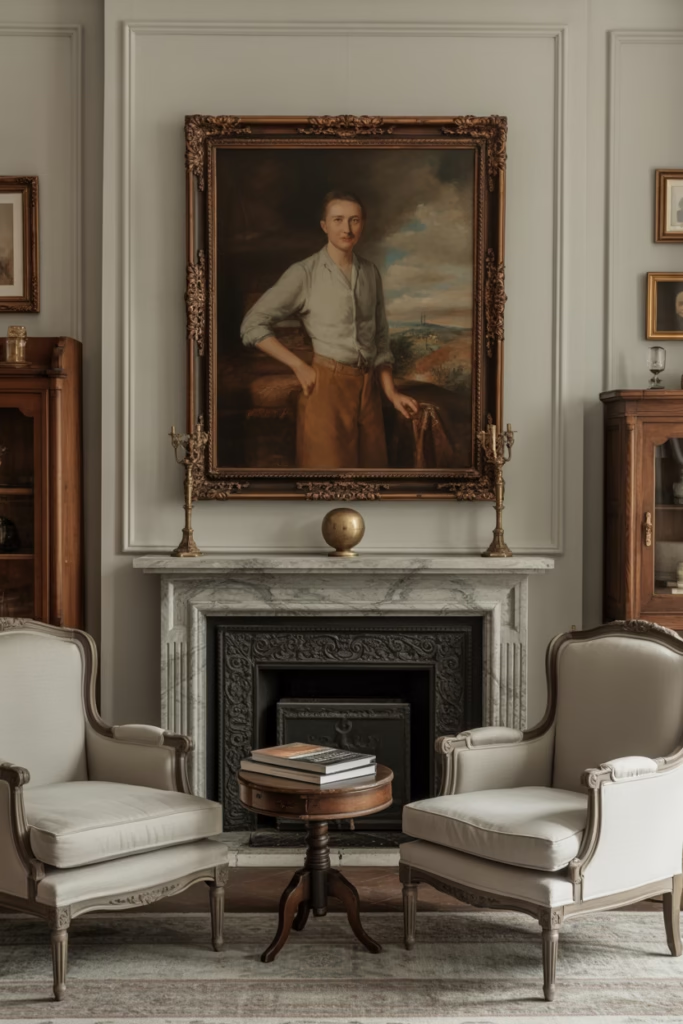
Ever notice how old money homes always seem to have a serious-looking portrait hanging somewhere? There’s a reason for that — large-scale art commands attention and communicates legacy.
You don’t need an original Gainsborough. Antique stores, estate sales, and even Etsy sellers offer vintage portrait paintings and landscape oils at very reasonable prices. The key is scale — go bigger than you think you need to.
A dark-framed oil painting above a fireplace or on a dining room wall? Instant old money energy. No, your distant relatives don’t need to be in it. 🙂
8. Use Brass and Gold Hardware Throughout
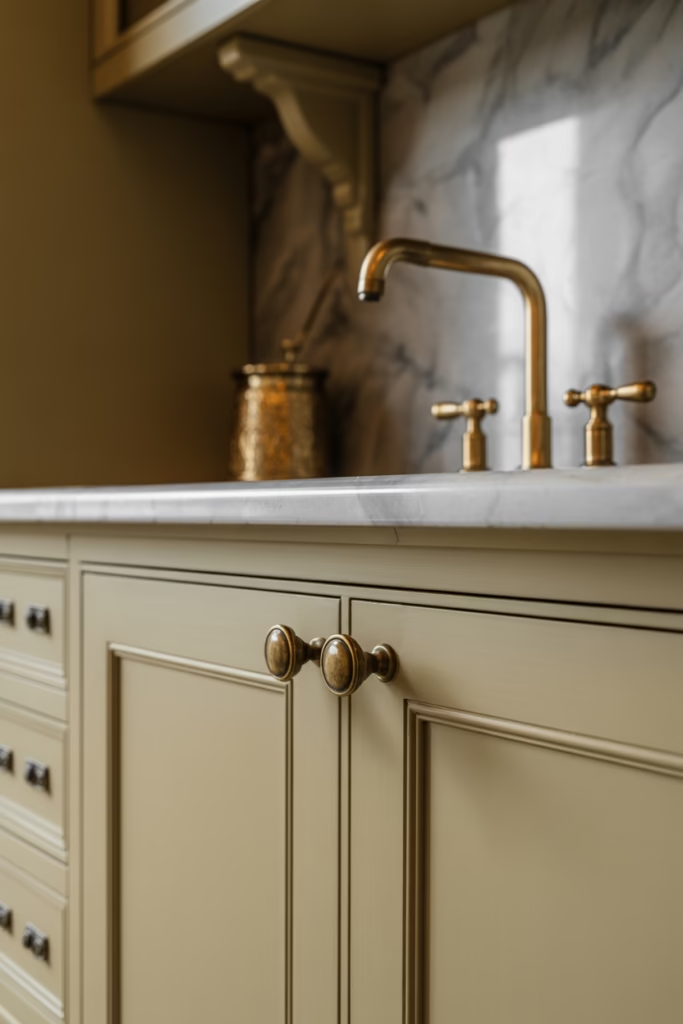
Forget chrome and matte black — aged brass and antique gold hardware is the finishing touch that pulls old money rooms together. Think cabinet pulls, curtain rods, door handles, light switch plates, and lamp bases.
The beauty of brass is that it looks better with age. Unlacquered brass develops a gorgeous patina over time that modern finishes never achieve. Swap out your hardware first — it’s one of the cheapest, highest-impact changes you can make.
9. Invest in Linen and Velvet Drapery
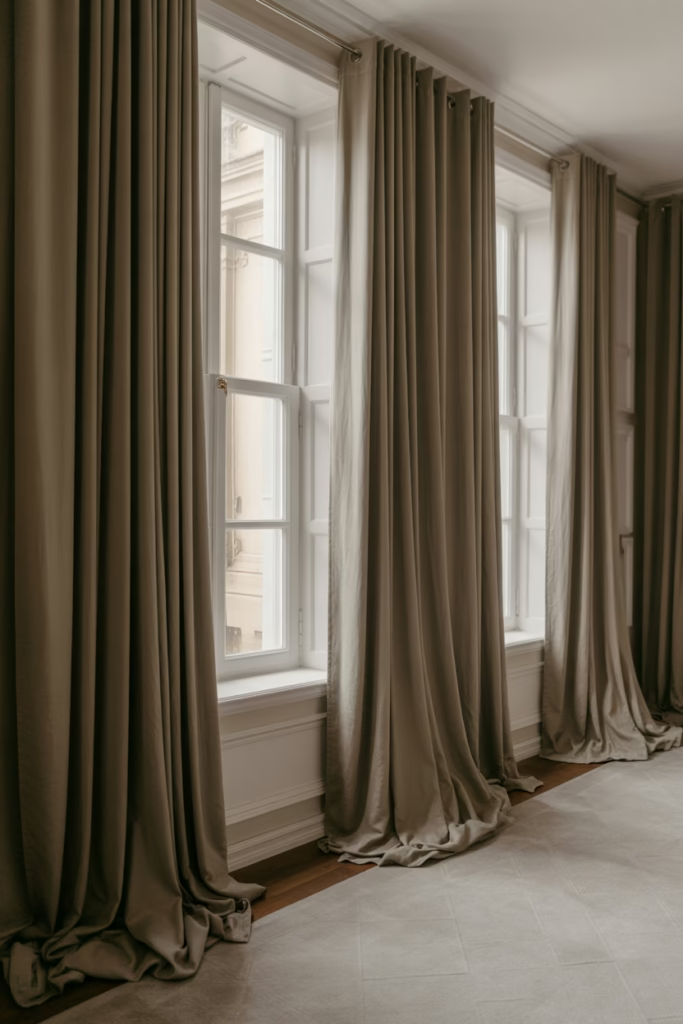
Old money window treatments are generous and floor-length — almost theatrical, but in the most tasteful way. Linen, silk, and velvet drapes that pool slightly on the floor create that specific kind of softness that defines this aesthetic.
Hang them high (close to the ceiling) and wide (beyond the window frame) to make ceilings feel taller and windows grander. Stick to solid colors or subtle patterns — stripes, subtle damask, or classic herringbone.
Avoid anything printed with large motifs or anything that reads as overtly modern. Simple, luxurious, and a little dramatic. That’s the vibe.
10. Incorporate Antique and Vintage Finds
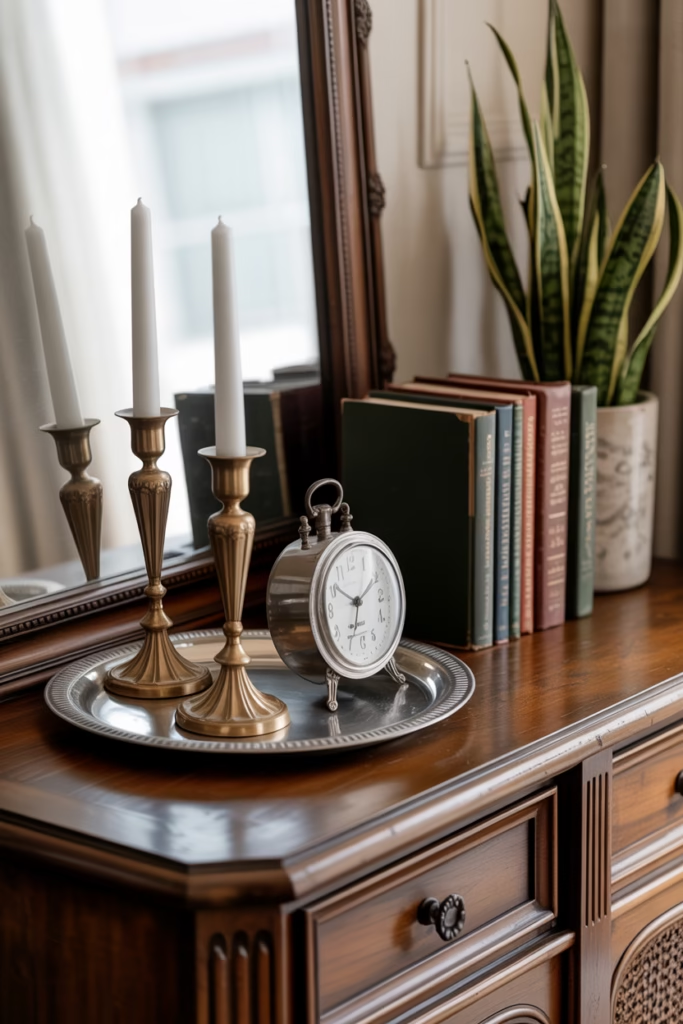
Old money style is, at its core, about accumulation over time — not a single shopping trip. Mixing antique and vintage pieces into your space is essential to making it feel authentic.
A few ideas to start:
- Vintage side tables from estate sales
- Antique candlestick holders on a mantel
- Old silver-plated serving trays used decoratively
- Vintage clocks — the ticking kind, if you can handle it
You’re not decorating a room; you’re building a collection. That mindset shift changes everything.
11. Keep Florals Classic and Understated
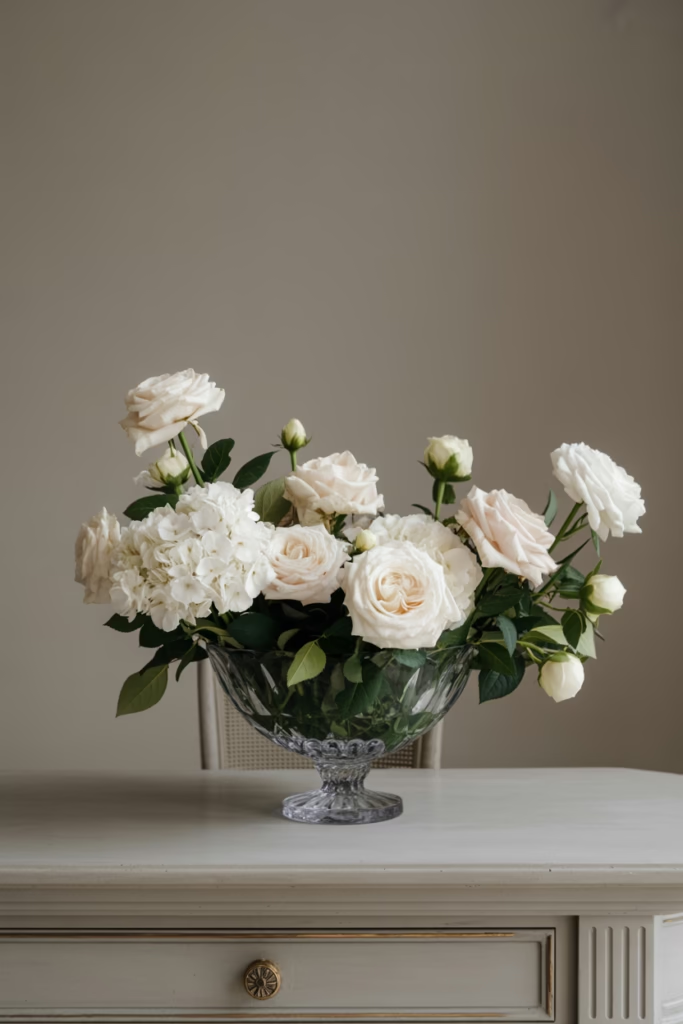
Fresh flowers in old money homes lean toward white roses, garden peonies, hydrangeas, and tulips arranged loosely in crystal vases or silver urns. Nothing overly structured or tropical — this isn’t a hotel lobby.
Even faux florals can work beautifully here if they’re high quality and arranged naturally. Place them on a console table, sideboard, or dining table to add life and softness to dark wood and neutral tones.
IMO, a simple bunch of white flowers in a heavy glass vase does more for a room than any throw pillow collection ever could.
12. Layer Textures — Especially Cashmere and Linen
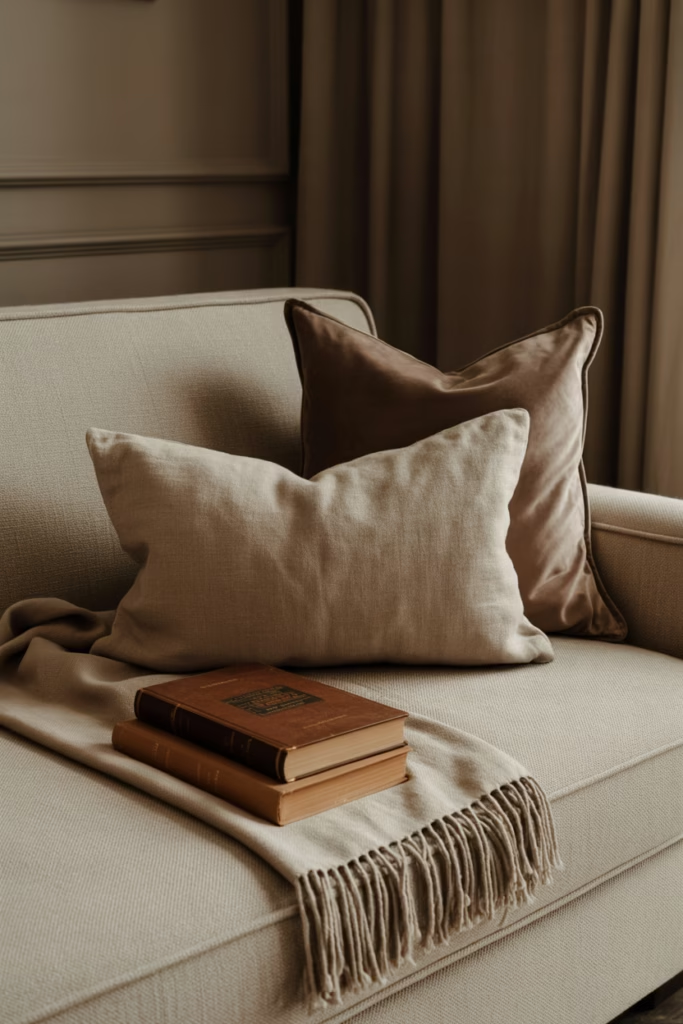
Old money rooms feel incredibly tactile. Cashmere throw blankets draped over chair arms, linen slipcovers, wool cushions, and leather-bound books — everything invites you to touch it.
Don’t match your textures too perfectly. A velvet sofa with linen cushions and a wool throw creates the kind of layered, effortless look that’s impossible to achieve when everything comes from the same collection.
The goal is “I’ve had this forever and it all just… works.” Which, yes, takes intentional effort to fake. But nobody needs to know that.
13. Install or Mimic Built-In Shelving
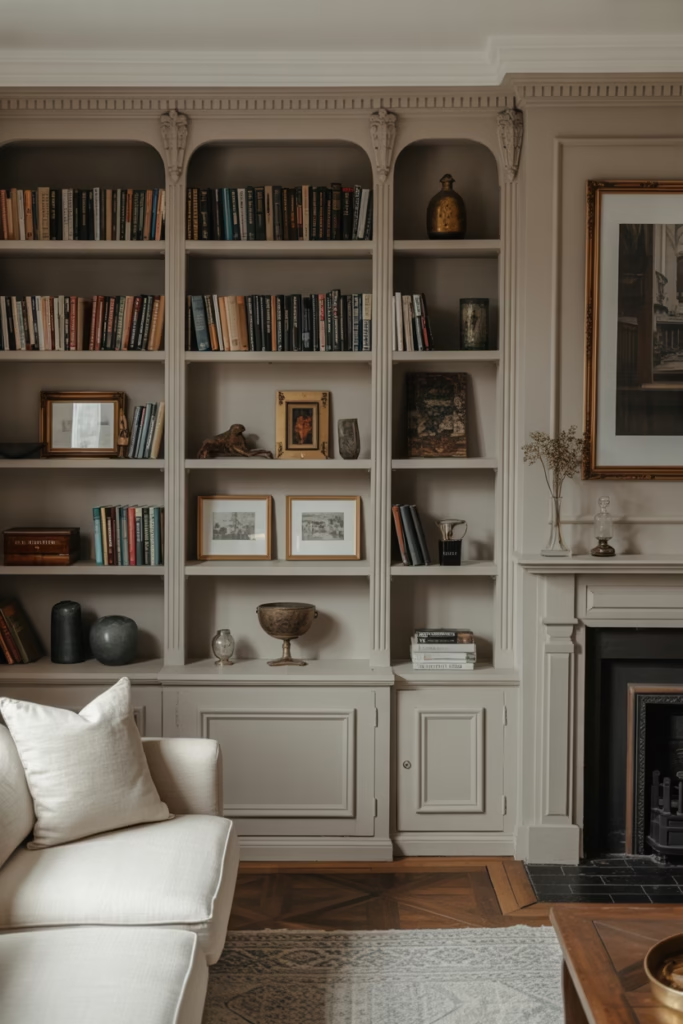
Built-in bookshelves flanking a fireplace or lining an entire wall are a hallmark of old money interiors. They make a room feel designed from the ground up rather than furnished after the fact.
If you can’t install true built-ins, use floor-to-ceiling IKEA bookcases (the BILLY hack is genuinely brilliant) and add crown molding to the tops. Paint them the same color as the wall for a seamless built-in effect at a fraction of the cost.
Style them with books, art objects, framed photos, and small plants. Keep it curated but not overly perfect.
14. Choose Statement Lighting
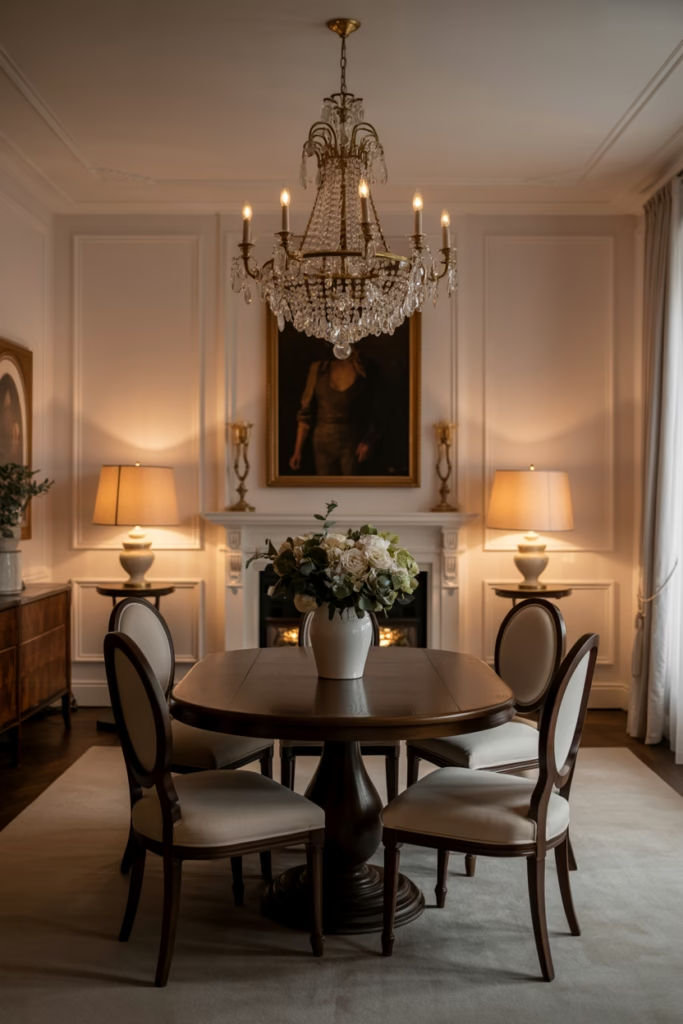
Old money homes use chandeliers, sconces, and table lamps — sometimes all three in the same room. Overhead lighting alone feels institutional; layered lighting feels intentional.
A brass chandelier, a pair of classic table lamps with white drum shades, and a wall sconce or two create the kind of warm, ambient glow that flatters everything in a room. Look for vintage or vintage-inspired fixtures — crystal droplets, candlestick arms, and aged metal finishes all work beautifully here.
Dimmer switches are non-negotiable. Bright overhead light destroys the mood instantly.
15. Use Wallpaper Strategically
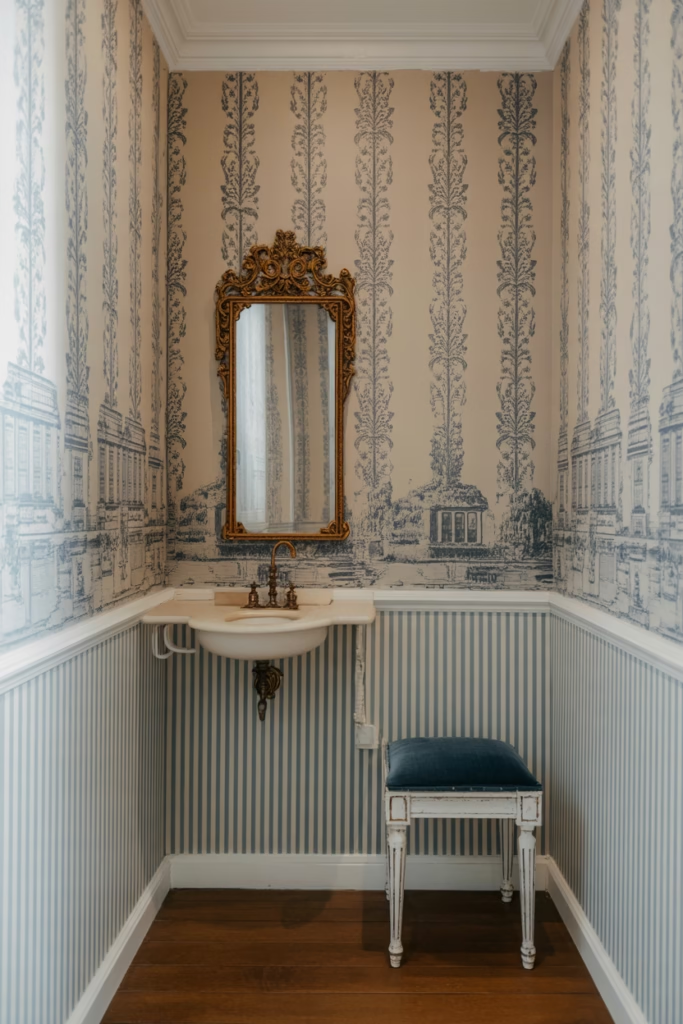
Wallpaper is back, and old money spaces have never stopped using it. Botanical prints, classic stripes, toile, and damask patterns all feel right at home in this aesthetic.
You don’t need to wallpaper an entire room — one statement wall or a smaller space like a powder room or entryway makes a huge impact. Choose patterns with a slightly vintage feel and stick to muted, rich colorways: deep greens, navy, burgundy, or warm cream.
Think English country estate meets Parisian apartment. That sweet spot is exactly where old money wallpaper lives.
16. Display Silver and Porcelain Pieces
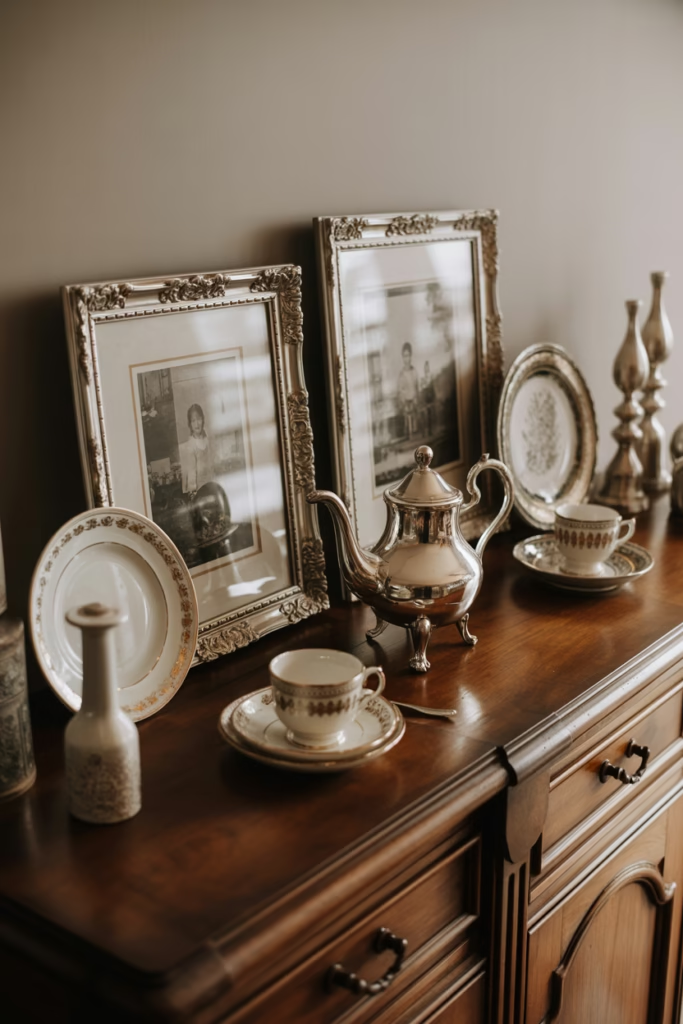
A collection of antique silver frames, porcelain plates mounted on a wall, or a silver tea service on a sideboard communicates history and curation in the most effortless way.
You don’t need to spend a fortune here — thrift stores and flea markets are full of silver-plated items and vintage china. Group odd numbers together on a tray or shelf, mix sizes, and let the patina do its thing.
This is one of those details that reads incredibly expensive but rarely is. Work smarter, not harder. :/
17. Keep Technology Hidden
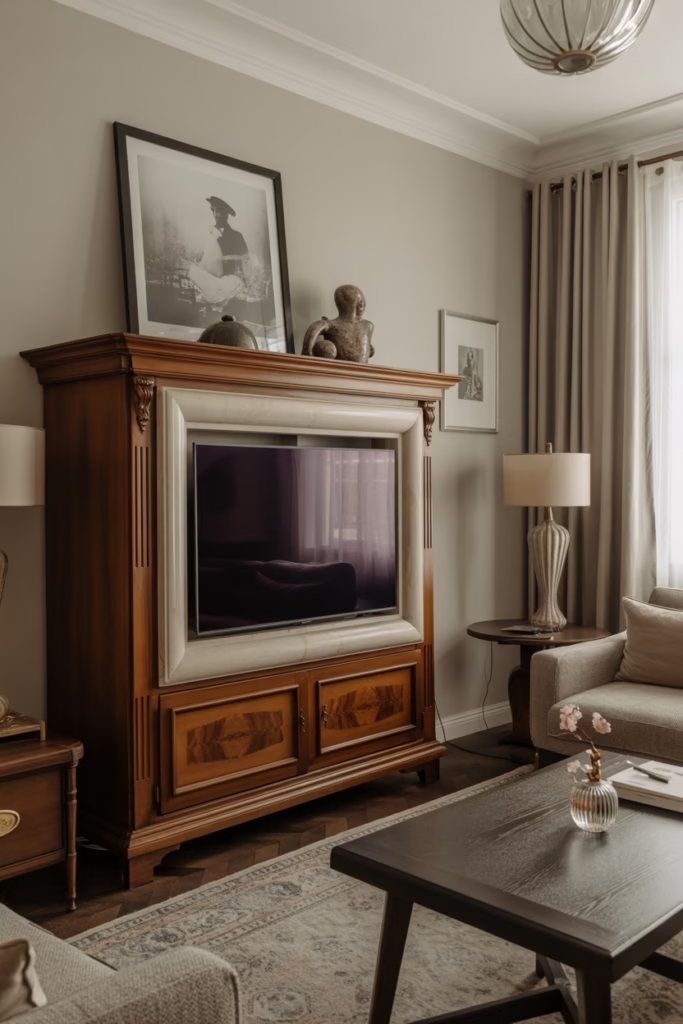
Old money rooms don’t celebrate technology — they tolerate it, politely, and out of sight. TVs concealed in armoires, cables hidden in furniture, and chargers tucked away are all part of maintaining that timeless, uncluttered look.
If you have a large TV you can’t hide, consider a frame TV that displays art when not in use. It’s not a perfect solution, but it’s infinitely better than a black screen dominating an otherwise beautiful room.
The goal is a space that could plausibly exist in 1985 or 2025. Timelessness over trend, always.
18. Less Is More
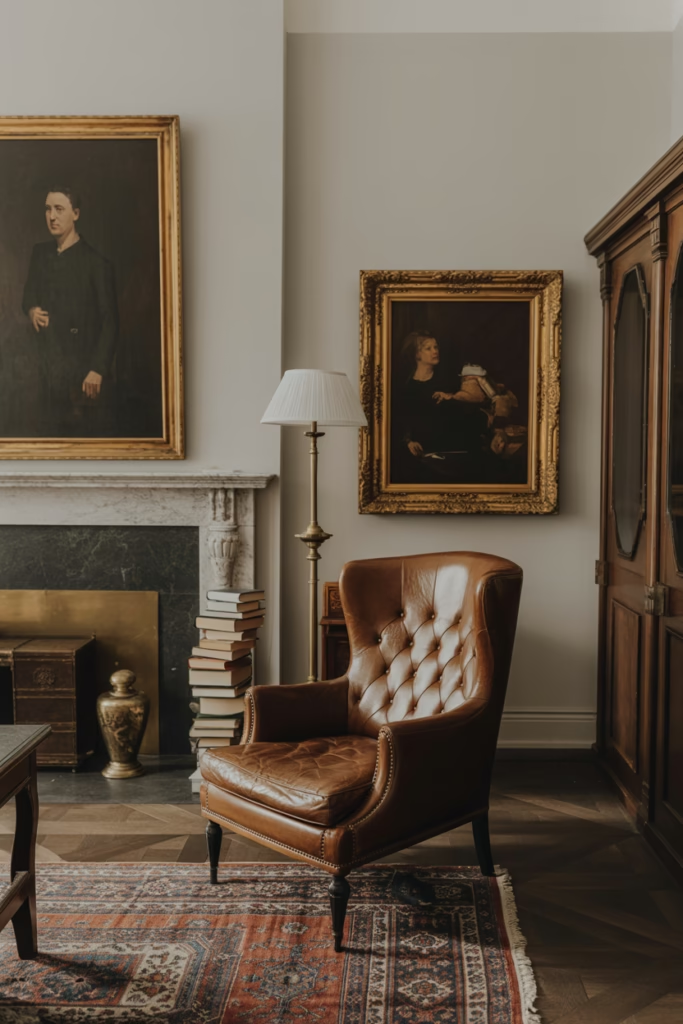
This might be the most important point of all: old money spaces are not maximalist, but they’re also not minimalist. They’re edited. Every object has earned its place.
Go through your space and ask yourself: does this piece have a story, a function, or genuine beauty? If the answer is no, remove it. Old money rooms feel rich because they contain meaningful things, not many things.
A well-worn leather chair, a stack of hardcover books, a single oil painting, a brass lamp — that combination beats a room stuffed with trendy Target finds every single time. Quality over quantity isn’t just a phrase here; it’s the whole philosophy.
Bringing It All Together
The old money aesthetic isn’t about pretending you have a family crest or a summer home in the Hamptons (though if you do, please invite me). It’s about choosing pieces with intention, mixing old and new thoughtfully, and creating a space that feels settled and confident.
Start small, swap your hardware, find one good antique piece, hang a floor-length curtain. Let the room evolve over time rather than trying to nail it in a single weekend shopping session. That unhurried approach is, ironically, the most old money move of all.
Your home should feel like it has history. So give it some.