

Most of us don’t think twice about what’s in our bedroom beyond the basics: bed, dresser, maybe a lamp. But if you’ve ever woken up feeling groggy or spent restless nights tossing and turning, you might be missing a simple, game-changing (but not with that phrase!) element: plants. I noticed this at a workshop a few years ago, and it transformed the way I look at bedroom decor. I’ve since helped hundreds of homeowners, from beginners to seasoned plant parents, bring bedrooms to life with greenery. And I’m here to share what really works no corporate fluff, just tried-and-true advice you can take straight to your bedroom. By the end of this guide, you’ll know which plants to choose, where to put them, how to keep them alive, and how to avoid the most common mistakes, all with real examples from my own home and client projects.
Why Bedroom Plants Deserve Your Attention
Indoor plants do more than look pretty. They can improve air quality, boost mood, and even help you sleep better. In my own bedroom, adding just a few easy-care plants made the air feel fresher and the space more welcoming, especially during long winters. While the science is still evolving, the real-world benefits are clear to anyone who’s tried it.
The 13 Best Bedroom Plants: My Personal Favorites
I’ve tested dozens of plants in bedrooms, and these 13 consistently perform well whether you’re a beginner or have a knack for nurturing. I’ve grouped them into three skill levels for easy navigation, with specific tips and measurements so you know exactly what to expect.
For Beginners: Easy Wins You Can’t Kill
1. Snake Plant (Sansevieria trifasciata)
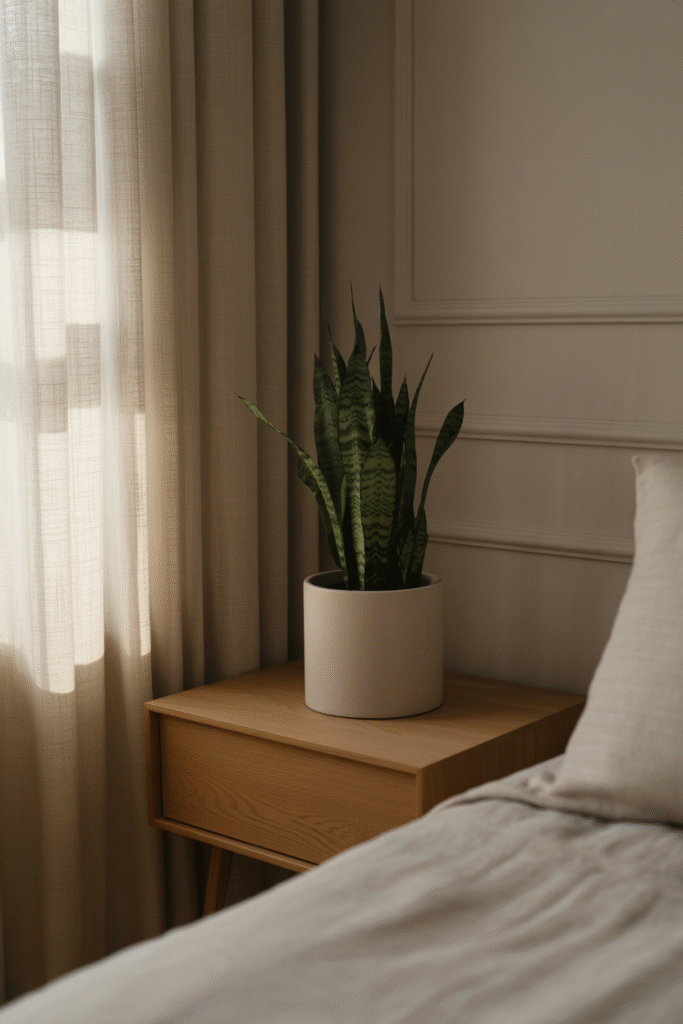
- Light: Tolerates low to bright indirect light
- Water: Every 2–3 weeks, let soil dry out completely
- Size: 30–60 cm (12–24 in) tall, depending on variety
- Tip: Perfect for tight corners where you have almost no natural light
- Avoid this: Overwatering—it’s the #1 killer of snake plants
2. ZZ Plant (Zamioculcas zamiifolia)
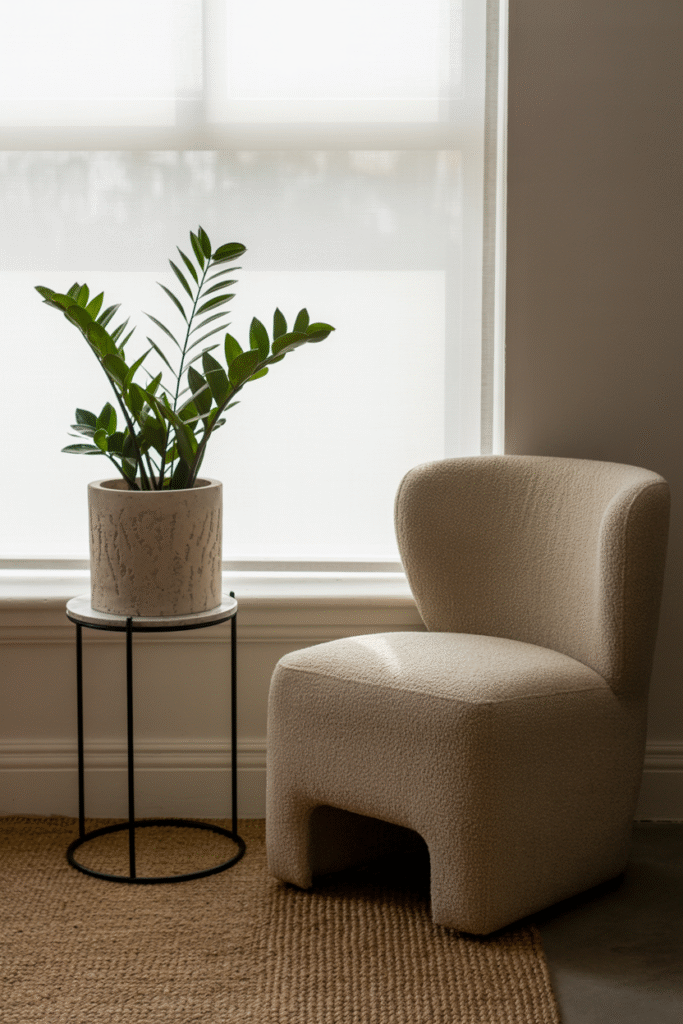
- Light: Low to bright, but not direct sun
- Water: Every 3–4 weeks, even less in winter
- Size: 30–75 cm (12–30 in) tall
- Pro tip: If the plant’s leaves look dull, just wipe them clean with a damp cloth—no need for leaf shine sprays
3. Spider Plant (Chlorophytum comosum)
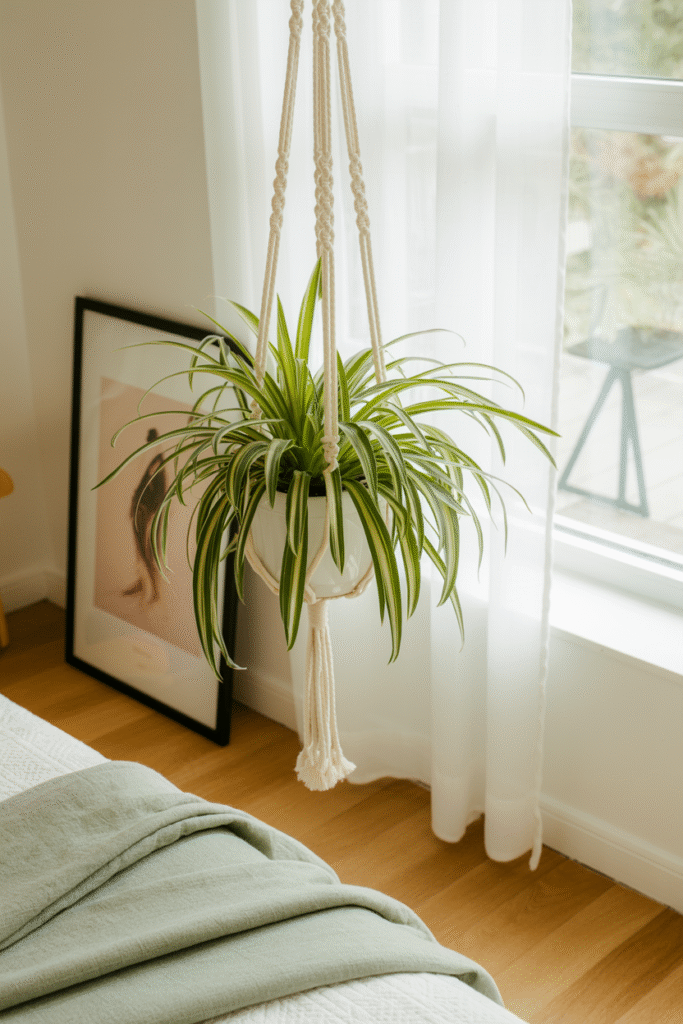
- Light: Bright, indirect best, but adapts to low light
- Water: Weekly in summer, less in winter (keep soil slightly moist)
- Size: 30–45 cm (12–18 in) wide and tall
- Example: I’ve hung spider plants in macramé hangers—great for small bedrooms with floor space at a premium
4. Peace Lily (Spathiphyllum wallisii)
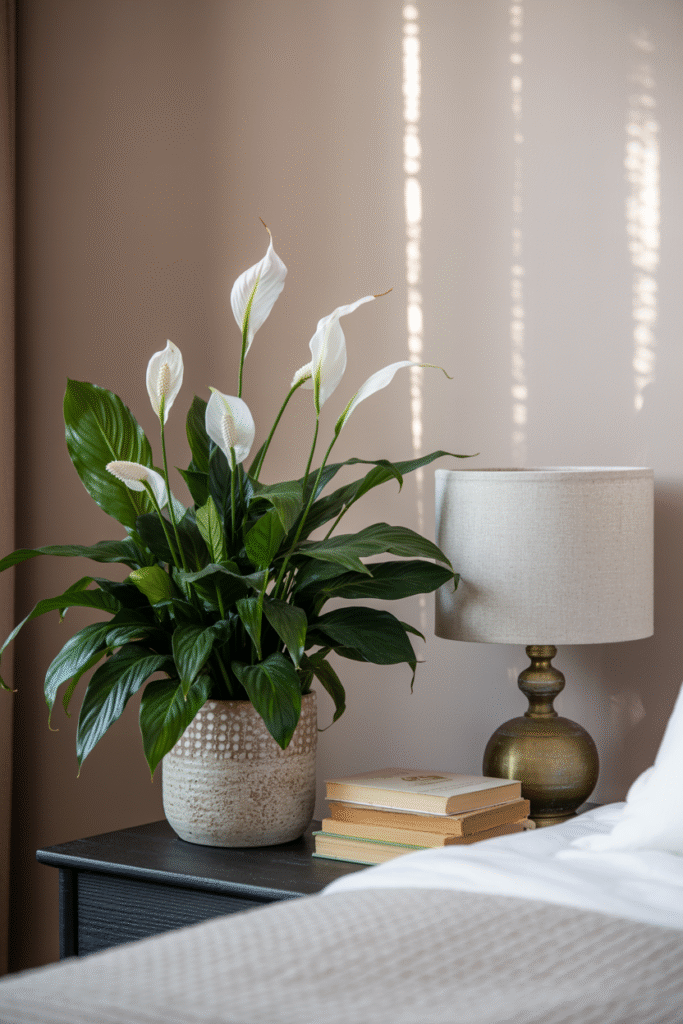
- Light: Low to medium indirect light
- Water: When soil is dry about 2 cm (0.8 in) deep
- Size: 30–60 cm (12–24 in) tall
- Caution: Keep away from pets—toxic if ingested
For Intermediate Plant Parents: A Little More Effort, Greater Reward
5. Rubber Plant (Ficus elastica)
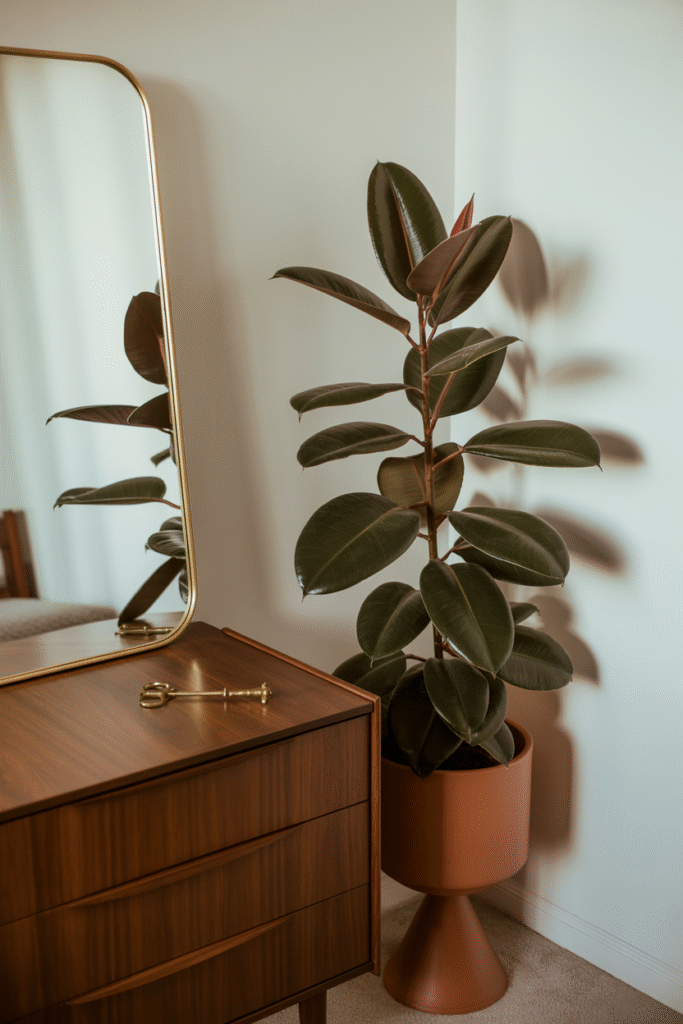
- Light: Bright, indirect preferred
- Water: Every 1–2 weeks, but check soil moisture first
- Size: Up to 2 m (6–7 ft) with time, but slow-growing indoors
- Tip: Wipe leaves monthly to remove dust—helps photosynthesis
6. Monstera Deliciosa (a.k.a. Split-Leaf Philodendron)
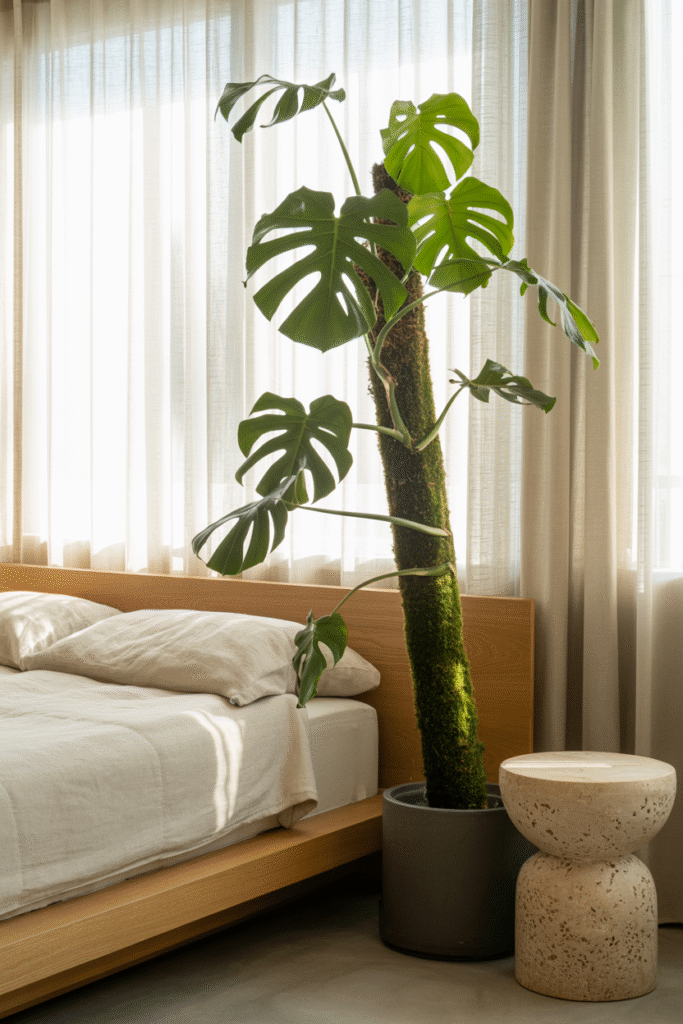
- Light: Medium to bright, indirect
- Water: Every 1–2 weeks, less in winter
- Size: 1–2 m (3–6 ft) over years indoors
- Pro tip: Use a moss pole for support as it grows, and keep out of direct sun to avoid scorching leaves
7. Chinese Evergreen (Aglaonema)
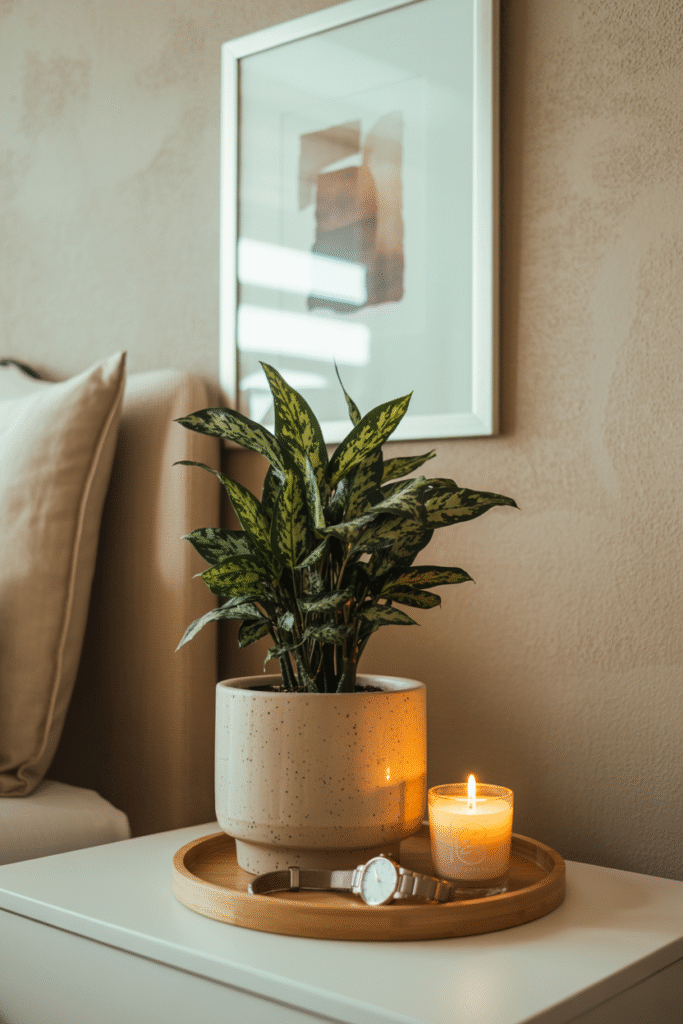
- Light: Low to medium
- Water: Weekly in summer, less in winter
- Size: 30–60 cm (12–24 in) tall
- Cost: Budget-friendly, often under ₹500 (about $6 USD)
- Avoid this: Placing in cold drafts—likes consistent, warm temps
8. Pothos (Epipremnum aureum)
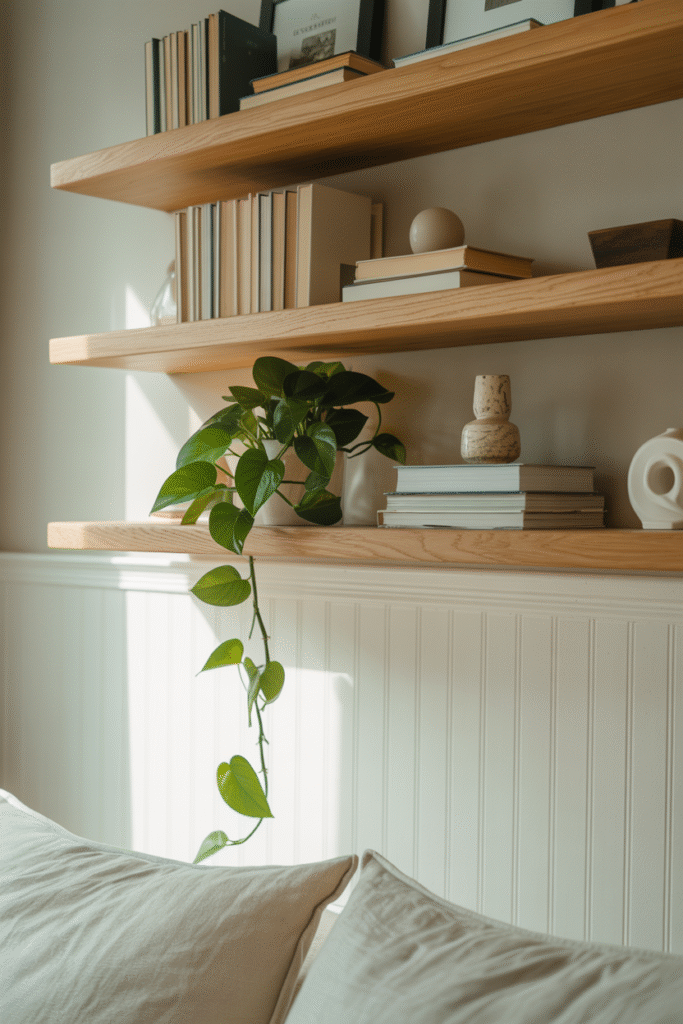
- Light: Low to bright, indirect
- Water: Weekly to every 10 days
- Size: Trails 1–3 m (3–10 ft) or more
- Example: I let mine trail along floating shelves—creates a living wall effect
For Advanced: Plants Worth the Challenge
9. Bird’s Nest Fern (Asplenium nidus)
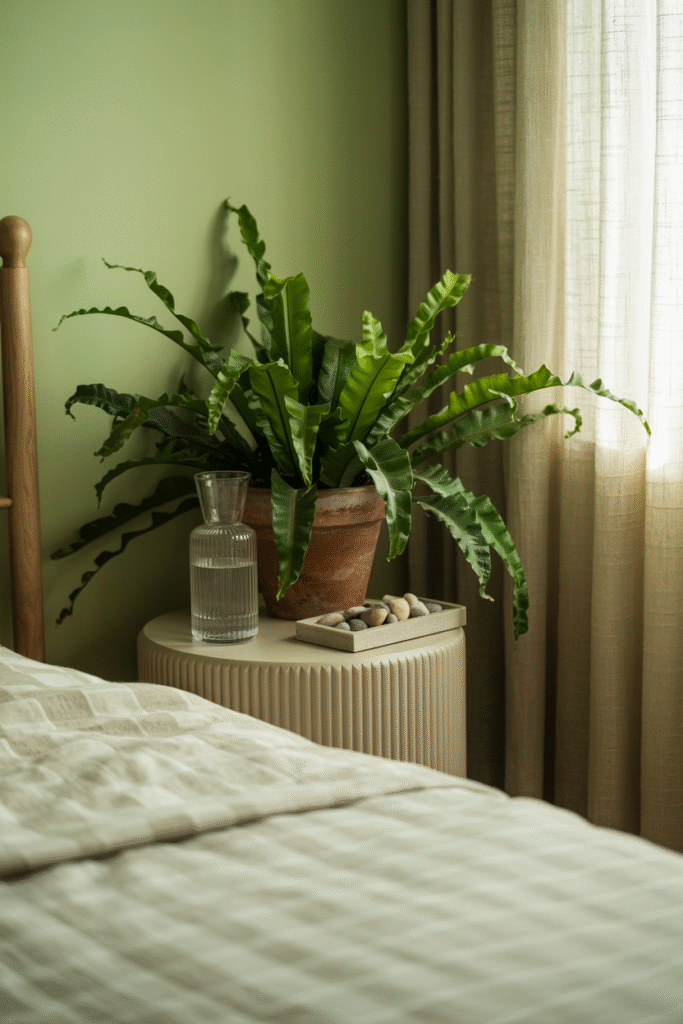
- Light: Medium to bright, indirect
- Water: Keep soil consistently moist, not soggy
- Size: 45–60 cm (18–24 in) wide
- Tip: Use a humidity tray or grouped with other plants
10. Aloe Vera
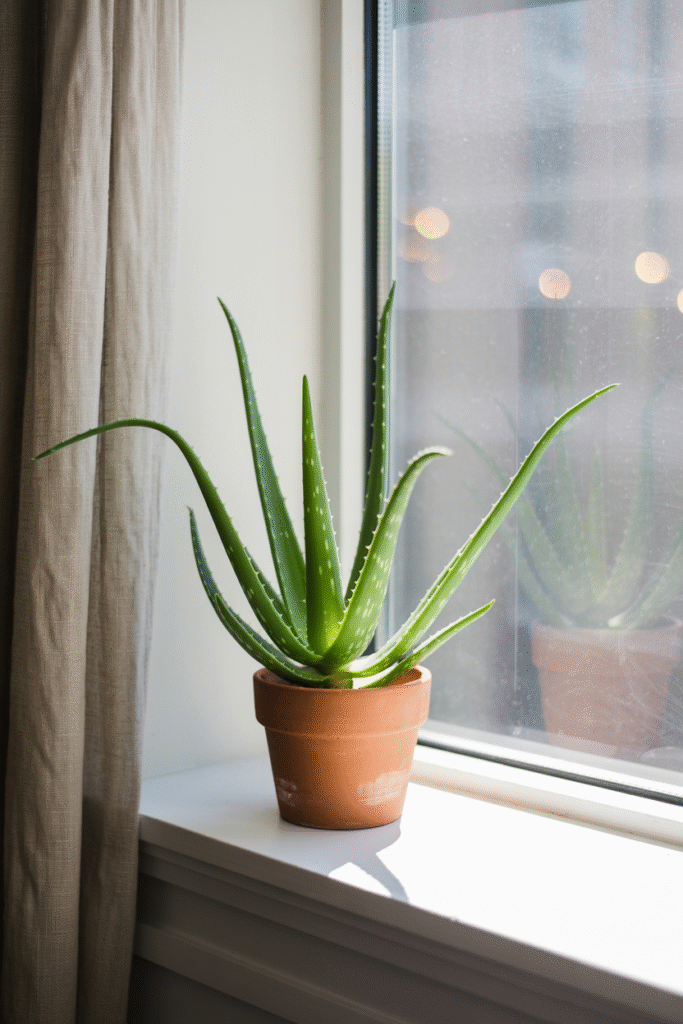
- Light: Bright, indirect
- Water: Every 2–3 weeks, less in winter
- Size: 30–45 cm (12–18 in) tall
- Example: I keep mine in south-facing bedrooms—great for occasional sunburns, too
11. Calathea (Prayer Plant)
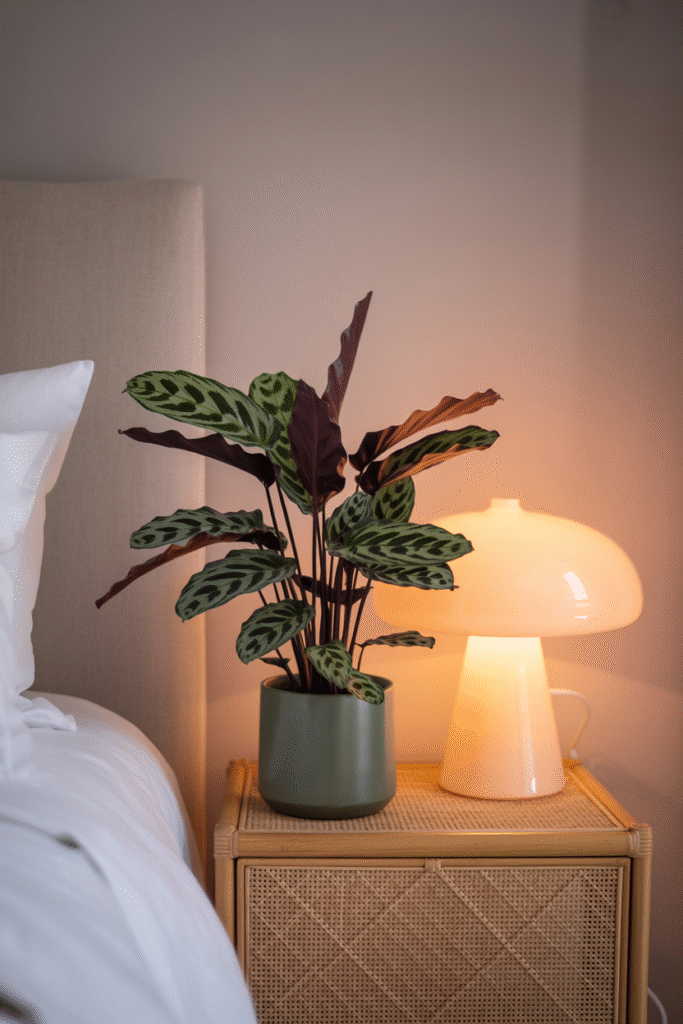
- Light: Medium, indirect
- Water: Keep soil lightly moist
- Size: 30–45 cm (12–18 in) tall
- Pro tip: Loves humid air—place in bathrooms (if you have space) or use a pebble tray
12. Boston Fern (Nephrolepis exaltata)
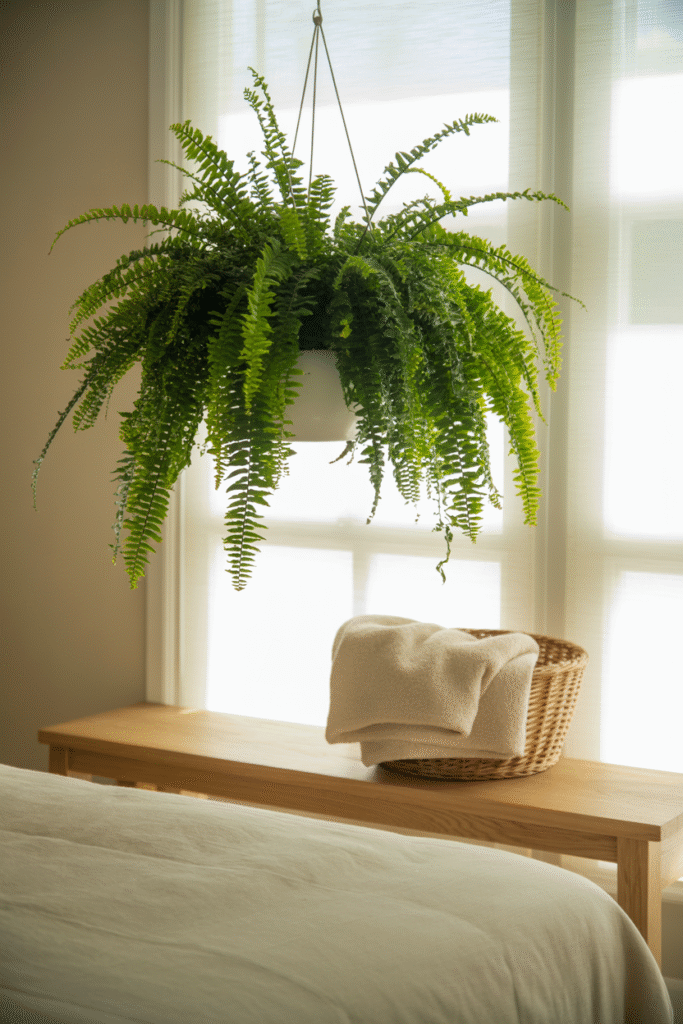
- Light: Medium to bright, indirect
- Water: Every few days—check soil daily in summer
- Size: 30–60 cm (12–24 in) tall and wide
- Caution: Needs high humidity, or fronds will brown
13. Lavender (Lavandula)
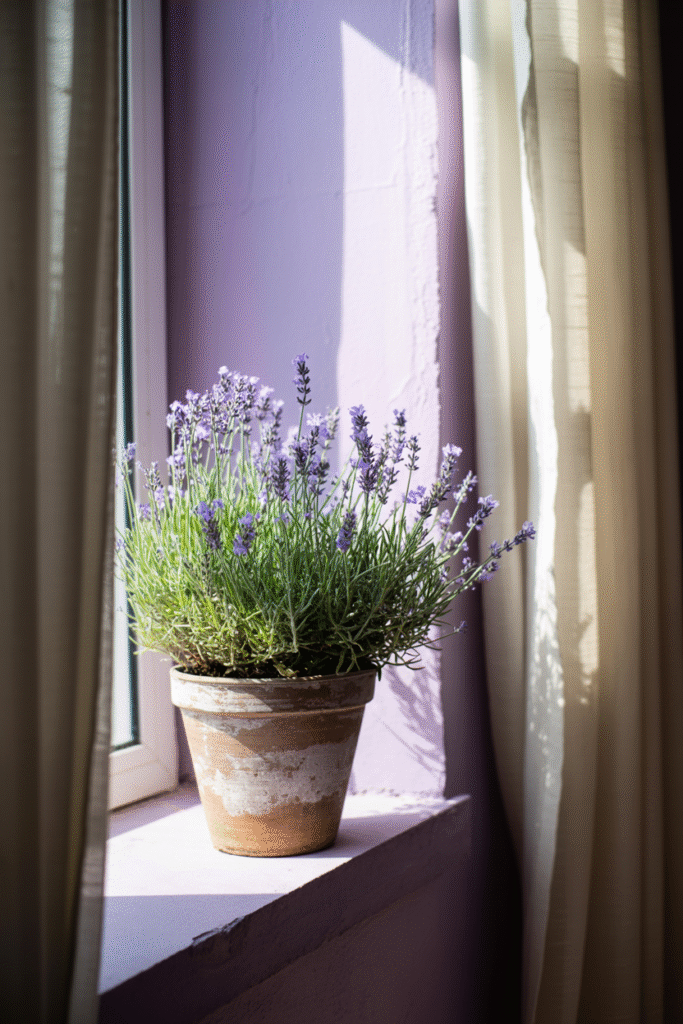
- Light: Full sun (at least 6 hours/day)
- Water: Weekly, let soil dry out between waterings
- Size: 30–45 cm (12–18 in) tall
- Tip: Use as a natural air freshener—place near windows for best scent
Plant Care Tips That Actually Work
I’ve killed my share of plants over the years, so trust me, these tips come from trial and error:
- Check soil before watering: Stick your finger 2 cm (about 0.8 in) into the soil—if it’s dry, water; if not, wait.
- Use pots with drainage: Soggy soil leads to root rot. I prefer ceramic pots with holes and a saucer.
- Dust leaves regularly: This is often overlooked but helps plants breathe and absorb light better.
- Rotate pots every few weeks: Ensures even growth, especially for plants with a “front” (like monstera).
- Avoid over-fertilizing: Most houseplants need fertilizer only in spring and summer, and then just half the recommended dose.
Common Mistakes and How to Avoid Them
No shame here—we’ve all made these errors. Here’s how to course-correct:
- Overwatering: The top cause of plant death. Let soil dry a bit, especially for succulents and snake plants.
- Not enough light: Even shade-loving plants need some indirect light. Move them closer to a window if leaves are pale or droopy.
- Ignoring pests: Check undersides of leaves for tiny bugs. Wipe with neem oil or insecticidal soap at first sign.
- Wrong pot size: Repot only when roots fill the pot—don’t “size up” too quickly.
- Neglecting humidity: Ferns and calatheas will dry out if the air is too dry. Use a humidifier or pebble tray.
Budget-Friendly and Pro-Level Alternatives
Not everyone wants to invest in a monstera or a fiddle leaf fig. Here are some options for every wallet:
- Low-cost: Spider plant, pothos, ZZ plant, and snake plant are affordable and easy to find.
- Mid-range: Rubber plant, peace lily, Chinese evergreen—look for sales at local nurseries.
- Splurge: Monstera deliciosa, bird’s nest fern, calathea—wait for a deal or buy a smaller size and let it grow.
For renters or minimalists, consider air plants or small succulents—low commitment, easy to move, and still bring life to your space.
FAQs: Practical Questions, Honest Answers
Q: Can plants really help me sleep better?
A: Some, like lavender and aloe vera, may promote relaxation, but results vary. In my experience, the routine of caring for plants is just as calming.
Q: How many plants should I put in my bedroom?
A: Start with 1–3, especially if you’re new to plants. You can always add more later.
Q: What if I have no windows in my bedroom?
A: That’s a challenge, but not impossible. Try a snake plant or ZZ plant, and supplement with a grow light if needed.
Q: Should I mist my plants?
A: Most houseplants don’t need it—just focus on soil moisture. High-humidity lovers like ferns will appreciate a pebble tray more than misting.
Q: Can I use tap water for my plants?
A: Usually, yes, but if your water is very hard or chlorinated, let it sit out overnight before using.
Q: How often should I fertilize?
A: Once in spring and once in summer, at half the recommended dose. Skip fertilizer in fall and winter.
Wrapping Up: Start Small, See Big Results
Adding bedroom plants doesn’t require a green thumb or a big budget. In my years of helping homeowners, I’ve found that the smallest changes—a single snake plant on a dresser, a potted pothos on a shelf can make the biggest difference in how a space feels. Don’t stress about perfection; focus on finding plants that suit your lifestyle and your space. And remember, every plant lover starts as a beginner even me. So grab your favorite from this list, follow the practical tips above, and see what a little greenery can do for your bedroom.