
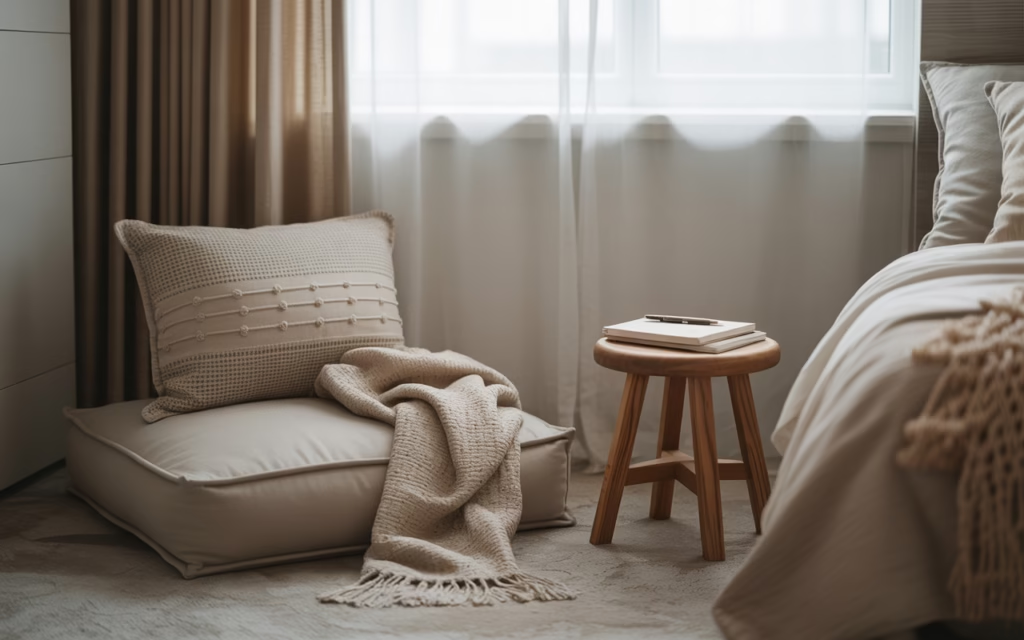
Ever get that “I need a reset” feeling, but your house doesn’t come with a silent retreat room and a personal assistant? Same. That’s why I love a quiet corner reset zone: one small spot that signals your brain to unclench and chill for five minutes. You don’t need extra space—you need a smarter use of the space you already have.
You don’t need a huge house, a fancy reading nook, or a Pinterest-perfect bay window. You just need one intentional spot that tells your brain, “Hey, we rest here.”
Let’s walk through how to create a quiet corner reset zone in any room—living room, bedroom, office, tiny apartment, whatever you’ve got.
What Exactly Is a “Quiet Corner” Reset Zone?
A quiet corner reset zone is a small, designated space in your home where you unplug, breathe, and mentally reset.
It doesn’t have to look aesthetic enough for Instagram (unless you want it to). It just needs to feel like a soft pause button in your day.
Think of it as your mini “wellness station” inside your normal, chaotic, real-life room. No fancy label, no big rules—just one place that supports calm on purpose.
Ever notice how you always feel calmer in one particular seat in your home for no logical reason? That’s the vibe you want to recreate intentionally.
Step 1: Choose the Best Spot (In Any Room)
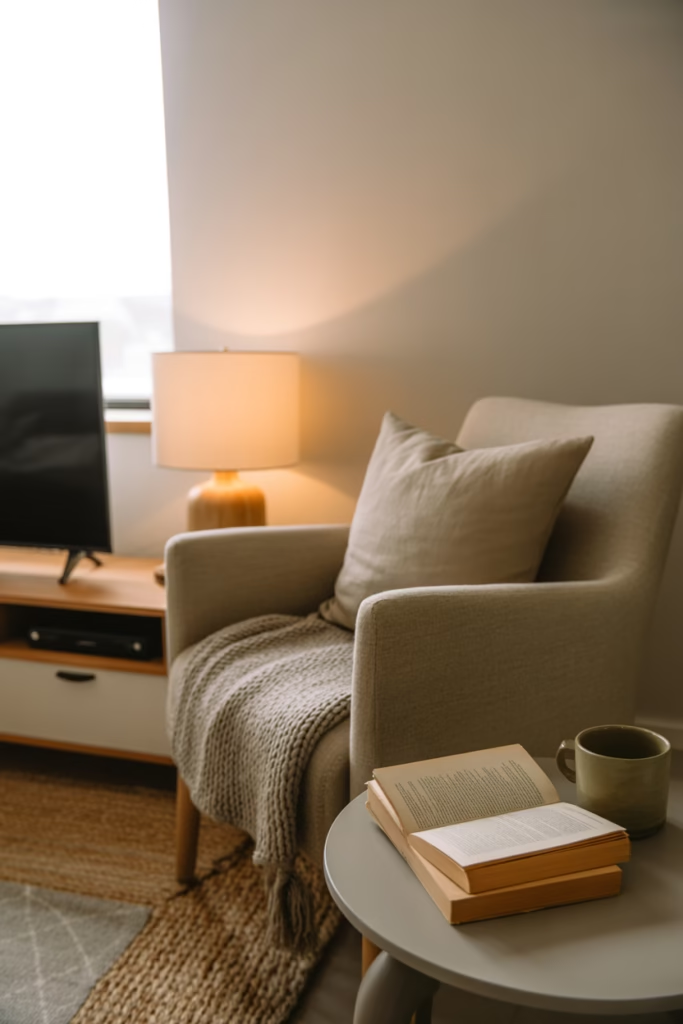
You can build a quiet corner in literally any room, but some spots work better than others. The goal stays simple: lower visual noise, fewer interruptions.
Good places to consider
- A corner of your living room away from the TV
- A bit of floor space beside your bed
- An unused corner of your home office
- A landing space on a wide hallway
- A free patch near a window or balcony door
If your room feels small or crowded, you still win. Sometimes the coziest reset zones hide in the weirdest little corners—next to a bookshelf, behind a sofa, or beside a wardrobe.
What to avoid (if you can)
- Right in front of a TV that someone always turns on
- Right next to a major traffic path (doorways, main walkways)
- A space you already associate with stress (work desk clutter zone, I’m looking at you)
Ask yourself: “Can I sit here for 10 minutes without someone walking over me, talking at me, or needing me?” If the answer leans toward yes, you’ve got a candidate.
Step 2: Define the Purpose of Your Quiet Corner
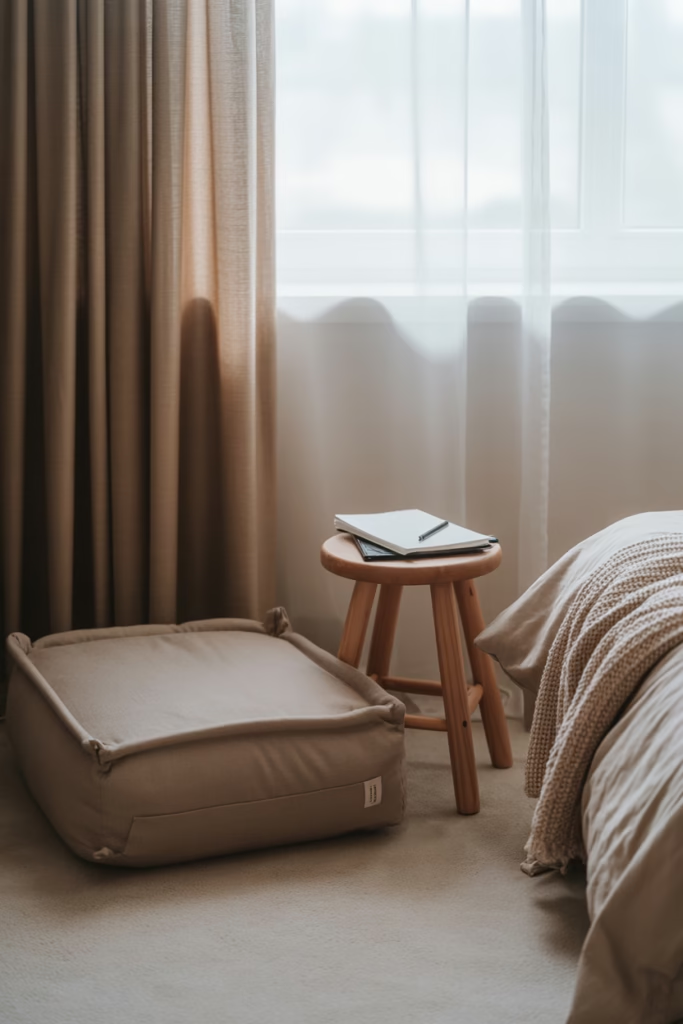
Your quiet corner works better when it has a clear purpose, not just “random pretty spot with a cushion.”
Ask yourself what you want this space to help you do:
- Read without your phone
- Stretch, meditate, or practice breathing
- Journal or brain-dump thoughts
- Sip coffee or tea and stare into space like a thoughtful potato
- Listen to calming music or a podcast
Pick one or two main uses, not ten. When you focus your purpose, you choose decor and items that actually support that use instead of cluttering your corner with everything you own.
For example, if you want a reading reset zone, you focus on:
- Good lighting
- Comfortable seating
- A place to set your book and drink
If you want a meditation/reset space, you focus on:
- Floor cushion or mat
- Minimal decor
- Maybe one calming scent or sound
Your quiet corner works as a mental shortcut. When you step into it, your brain learns, “We relax here. We don’t doom-scroll here.”
Step 3: Start with the Foundation – Seating
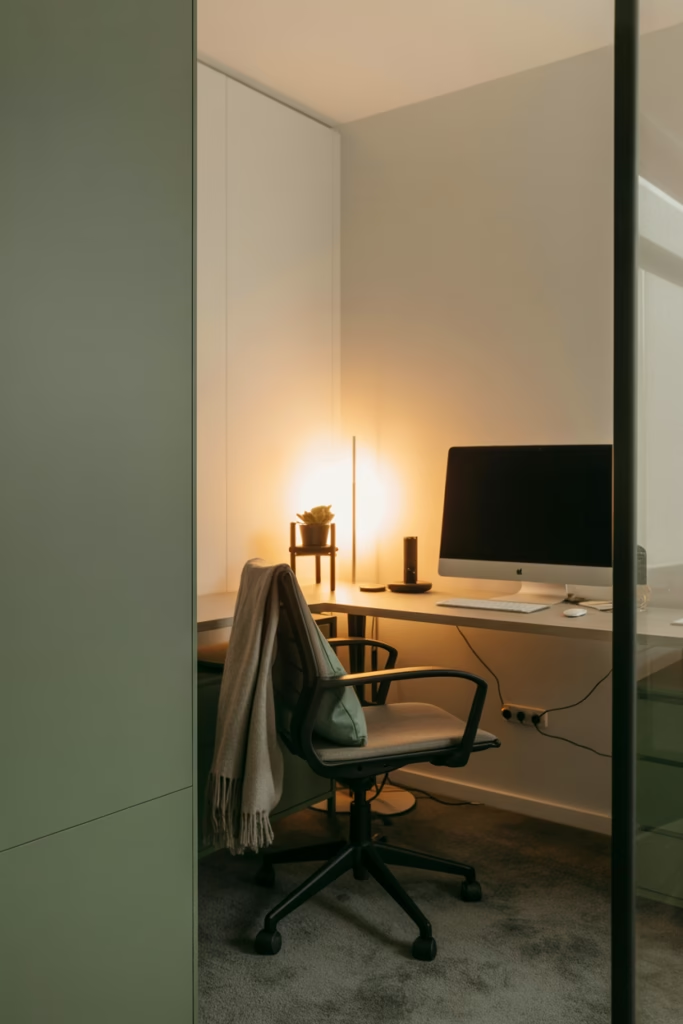
Your seating sets the tone. If your body feels tense, your brain refuses to chill.
You don’t need an expensive accent chair (unless you want an excuse to get one, in which case, enjoy). You just need something comfortable and intentional.
Seating ideas that actually work
- Armchair or accent chair for living rooms
- Floor cushion, pouf, or meditation pillow for tight spaces
- Thick blanket or floor mat for a low-key, flexible setup
- Window bench if you already have one (instant win)
- Part of your sofa styled differently so it feels like a dedicated corner
If you use your bed, tweak the setup so it feels different from “sleep mode.” Add a different throw, a specific pillow, or a small tray just for your quiet time. That small visual change sends a signal.
Ask yourself: “Would I gladly sit here for 15 minutes without fidgeting every 30 seconds?” If not, upgrade the cushion situation. Your spine deserves better.
Step 4: Layer in Cozy Textures
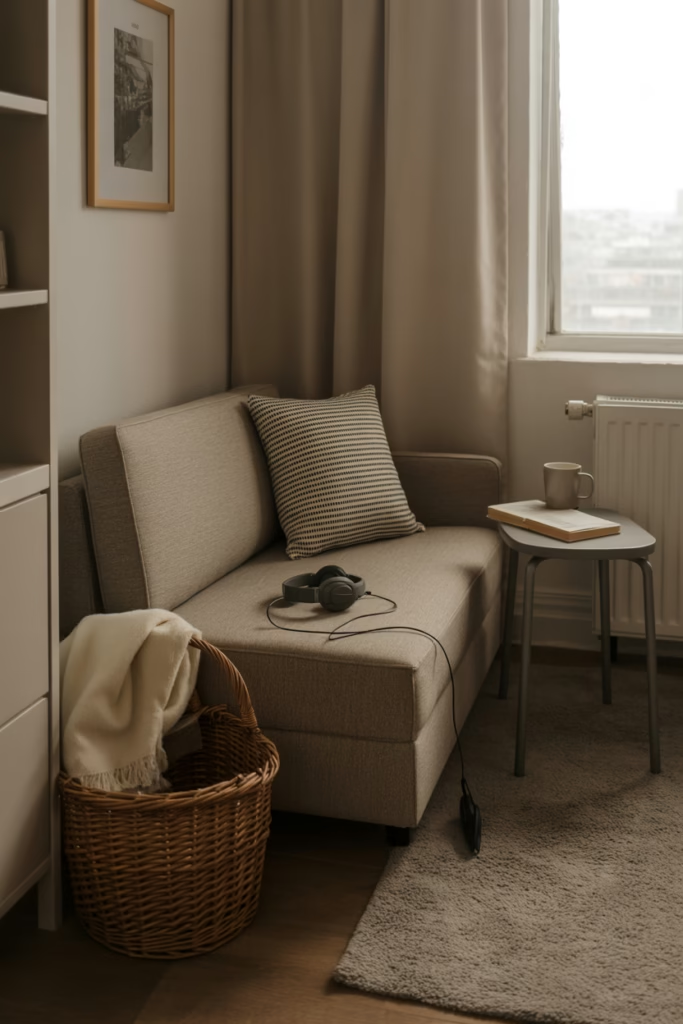
Physical comfort matters more than people admit. Your nervous system loves soft, warm, layered textures.
You don’t need 27 pillows, but a few thoughtful touches change the entire energy.
Easy texture upgrades
- Soft throw blanket (light in summer, chunky in winter)
- One or two pillows with different textures (linen + knit, velvet + cotton)
- Rug or mat to define the area and make it feel like its own mini-zone
You create a quiet corner reset zone when the textures tell your body, “You can relax here. No one expects productivity in this exact spot.”
If your room feels visually busy, choose solid, neutral fabrics or softer tones. The calmer the fabric, the calmer the corner.
Step 5: Use Lighting to Shift Your Mood
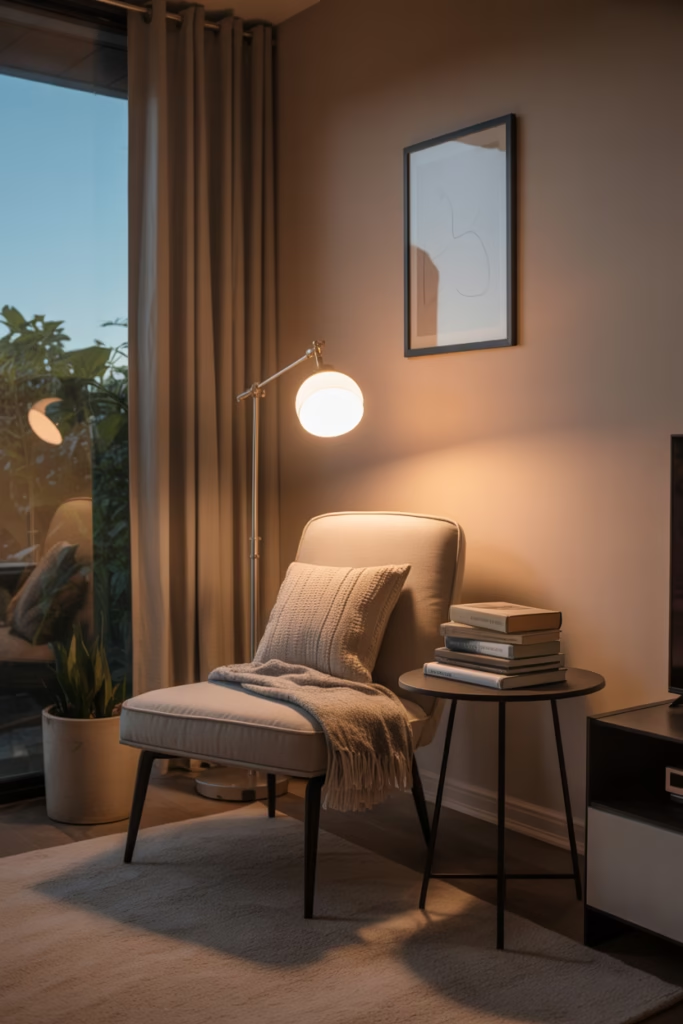
Lighting literally changes how your brain feels in a space. Overhead lights scream “task mode,” while soft lighting whispers “reset time.”
You don’t have to do anything complicated. You just lower the intensity and warm up the tone.
Lighting options that work great
- Table lamp with a warm bulb
- Floor lamp aimed at the wall for soft reflected light
- String lights for a softer, twinkly atmosphere
- Smart bulb set to warm white or soft amber tones
- Candle or LED candle for instant cozy
Avoid cold, blue-toned lighting here if you can. It wakes you up instead of calming you down. Warm light feels friendly; harsh white light feels like a dentist’s office, and your nervous system votes “no thanks.”
Ask yourself: “Would this lighting make me want to scroll emails, or close my eyes for a second?” Aim for the second.
Step 6: Reduce Visual Noise Around the Corner
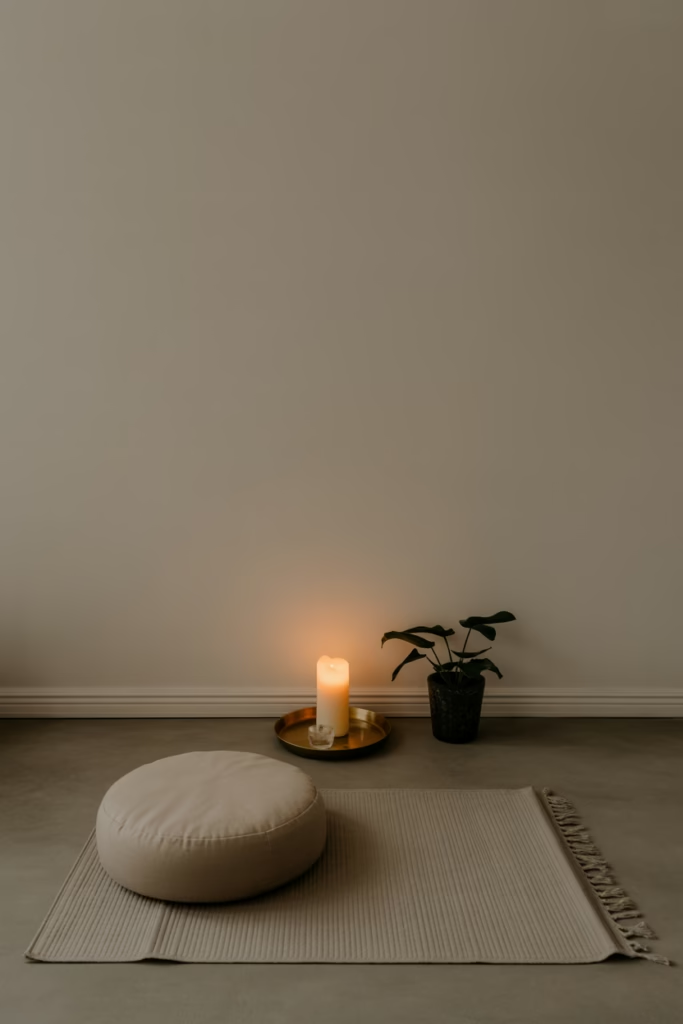
Your brain scans everything, even when you think you ignore it. That random laundry pile kills your reset energy more than you think.
You don’t have to transform the entire room. You just clean up the view from your quiet corner.
Quick visual declutter tips
- Clear the floor directly around your seat
- Remove or corral cables and chargers
- Use a basket for random items (books, blanket, headphones)
- Hide the ugly stuff behind closed doors, boxes, or bins
- Keep decor intentional: fewer things, more meaning
You want your eyes to land on calm surfaces, not chaos.
If you face a busy area, turn your seat slightly toward a calmer view—like a plain wall, window, plant, or simple shelf. You basically curate what your eyes see on purpose.
Step 7: Add Calming Sensory Elements
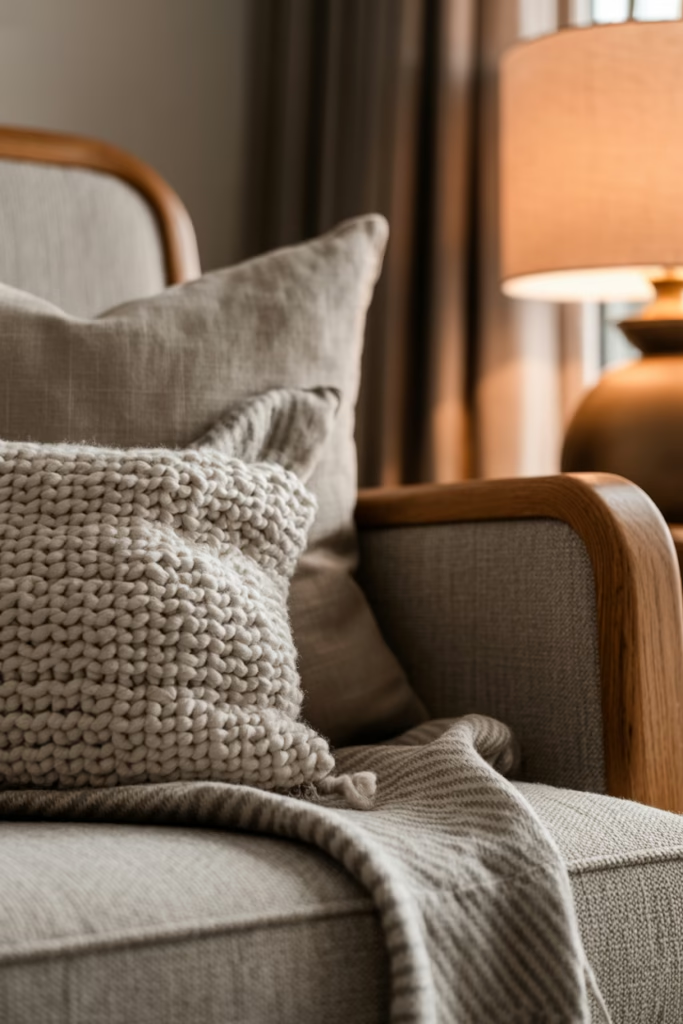
Now you create that “ahhh” feeling on purpose. Your quiet corner reset zone should feel good for your senses, not just look nice in photos.
Sound
- Soft playlist with calm instrumentals or acoustic tracks
- White noise or nature sounds
- Small speaker or just your phone on low volume
Ask yourself: “Does this sound help my brain exhale?” If not, skip it.
Smell
- Candle in a gentle scent (lavender, vanilla, sandalwood)
- Essential oil diffuser or room spray
- A cup of herbal tea or coffee (yes, smell counts)
Keep scents soft, not aggressive. You reset better when the scent nudges, not shouts.
Touch
- Smooth mug, soft blanket, textured cushion
- Warm socks or slippers if your floor feels cold
Every small sensory detail tells your body, “You’re safe. You can pause.”
Step 8: Include One “Anchor” Object
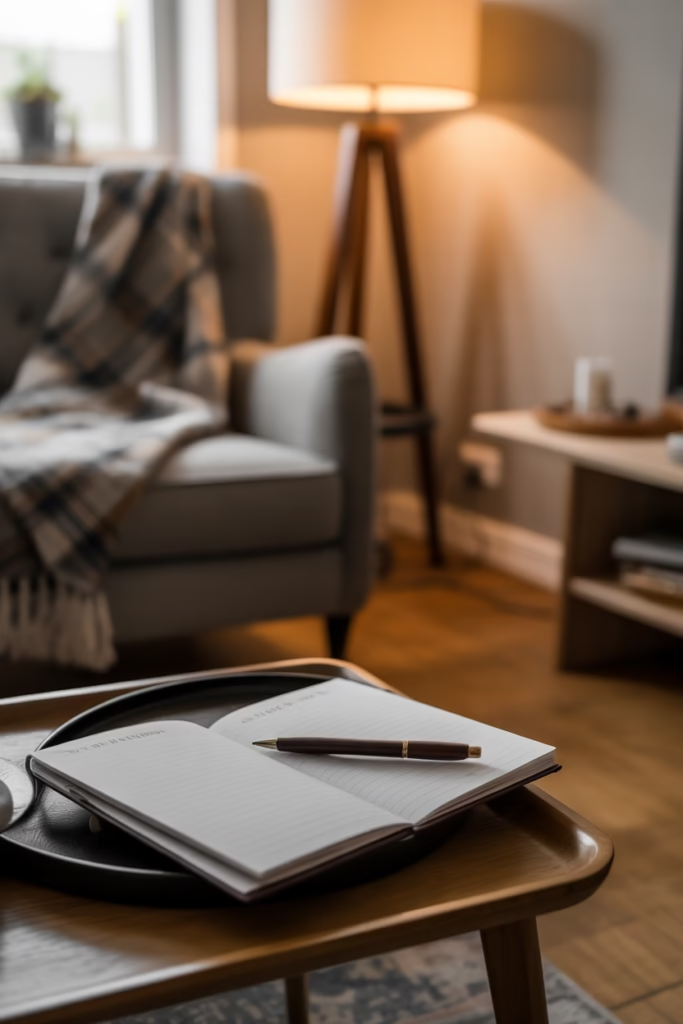
An anchor object physically represents your intention to reset. It acts like a ritual trigger. When you pick it up or see it, your brain recognizes, “Oh, we’re in quiet mode now.”
Great anchor ideas
- A journal and pen
- A favorite book or current read
- A prayer or affirmation card
- A specific mug you use only in this spot
- A small stone, crystal, or keepsake you like to hold
You don’t need to believe in anything mystical for this to work. Your brain simply attaches calm to repeated actions and objects. That’s how habits form.
Make your anchor item easy to reach and always keep it in or near the corner. Consistency makes this space powerful.
Step 9: Keep the Tech Rules Simple
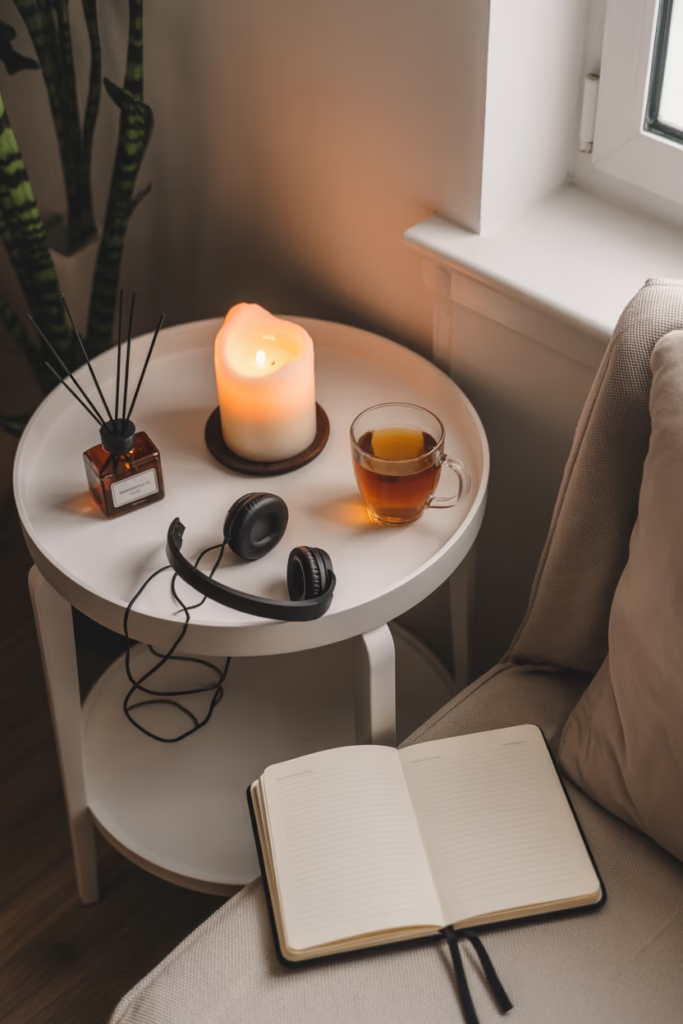
Your quiet corner reset zone works best when you keep it low-tech or at least intentional with tech.
You don’t need a strict “no phone ever” policy if that feels unrealistic, but you can create simple boundaries that keep the space calm.
Easy tech guidelines
- Use your phone only for calm music, audiobooks, or meditations
- Turn on Do Not Disturb while you sit there
- Avoid work emails, social media, and news in this spot
- If you read on a tablet, lower brightness and disable notifications
Ask yourself: “Does what I’m doing on this screen support calm or stress?” If the answer tilts toward stress, save it for another chair.
Your quiet corner becomes powerful when your brain trusts that this one space doesn’t host your daily stress scroll.
Step 10: Adapt the Quiet Corner to Any Room Type
Your home layout doesn’t decide your ability to reset. You just tweak the setup to match the room.
In a living room
- Use an armchair + side table combo
- Add a throw blanket, small pillow, and basket
- Keep a lamp or floor light nearby
- Store your book, journal, or headphones in a small tray or box
You quietly declare, “This is my calm chair,” even if the rest of the room holds TV, kids’ toys, and life chaos.
In a bedroom
- Use a corner of the bed or a floor cushion by the window
- Style a small bedside table or stool for your anchor items
- Keep lighting soft: fairy lights, small lamp, or candle
- Use neutral tones and softer textures for that wind-down mood
This works especially well if you struggle to switch off at night. Your body learns that this corner means “decompress before sleep” instead of “scroll until midnight.”
In a home office
- Pull a chair slightly away from your desk to define a different zone
- Turn the seat to face away from screens
- Add a small plant, pillow, and soft blanket over the chair
- Use it for five-minute resets between tasks instead of refreshing your inbox (again)
You create a mental separation between “work chair” and “reset chair,” even in the same physical room.
In a tiny apartment or studio
You still have options, even if you live in a “one-room-does-everything” setup.
- Use a corner of your sofa with a specific pillow and throw
- Define your zone with a small rug
- Store everything in a basket that you pull out when you need reset time
- Face the window or a wall instead of the TV when you sit there
Small spaces actually help because your quiet corner stays close and easy to use. Zero excuses. 🙂
Step 11: Keep It Realistic and Low Maintenance
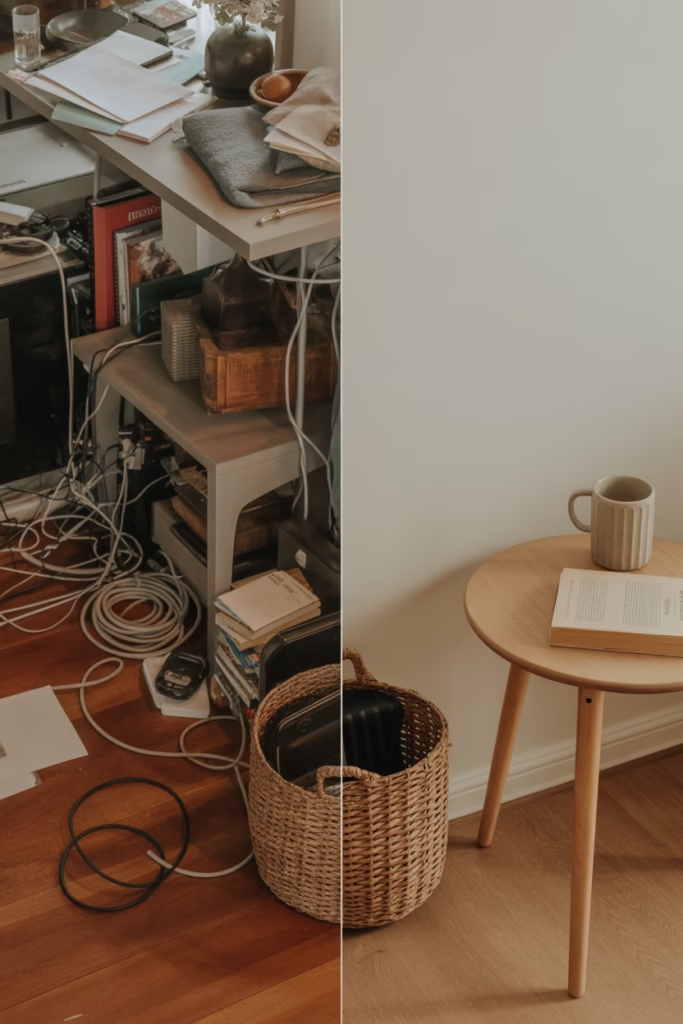
A quiet corner that stresses you out to maintain defeats the whole purpose.
You want a reset zone that feels easy, not fragile or high-maintenance.
Keep it simple by:
- Limiting decor to a few meaningful items
- Choosing materials that clean easily
- Using baskets or boxes for fast tidy-ups
- Keeping your routine short and realistic (even 5–10 minutes helps)
Your quiet corner serves you when it works with your lifestyle, not against it. If you share your space with kids, pets, or messy adults (including you), you prioritize durability over perfection.
If the dog steals the blanket and the kids borrow the pillows, that just proves your corner feels good. You just reclaim it when you need your reset session.
Daily Ritual Ideas for Your Quiet Corner
Your quiet corner reset zone becomes powerful when you actually use it consistently. No judgment if it turns into a laundry chair occasionally, but you can build simple rituals that bring you back.
Morning reset ideas
- Sit with your drink and take 10 slow breaths
- Read one page of a book
- Write three lines in a journal (gratitude, intentions, or random thoughts)
Midday reset ideas
- Step away from your screen for 5 minutes
- Stretch your neck, shoulders, and back
- Listen to one calming track and do nothing else
Evening reset ideas
- Sit with dim lighting and a warm drink
- Reflect on one thing that felt good about your day
- Read or listen to something calming instead of scrolling
You don’t need long rituals. You just need consistent ones. The repetition turns your quiet corner into a mental shortcut for calm.
Final Thoughts: Your Quiet Corner, Your Rules
You don’t need a bigger house, a design degree, or a wellness retreat to feel calmer. You just need one intentional little pocket in your existing room that tells you, “You can stop for a second.”
Start ridiculously small. One chair, one light, one blanket, one tiny ritual. Test it for a week. Watch how your brain starts craving that spot when the day feels heavy.
If you personalize your quiet corner so it fits your real life (not some perfect aesthetic), you actually use it and that’s where the reset magic happens.