
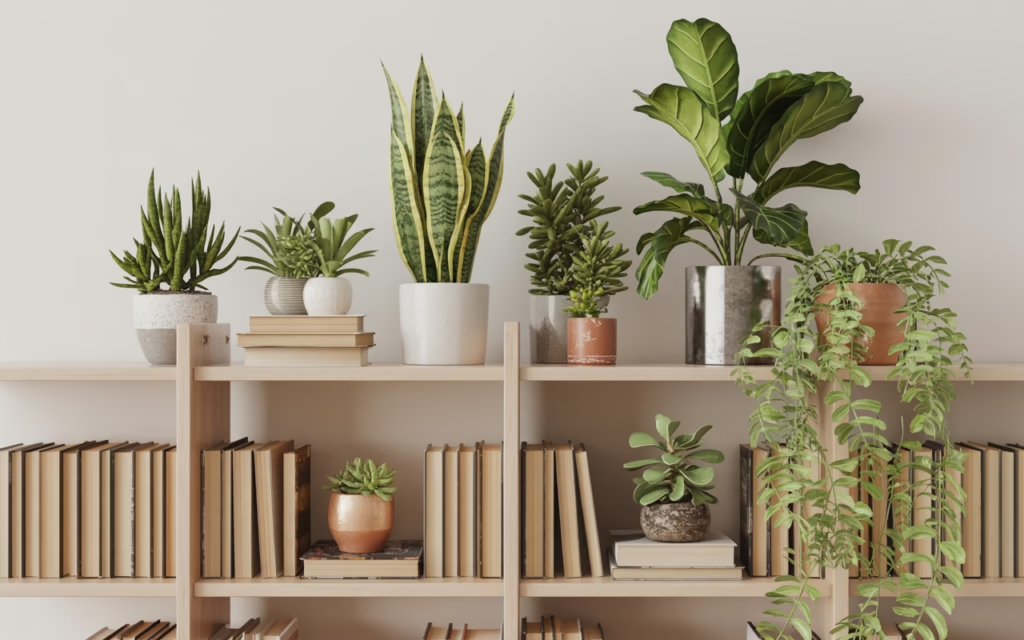
Your bookshelf and your plants probably live like awkward roommates right now, books on one side, leafy chaos on the other. Let’s fix that. If you’ve got a shelf, a few pots, and the tiniest bit of “I want my home to feel nicer” energy, you can turn that boring book stacker into a legit plant display.
I started doing this because I ran out of floor space (classic), and I refused to stop buying plants (also classic). Turns out, a bookshelf gives you instant height, layers, and that “oh wow, you have your life together” look without actually having your life together. Ever looked at a plant shelf online and thought, “I want that”… but cheaper and in my own living room? Let’s do exactly that.
Why Your Bookshelf Makes the Perfect Plant Stand
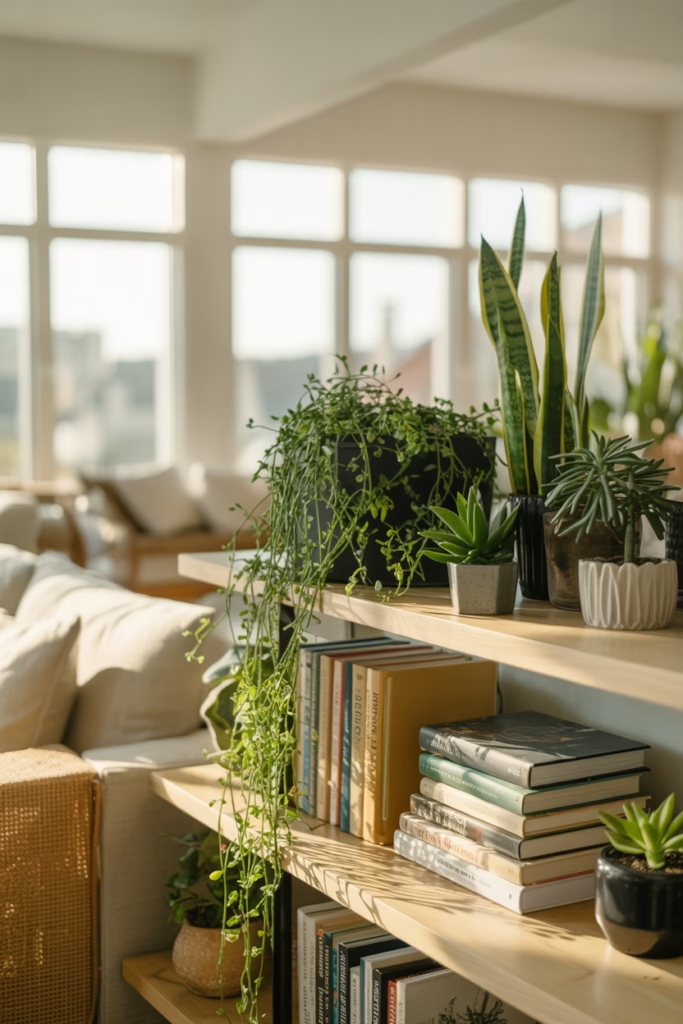
Here’s something most people don’t realize: bookshelves are basically designed for plants. Think about it—multiple levels at different heights, built-in structure, and way more visual interest than those basic plant stands everyone’s buying from big-box stores.
I stumbled into this whole plant-shelf thing by accident. Had a fiddle leaf fig that needed a home, nowhere to put it, and boom—empty shelf space became the perfect solution. Now my bookshelf looks like a miniature jungle, and honestly? It’s the first thing guests compliment when they walk in.
The vertical space gives you room to play with different plant sizes and trailing varieties. Plus, you’re working with furniture you already own. No extra purchases necessary (well, except maybe more plants, but that’s a given).
Assessing Your Bookshelf Situation

Before you start cramming every plant you own onto those shelves, let’s talk strategy. Not every bookshelf location works equally well for plants.
Light is everything. Where’s your bookshelf sitting right now? Next to a window? Across the room in a dark corner? This determines which plants will actually survive (and thrive) on your shelves. I learned this the hard way after watching a beautiful pothos slowly lose its will to live on a shelf that got zero natural light :/
Check the light situation at different times of day. Morning light hits differently than afternoon sun, and south-facing windows are basically plant paradise compared to north-facing ones.
Shelf material matters too. Got a cheap particleboard shelf? You’ll want to be extra careful with watering and use protective trays under every pot. Solid wood can handle occasional drips better, but why risk it? Metal and glass shelves are your safest bet—just watch out for heat buildup if they’re in direct sun.
Choosing the Right Plants for Each Shelf Level
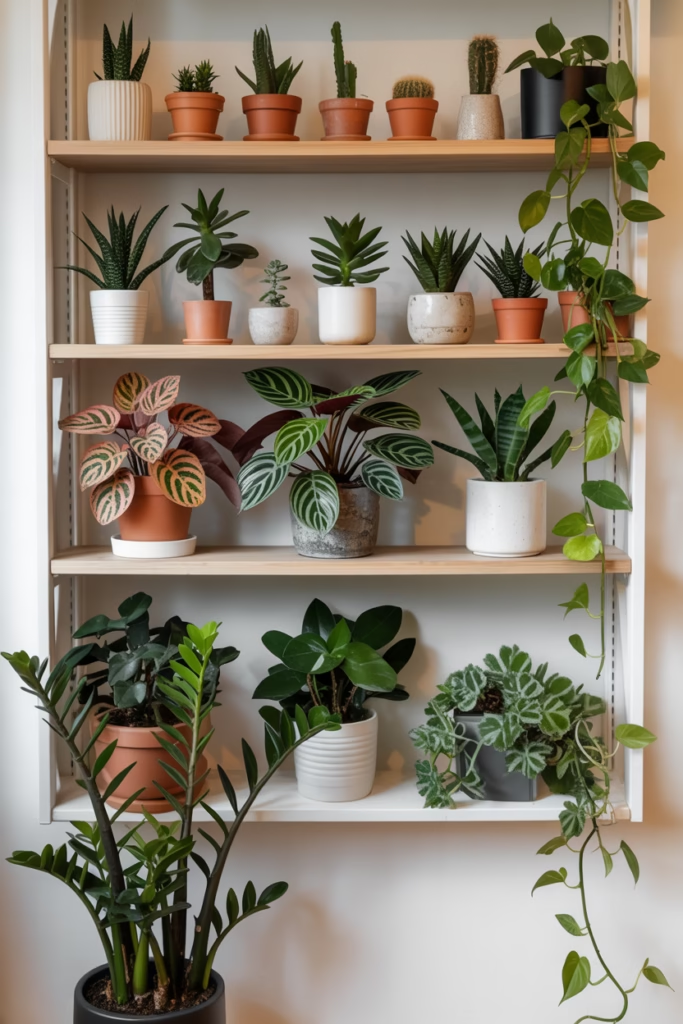
This is where it gets fun. Different shelf heights create different microclimates, and you can use that to your advantage.
Top Shelf Superstars
The top shelf usually gets the most light, so put your sun-loving plants up here. Think succulents, cacti, snake plants, or any plant that won’t throw a fit about bright conditions. I keep a string of pearls up top, and it’s absolutely thriving with all that light exposure.
Trailing plants look incredible on top shelves because they can cascade down and create that lush, waterfall effect. String of hearts, pothos, and philodendrons are perfect candidates.
Middle Shelf Magic
Middle shelves are the Goldilocks zone—not too bright, not too dark. This is where I put my medium-light plants that need consistent but indirect light. Prayer plants, peperomias, and smaller ferns do great here.
You’ve got more flexibility with pot sizes on middle shelves too. Mix different heights and textures to create visual interest. A tall, narrow plant next to a wide, bushy one? Chef’s kiss.
Bottom Shelf Dwellers
Unless your bookshelf is right next to a window, that bottom shelf probably doesn’t get much light. Don’t worry—plenty of plants actually prefer shadier conditions. Low-light champions like ZZ plants, pothos (yes, again—they’re that versatile), and certain varieties of philodendron will be perfectly happy down there.
Pro tip: Keep your less photogenic plants or those awkward mid-propagation experiments on the bottom shelf. Out of immediate sight but still getting the care they need.
Creating Visual Balance and Design Flow
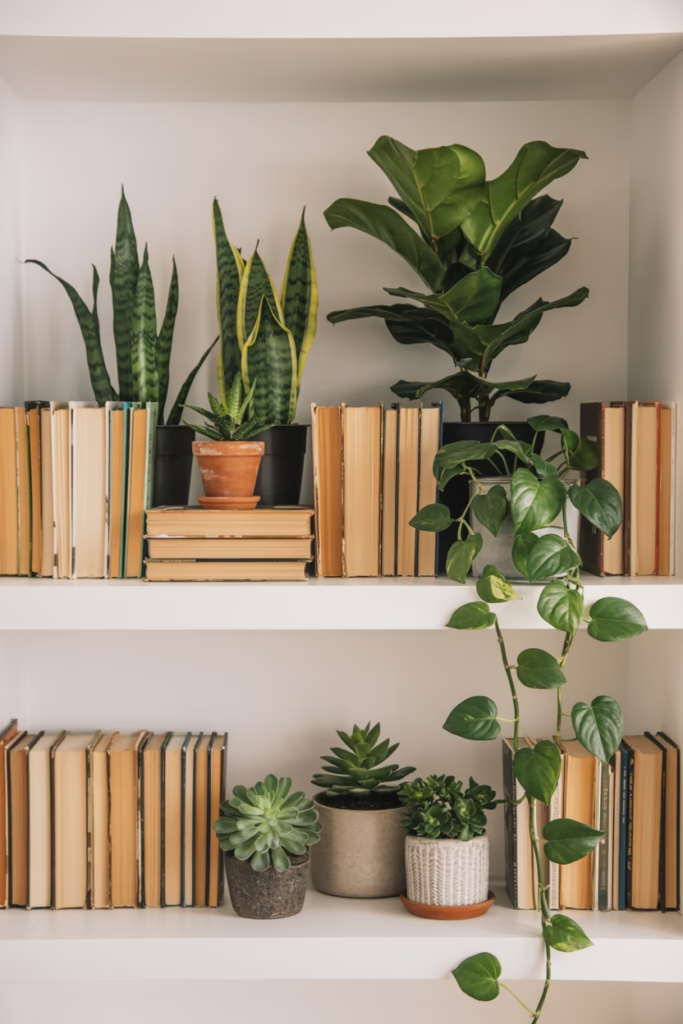
Random plant placement = chaos. Strategic plant placement = design magazine vibes. Let’s aim for the latter.
The Rule of Odds works surprisingly well with plant displays. Group plants in threes or fives rather than even numbers. It creates a more natural, less rigid look that’s easier on the eyes.
Play with heights and textures. Put a tall snake plant next to a trailing pothos and a compact succulent arrangement. The contrast makes each plant stand out more. I like mixing different leaf shapes too—spiky plants next to round, bushy ones, with some trailing varieties thrown in.
Color coordination might sound extra, but it makes a huge difference. I’m not saying everything needs to match perfectly (this isn’t a showroom), but considering pot colors and plant tones helps create cohesion. Terracotta pots give off earthy vibes, white ceramics look modern and clean, and colorful pots can add personality.
Don’t forget about negative space. You don’t need to fill every inch of every shelf. Empty spots let your eyes rest and make the plants you do have stand out more. Plus, you need room for the occasional book or decorative object—unless you’re going full plant-obsessed like me.
The Technical Stuff Nobody Tells You
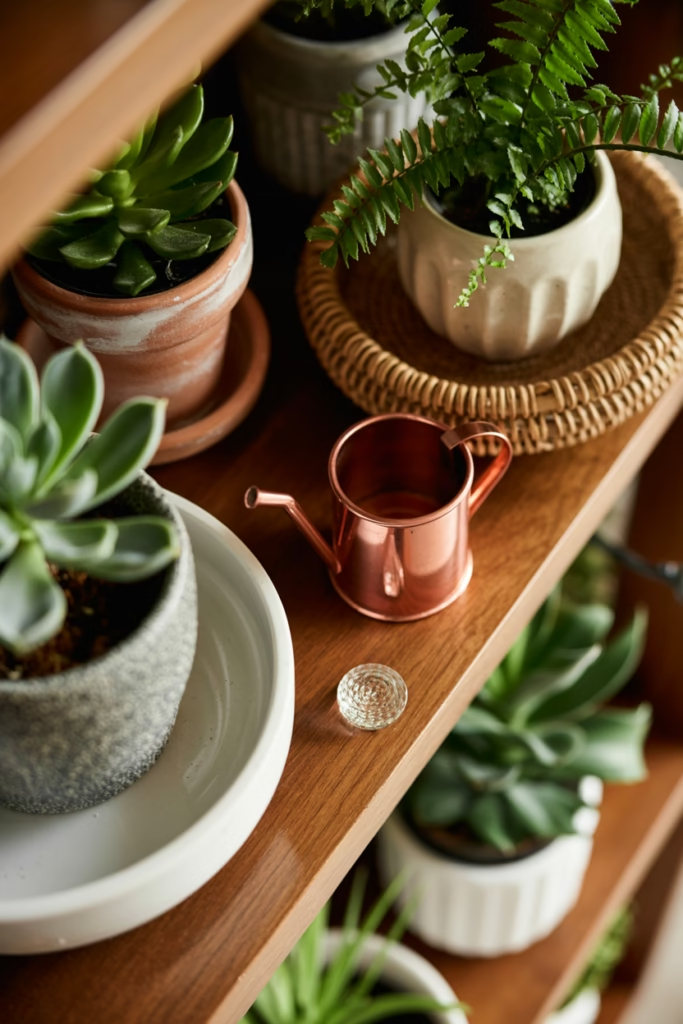
what keeps this whole setup from becoming a disaster.
Drainage is Non-Negotiable
Never put plants directly on wooden shelves without drainage trays. Water damage is real, and it’s ugly. I use a mix of ceramic saucers, plastic trays, and decorative plates under every single pot.
Some people like cache pots (decorative outer pots without drainage holes), but IMO they’re risky. Water sits in the bottom, roots get soggy, and suddenly you’re dealing with root rot. If you use them, make sure you’re checking for excess water regularly.
Weight Distribution Matters
Plants are heavier than books, especially after watering. Check your bookshelf’s weight capacity—yes, it actually matters. Distribute heavier plants across different shelves rather than loading one shelf with massive pots.
I keep my biggest plants on lower shelves anyway. It’s safer, looks more balanced, and makes watering easier since you’re not hauling heavy pots up and down.
Watering Without the Mess
Here’s the thing nobody warns you about: watering plants on bookshelves is slightly annoying. You can’t just water in place unless you want drips all over your books and décor.
My solution? I take plants to the sink or bathtub for watering sessions, let them drain completely, then return them to their spots. Takes an extra 10 minutes but saves so much cleanup hassle. For really heavy or awkward plants, I use a small watering can with a narrow spout and go slowly.
Some people swear by self-watering pots or using ice cubes to water (controversial, I know). Do what works for your schedule and setup.
Styling Beyond Just Plants
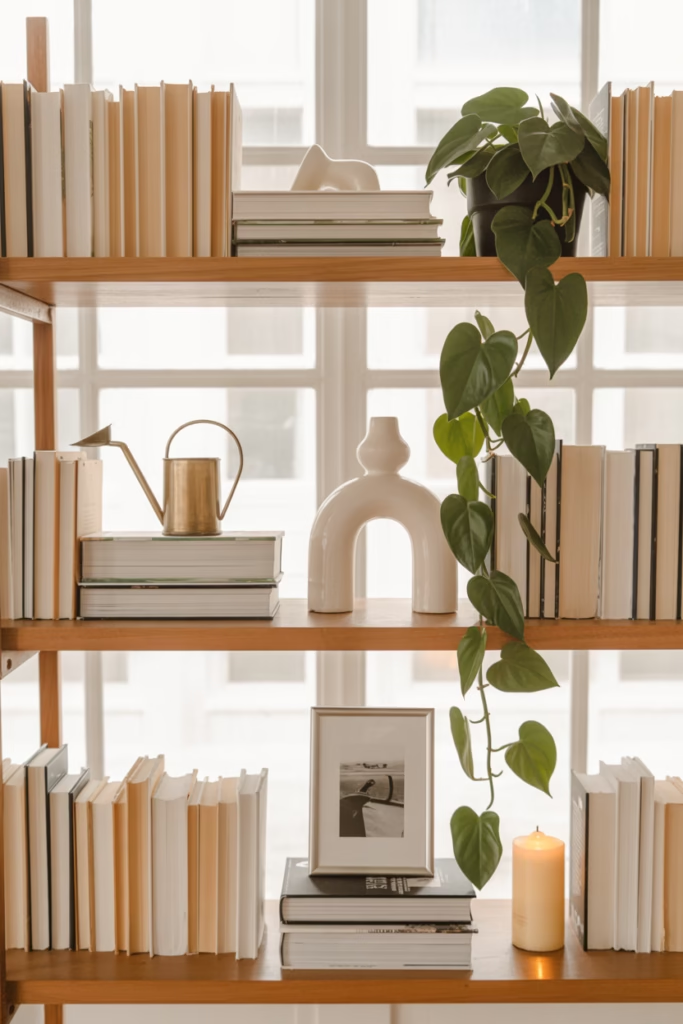
A plant-filled bookshelf shouldn’t look like you randomly threw greenery at furniture and called it a day.
Mix in decorative elements that complement your plants. Small sculptures, framed photos, interesting books (with the spines facing out for that color coordination), or vintage finds add personality. I’ve got a small brass watering can, some geodes, and a few ceramic animals scattered throughout mine.
Books and plants are actually best friends. Keep some books on your shelves—after all, it’s still technically a bookshelf. Stack them horizontally to create different height levels, or use them as risers under smaller pots.
Candles, fairy lights, or small art prints can fill gaps without competing with your plants for attention. The goal is creating a curated look that feels intentional, not cluttered.
Maintenance Reality Check
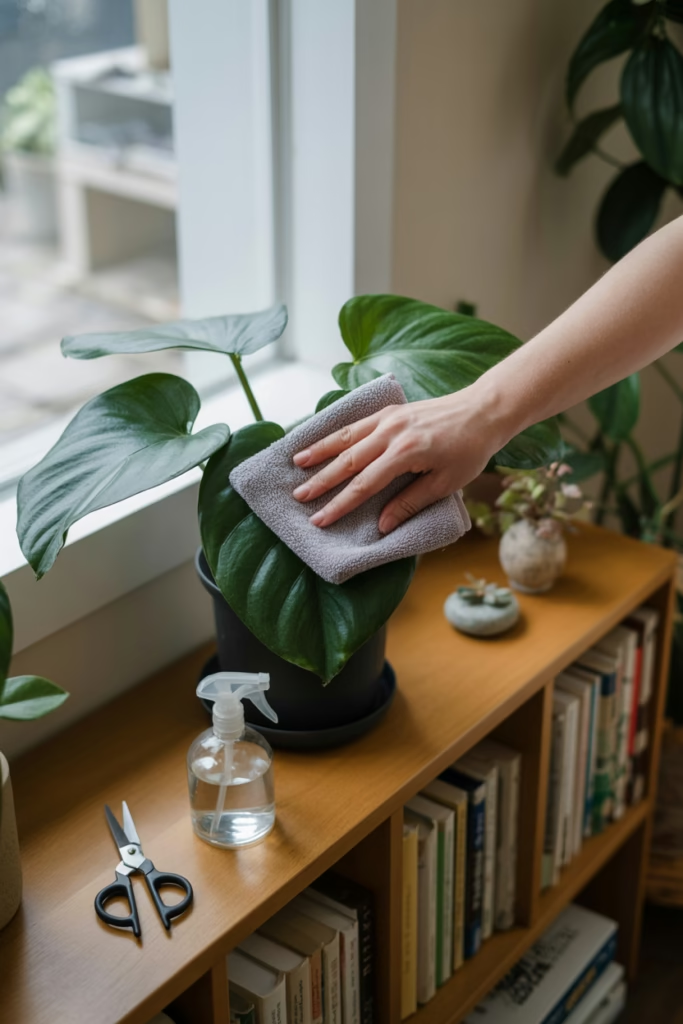
this setup requires upkeep. Your plants don’t magically water themselves just because they look cute on shelves.
Establish a routine. I check my shelf plants every 3-4 days, doing a quick assessment of who needs water, who needs rotating for even light exposure, and whether any leaves need trimming. Takes maybe 15 minutes total.
Dust is your enemy. Those beautiful broad leaves collect dust like crazy, especially on higher shelves. Wipe them down monthly with a damp cloth. Your plants will photosynthesize better, and they’ll look way more vibrant.
Watch for pests. Cramming plants close together on shelves creates a pest superhighway if one plant gets infested. Check regularly for spider mites, mealybugs, or fungus gnats. Catching problems early saves massive headaches later.
Common Mistakes (That I Definitely Didn’t Make…)
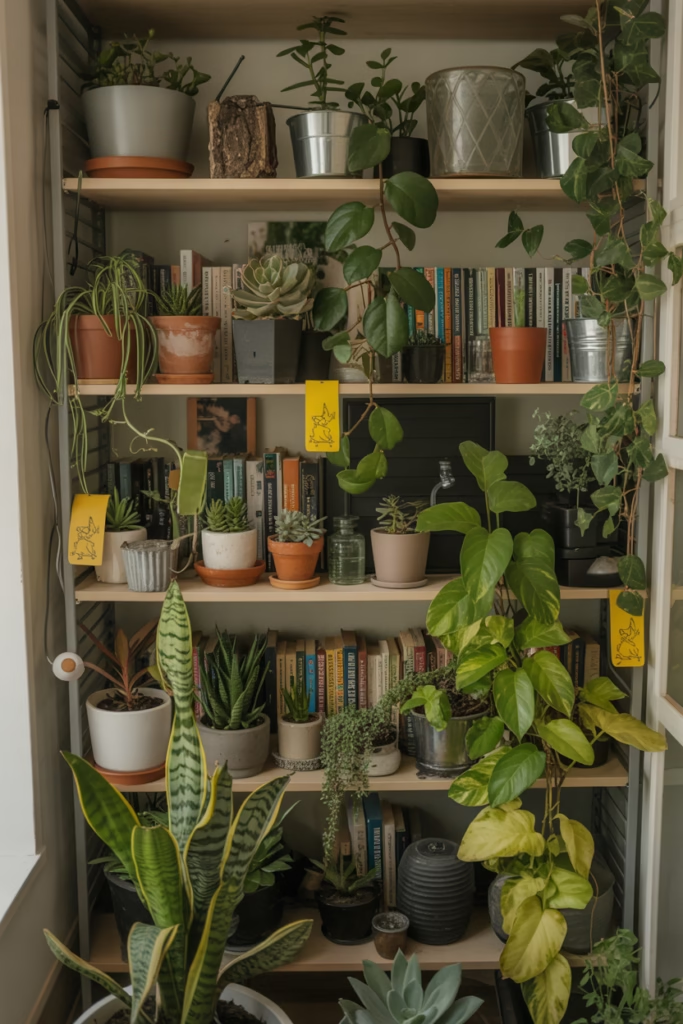
I made all of these mistakes. Learn from my pain.
Don’t overcrowd. Your plants need air circulation. Squishing 47 plants onto a five-shelf unit might look lush initially, but it creates humidity traps and pest breeding grounds. Give everyone some breathing room.
Stop buying plants that need totally different care. I tried mixing a moisture-loving fern with drought-tolerant succulents on the same shelf. Guess how that worked out? Not well. Group plants with similar needs together.
Ignoring seasonal changes is a rookie move. That shelf that got perfect indirect light in summer might be in full sun during winter when the angle changes. Stay aware and shuffle plants around as needed.
Making It Work for Your Space
Your bookshelf situation is unique. Maybe you’ve got a massive floor-to-ceiling unit or a small three-shelf number. Either way, these principles scale.
Small shelves: Focus on quality over quantity. Five well-chosen plants look better than 15 crammed together. Use trailing plants to maximize your visual impact without taking up shelf space.
Large units: Create distinct zones. One section could be plant-heavy, another more book-focused, and another for decorative objects. This prevents the overwhelming “wall of green” effect.
Dark rooms: Invest in a small grow light. You can find attractive ones that don’t look like you’re running a cannabis operation. Your low-light plants will appreciate the boost, and you’ll have more options for what you can grow.
FYI, corner shelves and ladder shelves work amazing for this too. The principles are identical—just adjust for the shape and space you’re working with.
The Final Touch
After you’ve arranged everything, step back and live with it for a few days. You’ll notice spots that feel off or plants that aren’t happy. Don’t be afraid to move things around until it feels right.
Take photos from different angles. Sometimes what looks good in person photographs weirdly, and vice versa. If you’re happy with both the in-person and camera views, you’ve nailed it.
Turning your bookshelf into a plant display isn’t rocket science, but it does require some thought and regular attention. The payoff? A living, breathing piece of décor that literally grows more beautiful over time. Plus, you get to tell people you’re a plant parent now, which is basically a personality trait at this point 🙂
Start with a few plants, see what works in your space, and build from there. Your bookshelf (and your mental health let’s be real, plants are therapeutic) will thank you.