
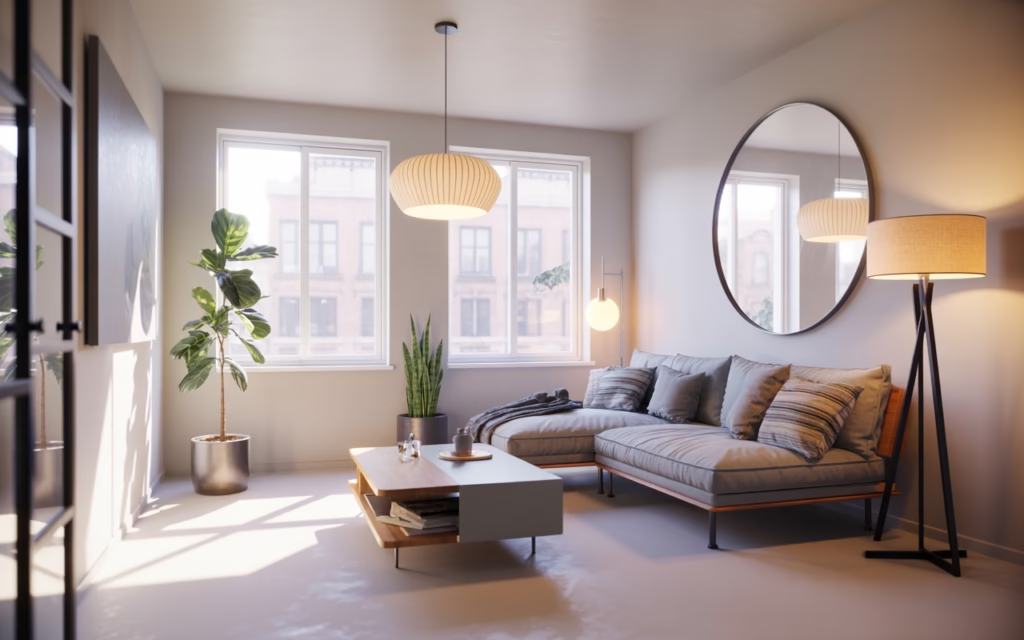
If your small space feels like it shrinks every time you bring home one more “cute little” basket, you’re not imagining it. I’ve lived in rooms where I could cook, work, and relax without standing up… which sounds efficient until you realize you’ve basically become part of the furniture. The good news? You can style a small space so it feels bigger, brighter, and trendy without throwing everything away and “embracing minimalism” like a monk. Want the shortcuts that actually work (and don’t look like a bland catalog page)?
Here’s the thing: styling a small space isn’t about cramming less stuff into it. It’s about being smart with what you choose, where you put it, and how you trick the eye into seeing more space than actually exists. Ready to transform your tiny room into something that feels open, bright, and totally Instagram-worthy? Let’s get into it.
Light Colors Are Your Best Friend (Seriously)
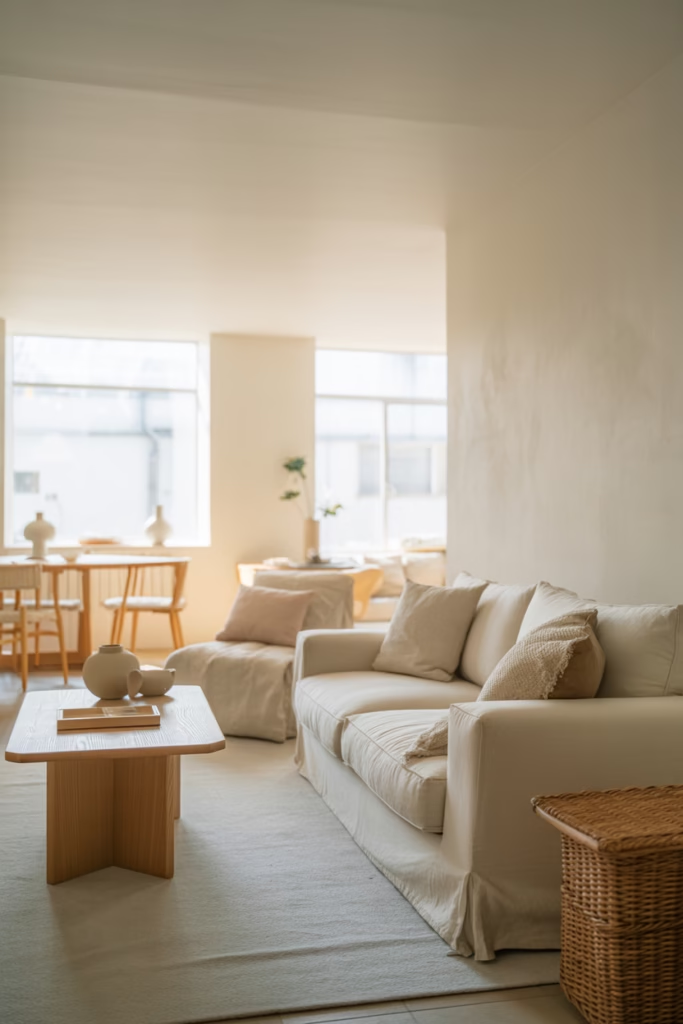
I’ll start with the most obvious tip because it works ridiculously well. Light colors make spaces feel bigger—it’s not just design folklore, it’s optical science. When I painted my first studio apartment in a soft cream instead of that sad beige it came with, the difference was night and day.
Light colors reflect more light, which makes walls feel like they’re receding instead of closing in on you. Think whites, soft grays, pale blues, or even blush pinks. You don’t have to go stark white if that’s not your vibe—just keep it on the lighter end of the spectrum.
But here’s where people mess up: they paint everything the same boring shade and wonder why their space looks like a hospital room. Layer different light tones to add depth without losing that airy feel. Pair a crisp white wall with cream furniture and pale gray accents. The variation keeps things interesting while maintaining that spacious illusion.
And if you’re thinking “but I love dark, moody colors!”—I get it. You can still use them as accent walls or in small doses through décor. Just don’t go painting all four walls charcoal and expect your room to feel bigger. Physics doesn’t work that way.
Mirrors: The Cheapest Trick in the Book
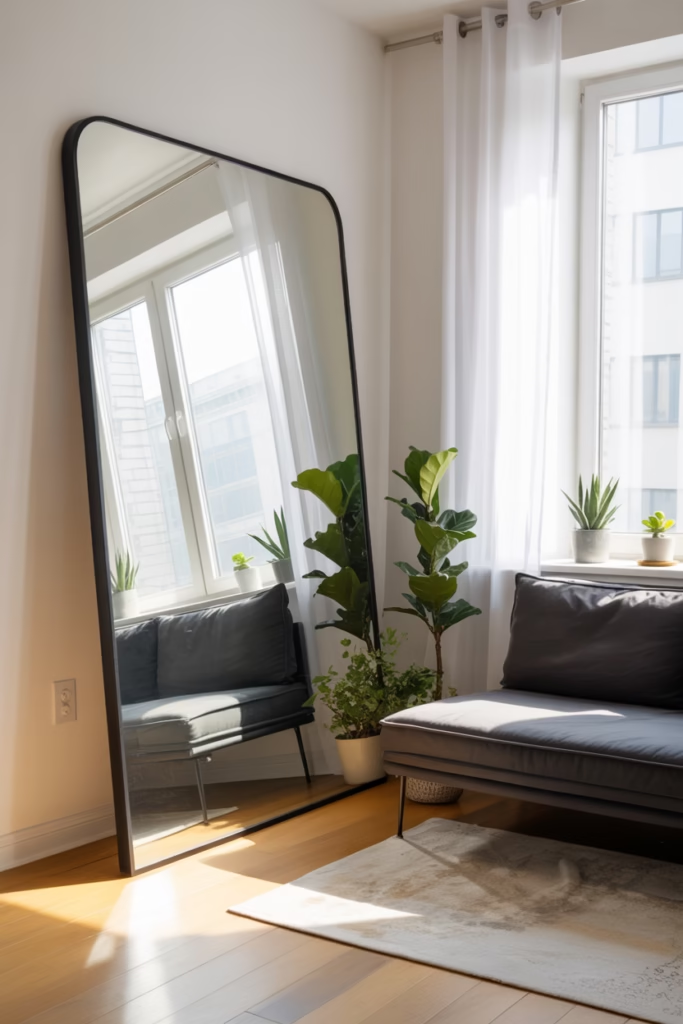
Ever wonder why every boutique hotel room has mirrors everywhere? It’s not vanity—it’s strategy. Mirrors literally double your visual space by reflecting light and creating the illusion of depth. I’m obsessed with this trick.
Position a large mirror opposite a window, and boom—you’ve just doubled the natural light in your room. It’s like adding another window without the construction costs. I have a floor-length mirror in my living room that sits directly across from my balcony door, and guests always think my apartment is way bigger than it actually is.
Here are some smart mirror placement ideas:
- Behind furniture pieces to create depth
- On narrow hallways to widen them visually
- Leaning against walls for a casual, trendy look
- Grouped in different sizes for an artistic gallery effect
Pro tip: mirrored furniture works too. A mirrored coffee table or nightstand adds that reflective quality without taking up wall space. Plus, it looks pretty chic if you ask me.
Furniture That Multitasks Like a Boss
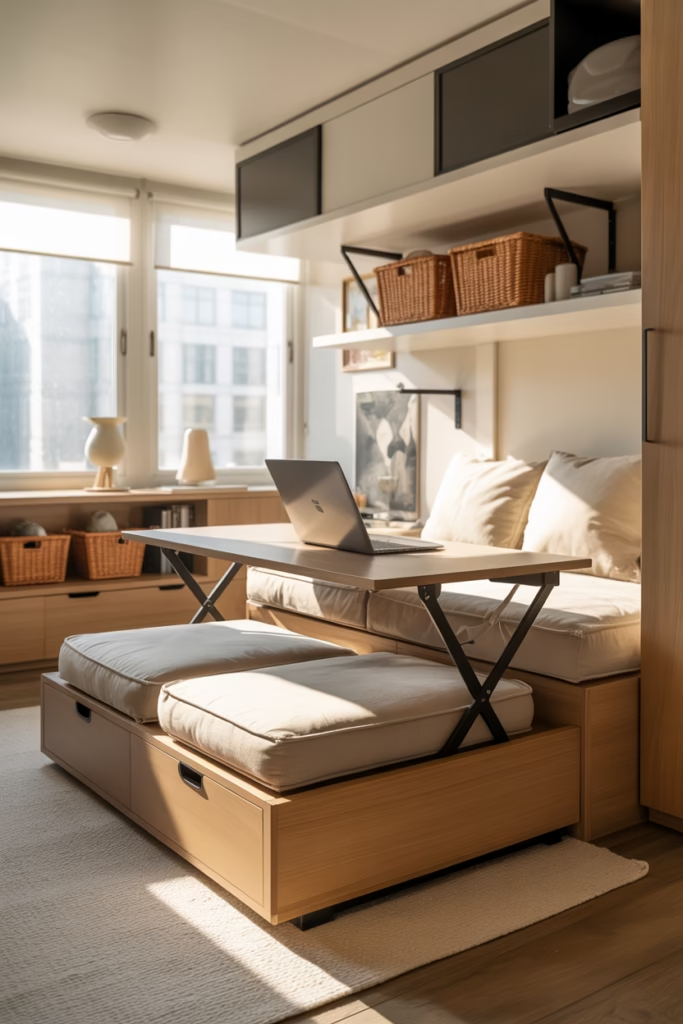
Small spaces demand furniture that works overtime. That basic couch taking up half your living room? Not cutting it anymore. You need pieces that serve multiple purposes without looking clumsy or screaming “college dorm.”
I’m talking about ottomans with hidden storage, coffee tables that lift to become desks, and beds with drawers underneath. When I upgraded to a storage bed, I gained an entire closet’s worth of space. No more tripping over boxes or stuffing winter clothes under the couch like some kind of fabric hoarder.
Murphy beds are having a major comeback too—and honestly, they’re not as awkward as they used to be. Modern designs fold up seamlessly and look like stylish cabinets when closed. If you’re working with a studio apartment, this could be a game-changer.
Also, consider furniture with exposed legs. I know, it sounds weird, but pieces that sit directly on the floor make spaces feel heavier. When you can see floor space underneath furniture, your brain registers more openness. Sofas and chairs with thin, visible legs create that floating effect that makes rooms feel less cluttered.
Vertical Space Is Wasted Space (Until Now)
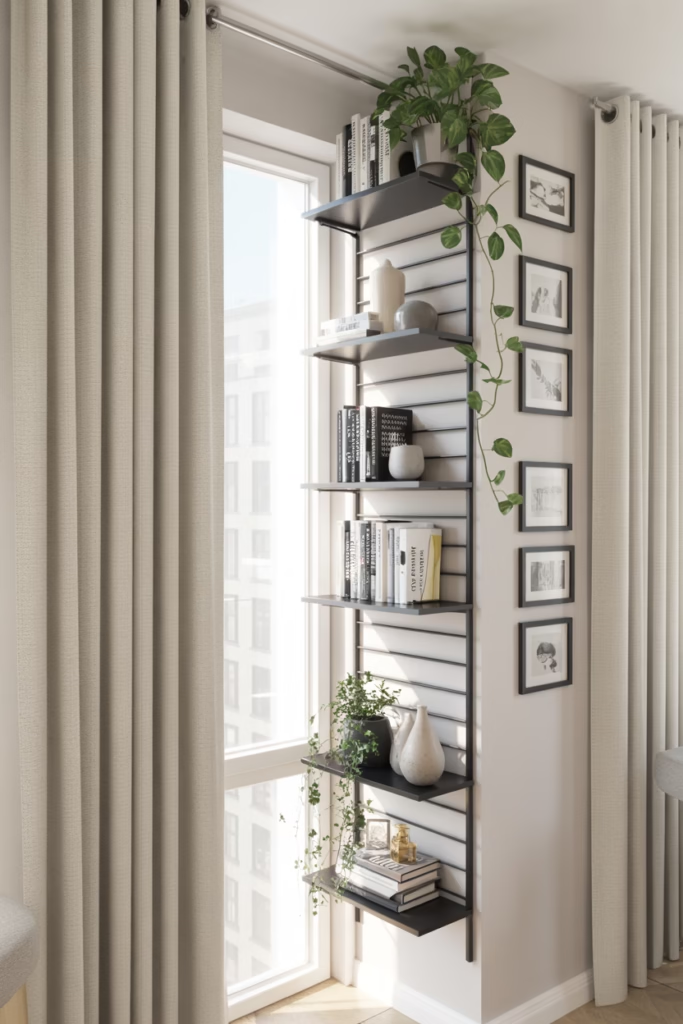
Why are you only decorating the bottom half of your walls? Seriously, go vertical. Most people ignore the upper portions of their rooms, and that’s prime real estate you’re leaving empty.
Install floating shelves up high to store books, plants, or decorative items. This draws the eye upward and makes your ceilings feel taller. I installed a shelf about a foot below my ceiling in my kitchen, and it completely changed the room’s proportions. Plus, it’s practical—I store stuff I don’t use daily up there.
Tall bookcases, floor-to-ceiling curtains, and vertical art arrangements all work the same magic. The key is creating visual lines that guide the eye upward instead of letting it stay focused on ground level where all the clutter lives.
Hanging plants are another win. They add life to your space without eating up precious surface area. I have three hanging plants near my window, and they make my room feel like a trendy café instead of a cramped box. FYI, pothos and string of pearls are low-maintenance options if you’re plant-challenged like I used to be 🙂
Lighting: Layer It Like Your Life Depends On It
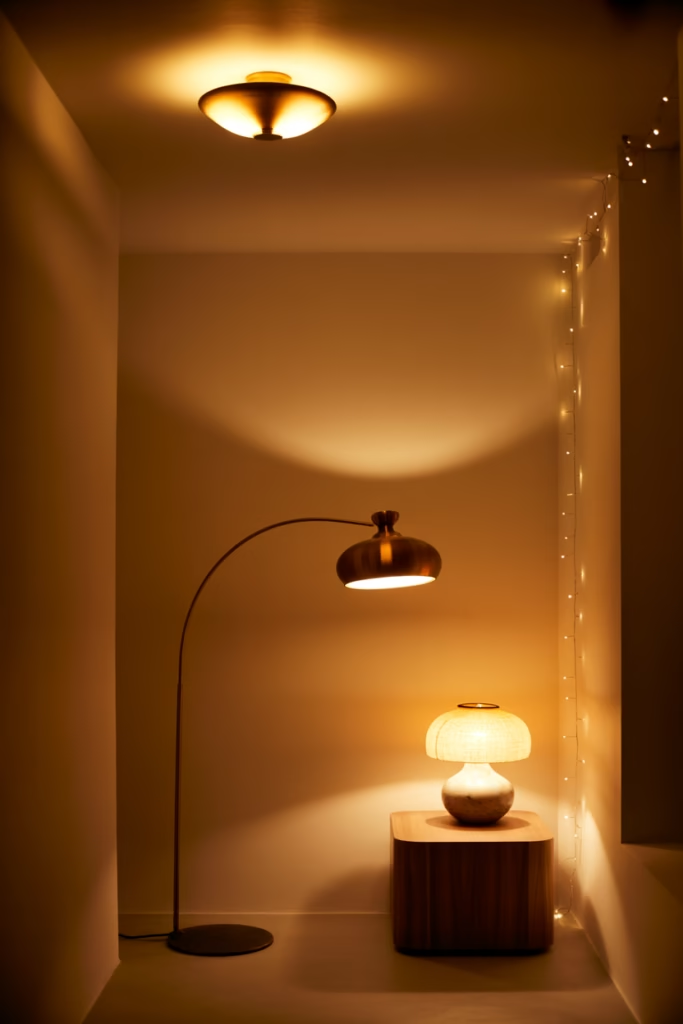
Bad lighting makes small spaces feel like caves. I learned this the hard way when I relied on a single overhead light for two years. Ambient lighting alone won’t cut it—you need layers.
Think about lighting in three categories:
- Ambient: Your main overhead light or ceiling fixture
- Task: Desk lamps, reading lights, under-cabinet lighting
- Accent: String lights, candles, decorative lamps that create mood
When you layer different light sources, you create dimension and eliminate harsh shadows that make spaces feel smaller. I have a floor lamp in one corner, a table lamp on my desk, and string lights above my bed. At night, my studio feels cozy instead of cramped.
Dimmer switches are worth the investment too. Being able to control light intensity changes the entire vibe of a room depending on what you’re doing. Plus, softer light in the evening makes small spaces feel intimate rather than claustrophobic.
And please, for the love of interior design, use warm light bulbs. Cool white bulbs feel sterile and uninviting. Warm bulbs (around 2700-3000K) make spaces feel bigger and more welcoming.
Clear the Clutter (But Make It Stylish)
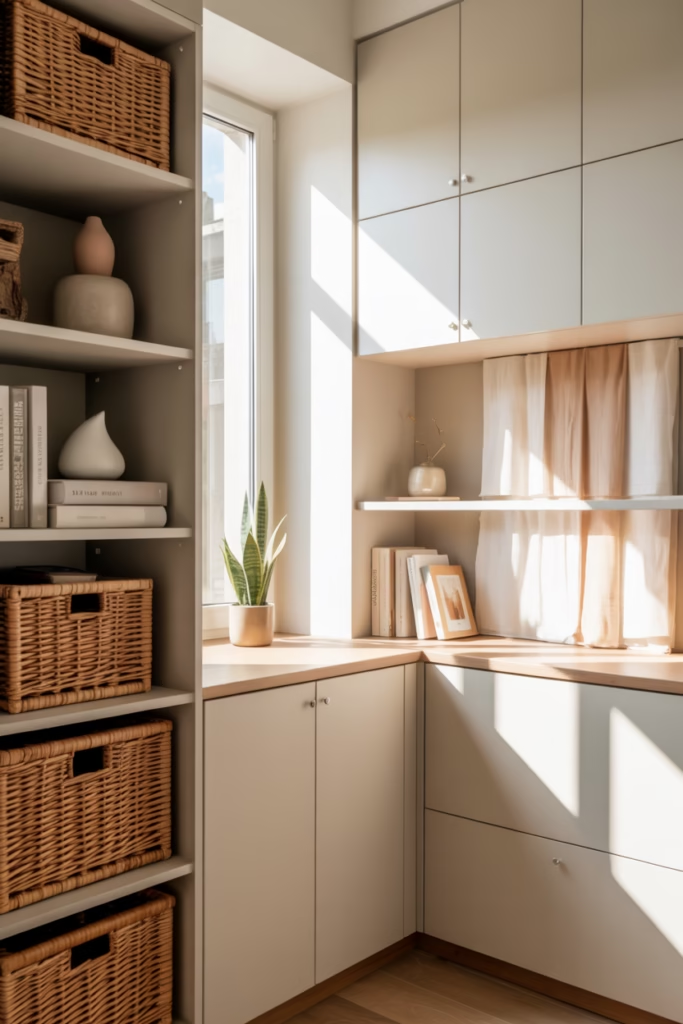
Here’s some tough love: you own too much stuff. We all do. And in a small space, clutter is the enemy of feeling spacious. But minimalism doesn’t mean living in an empty box with three items of furniture and a single plant.
Start by being ruthless about what you actually need. That decorative bowl you got three years ago and never use? Gone. The stack of magazines from 2023? Recycle time. Keep only what serves a purpose or genuinely makes you happy.
Then, invest in smart storage solutions that hide the necessary clutter:
- Baskets for organizing throw blankets and magazines
- Wall-mounted organizers for keys and mail
- Drawer dividers to maximize storage efficiency
- Under-bed storage containers for seasonal items
Open shelving can work, but only if you’re disciplined about keeping it organized. I have open shelves in my kitchen, and I’ll admit—they require constant maintenance to avoid looking chaotic. If you’re not naturally neat, stick with closed storage.
The trick is making storage look intentional. Matching baskets, coordinated boxes, and uniform hangers might seem excessive, but they create visual calm that makes your space feel more put-together and, weirdly enough, bigger.
Transparent and Reflective Materials Work Magic
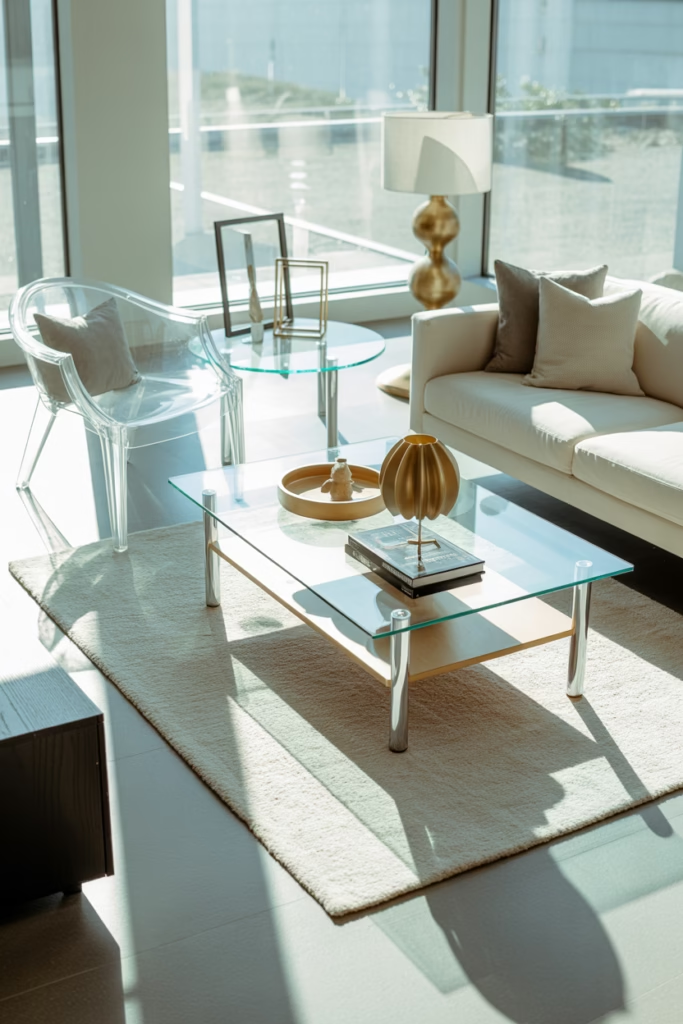
This might sound counterintuitive, but furniture you can see through makes rooms feel less crowded. A glass coffee table or acrylic chairs take up the same physical space as solid pieces, but your eye can see past them.
I swapped my chunky wooden coffee table for a glass one last year, and I swear my living room grew by 20%. It’s an optical trick, but it works. Same goes for lucite furniture—those clear acrylic pieces that look expensive but are surprisingly affordable.
Metallic finishes also help. Chrome, brass, or copper accents reflect light and add a trendy touch without visually weighing down your space. I have brass drawer pulls and a copper floor lamp, and they catch light throughout the day in a way that makes my room feel more dynamic.
Just don’t go overboard. You don’t want your apartment looking like a science lab. Mix transparent pieces with solid ones to maintain balance and warmth.
Scale Down Without Sacrificing Style
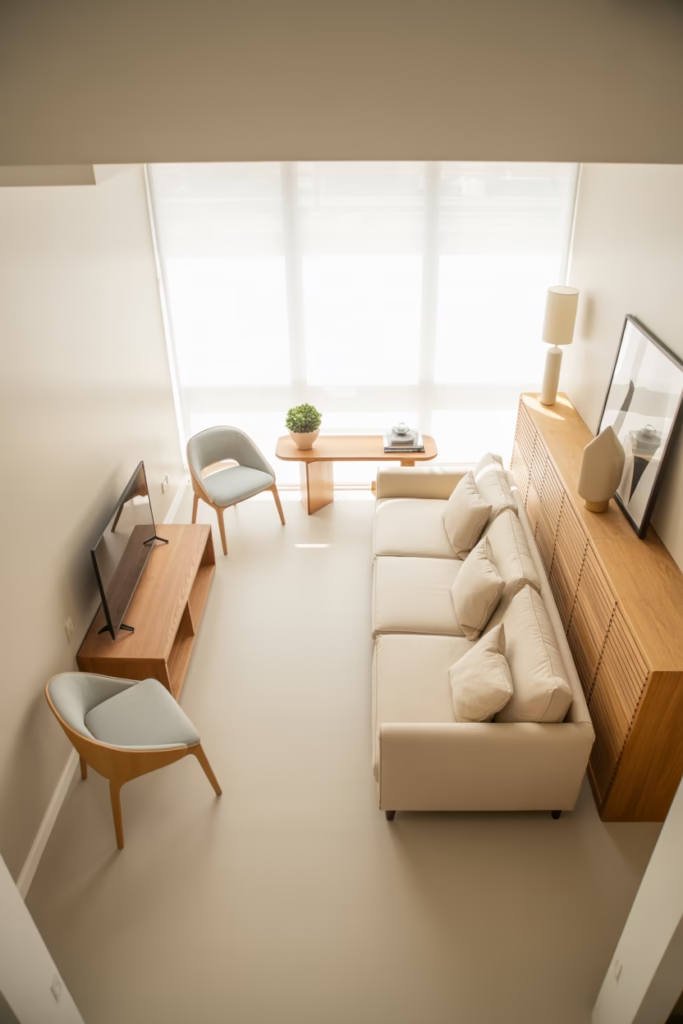
Big, oversized furniture might be trendy, but in a small space, it’s a disaster. You need pieces that are proportional to your room size. That giant sectional you’re eyeing? Yeah, it’s going to swallow your living room whole.
Measure your space before buying anything—and I mean actually measure, not just eyeball it. A sofa that’s too deep will make your room feel cramped and unusable. Opt for furniture with clean lines and compact profiles that still look substantial.
Apartment-sized furniture exists for a reason. Smaller sofas, narrow console tables, and compact dining sets are designed to fit tight spaces without looking like dollhouse furniture. I found a 72-inch sofa that’s perfect for my space—big enough to be comfortable but not so massive that I can’t walk around it.
The same principle applies to décor. Instead of one giant piece of art, create a gallery wall with smaller frames. Instead of a huge area rug, use a smaller one to define a seating area without overwhelming the floor.
Go Bold With One Statement Piece
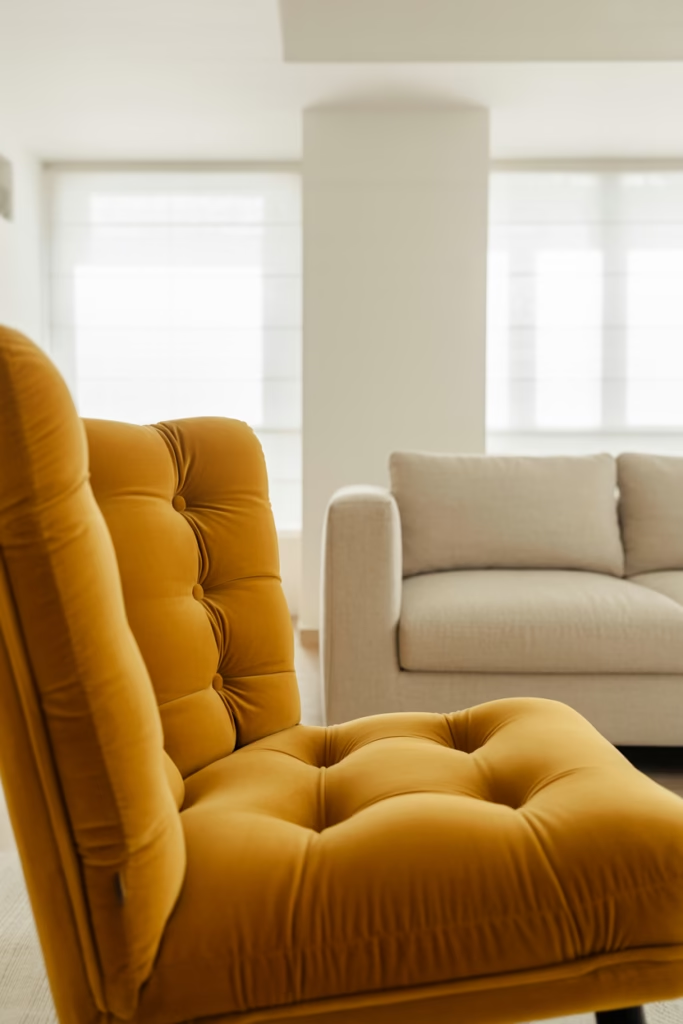
Here’s where I contradict myself slightly: while you want scaled-down furniture, one bold statement piece can actually make your space feel more intentional and designed. The key word is “one.”
Maybe it’s a vibrant accent chair, an oversized piece of art, or a unique light fixture. This focal point gives your room personality without cluttering it. When guests walk in, their eye goes directly to that piece, which creates visual interest and distracts from the room’s small size.
I have a bright mustard velvet chair in my apartment that gets compliments every time someone visits. It’s the first thing people notice, which means they’re not immediately thinking “wow, this place is tiny.” Instead, they’re thinking “that chair is awesome.”
Just make sure your statement piece actually fits your space—physically and stylistically. A massive chandelier in a low-ceiling room will make you feel like you’re in a cave.
Curtains: Hang Them High and Wide
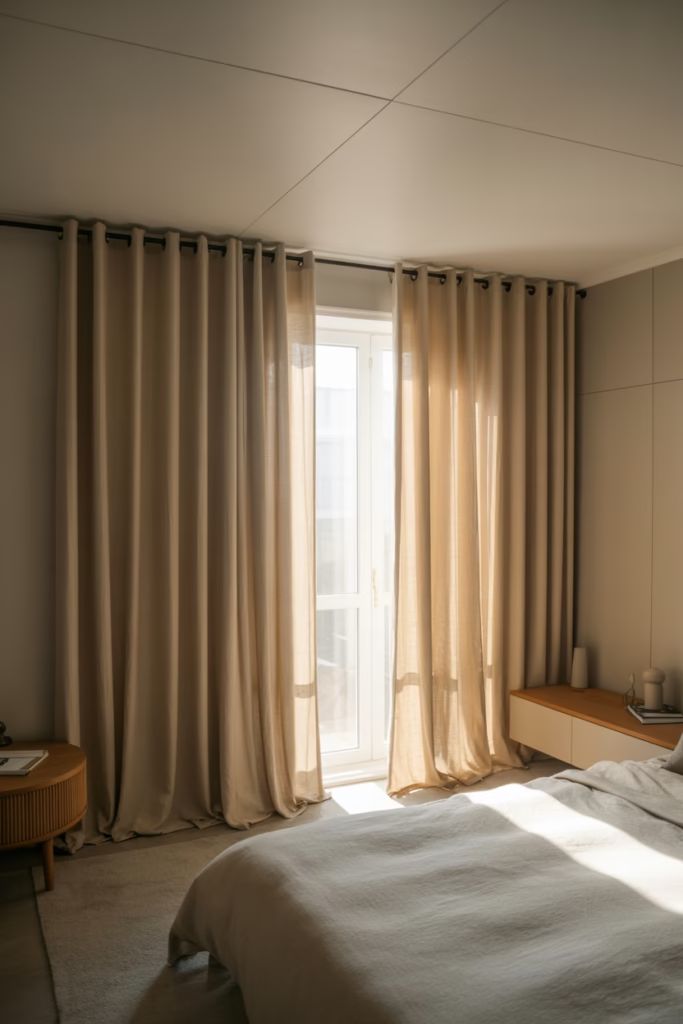
This is a trick I wish I’d learned earlier. Hanging curtains higher than your window frame makes your ceilings look taller. Mount the rod about halfway between the top of your window and the ceiling—or even right up at the ceiling if you’re feeling ambitious.
Also, extend the rod beyond the window frame on both sides. This makes your windows look wider and lets more light in when the curtains are open. I used to have curtains that just covered my windows, and my room felt so much smaller. Once I rehung them properly, it was like I’d added square footage.
Choose light, flowing fabrics in neutral colors. Heavy, dark curtains close off natural light and make spaces feel boxed in. Sheer white or linen curtains let light filter through while still providing privacy. IMO, they’re the perfect balance for small spaces.
And please skip the valances. They’re outdated and make your ceilings look lower. Simple, floor-length curtains are way more modern and space-enhancing.
Create Zones Without Walls
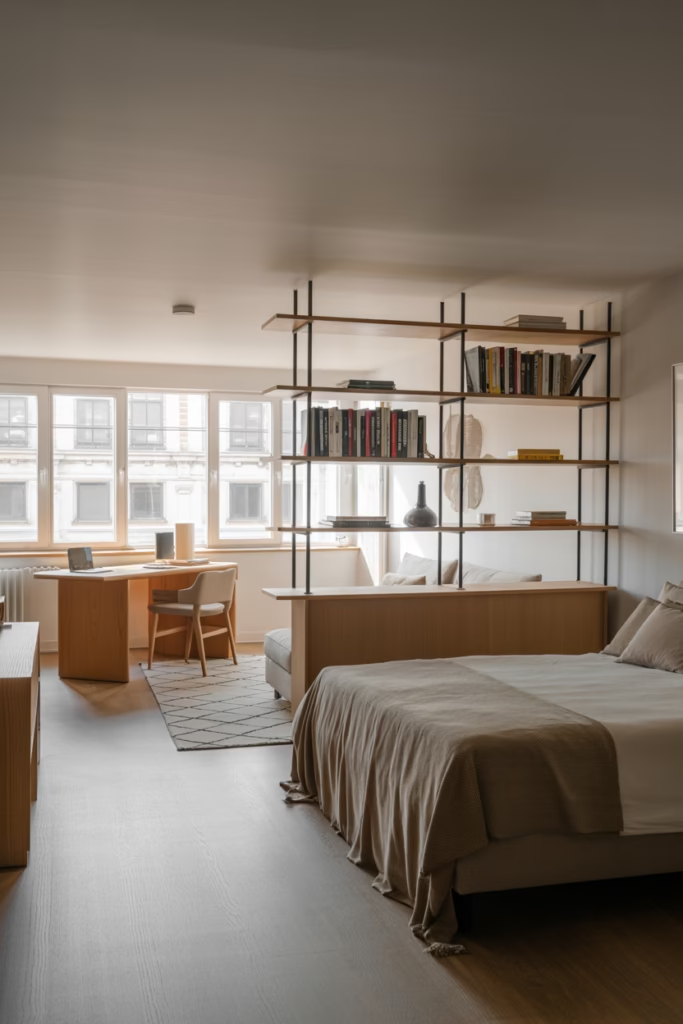
In a studio or open-plan space, defining different areas helps organize your space without making it feel smaller. The trick is using furniture and rugs as dividers instead of actual walls or bulky partitions.
Position your sofa to separate your living area from your bedroom. Use a bookshelf as a room divider that still lets light through. Area rugs can define spaces too—one rug for your living zone, another for your dining area.
I arranged my studio with my bed against one wall and my desk against the opposite wall, with my sofa acting as a natural barrier between them. This creates the illusion of separate rooms without closing anything off.
Open shelving units work great for this too. They provide storage and division while maintaining visual flow. Just keep them organized (see the clutter section above) so they don’t become eyesores.
Embrace Negative Space
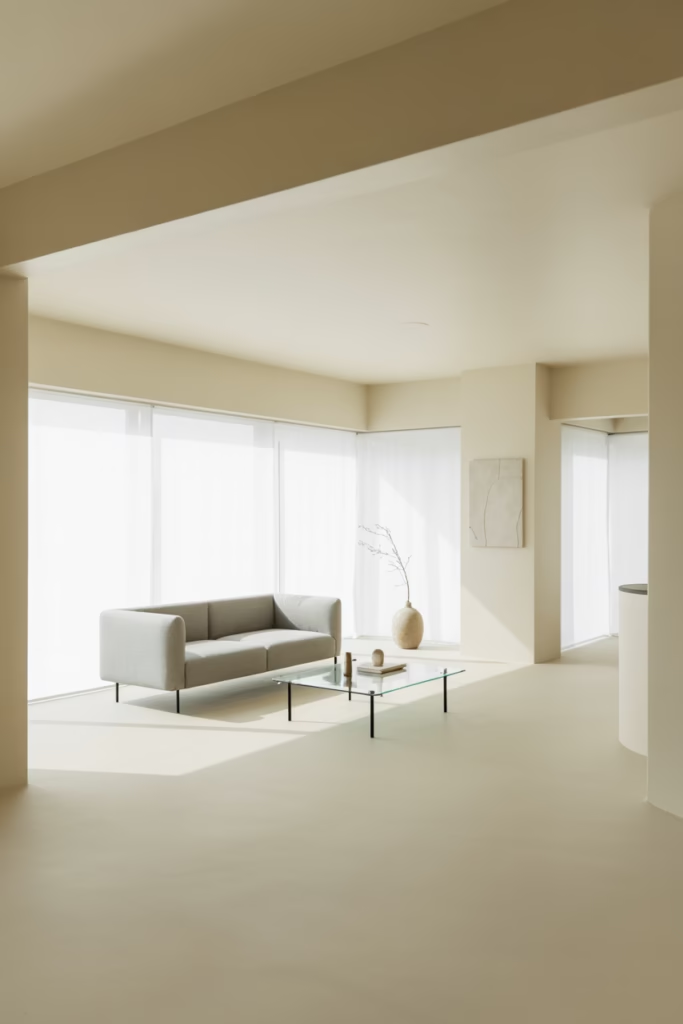
This sounds like designer talk, but hear me out: not every surface needs something on it. Negative space—the empty areas in your room—is what makes small spaces breathable. Without it, everything feels cramped and overwhelming.
Leave some wall space blank. Don’t fill every shelf. Let your furniture have room to breathe. I know the temptation to decorate every inch, but restraint is what separates a well-designed small space from one that feels chaotic.
When I first moved into my current place, I decorated like I was filling a mansion. Every wall had something hanging, every surface had décor. It looked busy and felt even smaller. Once I edited down to my favorite pieces and left breathing room, everything clicked.
Less really is more when you’re dealing with limited square footage. Choose quality over quantity, and let each piece shine instead of competing for attention.
Add Trendy Touches Without Overpowering
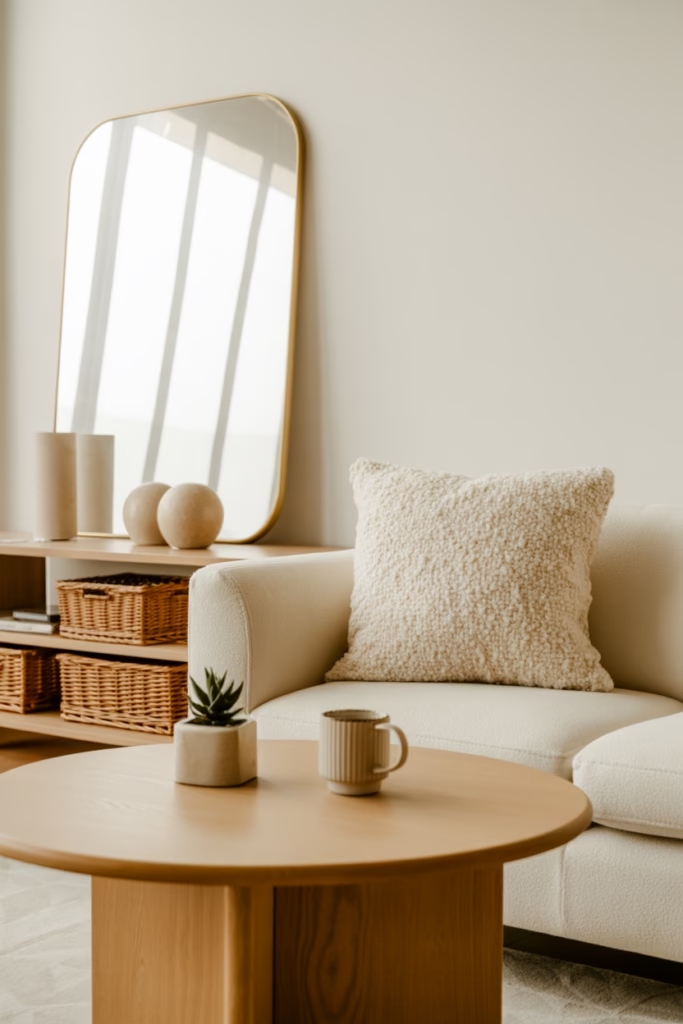
Small spaces can absolutely be trendy—you just have to be selective about which trends you adopt. Choose one or two current trends and incorporate them thoughtfully instead of trying to fit every Instagram aesthetic into 400 square feet.
Right now, I’m loving the curved furniture trend. A round coffee table or arched mirror adds that trendy touch without harsh corners that make small spaces feel aggressive. Boucle fabric is also huge right now, and a small boucle pillow or throw adds texture without overwhelming your space.
Natural materials like rattan, cane, and light wood keep things feeling current and airy. I swapped my old metal bar stools for rattan ones, and they completely changed my kitchen’s vibe. They’re trendy but timeless, which means I won’t have to replace them when the next big thing hits.
Jewel tones used sparingly—like emerald green or navy blue in small doses—add richness without making rooms feel dark. A jewel-toned throw pillow or small piece of art brings color without commitment.
Final Thoughts
Elevating a small space into something that feels open, bright, and stylish isn’t rocket science, but it does require intentionality. Every choice matters more when you’re working with limited square footage. You can’t just throw furniture in randomly and hope for the best.
The good news? Small spaces force you to be more creative and thoughtful about design. You learn what actually matters and what’s just excess. You become a problem-solver. And honestly, there’s something satisfying about maximizing every inch of space you have.
Start with the basics: light colors, good lighting, and smart furniture choices. Then layer in the tricks, mirrors, vertical storage, and thoughtful décor. Edit ruthlessly, embrace negative space, and don’t be afraid to go bold with one statement piece.
Your small space might never be a sprawling mansion, but it can feel just as comfortable, stylish, and expansive as any larger home. Sometimes the best designs happen when you work within constraints. Now go make that tiny room work for you, you’ve got this!