
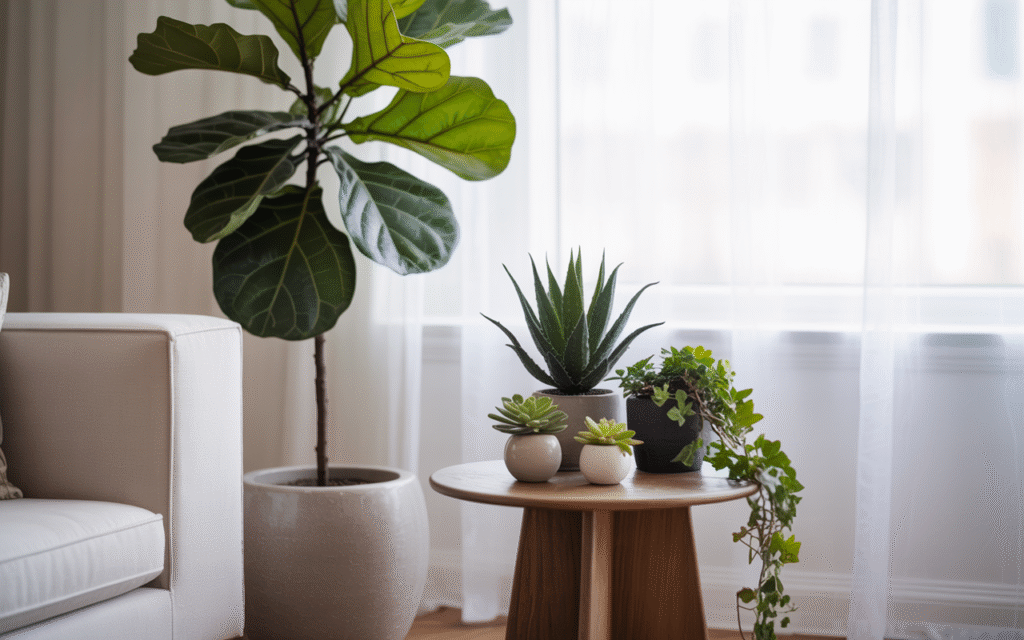
You walk into your living room the place where your family gathers, where you relax after a long day, where memories are made and something feels off. Maybe it’s a little too empty, a bit too flat, or just not as fresh as you’d like. I know exactly that feeling, because I’ve helped dozens of homeowners (and even worked through my own early mistakes) to make this space truly welcoming. The answer, I’ve found, is often as simple as adding plants. But not just any plants the right ones, in the right places, with the right care.
If you’ve ever wondered how to use plants to create a living room that feels alive, balanced, and uniquely yours, this article is for you. I’ll share 18 real, practical ideas not just random Pinterest shots that I’ve tested in my own home and on client projects. Some are super simple, some take a bit more effort, but every single one is something you can try this weekend. By the end, you’ll know exactly which plants to pick, where to put them, how to keep them looking great, and what to avoid. No green thumb required just a little enthusiasm and a willingness to experiment.
Why Plants in the Living Room?
I’ll start here because it’s a question I get a lot: Why bother with plants when there are so many other ways to decorate? In my experience, plants do something that rugs, art, and even great furniture just can’t match. They bring life into the room literally. The movement of leaves in a breeze, the slow unfurling of new growth, even the scent of fresh green can make a space feel calmer and more grounded. Plus, I’ve noticed that guests always gravitate toward rooms with plants, even if they don’t realize why.
For beginners, don’t worry if you’ve never kept a plant alive. I’ve killed my share, learned, and lived to tell the tale. The key is starting simple, picking forgiving varieties, and not being afraid to rearrange or replace things as you go. This isn’t about making your living room look like a magazine page full of rare tropicals it’s about making it feel like your own, friendly, lived-in home.
18 Tested, Practical Living Room Plant Decor Ideas
Here’s the core of what you came for ideas you can actually try, in the order I’d suggest for most homeowners.
1. The Statement Tree
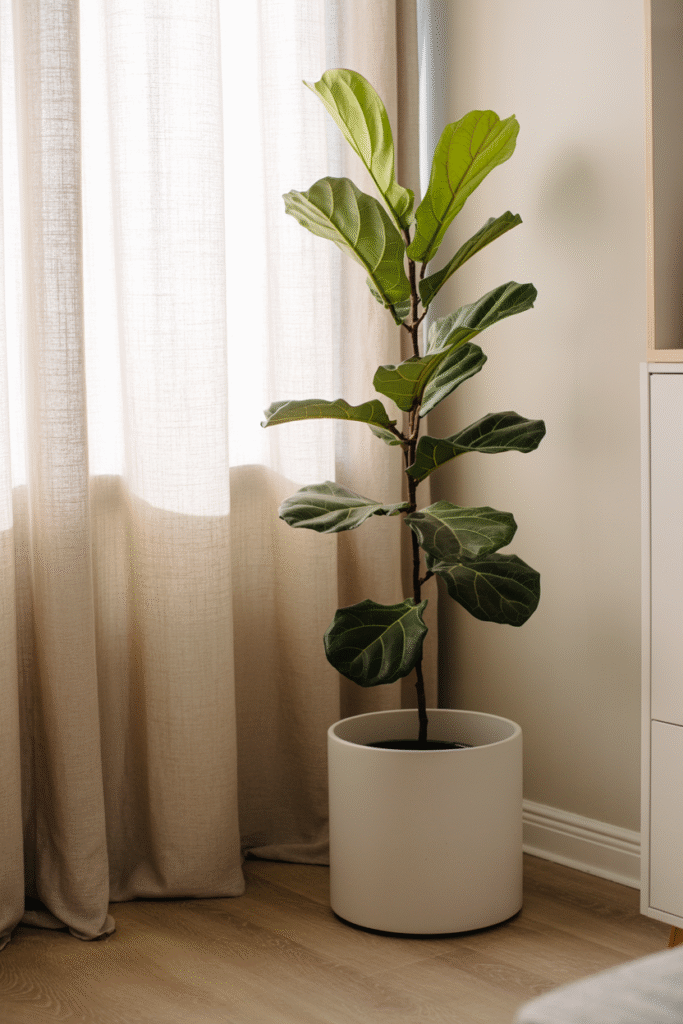
Start with one big, eye-catching plant. In my living room, I have a fiddle leaf fig (Ficus lyrata) in a 60 cm (24 inch) pot. It’s about 1.8 meters (6 feet) tall now, and it anchors the corner by the window. I’ve found that a single large plant creates a focal point without clutter. Other good options: rubber plant, bird of paradise, or a gently pruned money tree. Expect to spend around ($25–$50) for a healthy starter, and give it about 1–2 hours every couple of months for maintenance (dusting leaves, checking for pests).
Pro tip: Rotate your tree every few weeks so all sides get light. I learned this the hard way when half my fig’s leaves turned brown!
2. The Low Shelf Jungle
If you have a long, low shelf or console table (mine is 1.5 meters/5 feet long), group several small to medium plants together for visual impact. I like snake plants, pothos, and peperomias because they’re all low-maintenance and tolerate dry indoor air. Try clustering three to five plants in different heights, adding a trailing vine for movement, and leaving a bit of space between each. This setup takes about an hour to arrange, and the plants themselves might cost ($10–$25) total if you pick common varieties.
Avoid this: Don’t cram too many together it makes watering harder and increases risk of pests. I learned after one over-enthusiastic weekend when fungus gnats invaded!
3. The Wall Hanging Wonder
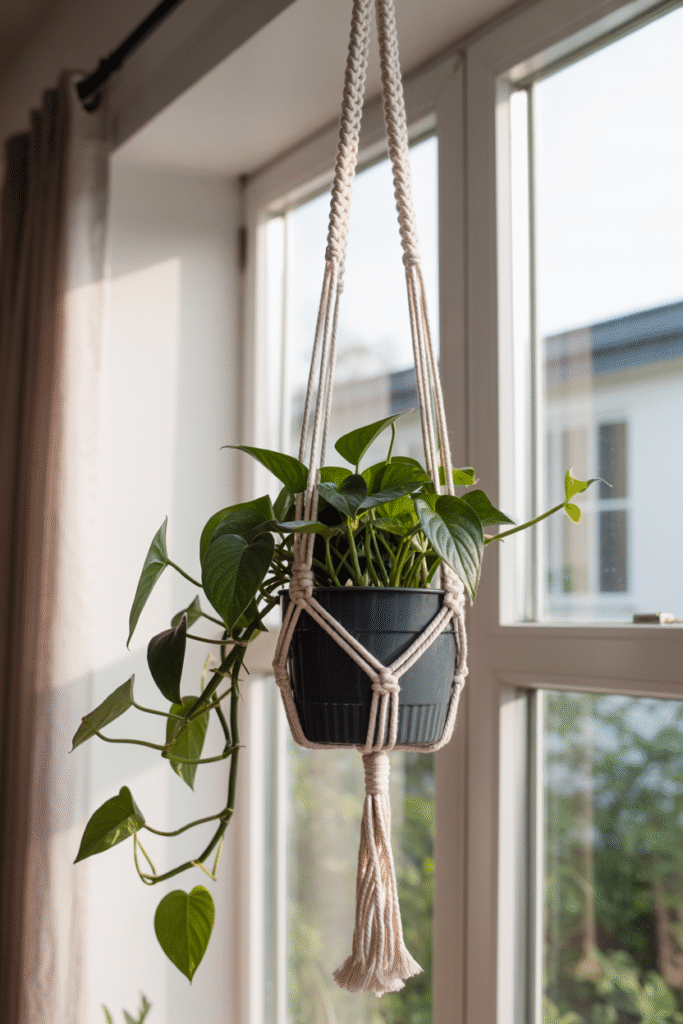
Trailing plants are some of my favorite additions for small spaces. Hang a macramé hanger near a window (about 30 cm/12 inches from the glass) and put in a healthy spider plant, string of pearls, or English ivy. Expect to pay ($4–$8) for a readymade hanger, or make your own for about half that. You can even train a pothos vine along a curtain rod or shelf edge, I’ve done this in rental homes where hanging wasn’t an option.
Pro tip: Water these lightly but consistently. Overwatering is the most common mistake I see with hanging plants.
4. The Coffee Table Centerpiece
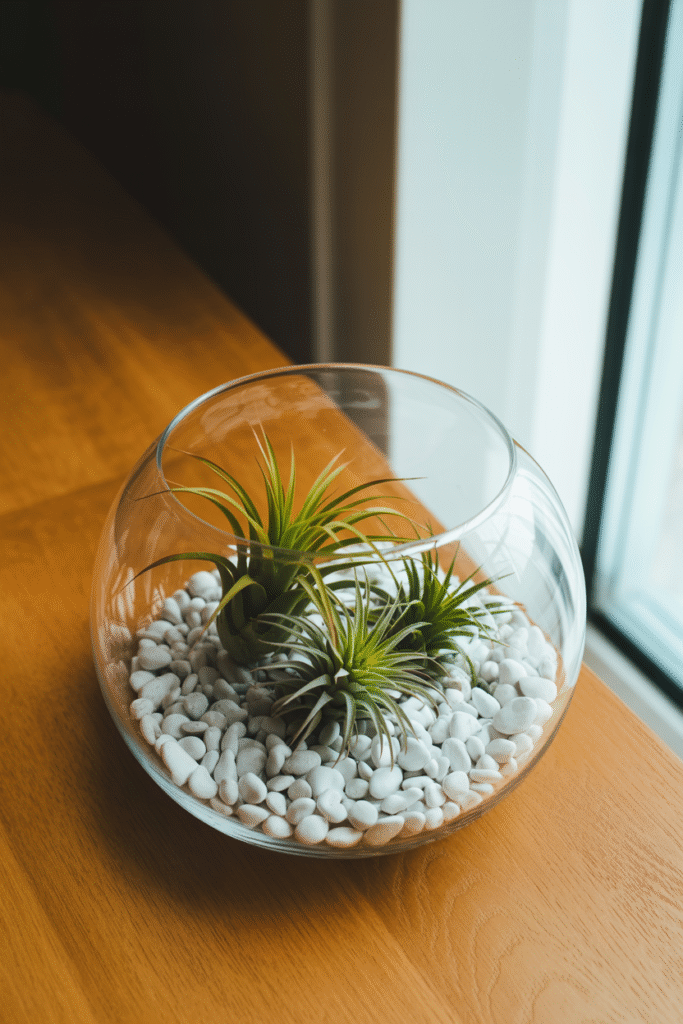
A small, sculptural plant on your coffee table instantly elevates the look. I’ve had great luck with air plants in geometric glass terrariums ($6–$15), or a single small succulent in a handmade pot. These need very little care spritz the air plant every week or soak it for 20 minutes once a month. Succulents want bright light and only occasional watering.
Common mistake: Putting these in the center of a low light table. They’ll stretch and fade. Move them right by the window when you’re not entertaining.
5. The Forgotten Corner Revival
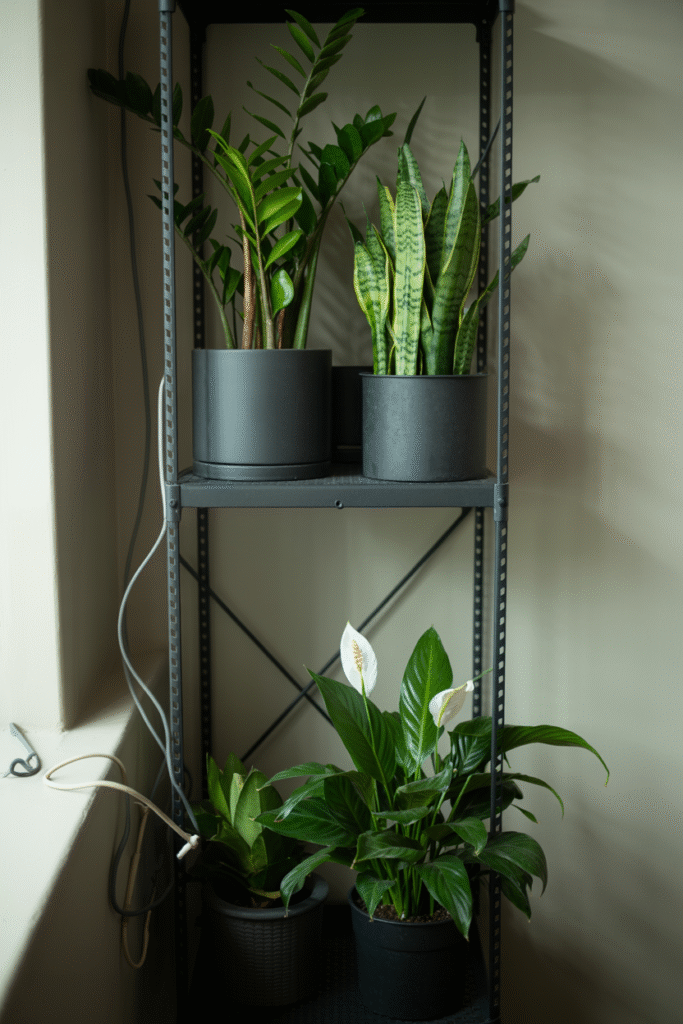
Every living room has a sad, empty corner. Mine was by the TV, collecting dust and random cables. I added a tall, narrow shelf unit (90 cm/3 feet tall, 30 cm/12 inches wide) and filled it with mixed low-light plants: ZZ plant, snake plant, and a peace lily on the bottom shelf. This corner now feels intentional, not neglected. The whole project cost about ($18) for the shelf and plants, and took an afternoon to set up.
Pro tip: Use a timer for these lower-light plants so you remember to water them every other week they’re forgiving, but not indestructible.
6. The Seasonal Swap-Out
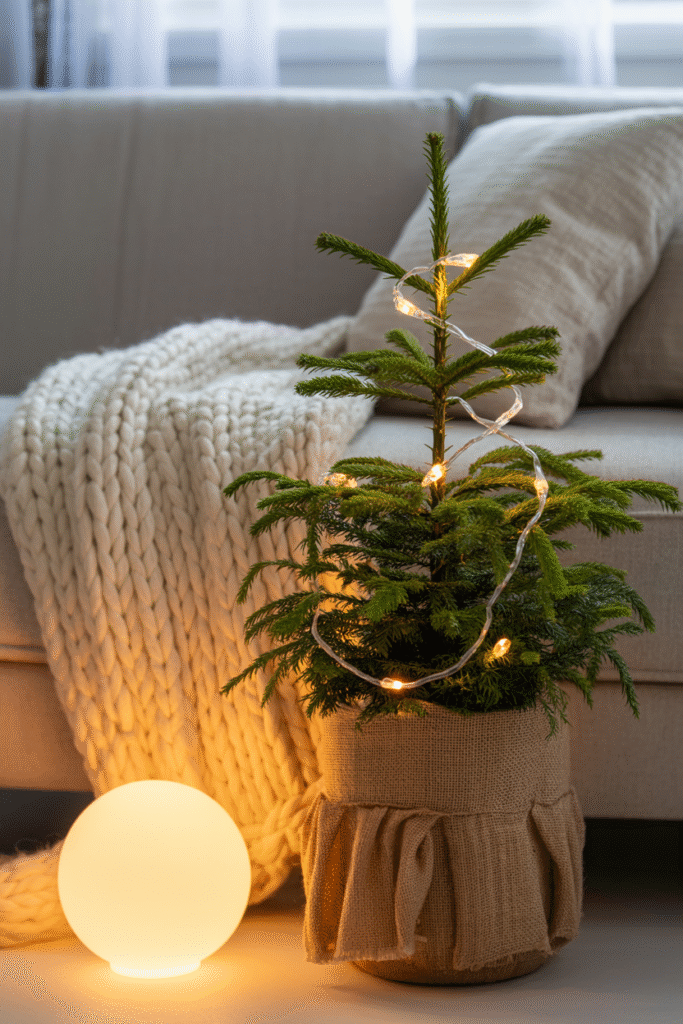
I love swapping plants in and out with the seasons. In summer, I might add a fiddle leaf fig or a big Monstera for a tropical look. For winter, I bring in a Norfolk pine (about 60 cm/2 feet tall, $15 at my local nursery) and decorate it with tiny LED lights. These seasonal changes keep the room feeling fresh, and it’s a tradition my friends look forward to.
Remember: If you bring outdoor plants inside, check for pests and quarantine them for a week or two before mixing with your other plants. I lost a beloved Swiss cheese plant to undetected spider mites once.
7. The Windowsill Mini-Garden
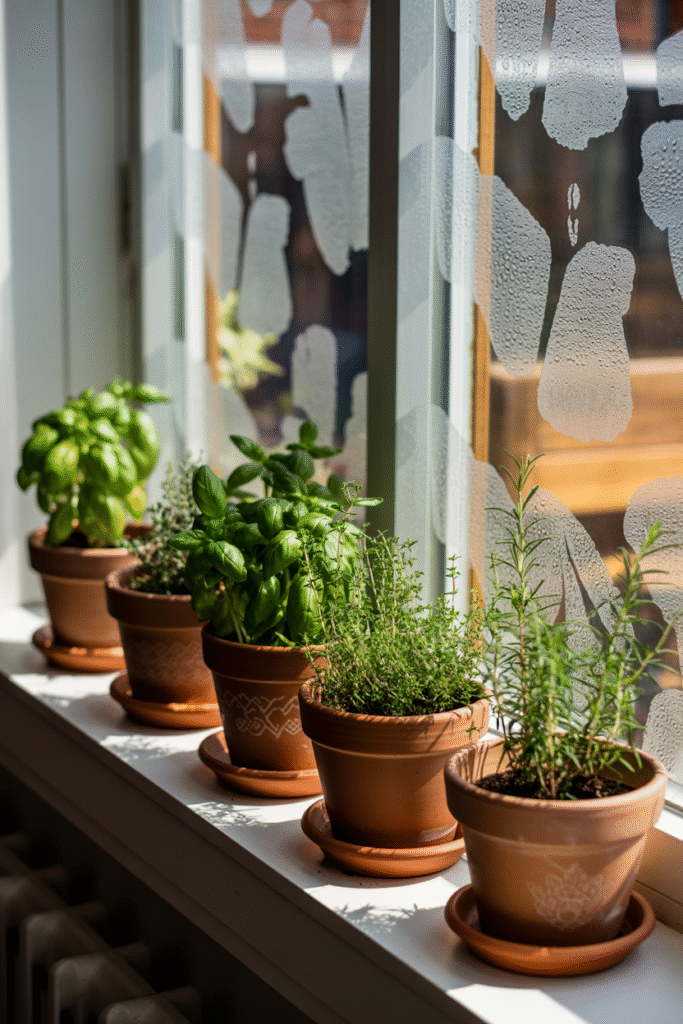
If you have a wide, sunny windowsill (at least 20 cm/8 inches deep), line it with a row of small potted herbs: basil, mint, thyme, and rosemary. Not only do they smell amazing, but you can snip fresh herbs for cooking. I keep mine in simple terracotta pots (/$1–$3 each). This setup takes about 30 minutes to plant and costs ($7–$15) for the plants and pots.
Common mistake: Herbs need at least 4–6 hours of direct sun don’t expect them to thrive in a shady spot.
8. The Living Wall Art
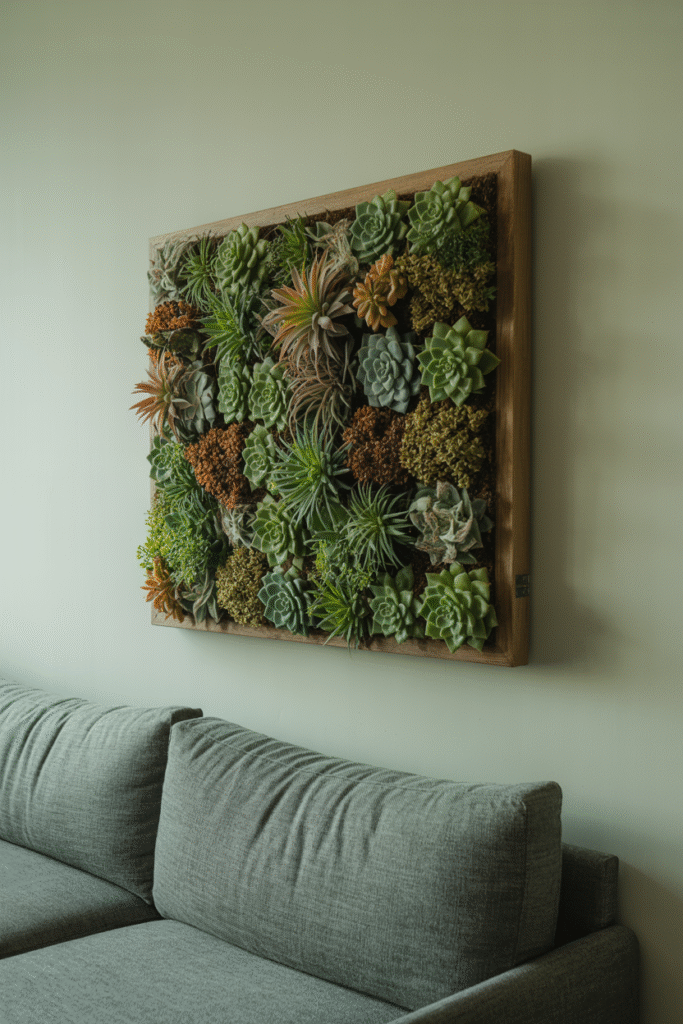
If you’re up for a project, try building a living wall panel. I made mine with a 60 x 90 cm (2 x 3 foot) wooden frame, a wire grid, and about 12 small succulent or air plants. It takes a weekend to assemble, and the materials cost around ₹3,000 ($36). Mount it like a piece of art, mist it every few days, and enjoy the compliments.
Pro tip: Use a level when hanging an uneven living wall is a distraction, not a feature.
9. The TV Console Forest
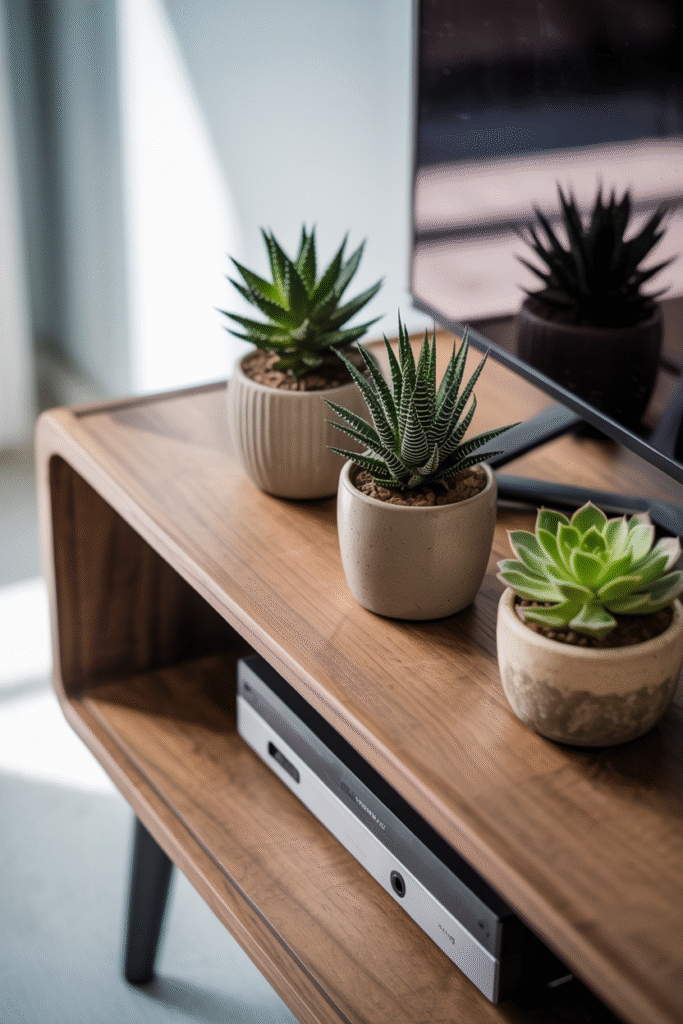
Add a row of small green plants along your TV console or media unit. I like Haworthia, gasteria, or small agave because they stay compact and sculptural. Three to five plants in a staggered line make a big difference. This setup takes 20 minutes to arrange and costs about ($12) for the plants (even less if you propagate some from cuttings).
Avoid this: Don’t block the TV’s sensor or vents with plants—keep them to the sides.
10. The Entryway Welcome
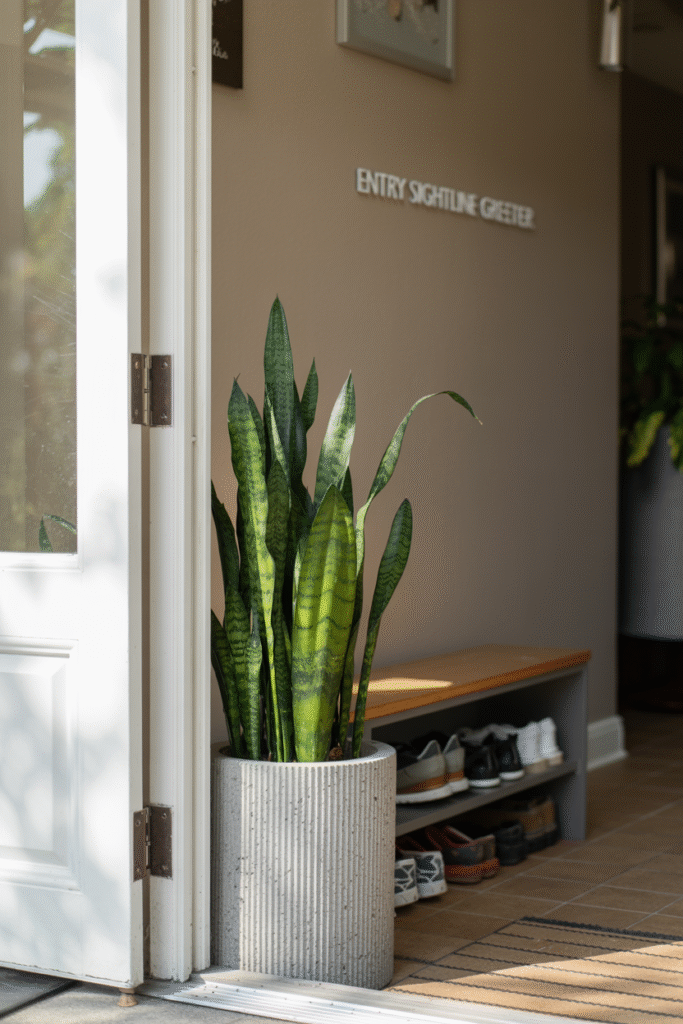
Place a sturdy, glossy-leaved plant (like a snake plant or a cast-iron plant) near your living room entry. This greets guests with calm energy and hides the inevitable pile of shoes behind it. I’ve used this trick in homes with awkward entryways, and it always softens the transition.
11. The Bookshelf Greenery
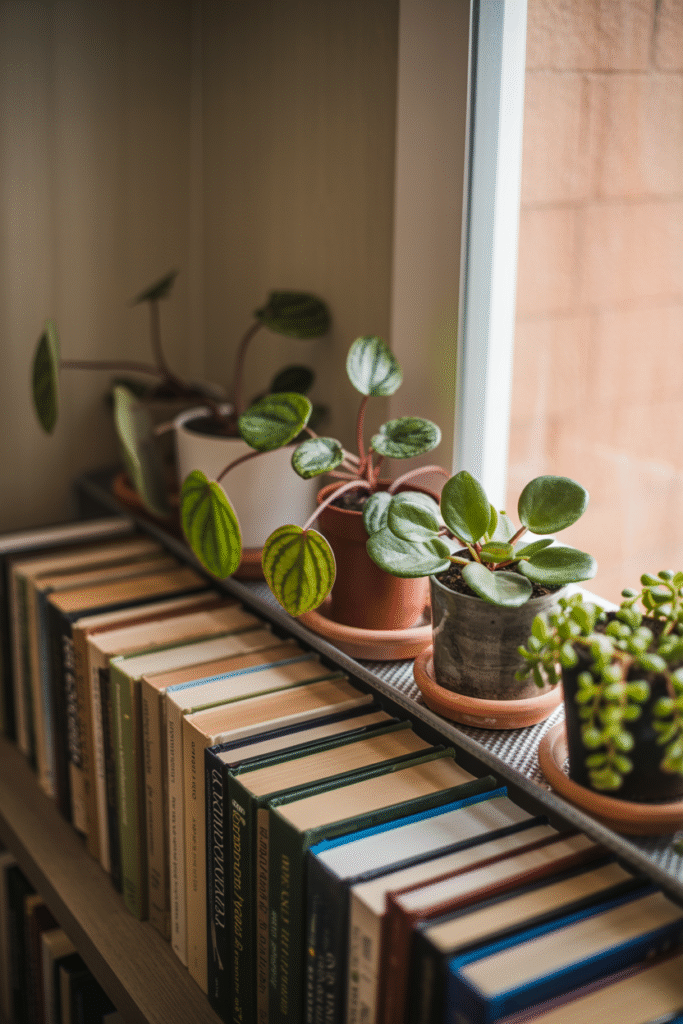
Tuck small plants between books and decor on your shelves. I use tiny cacti, peperomias, and string of pearls for this. They add life without clutter. Just be sure the shelf gets some light no dead zones.
Pro tip: Water these with a spray bottle to avoid drips on your books.
12. The Floor-Level Cluster
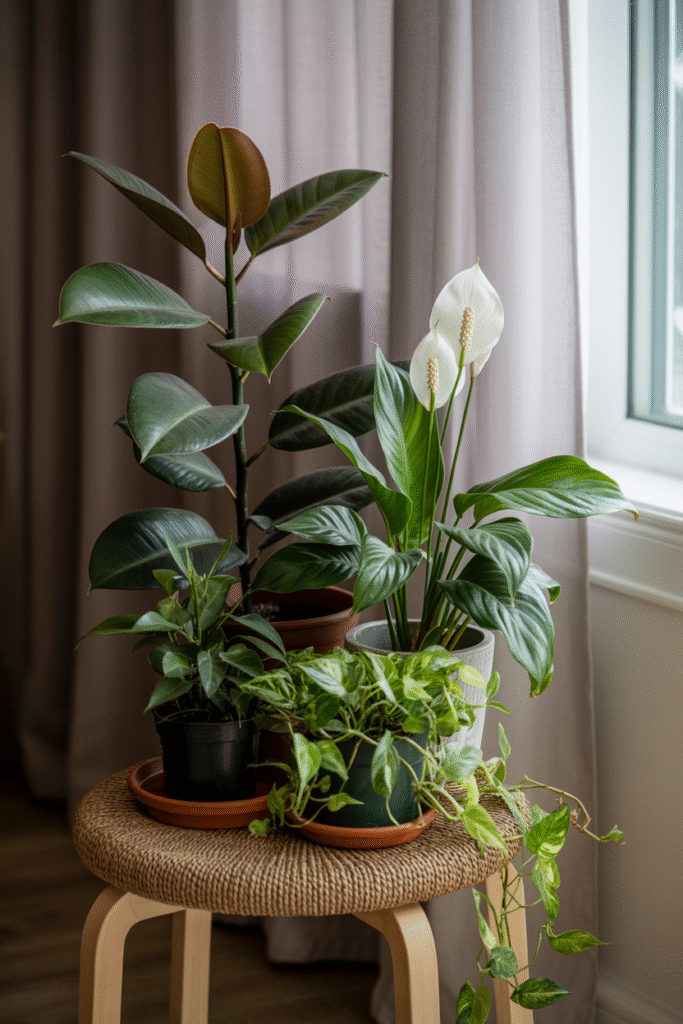
Group two or three medium plants together on a low stool or woven basket near a sunny window. Try a rubber plant, a peace lily, and a philodendron. The different leaf shapes and heights create visual interest. This is an easy weekend update.
13. The Side Table Surprise
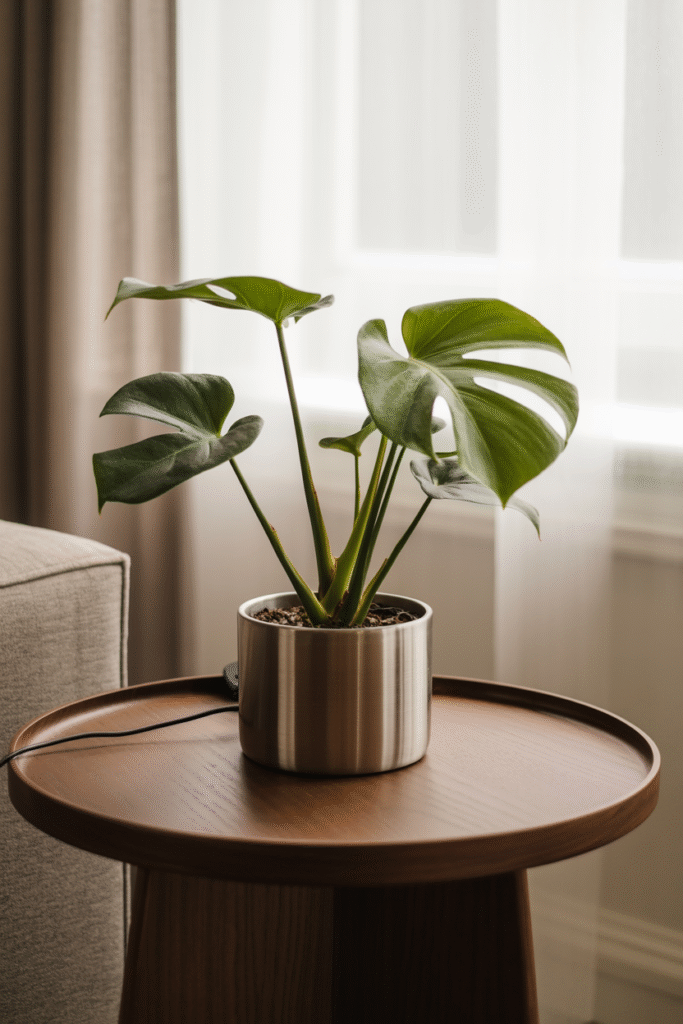
Add a single leafy plant (like a Chinese evergreen or a smaller monstera) to your side table. It’s a simple touch that makes the whole room feel more alive.
14. The Statement Planter
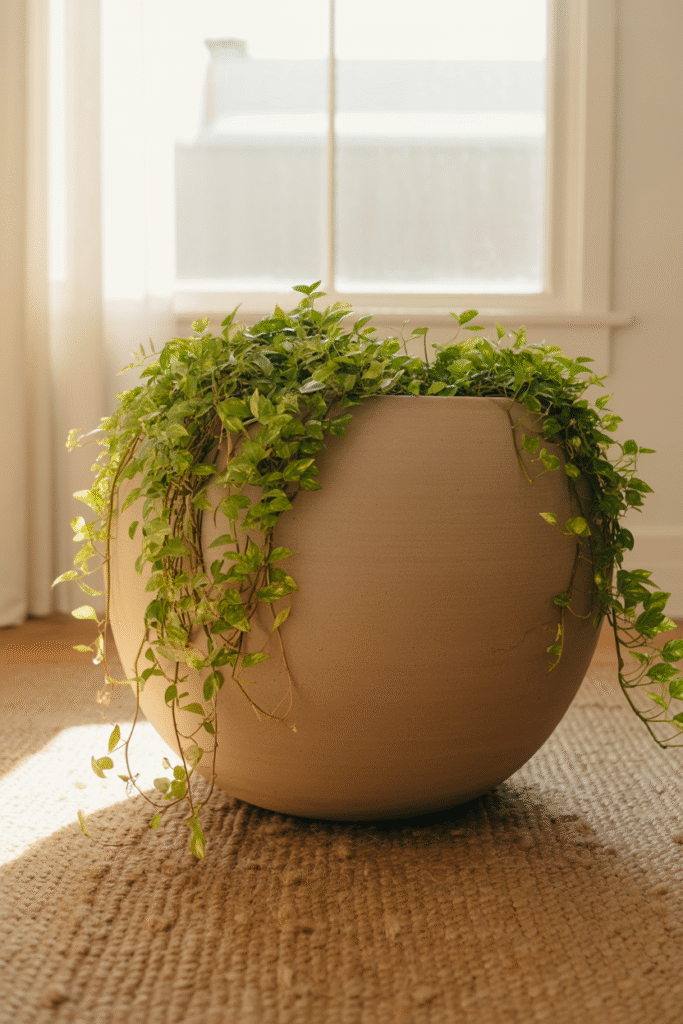
Choose one beautiful, oversized planter (ceramic, concrete, or woven) and fill it with a lush, multi-stemmed plant. I like golden pothos for this—it fills out quickly and trails over the edge. The planter is the star here, so splurge if you can.
15. The Ceiling Hook Cascade
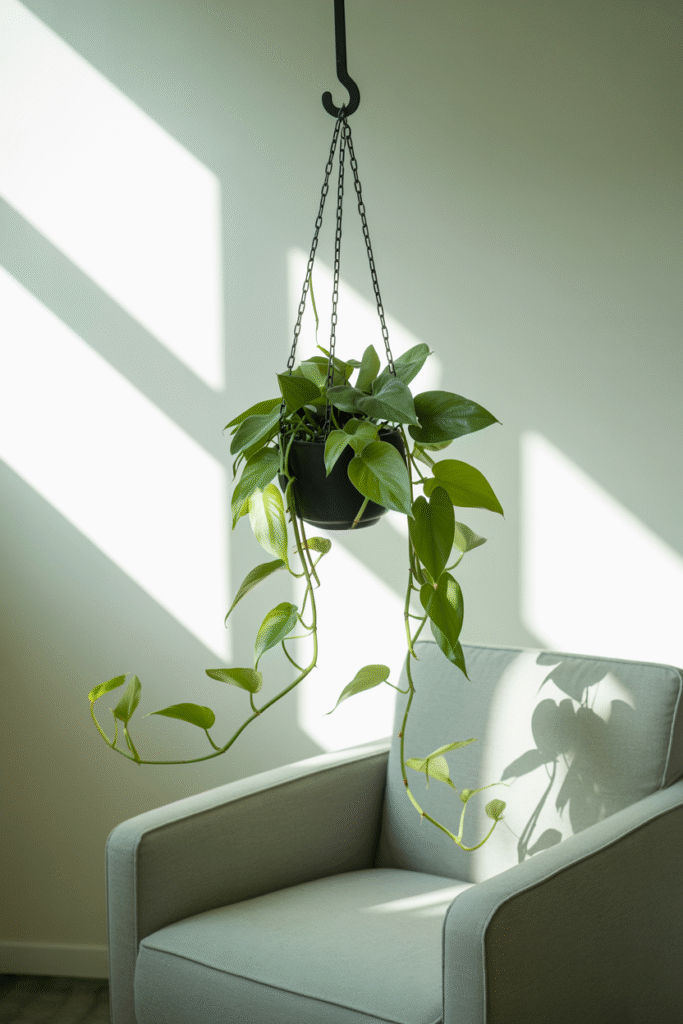
Suspend a trailing plant (like a heartleaf philodendron) from a ceiling hook. Let it cascade down over a chair or reading nook. It’s a bit of a project, but the effect is magical.
Common mistake: Make sure your hook is rated for the weight wet pots are heavy!
16. The Coffee Table Tray Garden
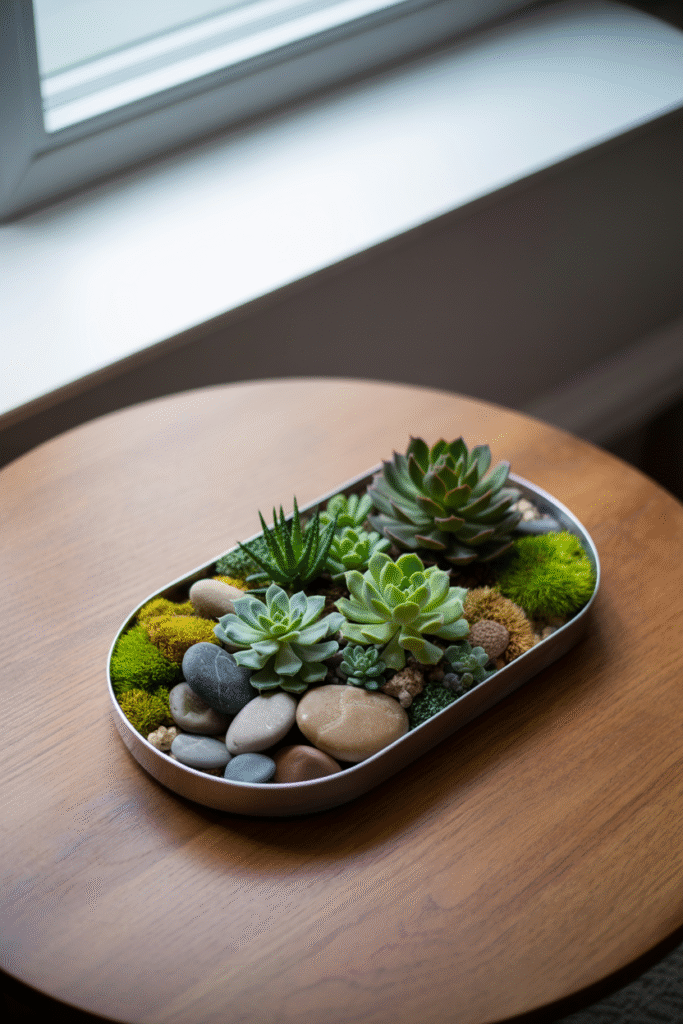
Place a shallow tray on your coffee table and fill it with small succulents, moss, and decorative stones. It’s a living centerpiece that’s easy to move when you need the space.
17. The Fireplace Fill-In
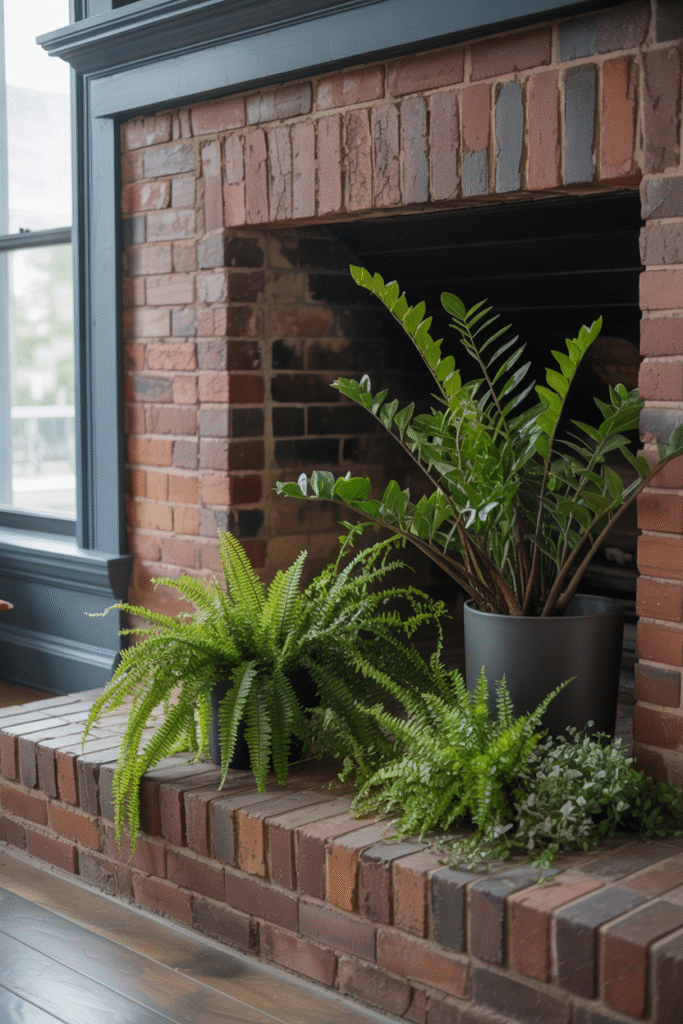
If you have a non-working fireplace, fill the hearth with potted ferns or a large ZZ plant. It’s a classic look that never goes out of style.
18. The Seasonal Cutting Rotation
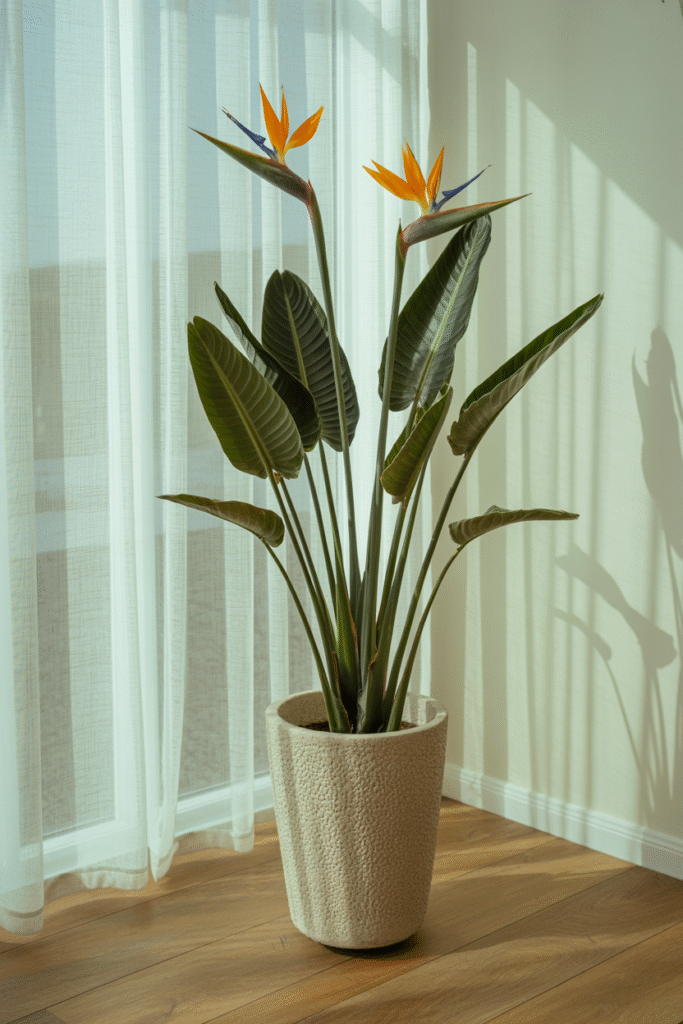
Keep a few stems of fresh greenery (eucalyptus, olive, or even branches from your garden) in a vase. Switch them out every week or two for a constantly changing look. It costs almost nothing and looks fabulous.
Caring for Your Living Room Plants
Plants are living things they need attention, but not fussiness. Here’s what I’ve learned from years of trial, error, and the occasional plant funeral.
Watering the Right Way
Most indoor plants die from overwatering, not underwatering. I stick my finger about 2.5 cm (1 inch) into the soil—if it’s dry, I water. If it’s damp, I wait. I water most plants once a week in summer, every 10–14 days in winter. Succulents and cacti get even less.
Pro tip: Use room-temperature water, not ice-cold or hot. And always make sure your pots have drainage holes.
Quick Reference: Plant Recommendations by Skill Level
| Beginner | Intermediate | Advanced |
|---|---|---|
| Snake plant | Fiddle leaf fig | Ficus benjamina |
| ZZ plant | Monstera | Calathea |
| Pothos | Rubber plant | Bird of paradise |
| Spider plant | Peace lily | Stromanthe |
| Cast iron | Philodendron | Alocasia |
Living Room Plant Decor FAQs
I’ve killed every plant I’ve ever owned. What’s the easiest one to try?
Start with a snake plant or ZZ plant. They thrive on neglect, tolerate low light, and rarely need watering. I’ve seen them survive in offices with no windows!
How do I keep my cat from eating my plants?
Avoid lilies, pothos, and philodendron—they’re toxic. Stick to spider plants, palms, and African violets, and consider placing plants out of reach on shelves or in hanging baskets.
Are fake plants a good alternative?
For high shelves or dark corners, high-quality silk or plastic plants can work. But they don’t improve air quality or give you the same sense of life. I mix a few realistic fakes in hard-to-reach spots, but go for the real thing whenever you can.
How often should I repot my plants?
Most houseplants are happy in the same pot for 2–3 years. Repot when roots grow through the drainage holes or the plant dries out too quickly. Spring is the best time.
Can I keep plants in a room with no windows?
Even low-light plants need some natural light. If you truly have no windows, consider a grow light. I’ve used simple LED plant lights (about ₹800/$10) with success.
How do I make my living room look like a Pinterest board?
Focus on variety: a tall plant, a trailing vine, a cluster on a shelf, and something sculptural on the coffee table. Play with heights, textures, and pots. And remember, real homes are more lived-in than boards—perfection isn’t the goal, personality is.
Final Thoughts: Embrace Experimentation
I’ll be honest—there’s no one “right” way to decorate with plants. Some of my favorite living rooms are ones where the owner tried something unexpected: a row of herbs on the windowsill, a giant Monstera in the corner, or even a single, perfectly placed succulent by the sofa. What works best is starting with what excites you and adjusting as you go.
If a plant dies, don’t take it as a failure. I’ve lost count of how many I’ve accidentally overwatered or forgotten in a dark corner. Every mistake is a chance to learn, and every new plant is a fresh start. The key is to keep going, keep rearranging, and let your space grow with you.
So grab a cup of coffee, pick a corner, and try one of these ideas today. Your living room and your mood will thank you.