
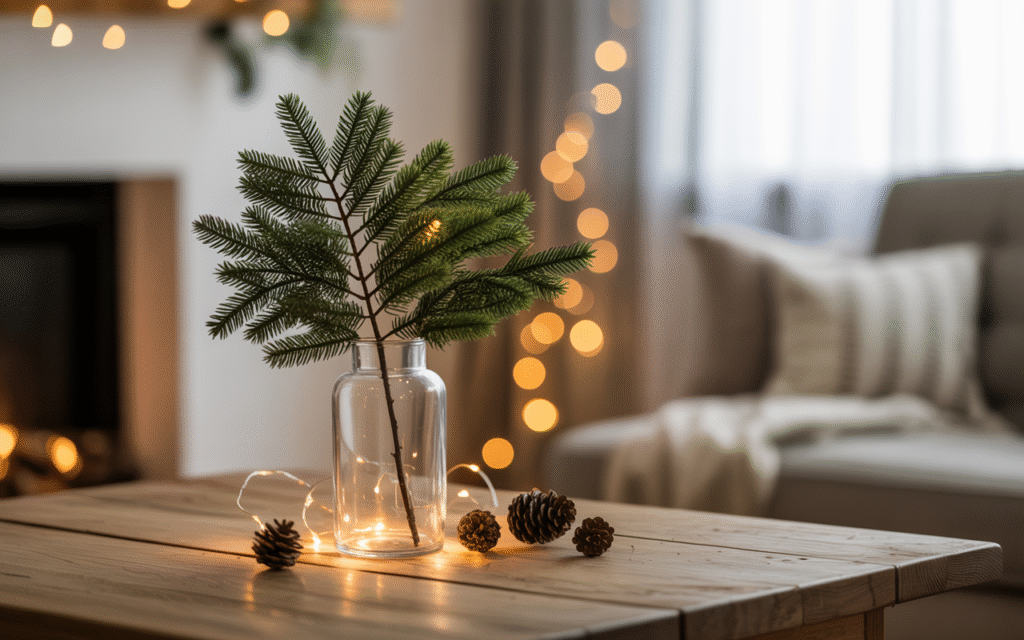
Do you ever feel like the holidays leave your home cluttered rather than cozy? I’ve been there—walking through the store, tempted by every glittery ornament and scented candle, only to bring too much home and end up overwhelmed. The good news? You can create a festive atmosphere without the chaos. What I’ve found that minimalist Christmas decor not only looks elegant, it’s also easier to set up, store, and enjoy. If you want a home that feels open, inviting, and truly special this season, read on—I’ll walk you through 15 practical, beautiful ideas, with exact steps, measurements, and real-life lessons from projects in my own home and for clients.
Start With a Clean Slate
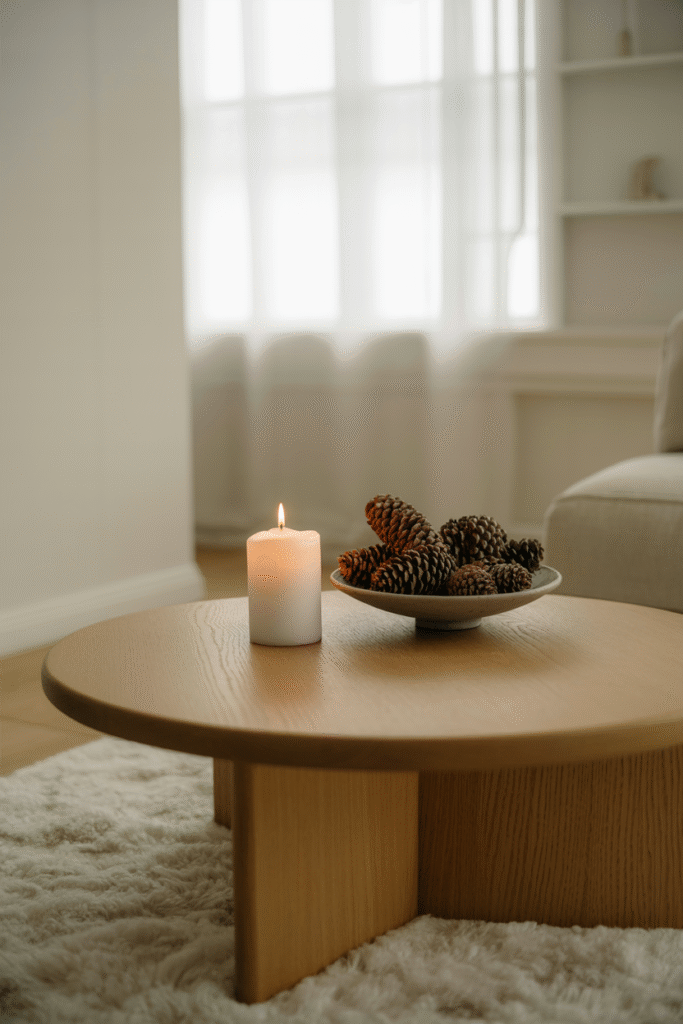
Before we add a single ornament, let’s talk about the foundation. It might sound obvious, but clearing your surfaces and decluttering your main living areas is the single most important step. I’ve seen clients try to layer festive touches on top of everyday mess, and it just never looks right. Instead, spend 15-30 minutes tidying up—clear the coffee table, console, and mantel. You might even want to remove a few everyday decor items for the season, giving your Christmas pieces room to shine.
Pro tip: If you have items you only use seasonally, store them together in labeled bins. This makes next year’s setup a breeze.
Avoid this: Rushing to decorate without tidying first—you’ll end up piling holiday decor on clutter, and it will feel chaotic instead of calm.
Choose a Simple, Cohesive Color Palette
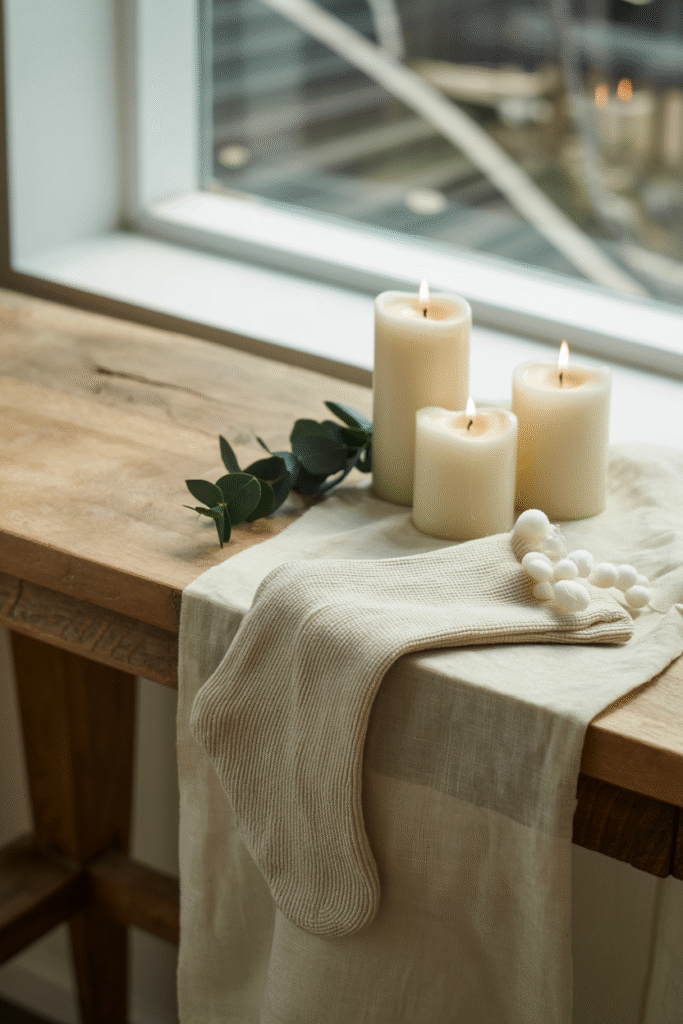
Over the years, I’ve experimented with every combination, from classic red and green to icy blues and metallics. What works best is picking one main color and one accent, plus plenty of natural textures like wood, linen, or wool. For example, last year, I helped a family create a living room scheme with soft white candles, unbleached linen stockings, and a single pop of deep green from a few fresh garlands. The result? Instant calm, with just enough holiday spirit.
- Main color: White, cream, beige, soft gray, or black
- Accent color: Deep green, muted red, gold, or silver
- Natural textures: Burlap, wood slices, wool, cotton
Cost: Free (shop your home for linens, wood, etc.) to around ₹1,500 ($20) for a set of coordinating candles or a linen table runner.
Time: 10-20 minutes to gather pieces from around your home.
Difficulty: Beginner
Skip the Giant Tree—Try a Tabletop Tree Instead
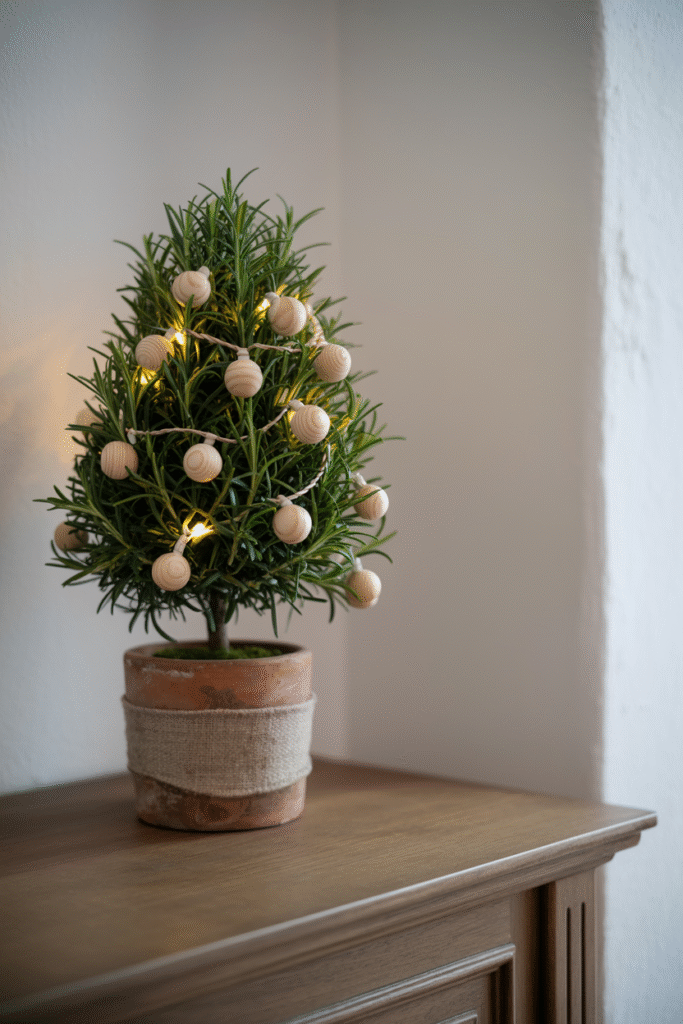
If a full-sized tree feels like too much (or you’re short on space), a tabletop tree is a game-saver. I’ve used 60 cm (2 ft) faux trees, real potted rosemary bushes trimmed into cone shapes, or even a simple branch arrangement in a vase. Decorate with a handful of lightweight ornaments, tiny LED lights, and a simple fabric “skirt.” Last December, I created a mini tree for a client’s apartment entryway using a rosemary plant, a few handmade clay ornaments, and a strip of linen as a tree skirt—guests couldn’t stop complimenting it.
Steps:
- Select a 45–60 cm (1.5–2 ft) tree or potted plant.
- Place on a sturdy table or shelf.
- Use 10–15 small ornaments—ceramic, wood, or paper.
- Wrap a strip of fabric around the base.
- Add a string of 20–50 LED lights (battery-operated is easiest).
Cost: ($7–$40) depending on materials.
Time: 15–30 minutes.
Difficulty: Beginner
Nature Is Your Best Decorator
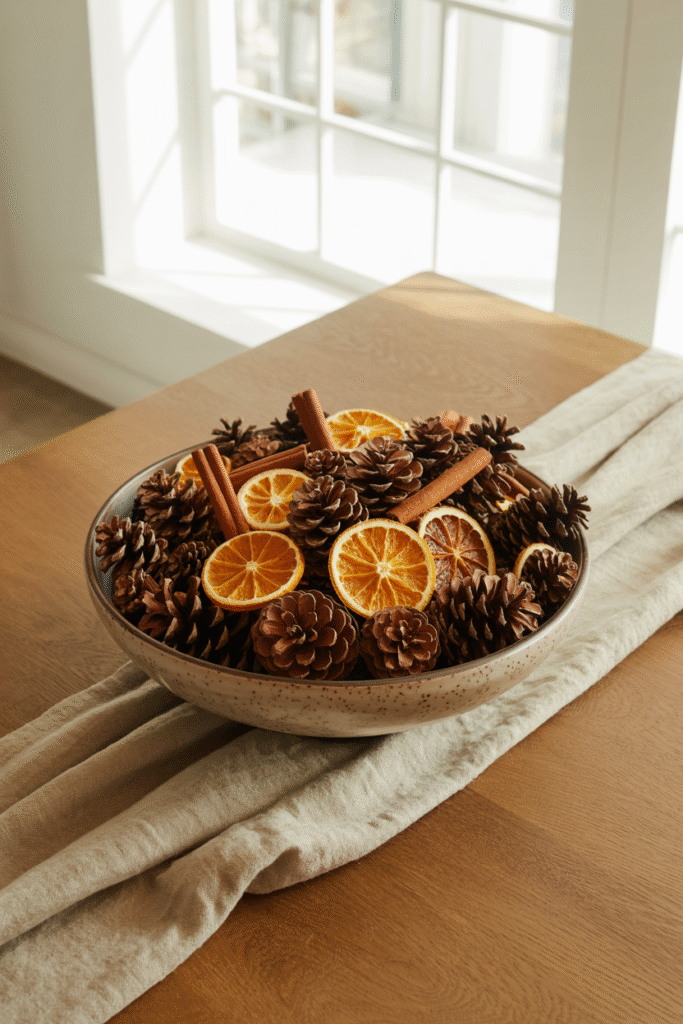
One of the easiest ways to add warmth without clutter is to bring in natural materials. Pinecones, dried citrus slices, bare branches, and even bundled cinnamon sticks look beautiful grouped in a bowl or scattered down the center of a table. I keep a stash of foraged pinecones and dried oranges from year to year—they cost nothing and make any room feel special.
Pro tip: Arrange a few sprigs of evergreen in a simple vase—this smells amazing and instantly feels festive.
Avoid this: Overloading surfaces with too many small items. Stick to 3–5 natural pieces per surface for a clean look.
Lights: Less Is More
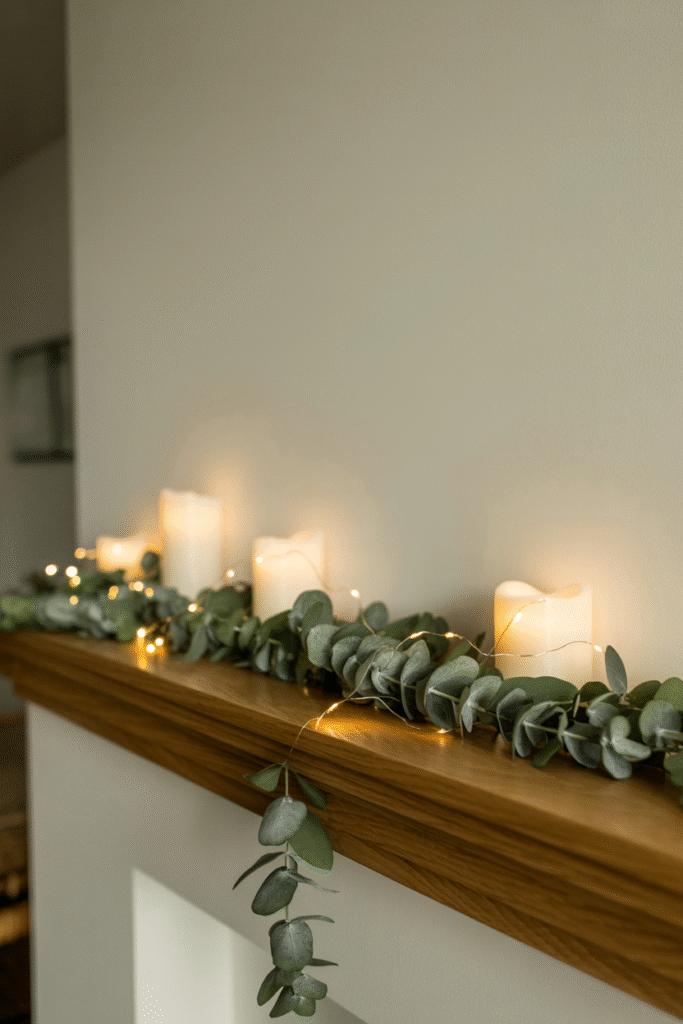
String lights can easily overwhelm a minimalist space if you’re not careful. I’ve found that a single, well-placed strand along a mantel or around a window frame adds just enough sparkle. Go for warm white LEDs rather than multicolored lights. In my own living room, I use a 3 m (10 ft) strand along the mantel, woven through a few sprigs of greenery—simple, but magical after dark.
Cost: ($3–$10) for a quality LED strand.
Time: 5–10 minutes to place and secure.
Difficulty: Beginner
Keep Ornaments Thoughtful and Sparse
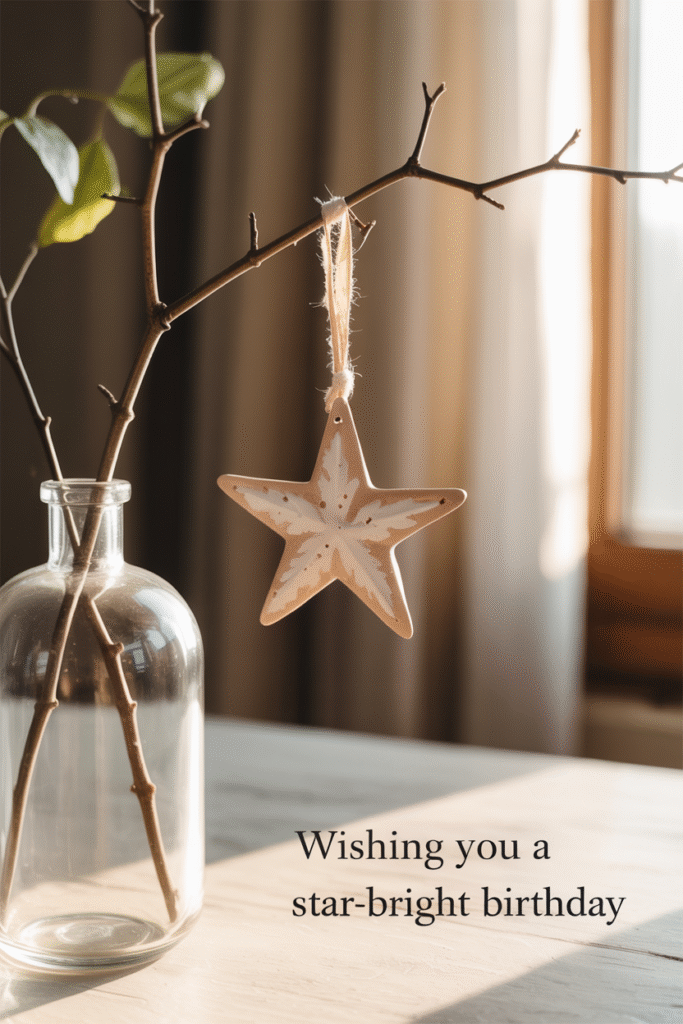
Instead of covering every inch of your tree or shelves, choose a few ornaments with meaning. Maybe it’s a handmade clay star, a vintage glass ball from your grandmother, or a simple wooden shape. I encourage clients to pick 5–10 favorites and let them stand out. In my home, the kids each pick one new ornament a year—by keeping the collection small, each one feels special.
Pro tip: Store ornaments in divided boxes or wrap them in tissue to protect them year after year.
Avoid this: Hanging ornaments too close together—space them out so each can be appreciated.
Create a Minimalist Wreath
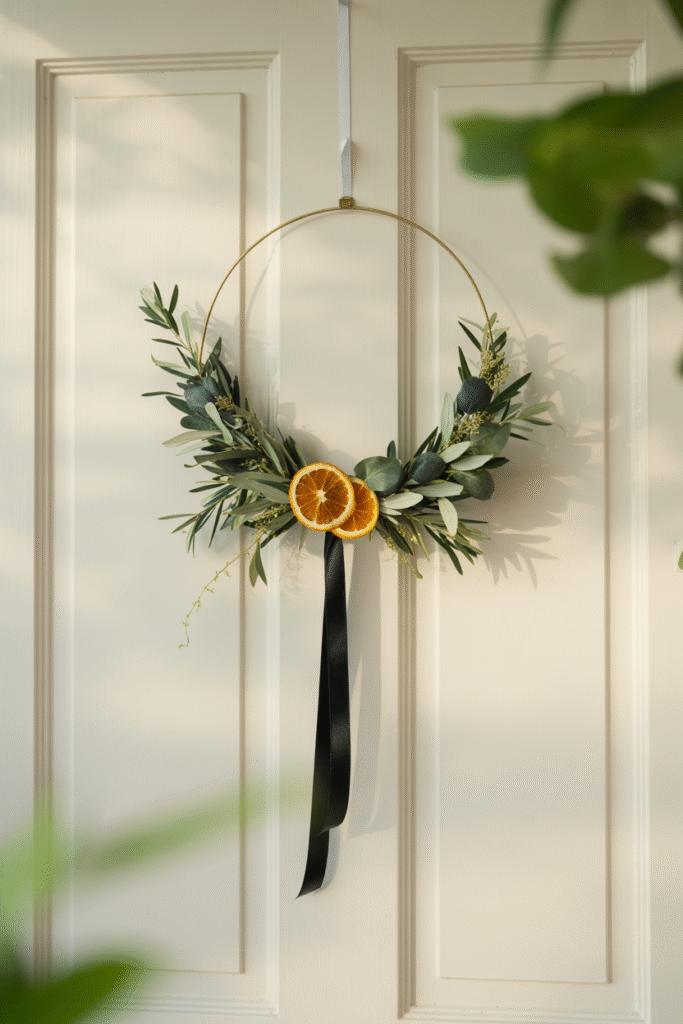
A wreath doesn’t have to be big and bushy. I love making simple, modern wreaths with a grapevine or metal ring, a few sprigs of eucalyptus or olive branch, and a single ribbon or dried citrus slice. Hang it on your door or above the mantel for instant holiday charm. One year, I made a wreath for a client using a 30 cm (12 in) metal ring, a handful of dried orange slices, and a thin black ribbon—people asked where she bought it!
Steps:
- Buy or forage a wreath base (grapevine, metal, or straw).
- Attach 5–7 sprigs of greenery with floral wire.
- Add 2–3 dried citrus slices or a single ribbon bow.
- Hang with a clear command hook for easy removal.
Cost: ($4–$20), depending on materials.
Time: 20–40 minutes.
Difficulty: Beginner to Intermediate
Swap Fussy Tableware for Simple, Festive Pieces
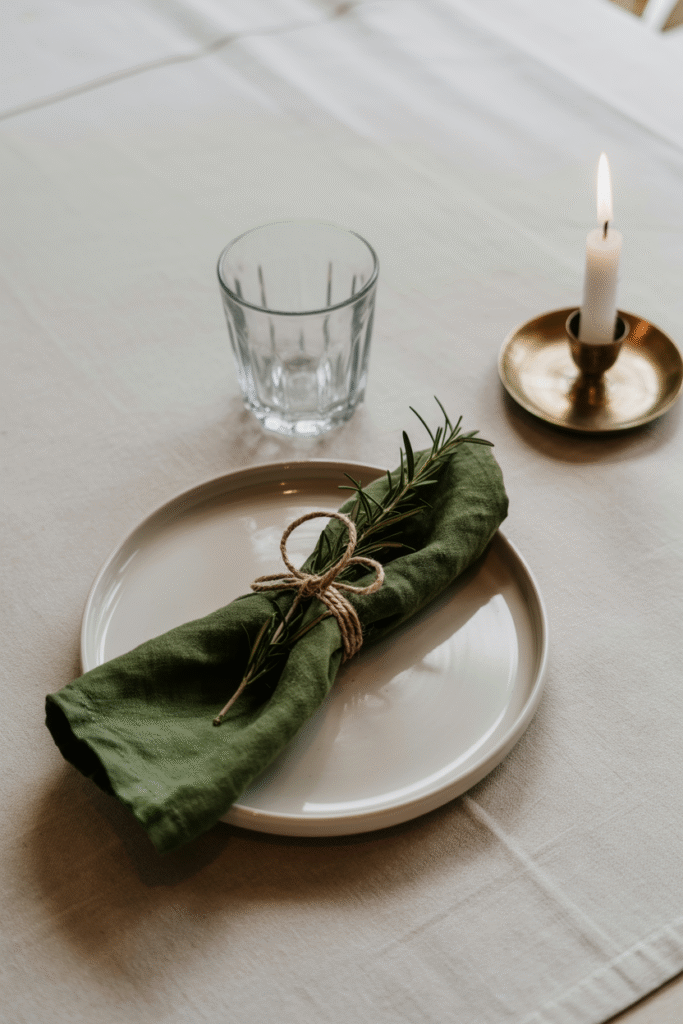
You don’t need a full set of holiday dishes to set a beautiful table. I’ve found that switching to plain white plates and adding a few seasonal touches—a linen napkin, a sprig of rosemary, or a single candle—makes a bigger impact than a mismatched collection of “merry” plates. For a client’s holiday dinner last year, we used her everyday white dishes, added dark green linen napkins, and placed a small bowl of clementines in the center. It looked intentional and inviting, not chaotic.
Pro tip: Use what you have, and add one or two seasonal elements for a subtle holiday vibe.
Avoid this: Buying an entire set of holiday-specific tableware unless you’ll use it all year.
Repurpose Everyday Items Creatively
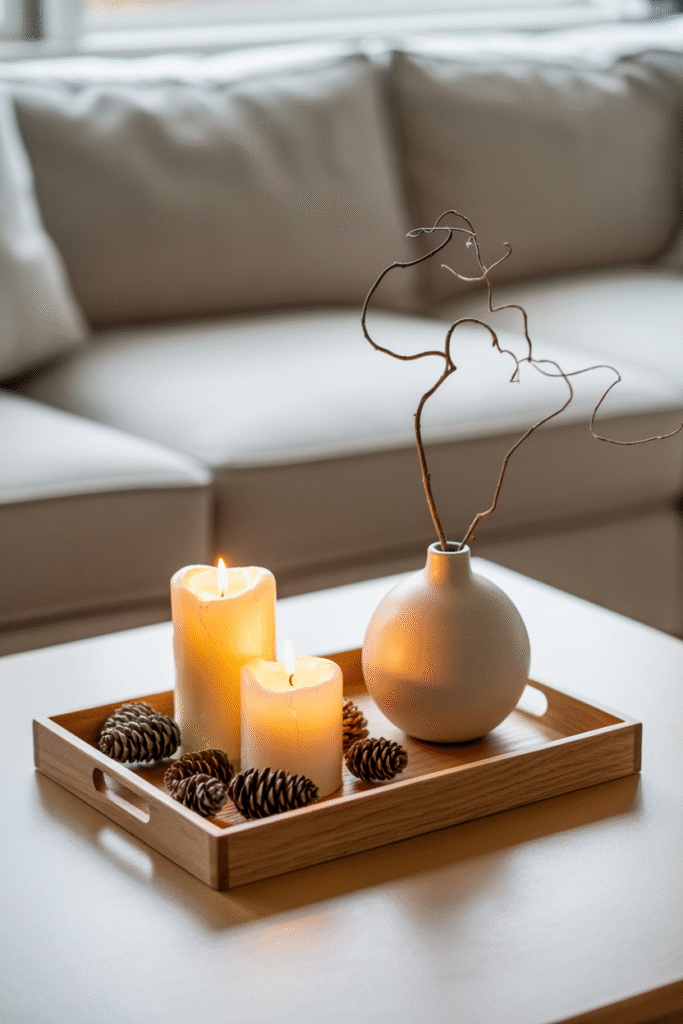
One of my favorite minimalist tricks is repurposing what you already own. A wooden tray can hold a few candles and pinecones for a holiday vignette. Glass canisters filled with red and green lentils or dried cranberries look festive on a kitchen counter. Last December, I turned a client’s collection of white ceramic vases into a “winter village” by adding a tea light inside each—simple, beautiful, and zero cost.
Cost: Free (use what you have).
Time: 5–15 minutes to style.
Difficulty: Beginner
Focus on One Focal Point Per Room
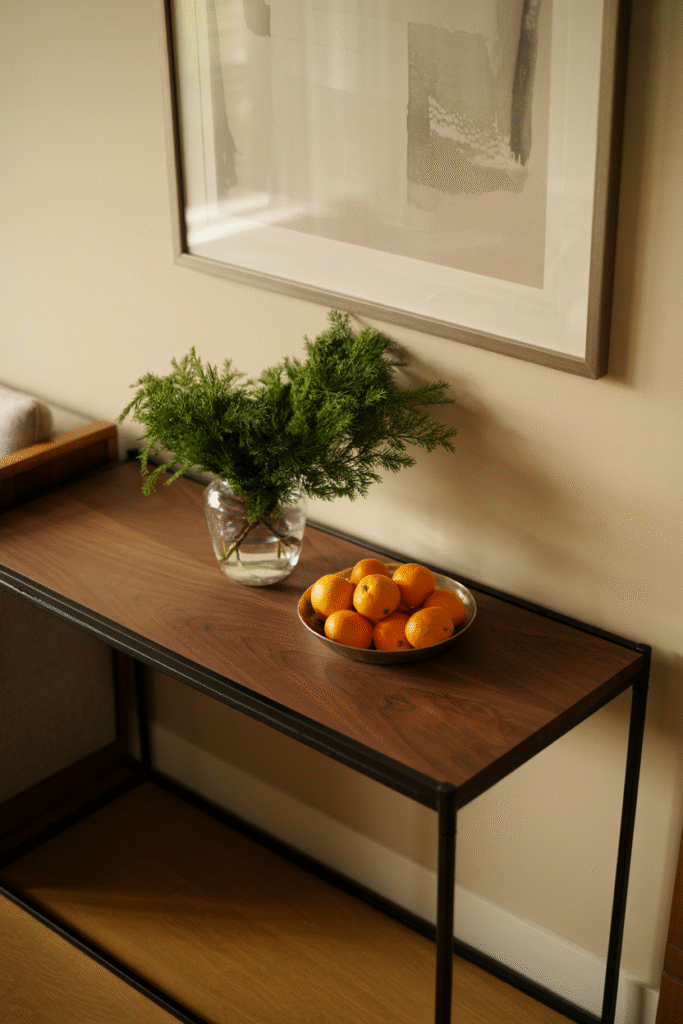
Trying to decorate every corner can quickly feel overwhelming. I always recommend choosing one focal point per room—maybe it’s the mantel, the dining table, or your entryway console. Put your effort there, and let the rest of the room stay calm. In my own home, the living room mantel gets a simple garland and a few candles, and that’s it. The rest of the room stays clutter-free, and guests always comment on how peaceful it feels.
Use Textiles for Cozy Warmth
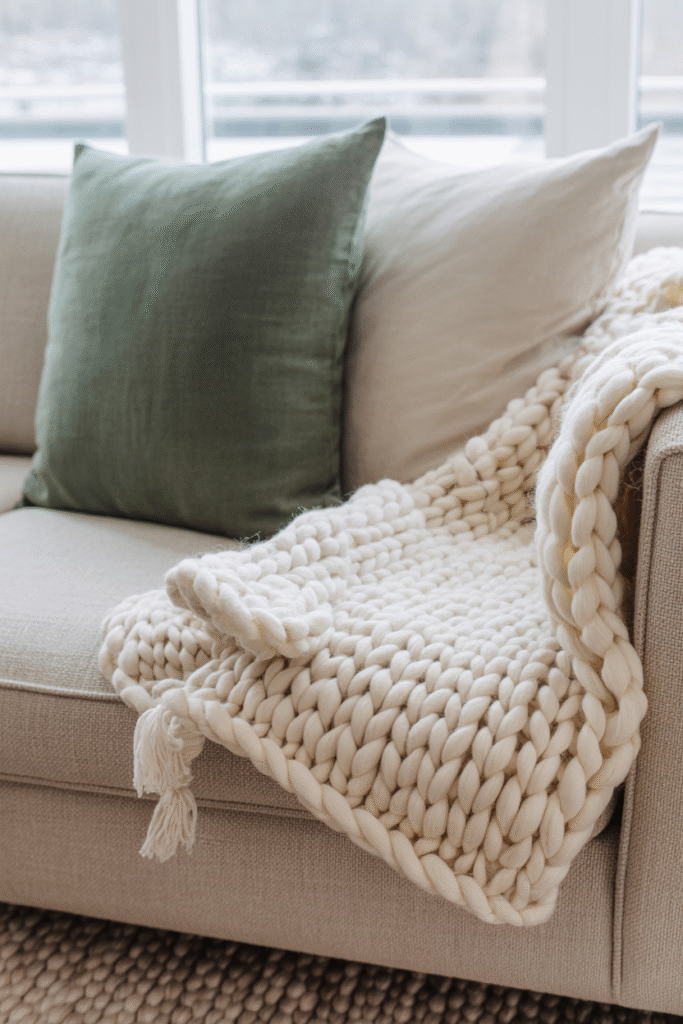
A minimalist holiday doesn’t mean your home should feel cold. Swap in cozy textiles—a chunky knit throw, linen pillow covers in a deep green or cream, or a wool rug under the coffee table. These touches add warmth without visual clutter. I love switching out my everyday throw pillows for linen covers in dusty red and cream—it’s an easy, affordable change that makes the whole room feel special.
Cost: ($10–$30) for a throw or set of pillow covers.
Time: 5 minutes to switch out textiles.
Difficulty: Beginner
Embrace Negative Space
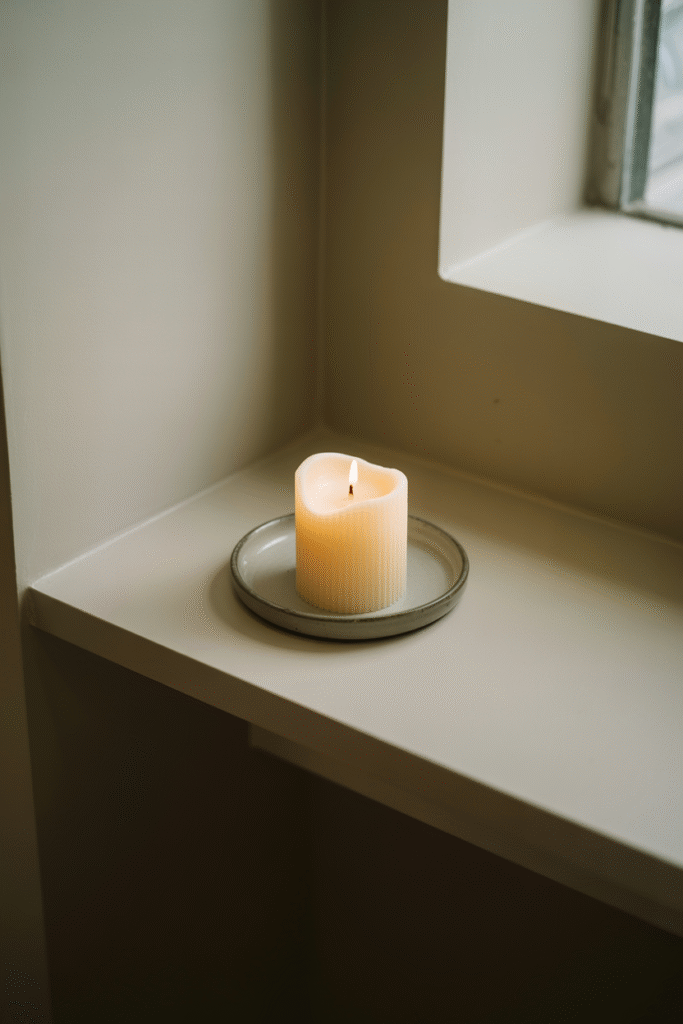
This is one of the biggest lessons I’ve learned: let your surfaces breathe. Leave some areas completely undecorated. A single candle on a clean console, a small bowl of ornaments on an otherwise empty shelf—these moments of rest make the decorated areas shine even more. One of my clients was hesitant to leave any space empty, but once she tried it, she said her home finally felt “holiday-ready” without stress.
Display Cards and Photos Meaningfully
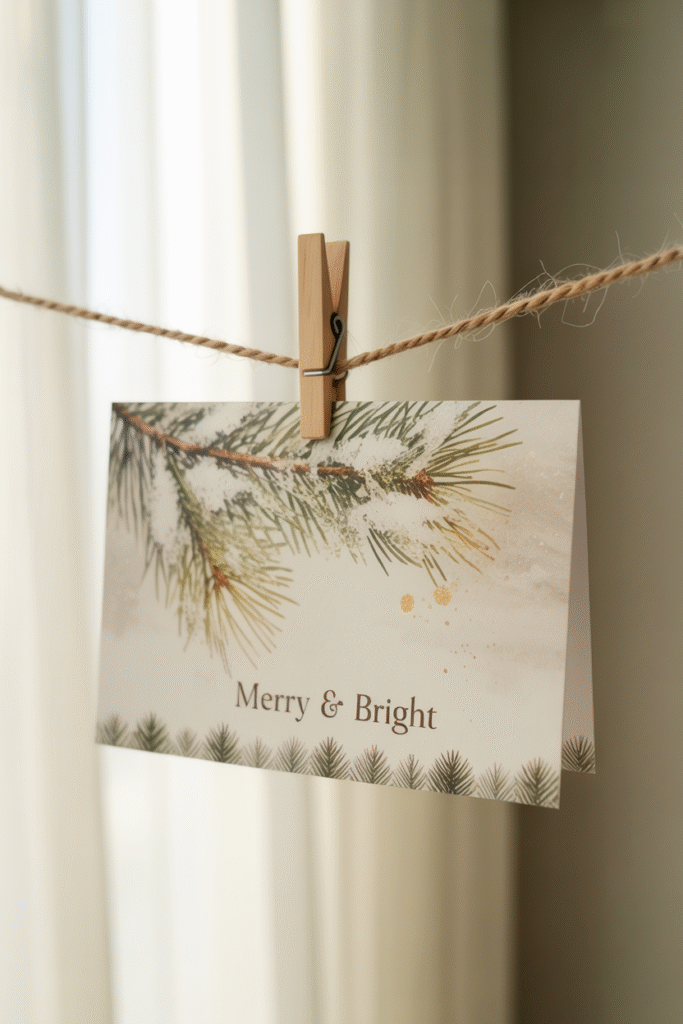
Instead of taping cards haphazardly to the wall or piling them on a table, create a simple card display. Try a length of twine with mini clothespins, a framed grid on the wall, or a shallow bowl or basket. Last year, I hung a 1.5 m (5 ft) length of jute twine along a hallway and clipped up each card as it arrived. It became a festive gallery without clutter.
Pro tip: Recycle or compost cards after the season to avoid accumulating clutter.
Avoid this: Letting cards pile up on surfaces where they’ll get lost or become eyesores.
Layer Scents, Not Decor

If you want your home to feel festive without visual chaos, use scent strategically. Simmer a pot of water with cinnamon sticks, orange peels, and a few cloves. Or light a single scented candle in a neutral scent like balsam or cedar. I often set up a small simmer pot on the stove when guests are coming—it fills the house with holiday fragrance without any extra decor.
Cost: ($1–$7) for cinnamon, oranges, and cloves.
Time: 5 minutes prep, then let it simmer as long as you like.
Difficulty: Beginner
Create a Minimalist Advent Calendar
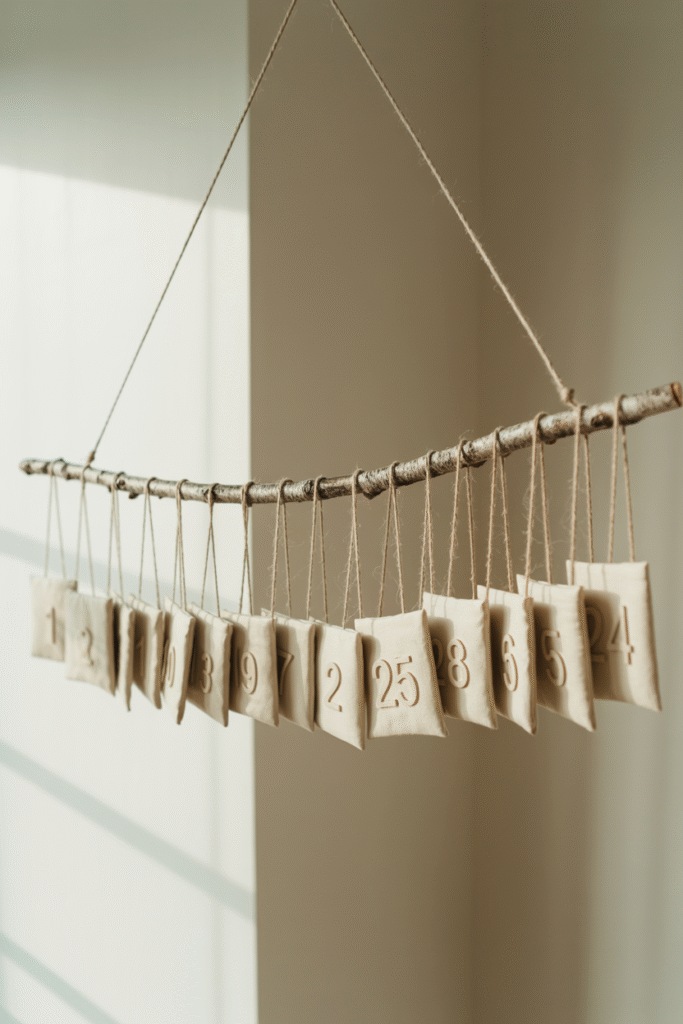
Skip the plastic trinket-filled calendars and make your own simple version. Use small kraft paper bags, mini terra cotta pots, or even wooden boxes numbered 1–24. Fill each with a slip of paper bearing a festive activity (“bake cookies,” “walk to see holiday lights,” “call a friend”). I made one for my niece using tiny linen bags hung on a branch—she loved opening them each morning, and it became a new tradition.
Steps:
- Gather 24 small containers.
- Number them 1–24.
- Write or print activity ideas on slips of paper.
- Hang or arrange in a visible spot.
- Open one each day in December.
Cost: ($7–$25), depending on materials.
Time: 30–60 minutes.
Difficulty: Beginner to Intermediate
Freshen Up With Plants and Greens
Even a single potted plant or a vase of evergreen clippings can make your home feel alive in December. I often bring in a small rosemary plant—it smells wonderful, looks pretty, and can be used for cooking after the holidays. If you have access to evergreen branches, add a few to a vase of water—they’ll last weeks and fill your home with a fresh, foresty scent.
Cost: ($3–$15) for a potted herb or fresh greenery.
Time: 5 minutes to place.
Difficulty: Beginner
Frequently Asked Questions
Can I really have a festive home without a lot of decorations?
Absolutely. Festive doesn’t mean crowded. Focus on a few meaningful pieces, natural materials, and cozy touches. Your home will feel welcoming, not overwhelming.
How do I keep my minimalist decor from looking boring?
Think of your decor as a spotlight, not a floodlight. Choose pieces with texture (wood, linen, ceramics), a touch of greenery, and maybe one or two special ornaments. Let negative space do the rest.
What if my family wants more “traditional” holiday decor?
Compromise by dedicating one area to their favorite decorations—maybe the tree or the mantel—and keep the rest of the house calm. Over time, they might appreciate the simplicity too.
Is minimalist decorating really faster and easier?
Yes, but it does take planning. You’ll spend less time setting up and packing away, and your space will feel more relaxing. Once you try it, you might not go back.
How can I make my holiday decor feel special if I’m on a tight budget?
Use what you have, forage for natural materials, and add simple DIY touches like dried citrus or handmade ornaments. Thoughtful placement matters more than spending.
What’s the biggest mistake people make when trying minimalist holiday decor?
Trying to copy a Pinterest-perfect look instead of editing to suit their own home. Start by clearing surfaces, use only what you love, and don’t be afraid to leave space empty.
This approach to holiday decorating has transformed homes for my own family. It’s not about having the least; it’s about making the most of what matters—creating a calm, inviting space where memories can unfold without the stress of too much stuff. If you try even a few of these ideas, I think you’ll be surprised how festive and peaceful your home can feel this December. And if you get stuck, just remember: sometimes, less really is more.