
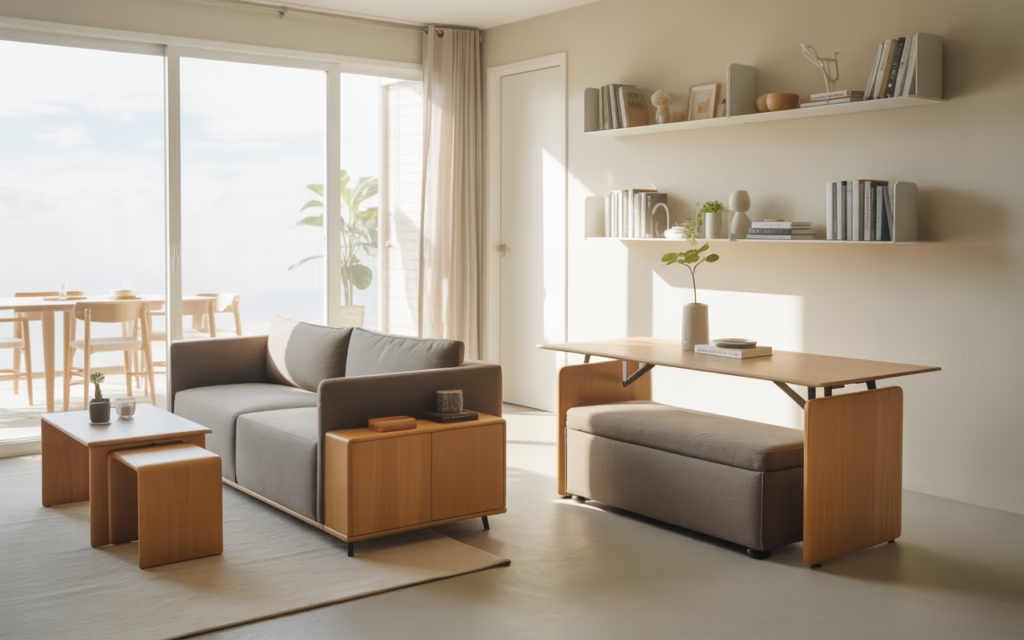
Remember that moment when you walked into someone’s home and instantly felt… lighter? Like the air itself changed? That’s what happens when open space design is done right no cluttered corners, no cramped hallways, just this smooth, effortless flow from one zone to the next.
In 2026, open space homes are no longer just a “trend”; they’ve become the blueprint for how people actually want to live today more light, more flexibility, and less visual noise. Whether you’re stuck in a tiny apartment that feels like a maze of compartments or a big house that still feels closed off, pivoting to an open layout can seriously upgrade your everyday mood.
In this post, I’m walking you through 15 open space home inspiration ideas for 2026 that feel realistic, achievable, and actually functional not just Pinterest pretty. Some require a hammer (yes, knocking down a wall), some need clever styling tricks, and others are all about smart furniture and lighting choices. I’ll also share a few “I tried this and it worked” moments from my own home experiments, so you get the real‑world vibe, not just the glossy magazine version.
1. Knock Down That Wall (Seriously)
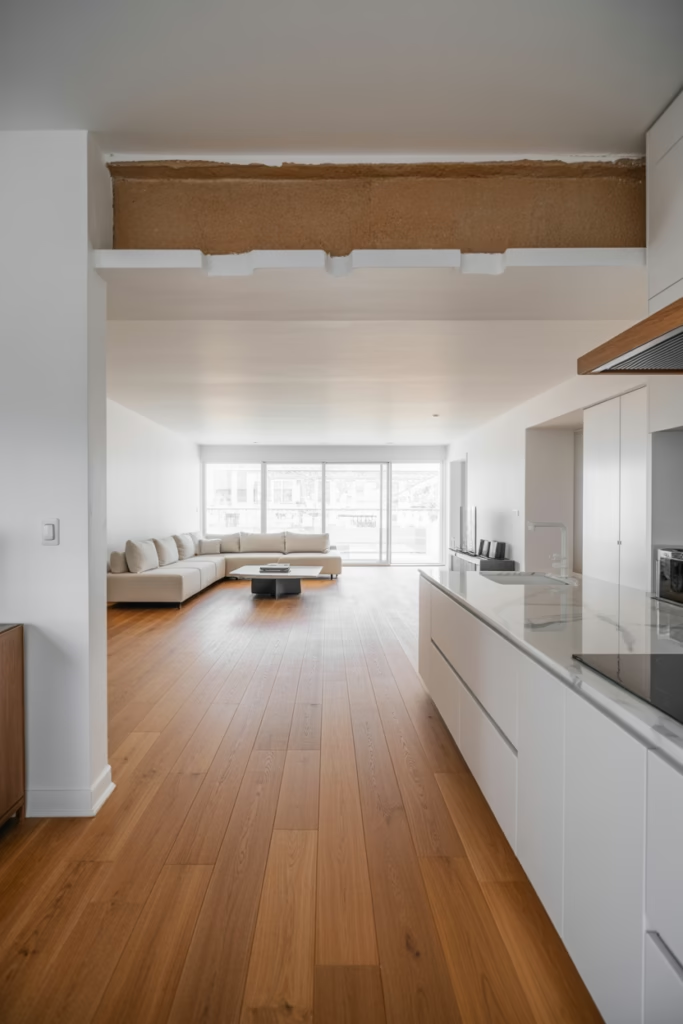
The most transformative thing you can do for your home is remove a non-load-bearing wall between your kitchen and living room. This single change can make a 900 sq ft home feel like 1,400 sq ft — no magic required, just a sledgehammer and a good contractor.
Before you go full demolition mode, check with a structural engineer. Load-bearing walls are not your friends when it comes to DIY projects. But once you get the green light, the payoff is absolutely worth it.
Think about it — how many times have you been stuck in the kitchen cooking while your family’s in the living room and you’re basically shouting across a wall? Yeah, that ends here.
2. Use Double-Height Ceilings to Your Advantage
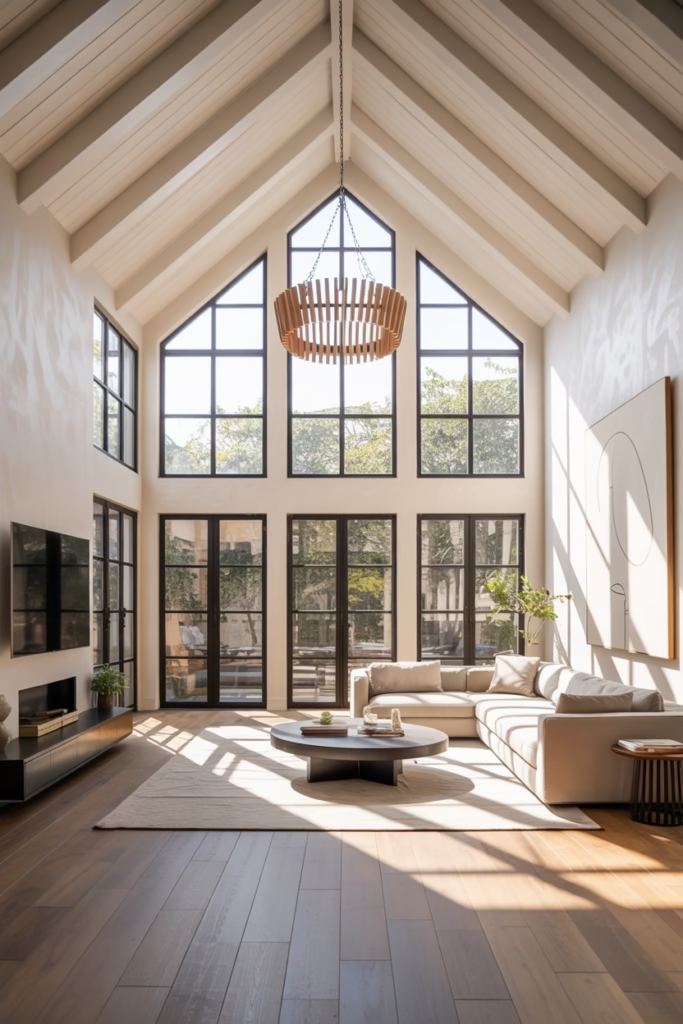
Double-height or vaulted ceilings are one of the biggest open-space trends dominating 2026 home design. They instantly draw the eye upward and make any room feel expansive, even if the floor area is modest.
If you’re building or renovating, this is the time to invest in ceiling height. Even going from a standard 9-foot ceiling to 12 feet changes the entire energy of a room. Pair it with tall windows and you’ve basically built yourself a luxury retreat.
Can’t change your ceiling height? No worries — use vertical design tricks like tall bookshelves, floor-to-ceiling curtains, or tall indoor plants to simulate that upward space illusion.
3. Embrace the Open Kitchen Concept
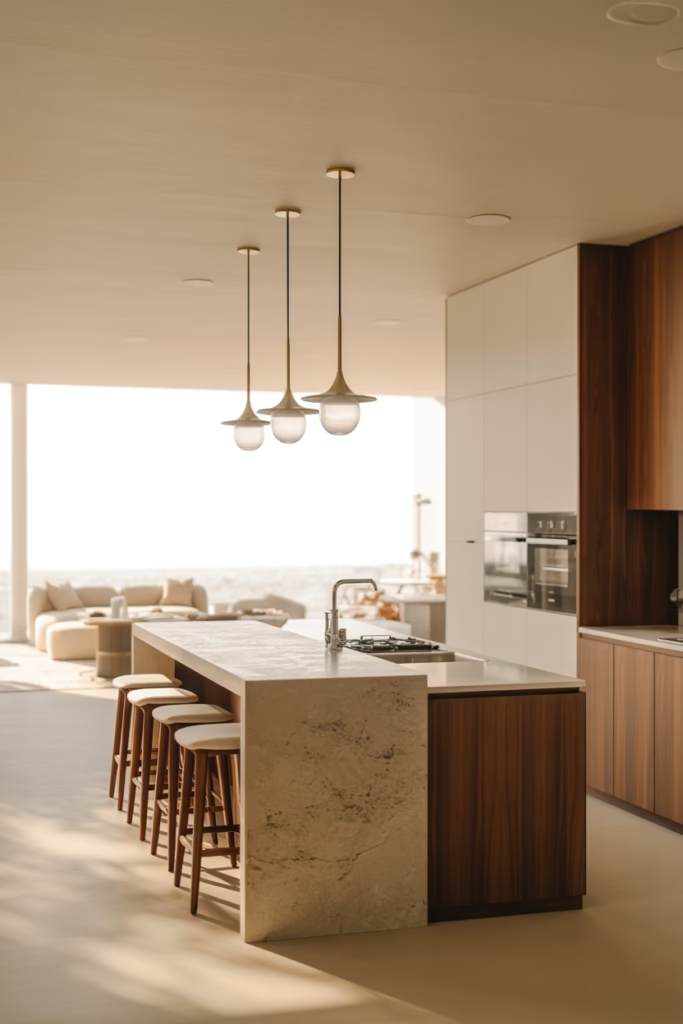
The closed-off kitchen is officially retiring in 2026. Open kitchens that flow directly into dining and living areas are the gold standard for modern home design right now.
Here’s what makes an open kitchen work beautifully:
- A large island that doubles as prep space and casual dining
- Consistent flooring across the kitchen and living area to visually connect the spaces
- Matching color palettes between kitchen cabinetry and living room furniture
- Hidden storage to keep countertops clutter-free and the open space feeling clean
IMO, the island is the real hero here. It creates a natural boundary between zones without actually closing anything off. Smart design right there.
4. Define Zones Without Walls
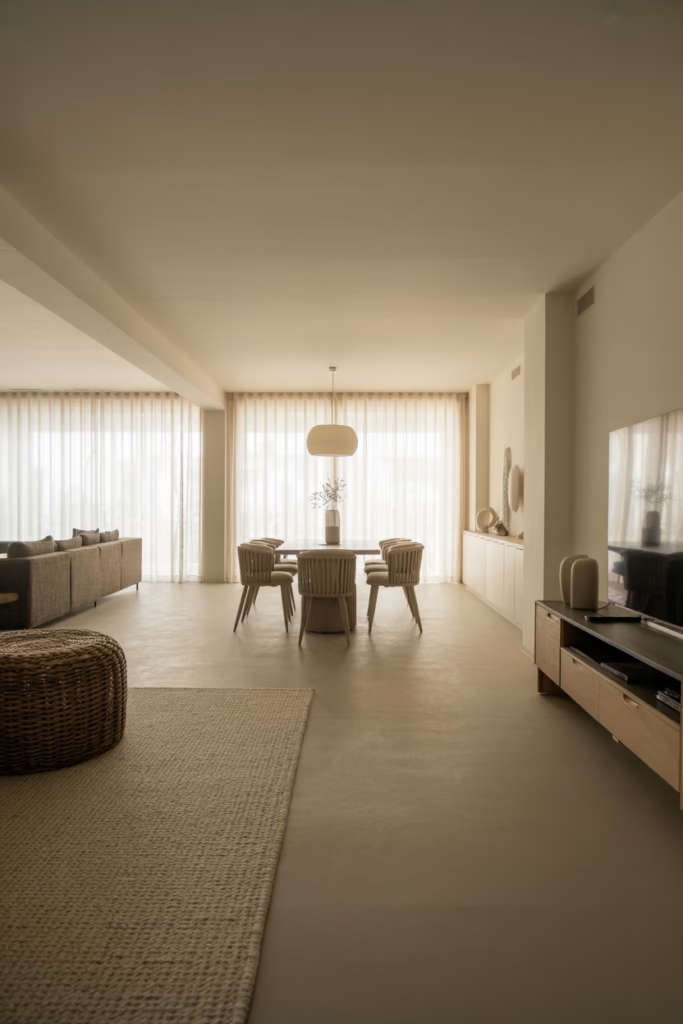
One of the biggest misconceptions about open space living is that everything just blends into chaos. Not true! You can absolutely create distinct zones — dining, living, work, play — without a single wall.
Here’s how to do it effectively:
- Area rugs to anchor each zone visually
- Different lighting styles (pendant lights for dining, floor lamps for reading nooks)
- Furniture arrangement that naturally separates spaces
- Ceiling treatments like beams or different paint colors above each zone
The key is intentionality. Each zone should feel purposeful but connected to the whole. Think of it like chapters in a book — distinct, but part of the same story.
5. Go Big With Windows
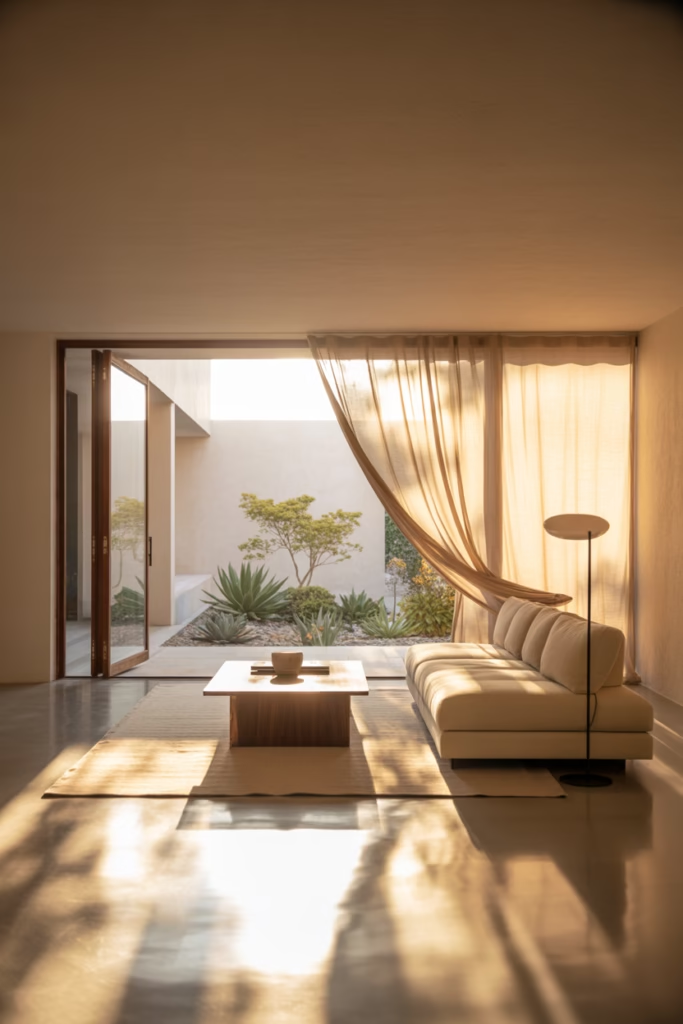
Natural light is basically the cheat code of open space design. Floor-to-ceiling windows, sliding glass doors, and skylights are all having a massive moment in 2026.
If you’re renovating, prioritize enlarging your windows on south and east-facing walls. Morning light flooding into an open living space genuinely changes your entire morning routine. It’s like getting a free mood boost every day — and who says no to that? 🙂
Even if full window replacements aren’t in the budget, consider adding a skylight or swapping solid doors for glass panel ones. Every bit of natural light you add amplifies the open, airy feeling you’re going for.
6. Choose a Cohesive Color Palette
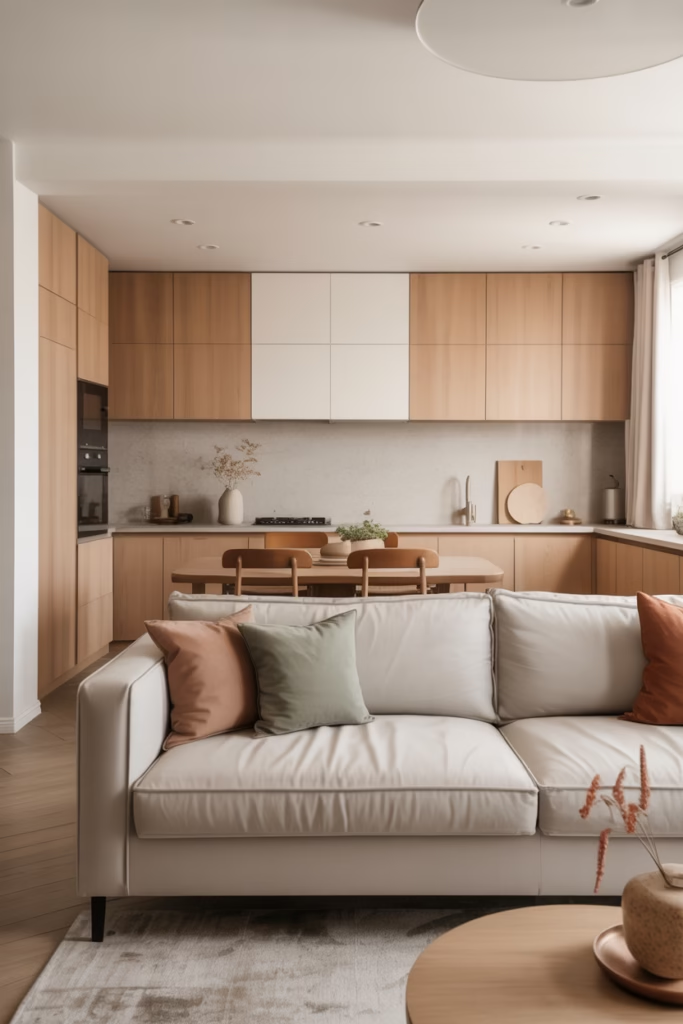
Here’s something a lot of people get wrong with open spaces — they treat each “zone” as a separate room and use completely different colors. The result looks chaotic, not creative.
In 2026, the winning approach is a cohesive, neutral-forward palette with strategic pops of color. Think:
- Base tones: Warm whites, soft beiges, greige, warm grays
- Secondary tones: Muted terracotta, dusty sage, warm camel
- Accent pops: Deep navy, forest green, or burnt sienna through cushions, art, or plants
The consistency of your color story is what makes the open space feel intentional and designed rather than just “walls missing.”
7. Invest in Multi-Functional Furniture
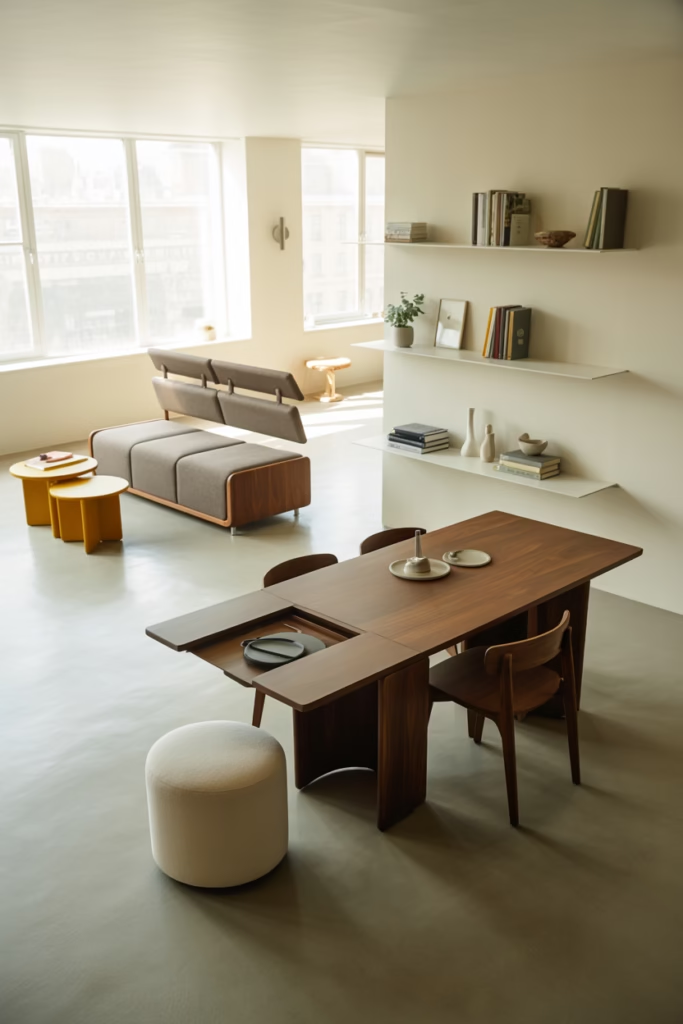
Open space living demands smart furniture. Every piece should earn its spot by serving more than one purpose.
Some of my personal favorites:
- Extendable dining tables that shrink for daily use and expand for guests
- Storage ottomans that work as coffee tables, extra seating, and hidden storage
- Sofa beds for open-plan studio layouts
- Nesting side tables that stack away when not in use
- Kitchen islands with built-in seating and storage underneath
The less visual clutter your furniture creates, the more open your space feels. It’s that simple.
8. Use Consistent Flooring Throughout
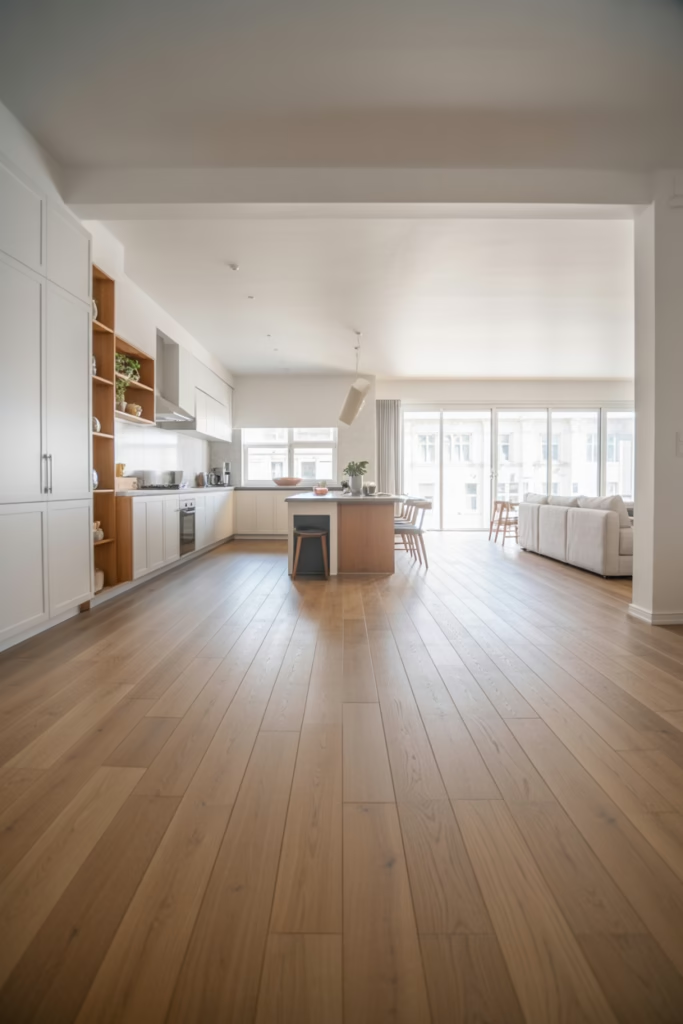
This one sounds minor but it makes a massive difference. Running the same flooring material throughout your open space — from kitchen to living room to hallway — creates seamless visual flow.
Hardwood (or high-quality LVP for budget-conscious renovators) in a single, consistent tone is the most popular choice right now. Wide-plank formats in warm oak or cool gray tones are dominating 2026 interiors.
Avoid the temptation to tile the kitchen and hardwood the living room. That visual break immediately “chops up” your open space and defeats the whole purpose.
9. Bring the Outdoors In
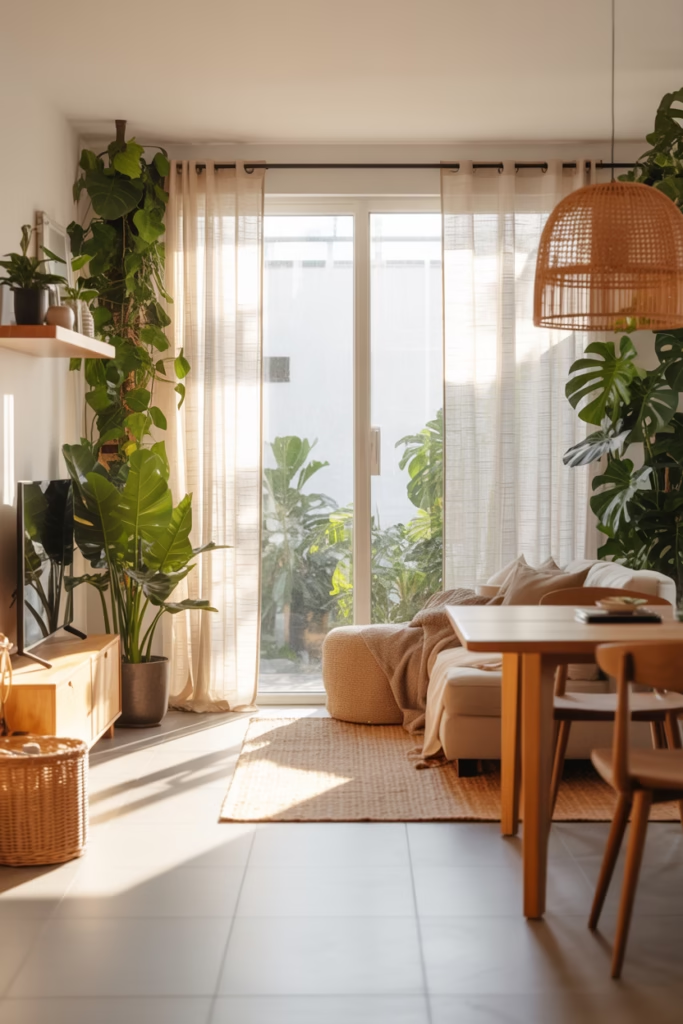
Biophilic design — connecting your interior to nature — is absolutely huge in 2026, and open spaces are the perfect canvas for it. Large plants, natural materials, and views of greenery make open spaces feel alive rather than sterile.
Here’s how to nail it:
- Statement plants like fiddle leaf figs, monstera, or olive trees near windows
- Natural material accents — rattan, linen, jute, live-edge wood
- Indoor herb gardens integrated into open kitchen designs
- Glass walls or large sliding doors that open onto a garden or balcony
There’s something genuinely calming about being inside but surrounded by natural textures and greenery. It makes the whole space feel like a breath of fresh air — literally.
10. Design a Seamless Indoor-Outdoor Flow
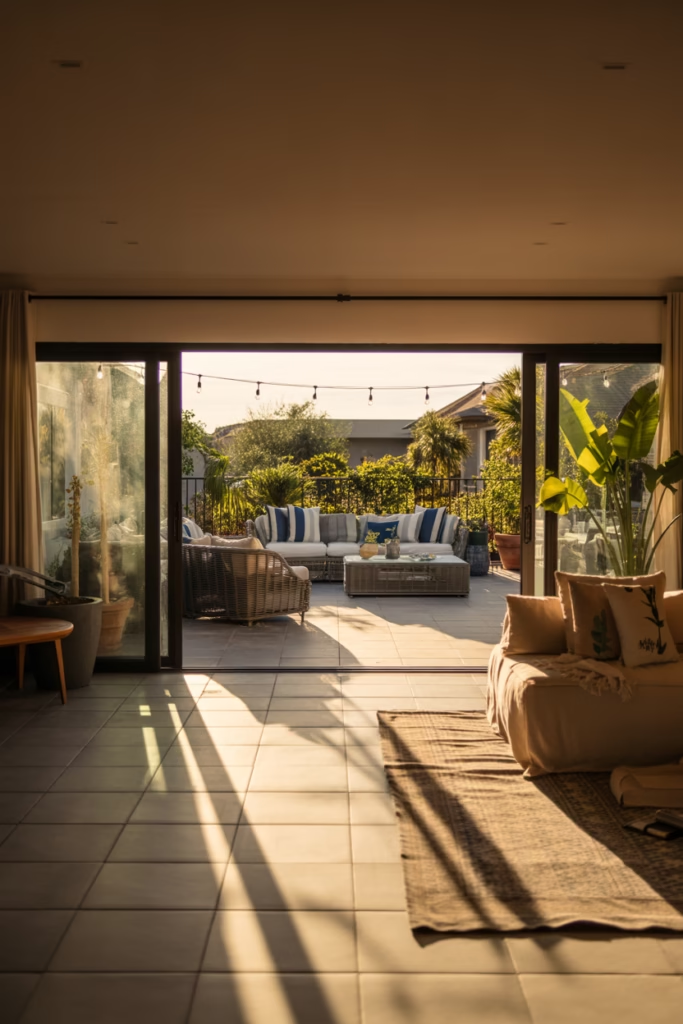
Taking the previous point further, connecting your indoor open space to an outdoor living area is one of the top home design goals for 2026. Sliding or folding glass walls that open completely onto a patio or deck effectively double your usable living space.
When the interior and exterior flooring match (or closely coordinate), the transition feels totally natural. Add an outdoor sofa set, some string lights, and a few potted plants and you’ve created an entertainment space that’s genuinely breathtaking.
FYI — if full sliding walls aren’t in the budget, even replacing a standard back door with a wide sliding glass door achieves a similar effect at a fraction of the cost.
11. Play With Lighting Layers
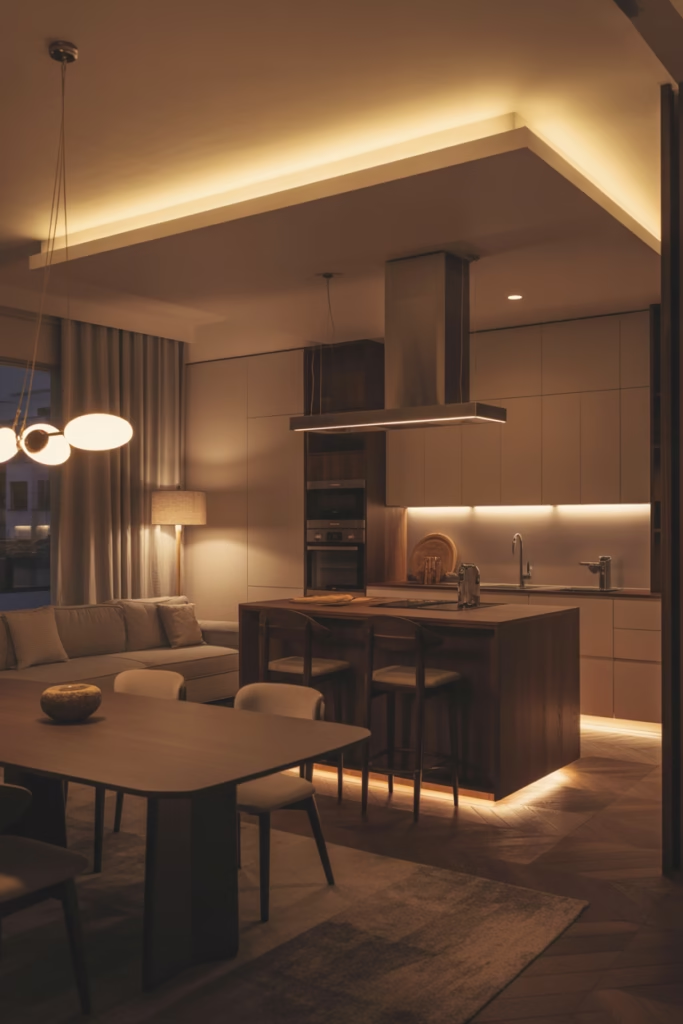
In open spaces, lighting does the heavy lifting that walls used to do — it signals mood, defines zones, and creates atmosphere. A single overhead light source in a large open space is basically design crime.
Layer your lighting like this:
- Ambient lighting — recessed ceiling lights or large pendant fixtures for overall illumination
- Task lighting — under-cabinet lights in the kitchen, reading lamps near seating
- Accent lighting — LED strips under islands, picture lights, or sconces on feature walls
- Decorative lighting — statement chandeliers or sculptural pendants that serve as art
Dimmable smart bulbs are your best friend here. Being able to shift the lighting mood from “bright Sunday brunch” to “relaxed Friday evening” without moving a muscle? Yes, please.
12. Create a Statement Focal Point
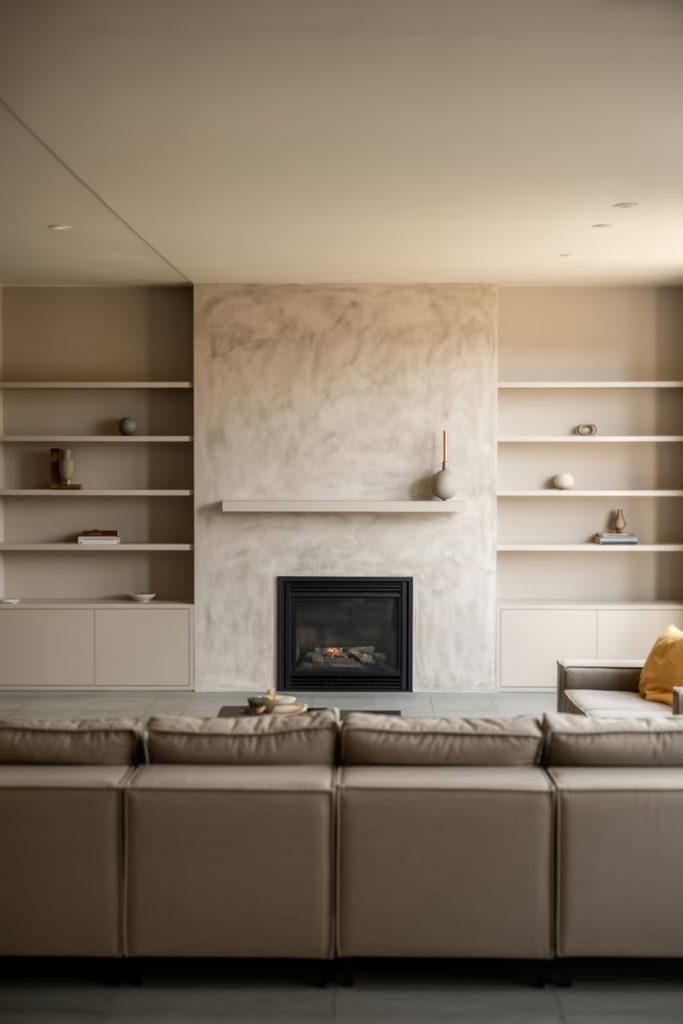
With wide-open spaces, your eye needs something to land on. Every great open-plan home has at least one strong focal point — something that anchors the room and gives it personality.
Popular focal points for 2026:
- A dramatic fireplace with a full-height stone or plaster surround
- A large-scale art piece or gallery wall
- An exposed brick or textured accent wall
- A bold, oversized pendant light over the dining table
- A kitchen island in a contrasting color to the surrounding cabinetry
Without a focal point, open spaces can feel directionless. Give the room something to say.
13. Maximize Vertical Storage
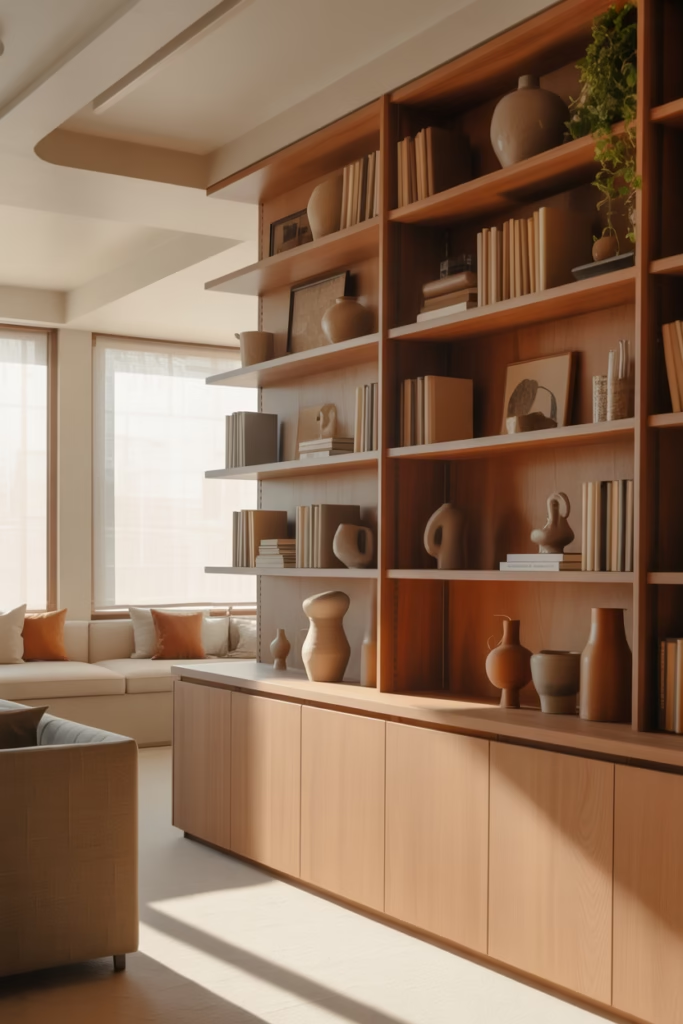
Open spaces mean fewer walls — which means fewer places to put stuff. Smart vertical storage is non-negotiable if you want your open space to stay beautiful and functional.
Think tall:
- Floor-to-ceiling shelving units along one wall of the living area
- Full-height kitchen cabinetry that reaches the ceiling (no wasted space above)
- Built-in window benches with storage underneath
- Tall wardrobes in open bedroom-adjacent spaces
The goal is to keep the floor and horizontal surfaces as clear as possible. A clutter-free floor makes any space feel larger — it’s not rocket science, but it works every single time.
14. Use Glass Partitions for Flexible Separation
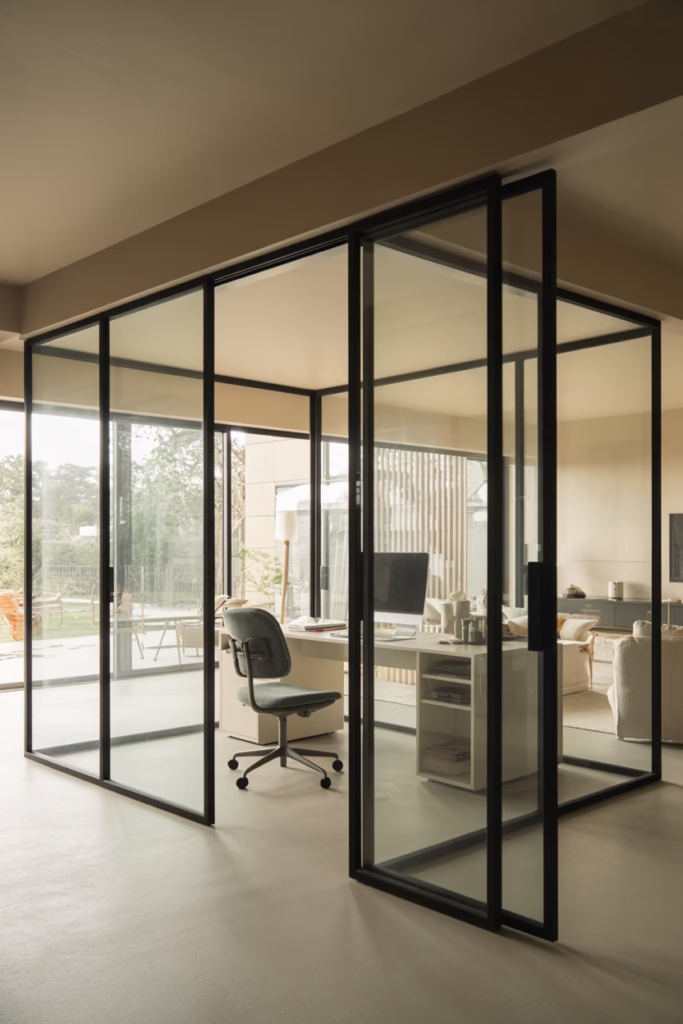
Sometimes you do need some separation in an open space — a home office that blocks noise during calls, or a kids’ play zone that keeps the chaos contained. Glass partitions give you the boundary without sacrificing the open feel.
Frameless glass panels, glass room dividers, and interior windows are all trending hard in 2026. They create visual separation and privacy without blocking light or making spaces feel small.
It’s honestly one of the cleverest solutions in modern home design — you get the best of both worlds. :/ (Said no one sarcastically — it genuinely works.)
15. Personalize With Art, Texture, and Layers
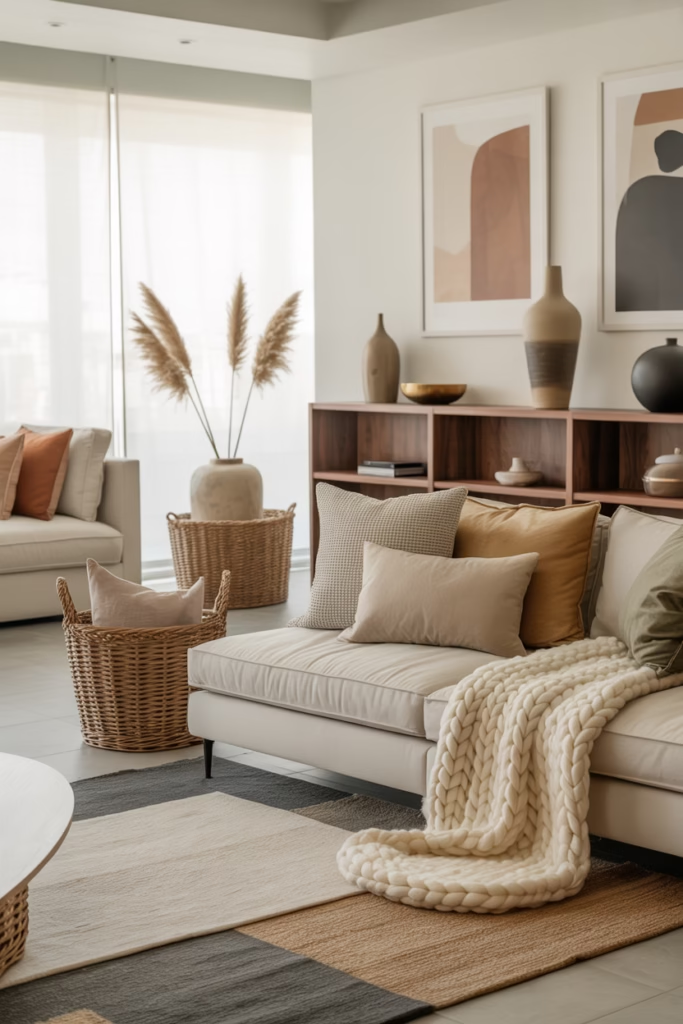
Here’s where most open space designs go wrong — they nail the layout and the light, then forget to make it feel like home. Texture, art, and layered décor are what turn a beautiful space into a space you actually want to live in.
Don’t be afraid to mix textures:
- Chunky knit throws over a clean-lined sofa
- Woven baskets next to sleek cabinetry
- Raw ceramic vessels on a polished marble surface
- Layered rugs for warmth and depth
Art is equally important. Pick pieces that genuinely mean something to you — not just what “goes” with the color palette. The most memorable open spaces feel curated, not decorated.
Wrapping It All Up
Open space living in 2026 is about so much more than just removing walls. It’s about creating a home that feels generous, intentional, and connected to light, to nature, and to the people in it.
From knocking down that one wall you’ve been eyeing for years, to layering your lighting and building smart vertical storage, every idea on this list pushes your home toward something that genuinely feels good to be in. Start with one or two changes, you don’t have to overhaul everything at once — and watch how quickly the energy of your home shifts.
Your dream open-plan home isn’t as far away as you think. Pick one idea from this list and start there. You’ve got this. 🙂