
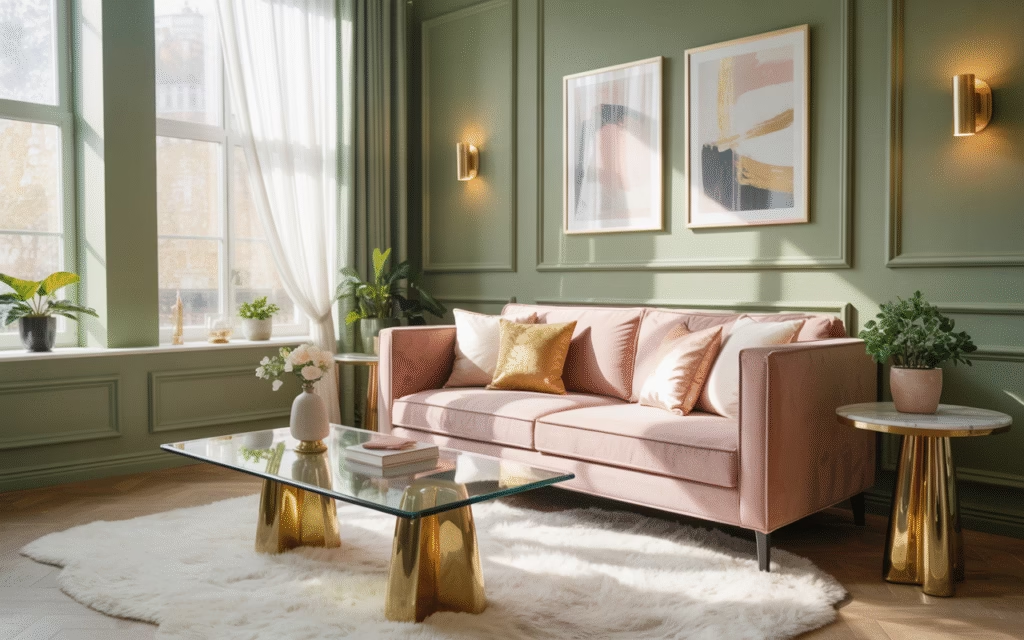
Look, I’m not gonna sugarcoat it sage green is having a moment right now, and honestly? It deserves every bit of the hype. This isn’t just another trendy color that’ll make you cringe in two years. Sage green is that rare unicorn of interior design: calming without being boring, modern without being cold, and versatile enough to work with pretty much any style you throw at it. If your living room feels like it needs a breath of fresh air (literally and figuratively), sage green might just be your new best friend.
Why Sage Green Works So Damn Well
Here’s the thing about sage green it’s technically a color, but it behaves like a neutral. Wild, right? This soft, muted tone sits somewhere between green and grey, which means it plays nicely with creams, taupes, warm woods, blacks, and even bolder accent colors like mustard or navy. It’s like the diplomatic friend who gets along with everyone at the party.
The shade itself comes from actual sage plants with their greyish-green leaves, giving it this naturally earthy, organic vibe that brings instant tranquility to any space. And unlike some greens that can feel overwhelming or too bold, sage green has this velvety depth that reflects confidence without shouting for attention.
Paint One Wall Sage Green for Maximum Impact
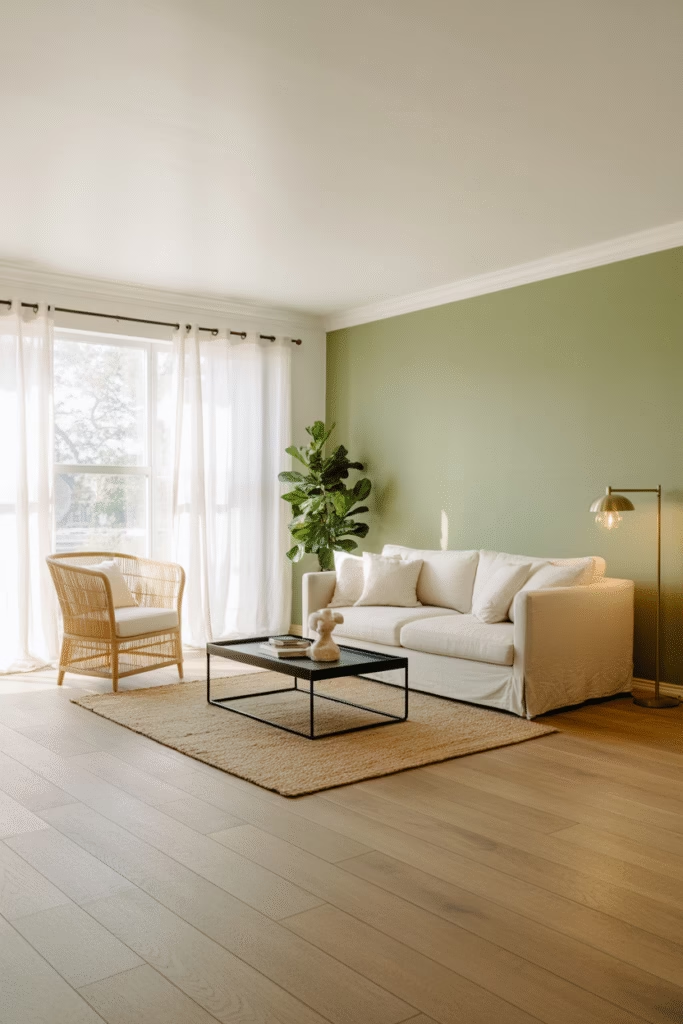
Ever wondered why accent walls are still a thing? Because they work, that’s why. Painting just one wall in sage green creates a calm focal point without committing your entire room to the color. It’s like dipping your toe in the water before diving in headfirst.
Pair that sage green wall with natural textures like rattan, linen, and soft beige upholstery to add warmth and balance. The trick is keeping the rest of your walls neutral—think soft whites or light greys—so the sage wall becomes the star of the show. Add some brass lamps or wooden side tables, and boom, you’ve got yourself a space that feels both grounded and sophisticated.
Go All-In with Sage Green Walls and Ceiling
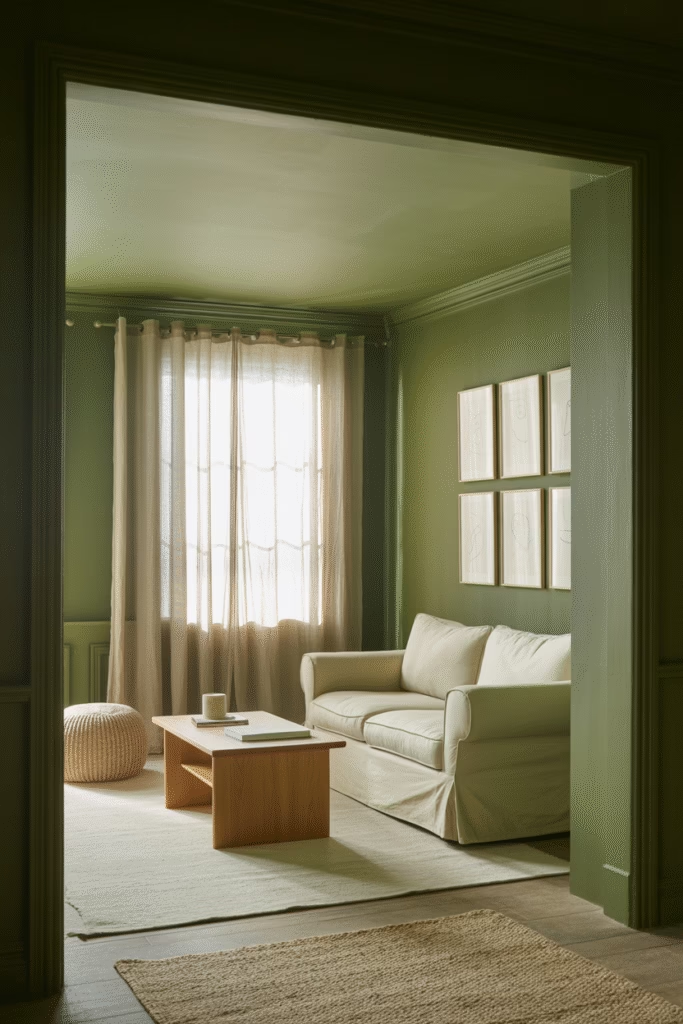
Okay, so maybe you’re braver than most. If you want that decidedly cozy, enveloping feel, paint both your walls AND ceiling in sage green. I know, I know—it sounds intense. But trust me on this one. When done right, it creates this cocoon-like atmosphere that’s perfect for traditional or cottage-style living rooms.
The key here is balancing the bold choice with lighter furniture and plenty of natural light. Think white or cream sofas, light wood floors, and sheer curtains that let the sunshine pour in. You don’t want your living room feeling like a cave (unless that’s your vibe, no judgment). Add darker green drapes or a sage sectional to play up the monochromatic theme while keeping things interesting.
The Sage Green Velvet Sofa Situation
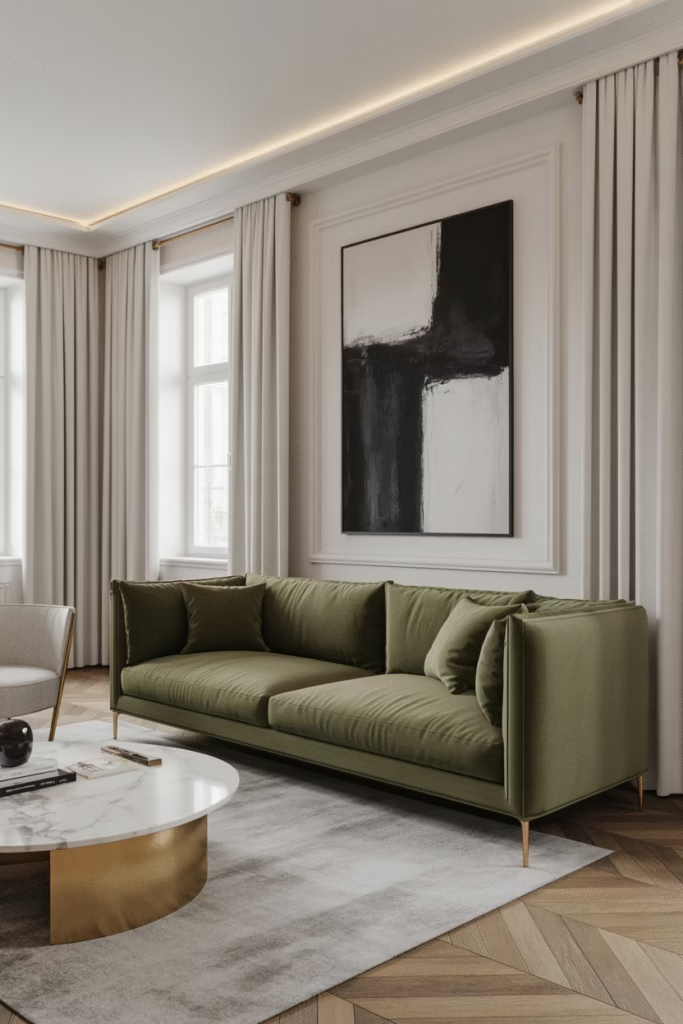
Can we talk about sage green velvet sofas for a second? Because honestly, they’re chef’s kiss when it comes to making a statement. A plush velvet sofa in this color instantly elevates your space while creating that inviting spot everyone gravitates toward during parties.
The sculptural silhouette and luxurious texture provide a striking focal point that draws attention away from boring everyday items like TV remotes or random charging cables. Plus, the deep velvet upholstery is surprisingly practical—it hides the occasional crumb or pet hair way better than lighter fabrics. Pair it with gold metal legs for a modern touch, or go with natural wood legs for a more organic, Scandi feel.
IMO, a three-seater sage green velvet sofa works best against white or light grey walls. Add some cream and charcoal throw pillows for visual interest, and you’ve got a living room that looks like it belongs in a magazine.
Layer Different Shades of Green
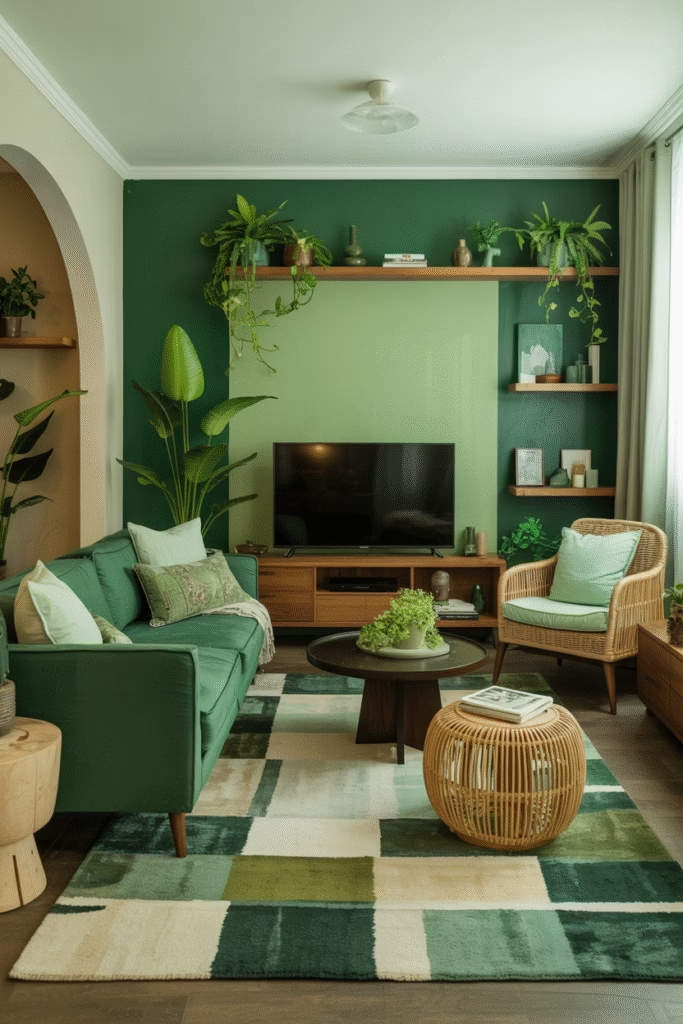
Who says you have to pick just one shade of green? This stunning approach proves you can absolutely mix and match different tones for an eclectic, layered look. Think dark green walls behind the TV paired with a mint green and white accent wall for texture.
Then bring in a grass-green sofa and maybe some emerald curtains to create depth and personality. The trick here is picking one base color (usually the softest shade) and then layering different intensities of green throughout the space. It gives you that monotone look without feeling flat or one-dimensional.
This works especially well if you’re going for a boho or maximalist vibe. Just make sure to balance all that green with plenty of natural materials—jute rugs, wooden coffee tables, and rattan furniture help keep things grounded.
Sage Green and Grey: The Perfect Neutral Duo
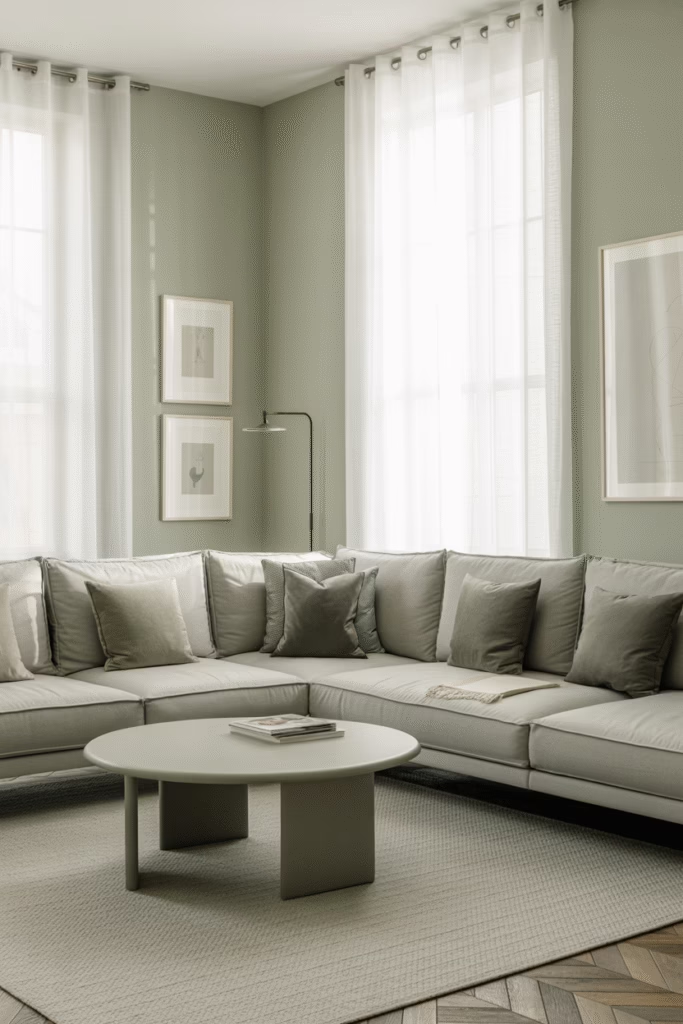
Grey and sage green are naturally complementary, creating this balanced visual effect that’s easy on the eyes. The grey furniture provides a neutral base that lets the sage green walls subtly stand out without overwhelming the space.
Light grey softens the green, resulting in a cool, calming atmosphere that’s perfect for modern and minimalist interiors. You can flip this combo too—sage green sofas against grey walls work just as beautifully. Add some white accents through throw pillows, artwork, or a statement rug to brighten things up.
This color pairing also serves as an excellent backdrop for various accent colors and textures, so you’re not boxing yourself into a corner design-wise. Feeling adventurous? Throw in some brass or gold accents for a touch of warmth and sophistication.
Sage Green with Blush Pink for Playful Vibes
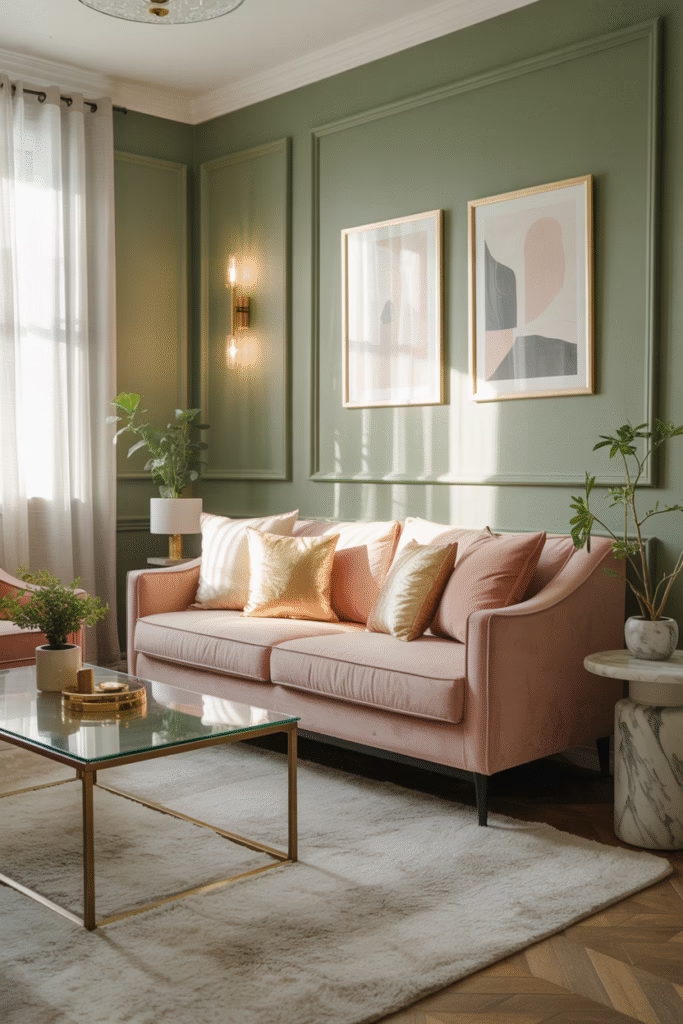
Okay, hear me out—sage green and blush pink might sound like an odd couple, but they’re actually stunning together. This soft, feminine combination brings a touch of whimsy and modernity that feels fresh and unexpected.
Paint your walls in soft sage green and use a blush pink sofa to create a bold focal point. Add a glass coffee table with gold legs and an abstract rug that incorporates both colors. Keep the room feeling fresh with white sheer curtains and plenty of natural light streaming through.
For a more subtle approach, stick with sage green walls and furniture, then layer in blush pink through textiles—throw blankets, cushions, and decorative poufs work beautifully. This pairing is especially popular in boho and contemporary spaces where you want that relaxed yet curated aesthetic.
Natural Materials Are Your Best Friend
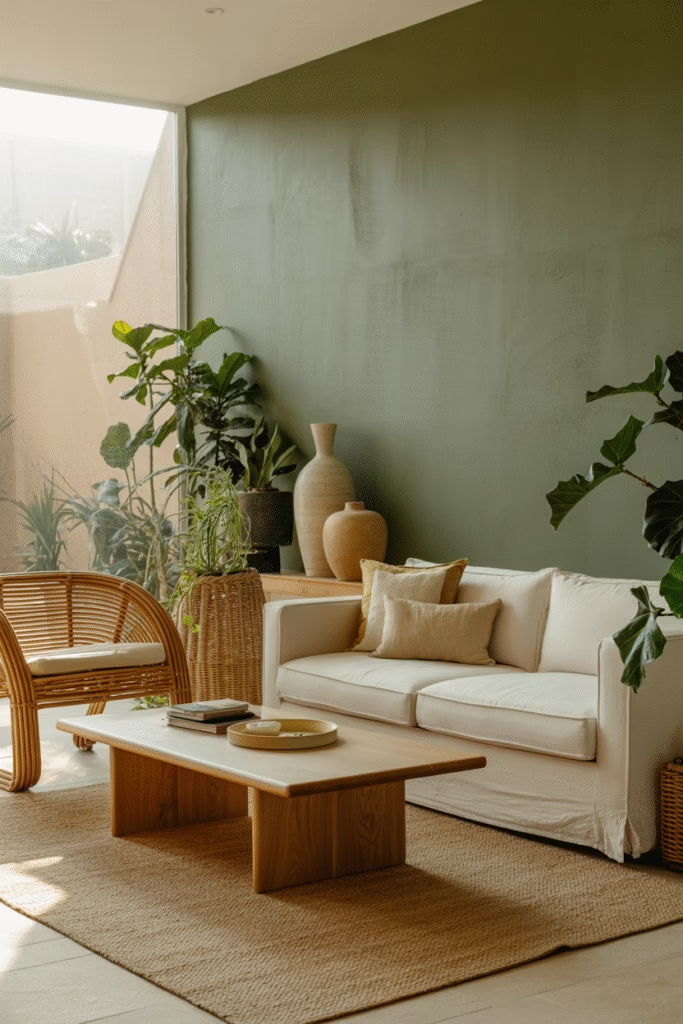
Sage green practically demands to be paired with natural materials. We’re talking wood, jute, rattan, linen, and stone. These organic textures complement the earthy tone of sage green while enhancing that nature-inspired feel.
A jute rug grounds the seating arrangement while keeping the overall feel warm and welcoming. Add a marble or limestone coffee table for that elevated, sophisticated touch. Wooden side tables, wicker chairs, and rattan furniture bring in different textures without cluttering the visual space.
The goal is creating harmony between your sage green elements and the natural world. Throw in some indoor plants—a fiddle leaf fig, monstera, or even a simple potted herb collection—to complete that organic, breathable atmosphere.
Sage Green L-Shaped Sectional for Family Living
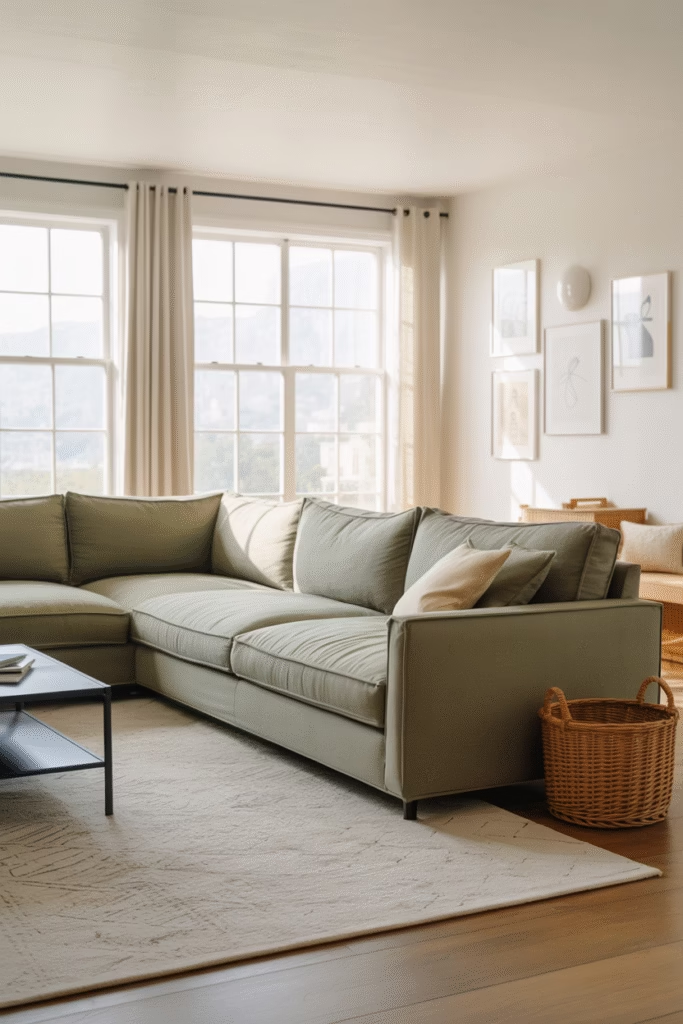
If you’ve got a family or love hosting, an L-shaped sectional in sage green linen is where it’s at. This setup creates an instant gathering spot that invites everyone to relax without feeling cramped or scattered across separate seats.
Deep cushions and plush throw pillows provide that sink-in comfort that makes you want to linger longer, whether you’re binge-watching shows, reading, or just catching up on life. The generous size maximizes seating while creating a natural conversation zone—perfect for both intimate gatherings and larger social occasions.
Textured linen upholstery adds subtle visual interest while standing up beautifully to daily wear, making it an excellent choice if you want sophistication that’s also livable. Position it against a white or cream wall, add a large textured wool rug underneath, and you’ve got a modern family-friendly space that looks anything but boring.
Bold Botanical Prints with Sage Green
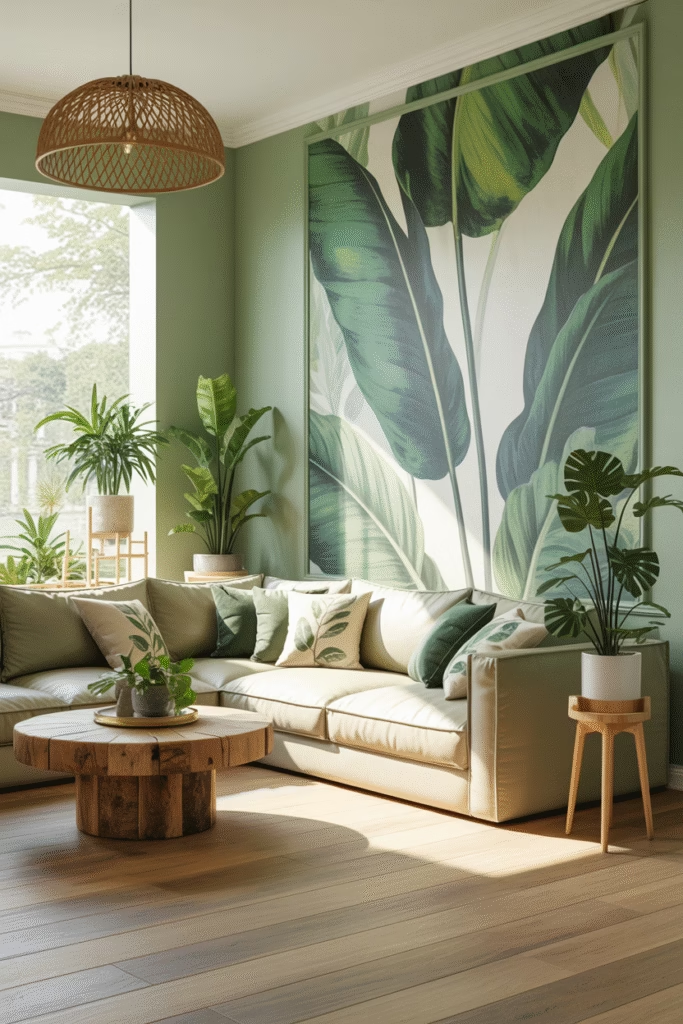
FYI, pairing sage green with botanical prints is basically interior design gold. This combination creates a vibrant, lively atmosphere that’s perfect for bringing the outdoors inside without going full jungle-room.
Botanical wallpaper on one accent wall paired with sage green furniture creates this fresh, energetic vibe. Or flip it—sage green walls with botanical print throw pillows, curtains, or artwork scattered throughout the space. The key is not going overboard; you want nature-inspired, not chaotic greenhouse.
This approach works particularly well in contemporary and modern organic living rooms where you want that connection to nature without sacrificing clean lines and sophistication. Add some actual greenery through planters and hanging plants to tie the whole look together.
Sage Green Statement Accent Chair
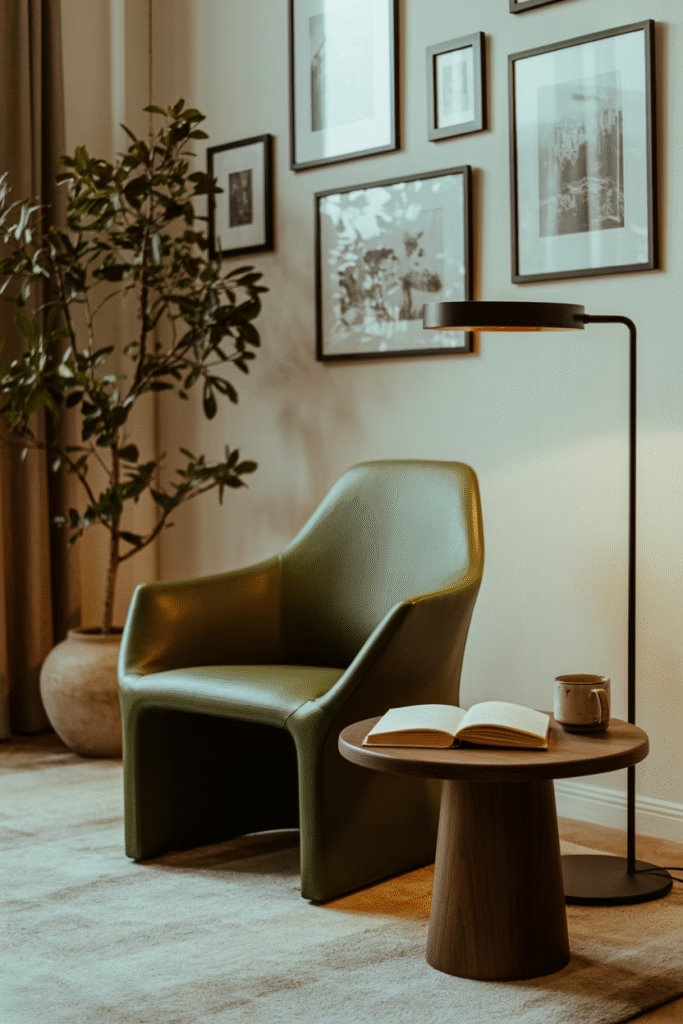
Sometimes you don’t want to commit to a full sage green sofa, and that’s totally fair. A sculptural accent chair in rich moss or sage tones gives you that pop of color while creating an inviting reading nook or conversation spot.
An accent chair becomes a focal point that draws attention and adds personality without overwhelming your existing furniture setup. Go for velvet upholstery if you want luxury, or choose linen for a more relaxed, casual feel.
Position it near a window with good natural light, add a small side table and floor lamp, and you’ve created a cozy corner that actually gets used (unlike those decorative chairs that are too pretty to sit on). This is also a great way to experiment with the sage green trend in a way that’s easy to update later if your tastes change.
Textured Wool Area Rug as Foundation
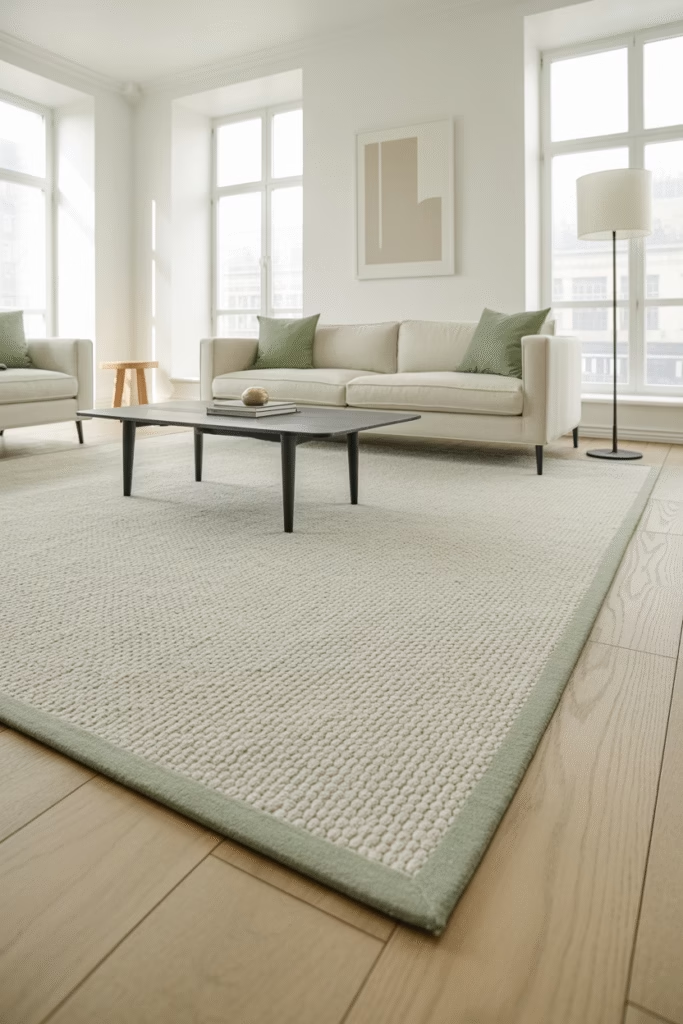
Here’s something people often overlook—your rug matters way more than you think. A large textured wool area rug in light grey with sage green borders serves as the perfect foundation, creating a distinct conversation zone while adding warmth and acoustic benefits.
The generous proportions should allow all your furniture pieces to rest comfortably within its boundaries. This grounds the seating arrangement and makes your living room feel intentional and pulled-together. Plus, wool is practical—it hides dirt, feels amazing underfoot, and lasts forever.
A jute or sisal rug works beautifully too if you’re going for a more coastal or boho aesthetic. The natural texture complements sage green furniture while keeping the space feeling light and airy rather than heavy or cluttered.
Mix Sage Green with Warm Woods
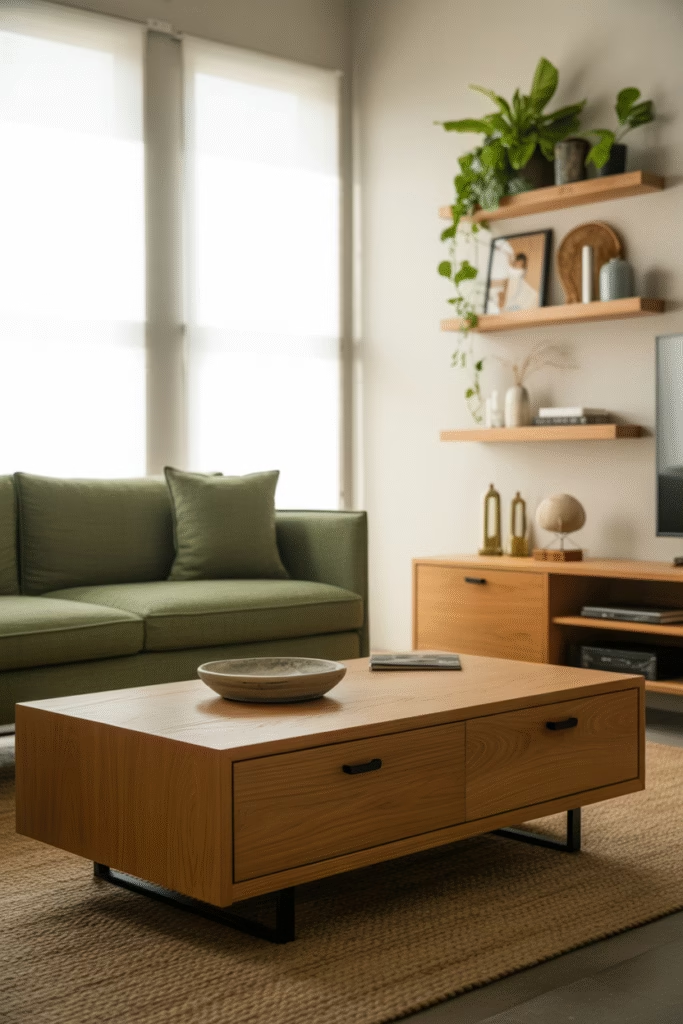
Warm wood tones and sage green are basically soulmates 🙂 The natural warmth of oak, walnut, or teak furniture balances the cool undertones in sage green, creating this harmonious, inviting atmosphere.
A wooden coffee table with sage green sofas hits that sweet spot between modern and organic. Add floating shelves in natural wood to display books, plants, and decorative objects. Even your flooring choice matters—light wood floors in ash or maple keep the space feeling open and bright.
For a more contemporary look, go with darker woods like walnut or espresso. The contrast makes your sage green elements pop while adding depth and sophistication. Throw in some wicker or rattan accessories to layer different wood textures throughout the space.
Sage Green and White for Fresh Minimalism
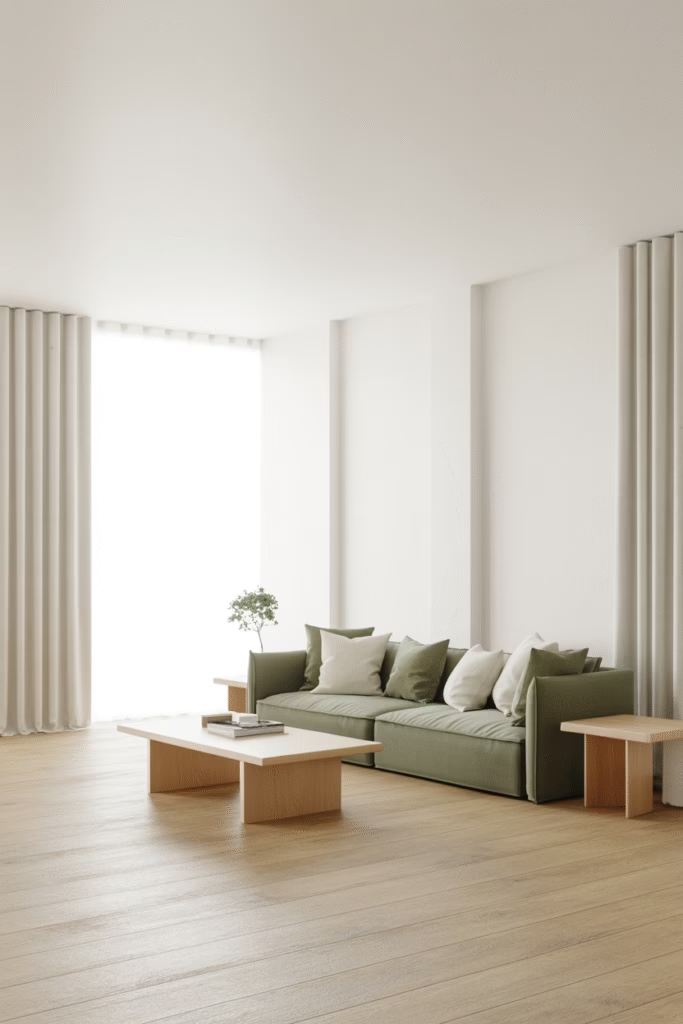
If minimalism is more your speed, sage green and white create this fresh, clean aesthetic that never feels cold or sterile. White walls with sage green furniture (or vice versa) give you that Scandi-inspired look everyone’s obsessed with.
Keep lines clean and simple. A white sofa with sage green throw pillows and blankets adds just enough color without overwhelming the minimalist vibe. White sheer curtains let natural light flood the space while maintaining privacy.
The beauty of this pairing is its versatility. You can easily switch up accent colors seasonally—add blush pink in spring, mustard yellow in fall, or navy blue in winter—without having to overhaul your entire space.
Layered Throw Pillows in Multiple Textures
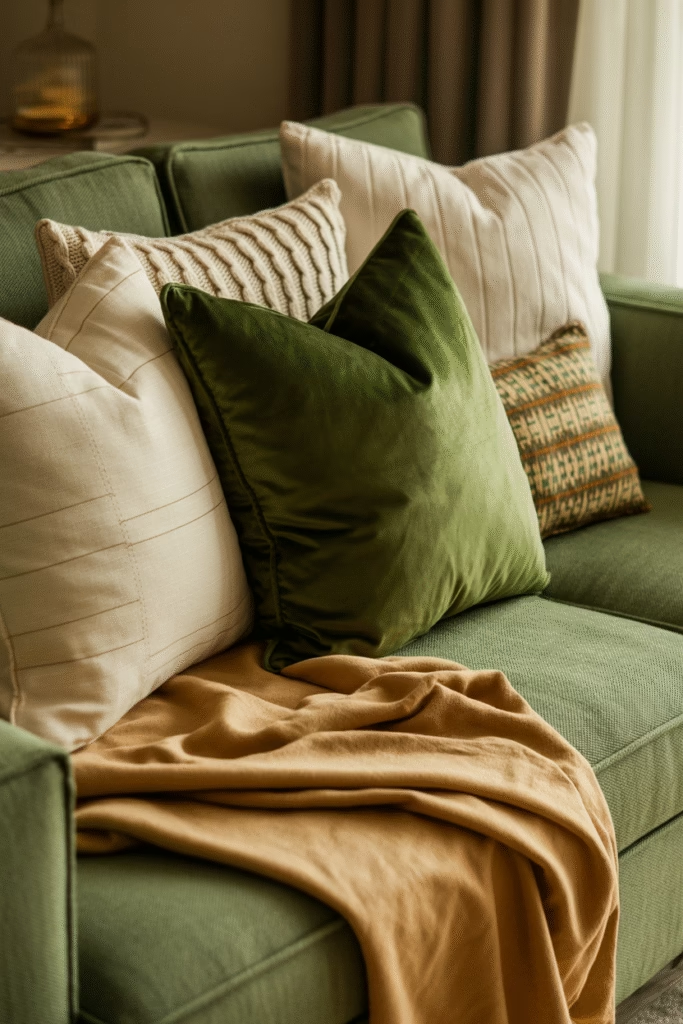
Never underestimate the power of throw pillows, people. A thoughtfully layered arrangement transforms a sage green living room from simply beautiful to deeply functional. Mix textures—nubby weaves, smooth linens, velvet, and even some faux fur for winter months.
Stick with a color palette of sage, cream, and charcoal for a cohesive look. Or go bolder with mustard, rust, or navy accents if you want more personality. The strategic mix adds visual interest while providing adjustable comfort levels that everyone can customize.
Don’t just pile them all the same way, either. Mix sizes and shapes—square, rectangular, lumbar pillows—for dimension. And for the love of design, make sure they’re actually comfortable enough to use. Decorative pillows that feel like rocks defeat the entire purpose.
Sage Green Drapes for Softness and Height
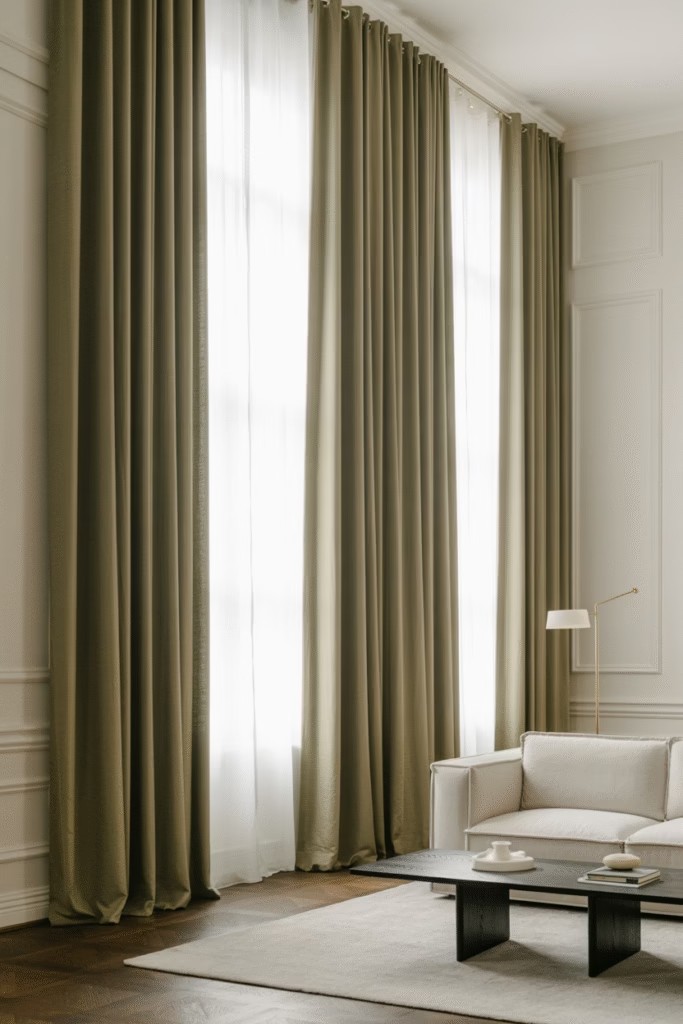
Floor-to-ceiling sage green drapes create a sense of height while providing privacy without sacrificing natural light. The flowing fabric adds softness and movement to your living room, which balances harder elements like wood furniture and metal accents.
When paired with a sage accent wall, these window treatments help create visual continuity throughout the space. Go for linen drapes if you want a relaxed, casual vibe, or choose velvet for something more luxurious and dramatic.
Hang them high and wide—mount the curtain rod closer to the ceiling and extend it beyond the window frame on both sides. This makes your windows (and entire room) look bigger and more impressive. Pro tip: make sure they puddle slightly on the floor for that designer touch.
Sage Green and Brass Accents
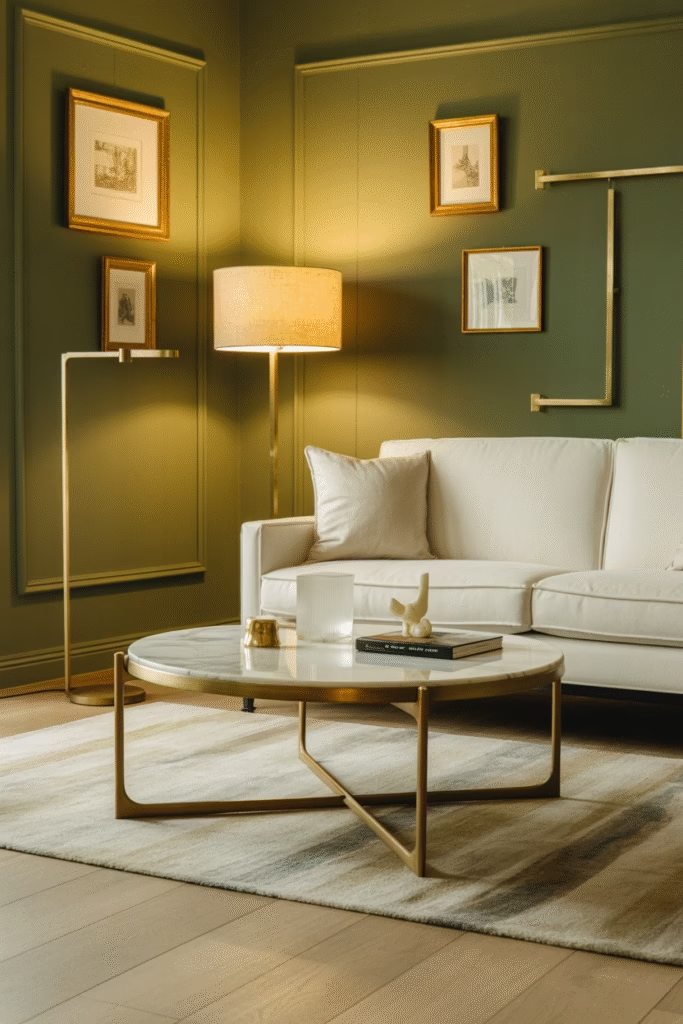
Brass and sage green are that power couple you didn’t know you needed. The warm metallic tones of brushed brass complement the cool undertones in sage green, creating this balanced, sophisticated look.
A brass and marble coffee table serves as an elegant focal point while providing essential surface space. Add brass picture frames, lamp bases, and even cabinet hardware to tie the look together. The oval shape of a coffee table allows smooth traffic flow, making it ideal for thoughtful space planning.
Don’t go overboard with the brass, though. A few well-placed pieces create impact; too many make it look like you robbed a thrift store. Aim for 3-5 brass elements throughout the room for that curated, intentional feel.
Sage Green in Open-Plan Layouts
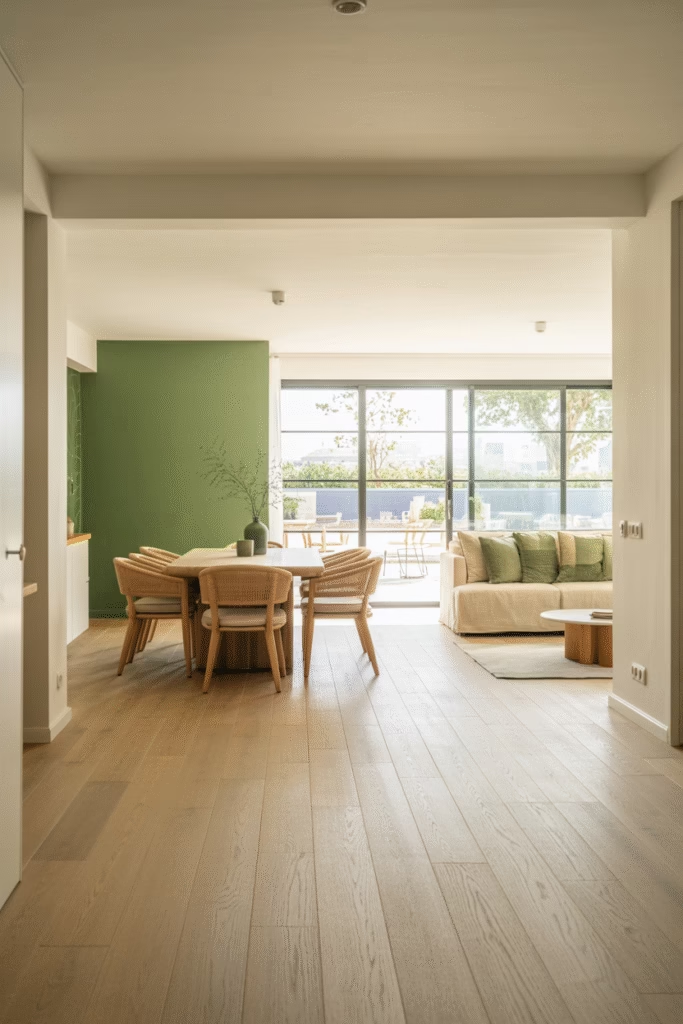
Sage green works beautifully in open-plan layouts where you need to define different zones without using walls. A sage green focal wall in the dining area creates visual separation while maintaining flow throughout the space.
Paint the wall behind your dining table sage green, add wicker chairs and pendant lights, and suddenly you’ve got a distinct dining zone. The color creates enough contrast to define the area without making your open-plan space feel chopped up or disjointed.
Use consistent sage green accents throughout your open layout—throw pillows in the living area, bar stools in the kitchen, artwork in the entryway—to create cohesion. This approach makes your entire space feel intentional and well-designed rather than like a random collection of furniture.
Sage Green Outdoor-Indoor Vibe
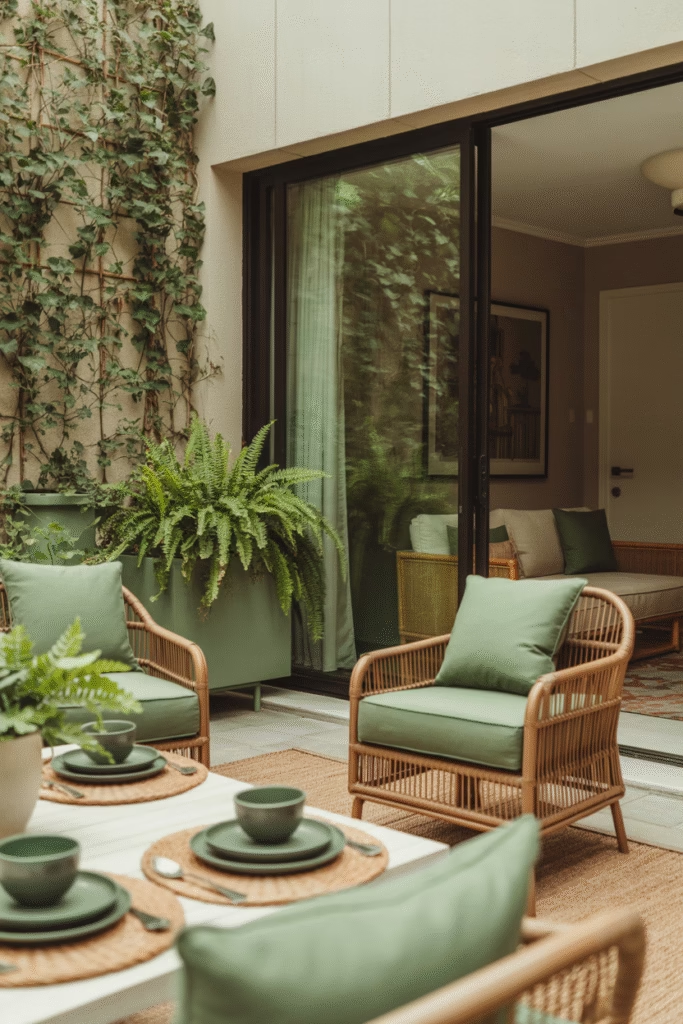
Extending your sage green theme to outdoor spaces creates seamless indoor-outdoor harmony. Sage green planters filled with lush greenery on your balcony or patio, paired with caramel-toned rattan furniture, create a cozy outdoor retreat.
This design approach is perfect if you have large windows or sliding doors connecting your living room to outdoor spaces. The consistent color palette makes both areas feel like extensions of each other. Add sage green outdoor cushions and a weather-resistant area rug for comfort and style.
Mix sage green tableware with caramel placemats or outdoor rugs to create a warm, inviting setup that’s perfect for hosting small gatherings. Your friends will definitely be asking for decorating advice, guaranteed.
Sage Green with Black Accents for Drama
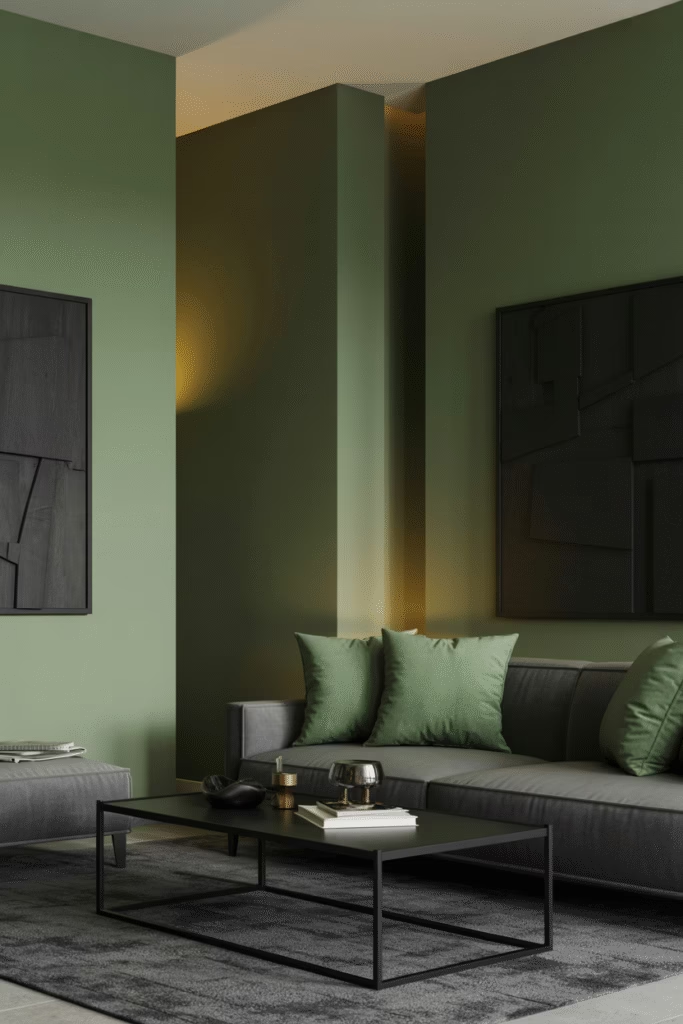
Want something a little edgier? Sage green and black create this dramatic, moody aesthetic that’s incredibly sophisticated. Black picture frames, coffee tables, or even a black accent wall paired with sage green furniture adds depth and intensity.
This combination works particularly well in contemporary and industrial-style living rooms where you want that bold, confident vibe. The sage green softens the potentially harsh look of black, while the black adds structure and definition to the softer green tones.
Balance is crucial here. Too much black makes the space feel heavy; too little and it loses impact. Aim for a 70/30 ratio—70% sage green and neutrals, 30% black accents—for that sweet spot between dramatic and livable.
So there you have it 20 ways to bring sage green into your living room without making it look like a 1970s kitchen threw up on your walls. This color really is as versatile as everyone claims, working beautifully whether you go all-in with painted walls or just add a few accent pieces here and there.
The real magic of sage green is how it makes you feel. It’s calming without being boring, modern without being cold, and sophisticated without being pretentious. Whether you’re designing a minimalist sanctuary or a cozy family gathering space, sage green adapts to your style and needs.
Start small if you’re nervous—grab some sage green throw pillows or a small accent chair. Once you see how beautifully it plays with your existing decor, you’ll probably want more. And honestly? That’s not a bad problem to have.