
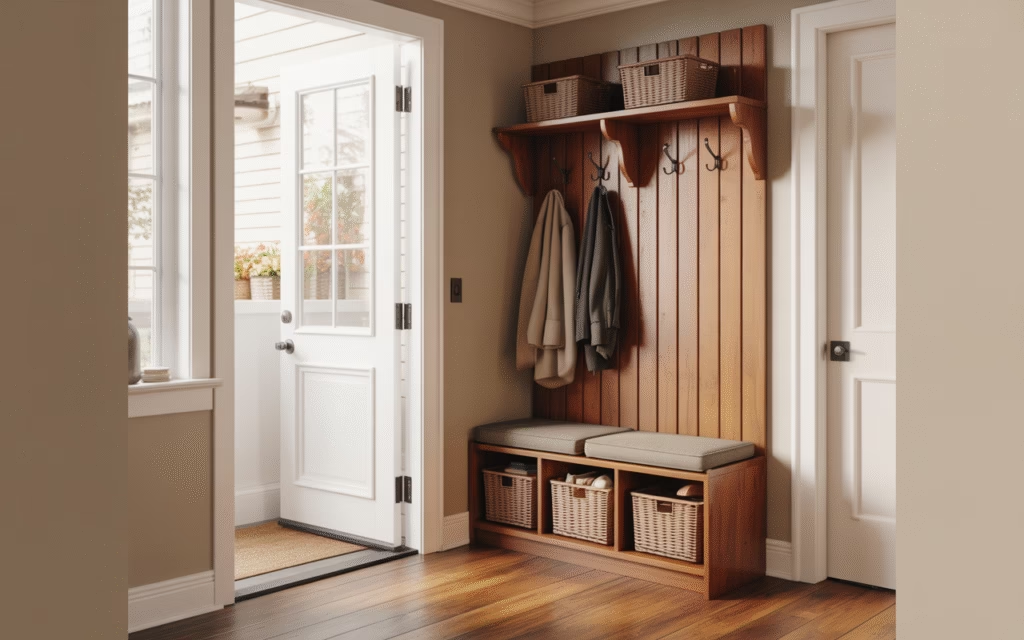
You know that awkward little strip of space right when you walk through your front door? Yeah, that one where you’re constantly tripping over shoes and trying to figure out where to hang your coat without it ending up in a heap on the floor. Welcome to the club of tiny entryway owners 🙂
When you’re working with barely enough room to swing a cat (not that you would), decorating feels like a joke. But here’s the thing small entryways can actually pack more personality per square foot than any other room in your house. You just need to get smart about it, and honestly, a little ruthless with your choices. Let me walk you through 15 ideas that’ll transform your cramped entrance from cluttered disaster zone to a space that actually makes you smile when you come home.
Go Bold With Wallpaper (Yes, Really)
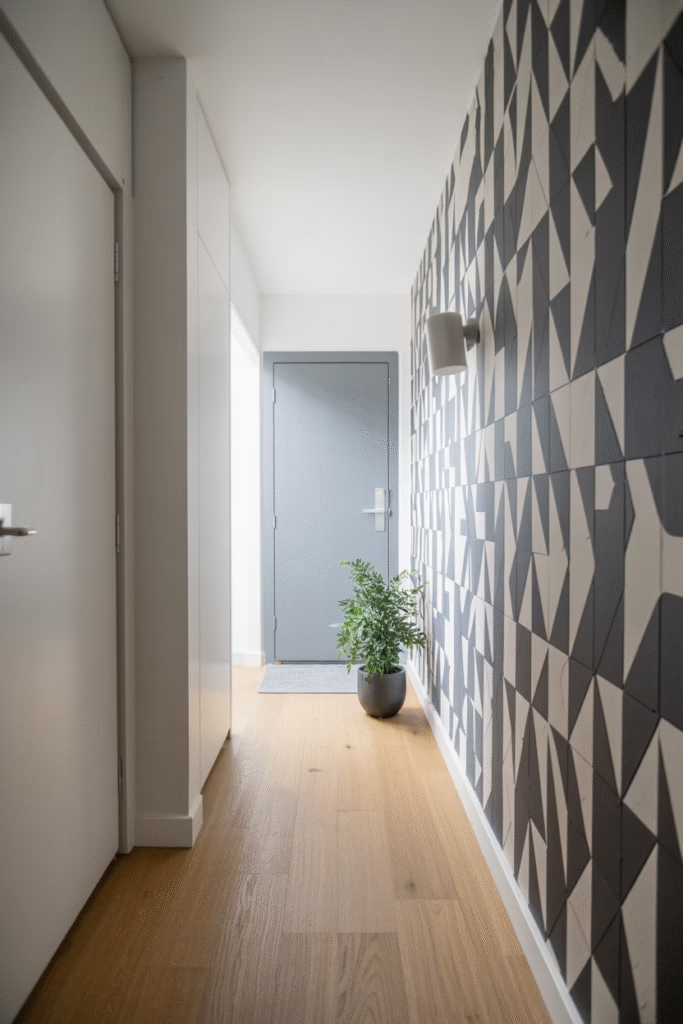
I know what you’re thinking—wallpaper in a tiny space sounds like a terrible idea, right? Wrong. Hear me out on this one.
When you slap a bold, all-over pattern on those walls, something magical happens. Your eye gets distracted by the design instead of focusing on how cramped everything feels. I tried this myself with a black-and-white geometric print, and the difference was wild—suddenly my shoebox entryway felt intentional instead of sad.
Darker shades or busy patterns create depth and make walls recede visually. Plus, a small entryway is the perfect place to use that crazy wallpaper you’ve been eyeing but were too scared to commit to in a larger room. If it doesn’t work out, you’ve only wasted like, what, two rolls?
Slim Console Tables Are Your Best Friend
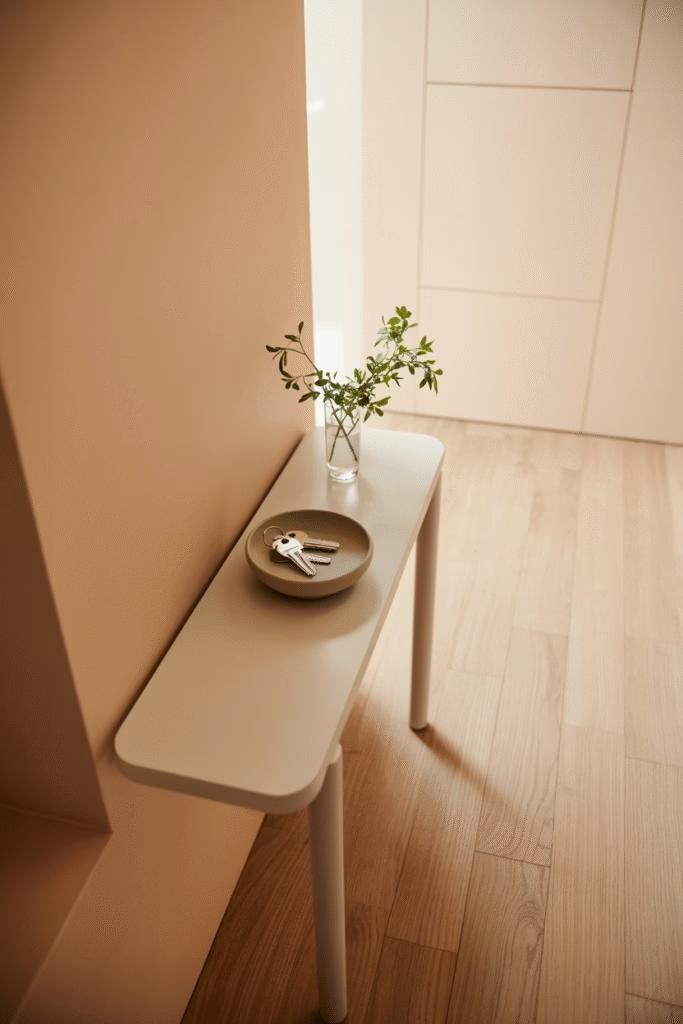
Forget those chunky entryway tables you see in magazines. In a tight space, you need something that’s basically the supermodel of furniture—tall, lean, and taking up minimal floor space.
Look for console tables that are 12 inches deep or less. They give you just enough surface area for keys, mail, and maybe a small plant, without turning your entryway into an obstacle course. I found mine at IKEA for like $40, and it’s been a game-changer.
Bonus points if you find one with a lower shelf for extra storage. Just make sure you can still comfortably walk past it without doing that awkward sideways shuffle.
Mirror Tricks That Actually Work
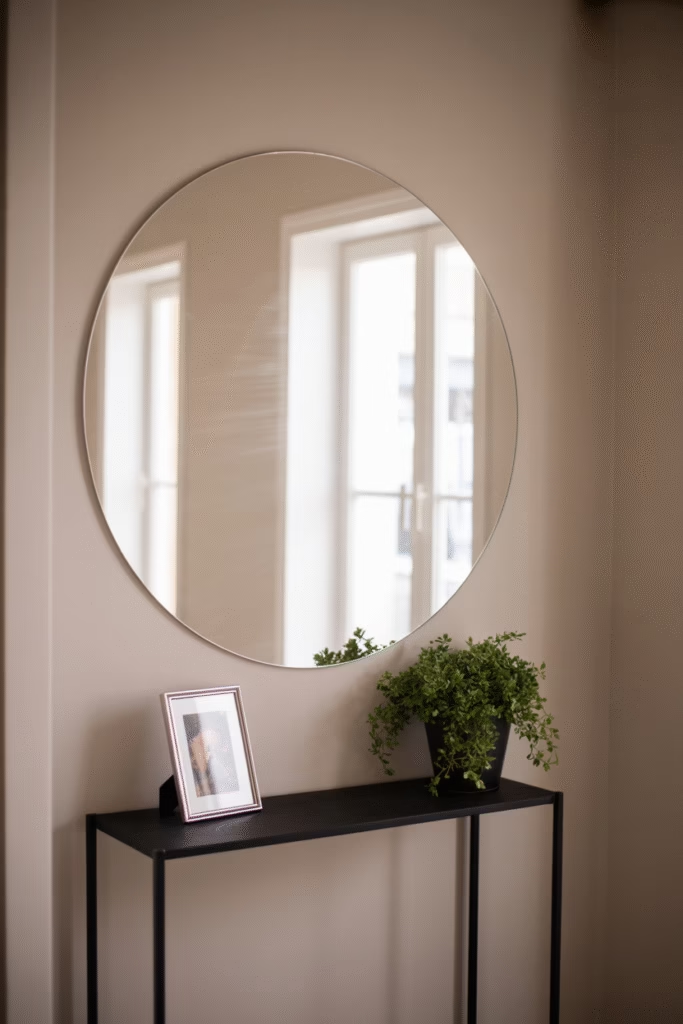
FYI, mirrors aren’t just for checking if you have spinach in your teeth before you leave the house. They’re basically magic when it comes to making small spaces feel bigger.
Hang a large mirror directly across from a window or light source, and watch your entryway basically double in size (visually, anyway). The reflected light bounces around and makes everything feel brighter and more open. I’m talking about a serious size upgrade here—don’t be shy with mirror dimensions.
For narrow hallways, mount mirrors on the side walls instead of at the end. This breaks up that tunnel effect and reflects light sideways, which somehow tricks your brain into thinking the space is wider than it actually is. It’s like optical illusion meets interior design, and I’m here for it.
Vertical Storage Is Non-Negotiable
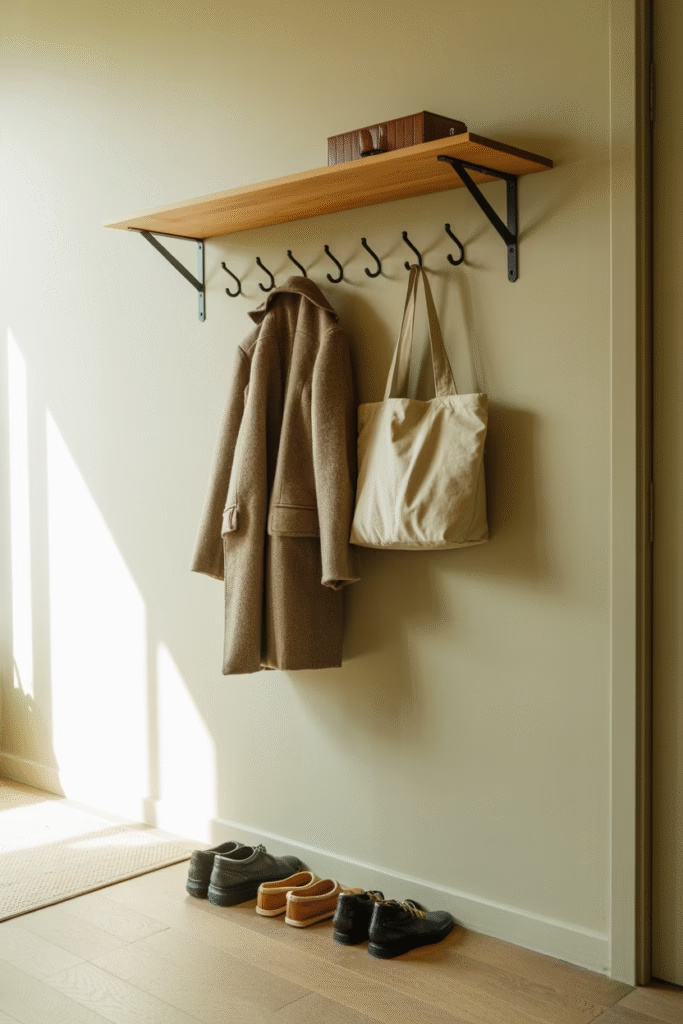
When you can’t go out, go up. Seriously, your walls are prime real estate that you’re probably wasting right now.
Wall-mounted hooks are the MVP of small entryways. Get a row of them installed at different heights—higher ones for adults’ coats, lower ones for kids’ backpacks. They keep stuff off the floor and make everything accessible without eating up precious square footage.
Don’t stop there. Add a shelf above your door for seasonal storage. Toss some decorative boxes up there for gloves, scarves, or whatever random stuff you need to stash. Nobody looks up there anyway, so it’s hidden storage that’s actually useful.
Hall Trees: The One-Stop Shop
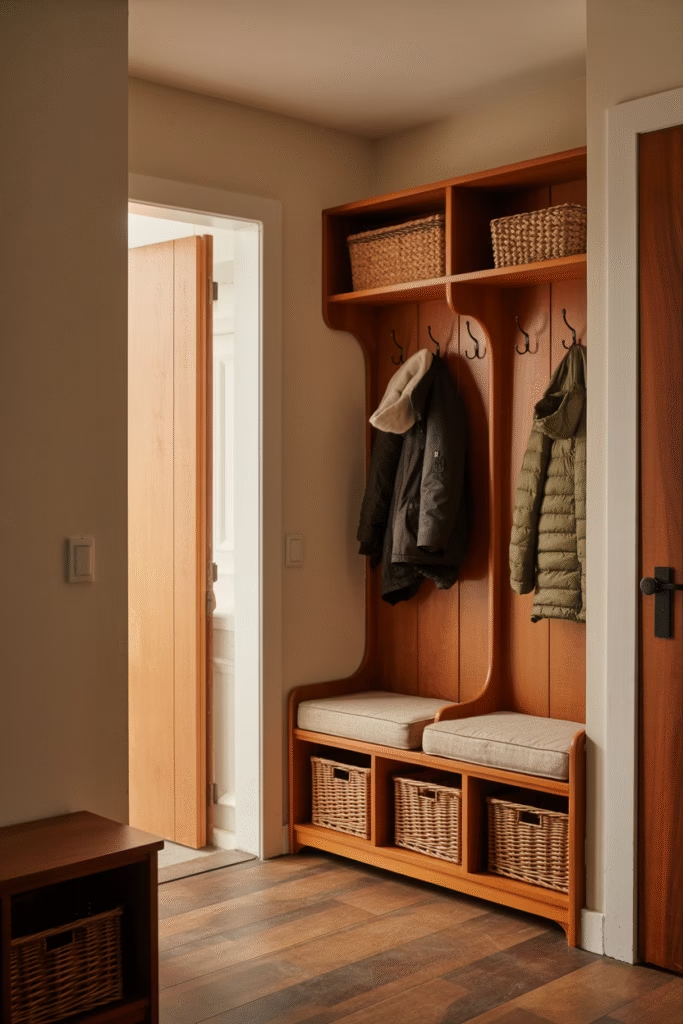
If you’ve got a corner to spare (even a tiny one), a hall tree is your answer. These things are like the Swiss Army knife of entryway furniture.
You get hooks for coats, a bench for sitting while you put on shoes, and usually some shelves or cubbies for extra storage. All in one compact piece that doesn’t sprawl across your entire entryway. The bamboo ones look particularly good if you’re going for that casual, organic vibe.
Just make sure you measure your space before buying one. There’s nothing worse than getting it home and realizing it blocks your door from opening fully. Been there, done that, had to return it :/
Paint Strategy: Go Dark
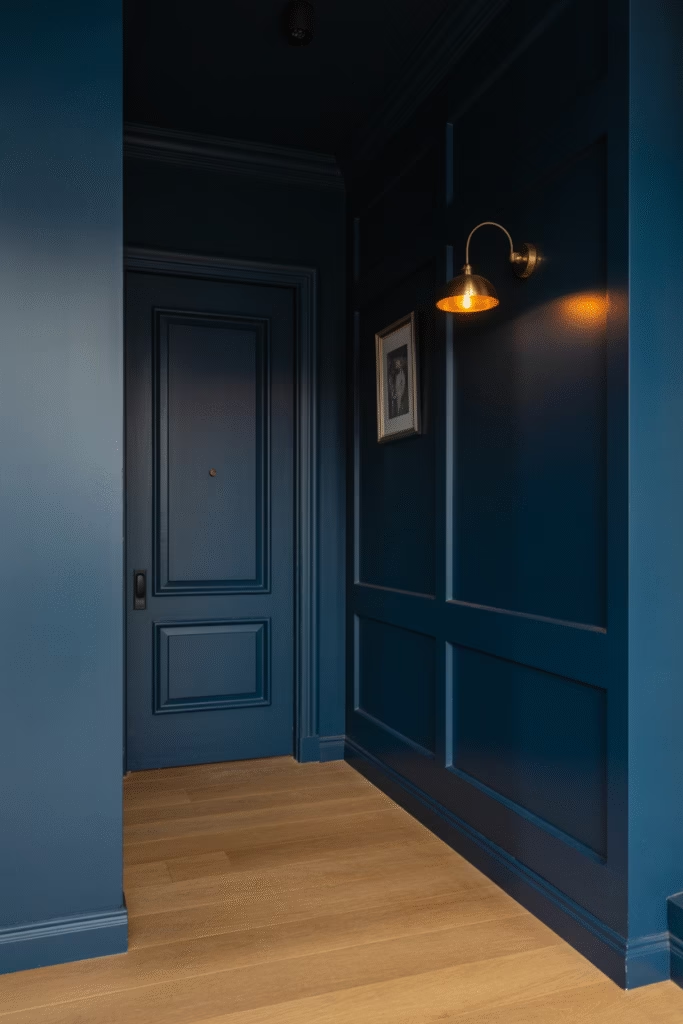
Here’s where I’m gonna get a little controversial. Everyone tells you to paint small spaces light colors to make them feel bigger. But IMO, that’s not always the move.
Dark, moody colors can actually make a small entryway feel more intentional and luxurious. We’re talking deep navy, forest green, or even black. The key is making sure you have good lighting to balance it out.
That said, if your entryway has zero natural light, maybe stick with something lighter. Accessible Beige by Sherwin Williams is a solid neutral that works in basically any space. It’s warm enough to feel welcoming but light enough to keep things from feeling like a cave.
Floating Shelves for Days
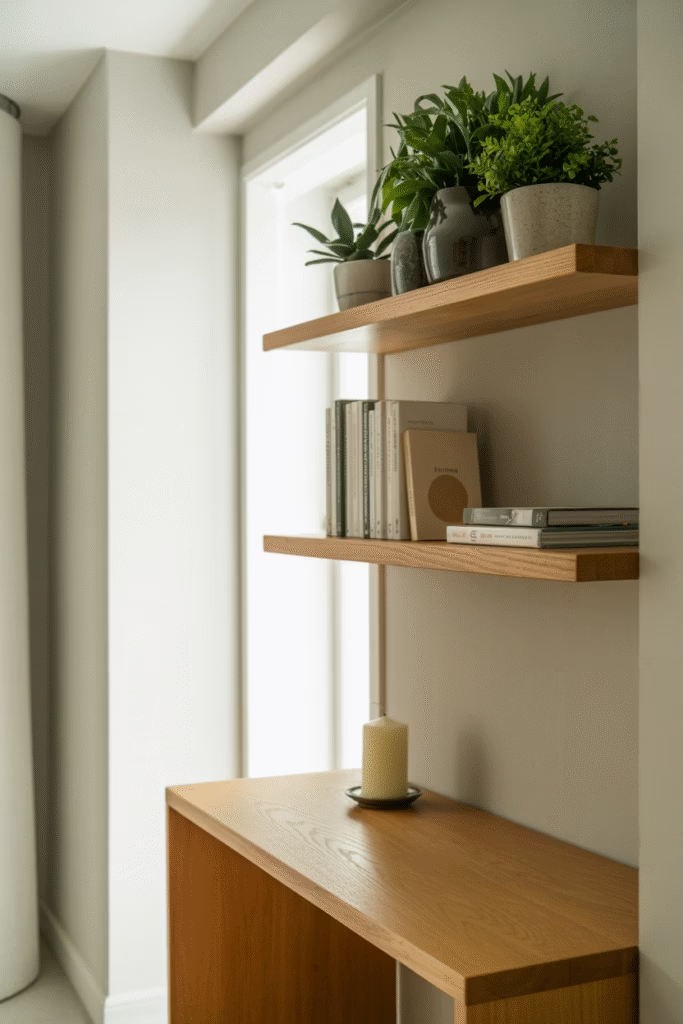
Floating shelves are basically free real estate for your walls. Mount a couple above your console table (if you have one) or just on their own.
Use them for decorative stuff like plants, picture frames, or a small catch-all basket. The floating aspect keeps things feeling light and airy instead of bulky. Plus, you can arrange and rearrange them however you want without commitment.
Pro tip: Install them at varying heights to create visual interest. Three shelves in a staggered pattern look way more intentional than three in a straight line.
Bench With Hidden Storage
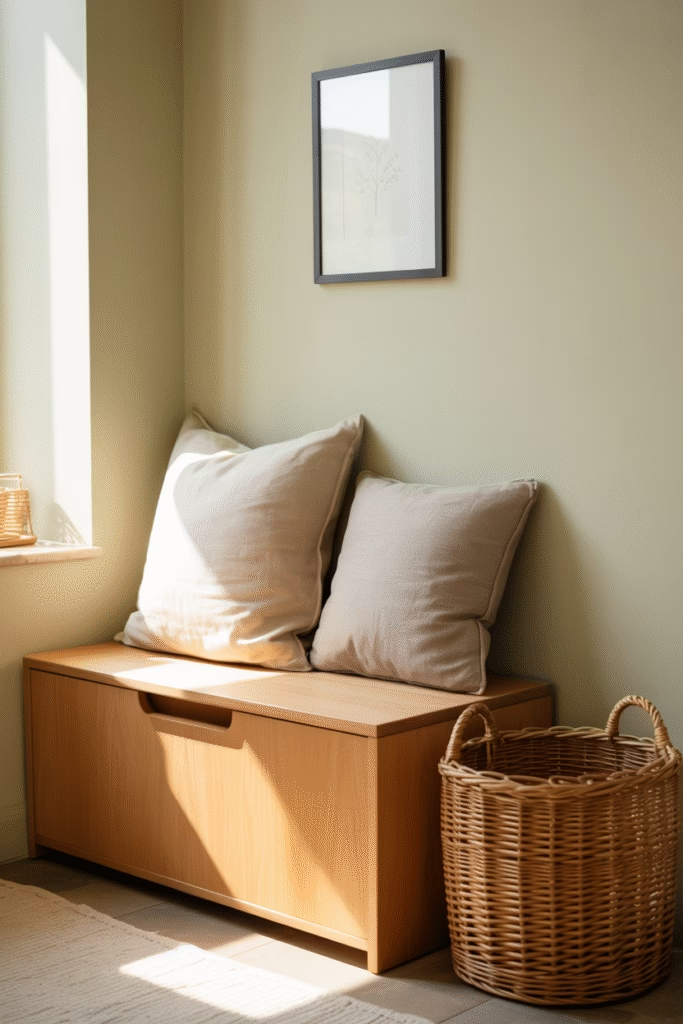
If you’ve got room for a bench, make sure it’s pulling double duty. Those storage benches with lift-up seats are clutch for hiding shoes, dog leashes, or seasonal accessories.
Look for something with a low profile so it doesn’t visually overwhelm the space. The streamlined ones in wood and leather are my favorites—they look grown-up and sophisticated instead of like kids’ furniture.
Stack some throw pillows on top if you want it to feel cozier. And if you’re really tight on space, those little stackable stools from IKEA work great too—you can tuck them under a console when not in use.
Shoe Storage That Doesn’t Look Like Shoe Storage
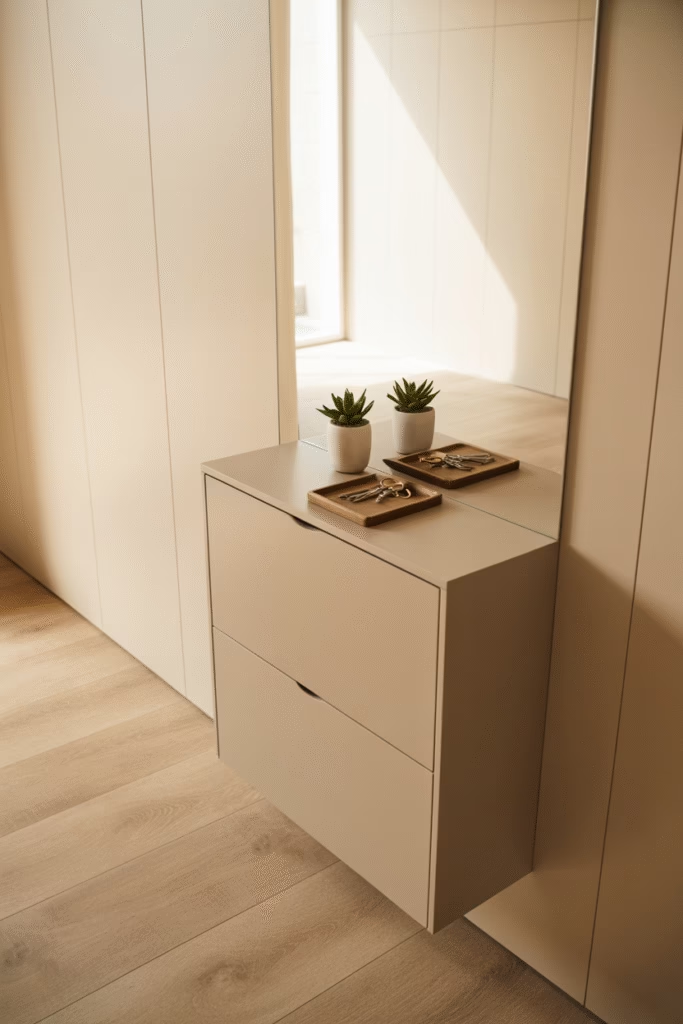
Let’s be real—shoes are the enemy of a tidy entryway. But those ugly wire shoe racks? Even worse.
Closed shoe cabinets are where it’s at. The IKEA Bissa cabinet gets mentioned constantly for a reason—it’s slim, cheap, and hides all your footwear chaos behind closed doors. You can even put a tray or small plant on top for bonus style points.
If closed cabinets feel too bulky, try those slim shoe shelves that lean against the wall. They’re open enough to not feel heavy but still keep shoes organized and off the floor.
Baskets and Bins: Controlled Chaos
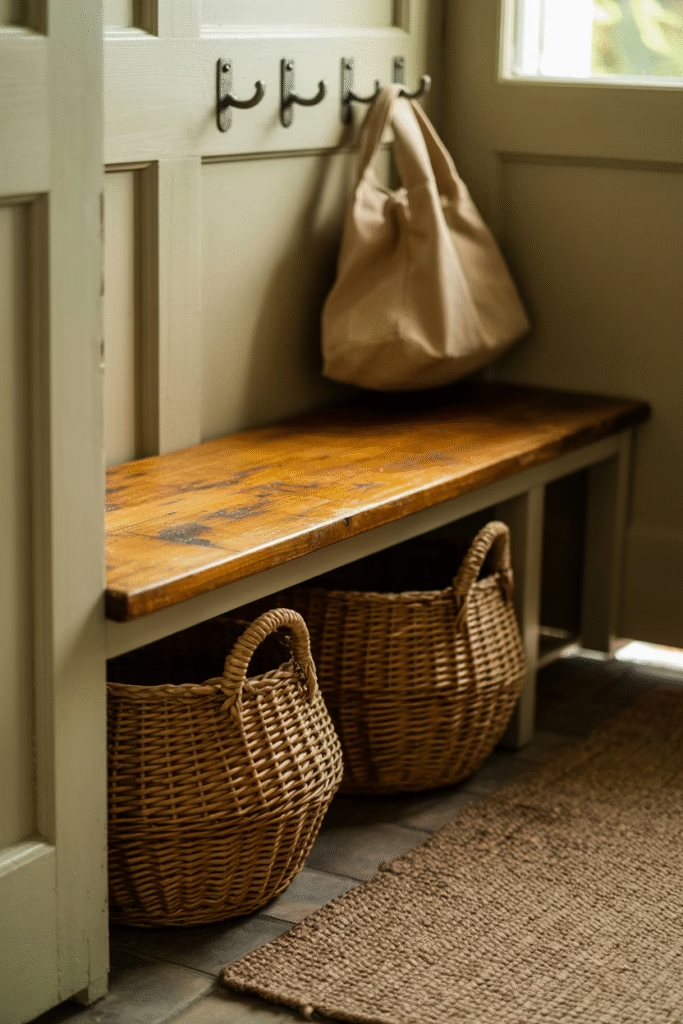
Okay, you’re never going to be 100% clutter-free in an entryway—that’s just not realistic. But you can at least make the clutter look intentional.
Woven baskets under a bench or console table are perfect for corralling everyday stuff. Gloves, dog toys, reusable shopping bags—all that random junk you need access to but don’t want to see. The natural texture adds warmth too, which is nice.
Wire mesh baskets are great if you need to see what’s inside. They’re also better for damp items like umbrellas or winter boots since air can circulate. Just try to stick with a consistent style so it doesn’t look like a random collection of junk receptacles.
Light It Up Properly
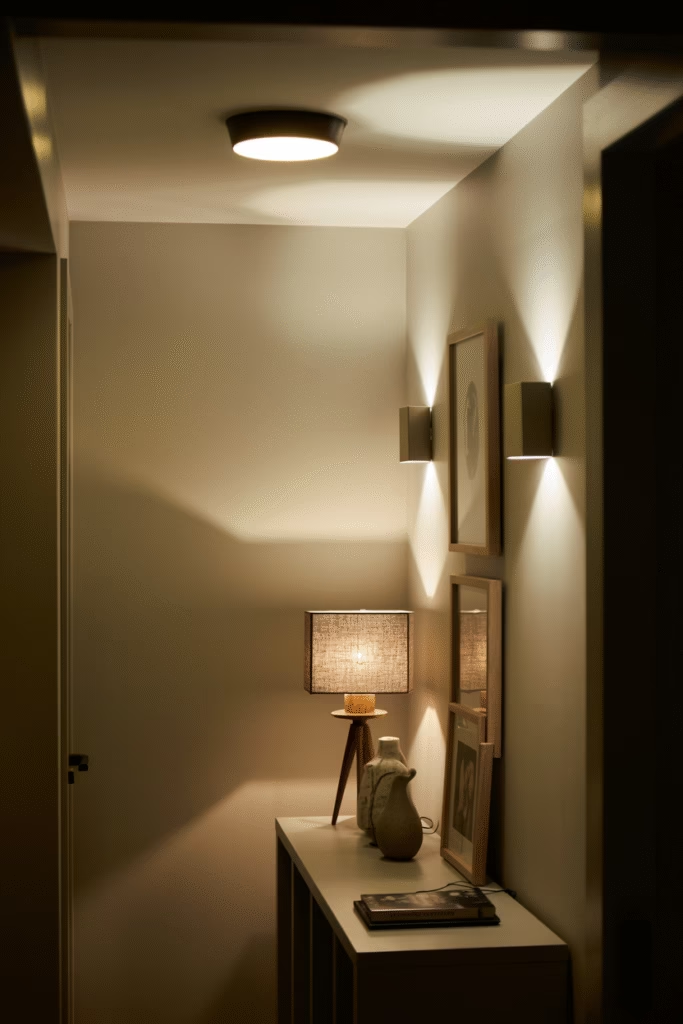
Bad lighting will murder your small entryway vibe faster than anything else. You need layered lighting to make the space feel open and welcoming.
Start with a statement overhead light—maybe a flush-mount fixture with an interesting shape or a small pendant. Then add wall sconces if you have room. The combination gives you enough light without harsh shadows.
If you’ve got a really narrow space, multiple small pendant lights in a row can actually make it feel longer and more elegant. Just make sure they’re hung high enough that tall people don’t smack their heads.
Rugs to Define the Space
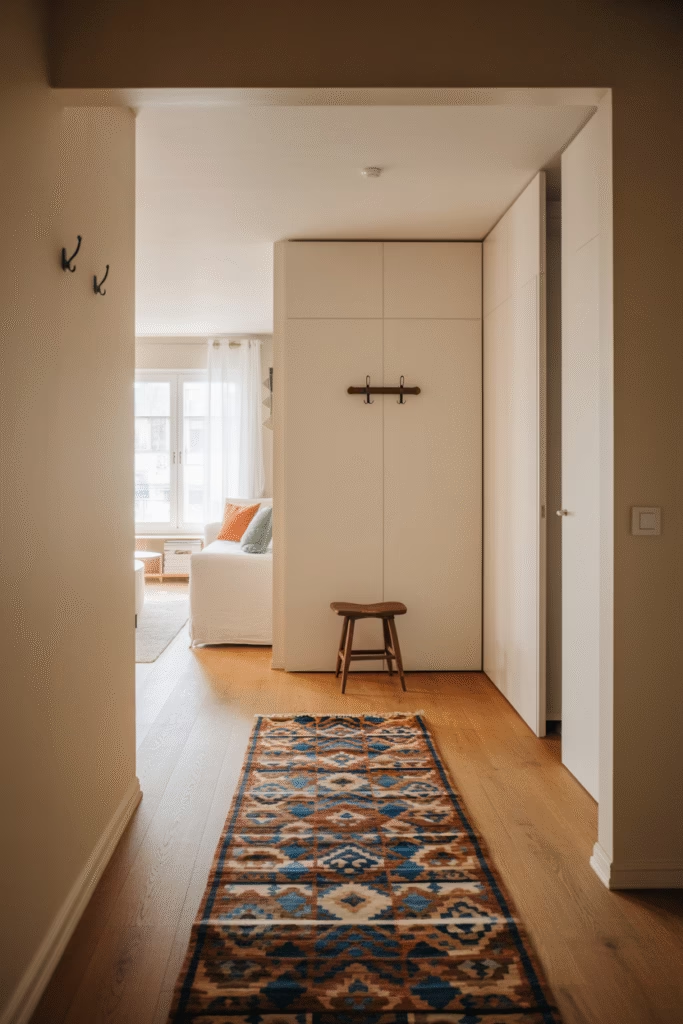
When your entryway basically opens straight into your living room, a rug becomes crucial. It visually separates the entry area from the rest of the space.
Go for something with personality—a vintage Persian rug, a bold geometric pattern, or even a runner if your entryway is more hallway-shaped. The rug adds color and texture while also protecting your floors from all that foot traffic.
In narrow hallways, lay runners at angles to break up the space into zones. It sounds weird, but it actually works to make the space feel less tunnel-like.
Wainscoting for Character
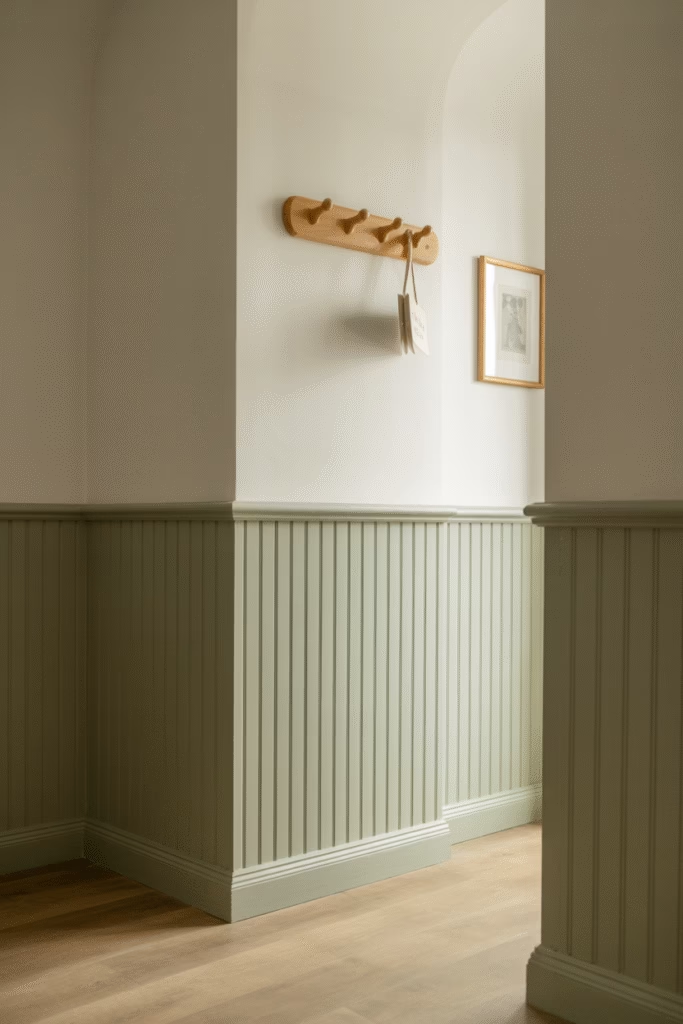
If your entryway walls are boring builder-grade white, wainscoting is a relatively easy DIY project that adds major character. V-groove panels painted in a fun color instantly elevate the space.
You can do just the lower half of the wall in wainscoting and paint or wallpaper the top. This two-tone approach adds depth and makes your ceiling feel higher. Plus, the wainscoting protects your walls from scuffs and dings, which is clutch in a high-traffic area.
I’ve seen people do this project in a weekend, and the before-and-after is always dramatic. It’s one of those upgrades that looks expensive but doesn’t have to be.
Corner Solutions
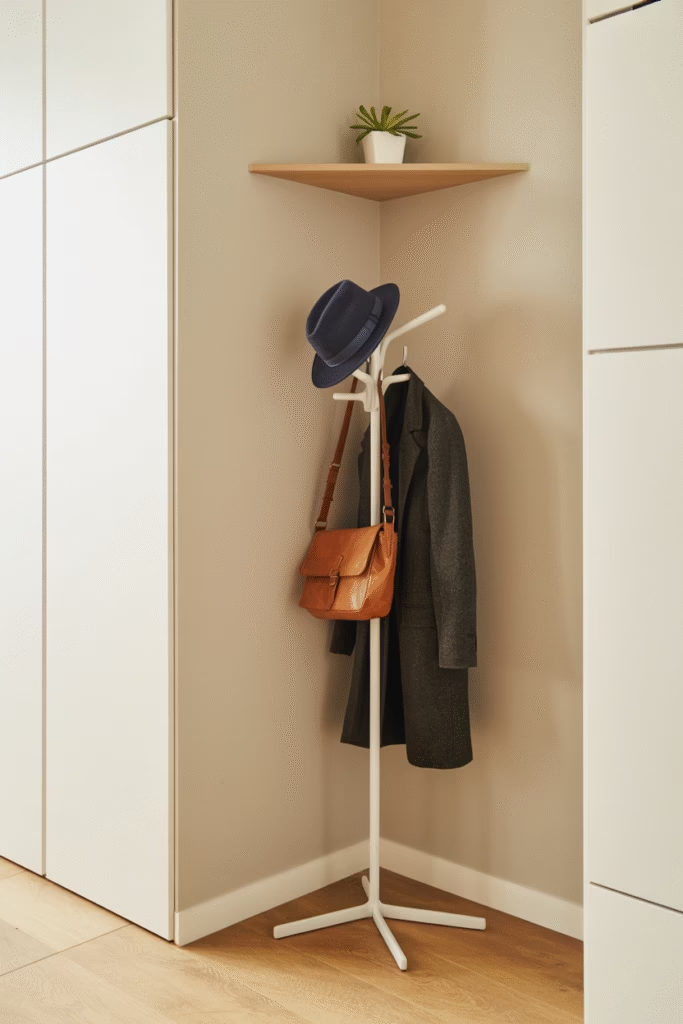
Corners are where small entryways go to waste space. Don’t let them.
A corner coat rack with foldable hooks is genius for tight spaces. The Umbra Flapper one has nine hooks you can arrange however you need, and each holds up to 5 pounds. When you’re not using certain hooks, fold them down so they’re not sticking out.
You could also tuck a small corner shelf unit in there for keys, sunglasses, and mail. Anything that uses that dead corner space is a win in my book.
Pegboard Organization
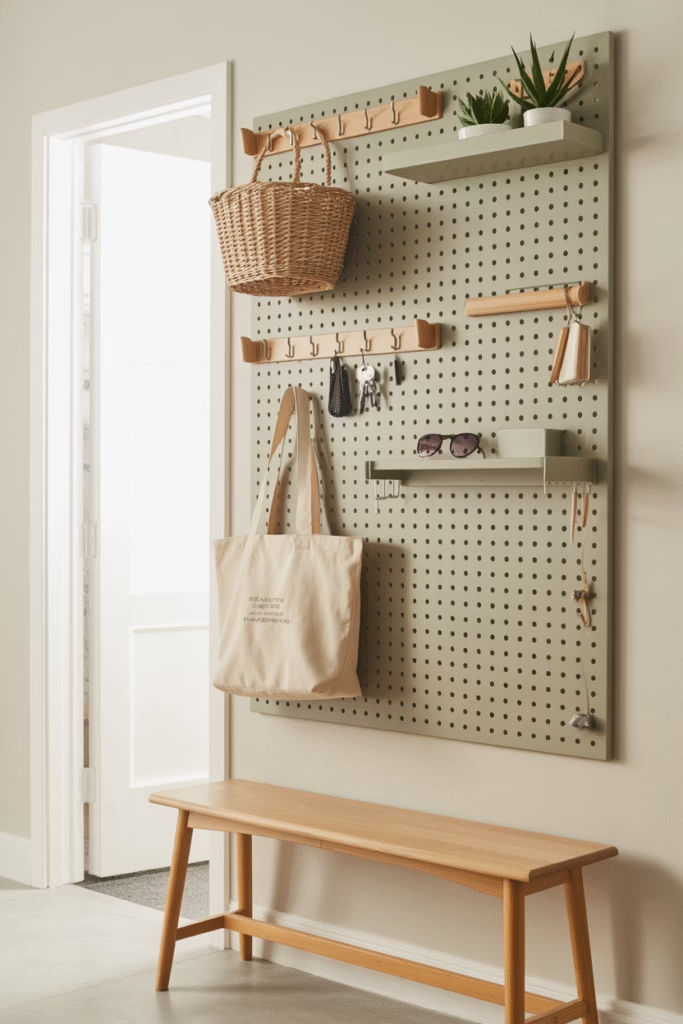
Pegboards aren’t just for garages anymore. A small pegboard section in your entryway gives you crazy flexibility for organizing.
Hang baskets, hooks, and small shelves wherever you need them. The best part? You can rearrange everything as your needs change without putting new holes in your wall. It’s like adult Legos but useful.
Paint the pegboard a fun color to make it a design feature instead of just functional. I’ve seen some really cool setups where people coordinate their baskets and hooks to match their color scheme.
Your Entryway, Your Rules
Look, at the end of the day, your entryway needs to work for your life. Maybe you need five coat hooks because you have a big family. Maybe you need zero coat hooks because you live in Florida and don’t own a coat. The point is to maximize your specific space for your specific needs.
Don’t be afraid to break traditional rules put that bold wallpaper up, skip the console table if it doesn’t fit, hang your mirror wherever it makes the most sense. Small spaces actually give you more freedom to experiment because you’re not committing to a huge area.
The tiny entryway struggle is real, but it’s also totally solvable. Start with one or two ideas from this list, see what works, and build from there. Before you know it, you’ll have transformed that awkward little space into something that actually makes you happy every time you walk through the door. And honestly? That’s worth way more than square footage.