
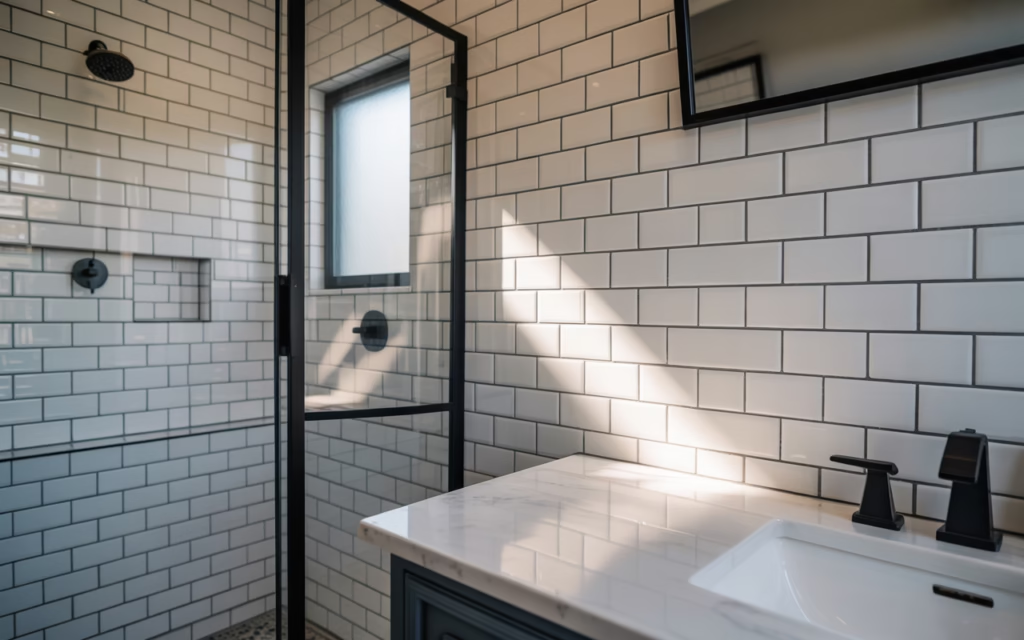
A bathroom can look “fine” for years and still quietly annoy you every single morning. That’s usually the moment subway tile swoops in like the reliable friend who shows up on time and actually helps you move. You get a clean, classic backdrop, but you also get a ridiculous number of ways to tweak the vibe, modern, vintage, moody, bright, whatever mood you’re in.
I fell back in love with subway tile after I helped redo a tiny bathroom that felt dark and cramped, no matter what we did. One smart tile choice later, the room looked brighter, taller, and way more intentional without a full-blown renovation meltdown. Ever notice how some bathrooms instantly feel “pulled together,” even when they keep things simple?
So yep, this post brings 15 stunning subway tile bathroom design ideas that you can actually use layouts, grout tricks, finishes, and a few bolder moves for when you want your bathroom to stop whispering “builder basic.” Ready to pick a favorite and pretend you won’t change your mind three times?
Classic White Subway Tiles with Dark Grout
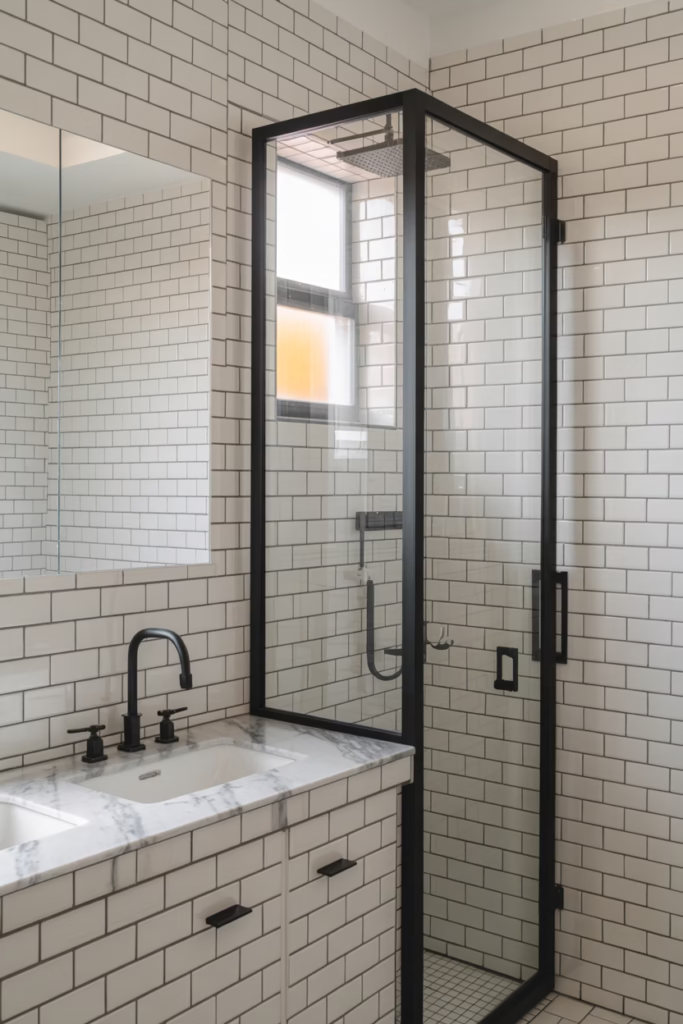
This combo is like the little black dress of bathroom design—it works every single time. White subway tiles paired with charcoal or black grout create this gorgeous contrast that makes each tile pop. I used this in my own bathroom, and people still comment on it two years later.
The dark grout adds dimension and prevents that sterile, hospital-like feel that plain white bathrooms sometimes give off. Plus, here’s the practical bit: dark grout hides stains way better than white grout. Ever tried keeping white grout clean near a shower? Yeah, not fun.
The best part? This design works in literally any bathroom size. Small powder room? Check. Master bathroom suite? Absolutely. The contrast creates visual interest without overwhelming the space.
Vertical Subway Tile Layout
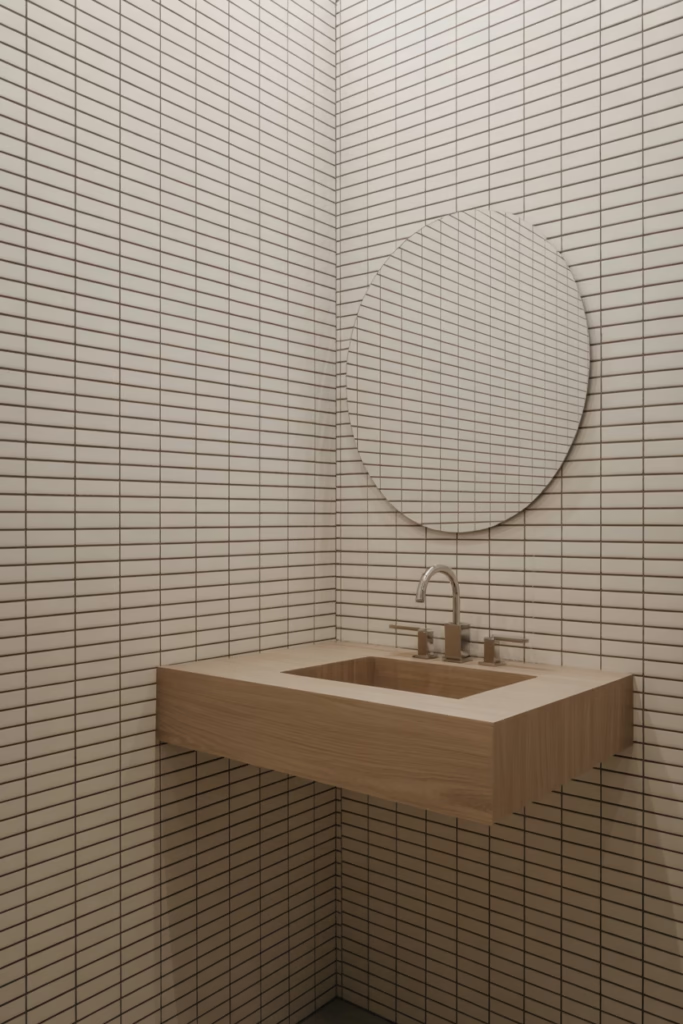
Want to know a designer secret? Flip those tiles vertically instead of the traditional horizontal orientation. It’s such a simple switch, but it completely changes the vibe. Vertical tiles make your walls look taller, which is perfect if you’re working with lower ceilings (looking at you, basement bathrooms).
I tried this in a narrow bathroom, and wow—the space suddenly felt less cramped. The vertical lines draw your eye upward, creating this illusion of height that you didn’t have before. It’s like wearing vertical stripes, but for your walls 🙂
This layout works especially well behind vanities or in shower enclosures. Just make sure your installer is on board—some old-school contractors might give you the side-eye, but trust the process.
Colored Subway Tiles for Bold Statements
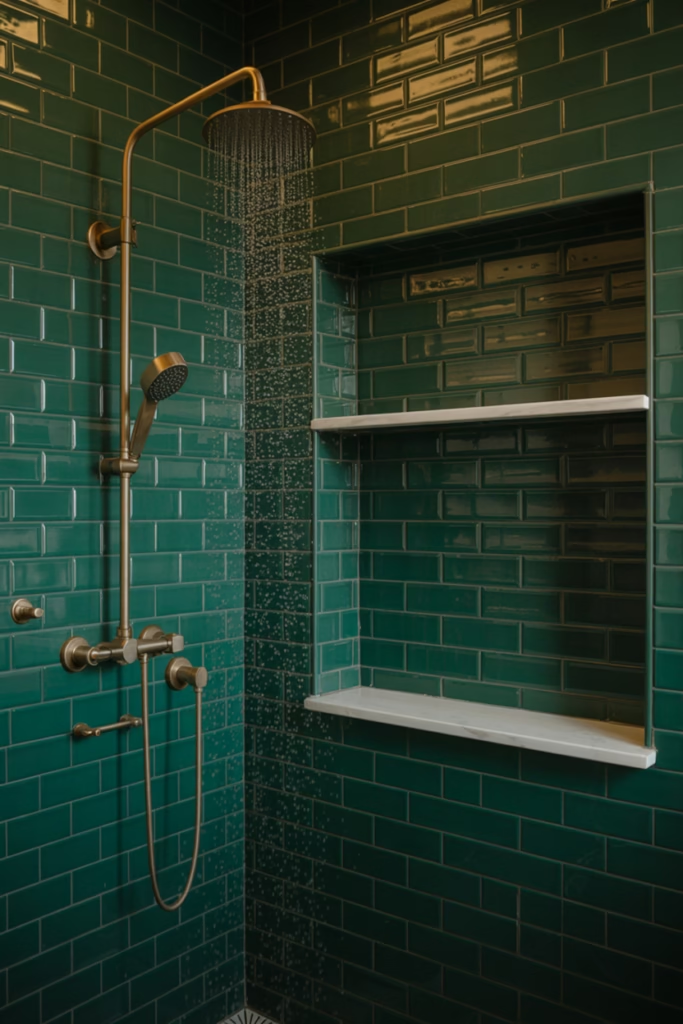
Who said subway tiles have to be white? Jewel tones like emerald green, navy blue, or even blush pink are absolutely killing it right now. IMO, this is where subway tiles really get to shine and show their personality.
I recently saw a bathroom with sage green subway tiles, and I’m not exaggerating when I say it was stunning. The color added warmth without being overwhelming, and paired with brass fixtures? Chef’s kiss. The key is choosing a color you’ll love long-term—so maybe skip that neon orange unless you’re really committed.
These colored tiles work best as accent walls or in shower enclosures. You don’t need to tile every surface to make an impact. Sometimes, one bold wall is all you need to transform the entire space.
Subway Tiles with Decorative Border
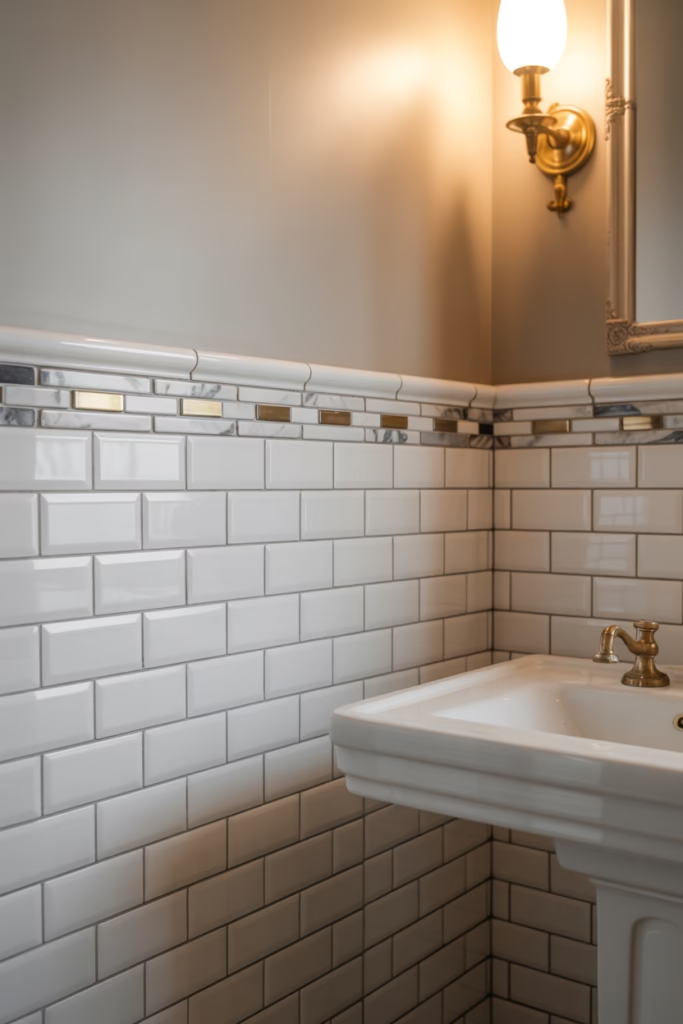
Breaking up your subway tile installation with a decorative border or accent stripe adds visual interest and personality. Think of it as jewelry for your walls—it doesn’t need to be everywhere, just strategically placed.
You can use pencil tiles, mosaic borders, or even a contrasting color of subway tiles. I’ve seen bathrooms where they ran a gold metallic border at chair rail height, and it looked incredibly sophisticated. The border creates a natural stopping point for your eye and adds layers to the design.
FYI, this technique is perfect if you’re only partially tiling your bathroom walls. The border gives you a clean, intentional endpoint instead of an awkward tile-to-paint transition.
Herringbone Pattern Subway Tiles
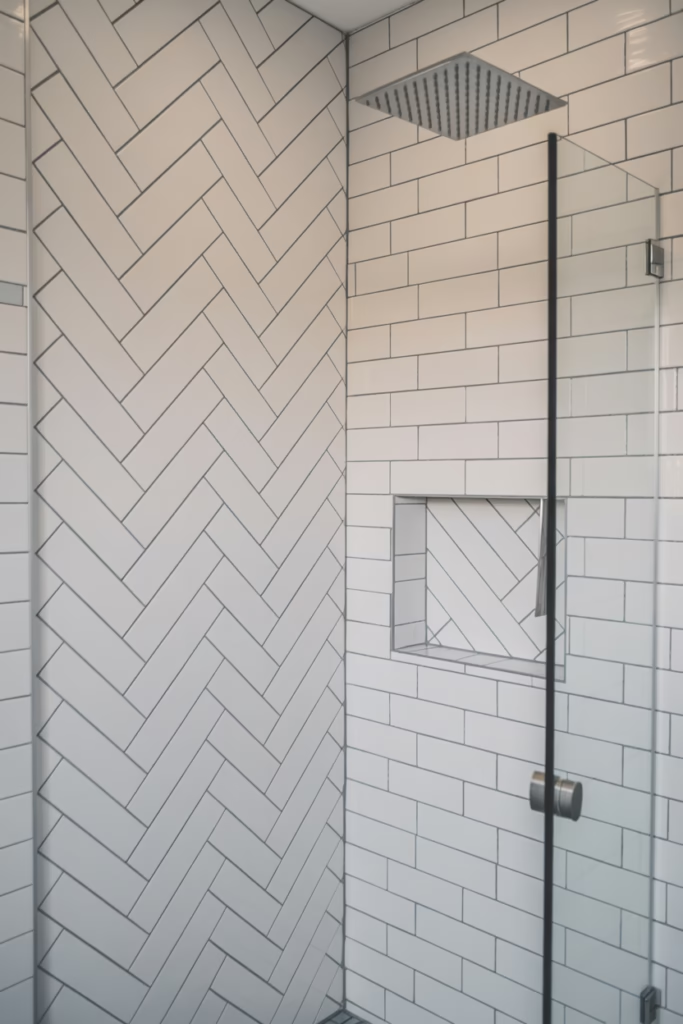
Alright, this one requires a bit more skill (and patience) from your installer, but herringbone subway tiles are absolutely worth the extra effort. This zigzag pattern transforms humble subway tiles into something that looks way more expensive than it actually is.
I’ll be honest—installation costs more because it’s labor-intensive. But the visual impact? Unmatched. The pattern adds movement and sophistication that standard brick-laid tiles just can’t compete with. It’s like comparing a basic t-shirt to one with interesting seams and details.
This pattern works beautifully on shower floors or as a feature wall behind vanities. Just be prepared for every guest to ask who did your tile work.
Subway Tiles to the Ceiling
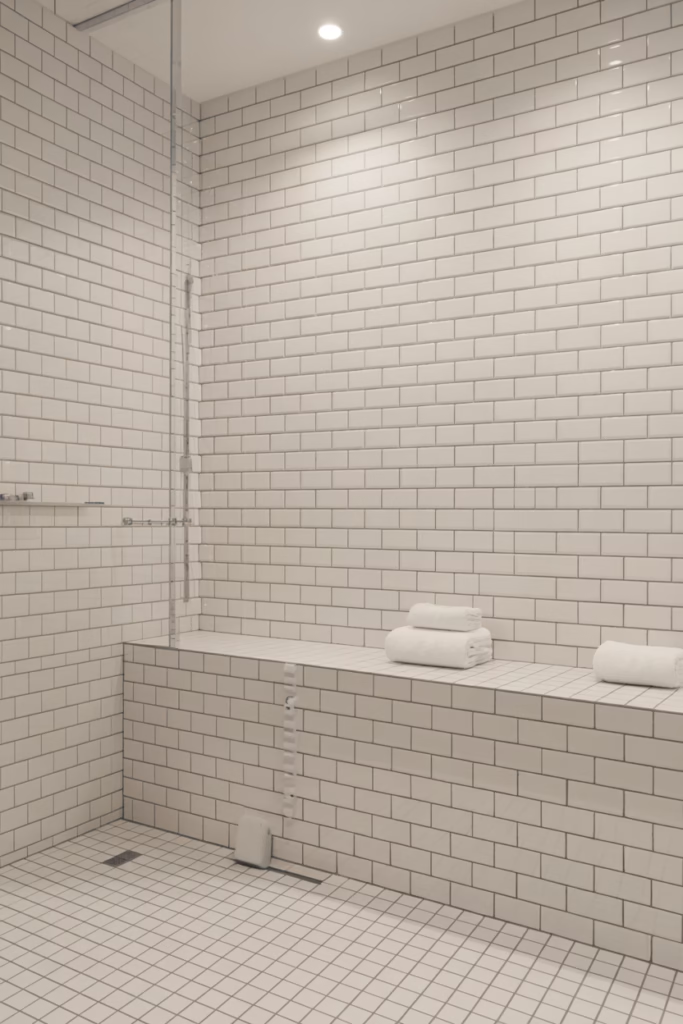
Most people stop their tile at shower height or around 5-6 feet. But hear me out: taking subway tiles all the way to the ceiling creates a cohesive, luxurious look that’s surprisingly practical.
Why? Because moisture doesn’t discriminate. That upper wall area still gets exposed to humidity, and paint eventually shows it. Full-height tile eliminates that problem while making your bathroom feel more polished and intentional.
I’ve done this in two bathrooms now, and the impact is dramatic. The room feels taller, more put-together, and honestly easier to maintain. No more repainting bathroom walls every few years? Sign me up.
Mix Subway Tiles with Other Tile Shapes
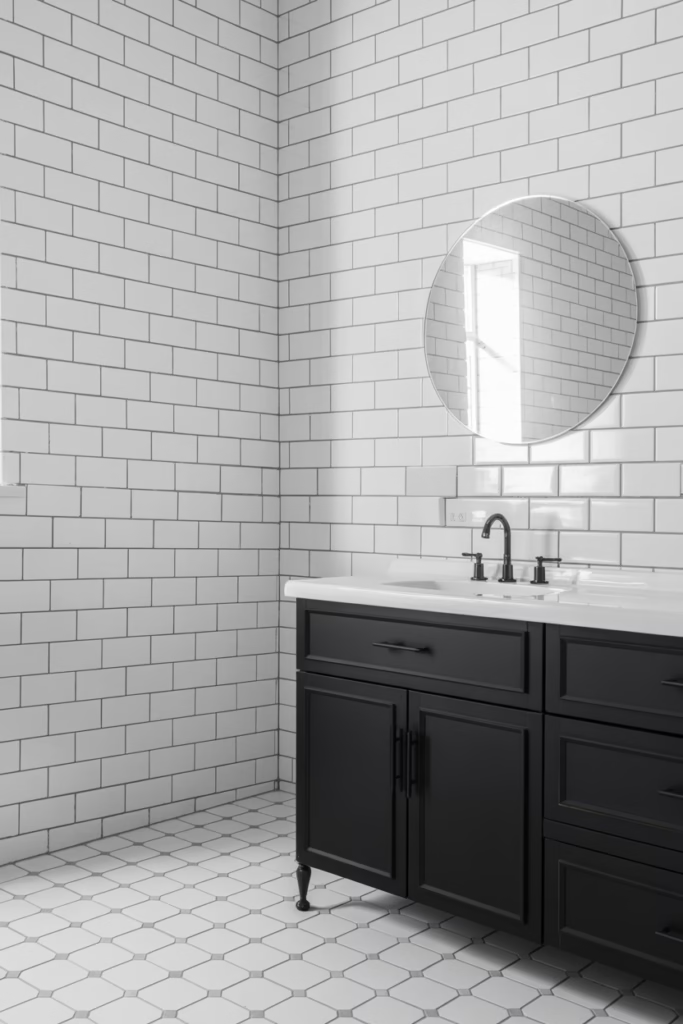
Ever wondered why some bathrooms feel more dynamic than others? Mixing subway tiles with hexagons, pennies, or geometric tiles creates visual interest without being chaotic. The trick is keeping your color palette cohesive.
I love using subway tiles on walls and then switching to hexagonal floor tiles. The shape contrast is interesting, but because they share similar colors or finishes, everything still feels intentional. It’s like wearing patterns that complement each other instead of compete.
This approach works especially well in smaller bathrooms where you want personality without overwhelming the space. The different shapes create zones—walls versus floor—while maintaining visual flow.
Beveled Subway Tiles for Dimension
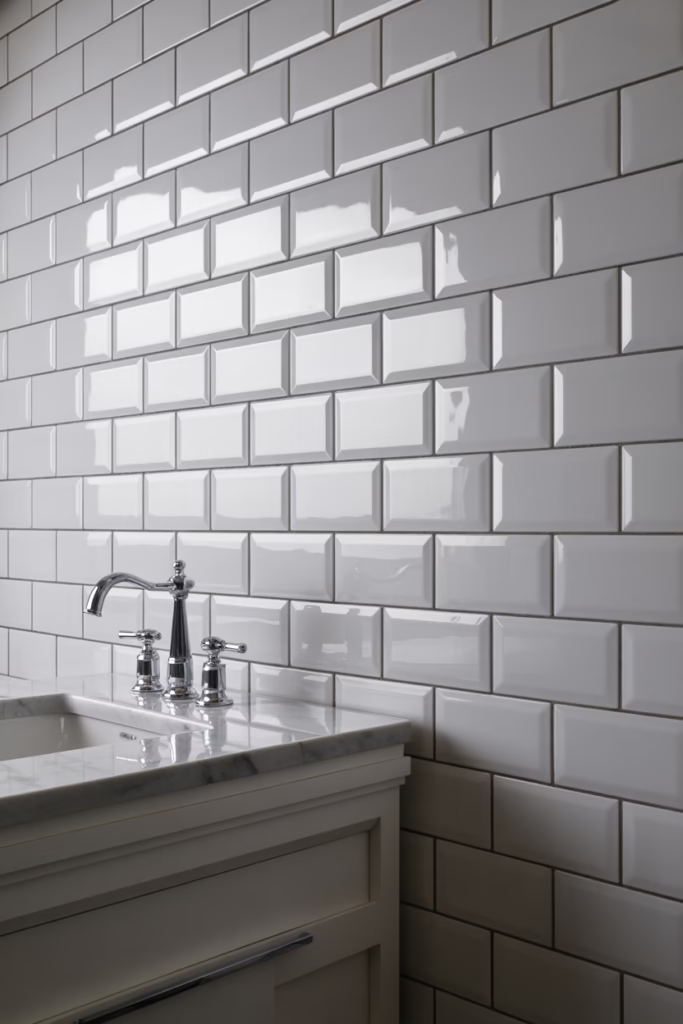
Standard flat subway tiles are great, but beveled-edge subway tiles add shadow and depth that flat tiles can’t achieve. The angled edges catch light differently throughout the day, creating this subtle shimmer effect.
These tiles cost slightly more than flat versions, but the dimensional quality they bring is worth every penny. I installed beveled tiles in a bathroom with limited natural light, and the way they reflect light made the space feel less cave-like :/
The beveled edges also make the installation look more high-end. There’s something about those shadows between tiles that reads as intentional and sophisticated rather than basic builder-grade.
Large Format Subway Tiles
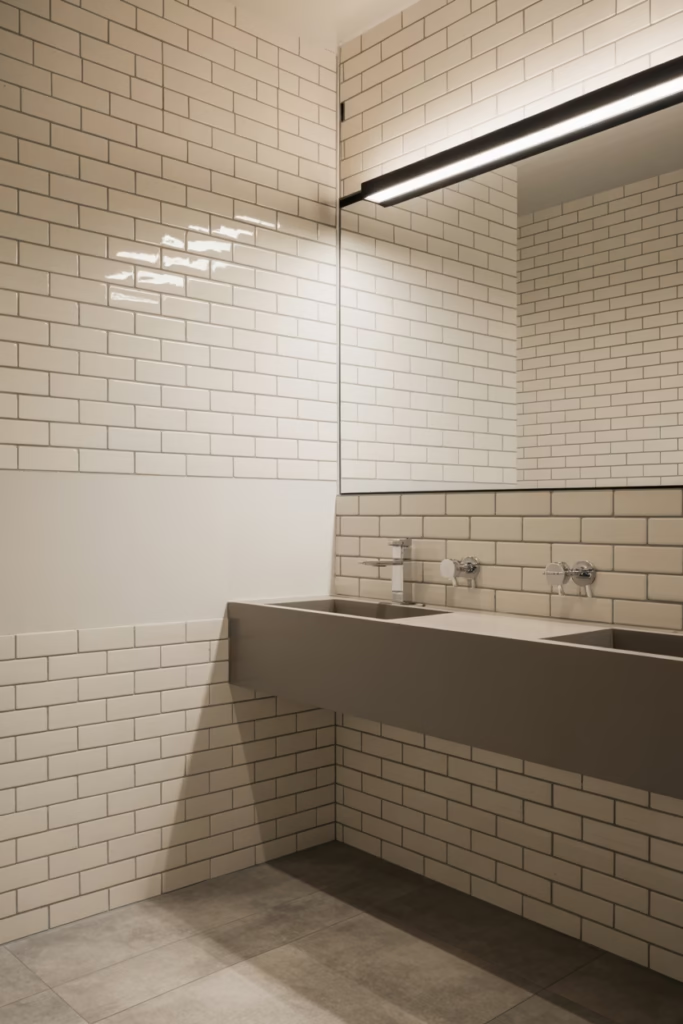
Traditional subway tiles measure 3×6 inches, but oversized subway tiles (4×12 or even 4×16 inches) create a more contemporary, streamlined look. Fewer grout lines mean less visual clutter and easier maintenance.
I was skeptical about this trend initially, but after seeing them in person? Converted. The larger format makes small bathrooms feel more spacious because your eye isn’t constantly processing all those grout lines. It’s a cleaner, more minimalist aesthetic.
These work particularly well in modern or Scandinavian-style bathrooms. Pair them with minimal fixtures and you’ve got yourself a spa-like retreat that doesn’t scream “trying too hard.”
Glossy Versus Matte Finish Considerations
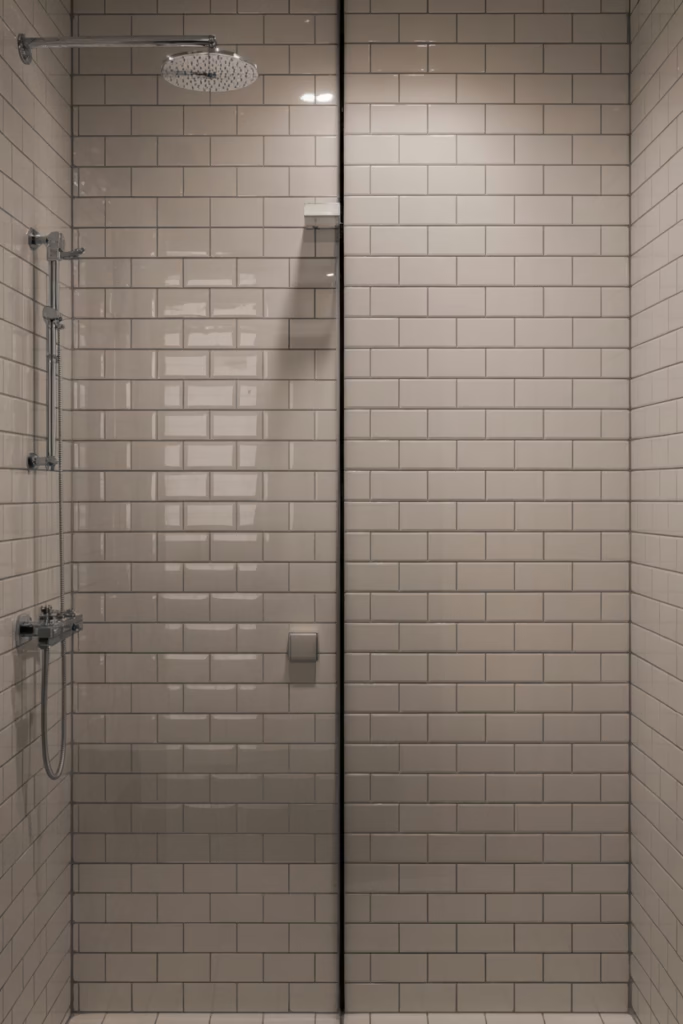
This decision matters more than you might think. Glossy subway tiles reflect light and make spaces feel larger, while matte tiles offer a more subdued, contemporary vibe. I’ve used both, and each has its place.
Glossy tiles are fantastic in smaller bathrooms or spaces with limited natural light. They bounce light around, making everything feel brighter and more open. However, they do show water spots more easily—just something to keep in mind.
Matte tiles hide imperfections better and offer a more organic, lived-in feel. They’re having a major moment right now in modern farmhouse and Scandinavian designs. The trade-off? They don’t amplify light the way glossy tiles do.
Subway Tile Accent Wall Behind Vanity
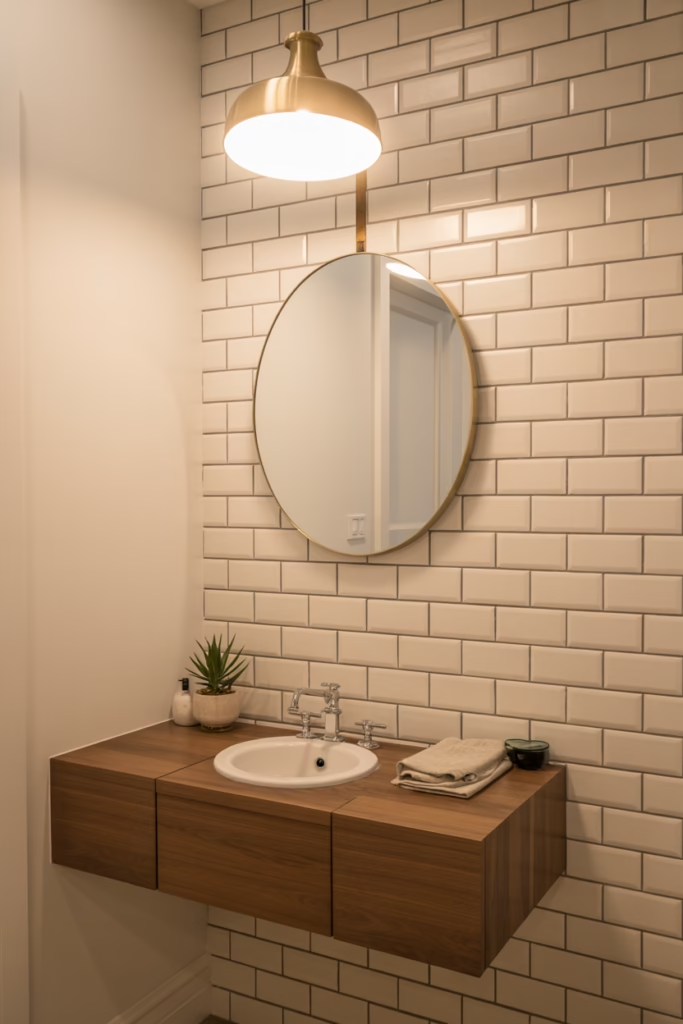
You don’t need to tile your entire bathroom to make an impact. Creating a subway tile accent wall behind your vanity draws the eye and establishes a focal point. It’s like giving your bathroom a piece of statement art.
I did this in my powder room, and it completely changed the space. The tiled wall becomes the star of the show, especially when you add floating shelves or statement lighting. The rest of the walls stay painted, keeping costs down while maximizing impact.
This approach is perfect if you’re renovating on a budget. You get that high-end tile look without the high-end price tag of tiling every surface.
Metallic or Iridescent Subway Tiles
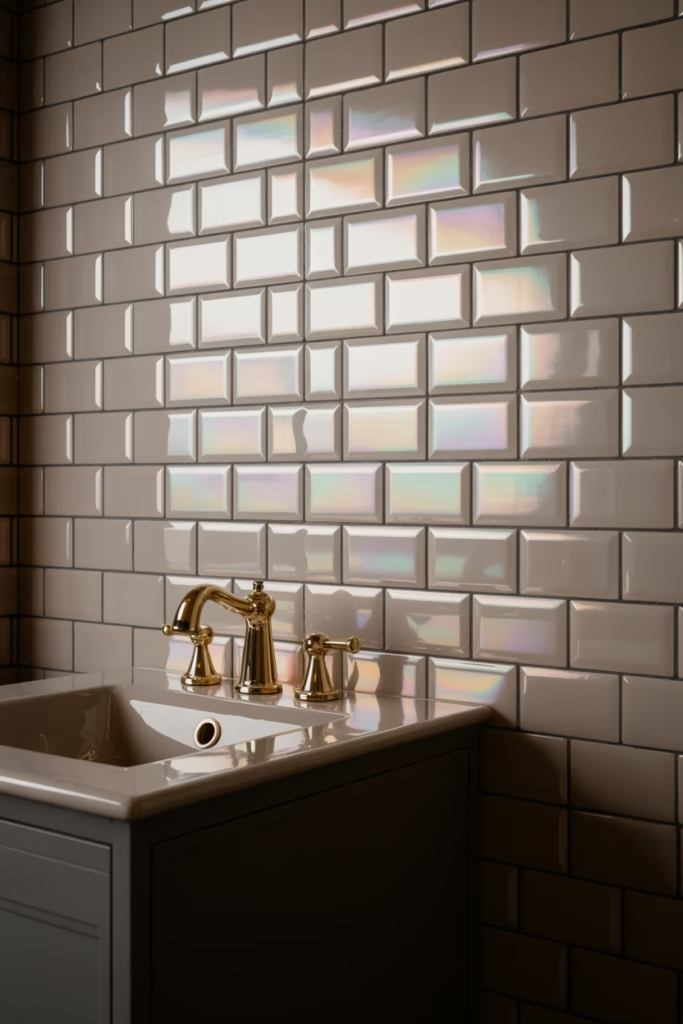
Want to add some glamour? Metallic or iridescent subway tiles catch light in the most beautiful way. These tiles have a slight sheen or color shift that adds luxury without being over-the-top.
I’ve seen copper-toned subway tiles that looked absolutely stunning with black fixtures and concrete countertops. The warmth of the metallic finish softened the industrial elements perfectly. These tiles work best as accents—think a single shower wall or behind a floating vanity.
The key is lighting. Install these where natural or artificial light can hit them at different angles throughout the day. That’s when the magic really happens.
Textured or 3D Subway Tiles
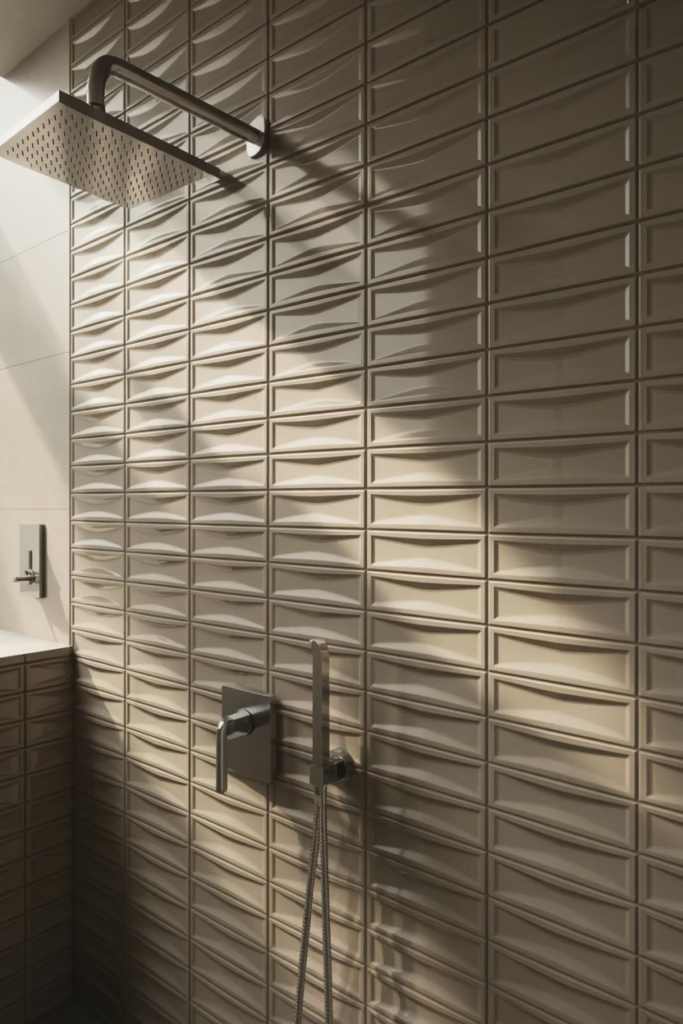
Subway tiles with texture or three-dimensional patterns add tactile interest that flat tiles simply can’t provide. These might have ripples, waves, or geometric patterns that create shadow and depth.
I’ll admit, these aren’t for everyone. They’re bolder and require more commitment. But in the right space—maybe a modern bathroom with minimal styling—they create this architectural moment that feels artistic and intentional.
Use these sparingly. A single feature wall or shower back wall is plenty. Too much texture can feel overwhelming, like your bathroom is trying too hard to be interesting.
Subway Tiles with Contrasting Grout Colors
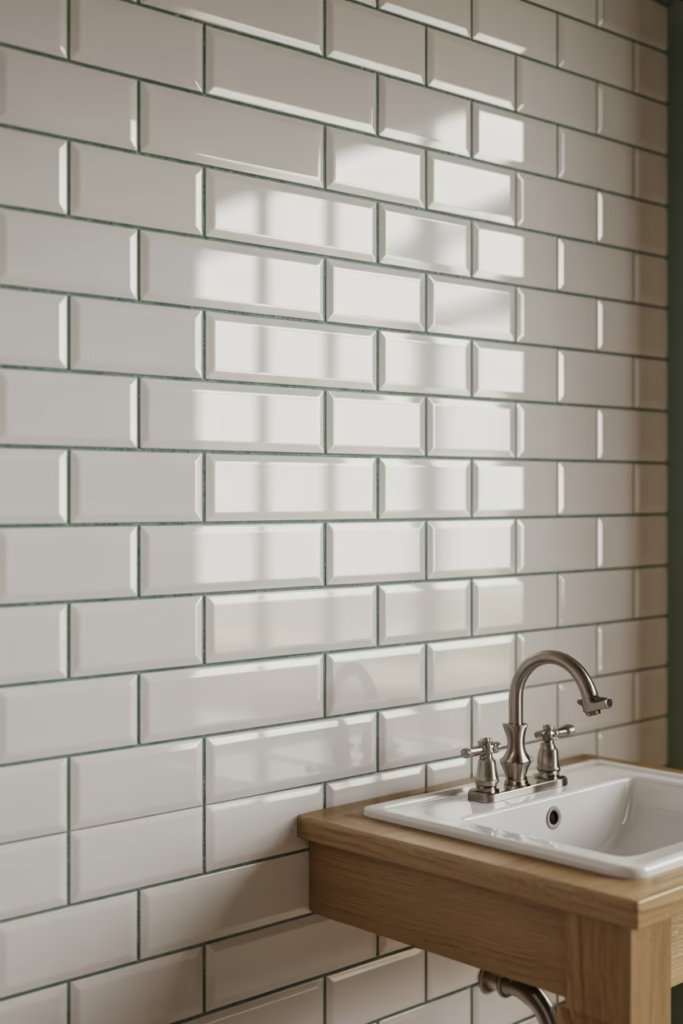
Beyond the classic dark grout with white tiles, experimenting with unexpected grout colors can completely change your tile’s personality. Gray grout offers a softer contrast, while colored grout can coordinate with your overall palette.
I’ve seen white tiles with sage green grout that looked fresh and modern. The grout becomes part of the design rather than just functional filler. It’s a subtle way to add personality without committing to colored tiles.
Just remember: colored grout shows less dirt than white, but it’s also harder to find exact matches if you need repairs later. Choose wisely, and maybe order extra for future touch-ups.
Mixing Matte and Glossy Finishes
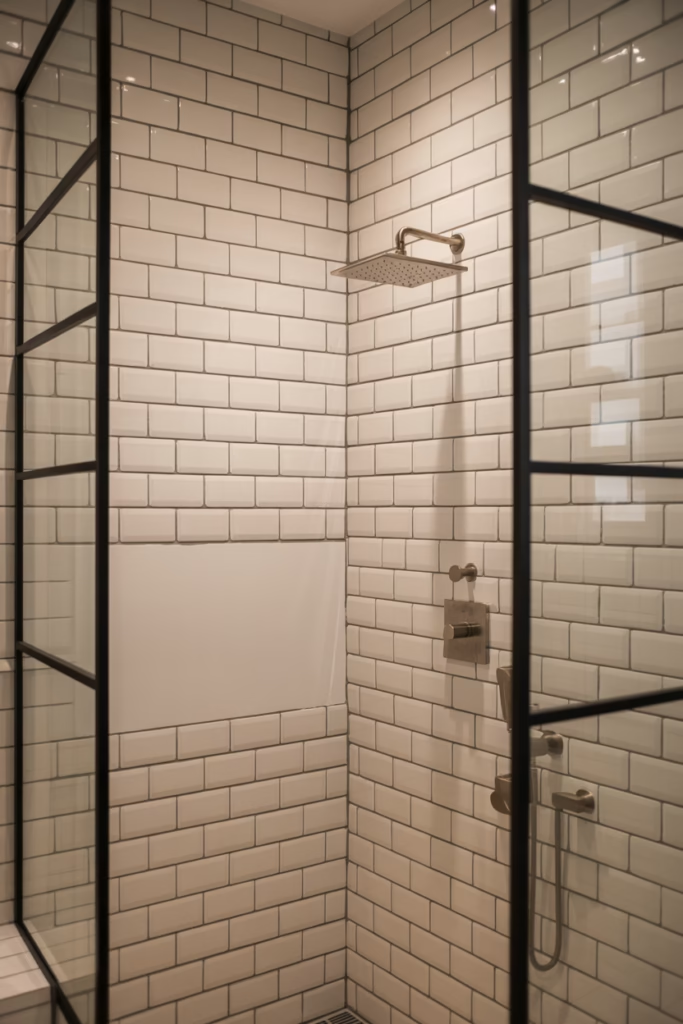
Here’s where things get really interesting. Combining matte and glossy subway tiles in the same space creates textural contrast that’s sophisticated and unexpected. Use glossy tiles on most surfaces and matte tiles as an accent, or vice versa.
This technique works beautifully in shower enclosures. Glossy tiles on the main walls and matte tiles on the accent wall or floor create zones while maintaining cohesion. The finish variation adds depth that monochromatic spaces sometimes lack.
I tried this in my bathroom remodel, and guests always comment on how the space feels layered and thoughtful. It’s those subtle details that separate good design from great design.
Final Thoughts
Subway tiles aren’t going anywhere, and honestly? I’m not mad about it. Their versatility means you can create literally any aesthetic from ultra-modern to farmhouse cozy to art deco glamorous. The key is choosing the right layout, finish, and color combination for your specific space and style.
Whether you go classic with white and dark grout or bold with colored tiles in a herringbone pattern, subway tiles offer endless possibilities. They’re forgiving, timeless, and won’t leave you with renovation regret when trends shift next year.
So, what’s stopping you? Your bathroom transformation is just 15 ideas away from becoming reality.