
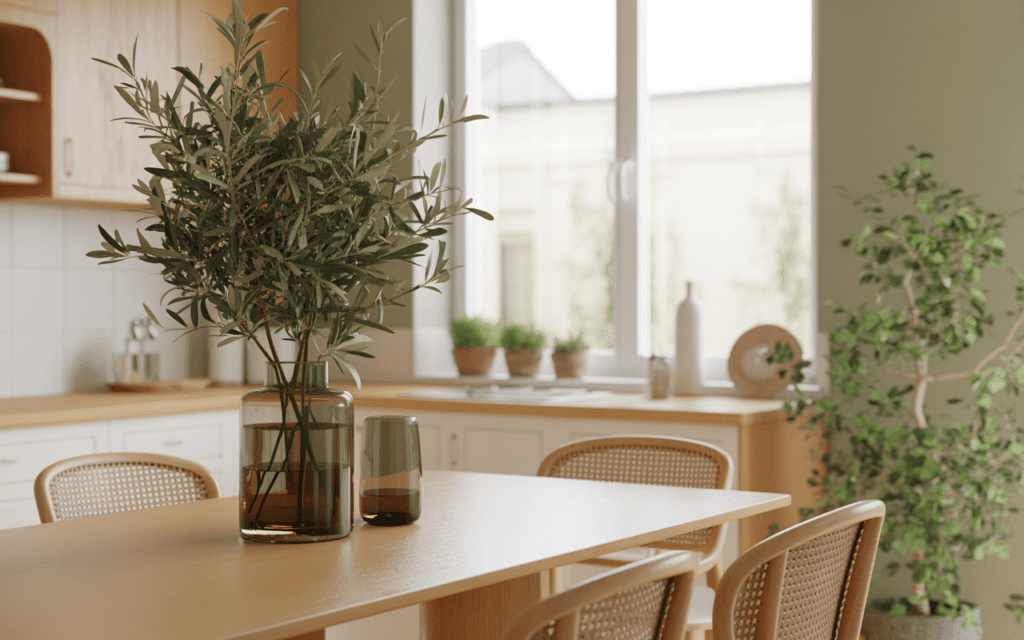
Your kitchen and dining room can make your whole home feel better. Seriously, when these two spaces work well together, everything feels easier, warmer, and a lot more pulled together. And when they don’t? You notice that too, usually while staring at awkward chairs, bad lighting, or clutter that seems to multiply overnight like it pays rent.
I’ve always loved kitchen and dining room design because these rooms do so much heavy lifting. They handle quick breakfasts, messy dinners, holiday chaos, random coffee breaks, and those “I’ll just sit here for five minutes” moments that somehow turn into an hour. So if you want practical, stylish, and genuinely livable ideas, you’re in the right place.
1. Create a Cohesive Color Palette
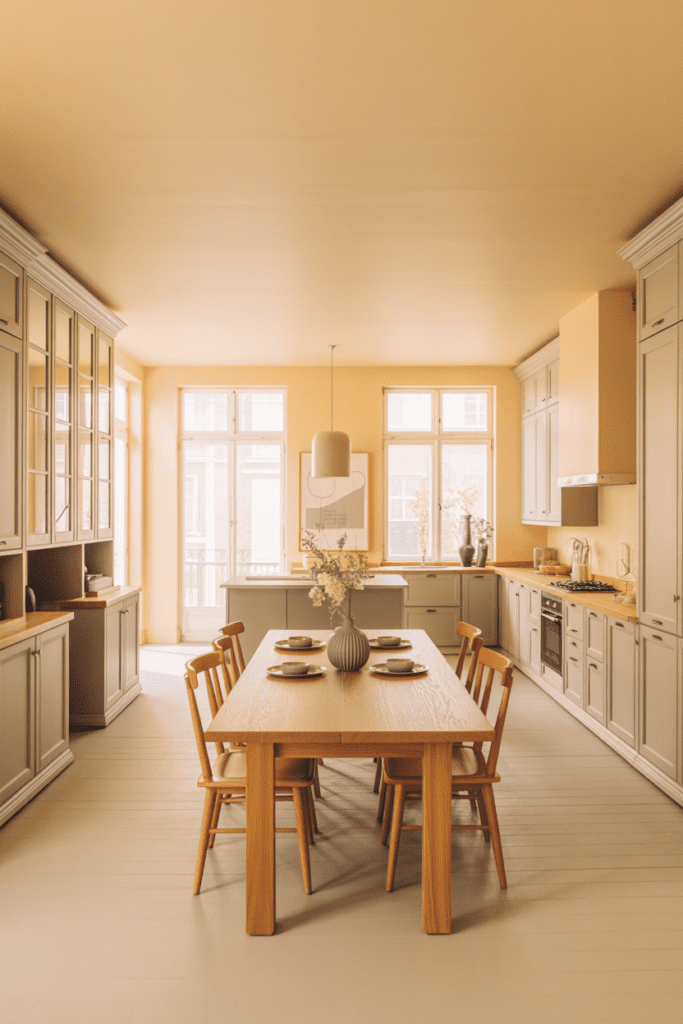
If your kitchen and dining room sit next to each other, they need to look connected. That doesn’t mean everything has to match perfectly like a furniture showroom from 2009. It just means the colors should feel like they belong in the same conversation.
I usually like starting with a simple base like white, warm beige, soft gray, or greige. Then I add one or two accent tones through chairs, art, rugs, or decor. A cohesive color palette instantly makes both spaces feel bigger, calmer, and more intentional.
Easy color combinations that work
- White and wood for a fresh, timeless look
- Greige and black for a modern, clean style
- Navy and brass for a richer, more polished feel
- Sage green and cream for a soft, relaxed vibe
Ever walked into a home where the kitchen says “modern minimal” but the dining room says “French farmhouse with drama”? Yeah, let’s not do that.
2. Add a Statement Light Over the Dining Table
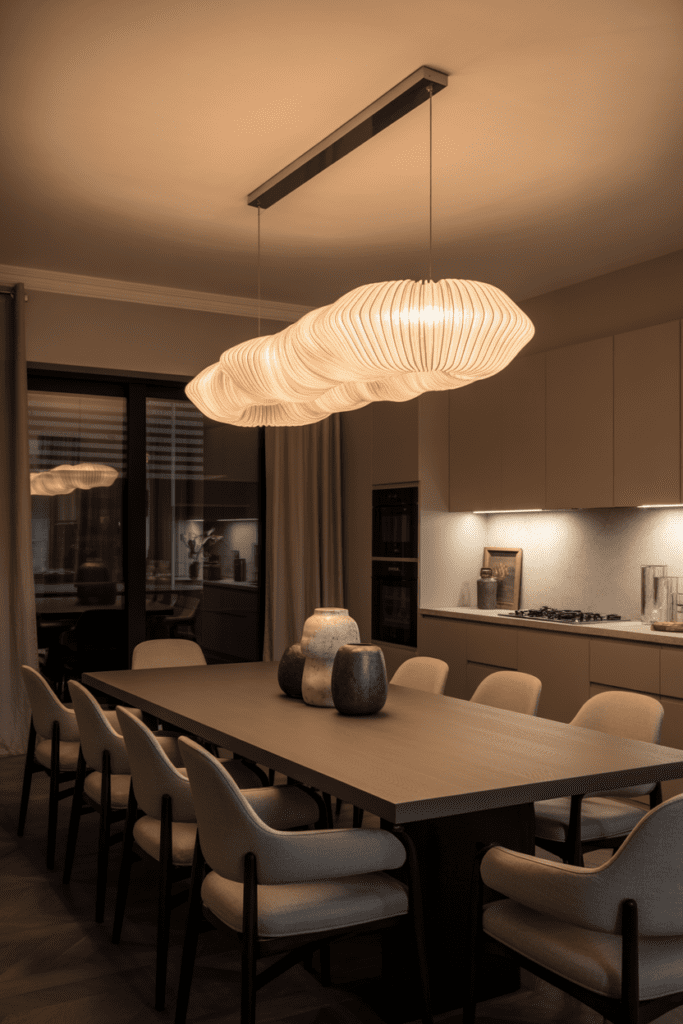
Lighting changes everything. A boring dining area can suddenly feel styled and expensive with the right pendant or chandelier. I’ve seen this work again and again, and honestly, it’s one of the fastest upgrades you can make.
Choose a fixture that fits the scale of your table and the mood of the room. A large light fixture anchors the dining space and helps separate it visually from the kitchen. That matters a lot in open-concept homes where everything can blur together.
What to look for in dining lighting
- Linear pendants for long rectangular tables
- Round chandeliers for round or square tables
- Woven fixtures for warmth and texture
- Metal or glass fixtures for a more modern edge
IMO, bad lighting ruins a room faster than almost anything else. You can have gorgeous furniture, pretty finishes, and nice decor, but if the overhead light looks like it came free with the house… good luck.
3. Use a Kitchen Island as a Visual Bridge
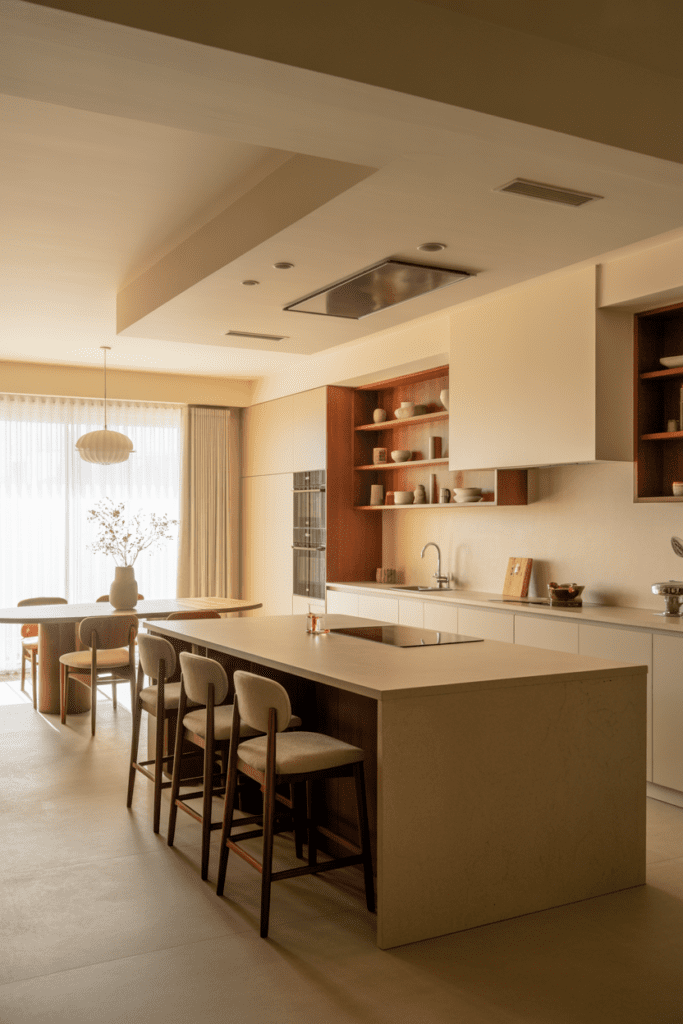
A kitchen island can connect your kitchen and dining room in a really smart way. It creates flow, adds function, and gives the eye a natural path from one area to the next. In homes with open layouts, this idea works especially well.
If you have room, add stools on one side to create a casual dining spot. Then let your formal or main dining table sit nearby. This setup makes the space feel layered and useful, not just empty and floating.
Why this idea works
- It adds extra prep and storage space
- It creates casual seating for busy mornings
- It helps define zones without adding walls
- It improves traffic flow between cooking and dining
I love this look because it feels realistic. Not every meal needs a full dining table moment with candles and folded napkins, right?
4. Mix Dining Chairs for a Collected Look
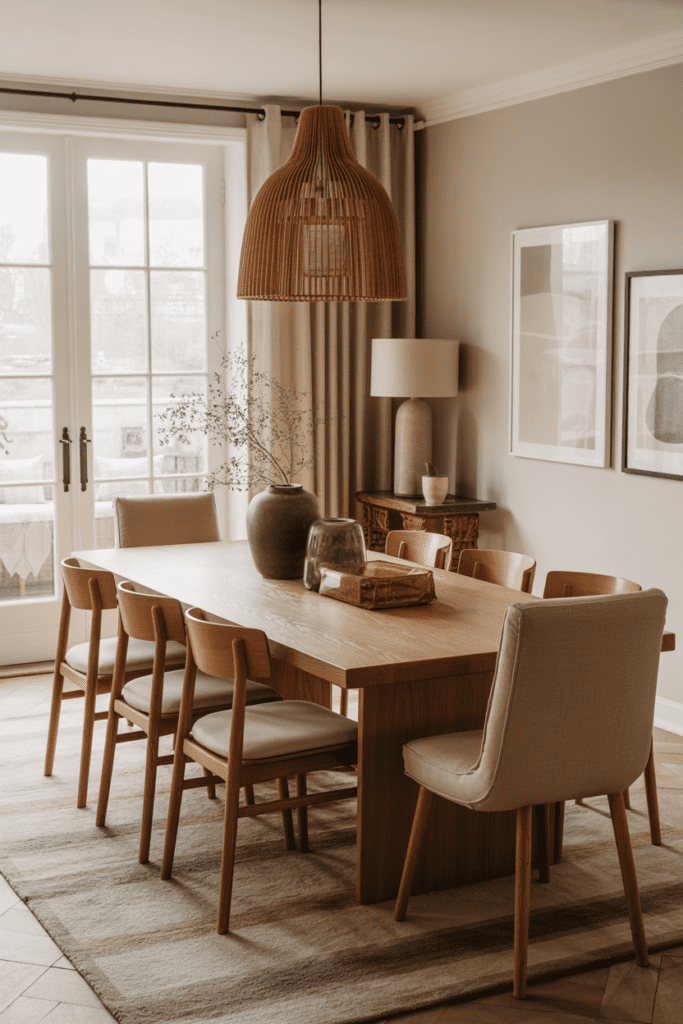
Matching dining chairs look neat, but mixed chairs often look more interesting. I’m not talking about random chaos that makes your table look like a clearance aisle exploded. I mean intentional variety that gives the room personality.
Try using one chair style on the sides and a different style at the ends. Or mix wood tones while keeping the shape similar. This creates depth and makes the dining area feel curated instead of stiff.
Smart ways to mix chairs
- Pair upholstered end chairs with simple wood side chairs
- Use the same color in different chair shapes
- Mix black chairs with natural wood tones
- Repeat one material, like cane or oak, for consistency
This idea works especially well if you want your kitchen and dining room to feel less “set-piece perfect” and more lived in.
5. Bring in Warm Wood Tones
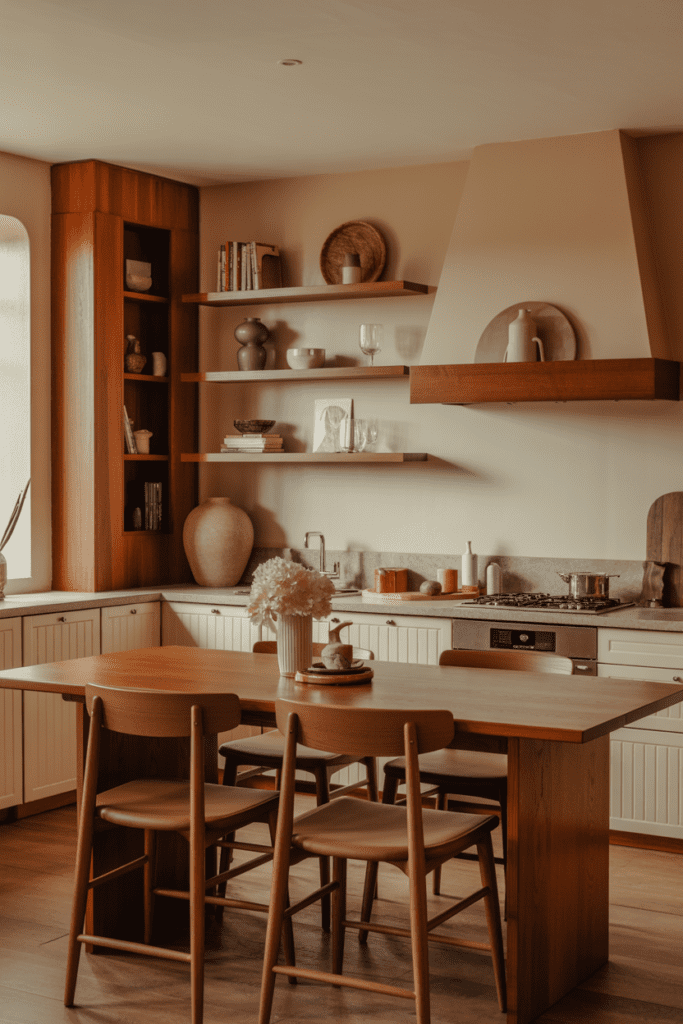
If your kitchen feels cold, wood fixes a lot. If your dining room feels flat, wood helps there too. Warm wood tones add instant comfort, and that matters in spaces where people gather every single day.
You can bring in wood through dining tables, stools, shelving, cutting boards, ceiling beams, or even small decor accents. I especially love wood in kitchens with white cabinets because the contrast feels clean without looking sterile.
Best places to add wood
- Dining table
- Bar stools
- Open shelves
- Floating sideboard
- Decorative trays and boards
Ever notice how the prettiest kitchens almost always include some natural material? That’s not an accident.
6. Use a Rug to Define the Dining Area
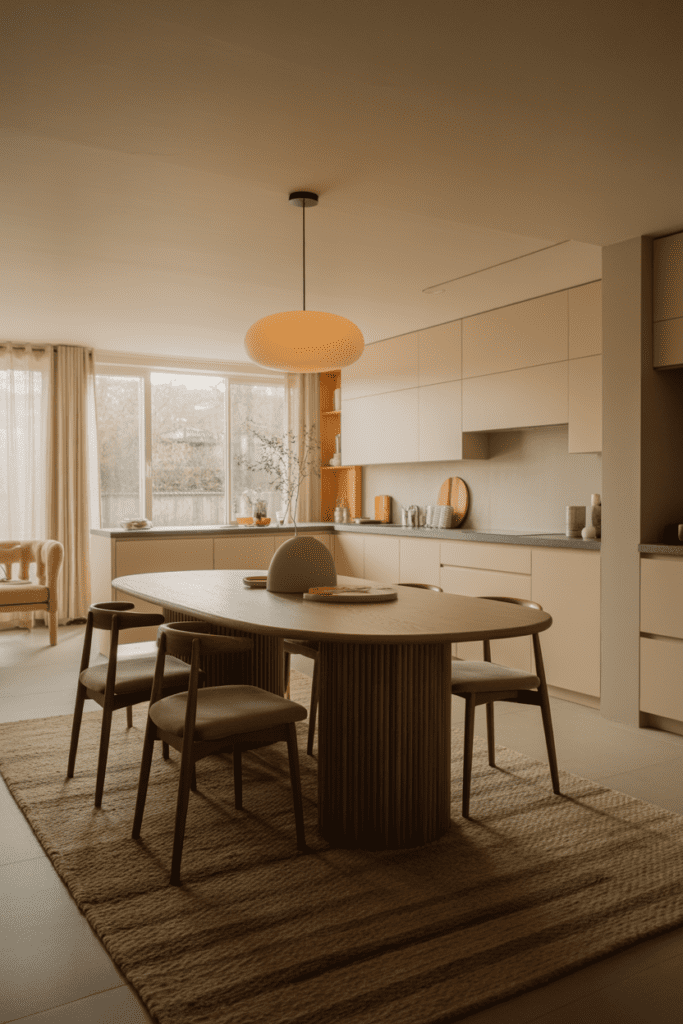
A rug under the dining table helps the space feel finished. It also separates the dining room from the kitchen without using walls or bulky furniture. In open-plan homes, a dining rug creates visual structure in a really easy way.
Pick a rug that extends beyond the table enough for chairs to stay on it when pulled out. That detail matters more than people think. A too-small rug looks awkward fast, and nobody wants a chair leg catching every single time someone sits down.
Rug tips for dining spaces
- Choose low-pile or flatweave styles for easier cleaning
- Go larger than you think you need
- Look for subtle patterns that hide crumbs and spills
- Use durable materials like polypropylene, wool blends, or indoor-outdoor fabric
FYI, this is one of those ideas that looks decorative but also solves a real design problem.
7. Add Built-In Storage or a Sideboard
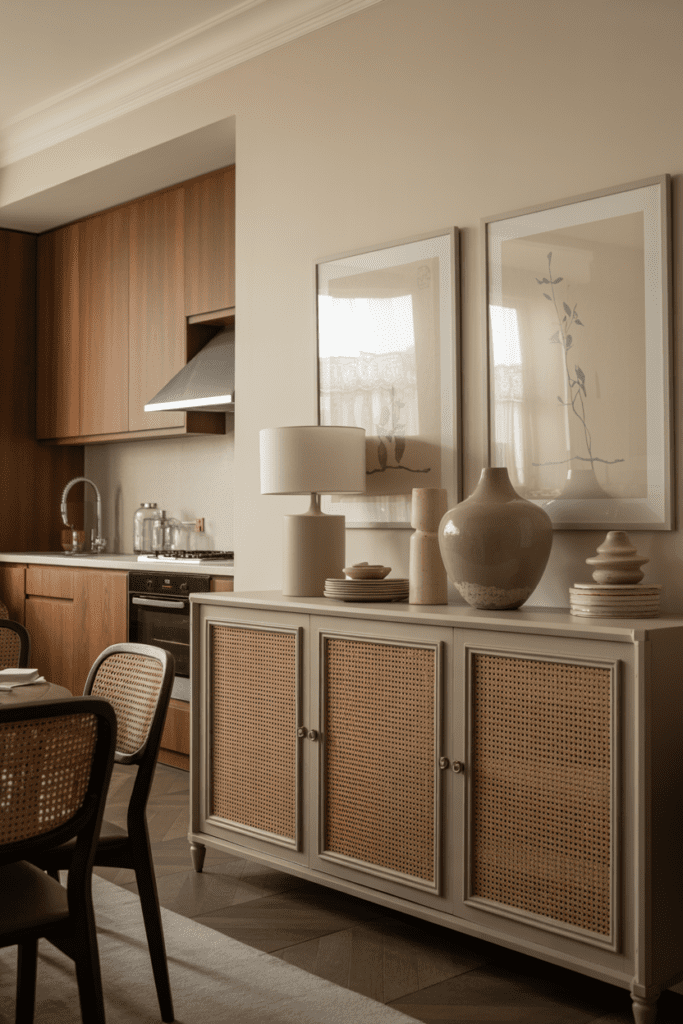
Storage makes a kitchen and dining room feel calmer. It’s hard to enjoy a beautiful space when every surface holds mail, cords, extra bowls, and mystery clutter. Built-ins or a sideboard give you a stylish place to hide the mess.
A sideboard works especially well in a dining room because it stores dishes, linens, serving pieces, and seasonal decor. If you have room, it can also become a great styling surface for lamps, art, and a vase of branches.
What you can store inside
- Plates and bowls
- Table linens
- Serving trays
- Candles and entertaining pieces
- Small appliances you don’t use daily
I’m a big fan of furniture that looks good and does its job. Revolutionary concept, I know.
8. Try Open Shelving Carefully
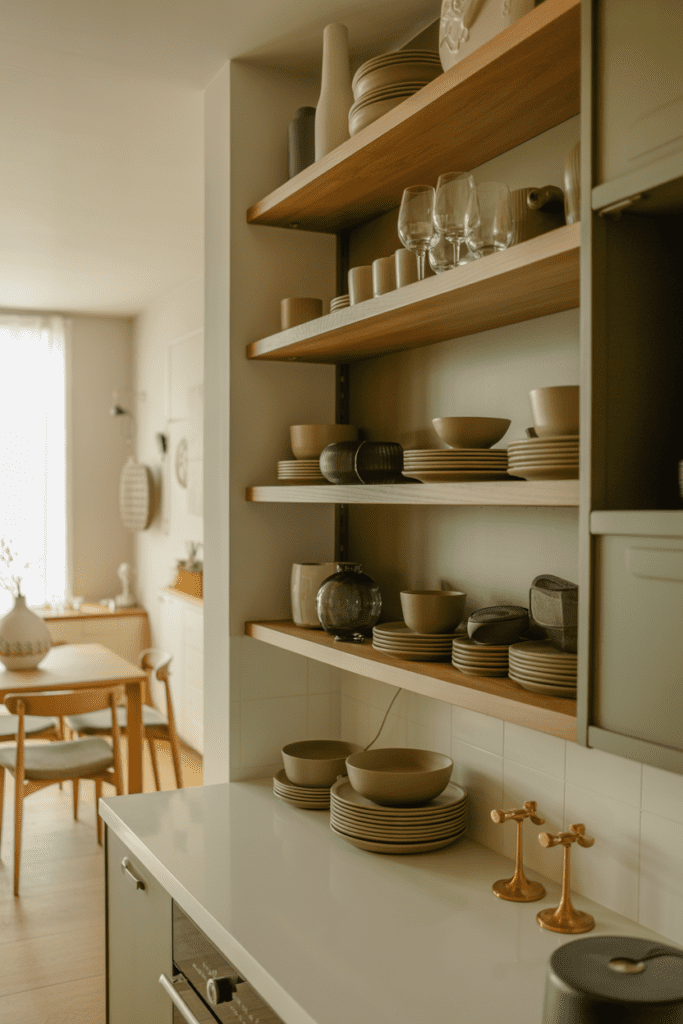
Open shelving can look amazing in a kitchen that connects to a dining room. It makes the space feel lighter and more open, and it gives you a chance to show off pretty dishes or glassware. But let’s be honest, open shelves demand some discipline.
If you love the look, keep the styling simple. Use matching dishes, a few ceramic pieces, and some empty space so the shelves can breathe. When people cram every inch with stuff, the whole room starts looking stressed.
Open shelving works best when you
- Stick to a limited color palette
- Display everyday items you actually use
- Mix practical pieces with a few decorative accents
- Avoid overcrowding the shelves
Would I recommend open shelving for everyone? Not really. If clutter follows you around like a loyal pet, you may want cabinets.
9. Layer Your Lighting
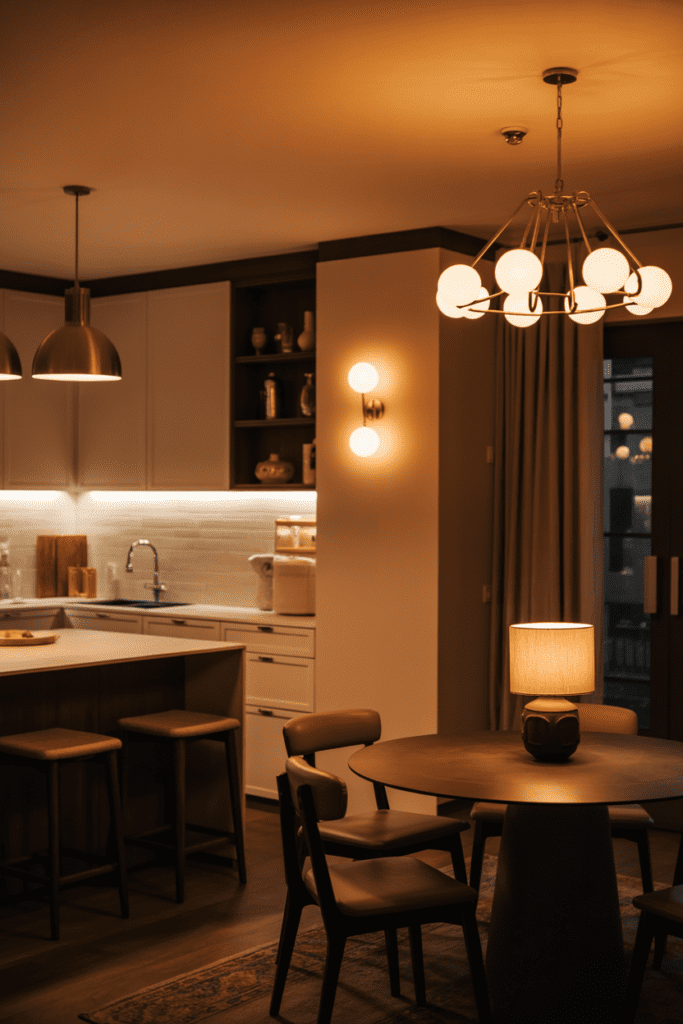
One overhead light won’t carry the whole room. Kitchen and dining room design works best when you layer several types of lighting together. This creates warmth, improves function, and makes the room feel more polished.
Use ceiling lights for overall brightness, pendants for focus, sconces for ambiance, and lamps where possible for a softer glow. Yes, lamps in dining spaces look amazing. They also make the room feel less harsh and a lot more inviting.
A simple lighting plan
- Add ceiling lights for general illumination
- Use pendants above the island or table
- Install under-cabinet lighting in the kitchen
- Add sconces or a lamp for evening warmth
I always notice lighting first in a room. Maybe that sounds dramatic, but good lighting makes average spaces look expensive, and bad lighting makes nice spaces look tired :/
10. Choose Seating That Actually Feels Comfortable
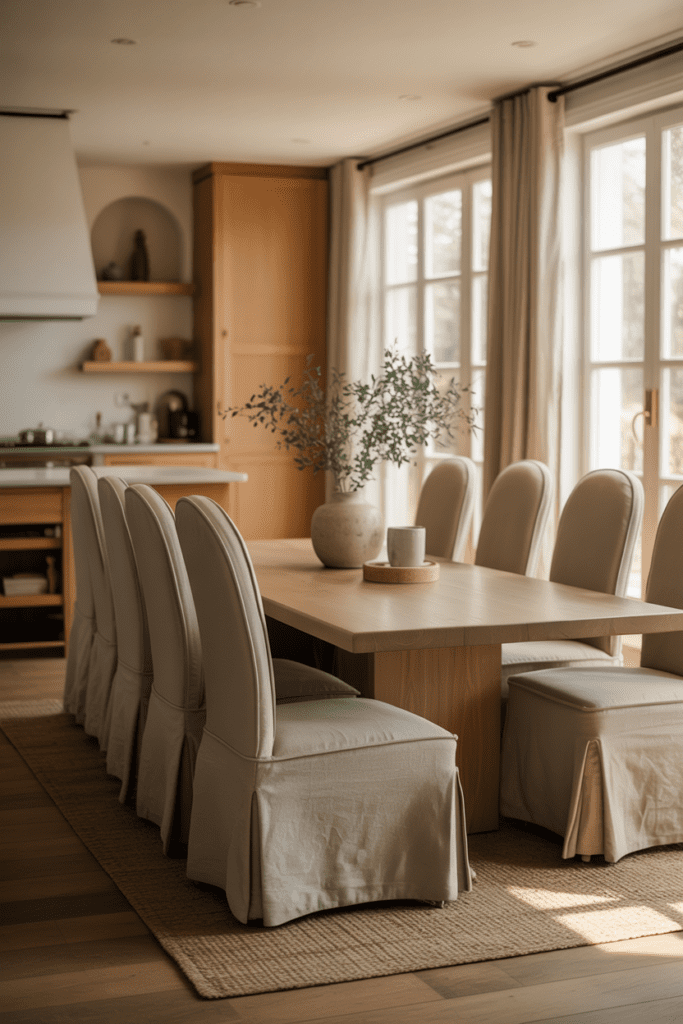
A gorgeous dining chair that feels like punishment won’t help anyone. You want seating that looks good and feels good, especially if your kitchen and dining room get daily use. Comfort matters just as much as style.
If you host often, test the chair height, seat depth, and back support before buying. If you have kids, wipeable materials matter too. I’ve learned the hard way that “beautiful but impossible to clean” gets old fast.
Good dining seating should offer
- Supportive backs
- Durable materials
- Easy-to-clean surfaces
- Proper height for the table
- Enough width for comfortable sitting
Ever sat through a long dinner in a chair that made you want to stand by the salad course? Exactly.
11. Incorporate a Banquette for Cozy Seating
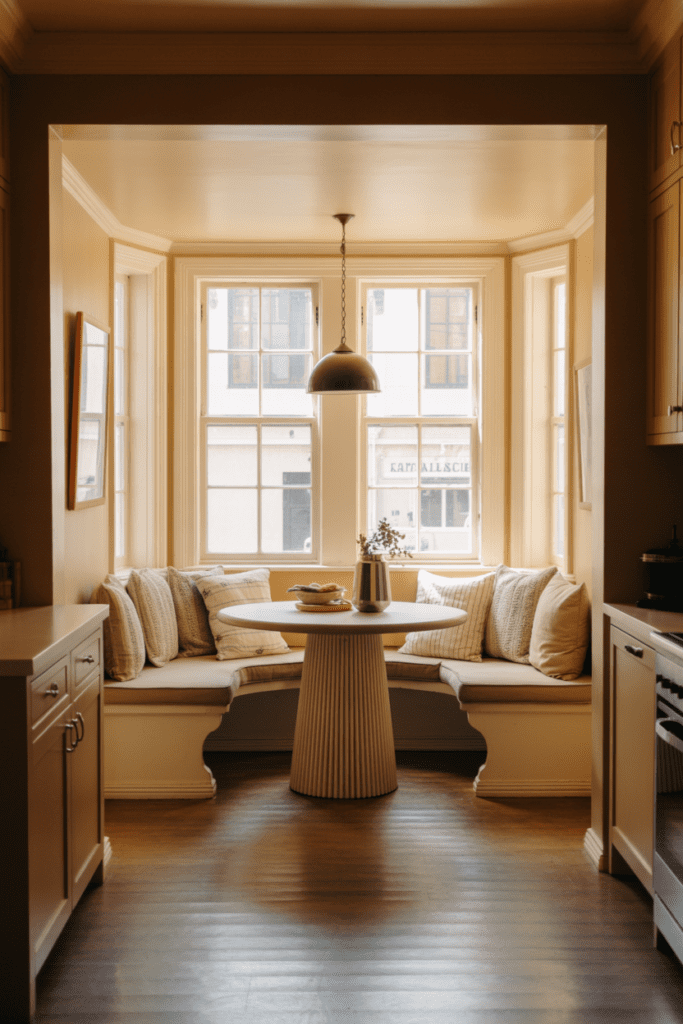
A banquette adds charm, saves space, and makes a dining area feel special. This idea works beautifully in breakfast nooks, small dining corners, or kitchen-adjacent eating areas. Banquette seating gives the room a cozy, custom feel without needing a huge footprint.
You can go built-in for a tailored look or use a bench with cushions for something easier and cheaper. Add pillows, a round table, and a pendant overhead, and suddenly the whole space feels thoughtfully designed.
Why people love banquettes
- They maximize seating in small spaces
- They create a cozy, café-like atmosphere
- They often include hidden storage
- They soften the look of a hard-edged kitchen
I love banquettes because they make even a simple meal feel a little more relaxed. Also, they look ridiculously good in photos, which never hurts.
12. Use Art to Soften the Kitchen-Dining Space
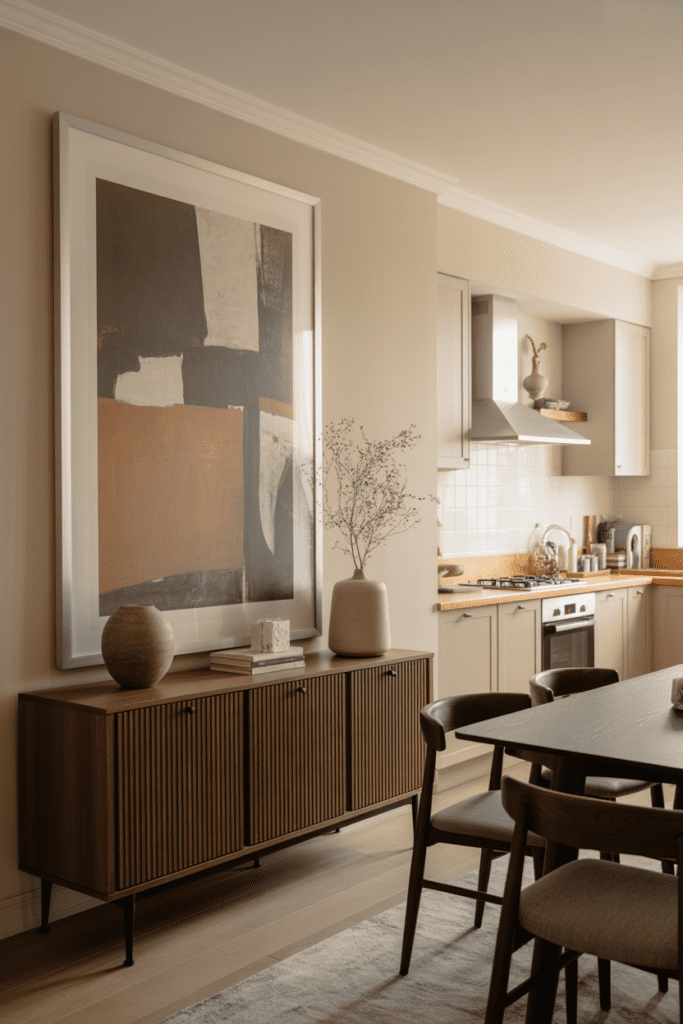
People often forget art in kitchens and dining rooms. Then the space ends up looking useful but a little flat. Artwork adds personality, color, and softness, especially in rooms with lots of hard surfaces like tile, stone, and wood.
Hang one larger piece on a dining wall or create a small gallery arrangement. Lean framed art on a sideboard if you want a casual look. I especially like food-themed art, abstract prints, or vintage pieces that add character without trying too hard.
Good places for art
- Above a sideboard
- On an empty dining wall
- Near a breakfast nook
- Leaning on open shelving or picture ledges
Why should the living room get all the fun?
13. Keep the Table Styled, But Not Overdone
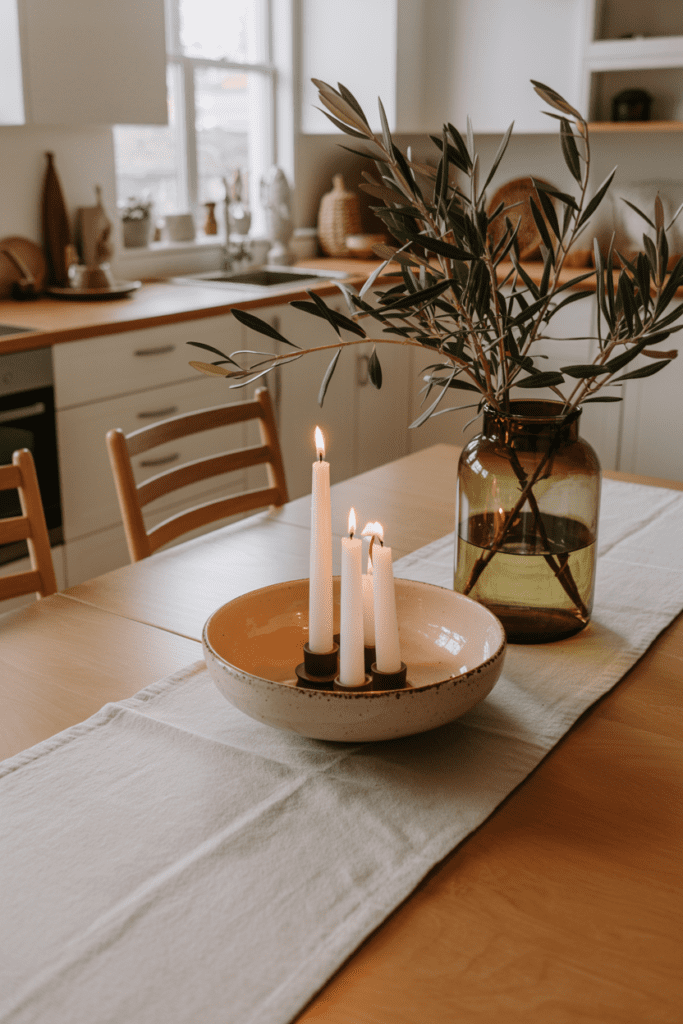
A bare table can feel cold, but an overloaded table can feel annoying. You want that middle ground where the table looks styled and still functions for actual life. Simple centerpieces usually work best.
I like using a bowl, a vase, or a few candlesticks depending on the season. Keep the arrangement low enough for conversation and easy enough to move if needed. Nobody wants to relocate an entire decorative forest before serving pasta.
Easy dining table styling ideas
- A ceramic bowl with fruit
- A vase with fresh or faux branches
- Two or three candle holders
- A linen runner with one central object
- A tray with salt, pepper, and a small vase
This is one of those little design moves that quietly makes the whole room feel finished.
14. Blend Function With Beauty in the Kitchen
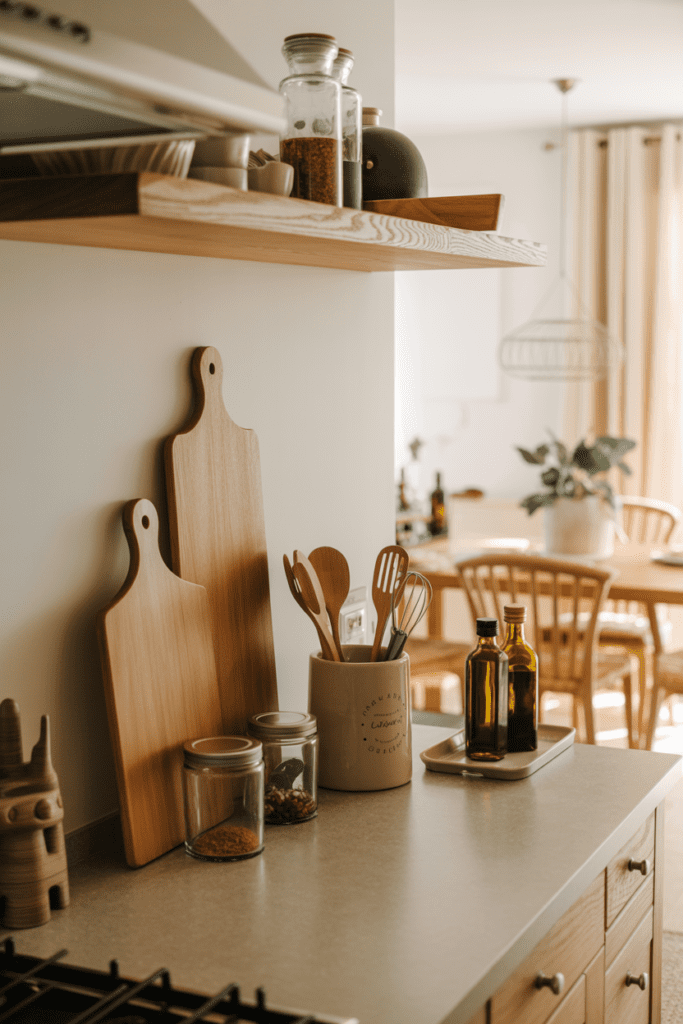
The best kitchen and dining room ideas always balance style and function. Pretty spaces matter, but they also need to work on a random Tuesday when you’re cooking, cleaning, multitasking, and wondering why there are so many dishes again. A beautiful room should still make life easier.
Use attractive storage jars, nice trays, cutting boards, and countertop pieces that serve a purpose. Choose decor that earns its place. I like kitchens that feel styled but not fussy, because nobody needs to move twelve decorative objects just to make toast.
Functional decor that looks great
- Wooden cutting boards
- Ceramic utensil holders
- Glass storage jars
- Pretty salt and pepper mills
- Decorative trays for oils and spices
IMO, the most impressive kitchens don’t scream for attention. They just look effortlessly good while doing their job.
15. Add Greenery for a Fresh Finish
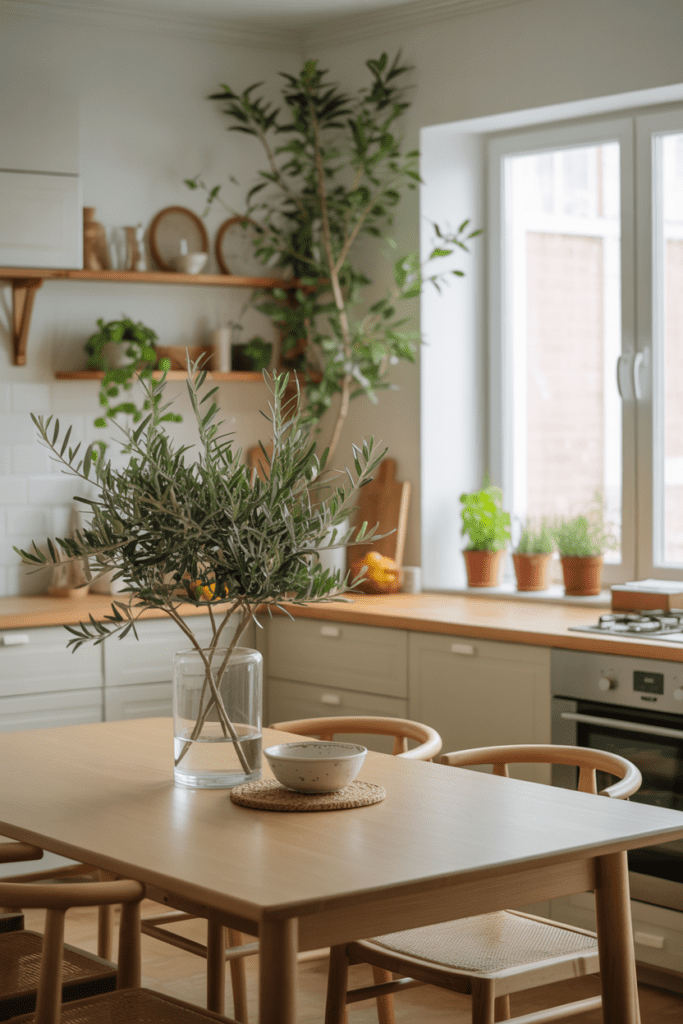
Plants and branches bring life into a kitchen and dining room faster than almost anything else. They soften hard lines, add color, and make the room feel fresh. Even one small plant can wake up the whole space.
Use a vase of eucalyptus on the table, a potted herb near the window, or a larger floor plant in an empty corner. If you don’t trust yourself with real plants, no shame. Faux stems have come a long way, and some of them actually look convincing now 🙂
Easy greenery ideas
- Herbs on the windowsill
- Olive branches in a vase
- A pothos on a shelf
- A fiddle leaf fig in a dining corner
- Seasonal stems for the table centerpiece
Greenery gives a room that final layer that makes it feel alive instead of staged.
How to Pull It All Together
If you try all 15 ideas at once, your space might start looking a little too enthusiastic. I’d pick three to five changes that match your layout, budget, and style. Start with the elements that create the biggest visual impact, then build from there.
A good order usually looks like this:
- Fix the color palette
- Upgrade the lighting
- Add texture with wood, rugs, or fabric
- Improve storage and seating
- Finish with art, styling, and greenery
That approach keeps the room feeling intentional instead of chaotic. It also saves you from panic-buying decor at midnight, which, to be fair, happens to the best of us.
Common Mistakes to Avoid
A few wrong moves can make even a beautiful kitchen and dining room feel awkward. The good news? These mistakes are easy to spot once you know what to watch for.
Watch out for these design slip-ups
- Using a rug that’s too small
- Choosing lights that feel undersized
- Crowding surfaces with too much decor
- Ignoring comfort when buying dining chairs
- Mixing too many styles without a connecting element
- Forgetting storage in favor of looks alone
I see this one a lot: people focus so hard on making the room pretty that they forget how they actually use it. Then the space looks nice for about five minutes and starts feeling inconvenient.
Final Thoughts
The best kitchen and dining room ideas don’t just make your home prettier. They make it feel better to live in. When you use good lighting, warm materials, smart storage, comfortable seating, and a few personal details, these spaces start working harder and looking better at the same time.
So if your kitchen and dining room feel a little off, don’t panic. You probably don’t need a full renovation or a dramatic identity crisis for your furniture. Start small, trust your eye, and create a space that feels welcoming, useful, and like you. That’s the kind of design that actually lasts.