

If your living room feels a little too “flat-pack and forgettable,” cottage core might be exactly the cozy reset you need. I’m talking about soft textures, vintage charm, worn-in comfort, and that lovely “I found this at a little market and now I feel like the main character” energy. Why do so many people love cottage core living room ideas? Because they make a room feel warm, personal, and lived-in without looking messy. Honestly, who wants a space that feels like a showroom anyway?
What Makes Cottage Core So Irresistible?
Cottage core works because it leans into comfort without trying too hard. It mixes natural materials, old-fashioned details, and soft colors in a way that feels calm instead of curated to death. You don’t need a country house or a giant budget to pull it off either.
What you do need is a little intention.
- Natural textures like wood, linen, cotton, and wicker.
- Soft, muted colors that feel easy on the eyes.
- Vintage or handmade pieces with a bit of personality.
- Cozy layering that makes the room feel welcoming, not sterile.
The best part? Cottage core lets you mix pretty things with practical things. A worn armchair, a floral throw, and an old wooden table can suddenly feel like a design choice instead of “I never got around to replacing that.” IMO, that’s the magic.
1. Start With Soft, Earthy Colors
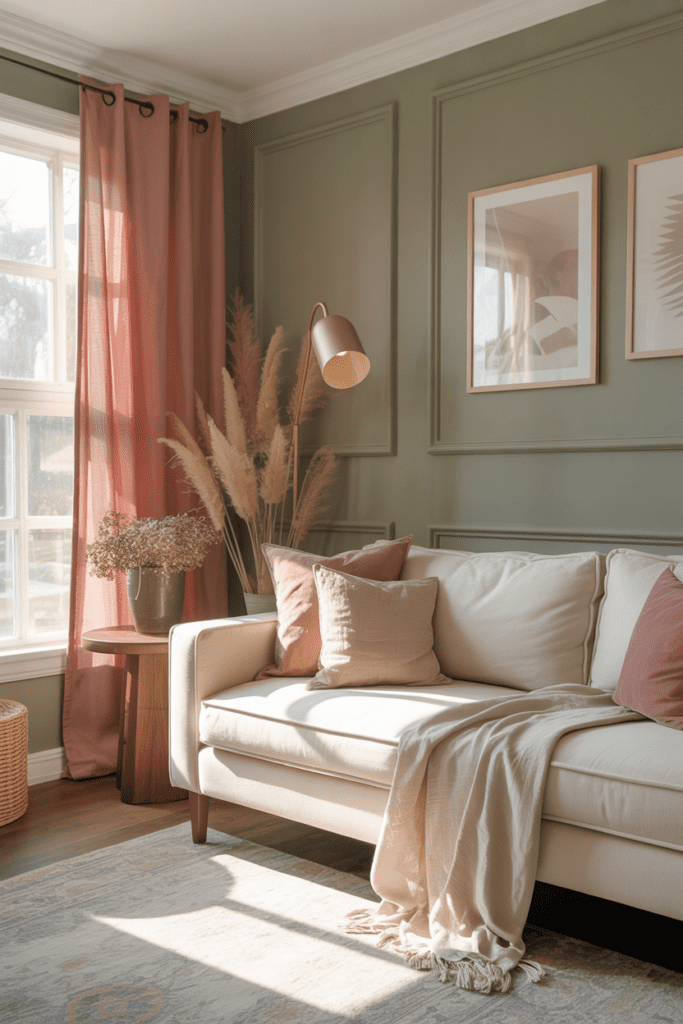
Color sets the mood before anything else does. Cottage core living rooms usually look best in gentle, grounded shades like cream, sage, dusty rose, warm beige, and muted blue. These colors instantly make a room feel softer and more relaxed.
You do not need bright white walls if they make the room feel cold. In fact, pure white can sometimes make all those charming cottage details feel a little too crisp, like the room is trying to pass a surprise inspection. Instead, choose warmer tones that flatter natural light.
A good cottage core palette often includes:
- Cream or ivory for the walls.
- Sage green for a calming, nature-inspired touch.
- Dusty pink for a soft romantic feel.
- Warm brown in furniture and accents.
- Pale blue for a fresh, airy finish.
2. Use Vintage Furniture With Character
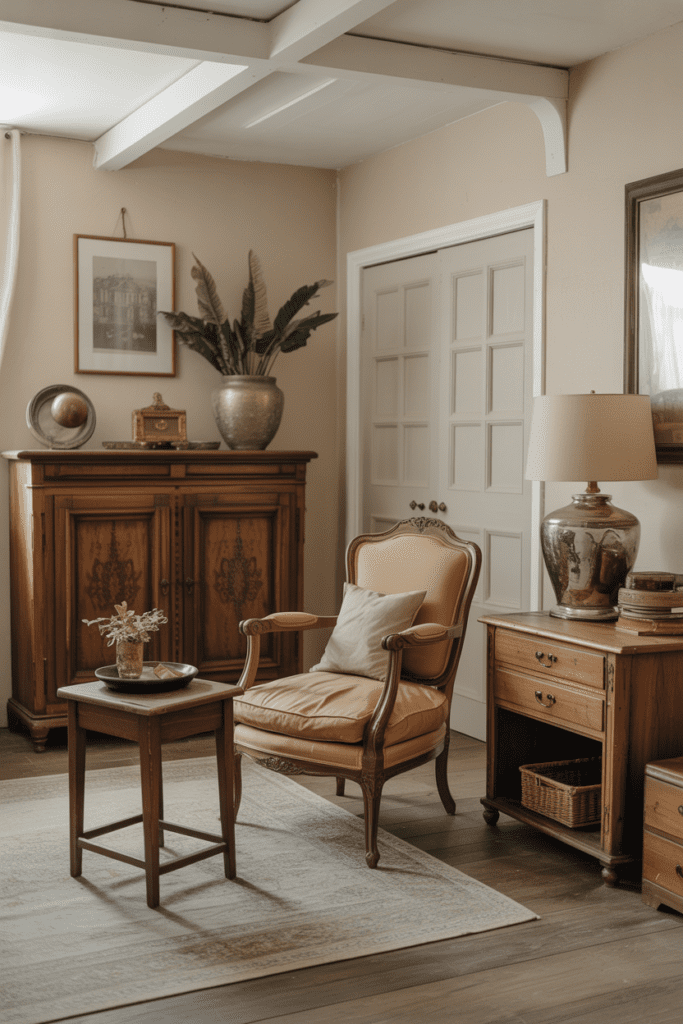
Cottage core thrives on furniture that feels collected over time, not bought in one panicked weekend. A slightly imperfect wooden coffee table or a carved side chair adds charm that brand-new pieces rarely match. Ever noticed how the “best” rooms often look like they evolved instead of got assembled?
Look for furniture with:
Signs of cottage core character
- Wood grain that shows naturally.
- Curved edges instead of sharp, modern lines.
- Painted finishes with a little distressing.
- Simple craftsmanship that feels handmade.
You can absolutely mix old and new pieces. A modern sofa can still work if you soften it with throws, cushions, and a vintage-style table. That balance keeps the room from feeling like a museum nobody sits in.
3. Layer Floral Fabrics Everywhere
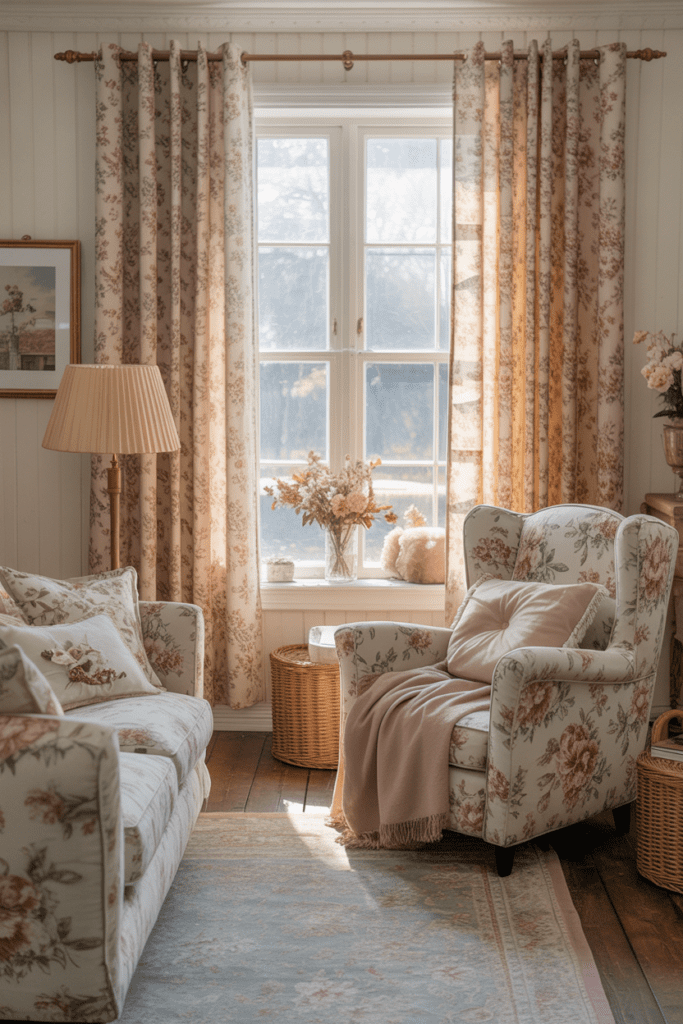
Floral patterns practically flirt with cottage core. Use them on cushions, curtains, armchairs, rugs, or even lampshades if you want a little extra romance. The trick is not to overwhelm the room with so many flowers that it feels like a garden center exploded.
Choose small-scale florals for a subtle look or larger botanical prints if you want the room to feel bolder and more cheerful. Mix florals with plain linen or cotton so the room still breathes. Otherwise, the space starts screaming instead of whispering.
A simple formula works well:
- One floral statement piece.
- Two or three supporting neutral fabrics.
- One textured layer like knit, boucle, or wool.
4. Bring In Natural Wood
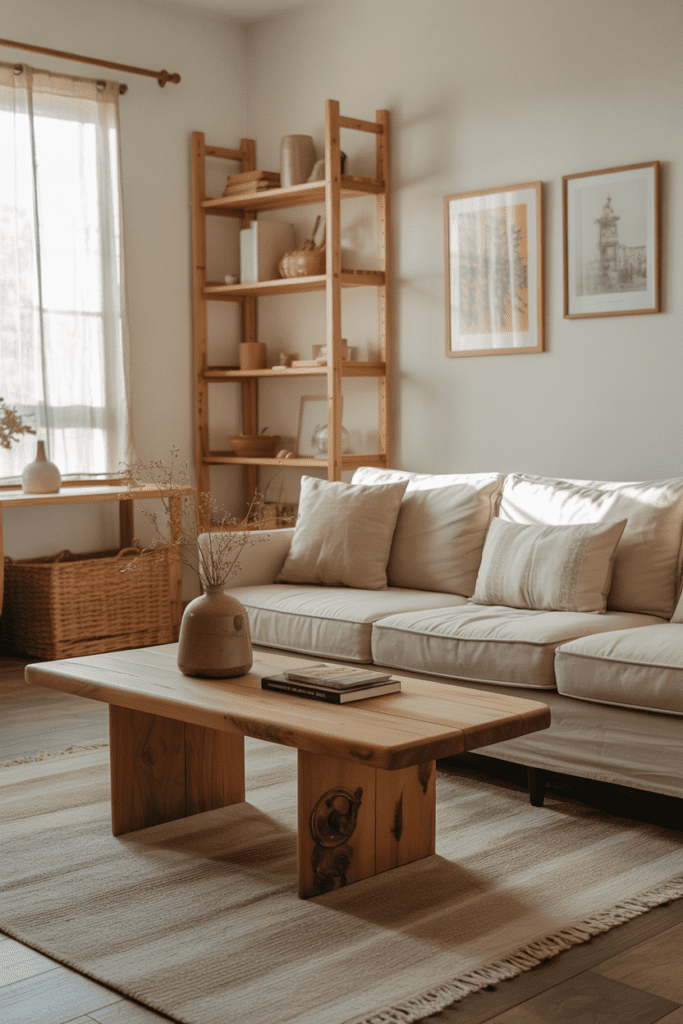
Wood gives cottage core living rooms their soul. It adds warmth, texture, and a sense of history that glossy finishes never quite deliver. I always think a room feels more honest when it includes wood that looks like it has a story.
You can use wood in:
- Coffee tables.
- Sideboards.
- Shelving.
- Picture frames.
- Ceiling beams, if you’re lucky enough to have them.
Light wood creates a soft, breezy look, while darker wood gives the room more depth. If your furniture starts to feel too polished, add a raw wood tray or an unfinished decorative bowl. Suddenly the whole room feels more grounded.
5. Add Lots of Soft Textures
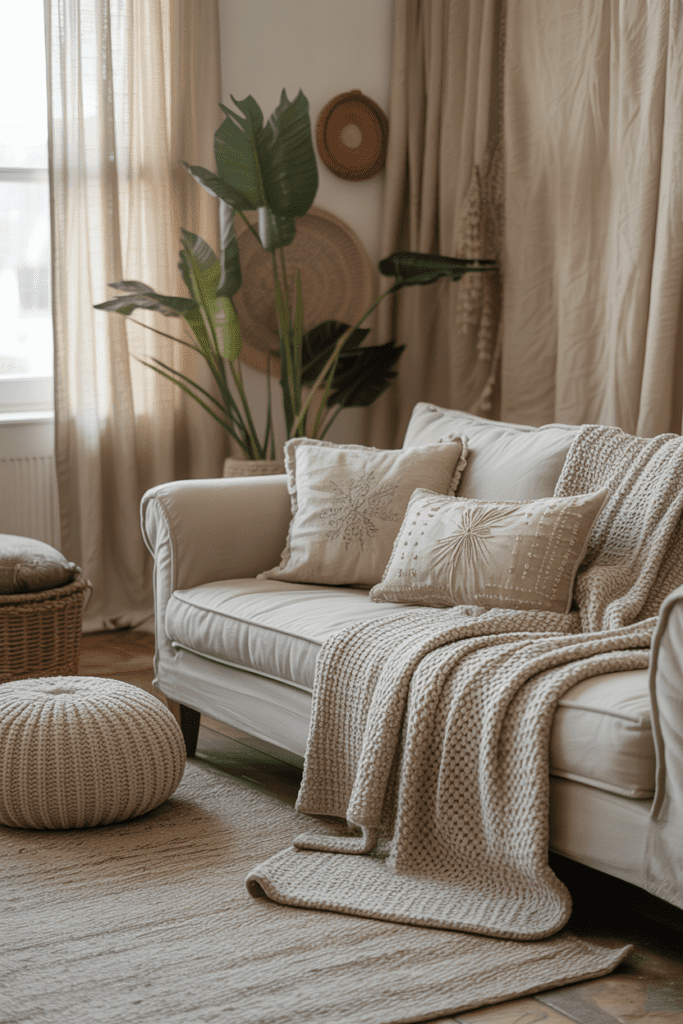
Cottage core works best when the room feels touchable. Think of all the textures that make you want to sink in and stay awhile: knitted throws, linen curtains, wool rugs, tufted cushions, and maybe even a little lace if you’re feeling brave. Texture keeps the space from looking flat, which matters a lot in soft-colored rooms.
Try layering these materials:
Cozy texture ideas
- Chunky knit blankets.
- Linen slipcovers.
- Wool or jute rugs.
- Crocheted cushions.
- Embroidered details.
The more varied the textures, the more welcoming the space feels. And let’s be real, nobody ever walked into a room and thought, “Wow, this place has too many things I want to curl up under.”
6. Style With Books And Open Shelves
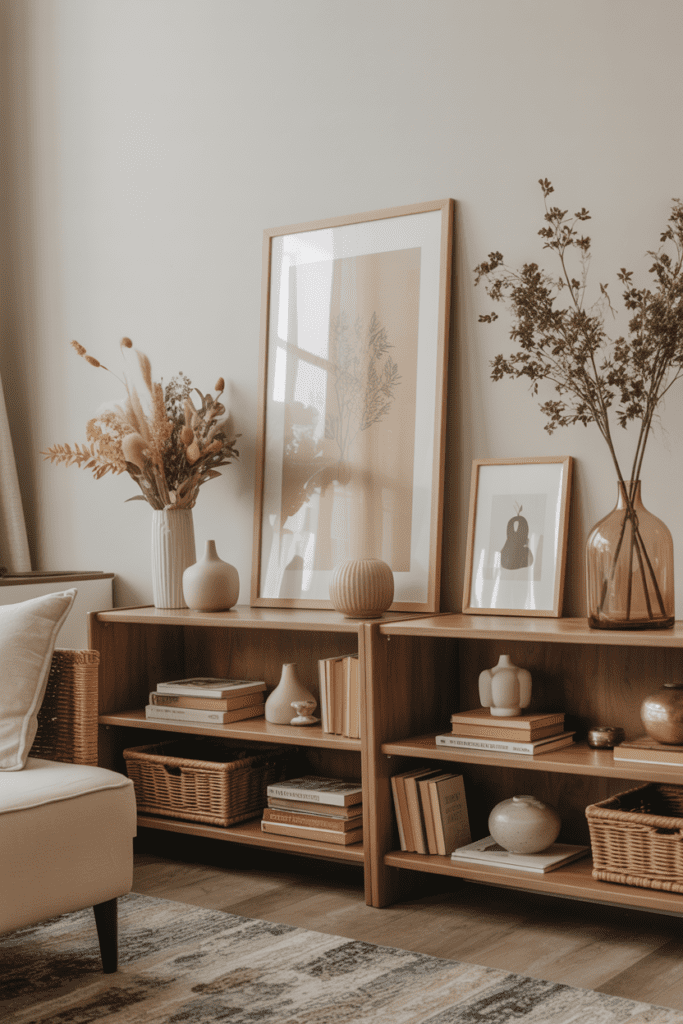
Books fit cottage core beautifully because they make a room feel thoughtful and lived-in. Stack them on tables, line them up on open shelves, or tuck a few into a basket for an easy, relaxed look. You don’t need a giant library either; a few well-chosen books do the job.
Open shelves also let you show off little treasures like pottery, framed prints, candles, and dried flowers. Keep the styling loose and a little imperfect. If every shelf looks identical, the charm disappears fast.
Easy shelf styling formula
- Books for structure.
- Ceramics for texture.
- Plants or dried stems for softness.
- One or two framed pieces for personality.
7. Use Floral Or Cottage-Inspired Wallpaper
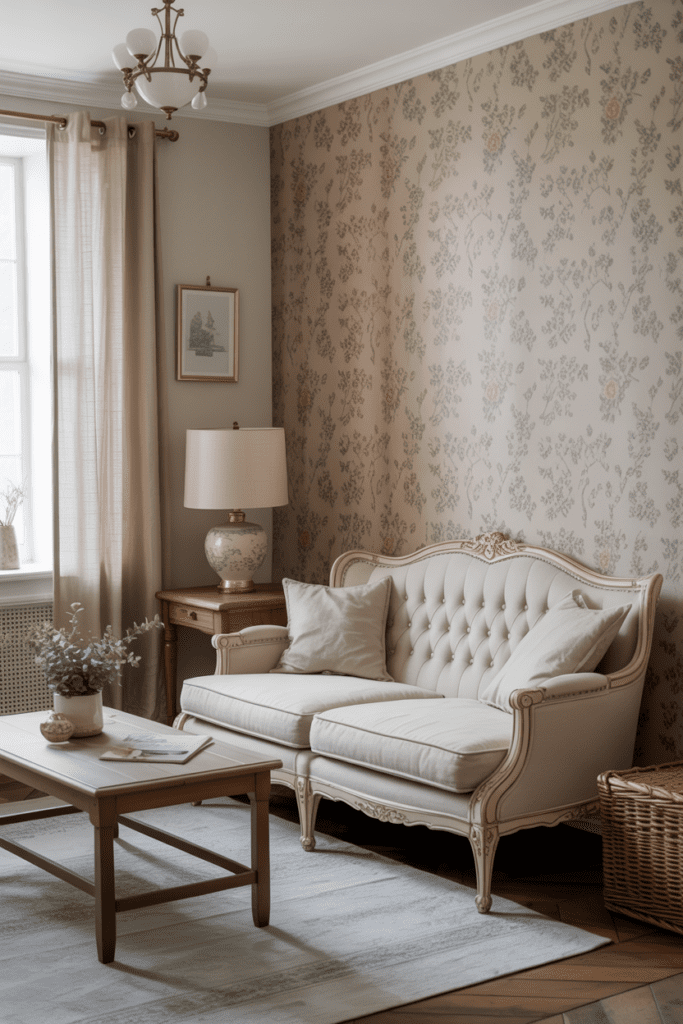
Wallpaper can completely transform a cottage core living room. A soft floral print, a tiny botanical repeat, or a vintage-inspired pattern adds instant charm without needing much else. Why repaint a whole room if one wall can do all the flirting for you?
If you want a subtle look, use wallpaper on just one accent wall. If you want full cottage fantasy, wrap the whole room in a delicate print and keep the furniture simple. That approach works especially well if the room gets plenty of natural light.
Best wallpaper styles for cottage core:
- Tiny florals.
- Botanical sketches.
- Damask with a faded look.
- Nature-inspired prints.
- Soft stripes with a vintage feel.
8. Make The Fireplace The Star
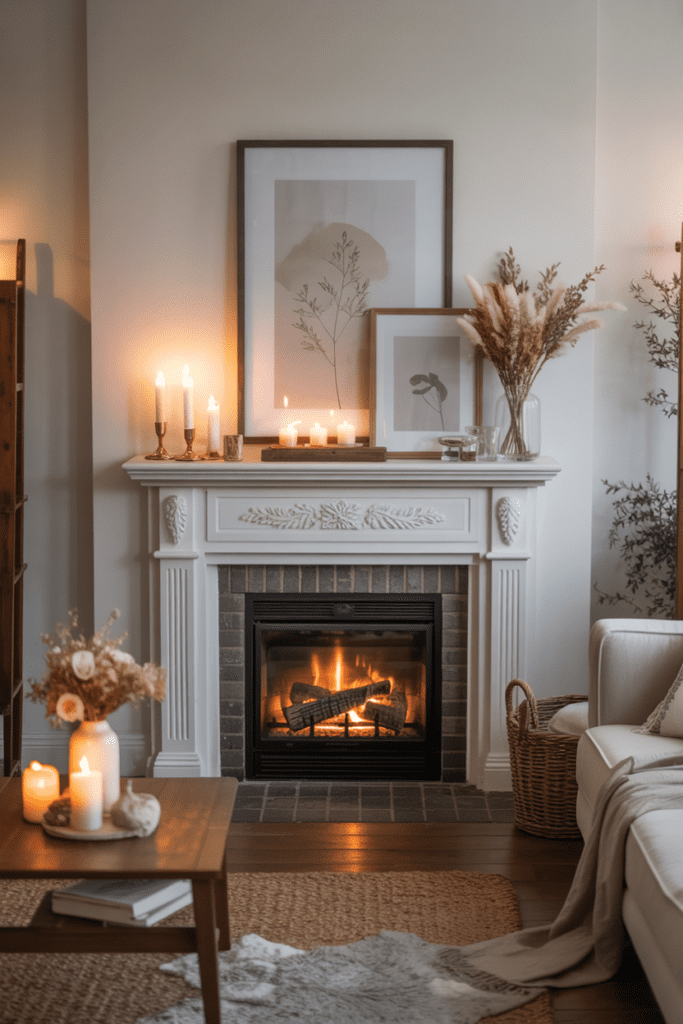
If your living room has a fireplace, congratulations—you already have a major cottage core advantage. Fireplaces naturally create a cozy focal point, and cottage core style loves a focal point with personality. Even a non-working fireplace can still look beautiful with candles, stacked logs, or a decorative mirror above it.
Style the mantel with:
- Candles in mixed heights.
- Framed art or mirrors.
- Small vases with dried flowers.
- Vintage clocks or ceramic pieces.
The fireplace should feel layered but not crowded. You want charm, not a mantel that looks like it survived a garage sale fight.
9. Choose Curtains That Feel Light And Soft
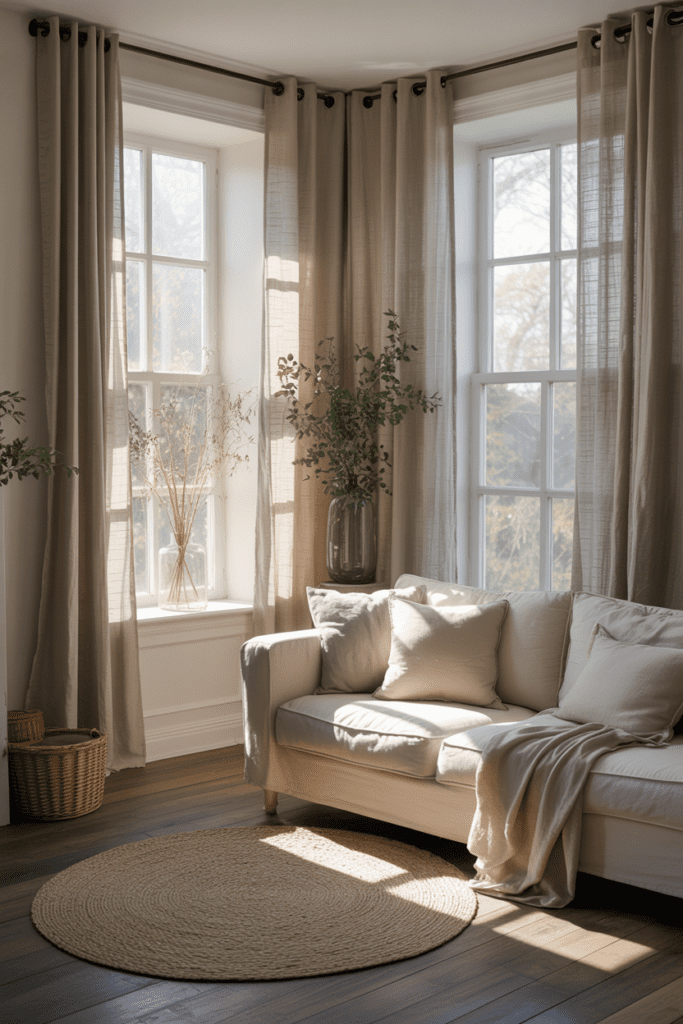
Curtains matter more than most people think. In a cottage core living room, heavy synthetic drapes can kill the mood fast. Instead, go for light linen, cotton, lace, or sheer fabrics that let natural light through while still softening the room.
Long curtains that brush the floor create a romantic, relaxed effect. Short curtains can work too, especially if they have ruffles, embroidery, or a vintage pattern. Either way, the goal is to make the windows feel dressed, not armoured.
10. Add Dried Flowers And Fresh Greenery
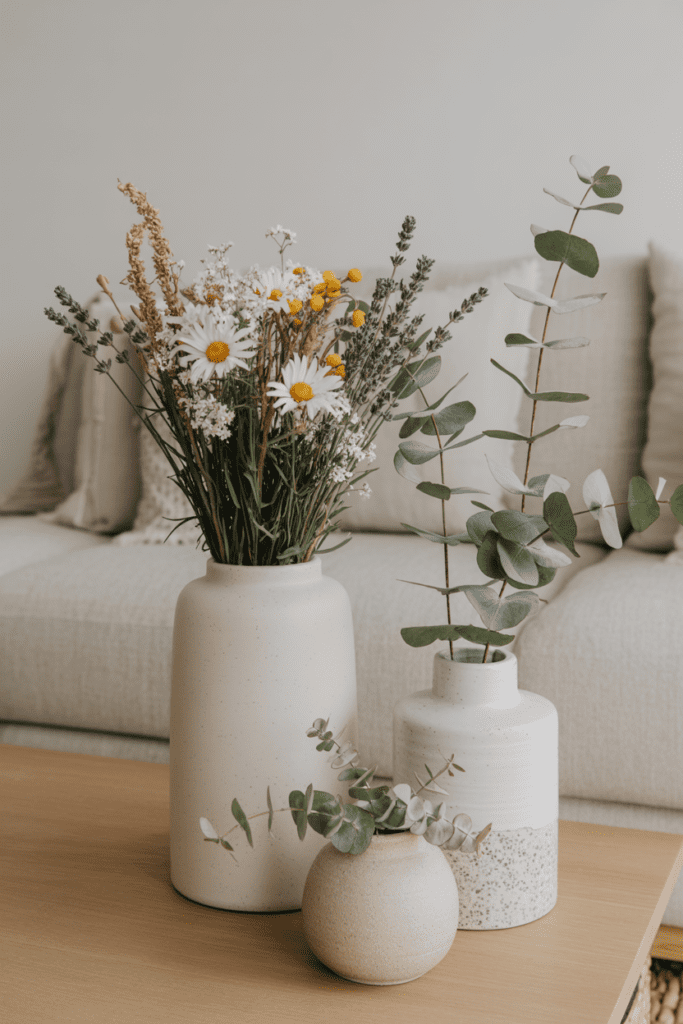
Flowers and greenery are basically cottage core’s favorite accessories. Fresh bouquets bring life into the room, while dried flowers add a softer, long-lasting touch. A vase of wildflowers on a side table can change the whole mood in about five seconds.
Great cottage core plant and flower choices include:
- Dried lavender.
- Eucalyptus.
- Baby’s breath.
- Hydrangeas.
- Fern plants.
- Olive branches.
If you hate constant plant care, dried stems give you the same aesthetic with way less effort. FYI, that’s a very valid decorating strategy 🙂
11. Mix In Handmade Pieces
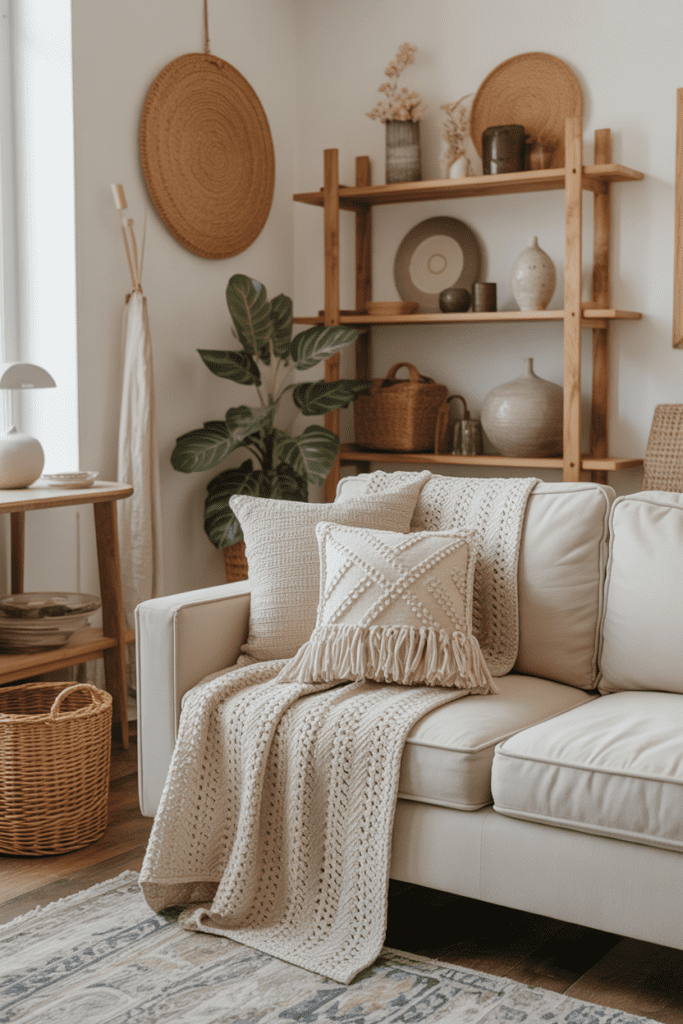
Handmade items make cottage core feel genuine instead of staged. A hand-thrown mug used as decor, a crochet blanket, or a woven basket can add warmth and a personal story. These pieces create that “someone actually lives here and likes beautiful things” energy.
You can source handmade decor from:
- Local markets.
- Small artisan shops.
- Vintage stores.
- Family heirlooms.
- DIY projects you make yourself.
Handmade pieces often carry slight imperfections, and that’s exactly what makes them charming. Cottage core does not need perfection. It needs soul.
12. Create A Reading Nook
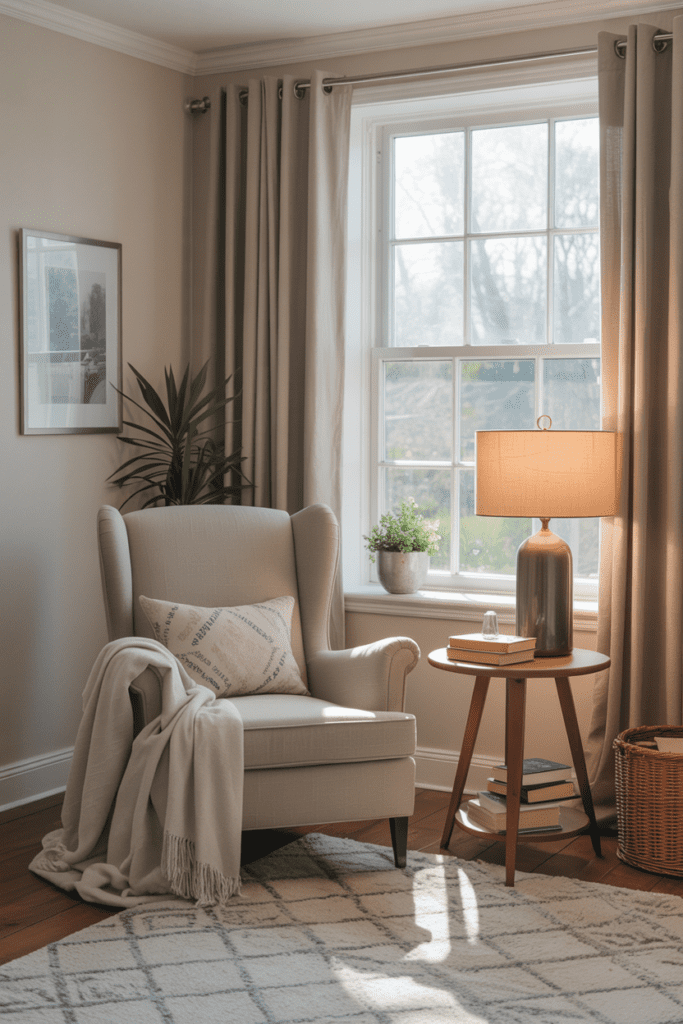
A reading nook feels almost mandatory in a cottage core living room. After all, what’s more cottage core than a chair, a blanket, a book, and no one bothering you for an hour? That little corner can become the coziest part of the room.
Build your nook with:
Reading nook essentials
- A comfy chair or chaise.
- A small lamp for soft lighting.
- A side table for tea or books.
- A throw blanket.
- A cushion for extra support.
Place the nook near a window if you can. Natural light makes the whole setup feel more peaceful, and it gives the space that dreamy, slow-living vibe people love.
13. Use Warm Ambient Lighting
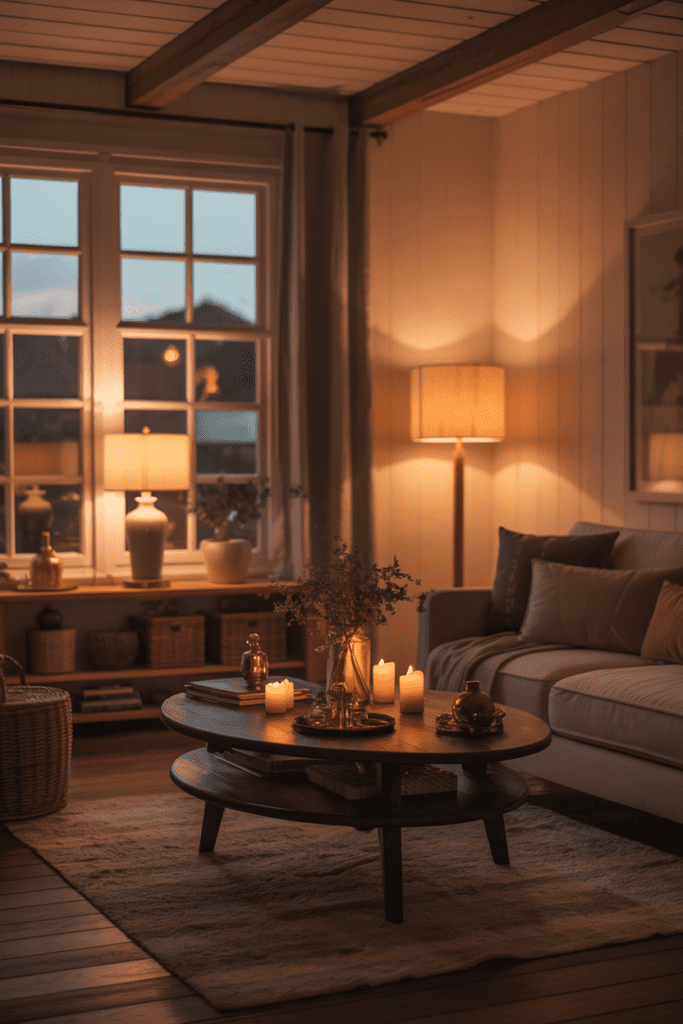
Lighting changes everything. Harsh overhead lights can make even the prettiest cottage core room feel tired and flat. Soft, warm lighting creates glow, depth, and that lovely feeling of being wrapped in comfort.
Try mixing different light sources:
- Table lamps.
- Floor lamps.
- Wall sconces.
- Candles.
- Fairy lights, if you keep them subtle.
Choose bulbs with a warm tone instead of a cold white one. The room will feel gentler and more inviting. Ever noticed how the right lamp can make a whole room feel better? Magic, basically.
14. Display Pottery And Ceramics
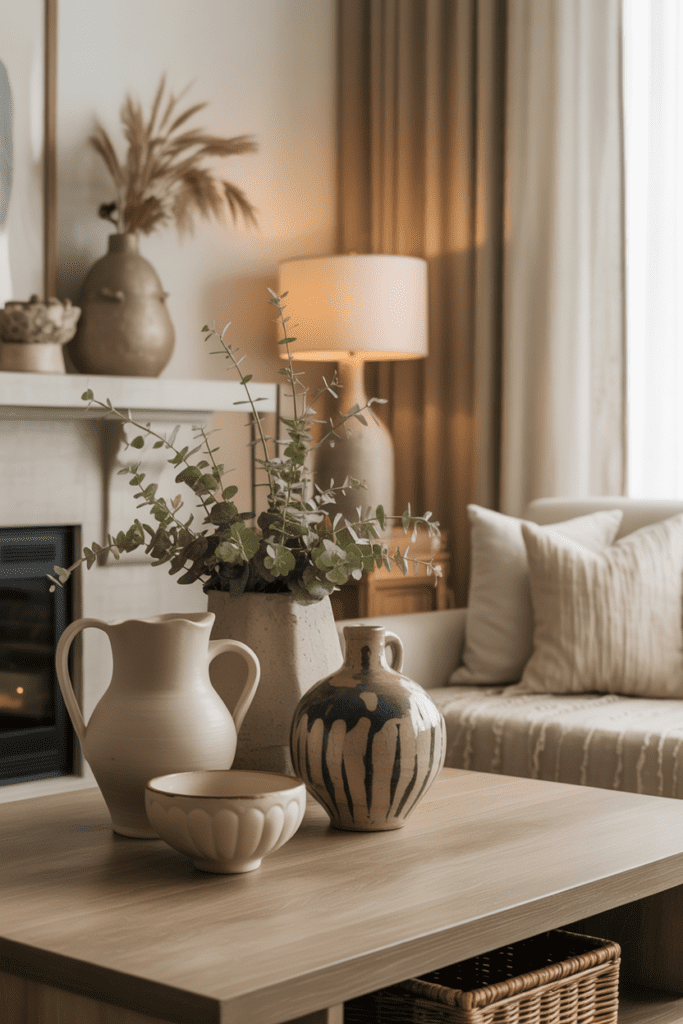
Pottery belongs in cottage core living rooms because it adds handmade texture and quiet beauty. You can use ceramic vases, bowls, pitchers, or even just stack a few decorative pieces on a shelf. The best pieces often have soft glazes, imperfect shapes, and earthy colors.
Look for ceramics in:
- Cream.
- Sage.
- Terracotta.
- Speckled white.
- Muted blue.
Group a few pieces together for a collected look, but keep some breathing space around them. If everything competes for attention, the room loses that calm cottage feeling.
15. Bring In Cozy Rugs
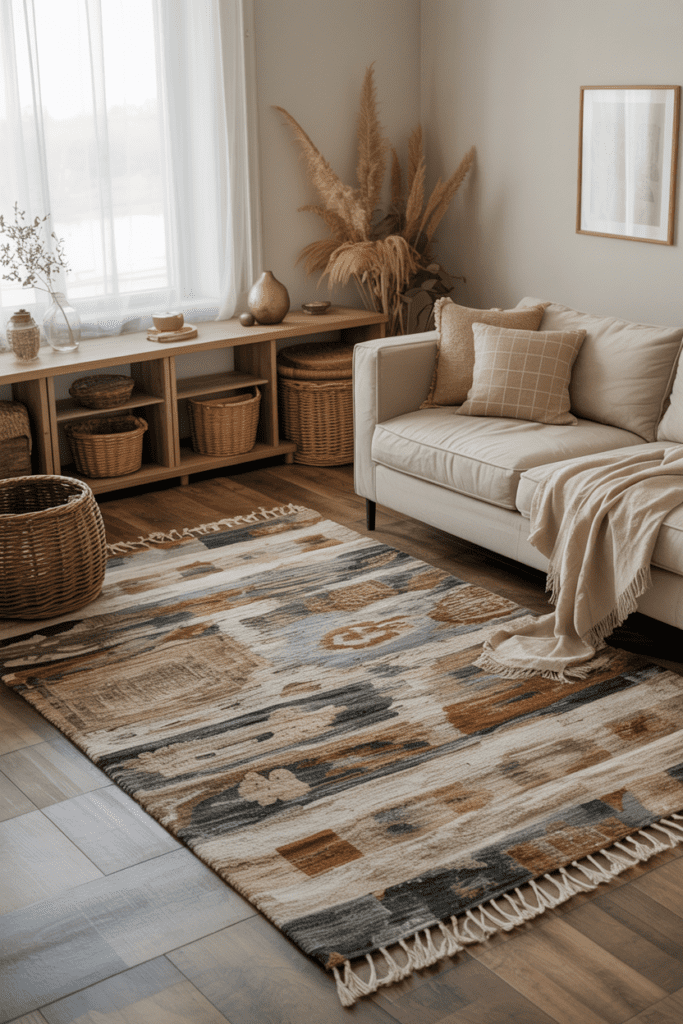
A good rug anchors the whole room and ties the cottage core look together. Jute rugs add natural texture, while patterned vintage-style rugs add warmth and visual interest. Either option works, depending on how bold you want the room to feel.
Rug tips that actually help:
- Choose a rug large enough to sit under most furniture.
- Pick faded patterns for a more vintage look.
- Layer a smaller rug over a natural base rug if you want extra texture.
A rug also keeps the room from feeling cold and empty, especially if you have wood or tile floors. And yes, it does a lot more than just avoid the dreaded “bare floor echo.”
16. Add Personal Touches Everywhere
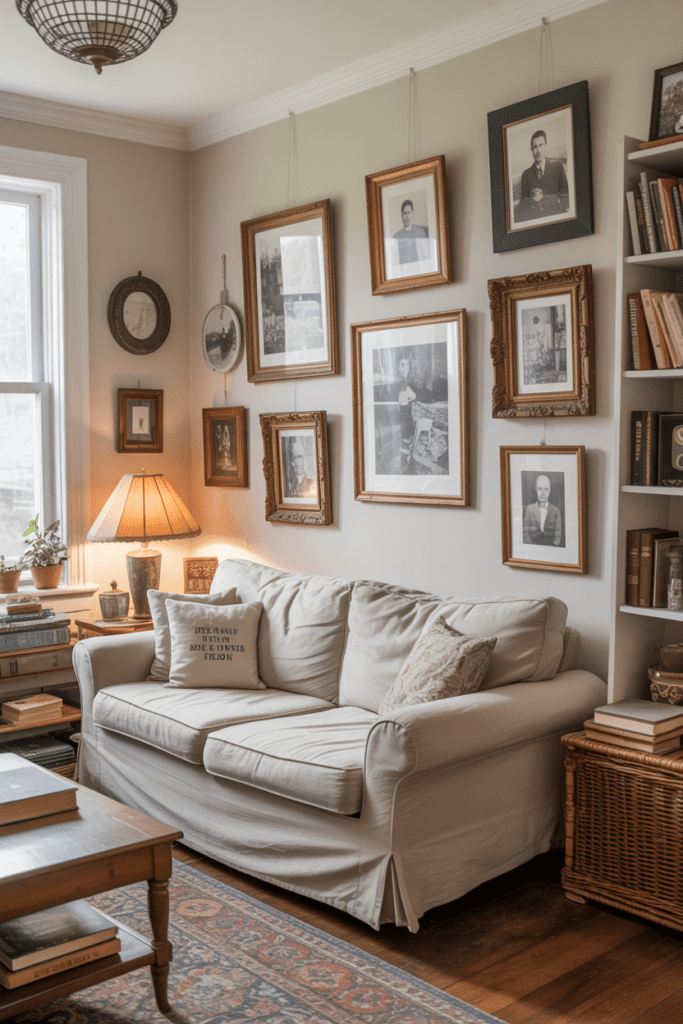
Cottage core works because it feels personal. Family photos, old books, collected trinkets, and travel finds all help the room feel like yours instead of a Pinterest clone. Why settle for generic when your own life already gives you better decor?
Try including:
- Framed family photos in vintage-style frames.
- Old postcards or botanical prints.
- Heirlooms from grandparents.
- Souvenirs from meaningful trips.
- Little objects that make you happy for no practical reason.
That last one matters more than people admit. A tiny ceramic bird or a thrifted brass candlestick can bring surprising joy.
17. Keep It Lived-In, Not Overdone
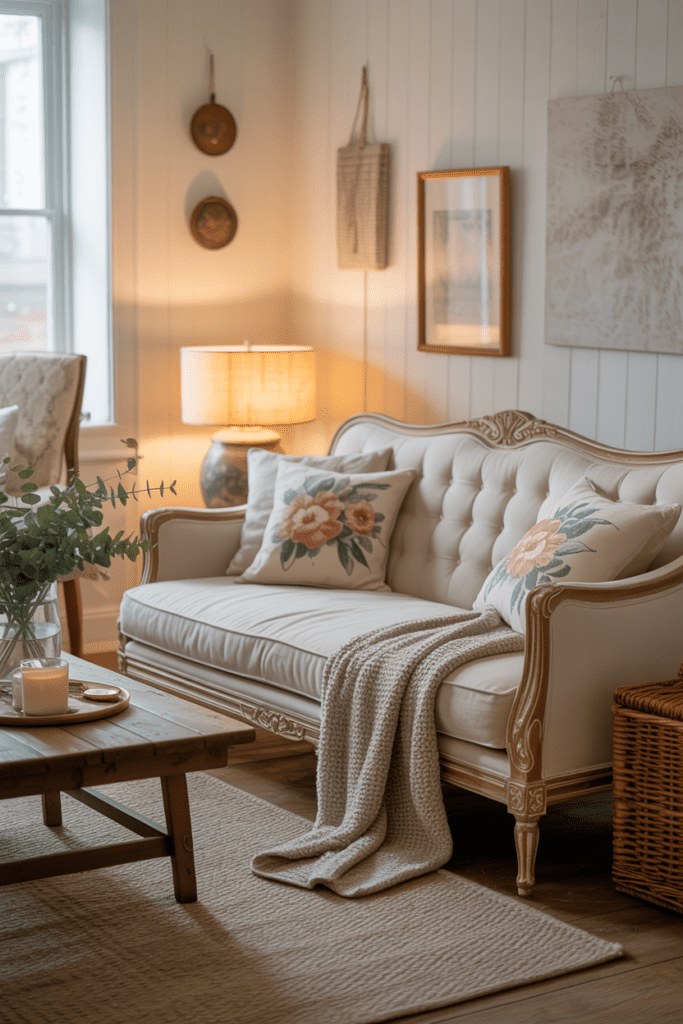
This might be the most important cottage core living room idea of all. The style only works when it feels relaxed, not heavily staged. If every item looks like it came from the same shop on the same day, the room loses its charm pretty quickly.
Let the room breathe.
- Mix old and new.
- Leave some surfaces simple.
- Avoid crowding every corner.
- Keep a few pieces slightly imperfect.
A lived-in room feels warm, human, and welcoming. That’s the whole point. Cottage core should make you want to sit down with tea, not take product photos for five hours straight.
How To Make Cottage Core Work In A Small Living Room
A small room can still pull off cottage core beautifully. In fact, the style often works even better in compact spaces because soft colors, layered textures, and vintage details create instant coziness. You just need to stay thoughtful about scale.
Here’s what helps most:
- Use light colors to keep the room open.
- Pick fewer but better pieces of furniture.
- Add vertical storage with shelves.
- Keep patterns soft and balanced.
- Use mirrors to reflect light.
You do not need a room full of decor to get the look. Sometimes one floral curtain, one vintage chair, and one great lamp do more than a hundred tiny extras ever could.
Common Mistakes To Avoid
Cottage core looks easy, but a few mistakes can wreck the vibe fast. The biggest one? Overloading the room until it feels cluttered instead of cozy. There’s a fine line between charmingly collected and “please help, I can’t find the coffee table.”
Avoid these common slip-ups:
- Too many matching decor items.
- Harsh lighting.
- Overly modern materials that clash with the softness.
- Ignoring texture.
- Using only beige and forgetting contrast.
A successful cottage core living room needs balance. Soft does not mean boring, and rustic does not mean random.
Conclusion
Cottage core living room ideas work because they focus on comfort, personality, and a gentle sense of nostalgia. You do not need a perfect house or a huge budget to create this look. You just need soft colors, layered textures, vintage charm, and a willingness to let the room feel a little human.
If I had to sum it up in one sentence, I’d say this: cottage core is less about decorating and more about creating a feeling. And honestly, isn’t that what a living room should do?