
Does your garden feel more like a part-time job than a relaxing space? If you’re spending hours every weekend weeding, watering, and trimming, you’re probably working harder than you need to. The good news? You don’t have to sacrifice beauty for convenience.
Low maintenance gardening isn’t about having a boring or empty yard it’s about making smarter choices. By picking the right plants, using the right techniques, and setting up systems that work for you, you can create a stunning outdoor space that requires minimal effort. Most gardens can be maintained in just 10 minutes a week if you plan correctly.
These 15 ideas work for gardens across the United States, from hot, dry climates in the Southwest to humid regions in the Southeast. Whether you have a small urban backyard, a spacious suburban plot, or just a patio, you’ll find solutions that fit your space perfectly.
1. Create a Drought-Tolerant Garden
Why I love this? Because forgetting to water happens to everyone, and your plants shouldn’t die because of it.
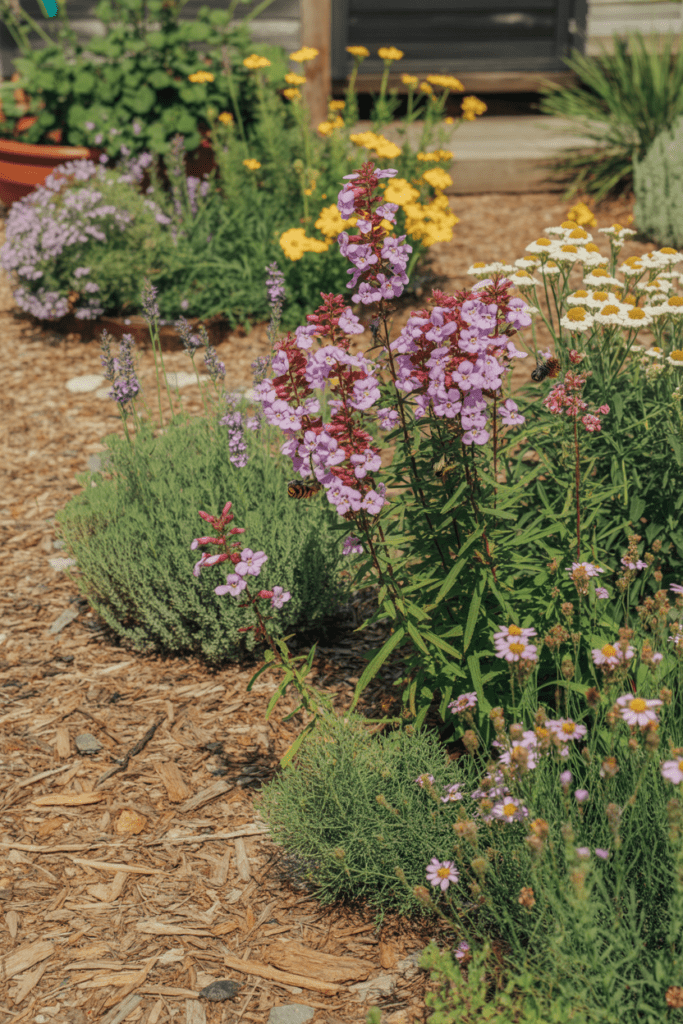
Drought-tolerant plants like cactus, yarrow, lavender, and ornamental grasses thrive with minimal watering. Once they’re established (usually after their first season), they stay strong even in hot, sunny conditions. I planted a drought-tolerant border in my backyard three years ago, and honestly? I’ve watered it maybe 20 times total. And it still looks fantastic.
Perfect for:
- Hot, dry climates (Arizona, Texas, Nevada, California)
- People who travel frequently
- Anyone who forgets to water regularly
Best plants to try:
- Penstemon (beard-tongue) – Comes back every year, flowers in pink or purple
- Sedum – Super hardy, works in rock gardens too
- Russian sage – Looks like lavender but needs even less water
- Blanket flower – Bright orange-red blooms that attract pollinators
Ever wondered why these plants survive so well? They store moisture in their leaves or roots, so they’re basically self-sustaining. FYI, drought-tolerant gardens also bring in more pollinators like bees and butterflies, which adds life and color to your space.
2. Set Up Raised Garden Beds
I’ll admit it—I was skeptical about raised beds at first. “Why not just plant in the ground?” I thought. But then I built two raised beds, and wow, I wish I’d done this sooner.
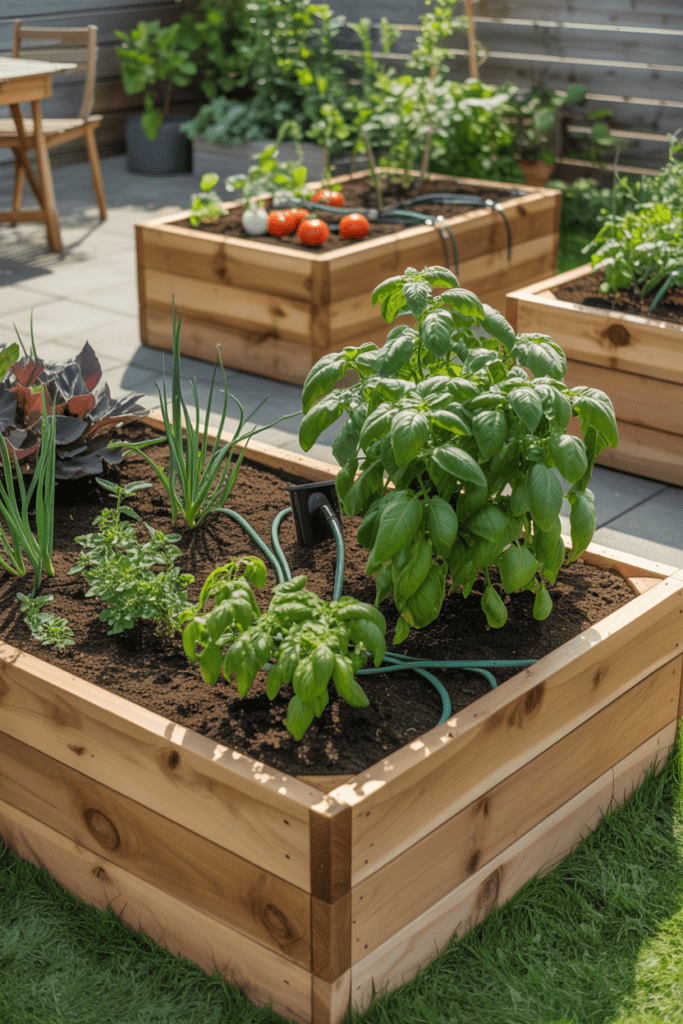
Raised beds give you complete control over soil quality, drainage, and plant spacing. This means healthier plants overall. They also limit weeds significantly because you’re working with clean, imported soil instead of ground soil filled with weed seeds. Plus, they’re easier to maintain since you’re not bending down as much.
My personal experience: I built raised beds using cedar wood (it lasts longer and doesn’t rot). I filled them with a mix of compost, topsoil, and peat moss. The result? My tomatoes grew twice as big as they did in-ground, and I had maybe 10% of the weeds I normally deal with.
Great for:
- Small spaces (urban backyards, patios)
- People with knee or back pain
- Controlling soil quality in areas with poor ground soil
Optional upgrades:
- Add drip irrigation to the beds (saves even more time)
- Use copper edging to prevent grass from creeping in
- Install hinged lids for easy access
Raised beds are basically the garden hack everyone needs but doesn’t know about yet.
3. Focus on Perennial Planting
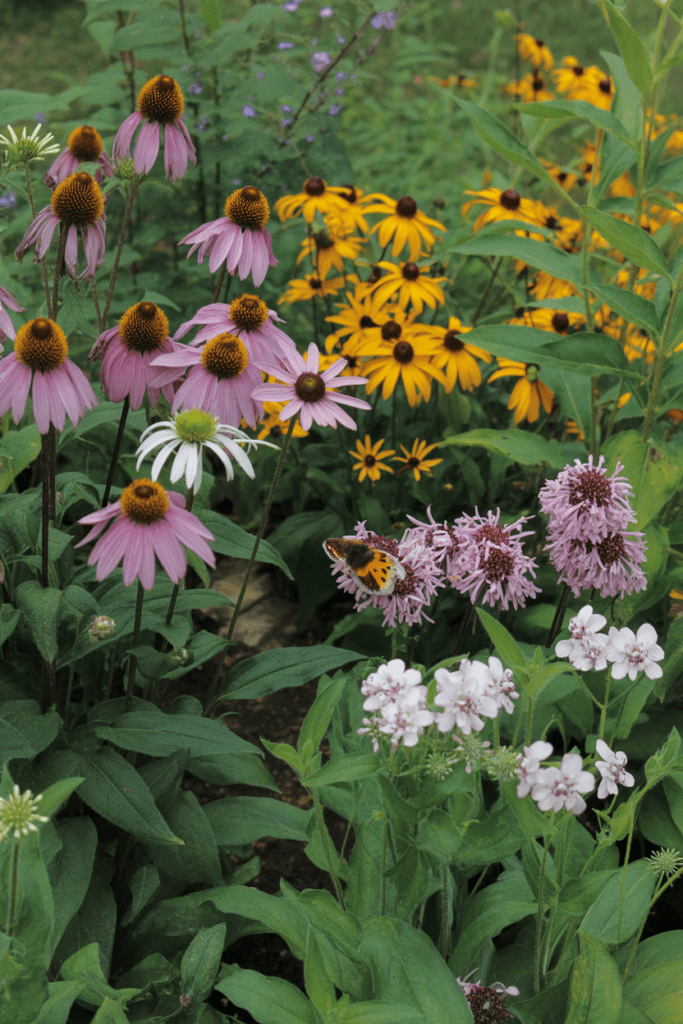
Perennials are my absolute favorite because they return year after year without needing replanting. Most people plant annuals (like marigolds or petunias) that die every fall and need to be replaced. That’s a waste of money and time, IMO.
Once perennials are established (usually after their first season), they bring consistent color and structure to your garden with minimal effort. I replaced half my annuals with perennials two years ago, and now I just add a few new ones each spring instead of repurchasing everything.
Best perennials for US gardens:
- Coneflower – Purple, pink, or white blooms; attracts butterflies
- Black-eyed Susan – Bright yellow, super hardy
- Bee balm – Comes in pink, purple, or white; bees love it
- Orchid pink – Elegant, delicate flowers that last weeks
- Lily – Different varieties for different climates
Why perennials work so well: They develop deep root systems that help them survive winters and droughts. You plant them once, and they basically take care of themselves. Ever wondered why professional gardens look so consistent? They use perennials 90% of the time.
4. Use Mulch in Garden Beds
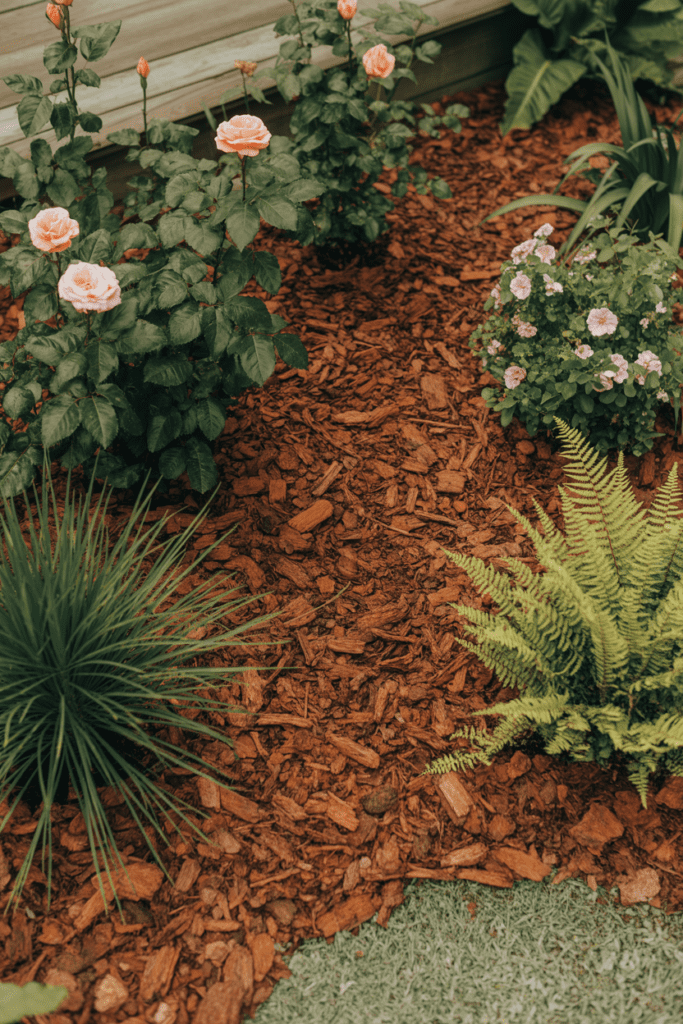
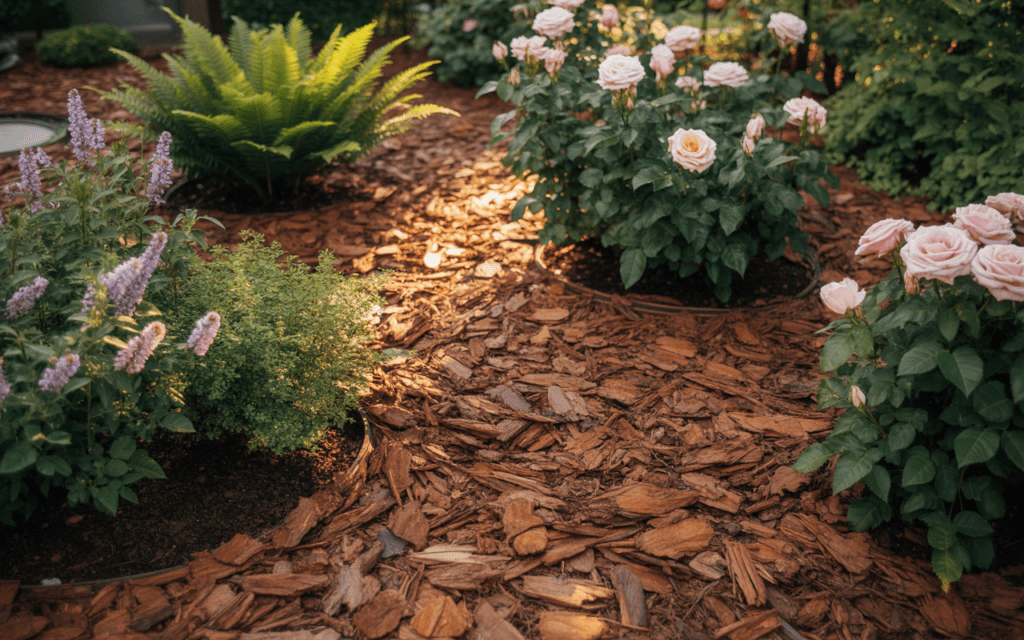
This is the simplest garden game-changer I’ve ever found. Mulch helps retain moisture, regulate soil temperature, and suppress weeds all at once. Seriously, it does three jobs at the same time.
I used to weed my garden every Saturday for 2 hours. Then I added 3 inches of mulch (I use pine bark mulch because it breaks down slowly), and my weeding time dropped to maybe 30 minutes a month. The mulch also keeps my plants hydrated longer, so I water less frequently.
Types of mulch to try:
- Pine bark mulch – Lasts longest, looks natural
- Shredded hardwood – Affordable, breaks down slowly
- Gravel mulch – Perfect for drought-tolerant gardens
- Straw mulch – Great for vegetable beds
- Cocoa husk mulch – Premium option, looks fancy
How much to use: Apply 2–4 inches thick around your plants. Don’t pile it against the stems (that can cause rot), but spread it evenly between plants.
Mulch is basically the “set it and forget it” solution for garden maintenance. If you’re not using mulch yet, you’re working harder than you need to. : /
5. Create a Rock Garden
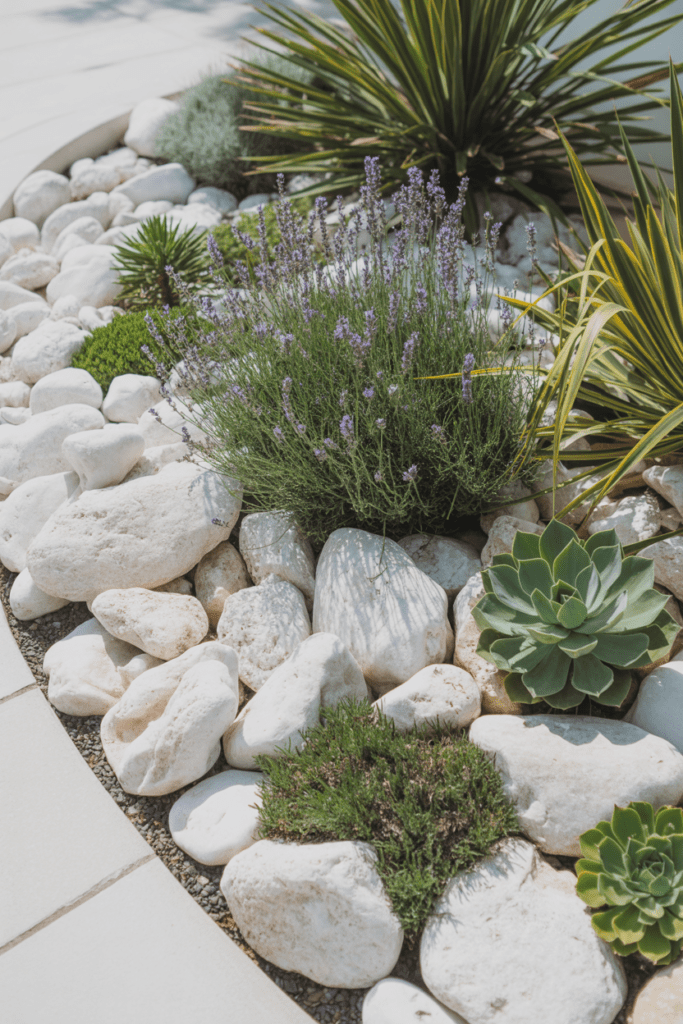
Rock gardens are basically the ultimate low-maintenance option. They combine hardy plants with stones to create a naturally low-water landscape that looks relaxed and effortless.
I love rock gardens because the stones improve drainage and reduce the need for constant watering. Plus, they crowd out weeds naturally since there’s barely any soil exposed. I created a rock garden border last year using large white rocks and planted lavender, succulents, and ornamental grasses between them. It’s been amazing.
Best plants for rock gardens:
- Lavender – Purple flowers, smells amazing, needs minimal water
- Succulents – Super hardy, store moisture in leaves
- Ornamental grasses – Add movement and texture
- Creeping thyme – Spreads across rocks, flowers in pink
- Yarrow – Bright yellow blooms, drought-tolerant
Rock garden tips:
- Use large rocks (not small pebbles) for better drainage
- Place rocks so they create natural “pockets” for plants
- Add gravel mulch between rocks for extra weed control
- Choose local rocks that match your region’s style
Rock gardens are perfect for dry climates, but they work in any climate if you pick the right plants. Plus, they look modern and stylish without requiring constant upkeep.
6. Add Ground Cover Plants
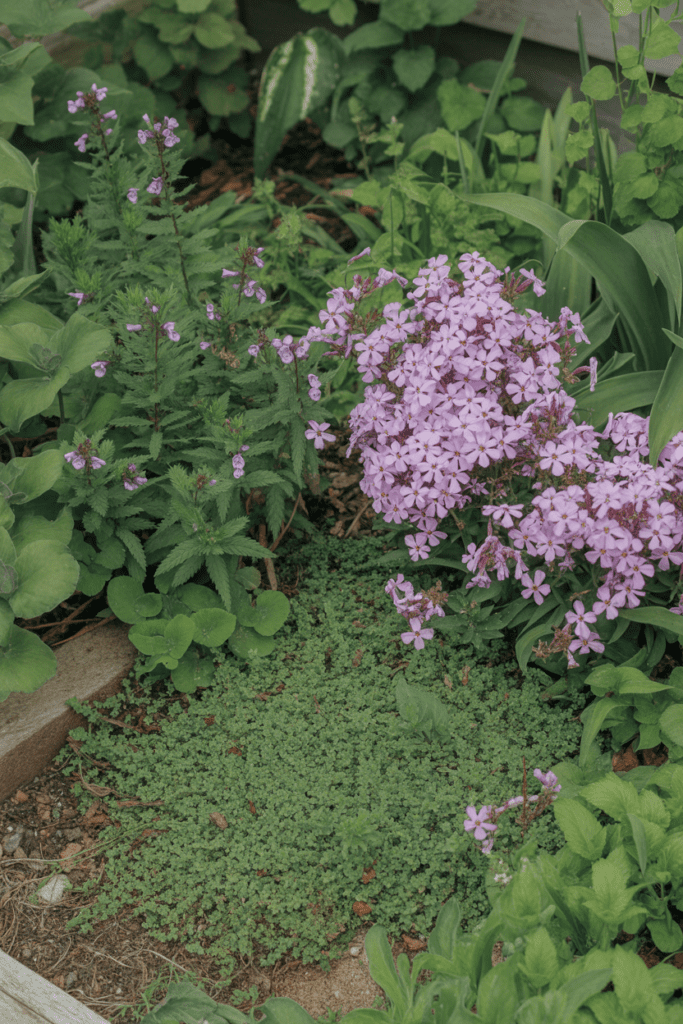
Ground cover plants are like nature’s carpet—they spread across the soil and crowd out weeds naturally. Once established, they fill in bare spots and create a lush look with less trimming.
I replaced my bare patches with creeping phlox and dead-nettles two years ago, and honestly, I haven’t weed those areas once. The ground covers spread so thickly that weeds can’t get through. My garden looks fuller, and I spend way less time maintaining it.
Top ground cover options:
- Creeping phlox – Pink or white flowers, spreads quickly
- Dead-nettles – Purple flowers, tolerates shade
- Lavender – Also works as ground cover in sunny spots
- Creeping juniper – Evergreen, perfect for slopes
- Moss – Perfect for shady, moist areas
Where to use ground covers:
- Between larger plants (fills gaps)
- On slopes (prevents erosion)
- Under trees (where grass won’t grow)
- Around pathways (replaces awkward grass patches)
Ground covers are basically the “set it and forget it” solution for bare spots. They do the work for you.
7. Grow a Wildflower Garden
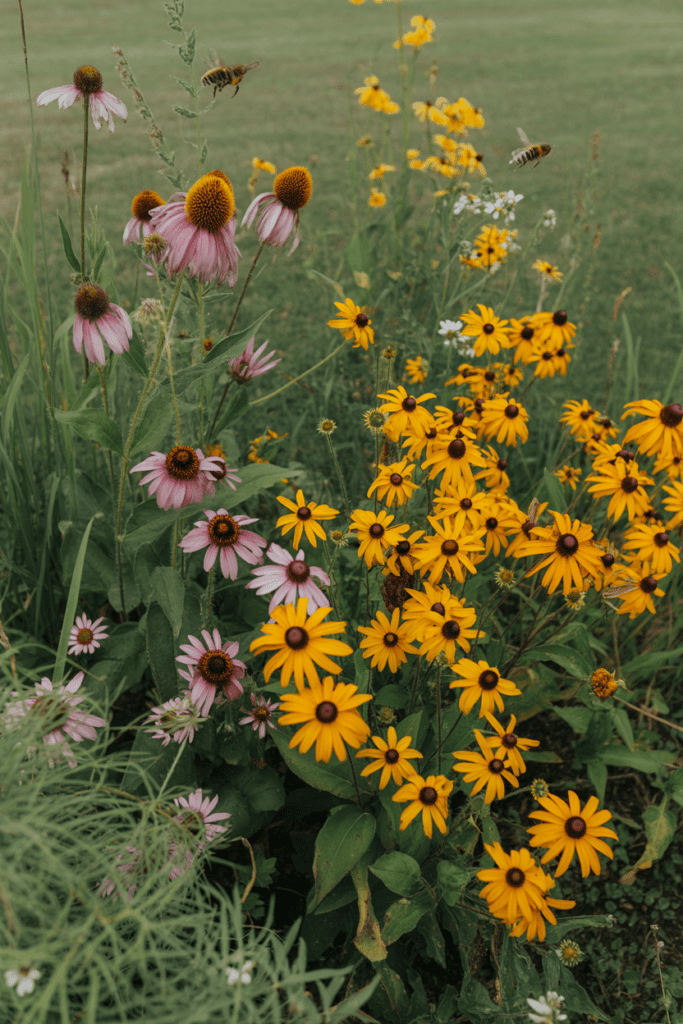
Wildflowers are the easiest garden option because you plant them from seed and leave them to grow. No fancy planning, no constant watering, no complicated care. Once they’re established, they come back each year and create a relaxed, meadow-like look.
I planted a wildflower patch in my front yard three years ago. I scattered the seeds, watered them for the first month, and then basically forgot about them. Now? They come back every spring, bloom for months, and attract bees and butterflies. Zero effort required.
Best wildflower mixes for US regions:
- Eastern US – Black-eyed Susan, bee balm, coneflower
- Southern US – Blanket flower, penstemon, coreopsis
- Western US – California poppy, blanket flower, sage
- Northern US – Lupine, black-eyed Susan, asters
Why wildflowers work: They’re adapted to local conditions, so they know how to survive your climate without help. Plus, they bring in more pollinators, which makes your whole garden healthier.
8. Grow an Edible Garden
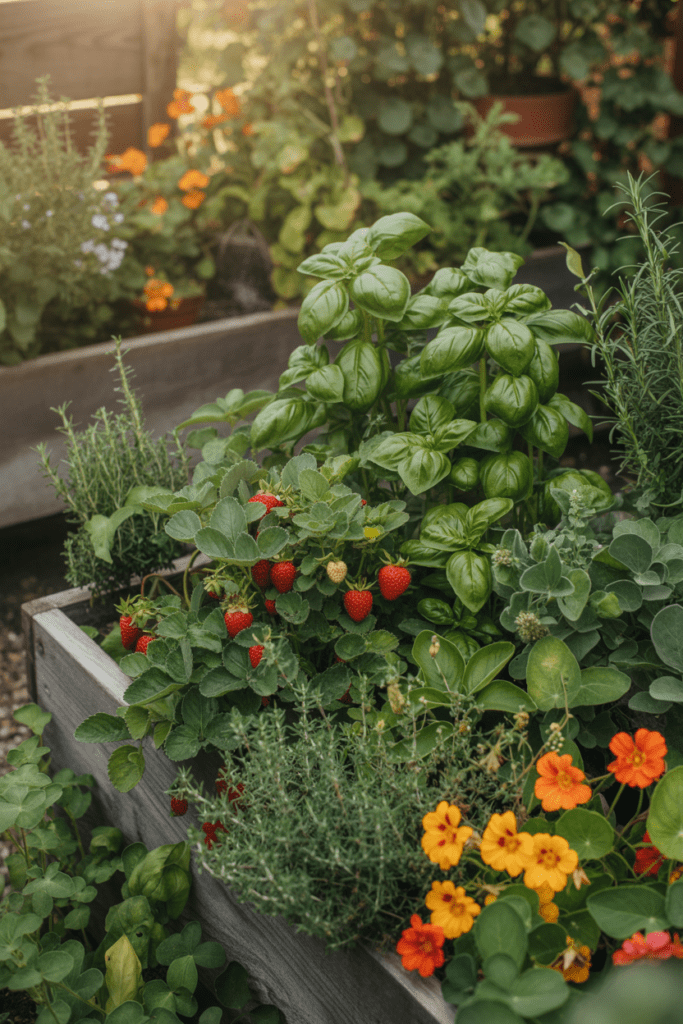
Why not make your garden practical AND beautiful? Edible plants like herbs, fruits, vegetables, and edible flowers look gorgeous woven in with decorative plants.
I grew herbs (basil, rosemary, thyme) mixed with ornamental flowers last year, and it was amazing. I had fresh herbs for cooking, and my garden looked colorful and full. Plus, edible plants are usually hardy since they’re meant to survive harvesting.
Easy edible plants for beginners:
- Herbs – Basil, rosemary, thyme, mint (all super hardy)
- Strawberries – Come back yearly, low maintenance
- Cherry tomatoes – Grow in containers, easy to manage
- Peppers – Thrive in heat, need minimal care
- Edible flowers – Nasturtiums, pansies, calendula
Edible garden tips:
- Group herbs together (they have similar needs)
- Use raised beds for vegetables (better soil control)
- Add mulch to keep moisture in
- Choose varieties that self-seed (like basil)
An edible garden means you get fresh food plus a beautiful space. Double win.
9. Anchor Your Garden with Evergreens
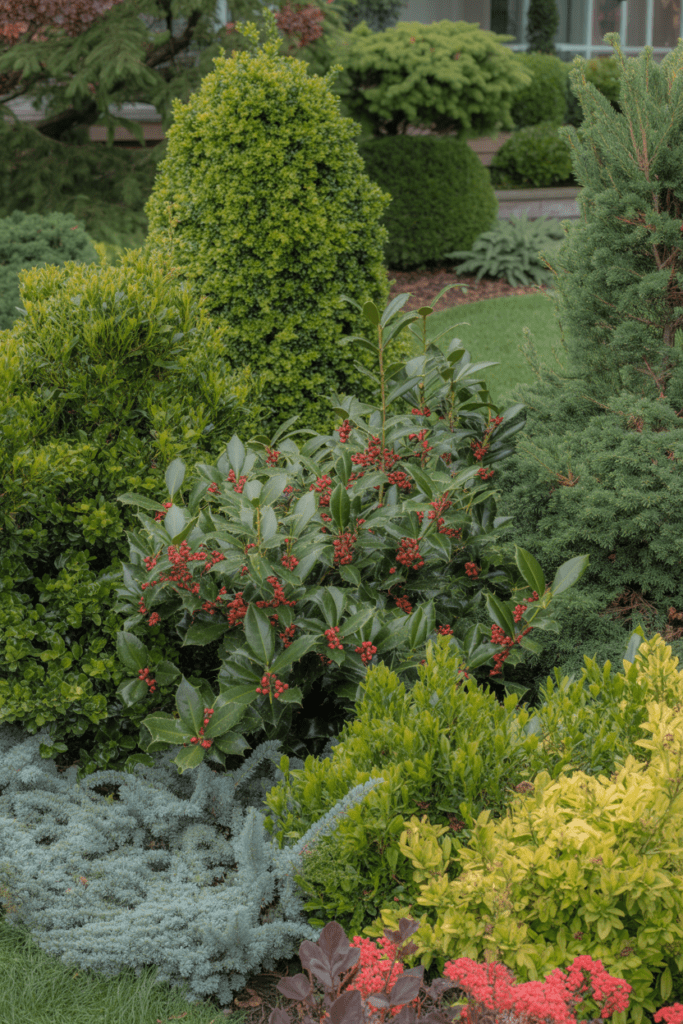
Evergreens provide year-round structure and greenery that stays consistent through the seasons. Best of all, they require only occasional pruning once established.
I planted evergreen shrubs along my garden borders five years ago, and they’ve been perfect. They stay green in winter, provide structure in spring, and don’t need much care. My garden looks polished even when nothing else is blooming.
Best evergreens for US climates:
- Boxwood – Classic, works in any climate
- Holly – Red berries in winter, super hardy
- Yew – Tolerates shade and sun
- Dwarf alberta maple – Compact, perfect for small spaces
- Rosemary – Evergreen herb, smells great
Why evergreens matter: They give your garden a “finished” look even during off-seasons. Without them, your garden can look empty when flowers die.
10. Install a Drip Irrigation System
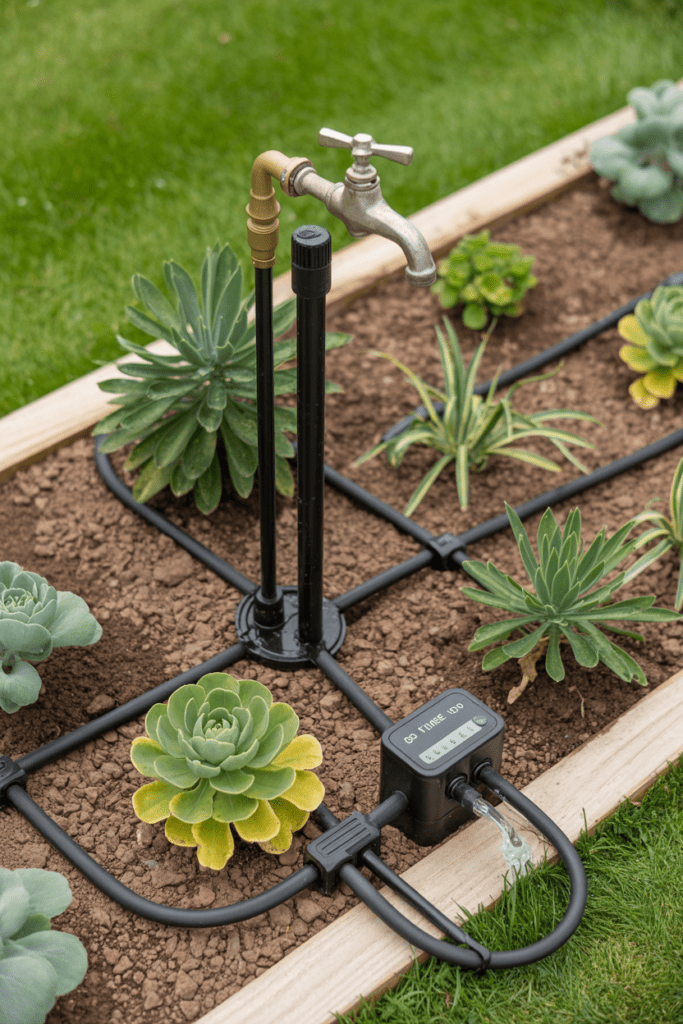
Drip irrigation delivers water directly to plant roots slowly and efficiently. It keeps plants hydrated while cutting down on wasted water and daily watering tasks.
I installed a drip system two years ago, and it’s been a total lifesaver. No more dragging hoses around, no more forgetting to water. The system runs automatically, and my plants stay perfectly hydrated.
Drip irrigation benefits:
- Saves 50% more water than traditional watering
- Runs on a timer (set it and forget it)
- Prevents overwatering
- Reduces weed growth (water goes to plants, not everywhere)
Easy setup:
- Attach to outdoor faucet
- Lay tubing around plants
- Connect emitters to each plant
- Set timer (15 minutes every other day works for most)
Drip irrigation is basically the “adult” version of watering. You’ll never go back to hoses.
11. Use Self-Seeding Plants
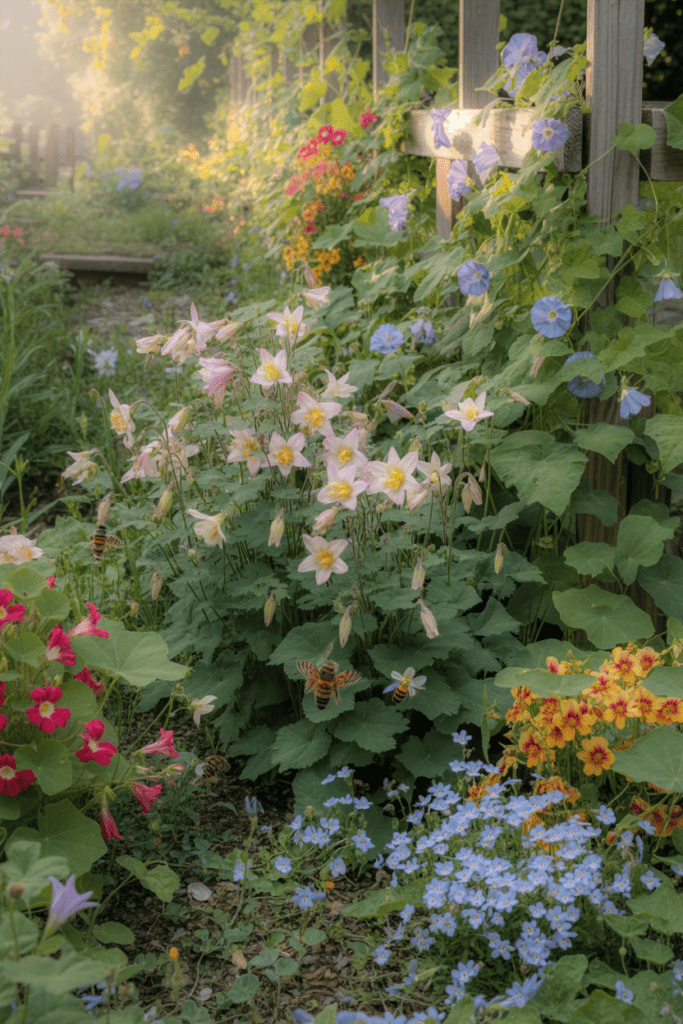
Self-seeding plants drop their seeds and regrow on their own each year. Over time, they create a garden that feels full, natural, and mostly self-sustaining.
I planted self-seeding columbine five years ago, and now it comes back every spring without me doing anything. It’s spread to three different areas of my garden naturally. Amazing.
Best self-seeding plants:
- Columbine – Pink, red, or yellow blooms
- Morning glory – Tears through gardens, beautiful flowers
- Nasturtium – Edible flowers, spreads easily
- Forget-me-not – Blue flowers, romantic look
- Borage – Purple flowers, edible, attracts bees
Why self-seeding works: They do the replanting for you. You plant once, and they keep coming back.
12. Group Plants With Similar Needs
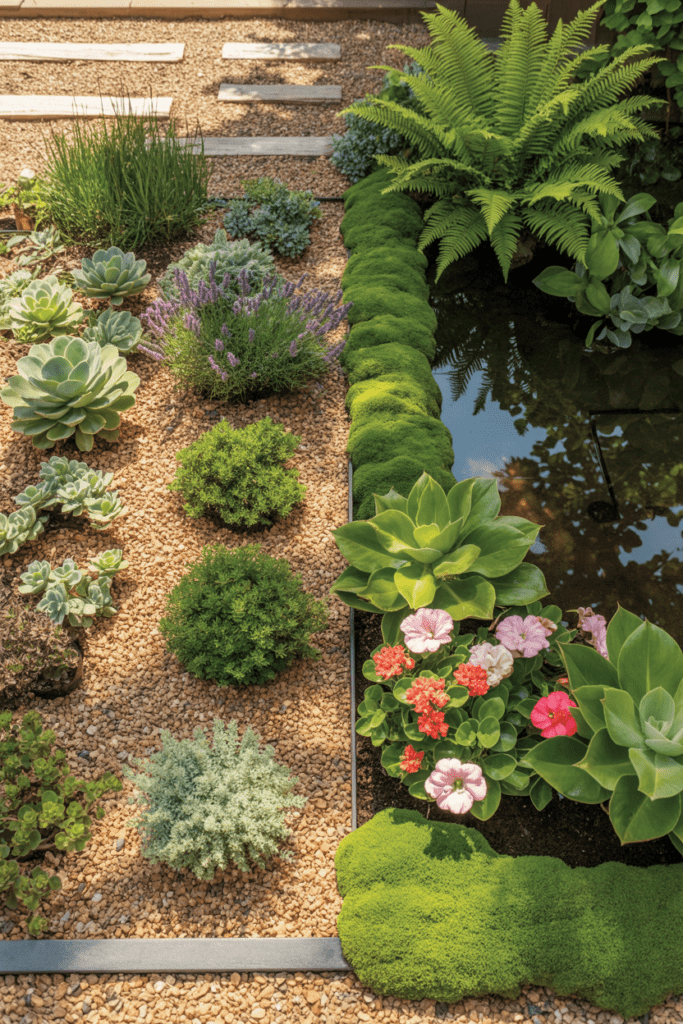
Take the guesswork out of gardening by grouping plants with similar water, light, and soil requirements. This makes maintenance much more straightforward and efficient.
I used to water my garden randomly, which meant some plants got too much water and others got too little. Then I grouped plants by needs (drought-tolerant together, moisture-loving together), and everything thrived. My watering time dropped by half.
How to group plants:
- Drought-tolerant zone – Succulents, lavender, ornamental grasses
- Moisture-loving zone – Ferns, impatiens, moss
- Shade zone – Hostas, ferns, dead-nettles
- Sun zone – Roses, coneflowers, yarrow
Benefits of grouping:
- Water only what needs it
- Less plant stress
- Easier maintenance
- Fewer dead plants
Grouping plants is basically the smart way to garden. Why work harder when you can work smarter?
13. Build a Succulent Garden
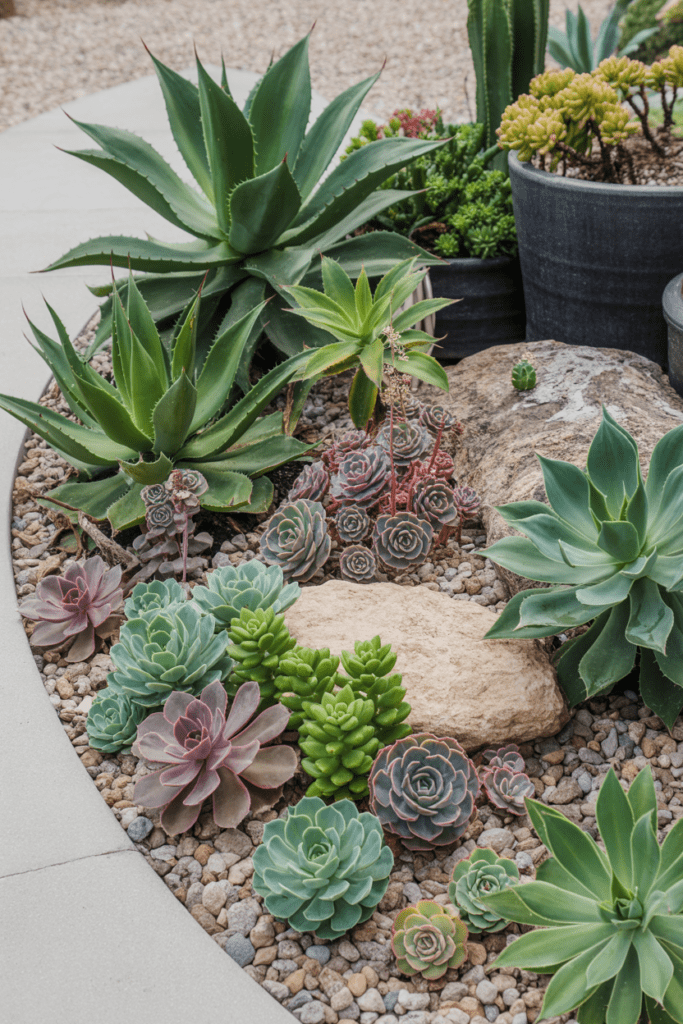
Few plants are harder to kill than succulents. They hold moisture in their leaves, so they’re perfect if you forget to water.
I created a succulent border last year, and honestly? I’ve watered it maybe 15 times in 12 months. It still looks amazing. Succulents are basically the “I don’t care” plants that actually care for themselves.
Best succulents for US gardens:
- Echeveria – Classic rosette shape, colorful
- Sedum – Spreads, hardy in any climate
- Aloe – Works in hot climates
- Jade plant – Perfect for containers
- Agave – Dramatic, super hardy
Succulent garden tips:
- Use gravel mulch (not soil mulch)
- Plant in raised beds for drainage
- Group by size for visual appeal
- Add rocks between plants for style
Succulents are perfect for dry climates, but they work anywhere if you don’t overwater.
14. Plant Native Varieties
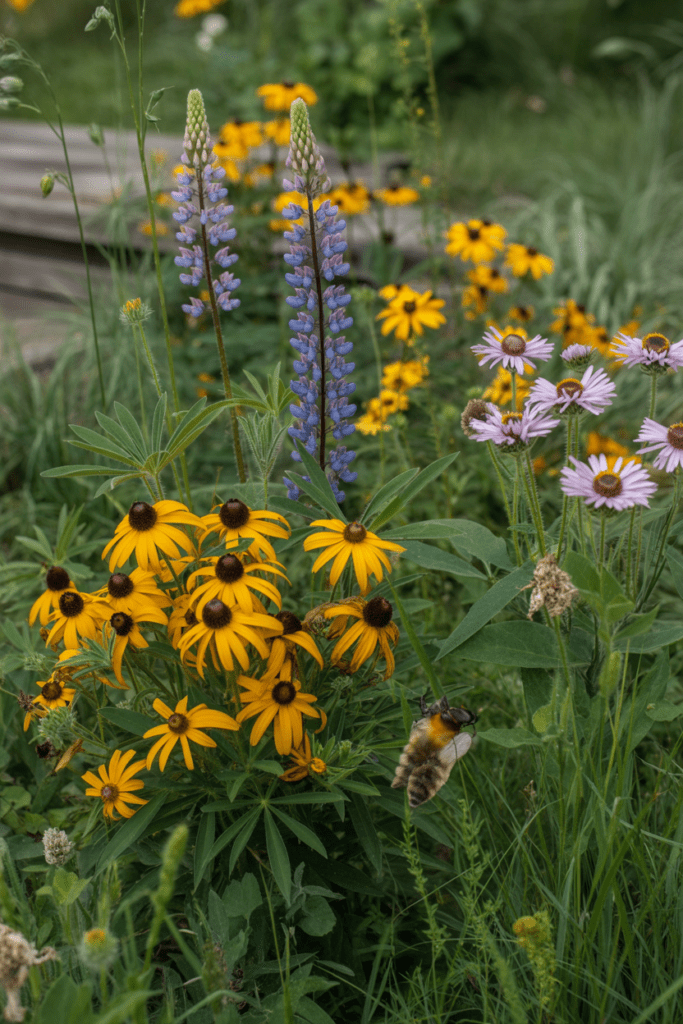
Native plants know your local weather and soil instinctively, so they don’t need much from you to thrive. They save time on watering and upkeep, and you’ll notice more birds, bees, and butterflies.
I switched to native plants two years ago, and my garden has been amazing. They survive without extra water, bloom consistently, and attract pollinators. Zero complaints.
How to find native plants:
- Check your state’s native plant list
- Visit local garden centers (they know what works)
- Use apps like Native Plant Finder
- Ask at local nurseries about regional varieties
Benefits of native plants:
- Survive local climate naturally
- Need less water
- Attract local pollinators
- Bloom consistently
Native plants are basically the “perfect fit” for your garden. They already know your area.
15. Try Container Gardening
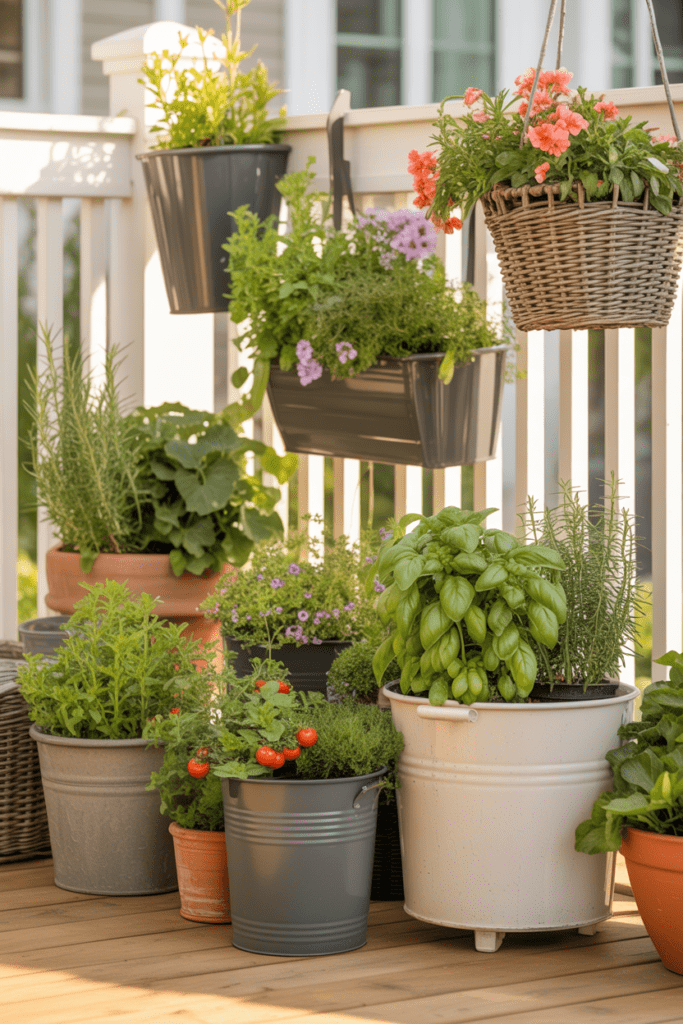
If you don’t have tons of space but still want to make an impression, container gardening is perfect. You can move things around whenever you want, and it works on patios, balconies, or small yards.
I started with three containers on my balcony, and now I have 15. They’re easy to maintain, and I can rearrange them whenever I want a new look. Plus, containers let me control soil quality perfectly.
Best containers for low maintenance:
- Self-watering pots – Water less frequently
- Large pots – Hold more soil, stay hydrated longer
- Hanging baskets – Great for small spaces
- Vertical planters – Maximize space
Container gardening tips:
- Use potting mix (not garden soil)
- Add drainage holes
- Group plants with similar needs
- Add mulch to top of soil
Container gardening is perfect for small spaces, renters, or anyone who wants flexibility.
Final Thoughts: Your Low Maintenance Garden is Waiting
Look, gardening shouldn’t feel like a chore. These 15 ideas prove you can have a beautiful, thriving garden without spending hours every week maintaining it. I’ve tested all of them, and they’ve cut my garden time from 10 hours weekly to maybe 2. And my garden still looks incredible.
The key is working smarter, not harder. Choose drought-tolerant plants, use mulch, group plants by needs, and let nature do the work for you. Your garden will thank you, and you’ll have more time to actually enjoy it.