

Picture this: you walk into a dining room, and before you even notice the table, your eyes go straight up. That’s the power of a great chandelier, and honestly, I’ve redone my own dining room lighting three times chasing that exact reaction. If you’re standing in your dining room right now, staring at a boring flush-mount fixture and wondering if you can do better, I promise you can. Let’s talk chandeliers—modern ones, vintage ones, and everything that blurs the line between the two.
Why Your Dining Room Chandelier Matters More Than You Think
A chandelier isn’t just a light source. It’s the piece of furniture that happens to hang from your ceiling, and it sets the emotional temperature of the whole room. I learned this the hard way when I swapped a plain glass fixture for a brass statement piece, and suddenly my “eh, it’s fine” dining room became the room guests actually complimented.
Here’s why the chandelier choice carries so much weight:
- It draws the eye immediately upon entry
- It dictates whether the room feels formal, cozy, or edgy
- It affects how food, faces, and tablescapes actually look under the light
- It can make a small dining room feel taller and grander
So don’t treat this as an afterthought. Treat it like the centerpiece it actually is.
1. Sleek Linear Chandeliers for Modern Minimalists
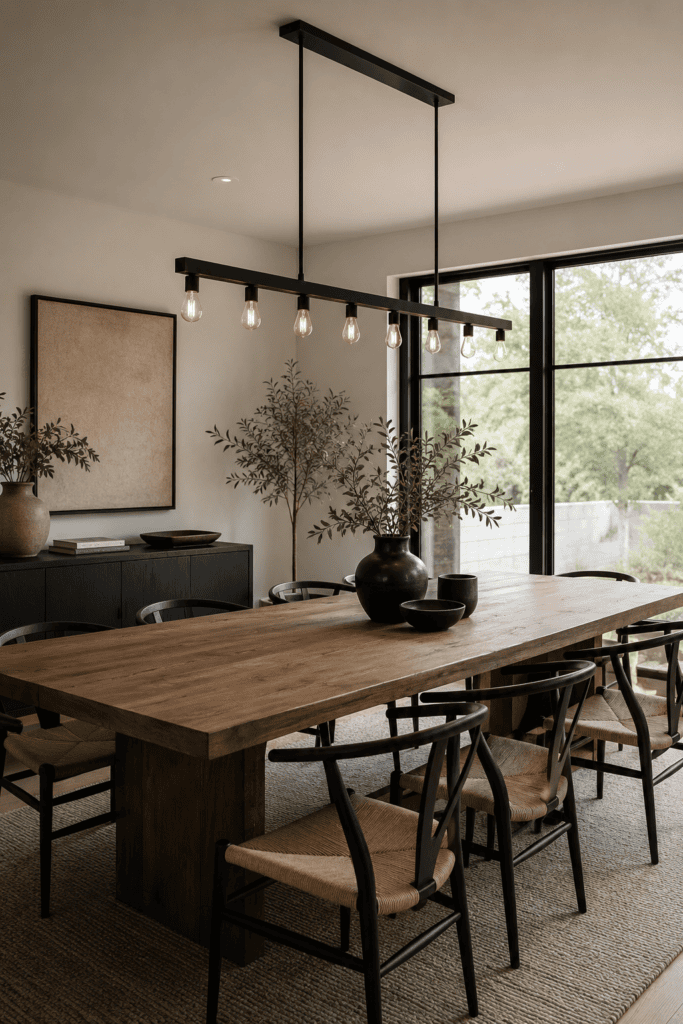
If your dining table is long and rectangular, a linear chandelier practically begs to hang above it. These fixtures run parallel to the table instead of centering as a single round shape, which creates a clean, architectural line down the middle of the room.
I went linear in my own space, and IMO it’s one of the smartest lighting decisions for anyone who loves a minimalist aesthetic. The even light distribution means no dark corners at either end of the table—goodbye, awkward shadow zone where your cousin always sits.
2. Industrial Cage Chandeliers for an Edgy Vintage Vibe
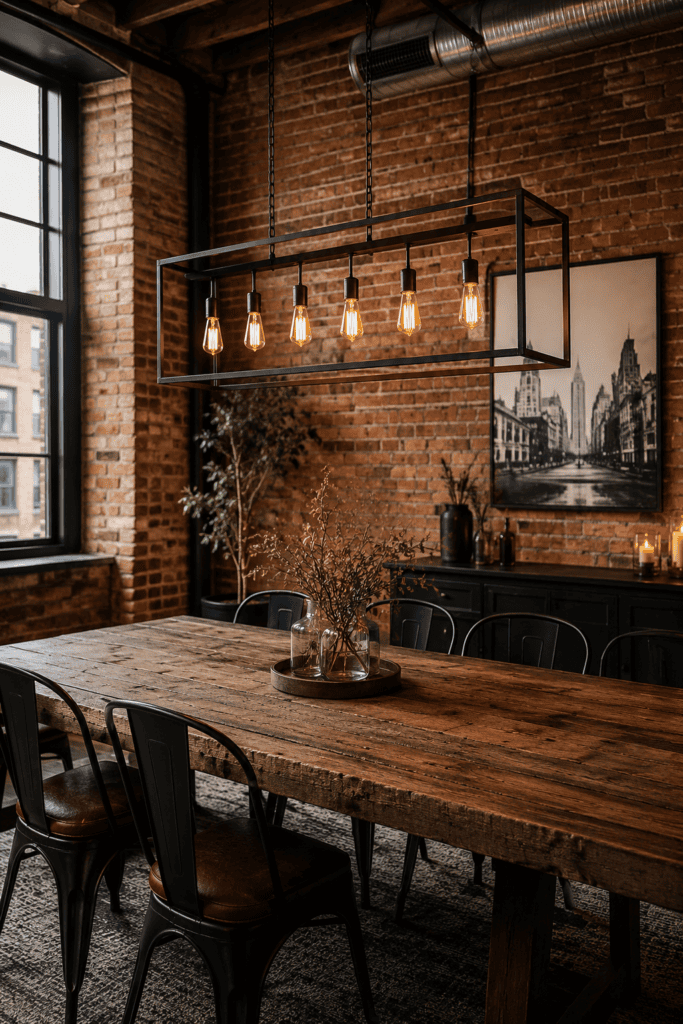
Ever walked into a restored warehouse loft and thought, “why does this lighting look so effortlessly cool?” Cage chandeliers are usually why. Exposed bulbs wrapped in black metal cages give off a lived-in, workshop charm that pairs surprisingly well with polished dining sets.
This style works best if your room already has some texture—exposed brick, reclaimed wood, that kind of thing. Pair it with a smooth marble table, though, and you get this fantastic push-pull between rugged and refined.
3. Crystal Chandeliers That Still Feel Fresh
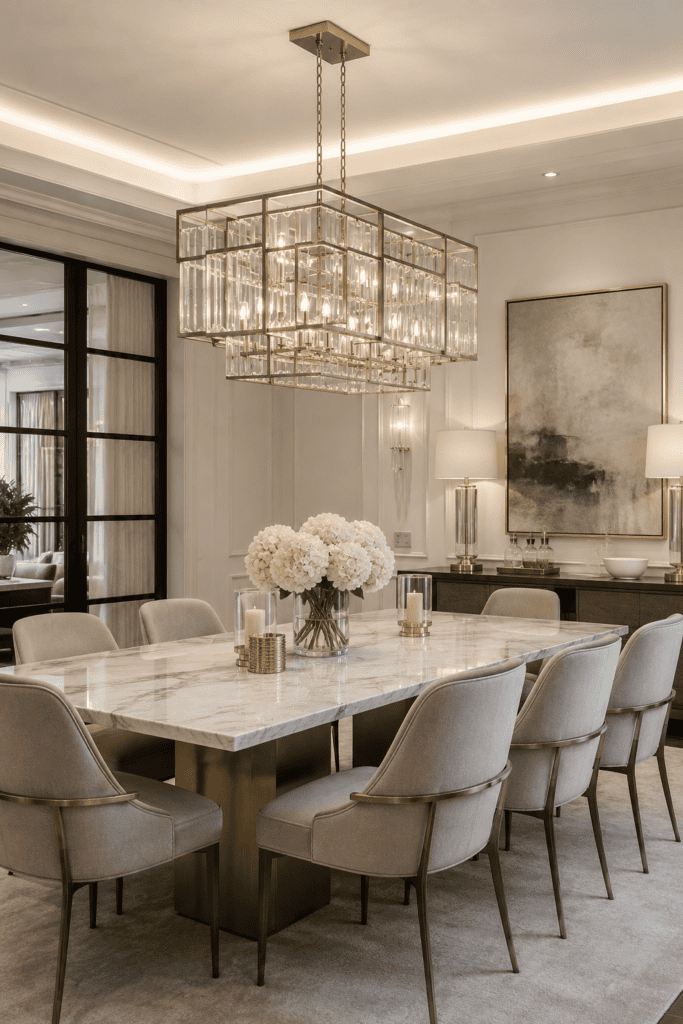
Crystal chandeliers get a bad rap for looking dated, but that’s only true if you pick the wrong one. Modern crystal designs strip away the fussy tiers and replace them with clean geometric frames studded with just enough sparkle to catch the light.
I’ll admit I was skeptical about crystal until I saw a geometric version in a friend’s newly renovated dining room. It managed to feel glamorous without screaming “grandma’s formal dining room,” which, let’s be honest, is the exact fear most people have.
4. Rustic Wood Bead Chandeliers for Warmth
Wood bead chandeliers bring an organic, tactile feel that metal fixtures simply can’t replicate. Strands of natural or painted wood beads drape from a central frame, softening the whole room instantly.
This idea works great for farmhouse or coastal-leaning dining rooms. It’s forgiving, casual, and honestly kind of foolproof—hard to mess up when the material itself does most of the design work.
5. Brass and Gold Statement Pieces
Nothing says “I have taste and I’m not afraid to show it” quite like a big brass chandelier. Warm metallics reflect candlelight beautifully, which matters a lot if you actually use your dining room for dinner parties rather than mail sorting.
- Choose antique brass for a vintage patina
- Choose polished brass for a sharper, modern edge
- Mix brass with black accents for contrast that doesn’t feel dated
I went antique brass in my own place, and every single dinner guest asks about it. Worth the investment? Absolutely.
6. Drum Shade Chandeliers for Understated Elegance
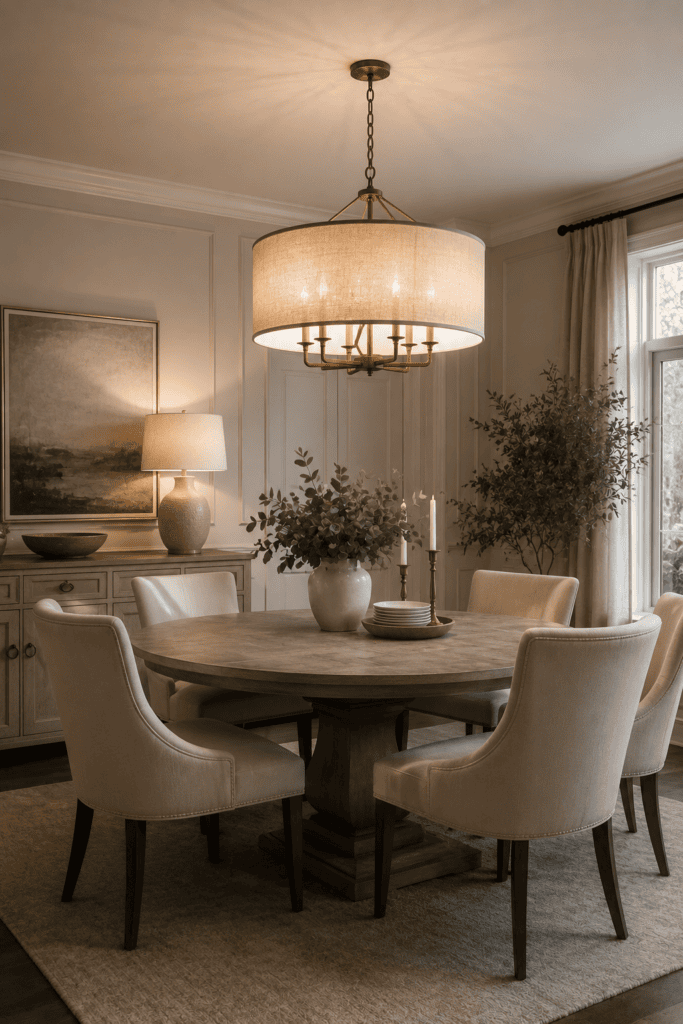
Drum shades are the quiet achievers of the chandelier world. A fabric or metal drum wraps around the bulbs, diffusing light softly instead of casting it in harsh, direct beams.
This style suits people who want elegance without drama. It’s not going to be the star of a design magazine spread, but it’ll never look wrong either, which honestly counts for a lot when you’re trying to sell a house or just keep things simple.
7. Sputnik Chandeliers for Bold Mid-Century Flair
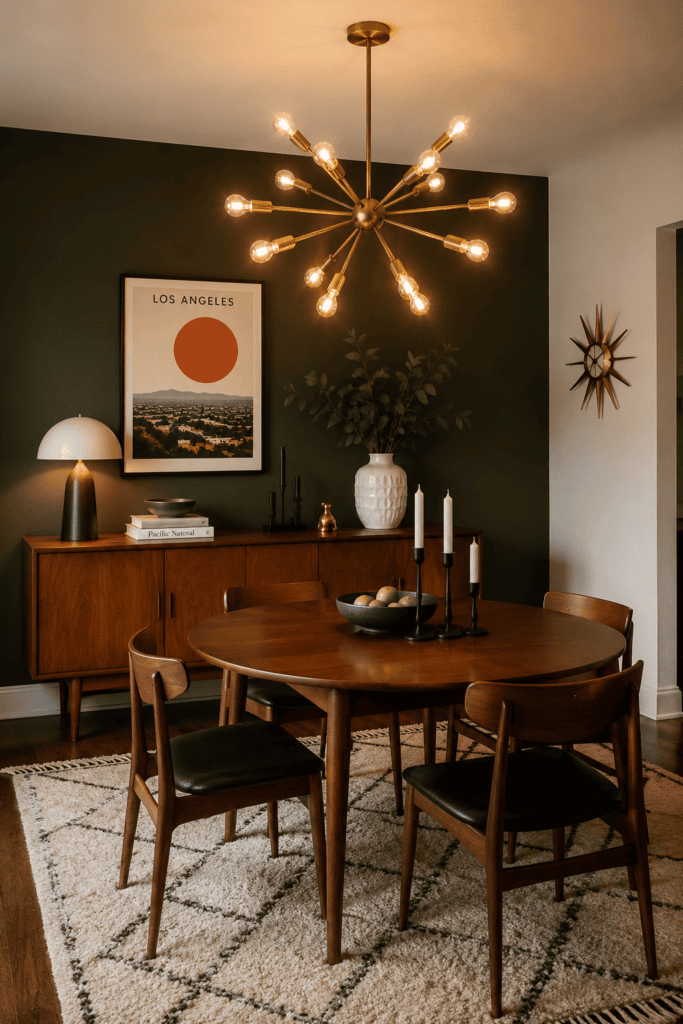
Sputnik chandeliers—those starburst fixtures with arms shooting out in every direction—are basically the design world’s way of saying “look at me.” Multiple exposed bulbs on angular arms create a dramatic silhouette that instantly reads as mid-century modern.
Ever wondered why these fixtures never really went out of style? It’s because they photograph incredibly well and instantly upgrade a room’s perceived design budget, even if you found yours on sale.
8. Vintage Candle-Style Chandeliers
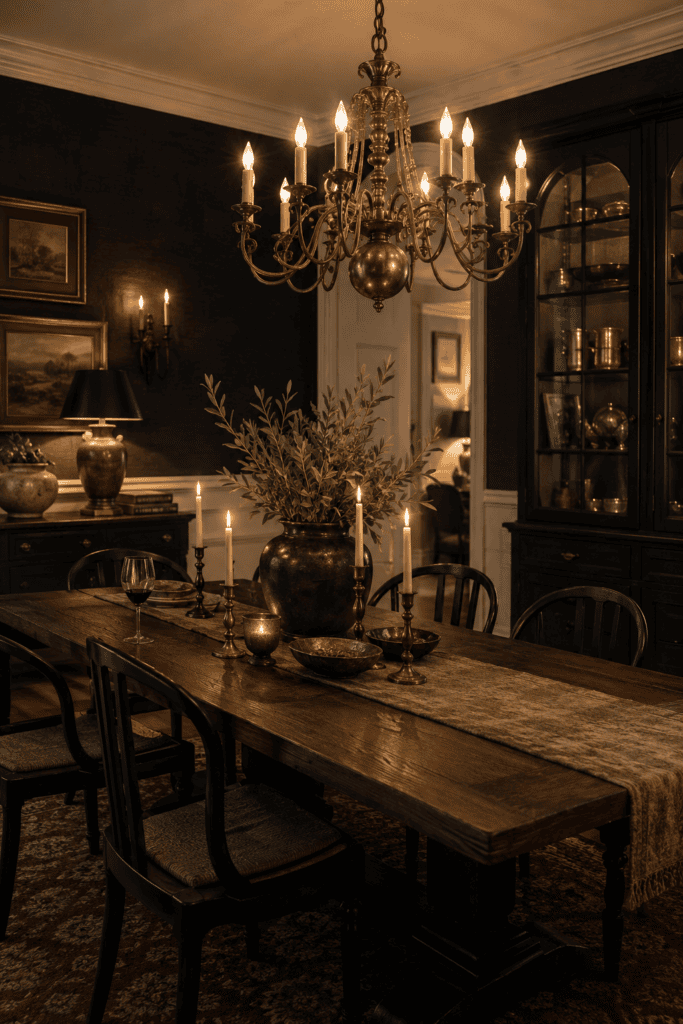
If you’re drawn to old European dining rooms with all that moody, romantic lighting, candle-style chandeliers deliver that exact feeling. Faux candle bulbs sit in wrought iron or aged bronze arms, mimicking the flicker of real candlelight without the fire hazard.
This works beautifully in dining rooms with dark wood furniture, high ceilings, or anywhere you want a slightly dramatic, old-world feel. It’s not for everyone, but if it’s for you, it’s really for you.
9. Geometric Chandeliers for Contemporary Edge
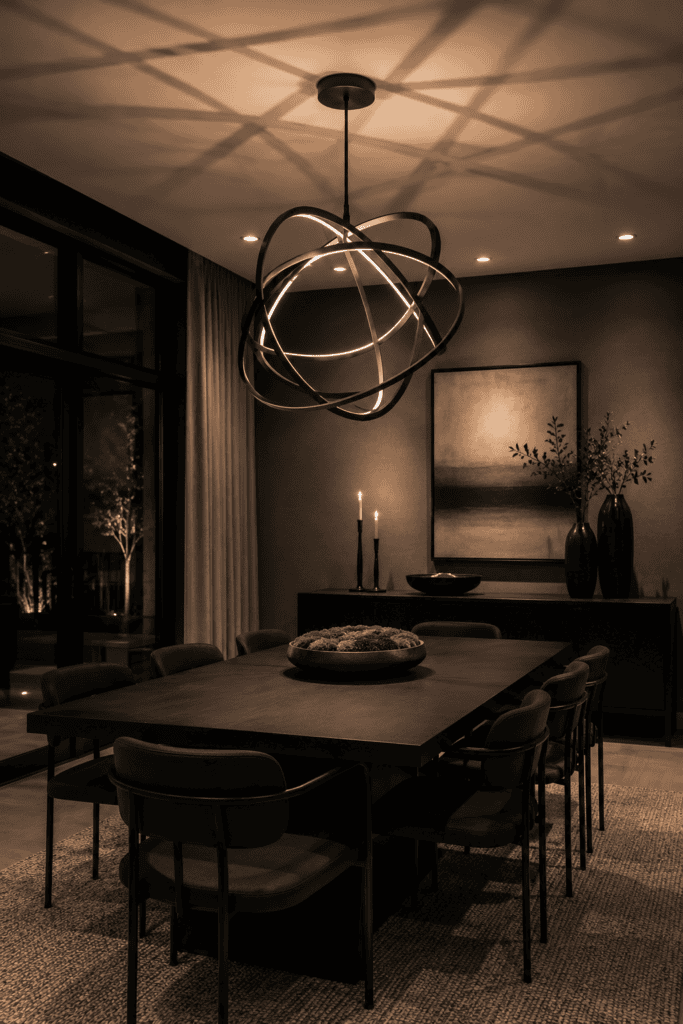
Geometric chandeliers—think hexagons, cubes, or interlocking rings—bring a sculptural quality that regular round fixtures just can’t match. Angular metal frameworks create striking shadows on the ceiling and walls when the light’s on, turning your dining room into an accidental art installation.
I love this option for anyone who wants their lighting to double as a conversation piece. It’s a bit of a statement, sure, but a good one.
10. Mixed-Material Chandeliers Blending Old and New
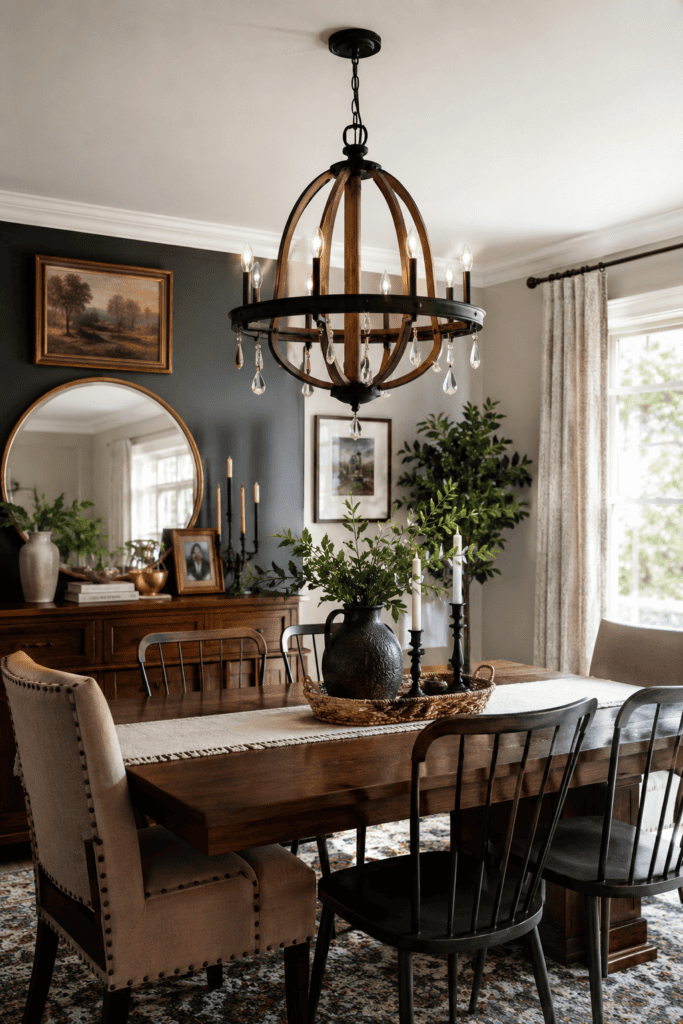
Why choose between modern and vintage when you can have both? Mixed-material chandeliers combine elements like wood with metal, or crystal with matte black frames, giving you a hybrid look that feels intentional rather than confused.
- Wood and iron combos suit transitional dining rooms
- Crystal and black metal combos suit glam-meets-industrial spaces
- Brass and glass combos suit soft, airy rooms
This is probably my favorite category, honestly, because it lets a room feel collected rather than matchy-matchy.
11. Oversized Chandeliers for Dramatic High Ceilings
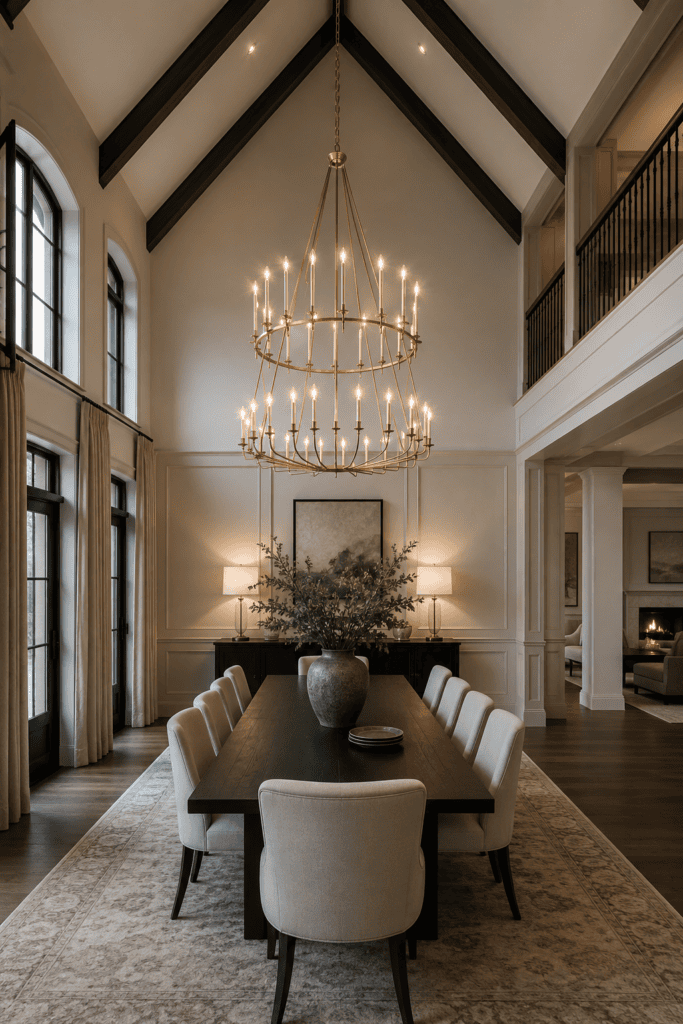
Got vaulted or double-height ceilings? Don’t waste that vertical space on a tiny, apologetic fixture. Oversized chandeliers fill the space proportionally, making the room feel grand instead of empty.
A too-small chandelier in a tall room looks lost, like a hat that’s two sizes too big worn the wrong way. Go bigger than feels comfortable at first—trust me, it reads right once it’s actually hanging.
12. Tiered Vintage Chandeliers for Classic Grandeur
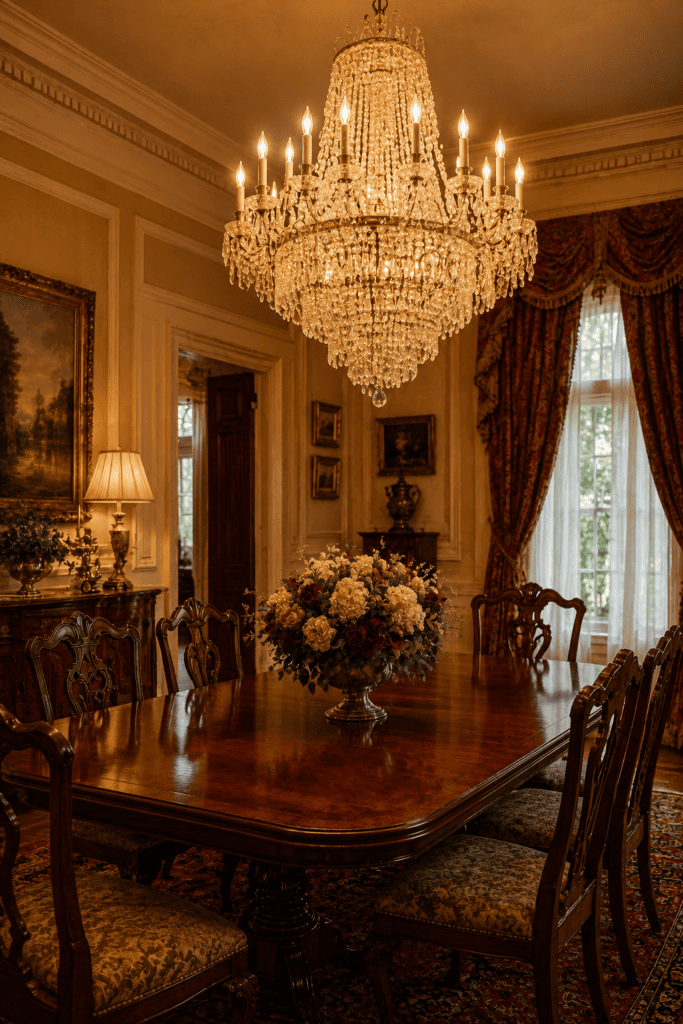
Tiered chandeliers, with their layered arms cascading downward, bring old-money elegance to formal dining rooms. Multiple tiers of lights or crystal drops create depth and a sense of occasion, perfect for holiday dinners or anytime you want the room to feel a little special.
This style isn’t shy, and it’s not meant to be. If your dining room already leans traditional, a tiered chandelier confirms the room’s identity rather than fighting it.
13. Minimalist Globe Chandeliers for Soft Modern Charm
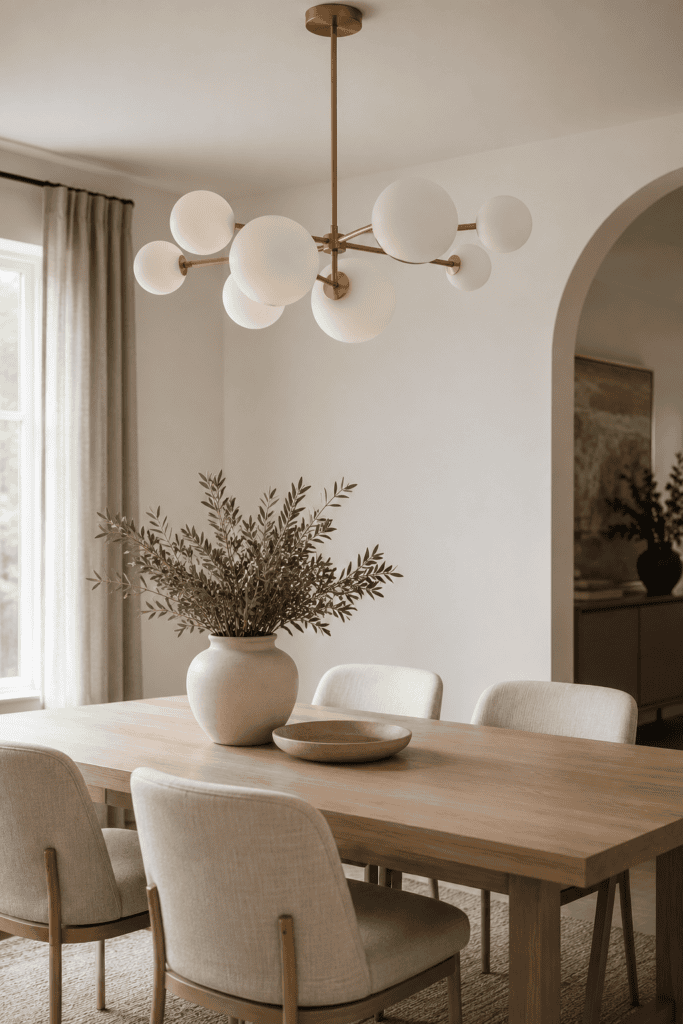
Globe chandeliers—simple spheres of glass or frosted material—offer a softer take on modern lighting. Rounded shapes diffuse light gently, avoiding the harsh glare that some sleeker fixtures can create.
This idea suits dining rooms that want modern touches without going full industrial or stark. It’s quiet, approachable, and honestly a great pick if you’re the type who changes your mind about decor every six months and needs something flexible.
How to Actually Choose the Right One for Your Space
With 13 solid options on the table, how do you actually pick one? Ask yourself a few honest questions first.
Consider these factors before buying:
- Ceiling height – oversized and tiered styles need room to breathe
- Table shape – linear fixtures suit rectangular tables; round or geometric fixtures suit round tables
- Existing decor – match the chandelier’s material to your room’s dominant tones
- Bulb warmth – warmer bulbs suit vintage styles; cooler, brighter bulbs suit modern ones
- Budget – vintage-inspired doesn’t have to mean vintage-expensive
Don’t overthink it into paralysis, though. IMO, the best chandelier is the one that makes you smile every time you walk into the room 🙂
Wrapping It Up
Thirteen ideas, endless combinations, and honestly, zero wrong answers as long as the fixture matches your space and your personality. Whether you go industrial cage or crystal glam, mixed-material or classic tiered, the goal stays the same: make your dining room feel like somewhere people actually want to linger after dessert.