

Black mulch can make an ordinary yard look sharp fast. It adds contrast, makes plants pop, and gives garden beds that clean, finished look people usually assume took way more effort than it actually did. Honestly, if you want a landscaping upgrade without tearing up your whole yard, black mulch does a lot of heavy lifting.
I’ve always liked black mulch because it feels bold without being fussy. It works in modern yards, cozy cottage gardens, and even those “I’m trying to make this builder-grade front yard look expensive” situations. And yes, it can make almost any planting bed look more intentional, which is basically landscaping magic.
Why black mulch works so well
Before we get into the actual black mulch landscaping ideas, it helps to know why this stuff looks so good. Black mulch creates strong contrast against green leaves, colorful flowers, stone edging, and light-colored houses. That contrast makes your whole landscape design look cleaner and more polished.
It also helps with the practical side of gardening. Black mulch helps retain soil moisture, suppress weeds, and regulate soil temperature. So you get the good looks and the useful benefits. Not a bad deal, right?
A few reasons people love black mulch:
- It makes flowers and shrubs stand out.
- It gives beds a neat, defined appearance.
- It pairs well with modern, traditional, and rustic landscaping.
- It helps reduce weed growth.
- It can make inexpensive landscaping look more high-end.
1. Frame your front walkway with black mulch
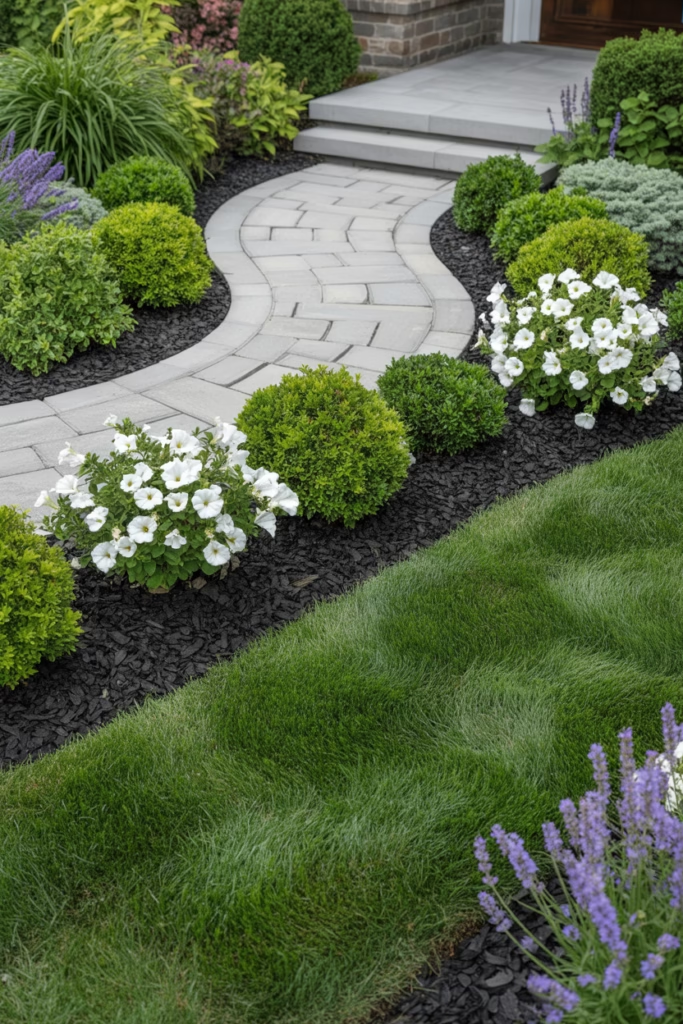
One of the easiest ways to use black mulch is along the front walkway. If your path looks plain or disconnected from the rest of your yard, mulch beds on either side can pull everything together fast.
Use black mulch around low shrubs, ornamental grasses, or seasonal flowers to create a structured border. The dark color makes the walkway feel more intentional and gives your entrance a crisp edge. Ever notice how some homes look “finished” before you even get to the front door? This is one of the reasons.
Best plants for this look
Choose plants that hold their shape and give you contrast:
- Boxwoods
- Dwarf loropetalum
- White petunias
- Lavender
- Liriope
- Fountain grass
I especially like black mulch with white or pale blooms here. The combo looks clean, classic, and a little dramatic in the best way.
2. Create a bold border around your foundation
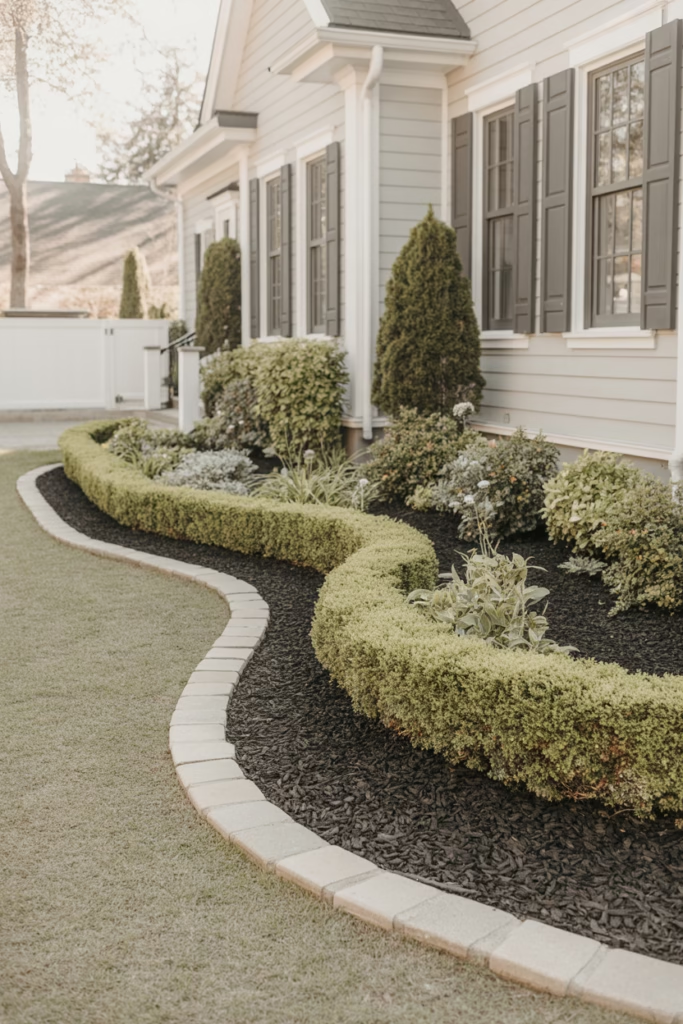
Foundation beds can look messy fast if you don’t define them well. Black mulch fixes that problem by giving the whole area a strong visual base. It also helps your shrubs and flowers pop against your home’s exterior.
This works especially well if your house has light siding, brick, stone, or white trim. The contrast looks rich and deliberate. If your foundation planting currently looks like a random group chat of plants that barely know each other, black mulch can pull them into one cohesive design.
How to make it look polished
Keep the bed shape smooth and intentional. Curved edges usually feel softer, while straight edges look more modern.
For a cleaner foundation bed:
- Use a defined edging material like metal, brick, or stone.
- Repeat the same 2–4 plants instead of mixing too many varieties.
- Leave a little breathing room between plants and the house.
- Refresh faded mulch yearly for the best color.
3. Pair black mulch with white flowers
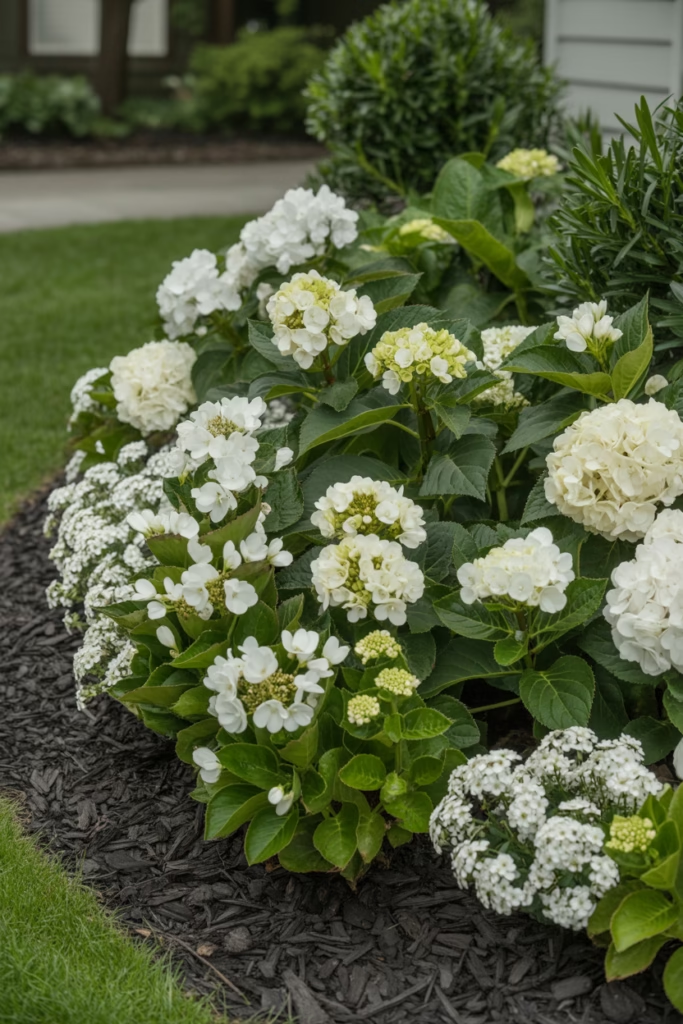
If you want a classic landscaping combo that almost never fails, go with black mulch and white flowers. This pairing looks elegant, bright, and super crisp. It also photographs beautifully, which matters if you enjoy showing off your yard a little. No judgment. I get it.
White flowers almost glow against black mulch. The contrast feels strong without looking loud. That makes this one of the best black mulch landscaping ideas for front yards, entry gardens, and side beds.
White flowers that stand out beautifully
Try these:
- White impatiens
- Hydrangeas
- Alyssum
- White begonias
- Shasta daisies
- Moonflowers
This look works in formal gardens, cottage gardens, and modern spaces. IMO, it’s one of the easiest ways to make a yard look expensive without doing anything ridiculous.
4. Use black mulch in modern minimalist landscaping
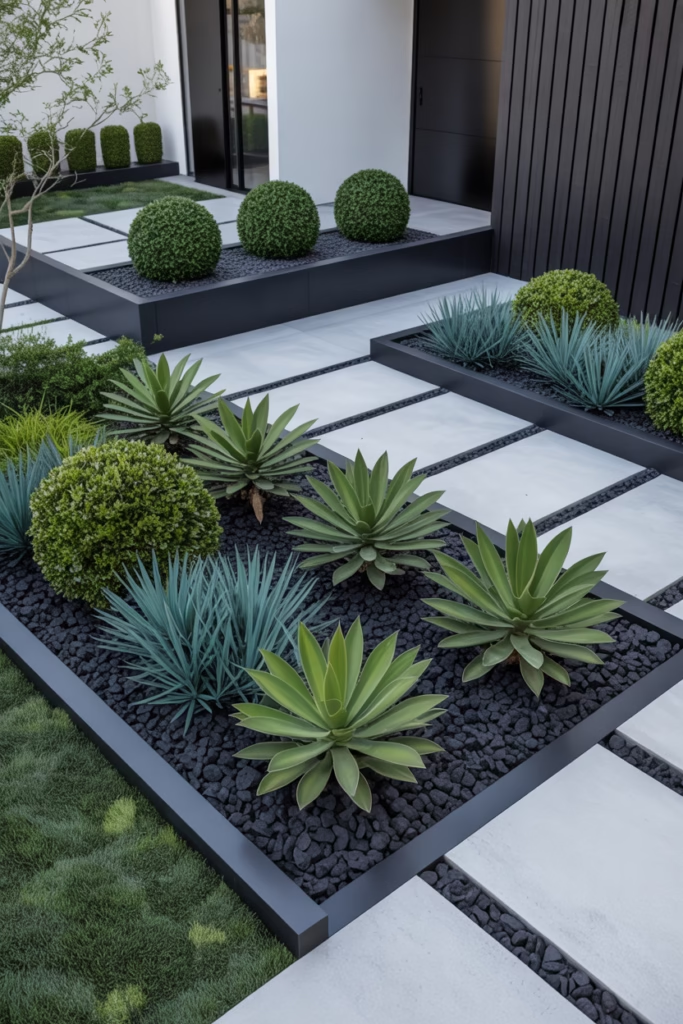
Black mulch fits modern landscaping almost too well. Clean lines, limited plant varieties, strong contrast, and a restrained color palette all work with it naturally. If you like sleek outdoor spaces, this one makes sense.
Pair black mulch with architectural plants, concrete pavers, black planters, and simple edging. Keep the layout uncluttered. Modern landscaping always looks effortless, but of course it only works when everything stays intentional. Funny how that works.
Plants that suit modern designs
Go for strong shapes and structure:
- Snake grass
- Blue fescue
- Agave
- Boxwood spheres
- Columnar evergreens
- Feather reed grass
Black mulch also looks fantastic beside white gravel, poured concrete, or large-format stepping stones. That mix creates a clean designer look without trying too hard.
5. Highlight colorful shrubs and foliage
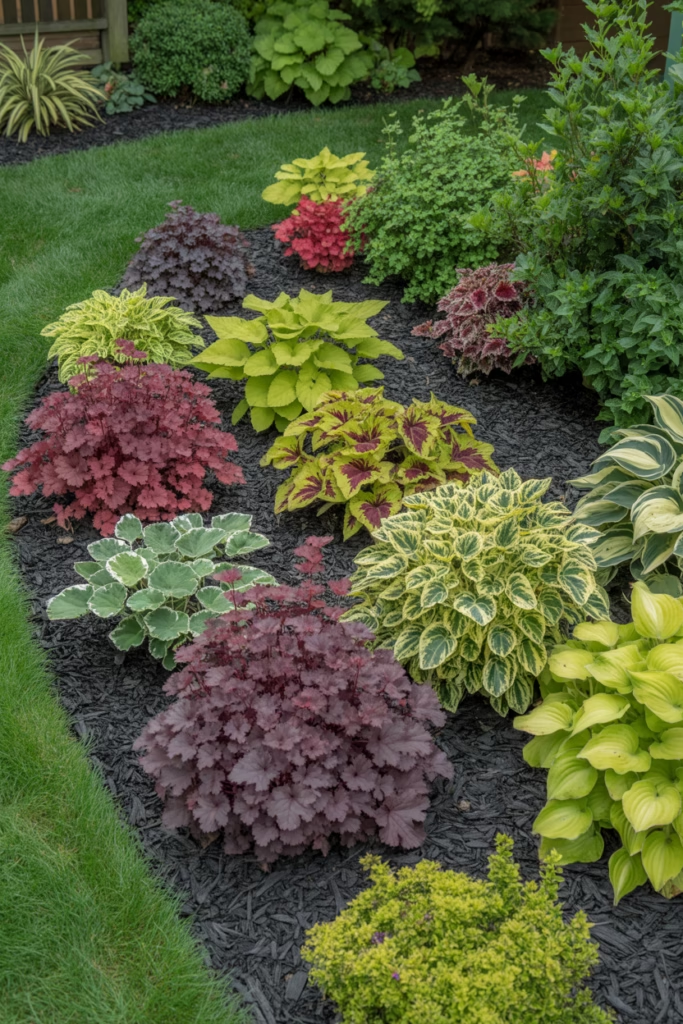
One of my favorite black mulch landscaping ideas uses foliage instead of flowers. Bright or unusual leaf colors look incredible against a dark mulch background. You get color all season, and you don’t have to rely on blooms alone.
Think about shrubs or perennials with burgundy, chartreuse, blue-green, or variegated leaves. The black mulch acts like a picture frame around them. Why let great foliage disappear into brown mulch when you can make it stand out?
Great foliage plants for contrast
Consider:
- Heuchera
- Coleus
- Hostas
- Coral bells
- Japanese forest grass
- Barberry
- Euonymus
I’ve seen black mulch make even simple hostas look way more stylish than they have any right to look. That’s part of the charm.
6. Add black mulch around trees for a clean ring
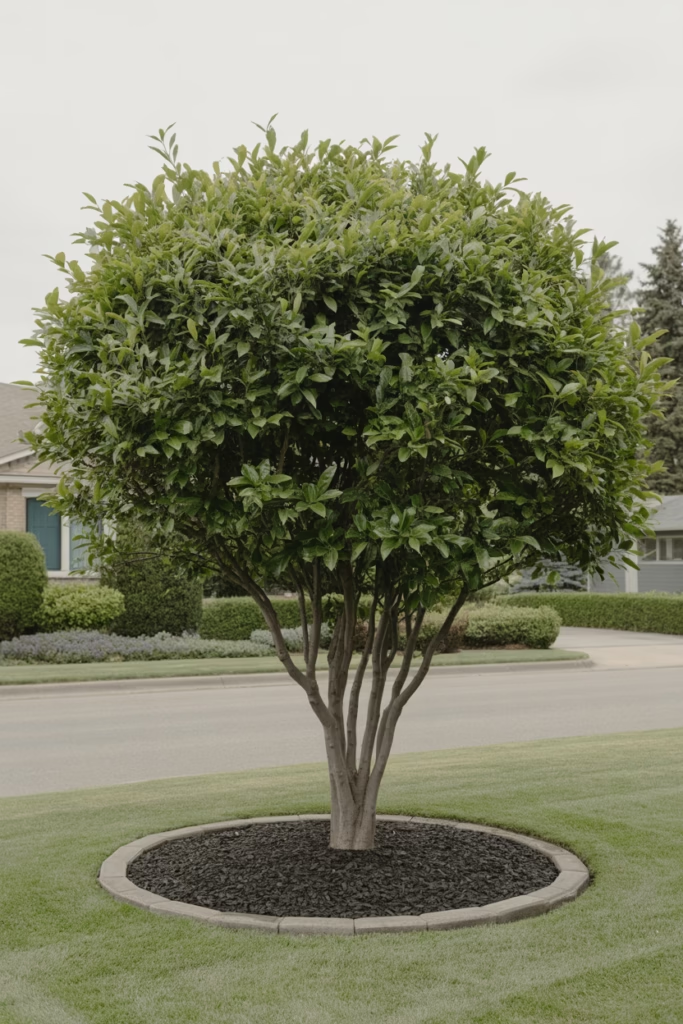
Mulch rings around trees look neat, help protect roots, and reduce the need to mow right up to the trunk. That alone makes them worth considering. Add black mulch, and the tree instantly looks more landscaped.
Keep the mulch ring wide enough to look intentional. A tiny circle around a mature tree usually looks like an afterthought. Aim for a generous shape that matches the scale of the tree and blends with the rest of the yard.
Tree ring tips
For the best results:
- Keep mulch a few inches away from the trunk.
- Avoid the dreaded mulch volcano. Seriously, nobody wins with that.
- Use edging if you want a sharper shape.
- Add simple plantings around the outer edge if you want more texture.
A black mulch tree ring works especially well with maples, ornamental cherries, dogwoods, and crepe myrtles.
7. Build a striking island bed in the lawn
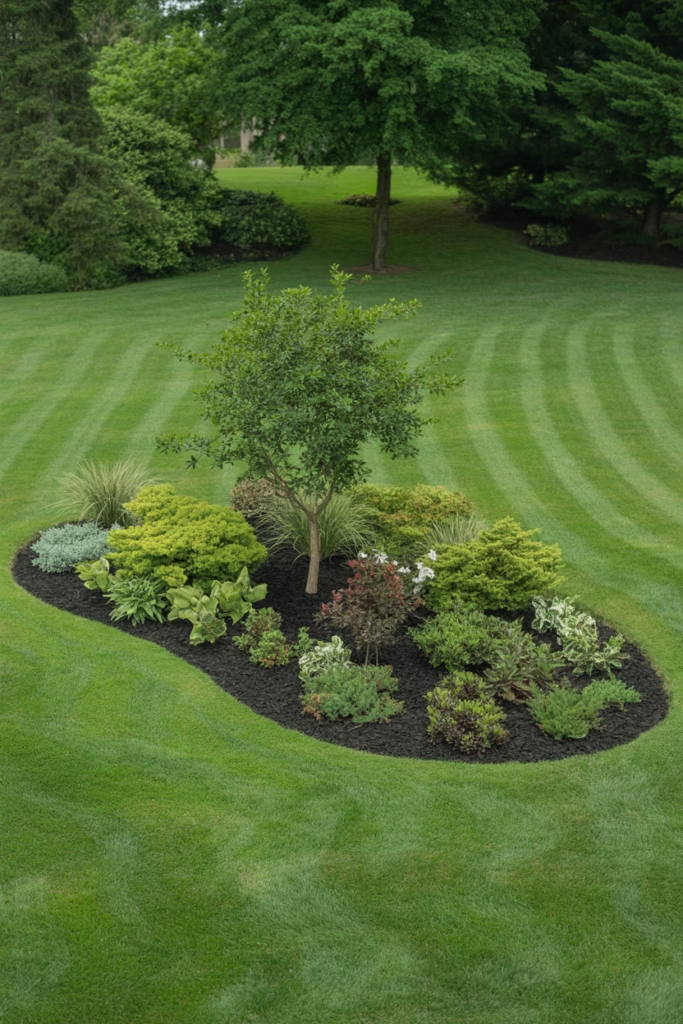
If your lawn feels flat and boring, an island bed can break up the space beautifully. This idea works well in front yards and larger backyards where you need a focal point. Black mulch helps the bed stand out immediately.
Use a mix of small trees, flowering shrubs, grasses, and perennials in the center of the lawn. The dark mulch defines the bed clearly and gives the planting a strong visual anchor. Want your yard to look planned instead of accidental? This helps.
What to plant in an island bed
A simple formula works best:
- Choose one focal plant, like a dwarf tree or sculptural shrub.
- Add medium-height filler plants around it.
- Finish with low edging plants or seasonal flowers.
Stick to a limited palette so the bed looks designed instead of crowded. Less chaos, more impact.
8. Use black mulch with stone edging
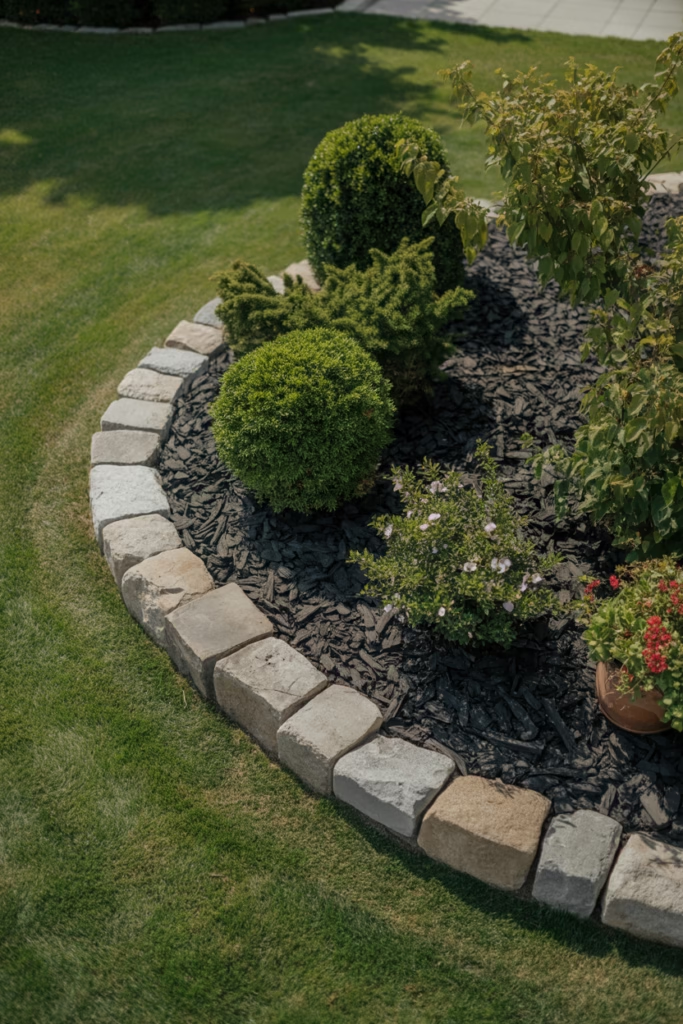
Black mulch and stone edging make a great pair. The dark mulch brings depth, while stone adds structure and durability. Together, they create a polished, custom look that works in almost any landscape style.
You can use natural stone, brick, concrete curbing, or even simple pavers. The key is consistency. Once you repeat the same edging material throughout the yard, everything starts to feel more unified.
Why this combination works
This pairing gives you:
- Clear separation between lawn and bed
- A more finished, professional appearance
- Better mulch control during rain or watering
- A landscape design that feels intentional
I especially love black mulch with light gray stone because the contrast looks super clean. It’s simple, but it lands.
9. Design a black mulch flower bed for all-season color
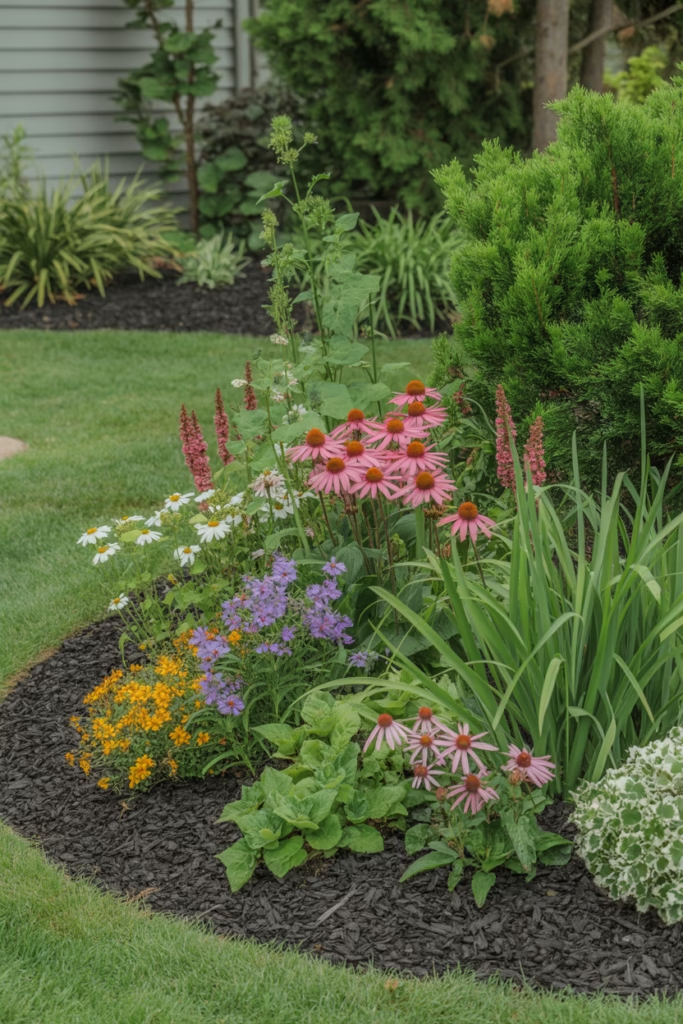
A lot of flower beds look amazing for six weeks and then sort of give up. If you want longer-lasting beauty, build a bed with staggered bloom times and strong foliage. Black mulch supports that plan by making every plant stage look better.
Layer your flowers and shrubs so something always catches the eye. Use spring bulbs, summer annuals, flowering shrubs, and fall texture plants. The mulch keeps the bed looking tidy even when one plant finishes blooming.
Easy all-season planting combo
Try a mix like this:
- Spring: tulips or daffodils
- Early summer: salvia or catmint
- Mid-summer: coneflowers or zinnias
- Late summer to fall: sedum or ornamental grasses
- Year-round structure: dwarf evergreen shrubs
This kind of layered planting keeps the bed interesting longer. And yes, it also helps hide those awkward in-between phases when the garden looks mildly confused :).
10. Use black mulch in backyard seating areas
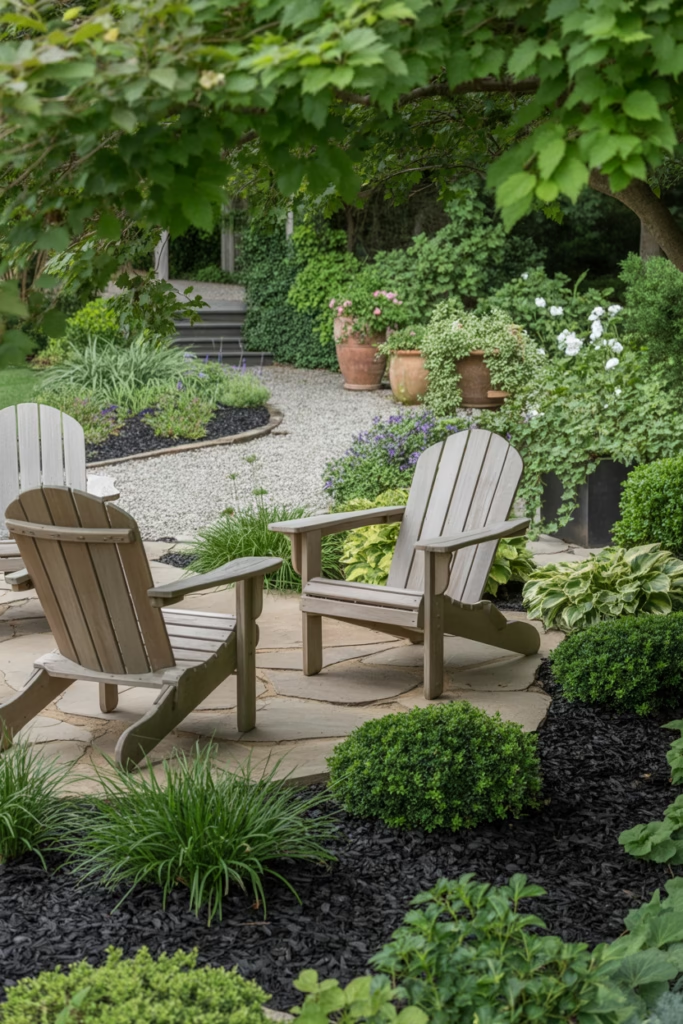
Black mulch doesn’t have to stay in the front yard. It can also define backyard spaces beautifully, especially around patios, fire pit zones, or garden benches. If you want your outdoor living area to feel cozy and styled, mulch can help frame the scene.
Use black mulch around shrubs, containers, or small landscape beds near seating areas. It softens hardscaping and makes the whole setup feel more grounded. Ever notice how backyard seating looks better when plants surround it? That’s not an accident.
Good companions for this setup
Pair black mulch with:
- Adirondack chairs
- Gravel paths
- String lights
- Wooden benches
- Potted plants
- Simple raised beds
This look feels relaxed and inviting. It also hides bare soil, which always helps.
11. Make small yards look more intentional
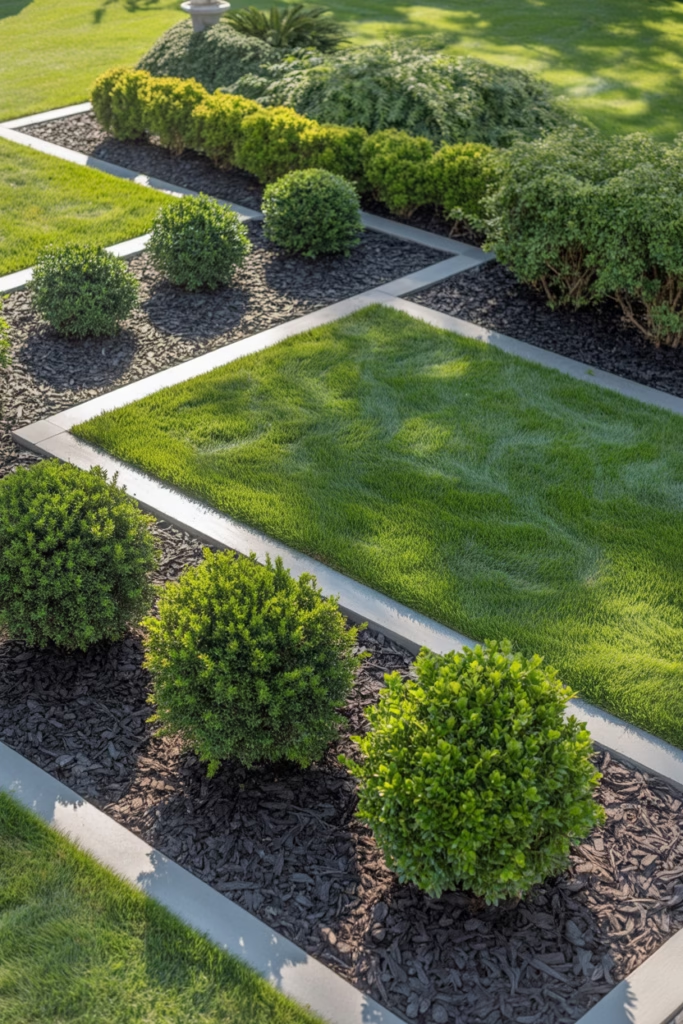
Small yards can look cluttered if you use too many materials, too many plants, or too many colors. Black mulch solves part of that problem by creating visual consistency. One mulch color across multiple beds helps the space feel calmer and better organized.
In a compact yard, repeat simple plant groupings and keep bed lines clean. The black mulch creates contrast without adding visual noise. That matters a lot when every square foot counts.
Small-space tips
For a better result:
- Choose fewer plant varieties.
- Repeat the same shrubs or flowers in several spots.
- Keep mulch fresh and even.
- Use edging to prevent spillover into the lawn.
- Avoid mixing black mulch with too many other ground covers.
Too many competing elements can make a small yard feel chaotic fast. And honestly, nobody wants their backyard to look like a landscaping clearance bin.
12. Contrast black mulch with ornamental grasses
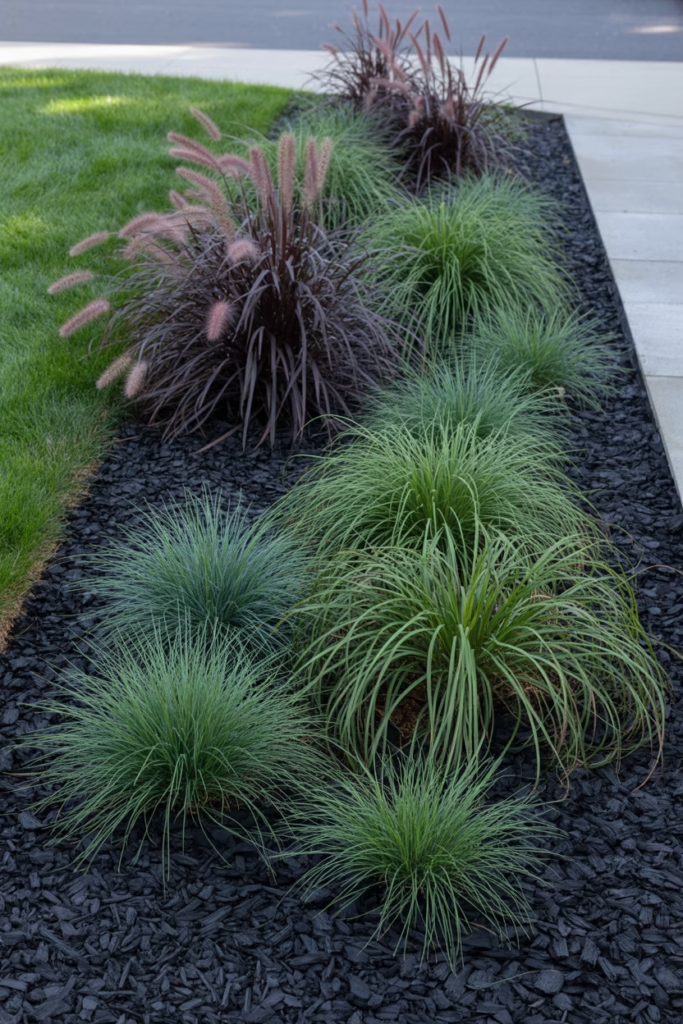
Ornamental grasses and black mulch look fantastic together. The soft, airy texture of grasses balances the bold, dark base. That contrast creates movement and keeps the landscape from feeling heavy.
This idea works especially well in modern, prairie-style, and low-maintenance gardens. Use grasses with tan, green, blue, or burgundy tones for extra depth. The black mulch helps every blade stand out.
Grasses worth trying
Good options include:
- Purple fountain grass
- Maiden grass
- Blue fescue
- Switchgrass
- Mexican feather grass
- Little bluestem
I love this look near fences, mailboxes, and driveway borders. It feels structured but never stiff.
13. Use black mulch around evergreens for year-round structure
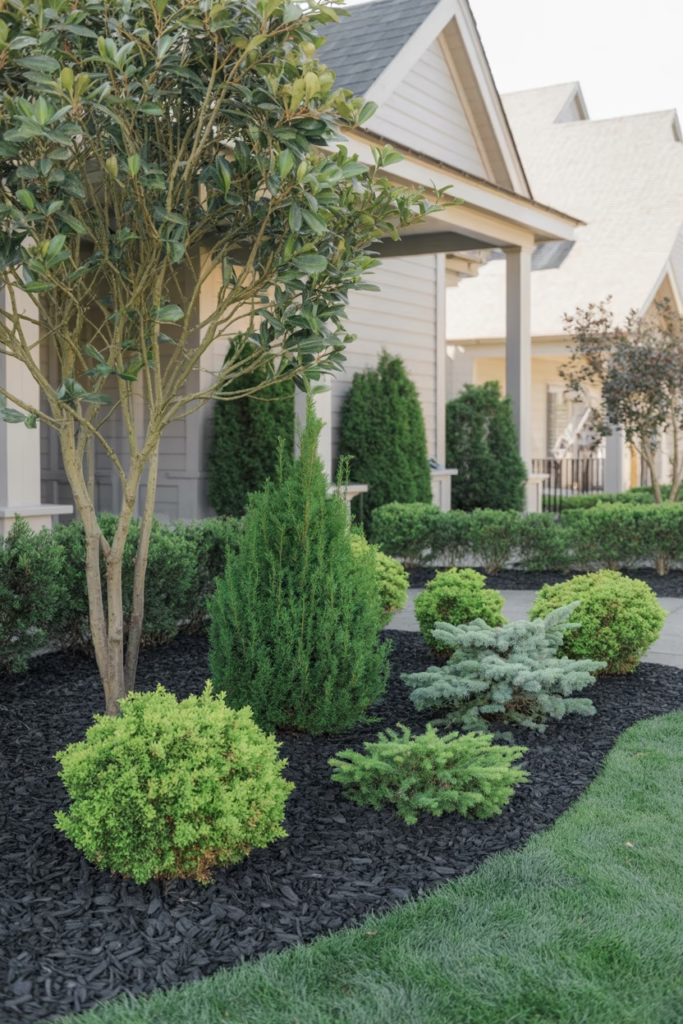
Evergreens already give you solid structure, but black mulch makes them look even sharper. If you want a landscape that stays attractive through every season, this combo deserves a spot on your list.
The dark mulch creates a strong base under boxwoods, arborvitae, junipers, and dwarf spruces. Even in winter, the area still looks neat and deliberate. That’s helpful when everything else in the garden looks tired and mildly offended by the cold.
Best evergreen uses
This idea works well for:
- Foundation beds
- Front entry borders
- Mailbox landscaping
- Corner beds
- Privacy screens
Add a few flowering perennials or annuals nearby if you want seasonal color. The evergreen structure keeps the design grounded all year.
14. Create contrast with light-colored hardscaping
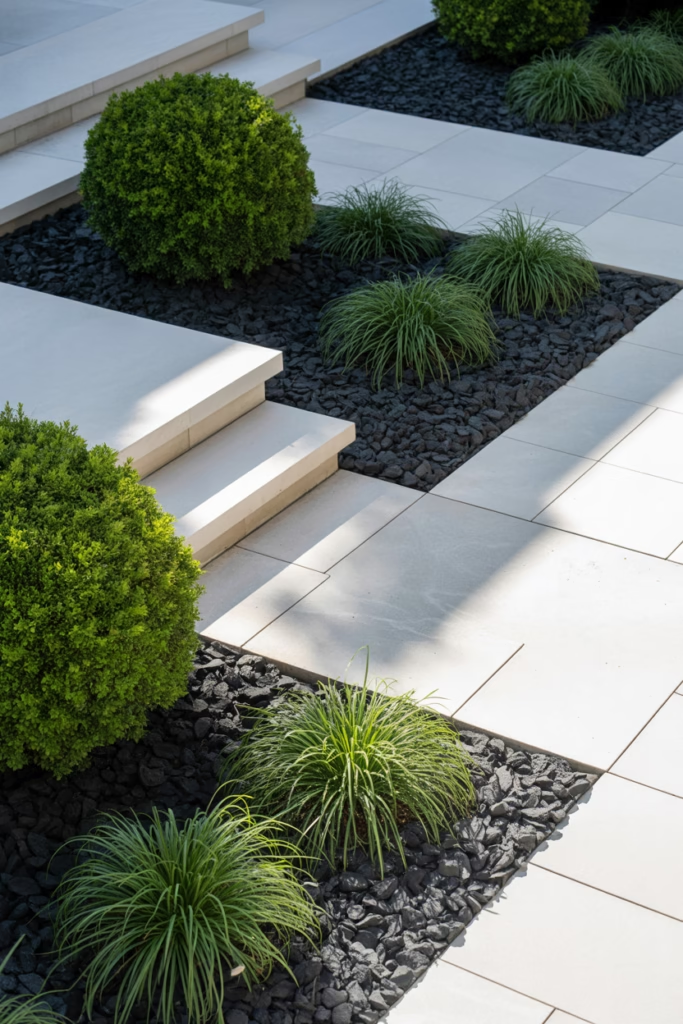
If your yard includes pale pavers, concrete, limestone, or white gravel, black mulch can create beautiful contrast. The difference between dark mulch and light hardscaping looks dramatic in a clean, upscale way.
This idea suits modern homes especially well, but it also works in transitional and classic landscapes. Keep the plant palette fairly controlled so the contrast stays strong. Too many colors can weaken the effect.
Hardscape elements that pair well
Look for combinations with:
- Concrete walkways
- White or gray stone
- Limestone edging
- Light patio pavers
- Pale retaining walls
FYI, this approach can make a yard look more professionally designed without requiring some huge renovation budget. Sometimes contrast does most of the work for you.
15. Refresh old garden beds with black mulch
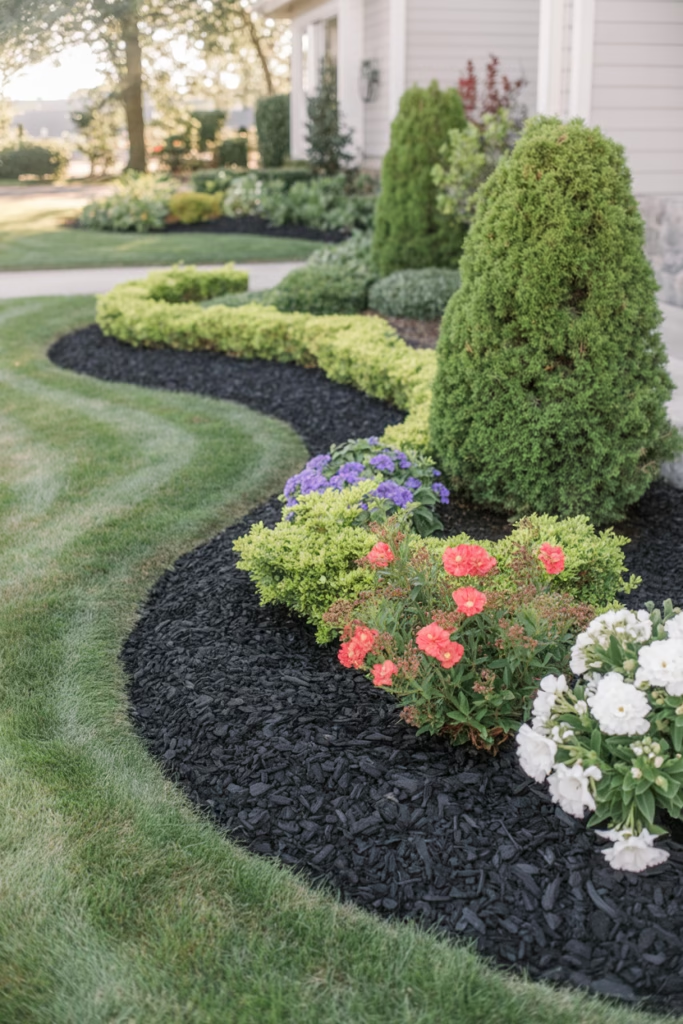
Sometimes the best landscaping idea isn’t a whole new design. Sometimes you just need to make tired beds look alive again. Fresh black mulch can do that surprisingly well.
If your beds look faded, patchy, or kind of sad, start by weeding, trimming, redefining the edges, and adding a fresh layer of mulch. The improvement often feels immediate. It’s one of the fastest ways to boost curb appeal without replacing every plant in sight.
Quick bed refresh checklist
Use this simple process:
- Pull weeds and remove dead leaves.
- Prune messy shrubs and spent flowers.
- Recut the bed edge for a cleaner line.
- Add a fresh, even layer of black mulch.
- Replace any weak plants with stronger, simpler choices.
This trick works because clean edges and fresh mulch make the whole yard look maintained. Sometimes that’s all you need.
How to use black mulch the right way
Black mulch looks great, but you still need to use it properly. Too much mulch can harm plants, and poor placement can create drainage or rot issues. A little care goes a long way.
Smart black mulch tips
Follow these basics:
- Apply about 2 to 3 inches of mulch in most beds.
- Keep mulch away from trunks and plant stems.
- Remove weeds before adding new mulch.
- Refresh color and texture as needed each season.
- Choose mulch that suits your climate and planting style.
Also, check the source of dyed mulch if that matters to you. Some people prefer natural hardwood mulch, while others like the strong visual punch of dyed black mulch. I think both can work, but quality matters.
Is black mulch right for every yard?
Not always, but it works in more spaces than people think. If your home has strong lines, light siding, colorful flowers, or evergreen structure, black mulch usually looks fantastic. If your landscape already feels dark and crowded, you may want to use it more selectively.
Here’s a simple way to decide:
- Choose black mulch if you want strong contrast and a polished look.
- Choose brown mulch if you want a softer, more natural feel.
- Choose pine straw or lighter mulch if you prefer a relaxed, rustic style.
I usually recommend testing black mulch in one visible bed first. If you love the look, expand from there. If not, at least you learned something without redoing the whole yard :/
Final thoughts
Black mulch can completely change the look of your yard without requiring a huge budget or a major landscaping overhaul. It adds contrast, sharpens bed lines, highlights plants, and makes everything feel more finished. That’s why these 15 black mulch landscaping ideas work so well in both front and back yards.
If you want the biggest impact, start with your front walkway, foundation beds, or a tired garden border. Fresh black mulch, clean edging, and a simple plant palette can go a long way. Sometimes your landscape doesn’t need more stuff. It just needs better contrast, cleaner lines, and a little attitude.