
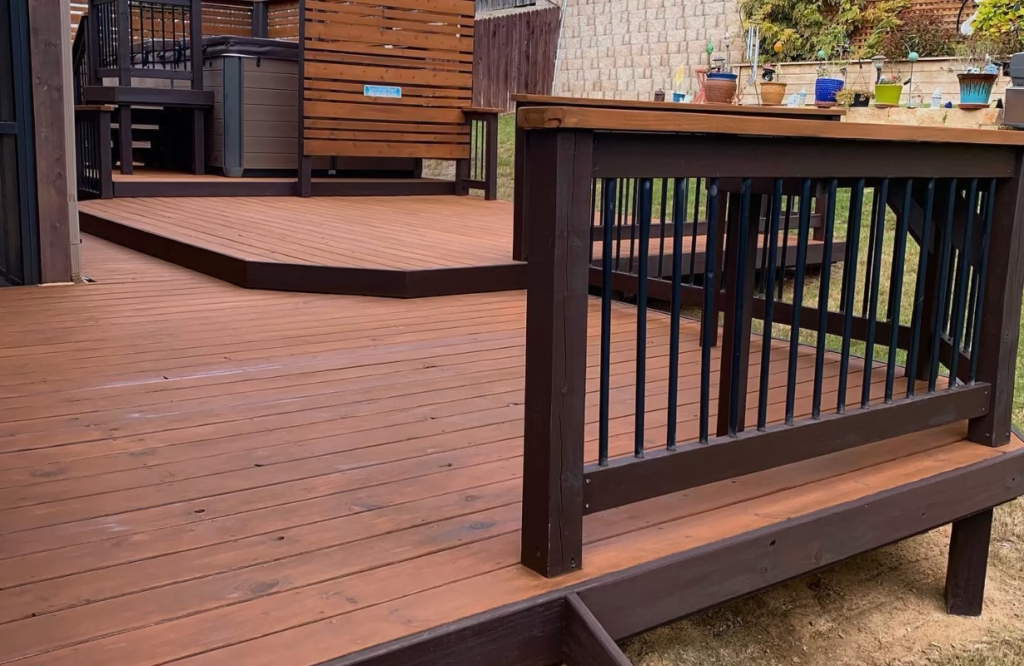
Your deck has been sitting there, looking sad and weathered, and you know it needs a refresh, but you have no clue where to start with color. Trust me, I’ve been there. Staring at paint swatches while your coffee goes cold is nobody’s idea of a good time. But here’s the thing: picking the right deck stain color is one of the easiest ways to completely transform your outdoor space without breaking the bank or hiring a contractor. So let’s talk about the 13 best deck stain colors that are trending right now — and more importantly, which ones actually look good in real life.
Why Deck Stain Color Matters More Than You Think
Most people treat deck staining like an afterthought. Slap on some brown, call it a day, right? Wrong. :/ The color you choose affects how your deck feels in terms of heat, how well it hides dirt, and how cohesive your whole backyard looks. A poorly chosen stain can make a beautiful deck look like it belongs in a parking lot.
The right stain color does three things:
- It complements your home’s exterior siding and trim
- It sets the mood of your outdoor space (relaxed, elegant, rustic, modern)
- It affects how often you’ll need to re-stain (darker colors tend to show wear differently than lighter ones)
So yeah, this decision actually matters. Let’s get into the good stuff.
1. Classic Cedar Brown
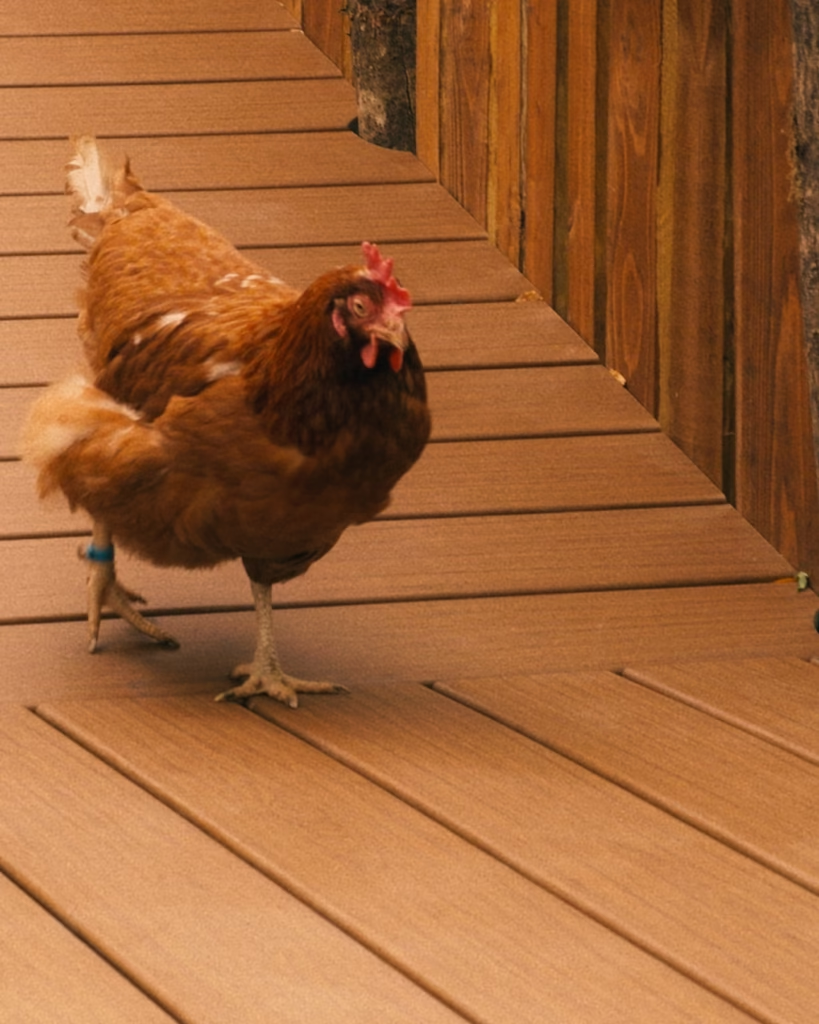
If deck stains had a hall of fame, cedar brown would be the first inductee. It’s warm, natural-looking, and works with practically every home style — craftsman, colonial, farmhouse, you name it.
Cedar brown mimics the look of fresh, untreated cedar wood, which gives your deck that “just built” glow without you having to replace a single plank. It’s especially gorgeous in the afternoon sun when the golden tones really pop.
Best for: Homes with warm-toned brick or tan siding
Pairs well with: Cream or white trim, natural wood furniture
2. Weathered Gray
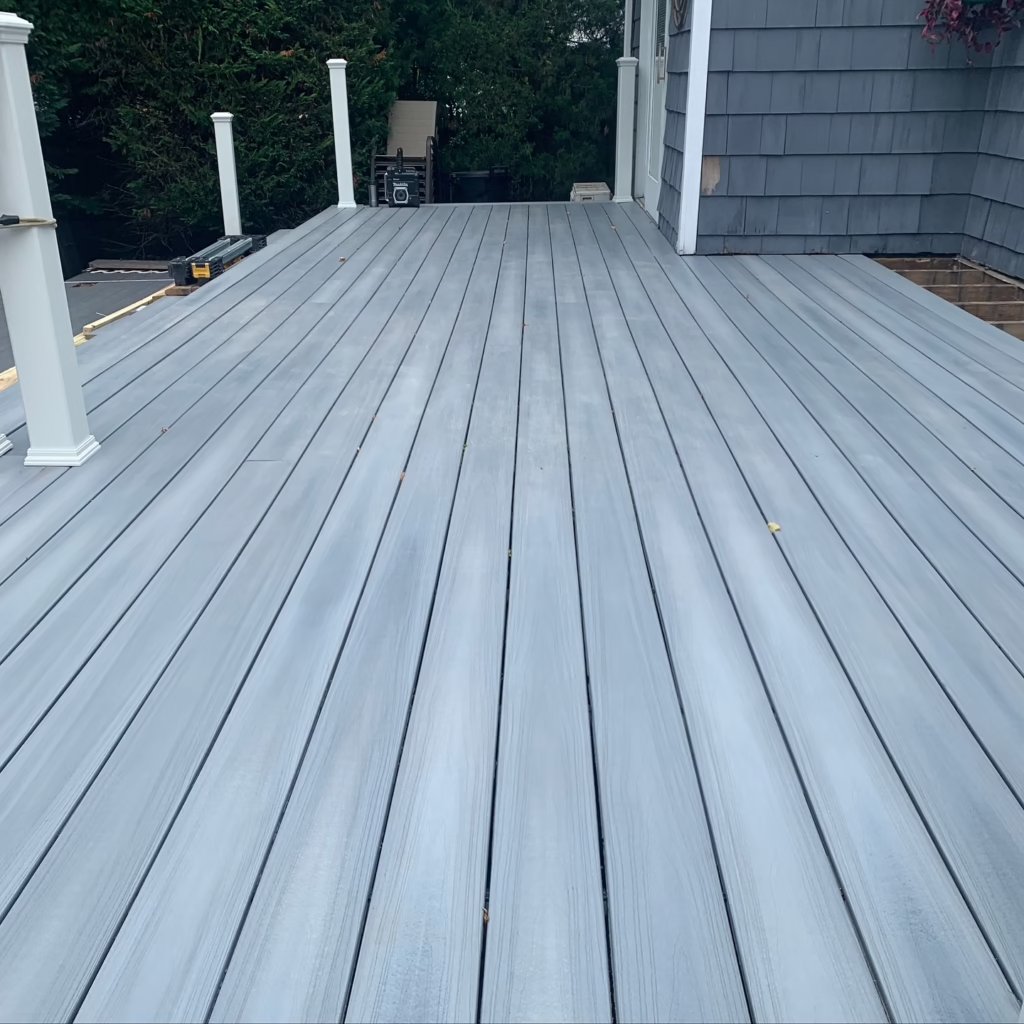
Weathered gray is having a serious moment right now, and honestly, I get it. It gives your deck that driftwood-meets-Hamptons aesthetic that feels effortlessly cool. It’s basically the linen blazer of deck colors — casual, stylish, and works in almost any setting.
The beauty of weathered gray is that it actually camouflages natural aging. Wood grays over time anyway, so a gray stain just leans into that process rather than fighting it.
- Great for coastal or modern farmhouse homes
- Hides dirt and pollen incredibly well
- Looks stunning paired with white railings and navy cushions
3. Rich Walnut
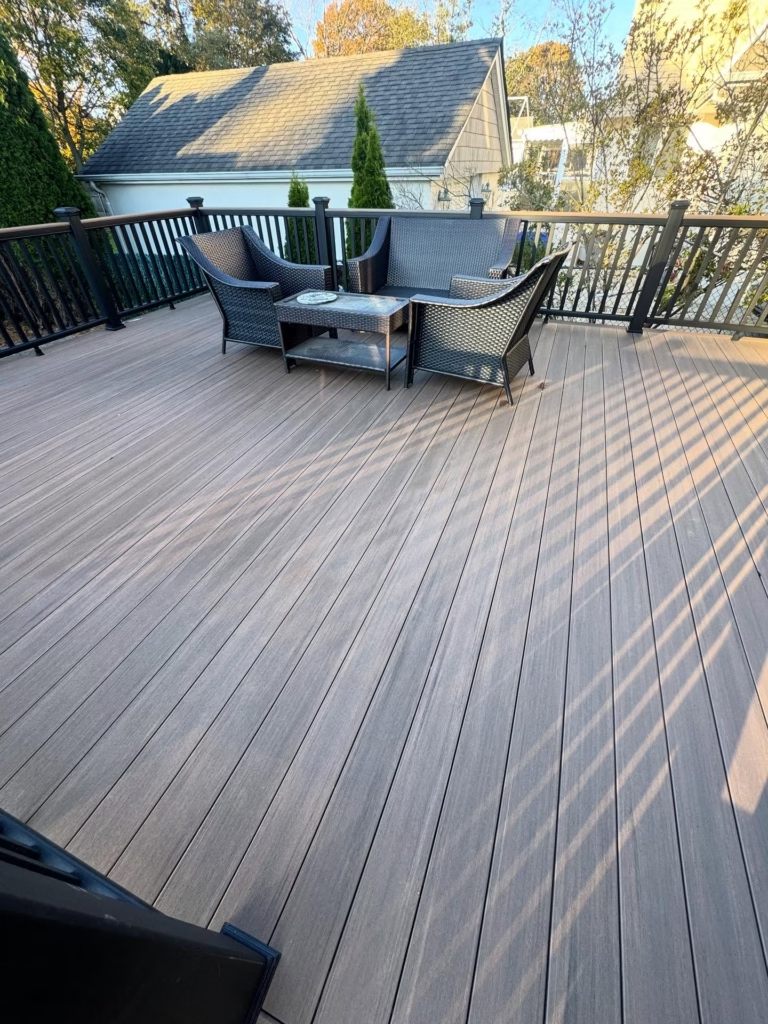
Want your deck to look expensive? Walnut stain is your answer. It’s deep, rich, and has those chocolatey undertones that make outdoor furniture look like it belongs in an upscale resort.
Walnut works especially well on larger decks where you want the wood grain to be a visual feature. The dark tones add drama without looking harsh, and they photograph beautifully — which, FYI, matters if you’re ever trying to sell your home or just want great backyard photos 🙂
Heads up though: Dark stains absorb more heat, so if you walk barefoot on your deck in August, you might regret this one.
4. Redwood
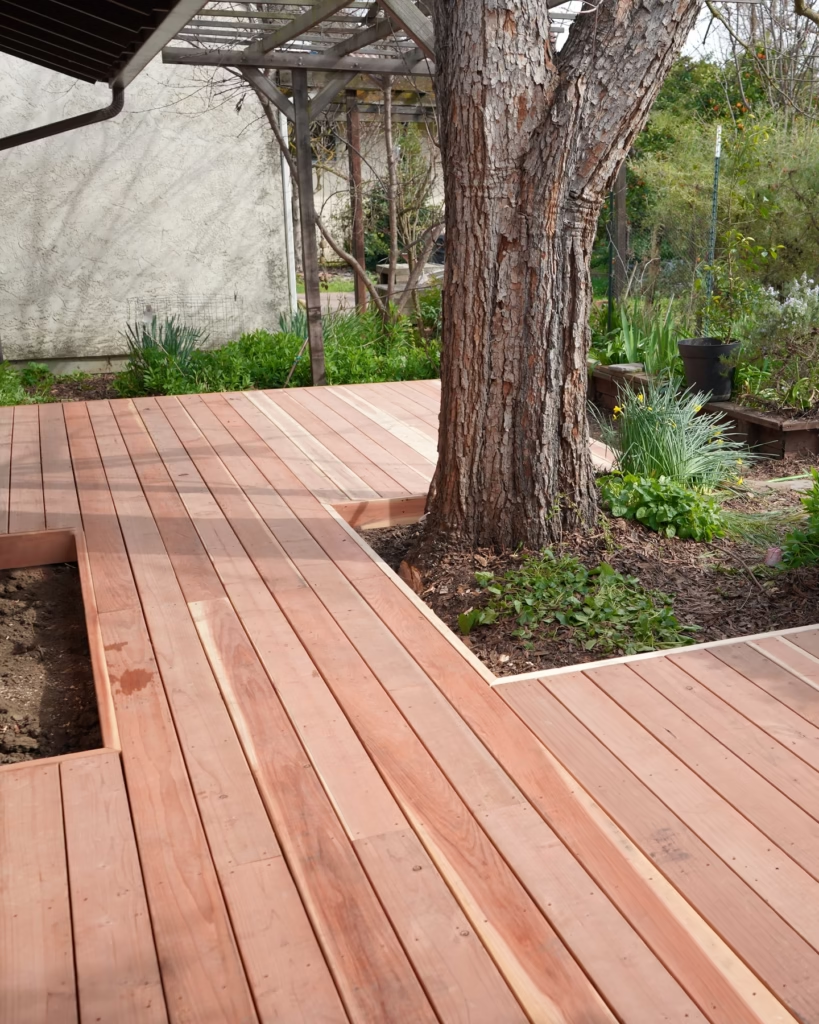
Redwood stain is that warm, reddish-brown tone that instantly makes a backyard feel cozy and inviting. Think Pacific Northwest cabin vibes but in your own backyard.
It’s one of the most forgiving stains for older or imperfect wood because the warm reddish tone draws the eye away from minor flaws in the grain. It also pairs beautifully with greenery, which makes it a no-brainer if you’ve got a garden surrounding your deck.
- Perfect for decks surrounded by trees or plants
- Warm undertones complement red brick homes
- Works great with earthy, terracotta outdoor decor
5. Honey Teak
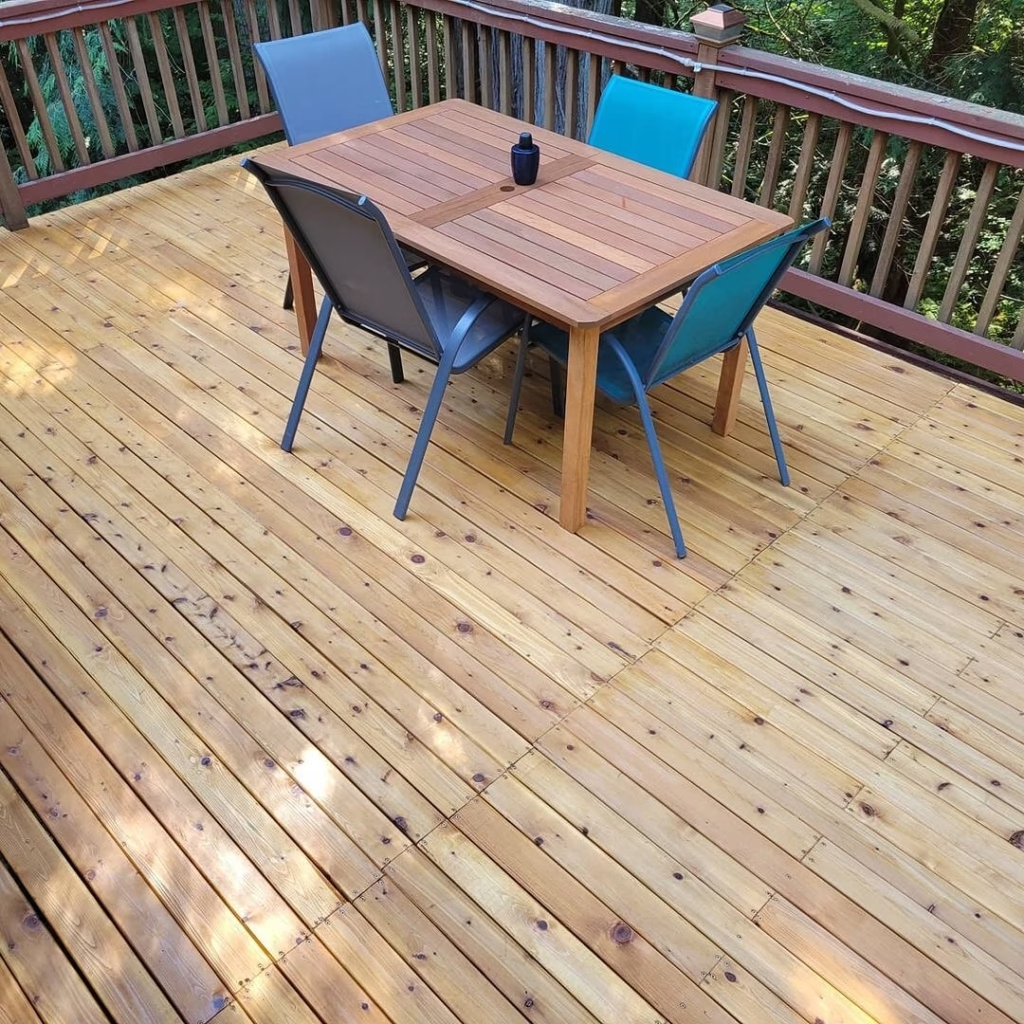
Ever wondered why hotel pool decks always look so clean and polished? A lot of that comes down to teak-toned stains. Honey teak is a warm, golden-amber color that reads as sophisticated without trying too hard.
It brightens up a deck without going full blonde, striking that perfect balance between light and warm. If your backyard gets a lot of direct sun, honey teak is especially striking because it practically glows.
Best for: Contemporary homes, pool decks, and spaces with a lot of natural light
6. Ebony or Charcoal Black
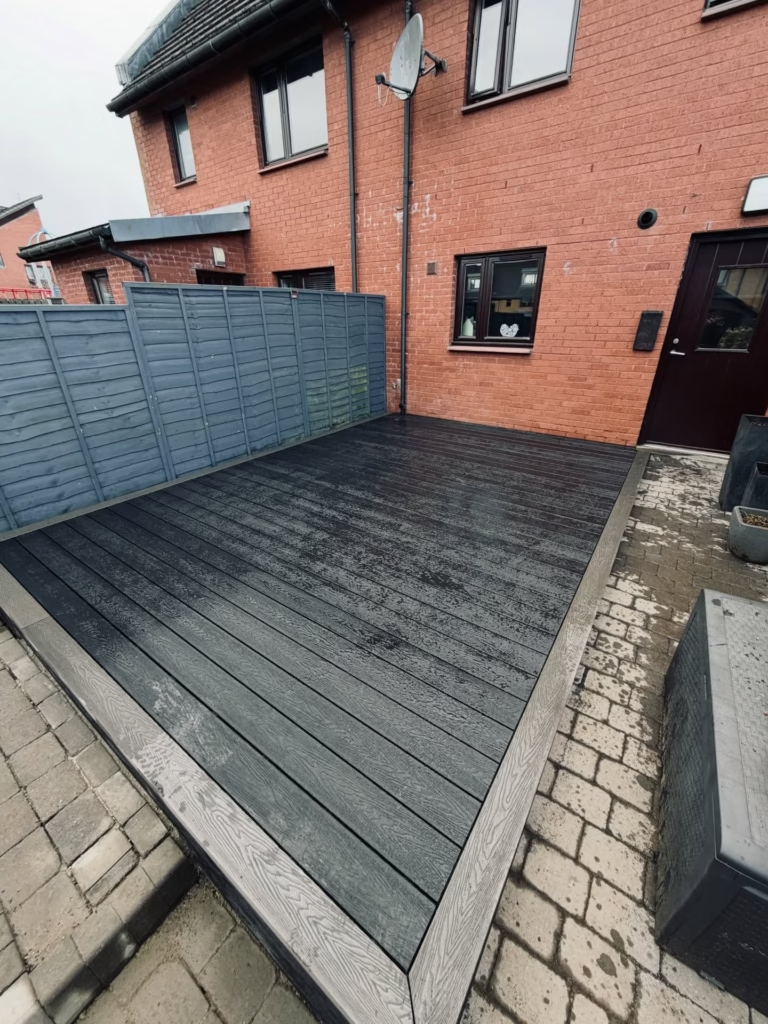
thegrassyarduk
black deck stain sounds intimidating, but when done right, it is absolutely stunning. Charcoal and ebony stains create a high-contrast, ultra-modern look that makes light-colored furniture and plants pop like crazy.
Think of it like this: a black deck is to outdoor spaces what a dark accent wall is to interiors. Bold, intentional, and incredibly chic. It works best on newer wood with clean grain lines.
- Pairs perfectly with white or light gray siding
- Makes greenery look incredibly vibrant by contrast
- Looks incredible with black metal outdoor furniture for a cohesive, editorial feel
One caveat: Like all dark stains, this one absorbs heat and may show fading faster in areas with intense sun exposure. Plan to re-stain every 2–3 years.
7. Driftwood Gray-Brown
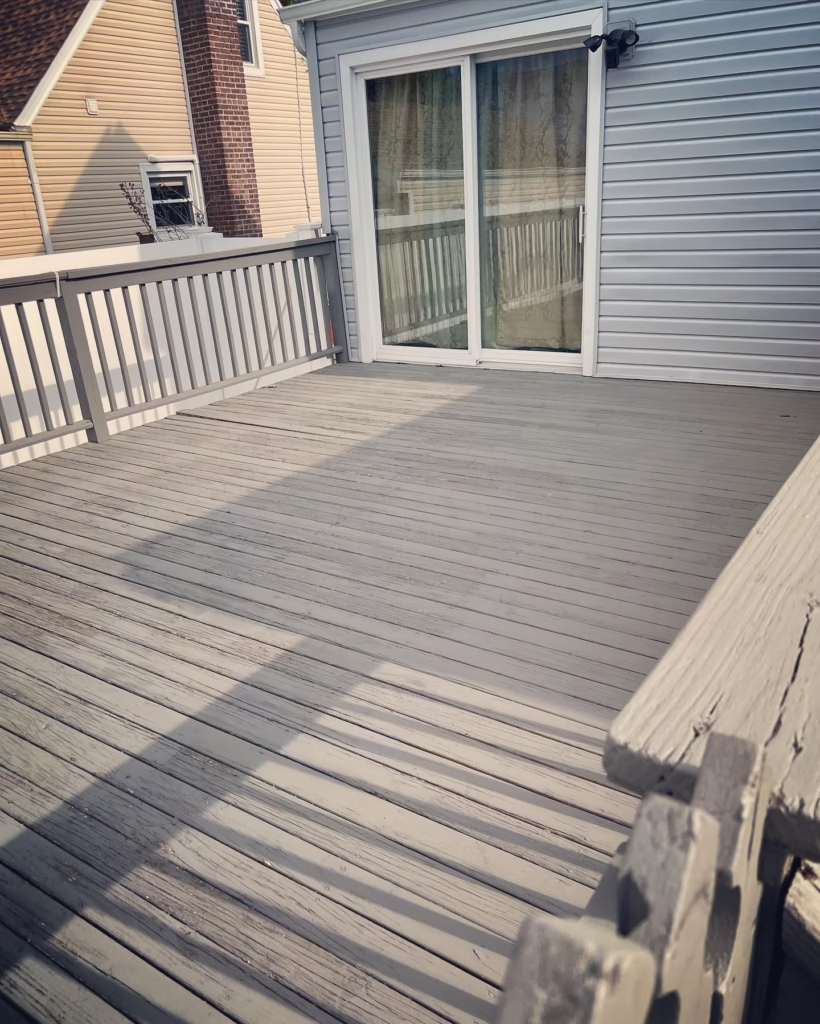
Driftwood is that magical in-between color — not quite gray, not quite brown, but somehow the best of both worlds. It’s earthy and neutral, which makes it the easiest color to decorate around.
IMO, this is the most universally flattering deck stain color out there. It works with cool-toned homes, warm-toned homes, brick, stucco, wood siding — pretty much anything. If you’re paralyzed by indecision, just go with driftwood and thank me later.
Why people love it:
- Neutral enough to work with any outdoor furniture color
- Hides everyday dirt and scuffs well
- Ages gracefully without looking neglected
8. Natural Pine or Blonde Wood
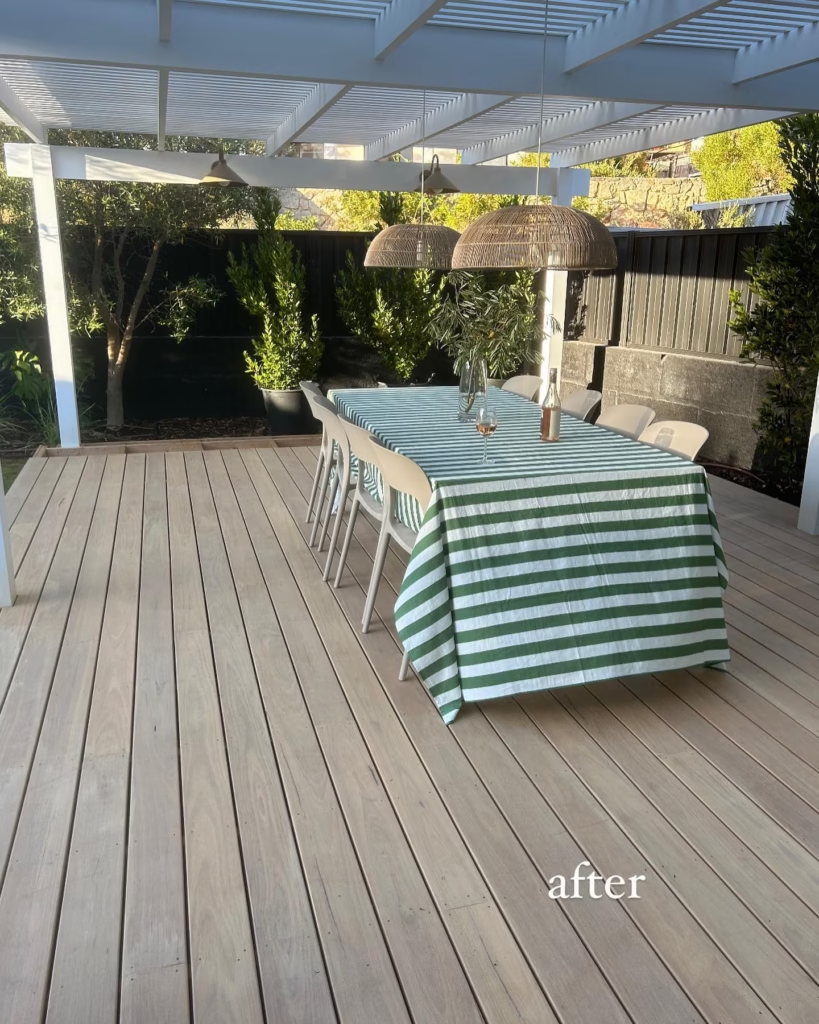
If your wood is in great shape and has beautiful grain, why cover it up? Natural or blonde pine stains enhance the wood’s own character rather than masking it. This is a solid choice if you’ve recently replaced your decking or have newer pressure-treated wood.
It’s light, airy, and makes a deck feel bigger — kind of like how light flooring opens up a small room. Just know that lighter stains tend to show dirt more easily, so you’ll want to sweep and clean more regularly.
Best for: Newer decks, shaded areas, Scandinavian or minimalist home styles
9. Chestnut Brown
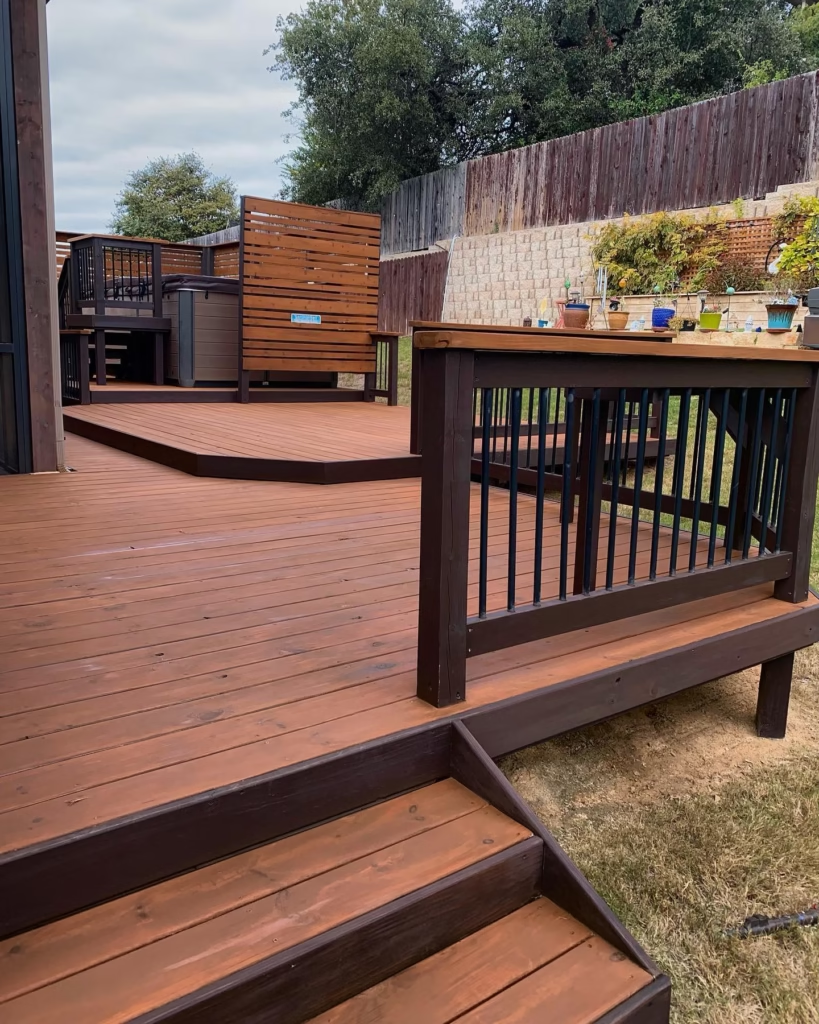
Chestnut sits right between cedar and walnut — it’s warmer than walnut but richer than cedar, making it a beautifully balanced middle ground. It has a slightly reddish undertone that gives wood incredible depth without going full redwood.
This is a great choice if you love the idea of a warm, rich deck but want something a little more subtle than walnut. It also tends to hide dirt really well, which is always a win for a busy household.
- Gorgeous with sage green or olive outdoor cushions
- Complements homes with brown or taupe siding beautifully
- Holds color well in moderate climates
10. Slate Blue-Gray
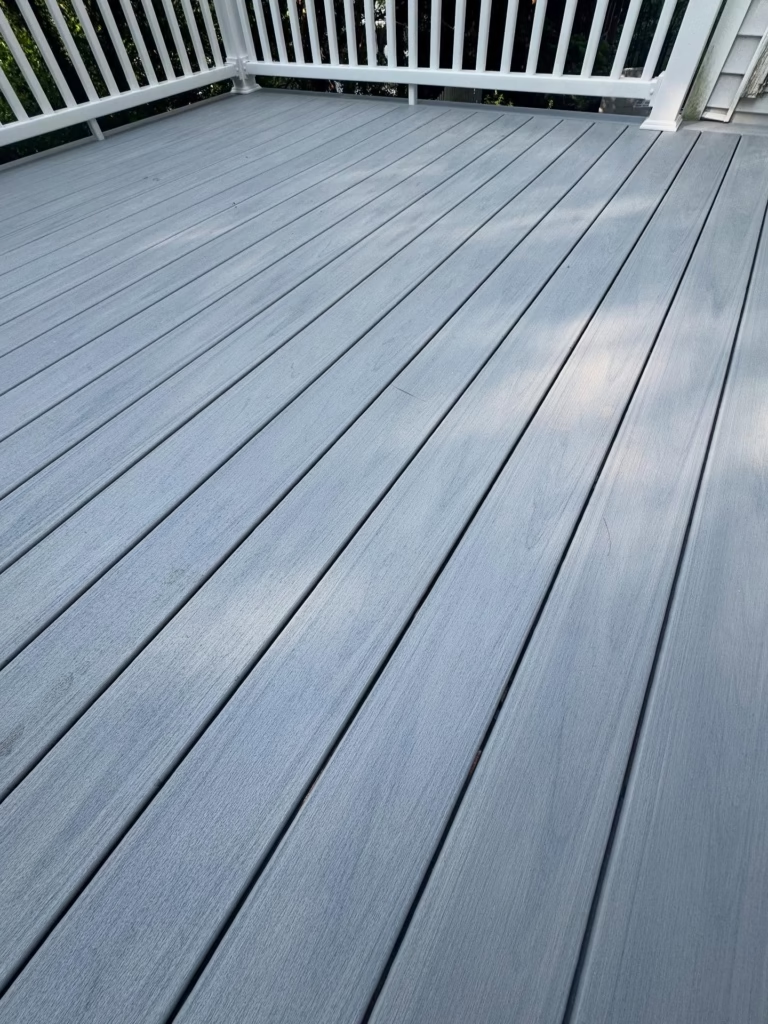
Now we’re getting into some personality territory. Slate blue-gray is for the bold homeowner who wants their deck to be a genuine design statement. It’s moody, cool-toned, and gives outdoor spaces a fresh, modern edge that you don’t see everywhere.
Slate works especially well in coastal or Pacific Northwest settings where cool, overcast light is common — it feels right at home. Pair it with white trim and natural rope or linen textures for a look that feels intentional and pulled-together.
Bold pairing idea: Slate gray deck + white pergola + navy blue cushions = designer-level outdoor space
11. Mahogany Red-Brown
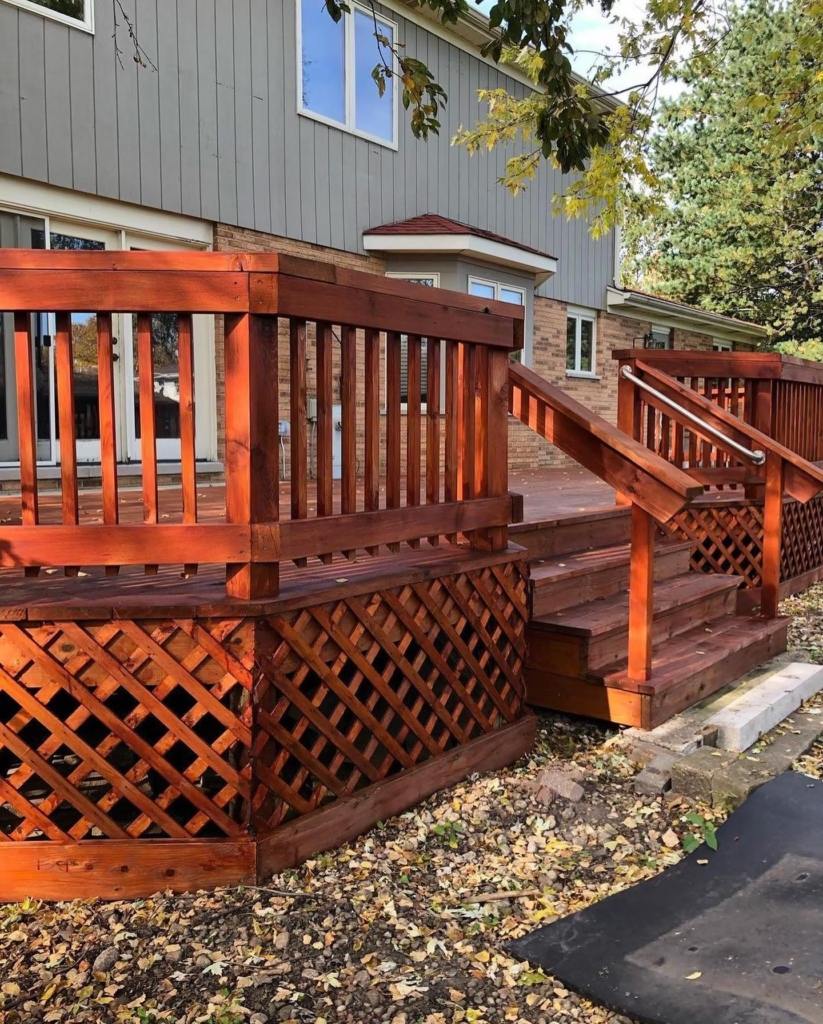
Mahogany stain is rich, warm, and genuinely gorgeous on the right deck. It has those deep red undertones that make wood look luxurious, almost like furniture-grade hardwood rather than typical decking lumber.
It pairs beautifully with homes that have red brick accents or earthy stucco. If you want your deck to feel like an extension of a cozy, high-end living room — but outside — mahogany is your color.
- Works beautifully with gold or bronze hardware and fixtures
- Complements terracotta planters and warm-toned landscaping
- Looks best on clean, smooth-grained wood
12. Transparent or Semi-Transparent Natural
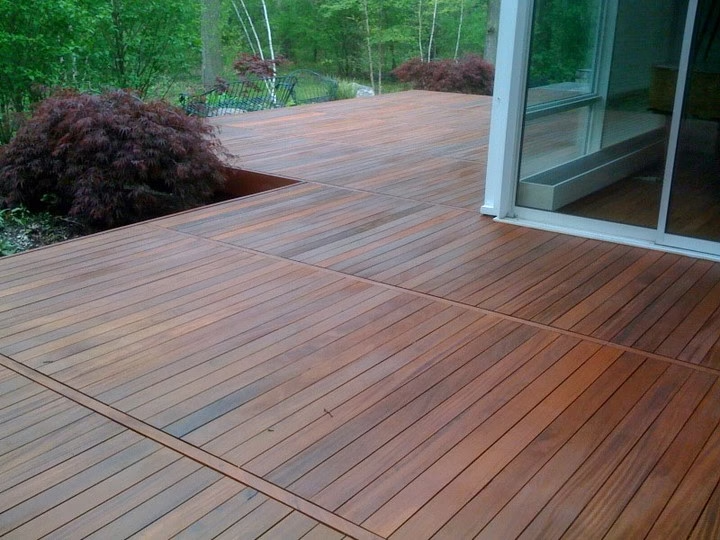
Sometimes the best stain is the one that barely looks like a stain at all. Semi-transparent stains let the natural wood grain shine through while still adding UV protection and moisture resistance. It’s essentially skincare for your deck.
This is a great option if you’re not committed to a specific color but still want protection. It works best on newer or recently sanded wood where the grain is genuinely beautiful enough to show off.
Key things to know:
- Needs to be reapplied more frequently than solid stains (every 1–2 years)
- Doesn’t hide imperfections as well as solid stains
- Best for decks with high-quality, clean wood grain
13. Aged Barnwood Gray
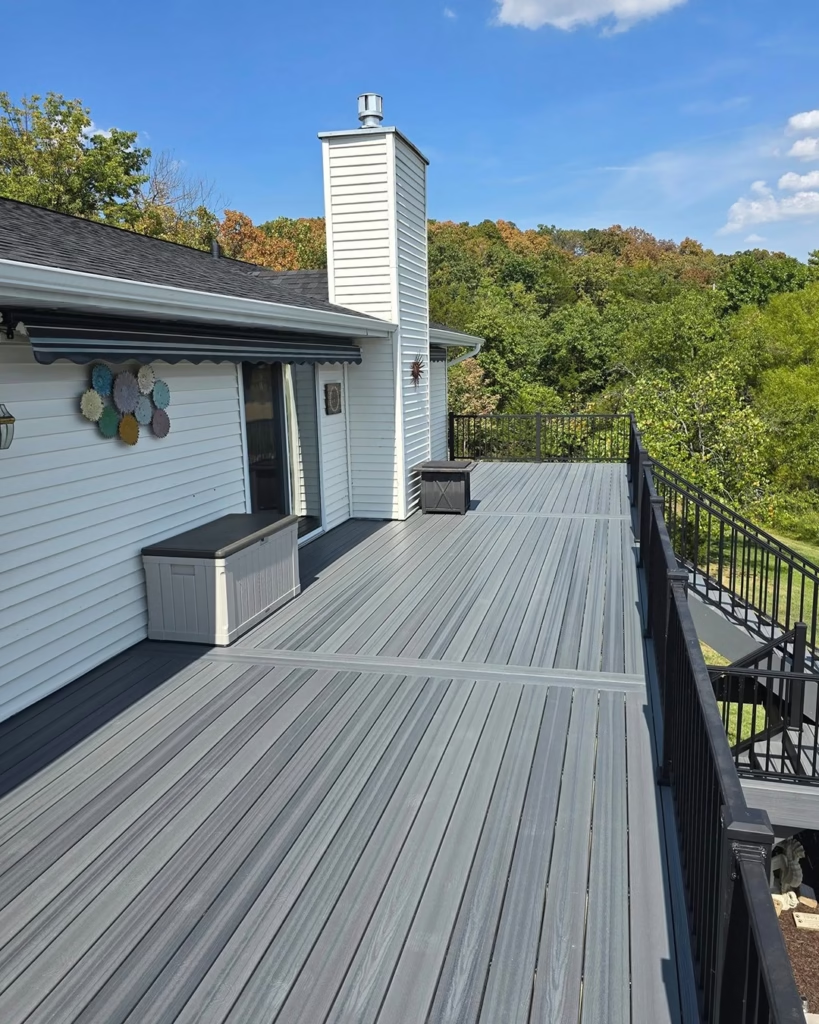
Saving one of my personal favorites for last. Aged barnwood gray has that antique, time-worn quality that makes a deck feel like it’s been there forever — in the best possible way. It’s warm gray with subtle brown undertones, giving it character that pure cool gray lacks.
It’s the color equivalent of a well-worn leather jacket — it looks like it has stories. Barnwood gray pairs beautifully with vintage-style outdoor furniture, Edison bulb string lights, and potted wildflowers.
Why it works so well:
- Hides wear and aging naturally since it already looks “lived in”
- Bridges the gap between rustic and modern farmhouse
- Works equally well on new or old decks
How to Choose the Right Deck Stain Color for Your Home
Okay, so now you’ve got 13 amazing options staring you down. How do you actually pick one? Here’s how I’d approach it:
Match Your Home’s Exterior First
Your deck is an extension of your home, not an island. Hold your stain samples up against your siding and trim before making any final decisions. Cool-toned homes (gray, blue, white) tend to look best with gray-toned deck stains, while warm-toned homes (tan, beige, brick) sing with brown and walnut tones.
Consider Your Sun Exposure
- Full sun deck? Avoid very dark stains — they absorb heat and fade faster
- Shaded deck? You can go darker without the heat issue, and lighter stains won’t get dirty as fast
- Mixed sun/shade? Mid-tones like chestnut, cedar, or driftwood are your safest bet
Think About Maintenance Reality
Be honest with yourself about how often you’ll actually re-stain. Solid stains last longest (3–5 years), semi-transparent stains need refreshing every 1–2 years. If you’re a “set it and forget it” person, go solid.
Test Before You Commit
Always — and I mean always — buy sample cans and test your top two or three choices on an inconspicuous part of your deck. Colors look completely different on actual wood versus on a swatch card or a screen. Give it 24 hours to dry fully before making your final call.
Final Thoughts
Your deck deserves better than “meh, just go with brown.” With 13 amazing stain color options ranging from bold charcoal black to warm honey teak to the endlessly versatile driftwood, you’ve got no shortage of great choices. The key is matching the color to your home’s personality, your maintenance tolerance, and your actual lifestyle.
Pick a color that genuinely excites you — because you’ll be looking at it every single time you step outside. Go test some samples this weekend, grab a coffee, sit on your deck, and just imagine the possibilities. Your future outdoor space will thank you.