
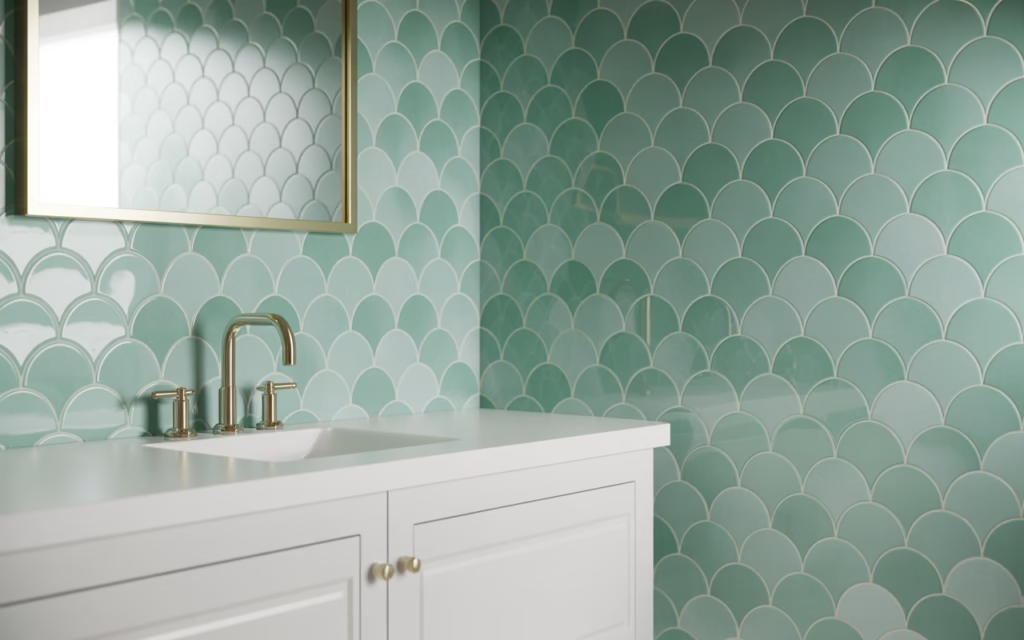
Bathrooms may be small, but they carry a lot of design weight, and the wall tiles you choose can completely change how the whole space looks and feels. The right bathroom wall tiles can make a plain room feel brighter, larger, warmer, more luxurious, or way more interesting without changing the layout at all. That’s why bathroom tile design matters so much; it does more than protect the walls from moisture; it sets the mood for the entire room.
I’ve always loved how one smart tile choice can rescue a bathroom from looking forgettable. A clean subway layout can make the room feel fresh, textured tiles can add depth, and bold feature walls can turn even a simple bathroom into a space that actually feels designed. And honestly, isn’t that the goal? Nobody wants a bathroom that looks like it gave up halfway through the renovation.
In this article, I’m walking through 15 bathroom wall tiles designs that transform any bathroom, from timeless classics to trend-forward looks with texture, pattern, and color. Whether you want a calm spa vibe, a modern minimalist finish, or a statement wall that grabs attention the second you walk in, these ideas will help you find a style that actually fits your space.
1. Classic White Subway Tiles
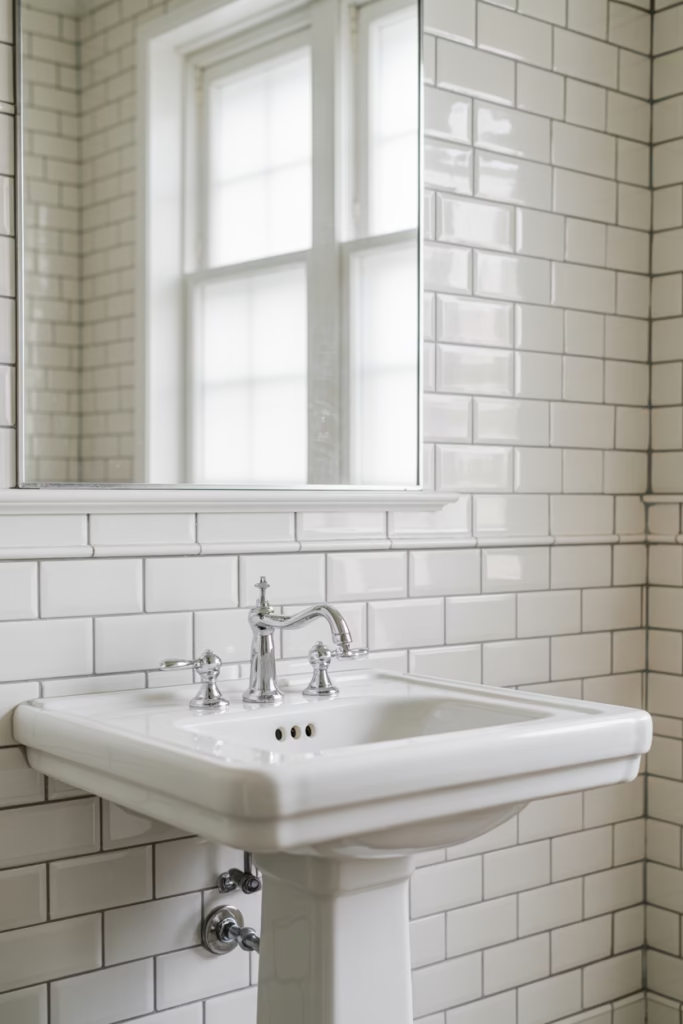
Let’s start with the OG. White subway tiles have been around since the early 1900s — New York City subway stations, to be exact — and they refuse to go out of style. There’s a reason designers keep coming back to them.
The beauty of subway tiles is their versatility. Pair them with dark grout for a bold, graphic look, or use white grout for that clean, seamless finish. Stack them vertically for a modern twist, or go classic horizontal for a timeless feel.
- Best for: Small bathrooms, minimalist aesthetics, rental-friendly renovations
- Grout tip: Charcoal or navy grout with white tiles hits differently — in the best way
IMO, if you’re ever stuck on what to choose, white subway tiles are your safe bet that never feels boring.
2. Moroccan Zellige Tiles
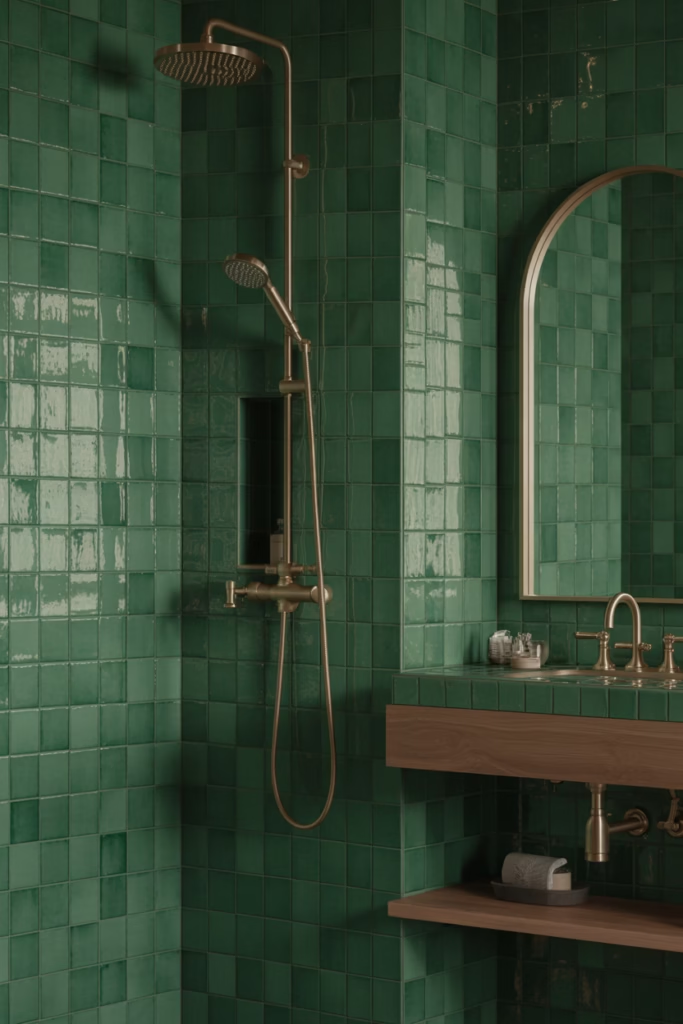
Ever walked into a bathroom and felt like you were suddenly on vacation in Marrakech? That’s the zellige effect. These handcrafted Moroccan tiles are irregular, glossy, and absolutely stunning in their imperfection.
Each zellige tile has a slightly different surface, which means light bounces off them in unexpected ways. The result is a wall that looks alive and textured, even when it’s totally flat. Rich jewel tones like cobalt blue, forest green, and terracotta are the most popular picks.
- Maintenance heads-up: They require sealing due to their porous nature
- Pairing idea: Warm brass fixtures + zellige = chef’s kiss
3. Large-Format Marble Tiles
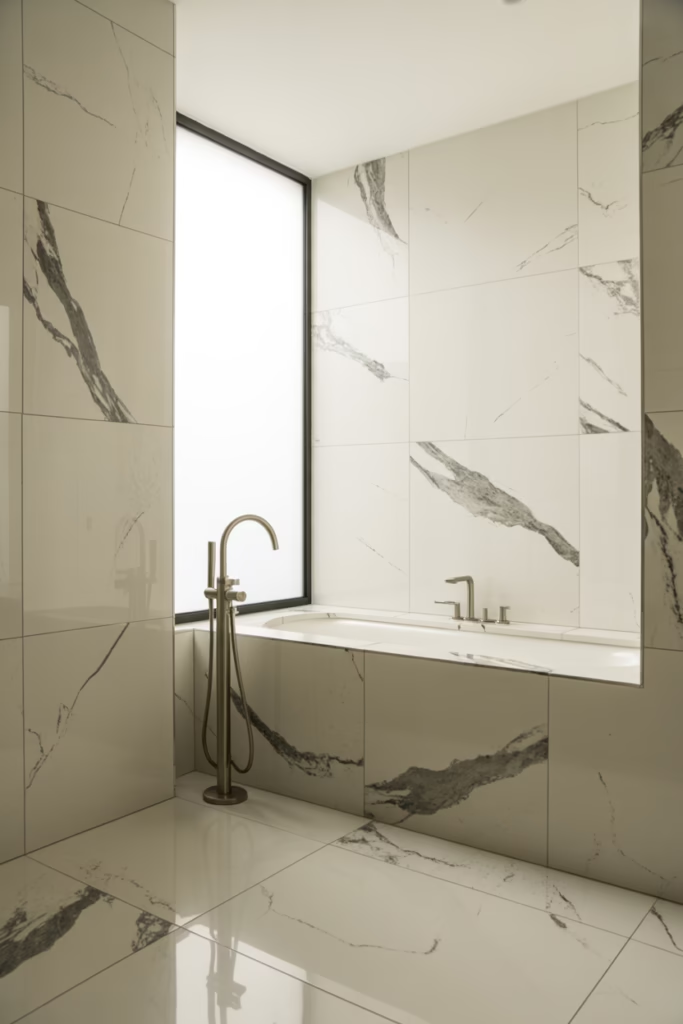
If subway tiles are the reliable friend, large-format marble tiles are the glamorous one who shows up and steals the room. Going large (think 24″x48″ or bigger) minimizes grout lines and creates that seamless, luxurious look you see in high-end hotels.
Carrara marble is the classic choice — soft white with grey veining that reads elegant without being too extra. Calacatta goes bolder with thicker, more dramatic veining if you want to make a statement.
The honest downside? Real marble needs maintenance — sealing, careful cleaning, no harsh chemicals. If that sounds like too much work, porcelain marble-look tiles give you 90% of the aesthetic at a fraction of the fuss. FYI, porcelain technology has gotten so good that even designers struggle to tell the difference.
4. Geometric Hexagon Tiles
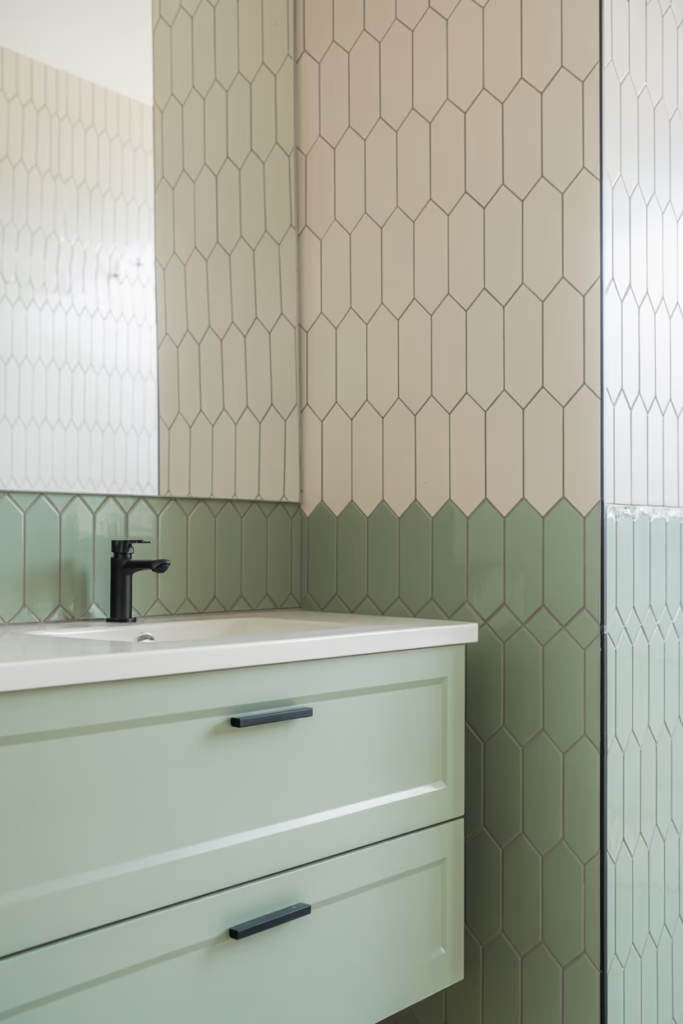
Hexagon tiles are having a major moment, and honestly, they’ve earned it. Small penny hexagons give you a vintage, retro feel reminiscent of old Parisian apartments. Larger hexagons (4″ or 6″) create a bolder, more modern geometric pattern.
What makes hexagons special is how they handle color. Use a two-tone color block — say, white hexagons transitioning into soft sage green halfway up the wall — and you’ve got a design that looks intentional and artistic.
- Pattern play: Try a honeycomb ombre effect going from light to dark
- Material options: Ceramic, porcelain, natural stone, or glass
5. Terrazzo Tiles
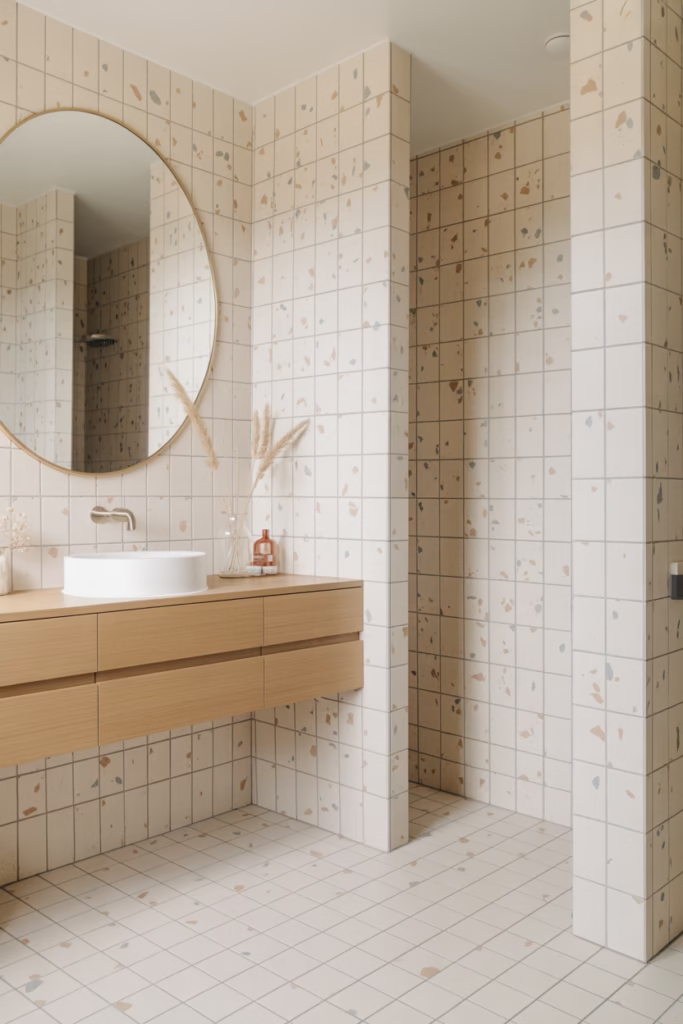
Terrazzo is basically the coolest thing to come back from the design graveyard. Originally a Venetian technique of embedding marble chips into cement, modern terrazzo tiles now come in wild color combinations that work beautifully on bathroom walls.
The speckled, confetti-like surface adds visual interest without being loud. It’s one of those designs that looks casual from far away but incredibly detailed up close. Pink and white terrazzo or grey and black terrazzo are both incredibly Pinterest-worthy right now.
Terrazzo also photographs exceptionally well — just saying, if you’re a content creator or blogger who cares about that sort of thing 🙂
6. Vertical Stack Bond Tiles
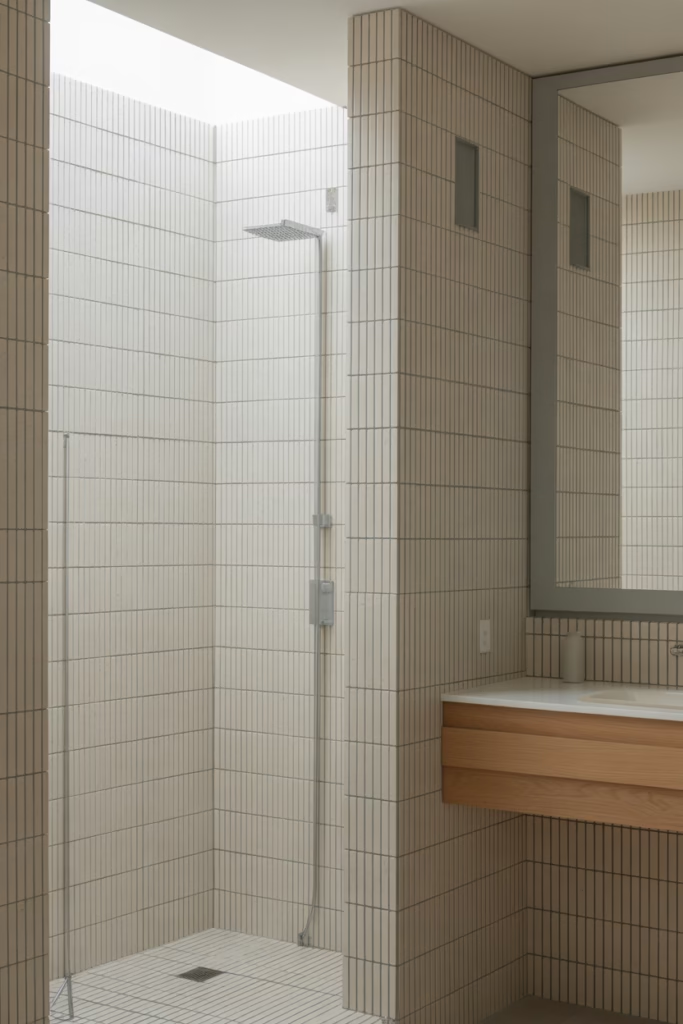
Taking the classic subway tile and stacking it vertically in a straight stack bond (one directly above the other, no offset) is a small change that makes a huge visual impact. This pattern draws the eye upward, which makes ceilings feel taller and rooms feel larger.
It’s perfect for narrow bathrooms or powder rooms where you want the illusion of more space. Combine this with a thin grout line in a matching color, and the wall practically disappears into clean vertical lines.
7. Handmade Ceramic Tiles
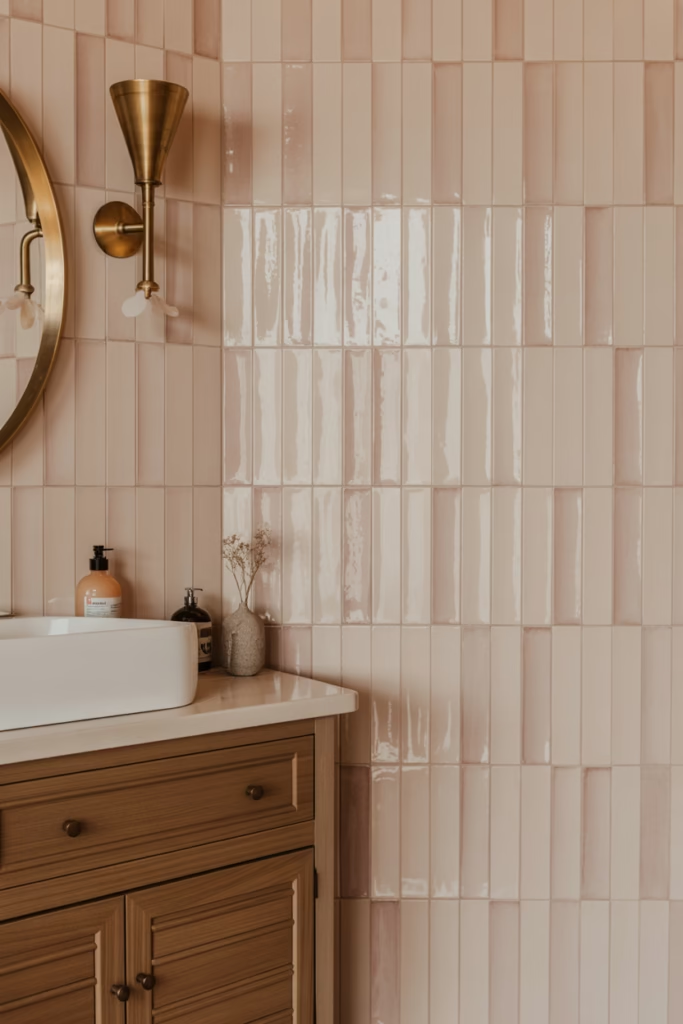
There’s something about handmade ceramic tiles that mass-produced tile can never replicate — that slight wobble, the variation in glaze, the sense that a human actually touched this thing. It adds soul to a space.
These tiles work especially well in bohemian, rustic, or eclectic bathrooms. Earthy tones like warm whites, dusty pinks, sage greens, and ochre yellows all feel at home here. The imperfections aren’t flaws — they’re the whole point.
- Sourcing tip: Look for independent ceramic studios or artisan tile makers for truly unique pieces
- Budget note: Handmade tiles cost more, but even a small accent wall makes a big impact
8. Black Matte Tiles
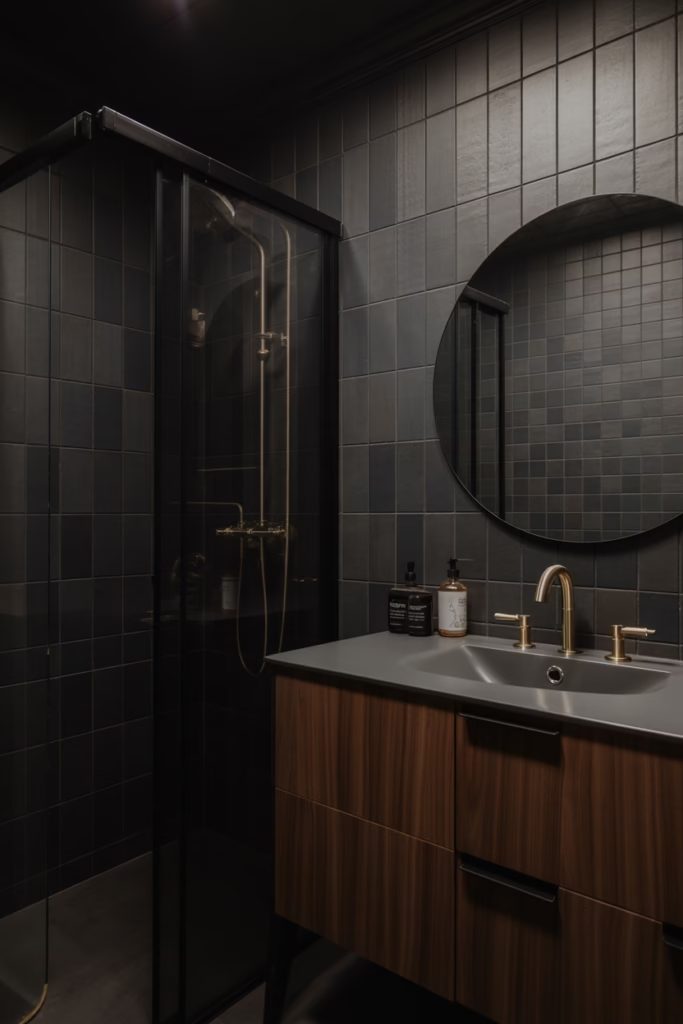
Bold choice? Yes. Regret it? Almost never. Black matte tiles create a dramatic, moody atmosphere that feels incredibly sophisticated. Think spa-like, editorial, intentional.
The matte finish is key here — glossy black shows every water spot and fingerprint (been there, learned that the hard way :/). Matte black absorbs light and hides imperfections way better while still delivering that dark, luxurious look.
Pair with warm wood accents, brass fixtures, and soft lighting to keep it from feeling like a cave.
9. Fish Scale (Scallop) Tiles
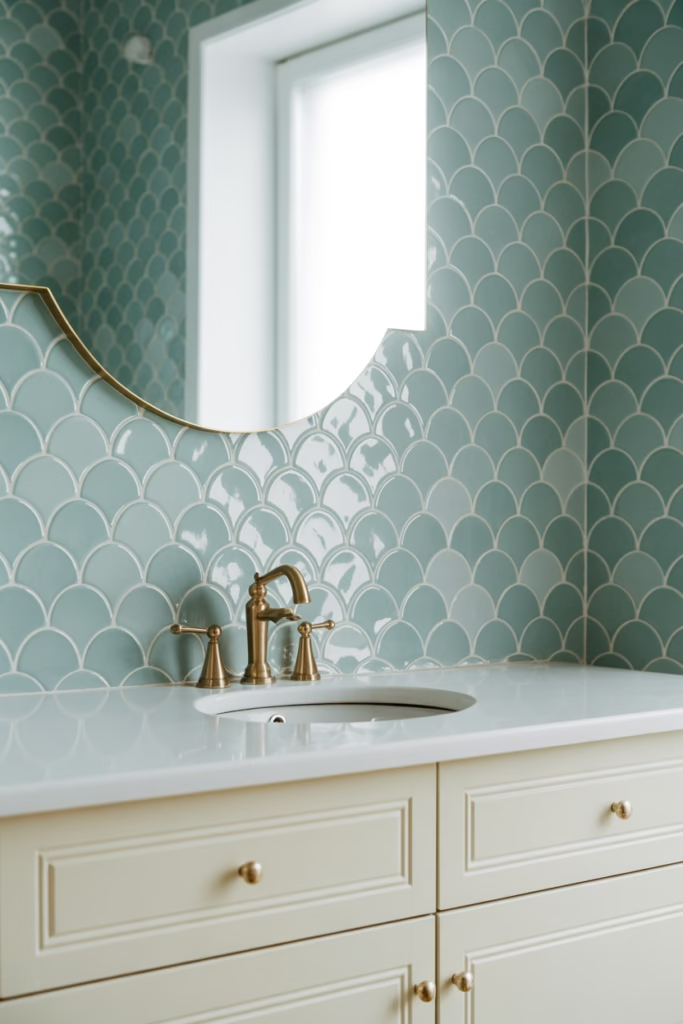
Fish scale tiles — also called scallop tiles — are one of those designs that look impossibly good in photos and even better in person. The curved, overlapping shapes create a beautiful rhythm on the wall, like the surface of a calm ocean.
They work in virtually any color, but powder blue, seafoam green, and soft blush are especially popular for bathrooms. The organic shape softens the typically hard lines of a bathroom and adds a whimsical, almost Art Nouveau quality.
- Installation note: These require a skilled installer — the curves need precise alignment
- Size matters: Smaller scales (2″) feel delicate; larger (4″+) feels bold and modern
10. Zellige-Inspired Glass Mosaic Tiles
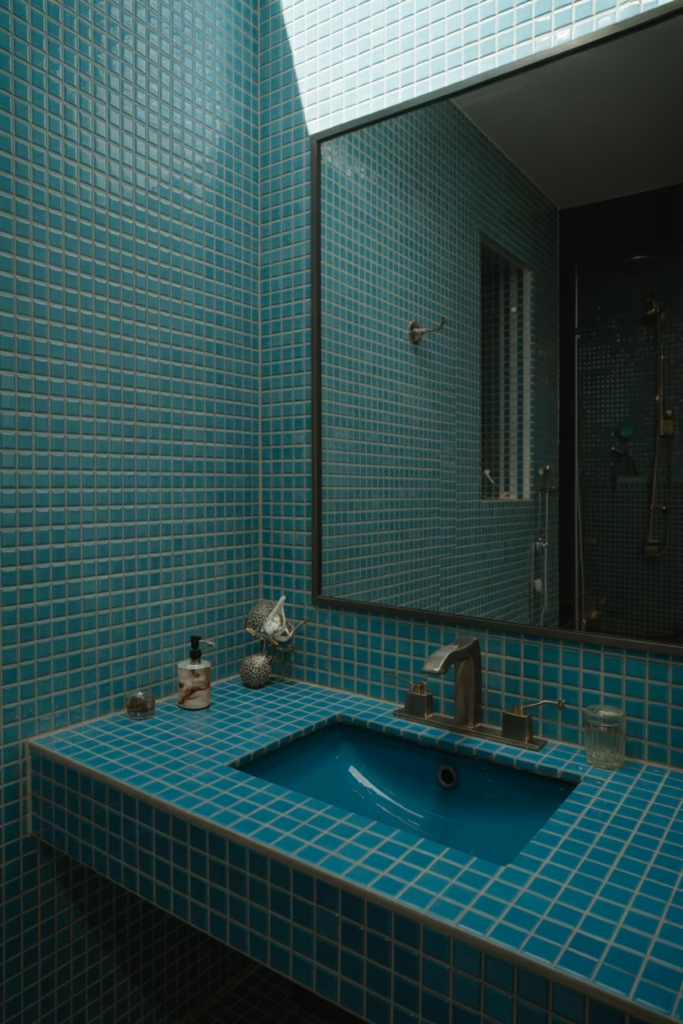
Can’t afford real zellige? Glass mosaic tiles with a similar jewel-toned, irregular surface give you a lot of the same energy at a lower price point. Glass tiles reflect light in a way ceramic simply can’t, making them perfect for darker bathrooms that need brightening.
A glass mosaic accent wall behind the vanity or inside a shower niche is one of the highest-impact, lowest-effort design moves you can make. Even a 12″x12″ area of glass mosaic tile draws the eye instantly.
11. Limewash-Effect Tiles
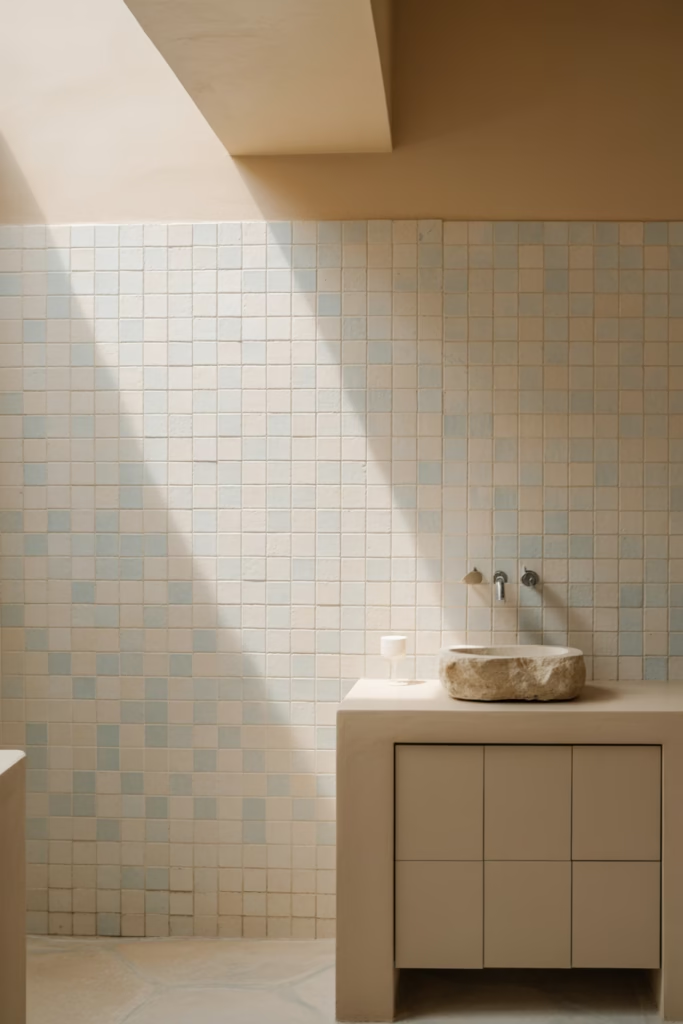
Limewash plaster walls are everywhere right now — that soft, cloudy, Tuscan-villa texture that looks like age and character built up over centuries. The problem? Real limewash isn’t great in wet bathroom environments. The solution? Limewash-effect porcelain tiles.
These tiles mimic the dreamy, mottled appearance of real limewash while being completely waterproof and easy to clean. They’re available in warm whites, greys, and earthy beiges, and they pair beautifully with natural stone floors and rattan accents.
12. Fluted or Ribbed Tiles
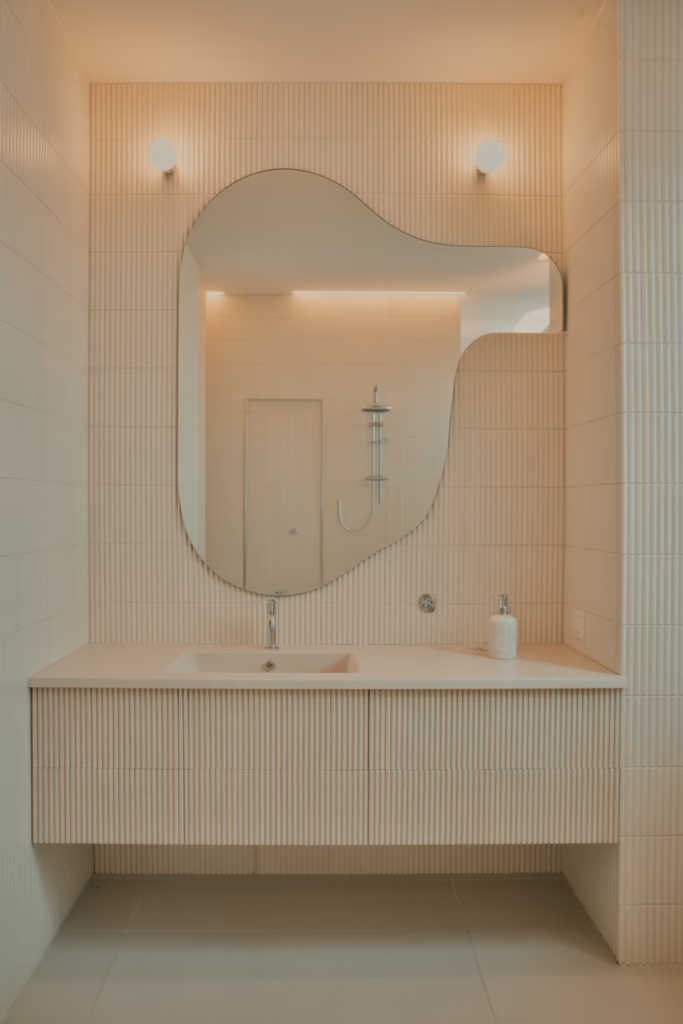
3D textured tiles add depth to walls without relying on color or pattern. Fluted tiles — featuring parallel vertical ridges — are having an enormous moment right now, and for good reason. The texture catches light and shadow throughout the day, so your wall actually looks different in the morning versus the evening.
They work in natural linen tones, warm whites, and soft greys — colors that let the texture do the talking. Full-wall fluted tiles feel architecturally interesting; a single accent wall behind the freestanding tub feels editorial.
- Texture options: Ribbed, wavy, brick-press, linen texture
- Material: Usually ceramic or porcelain; some stone versions exist
13. Encaustic Cement Tiles
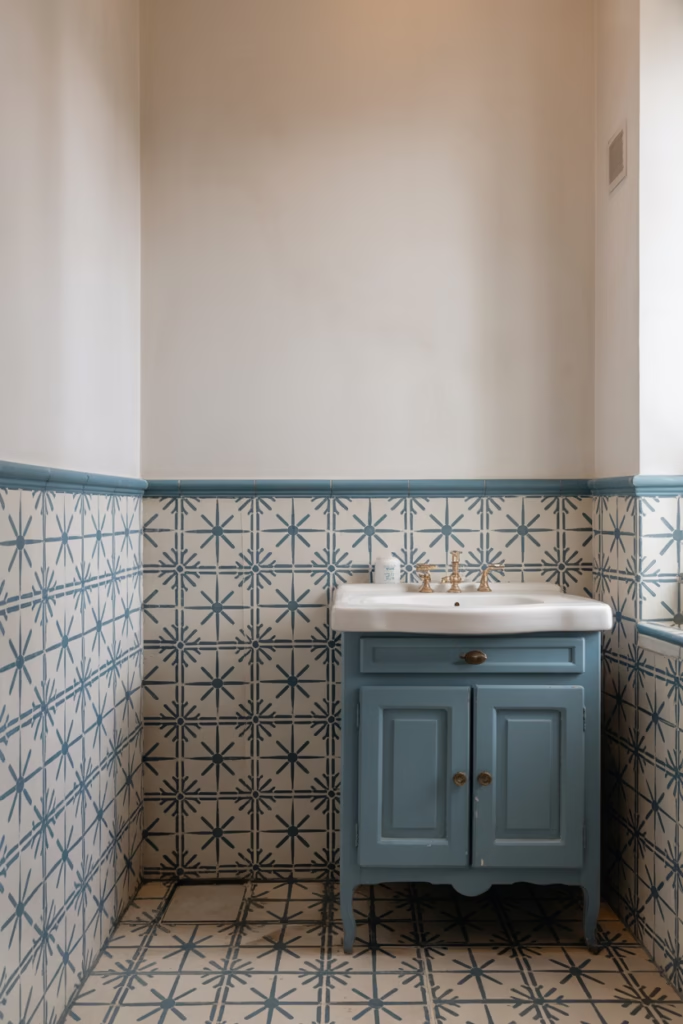
Encaustic cement tiles are those gorgeous patterned tiles you see in Spanish and Portuguese homes — geometric, graphic, and full of personality. They’re traditionally made by hand with colored cement inlaid into patterns, and the result is bold, beautiful, and unlike anything mass-market.
In bathrooms, they work best as an accent wall or wainscoting (lower half of the wall) rather than full coverage, which can feel overwhelming. Think cobalt blue geometric patterns against a white upper wall — stunning.
Keep the rest of the room simple if you go this route. The tiles are the star.
14. Thin Brick Veneer Tiles
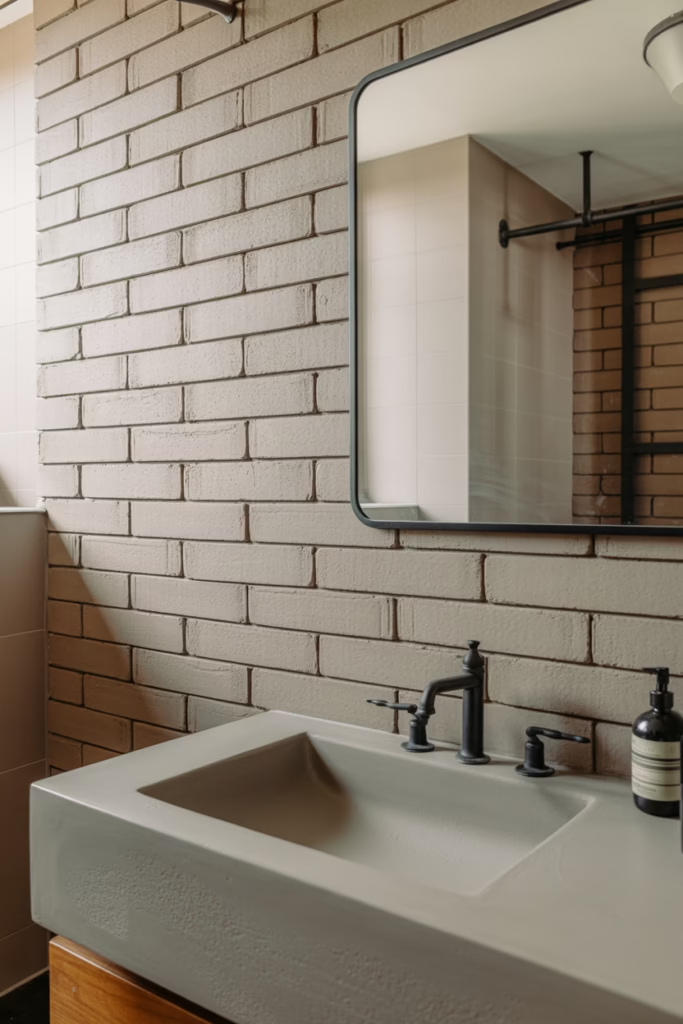
Want a bathroom that feels like a cool Brooklyn loft? Thin brick veneer tiles bring that raw, industrial warmth without requiring actual masonry. They’re slim, lightweight, and install just like regular tiles.
Red brick reads warm and rustic; white-washed brick feels coastal and airy; grey or charcoal brick leans contemporary industrial. They pair especially well with exposed metal fixtures, concrete countertops, and Edison bulb lighting.
- Avoid: Using brick in very small bathrooms — it can feel heavy
- Best application: Feature wall in larger master bathrooms or powder rooms with high ceilings
15. Tonal Color-Blocked Tiles
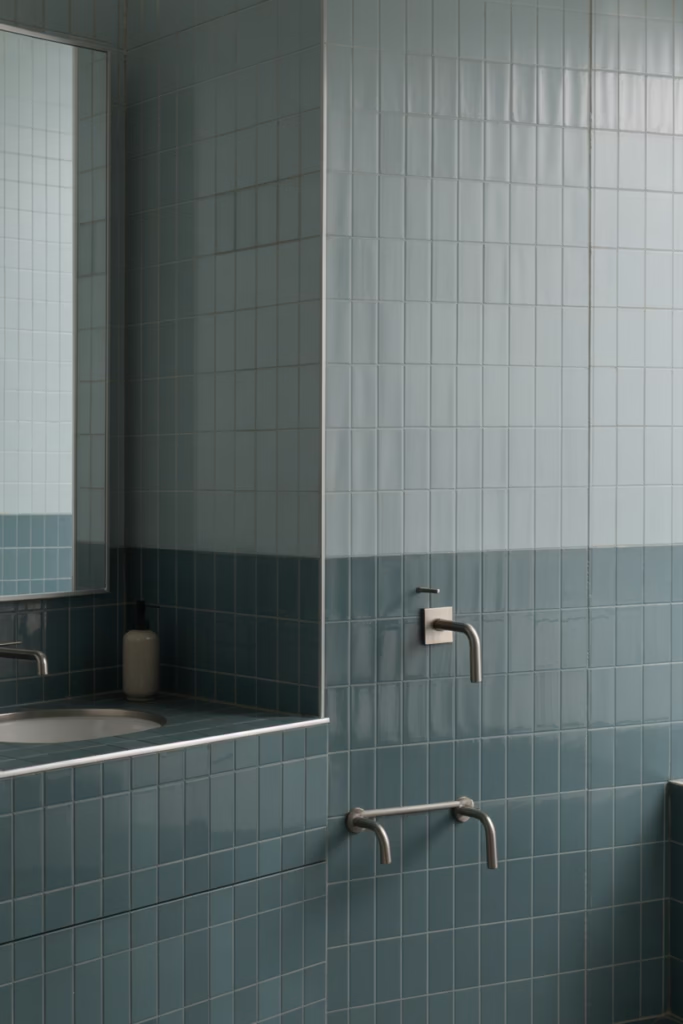
Last one, and honestly one of the most underrated trends right now — tonal color blocking with tiles. Instead of a single tile covering the whole wall, you use the same tile in two or three shades of the same color family to create a gradient or blocked effect.
Imagine a bathroom where the lower third is deep dusty blue, the middle is medium slate, and the upper third is pale powder blue — all in the same simple rectangular format. The result feels deliberate, artistic, and incredibly sophisticated.
This technique works with virtually any tile shape. The color does the heavy lifting.
How to Choose the Right Tile for Your Bathroom
With 15 options on the table, how do you actually decide? Here’s a quick framework:
- Small bathroom: Opt for lighter colors, large-format tiles, or vertical patterns to open up the space
- Large bathroom: You can go bold — dark colors, textured tiles, full encaustic patterns
- Low maintenance priority: Stick to matte porcelain or ceramic; avoid natural stone and real cement tiles
- High-end aesthetic: Zellige, large marble slabs, or handmade ceramics deliver the most luxury impact
- Budget-conscious: Subway tiles, glass mosaics, and porcelain lookalikes give enormous bang for your buck
Always order 10–15% more tile than you think you need for cuts, breakage, and future repairs. Future you will be grateful.
Final Thoughts
Your bathroom wall is prime real estate for design, and you’re leaving serious style potential on the table if you’re treating it as an afterthought. Whether you go for the timeless elegance of marble, the handcrafted soul of zellige, or the bold drama of black matte, the right tile turns a purely functional room into one of the most beautiful spaces in your home.
Pick one that makes you genuinely excited every time you walk in. Life’s too short for tiles you’re just “okay” with.