

Lets be Real For a Sec, Nobody wants to spend a fortune just to tell their neighbor’s dog to stay out of the flower beds. A great garden fence doesn’t have to drain your bank account. Whether you’re trying to add some privacy, keep pets in, or just make your outdoor space look like you actually care about it, there are tons of affordable options that look genuinely stylish. I’ve been down this rabbit hole myself, and trust me, once you start exploring budget fence ideas, you’ll wonder why anyone ever paid a contractor thousands of dollars for something basic.
So grab a coffee, and let’s talk fences.
Why Budget Garden Fencing Is Worth the Effort
Here’s the thing: a well-chosen fence can completely transform a garden. It adds structure, defines spaces, and gives your yard that “finished” look that’s hard to achieve with plants alone. The good news is that cheap doesn’t have to mean ugly.
Most of the ideas on this list cost anywhere from a few dollars to a couple of hundred, depending on the scale of your garden. Some require zero DIY skills. Others need a free Saturday afternoon and a YouTube tutorial. Either way, you’re saving money while building something you’re genuinely proud of.
1. Bamboo Roll Fencing
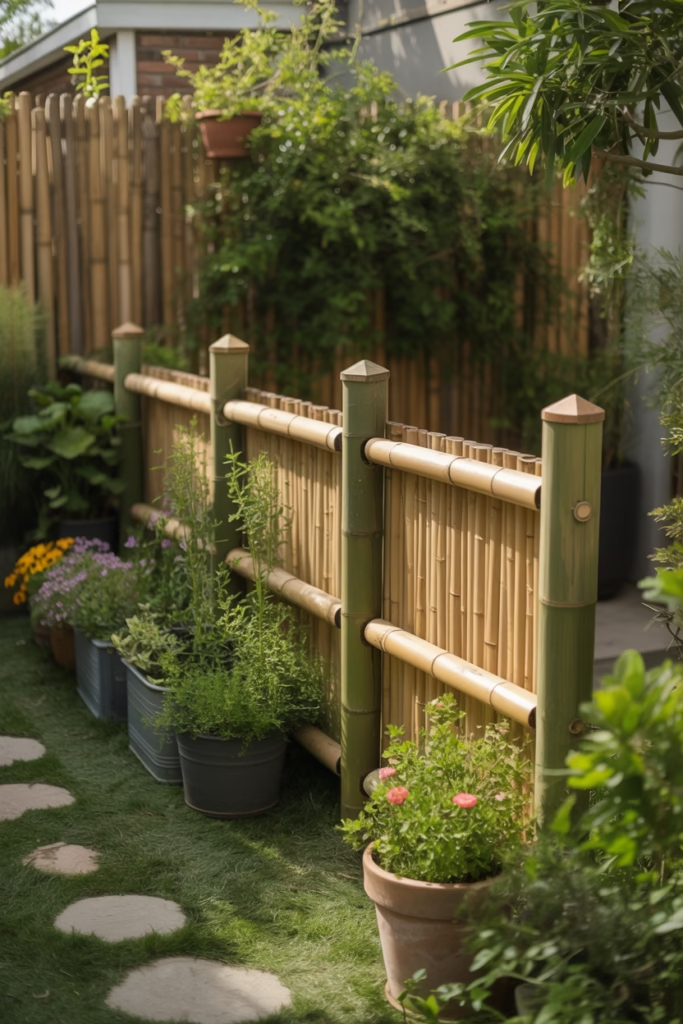
If you want a fence that looks exotic and costs almost nothing, bamboo roll fencing is your best friend. You can find rolls at most garden centers or online for around $20–$50 depending on the length and height you need.
Bamboo is naturally weather-resistant, lightweight, and surprisingly durable. You just unroll it, attach it to existing posts or a basic wire frame, and you’re done. The warm, natural tone looks great alongside tropical plants, succulents, or even a classic English garden.
Best for: Privacy screening, raised bed borders, balcony fencing
2. Pallet Wood Fence
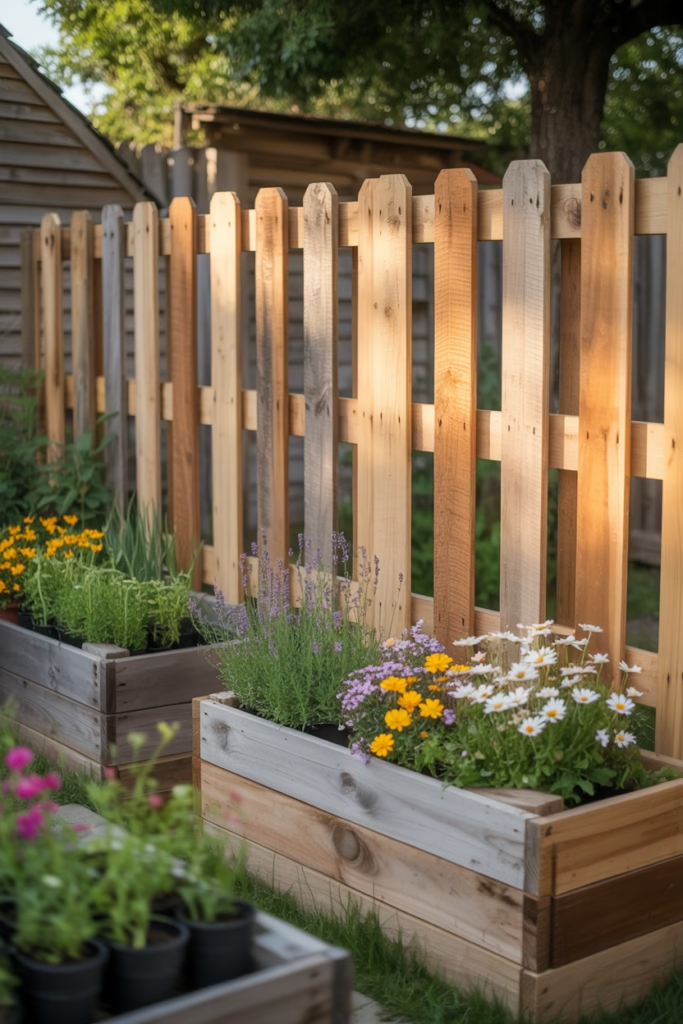
Okay, I know — everyone and their grandmother has seen a pallet fence on Pinterest. But honestly? There’s a reason it keeps showing up. Wooden pallets are free (or nearly free) if you know where to look — local hardware stores, warehouses, and Facebook Marketplace give them away constantly.
Sand them down, give them a coat of outdoor paint or wood stain, and line them up. You can go for a rustic look or clean them up for something more polished. Stack them vertically for a solid privacy fence or lay them horizontally for an open, airy border.
Pro tip: Always check that pallets are stamped “HT” (heat treated) rather than “MB” (methyl bromide treated) — you don’t want chemicals near your vegetables.
3. Split Rail Fence
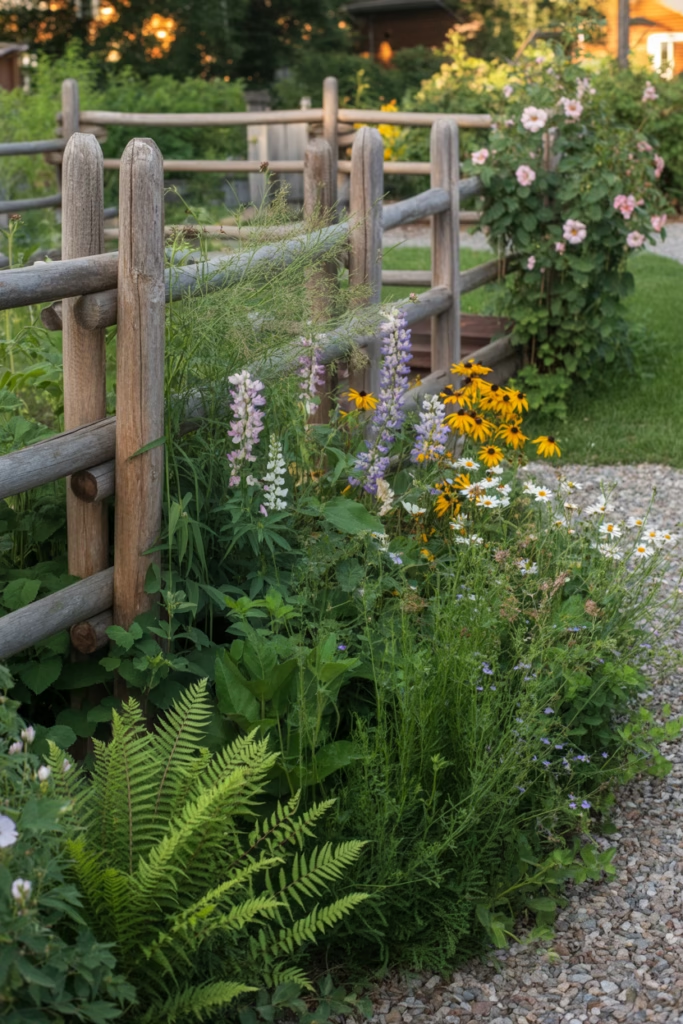
A split rail fence is one of those timeless, classic choices that never looks cheap even though it genuinely is. Two or three rails of rough-cut wood fixed between posts gives you a pastoral, farmhouse-style boundary that pairs beautifully with wildflower gardens or cottage-style planting.
The posts do the heavy lifting structurally, so you don’t need much material. A basic two-rail split fence for a standard backyard can cost as little as $3–$5 per linear foot if you install it yourself. IMO, it’s one of the best value-for-money options on this list 🙂
Best for: Defining garden edges, decorative borders, front yard boundaries
4. Chicken Wire and Wooden Post Fence
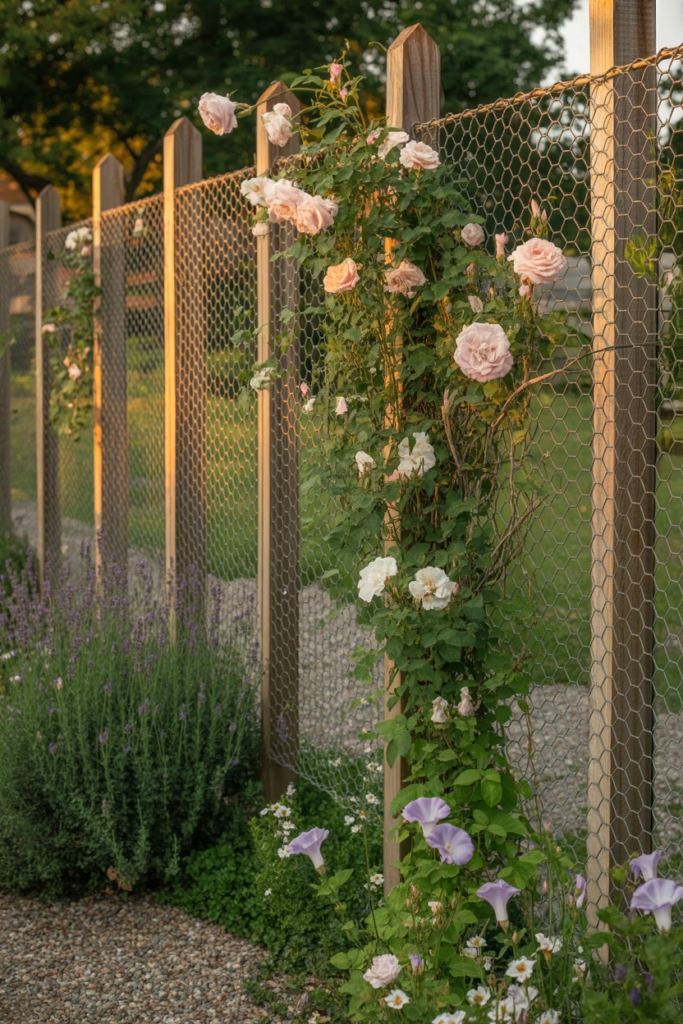
Don’t let the name fool you — chicken wire fencing isn’t just for actual chickens. Stretched between wooden posts and maybe paired with climbing plants, it creates a charming, cottage-garden aesthetic at a fraction of the cost of traditional fencing.
The wire itself is inexpensive (around $15–$30 for a 50-foot roll), and basic wooden posts from a hardware store won’t break the bank either. Let roses, clematis, or jasmine climb over it, and within a season or two, you’ll have something that looks completely intentional and utterly gorgeous.
5. Wattle Fencing
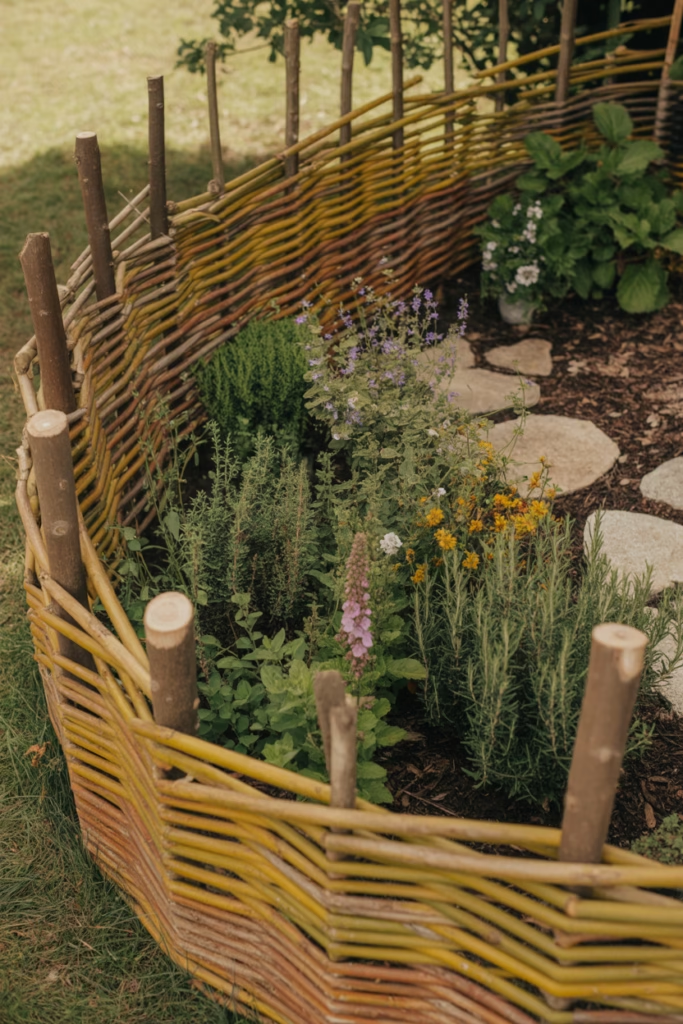
Ever wondered why wattle fences show up in every British period drama? Because they look incredible and have done so for literally thousands of years. Wattle fencing involves weaving thin branches or willow rods between upright stakes, creating a textured, organic fence that looks like it belongs in a fairy tale.
You can buy pre-made wattle fence panels for around $20–$40 per panel, or make your own if you have access to flexible green wood. It’s biodegradable, completely natural, and adds incredible character to a cottage or woodland-style garden.
Best for: Low borders, decorative edges, raised bed surrounds
6. Corrugated Metal Panels
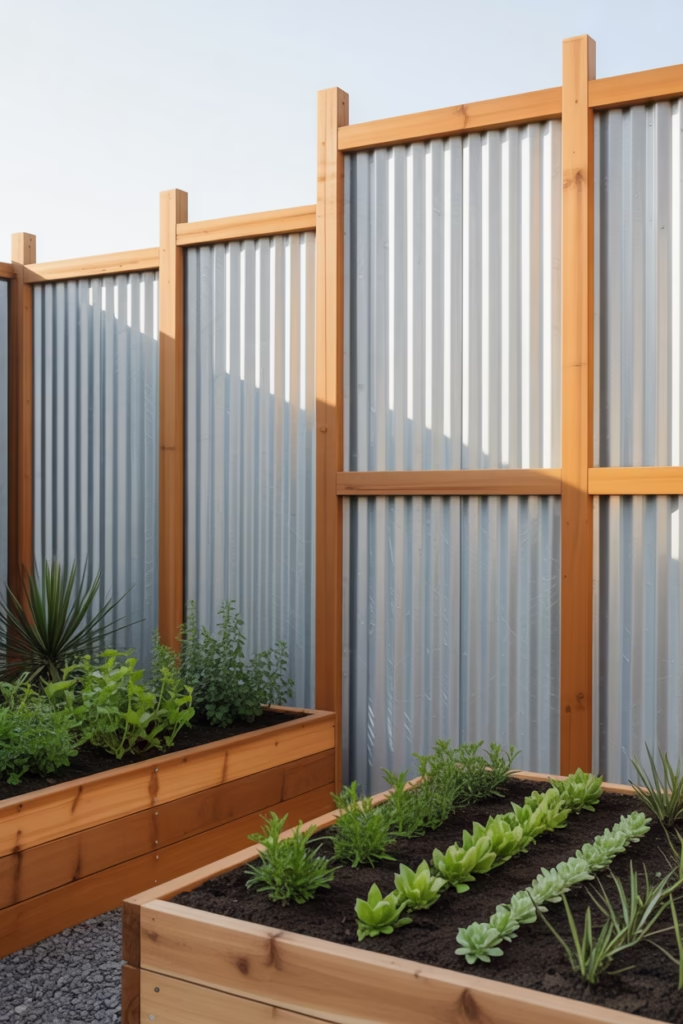
Here’s one that might surprise you. Corrugated metal fencing has become seriously trendy in modern and industrial-style gardens, and it’s actually quite affordable. A standard corrugated steel sheet costs around $10–$20 per panel at a hardware store.
Fix them between wooden or metal posts, and you get a clean, contemporary look that’s sturdy, weather-resistant, and low maintenance. Paint the posts a contrasting color — matte black is super popular right now — and you’ve got a fence that looks like it belongs in an expensive landscaping magazine.
Best for: Modern gardens, raised vegetable beds, contemporary yard borders
7. Picket Fence From Reclaimed Wood
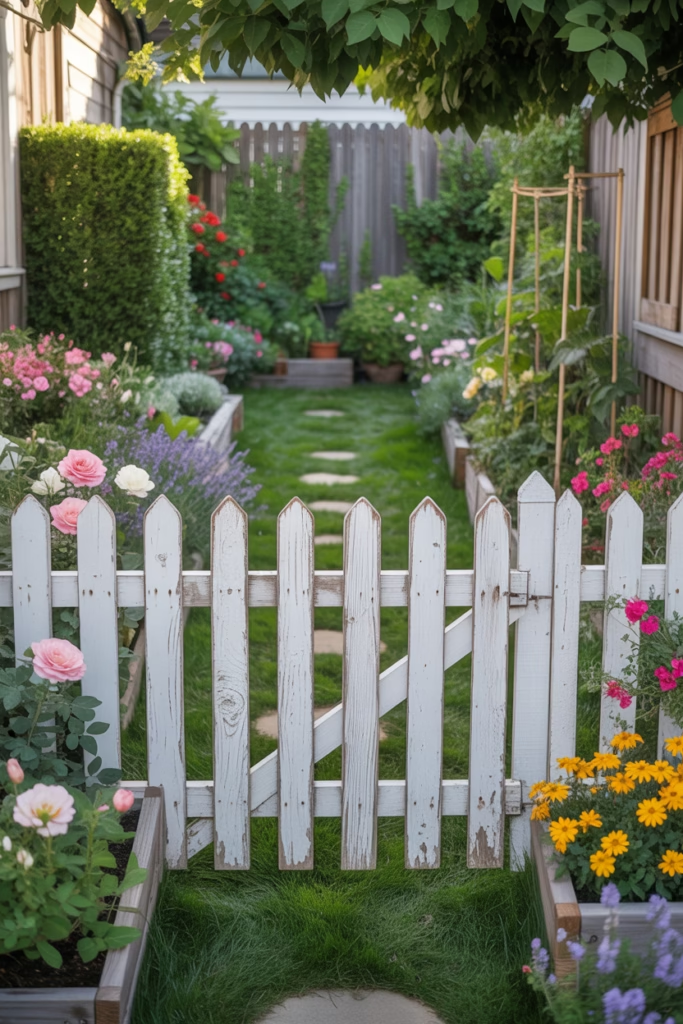
A white picket fence is the ultimate garden dream for a lot of people — but new timber and professional installation can get expensive fast. Here’s the hack: source reclaimed wood from salvage yards, demolition sites, or online marketplaces and build your own picket fence for a fraction of the price.
Cut the pickets to uniform length, paint or whitewash them, and attach them to basic pressure-treated posts. The slight imperfections from reclaimed wood actually add charm rather than detracting from it. You end up with something that looks authentically vintage rather than mass-produced.
8. Living Willow Fence
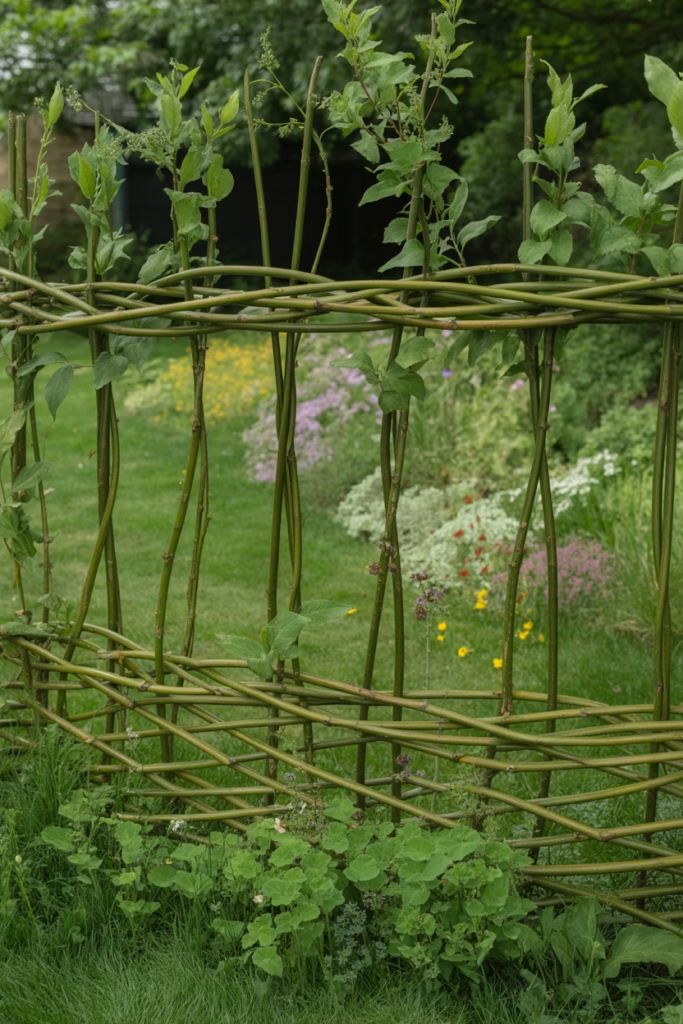
A living willow fence is exactly what it sounds like — you plant willow rods directly into the ground, weave them together, and they actually grow into a living fence. It’s one of the most magical and affordable fence options you’ll ever come across.
Willow rods are cheap (sometimes free if you know someone with a willow tree), and once established, the fence fills in with green leaves every spring. It’s not a quick fix — you’ll need a season or two for it to establish — but the result is a truly stunning, zero-cost living boundary.
Best for: Naturalistic gardens, wildlife-friendly yards, curved boundaries
9. Cinder Block and Post Fence
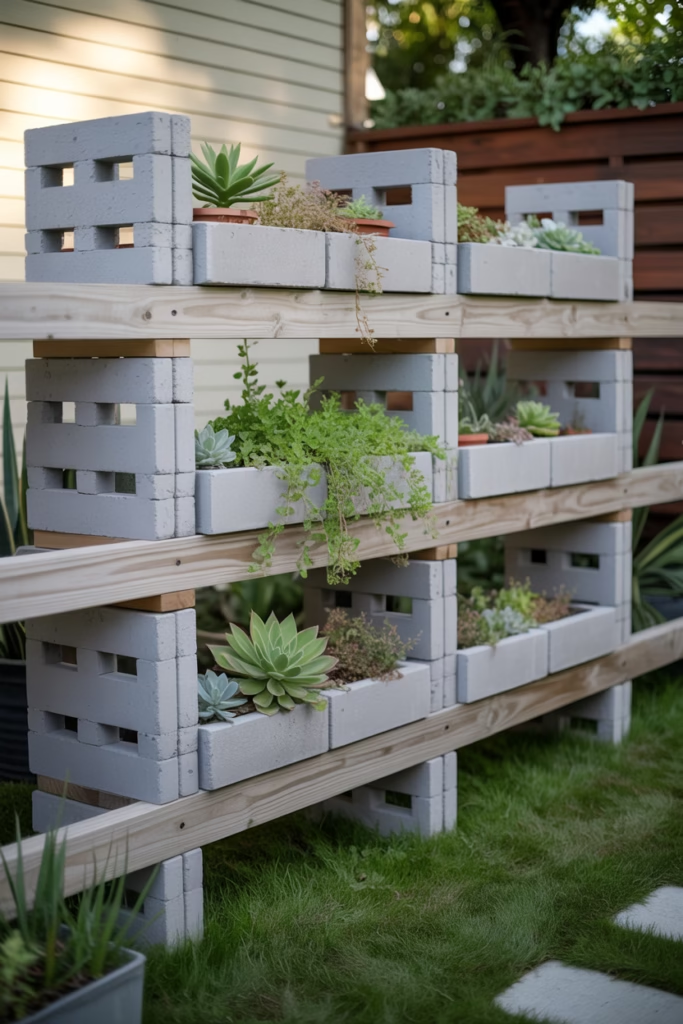
Okay, cinder blocks aren’t exactly glamorous on their own. But paint them, stack them creatively, and use them as post anchors for horizontal timber rails, and you get something unexpectedly cool. This works especially well in Mediterranean or desert-style gardens.
You can find cinder blocks at hardware stores for as little as $1–$2 each. Stack them in alternating patterns, fill the hollow cores with soil and plant succulents or herbs in them, and you’ve basically turned your fence into a planting feature. Two jobs, one budget.
10. Twig and Branch Border Fence
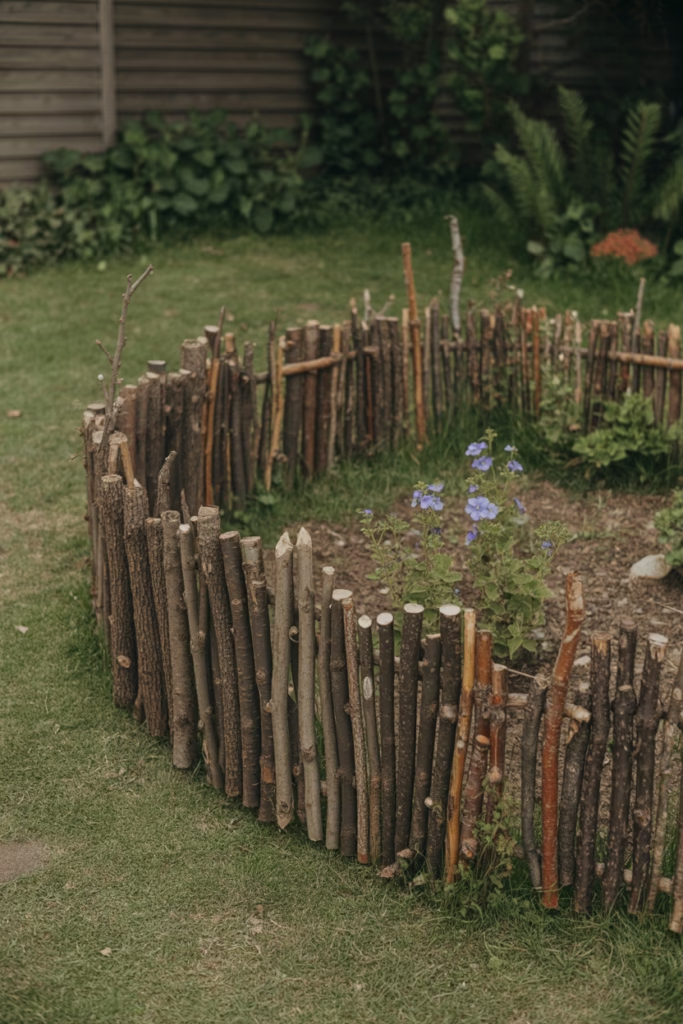
This one is for the truly frugal among us — and I mean that as a compliment. Collect fallen branches and thick twigs from your own garden or local woodland walks, and you have free fencing material. Bundle them together with wire or natural twine, or weave them between stakes to create a low, rustic border.
It’s not going to keep out anything determined, but for defining flower beds or creating a decorative garden edge, it’s absolutely charming. Plus, it’s completely free. FYI, this also makes great habitat for garden insects, so it’s a win for biodiversity too.
11. Gabion Wire Baskets
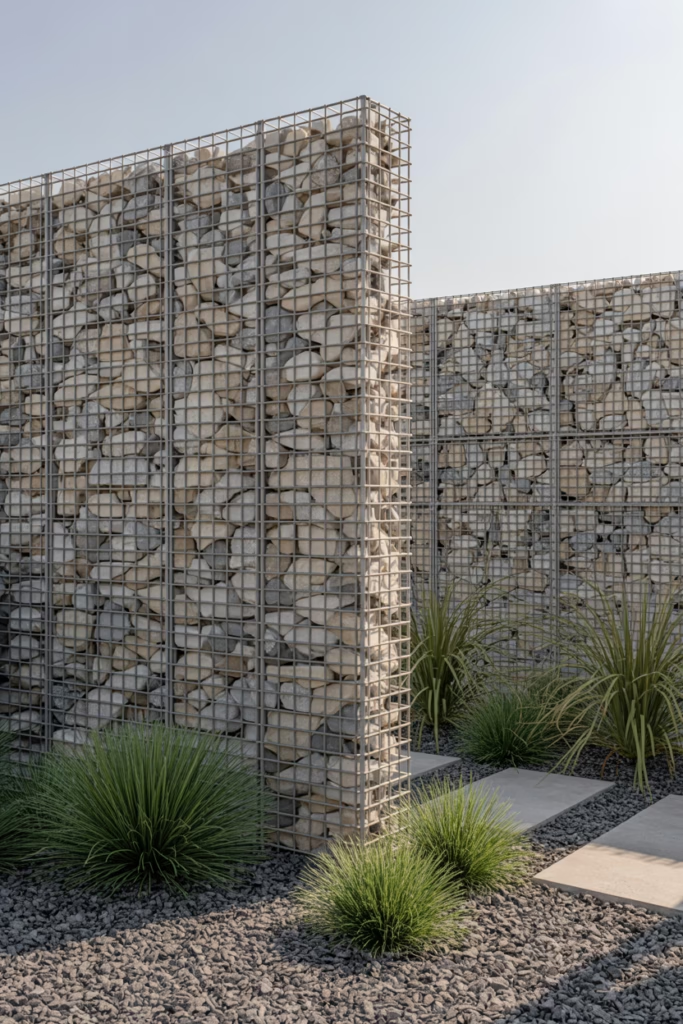
Gabion fences — wire mesh cages filled with stones or pebbles — have gone from purely industrial to genuinely fashionable in garden design. The wire cages themselves are inexpensive, and the filling can be free if you have access to local stone or gravel.
Stack them to whatever height you want, and they create a sturdy, modern, textured boundary that looks intentionally designed. They’re especially effective in contemporary or minimalist gardens where you want structure without plants.
Best for: Modern garden edges, retaining walls, decorative features
12. Reed Screen Panels
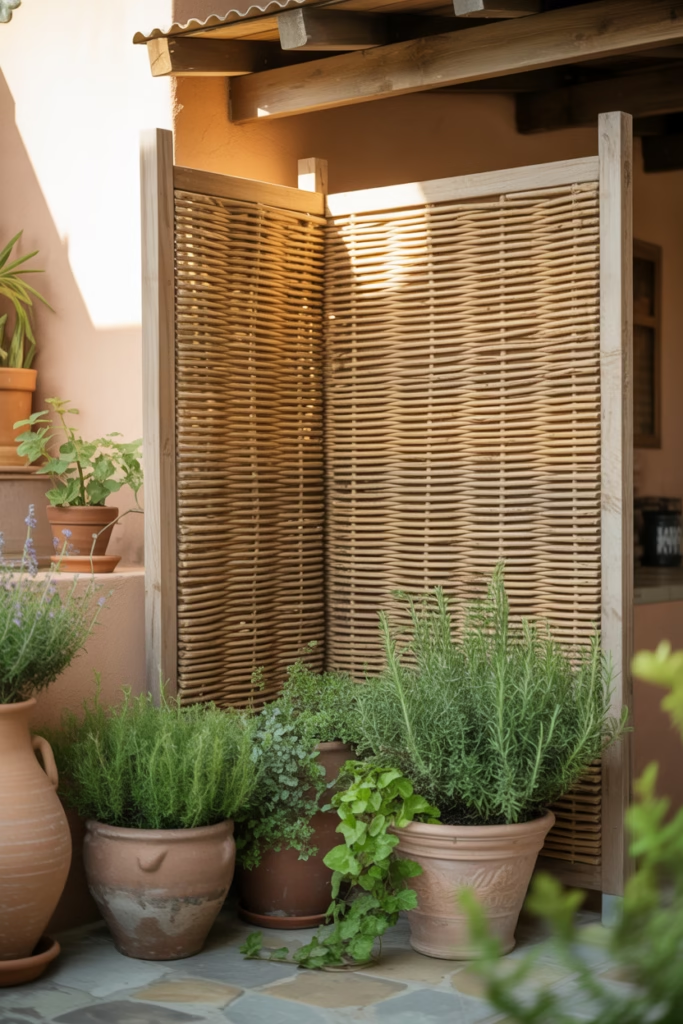
Reed screen panels are similar to bamboo rolls but have a slightly different texture and aesthetic. They’re incredibly affordable — often $15–$30 per panel — and create an instant tropical or Mediterranean vibe.
Fix them to a basic timber frame or attach them directly to existing fence posts. They work brilliantly as privacy screens on patios and decking, and they’re lightweight enough to move around if you want to reconfigure your garden layout.
13. Hazel Hurdle Panels
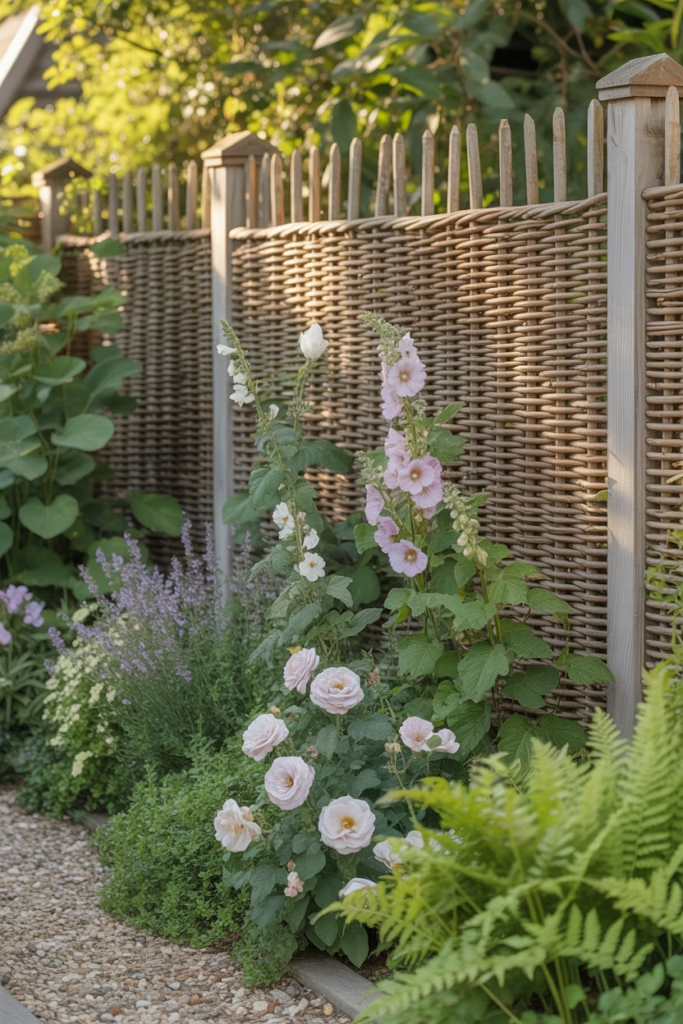
Hazel hurdle panels are a slightly more refined version of the wattle fence idea. Traditionally handwoven from hazel rods, hurdle panels are neat, well-structured, and look beautiful in country-style gardens. You can find them at garden centers or craft fairs, often for $25–$50 per panel.
They’re temporary enough to move around but sturdy enough to last several seasons. Stack a few trailing plants like nasturtiums at the base and you’ve got an instant cottage garden feature.
14. Upcycled Door and Shutter Fence
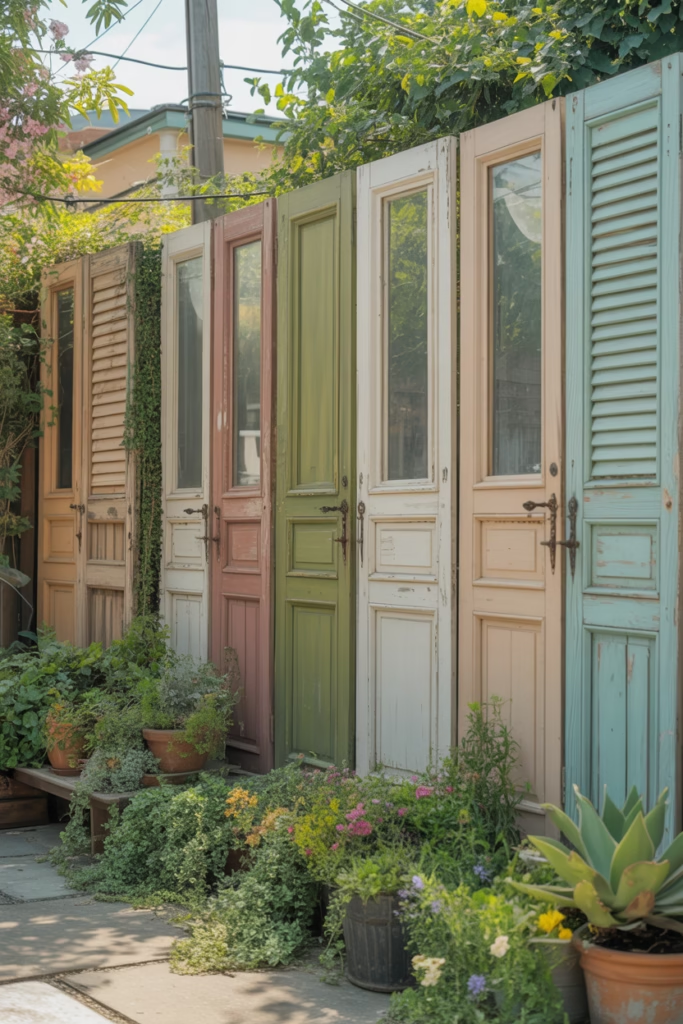
Now this is where things get really fun. Hunt down old doors, window shutters, or fence panels from salvage yards or Marketplace listings, line them up end to end, and you get an incredibly quirky, characterful fence that nobody else on the street will have.
The more mismatched the better, honestly — different heights, colors, and styles create an eclectic, bohemian garden boundary that photographers love. Give them a lick of exterior paint if you want them to last longer, or let the weathered look do its thing.
Best for: Boho gardens, creative outdoor spaces, social media-worthy garden design
15. Simple Post and Wire Fence
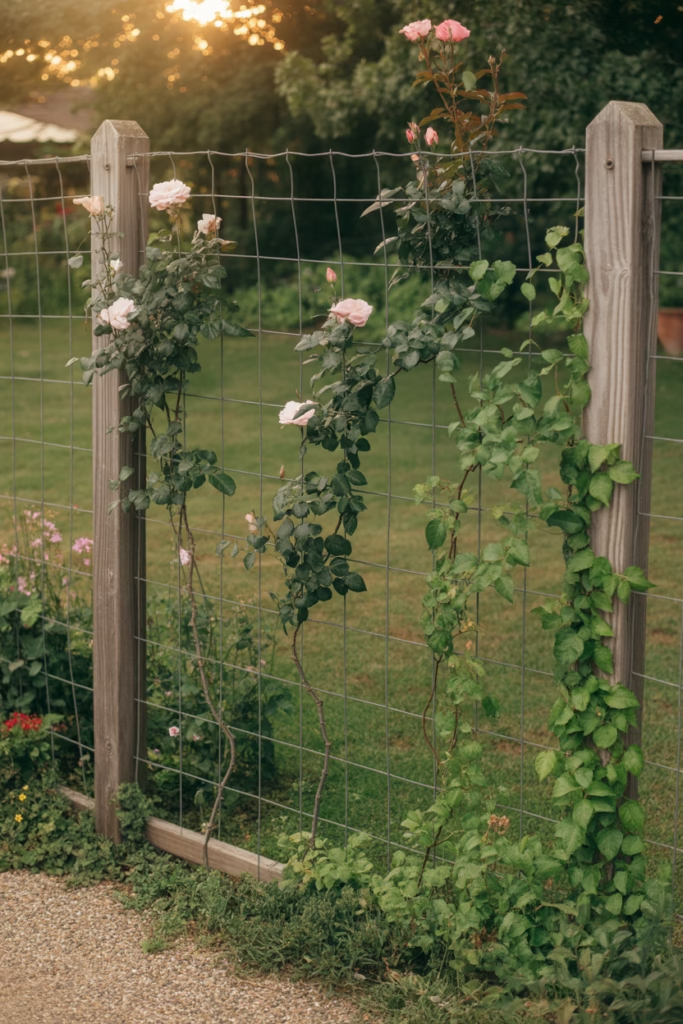
Sometimes the most effective solution is also the simplest. A basic post and wire fence — wooden or metal posts with strands of galvanized wire stretched between them — is one of the most affordable fencing options available, and it does a surprisingly effective job.
It won’t give you privacy, but it clearly defines your boundary and works brilliantly as a support structure for climbing plants. Run sweet peas, runner beans, or climbing roses along it, and within weeks you’ll have a lush green wall of growth. It’s functional and beautiful at the same time, which is really the sweet spot for budget gardening :/
How to Choose the Right Budget Fence for Your Garden
With 15 options in front of you, how do you actually pick one? Here are a few simple questions to ask yourself:
- What’s the fence for? Privacy, decoration, plant support, or keeping pets in/out?
- What’s your garden style? Cottage, modern, boho, farmhouse, or naturalistic?
- How permanent does it need to be? Some options last decades; others are seasonal.
- How much time do you want to spend? Some are instant; others need a weekend project.
- What’s your actual budget? Some options are truly free; others cost a couple hundred dollars.
Once you answer those, your list narrows down pretty quickly.
Tips for Making Budget Fencing Look More Expensive
Even the most affordable fence can look polished with the right finishing touches. Here’s what actually makes a difference:
- Consistent paint or stain color ties everything together and elevates cheap materials instantly
- Uniform post heights make any fence look more intentional and professional
- Climbing plants soften hard lines and add lushness that distracts from imperfections
- A neat base — whether gravel, mulch, or grass edging — makes the fence look like part of a designed space
- Good lighting along a fence line adds drama and makes even the simplest design look considered
A Note on DIY vs. Buying Panels
Here’s the honest truth: pre-made panels save time but cost more, while DIY saves money but costs you a weekend. For most budget-conscious gardeners, the sweet spot is buying the raw materials and doing a simple installation yourself.
You don’t need professional skills for most of the options on this list. A post hole digger, a drill, some galvanized screws, and an afternoon are genuinely all you need for most projects. The YouTube tutorials for almost every fence type here are thorough and beginner-friendly.
Wrapping It Up
There you go, 15 genuinely affordable garden fence ideas that cover every style, skill level, and garden size. From free twig bundles and living willow fences to corrugated metal and upcycled doors, you really don’t need a big budget to create a garden boundary that looks great and works hard.
The best fence is the one that fits your garden’s personality, solves the practical problem you have, and doesn’t leave you eating instant noodles for the rest of the month. Pick one that excites you, get your hands dirty, and enjoy the process because, honestly, that’s half the fun of gardening anyway.
Now go build something.