

Dark, earthy living rooms just hit differently, don’t they? They feel cozy, moody, grounded, and a little dramatic in the best possible way. If you want a space that looks stylish without feeling cold or over-designed, dark earthy decor gives you that sweet spot.
I’ve always loved living rooms that feel warm and a bit cocoon-like. Bright white spaces can look pretty, sure, but sometimes they also feel like a dentist’s waiting room with better lighting. Dark earthy living room ideas bring in depth, texture, and character, and they make a room feel lived-in in a really good way.
If you’ve been thinking about using deep browns, clay tones, olive green, charcoal, rust, and warm wood in your space, you’re in the right place. Let’s talk through 15 dark earthy living room design ideas that can make your home feel richer, calmer, and way more inviting.
1. Start With a Deep Brown or Charcoal Wall Color
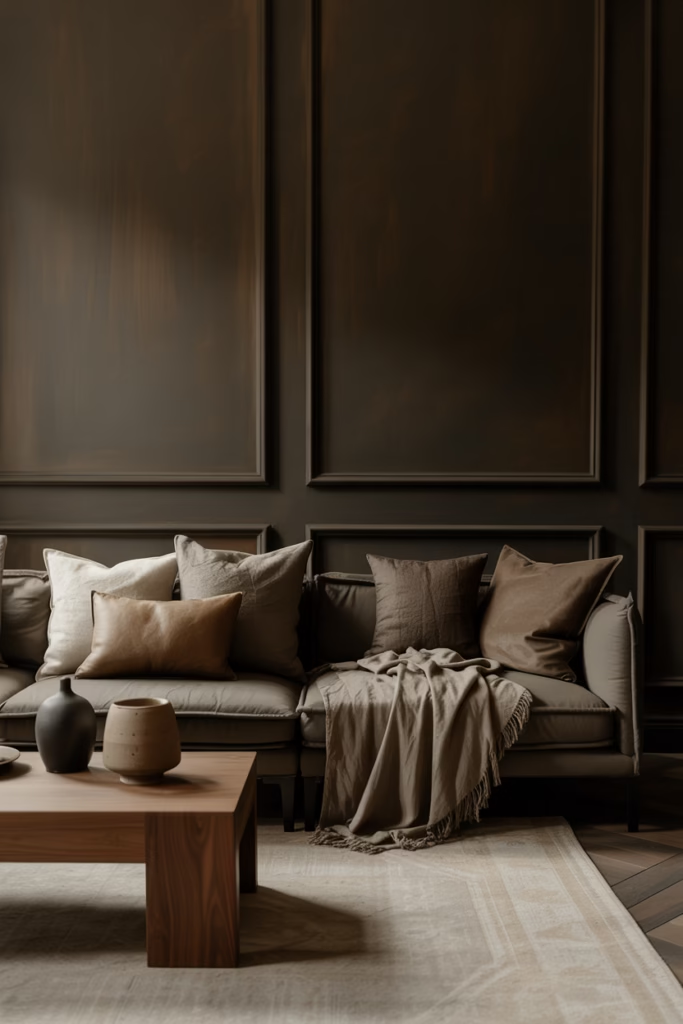
Wall color sets the mood fast. If you want that dark earthy living room look, start with a grounded shade like espresso brown, muddy taupe, deep olive, or warm charcoal.
These tones create instant depth. They also make furniture and decor stand out more, especially if you layer in lighter fabrics and natural textures. Ever noticed how a dark wall makes a room feel more intentional? That’s not magic. It’s contrast doing the heavy lifting.
Best wall colors to consider
- Warm charcoal for a modern but cozy feel.
- Deep olive green for a natural, organic vibe.
- Chocolate brown for richness and warmth.
- Smoky taupe for a softer earthy look.
I’d personally choose a brown-based charcoal over a cool gray every single time. Cool gray had its moment, and honestly, it overstayed its welcome :/
2. Layer Warm Wood Tones
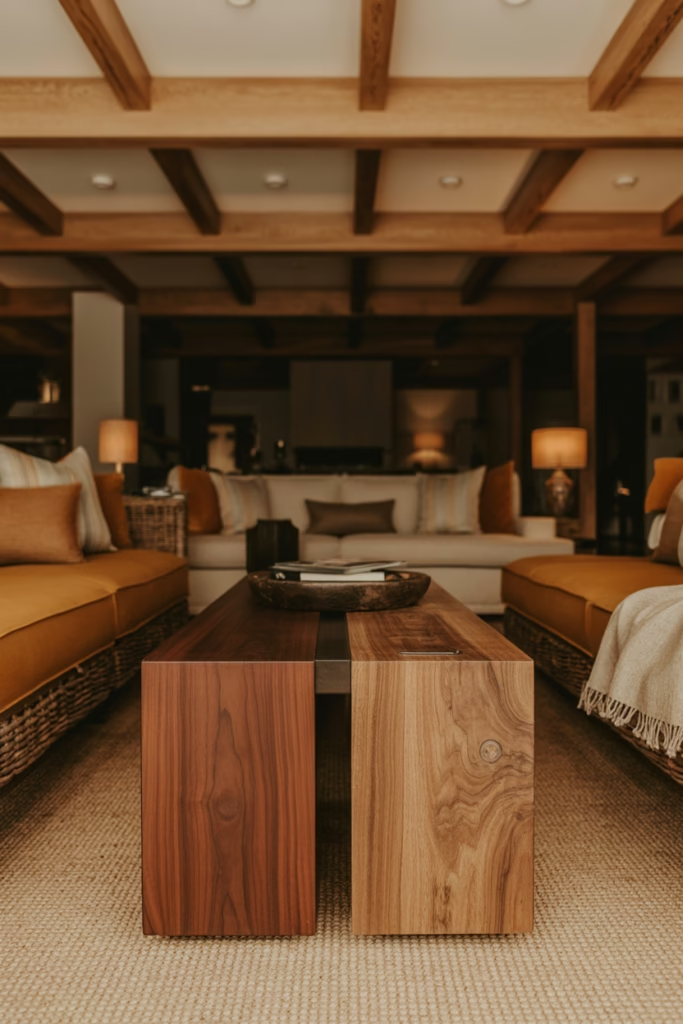
A dark earthy room needs wood. Not the pale, barely-there kind that looks like it came with assembly trauma, but rich warm woods that add age, warmth, and texture.
Think walnut, oak with a medium stain, reclaimed wood, or even a weathered wood coffee table. These finishes balance the darkness and keep the room from feeling flat.
Where to use wood in the living room
- Coffee tables
- Side tables
- Ceiling beams
- Open shelving
- Picture frames
- Media consoles
The trick here involves variation. If every wood piece matches perfectly, the room can feel stiff. A mix of wood tones usually looks more natural and collected.
3. Bring in Olive Green Accents
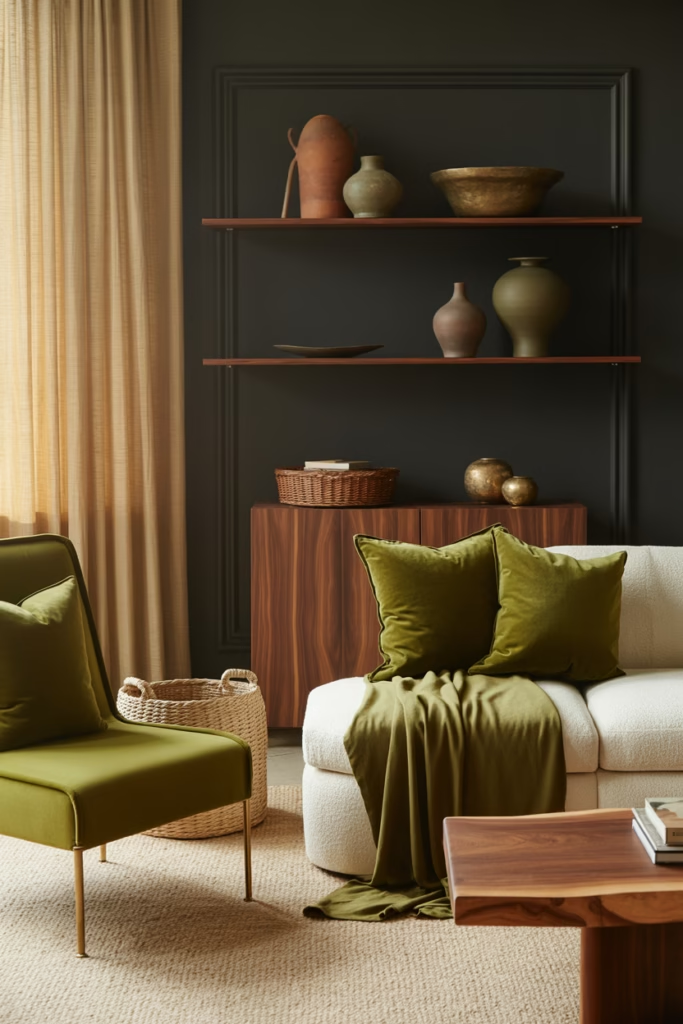
If you want color without ruining the earthy mood, olive green works like a charm. It adds life while still keeping the palette grounded and cozy.
You can use olive green in throw pillows, curtains, accent chairs, or even painted built-ins. It pairs beautifully with brown, black, rust, terracotta, and cream. IMO, it’s one of the easiest colors to work into a dark earthy interior because it looks expensive even when it isn’t.
4. Use Terracotta and Rust for Warmth
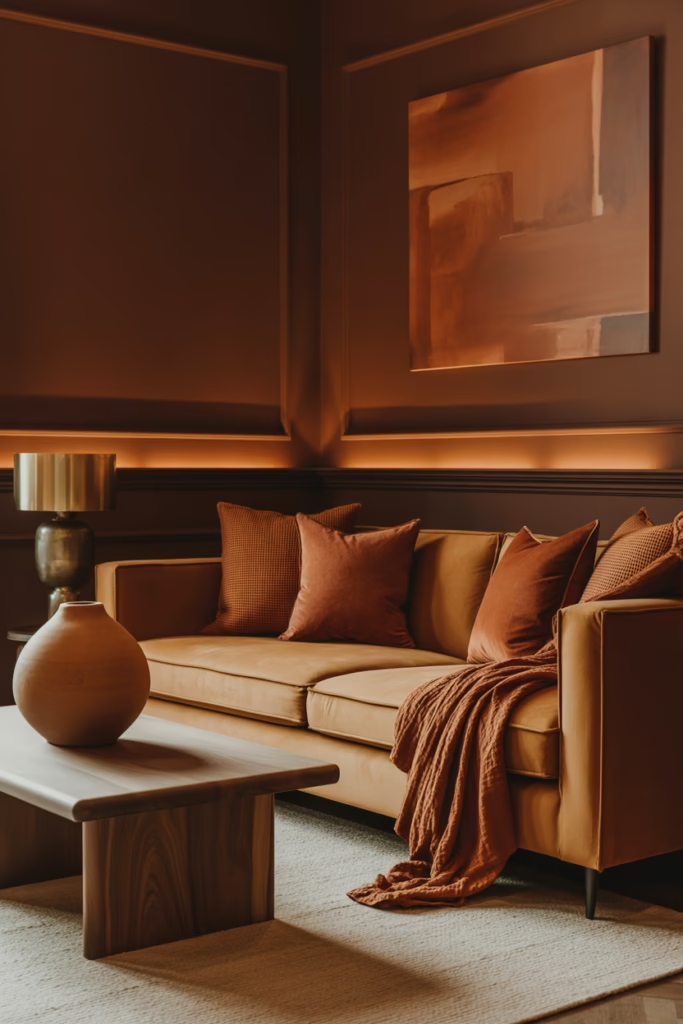
Dark spaces need warmth or they can start to feel heavy. Terracotta and rust tones fix that fast.
These colors echo nature, clay, desert landscapes, and old-world interiors. They add energy without shouting for attention. I love using rust in textiles because it warms up deep wall colors and makes the room feel layered instead of gloomy.
Easy ways to add terracotta and rust
- Throw blankets
- Accent pillows
- Art prints
- Ceramic vases
- Upholstered ottomans
A little goes a long way. You want warmth, not a pumpkin spice explosion.
5. Choose a Low, Cozy Sofa in an Earthy Tone
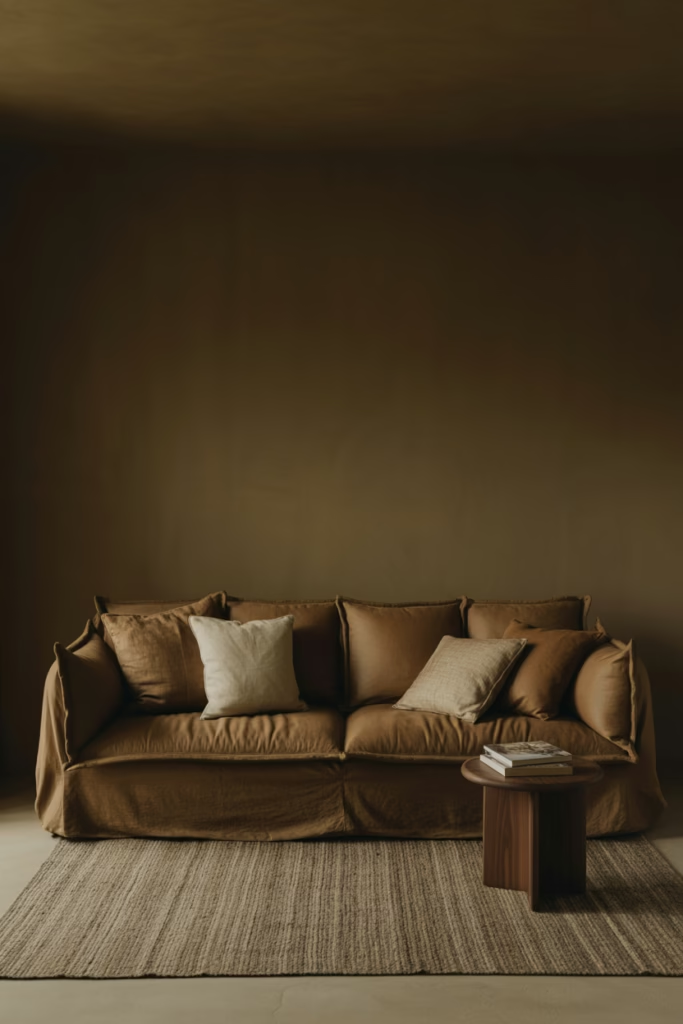
The sofa usually dominates the room, so choose one that supports the palette. A low-profile sofa in deep brown, camel, olive, or muted taupe works beautifully in a dark earthy living room.
I’d skip anything too shiny or overly structured. Soft lines, relaxed cushions, and tactile fabrics feel more inviting. Linen blends, velvet, cotton, and performance fabrics all work well if the color stays warm and grounded.
Sofa colors that work best
- Camel
- Tobacco brown
- Moss green
- Muddy beige
- Warm gray-brown
Ever sat in a living room that looked stunning but felt weirdly untouchable? Yeah, don’t do that. Pick a sofa that invites people to actually sit down.
6. Add Texture With Natural Materials
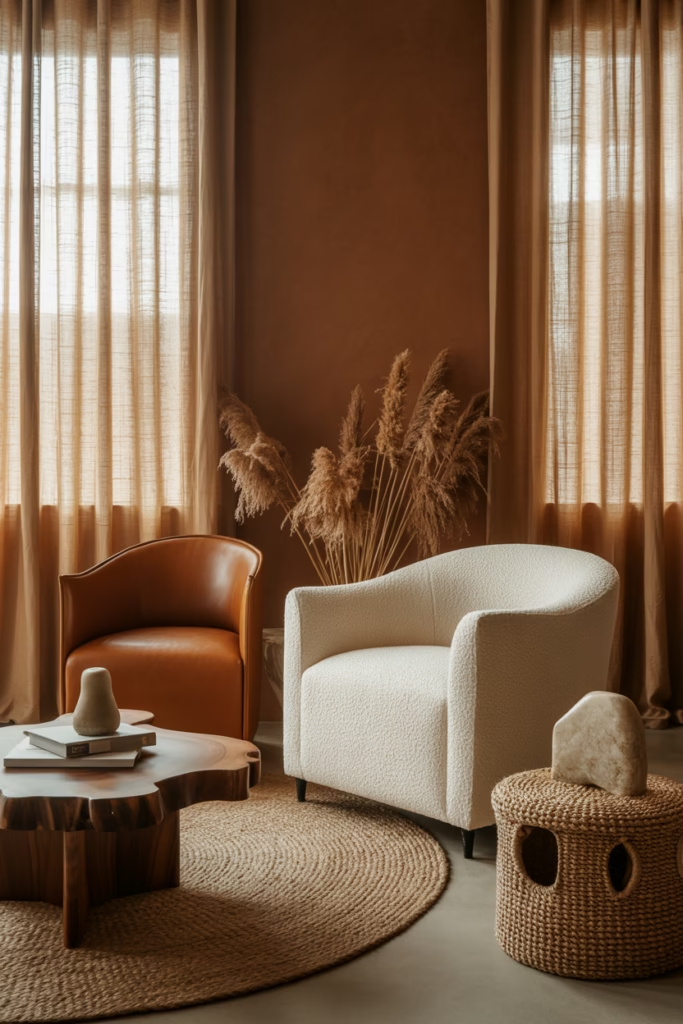
Texture matters even more than color in a dark room. Without it, the space can feel one-note. With it, the room feels rich, layered, and comfortable.
Use leather, jute, bouclé, wool, rattan, linen, raw wood, and stone to break up the darkness. These materials reflect light in different ways, which keeps the room interesting even when the palette stays subdued.
Natural textures that elevate the room
- A jute or wool area rug
- Linen curtains
- A leather accent chair
- Stone decor pieces
- Woven baskets
- Ceramic lamps
I always say this: a good room uses color, but a great room uses texture. That sounds dramatic, but I stand by it.
7. Try Black Accents for Definition
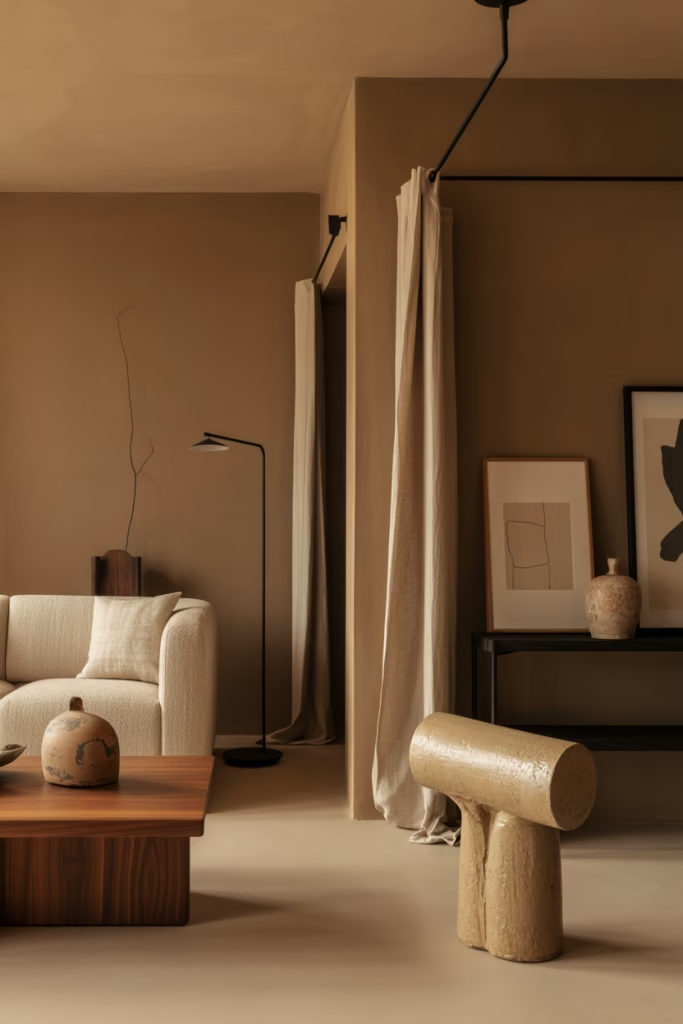
A lot of people worry that black will make a dark earthy living room feel too heavy. Sometimes it can, but when you use it in small doses, it actually sharpens the whole space.
Black accents add contrast and structure. Think metal curtain rods, lamp bases, thin picture frames, or a black marble side table. These details create visual anchors and stop the room from looking too muddy.
8. Use Moody Lighting Instead of Harsh Overhead Lights
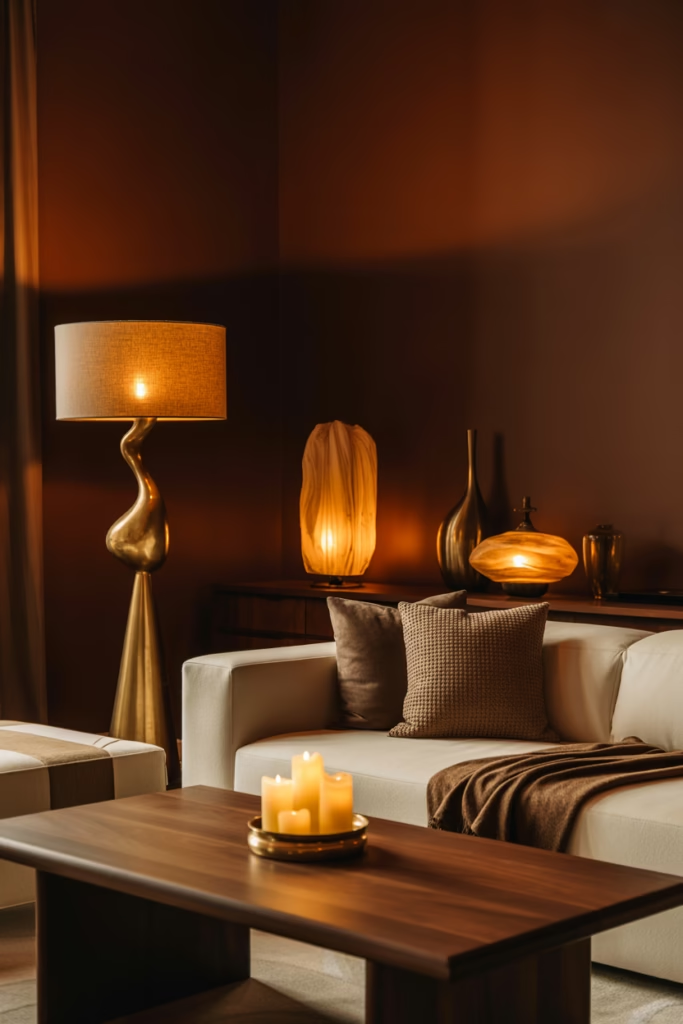
Nothing kills a cozy earthy living room faster than one blinding ceiling light. You know the one. It makes everyone look tired and every design choice feel slightly aggressive.
If you want a moody, inviting room, use layered lighting instead. Mix floor lamps, table lamps, wall sconces, and candles to create pools of warm light.
Best lighting ideas for a dark earthy living room
- Warm white bulbs
- Linen or woven lampshades
- A sculptural floor lamp
- Wall sconces with a soft glow
- Candles in amber or matte ceramic holders
Lighting changes everything. A room with dark walls and warm lighting feels intimate and stylish. The same room with cold overhead lighting feels like a questionable hotel lounge.
9. Ground the Space With a Large Area Rug
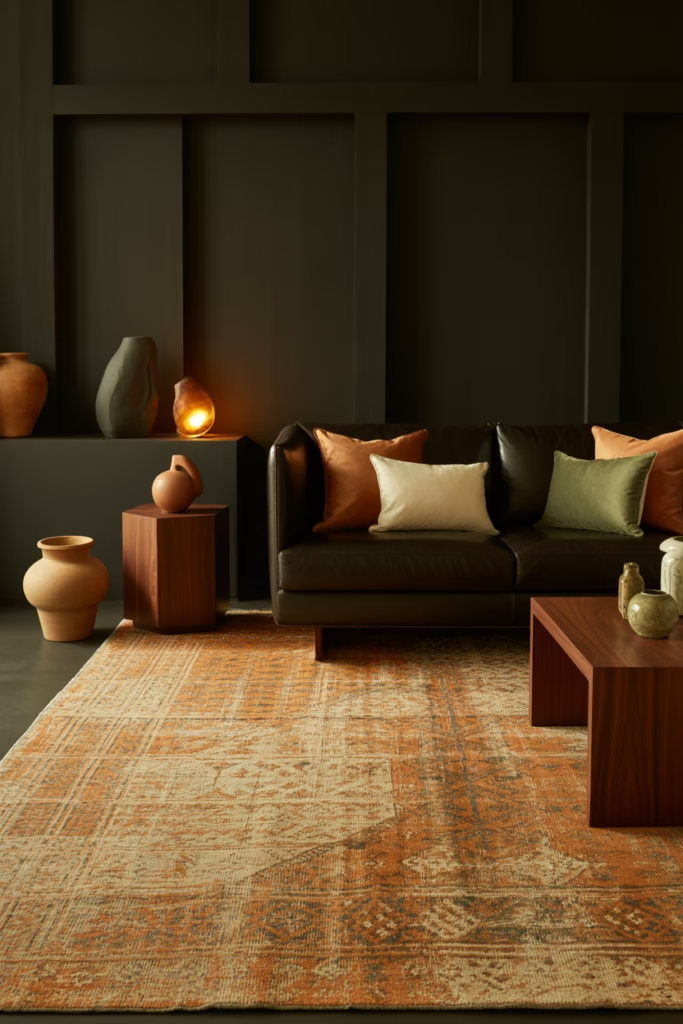
A rug helps anchor your furniture and soften the room. In a dark earthy living room design, the right rug also adds pattern, warmth, and contrast.
Look for rugs in faded vintage styles, earthy geometric prints, or solid woven textures. Colors like sand, terracotta, muted olive, charcoal, and cream work especially well. A slightly lighter rug often balances dark floors or walls nicely.
Rug tips that actually help
- Choose a rug large enough to sit under at least the front legs of your furniture.
- Use subtle patterns if the room already has a lot of texture.
- Pick warm undertones instead of icy grays.
- Layer a smaller rug over jute if you want extra depth.
This one matters more than people think. A too-small rug makes the whole room look awkward, like the furniture got into an argument and stopped speaking.
10. Mix in Cream and Beige to Keep Things Balanced
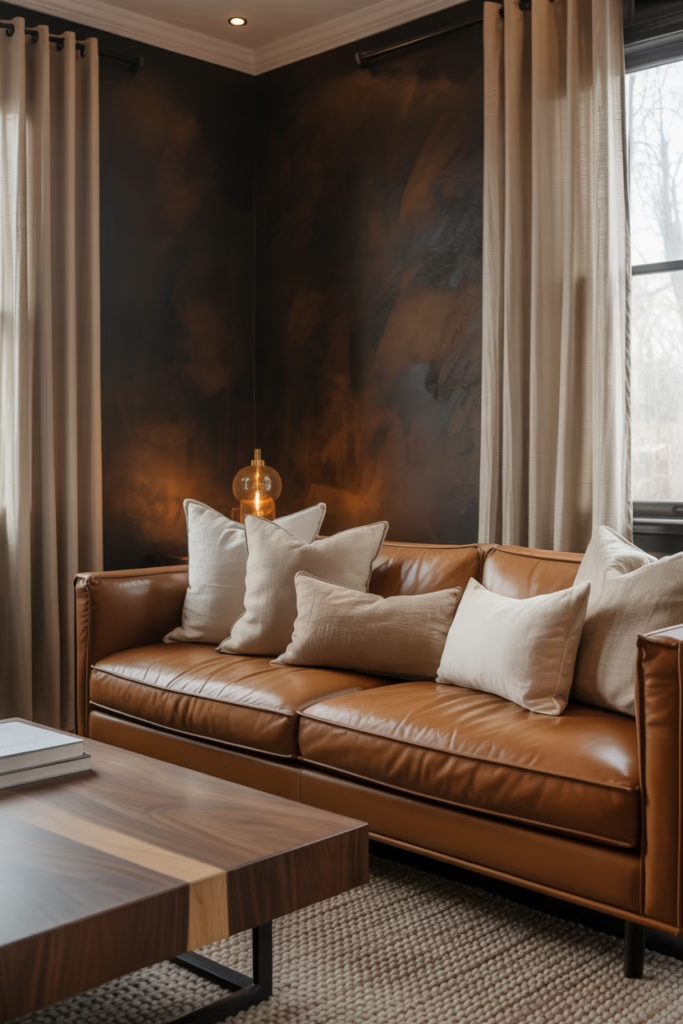
Dark and earthy does not mean dark and depressing. You need lighter tones to keep the room breathable. Cream, oatmeal, beige, and soft tan give your eye a place to rest.
Use these shades in pillows, curtains, lampshades, rugs, and upholstery. They soften the palette and stop the space from feeling too enclosed. I usually like adding cream through fabric because it lightens the room without making it lose that moody look.
11. Decorate With Stone, Clay, and Handmade Ceramics
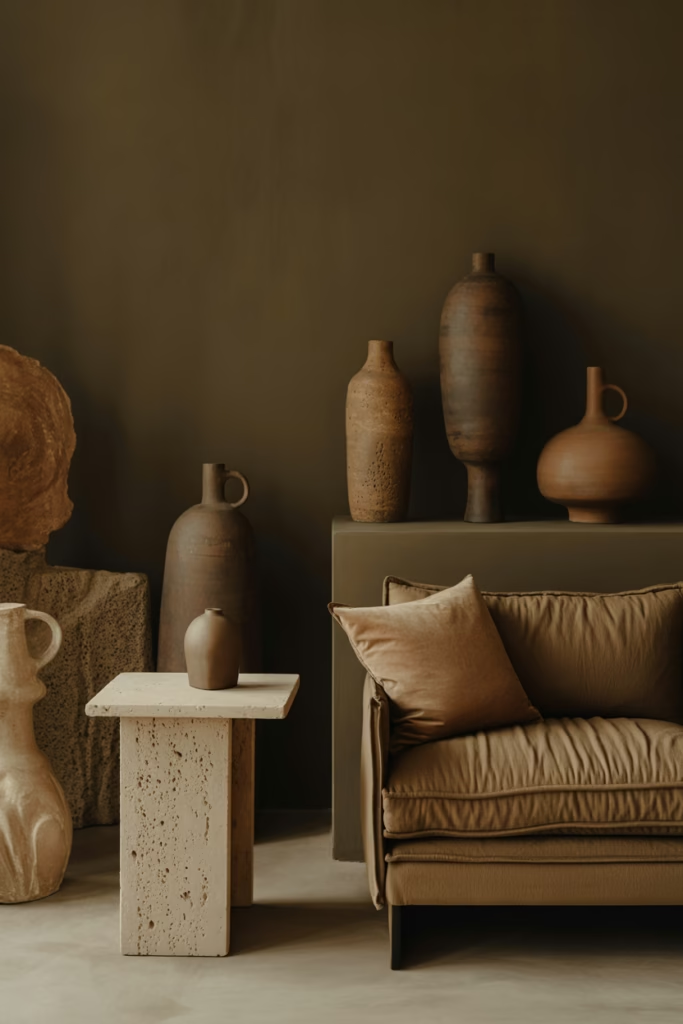
This idea sounds simple, but it makes a huge difference. Handmade-looking decor gives a dark earthy room a soulful, collected feel.
Clay vases, stone bowls, ceramic lamps, and textured pottery all fit beautifully into this style. These pieces bring in shape and natural variation, which makes the room feel less staged. FYI, perfectly glossy decor often looks out of place here.
Decor materials that suit the style
- Clay
- Travertine
- Marble
- Ceramic
- Concrete
- Aged metal
You don’t need a hundred tiny accessories either. A few well-chosen pieces usually look stronger than shelves full of random filler.
12. Create Contrast With Soft Curtains
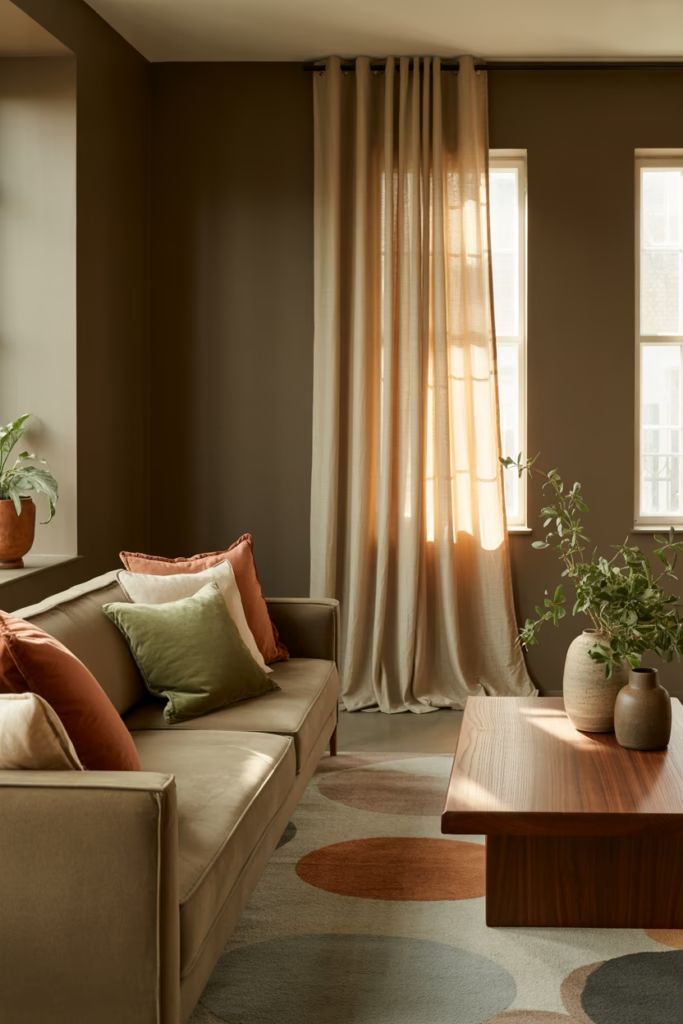
Curtains can quietly transform a room. In a dark earthy living room, soft full-length curtains add movement and balance.
I usually prefer linen or linen-look panels in cream, flax, taupe, or warm beige. They lighten the edges of the room and contrast beautifully with darker walls or furniture. Ever notice how bare windows can make a cozy room feel unfinished? Curtains fix that fast.
13. Use Vintage or Weathered Pieces for Character
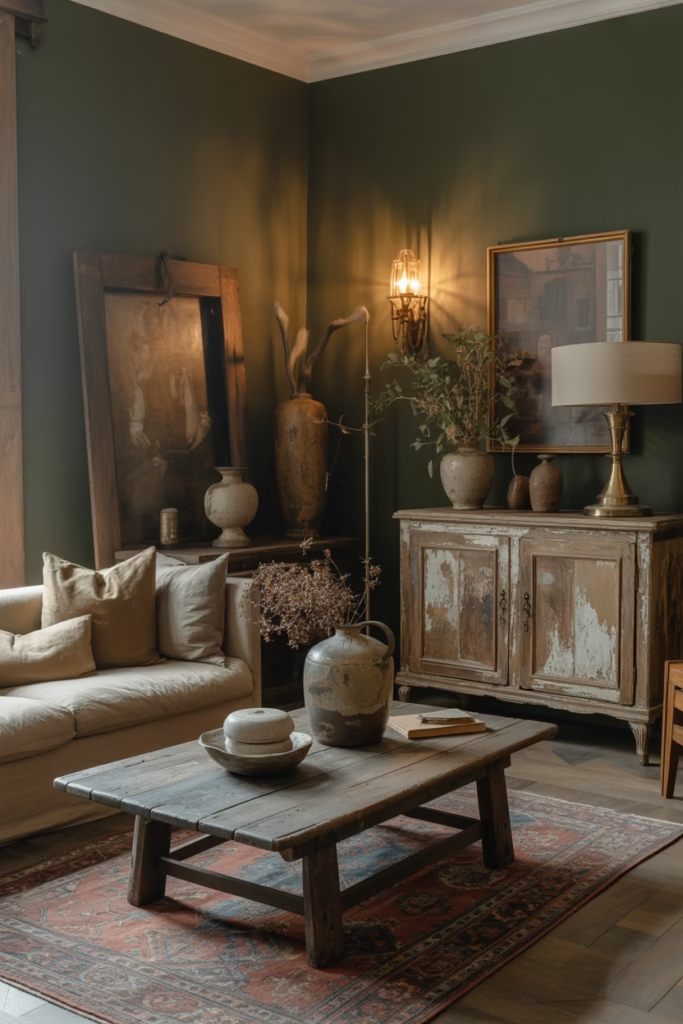
Dark earthy interiors look best when they feel a little collected over time. That’s where vintage furniture and weathered finishes come in.
Try an old wood cabinet, a distressed coffee table, antique brass lighting, or a vintage-style rug. These pieces add personality and stop the room from feeling too showroom-perfect. Honestly, a room with a little age usually feels more inviting than one that looks like it came straight out of a catalog.
Why vintage works so well here
- It adds warmth and patina.
- It breaks up overly polished finishes.
- It makes the room feel personal.
- It supports the earthy, grounded aesthetic.
You don’t need to turn your living room into a time capsule. Just mix in one or two pieces with history and let them do their thing.
14. Add Plants, But Keep Them Moody
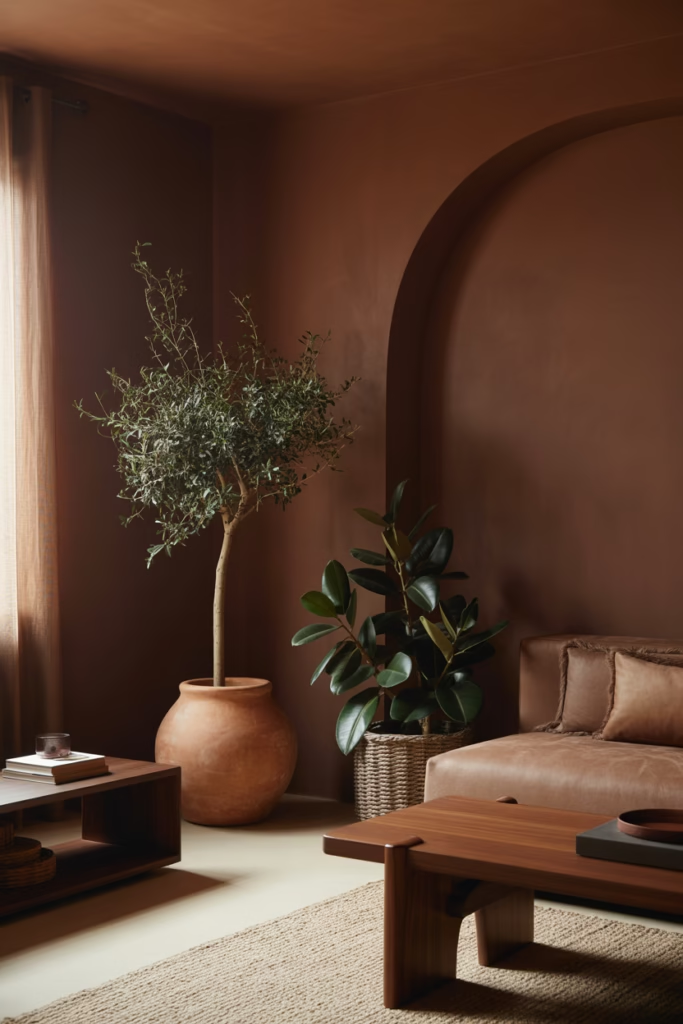
Yes, plants belong in a dark earthy living room. No, you do not need to create an indoor jungle unless you enjoy watering schedules and low-grade guilt 🙂
Stick with plants that suit the palette and shape of the room. Olive trees, rubber plants, snake plants, and trailing pothos all work well. Use clay, stone, or matte black planters to keep the look cohesive.
Best plant choices for this style
- Rubber plant
- Olive tree
- Snake plant
- ZZ plant
- Pothos
- Fiddle leaf fig
Plants add life and softness. They also stop dark color palettes from feeling too static.
15. Style the Room With Restraint
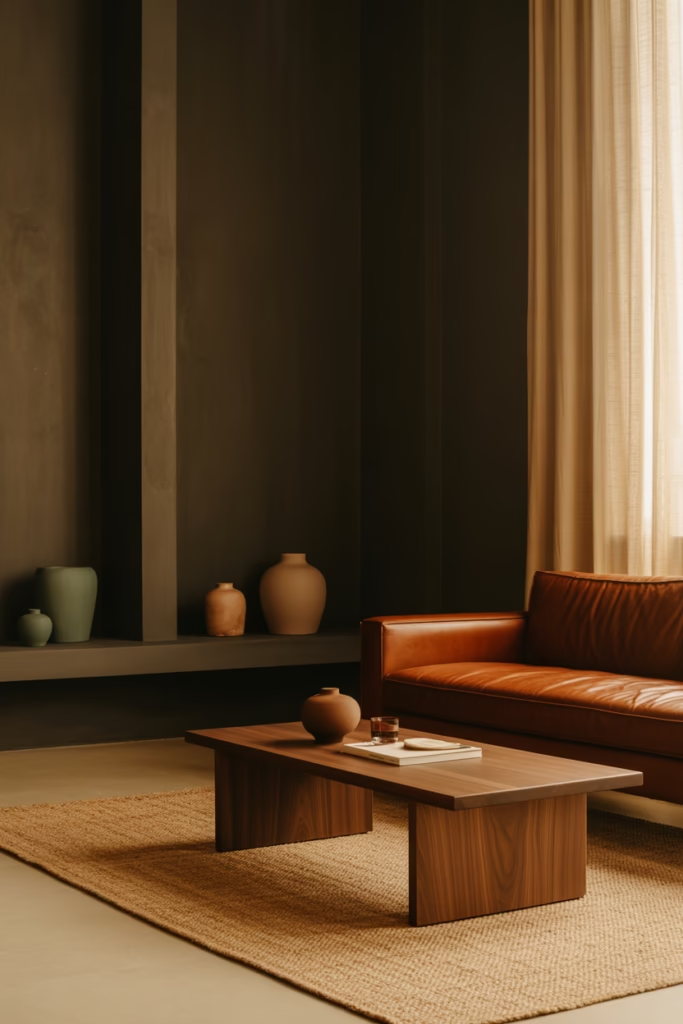
This might be the most important idea of all. A dark earthy living room looks best when it feels intentional, not overcrowded.
Choose fewer pieces, but choose them well. Let materials, color, and shape carry the room instead of piling on trendy decor. The whole point of this look involves calm, depth, and comfort, not visual chaos pretending to be personality.
What to prioritize
- Quality over quantity
- Layered textures over loud color
- Meaningful decor over filler items
- Warm lighting over harsh brightness
- Natural materials over overly synthetic finishes
I’ve seen people nail this style with just a dark wall, a beautiful sofa, a vintage rug, and a couple of ceramic pieces. Simple works. In fact, simple often works better.
How to Pull the Look Together
If you want your living room to feel cohesive, focus on a few core elements and repeat them throughout the space. You don’t need to use every dark earthy living room idea at once.
Start with this simple formula:
- Choose a dark base color for the walls or large furniture.
- Add warm wood tones for natural richness.
- Layer in earthy accent colors like olive, rust, and clay.
- Use soft lighter neutrals to balance the darkness.
- Finish with texture, mood lighting, and a few character pieces.
That’s really it. You’re building atmosphere, not chasing perfection. Big difference.
Common Mistakes to Avoid
Even a gorgeous style can go sideways if you miss the balance. If you want a polished result, avoid these common mistakes.
- Using too many cool tones, which can make the room feel flat.
- Relying only on dark colors without adding lighter contrast.
- Skipping texture, which makes the space feel dull.
- Choosing tiny rugs that float awkwardly in the room.
- Using harsh white lighting that kills the mood instantly.
- Overdecorating every surface until the room loses its calm vibe.
A dark earthy palette should feel warm and grounded. It should never feel cramped, gloomy, or try-hard.
Final Thoughts
Dark earthy living room design works because it feels both stylish and comforting. It mixes deep color, natural texture, warm lighting, and grounded materials to create a room that actually feels good to sit in. And honestly, that matters more than a perfectly curated shelf no one touches.
Whether you start with charcoal walls, olive accents, rust textiles, warm wood furniture, or handmade ceramics, the goal stays the same: create a space that feels cozy, rich, and personal. Pick the ideas that fit your home, trust your eye, and don’t overthink every tiny detail.
If your living room ends up looking warm, layered, and like a place where people actually want to hang out, you’ve nailed it.