
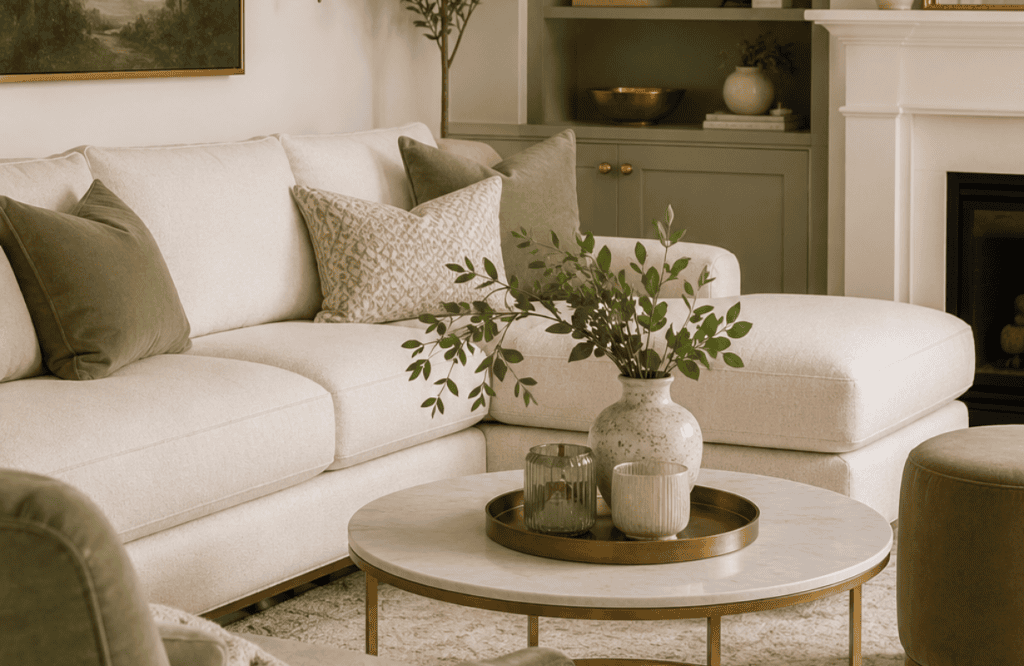
Walk into a beautifully designed home and you can just feel it, right? That expensive, put-together look that makes you wonder what the secret is. Here’s the truth: it’s rarely about the price tag. It’s about a handful of visual tricks that our brains automatically associate with luxury and quality.
Think about it—two rooms can have furniture from the exact same budget store, yet one looks like a designer showroom and the other looks like it’s still waiting to be finished. What’s the difference? It usually comes down to a few overlooked details: lighting, texture, proportion, and restraint. Nail those, and even the most affordable pieces suddenly look intentional. Skip them, and even pricier furniture can fall flat.
The good news? None of these tricks require a renovation budget or a design degree. They’re small, doable changes that make a massive visual impact—the kind of upgrades interior designers rely on again and again because they simply work. Ever wondered why some spaces feel calm, curated, and expensive while others feel chaotic no matter how much money went into them? It usually comes down to the details most people overlook entirely.
1. Swap Your Lighting for Layered Lighting
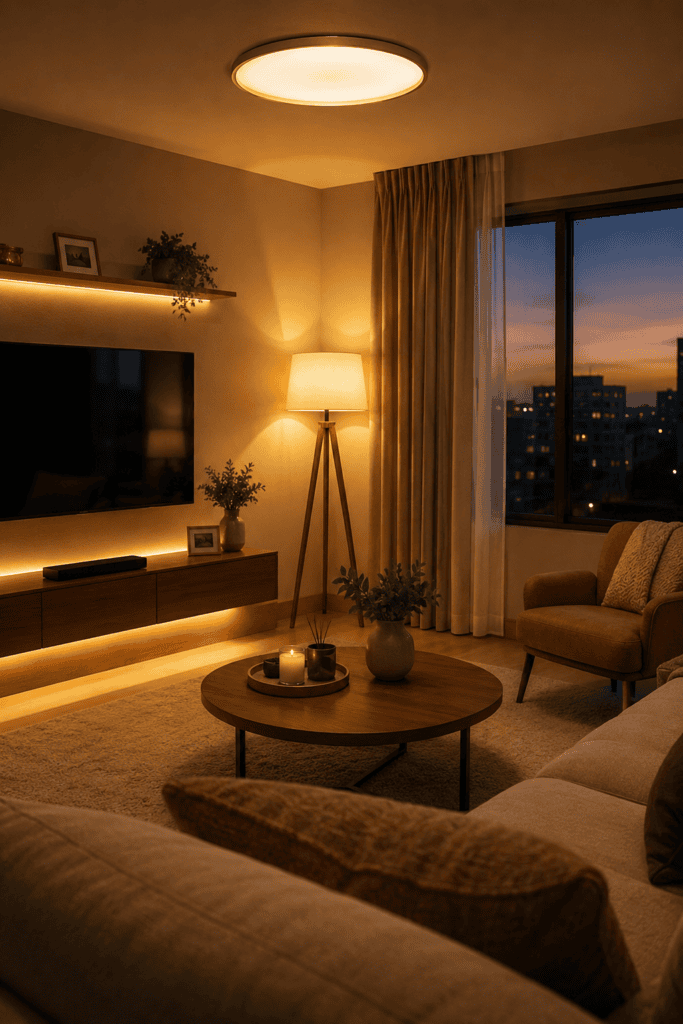
One overhead light bulb is the fastest way to make any room look cheap. Professional designers almost never rely on a single ceiling fixture, and once you see why, you can’t unsee it.
Layered lighting means combining three types in every room:
- Ambient light (your overhead or ceiling fixture)
- Task light (desk lamps, reading lights)
- Accent light (wall sconces, LED strips, picture lights)
I added two floor lamps and a strip of warm LED lights behind my TV console, and the room instantly felt warmer and more intentional. Ever wondered why hotel lobbies feel so cozy despite being huge, open spaces? Layered lighting. It’s doing all the heavy lifting.
2. Go Big With Your Art (Even If It’s Cheap Art)
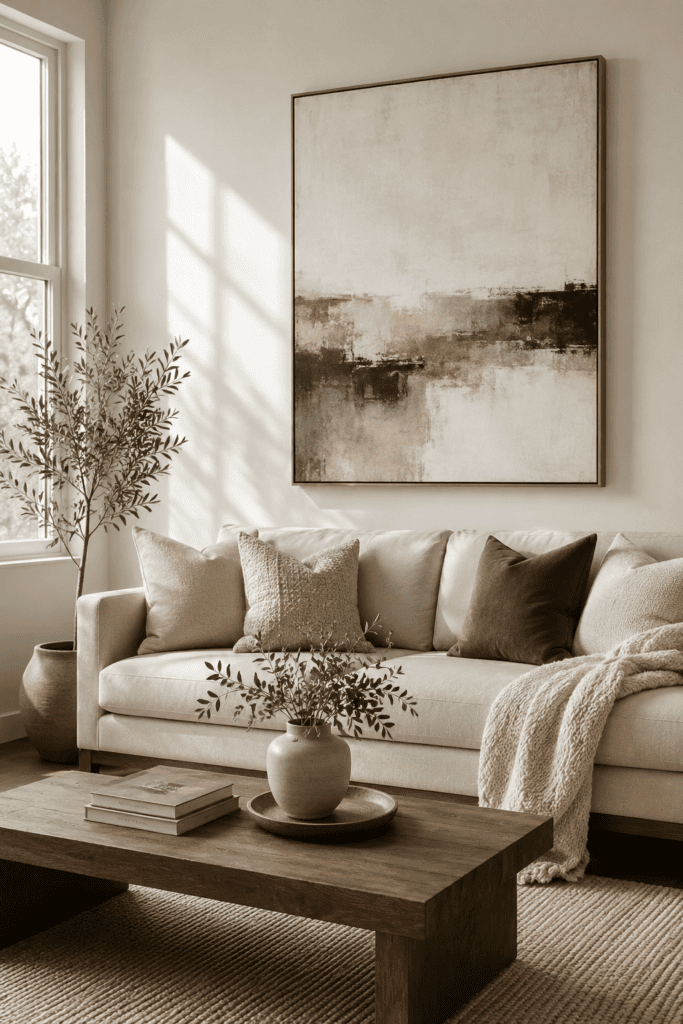
Small, scattered frames scream “afterthought.” Oversized art, even a $30 print from Society6, immediately reads as a deliberate design choice.
I bought a massive abstract canvas print for less than what I’d spend on takeout for a week, and it became the focal point of my entire living room. IMO, this is the single highest-impact, lowest-cost swap on this list. Go two sizes bigger than what feels “safe”—you’ll thank me later.
Where to Source Affordable Oversized Art
- Poster stores that print large-format canvases
- Etsy shops selling digital downloads you print yourself
- Thrift stores (seriously, check the frame section)
3. Invest In Textured Textiles
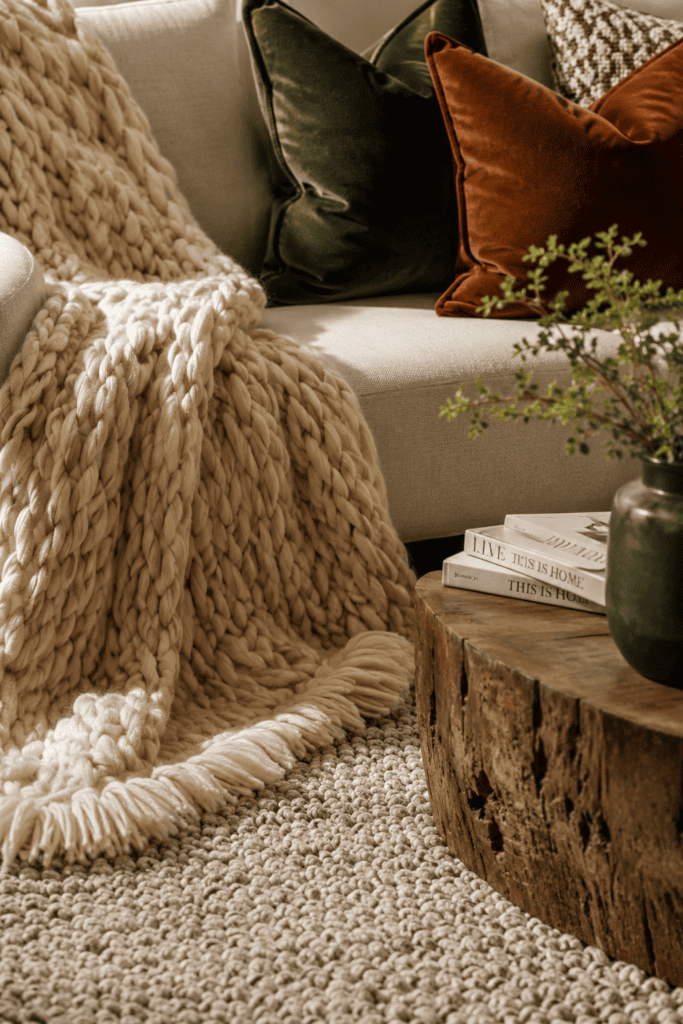
Flat, flimsy fabric is a dead giveaway of a budget space. Texture is what your hand—and your eye—registers as quality, even before you know why.
Bring in chunky knit throws, a nubby wool rug, or velvet throw pillows. I replaced my thin polyester curtains with heavier linen-blend ones, and the whole window wall looked like it cost triple. Is it a placebo effect? Maybe. Does it work? Absolutely.
4. Add Molding (Yes, Even Peel-and-Stick)
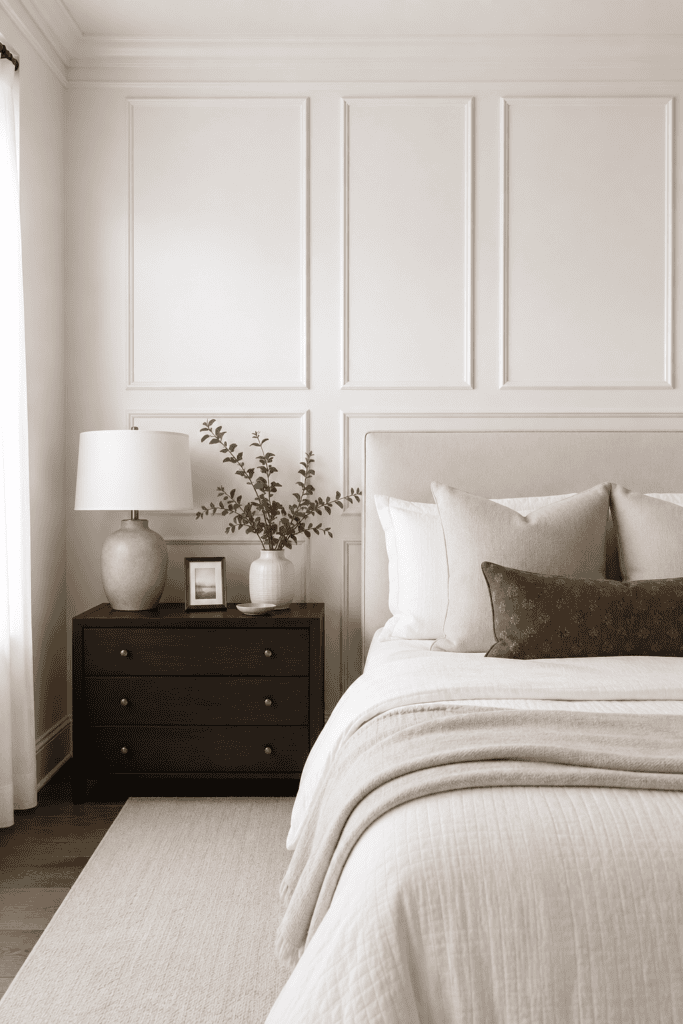
Crown molding, picture rail molding, or wainscoting instantly signals “custom home.” You don’t need to hire a carpenter—peel-and-stick or lightweight MDF molding kits from any hardware store do the trick.
I added a simple picture-frame molding pattern to one accent wall in an afternoon. The result looked like a $3,000 renovation, and it cost me under $150 in materials. Ever notice how builder-grade homes feel flat and generic? Missing molding is usually why.
5. Ditch Mismatched Hardware
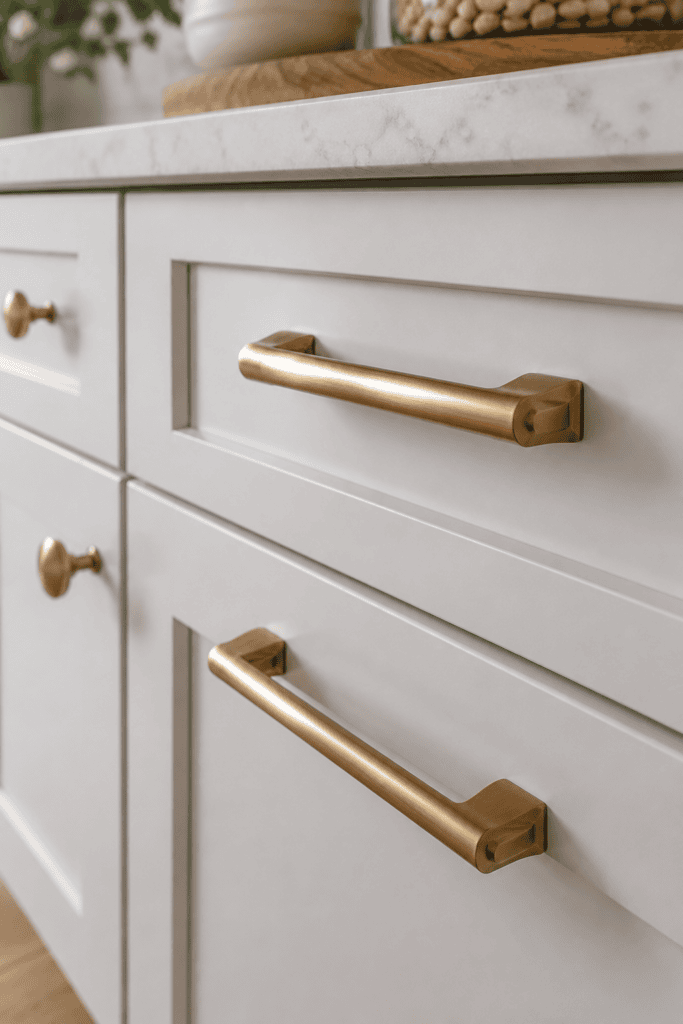
Cabinet knobs and drawer pulls are tiny, but mismatched or dated hardware makes an entire kitchen or bathroom feel unfinished. Swapping hardware is one of the cheapest upgrades that punches way above its price tag.
- Choose one finish (brushed brass, matte black, or brushed nickel) and stick with it throughout the space
- Go slightly oversized on pulls for a more substantial, high-end feel
- Replace builder-grade doorknobs while you’re at it
This project took me one Saturday afternoon and a screwdriver. I’m still shocked at how much it changed the entire kitchen’s vibe.
6. Create a Statement Ceiling
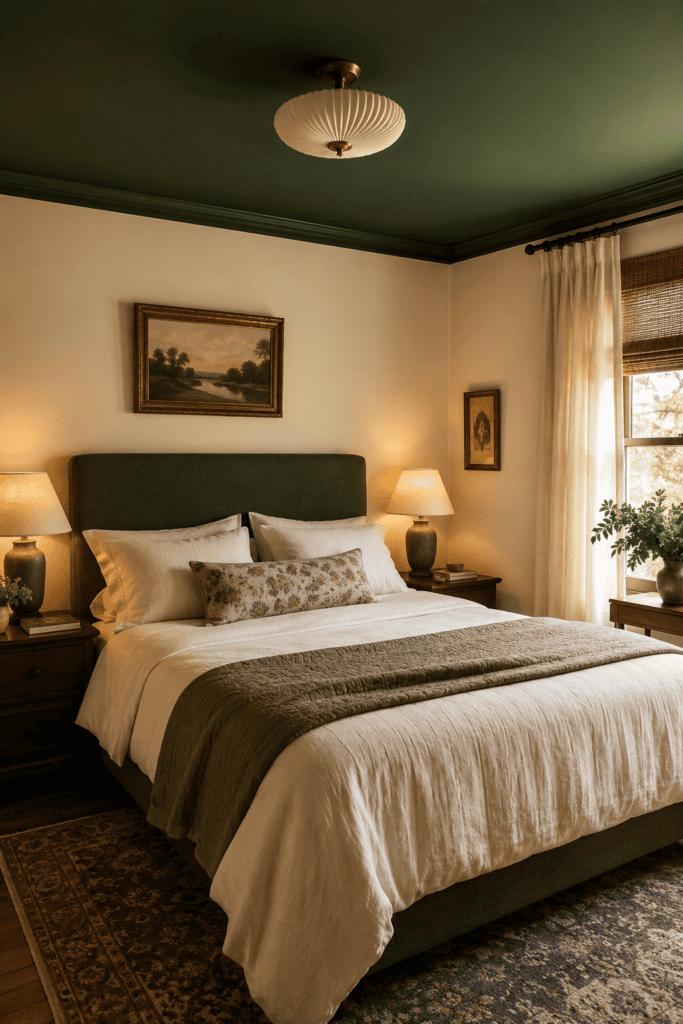
Nobody looks up. That’s exactly why it works. A painted ceiling, wallpapered ceiling, or even a simple two-tone paint job (walls in one shade, ceiling in a slightly darker or contrasting shade) creates a designer “wow” moment most rooms are missing.
I painted my bedroom ceiling a deep forest green while keeping the walls a soft cream, and it instantly felt like a boutique hotel room. Don’t have the budget for wallpaper? A can of paint and a weekend will do just fine.
7. Use a Console Table to Anchor Your Entryway
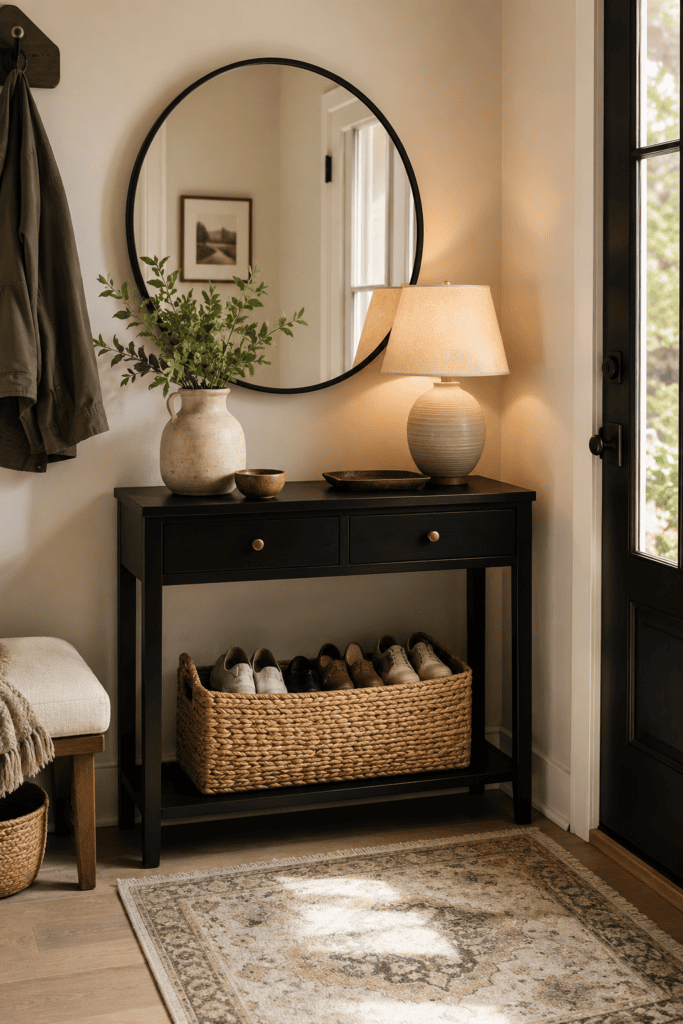
An empty entryway (or worse, a random pile of shoes) makes a home feel unplanned. A simple console table with a mirror above it, a lamp, and one decorative object creates an instant “welcome” moment that feels curated.
I found mine secondhand for $40 and gave it a coat of black paint. Add a woven basket underneath for shoes, and you’ve got function and style in one small footprint.
8. Group Your Decor in Odd Numbers
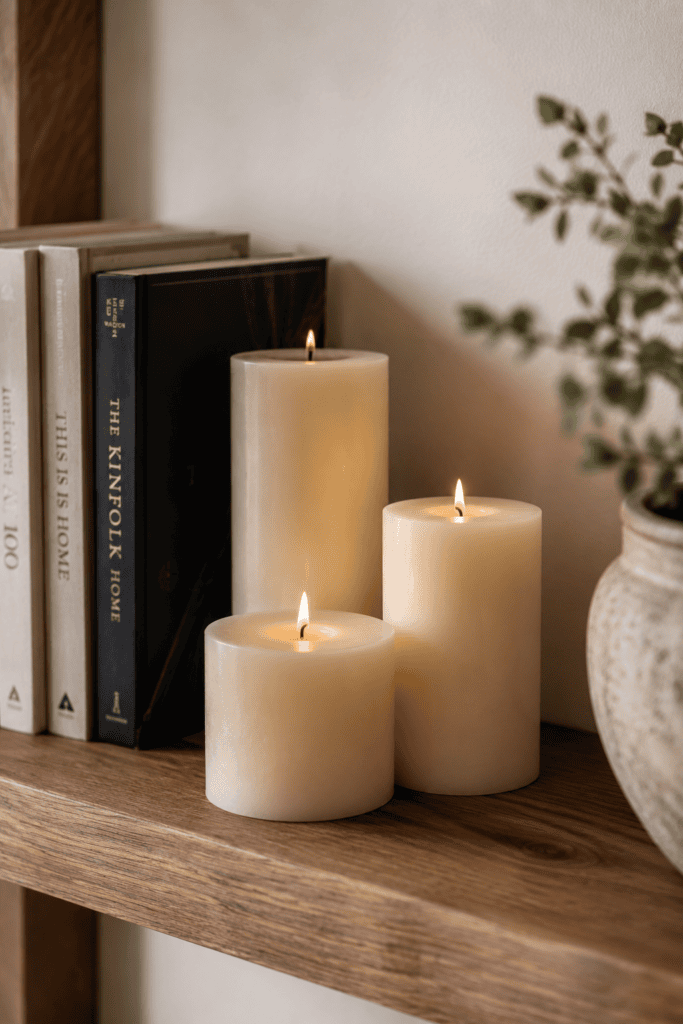
This is a classic designer trick, and once you know it, you’ll spot it everywhere: objects grouped in threes or fives look intentional, while pairs or scattered singles look accidental.
Try grouping candles, books, or vases in odd-numbered clusters of varying height. It sounds too simple to matter, but trust me—it makes a shelf look styled instead of just… occupied.
9. Bring In Greenery (Real or Convincing Fake)
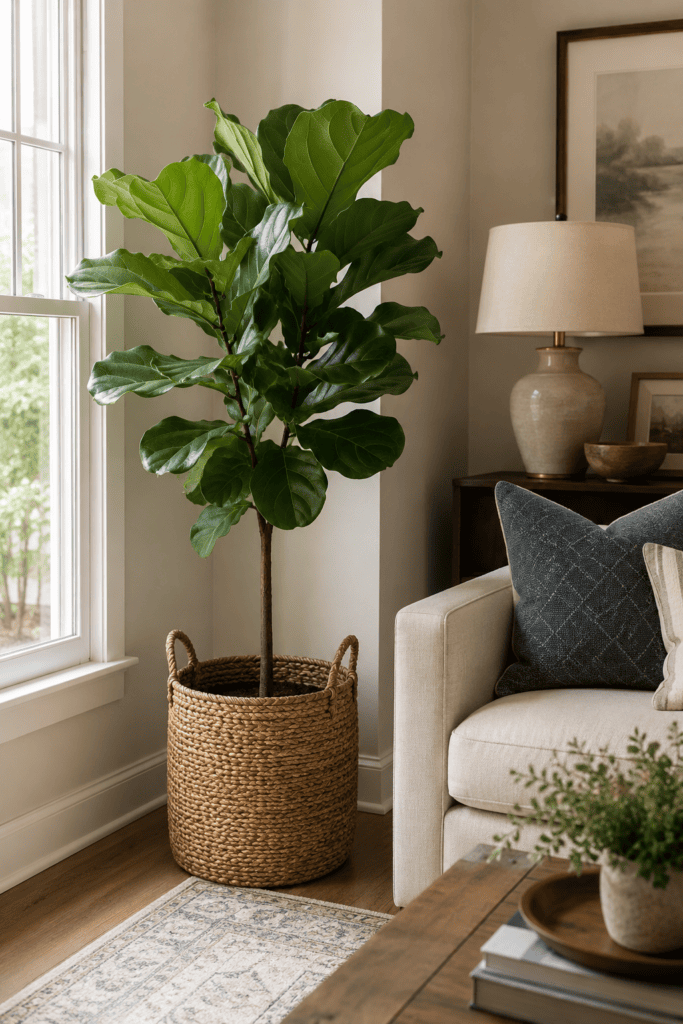
Plants add life, color, and texture that plastic-looking decor just can’t replicate. A large fiddle leaf fig or monstera in the corner of a room does more for “expensive vibes” than most furniture pieces.
Can’t keep plants alive? IMO, high-quality faux plants have come a long way—just avoid the shiny, obviously-plastic ones from the dollar store :/. Spend a little more on realistic textured leaves, and nobody will know the difference.
10. Upgrade Your Throw Pillow Game
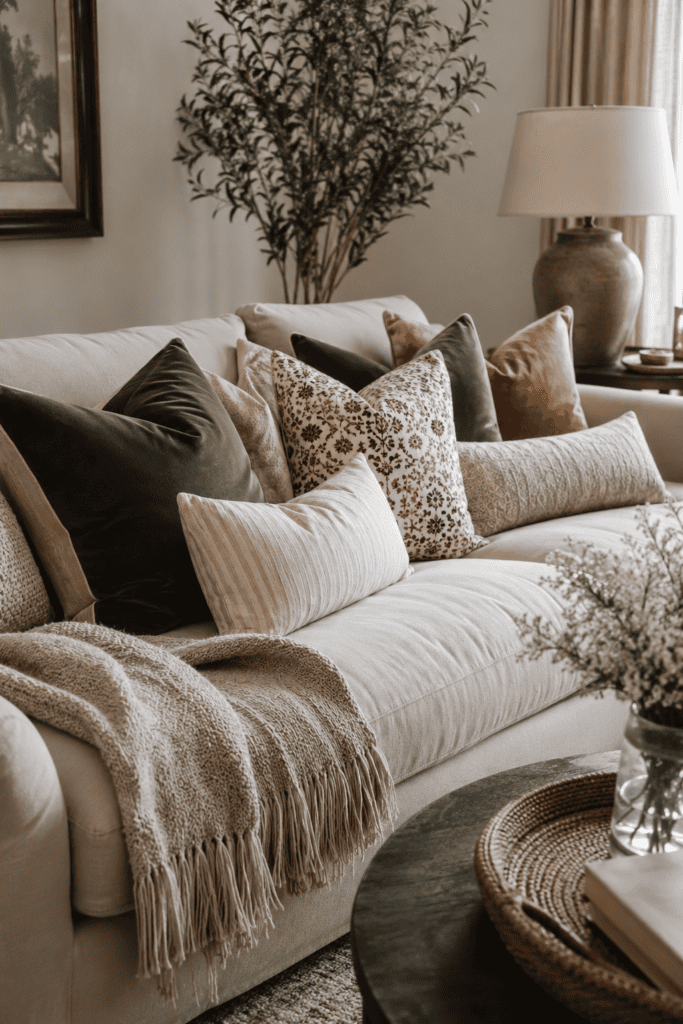
Throw pillows are the accessories of a room—same as jewelry finishes an outfit. Mismatched, flat, overly bright pillows can undercut an otherwise nice sofa.
- Stick to a cohesive color palette (2–3 colors max)
- Mix textures: one velvet, one linen, one patterned
- Use pillow inserts one size larger than the cover for a fuller, more expensive-looking puff
I made this mistake for years—flat pillows with covers sized exactly to the insert. Once I sized up, my couch looked like it came from a showroom.
11. Hide the Cords
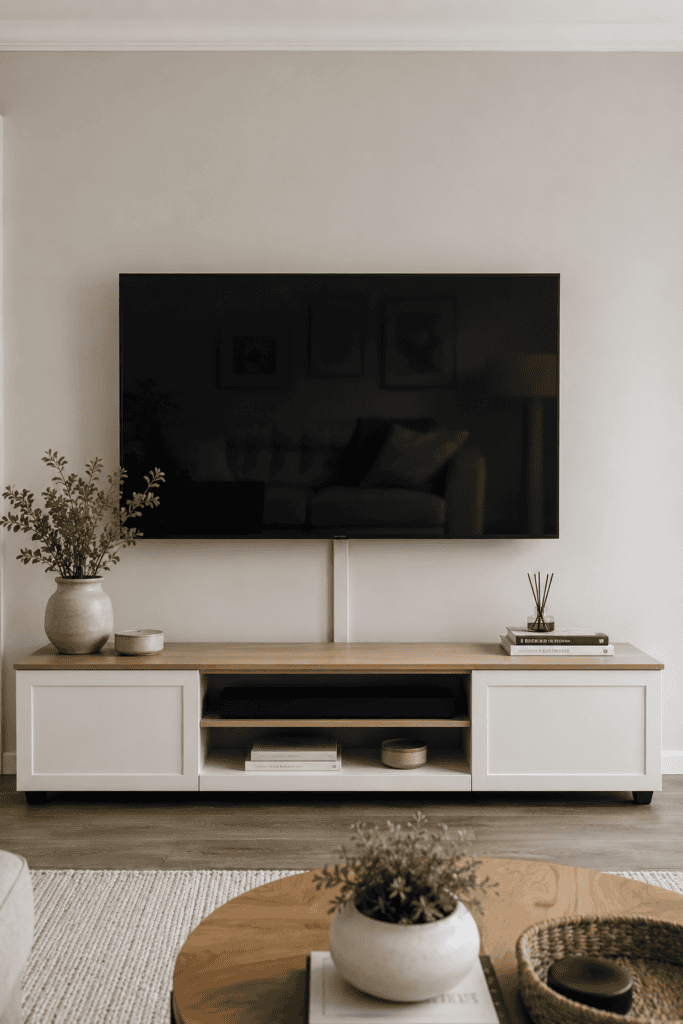
Visible cords and cables are one of the fastest ways to make a room look cluttered and cheap, no matter how nice your furniture is. Cord management is invisible when done right, which is exactly the point.
Cable boxes, adhesive cord clips, and a simple power strip tucked behind furniture solve 90% of this problem. I spent $15 on cord covers for my TV wall, and the difference was honestly shocking. Nobody notices good cord management, but everybody notices bad cord management.
12. Choose a Cohesive Color Palette
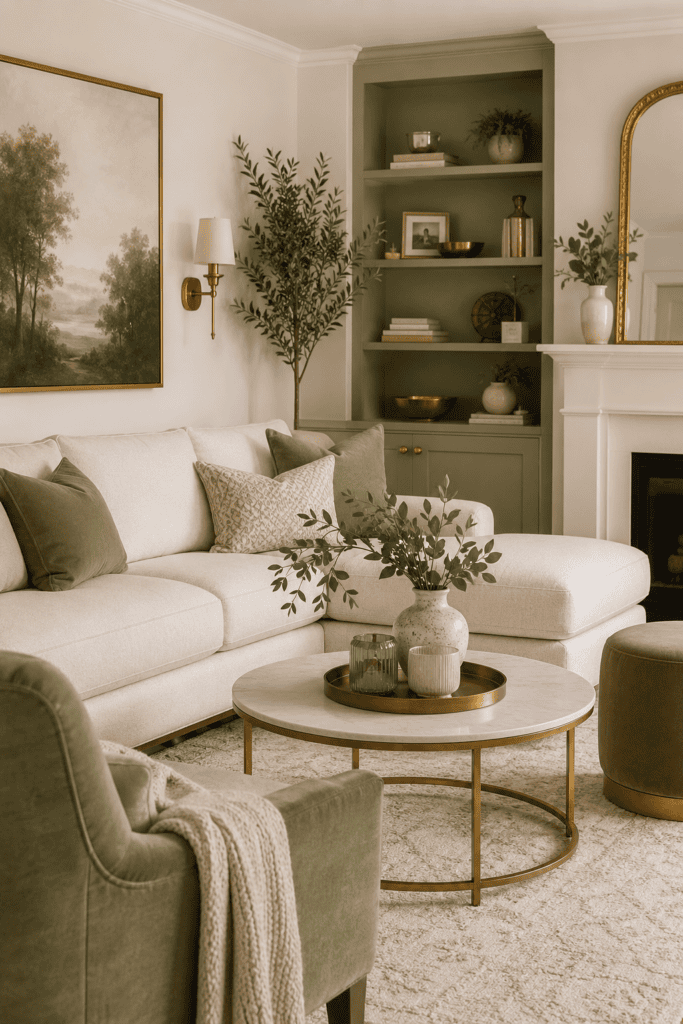
Jumping between five different colors and finishes makes a space feel chaotic rather than curated. Professional designers typically stick to a 60-30-10 rule: 60% dominant color, 30% secondary color, 10% accent color.
I repainted my accent pillows, art, and one wall to align with a simple cream-sage-brass palette, and the whole apartment suddenly felt pulled together. Ever walk into a room and feel instantly calm without knowing why? That’s usually color harmony doing its quiet work.
13. Add a Statement Mirror
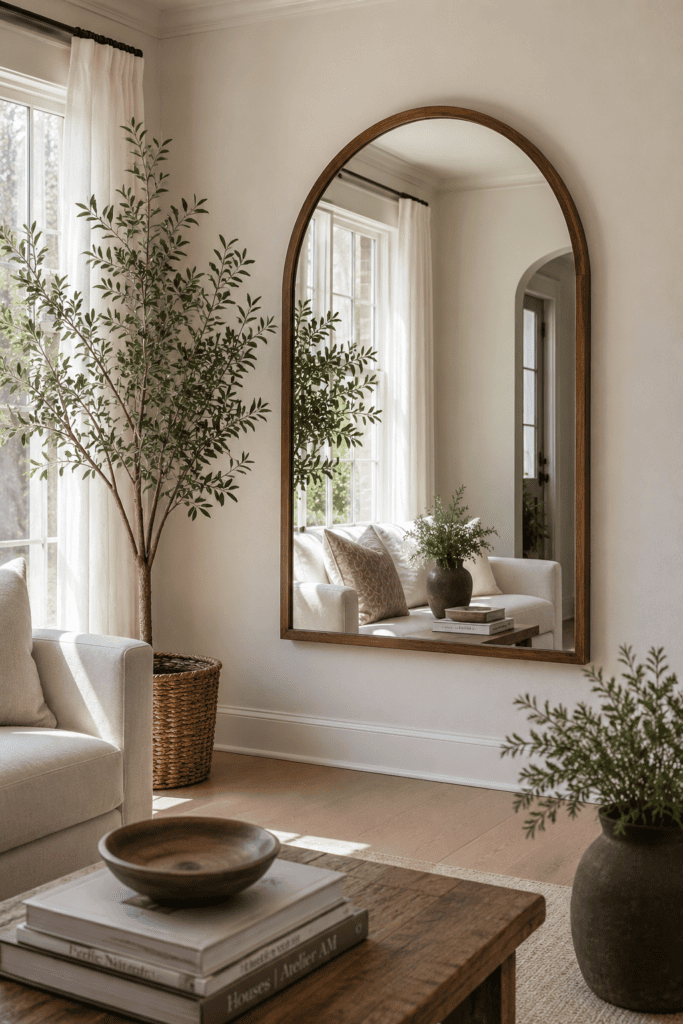
A well-placed, oversized mirror does double duty: it makes a room feel bigger and brighter, and it acts as functional art. Arched mirrors, sunburst mirrors, and thick wood-framed mirrors all read as high-end without the high-end price tag.
I hung mine directly across from a window, and the extra bounced light made my whole living room feel twice the size. This is the kind of change guests notice immediately but can’t quite place.
14. Upgrade Your Bed With Hotel-Style Layering
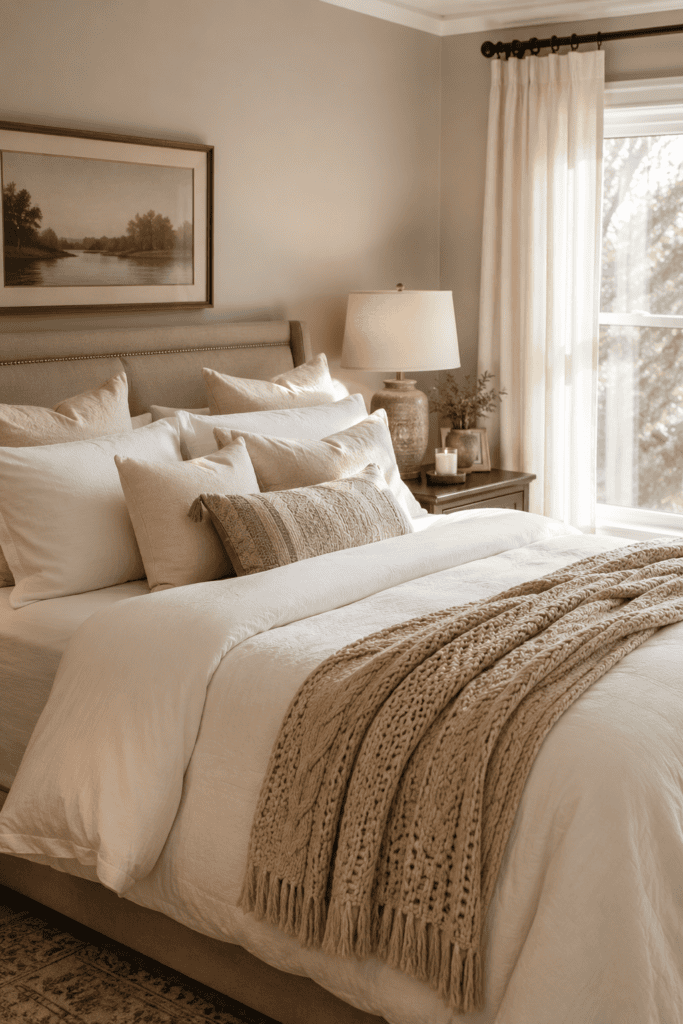
A flat comforter with two pillows looks like a college dorm. A layered bed—duvet, textured throw, and a mix of pillow sizes—looks like a five-star hotel.
- Use a duvet insert one size up from your duvet cover for that fluffy, overstuffed hotel look
- Add one textured throw blanket folded at the foot of the bed
- Mix two standard pillows, two Euro shams, and one lumbar pillow
This one change transformed my bedroom more than any furniture purchase ever did. Genuinely, IMO, it’s the best dollar-for-dollar upgrade on this entire list.
15. Edit, Don’t Add
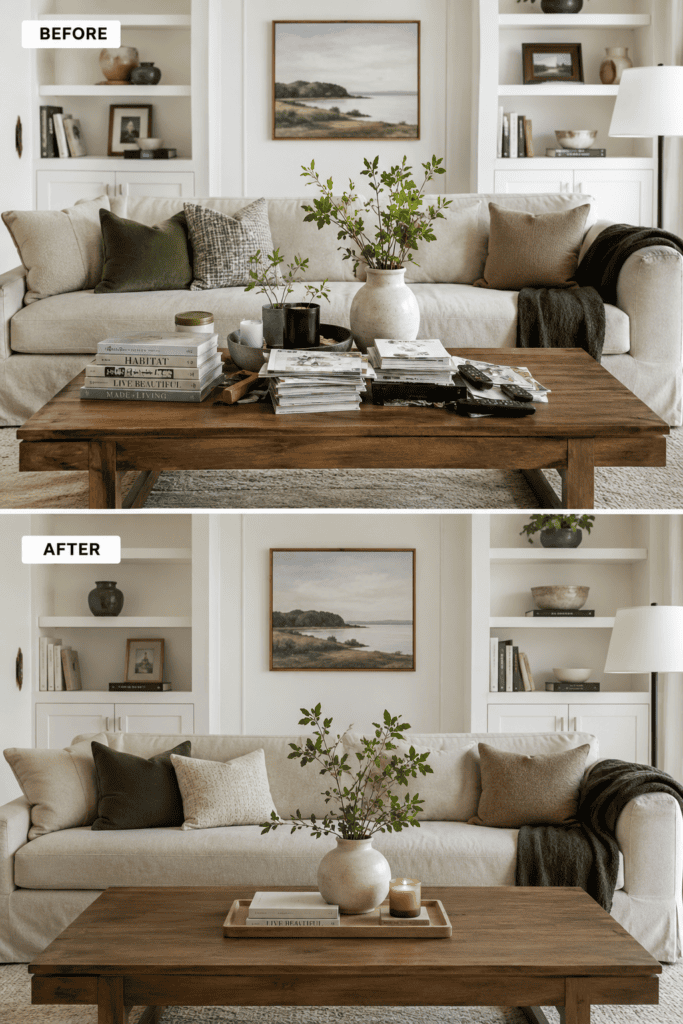
The most expensive-looking rooms I’ve ever seen have one thing in common: restraint. Cluttered surfaces, too many trinkets, and mismatched furniture styles read as chaotic, not cozy.
Before buying anything new, go through your space and remove anything that doesn’t serve a clear purpose or bring you joy. I cleared half the items off my coffee table and shelves, and the room immediately looked more polished, even though I hadn’t added a single new thing.
Wrapping It Up
Expensive-looking homes aren’t about how much you spend they’re about intentional choices: layered lighting, texture, cohesive color, and a healthy dose of editing. Start with one or two ideas from this list (I’d recommend layered lighting and oversized art first) and build from there.
FYI, you don’t need to tackle all 15 in one weekend. Pick your favorites, take it room by room, and enjoy watching your space transform without draining your bank account. Now go make your friends wonder who you hired 🙂