
Most backyards start out as an afterthought. You move into a house, unpack a hundred boxes, hang the curtains, get the living room looking decent, and the yard just… sits there. Maybe there’s a lawn chair that’s been out since last summer. Maybe there’s a patch of grass that’s more dirt than grass at this point. Either way, it becomes this space you walk past every day without really seeing it, until one afternoon you’re standing at the window with a coffee thinking, “okay, this actually could be something.”
That’s exactly where I was three summers ago. I had a yard full of potential and zero plan, and I made every rookie mistake you can imagine along the way (RIP to my first raised bed, which flooded every single spring like it had a personal vendetta against me). But here’s the thing I learned the hard way: you don’t need a huge budget or a professional crew to turn a forgettable backyard into the best part of your home. You just need the right ideas, applied in the right order, without wasting time or money on stuff that doesn’t actually move the needle.
Whether you’re working with a tiny patio, a sprawling suburban lot, or something awkward and sloped that nobody’s quite figured out yet, there’s a version of these ideas that’ll fit. Some of these projects take a single weekend.
1. Start With a Fire Pit Zone
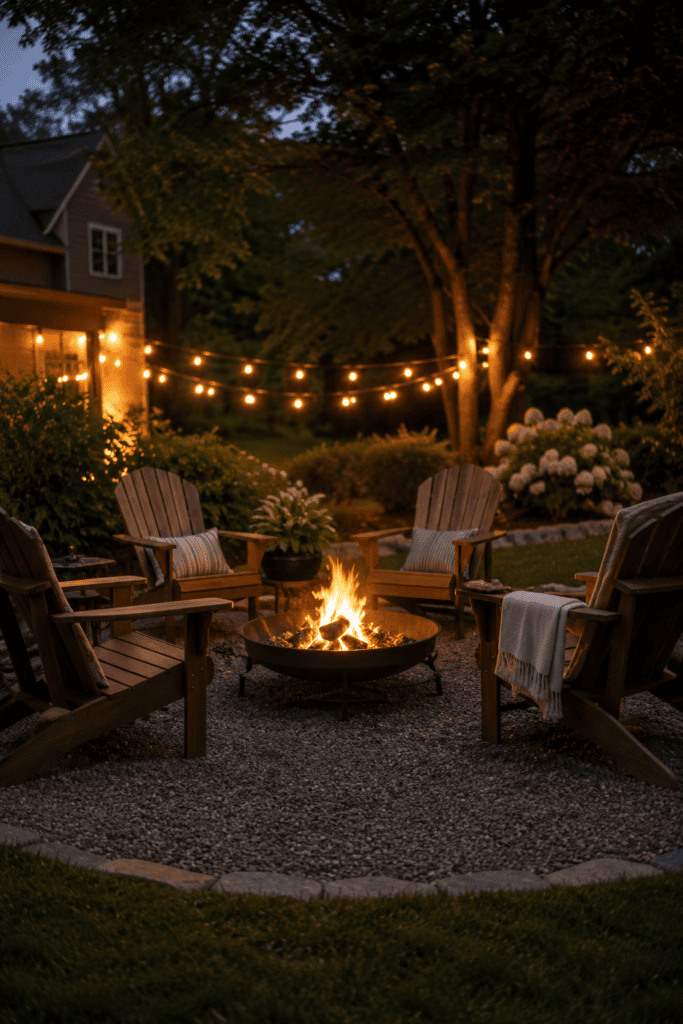
Nothing pulls people outside after dark like a fire pit. A simple gravel circle with a metal fire bowl costs way less than you’d think, and it instantly becomes the gathering spot.
I built mine with pavers and pea gravel over a weekend, and it’s still the first thing guests ask about. Add a few Adirondack chairs around it, and you’ve got yourself a backyard hangout that beats any living room.
If you want to go bigger, a built-in stone fire pit with a seating wall gives the whole area a permanent, custom-built feel. It costs more upfront, but you’ll never have to replace it, and it becomes the visual anchor of your entire yard. Either version works—just pick based on your budget and how often you actually plan to use it.
2. Layer in Native Plants
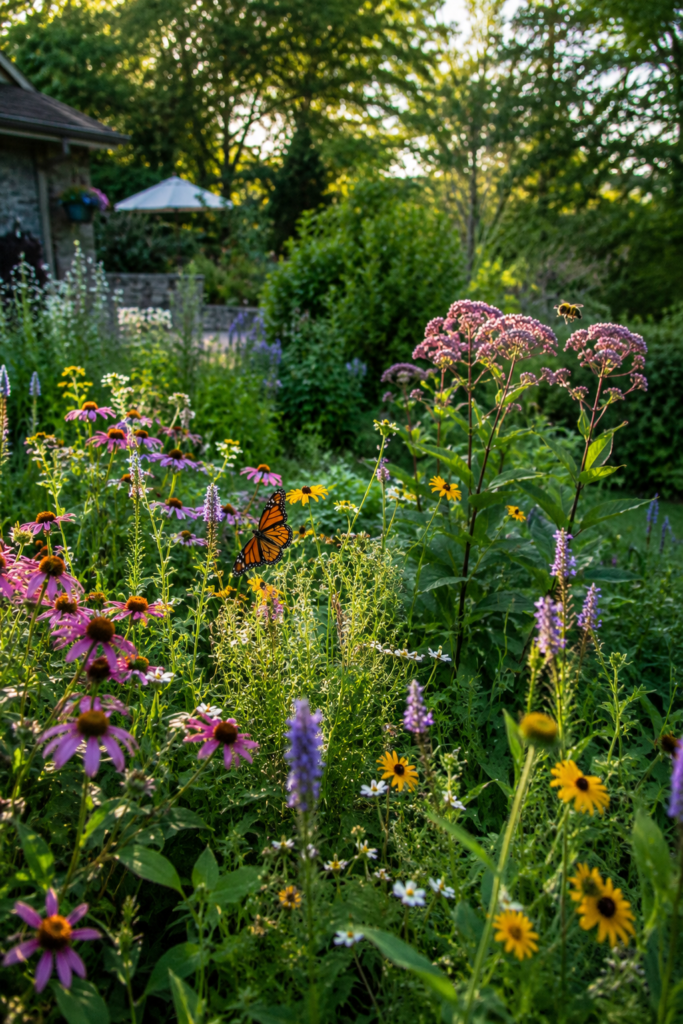
Ever wondered why some yards look effortlessly lush while others look like they’re fighting for survival? The secret is usually native plants.
They’re adapted to your local climate, so they need less water and less babying from you. IMO, this is the single best landscaping upgrade for lazy gardeners (me included) who want big visual payoff for minimal effort.
- Lower water bills
- Fewer pest problems
- Better support for local pollinators
- Less maintenance overall
Check with a local nursery or your county extension office before buying anything. They’ll tell you exactly which native species thrive in your specific soil and rainfall, which saves you from wasting money on plants that were never going to survive your yard’s conditions anyway.
3. Build a Dry Creek Bed
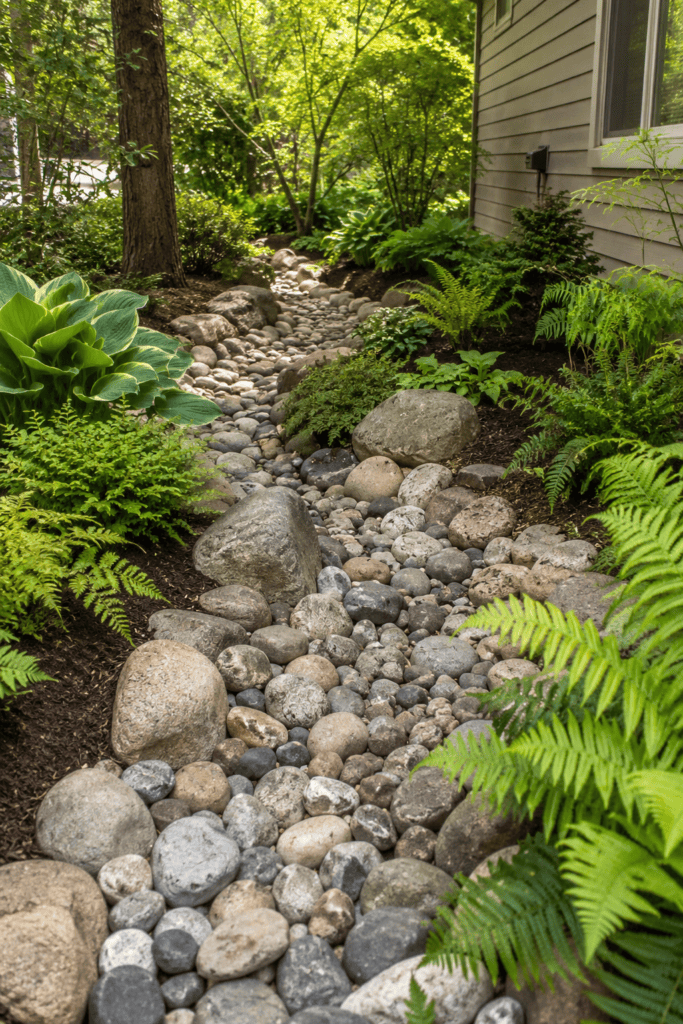
If your yard has a drainage problem, a dry creek bed solves the issue while looking intentional instead of like a mud pit. Line a shallow trench with river rocks and let it wind through your garden beds.
It handles runoff during storms and gives you a natural-looking design feature the rest of the year. Double win, honestly.
For extra points, plant moisture-loving grasses or ferns along the edges. They’ll thrive off the occasional runoff, and the whole thing ends up looking like a natural stream instead of a drainage fix you were forced into building.
4. Add a Pergola for Instant Structure
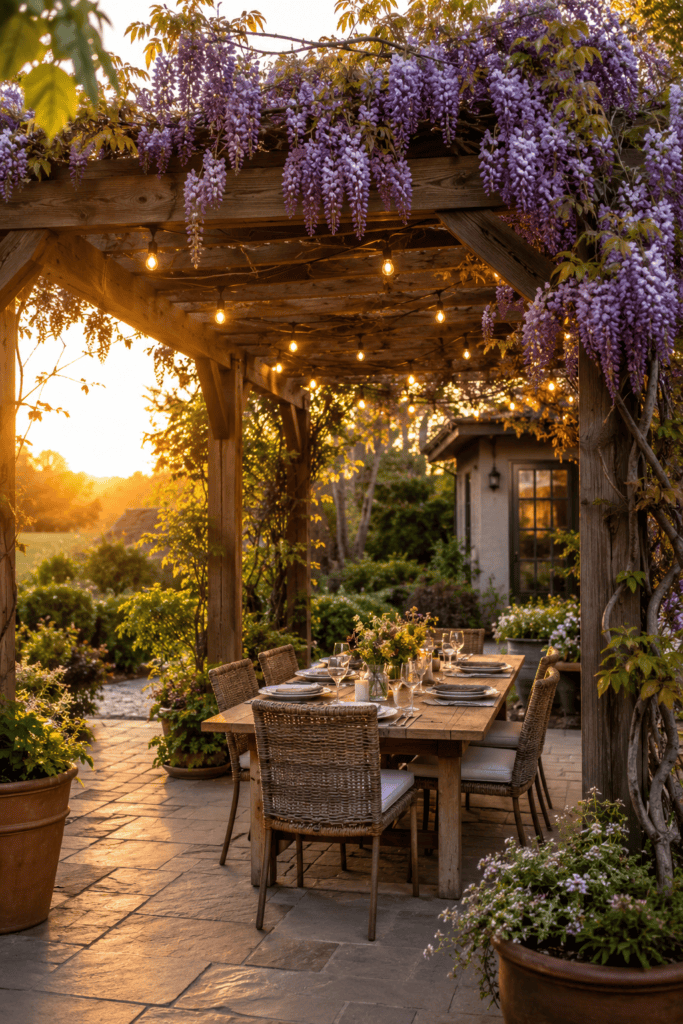
A pergola gives your backyard architectural definition without the commitment of a full roof. Drape it with string lights or a climbing vine like wisteria, and suddenly your patio looks like it belongs in a magazine.
I added one over my dining area, and it’s shocking how much more “finished” the whole space feels. Cheap trick, big impact.
You can buy a pre-fab kit if you’re not into building from scratch, or hire it out for a weekend project. Either way, the return on investment here is huge compared to the actual cost and effort involved.
5. Create Multiple “Rooms”
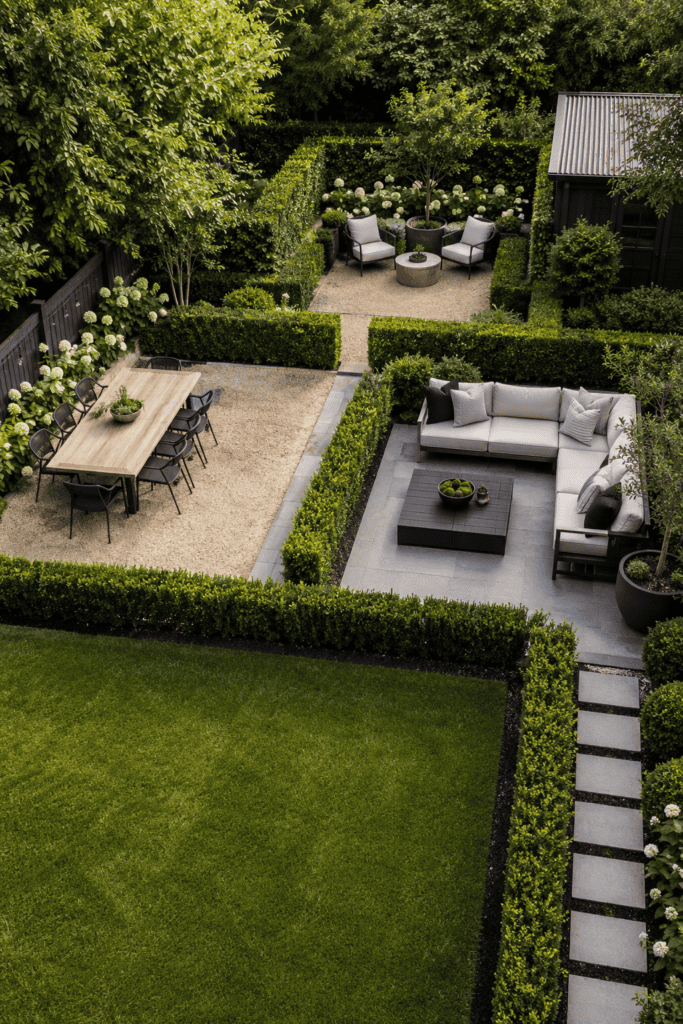
Think of your backyard like a house without walls. Zoning your space into distinct areas—a dining spot, a lounge area, a garden nook—makes even a small yard feel bigger and more purposeful.
Use hedges, low fences, or planter boxes to define each zone. This isn’t just a design trend; it genuinely changes how you use the space.
Why Zoning Matters More Than You Think
A yard with no defined areas ends up feeling like an empty parking lot with grass. Break it up, and suddenly people naturally gravitate to specific spots depending on what they’re doing.
I noticed this immediately after adding a low boxwood hedge between my patio and lawn. Guests stopped clustering awkwardly in one spot and started spreading out into the “rooms” I’d created, almost like the space was telling them where to go.
6. Install a Vertical Garden
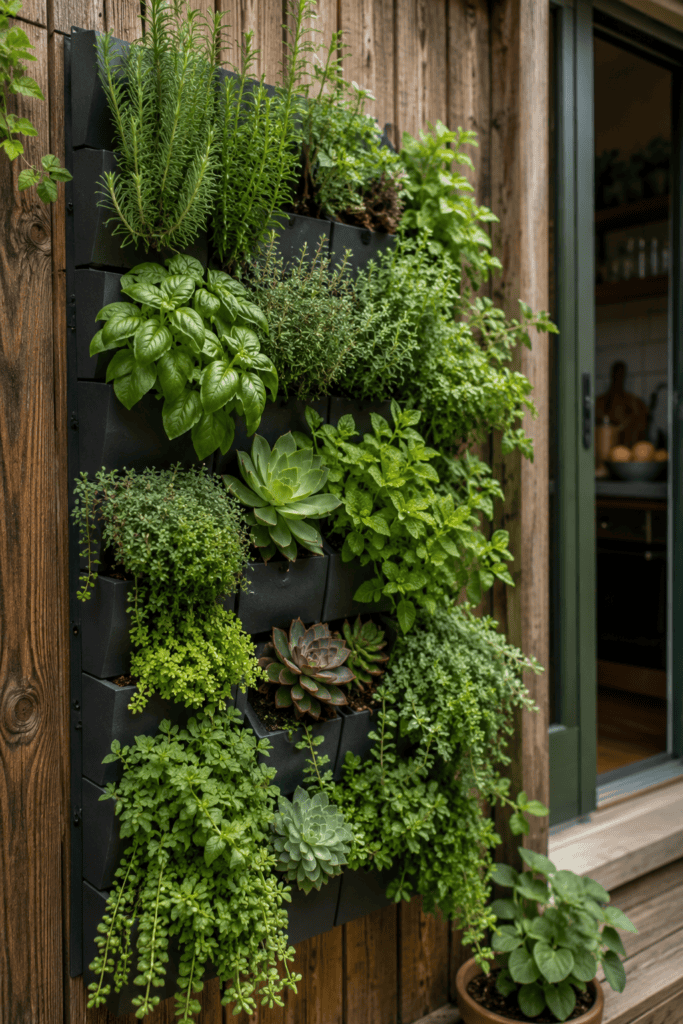
Short on ground space? Vertical gardens let you grow herbs, succulents, or flowers on a wall or fence instead of eating into your yard’s square footage.
I use mine for herbs, and it’s saved me more grocery trips than I’d like to admit. Plus, it turns a boring blank fence into a living wall of green.
Pallet planters, hanging pocket systems, and modular wall panels all work depending on your budget. Start small with a single panel near your kitchen door so you’re actually close enough to grab herbs while cooking—trust me, out of sight really does mean out of mind here.
7. Go Bold With a Water Feature
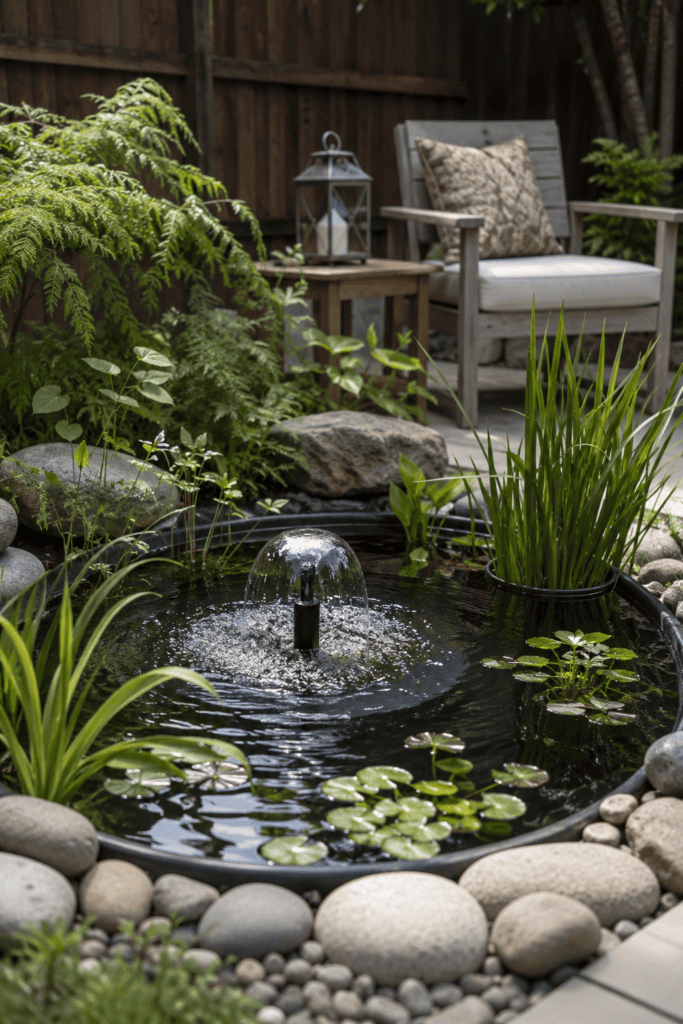
A small pond or bubbling fountain adds sound, movement, and a serious dose of calm to your backyard. Water features mask street noise better than almost anything else you can add.
Ever sat next to running water and felt your shoulders instantly drop? That’s the effect you’re going for.
- Solar-powered fountains for low upkeep
- Small ponds with aquatic plants for a wildlife boost
- Fountains near seating areas to mask traffic noise
If you’re worried about maintenance, skip the koi pond and go with a simple recirculating fountain instead. It gives you all the calming sound without the algae headaches or the ongoing fish care that a full pond demands.
8. Rethink Your Pathways
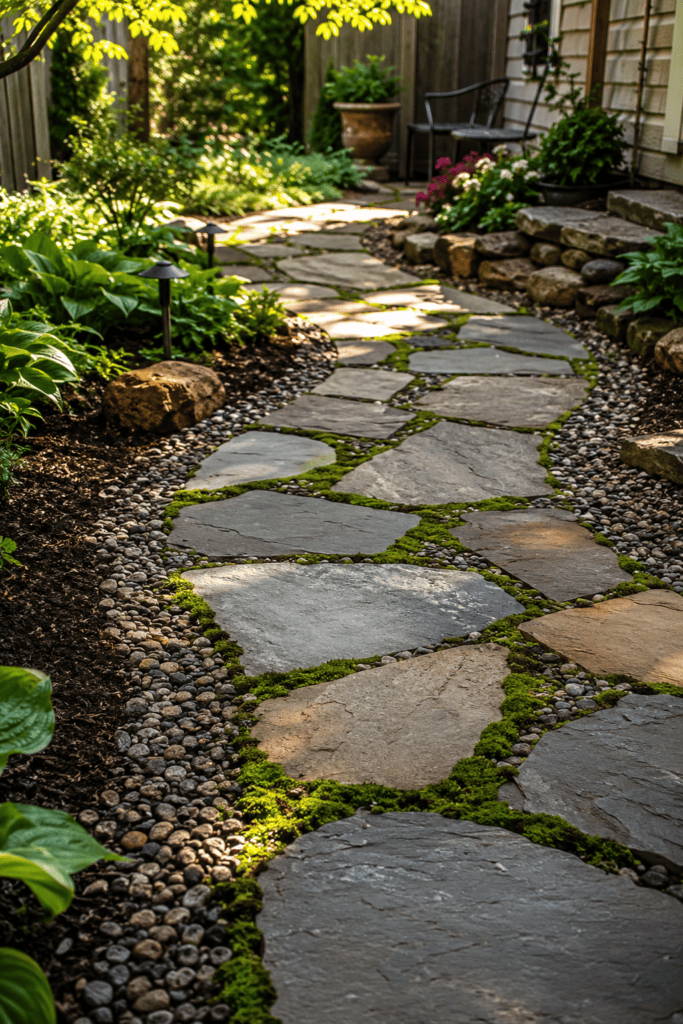
Boring concrete slabs are fine, but curved stone or gravel pathways add so much more personality. A winding path makes your yard feel larger because it slows down how quickly you move through it.
I switched my straight concrete path for stepping stones with moss growing between them, and it completely changed the vibe. Small change, huge difference.
Try mixing materials too—flagstone paired with gravel infill, or brick edging along a mulch path. Combining textures gives your yard a layered, designed look instead of feeling like everything came from a single big-box store run.
9. Add Raised Garden Beds
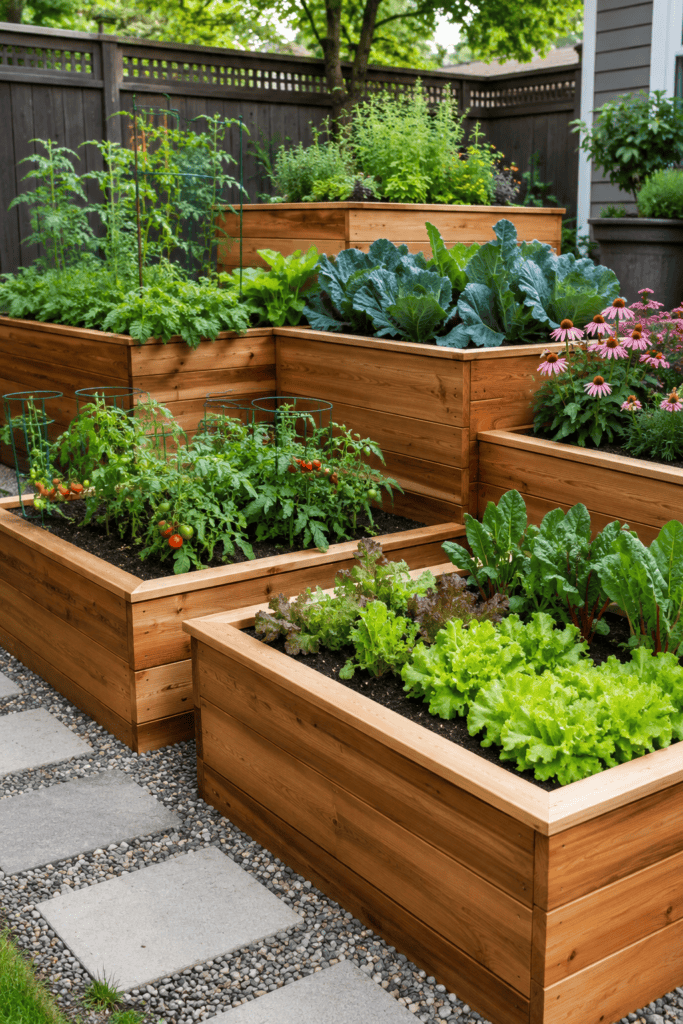
Raised beds solve so many problems at once: better drainage, easier weeding, and a defined look that reads as intentional rather than chaotic. They’re also easier on your back, which matters more than you’d think once you’ve spent an afternoon kneeling in dirt.
Build them from cedar or composite materials so they last. Trust me, cheap pine rots fast and you’ll be rebuilding in two years.
Stagger the heights too—a mix of knee-high and waist-high beds keeps the garden visually interesting and lets you grow different things depending on root depth. It’s a small planning step that pays off every single growing season.
10. Bring in Outdoor Lighting
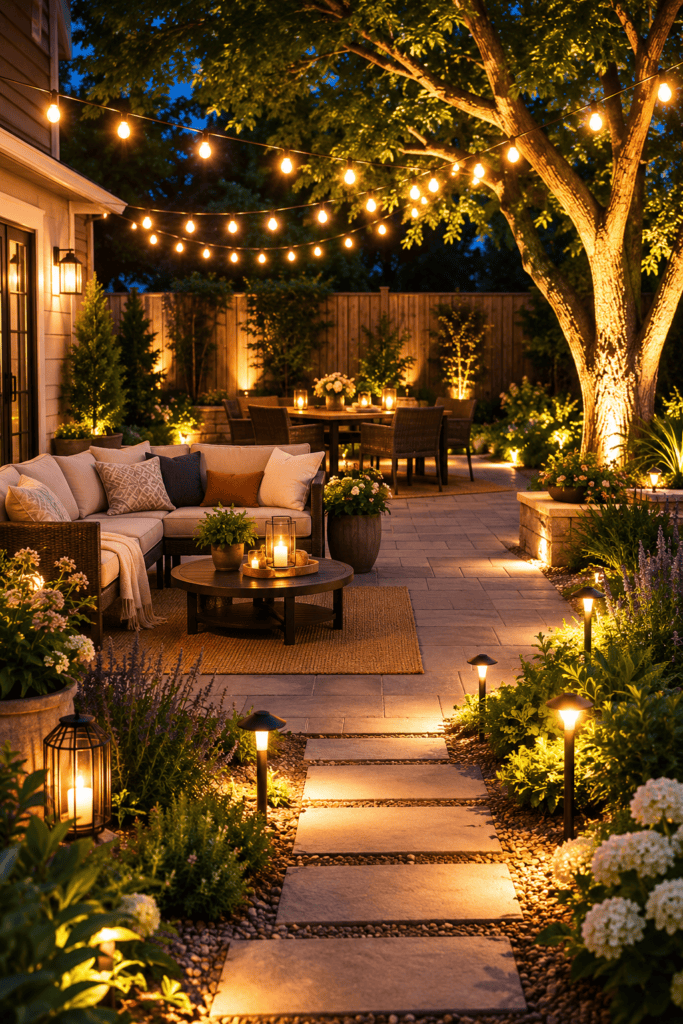
A yard that looks great during the day but disappears at night is only doing half its job. String lights, path lighting, and uplighting on trees extend your usable hours well past sunset.
I’m not saying you need a full light show, but a few well-placed fixtures make evenings outside so much more inviting. FYI, solar options have gotten way better in the last few years, so you don’t even need to run wiring everywhere.
Layer your lighting the same way you’d layer light indoors: ambient string lights overhead, path lights for safety, and a few accent spots aimed at trees or architectural features. It’s the difference between “functional” and “genuinely magical” once the sun goes down.
11. Use Ornamental Grasses for Movement
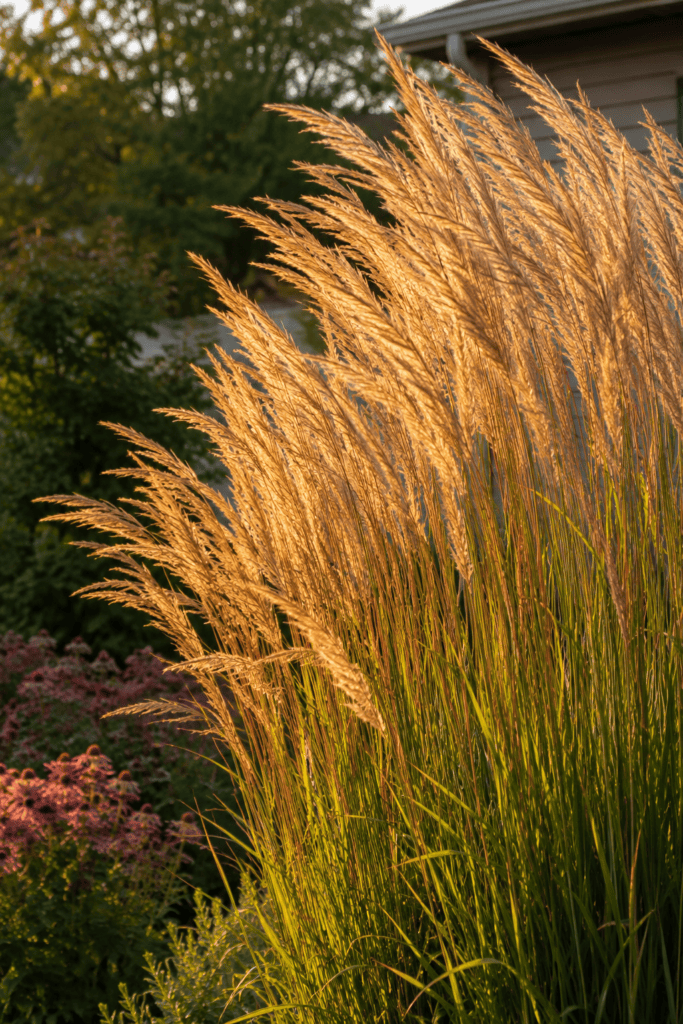
Static landscaping can feel a little lifeless. Ornamental grasses sway in the breeze, adding motion and texture without demanding constant care.
Varieties like feather reed grass or fountain grass look great through multiple seasons, even after they’ve gone dormant. They’re basically the “set it and forget it” of backyard design.
Plant them in clusters rather than single specimens for the best visual impact. A lone grass plant looks a little lonely, but three or five grouped together create movement and texture that catches the eye from across the yard.
12. Build an Outdoor Kitchen (Even a Mini One)
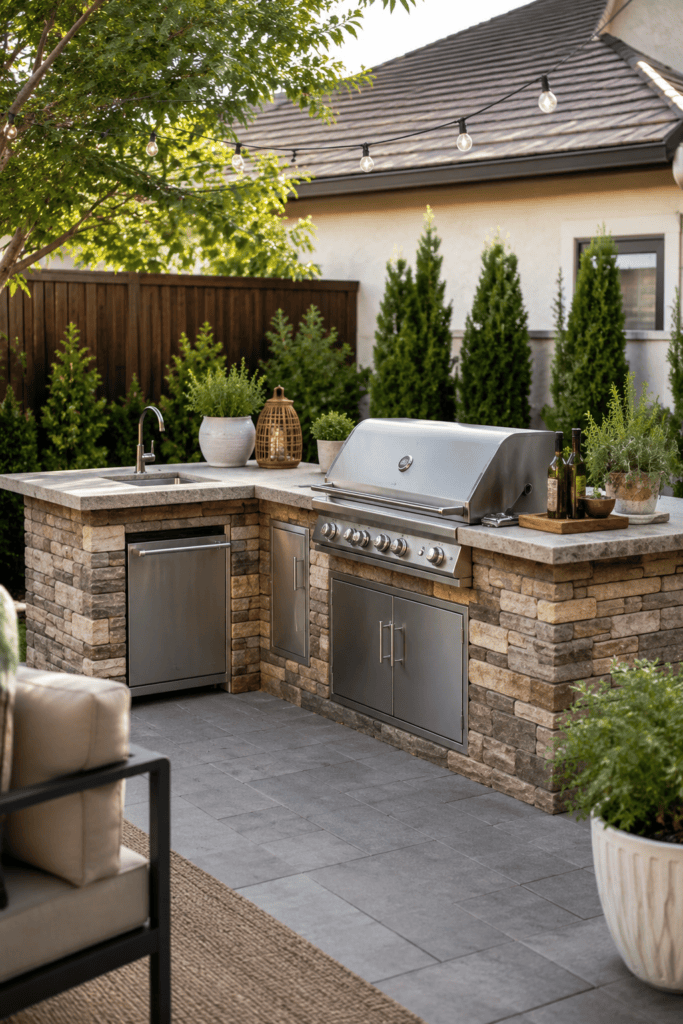
You don’t need a full chef’s setup to justify an outdoor kitchen. A simple grill station with a small counter and storage changes how often you actually cook outside.
I added a basic built-in grill with a prep counter, and it turned backyard dinners from “occasional event” into “regular Tuesday thing.” Worth every penny, honestly.
Keep It Simple If Budget Is Tight
- A rolling cart with a grill works fine to start
- Add a small fridge once you’re ready to upgrade
- Countertop material matters more than size—go with something weatherproof
Once you’ve got the basics down, a small pizza oven or side burner takes things up a notch without needing a full renovation. It’s an easy add-on once the initial setup is already in place.
13. Plant a Living Privacy Screen
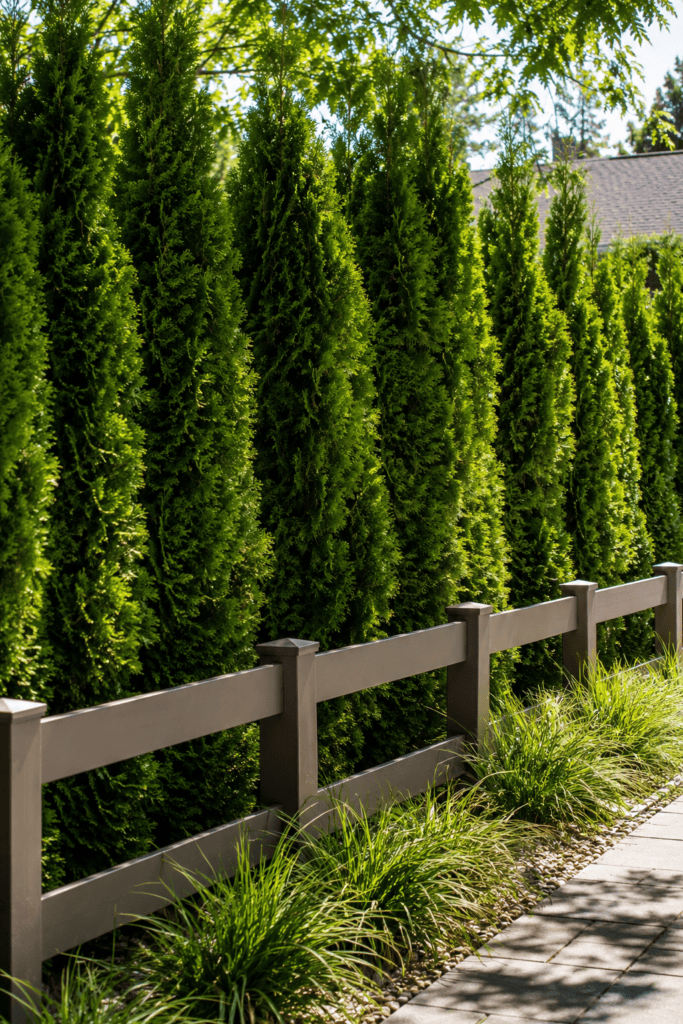
Fences work, but a row of tall shrubs or bamboo gives you privacy that actually looks good and improves with time. Arborvitae, holly, or clumping bamboo are solid choices depending on your climate.
It’s a slower fix than a fence, sure, but it’s also way more attractive once it fills in. Patience pays off here.
If you need privacy sooner rather than later, plant a fast-growing screen alongside a lower fence as a temporary buffer. The fence handles privacy right away while the plants slowly take over as the real long-term solution.
14. Add a Fire-Resistant Ground Cover
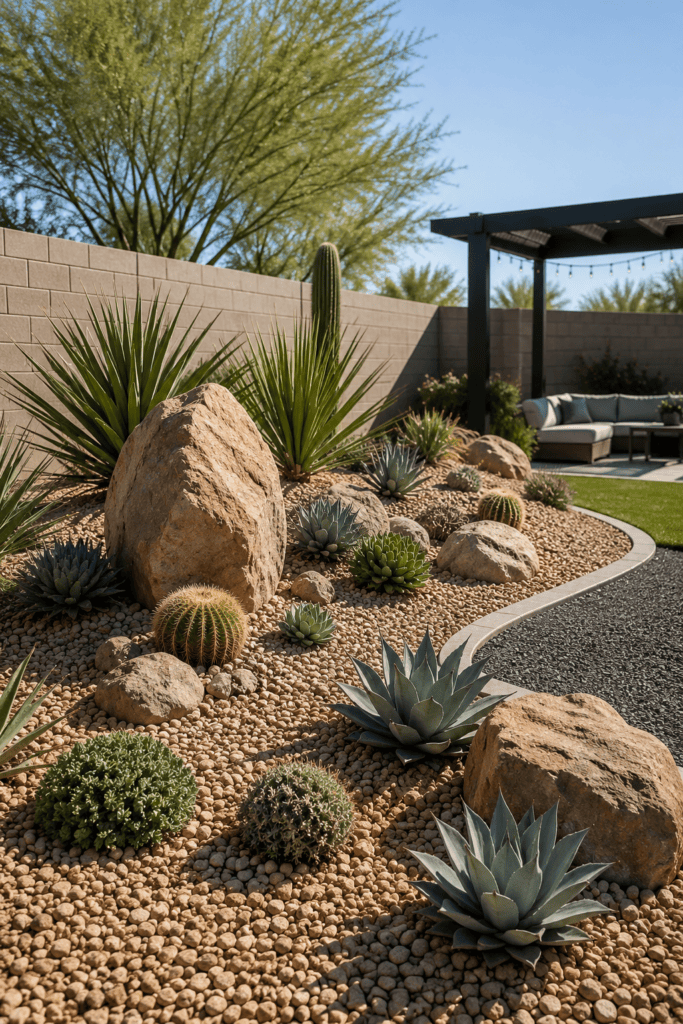
If you live somewhere dry, rock gardens or gravel beds reduce fire risk compared to mulch or dry grass. They also need zero watering, which is a nice bonus if you’re trying to cut down on yard work.
Mix in drought-tolerant succulents for color without adding fuel to the fire risk (pun slightly intended).
Group your rock sizes strategically too—larger boulders as focal points, medium stones for structure, and finer gravel to fill in the gaps. It reads as a designed feature rather than just “rocks because we live somewhere dry.”
15. Build a Deck That Extends Your Living Space
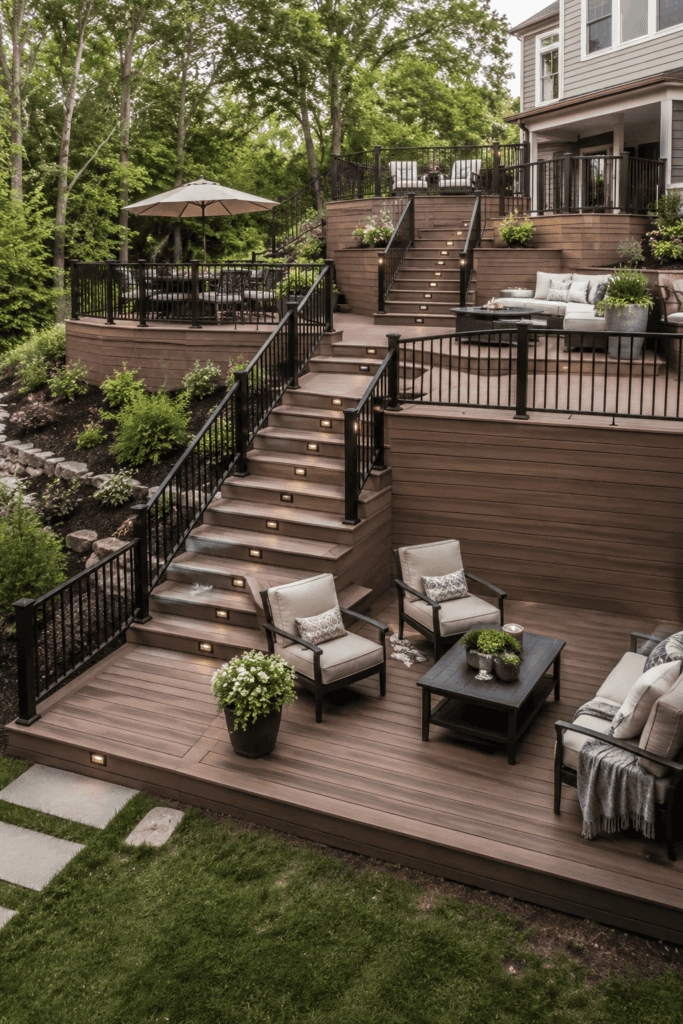
A deck isn’t just a platform to put a grill on—it’s an extension of your home’s usable square footage. Multi-level decks work especially well on sloped yards, turning an awkward incline into a design feature instead of a problem.
I’ll be honest, this is one of the pricier projects on this list, but it’s also the one that adds the most resale value. Worth researching if you’re planning to stay in your home a while.
Composite decking costs more than wood upfront, but it skips the annual staining and sealing that wood decks demand. IMO, it’s worth the extra cost if you’d rather spend your weekends relaxing on the deck instead of maintaining it.
16. Use Mulch Strategically
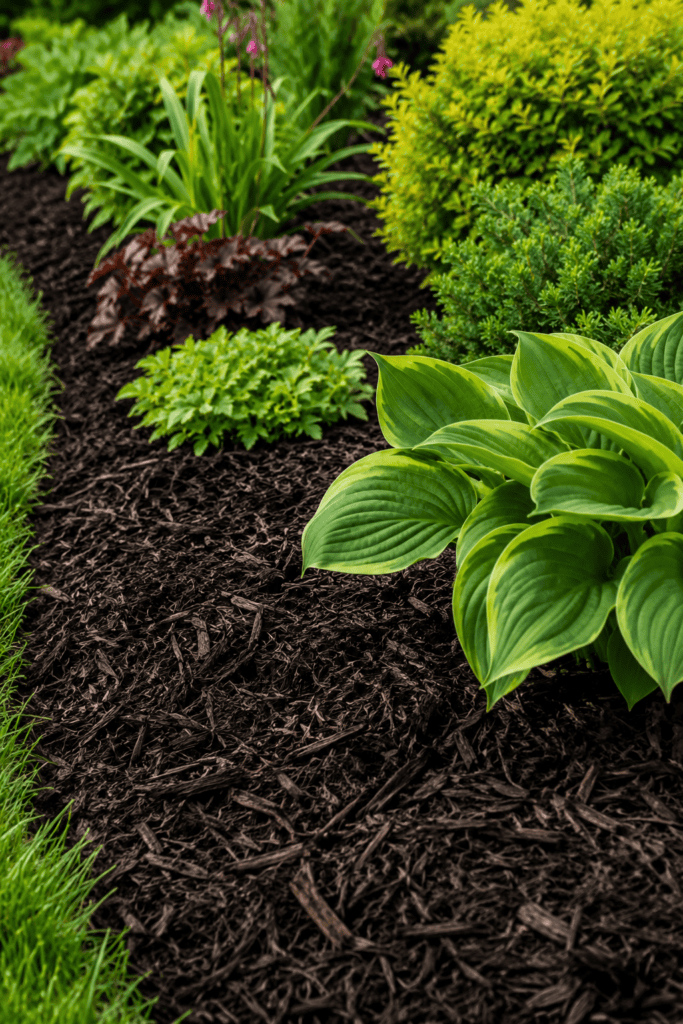
Mulch isn’t glamorous, but IMO it’s one of the most underrated landscaping tools out there. The right mulch retains moisture, suppresses weeds, and gives garden beds a clean, finished look.
- Bark mulch for a natural, rustic look
- Rubber mulch for high-traffic play areas
- Rock mulch for low-maintenance, modern beds
Skip it, and you’ll spend your entire summer pulling weeds instead of enjoying your yard. Not exactly a fun trade-off :/
Refresh mulch once a year, ideally in early spring before everything starts actively growing. It’s a small, cheap task that keeps garden beds looking sharp all season instead of fading into a gray, compacted mess by midsummer.
17. Add a Cozy Reading Nook
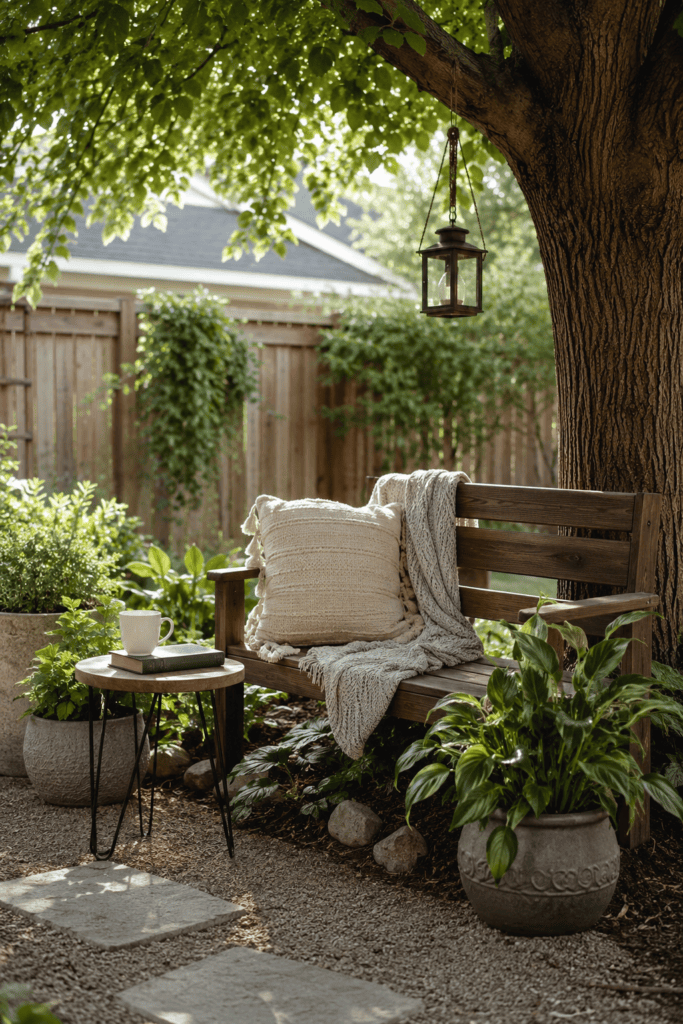
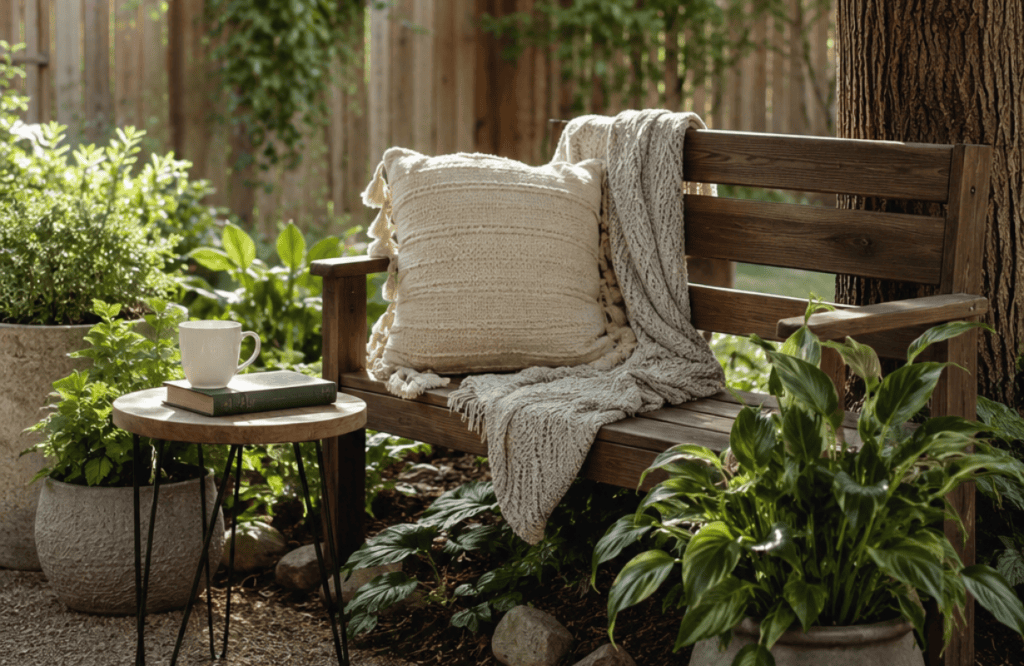
Not every backyard project needs to be a big statement piece. A small bench tucked under a tree, surrounded by potted plants, gives you a quiet spot to escape without leaving home.
I added a simple wooden bench under my maple tree, and it’s become my go-to spot for morning coffee. Sometimes the smallest additions make the biggest emotional difference.
Add a small side table for your coffee or book, and maybe a weatherproof cushion so you’re not sitting on bare wood every morning. It’s a tiny investment that turns an unused corner into the spot you actually look forward to visiting.
Wrapping This Up
There you have it—17 backyard landscaping ideas that range from weekend-easy to weekend-project-turned-months-long-commitment (looking at you, decks). Whether you start with something small like mulch or ornamental grasses, or go all in with a fire pit and outdoor kitchen, the goal is the same: build a backyard you actually want to spend time in.
The best part about tackling these ideas one at a time is that each project builds on the last. A pathway leads to a fire pit, the fire pit needs lighting, the lighting highlights your new plant beds—before you know it, the whole yard comes together as one cohesive space instead of a bunch of random additions.