
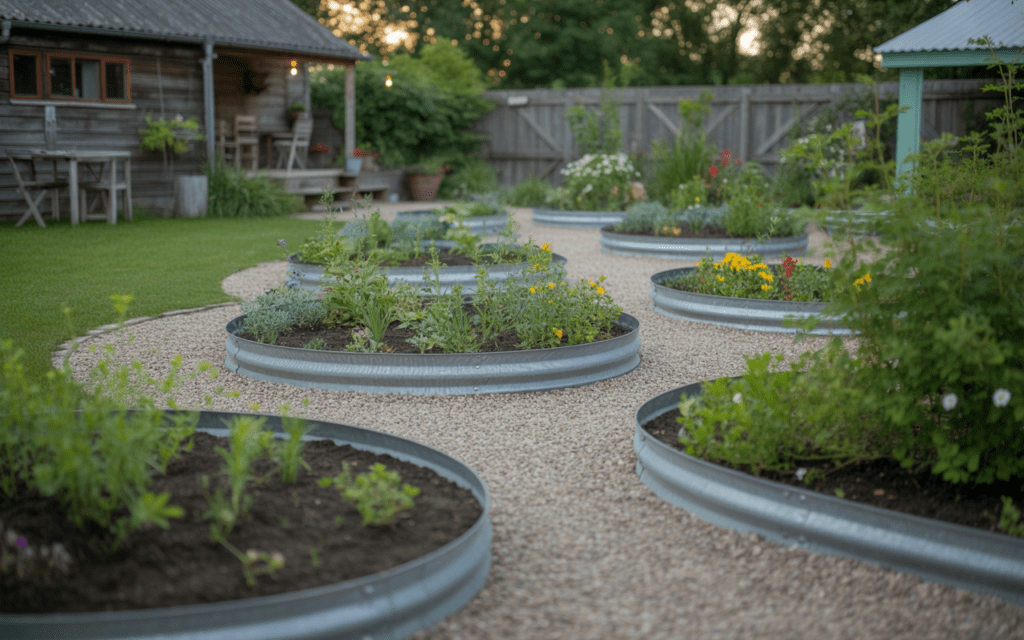
Gravel gardens don’t get nearly enough credit. People obsess over lush lawns and fussy flower beds, then act shocked when they spend every weekend weeding, watering, and muttering at the hose. Meanwhile, gravel sits there looking gorgeous, adding texture, cutting maintenance, and making the whole yard feel more polished with way less effort.
I love a garden that looks stylish without demanding constant attention, and that’s exactly why gravel works so well. You can use it to create anything from a relaxed cottage path to a sleek modern courtyard, and it somehow makes every planting choice look more intentional. If you want an outdoor space that feels beautiful, practical, and just a little bit expensive-looking, these gravel garden ideas are about to give you plenty to steal.
1. The Classic Japanese Zen Gravel Garden
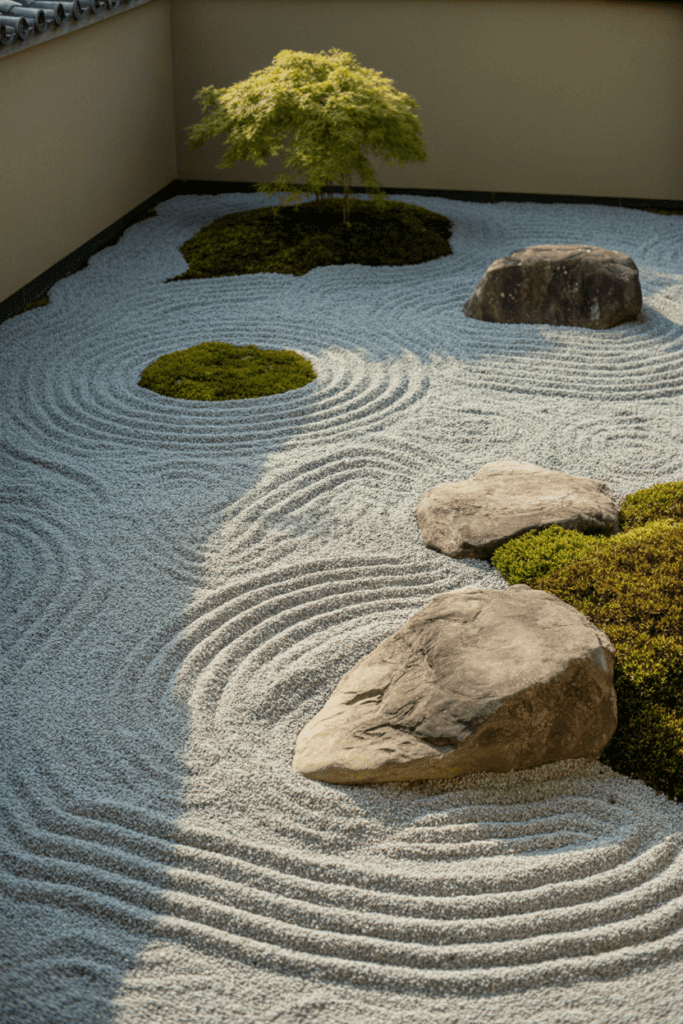
There’s a reason zen gardens have been around for centuries — they just work. The idea is simple: raked gravel patterns represent water, and carefully placed stones represent land or mountains. Raking your gravel into ripple patterns creates a meditative, intentional look that no other material can replicate.
You don’t need a massive yard either. Even a small 6×6 corner of your patio can become a proper zen space with fine white or grey gravel, a couple of smooth river rocks, and maybe a bamboo plant tucked in the corner.
What You’ll Need
- Fine white or silver gravel (pea gravel works great)
- A wooden or metal rake with wide tines
- 2–3 large statement rocks
- Low-growing plants like moss or dwarf ornamental grass
2. Gravel Pathway Between Garden Beds
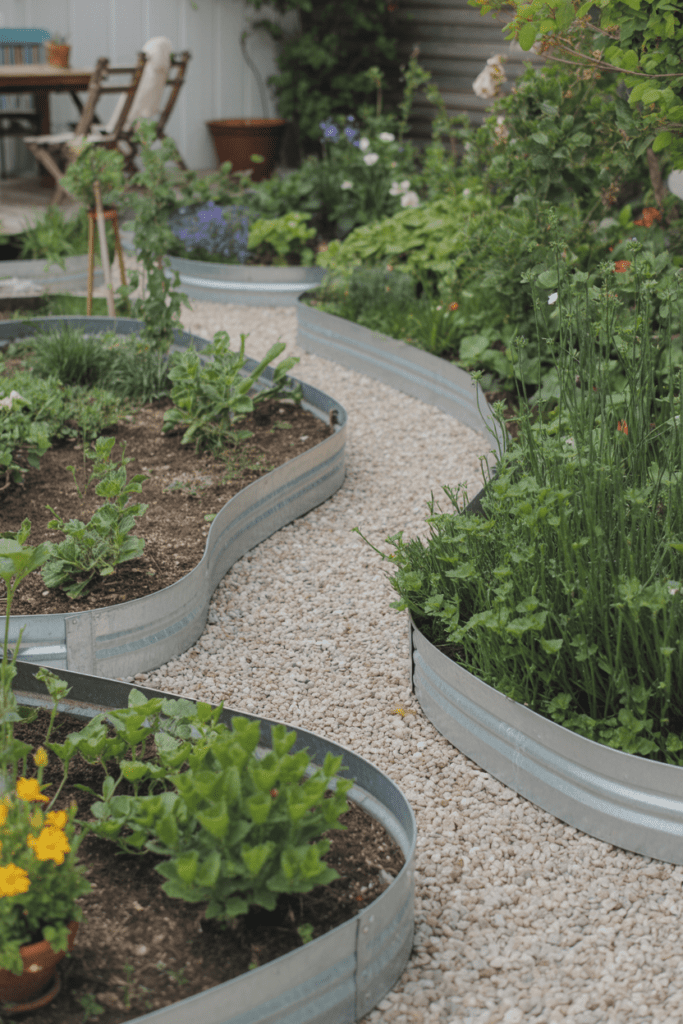
Honestly, this is the one I recommend to every single person who asks me about gravel. A winding gravel path between raised garden beds looks straight out of a countryside cottage — and it costs a fraction of what pavers do.
The secret is edging. Without proper edging (metal, rubber, or timber), your gravel will slowly migrate into your beds and you’ll spend every summer kicking it back. Install edging first, fill with 2–3 inches of gravel, and you’ve got a path that drains beautifully and looks amazing.
3. Drought-Tolerant Desert Gravel Garden
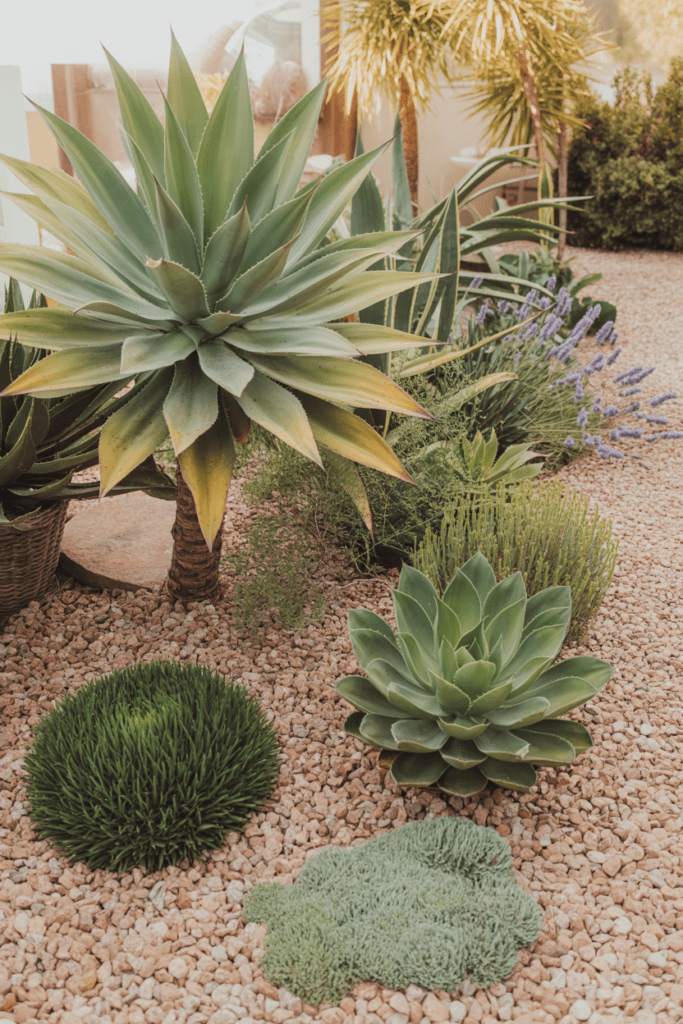
If you live somewhere that gets brutally hot summers — or you just hate watering constantly — a desert-style gravel garden is basically a dream. Combine terracotta-colored gravel with succulents, agave, and ornamental grasses for a look that thrives on neglect.
IMO, this is one of the most practical gravel garden styles out there. You’re literally designing a garden that wants you to ignore it. The gravel acts as a mulch, suppressing weeds and retaining just enough moisture for drought-tolerant plants to thrive.
Best Plants for a Desert Gravel Garden
- Agave and aloe
- Lavender and rosemary
- Ornamental grasses like blue fescue
- Sedums and echeverias
- Russian sage
4. Cottage Garden with Gravel and Wildflowers
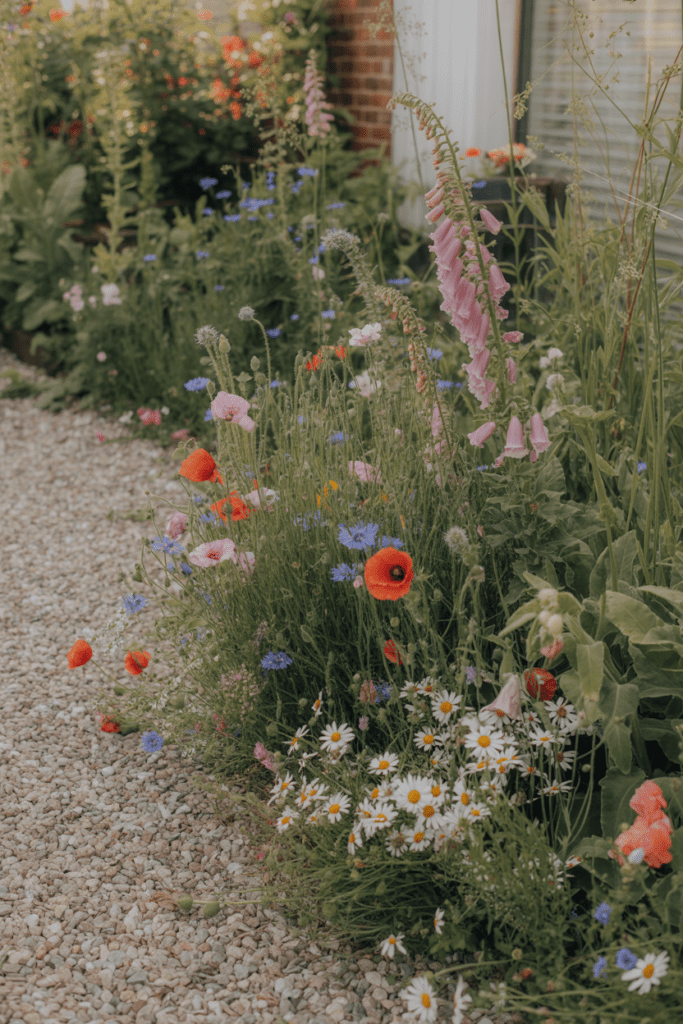
Here’s where things get really fun. Who says gravel has to look minimal and structured? A cottage-style gravel garden embraces a little beautiful chaos — think gravel ground cover peppered with self-seeding wildflowers like poppies, cornflowers, and foxgloves.
The gravel keeps weeds down while still letting wildflowers pop up wherever they please. The result looks effortless and romantic, like something out of a Jane Austen adaptation. You didn’t plan it too carefully, and somehow that’s exactly the point.
5. Gravel Mulch Around Trees and Shrubs
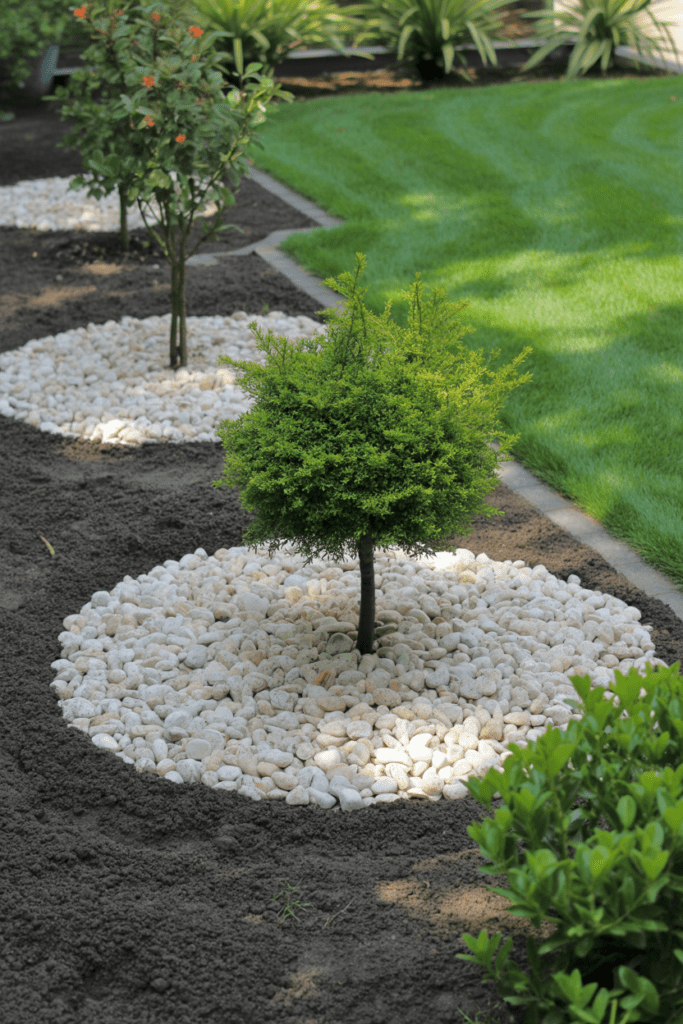
This one’s more functional than flashy, but don’t skip it. Using gravel as a mulch ring around trees and shrubs looks incredibly clean and eliminates that raggedy wood-chip look that breaks down every season.
Use a contrasting gravel color to the surrounding lawn or soil — white or cream gravel around dark soil looks especially sharp. Just make sure you lay landscape fabric underneath first, or you’ll be pulling weeds out of your gravel for the rest of time. Trust me on that one.
6. Gravel and Gabion Wall Garden
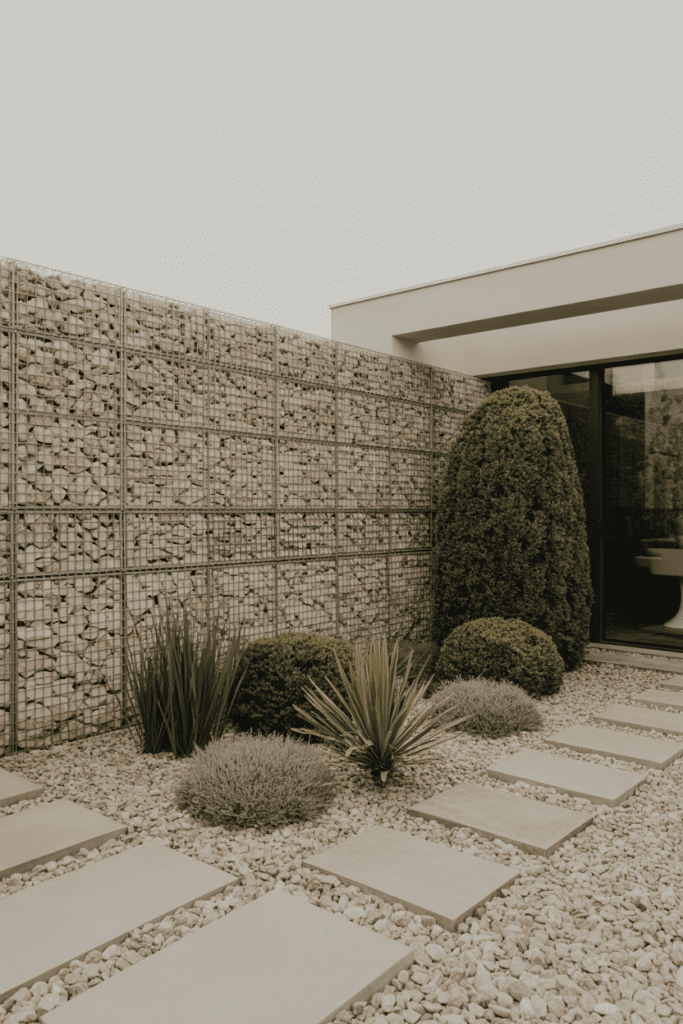
Ever seen those wire cage structures filled with stones? Those are gabion walls, and pairing them with a gravel garden floor creates an incredibly modern, architectural look that works beautifully in contemporary yards.
Stack gabion baskets along a fence line or use them as raised bed walls, then fill the surrounding ground with matching angular gravel. The visual texture combination is genuinely stunning, and gabion walls are surprisingly easy to build yourself over a weekend.
7. Mediterranean Courtyard Gravel Garden
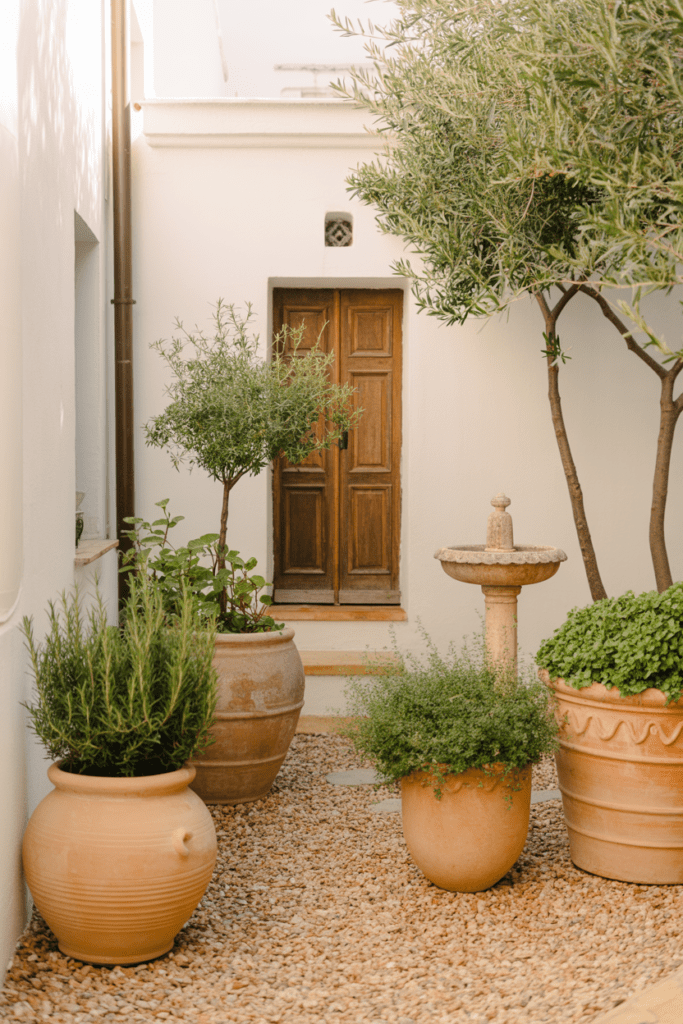
Think terracotta pots, olive trees, and warm-toned gravel — the whole vibe. A Mediterranean-style courtyard uses golden or buff-colored gravel to mimic the sun-baked look of Spanish and Italian gardens.
Add a simple water feature like a small wall-mounted fountain, surround it with clay pots of herbs (rosemary, thyme, oregano), and throw in a wrought iron chair. You’ve basically built yourself a little corner of Tuscany. No flights required.
Key Elements of a Mediterranean Gravel Courtyard
- Warm-toned buff or golden gravel
- Terracotta and ceramic containers
- Mediterranean herbs and olive or bay trees
- A small water feature or urn
- Wrought iron or rattan furniture
8. Front Yard Gravel Garden with Statement Planting
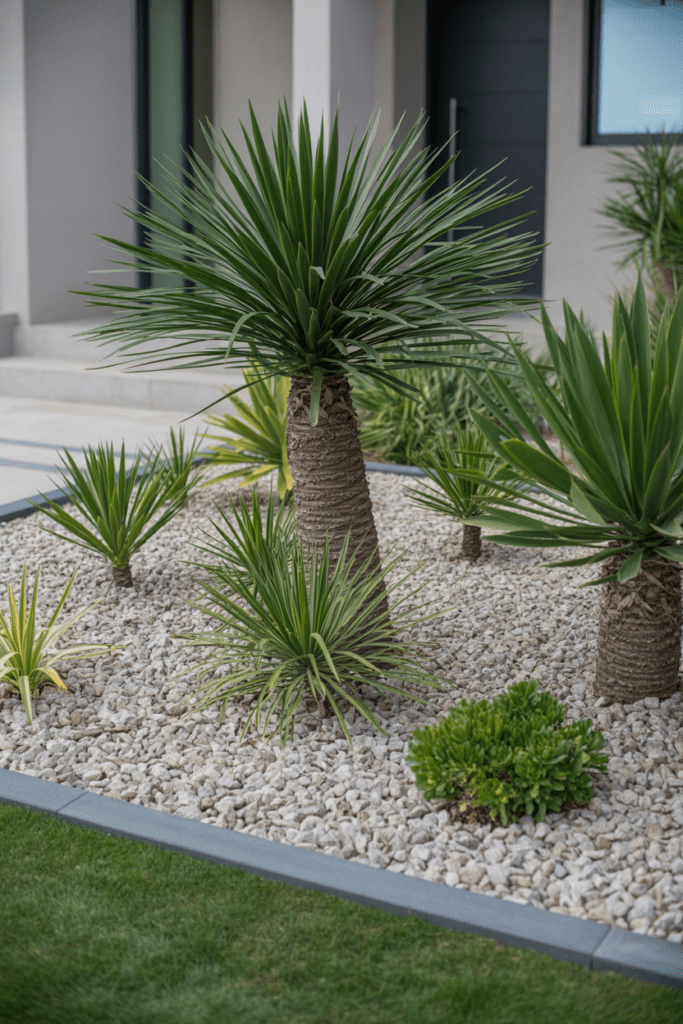
Front yards are tricky — you want curb appeal, but you also want low maintenance. Gravel solves both problems beautifully. Replace a struggling lawn with a gravel garden and a few bold architectural plants like ornamental grasses, phormiums, or yuccas.
The key is structure. Without it, a front yard gravel garden can look like someone just gave up. Use formal edging, place plants with intention, and maybe add a stepping stone path to the door. Suddenly your front yard looks intentional and stylish rather than… abandoned. :/
9. Gravel and Raised Timber Bed Combo
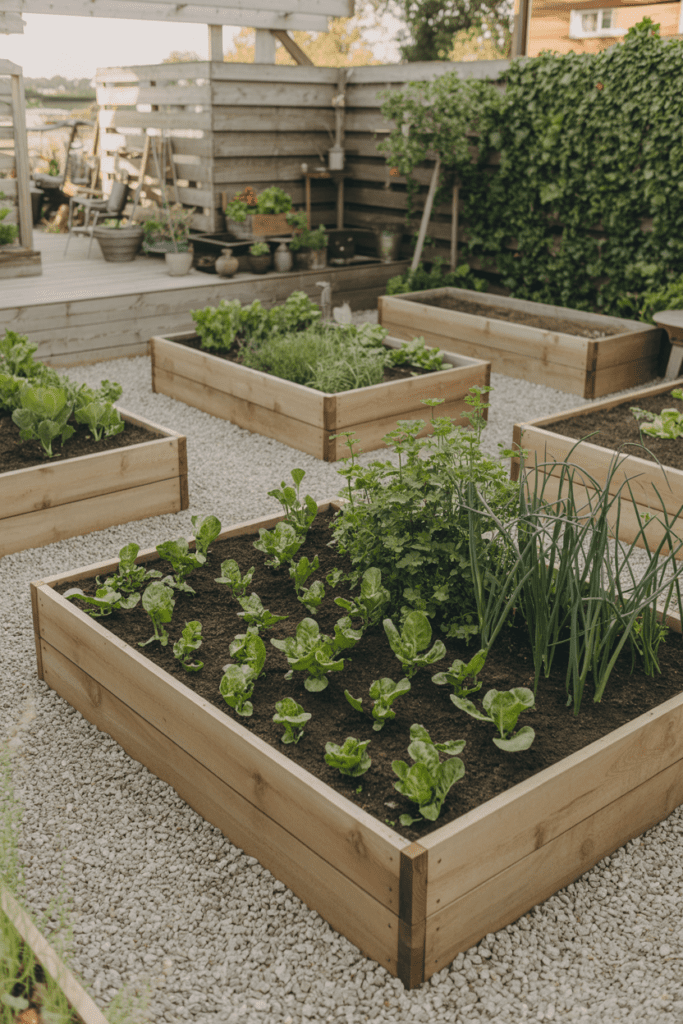
Raised timber beds surrounded by gravel pathways look like they belong in a lifestyle magazine, and they’re genuinely practical. The gravel between beds keeps mud off your shoes, drains rainwater away from wooden structures, and creates a clean visual contrast between the dark timber and light stone.
Use railway sleepers or treated pine for the beds, fill gaps with fine grey or white gravel, and you’ve got a kitchen garden setup that’s both beautiful and functional. Vegetables have never looked this good, honestly.
10. Rock Garden with Alpine Plants
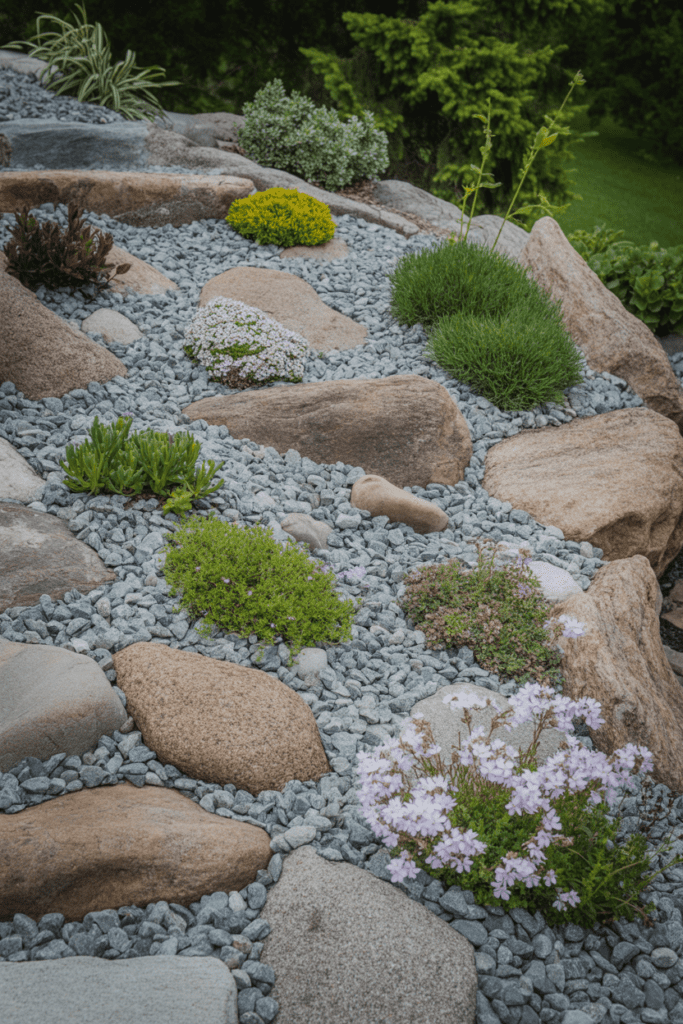
A rock garden is gravel’s dramatic older sibling. Combine larger decorative rocks with fine gravel and alpine plants that love excellent drainage — things like aubrieta, saxifrage, thyme, and creeping phlox.
Alpine plants are naturally adapted to rocky, gritty conditions, so they don’t just survive in gravel — they genuinely thrive. This style works brilliantly on sloped ground where grass is hard to mow and erosion is a problem. You’re solving a practical issue while creating something that looks like a miniature mountain landscape.
11. Japanese-Inspired Gravel and Moss Garden
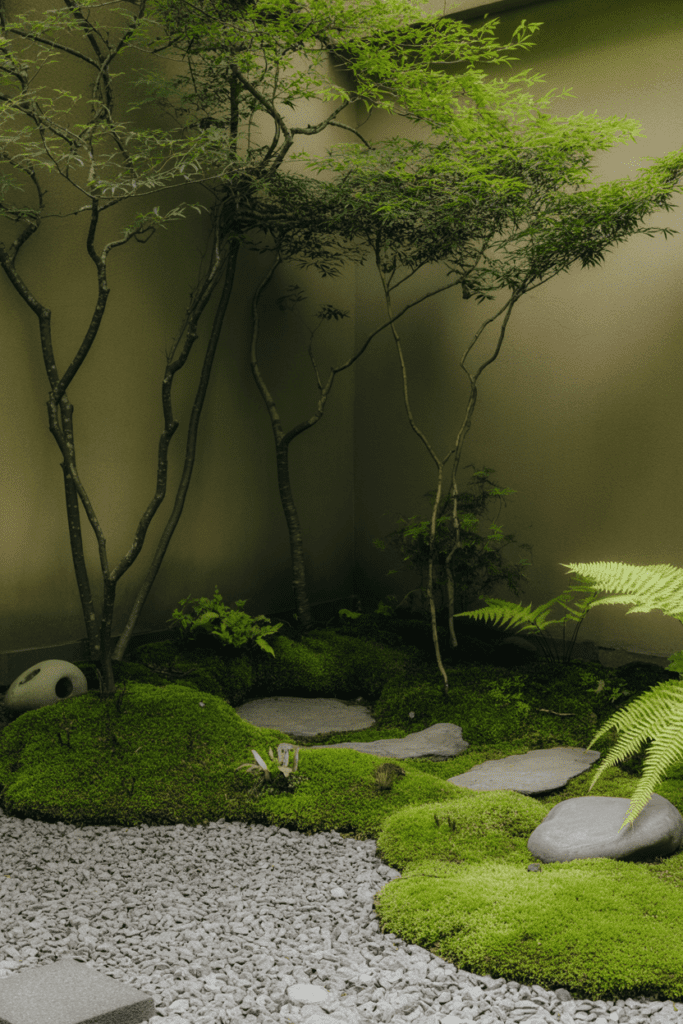
If the full zen garden feels too minimalist, try blending gravel with patches of moss for a softer, more lush Japanese aesthetic. The contrast between the clean, dry gravel and the velvety green moss creates a naturally beautiful texture combination.
This works especially well in shaded corners of your yard where grass refuses to grow. Mosses love shade and moisture, and gravel loves drainage — together they create a garden that looks like it’s been there for decades, right from day one.
12. Gravel Around a Fire Pit Seating Area
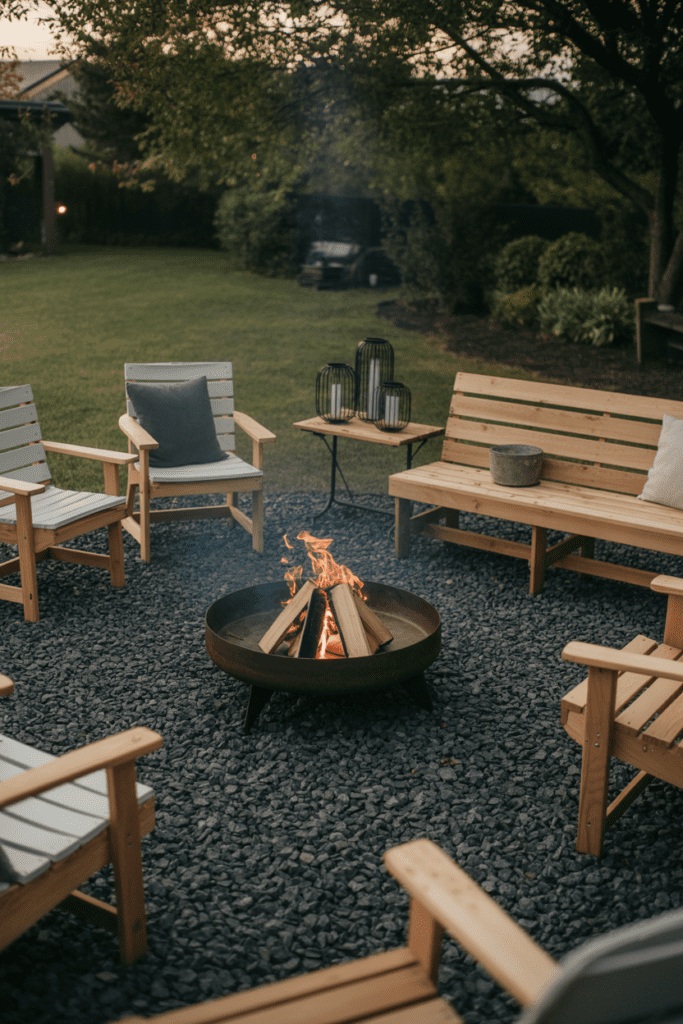
Want to know the smartest thing you can do around a fire pit? Replace the grass or dirt with gravel. It won’t scorch, it won’t turn to mud after rain, and it creates a defined outdoor “room” that feels intentional.
Use larger, chunkier gravel (like 20mm slate chippings) around a fire pit for a rugged, natural look. Surround it with low garden walls or timber benches, add a few lanterns, and you’ve got an outdoor entertaining space that works year-round.
Fire Pit Gravel Area Tips
- Use heat-resistant gravel (avoid small pea gravel near open flames)
- Define the area with metal edging or a timber border
- Keep gravel depth at 3–4 inches for comfort underfoot
- Choose darker gravel to hide ash marks
13. Minimalist Modern Gravel Garden
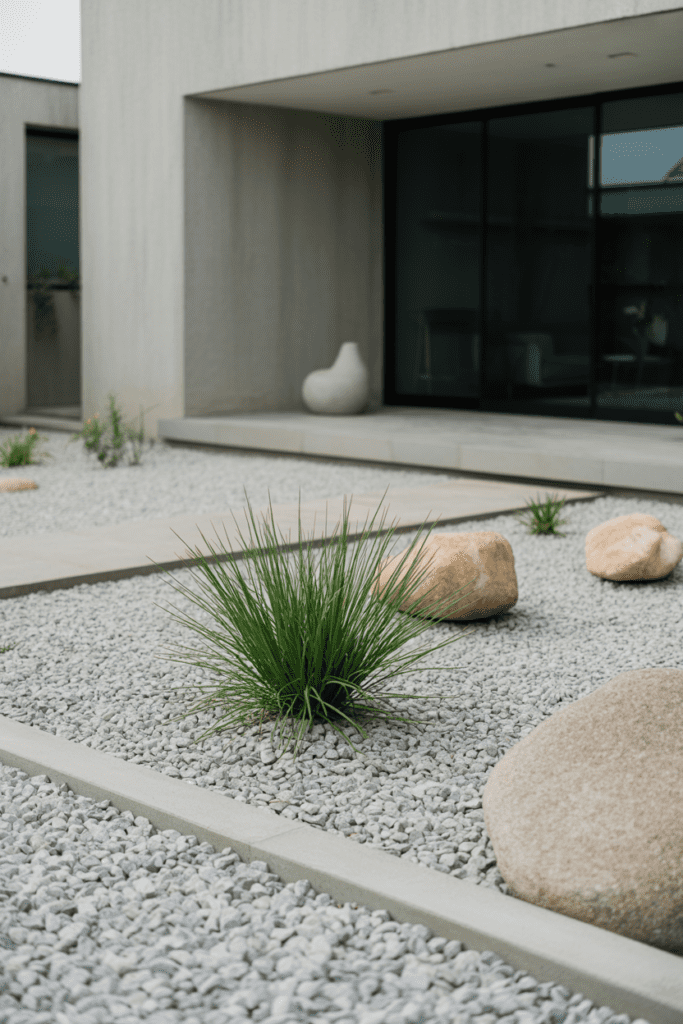
FYI — if you love clean lines, architectural plants, and a “less is more” aesthetic, this style is absolutely for you. A minimalist gravel garden uses pale grey or white gravel as a ground plane, with just a handful of carefully selected plants placed with real intention.
Think one large ornamental grass, a couple of sculptural boulders, and maybe a single architectural shrub. That’s it. The restraint is the design. It’s the garden equivalent of a well-edited capsule wardrobe — every element earns its place.
14. Gravel Sensory Garden
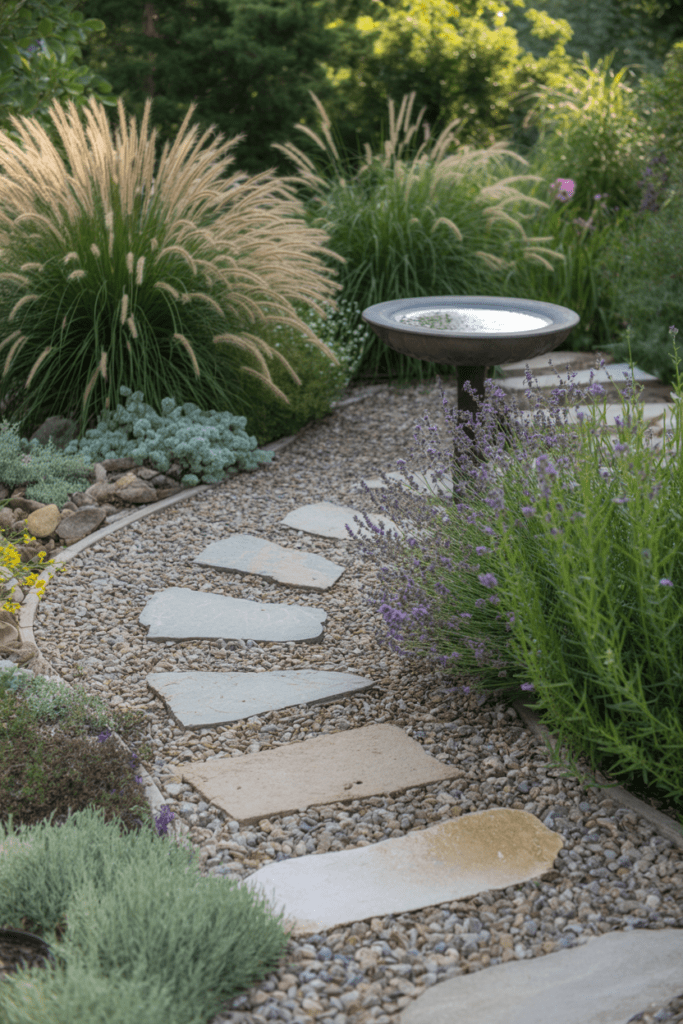
A sensory garden uses plants chosen for their texture, scent, sound, and color. Gravel is a perfect base for a sensory garden because it adds sound (that satisfying crunch underfoot), texture, and visual contrast all on its own.
Surround your gravel paths with fragrant lavender, rustling ornamental grasses, and tactile plants like lamb’s ear (stachys). Add a wind chime or small water feature for extra sensory input. It’s a brilliant project for families with kids, and also wonderful for anyone who just wants a calming outdoor retreat.
15. Sloped Garden Stabilized with Gravel
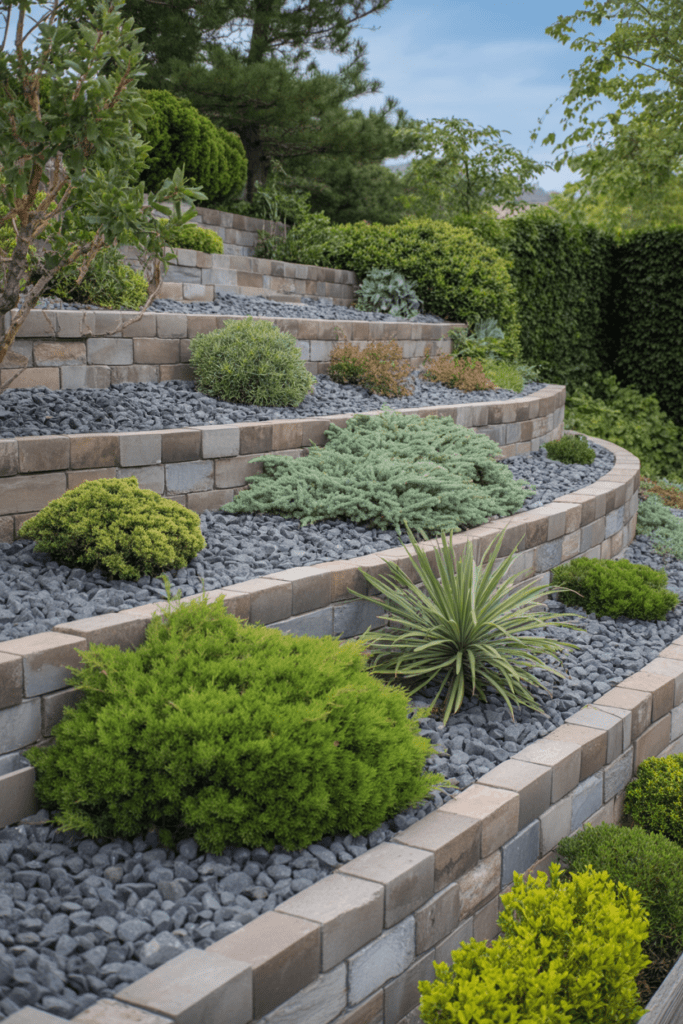
Slopes are genuinely one of the trickiest landscaping challenges. Grass slides off, mulch washes away, and soil erodes every time it rains. Gravel, combined with ground cover plants, actually stabilizes a slope while looking deliberate and attractive.
Use a layer of landscape fabric first, then cover with angular gravel (it locks together better than round pea gravel on a slope). Plant through the fabric with spreading ground covers like creeping juniper, vinca minor, or cotoneaster. Problem solved — and it looks great from the street.
16. Wildlife-Friendly Gravel Garden
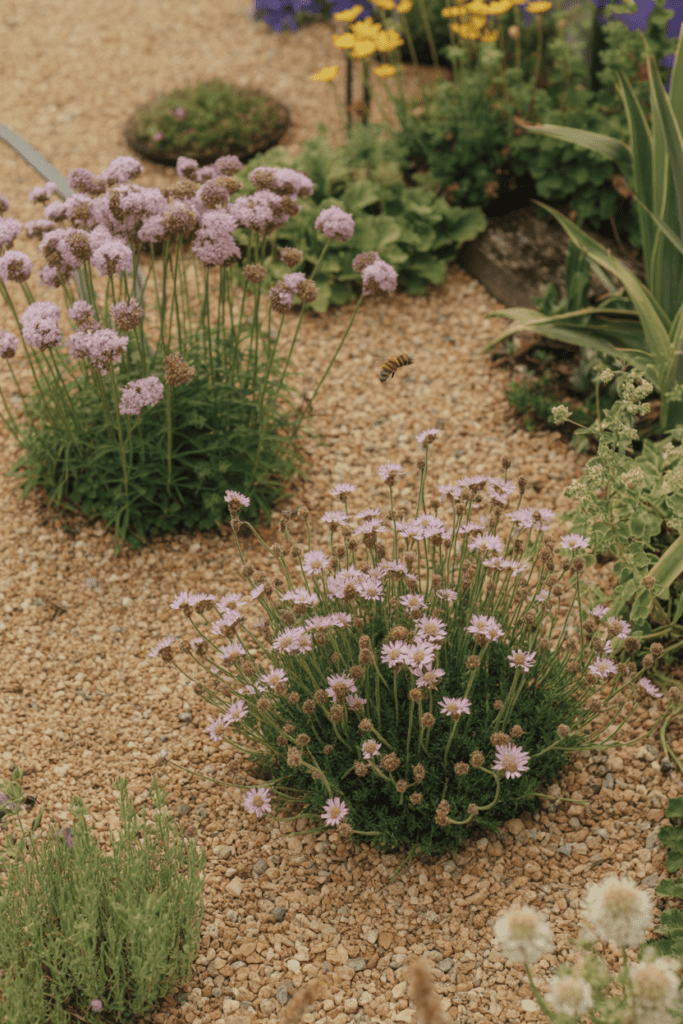
Here’s something most people don’t consider: a well-designed gravel garden can actually support local wildlife. Gravel warms up quickly in sunlight, making it attractive to basking insects and reptiles. Dense, low-growing plants among gravel create habitat for ground beetles, bees, and other beneficial insects.
Choose native flowering plants like thyme, erigeron, and sea thrift to plant through your gravel. Leave a few gaps with exposed soil near edges for solitary bees to nest. You’re creating a gorgeous garden AND doing something genuinely good for your local ecosystem. Win-win.
17. Four-Season Gravel Garden
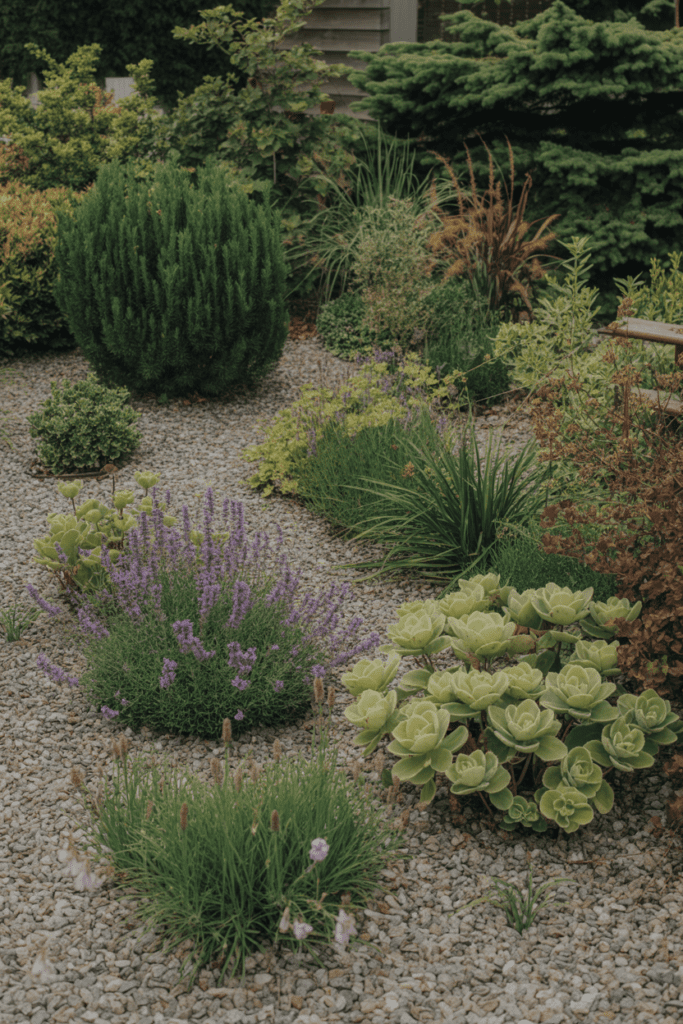
Most gardens have a “good season” and then months where they just look sad and bare. A thoughtfully designed gravel garden looks great in every season — and that’s honestly one of its biggest selling points.
The trick is layering plants with different seasonal interest. Spring bulbs push through the gravel early, summer perennials take over through the warm months, autumn grasses and sedums add russet tones, and the gravel itself stays clean and structural through winter when everything else has died back. No mud, no mess — just a garden that earns its space 365 days a year.
Plants for Year-Round Gravel Garden Interest
- Spring: Alliums, tulips, crocus pushing through gravel
- Summer: Lavender, salvia, ornamental grasses
- Autumn: Sedums, rudbeckia, pennisetum grasses
- Winter: Evergreen dwarf conifers, heucheras, structural grasses
Conclusion
Gravel really is one of those materials that rewards you every single time you use it well. Whether you’re going full zen garden or just filling in a muddy corner that’s defeated every plant you’ve ever tried, there’s a gravel solution that fits. The 17 ideas above cover every style, every budget, and every skill level, so there’s genuinely no excuse not to start.
Pick one or two idea that excites you most and just start. You don’t need the whole garden sorted at once. One beautiful gravel section leads to another, and before you know it, you’ve got the kind of yard that makes people slow down when they walk past. And honestly? That’s a pretty great feeling.
Now go buy some gravel. 🙂