

A plain garden wall or empty corner can feel a little… sad, right? Add a trellis, and suddenly that same spot looks charming, intentional, and full of life. A good DIY garden trellis adds height, supports climbing plants, saves space, and makes your garden look way more expensive than it actually is — which, honestly, feels like a win.
I love trellis projects because they hit that sweet spot between practical and pretty. You build something simple, your plants stop flopping everywhere, and your garden starts looking like you actually planned it. Magic? Not quite. Wood, wire, and a little weekend energy? Absolutely.
Why a DIY Garden Trellis Is Worth It
A trellis does more than hold up plants. It helps shape your garden and gives it structure, even when everything else looks a little chaotic. Ever looked at a garden and wondered why it feels so polished? Vertical interest usually plays a big part.
Here’s why I keep recommending DIY garden trellis ideas to anyone with a patio, backyard, or even a tiny balcony:
- They save space by growing plants upward instead of outward.
- They improve airflow around climbing plants like cucumbers, beans, and roses.
- They make harvesting easier because fruit and flowers stay visible and off the ground.
- They add style without forcing you to spend a fortune.
- They work in small gardens where every inch matters.
If you ask me, a trellis gives lazy-looking plants a proper job. No more dramatic vine sprawl across the path like it pays rent there.
17 Beautiful DIY Garden Trellis Ideas
Now for the fun part. These beautiful DIY garden trellis ideas work in different garden sizes and styles, and most of them use simple materials.
1. Classic Wooden Lattice Trellis
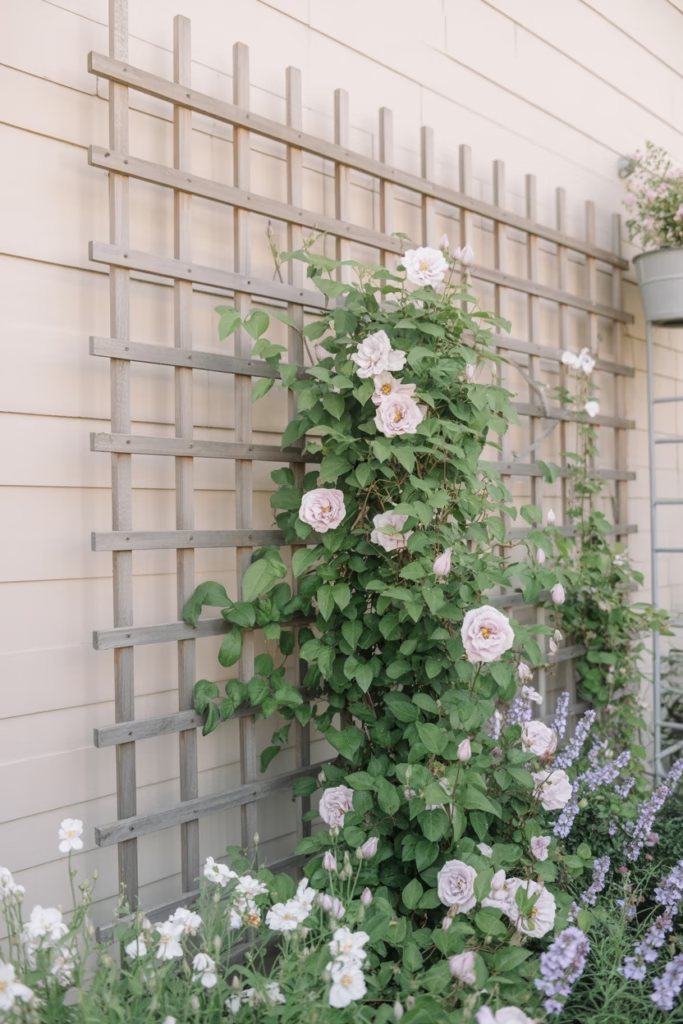
This one never goes out of style. A wooden lattice trellis works with climbing roses, clematis, peas, and even espalier fruit if you feel ambitious.
You can buy a pre-made lattice panel and frame it with basic timber, or build one from narrow wood strips. Either way, it creates a clean, timeless backdrop for flowering vines.
Why it works
- Easy to customize in size
- Looks great against fences and walls
- Works in both formal and cottage gardens
2. Bamboo Teepee Trellis
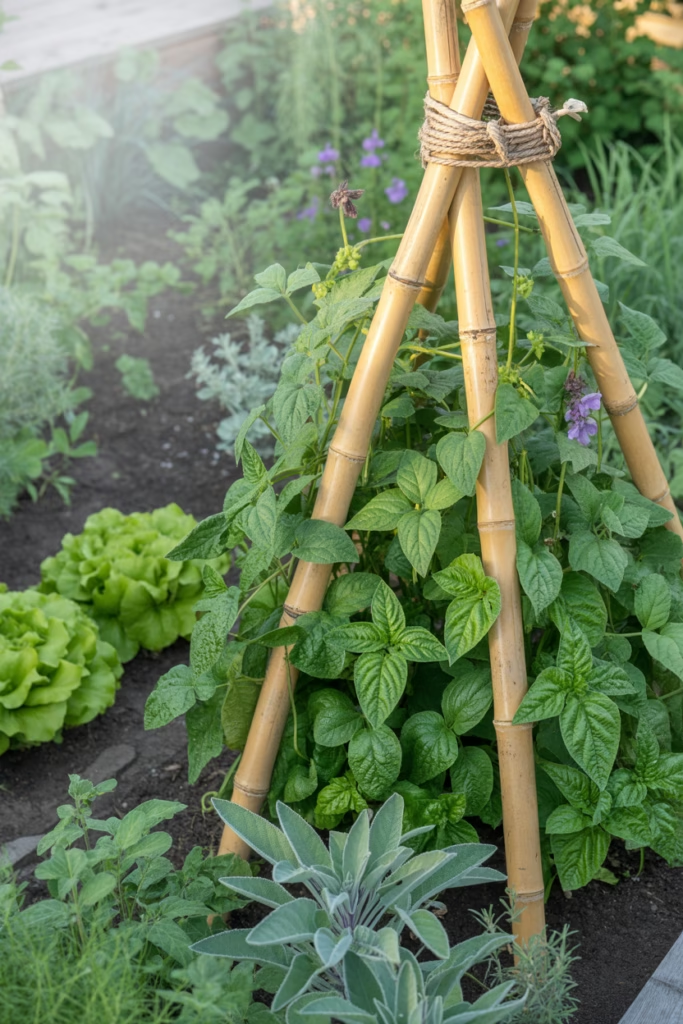
A bamboo teepee looks simple, natural, and kind of adorable in a vegetable bed. Tie several bamboo poles together at the top, spread the bottoms apart, and secure them in the soil.
I especially like this one for beans and sweet peas. It gives your plants a clear climbing path, and it costs very little to make. If you want a cheap DIY garden trellis that still looks intentional, this is a great pick.
3. Cattle Panel Arch Trellis
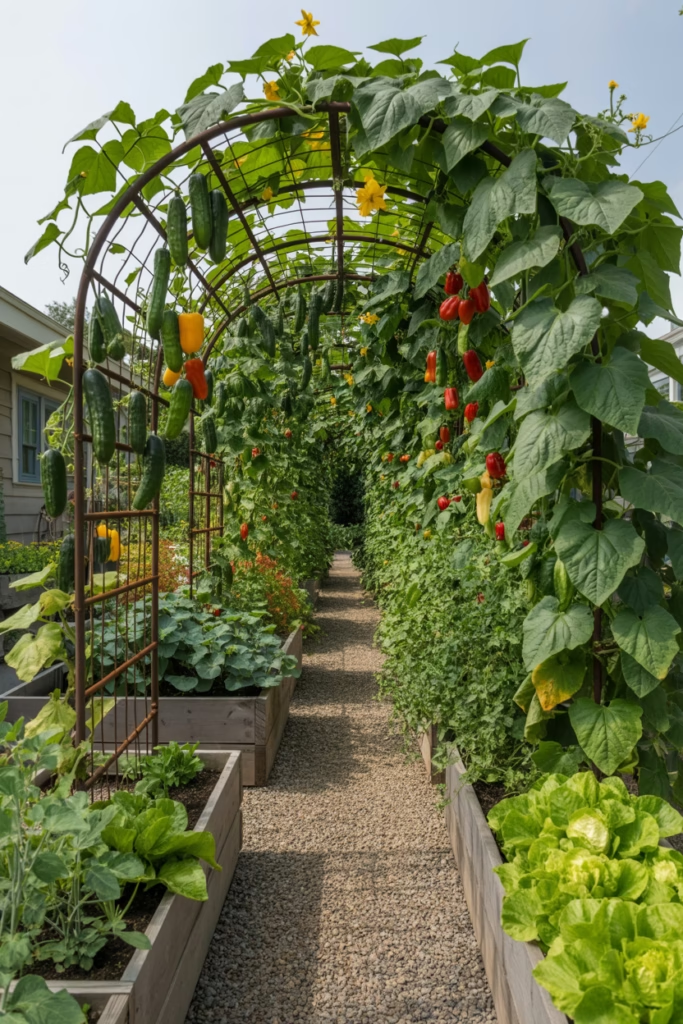
Now this one makes a statement. Bend a cattle panel into an arch and secure both ends into raised beds or the ground. Suddenly your garden looks like it belongs in a magazine.
This trellis works brilliantly for cucumbers, beans, and even small pumpkins. A cattle panel arch creates height, drama, and a tunnel effect that makes the garden feel bigger. Ever walked through a tunnel of hanging gourds? It’s weirdly satisfying.
Best features
- Extremely sturdy
- Great for edible gardens
- Perfect for creating a garden walkway
4. String Trellis for Raised Beds
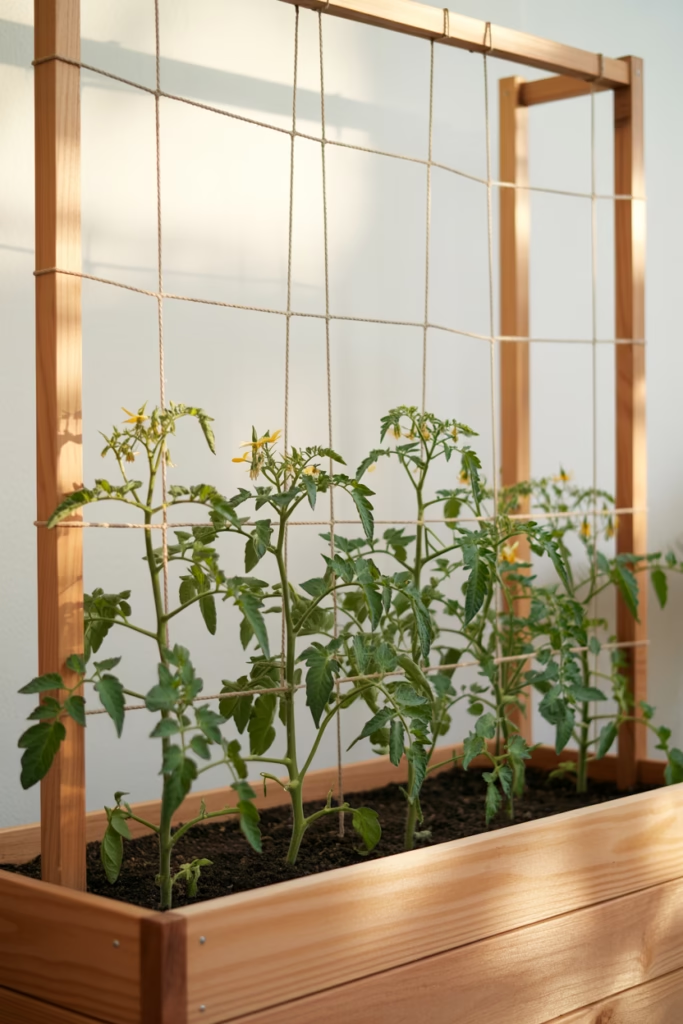
If you grow vegetables, don’t overlook the humble string trellis. Run sturdy twine vertically from a wooden frame above the bed down to the soil line.
This setup works especially well for tomatoes, cucumbers, and pole beans. It looks minimal, keeps the garden tidy, and makes pruning easier. A string trellis gives you maximum function with almost zero visual clutter.
5. Reclaimed Window Frame Trellis
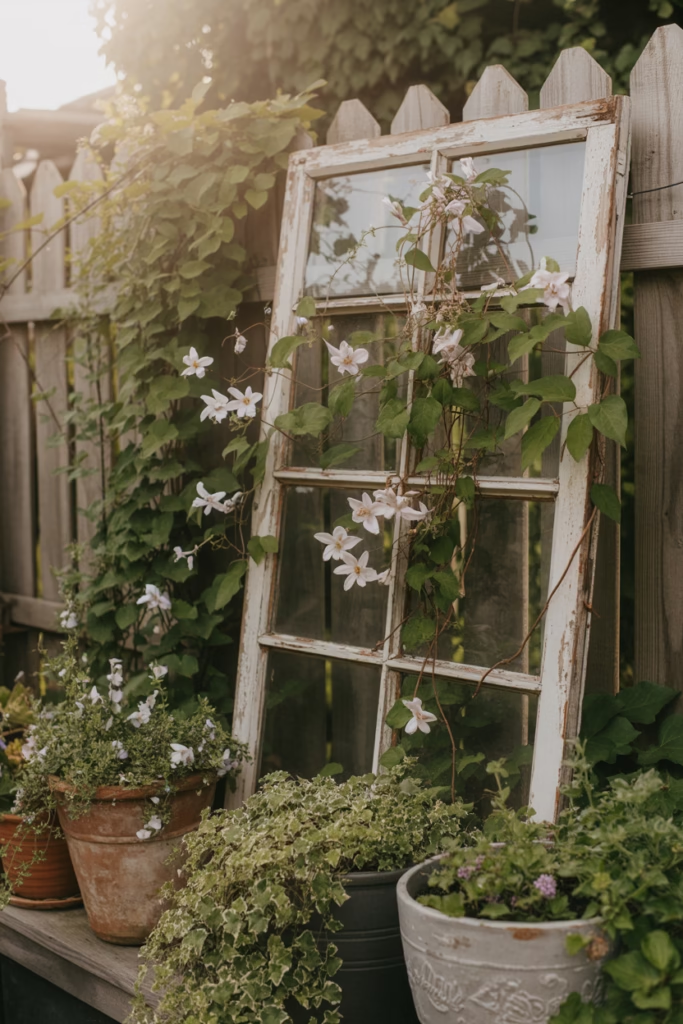
This idea has charm for days. Take an old wooden window frame, remove loose glass if needed, and mount it against a wall or fence. Let vines weave through the openings.
I love this for cottage gardens because it feels decorative before the plant even starts climbing. A reclaimed window trellis adds vintage character and acts like garden art. Old windows finally get their redemption arc.
6. Fan-Shaped Trellis
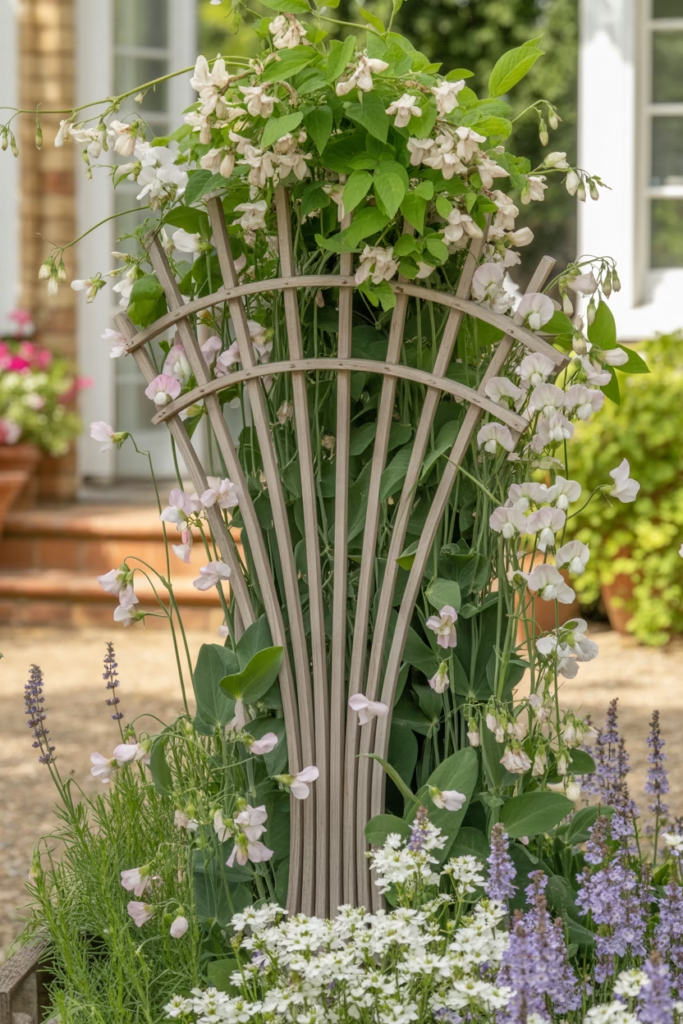
A fan trellis spreads outward from a narrow base, which makes it ideal for tight spots. You can build one from wooden slats or bamboo canes, and it looks especially pretty behind flowering climbers.
Because the design opens upward, it helps plants spread evenly instead of bunching into a tangled mess. This shape suits small gardens and narrow borders beautifully.
Good plants for it
- Clematis
- Jasmine
- Climbing nasturtiums
- Sweet peas
7. Obelisk Trellis
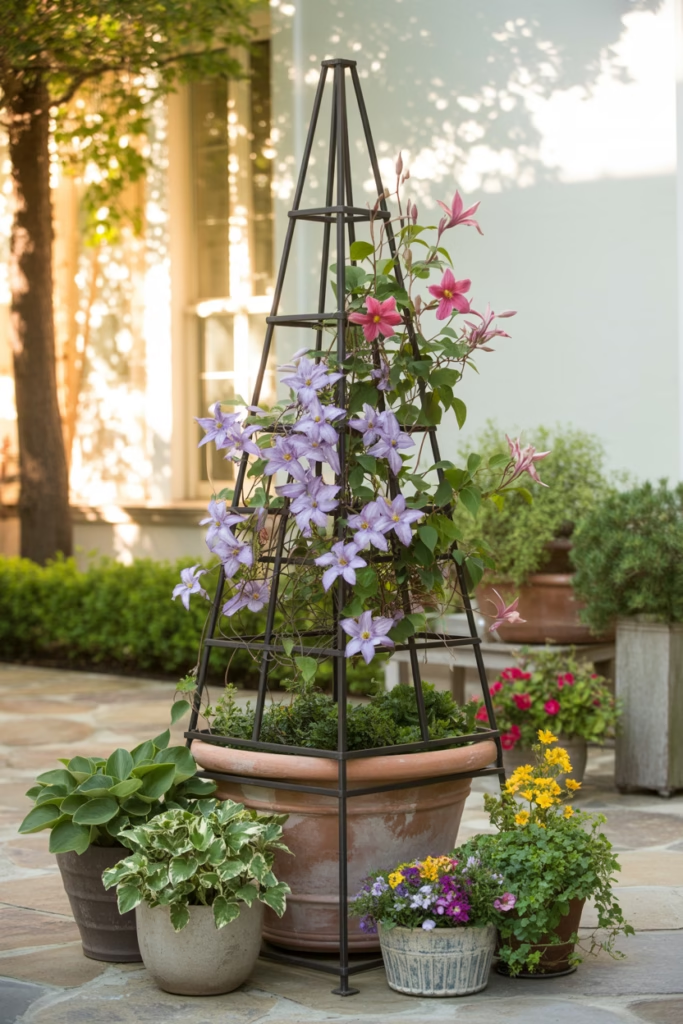
An obelisk trellis adds instant elegance. It stands upright like a garden tower and gives climbing plants a dramatic vertical structure in pots, beds, or borders.
You can build one from wood, metal rods, or even sturdy branches. I like using obelisks in containers near patios because they make the whole setup feel finished. If you want one trellis that looks decorative even in winter, choose an obelisk.
8. Wire Grid Wall Trellis
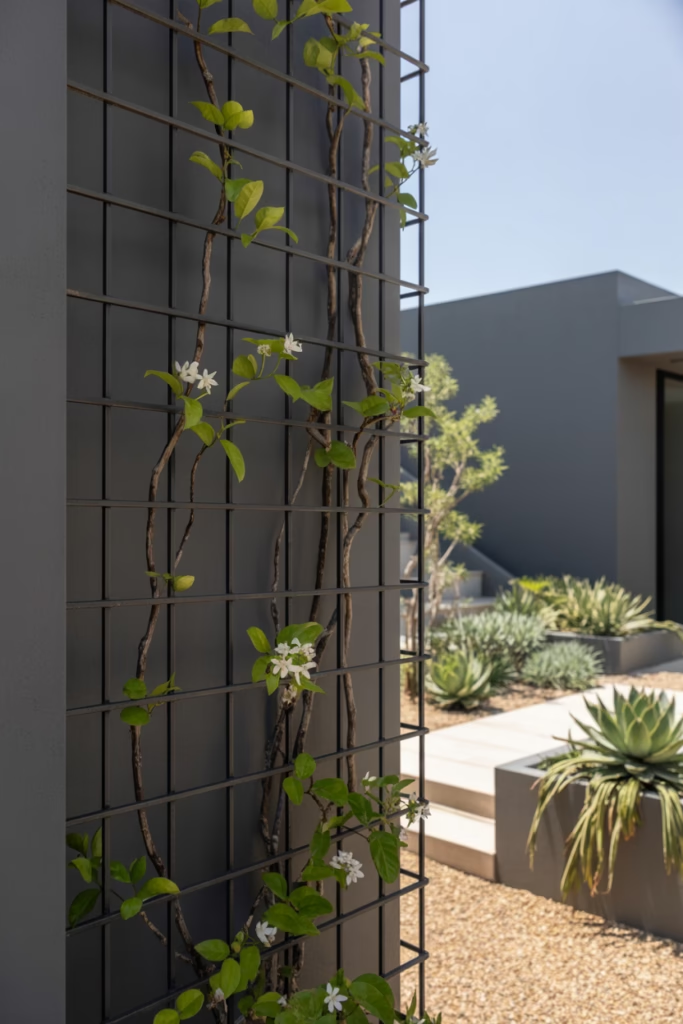
This one fits modern gardens perfectly. Mount a wire grid or welded mesh panel slightly away from a wall, then let vines climb across it.
The result looks sleek and architectural. It works well for ivy, jasmine, star jasmine, and lightweight flowering vines. A wire grid trellis creates a minimalist look while giving plants plenty of grip.
Why gardeners love it
- Simple materials
- Strong support
- Great for contemporary outdoor spaces
9. Ladder Trellis
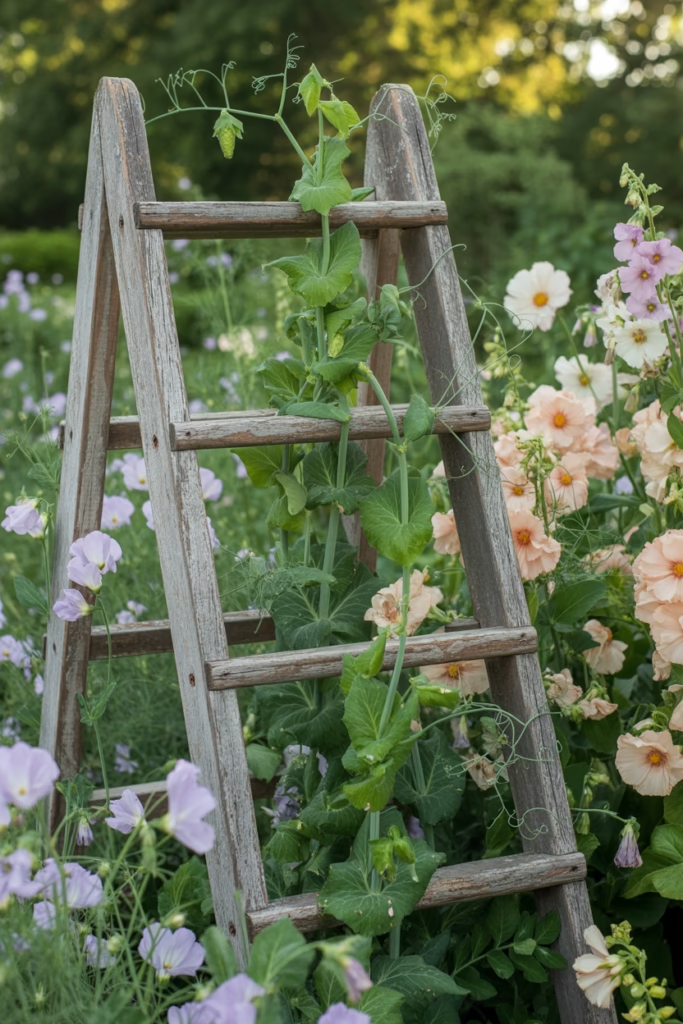
An old wooden ladder can become a brilliant DIY trellis with almost no effort. Lean it against a fence, secure it safely, and train your plants up the rungs.
This idea works for peas, beans, and potted climbers. It also adds a rustic, lived-in feel that looks charming rather than overly polished. A ladder trellis offers support and decorative appeal at the same time.
10. Branch and Twig Trellis
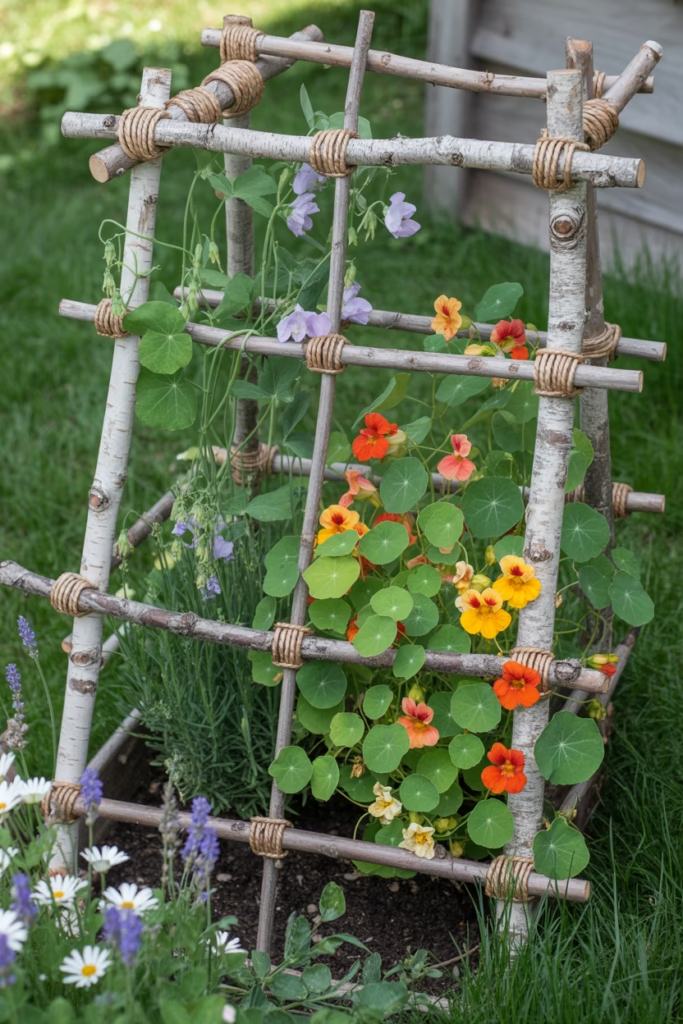
If you like a more natural garden style, try building a trellis from branches and twigs. Gather sturdy pruned branches, arrange them into a grid or teepee shape, and tie them together with twine.
I really like this option because it blends into the garden so well. It feels organic, relaxed, and a little whimsical. A branch trellis works beautifully in cottage gardens and wildlife-friendly spaces.
11. Copper Pipe Trellis
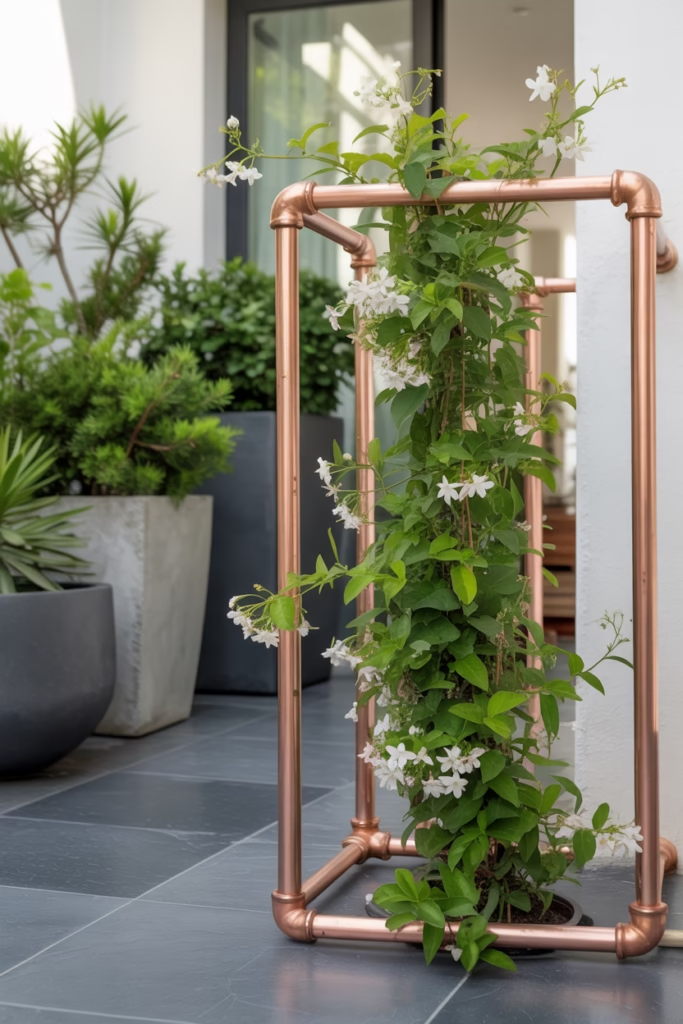
Want something modern with a little shine? A copper pipe trellis looks polished and stylish, especially in patio gardens or near entertaining spaces.
Copper costs more than bamboo or scrap wood, but it lasts well and develops a gorgeous patina over time. This trellis style suits modern garden design and adds a high-end feel. IMO, it’s perfect if you want your herbs and climbers to look slightly fancy without becoming unbearable about it.
12. Frame Trellis With Wire Mesh
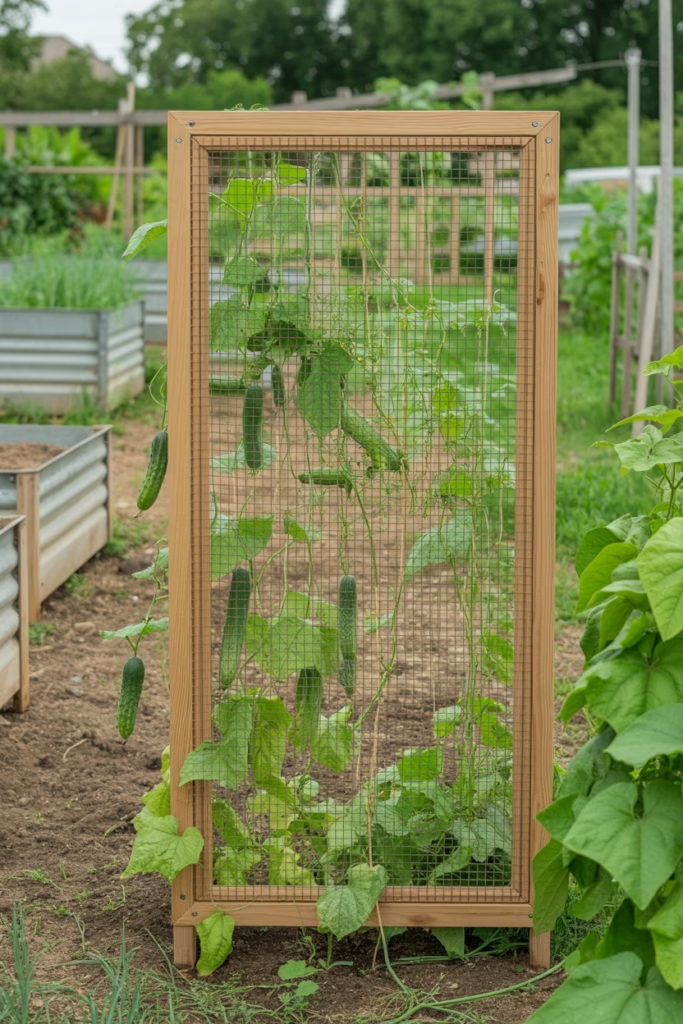
Build a simple rectangular wooden frame and staple wire mesh inside it. That’s it. You get a sturdy, useful trellis that works for vegetables and ornamentals alike.
This design gives you flexibility because you can size it exactly to your space. Mount it vertically, use it behind planters, or install several in a row. A framed wire mesh trellis combines strength, affordability, and easy construction.
13. Painted Trellis Panel
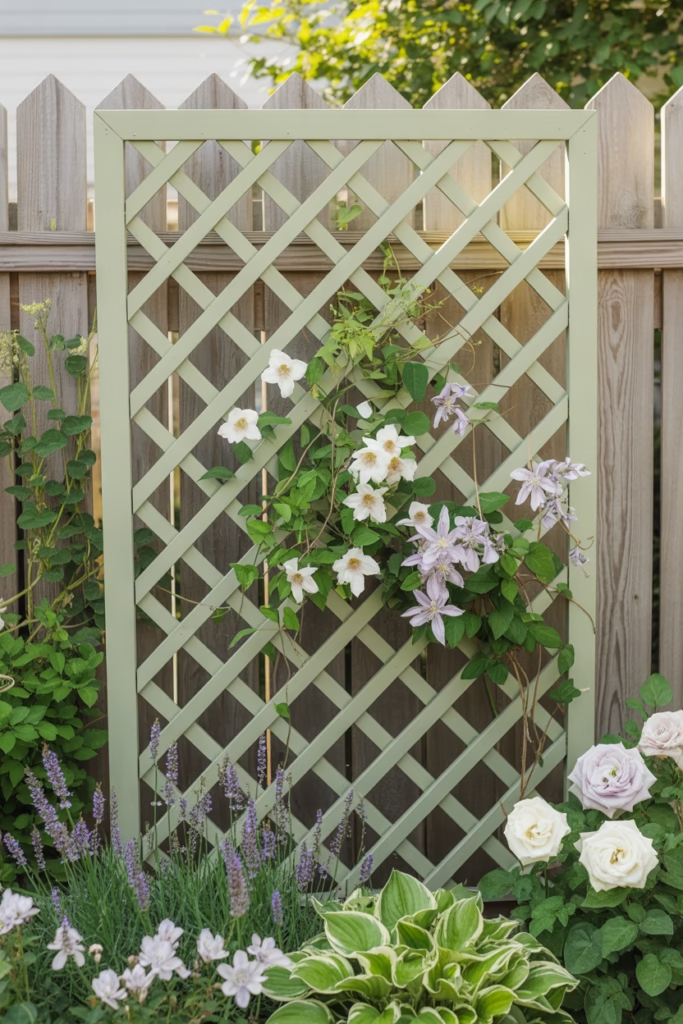
Sometimes a trellis needs to do more than support plants. Sometimes it needs to brighten up a dull fence and rescue the whole mood of the garden.
Paint a wood trellis in white, sage green, black, or even a muted blue. Then pair it with flowering vines for contrast. A painted garden trellis adds color, personality, and decorative impact even before plants fill in.
Color ideas that work well
- White for cottage gardens
- Black for modern contrast
- Green for a subtle blend
- Soft blue for a relaxed, vintage feel
14. Espalier Wire Trellis
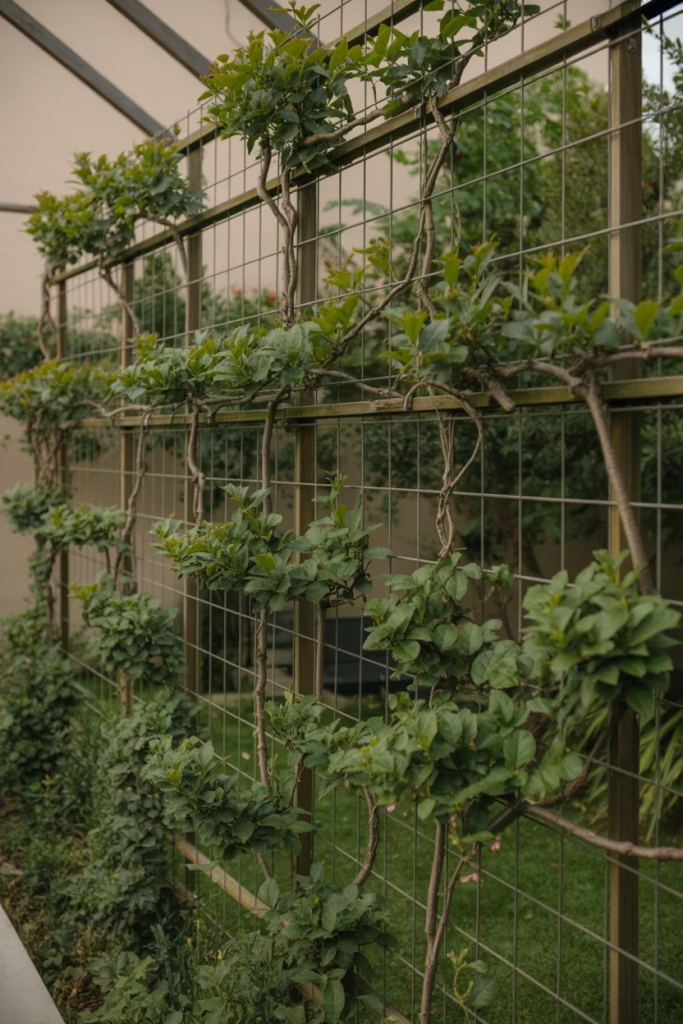
This one feels a little more advanced, but the payoff looks amazing. Install horizontal wires across a wall or fence and train branches or vines along them in a controlled pattern.
Gardeners often use this style for espalier fruit trees, but it also works for climbers that you want to keep neat. An espalier trellis creates a clean, structured look and turns plants into living design features. Ever wanted your wall to look expensive and productive at the same time?
15. A-Frame Trellis
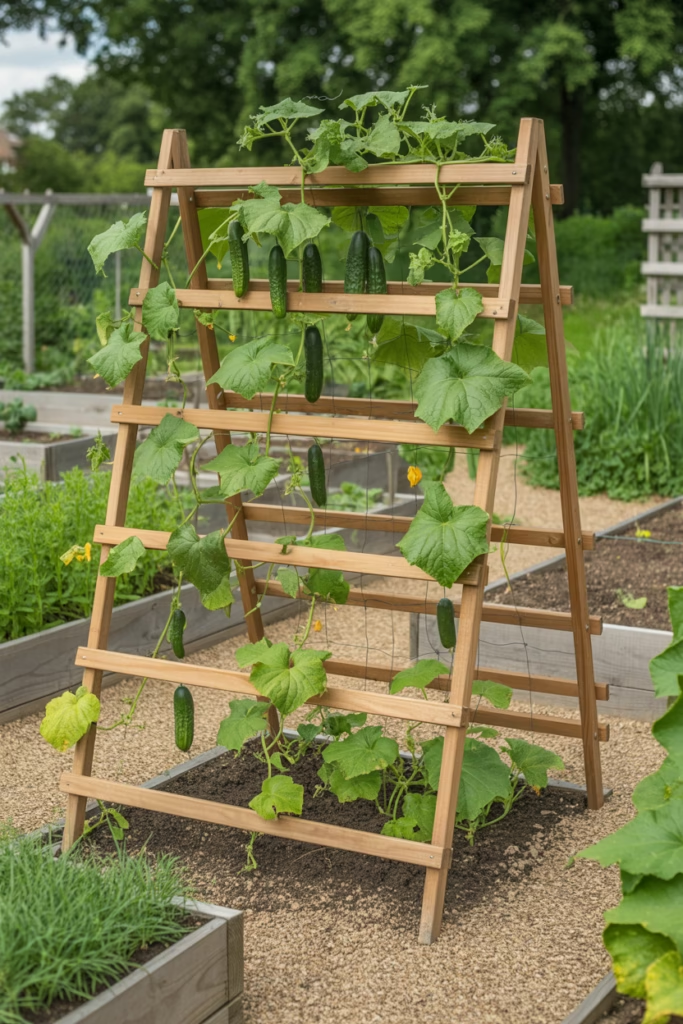
An A-frame trellis gives you two climbing sides and often folds flat for storage. That makes it perfect for seasonal vegetable growing.
Use wood slats, bamboo, or wire mesh panels to create the frame. Cucumbers especially love this setup because the fruit hangs down and stays easy to spot. An A-frame trellis makes harvesting simpler and uses garden space efficiently.
16. Hanging Pot and Trellis Combo
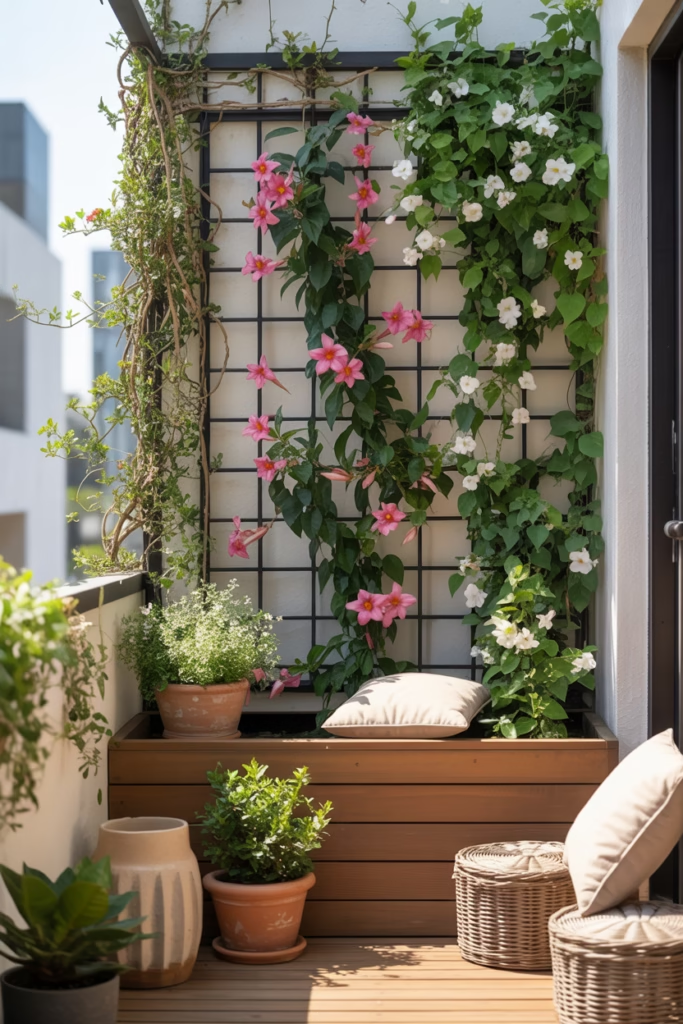
This idea works beautifully on balconies and tiny patios. Attach a slim trellis to the back of a large planter or window box, then grow a climbing plant right from the container.
I recommend this for jasmine, mandevilla, or compact beans. A planter trellis combo saves space and adds vertical greenery where traditional garden beds won’t fit. FYI, this setup can completely change a plain balcony wall.
17. Arched Entrance Trellis
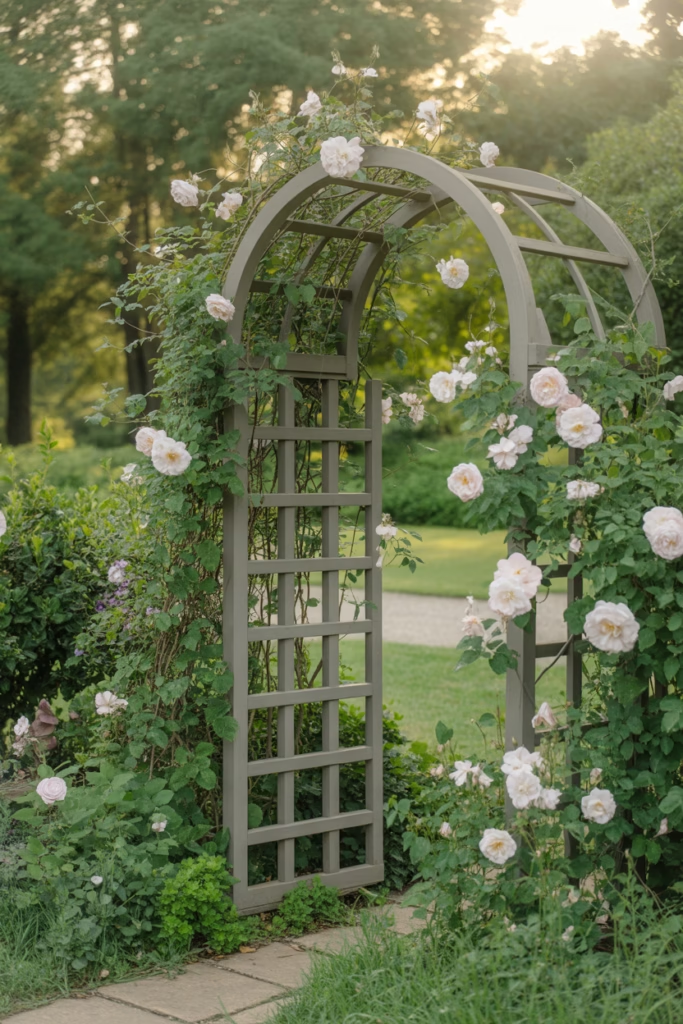
If you want real wow factor, build an arched trellis over a gate or pathway. This style feels romantic, dramatic, and just a little extra — in the best way.
Use wood or metal, make sure the structure stays solid, and choose climbers that will soften the shape over time. An arched entrance trellis creates a focal point and gives your garden a storybook feel.
Best plants for an arch trellis
- Climbing roses
- Clematis
- Honeysuckle
- Jasmine
- Wisteria, if the structure is very strong
Best Materials for DIY Garden Trellis Projects
The right material affects the look, durability, and maintenance of your trellis. Some materials suit quick budget projects, while others last for years and offer more strength.
Here’s a quick breakdown:
- Wood: Warm, classic, easy to cut and paint, but needs weather protection
- Bamboo: Affordable, lightweight, natural-looking, ideal for temporary or seasonal trellises
- Metal: Strong, durable, modern-looking, often best for heavy climbers
- Wire mesh: Practical, inexpensive, excellent for vegetables
- Branches and twigs: Free or cheap, rustic, best for lighter plants
- Copper pipe: Stylish and long-lasting, but more expensive
If I need something quick for vegetables, I usually pick bamboo or wire mesh. If I want something decorative near a patio, I lean toward painted wood or metal.
Tips to Make Your DIY Trellis Look Better
A DIY project can look beautiful, or it can look like you assembled leftover bits in a panic. The difference usually comes down to finishing details.
Here are a few simple ways to make your trellis look polished:
- Use consistent materials so the design feels intentional
- Paint or seal wood to protect it from weather
- Anchor the structure properly so it stays straight and safe
- Match the scale to the space so the trellis doesn’t overpower the garden
- Repeat shapes or colors to create a cohesive look
I also like to place trellises where they frame a view, hide an awkward wall, or draw the eye upward. Why waste vertical space when you can make it work for you?
Common DIY Trellis Mistakes to Avoid
A few small mistakes can ruin an otherwise great project. Luckily, they’re easy to avoid if you think ahead.
Weak support
Many people underestimate how heavy climbing plants get. A delicate-looking cucumber vine can turn into a full production by midsummer.
Build stronger than you think you need, especially for food crops and mature flowering vines.
Bad spacing
If the grid openings are too small, plants struggle to weave through them. If the spacing is too wide, stems can’t grip properly.
Choose spacing based on the plant type:
- Small openings for delicate climbers
- Wider gaps for thicker stems
- Reinforced frames for heavy fruiting vines
Poor placement
A gorgeous trellis in the wrong spot still fails. Don’t block access paths, crowd air circulation, or place climbing plants where they won’t get enough light.
Your garden should feel easier to maintain, not harder.
Easy Tools You May Need
Most DIY garden trellis projects don’t require a full workshop. You can build many of them with simple tools you probably already own.
Here are the basics:
- Tape measure
- Drill or screwdriver
- Garden twine or zip ties
- Saw for wood or bamboo
- Hammer
- Screws or nails
- Wire cutters
- Level
For heavier builds, you may also need post anchors or brackets. Still, most of these projects stay very beginner-friendly, which I appreciate because not every weekend calls for heroic carpentry.
How to Keep Your Trellis Looking Good
Once you build your trellis, a little maintenance goes a long way. Plants grow fast, weather does its thing, and neglected structures start looking rough pretty quickly.
Do these simple checks through the season:
- Tighten loose ties or wires
- Repaint or reseal exposed wood
- Prune plants before they overwhelm the frame
- Check for rust on metal pieces
- Replace broken twine or cracked bamboo
A well-maintained trellis lasts longer and keeps your garden looking tidy. Plus, fixing one loose screw now beats rebuilding the whole thing later. Shocking, I know :/
Which DIY Garden Trellis Idea Should You Choose?
If you feel torn, start with your space and plant type. That usually narrows things down fast.
Choose these styles if you want:
- Best for vegetables: A-frame, string trellis, cattle panel arch
- Best for small spaces: Fan trellis, planter trellis, wall grid
- Best for cottage charm: Window frame, twig trellis, painted lattice
- Best for modern gardens: Copper pipe, wire grid, black painted frame
- Best statement piece: Arch trellis, obelisk, cattle panel tunnel
My honest advice? Pick one project that feels manageable, not one that looks impressive on paper and ends in chaos. A simple trellis you actually build beats a “dream project” that lives in your notes app forever.
Final Thoughts
A great trellis can completely change your garden. It adds height, beauty, structure, and practical support, all without requiring a huge budget or pro-level skills.
These 17 beautiful DIY garden trellis ideas give you options for every style, from rustic and natural to sleek and modern. Start with the plant, choose a material that fits your space, and build something that makes your garden feel more alive.
And honestly, once you add one trellis, you’ll probably want another. That’s how it starts. First it’s one little climbing rose, then suddenly you’re pricing copper pipes and sketching archways like you host secret garden tours on weekends.