
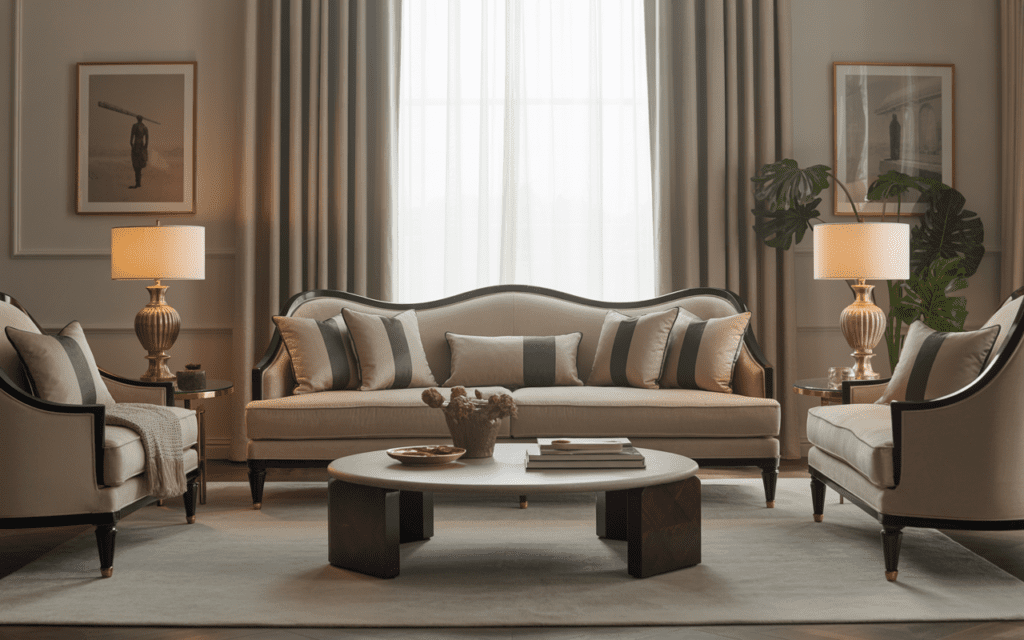
A formal living room can feel like a tricky little balancing act, right? You want it to look elegant, polished, and a little impressive, but you also do not want it to feel like a room where nobody is allowed to sit down. That’s exactly why the best formal living rooms work so well: they bring in structure, style, and comfort without trying too hard. And honestly, that sweet spot matters way more than people admit.
I’ve always liked formal living rooms that feel composed but still human. You know the kind the sofa looks beautiful, the lighting feels warm, the layout makes sense, and the whole room says, “Yes, I have taste,” without shouting it across the house. Ever walked into a space and instantly felt calm because everything just fits? That’s the vibe we’re after here.
The good news is you do not need a giant budget or a designer on speed dial to get there. You just need the right mix of furniture, color, lighting, texture, and a few thoughtful details that pull everything together. In this article, I’ll walk you through 17 formal living room ideas that can help you create a room that feels refined, welcoming, and genuinely livable.
1. Start with a strong focal point
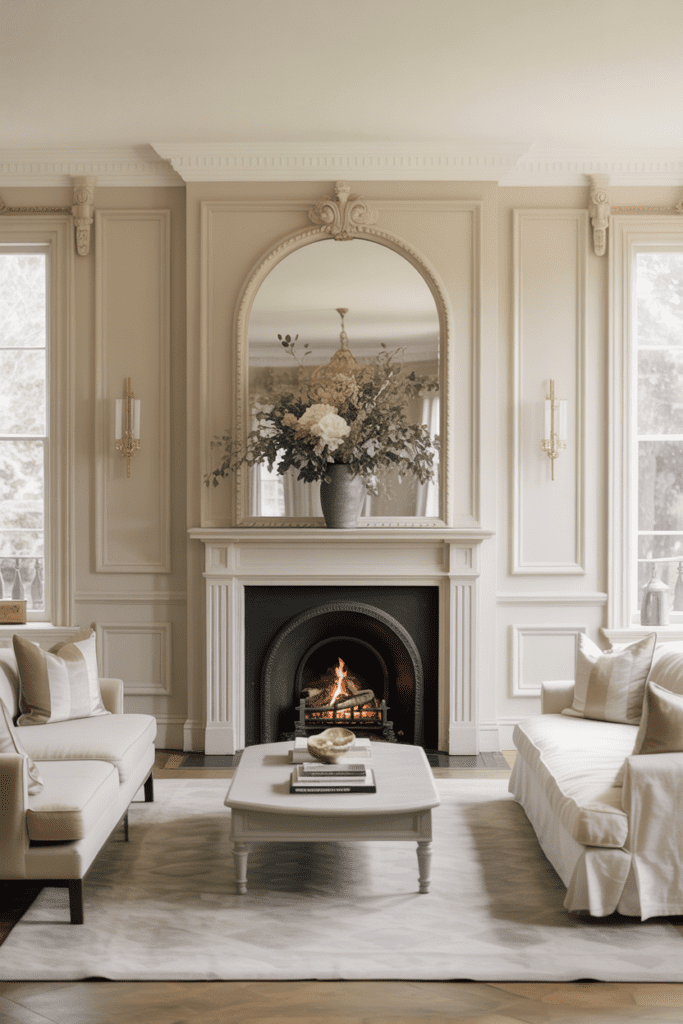
Every formal living room needs something that grabs attention right away. That could be a fireplace, a large mirror, a statement chandelier, or a bold piece of art. Without a focal point, the room can feel like it forgot why it exists.
I usually think of the focal point as the room’s anchor. It gives your furniture a reason to arrange itself and keeps the whole layout from drifting into chaos. Ever walked into a room and felt like the furniture had no idea where to go? Yeah, that.
What works best
- A fireplace with a clean mantel.
- A large framed artwork.
- A dramatic mirror that bounces light around.
- A feature wall with texture or paneling.
2. Use a symmetrical layout
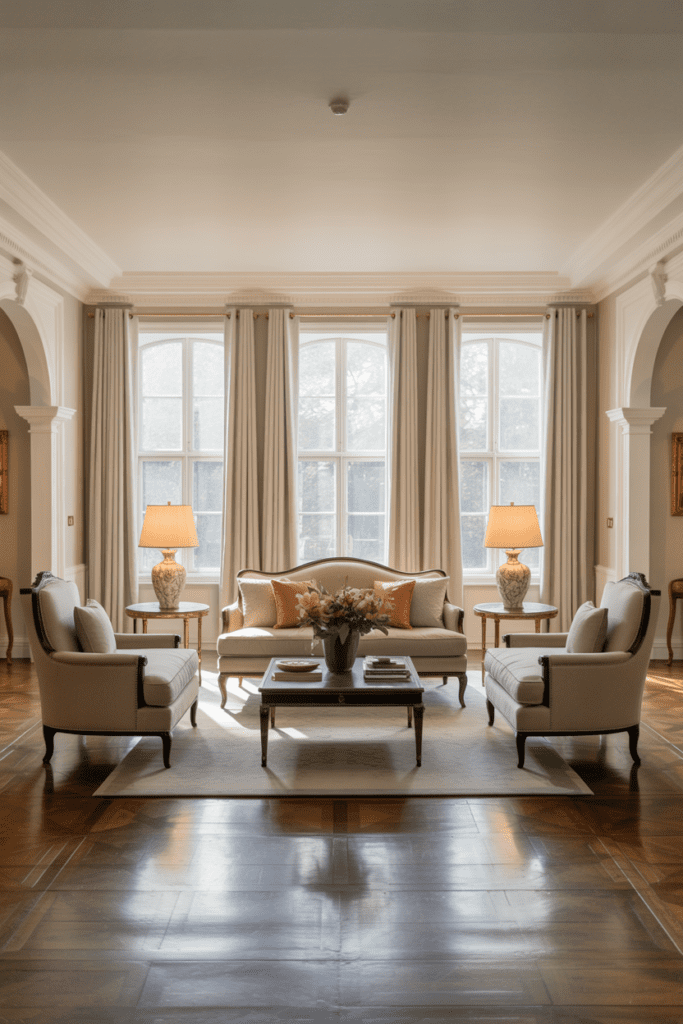
If you want a room to feel formal fast, symmetry does a lot of heavy lifting. Pairing matching chairs, identical lamps, or twin side tables instantly creates balance. The result feels calm, polished, and a little bit expensive, even if you didn’t spend a fortune.
I’m a fan of symmetry because it makes the room feel organized without screaming for attention. It also helps the eye move around the space more naturally. FYI, this works especially well in rectangular living rooms.
Easy symmetry tricks
- Place matching chairs across from a sofa.
- Use the same table lamps on both ends of a console.
- Hang artwork in pairs.
- Center the rug under the main seating area.
3. Pick a refined color palette
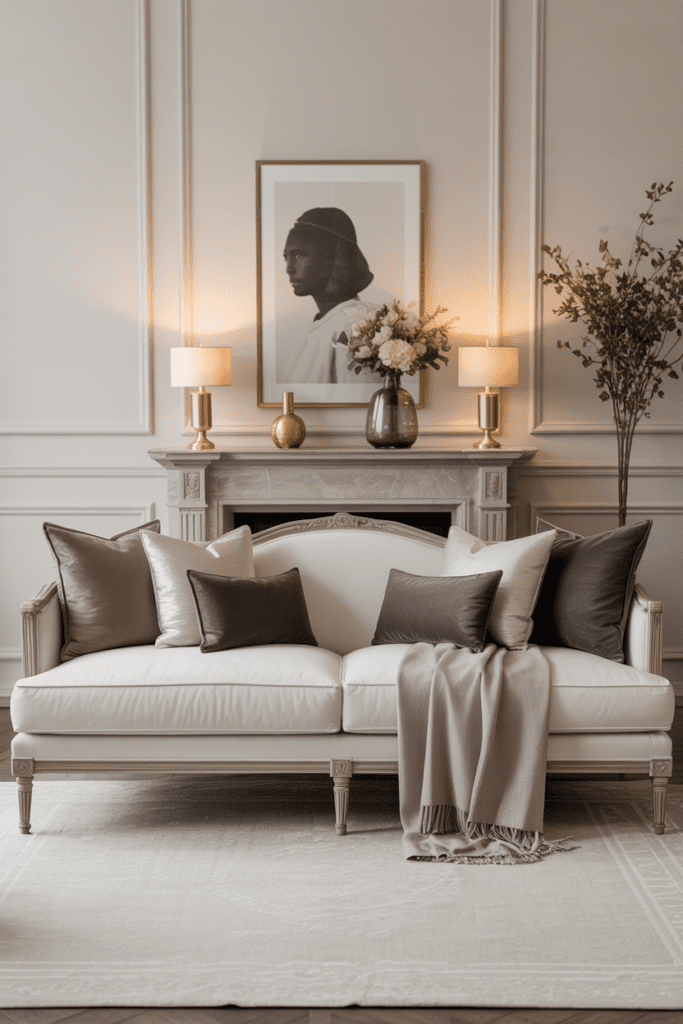
Formal living rooms usually look best in a tight, controlled color palette. That does not mean boring beige and sadness. It means choosing shades that work together and feel deliberate.
Think deep navy, soft cream, charcoal, taupe, forest green, or warm white. You can absolutely add contrast, but keep it measured. Too many loud colors can make the room feel like it lost a bet.
Good palette combinations
- Cream + gold + black for classic elegance.
- Charcoal + ivory + walnut for a modern formal look.
- Sage + brass + beige for soft sophistication.
- Navy + white + silver for crisp contrast.
4. Choose a statement sofa
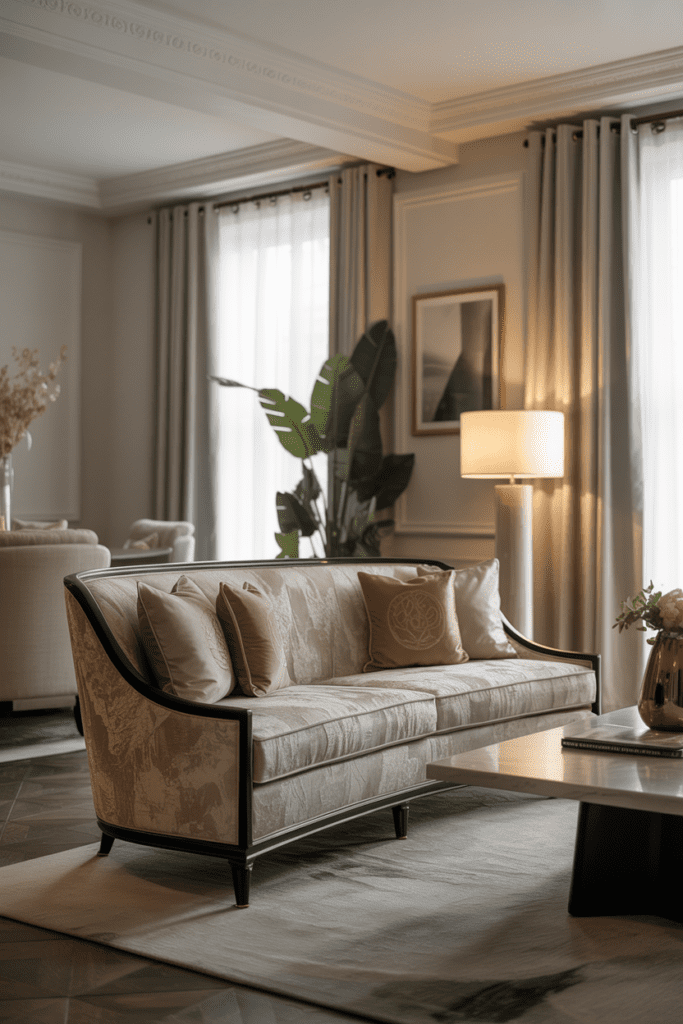
The sofa often sets the tone for the whole room, so choose one that looks substantial and elegant. A tailored silhouette, rich fabric, and clean lines usually work best. You want the sofa to say, “Yes, this room has standards.”
Velvet, linen, and performance fabric all work depending on your lifestyle. I’d pick velvet for drama, linen for softness, and performance fabric if your household involves kids, pets, or the occasional snack-related crisis. Nobody wants to explain a stain forever.
Best sofa styles
- Rolled-arm sofas for classic rooms.
- Track-arm sofas for a more modern formal feel.
- Tufted sofas for traditional elegance.
- Curved sofas for a softer, luxe vibe.
5. Add a rich area rug
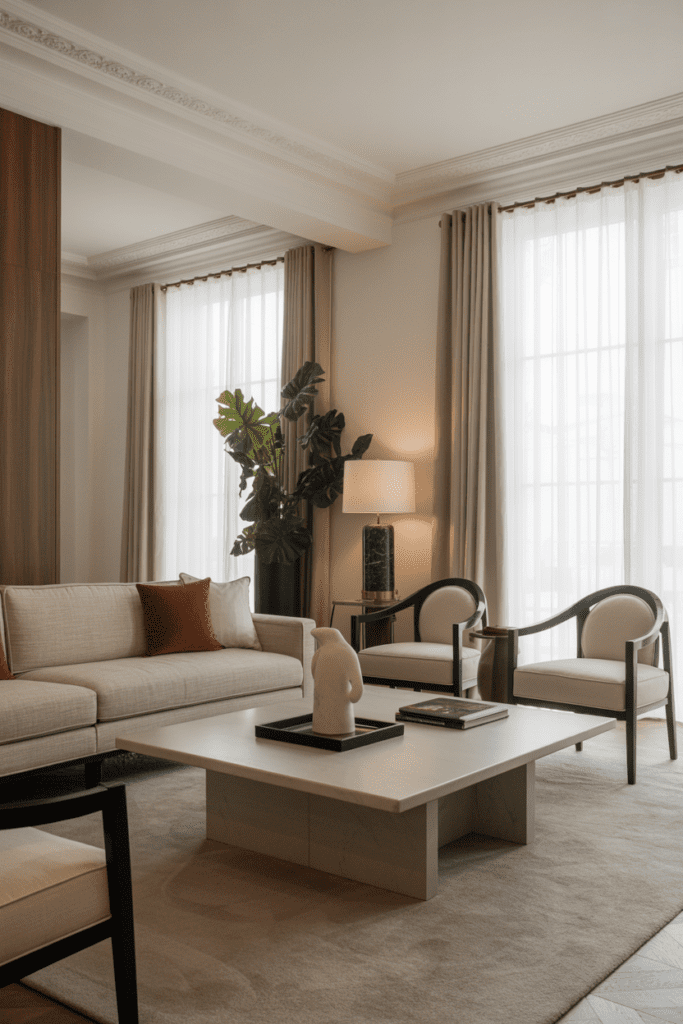
A formal living room without a proper rug can feel unfinished. The rug grounds the seating area and adds texture, pattern, and warmth. It also helps define the space, especially in open layouts.
Choose a rug that is large enough to fit at least the front legs of the main furniture. If the rug floats awkwardly in the middle of the room, it will look like it got lost on the way in. IMO, bigger usually looks better here.
Rug tips
- Use natural fibers for subtle texture.
- Pick classic patterns like Persian-inspired or geometric motifs.
- Stick to muted or refined colors for a formal feel.
- Make sure the rug scale matches the room size.
6. Bring in elegant lighting
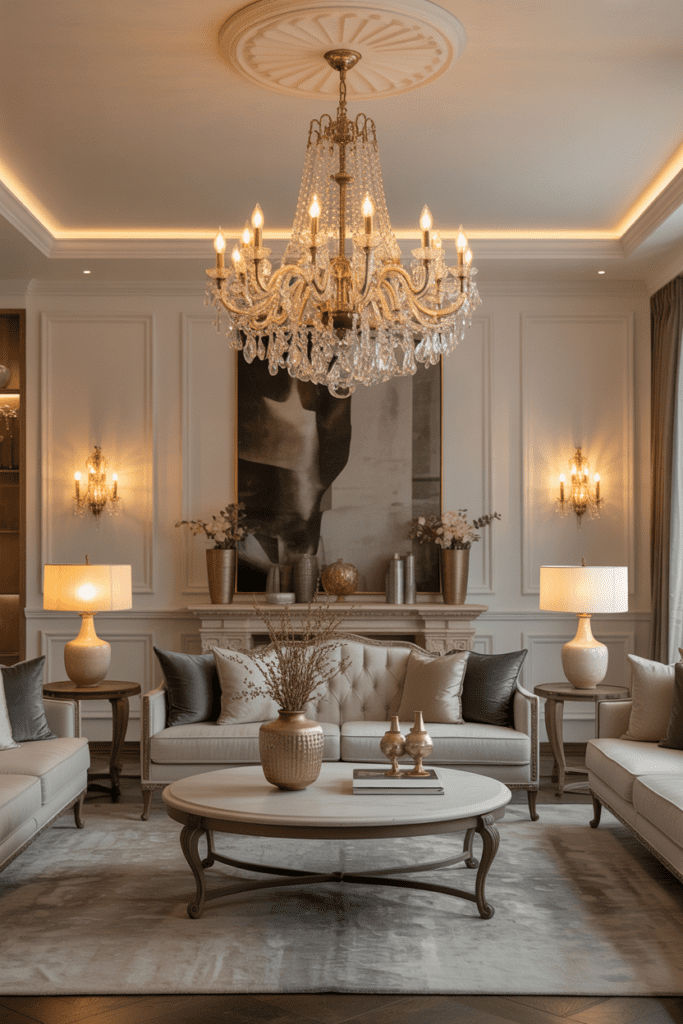
Lighting can make or break a formal living room. One overhead light alone rarely gives you that layered, polished effect. You need a mix of ambient, task, and accent lighting to create depth.
A chandelier or pendant can act like jewelry for the room. Then you can add table lamps and wall sconces for balance. Why let one lonely ceiling light do all the work when it clearly hates its job?
Lighting layers to use
- Chandelier for a central statement.
- Table lamps for warmth and symmetry.
- Wall sconces for elegant side lighting.
- Accent lights for artwork or shelves.
7. Include classic wall paneling
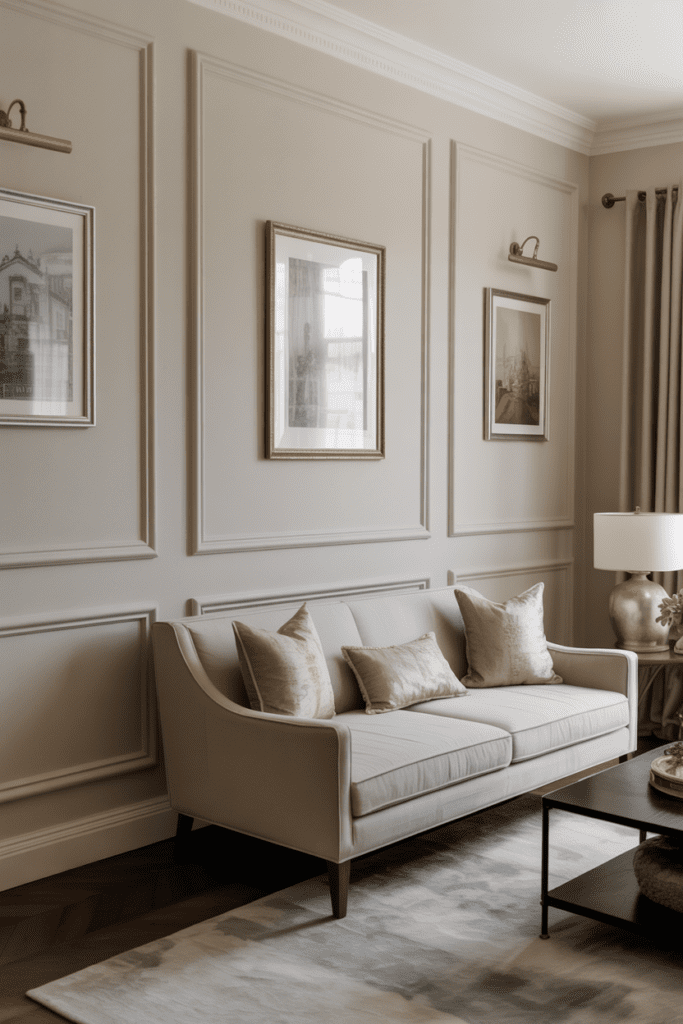
Wall paneling makes a formal living room feel instantly more refined. It adds architectural interest without relying on extra furniture or clutter. You can go traditional with molding or keep it sleek with modern panels.
I love paneling because it gives the room depth even before you add decor. It also helps plain walls feel intentional. If your room feels flat, this fix works like a charm.
Paneling styles to consider
- Wainscoting for classic charm.
- Board and batten for a clean, structured look.
- Picture frame molding for timeless elegance.
- Vertical slats for a modern formal twist.
8. Use high-quality materials
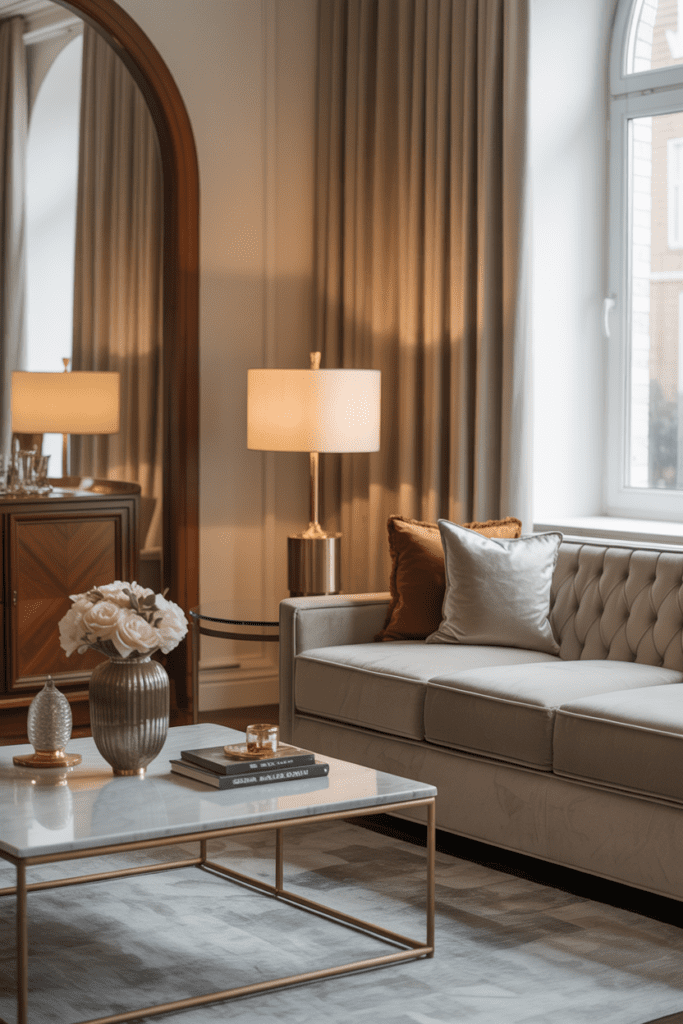
Formal living rooms feel formal partly because of the materials you choose. Wood, marble, glass, brass, velvet, silk, and linen all bring a sense of quality. Even one or two well-chosen materials can lift the whole space.
You do not need to overload the room with luxury finishes. You just need a few touches that feel solid and thoughtfully chosen. A marble coffee table or brass lamp can do more than a pile of random decor ever will.
Best materials for formal style
- Wood for warmth and structure.
- Marble for elegance.
- Brass for a soft metallic glow.
- Velvet for richness.
- Glass for lightness and sophistication.
9. Add oversized art
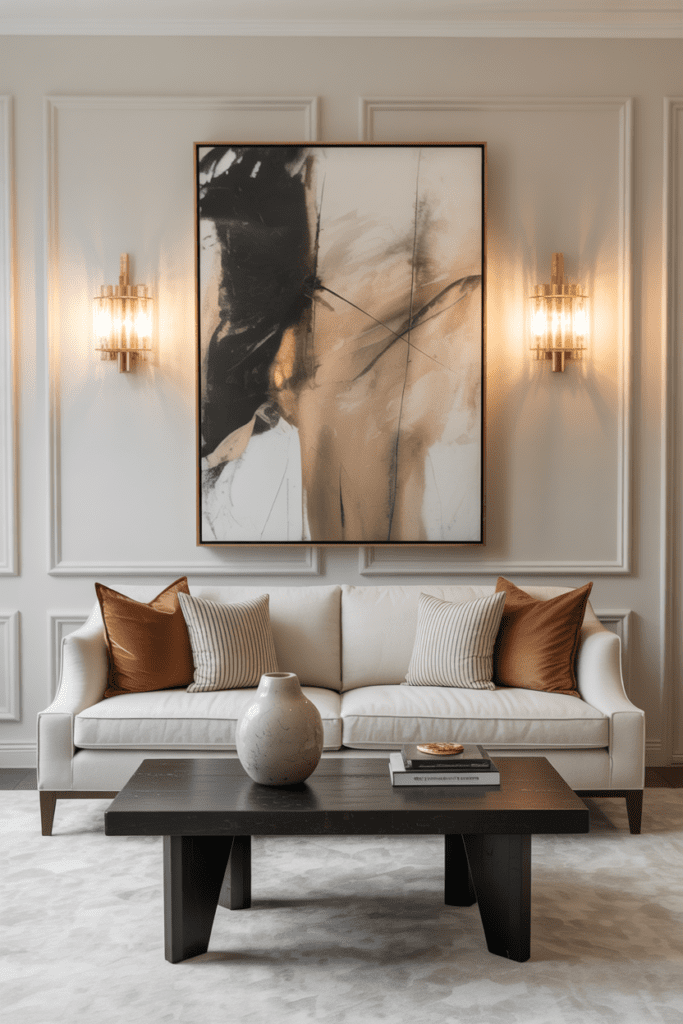
Big art makes a formal living room feel confident. Small art can work, but oversized pieces create more impact and reduce visual clutter. One strong piece often looks better than five tiny ones trying to compete like they all want the same job.
Choose artwork that matches the mood of the room. Abstract art brings a modern edge, while landscapes or portraits lean more traditional. Ever notice how a large canvas can make a room feel finished in five seconds? That’s not magic, just good design.
10. Keep decor edited
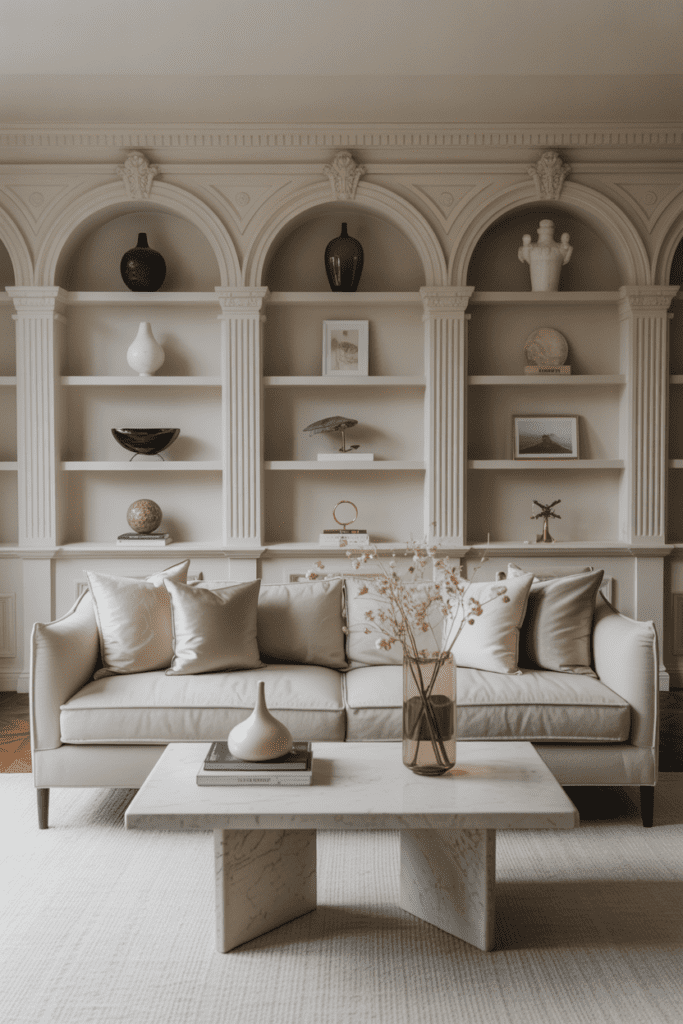
A formal living room works best when you resist the urge to fill every surface. Select decor carefully and let each piece breathe. The room should feel curated, not crowded.
I always think of editing as the secret sauce. You can have beautiful objects, but if you pile them everywhere, the room stops feeling elegant and starts feeling like a storage shelf with opinions. Less really does say more here.
Edit your decor by
- Choosing one or two statement accessories per surface.
- Repeating finishes for cohesion.
- Avoiding tiny random objects that add visual noise.
- Leaving open space on tables and shelves.
11. Mix traditional and modern pieces
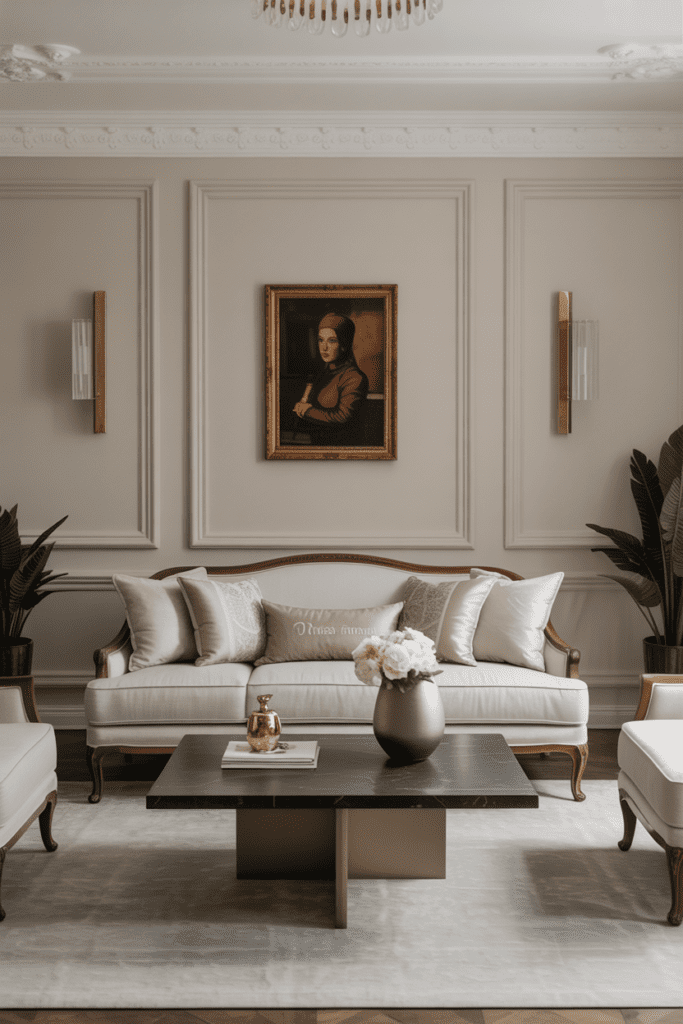
A formal room does not have to feel old-fashioned. In fact, mixing traditional and modern elements often makes it feel more interesting. That contrast keeps the space from looking too stiff or too trendy.
For example, you can pair a classic tufted sofa with a sleek coffee table. Or use a modern lamp on a traditional side table. IMO, this mix gives you the best of both worlds without making the room feel like a costume drama.
Smart combinations
- Classic sofa + modern coffee table.
- Traditional molding + contemporary art.
- Ornate mirror + simple chairs.
- Vintage rug + minimalist lighting.
12. Use drapes that reach the floor
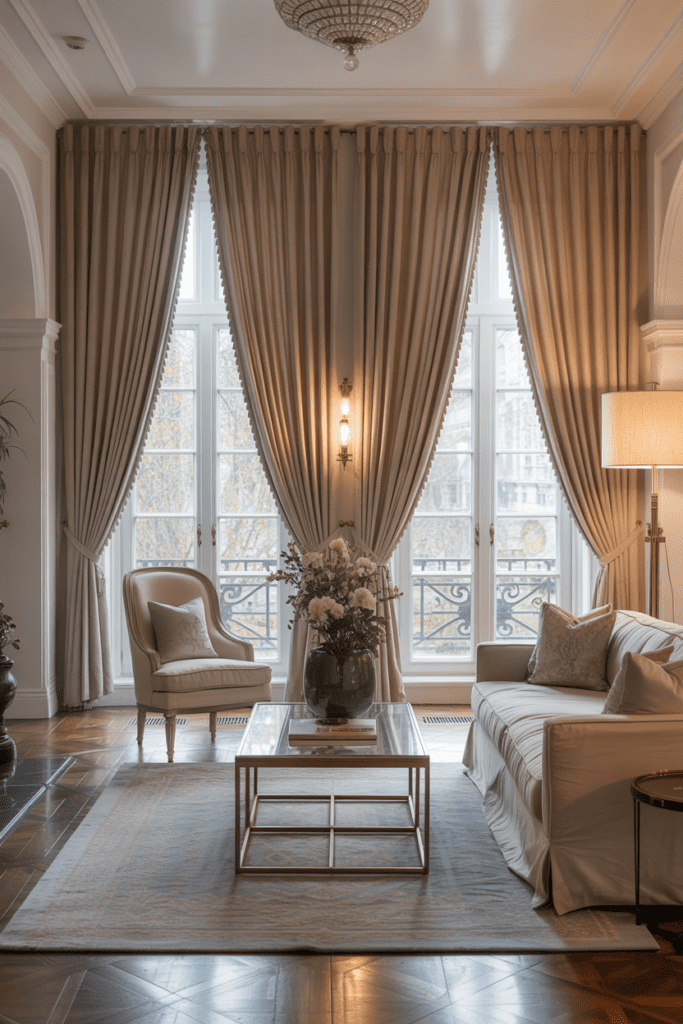
Nothing says formal like proper drapery. Short curtains often make a room look unfinished, while floor-length drapes add height and elegance. They also soften the space and help frame the windows beautifully.
Choose fabrics that feel substantial, such as linen blends, velvet, or lined cotton. Keep the color in sync with your palette so the drapes support the room instead of stealing the whole show. A little drama is great. Theater curtains in the living room? Not so much.
13. Add a pair of accent chairs
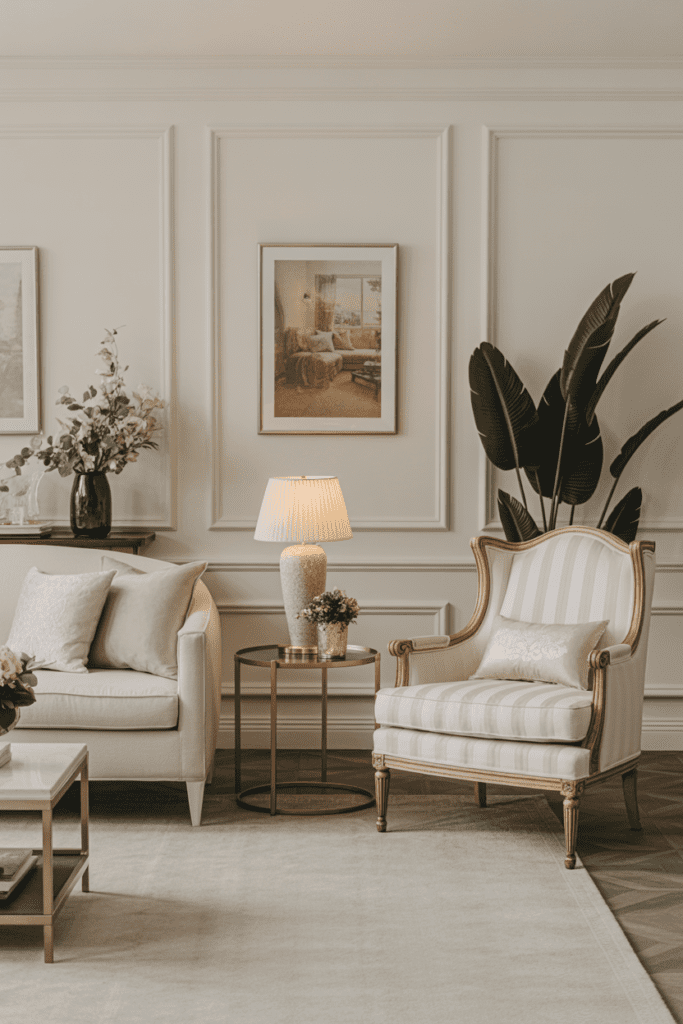
Accent chairs help complete the seating arrangement and reinforce the formal look. They also create conversation areas, which makes the room feel more welcoming. A formal living room should invite people in, not make them stand in the corner like they’re at a school assembly.
Look for chairs with elegant shapes, tapered legs, or upholstered backs. You can choose matching chairs for symmetry or mix them slightly for a more relaxed feel. Either way, they should look like they belong in the room on purpose.
14. Bring in a coffee table with presence
A formal living room needs a coffee table that feels substantial. It should look balanced with the sofa and large enough to serve the seating area. Tiny tables in big formal rooms often look a bit lost, like they showed up late and missed the memo.
Materials like marble, wood, brass, and glass all work well. Choose a shape that fits the layout: rectangular for long sofas, round for softer movement, and square for centered seating. A strong coffee table helps the room feel grounded.
15. Use built-ins or shelving
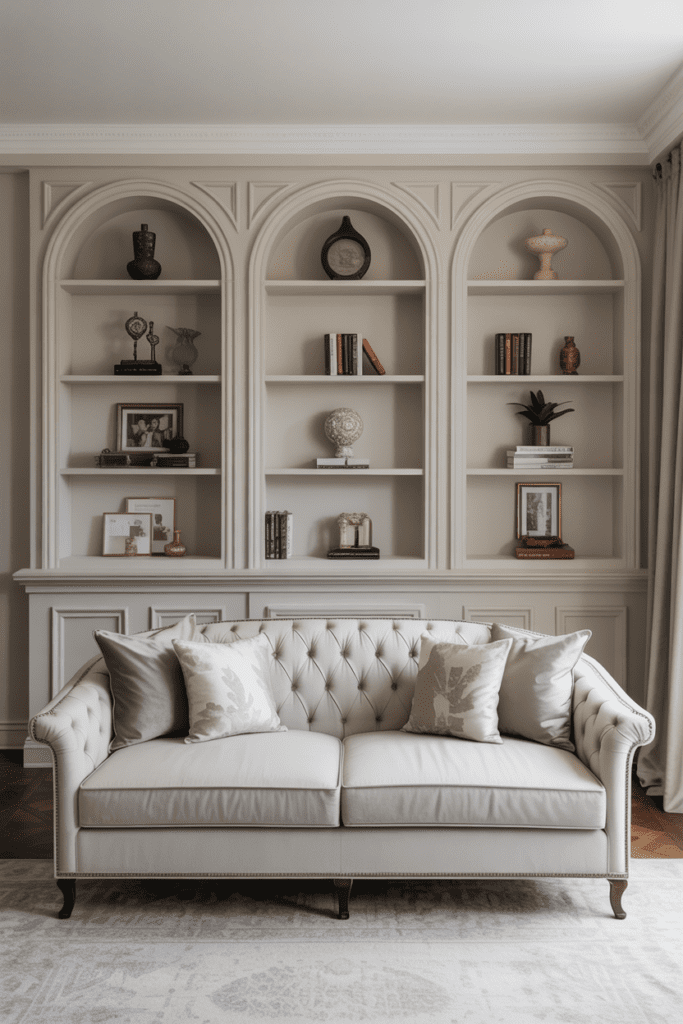
Built-in shelves give a formal living room structure and polish. They also create a spot for books, art, and carefully chosen accessories. The key, though, is not to overfill them.
I like built-ins because they make the room feel custom. They also let you show personality without making the space messy. A few stacked books, a sculpture, and a framed piece go a long way. No need to turn the shelf into a souvenir shop, right?
Styling built-ins well
- Repeat colors and materials.
- Leave some shelves partially empty.
- Mix books with objects.
- Use vertical and horizontal stacking for balance.
16. Add texture for depth
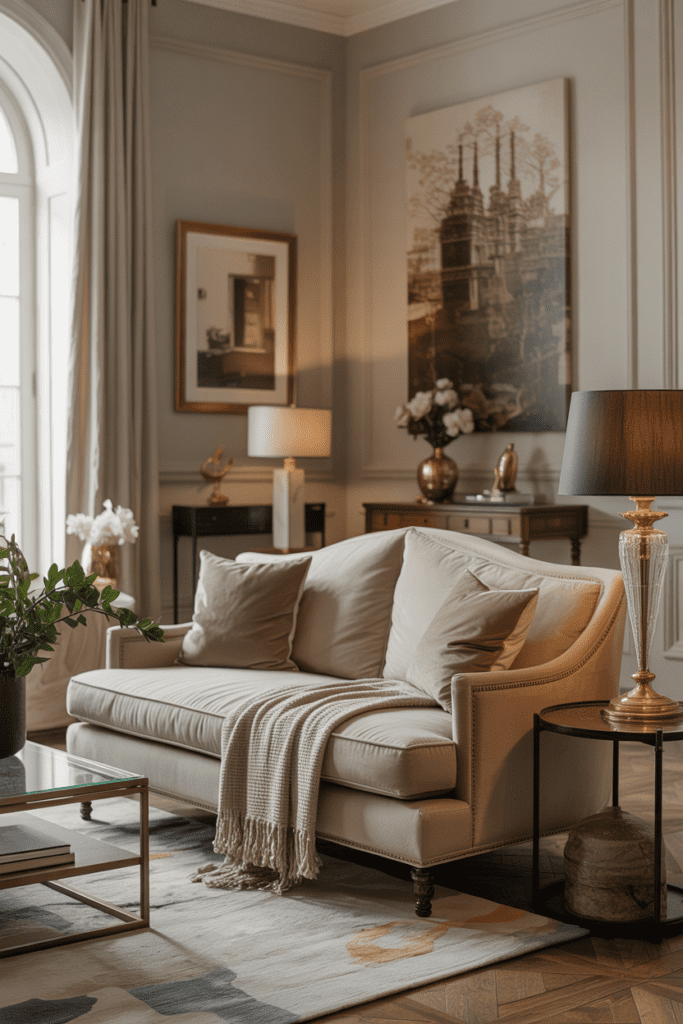
Formal does not have to mean flat. Texture keeps the room from feeling too polished or too cold. Layering different surfaces adds depth and makes the space more inviting.
Try velvet cushions, woven throws, wood grain, polished metal, and soft drapery together. The mix gives the room richness without clutter. Texture does a lot of the emotional work in a room, honestly.
Good textures to layer
- Velvet for softness.
- Linen for relaxed refinement.
- Wood for warmth.
- Metal for shine.
- Stone for grounded elegance.
17. Finish with personal details
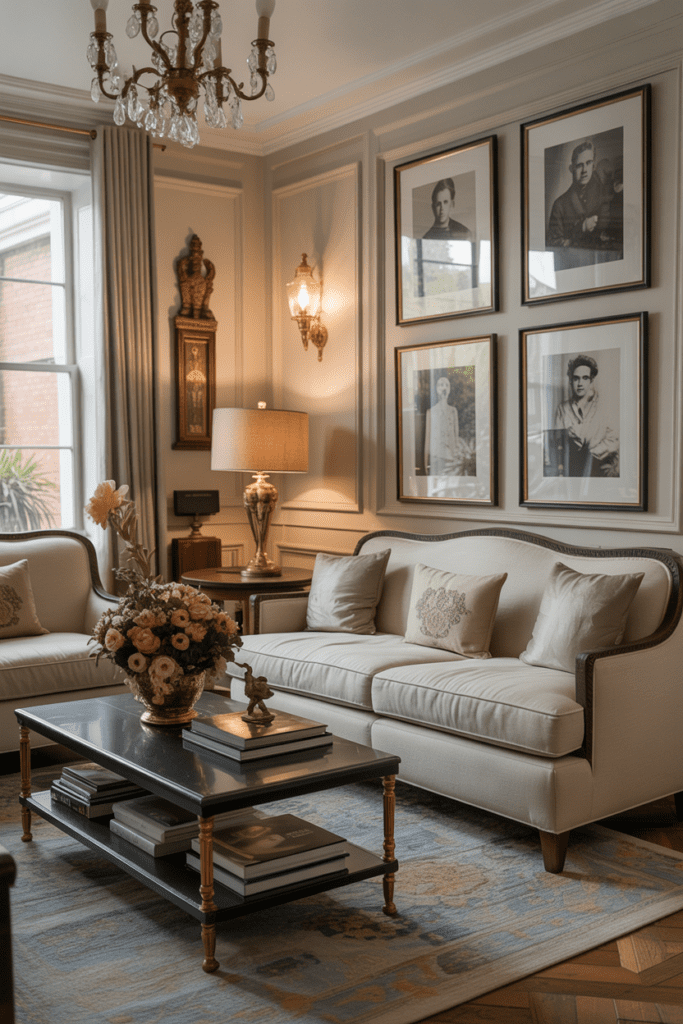
Even the most formal living room still needs personality. A room that feels too perfect can end up feeling cold. So add one or two things that tell your story.
That could mean family photos in elegant frames, a favorite art print, a travel object, or a vintage piece with meaning. Personal details keep the room human. After all, you live there, not a design catalog.
Personal touches that work
- Framed black-and-white photos.
- A meaningful antique.
- A favorite coffee-table book.
- One statement object from a trip or heirloom.
How to make it all work
You do not need to use every idea at once. In fact, please don’t. A great formal living room comes from choosing the right mix for your space, your lifestyle, and your taste.
If you want a classic look, lean into symmetry, paneling, rich fabrics, and traditional furniture. If you want something fresher, mix modern art, cleaner lines, and a lighter palette. The sweet spot usually sits somewhere between polished and livable.
Simple formula
- Pick one focal point.
- Build a balanced layout.
- Choose a refined color palette.
- Add layers of texture and lighting.
- Finish with personal, edited decor.
A formal living room should feel elegant, comfortable, and intentional all at once. That sounds like a tall order, but it really comes down to restraint and smart choices. When you get the balance right, the room feels inviting without losing its polish.