

Your front yard sets the mood before anyone even reaches the door. It tells people whether your home feels polished, cozy, bold, relaxed, or like you gave up halfway through a weekend project. And honestly, great front yard landscaping doesn’t need a mansion-sized budget or a professional crew with matching trucks.
I’ve always loved front yards because they do so much heavy lifting. A few smart changes can make a basic house look custom, expensive, and way more welcoming. Ever noticed how one clean walkway, a couple of layered plants, and better edging can suddenly make everything look intentional? Yeah, it’s a little ridiculous how well that works.
If you want your home to look more inviting, more stylish, and just plain better from the street, these front yard landscaping ideas will help. Some work for tiny spaces, some suit bigger lawns, and a few can save you from maintaining a yard that acts like a full-time job :).
1. Frame the Entry With Symmetrical Planting
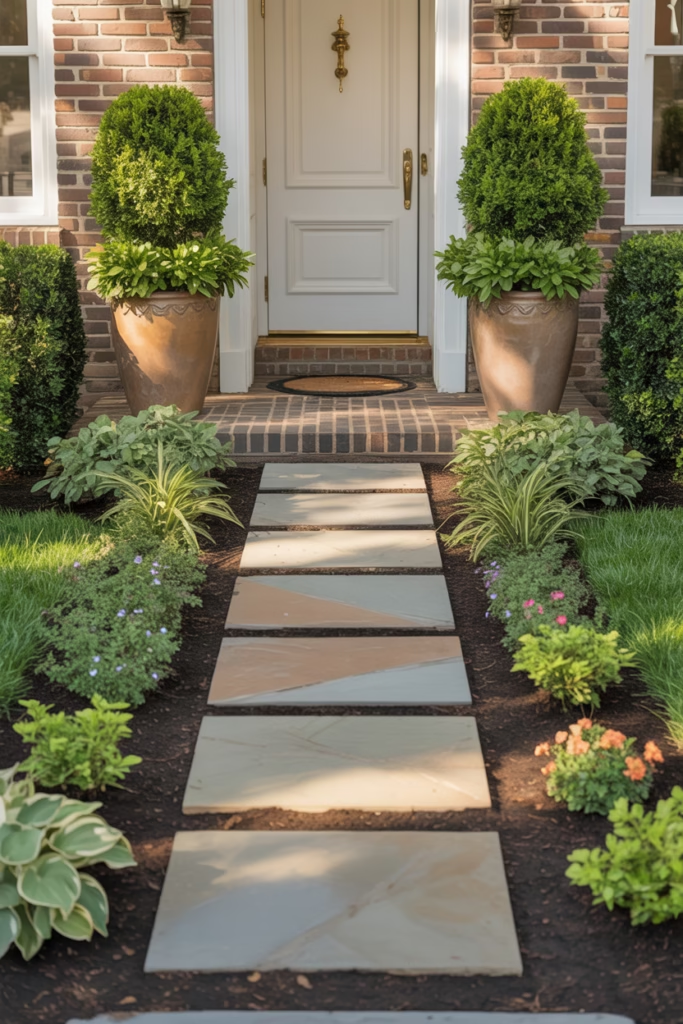
If you want a front yard that looks instantly organized, start here. Symmetry creates order, and order makes a home feel polished fast. You don’t need anything dramatic either.
Place matching shrubs, planters, or topiaries on both sides of your front door, porch steps, or main walkway. This setup gives your home structure and makes the entrance feel more important. Why does this work so well? Because the eye loves balance, and your house suddenly looks like it has its life together.
Best Plants for a Symmetrical Look
Choose plants that keep a tidy shape or respond well to pruning.
- Boxwood for a classic, clean appearance.
- Dwarf holly for neat evergreen structure.
- Hydrangeas if you want softer, fuller seasonal color.
- Topiary forms for a more formal, tailored look.
I love this idea for traditional homes, but it also works on modern exteriors if you keep the plant palette simple. IMO, symmetry saves a lot of design mistakes because it gives you a built-in plan.
2. Create a Curved Walkway
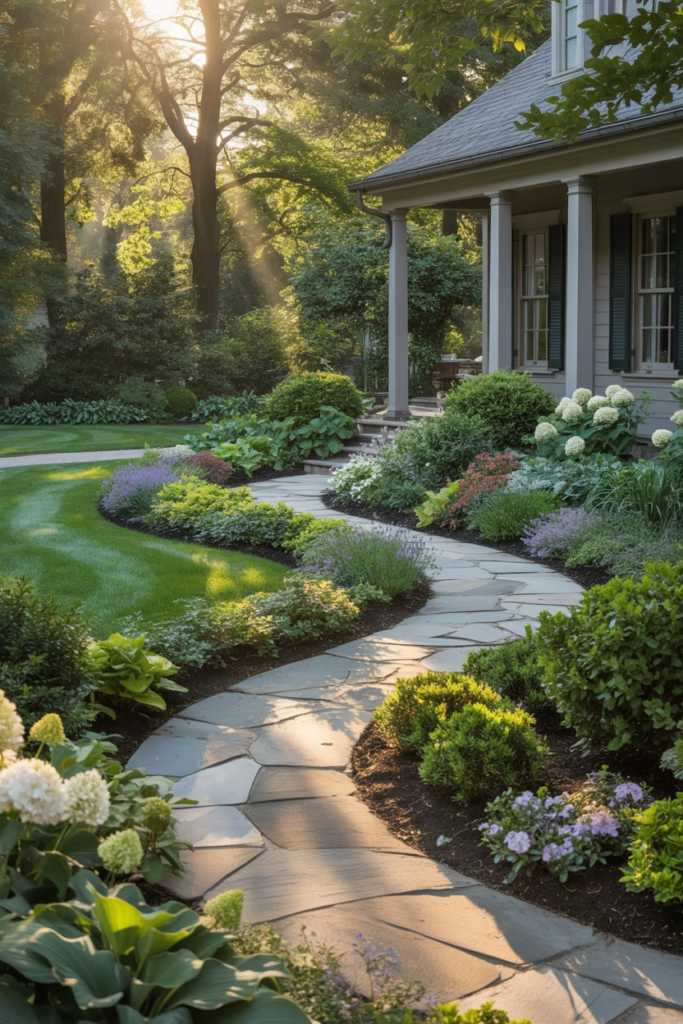
Straight walkways look fine, sure. But a curved path adds movement, softness, and charm that a straight line often misses. It feels more natural and a lot less like someone drew a sidewalk with a ruler and called it a day.
A gently curved walkway can make a small yard feel more expansive. It also gives you space to add layered planting beds along the edges. Want your front yard landscaping to feel more custom? A curve helps a lot.
Materials That Look Great
The material changes the whole vibe, so choose carefully.
- Flagstone for a relaxed, timeless look.
- Brick for warmth and traditional charm.
- Pavers for a clean, versatile finish.
- Gravel with edging for a budget-friendly option.
Keep the path wide enough for comfortable walking. A beautiful path loses points quickly if two people can’t walk side by side without stepping into the mulch.
3. Add Layered Planting Beds
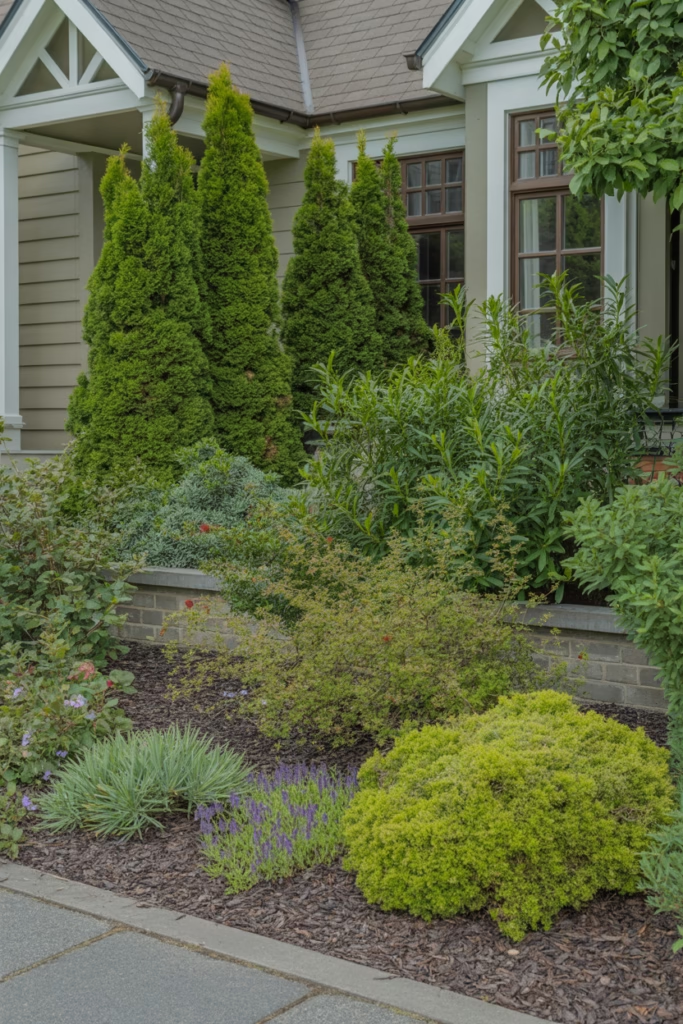
Flat landscaping looks forgettable. Layered planting beds create depth, and depth makes your front yard look richer and more designed. This trick works in almost every climate and with almost every house style.
Place taller plants in back, medium plants in the middle, and lower growers near the edge. This setup creates a full, intentional look instead of a random collection of plants that seem surprised to be there. Ever wondered why some yards look lush even without tons of flowers? Layering usually explains it.
A Simple Planting Formula
You can keep this super easy.
- Back layer: Tall shrubs, ornamental grasses, or small evergreens.
- Middle layer: Flowering perennials or medium shrubs.
- Front layer: Ground covers, low annuals, or edging plants.
I use layering whenever I want a yard to feel finished. Even a narrow front bed looks far more expensive when plants step down in height instead of standing in one awkward row.
4. Use Evergreen Shrubs for Year-Round Structure
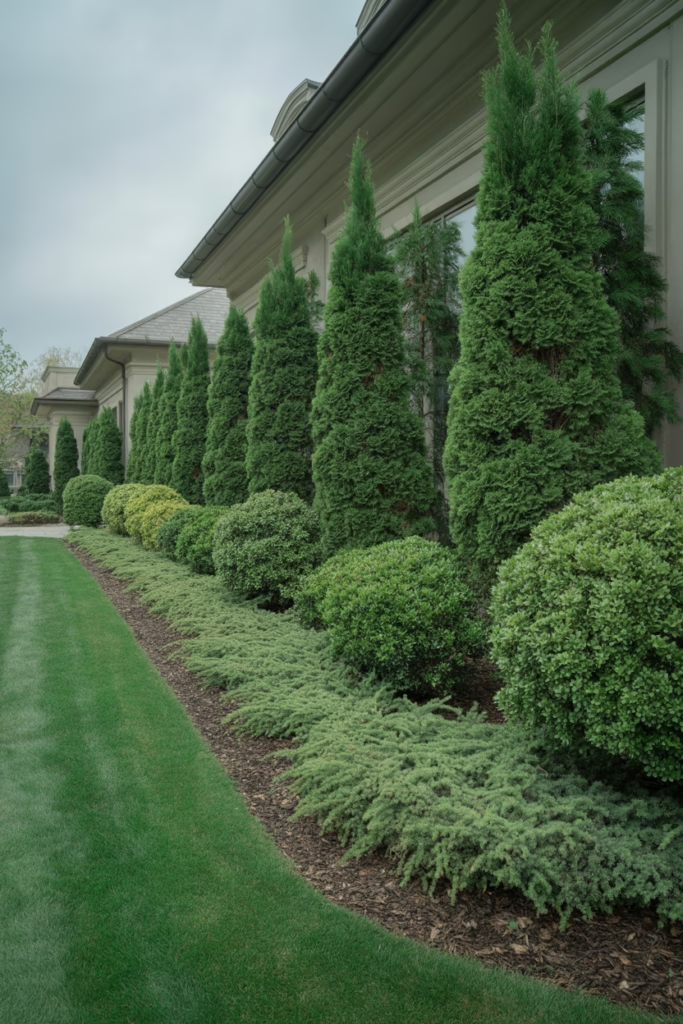
Flowers come and go. Evergreens keep your front yard from looking empty in the off-season. That matters more than people think, especially if your landscape only shines for six weeks and then turns into a plant witness protection program.
Evergreen shrubs provide shape, color, and consistency. They anchor your design and make everything else look intentional. Use them near the foundation, around entry points, or as repeating elements throughout the yard.
Great Evergreen Choices
- Boxwood for formal borders and structure.
- Yew for classic foundation planting.
- Juniper for texture and low-maintenance coverage.
- Dwarf arborvitae for vertical interest.
Use evergreens as the backbone of your design. Then add seasonal flowers and accent plants around them for variety.
5. Install Crisp Edging
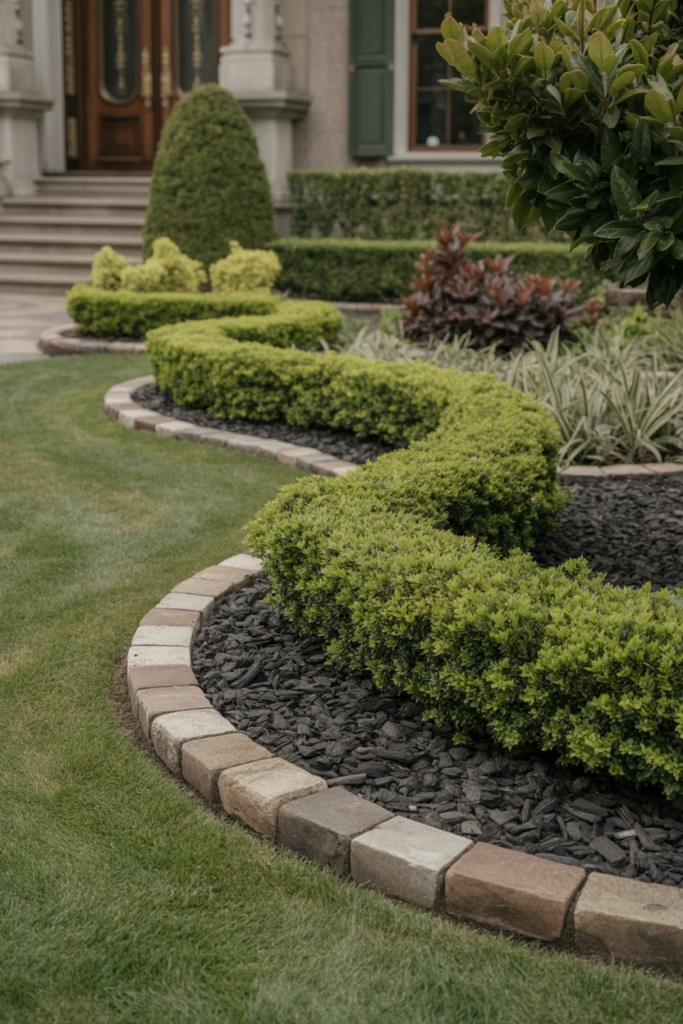
Nothing sharpens a front yard faster than clean edging. Seriously, edging works like a frame around a picture. Without it, beds can look messy even when the plants look beautiful.
Edging separates lawn, mulch, gravel, and planting beds in a way that feels neat and intentional. It also helps keep grass from invading your flower beds like an uninvited guest who refuses to leave.
Edging Materials to Consider
- Steel edging for a sleek, modern look.
- Brick edging for traditional homes.
- Stone borders for a more natural style.
- Concrete edging for durability and clean lines.
I think crisp edging gives one of the best returns for the effort. You can upgrade a pretty average yard just by making the boundaries look deliberate.
6. Add a Focal Point Near the Entrance
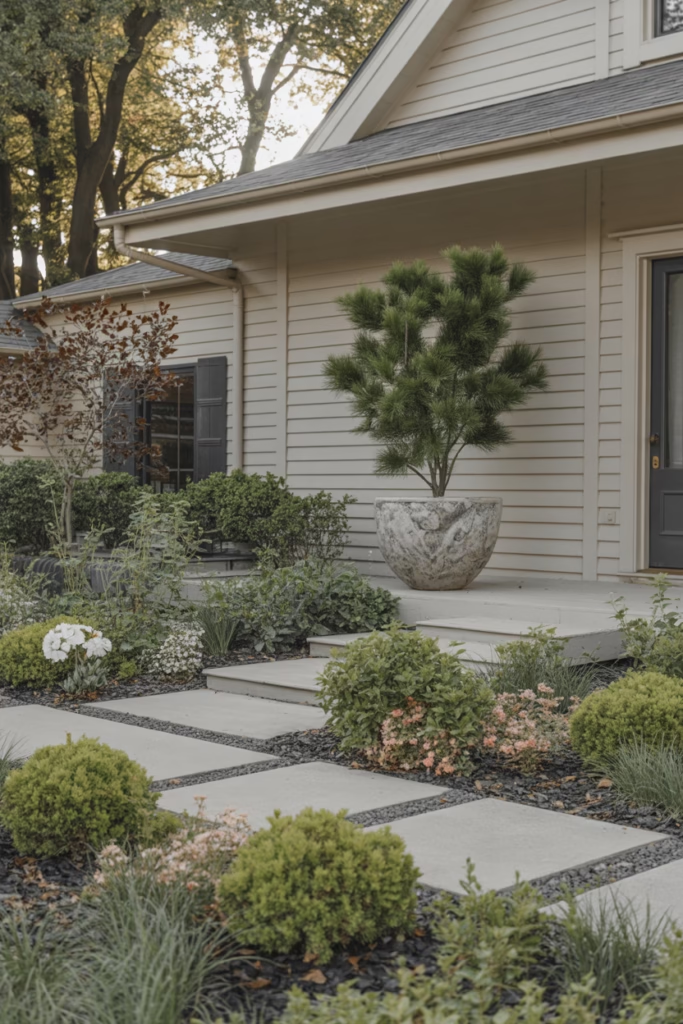
Every good design needs a place for the eye to land. In front yard landscaping, that often means creating one standout focal point near the front door or walkway. Without a focal point, the yard can feel scattered.
A focal point could be a specimen plant, a decorative planter, a small tree, or even a water feature. The key is choosing one feature that draws attention without overpowering everything else. You want “wow,” not “why is there a random giant urn in the middle of the lawn?”
Easy Focal Point Ideas
- A flowering ornamental tree
- Large statement planters
- A sculptural shrub
- A bench or decorative garden feature
When I look at front yards that feel especially memorable, they almost always have a clear focal point. It gives the whole space a sense of purpose.
7. Plant a Flowering Tree for Instant Charm
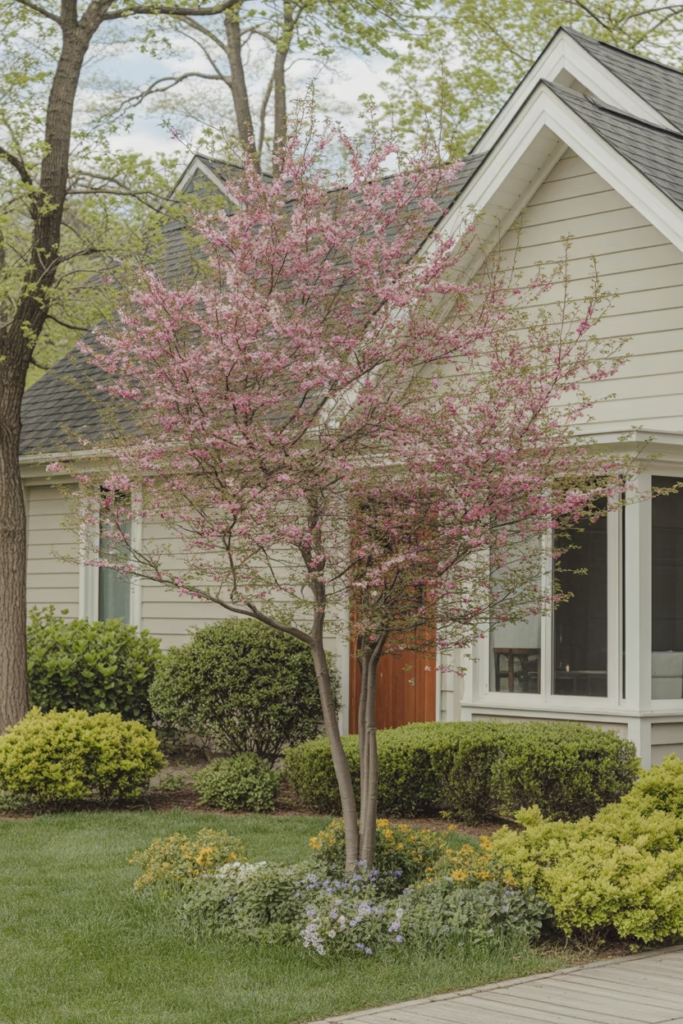
If you want major curb appeal, plant a flowering tree. Few things transform a front yard faster. One good tree can make the whole house look more established and welcoming.
Flowering trees bring seasonal beauty, height, and structure. They also create a softer transition between the house and the yard. Why settle for a blank patch of grass when a dogwood or crape myrtle could be doing all that visual work for you?
Popular Flowering Trees
- Dogwood for graceful shape and spring blooms.
- Redbud for early color and sculptural branches.
- Crape myrtle for long-lasting summer flowers.
- Magnolia for bold, classic beauty.
Just make sure you choose a tree that fits your mature space. Tiny front yards and giant trees rarely stay friends for long.
8. Mix Mulch and Rock for Contrast
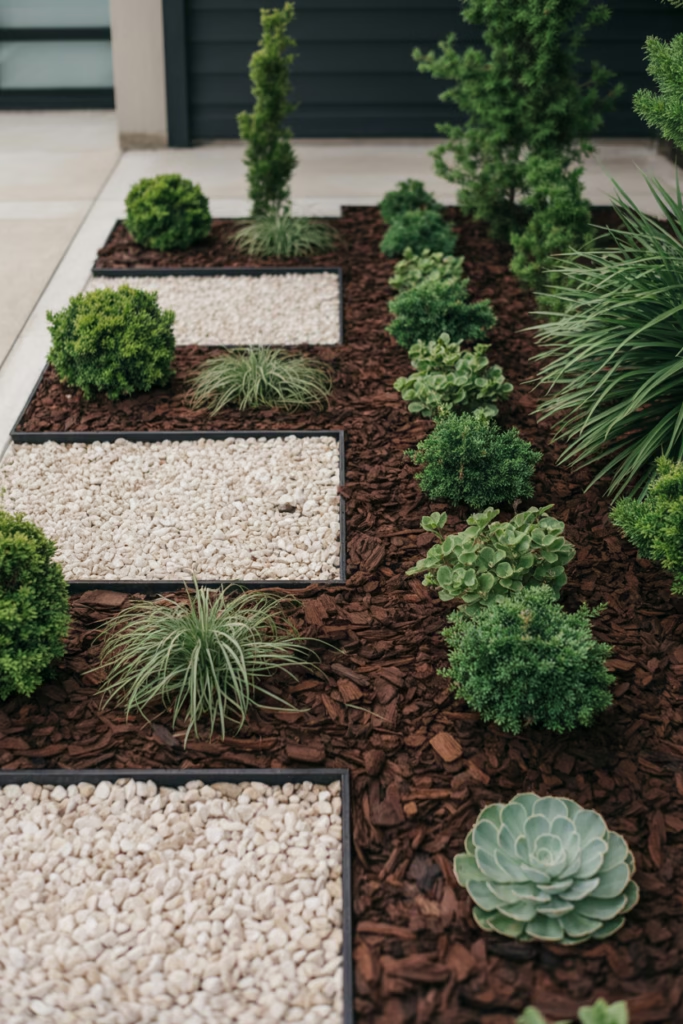
A single material can look flat. Mixing mulch and decorative rock adds contrast and texture, which makes your landscaping feel more layered. It also helps define different zones within the yard.
Use mulch in planting beds for moisture retention and softness. Use rock in dry areas, around focal plants, or along borders where you want more texture. This combination creates visual interest without making the yard feel busy.
Where This Works Best
- Around drought-tolerant plants
- Near modern-style homes
- In side borders or narrow beds
- Along pathways and accent zones
I like this approach when I want a yard to feel polished but not overly formal. It looks especially good when the colors tie into the home exterior.
9. Build a Low-Maintenance Gravel Garden
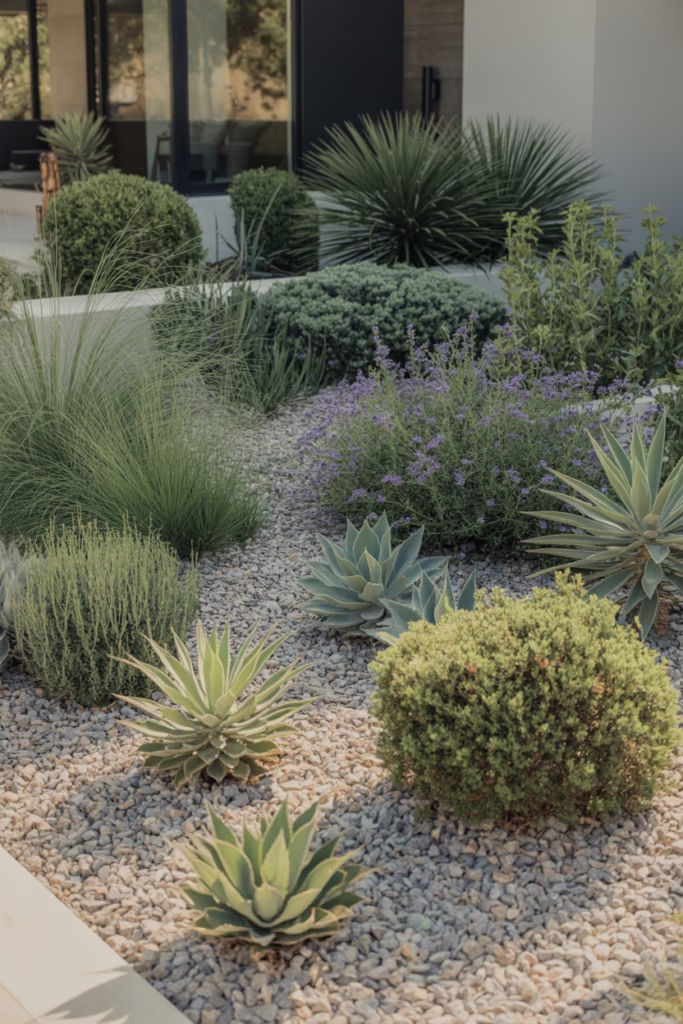
If mowing, trimming, watering, and babying plants all summer sounds exhausting, I get it. A gravel garden cuts maintenance and still looks stylish. This idea works especially well in dry climates and modern landscapes.
Use gravel as the base, then add sculptural plants like agave, lavender, ornamental grasses, or compact shrubs. The result looks clean, intentional, and refreshingly low drama. Ever wanted a front yard that doesn’t guilt-trip you every weekend? This might be the one.
Why Gravel Gardens Work
- They reduce water use.
- They cut back on lawn maintenance.
- They suit modern and minimalist homes.
- They create great texture year-round.
Keep the plant palette tight. Too many random plants can make the space look chaotic instead of calm.
10. Add Landscape Lighting
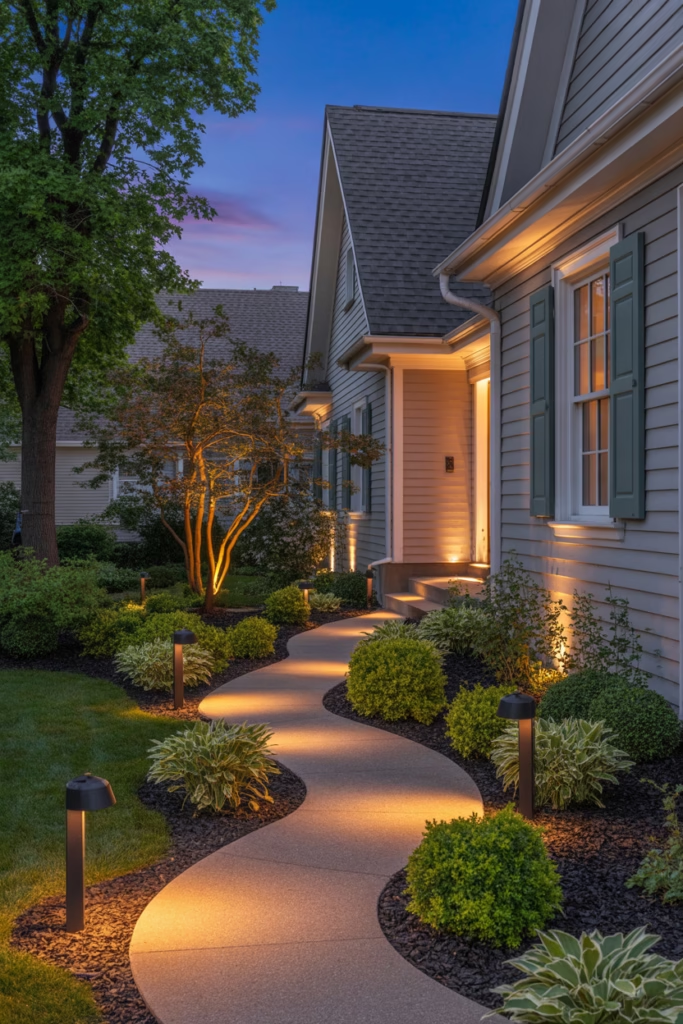
Good landscaping disappears at night without the right lighting. Landscape lighting improves curb appeal, safety, and atmosphere all at once. It also makes your home look more expensive, which nobody complains about.
Use low-voltage lights along walkways, uplights on trees, or spotlights near architectural features. Even a few well-placed fixtures can make a huge difference. FYI, lighting often turns an okay front yard into one that looks professionally designed.
Where to Place Front Yard Lighting
- Along the main path
- At entry steps
- Under small trees
- Near statement shrubs or planters
- By house numbers or key features
I always notice lighting because it changes how the whole house feels after sunset. Warm lighting makes a front yard feel inviting instead of vaguely haunted.
11. Replace Part of the Lawn With Planting Beds
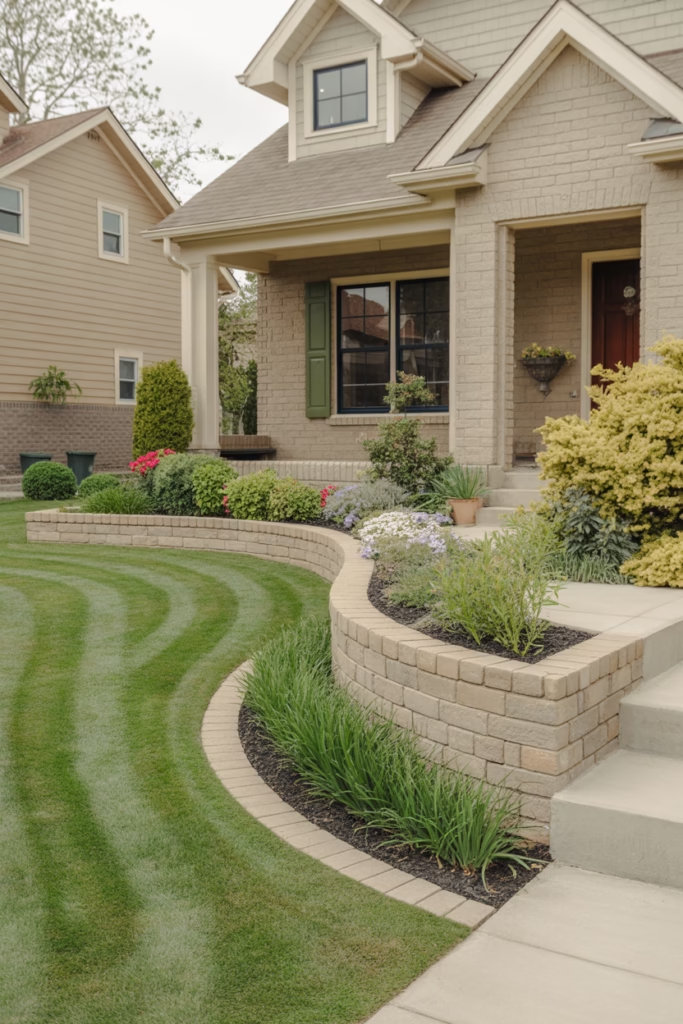
A huge front lawn can look nice, but it can also feel empty. Replacing some grass with planting beds adds character and reduces maintenance. Lawn has its place, sure, but endless grass can feel a little uninspired.
Expand beds along the front of the house, around trees, or beside the walkway. Then fill those beds with shrubs, grasses, and flowers that suit your style. This move adds color, texture, and shape while cutting down on mowing.
Benefits of Smaller Lawn Areas
- Less watering
- Less mowing
- More visual interest
- Better support for pollinators
I usually prefer a balanced mix of lawn and planting space. You still get openness, but the yard feels designed instead of accidental.
12. Use Planters for Flexible Style
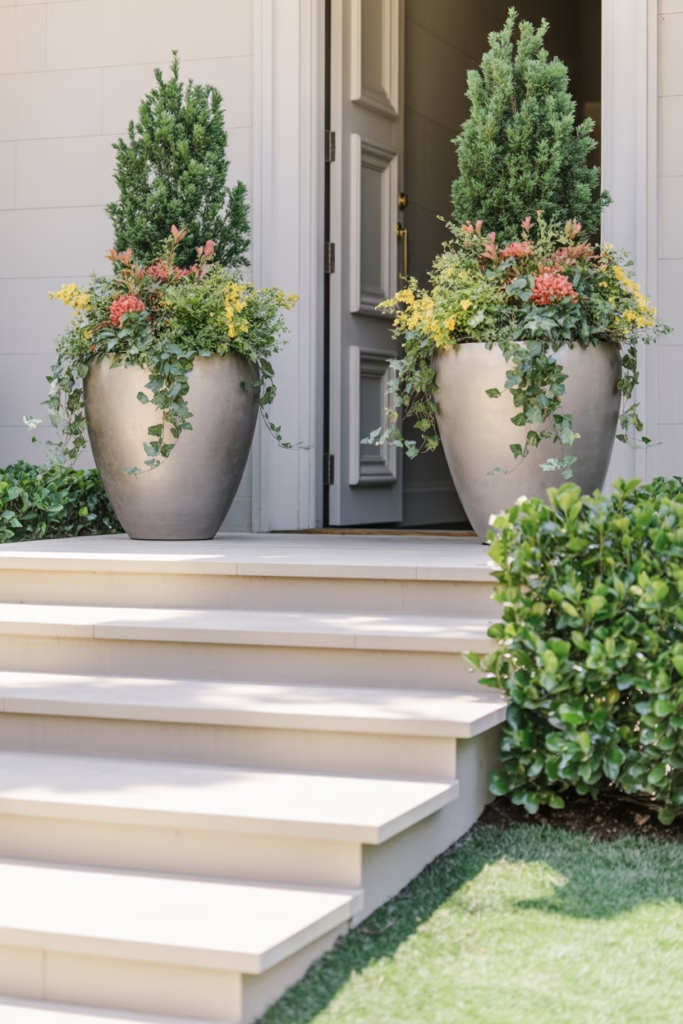
Planters make front yard updates easy. They add color, height, and personality without requiring a full landscape overhaul. If you like switching things up seasonally, planters give you plenty of freedom.
Place them beside the front door, at the base of steps, near the garage, or along the walkway. Use matching containers for a formal look or mixed pots for something more relaxed. Want a quick seasonal refresh without digging up half the yard? Planters make that easy.
What to Plant in Front Yard Containers
- Seasonal flowers for color.
- Small evergreens for year-round shape.
- Trailing vines for softness.
- Ornamental grasses for height and movement.
Large planters usually look better than tiny ones in front yards. Small pots often disappear visually, and then you wonder why your dramatic entrance update looks shy.
13. Add a Small Seating Area
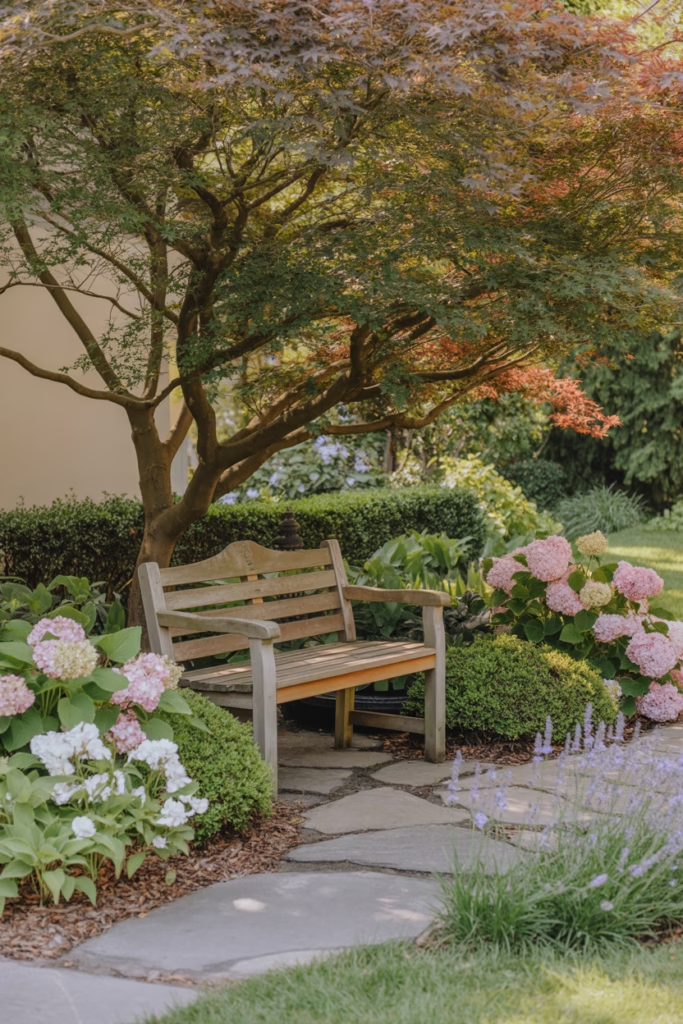
Not every front yard needs seating, but the right setup can look incredibly inviting. A small bench or pair of chairs adds charm and function. It tells people this home feels lived-in and welcoming.
This idea works best on larger porches, wide entry landings, or front yards with a garden path and enough room to breathe. You don’t need a full outdoor living setup with seventeen throw pillows. A simple bench under a tree can do the trick.
Best Uses for a Front Yard Seating Spot
- Highlight a garden feature
- Make a porch feel cozier
- Create a welcoming entry moment
- Add charm to cottage-style homes
I love seating in front yards that already have strong landscaping around them. Plants soften the setup and keep it from looking dropped there as an afterthought.
14. Try Foundation Planting That Actually Fits
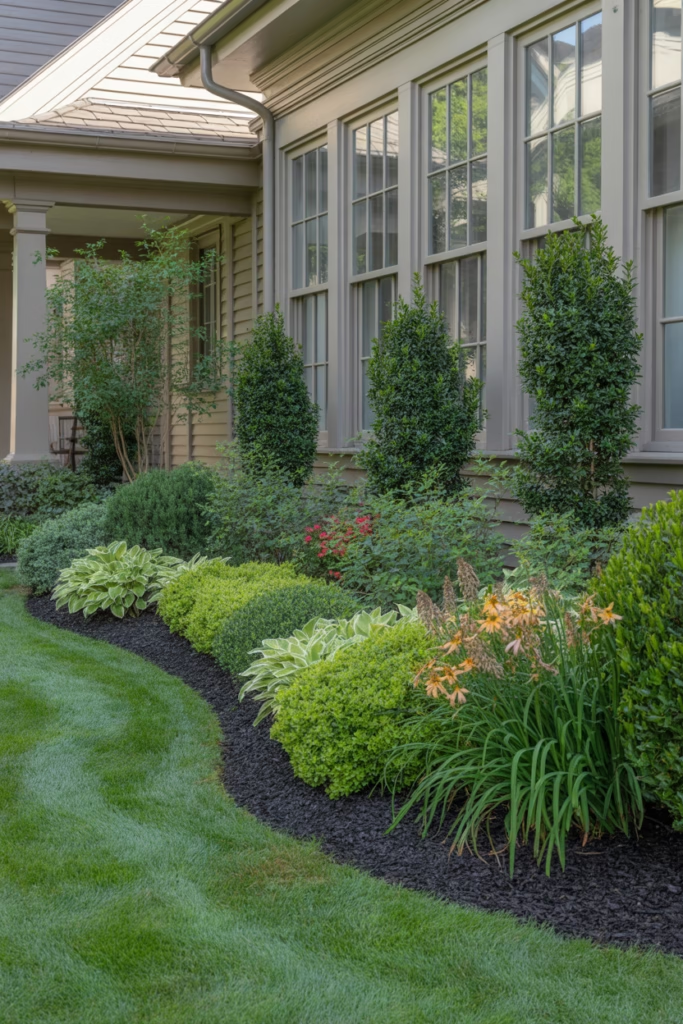
Foundation planting can either make a house look grounded and elegant or like it’s slowly being swallowed whole. The trick is choosing plants that fit the scale of the house. Oversized shrubs create maintenance headaches and block windows, which nobody enjoys.
Use compact shrubs, layered perennials, and a few evergreen anchors near the base of the home. Leave breathing room between plants and the wall. Ever seen a front yard where shrubs practically filed a property claim on the windows? Let’s avoid that.
Foundation Planting Tips
- Choose shrubs sized for their mature growth.
- Keep windows and vents clear.
- Mix evergreen and flowering plants.
- Repeat plant varieties for a cohesive look.
This idea sounds basic, but it matters a lot. Good foundation planting makes the whole house feel settled and complete.
15. Incorporate Ornamental Grasses
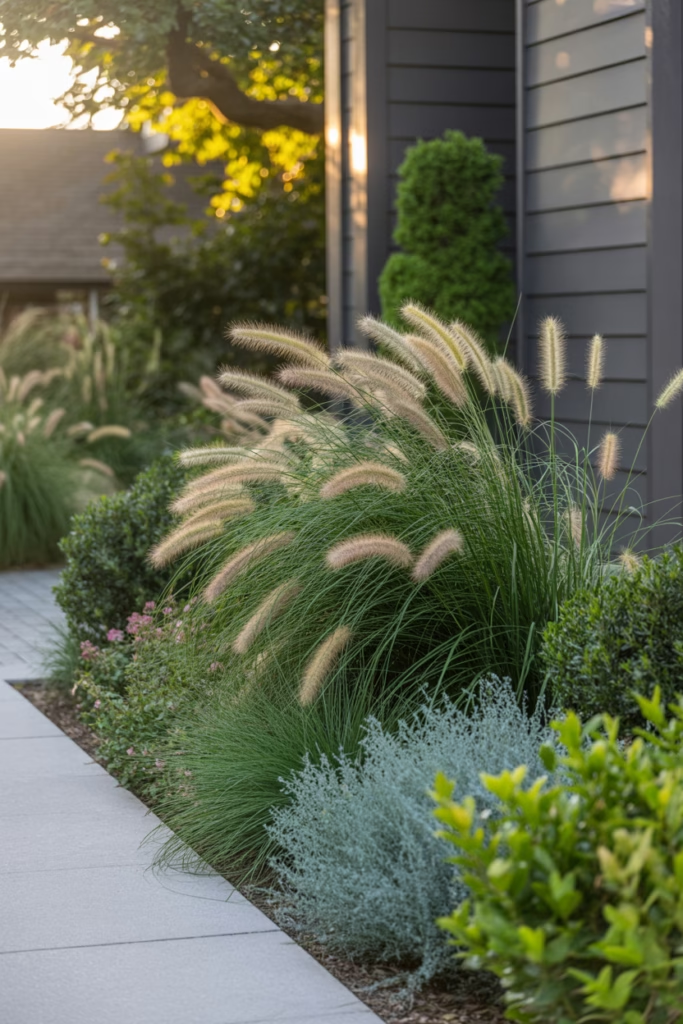
If you want movement and texture, ornamental grasses belong in the conversation. They soften hard edges, catch the light beautifully, and add a relaxed elegance to front yard landscaping. Plus, many varieties need very little fuss.
Use them in masses, as border accents, or mixed into flower beds. They pair especially well with modern, coastal, and cottage-style homes. Why rely only on flowers when grasses can make the whole yard feel more alive?
Popular Ornamental Grass Options
- Fountain grass for softness and shape.
- Blue fescue for compact color contrast.
- Maiden grass for taller screens and movement.
- Muhly grass for airy pink blooms in season.
I use grasses whenever a landscape feels too stiff. They loosen everything up without making the yard look messy.
16. Go Native for Easier Upkeep
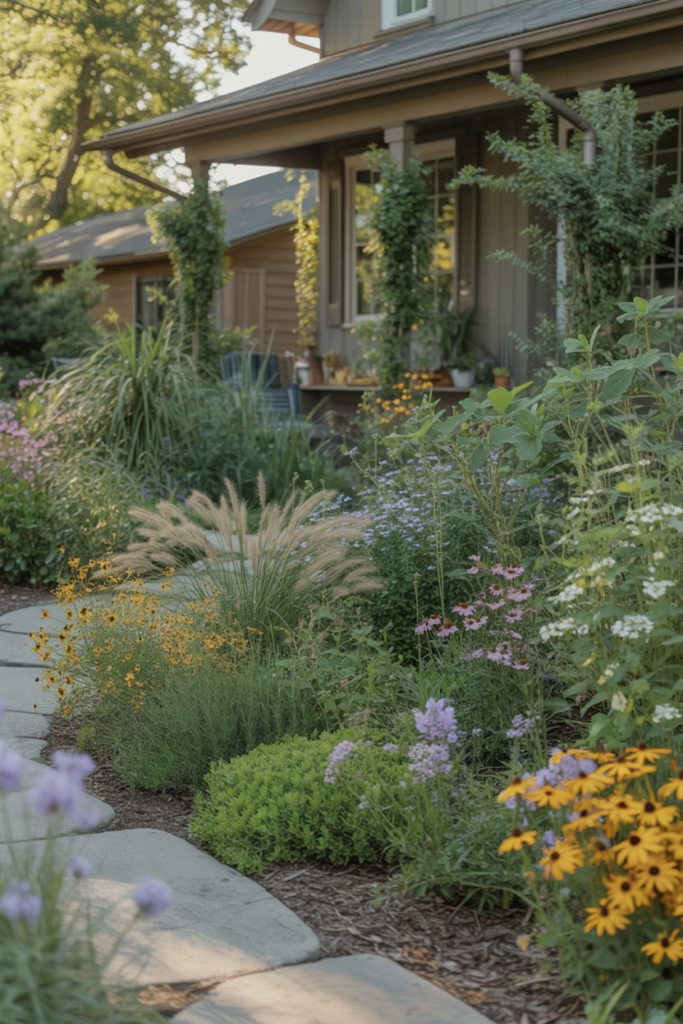
Native plants make life easier. They adapt better to local conditions, support pollinators, and often need less water and maintenance. That sounds like a win to me.
A front yard planted with native shrubs, grasses, and flowers can look just as polished as a traditional design. You just need a good layout and repeated plant groupings. Native landscaping doesn’t mean letting the yard turn into a rebellious patch of chaos ;).
Why Native Plants Deserve Attention
- They suit your local climate.
- They often resist pests better.
- They support birds and pollinators.
- They can lower maintenance needs.
If you want beautiful landscaping that works with your environment instead of against it, native plants make a lot of sense.
17. Match the Landscaping to Your Home Style
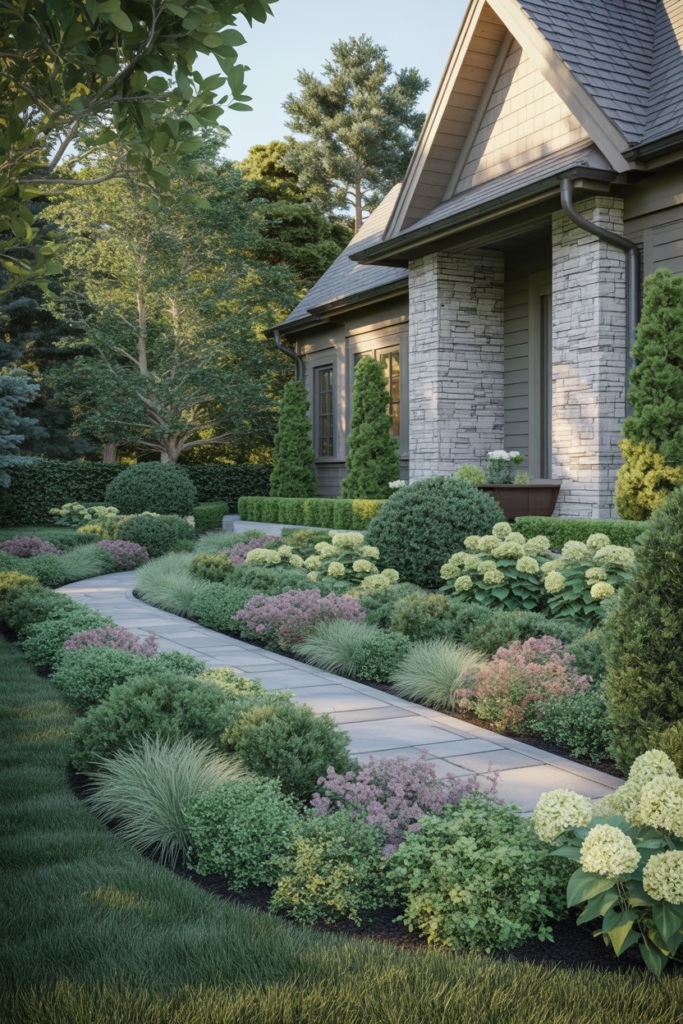
This idea ties everything together. The best front yard landscaping ideas always match the house itself. A sleek modern home calls for different plants and materials than a farmhouse, cottage, or colonial exterior.
When the yard and house speak the same visual language, everything feels more intentional. That doesn’t mean you need to follow strict rules. It just means a desert gravel garden might feel odd in front of a romantic cottage unless you handle it really well.
Quick Style Pairing Guide
- Modern homes: Clean lines, gravel, sculptural plants, minimal color palette.
- Traditional homes: Symmetry, boxwoods, flowering shrubs, brick or stone paths.
- Cottage homes: Layered flowers, curved beds, informal planting, charming paths.
- Farmhouse homes: Simple beds, hydrangeas, grasses, classic edging, understated symmetry.
I always start here when planning a front yard. Once the landscape matches the architecture, every other decision gets easier.
How to Choose the Right Front Yard Landscaping Ideas
You definitely don’t need all 17 ideas at once. Please don’t turn your yard into a design group project gone rogue. The smartest move involves choosing a few ideas that match your space, budget, and maintenance tolerance.
Start by asking yourself a few simple questions:
- Do I want low maintenance or lots of seasonal color?
- Does my yard need structure, softness, or both?
- What style fits my house best?
- How much sunlight does the front yard get?
- Do I want to keep lawn space or reduce it?
Once you answer those, the choices get clearer. A shady yard might benefit from layered evergreens and edging, while a sunny yard might shine with flowering trees, gravel beds, and ornamental grasses.
Simple Front Yard Landscaping Tips That Make a Big Difference
Sometimes the smallest improvements create the best results. You don’t always need a major renovation. A few well-planned updates can completely change how the front of your home looks.
Here are some easy wins:
- Refresh old mulch to make beds look clean and rich.
- Prune overgrown shrubs to restore shape and balance.
- Add matching planters for instant entry appeal.
- Upgrade walkway lighting for beauty and safety.
- Edge beds cleanly to make the whole yard look intentional.
- Repeat plant varieties to create cohesion.
I’ve seen simple changes outperform expensive ones many times. Good design usually beats more stuff.
Common Front Yard Landscaping Mistakes to Avoid
Even pretty plants can’t save a bad layout. Some front yards look off because the design lacks scale, balance, or consistency. The good news? Most mistakes are easy to avoid once you know what to watch for.
Watch Out for These Problems
- Planting oversized shrubs too close to the house
- Using too many plant varieties with no repetition
- Skipping edging and clean boundaries
- Ignoring mature plant size
- Choosing high-maintenance plants for busy lifestyles
- Forgetting year-round structure
I think the biggest mistake involves planting for the first month instead of the fifth year. Tiny nursery plants always look harmless, and then suddenly they run the place.
Final Thoughts on Front Yard Landscaping
The best front yard landscaping ideas don’t just make a house look better. They make it feel more welcoming, more finished, and more personal. Whether you add a curved walkway, layered beds, flowering trees, crisp edging, or low-maintenance gravel, the goal is simple: create a front yard that feels intentional and easy to enjoy.
Start with one or two changes if you want. Add structure with evergreens, bring charm with planters or a bench, and use lighting to make the whole space shine after dark. Your front yard doesn’t need to look like a botanical showpiece to impress people. It just needs a little strategy, a little personality, and maybe less random lawn.