

You want a backyard that looks good without eating your weekends alive. Fair enough. Most of us like the idea of a beautiful outdoor space, but not everyone wants to spend every Saturday trimming hedges like it’s a full-time job.
I’ve always loved a backyard that feels inviting, easy, and just a little bit impressive. Not “luxury resort with a landscaping crew” impressive. More like “wow, you really pulled this together without losing your mind” impressive. If that sounds like your kind of goal, you’re in the right place.
These low-maintenance backyard ideas for busy homeowners help you cut the work, keep the charm, and actually enjoy your outdoor space. Because let’s be honest—your backyard should give you peace, not another to-do list.
1. Replace High-Maintenance Grass With Gravel or Stone
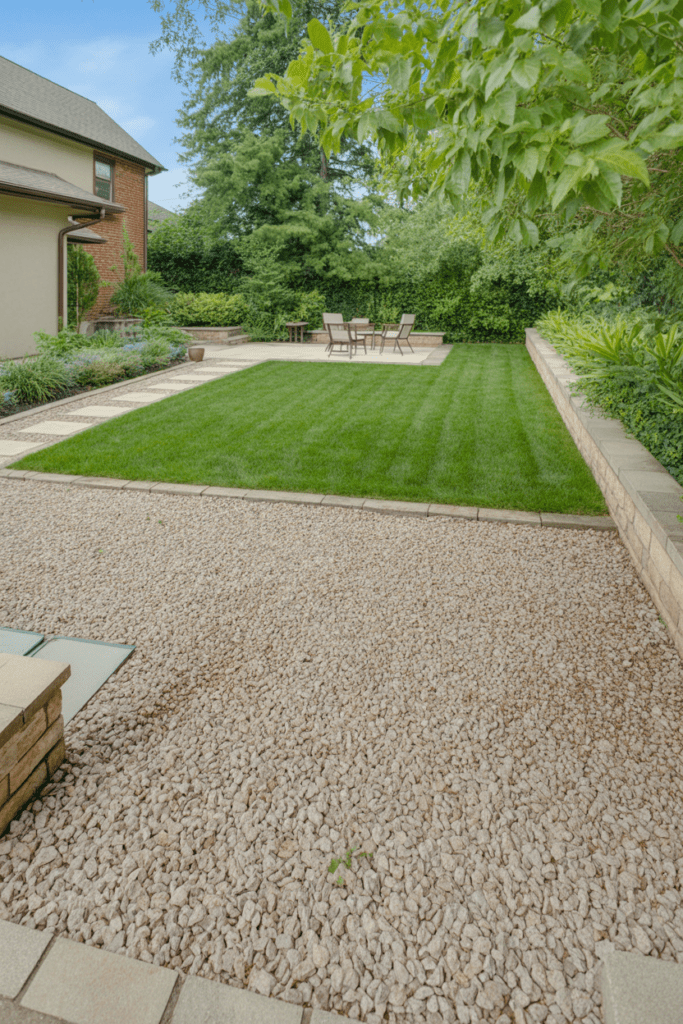
Traditional lawns look great for about five minutes after mowing. Then the weeds show up, the edges get messy, and suddenly you own a part-time landscaping problem.
Gravel, crushed stone, and pea gravel offer a much easier option. They create a clean, modern look and need far less care than grass. You don’t mow them, water them, or beg them to survive summer.
Why it works
These hardscaping materials save time and money over the long run. They also pair well with modern, rustic, and minimalist backyard designs.
Best uses include:
- Patio zones.
- Walkways.
- Fire pit areas.
- Side yards.
- Seating spaces.
I especially like pea gravel around a fire pit. It looks relaxed, drains well, and somehow makes the whole yard feel intentional instead of unfinished.
2. Choose Native Plants
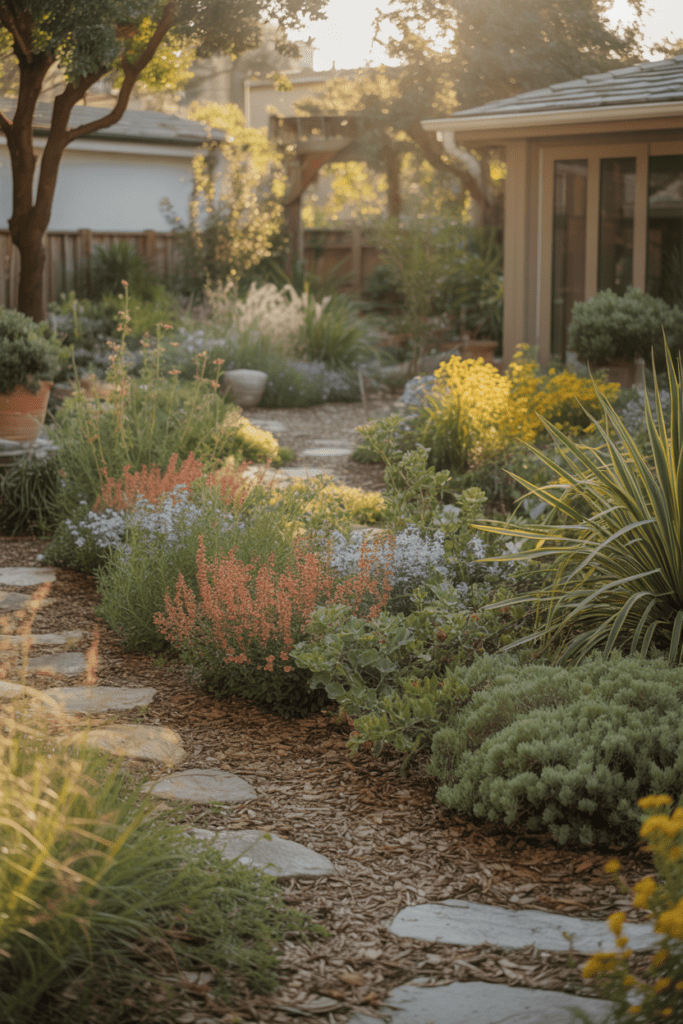
If you want a low-maintenance backyard landscape, native plants make your life easier fast. They already know how to handle your local climate, soil, and weather patterns, which means they ask for less water, less fertilizer, and less fuss.
Why force delicate, needy plants into your yard when local varieties can thrive with way less effort? That feels like choosing extra work on purpose.
Benefits of native planting
Native plants usually resist local pests better than imported varieties. They also support birds, bees, and pollinators, which gives your backyard more life without adding chores.
Popular low-maintenance native plant benefits:
- Less watering.
- Fewer pest issues.
- Better survival rates.
- Lower fertilizer needs.
- More natural-looking landscaping.
Before planting, check what grows well in your region. A local nursery can help you choose options that stay attractive without turning into backyard drama.
3. Add Mulch to Garden Beds
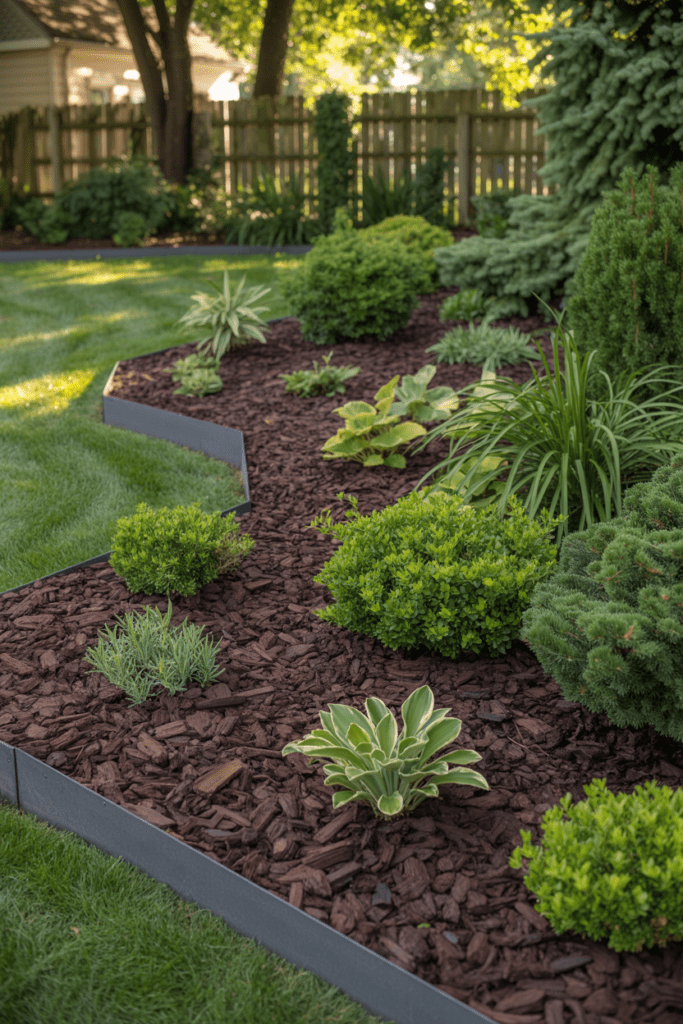
Mulch might not sound exciting, but it does a ridiculous amount of heavy lifting. It keeps weeds down, helps the soil hold moisture, and gives garden beds a neat, finished look.
I use mulch anywhere I want things to look tidy without constant weeding. It’s one of those simple upgrades that makes the yard look more polished almost overnight.
Best mulch options
Different mulch types give you different looks and benefits. Organic mulch breaks down over time and improves soil, while inorganic mulch lasts longer.
Great mulch choices include:
- Bark mulch.
- Wood chips.
- Pine straw.
- Rubber mulch.
- Decorative stone.
If you hate pulling weeds—and honestly, who wakes up excited for that?—mulch ranks as one of the smartest low-maintenance backyard ideas you can use.
4. Build a Simple Paver Patio
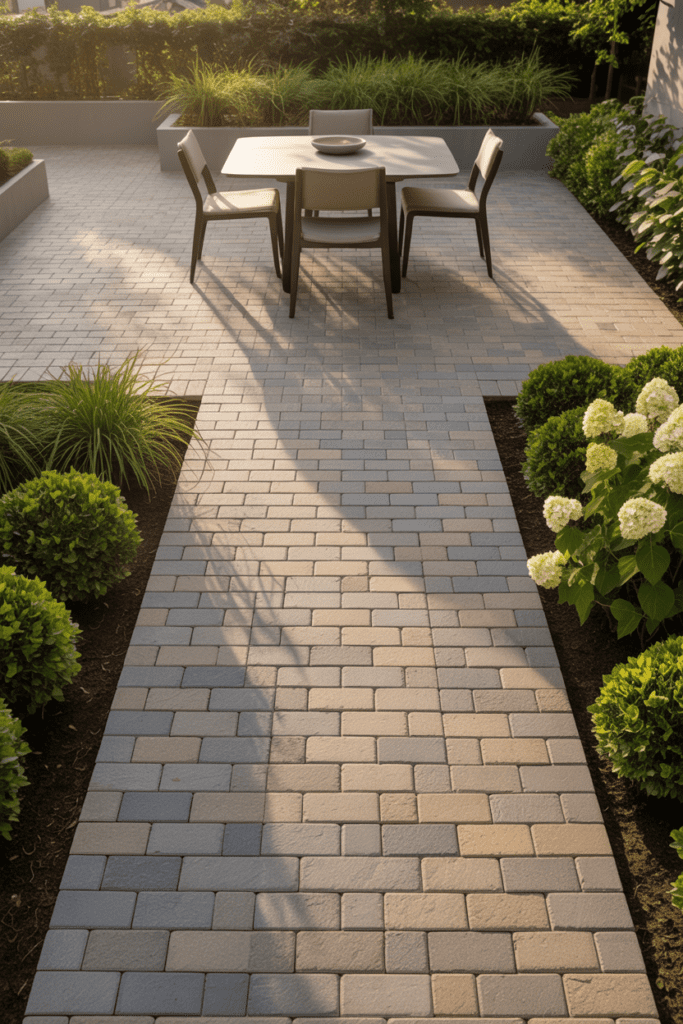
A patch of grass with a few chairs tossed on it doesn’t always feel like a real outdoor living area. A paver patio changes that fast.
Pavers create structure, define the space, and cut back on muddy, messy lawn zones. They also require very little care once installed properly.
Why busy homeowners love pavers
Pavers hold up well through weather and foot traffic. If one section shifts or stains, you can often replace a single paver instead of redoing the whole area.
A simple paver patio gives you:
- A cleaner entertaining space.
- Less lawn to maintain.
- Better drainage.
- Easy furniture placement.
- A more finished backyard design.
IMO, even a small patio makes a backyard feel more usable. You stop seeing random outdoor space and start seeing a spot where you’ll actually sit with coffee or host friends.
5. Install Artificial Turf in Small Zones
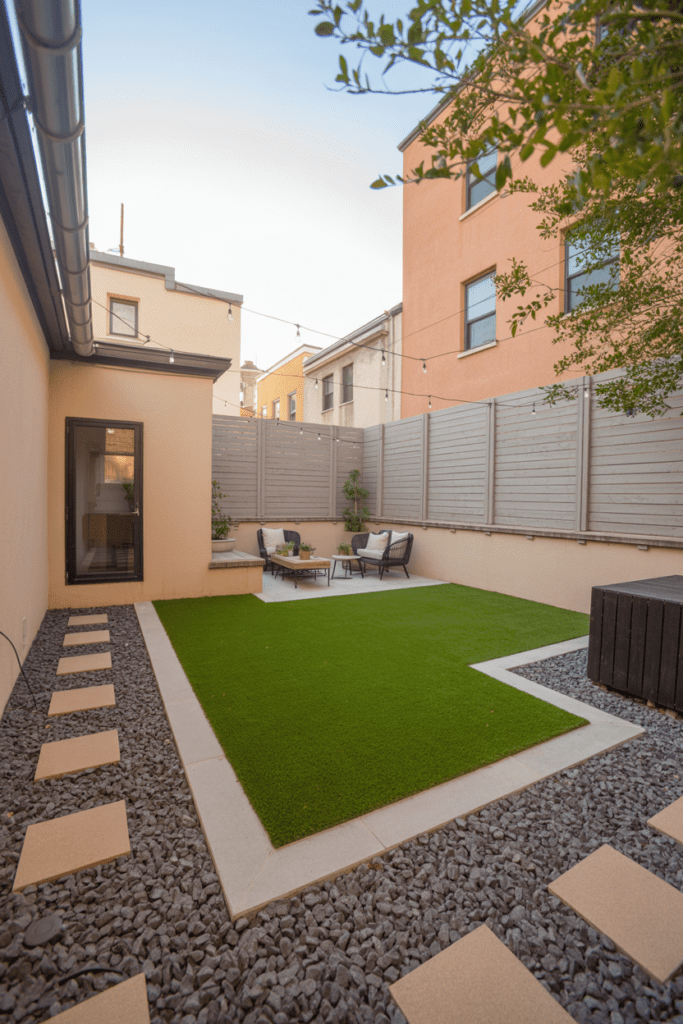
Artificial turf has come a long way from that weird plastic carpet look. Today’s options look surprisingly realistic, especially in small areas like pet runs, play corners, or narrow side yards.
I wouldn’t always use it for a huge yard, but in the right spot, it saves a ton of work. No mowing. No watering. No brown patches judging you in late summer.
Where artificial turf works best
Artificial grass shines in places where real grass struggles or where convenience matters most.
Good spots for turf include:
- Dog areas.
- Small play spaces.
- Pool surrounds.
- Shady patches.
- Courtyard-style backyards.
For homeowners who want a green look without the usual lawn upkeep, artificial turf offers one of the easiest backyard solutions around.
6. Use Drought-Tolerant Plants
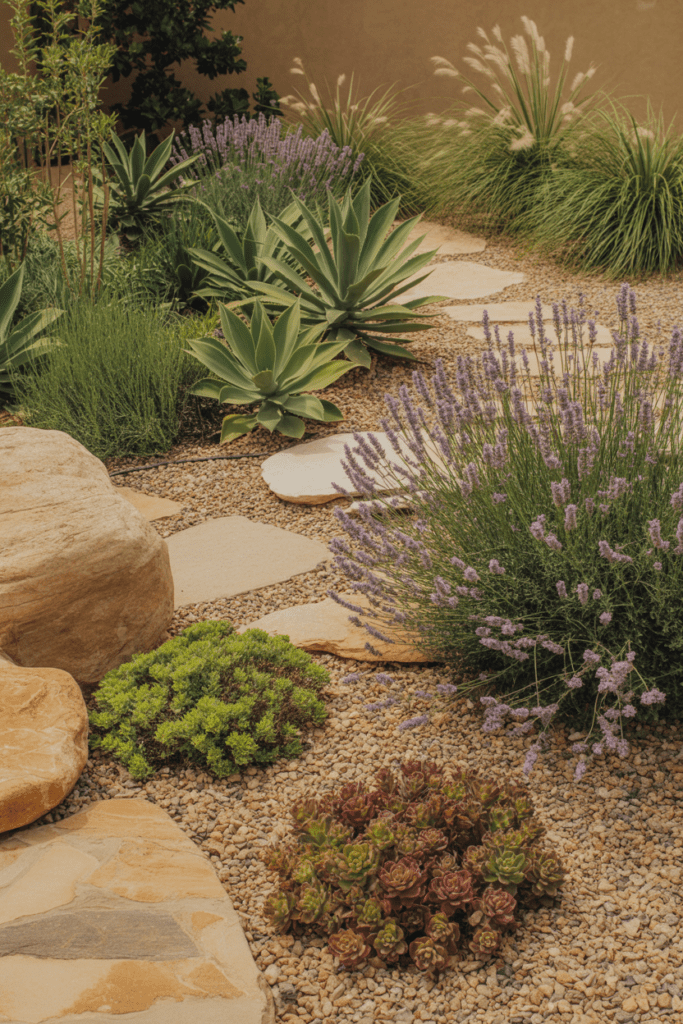
If you constantly battle heat, dry soil, or water restrictions, drought-tolerant plants make backyard care much easier. These plants stay attractive with minimal watering once they establish strong roots.
That means fewer wilted leaves, lower water bills, and less guilt when you forget to water for a day. Or three. Life happens.
Smart plant choices
Look for plants that naturally handle dry conditions and still offer color or texture.
Popular drought-tolerant options include:
- Lavender.
- Agave.
- Sedum.
- Yarrow.
- Russian sage.
- Ornamental grasses.
These plants work especially well in low-maintenance backyard landscaping because they blend beauty with practicality. That combo always wins in my book.
7. Create Defined Edging Around Beds and Paths
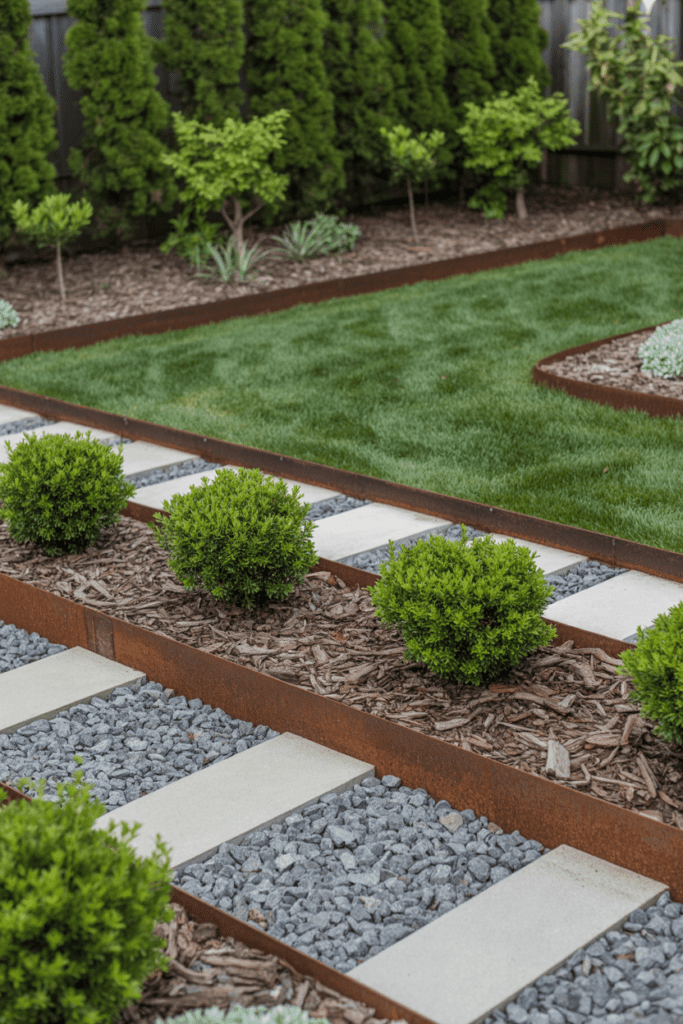
A backyard looks messier when garden beds blur into grass or gravel. Defined edging fixes that problem fast.
Edging gives the yard a cleaner layout and reduces the time you spend fixing overgrown borders. It also helps keep mulch, stone, and soil where they belong.
Easy edging materials
You don’t need anything fancy here. The goal is simple separation and cleaner lines.
Popular edging choices include:
- Metal edging.
- Brick borders.
- Concrete edging.
- Natural stone.
- Recycled plastic edging.
This idea sounds small, but it makes a huge difference. Ever notice how neat yards always seem calmer? Clean edges do a lot of that work.
8. Plant Evergreen Shrubs for Year-Round Structure
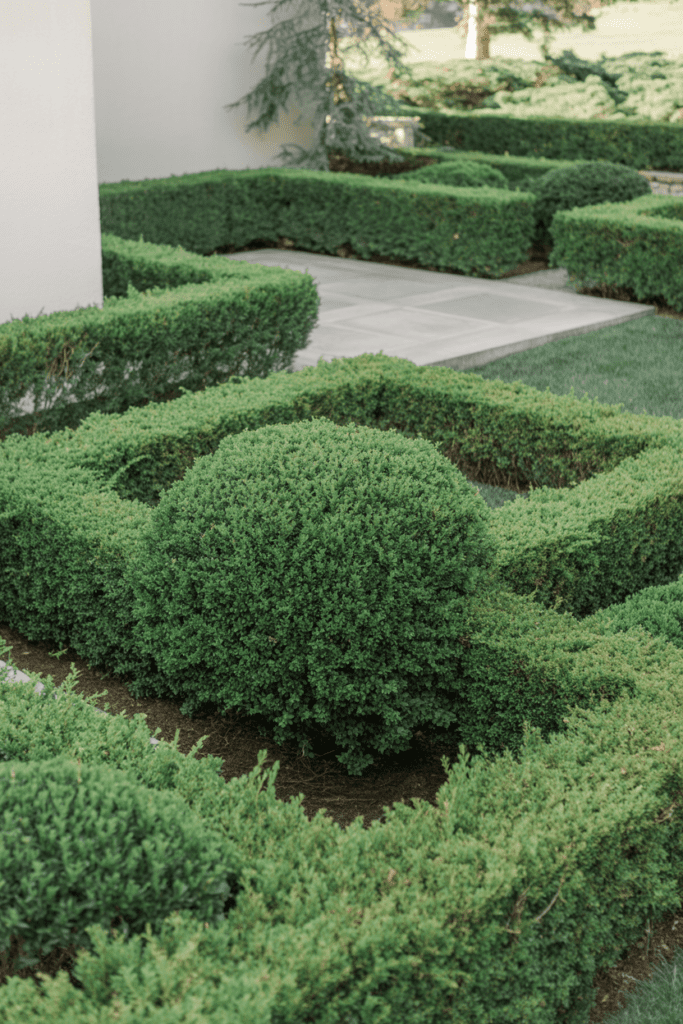
Some backyards look amazing for one season and then give up completely. Evergreen shrubs keep your yard looking full and organized all year.
They add shape, privacy, and color without requiring constant replanting. Once established, many varieties need only occasional pruning.
Why evergreens simplify backyard design
Evergreens reduce the need for seasonal swaps and constant flower-bed refreshes. They also create a reliable backdrop for everything else in the yard.
Low-maintenance evergreen options include:
- Boxwood.
- Juniper.
- Dwarf holly.
- Yew.
- Inkberry.
If you want a backyard that still looks decent in winter, evergreen shrubs do the job without demanding much attention. Very rude to high-maintenance annuals, honestly.
9. Add a Raised Garden Bed With Easy-Care Plants
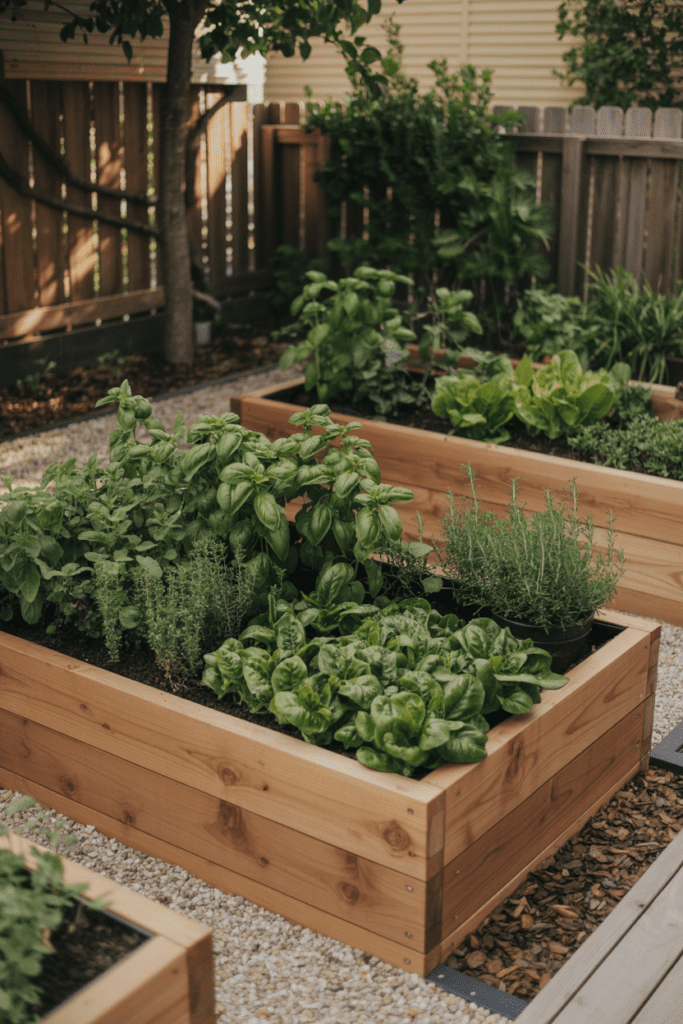
Raised beds sound like more work at first, but they often simplify gardening. They improve drainage, reduce weed spread, and make planting more organized.
I like raised beds because they create clear boundaries. You know where the garden starts, where it ends, and where chaos does not get a vote.
Keep it low effort
Choose plants that don’t need constant attention. Herbs, leafy greens, and a few sturdy vegetables usually perform well with less hassle.
Easy raised bed choices include:
- Rosemary.
- Thyme.
- Mint in containers.
- Lettuce.
- Kale.
- Peppers.
A single raised bed adds charm without turning your backyard into a full farming operation. Unless you want that, of course.
10. Install Drip Irrigation
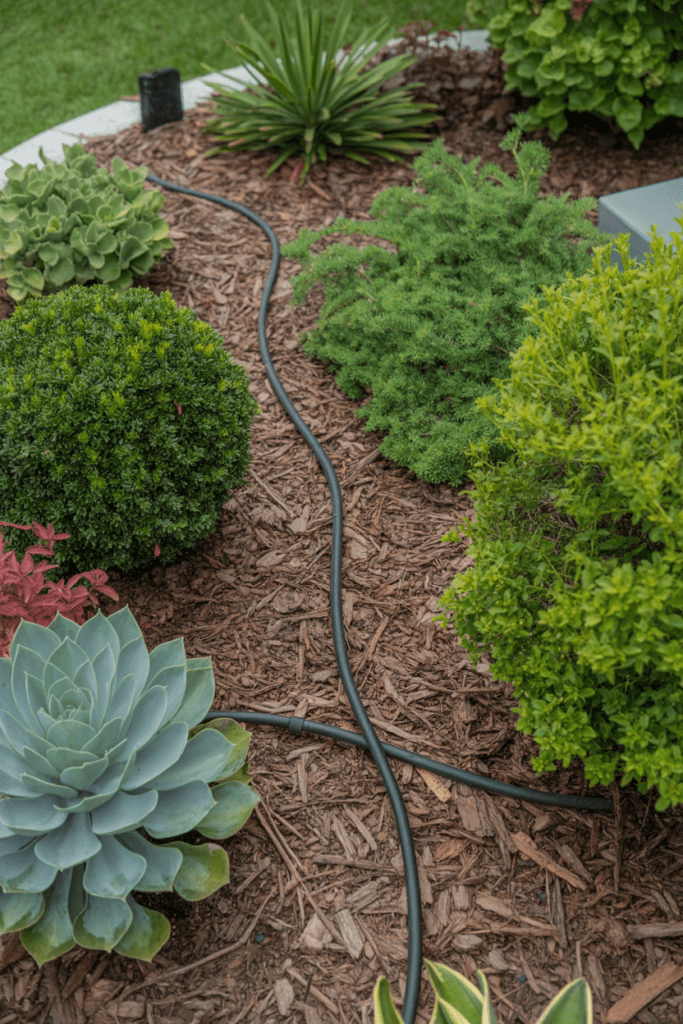
Dragging a hose across the yard gets old fast. Drip irrigation solves that problem by delivering water directly where plants need it.
This system reduces waste, saves time, and helps plants stay healthier. You set it up once, then let it handle the daily routine like the quiet hero it is.
Why drip systems help busy homeowners
Drip irrigation targets roots instead of spraying everything in sight, including sidewalks and your shoes. It also works well with garden beds, shrubs, and container plants.
Main benefits include:
- Less water waste.
- More efficient watering.
- Lower maintenance.
- Healthier roots.
- Fewer weeds from overspray.
For a truly easy backyard setup, pair drip irrigation with a timer. FYI, that tiny upgrade can save you a shocking amount of effort.
11. Use Outdoor Containers Sparingly and Strategically
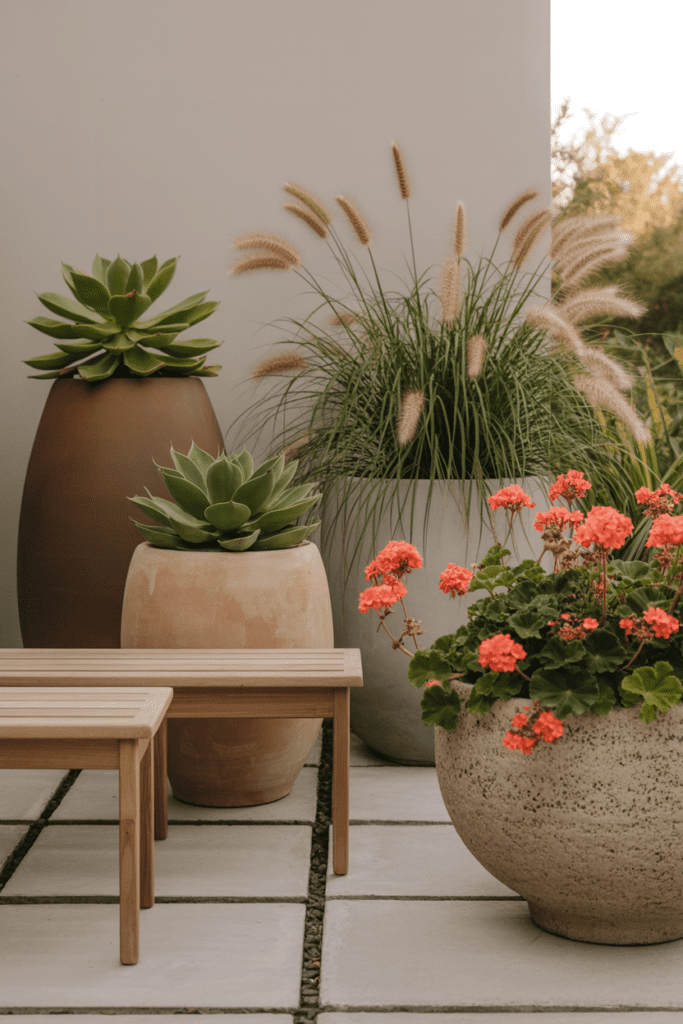
Too many planters create work fast. They dry out quickly, need regular feeding, and somehow multiply when you’re not looking.
That said, a few well-placed containers can add color and style without overwhelming you. The trick is choosing fewer pots and tougher plants.
Best practices for low-maintenance containers
Use larger pots because they hold moisture longer than small ones. Pick durable plants that don’t wilt dramatically every time the weather changes its mood.
Good container plant choices include:
- Snake plant in covered patios.
- Geraniums.
- Succulents.
- Coleus.
- Fountain grass.
I treat containers like accessories, not the whole outfit. A few strong pieces work better than twenty needy ones.
12. Build a Gravel Fire Pit Area
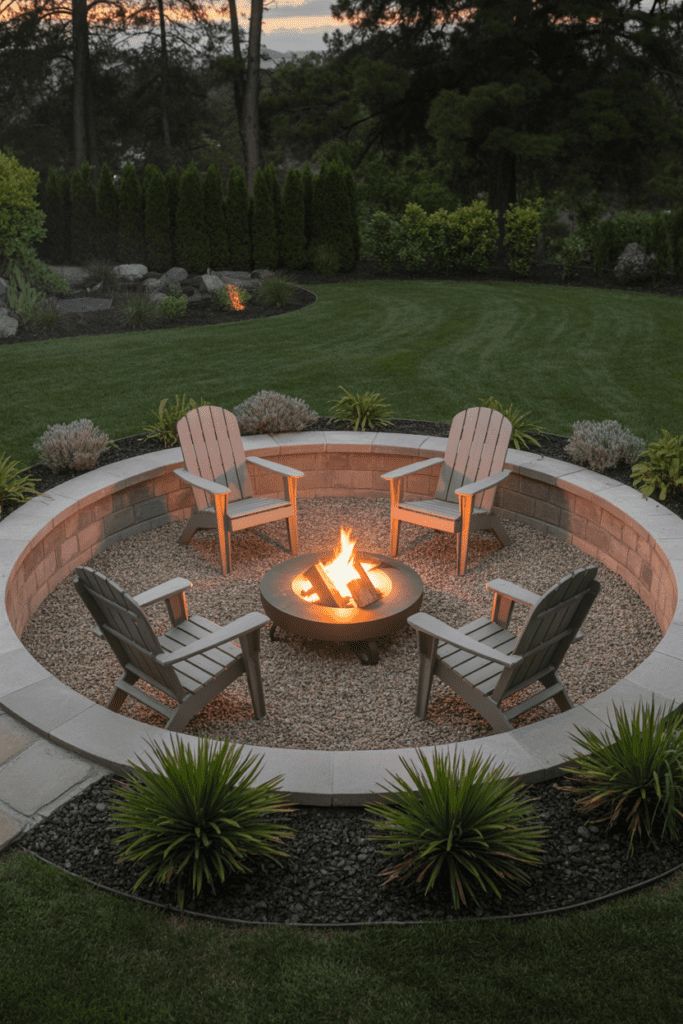
A fire pit instantly makes a backyard feel cozy and social. When you surround it with gravel instead of grass, you also reduce upkeep.
This setup handles foot traffic well and avoids the muddy mess that pops up around chairs and firewood. It looks relaxed, practical, and inviting—basically the sweet spot.
Keep it simple
You don’t need an elaborate built-in design to make this work. A basic fire pit ring, a gravel base, and a few sturdy chairs already create a solid backyard hangout zone.
What to include in a simple fire pit area:
- Pea gravel or crushed stone.
- Heat-safe fire pit.
- Weather-resistant seating.
- A small side table.
- Solar lighting nearby.
If you ask me, this ranks among the best low-maintenance backyard ideas for entertaining. People gather, you relax, and nobody asks where the lawn mower went 🙂
13. Choose Low-Maintenance Outdoor Furniture
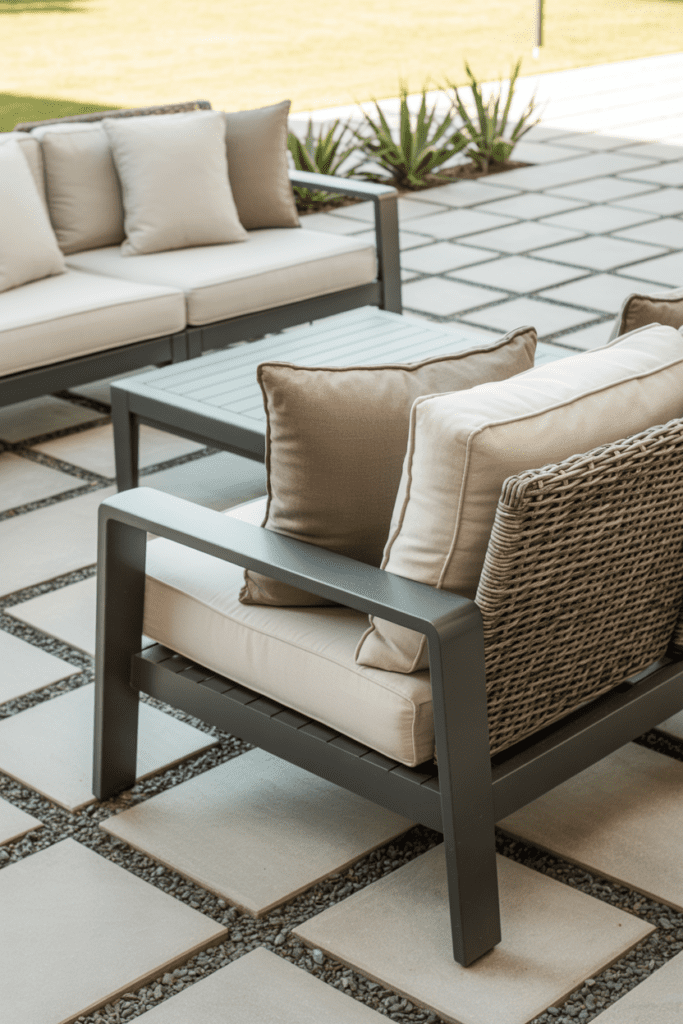
Beautiful furniture loses its charm when it needs constant cleaning, staining, covering, and babying. Outdoor furniture should survive weather and real life, not just look cute for catalog photos.
I always lean toward durable pieces with simple lines and easy-clean surfaces. If a chair can’t handle dust, sun, and a spilled drink, it probably doesn’t belong outside.
Best materials for easy upkeep
Some materials hold up much better than others.
Top low-maintenance furniture materials include:
- Powder-coated aluminum.
- Resin wicker.
- Teak.
- Recycled plastic.
- Concrete-top tables.
Choose cushions with removable, washable covers if you use them at all. That one decision saves a lot of annoyance later.
14. Add Solar Path Lights
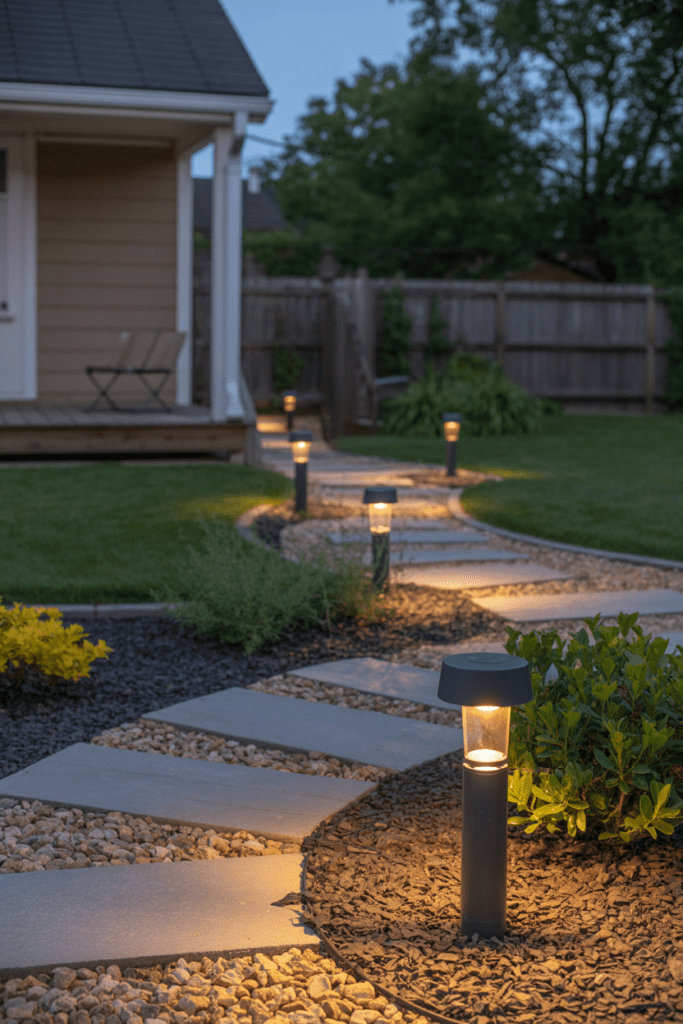
Outdoor lighting makes a backyard feel more finished, but hardwired systems can get expensive and complicated. Solar path lights give you an easier option.
They install quickly, require little upkeep, and improve both safety and ambiance. That’s a pretty solid return for something you can place in an afternoon.
Why solar lights work
Solar lights charge during the day and switch on automatically at night. You avoid wiring, reduce energy use, and make paths easier to navigate.
Best places for solar lighting:
- Walkways.
- Garden borders.
- Patios.
- Around fire pit areas.
- Near steps.
Do they create dramatic luxury-hotel lighting? Not usually. But they do make your yard look thoughtful without creating another household project, so I’ll take it.
15. Use Ground Cover Instead of Fussy Plants
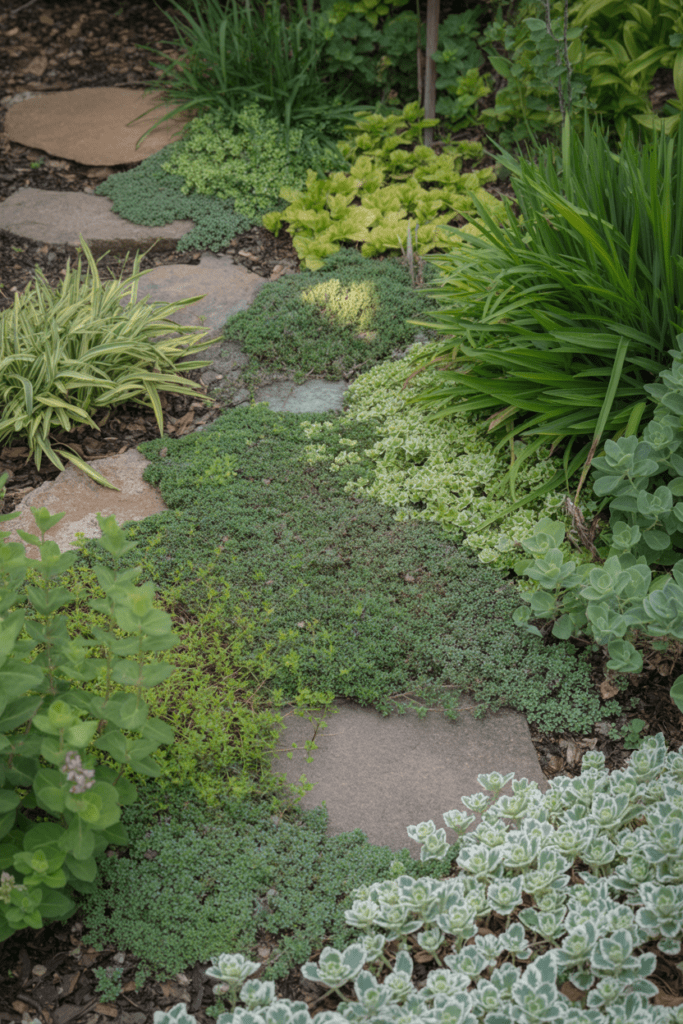
Some spots in the yard just refuse to behave. Grass thins out, weeds move in, and delicate plants give up immediately. Ground cover solves a lot of those problems.
Low-growing plants spread across the soil, reduce erosion, and crowd out weeds. They also soften the look of stone paths and garden edges.
Easy-care ground cover ideas
Choose varieties that suit your climate and light conditions.
Popular low-maintenance ground covers include:
- Creeping thyme.
- Sedum.
- Ajuga.
- Mondo grass.
- Creeping Jenny.
This option works especially well if you want a more natural backyard style. Plus, ground cover often looks better over time instead of worse, which feels almost suspicious :/
16. Create a Minimalist Backyard Layout
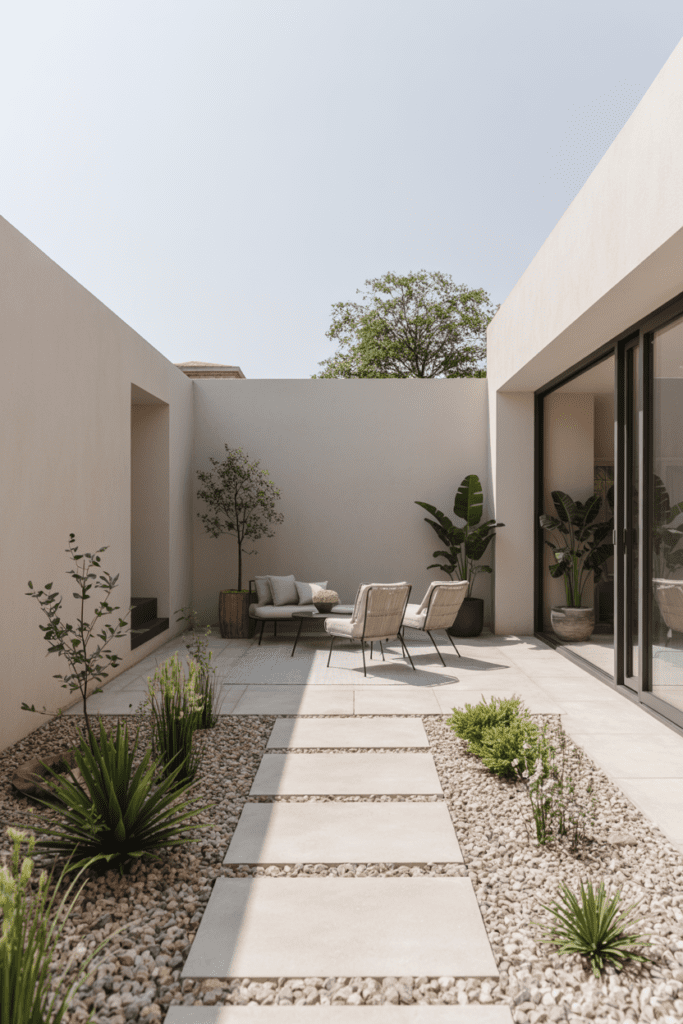
Sometimes the easiest backyard to maintain is the one that simply has less going on. Fewer materials, fewer plant varieties, and fewer decorative extras usually mean less work.
A minimalist backyard doesn’t look empty when you design it well. It looks calm, intentional, and uncluttered.
How to keep it simple
Focus on a few strong elements instead of filling every corner. Repetition also helps the space feel cohesive.
A minimalist low-maintenance backyard often includes:
- One main seating area.
- Two or three plant types.
- Gravel or pavers.
- Clean edging.
- Simple lighting.
I love this approach because it removes decision fatigue too. You stop managing a backyard full of random ideas and start enjoying a space that actually makes sense.
17. Reduce Lawn Size Altogether
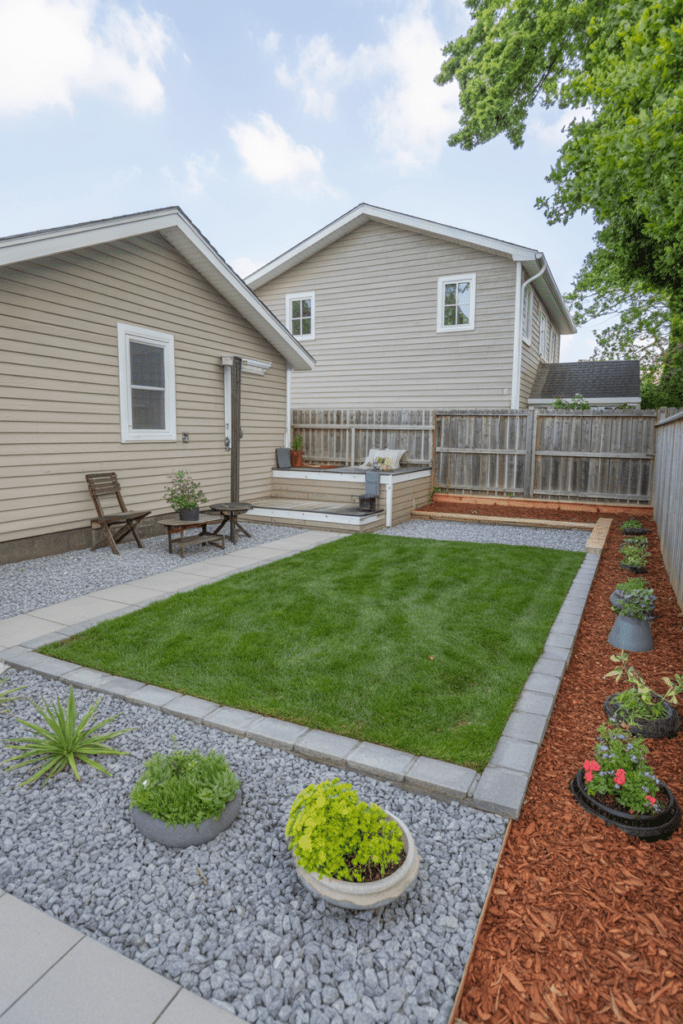
If you only remember one idea from this list, remember this one: less lawn equals less work. That’s the whole game.
You don’t need to eliminate grass completely, but shrinking the lawn can save serious time and energy. Replace extra turf with patios, gravel areas, planting beds, or ground cover.
Easy ways to reduce lawn space
Start with the parts of the yard you rarely use. Those areas often become the easiest places to convert.
Smart lawn-reduction options include:
- Expand a patio.
- Add a mulched planting bed.
- Build a seating corner.
- Create a gravel pathway.
- Install ground cover around trees.
This one change can transform your entire backyard maintenance routine. Why spend time caring for grass nobody uses?
How to Choose the Right Low-Maintenance Backyard Ideas
Not every backyard needs every idea on this list. The best plan depends on your climate, budget, yard size, and how you actually use the space.
If you love entertaining, focus on a patio, fire pit, and durable seating. If you want curb appeal from inside the house, prioritize evergreens, edging, mulch, and lighting. If you hate watering, go straight for native plants, drought-tolerant landscaping, and drip irrigation.
Ask yourself these questions first
Before you start, think through what matters most.
Helpful questions to ask:
- Which part of my backyard annoys me most right now?
- How much time do I realistically want to spend outside maintaining it?
- Do I want this yard for relaxing, entertaining, gardening, or all three?
- Which materials work best in my climate?
- What can I simplify first?
That last question matters a lot. You don’t need a total backyard overhaul to make life easier. One or two smart upgrades can do plenty.
Simple Backyard Upgrades That Give the Biggest Return
If you want the fastest improvement with the least hassle, start small and strategic. Some upgrades create a bigger visual and practical impact than others.
From my experience, the biggest wins usually come from reducing lawn, adding mulch, improving edges, and creating one usable seating area. Those changes make a backyard look better almost immediately.
Best first projects for busy homeowners
If you feel overwhelmed, start here:
- Mulch your beds to cut weeds and make the yard look tidier.
- Define edges around planting areas and pathways.
- Add gravel or pavers to one high-traffic zone.
- Replace demanding plants with native or drought-tolerant options.
- Install simple solar lights for quick evening charm.
You don’t need perfection. You need a backyard that works for your life and doesn’t punish you for having a schedule.
Wrap Up
A beautiful backyard doesn’t need constant work, endless watering, or a weekend sacrifice every time the weather improves. With the right mix of low-maintenance backyard ideas, you can create an outdoor space that looks good, feels relaxing, and stays manageable.
Start with the upgrades that solve your biggest headaches first. Reduce the lawn, simplify the planting, add durable materials, and make the space easier to use. That’s how busy homeowners build backyards they actually enjoy.
Because honestly, the whole point of a backyard is to spend time in it—not to spend all your time taking care of it.