
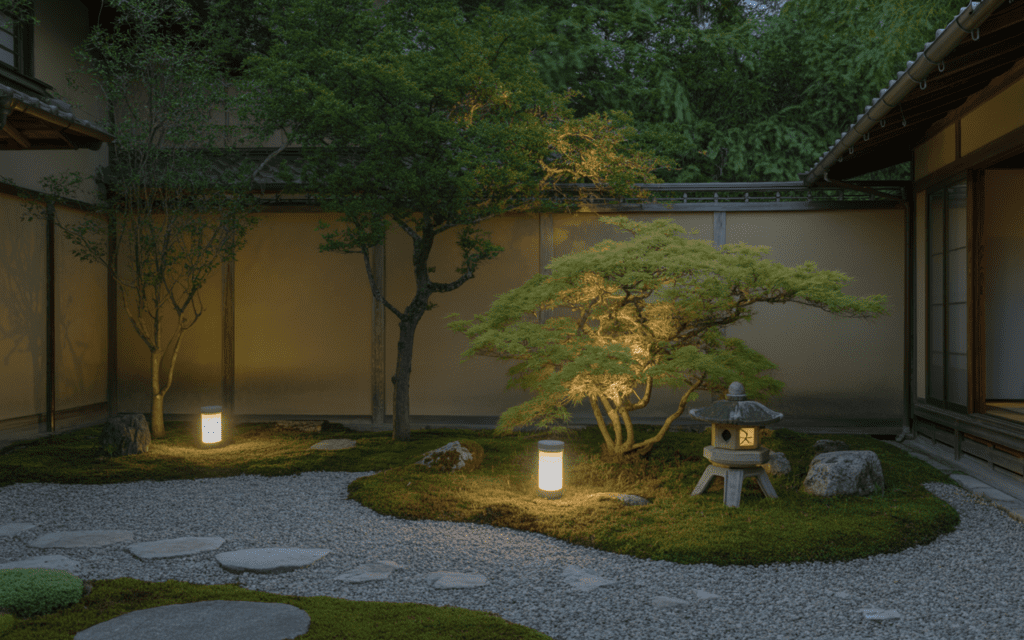
Tiny outdoor space? No problem. You do not need a giant backyard, a koi pond the size of a hotel lobby, or monk-level patience to create a beautiful Japanese-inspired garden.
I’ve really loved small Japanese gardens because they feel calm without trying too hard. They don’t scream for attention. They whisper, “Hey, maybe sit down for five minutes and stop looking at your phone.” Honestly, that alone makes them worth copying.
If you want your space to feel peaceful, balanced, and visually stunning, these small Japanese garden ideas can help you pull it off without turning your yard into an expensive landscaping experiment. Let’s get into it.
Why small Japanese gardens work so well
Japanese gardens shine in small spaces because they focus on simplicity, balance, texture, and meaning. You don’t need dozens of plants or complicated layouts. You need a few strong elements that work together.
That’s what I love about them. Every stone, plant, lantern, or patch of gravel has a job. Nothing feels random. And let’s be honest, a style that rewards restraint feels pretty refreshing in a world where every outdoor space somehow needs a fire pit, pizza oven, and ten lounge chairs :/
What makes a Japanese garden feel authentic?
A small Japanese garden usually includes a few core ideas:
- Natural materials like stone, bamboo, gravel, moss, and wood.
- Asymmetry instead of rigid, formal layouts.
- Negative space so the garden can breathe.
- Symbolism such as rocks representing mountains or gravel suggesting water.
- Seasonal beauty through carefully chosen plants.
You don’t need to copy a temple garden exactly. You just need to borrow the spirit of it.
1. Add a simple gravel courtyard
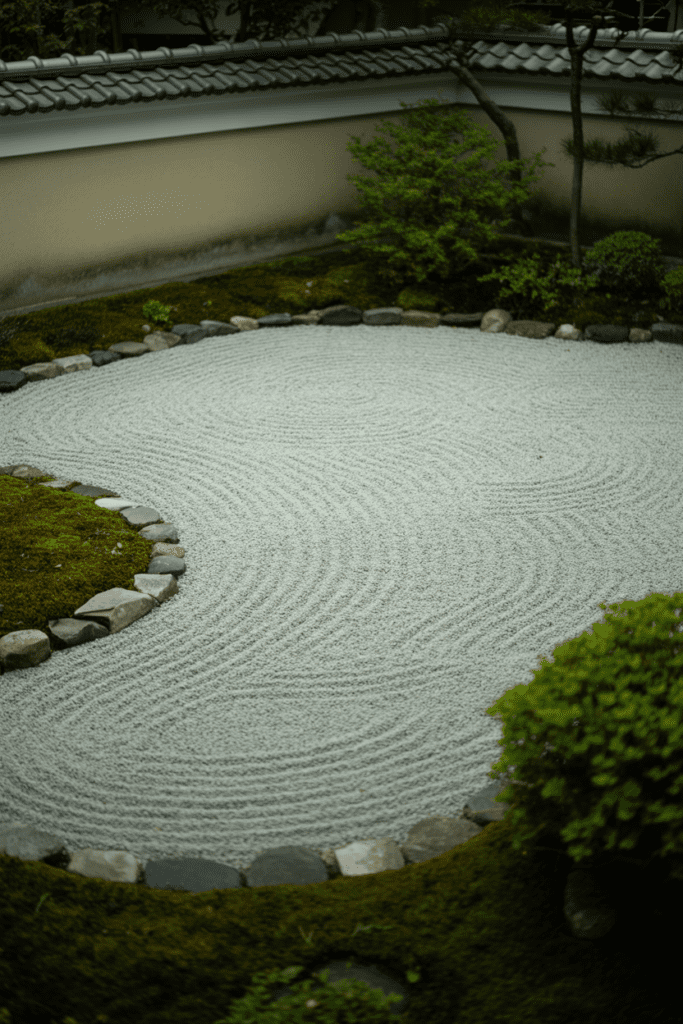
A gravel courtyard creates instant calm. It looks clean, bright, and intentional, especially in a small side yard or compact backyard.
I like this idea because gravel solves two problems at once. It gives you texture, and it cuts down on maintenance. No muddy patch, no fussy lawn, no weekend guilt.
How to make it work
Use pale gray, beige, or off-white gravel for a softer look. Frame the area with stone edging, timber, or low plants so the gravel doesn’t feel scattered.
For extra Japanese garden character, rake gentle patterns into the gravel. Those lines mimic rippling water, which looks surprisingly elegant for something so simple.
2. Use stepping stones to create a quiet path
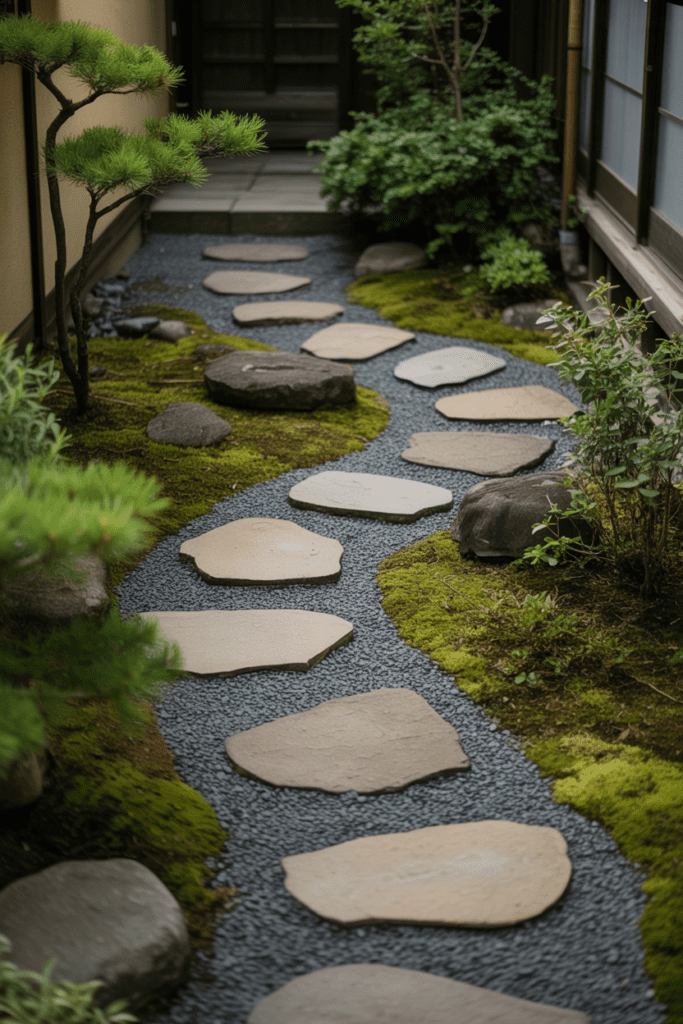
Stepping stones add movement and structure without making the garden feel crowded. They guide the eye and invite people to slow down, which fits the whole Japanese garden mood perfectly.
I think this works especially well in narrow gardens. A winding path makes a small space feel bigger. Straight lines often feel stiff, while a subtle curve feels natural and relaxed.
Best stone path tips
- Choose irregular natural stones instead of perfectly uniform pavers.
- Leave small gaps between stones for moss, gravel, or ground cover.
- Let the path curve gently rather than run in a rigid line.
- Keep the layout simple and walkable.
Ever notice how the best garden paths make you want to follow them? That’s the goal here.
3. Build a tiny Zen rock garden
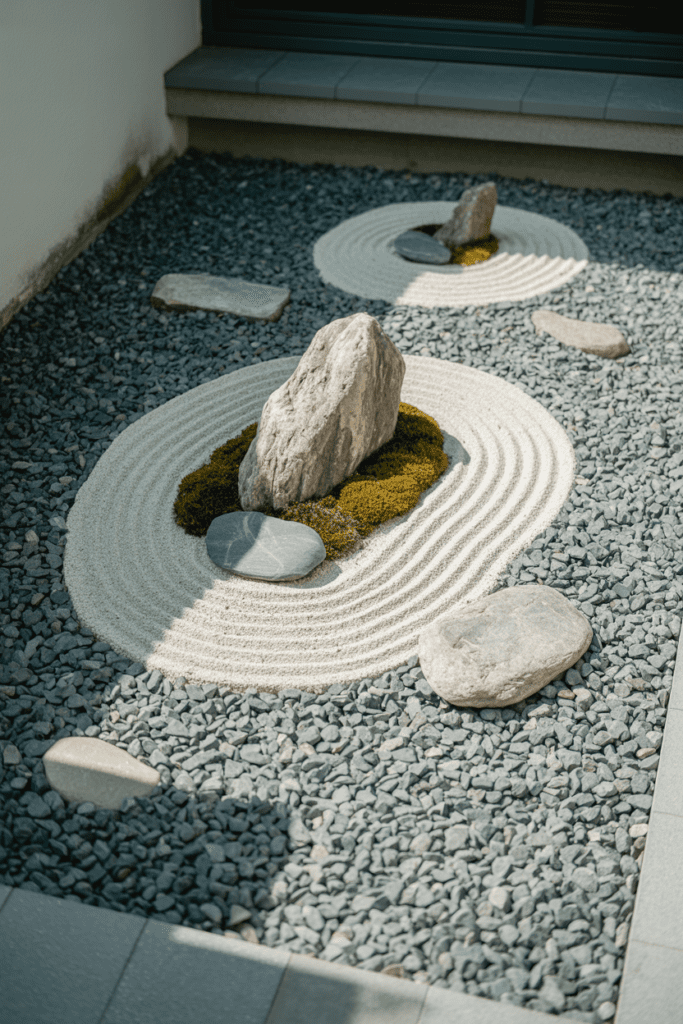
A small Zen garden works beautifully in patios, courtyards, balconies, and even awkward corners. You only need gravel, a few rocks, and some intention.
This idea gives you that minimalist Japanese garden look without asking for much space. It also feels oddly satisfying to rake patterns into gravel. Cheap therapy? Maybe. Effective? Also yes.
Key elements of a Zen corner
Place a few rocks in grouped arrangements rather than spacing them evenly. Japanese design often uses odd numbers because they feel more natural.
You can add:
- White or gray gravel
- One large feature stone
- Two or three smaller accent rocks
- A small rake
- A patch of moss or low greenery
Keep it restrained. If you add too much, the Zen part leaves the chat.
4. Bring in moss for a soft, aged look
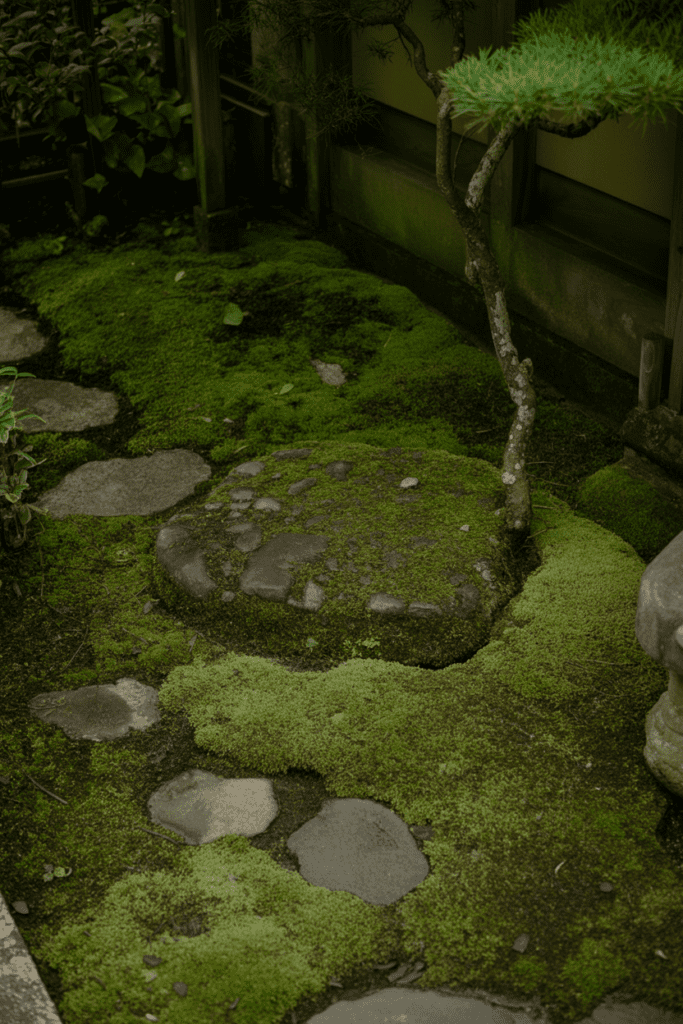
Moss makes a garden feel settled, peaceful, and quietly magical. It softens stone, fills gaps, and adds rich green color without shouting for attention.
I’m a huge fan of moss in Japanese-style spaces because it instantly adds that weathered, established look. New gardens often feel a little too neat. Moss fixes that fast.
Where moss works best
Use moss around stepping stones, under shrubs, beside lanterns, or in shady corners. It thrives in damp, low-light spots, so don’t force it into blazing sun and expect miracles.
If real moss won’t grow well in your space, use moss-like ground covers that mimic the same effect. The goal is softness and age, not botanical perfection.
5. Choose a Japanese maple as a focal point
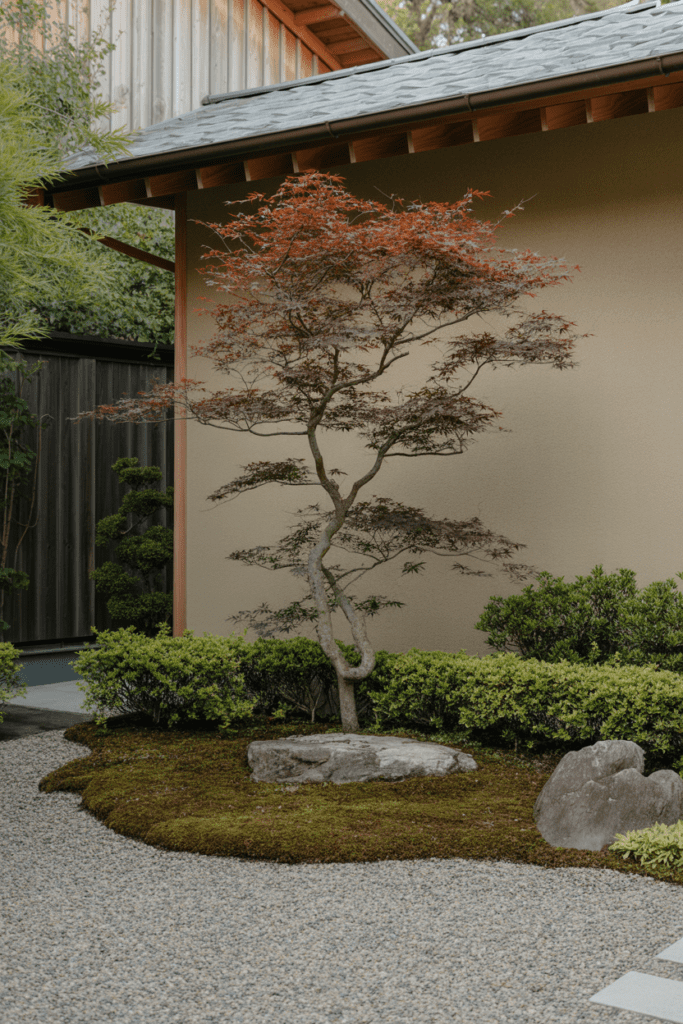
A Japanese maple might be the single easiest way to make a small garden look graceful and expensive. It adds shape, color, and seasonal drama without needing a huge footprint.
I love how one good maple can do most of the heavy lifting. In spring and summer, it looks elegant. In fall, it goes full show-off in the best way.
Why it works in small gardens
Many Japanese maple varieties stay compact, which makes them perfect for small yards. Their delicate leaves also create a nice contrast against heavier materials like stone and gravel.
Look for:
- Dwarf Japanese maple varieties
- Weeping forms for soft movement
- Deep red foliage for contrast
- Green laceleaf types for a lighter feel
If you only splurge on one thing, IMO, this tree deserves serious consideration.
6. Add a stone lantern for instant character
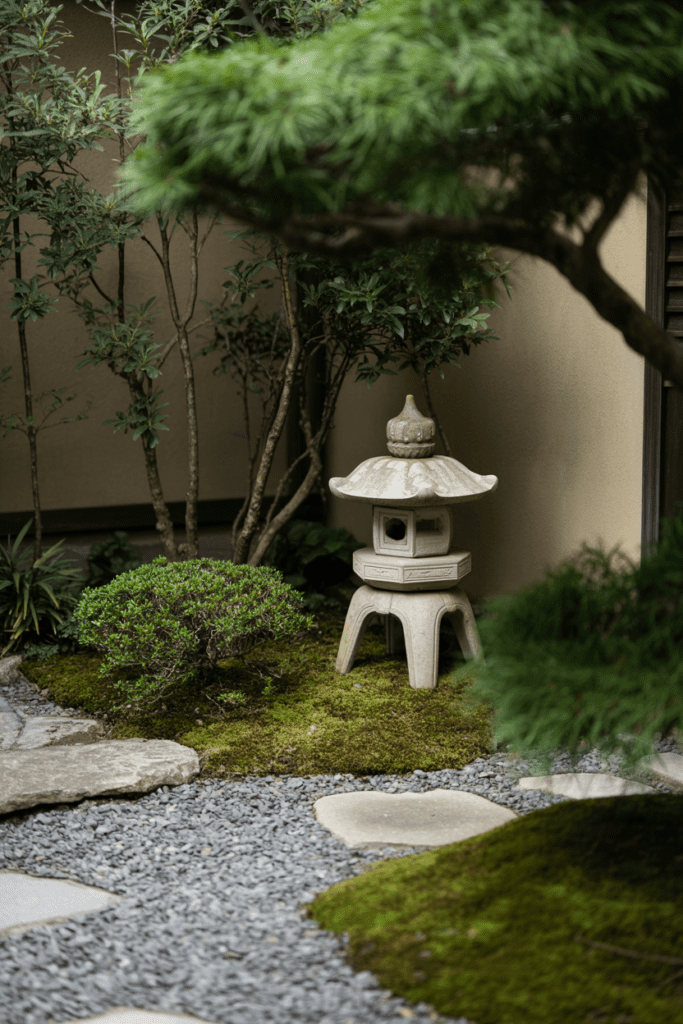
A Japanese stone lantern gives a small space a clear focal point. It introduces age, structure, and a traditional touch without taking over the entire garden.
This piece works best when you place it thoughtfully. Don’t stick it dead center like a trophy. Tuck it near a path, beside moss, or partially behind a shrub so it feels discovered.
Placement matters
The best lanterns look like they belong there naturally. Pair one with gravel, a few rocks, and a soft planting palette.
You don’t need a huge lantern, either. In a small garden, a compact version often looks better. Oversized decor in a tiny yard usually feels like it’s trying too hard.
7. Use bamboo for privacy and texture
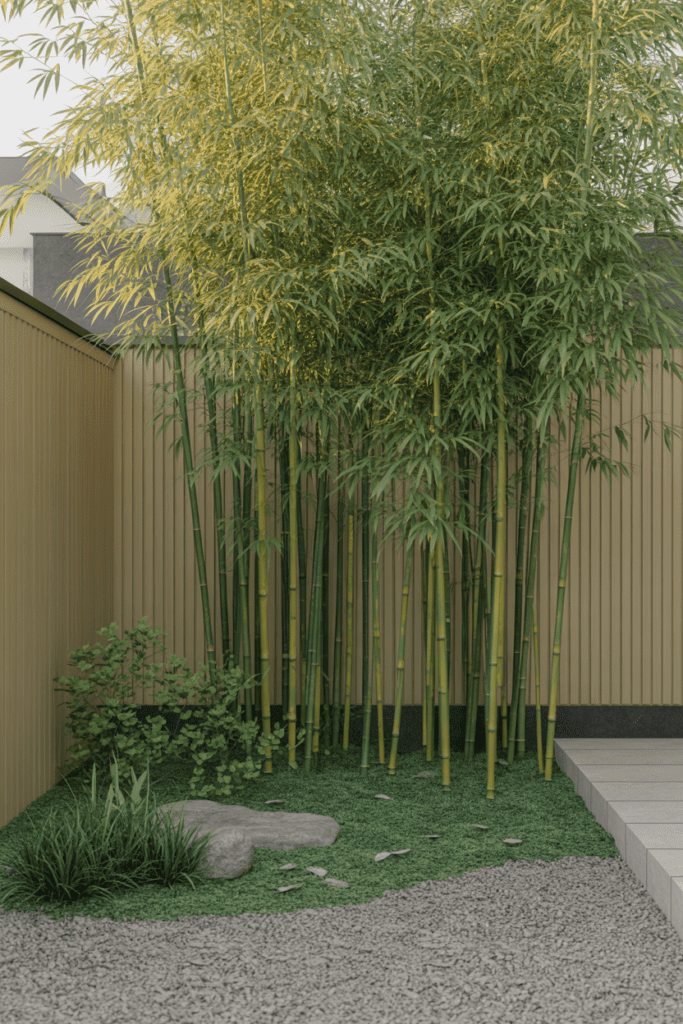
Bamboo adds height, sound, texture, and privacy. In a small Japanese garden, it can screen walls, soften fences, and create that unmistakable East Asian garden atmosphere.
That said, I need to say this clearly: running bamboo can become a complete menace. It looks calm and elegant while plotting world domination underground. Choose clumping bamboo or use containers and barriers.
Smart bamboo ideas
- Use clumping bamboo for controlled growth.
- Install bamboo screens against plain walls or fences.
- Grow bamboo in large planters for patios and balconies.
- Mix bamboo with stone and gravel for contrast.
Even a few bamboo canes can shift the whole mood of a space.
8. Create a mini water feature
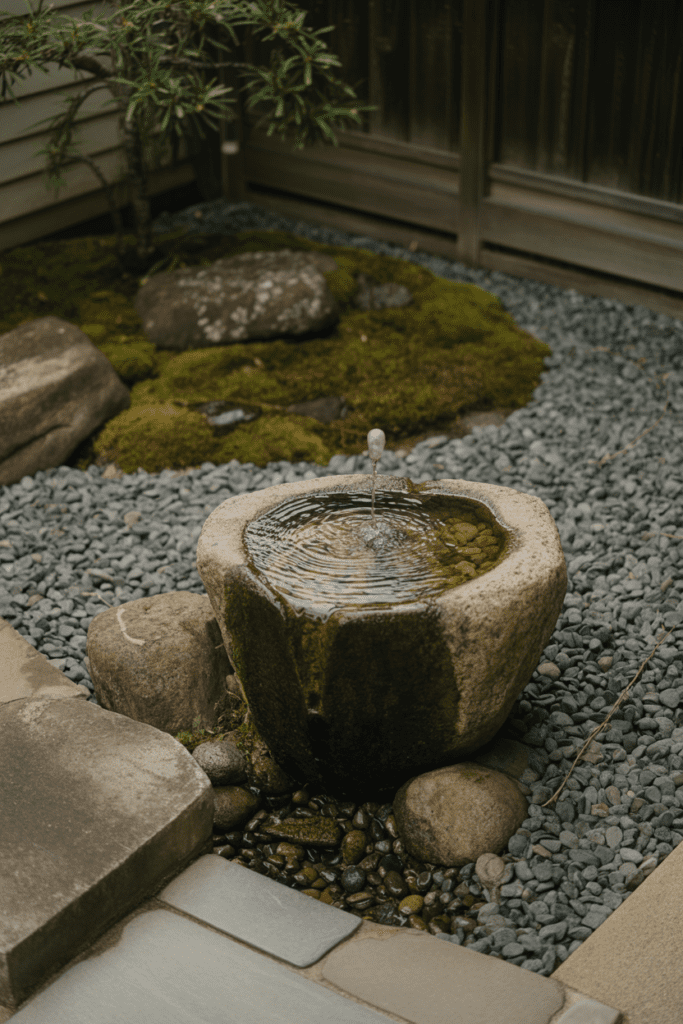
Water brings life to a Japanese garden. The sound alone can make a tiny outdoor area feel more secluded and restorative.
You don’t need a giant pond. A small stone basin, a bamboo spout, or a compact recirculating fountain works beautifully in a limited space.
Why water changes everything
A water feature adds:
- Gentle sound
- Movement
- Reflection
- A stronger sense of calm
I’ve noticed that even a tiny trickle makes a garden feel more complete. It masks street noise too, which feels like a minor miracle if you live in a busy area.
9. Try a tsukubai-style stone basin
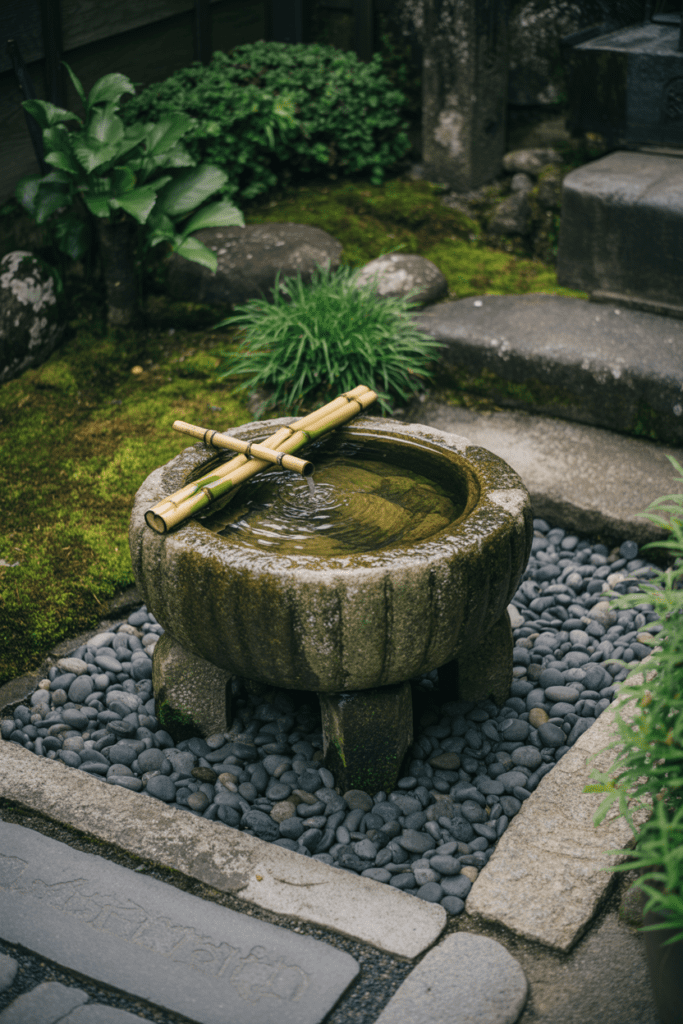
A tsukubai is a traditional stone basin often used near tea gardens. In a small Japanese garden, it brings history, ritual, and sculptural beauty.
I love this detail because it feels subtle and meaningful. It doesn’t scream “look at me,” but it always catches the eye. That’s good design.
Styling a stone basin
Set the basin low to the ground and surround it with:
- Flat stepping stones
- Moss
- Small river pebbles
- A bamboo dipper or spout
This setup looks especially good in shaded corners. It creates a quiet little scene that feels thoughtful without becoming theatrical.
10. Frame the space with evergreen shrubs
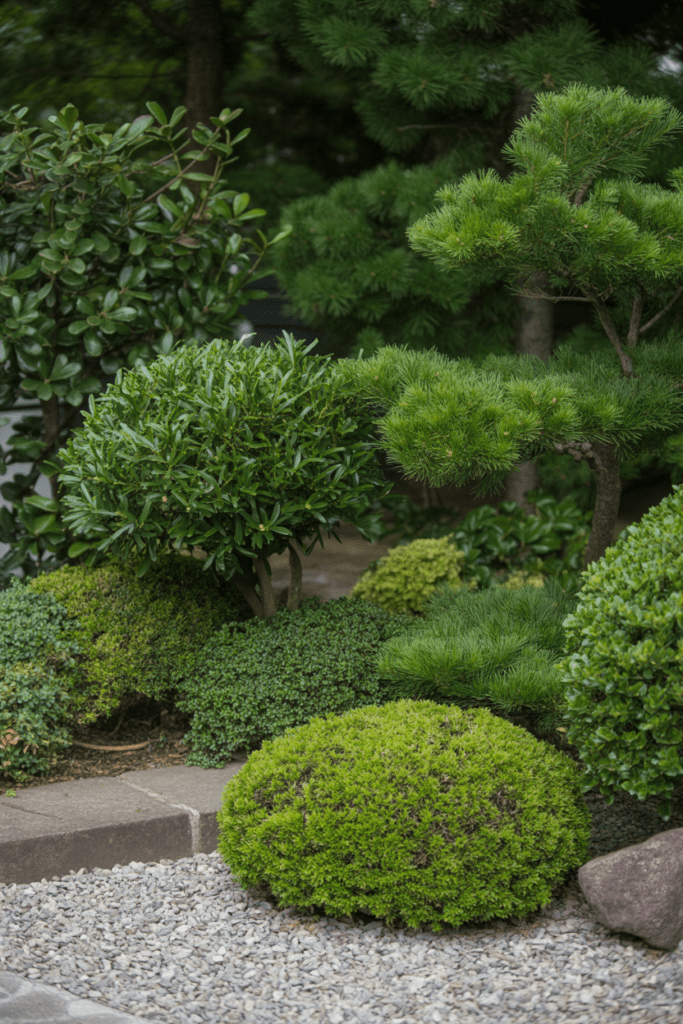
Evergreen shrubs give your garden structure all year. They keep the space looking grounded, even when other plants go dormant.
In Japanese-inspired gardens, shape matters a lot. Rounded shrubs, clipped forms, and layered greenery create order without making the garden feel stiff.
Good shrub choices
Look for compact, tidy plants such as:
- Boxwood
- Azalea
- Japanese holly
- Dwarf pine
- Pieris
Use them sparingly. You want each plant to earn its spot.
11. Add a small bridge effect without a real bridge
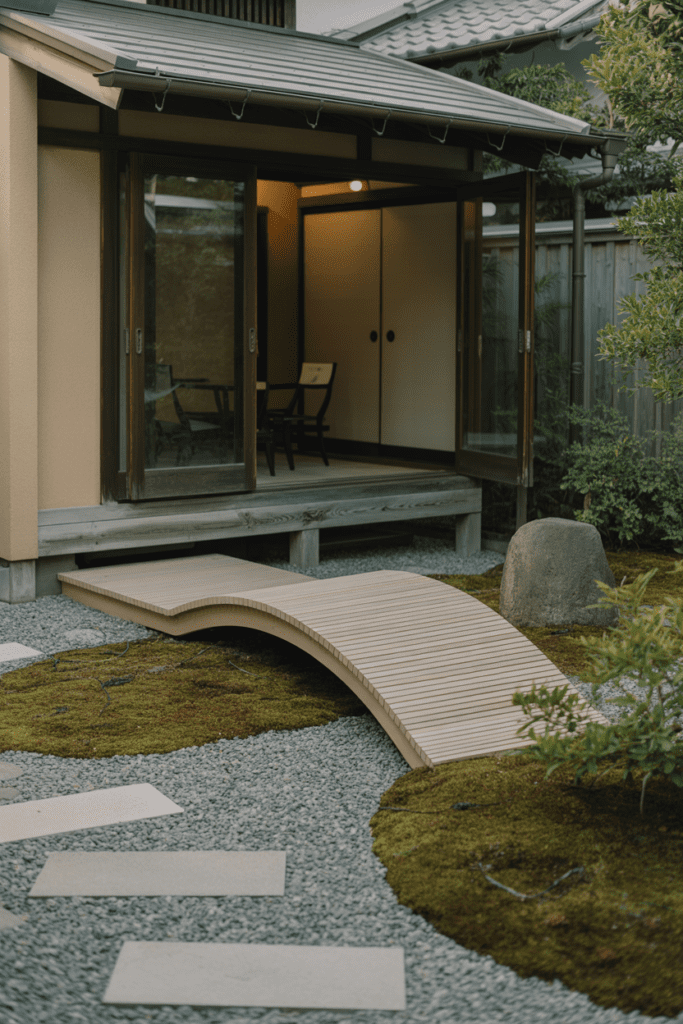
You probably don’t need an actual bridge unless you secretly own a private estate. But you can still borrow the look.
A slightly raised wooden walkway or curved stepping stone section can hint at the feel of a bridge. This works especially well over gravel, dry riverbeds, or a mossy patch.
Why this trick works
Japanese garden design often suggests rather than states. That subtlety makes the space more interesting.
A “bridge effect” adds:
- Vertical variation
- A focal point
- Traditional character
- A sense of journey
It’s one of those details that looks far more expensive than it actually is. We love that.
12. Make a dry stream bed with pebbles
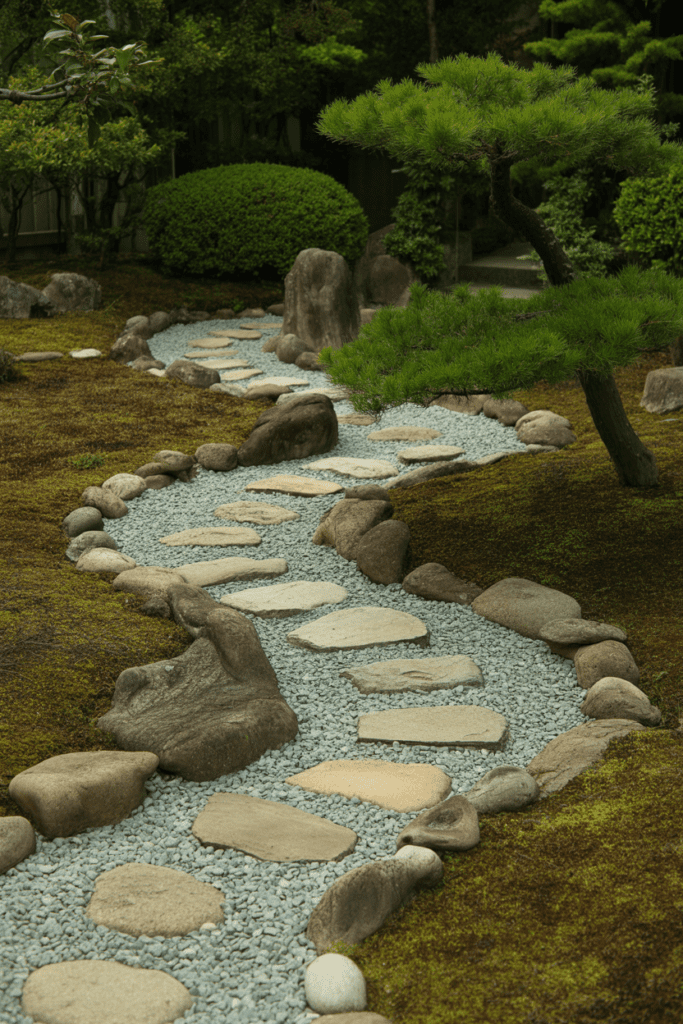
A dry stream bed gives your small Japanese garden movement and symbolism without adding real water. It uses pebbles, rocks, and gentle curves to mimic a flowing stream.
This idea works great in front yards, side yards, and low-maintenance gardens. It also solves awkward layout problems by giving your eye something purposeful to follow.
How to shape it
Use smaller pebbles for the “water” and larger stones along the edges. Let the stream curve naturally instead of forcing a perfect pattern.
Add a few plants nearby, but don’t crowd the edges. The open space helps the feature stand out.
13. Keep the plant palette limited
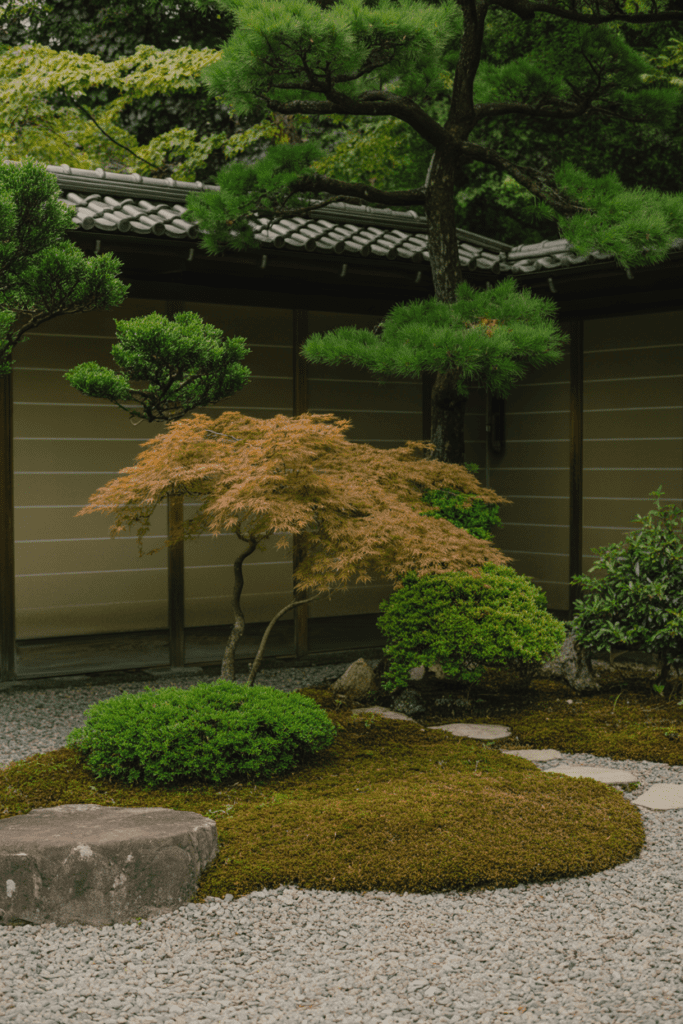
One of the smartest small Japanese garden design ideas involves using fewer plant varieties. That sounds boring until you see how calm and polished it looks.
Too many plants create visual noise. A tighter palette feels intentional. Your garden starts to look curated instead of collected from a clearance rack.
A simple planting formula
Try this easy mix:
- One focal tree
- Two or three evergreen shrubs
- One ground cover
- One seasonal accent plant
That’s enough for many small spaces. Seriously, resist the urge to buy every cute plant at the nursery. Your future self will thank you.
14. Use natural stone edging
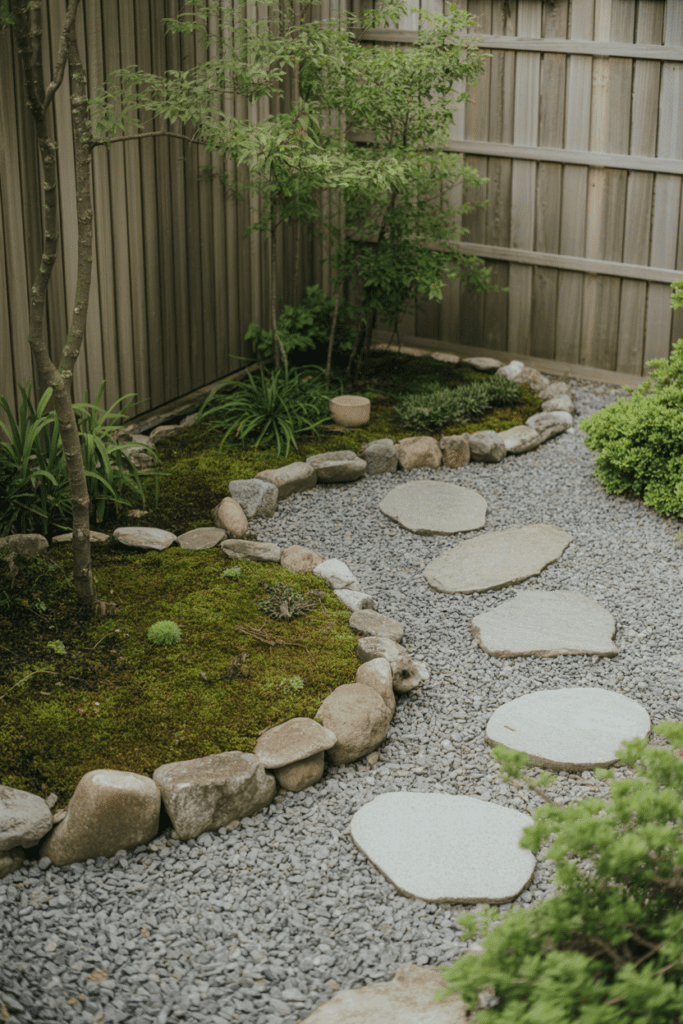
Stone edging gives the garden clean boundaries while keeping the look organic. It separates gravel, moss, planting beds, and paths without feeling harsh.
I prefer natural, uneven stones over sharp concrete borders here. The whole point involves softness and age. Clean lines help, but perfection kills the mood.
Best places for stone edging
Use stone edging around:
- Gravel areas
- Dry stream beds
- Moss patches
- Stepping stone paths
- Feature trees
This detail seems small, but it makes the entire garden feel more finished.
15. Add a wooden bench for quiet viewing
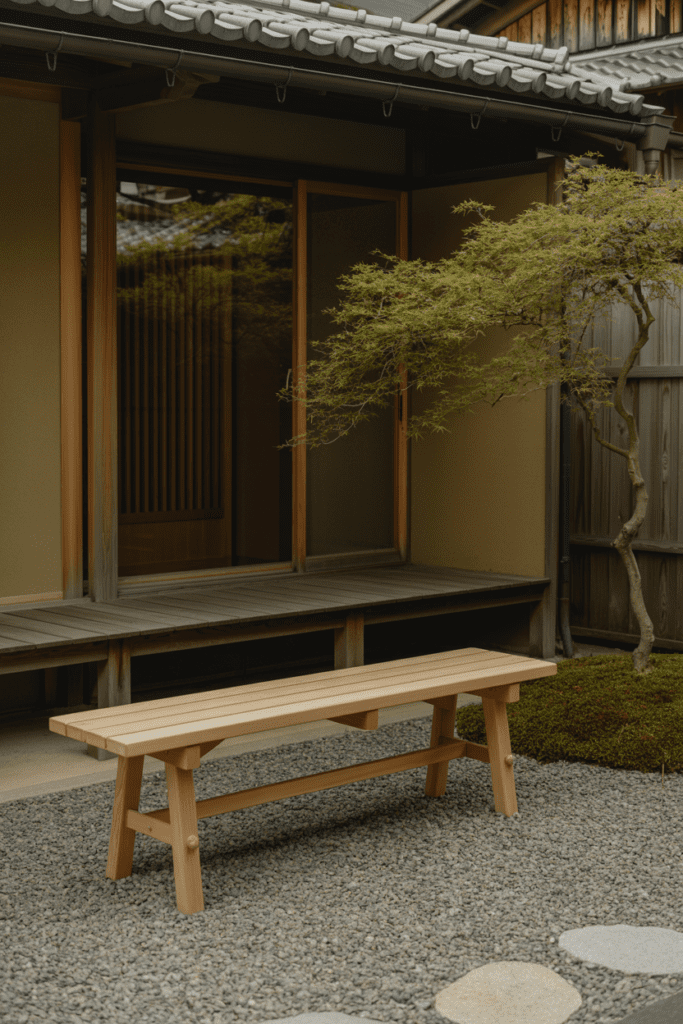
A small bench turns the garden into an experience instead of just a pretty scene. It gives you a reason to pause, sit, and actually enjoy the work you did.
Honestly, this matters more than people think. If you never sit in the garden, you miss half the point.
Bench placement tips
Choose a simple wood bench with a natural or dark finish. Place it where you can see the best feature, such as a maple, stone basin, or raked gravel area.
Keep the design plain. You want the bench to support the view, not steal the spotlight.
16. Use garden lighting with restraint
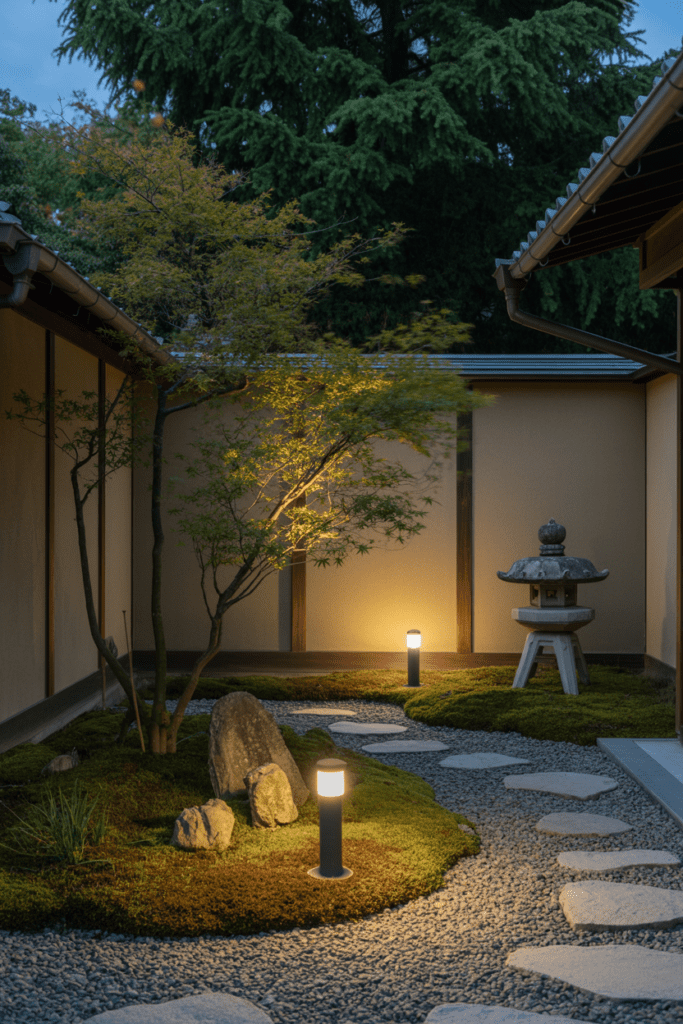
Lighting can make a small Japanese garden look magical at night, but only if you keep it subtle. Soft, low lighting works better than bright floodlights.
Please do not blast your Zen corner with stadium-level LEDs. Nothing says “peaceful retreat” like accidental parking-lot vibes, right?
What kind of lighting works best?
Go for:
- Warm-toned path lights
- Low spotlights on a focal tree
- Hidden lighting near a water feature
- Lantern-style fixtures with soft glow
The goal involves atmosphere, not interrogation.
17. Design around empty space
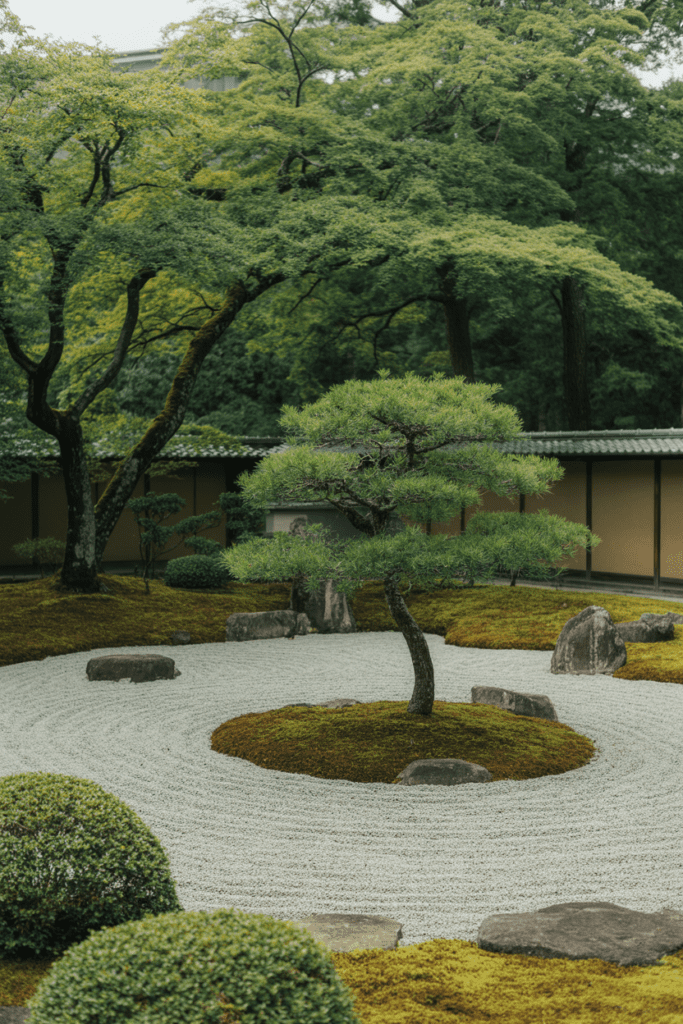
This might sound strange, but one of the best Japanese garden ideas for small spaces is to leave some space empty. Empty space gives the eye room to rest.
I think this is the hardest lesson for most people. We want to fill every corner because empty areas can feel unfinished. But in Japanese design, space itself becomes part of the composition.
Why empty space matters
Negative space:
- Highlights your best features
- Creates calm
- Prevents clutter
- Makes small gardens feel larger
Ever wondered why some tiny gardens feel luxurious while others feel cramped? This usually explains it.
How to combine these ideas in one small garden
You do not need all 17 ideas in one space. Please don’t do that to yourself. And definitely don’t do that to your garden.
A better approach mixes three to five elements that suit your space, light conditions, and budget. Small Japanese gardens work best when they feel edited.
A few easy combinations
For a tiny courtyard
- Gravel base
- Stone lantern
- Japanese maple
- Stepping stones
For a side yard
- Dry stream bed
- Bamboo screen
- Evergreen shrubs
- Mossy accents
For a patio or balcony
- Mini Zen garden
- Container bamboo
- Stone basin
- Small bench
Start with one strong focal point, then build around it. That keeps the design from drifting into random-decor territory.
Common mistakes to avoid
Even beautiful ideas can go sideways if you overdo them. Japanese-inspired design rewards restraint, which sounds easy until you start shopping.
Here are a few mistakes I see all the time:
- Adding too many decorative items
- Using overly bright flowers
- Choosing plants that outgrow the space
- Installing aggressive bamboo without barriers
- Forcing symmetry everywhere
- Ignoring negative space
- Mixing too many materials and colors
If something feels crowded, it probably is. Step back and remove one or two things. The garden usually looks better immediately.
Best plants for a small Japanese garden
If you want a quick plant list, start here. These plants suit the Japanese garden style and usually behave well in smaller spaces.
Trees and structure plants
- Japanese maple
- Dwarf pine
- Cloud-pruned juniper
- Camellia
Shrubs and fillers
- Azalea
- Japanese holly
- Boxwood
- Pieris japonica
Ground covers and texture plants
- Moss
- Mondo grass
- Hakone grass
- Creeping thyme as a substitute in sunnier spots
The best plant choices depend on your climate, sunlight, and maintenance tolerance. A gorgeous plant that hates your yard will absolutely humble you.
Final thoughts on creating a small Japanese garden
A great small Japanese garden doesn’t need a huge budget or a massive footprint. It needs intention, balance, and restraint. Pick a few meaningful elements, give them space, and let the garden breathe.
If I had to keep it simple, I’d start with gravel, stepping stones, one beautiful tree, and one sculptural accent like a lantern or stone basin. That combination almost always works. Then you can layer in moss, water, or shrubs as the space develops.
So which idea should you try first? Start small, trust your eye, and remember that calm usually looks better than clutter.