
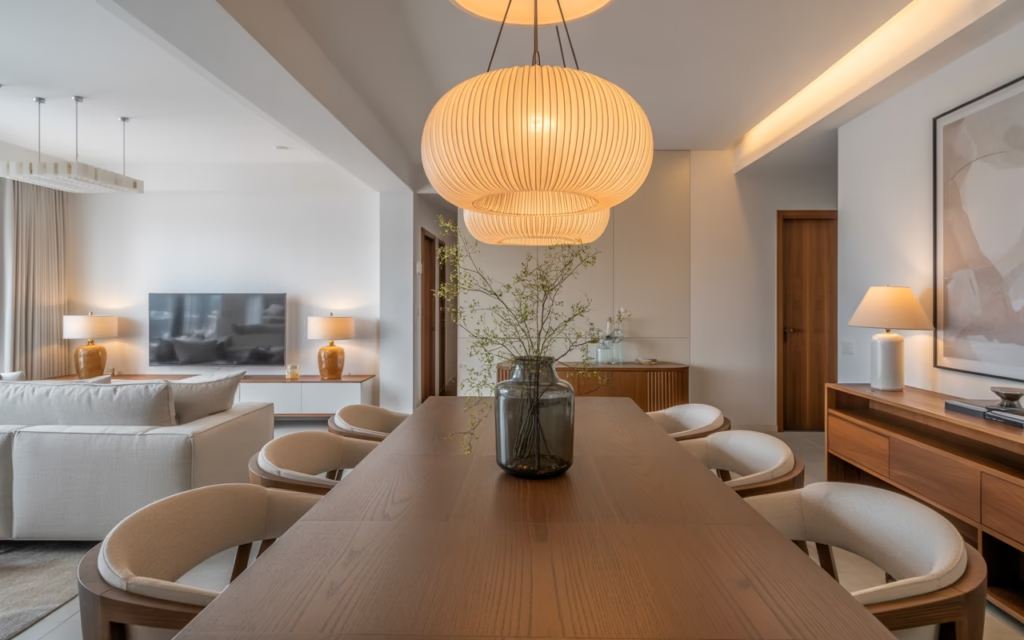
Finding the right balance in a shared space can feel weirdly tricky. You want your room to look stylish, feel comfortable, and actually work for real life, but when the living area and dining area share the same footprint, things can get messy fast. One wrong furniture choice and suddenly the whole room feels crowded, disconnected, or just plain awkward.
That’s why I find living room dining room combo ideas so interesting. These spaces ask a lot from one room. They need to handle relaxing, eating, entertaining, decorating, and sometimes even working, all without looking like you gave up halfway through the layout. No pressure, right?
The good news is that a shared space can look incredibly polished when you set it up the right way. With smart zoning, better furniture choices, a cohesive color palette, and a few visual tricks, you can make the room feel open, functional, and genuinely inviting. Whether you’re working with a tiny apartment, a long narrow room, or an open-concept layout that feels a little too open, the right ideas can make a huge difference.
1. Define Each Zone With a Rug
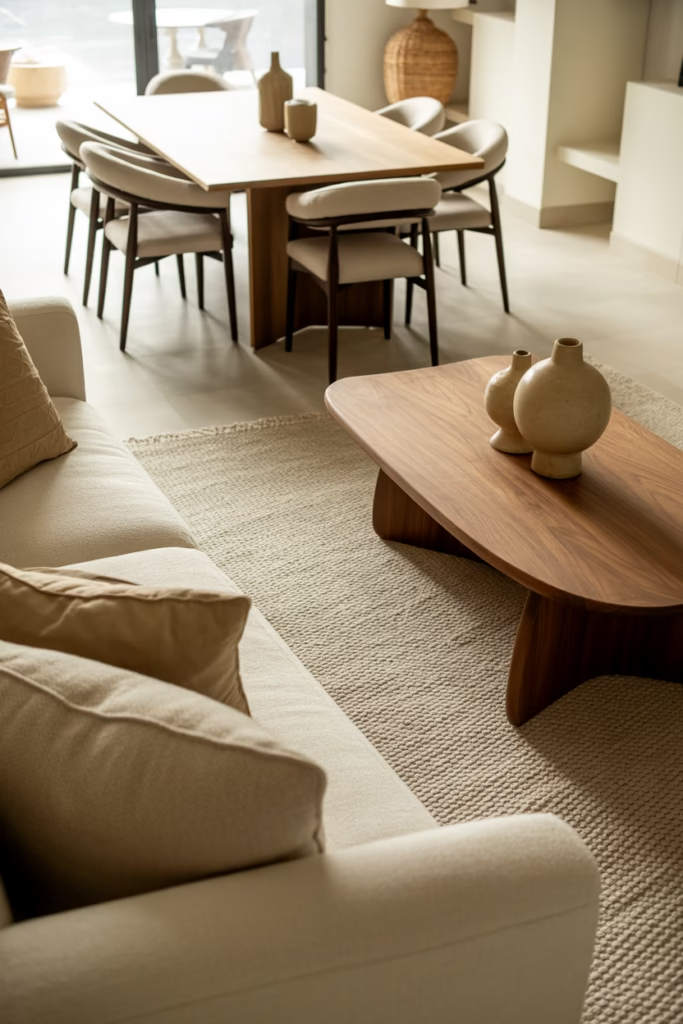
One of the easiest living room dining room combo ideas starts from the floor up. A rug instantly tells the eye where one area begins and the other ends.
Place a larger rug under the sofa setup and leave the dining area rug-free, or use a second rug under the table if your room feels big enough. I usually prefer one statement rug in the living zone because it keeps the room grounded without making it look too busy.
Why this works
- Rugs create visual boundaries without adding walls.
- They make open spaces feel intentional.
- They add warmth, texture, and color in one move.
Just make sure the rug fits properly. A tiny rug floating under a coffee table looks sad, and honestly, the room deserves better.
2. Use a Round Dining Table in Small Layouts
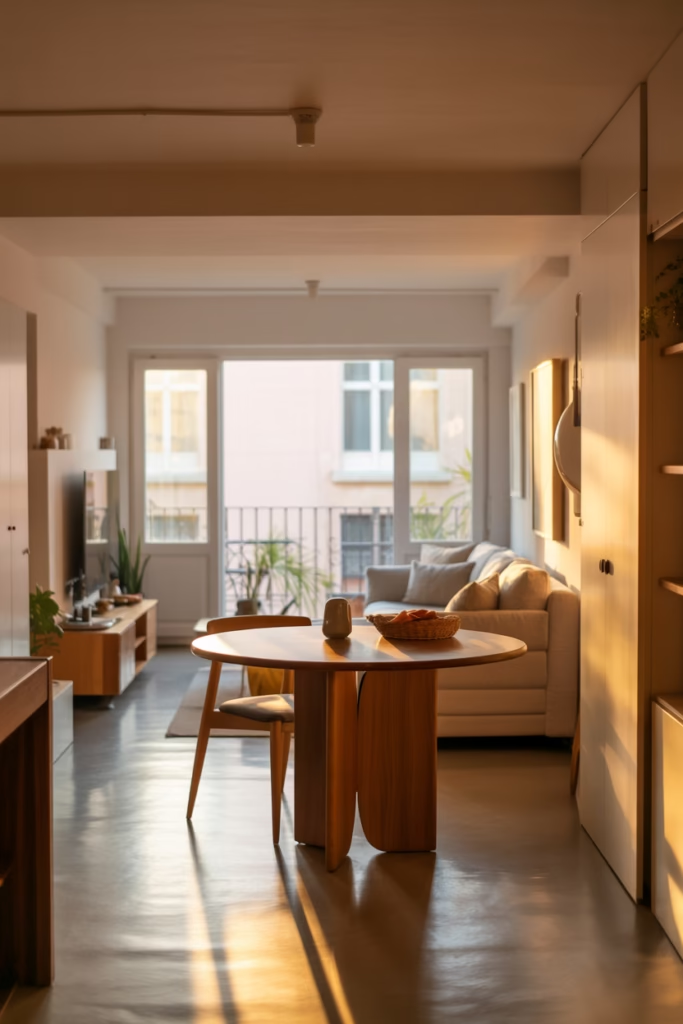
If your combo room feels tight, a round table can save the day. It takes up less visual space and makes walking around the room much easier.
I love this trick in apartments or narrow rectangular rooms. A round table softens all the straight lines that usually come from sofas, consoles, and TV walls. Ever notice how one curved shape can make a room feel friendlier? That little shift matters.
Best reasons to choose a round table
- Better traffic flow
- No sharp corners to bump into
- Easier conversation during meals
- Softer look in a boxy room
3. Anchor the Room With a Light Fixture
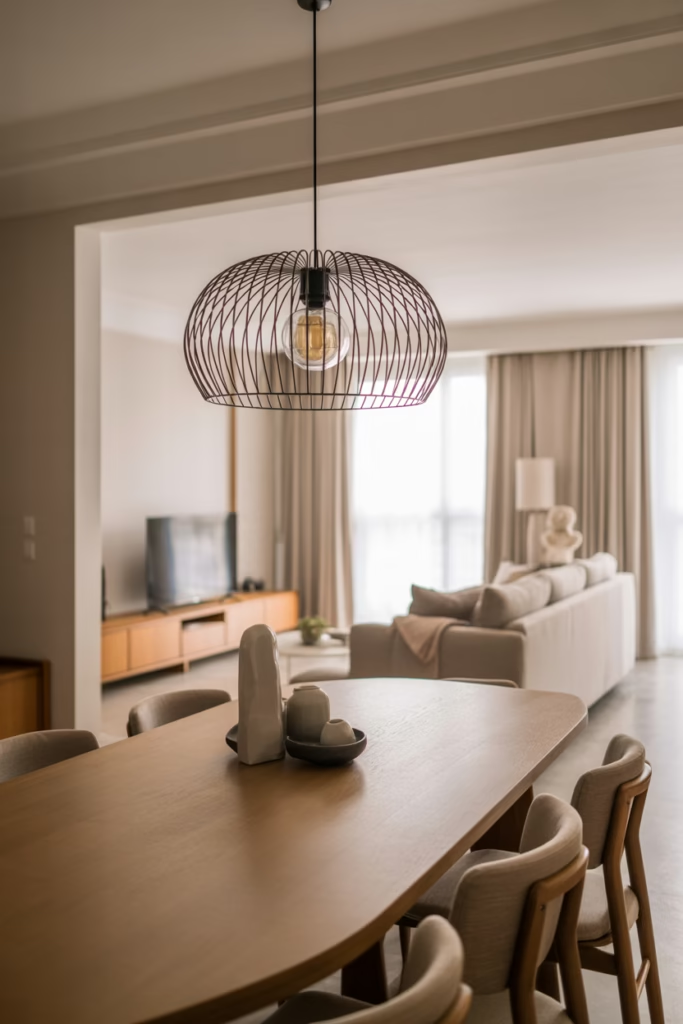
A well-placed ceiling light can separate the dining area from the living area without any extra furniture. Hang a pendant or chandelier directly over the dining table to create a clear focal point.
This idea works especially well when the whole room shares the same wall color and flooring. The light tells everyone, “Hey, this is the dining spot,” without being dramatic about it. And yes, lighting can absolutely do that much heavy lifting.
4. Match the Color Palette Across Both Areas
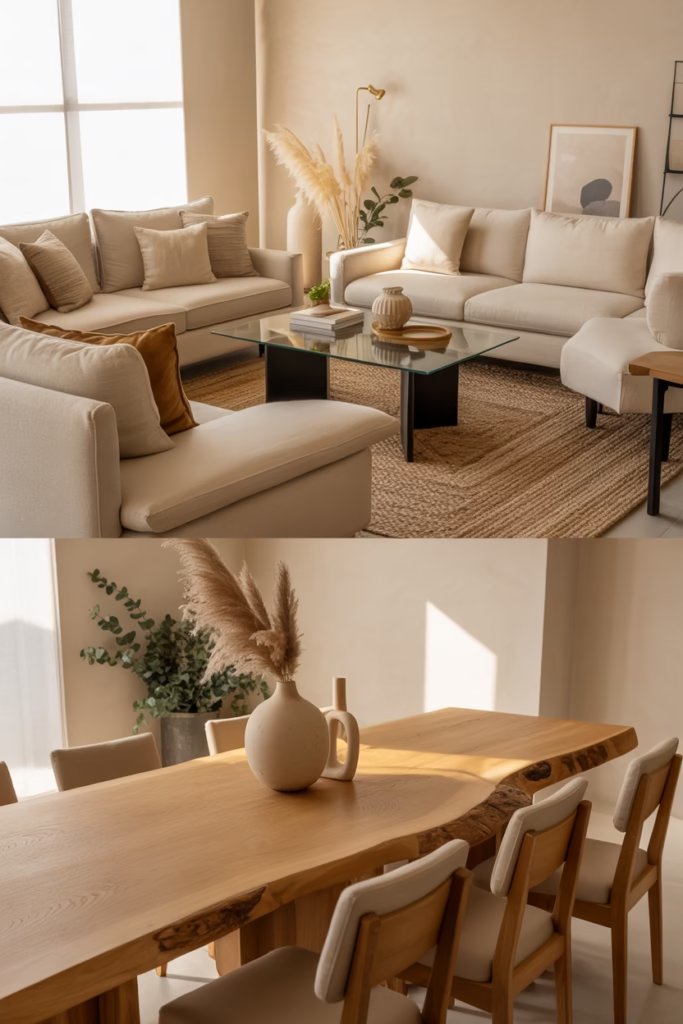
You don’t want your dining space to look rustic farmhouse while your living room screams sleek modern loft. Unless chaos is your design plan, keep the palette cohesive.
Use the same base colors across both zones, then vary the textures and shapes a bit. For example, you can repeat warm wood tones, soft beige, olive green, black accents, or creamy whites throughout the room.
Easy palette formula
- One main neutral: white, beige, greige, taupe
- One grounding tone: black, charcoal, walnut
- One accent color: green, rust, navy, terracotta
This keeps your living dining room combo decor looking connected instead of accidental.
5. Float the Sofa to Create Separation
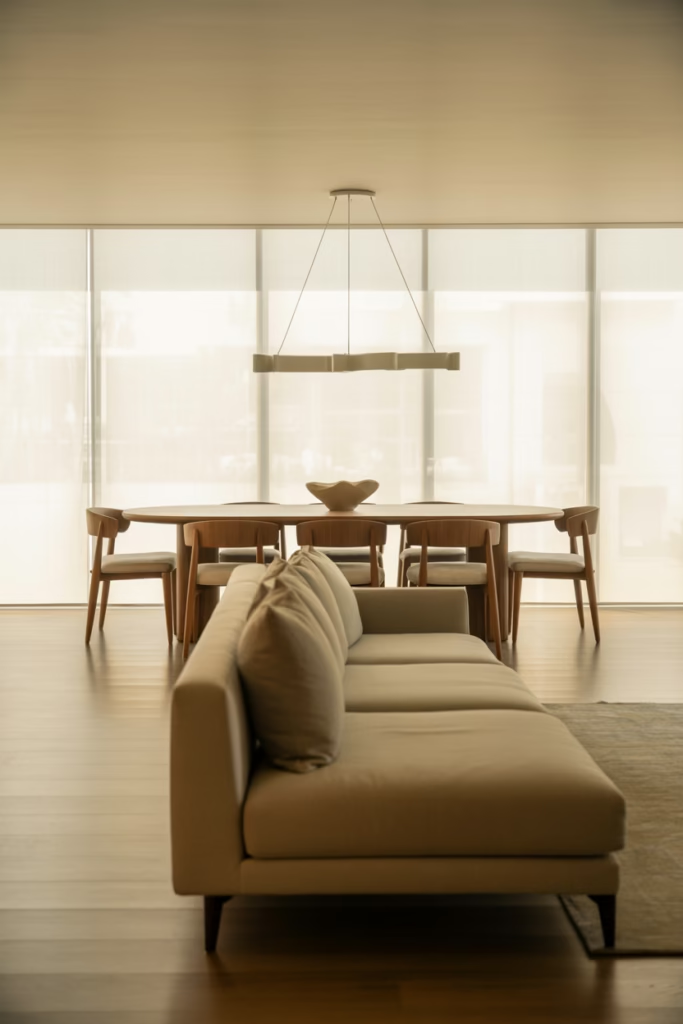
A lot of people push every piece of furniture against the wall and hope for the best. I understand the instinct, but it usually makes the room feel less planned, not more.
Try floating the sofa in the center of the space with its back facing the dining area. That single move creates a natural divider between both zones while keeping everything open.
Why floating furniture helps
- It creates structure
- It improves room flow
- It makes the layout feel designed
- It helps both spaces keep their own identity
I use this trick all the time in open-plan rooms. It feels a little scary at first, but then you step back and realize the room finally makes sense.
6. Add a Console Table Behind the Sofa
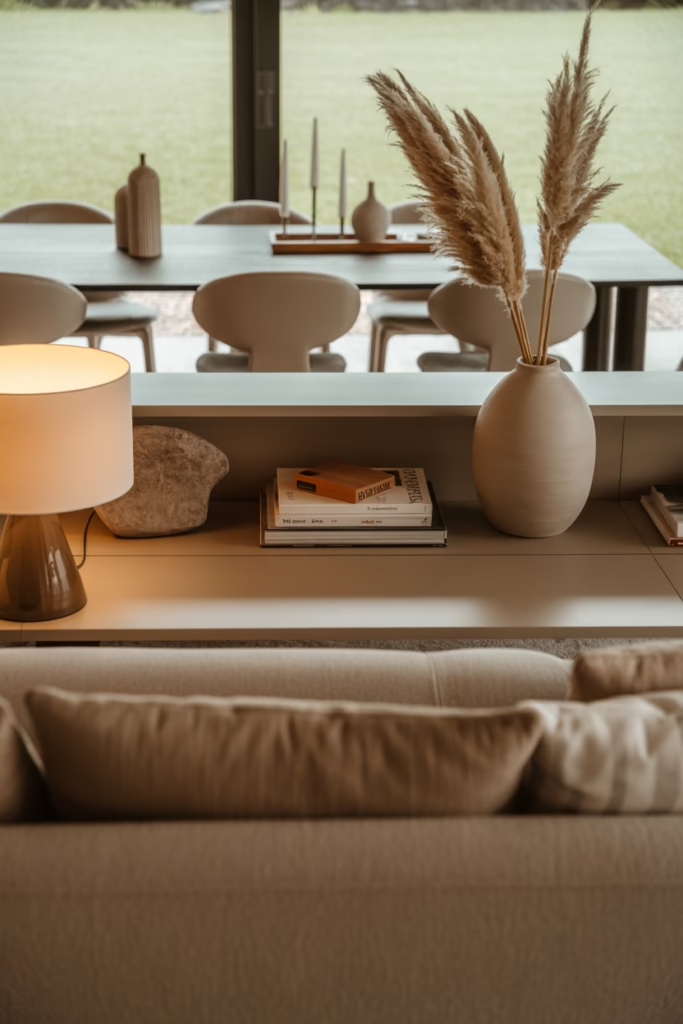
If you float your sofa, slide a slim console table behind it. This adds function and reinforces the separation between the living room and dining room.
You can style it with a lamp, a tray, books, or a vase. You can even use baskets underneath for extra storage. Small-space furniture that looks good and works hard? Love that for us.
7. Choose Armless or Slim Furniture
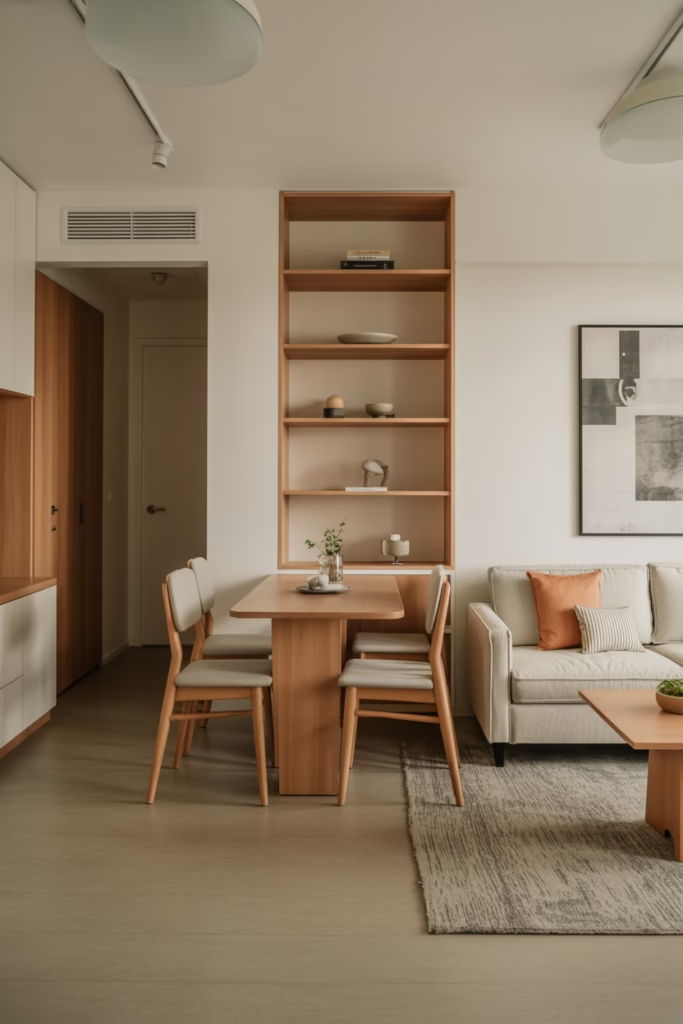
Bulkier furniture can swallow a combo room fast. If you want the space to feel airy, pick a sofa and dining chairs with slimmer silhouettes.
I’m not saying every room needs to look minimal and serious. But heavy, oversized furniture can crowd the room before you even add decor. IMO, lighter-looking pieces almost always win in a small living room dining room combo.
Look for these features
- Exposed legs
- Narrow arms
- Open-back chairs
- Glass or light wood tables
- Compact sectionals
8. Use a Bench Instead of Extra Dining Chairs
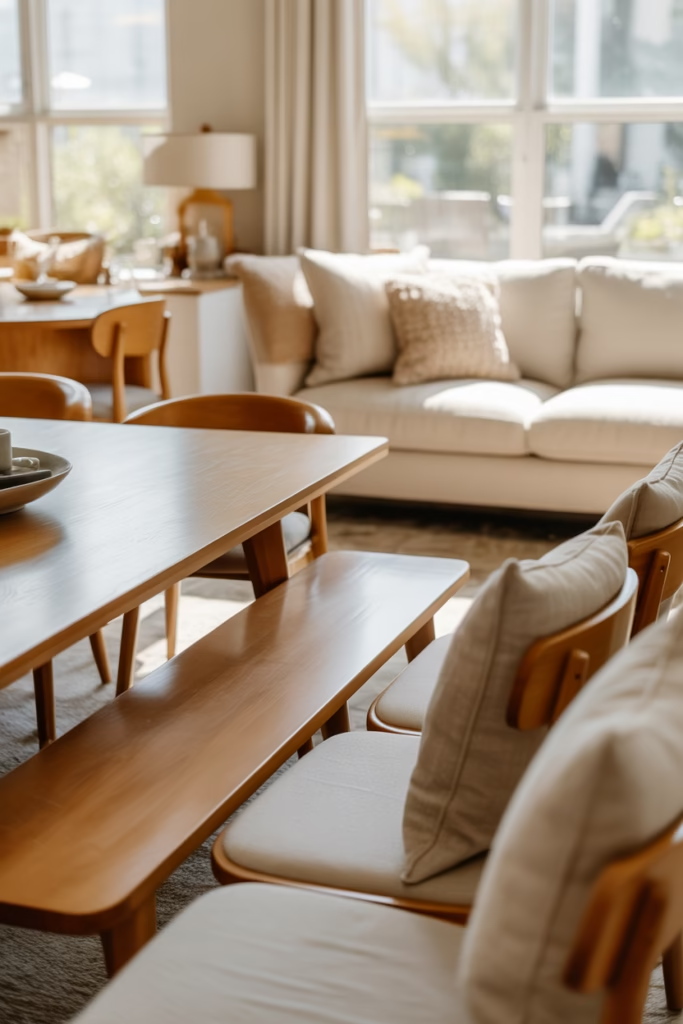
A bench can make your dining area feel less bulky and more flexible. Tuck it under the table when you’re not using it, and suddenly the room looks more open.
I especially like a bench on the side closest to the living area. It keeps the line of sight cleaner and helps the room breathe. Plus, benches feel casual and welcoming, which suits a shared living-dining setup really well.
9. Repeat Materials for a Pulled-Together Look
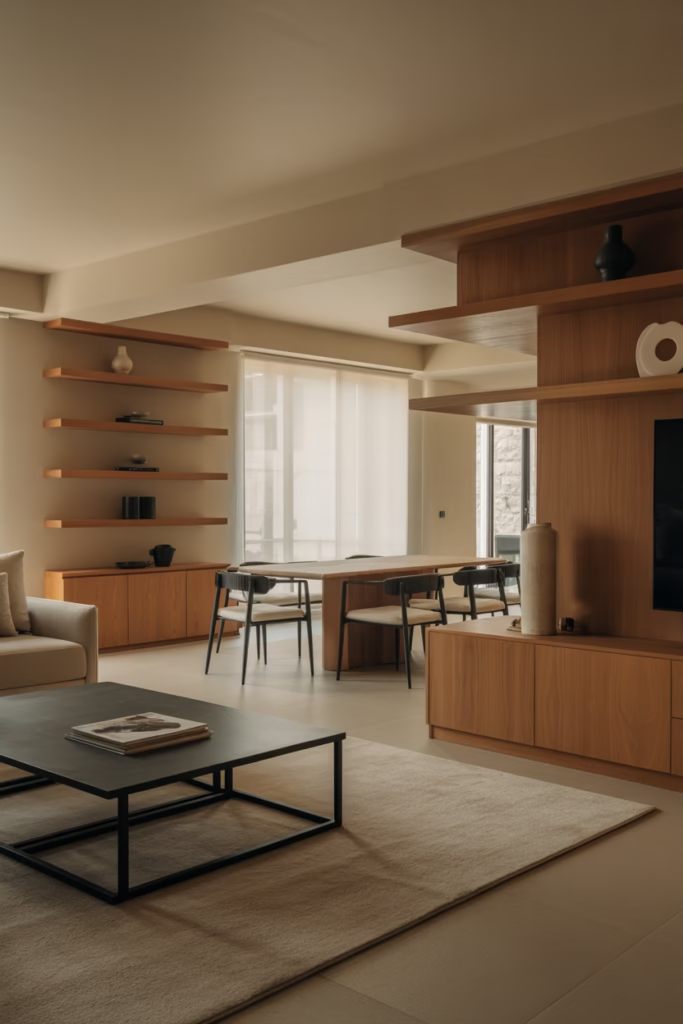
Want the room to feel stylish without trying too hard? Repeat materials across both zones.
For example, if your coffee table has a black metal frame, choose dining chairs or a pendant light with black metal details too. If your living room uses oak tones, bring that wood finish into the dining table or sideboard.
Materials worth repeating
- Wood tones
- Black metal
- Brass accents
- Linen fabrics
- Glass surfaces
This creates quiet consistency, and quiet consistency usually looks expensive.
10. Use Wall Art to Connect the Two Spaces
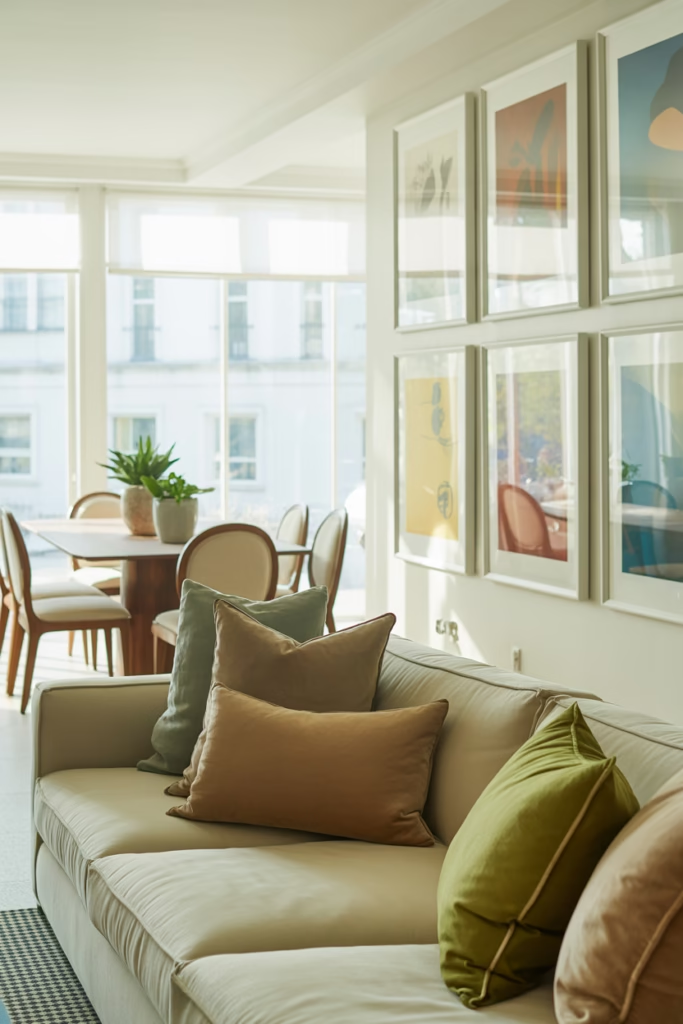
Art can tie both zones together better than people expect. Instead of decorating the living room walls and ignoring the dining side, treat the room as one complete visual story.
Use similar frame styles, repeated colors, or artwork with a common theme. You don’t need matching prints everywhere. You just need enough connection so the room feels intentional.
11. Try a Built-In Banquette for Awkward Corners
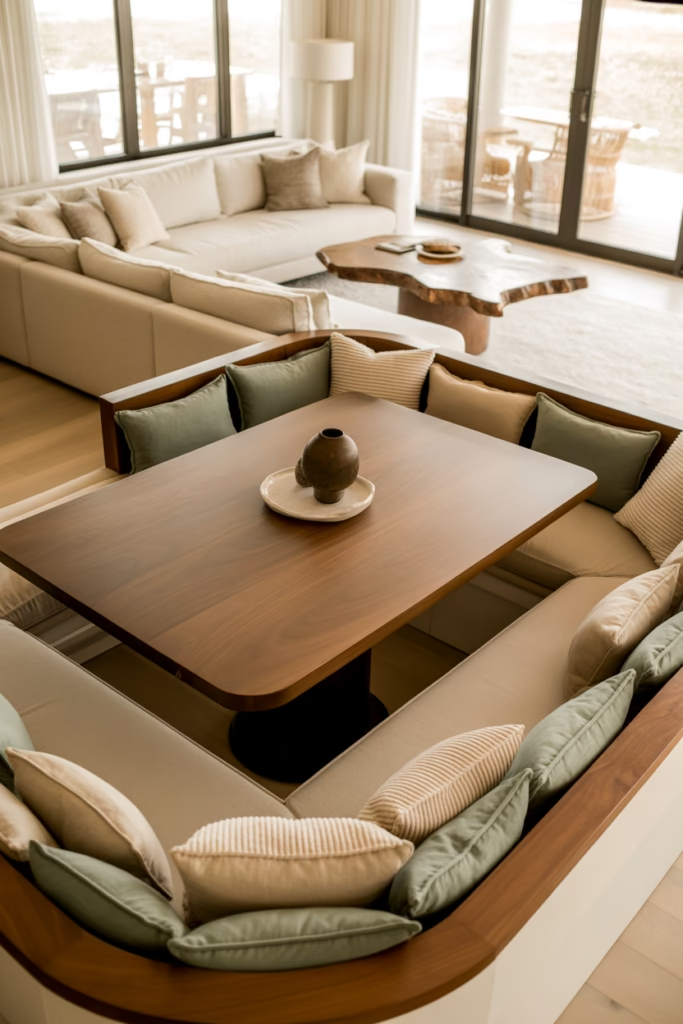
If your layout includes a corner or nook, a banquette can turn that tricky area into a smart dining zone. It saves space, adds seating, and gives the room a custom look.
This is one of my favorite living room dining room combo layout ideas because it solves multiple problems at once. You get seating, storage potential, and a cozy feel. Also, built-ins make people assume you really have your life together, which is always a nice bonus.
Banquette benefits
- Great for small spaces
- Maximizes corners
- Adds hidden storage
- Feels cozy and tailored
12. Keep the Walkways Clear
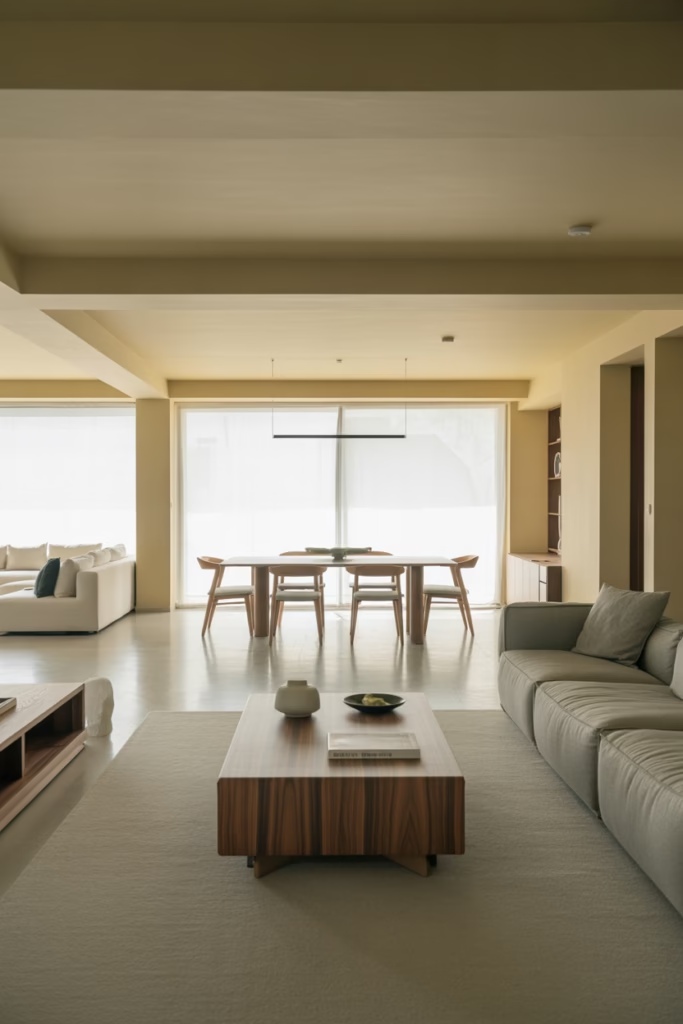
A combo room needs good flow more than almost anything else. If people have to squeeze sideways between chairs and the sofa, the layout needs work.
Try to leave clear walking paths around both zones. Pull furniture slightly inward if needed, and avoid stuffing every empty corner with decor. Not every blank spot needs a plant stand and a basket and a stool and a lantern. Sometimes the room needs air, not more stuff.
13. Use One Large Statement Piece
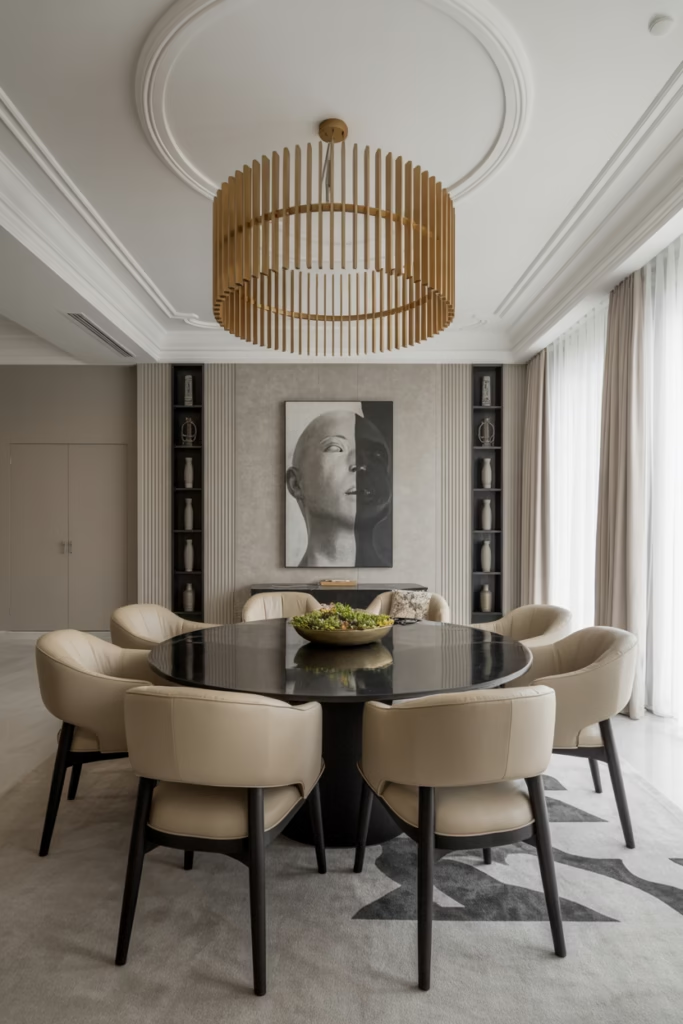
A single statement piece can unify the room and make it memorable. This could be a dramatic chandelier, a large piece of art, an oversized mirror, or a sculptural coffee table.
I like this approach because it gives the eye one place to land. In a room that handles multiple functions, one strong focal point can make everything feel calmer and more cohesive.
14. Add Storage That Serves Both Zones
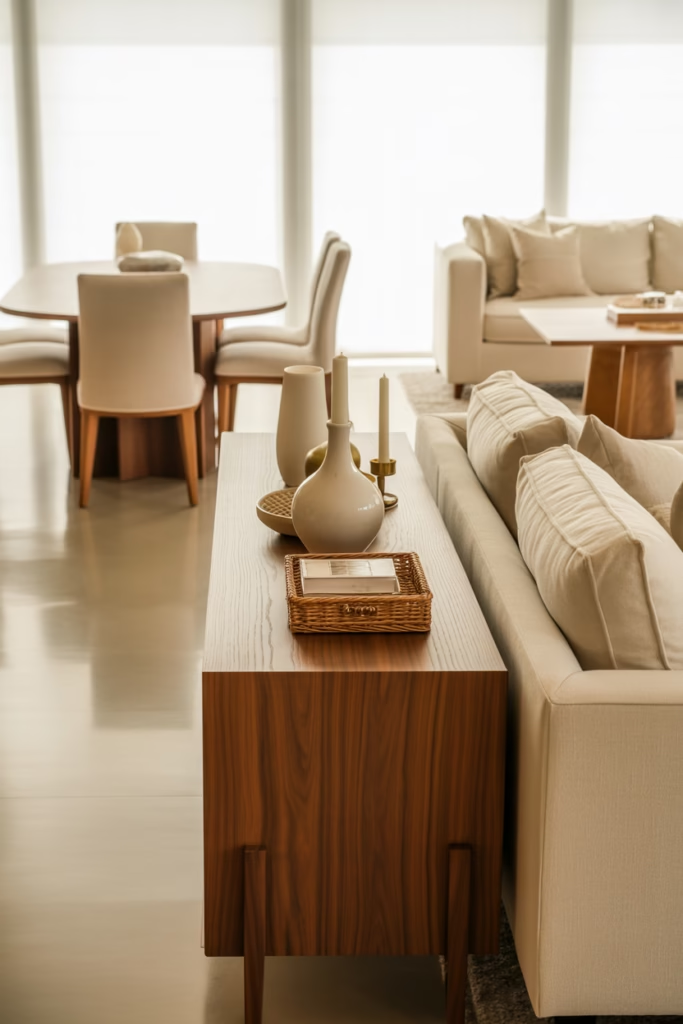
Shared rooms need smart storage. The best pieces work for both living and dining needs at the same time.
A sideboard, cabinet, or low credenza can hold dishes, candles, table linens, board games, remotes, and all the other little things that somehow multiply overnight. Dual-purpose storage makes a combo room easier to live with and easier to keep tidy.
Smart storage ideas
- Sideboards
- Closed cabinets
- Storage benches
- Shelving units
- Nesting tables with compartments
15. Create Balance With Symmetry
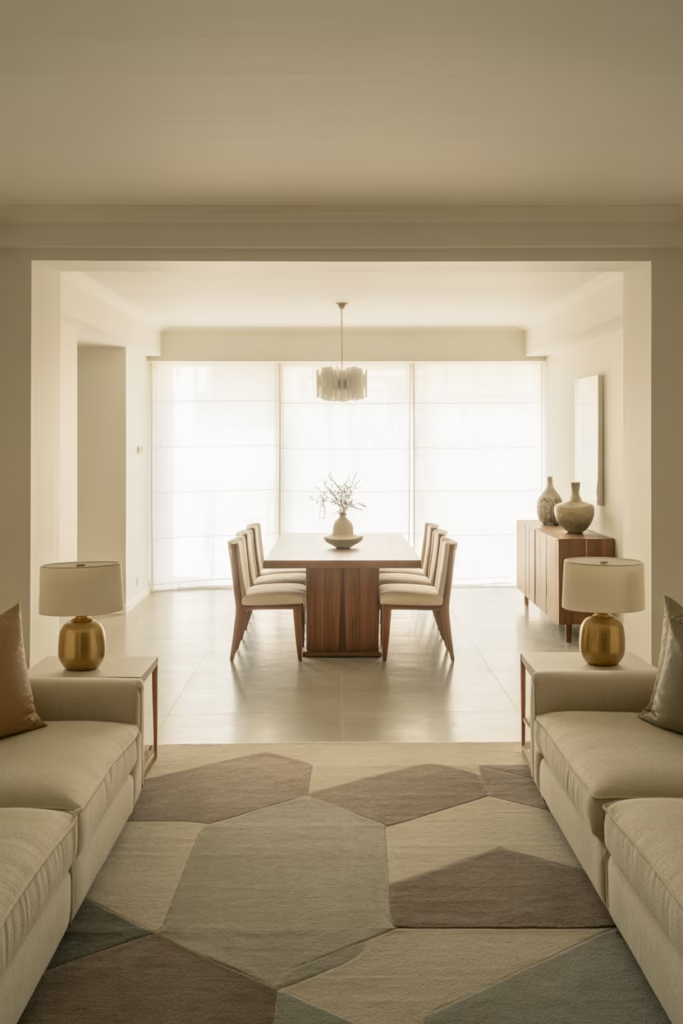
Symmetry can calm a busy combo room fast. You don’t need a perfect mirror-image setup, but balanced elements help the room feel more settled.
Try matching lamps on a console, using a centered rug in the living area, or hanging artwork evenly over a dining sideboard. Even small doses of symmetry can make a mixed-use room feel polished.
16. Mix Seating Styles for a Relaxed Look
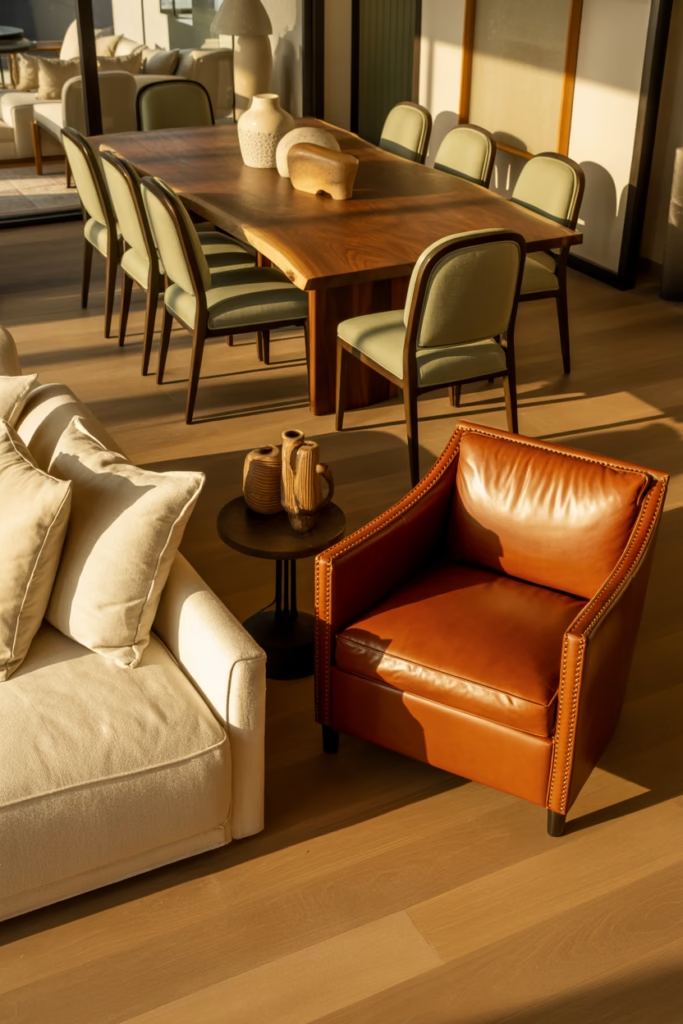
Your dining chairs don’t have to match your living room furniture exactly. In fact, a little contrast often makes the room feel more layered and interesting.
You can pair upholstered dining chairs with a wood table while keeping a linen sofa and leather accent chair nearby. The trick is to keep at least one common thread, like color, tone, or finish. That way, the room feels collected instead of confused.
17. Use Sheer Curtains to Soften the Whole Room
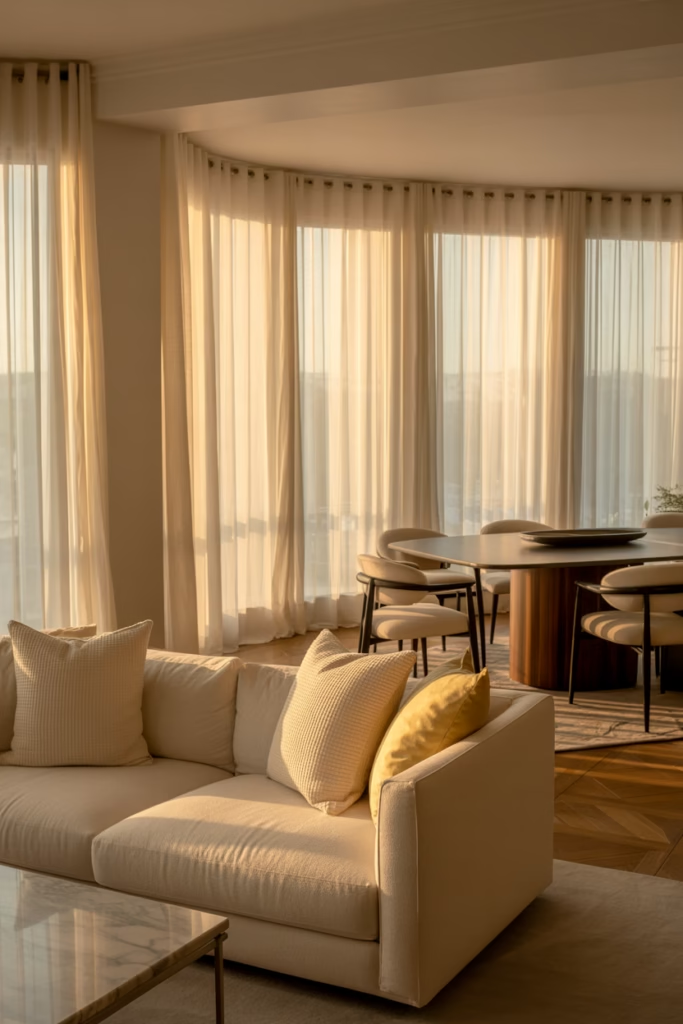
Window treatments matter more than people think. Sheer curtains can make a living room and dining room combo feel lighter, taller, and more finished without blocking natural light.
I love sheers in combo spaces because they soften both zones at once. They also make the room feel a little more elegant, and that helps when your dining table sits ten feet from your TV setup. FYI, that contrast can feel weird unless the room has something soft to unify it 🙂
18. Keep Decor Consistent but Not Identical
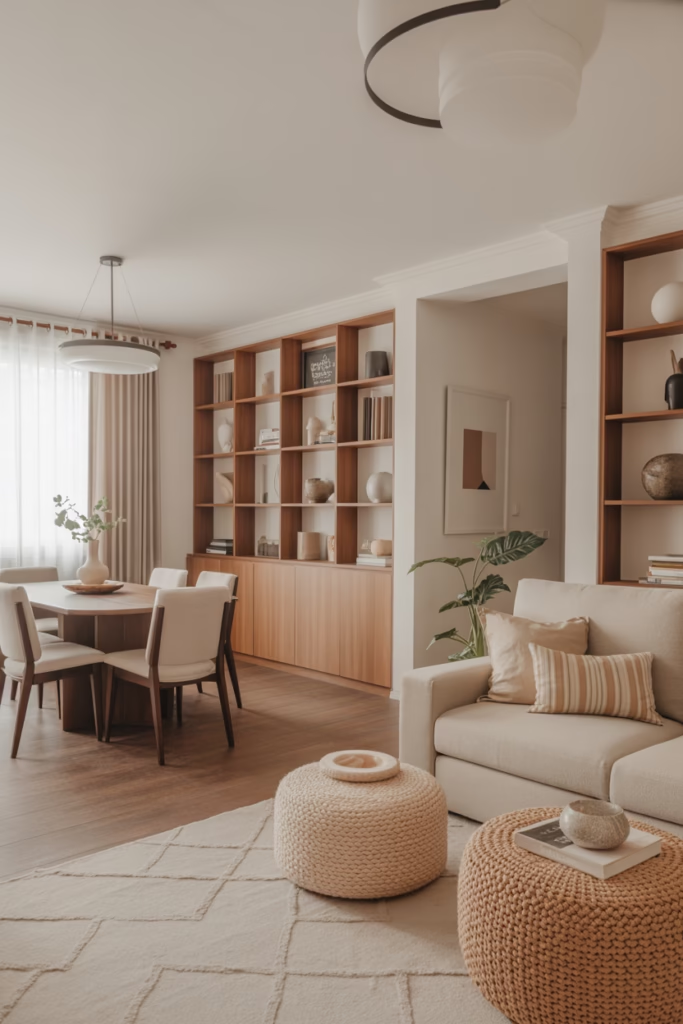
This might be the biggest secret of all. Your living area and dining area should feel related, but they should not look copied and pasted.
Use similar tones, repeated finishes, and a shared mood, then let each zone have its own personality. Maybe the living area feels softer with layered textiles, while the dining area looks a bit cleaner and more structured. That contrast keeps the room interesting.
How to Choose the Best Living Room Dining Room Combo Layout
The best layout depends on your room shape, furniture size, and how you actually live in the space. Sounds obvious, I know, but people still buy furniture first and measure later. Bold strategy.
Start with these questions
- Do you entertain often or mostly eat quick meals?
- Do you need a TV-focused living area?
- How much storage do you need?
- Can you float furniture away from the walls?
- Which zone needs more visual weight?
Your answers will help you decide what deserves the best light, the most space, and the strongest focal point.
My favorite layout rule
Give the living area the softer side of the room and place the dining area closer to the kitchen, if possible. That setup usually feels natural and practical.
Then use simple anchors to define each zone:
- A rug for the living space
- A pendant light for the dining area
- A sofa or console as a divider
- Repeated colors and materials throughout
That combination usually solves most layout problems without making the room feel chopped up.
Common Mistakes to Avoid
Even the best living room dining room combo design can go sideways if a few basic things go wrong. The good news? These mistakes are easy to fix once you spot them.
Watch out for these issues
- Using furniture that is too large
- Ignoring traffic flow
- Choosing clashing styles
- Overdecorating every surface
- Skipping storage
- Using tiny rugs
- Pushing everything against the walls
I’ve seen rooms with gorgeous furniture still feel awkward because the layout ignored scale. A beautiful chair won’t save a cramped walkway. Sad, but true :/
Quick Styling Tips That Always Help
If you want fast wins, start with a few simple styling updates. Small changes can make a combo room look way more intentional.
Easy upgrades
- Add a tray to the dining table for structure
- Use a lamp in the living zone for warmth
- Repeat one accent color in both areas
- Bring in greenery for softness
- Style shelves with a mix of practical and decorative pieces
- Keep tabletops mostly clear
The goal isn’t perfection. The goal is a room that feels good, functions well, and doesn’t make you mentally rearrange furniture every time you walk in.
Final Thoughts on Living Room Dining Room Combo Ideas
A good living room dining room combo should feel connected, comfortable, and easy to use. You want both zones to look like they belong together, but you also want each one to do its job without getting in the other’s way.
Start with the basics: define the zones, scale the furniture carefully, repeat colors and materials, and protect your walkways. Then add personality with lighting, art, texture, and a few smart storage pieces. That’s usually the sweet spot.
If you ask me, the best combo rooms don’t chase perfection. They feel natural, lived-in, and just organized enough to impress people who stop by unexpectedly. And really, isn’t that the dream?