
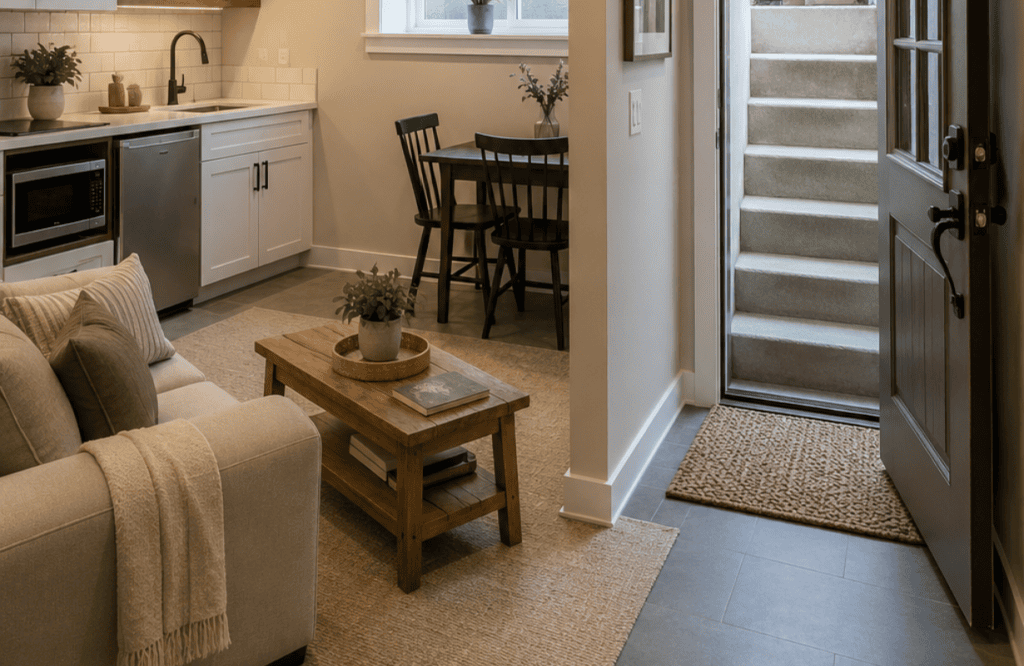
Basements have a reputation problem. Ask most homeowners what’s down there, and you’ll get some version of “just storage” or an awkward laugh followed by “don’t judge me.” That’s a shame, because that square footage is often the single biggest untapped opportunity in the entire house.
Think about it this way: every room upstairs already has a job. The basement is the one blank canvas left, and most people waste it on boxes and forgotten exercise equipment. A little renovation, and suddenly you’ve got a home theater, a rental unit, or a spa bathroom instead of a glorified attic with better ceiling height.
This list covers 14 basement remodel ideas that actually make sense for real houses and real budgets, not just staged photos that ignore moisture problems and low ceilings. Pick the one that solves an actual gap in your home, and skip the rest for now.
1. Home Theater (But Make It Realistic)
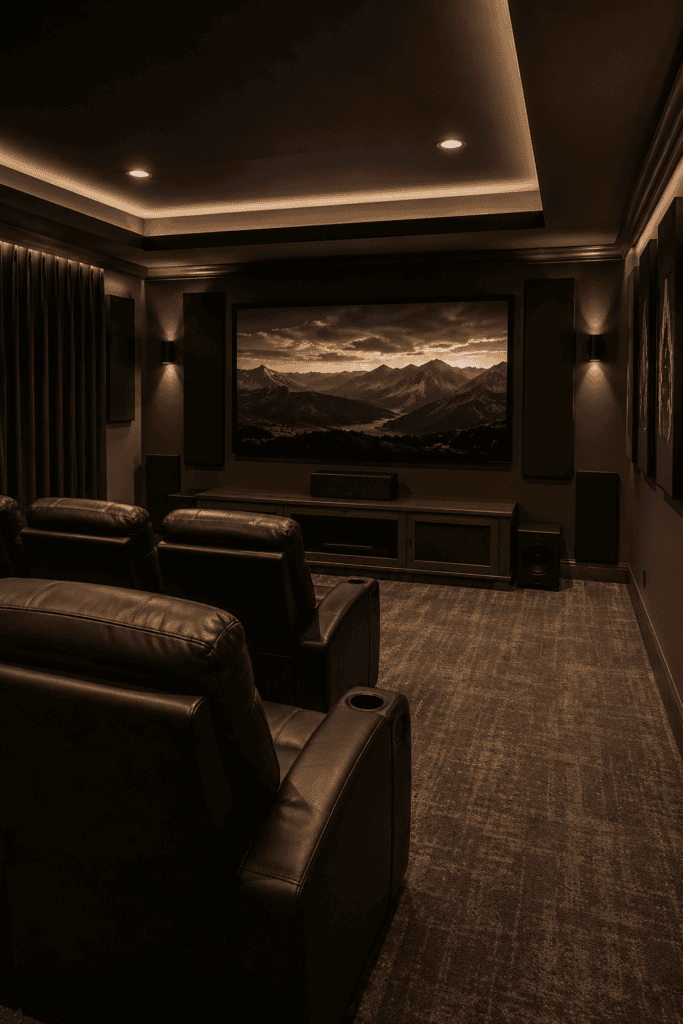
Everyone wants the movie-theater basement. Few people plan for the actual logistics. Before you buy a projector, think about light control, seating, and sound insulation—because your upstairs family does not want to hear explosions during their 9 PM Zoom call.
A few things that make a home theater actually work:
- Blackout curtains or no windows at all in the viewing area
- Acoustic panels on at least one wall to cut down on echo
- Riser seating if you have the ceiling height for it
IMO, skip the giant projector screen if your basement gets any ambient light. A quality 65-75 inch TV often looks better in a half-lit room than a washed-out projector image. Ask me how I learned that lesson.
Don’t forget the couch situation either. A theater room lives and dies by comfortable seating, so go for reclining chairs or a deep sectional over anything stiff and “stylish.” Nobody wants to watch a three-hour movie perched on a firm little loveseat. Add a mini-fridge nearby for snacks, and suddenly nobody in your house wants to watch anything upstairs ever again.
2. A Legit Home Office (Not a Desk in the Corner)
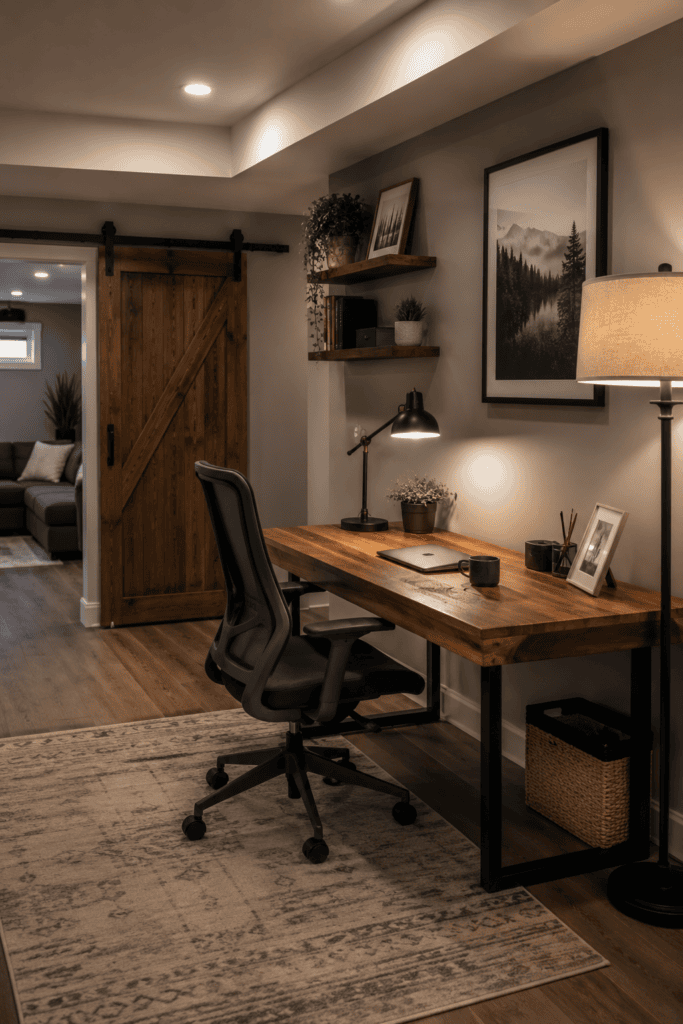
Remote work isn’t going anywhere, so why is your “office” still a laptop balanced on a laundry basket? Basements make excellent offices because they’re naturally quieter and separated from household chaos.
Here’s what actually matters for a basement office:
- Good task lighting (basements are notoriously dim)
- A dedicated internet drop or mesh extender, since Wi-Fi struggles through concrete
- Sound dampening if you’re on calls all day
I built mine into a corner with a barn door instead of a regular one—closes off noise, doesn’t eat up swing space. Small change, huge difference.
Ever notice how basement offices feel like a cave without the right lighting? Layer your light sources instead of relying on one overhead fixture. A desk lamp, some floor lamps, and even LED strip lighting under shelves go a long way toward making the space feel less like an interrogation room and more like somewhere you actually want to work.
3. Guest Suite With Its Own Bathroom
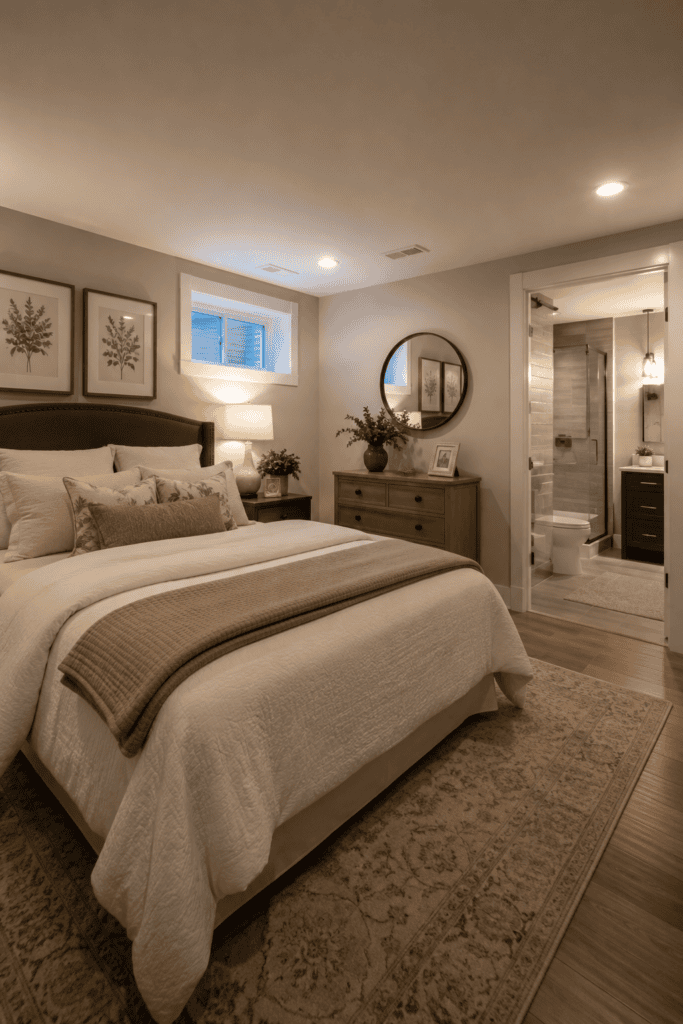
If your in-laws visit more than twice a year, do yourself a favor and build them their own space. A basement guest suite with an attached bathroom keeps everyone happy, including you, because nobody’s sharing your towels.
This is a bigger investment since you’re dealing with plumbing, but it pays off in resale value and in marital peace. Trust me on the second part.
Think about the little details that make a guest suite feel intentional rather than like an afterthought. A mini closet, a small dresser, and even a coffee station go a long way toward making guests feel like they’re staying somewhere nice instead of camping out in your unfinished basement corner. It’s the difference between “thanks for letting us crash” and “wow, can we just live here?”
4. Home Gym That You’ll Actually Use
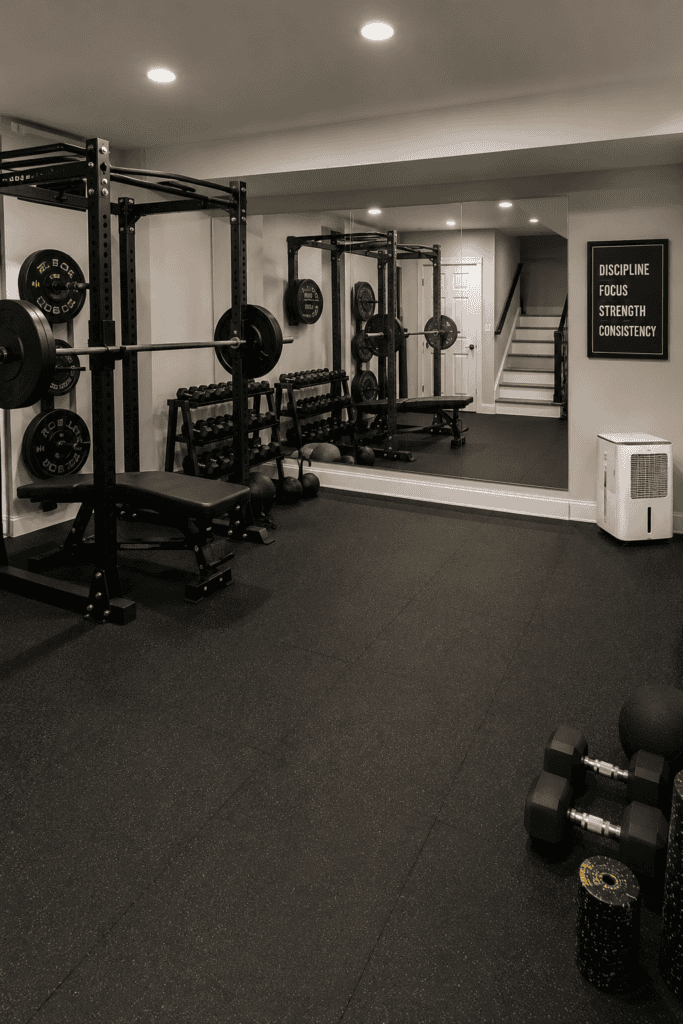
Ever bought gym equipment that became an expensive coat rack? Same. The trick to a basement gym that survives past January is rubber flooring, a mirror wall, and proper ventilation. Basements trap humidity, and sweaty workouts plus poor airflow equals a mold problem waiting to happen.
Quick gym essentials checklist:
- Interlocking rubber mats (protects your slab and your joints)
- A dehumidifier, non-negotiable
- Mirrors to check your form—or just to admire your gains, no judgment
Lighting matters here too, more than people expect. Dim, moody lighting might look great in a theater room, but it’s the last thing you want during a 6 AM workout when you’re already struggling to convince yourself to show up. Bright, energizing light keeps the space feeling like a real gym instead of a basement dungeon you’re forcing yourself into.
5. Wet Bar or Full Entertainment Bar
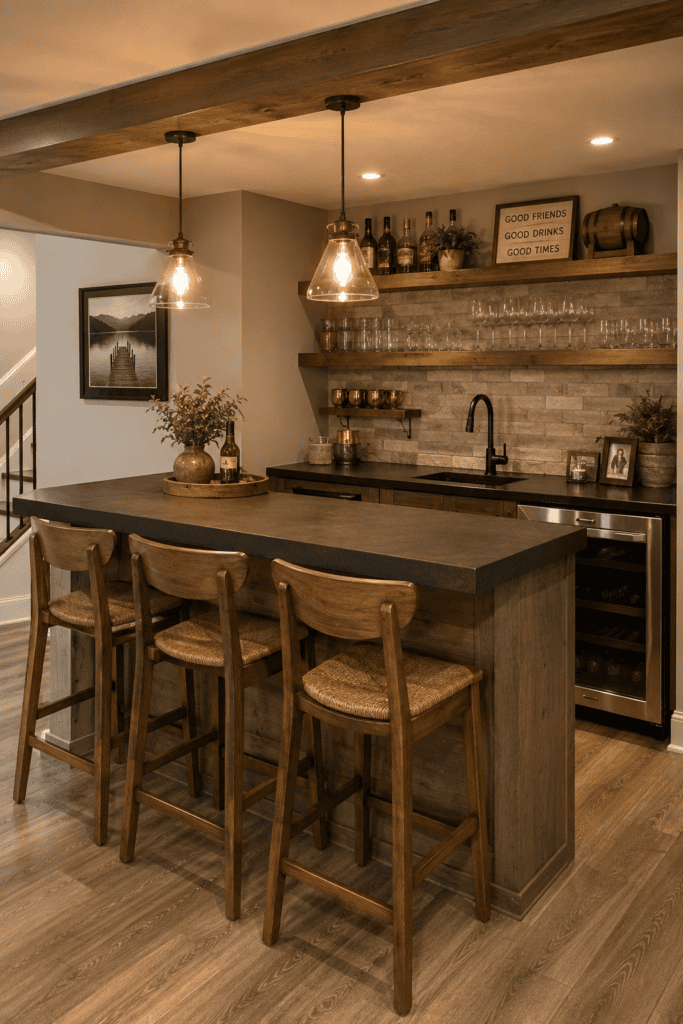
Nothing says “we have our life together” like a basement bar with real bar stools. A wet bar setup turns your basement into the default hangout spot for every game night, birthday, and random Tuesday that needed wine.
Keep the plumbing simple: a small sink, mini-fridge, and open shelving beats a full kitchen unless you’re really going all in. IMO, overbuilding the bar is the most common basement remodel regret—people build restaurant-grade setups they use four times a year.
6. Kids’ Playroom (Save Your Sanity)
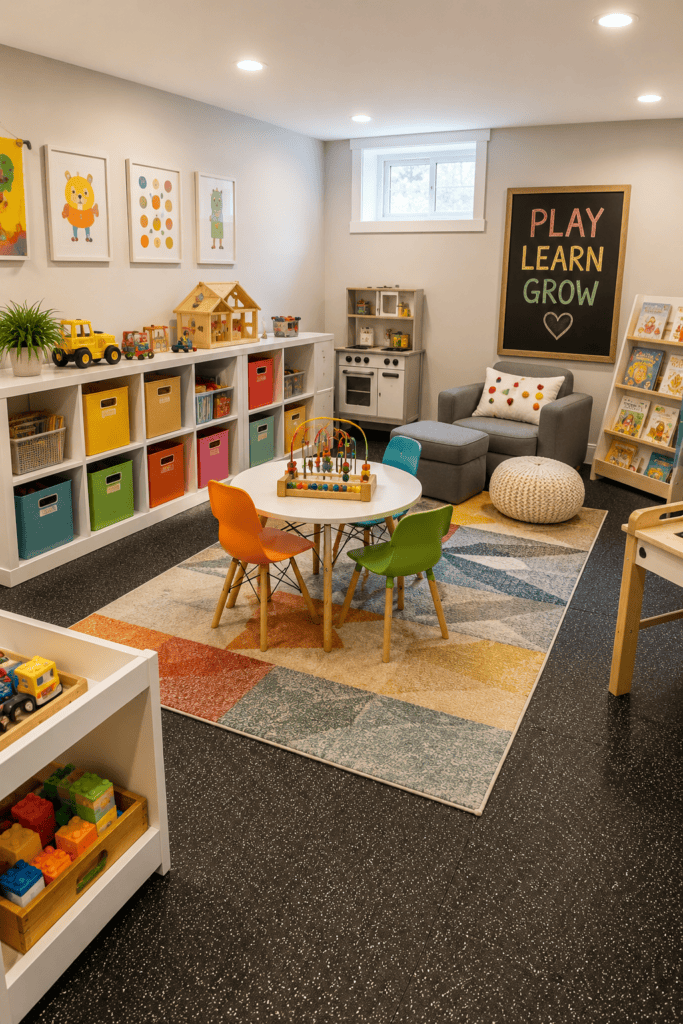
If you have small children, a basement playroom is basically a public service to yourself. Toys stay contained, noise stays contained, and your upstairs living room stops looking like a Lego factory exploded in it.
Design it with:
- Durable, washable flooring (accidents happen, glitter happens more)
- Built-in storage bins at kid height so cleanup isn’t a 45-minute negotiation
- Bright lighting, since basements can feel dungeon-y without it
One thing I’d add if I were redoing mine: a designated art or messy-play corner with an easy-clean mat underneath. Kids are going to paint on things they shouldn’t, that’s just science at this point, so give them a spot where mess is expected and welcomed instead of feared.
7. Home Bar Meets Game Room Combo
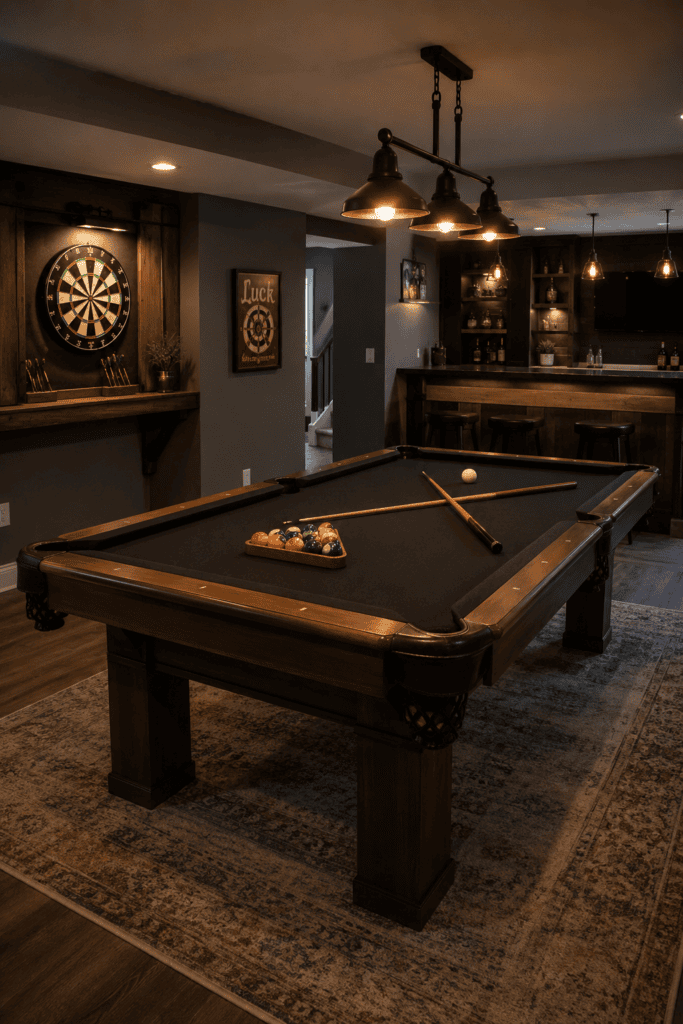
Why choose between a bar and a game room when you can have both? A pool table, dartboard, and bar combo creates the ultimate hangout zone. This is one of those basement projects where the layout really matters.
Give your pool table at least 5 feet of clearance on all sides for cue swings, or you’ll be that person constantly hitting the wall mid-shot. Ask me how I know.
8. In-Law or Rental Apartment
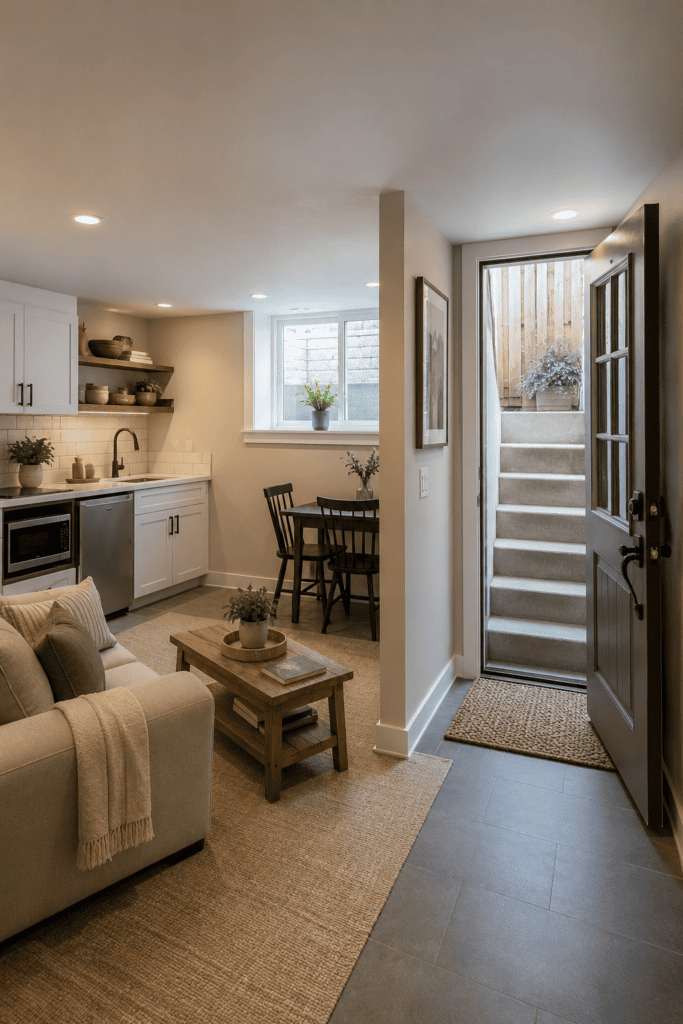
This one’s a bigger commitment, but a basement apartment with a separate entrance can be a legit income generator. Many homeowners rent these out or use them for aging parents who want independence but proximity.
You’ll need to check local zoning laws before committing—some areas have strict rules about basement rental units, egress windows, and separate utilities. Not the fun part of remodeling, but skipping it can cost you way more later.
I know a couple who skipped the permitting step to save time, and they ended up paying double once inspectors got involved down the line. Don’t be that couple. A little paperwork upfront saves you a massive headache—and possibly fines—later.
9. Wine Cellar or Tasting Room
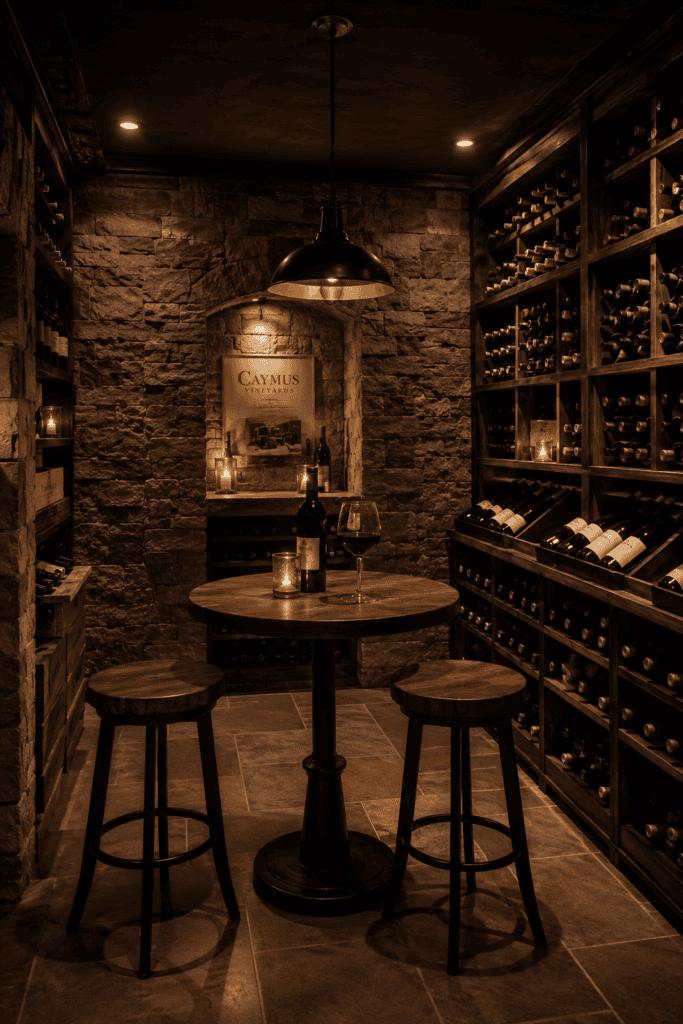
Basements naturally run cooler and darker, which happens to be exactly what wine needs. If you’re even a little into wine, a dedicated wine cellar is one of those basement upgrades that feels indulgent but genuinely elevates your space.
You don’t need a massive underground vault. A climate-controlled closet with proper racking does the job for most collections.
Add a small tasting table and a couple of stools, and suddenly you’ve got a spot for actual wine nights instead of just standing in a closet holding a glass, which, let’s be honest, isn’t quite the vibe you’re going for.
10. Craft Room or Hobby Studio
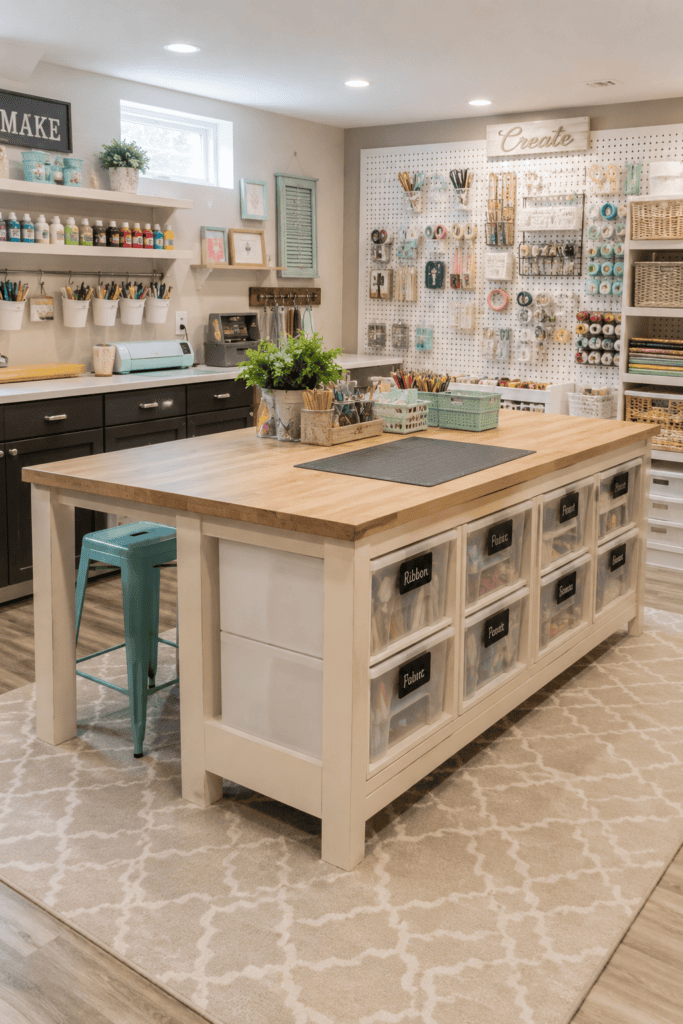
Whether it’s sewing, painting, woodworking, or scrapbooking (does anyone still scrapbook? :/), a dedicated craft space keeps your hobby mess from taking over the kitchen table. Basements give you room to spread out without worrying about spilling paint on the good carpet.
Prioritize:
- Big work surfaces
- Good lighting (natural light substitutes like daylight bulbs help a ton)
- Ventilation if you’re working with paints, stains, or resin
Storage is the real MVP of any craft room. Clear bins, labeled drawers, and pegboards keep supplies visible and accessible instead of buried in a closet somewhere you’ll forget about. A craft room only stays useful if you can actually find your stuff when inspiration strikes.
11. Home Library or Reading Nook
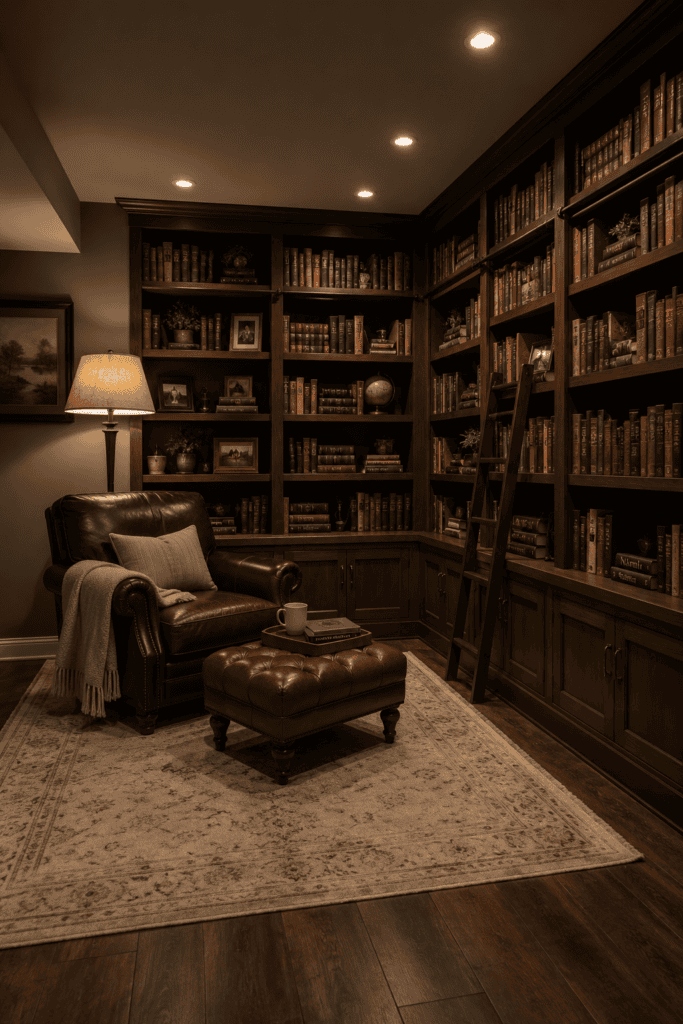
If you’re a book person, a basement library might be the coziest option on this list. Built-in shelving, a comfy chair, and warm lighting turn an underused basement corner into your personal escape from everyone in your house who wants something from you.
This is a relatively low-cost remodel too. You’re mostly investing in shelving and ambiance, not major structural work.
12. Multi-Purpose Flex Room
Not everyone needs a single-use basement. A flex room that shifts between a guest space, office, and workout area gives you flexibility without committing to one identity. Think Murphy bed, foldable desk, and equipment that tucks away.
This is honestly the smartest option if you’re not sure exactly what you’ll need long-term. Life changes—your basement should be able to change with it.
13. Music or Recording Studio
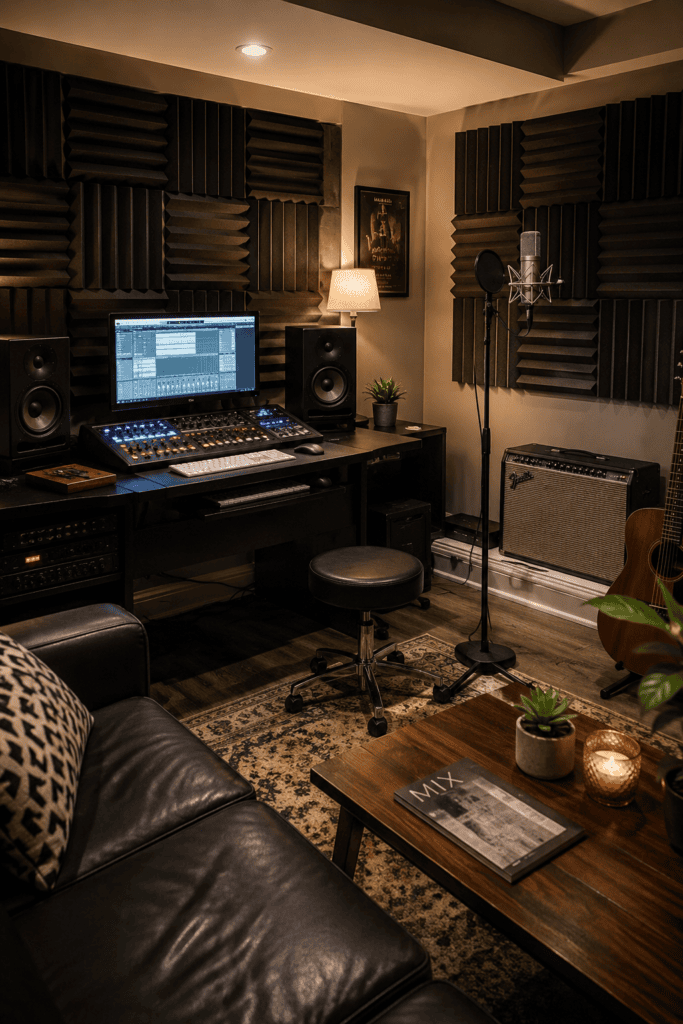
If you or your kid are into music, basements are naturally suited for a home studio thanks to their built-in sound isolation from concrete walls and floors. Add some acoustic foam and bass traps, and you’ve got a real practice or recording space.
This is where soundproofing actually matters more than decor. Spend your budget on acoustic treatment first, aesthetics second.
14. Spa-Style Bathroom Retreat
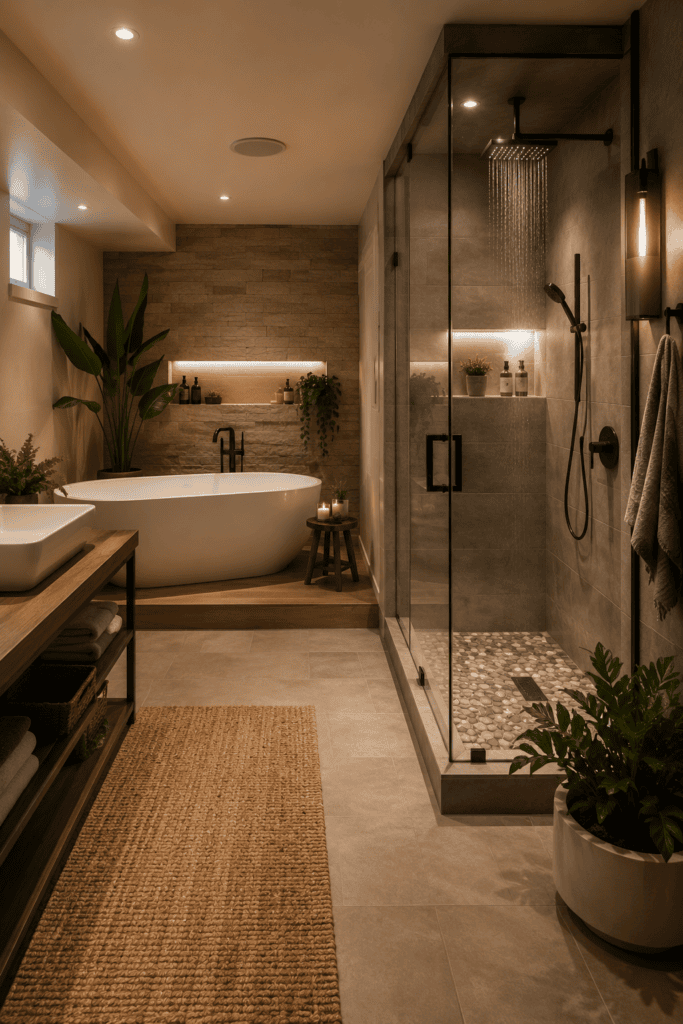
Last but definitely not least, a basement spa bathroom with a soaking tub, heated floors, and a rain shower turns an unused space into the relaxation zone you didn’t know you needed. This works especially well paired with idea #8 or #3, since guests appreciate a nice bathroom more than almost anything else.
Heated floors are the real MVP here. Basement floors get cold, and nobody wants to step onto an ice slab at 6 AM.
A Few Things to Sort Out Before You Start Any of This
Before you fall in love with any of these ideas, a couple of unglamorous basics need attention:
- Moisture control first. No amount of nice flooring survives a damp basement. Get a dehumidifier and check for leaks before you finish anything.
- Egress windows matter for bedrooms and rental units—it’s a safety code issue, not a suggestion.
- Ceiling height check. Some ideas, like risers for a theater, need extra clearance you might not have.
Skipping these steps is how good basement projects turn into expensive basement regrets.
Wrapping This Up
Your basement has way more potential than “place where boxes go to die.” Whether you’re leaning toward a home theater, a rental unit, or just a cozy reading nook, the best basement remodel is the one that actually matches how you live—not the one that looks best in a magazine.
Pick the idea that solves a real problem in your house right now. FYI, you don’t need to do all 14 at once (please don’t). Start with one, get it right, and let the rest follow when your budget and your basement are ready for round two.
And hey, if you take away just one thing from this whole list, let it be this: fix the moisture problem before you fall in love with paint colors.