
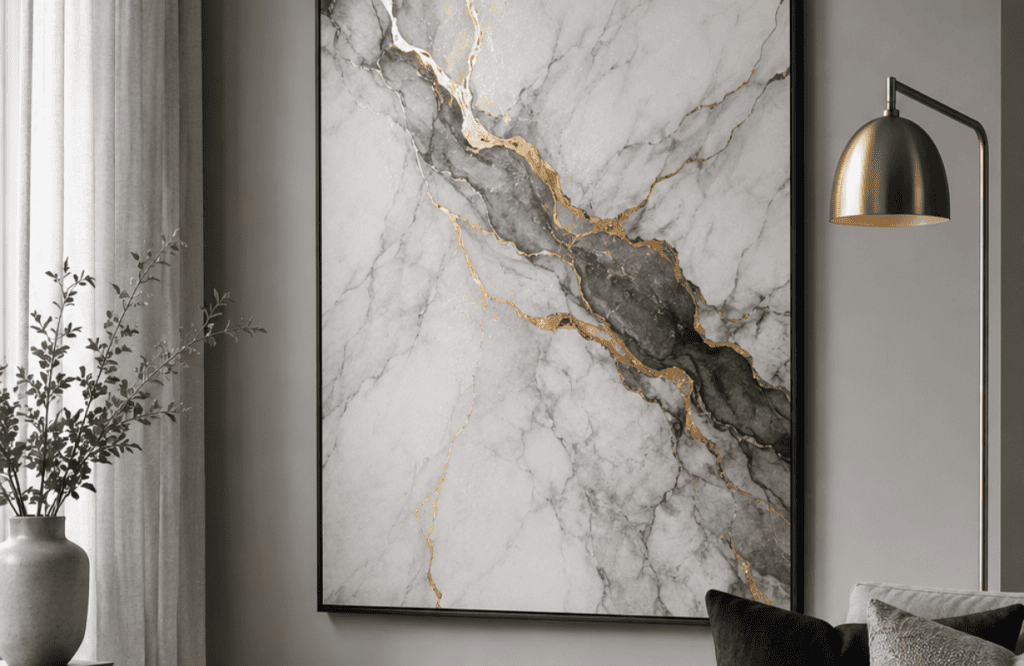
Blank walls are a missed opportunity. A room can have the perfect sofa, the right rug, and flawless lighting, yet still feel unfinished if the walls have nothing going on. Wall decor isn’t just filler it’s often what makes a space feel intentional, curated, and, well, luxurious.
The good news? You don’t need a designer’s budget to get that high-end look. From statement mirrors to hand-painted murals, there’s a wide range of options that bring texture, drama, and personality to any room without draining your savings account. Some ideas take an entire weekend. Others take an afternoon and a level.
Ready to turn those blank walls into the best part of the room? Let’s get into it.
1. Oversized Statement Mirrors
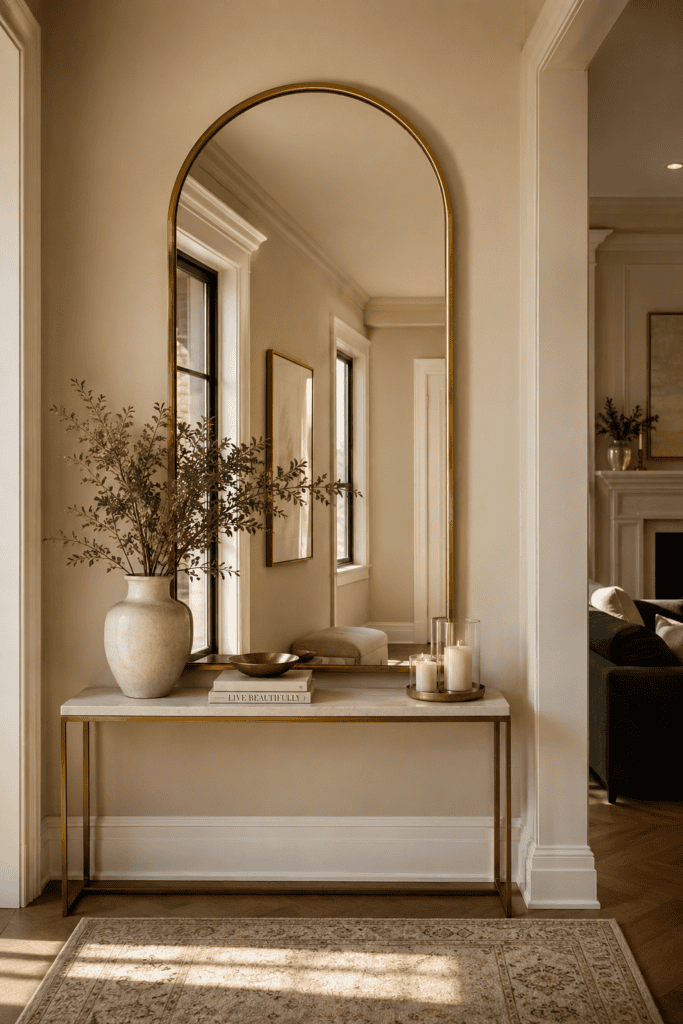
Nothing says luxury quite like a giant mirror that makes your room look twice its size. I installed one in my hallway, and guests genuinely ask if I knocked down a wall. Spoiler: I didn’t.
An oversized mirror does double duty—it reflects light and acts as art. Gold-framed or brass-framed mirrors bring instant warmth to any space. Go for an arched or asymmetrical shape if you want something less predictable.
- Round mirrors soften sharp, modern spaces
- Arched mirrors add a touch of old-world elegance
- Frameless mirrors work best in minimalist rooms
Placement matters just as much as the mirror itself. Position it opposite a window so it catches natural light throughout the day and bounces it right back into the room. A mirror shoved in a dark corner just doesn’t do the same job—trust me, I learned that the hard way after moving mine three times before I found the sweet spot.
Sizing It Right
A common mistake is going too small. If a mirror looks like it’s floating awkwardly on a big wall, it’s not doing its job. As a rule of thumb, aim for a mirror that covers at least two-thirds of the furniture width beneath it, whether that’s a console table or a sofa.
2. Textured Wall Panels
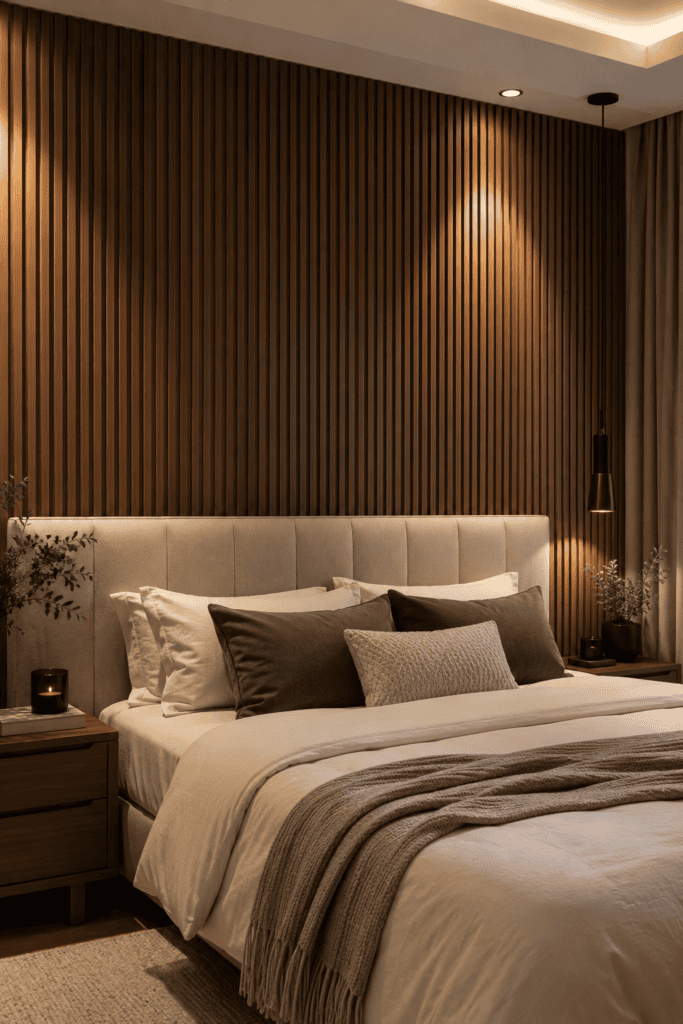
Flat walls are fine, but textured ones? That’s where the magic happens. Textured panels—think fluted wood, 3D plaster, or upholstered fabric—add depth that paint simply can’t fake.
I tried fluted wood panels behind my bed frame, and it instantly felt like a boutique hotel suite. IMO, this is one of the most underrated upgrades in interior design right now. Ever wondered why hotels always look so put-together? It’s usually the texture, not the color.
Texture also does something paint can’t: it plays with shadow. As light shifts throughout the day, fluted or ribbed panels create subtle shading that changes the mood of the room hour by hour. It’s a small detail, but it’s the kind of thing people notice without knowing exactly why they love it.
- Fluted wood works beautifully in bedrooms and media rooms
- 3D plaster panels suit modern, minimalist spaces
- Upholstered fabric panels add softness and sound absorption
If you’re renting, look into peel-and-stick textured panels. They’re not quite as premium as the real thing, but they get you 80% of the look for a fraction of the commitment.
3. Gallery Walls With a Twist
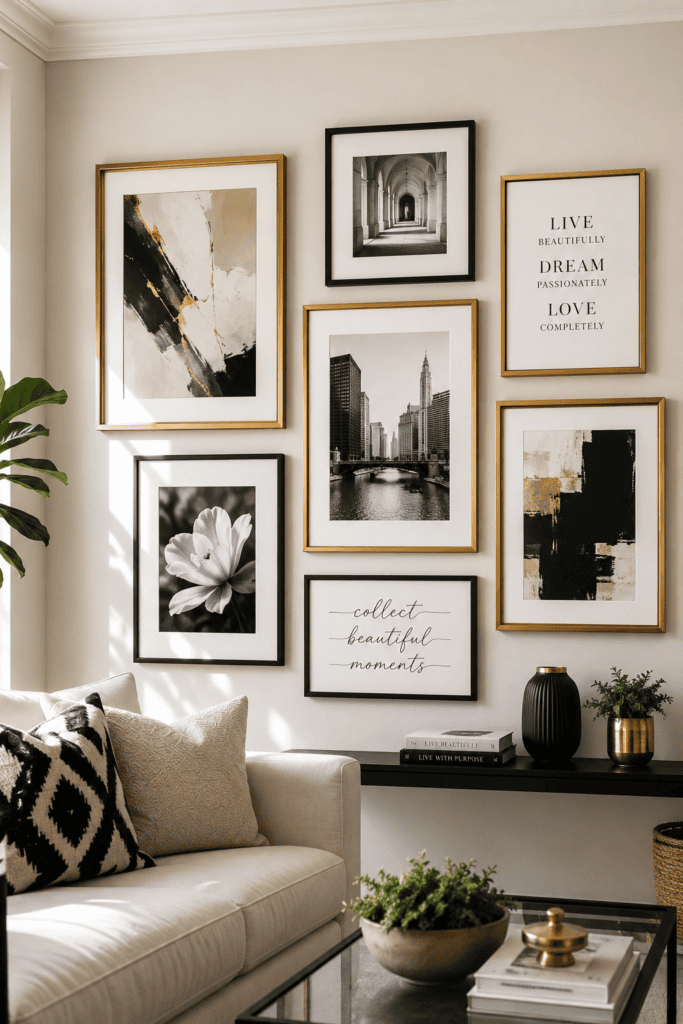
Gallery walls aren’t new, but doing them right is where most people trip up. Random frames slapped together doesn’t scream luxury—it screams garage sale. The trick is consistency: pick one color palette, mix frame sizes intentionally, and leave breathing room.
Here’s what makes a gallery wall look expensive instead of chaotic:
- Matching frame finishes (all gold, all black, or all wood)
- A mix of photography, abstract art, and typography
- Deliberate spacing, not cramped clusters
I made the mistake of cramming twelve frames into a tiny space once. Lesson learned: less really is more. Now I stick to a rule of odd numbers—five or seven pieces feels more curated than an even, symmetrical grid.
Before you start hammering nails into the wall, lay the whole arrangement out on the floor first. Trace the layout with painter’s tape on the wall if you want to be extra careful. It sounds tedious, I know, but it saves you from ending up with a wall full of unnecessary holes.
4. Metallic Wall Sculptures
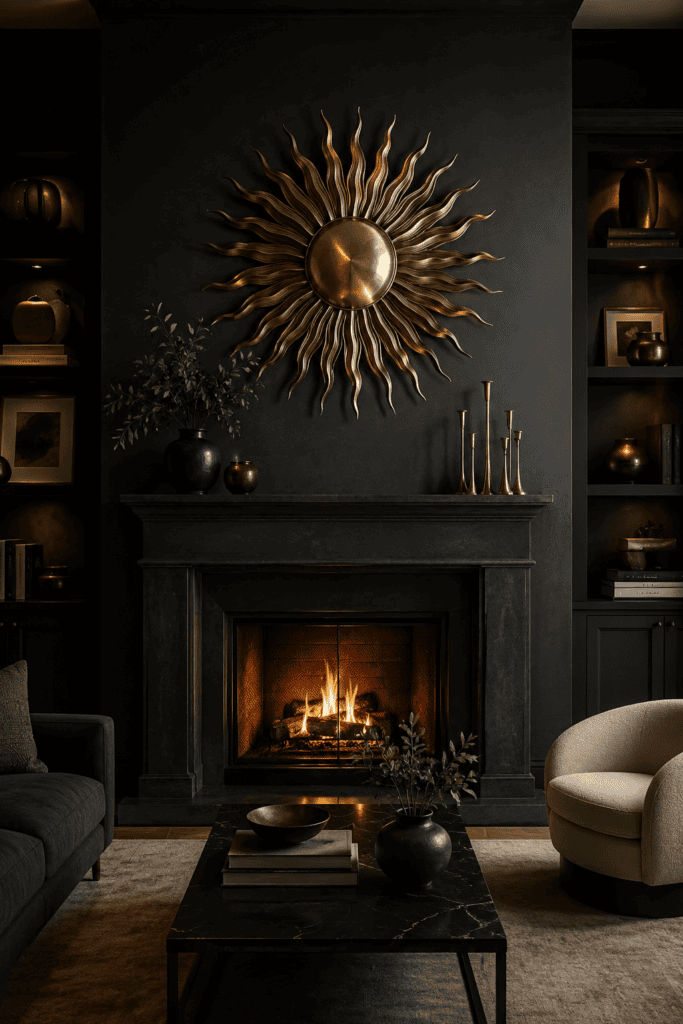
If you want a piece that instantly becomes the room’s focal point, metallic wall sculptures are your answer. Brass suns, abstract metal branches, or geometric shapes in gold and bronze finishes bring serious drama.
These sculptures catch light beautifully throughout the day, changing the mood of the room without you lifting a finger. Bold, sculptural, and undeniably upscale—what’s not to love?
One thing I’d add: don’t be afraid to go big with a single sculpture rather than scattering several smaller ones around the room. A single oversized piece reads as intentional design, while multiple small metallic accents can start to feel cluttered or, honestly, a little dated.
Where They Shine Brightest
- Above a fireplace mantel, where the reflective surface catches firelight
- In an entryway, giving guests an instant “wow” moment
- Behind a dining table, adding drama during dinner parties
5. Hand-Painted Wallpaper Murals
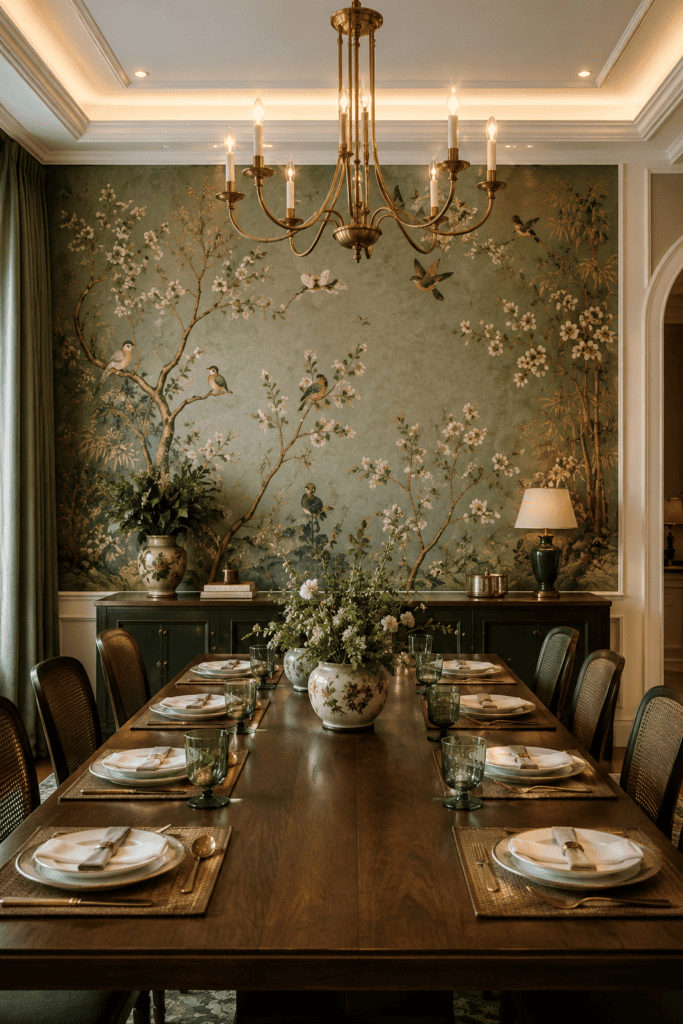
Regular wallpaper is fine. Hand-painted murals? That’s a whole different league. Think chinoiserie florals, abstract landscapes, or custom botanical designs that wrap the entire wall in artistry.
I’ll be honest—this option isn’t cheap. But if you’re designing a statement dining room or a primary bedroom, it’s worth every penny. A mural transforms a wall into a conversation piece instead of just a backdrop.
Where Murals Work Best
- Dining rooms (guests will notice, trust me)
- Primary bedrooms for a serene, cocoon-like feel
- Home offices that need a creative boost
If a full mural feels like too big of a commitment, consider muraling just one accent wall instead of the entire room. You still get the dramatic effect, but it’s easier on both your wallet and your patience when it comes time to redecorate down the road.
6. Marble-Effect Wall Art
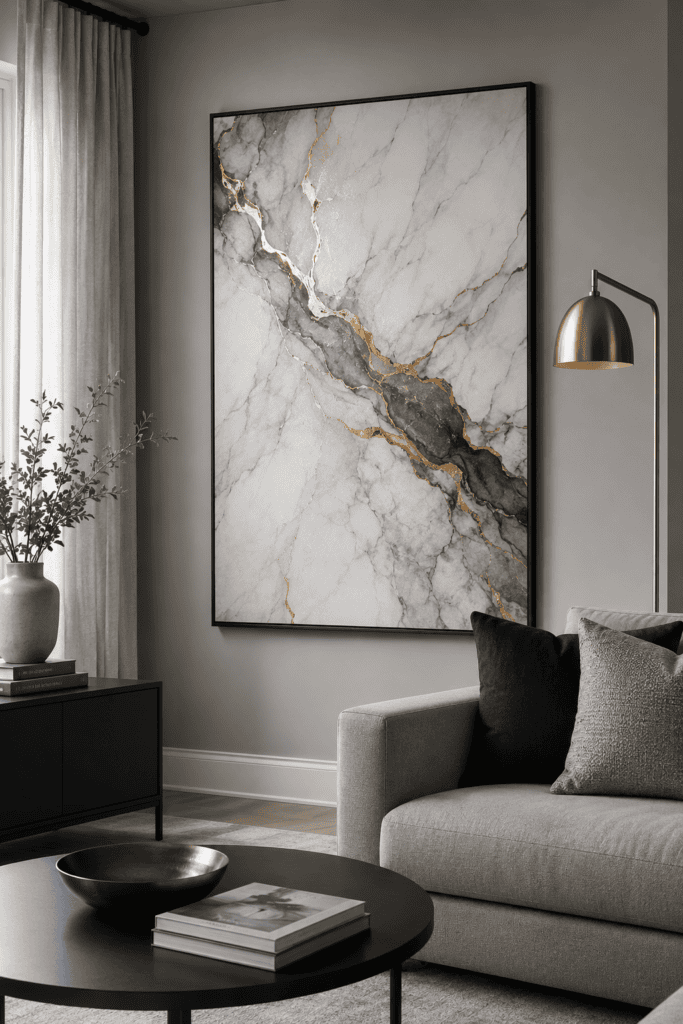
Marble screams money, and marble-effect wall art delivers that same energy for a fraction of the cost. Whether it’s actual marble slabs mounted as art or high-quality marble-print canvases, this look pairs beautifully with both modern and classic interiors.
Ever notice how marble instantly makes a space feel cooler and more polished? That’s not a coincidence—it’s physics and psychology working together. Cool tones plus natural veining equals instant sophistication.
Marble-effect pieces also age incredibly well from a design standpoint. Unlike trendy colors or patterns that can feel dated within a few years, the veining and neutral palette of marble-inspired art tends to stay relevant no matter how your other decor evolves.
- Pair with brass or gold accents for a warm contrast
- Pair with black frames for a bold, contemporary edge
- Keep surrounding decor simple so the marble piece stays the focal point
7. Velvet Upholstered Wall Panels
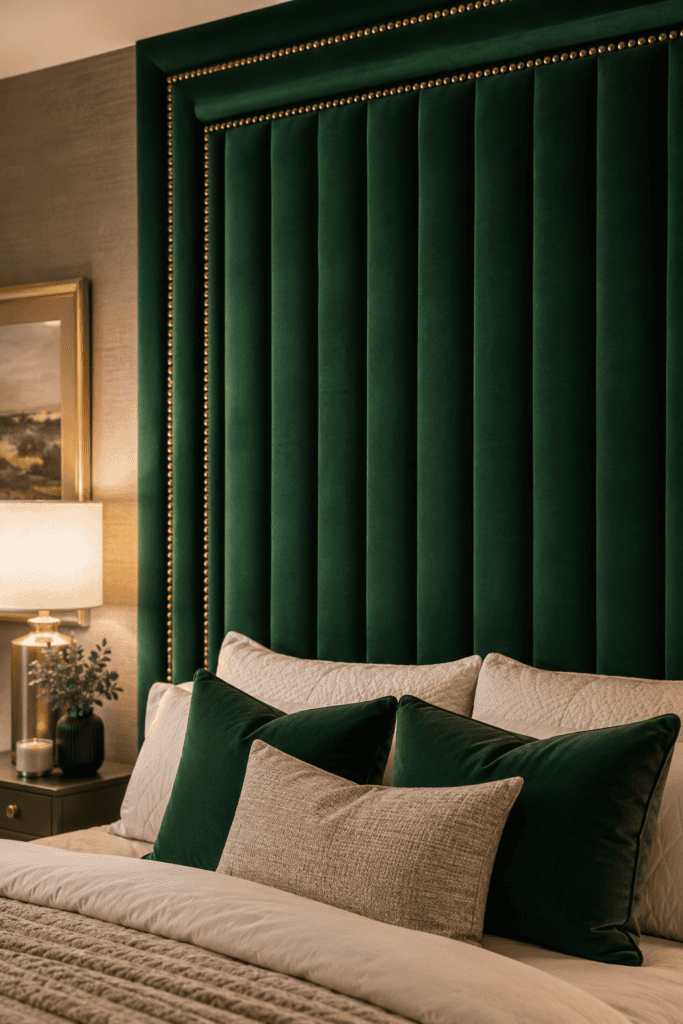
Velvet isn’t just for couches anymore. Upholstered wall panels in deep jewel tones—emerald, sapphire, burgundy—add softness, sound insulation, and serious glamour all at once.
I added a velvet panel behind my headboard, and it completely changed the vibe of the bedroom. It went from “college dorm energy” to “boutique hotel” overnight. If you want a plush, tactile luxury feel, this is non-negotiable.
Beyond the visual upgrade, velvet panels genuinely help with acoustics. Bedrooms and home offices with hard surfaces tend to echo more than people realize, and a fabric-covered wall panel absorbs some of that sound, making the room feel calmer and quieter.
- Deep jewel tones read as luxurious and timeless
- Channel-tufted patterns add a classic, hotel-like texture
- Pair with brass studs or nailhead trim for extra polish
8. Large-Scale Abstract Canvases
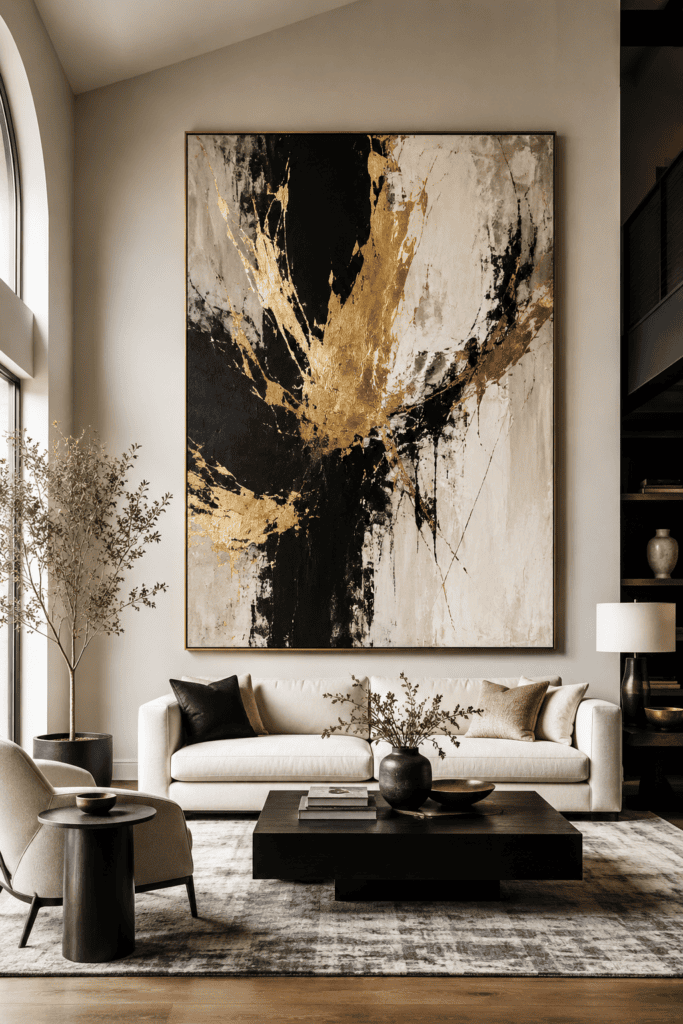
A single, oversized abstract canvas can do more for a room than five smaller pieces combined. Scale matters. A tiny painting on a huge wall looks lost and awkward, while a large canvas commands attention and fills the space with intention.
Look for pieces with rich color palettes and dynamic brush strokes. Neutral tones with a pop of gold or black work well if you want something timeless rather than trendy.
If you’re working with a budget, look into limited-edition prints rather than original paintings. You still get a large-scale, gallery-quality piece, but at a much more approachable price point. Just make sure the print quality and canvas material feel substantial—thin, flimsy canvases are an instant giveaway that the piece is more “mass-produced poster” than “statement art.”
9. Brass and Gold Wall Sconces
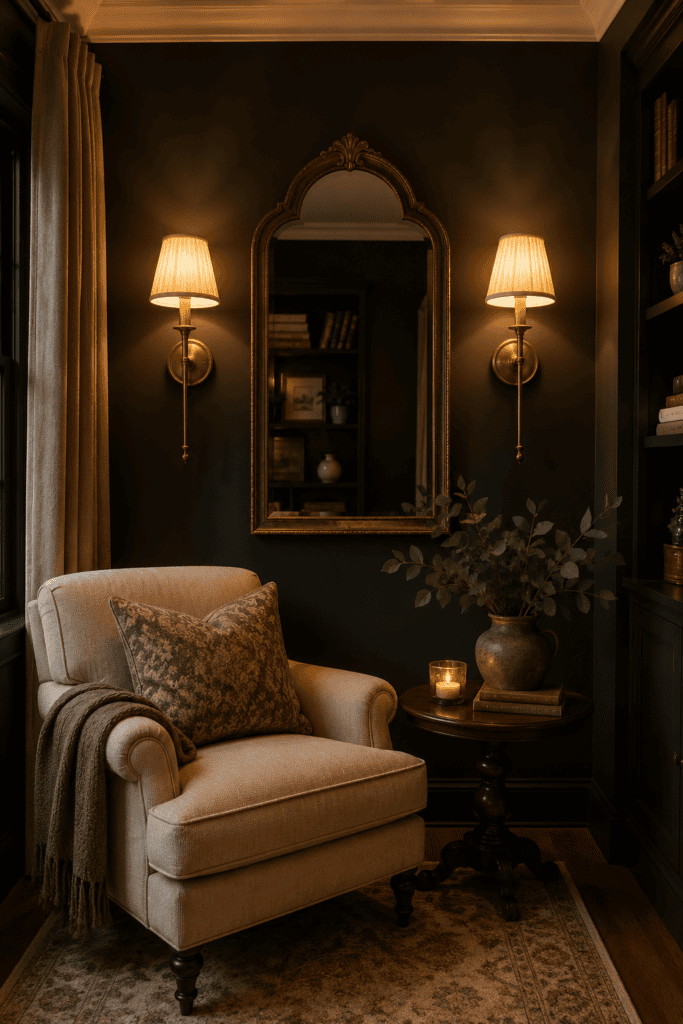
Wall sconces aren’t just functional lighting—they’re jewelry for your walls. Brass and gold finishes add warmth and glow, especially in dimly lit hallways or reading nooks.
Pair sconces symmetrically on either side of a mirror or artwork for a balanced, high-end look. It’s a small detail, but details are exactly what separate “nice” from “luxurious.”
Dimmable sconces are worth the extra cost, in my opinion. Being able to shift from bright task lighting to a soft, ambient glow in the evening makes the space feel considerably more upscale, and it’s a subtle touch that most people won’t consciously notice—they’ll just feel like the room has “good vibes.”
10. Framed Botanical Prints
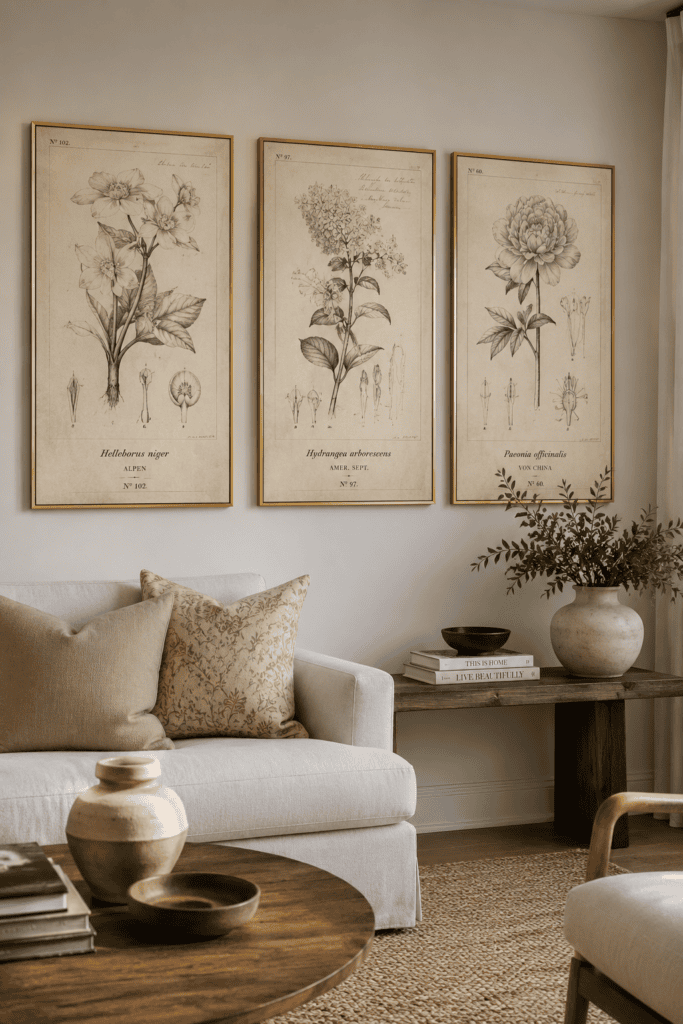
Botanical prints have quietly become a favorite among interior designers, and honestly? I get it. They’re elegant, timeless, and versatile enough to fit almost any color scheme.
Choose vintage-style botanical illustrations with detailed line work for maximum impact. Frame them in slim black or gold frames for a gallery-like finish. This one’s a personal favorite of mine—simple, but never boring.
What I love most about botanical prints is how well they layer with other styles on this list. Hang a few alongside a large abstract canvas, or use them to fill smaller gaps in a gallery wall arrangement. They’re the quiet, reliable background player that makes everything else pop.
11. Woven Textile Wall Hangings
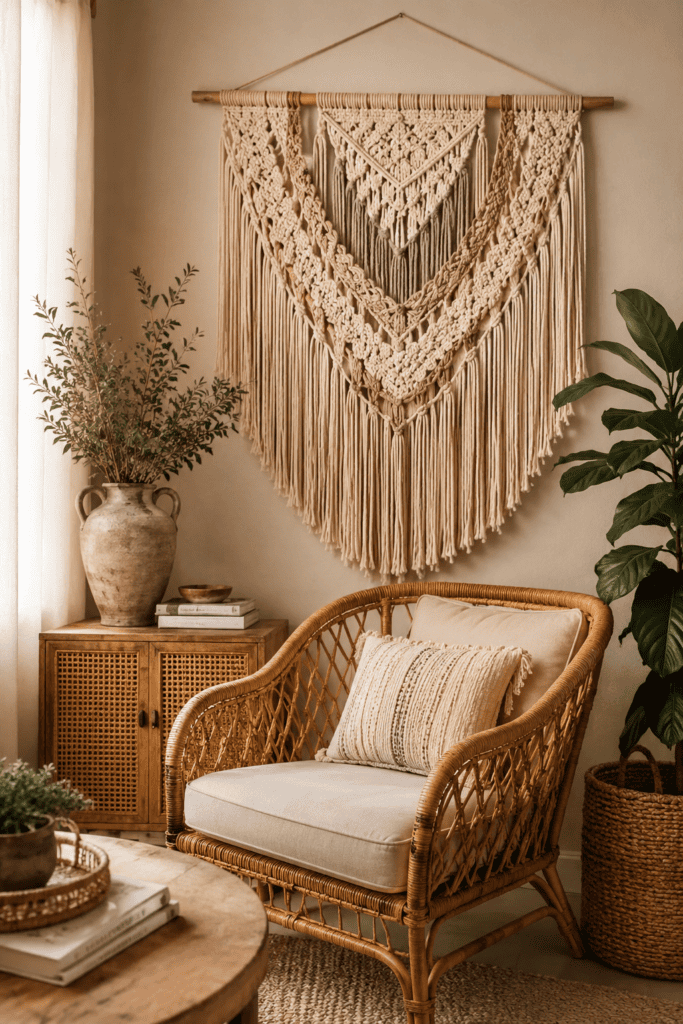
Woven wall hangings bring warmth, texture, and a handmade quality that machine-made decor just can’t replicate. Think macramé, tapestries, or woven wool pieces in neutral, earthy tones.
These pieces work exceptionally well in living rooms or reading corners where you want a cozy, layered feel. FYI, this is also a great option if you’re renting and can’t drill holes for heavier art—most hangings use simple hooks or rods.
Handwoven pieces also carry a story that mass-produced decor simply can’t match. Many are made by independent artisans, so you’re not just decorating a wall—you’re supporting a craft. That’s a nice little bonus if sustainability and craftsmanship matter to you the way they matter to me.
12. Antique Mirror Clusters
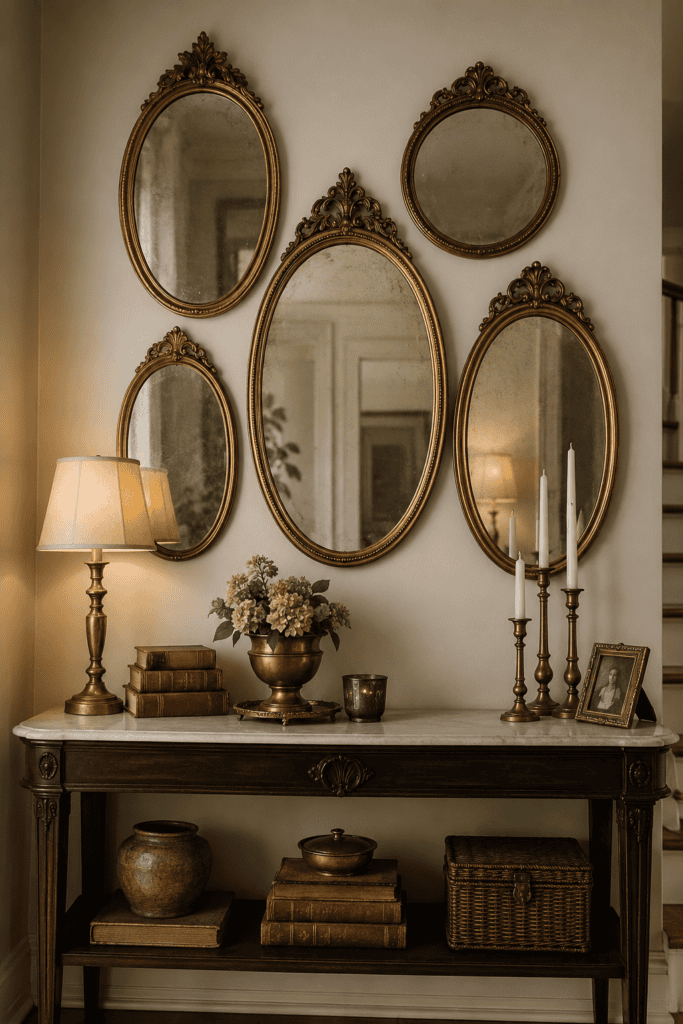
Instead of one oversized mirror, consider clustering several antique or vintage-style mirrors of varying shapes and sizes. This creates a curated, collected-over-time look that feels effortlessly luxurious.
- Mix ornate frames with simple ones
- Vary the shapes: oval, round, rectangular
- Keep the finish consistent (all gold or all aged brass)
This approach works particularly well above console tables or fireplaces where you want visual interest without overwhelming the space. Start small if the idea feels overwhelming—three mirrors of varying sizes is enough to create the clustered effect without turning your wall into a full-blown antique shop window.
13. Custom Neon or LED Art
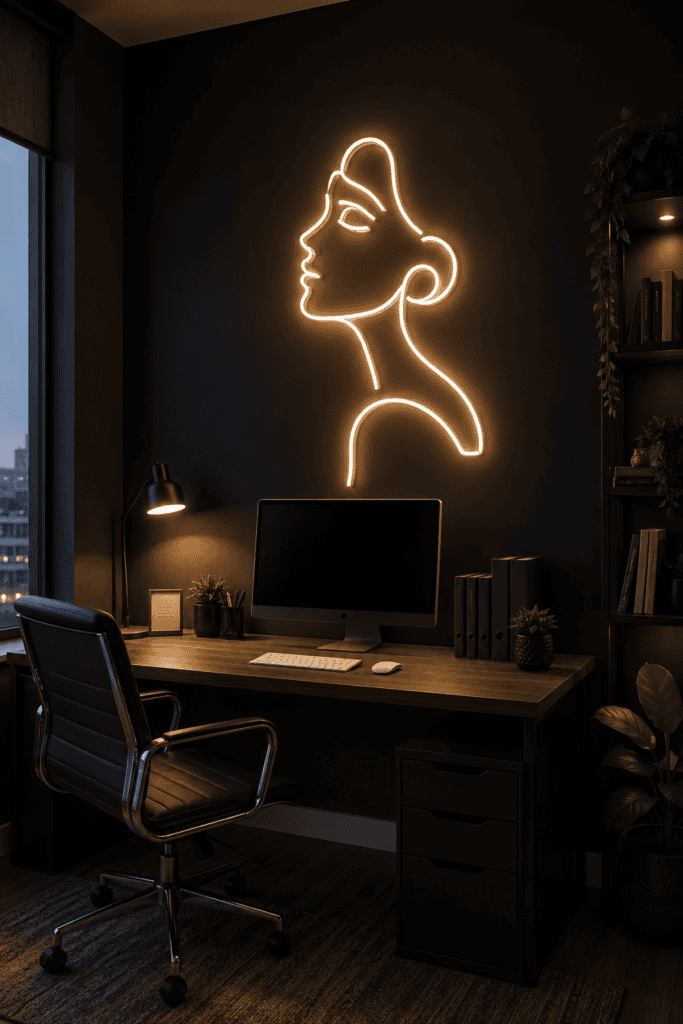
Okay, hear me out before you picture a tacky bar sign. Custom neon and LED wall art has gone seriously upscale. Think subtle line art, minimalist shapes, or soft ambient lighting pieces that double as functional lighting.
This works best in home offices, media rooms, or creative spaces where you want a modern edge. It’s playful without being juvenile—as long as you keep the design minimal and the color palette restrained.
Stick to one or two colors max, and avoid anything overly literal like giant words or logos unless it’s for a genuinely playful space like a home bar or game room. Subtlety is what separates “sophisticated accent lighting” from “dorm room decor,” and that line is thinner than you’d think.
14. Stone or Slate Wall Cladding
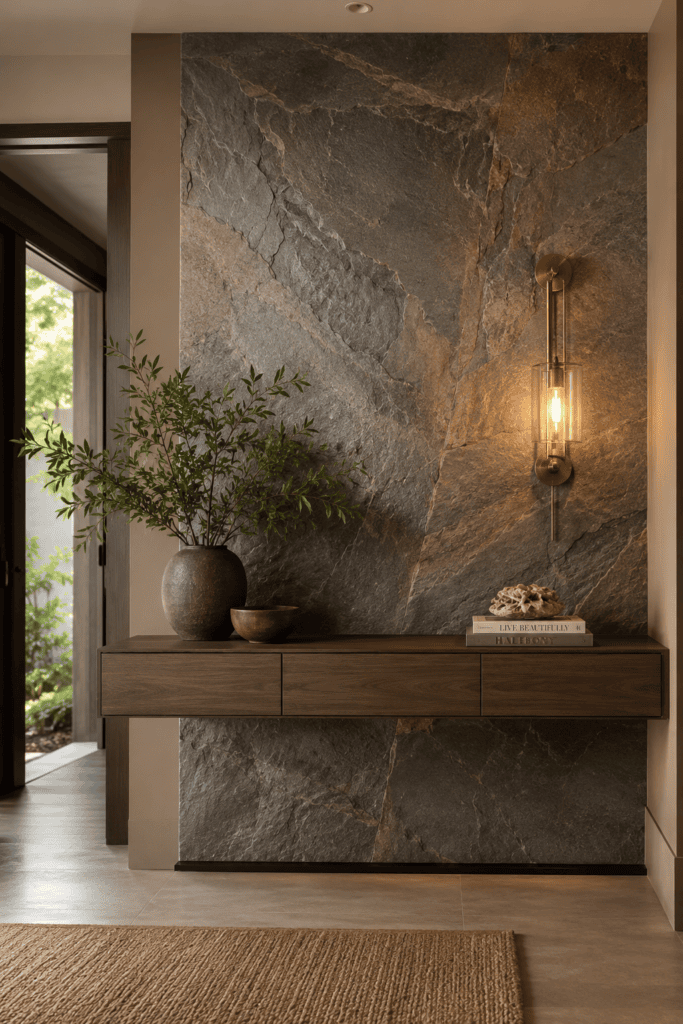
Natural stone cladding brings texture, permanence, and an earthy luxury that few materials can match. Slate, limestone, or travertine panels work beautifully as accent walls, especially behind a fireplace or in an entryway.
This isn’t a weekend DIY project, and I won’t pretend otherwise. But the payoff is a wall that feels architecturally significant rather than just decorated. It’s an investment, sure, but it’s the kind that pays off in resale value too.
If a full stone wall feels too permanent or too pricey, thin stone veneer panels offer a lighter, more budget-conscious alternative. They mimic the same texture and depth without the structural weight of full stone slabs, and installation tends to be far more manageable for most homeowners.
15. Personalized Art Commissions
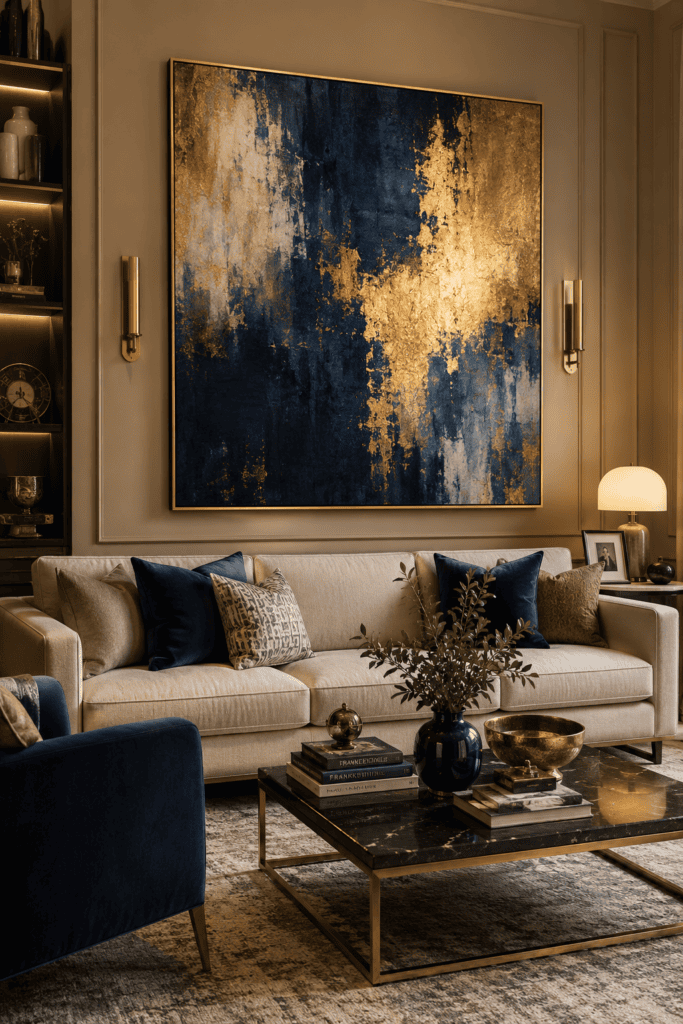
Last but definitely not least: commissioned art. Nothing feels more luxurious than a piece created specifically for your space, in your colors, reflecting your story.
Whether it’s a custom portrait, an abstract piece inspired by a memory, or a large-scale commission matching your exact color palette, this option guarantees you won’t see the same piece in anyone else’s home. Exclusivity is the ultimate luxury, right? 🙂
Commissioning an artist also means you can dictate scale, palette, and subject matter to fit your exact wall dimensions and existing furniture. It takes more planning than buying something off the shelf, sure, but the end result is a piece that feels like it was always meant to live in that exact spot.
Quick Comparison: Budget vs. Splurge Options
Not every idea on this list needs a massive budget. Here’s a quick breakdown so you can plan accordingly:
- Budget-friendly: botanical prints, woven textiles, gallery walls
- Mid-range: oversized mirrors, metallic sculptures, wall sconces
- Splurge-worthy: hand-painted murals, stone cladding, personalized commissions
Mixing budget and splurge pieces in the same room actually looks more sophisticated than going all-in on one price point. IMO, the best-designed rooms always blend both. A single splurge piece surrounded by more affordable, well-chosen accents often reads as more intentional than an entire room of expensive statement pieces competing for attention.
A Few Extra Tips Before You Start
Before you grab your hammer and start drilling, keep a few practical things in mind. Lighting changes everything—a piece that looks stunning under warm evening light might look flat under harsh daytime sun, so consider your room’s natural light before committing to a finish or color.
Scale and spacing deserve just as much thought as the piece itself. As a general guideline, art should take up roughly two-thirds the width of the furniture below it, and pieces should hang with their center at eye level, roughly 57 to 60 inches from the floor. Ignore this rule and even the most expensive piece can look off.
Finally, don’t feel pressured to fill every wall at once. Luxury decor works best when it feels curated over time, not rushed into place in a single weekend. Some of my favorite finds happened months apart, and honestly, that slower process made the final room feel far more personal.
Final Thoughts
Your walls deserve better than a single framed poster from college. Whether you go for a dramatic marble-effect canvas or a cozy woven hanging, the goal stays the same: make the space feel intentional, layered, and unmistakably yours.
I’ve tested a handful of these ideas in my own home, and I can tell you the transformation is real. A few well-chosen pieces do more than an entire room full of forgettable decor ever could.