
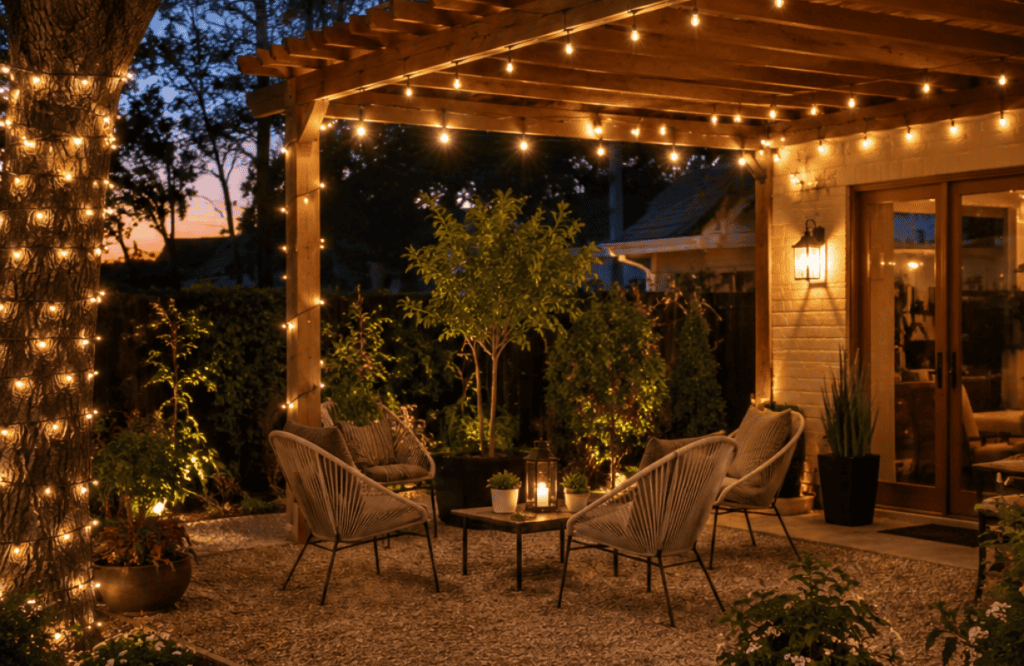
A garden without decor is just… plants. Sure, plants are great, but they only get you halfway to the outdoor space you actually want to spend time in. The difference between a yard people walk past and a yard people linger in usually comes down to the small stuff: the lighting, the textures, the little unexpected touches that make a space feel finished instead of half-done.
Here’s the thing most people get wrong—they think garden decor means spending a fortune on matching furniture sets or hiring a landscaper to redesign everything from scratch. It doesn’t. Some of the best transformations come from a fifteen-dollar string light kit, a can of paint, or furniture that was headed for the curb anyway. Ever walked into someone’s backyard and immediately felt like you wanted to stay there for hours? That’s rarely an accident, and it’s almost never about how much money got spent.
This list covers 17 ideas that range from five-minute fixes to weekend projects, so there’s something here whether you’ve got an afternoon or an entire season to work with. Some ideas focus on ambiance, some on function, and a few are just plain fun. Pick what fits your space, skip what doesn’t, and let’s turn that yard into somewhere worth showing off.
1. String Lights for Instant Ambiance
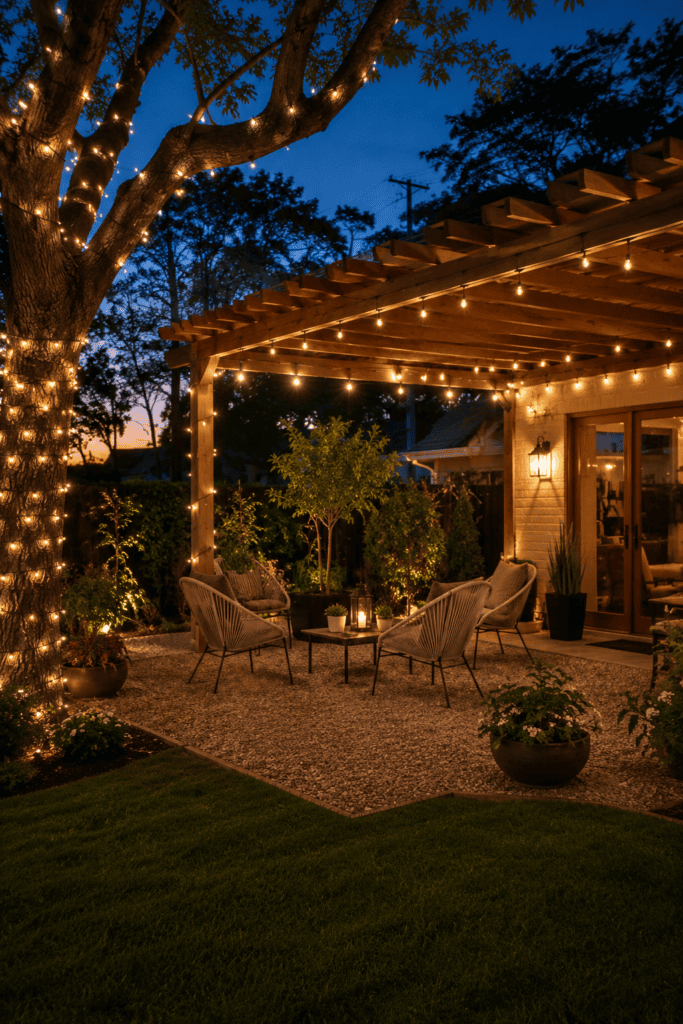
Nothing transforms a garden faster than string lights. Drape them over a pergola, wrap them around a tree, or hang them along a fence line. Within minutes, your backyard goes from “meh” to “where’s the party.”
I strung mine along the patio last spring and suddenly my dinners outside felt like an event instead of a chore. Solar-powered string lights save you from running extension cords across the lawn like some kind of tripping hazard obstacle course. Warm white bulbs tend to feel cozier than the cool blue ones, so keep that in mind when shopping.
Consider the shape of your lights too, since not every strand needs to be the classic bulb style. Globe lights give a softer, more diffused glow, while Edison-style filament bulbs lean vintage and industrial. Either way, test your setup before dark to make sure the coverage actually hits your seating area instead of just the fence.
2. Vertical Gardens for Small Spaces
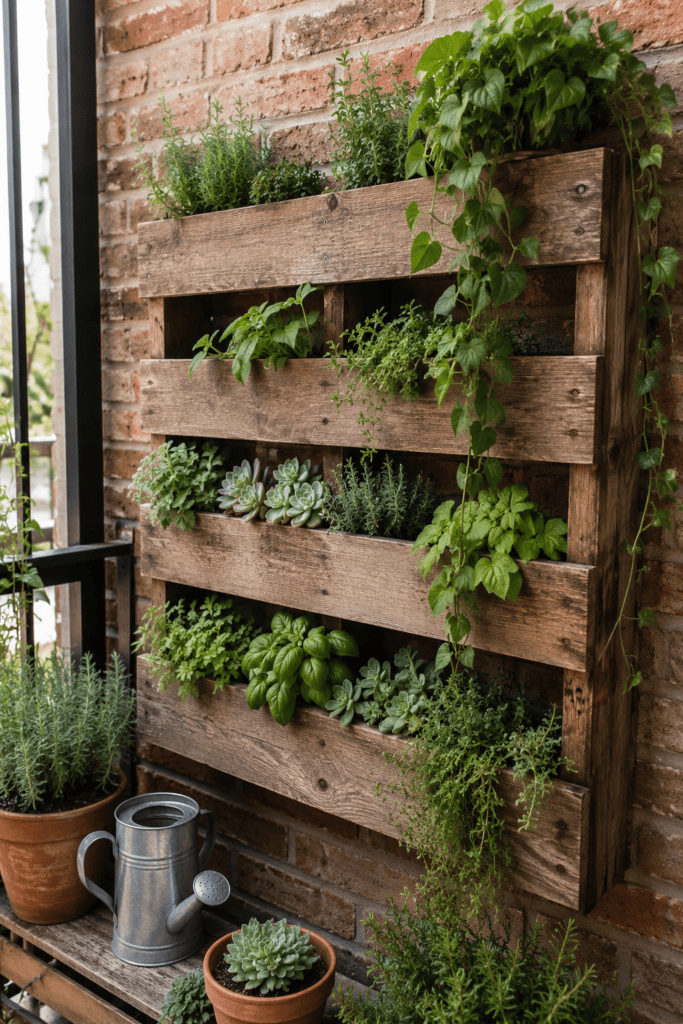
Got a tiny patio or a cramped balcony? A vertical garden solves your space problem without sacrificing greenery. Stack planter boxes on a wall-mounted frame or repurpose an old pallet into a living wall.
I built one out of a wooden pallet, some landscape fabric, and a staple gun. IMO it’s one of the best budget projects out there because it costs next to nothing. Herbs, succulents, and trailing vines all do great in this setup.
Positioning matters more than most people realize when it comes to vertical gardens. A wall that gets morning sun but afternoon shade tends to work best for leafy greens, since harsh afternoon light can scorch delicate leaves fast. If you’re working with a fully shaded balcony, stick to ferns and shade-loving vines instead of forcing tomatoes to grow somewhere they’ll never thrive.
3. Garden Gnomes and Whimsical Statues
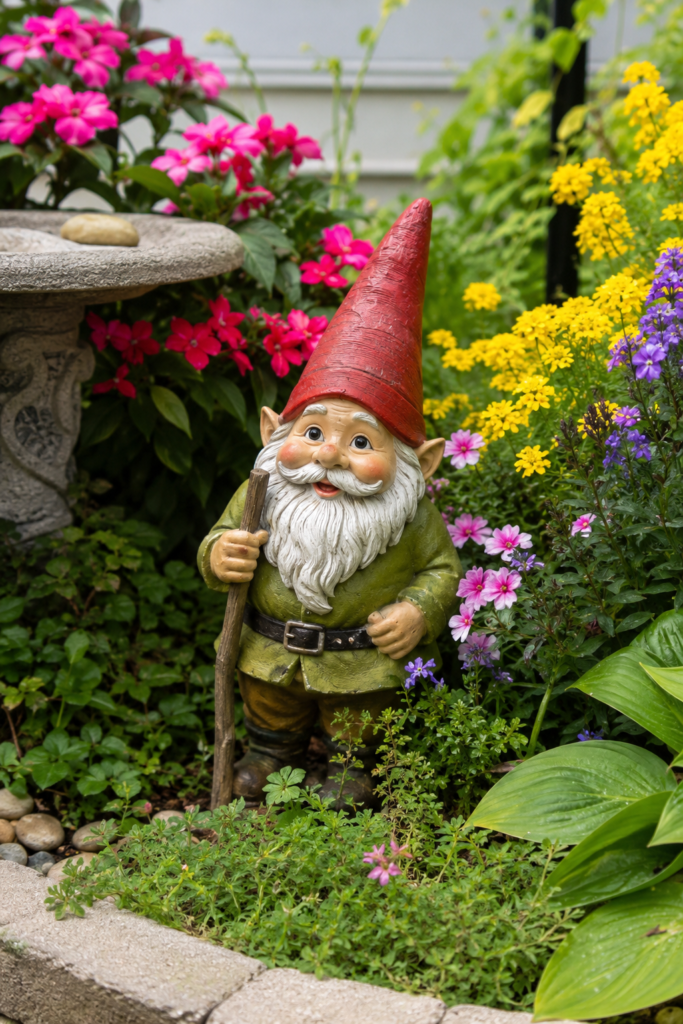
Yes, garden gnomes are still a thing, and honestly, I love that for us. A well-placed statue adds personality and a little bit of humor to an otherwise serious flower bed. Ever wondered why these little guys have survived decades of design trends? People just like a bit of playfulness outdoors.
Mix it up with animal figures, fairy statues, or even a quirky metal sculpture if gnomes aren’t your thing. The key is placement—tuck them among the plants instead of lining them up like a parade.
Material choice affects durability more than most shoppers consider at checkout. Resin statues cost less but crack in freezing temperatures if you skip bringing them indoors for winter. Concrete and cast stone hold up far better outdoors year-round, though they weigh a ton and aren’t exactly easy to rearrange on a whim.
4. Repurposed Furniture as Planters
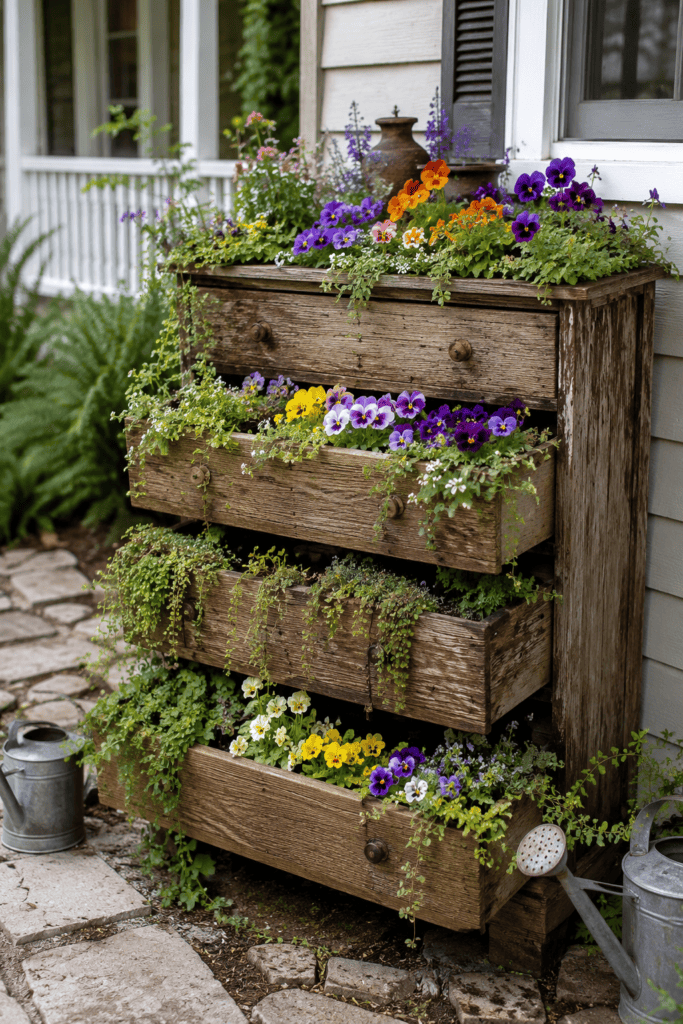
Old dressers, chairs, and even bathtubs make fantastic planters once you drill a few drainage holes. This trick keeps furniture out of the landfill and gives your garden a rustic, storytelling quality.
I turned a broken dresser into a tiered planter, and it’s become the centerpiece of my front yard. Weatherproof the wood first with sealant, or it’ll rot faster than you’d like. This idea works especially well for cottage-style or farmhouse gardens.
Old wheelbarrows, wooden crates, and even vintage suitcases work just as well if furniture isn’t readily available. Drill drainage holes generously, since standing water rots wood and metal far quicker than you’d expect. A layer of gravel at the bottom before adding soil also helps excess moisture drain away properly.
5. Water Features for a Calming Vibe
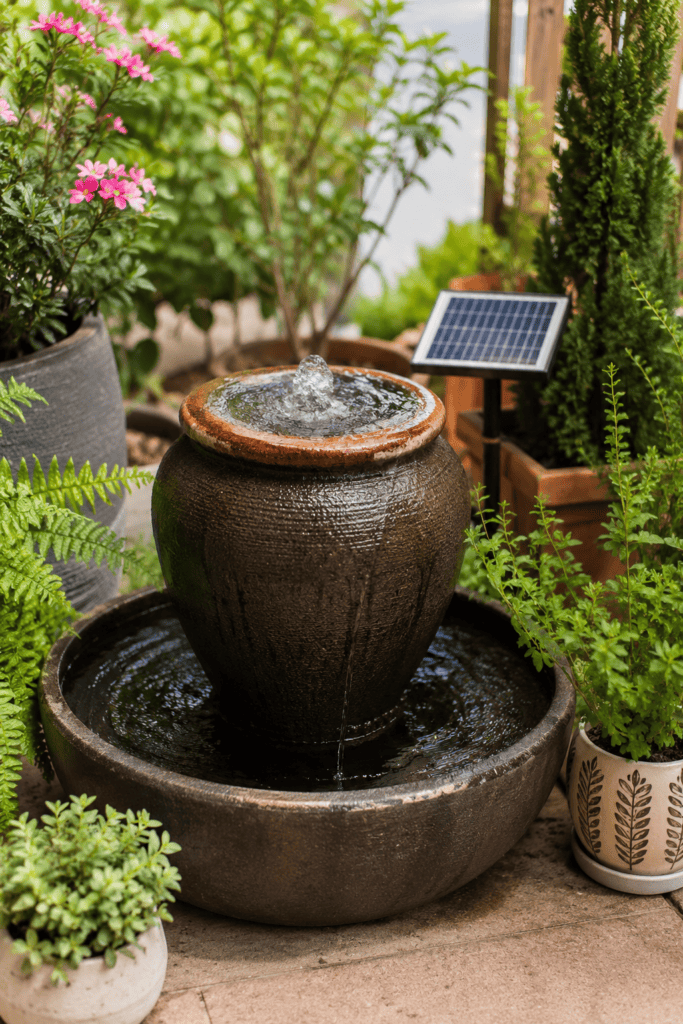
A small fountain or pond does more for your garden’s mood than almost anything else on this list. The sound of trickling water masks street noise and creates a genuinely relaxing outdoor retreat.
You don’t need a koi pond to get this effect—a tabletop fountain or a simple bubbling urn works fine. I picked up a solar-powered fountain for under fifty bucks, and it’s held up through two summers already. Water features also attract birds, which is a nice bonus if you’re into that sort of thing.
If you’re set on something bigger, a pre-formed pond liner makes installation far less intimidating than digging and sealing from scratch. Add a few aquatic plants like water lilies to keep algae in check naturally. Just budget for a pump and occasional cleaning, because stagnant water turns green and swampy faster than you’d think.
6. Mosaic Stepping Stones
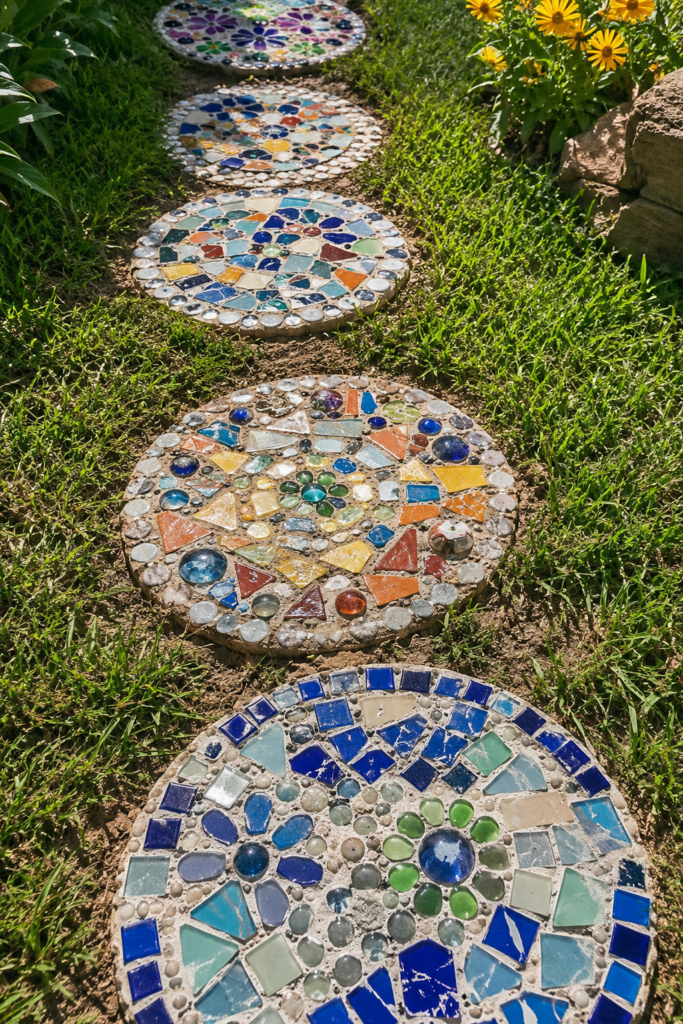
Mosaic stepping stones turn a boring garden path into a piece of art you walk on. Use broken tile, glass beads, or old ceramic dishes to create your own design.
I made a batch with my kids using leftover tile from a bathroom remodel, and they turned out better than anything I could’ve bought. This project requires patience and a steady hand with grout, so don’t rush it. Once set, these stones handle weather like champs.
Let each stone cure for a full week before walking on it, since rushing this step leads to cracked tiles down the road. Sealing the finished stone with a waterproof coat also protects the grout from frost damage in colder climates. This is genuinely one of the most rewarding weekend projects on this entire list.
Materials You’ll Need
- Concrete stepping stone molds
- Broken tile or glass pieces
- Sanded grout
- Waterproof sealant
7. Hanging Planters and Baskets
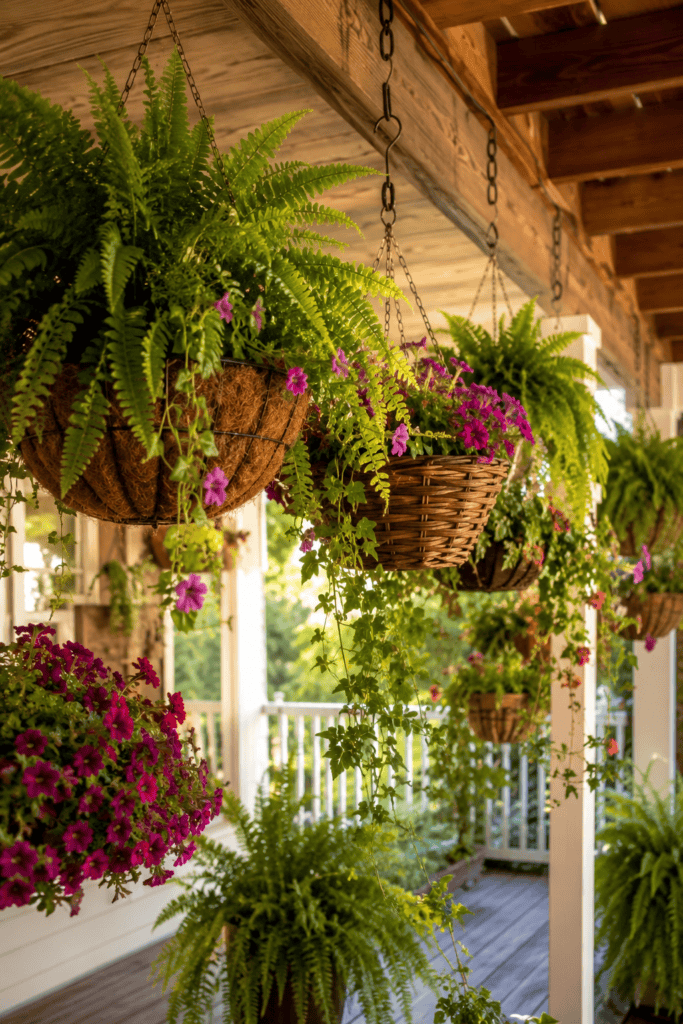
Hanging planters add height and dimension without eating up ground space. Hooks on a porch ceiling, a pergola beam, or even a sturdy tree branch all work as anchor points.
Ferns, petunias, and trailing ivy look incredible cascading out of a hanging basket. FYI, these dry out faster than ground planters because of increased air exposure, so check the soil daily during hot weeks. A drip tray underneath saves your deck from water stains.
Self-watering hanging planters exist and honestly they’re worth the extra few dollars if you travel often or simply forget to water things. Mixing textures within a single basket, like a bushy geranium paired with trailing lobelia, gives the arrangement more visual depth than a single plant type ever could.
8. Outdoor Rugs for Cozy Patios
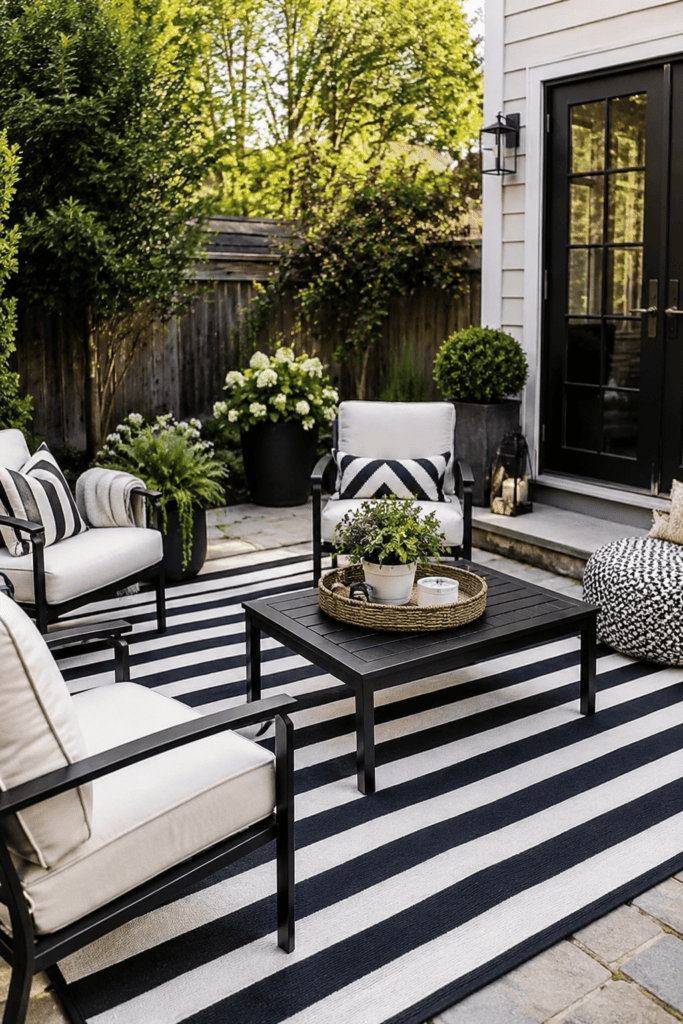
An outdoor rug anchors a patio seating area the same way an indoor rug anchors a living room. Suddenly your concrete slab looks intentional instead of like an afterthought.
I went with a bold striped pattern because plain beige felt like giving up on life. Polypropylene rugs resist mold and fade less in direct sunlight, which matters if your patio gets full sun most of the day. Roll it up during winter storms to extend its lifespan.
Size the rug so it extends slightly beyond your furniture legs rather than sitting exactly underneath them. A rug too small makes the whole seating arrangement look like it’s floating awkwardly in the middle of the patio. Darker colors hide dirt and grass stains better, which matters a lot if you’ve got kids or pets tracking through constantly.
9. Fire Pits for Extended Evenings
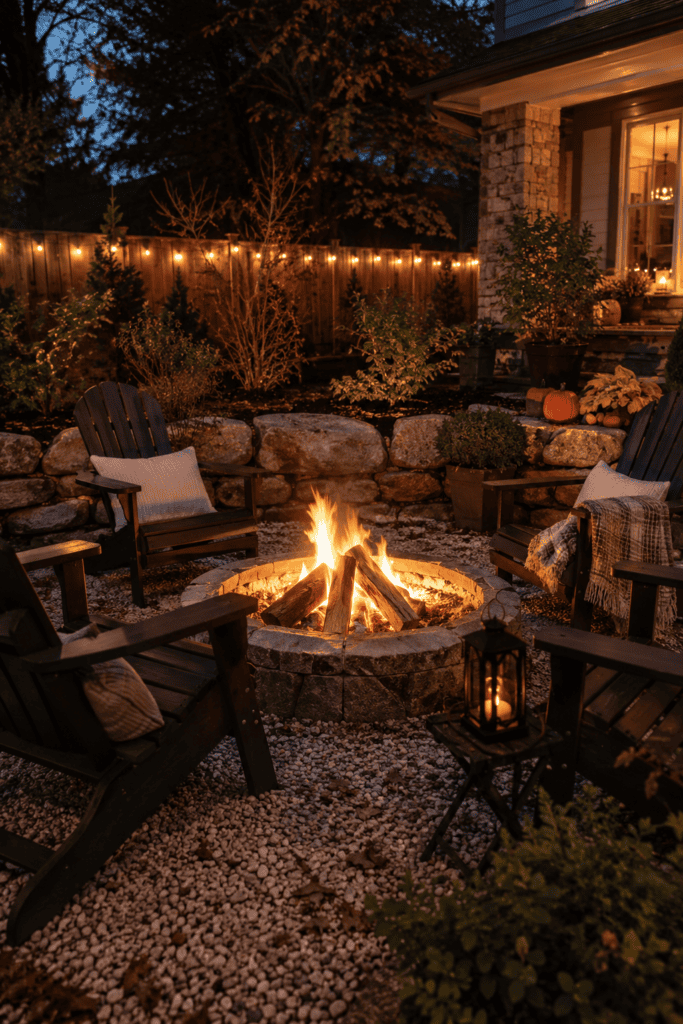
A fire pit stretches your outdoor season well past sunset and straight into the chilly months. Gather around it with friends, and suddenly your garden becomes the default hangout spot.
Portable propane fire pits skip the smoke and mess of wood-burning versions, which matters if you’ve got sensitive neighbors or asthma. I went with a wood-burning pit because I like the crackle and the smell, personal preference there. Just clear a safe zone around it and check your local fire codes first.
Surround the pit with weather-resistant seating like Adirondack chairs or built-in stone benches so guests aren’t dragging kitchen chairs across the lawn every time. A ring of gravel or pavers underneath also protects your grass from scorch marks and makes cleanup considerably easier. Keep a bucket of water or a small extinguisher nearby regardless of which fuel type you choose.
10. Trellises and Arbors for Climbing Plants
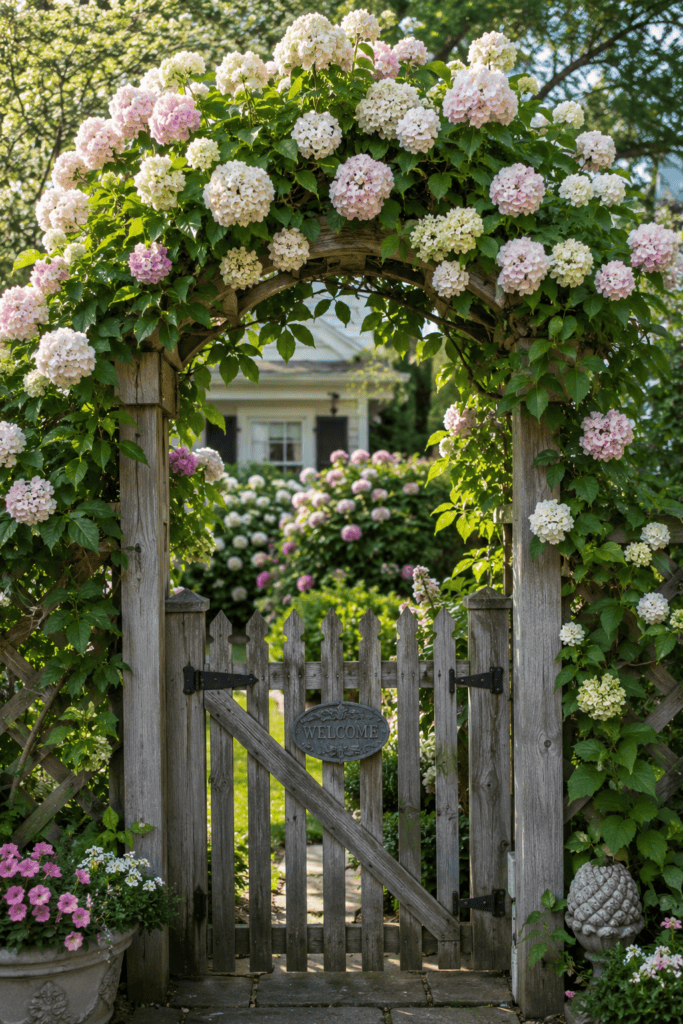
A trellis or arbor gives climbing plants like roses, clematis, and jasmine somewhere to actually go. Without support, these plants sprawl across the ground and look messier than intended.
I installed a simple wooden arbor over my garden gate, and within a season it was covered in climbing hydrangea. This structure also creates a natural frame for photos, which your Instagram followers will appreciate. Metal arbors last longer, but wood gives a warmer, more traditional look.
Choose your climbing plant based on how quickly you want coverage versus how much maintenance you’re willing to handle. Fast growers like morning glory fill a trellis within one season but often need aggressive pruning to stay under control. Slower climbers like wisteria take patience, though the payoff of a fully mature, flower-draped arbor is honestly worth the wait.
11. Painted Fences and Accent Walls
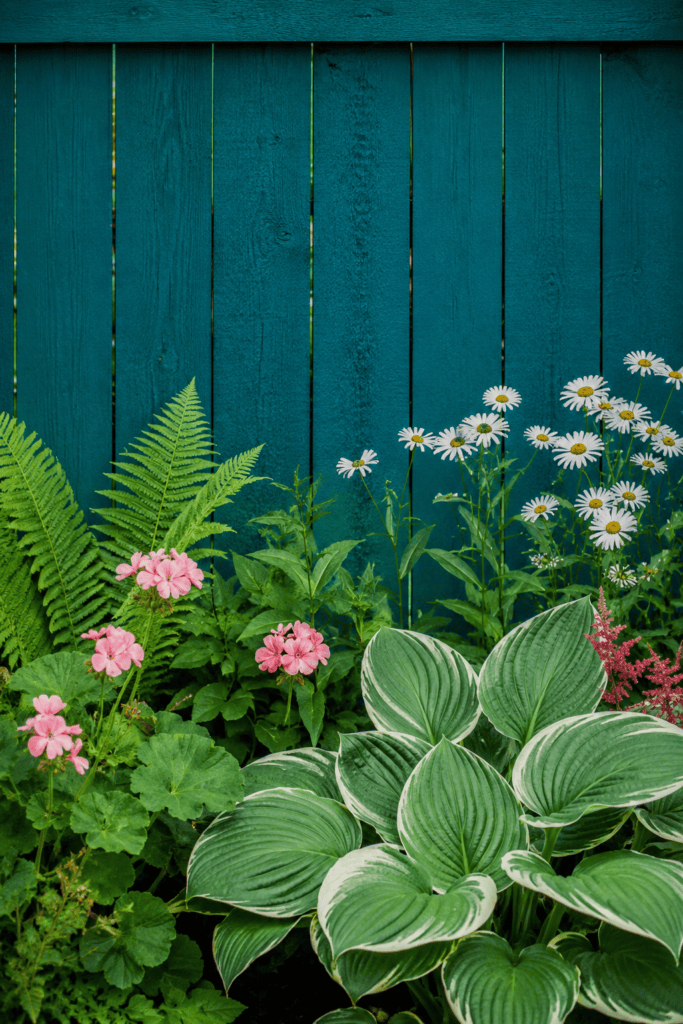
Who says a fence has to stay boring brown or gray? A painted fence or accent wall injects color into your garden without adding a single new plant.
I painted one fence panel a deep teal, and it makes the greenery around it pop like nothing else I’ve tried. Chalk paint gives a matte, weathered finish that suits cottage gardens especially well. Just make sure you use exterior-grade paint, or you’ll be repainting every year.
Dark, moody colors like charcoal or navy make plants against them look almost illuminated by contrast. Lighter shades like sage or cream brighten a shaded corner that otherwise feels gloomy year-round. Whatever color you pick, prime bare wood first so the paint actually adheres instead of peeling within months.
12. Bird Feeders and Birdhouses
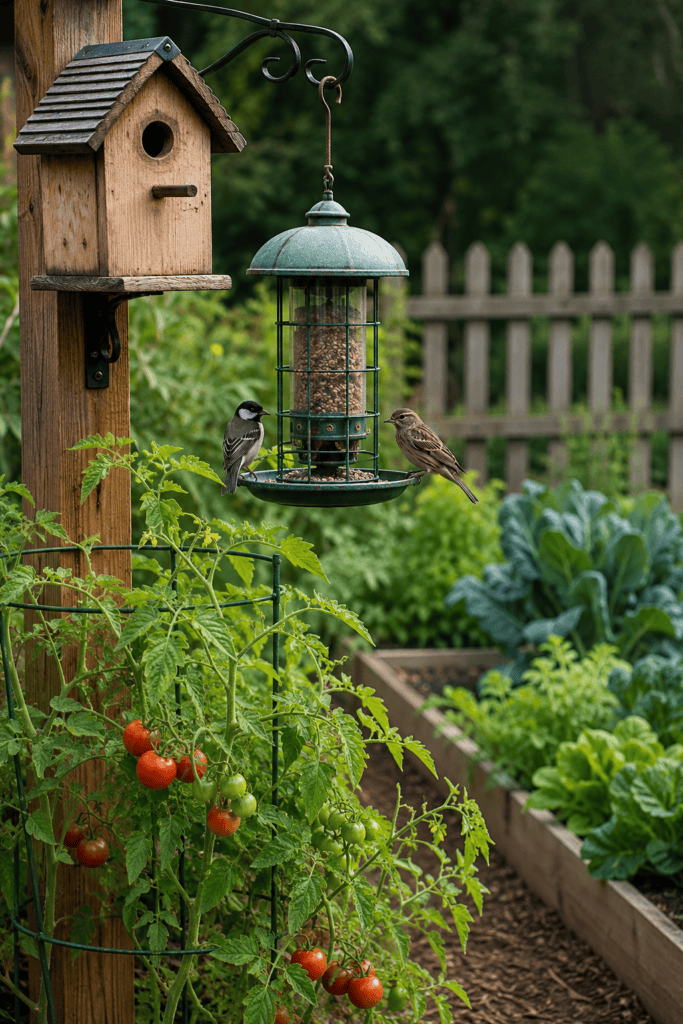
Birdhouses and feeders invite wildlife into your garden and give you something entertaining to watch from the kitchen window. Plus, birds help control garden pests like aphids and caterpillars.
I hung a feeder near my tomato plants, and the birds took care of pest problems I didn’t even know I had. Place feeders away from dense shrubs where cats might lurk and ambush unsuspecting visitors. Clean feeders every couple of weeks to prevent mold buildup.
Different seed blends attract different birds, so research what species live in your area before buying a random bag off the shelf. Suet cakes bring in woodpeckers, while nectar feeders draw hummingbirds during warmer months. A birdbath nearby rounds out the setup and gives your feathered visitors somewhere to cool off too.
Popular Birdhouse Styles
- Classic wooden box with a peaked roof
- Gourd-style hanging houses
- Modern geometric metal designs
- Repurposed teapot birdhouses
13. Garden Signs and Personalized Markers
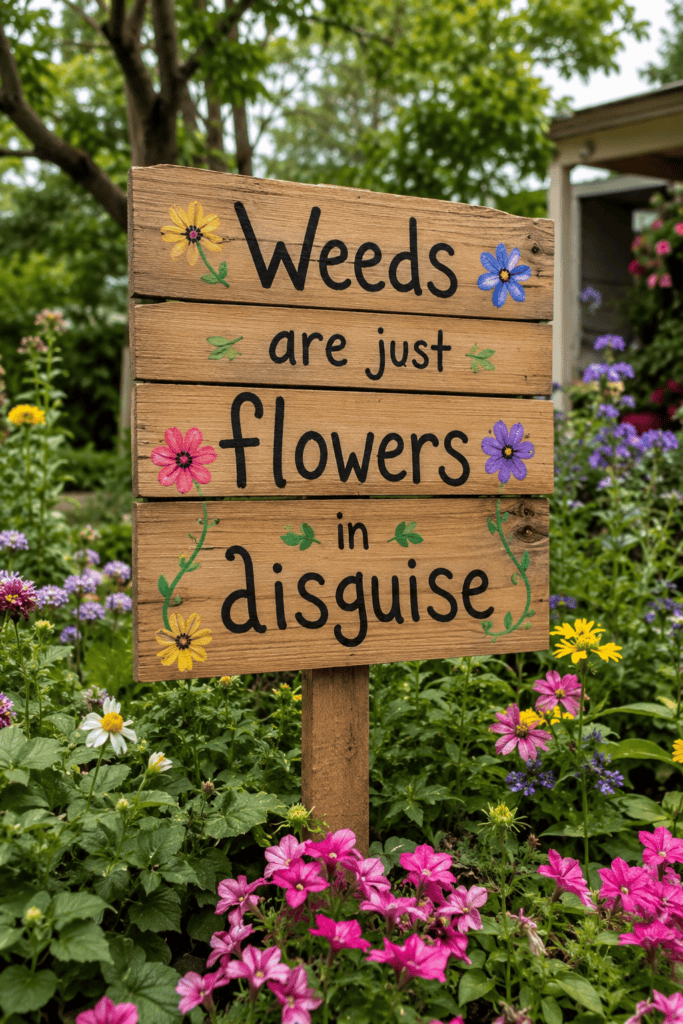
A hand-painted garden sign adds character and can be genuinely funny if you lean into it. “Weeds Welcome” or “Bee Kind” signs get a laugh from visitors every single time.
I made mine from a scrap piece of cedar and some outdoor paint markers. Personalized plant markers also help when you inevitably forget which herb is basil and which one is definitely not basil. These small details make a garden feel like yours instead of a generic showroom.
Slate tiles, painted rocks, and old spoons all work as inexpensive marker materials if you’d rather not buy anything new. A permanent paint marker holds up surprisingly well against rain, though a coat of clear sealant extends its lifespan even further. Keep the humor light and family-friendly if you’re hoping neighbors will actually stop and read it.
14. Outdoor Cushions and Throw Pillows
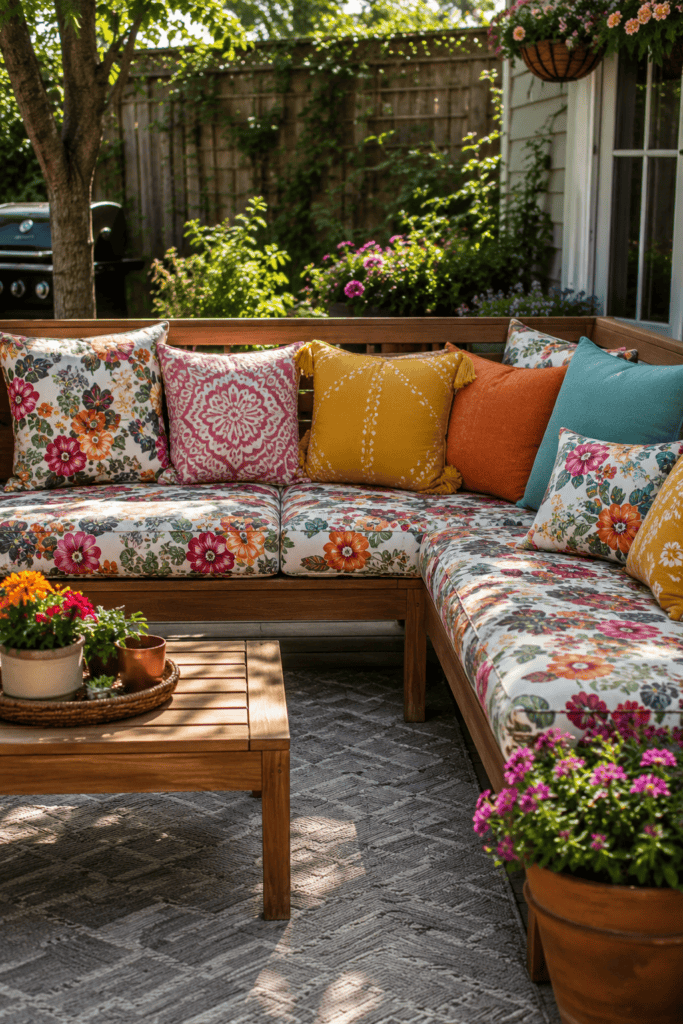
Outdoor cushions turn hard patio furniture into something you’d actually want to sit on for more than five minutes. Swap them seasonally to refresh your space without buying new furniture.
I keep two sets—bright florals for summer and deep rust tones for fall. Look for fade-resistant fabric rated for UV exposure, since cheap cushions bleach out within a single season. Store them indoors during rain to avoid mildew.
A waterproof storage bench doubles as extra seating and a place to stash cushions overnight without hauling them indoors constantly. Mixing patterns works better than most people expect, as long as you keep the color palette consistent across the whole set. Solid neutrals as a base, with one patterned accent pillow, usually strikes the right balance.
15. Raised Garden Beds with Decorative Edging
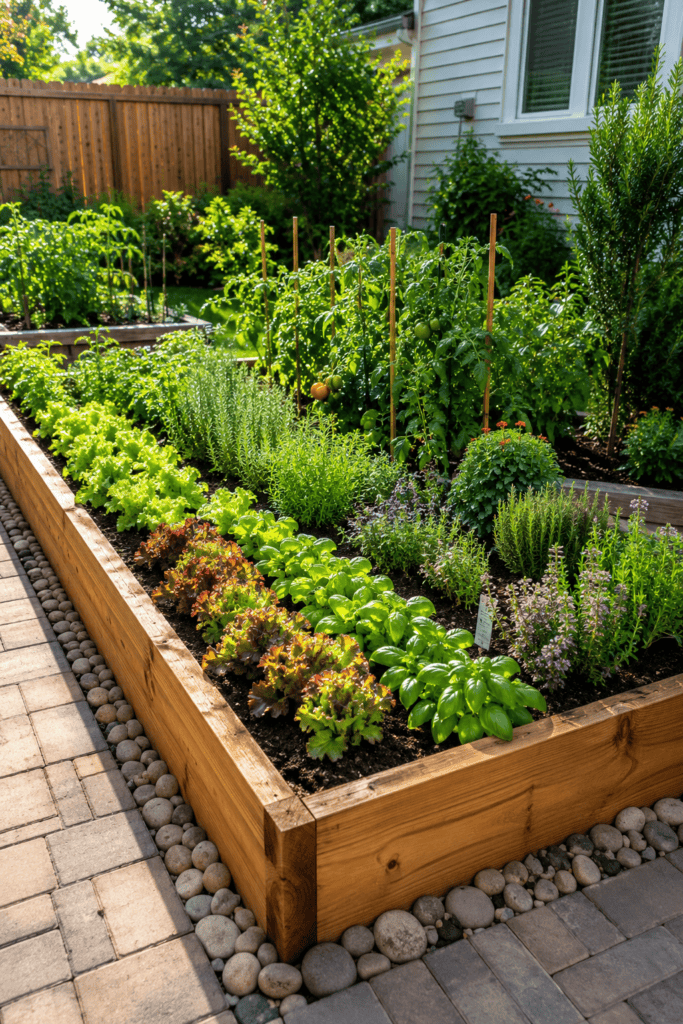
Raised garden beds aren’t just practical for soil control—they also look sharp when framed with decorative edging like stacked stone or scalloped metal borders. This upgrade separates a serious garden from a patch of dirt with plants in it.
I built mine from cedar boards and lined the base with landscape fabric to block weeds. Raised beds also save your back from constant bending, which matters more the older you get 🙂 They drain better too, so root rot becomes far less likely.
Galvanized metal beds have gained popularity recently and hold up longer than wood without the risk of rot or termites. Stacked natural stone gives a more permanent, high-end look if budget allows for it. Whatever material you pick, height matters just as much as looks, since a bed too shallow won’t give root vegetables enough room to develop properly.
16. Outdoor Art and Wind Sculptures
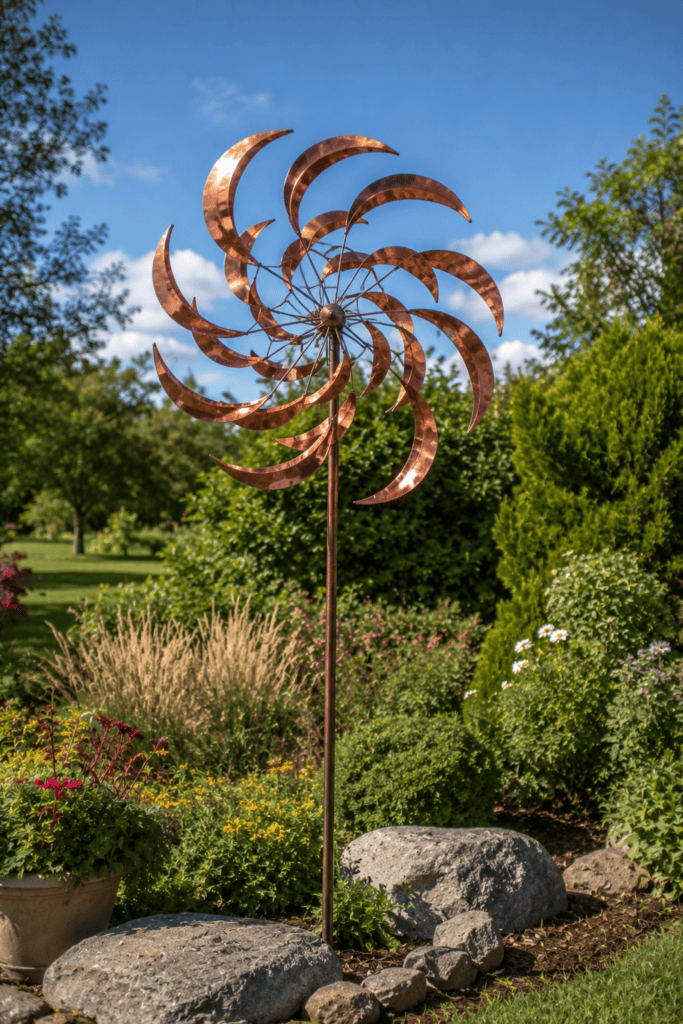
A kinetic wind sculpture or metal art piece adds movement and visual interest without requiring any maintenance. These pieces catch the light differently throughout the day, so your garden never looks static.
I picked up a spinning copper sculpture at a local craft fair, and it’s become a genuine conversation starter at every gathering. Position these pieces where they’ll catch prevailing wind, usually near an open area rather than tucked behind a hedge. Higher-end pieces cost more, but a quality wind sculpture holds up for years.
Stainless steel and copper resist rust far better than painted metal alternatives, which matters if your garden sees a lot of rain. Placement height affects the visual impact too, so a taller sculpture works better as a focal point while smaller pieces suit tucked-away corners. Don’t overcrowd your garden with too many pieces, or the effect gets lost in visual clutter.
17. Themed Garden Zones
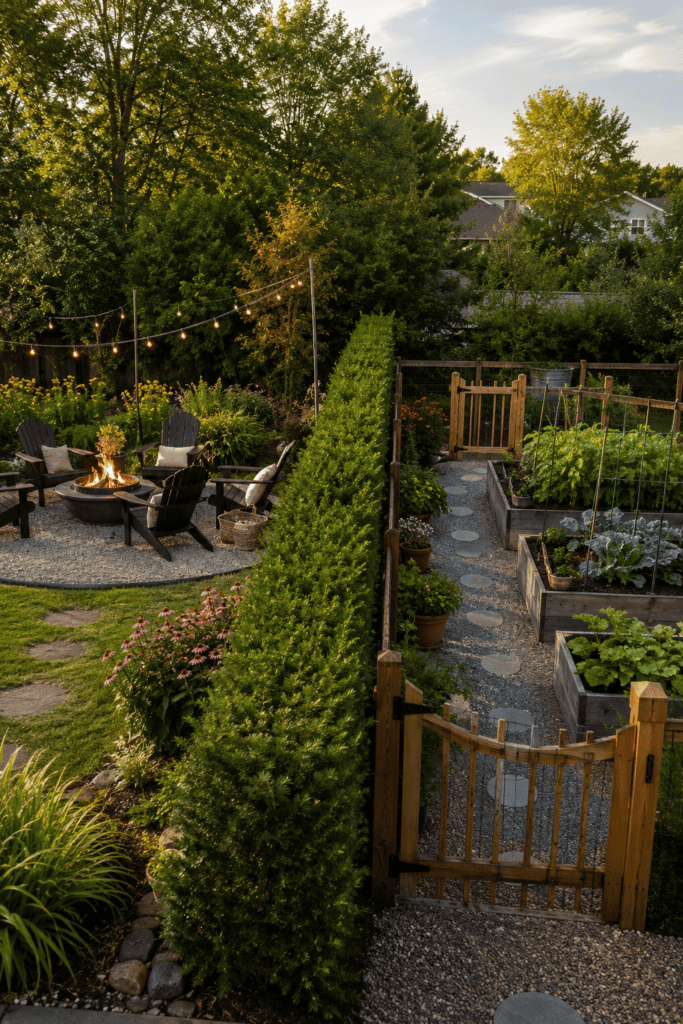
Instead of scattering decor randomly, create themed zones within your garden—a reading nook, a dining area, a meditation corner. Each zone gets its own decor style, which makes a larger yard feel purposeful instead of overwhelming.
I split my backyard into a fire pit lounge and a small vegetable garden with its own gate. This approach works especially well if you’re combining several ideas from this list into one cohesive space. Zoning also helps guests know where to sit versus where to admire the tomatoes.
Use natural dividers like low hedges, gravel paths, or a simple change in ground material to separate one zone from another without building actual walls. Lighting each zone slightly differently also reinforces the sense of distinct spaces once the sun goes down. Start with just two zones if the whole idea feels overwhelming, and expand once you see how the space actually gets used.
Final Thoughts
Garden decor doesn’t need a massive budget or a professional designer to look genuinely great. Pick two or three ideas from this list, start small, and build from there as you figure out what fits your space and your taste. I promise your yard will start feeling like an extension of your home instead of that space you avoid mowing.
So, what’s stopping you? Grab some paint, a few solar lights, or that dresser gathering dust in the garage, and turn your garden into the spot everyone wants to hang out in.