
Your fence is basically your yard’s first impression, and right now it might be giving off “I gave up in 2019” energy. I’ve replaced three fences on my own property over the past decade, and I’ve learned the hard way which ideas hold up and which ones look great on Pinterest and terrible in real life. So let’s fix that fence situation together.
I’m not here to sell you on some generic picket fence and call it a day. I want to walk you through 15 garden fence ideas that actually work for different budgets, climates, and levels of DIY confidence. Some of these I’ve built myself. Others I’ve watched friends build (and occasionally rebuild after round one flopped).
Here’s the thing nobody tells you before you start fence shopping: the “best” fence doesn’t exist. There’s only the best fence for your yard, your climate, and how much time you’re willing to spend maintaining it. A gorgeous cedar privacy fence sounds amazing until you realize you live somewhere humid and now you’re staining it every single spring. Ask me how I know.
So instead of just listing pretty pictures, I’m breaking down the real pros, cons, and price ranges for each option. By the end of this, you should have a much clearer sense of what actually fits your space instead of just what looks nice on a mood board.
Grab a coffee. Let’s get your yard sorted.
1. Classic Wood Picket Fence
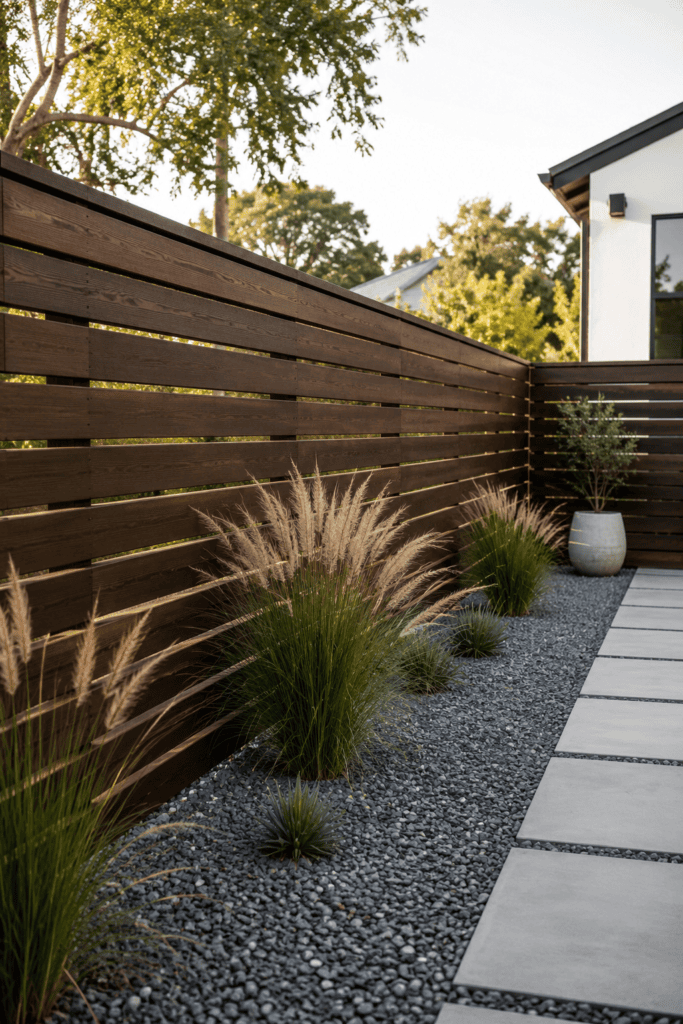
There’s a reason this style never goes away. A wood picket fence gives your garden that storybook cottage look without costing a fortune. I painted mine a soft sage green instead of the usual white, and honestly, it made my whole front yard look ten years newer.
- Best for: Front yards, cottage gardens, low-maintenance boundaries
- Cost: Low to moderate
- Lifespan: 15-20 years with proper sealing
Ever wondered why picket fences show up in literally every home magazine? It’s because they’re timeless without trying too hard.
Picking the Right Picket Height
Most people default to the standard 3-foot picket fence, but don’t just go with the default without thinking it through. A taller 4-foot version keeps small dogs contained better, while a shorter version keeps the “cute cottage” look front and center. I went with 3.5 feet as a compromise, and it’s held up great for both looks and function.
2. Horizontal Slat Wood Fence
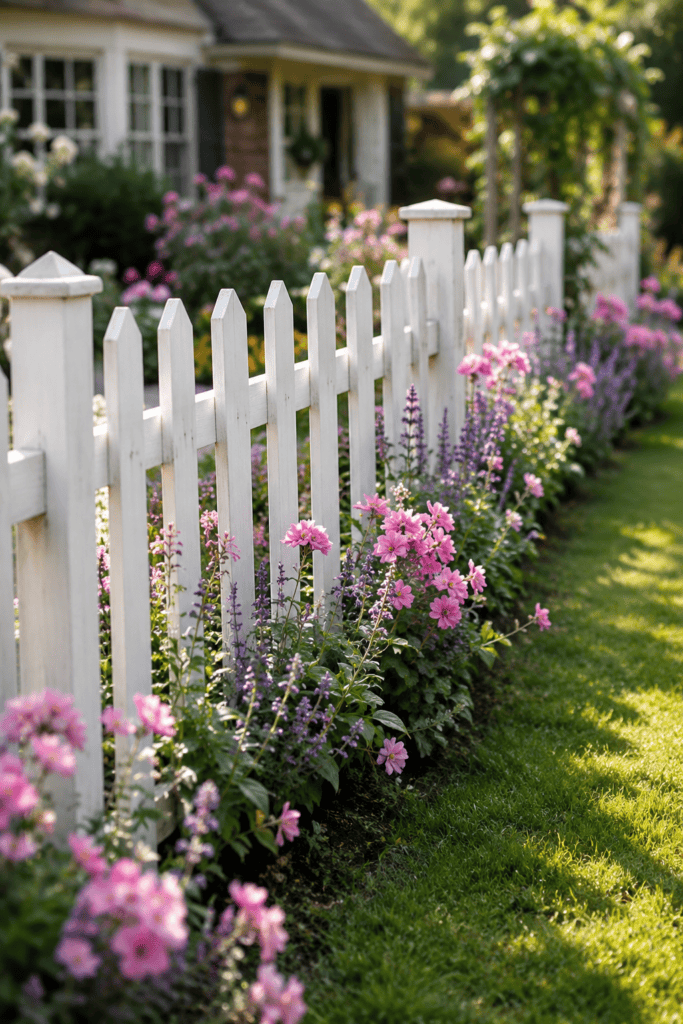
If picket fences feel too “grandma’s house” for your taste, horizontal slats bring a modern edge. I built one of these along my side yard, and the clean lines instantly made the space feel bigger. Horizontal fencing tricks the eye into perceiving more width, which is a genuine win for narrow lots.
The trick is spacing. Leave gaps too wide and it looks unfinished. Leave none and you lose airflow, which matters more than people think for plants nearby.
I’d also argue this style photographs better than almost anything else on this list, which matters if you’re the type who posts yard progress on Instagram. Pair it with dark stain and some minimalist landscaping, and suddenly your backyard looks like it belongs in a design magazine instead of a suburban cul-de-sac.
3. Bamboo Privacy Fence
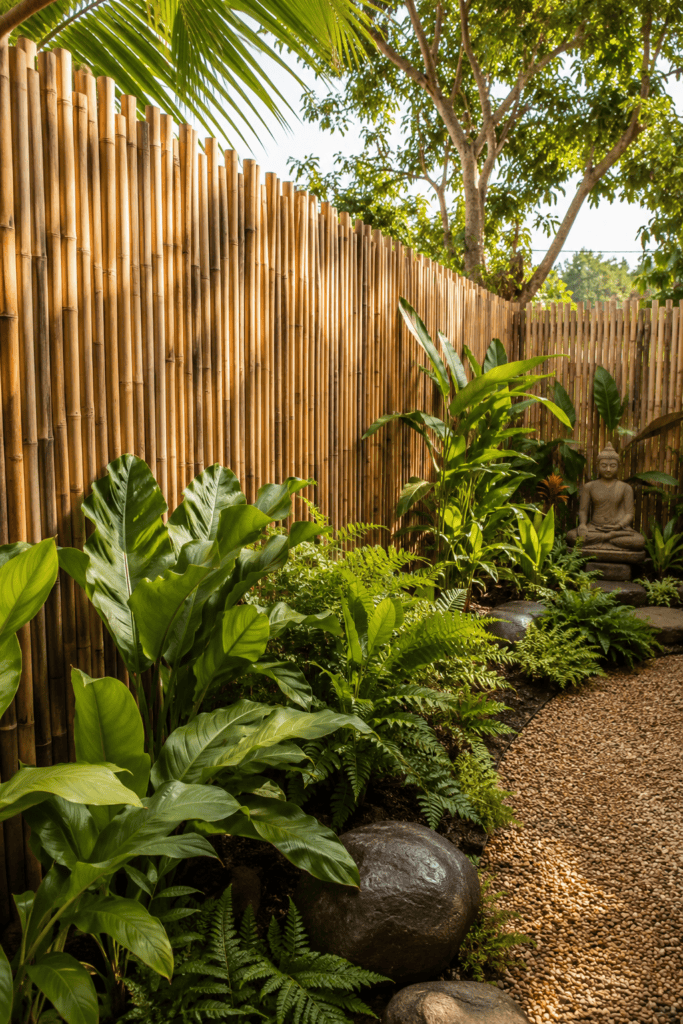
Bamboo fencing is criminally underrated, IMO. It’s fast-growing, sustainable, and gives your garden an instant tropical vibe without the maintenance nightmare of actual bamboo plants (which, trust me, will take over your yard if you’re not careful).
- Pros: Eco-friendly, lightweight, affordable
- Cons: Needs sealing to prevent rot in wet climates
- Great pairing: Ferns, hostas, anything with big leafy texture
4. Wrought Iron Fence
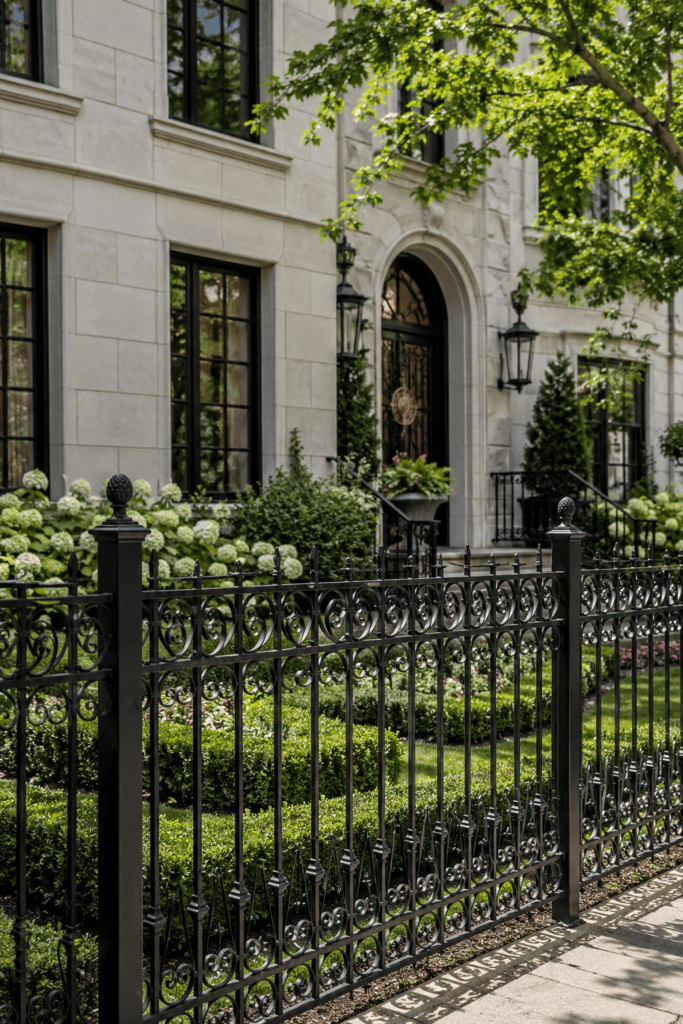
Nothing says “I have my life together” quite like a wrought iron fence. It’s elegant, it’s sturdy, and it basically never goes out of style. My neighbor installed one three years ago, and it still looks brand new because iron just doesn’t care about weather the way wood does.
The downside? Cost. This isn’t the fence for you if you’re working with a shoestring budget. But if longevity is your priority, it’s hard to beat.
Rust is the other concern people bring up, and honestly, it’s a fair one. Modern wrought iron fences come with powder coating that resists rust for years, but you’ll still want to check for chips in the coating occasionally. Catch it early, touch it up with a rust-resistant paint, and you’ll avoid the orange streaks that make an otherwise gorgeous fence look neglected.
5. Vinyl Privacy Fence
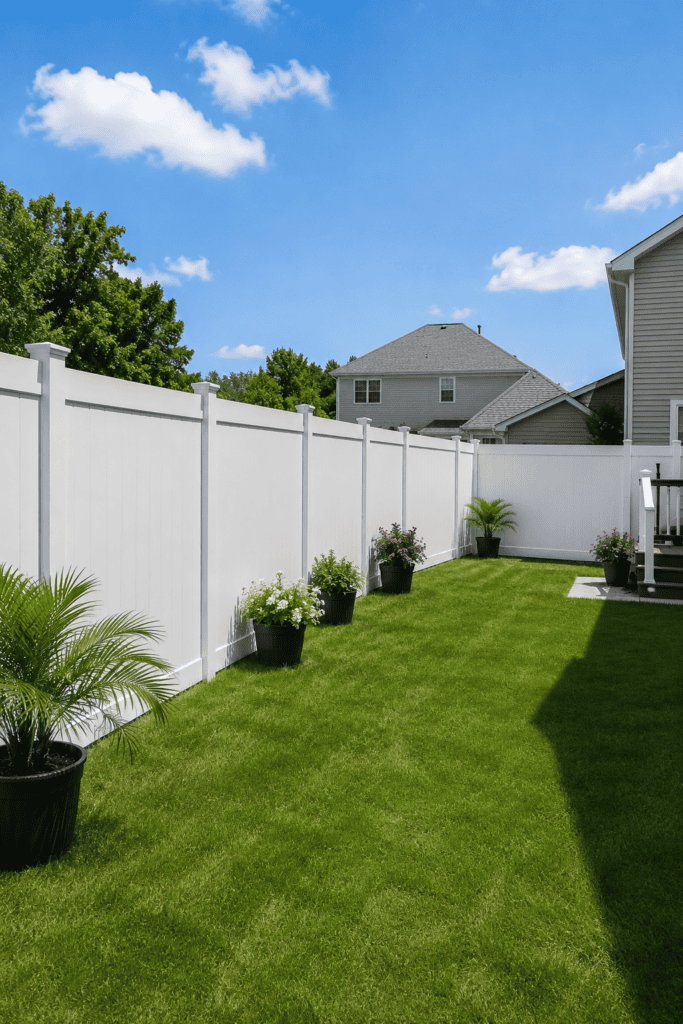
Vinyl gets a bad rap for looking “plasticky,” but modern vinyl fencing has come a long way. I was skeptical until I saw one installed at my sister’s place, and I’ll admit it: I was wrong. It looked clean, required zero maintenance, and survived a brutal winter without a single crack.
- Maintenance: Practically none
- Color options: White, tan, gray, and even faux-wood finishes
- Downside: Can look sterile if you don’t soften it with plants
The other thing worth mentioning: vinyl handles temperature swings way better than people expect. It doesn’t warp in heat or crack in a hard freeze the way cheaper wood options sometimes do. If you live somewhere with genuinely brutal seasons, this alone might make vinyl worth the higher upfront cost.
6. Living Green Fence (Hedge Fencing)
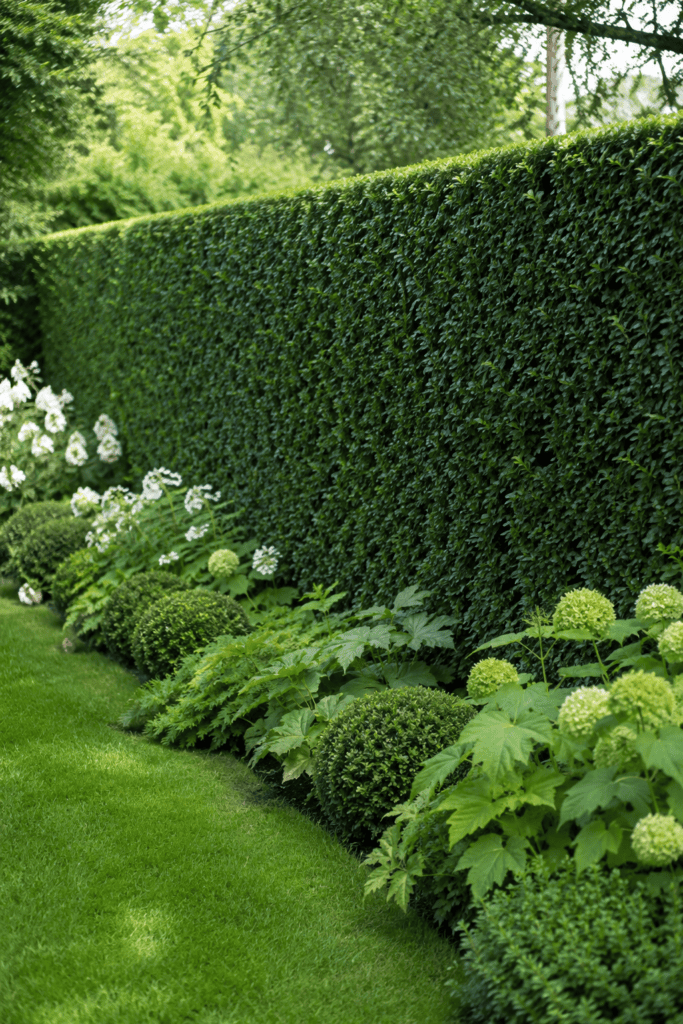
Sometimes the best fence isn’t really a fence at all. A dense hedge like boxwood or privet creates a natural boundary while doubling as a habitat for birds. I planted a boxwood hedge along my back property line, and five years later, it’s thicker than any wood fence I’ve owned.
Patience is the price you pay here. A living fence takes years to mature, so this isn’t for anyone needing privacy next week.
There’s also an ongoing commitment involved that people tend to forget about. You’ll need to trim it a couple times a year to keep it dense and tidy, or it’ll start looking wild pretty fast. IMO, that trade-off is worth it, because no wood or vinyl fence gives you the added bonus of cleaner air and a home for local wildlife.
7. Corrugated Metal Fence
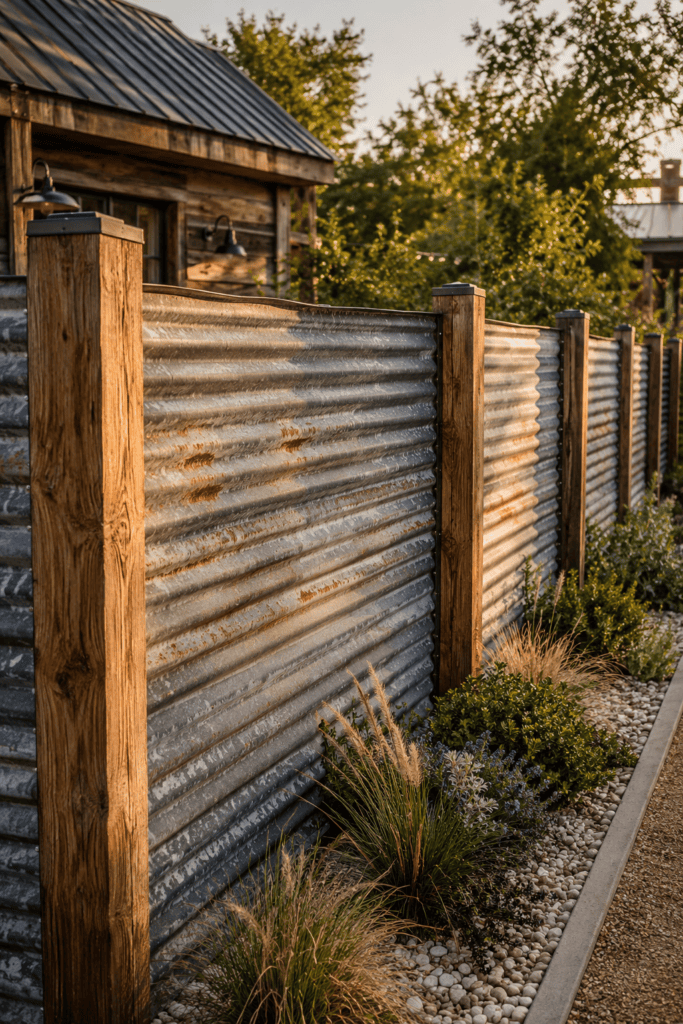
This one surprises people. Corrugated metal fencing has this industrial-meets-rustic look that pairs beautifully with modern landscaping or a farmhouse-style garden. It’s durable, fireproof, and honestly kind of striking when the sun hits it just right.
- Best for: Modern or industrial-style gardens
- Durability: Extremely high
- Style tip: Pair with wood posts to soften the harshness
8. Split Rail Fence
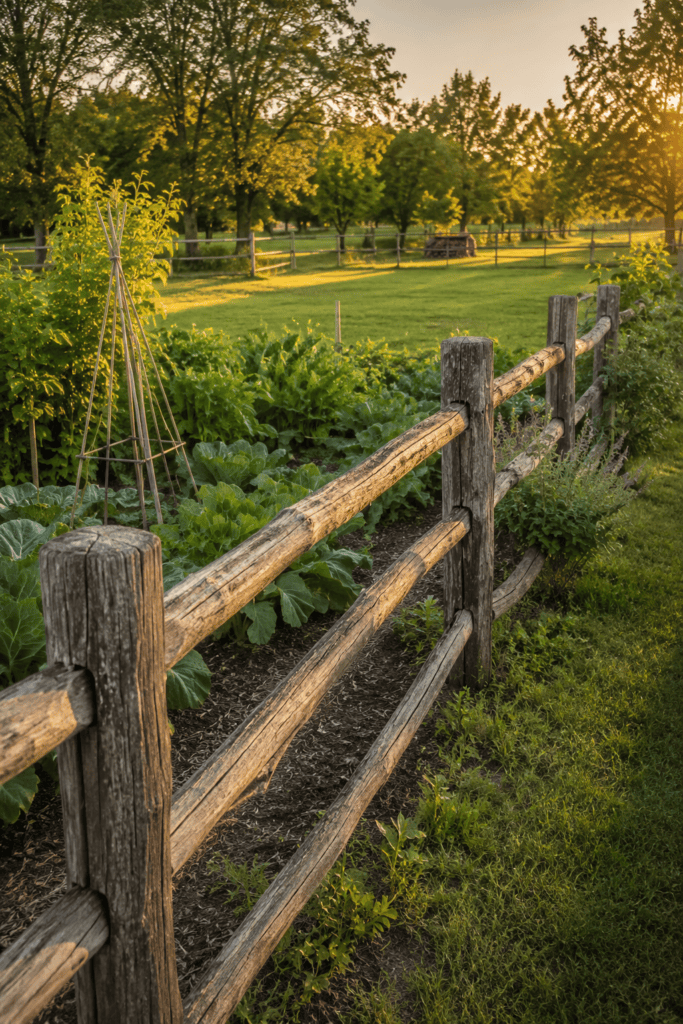
If you want a rustic, ranch-style feel without committing to full privacy, split rail fencing is your answer. It won’t block anyone’s view into your yard, so don’t expect privacy here. But for marking property lines or creating a rustic garden border? It’s perfect.
I used split rail along my vegetable garden, and it kept the dog out without making the space feel boxed in.
9. Woven Willow or Wattle Fence
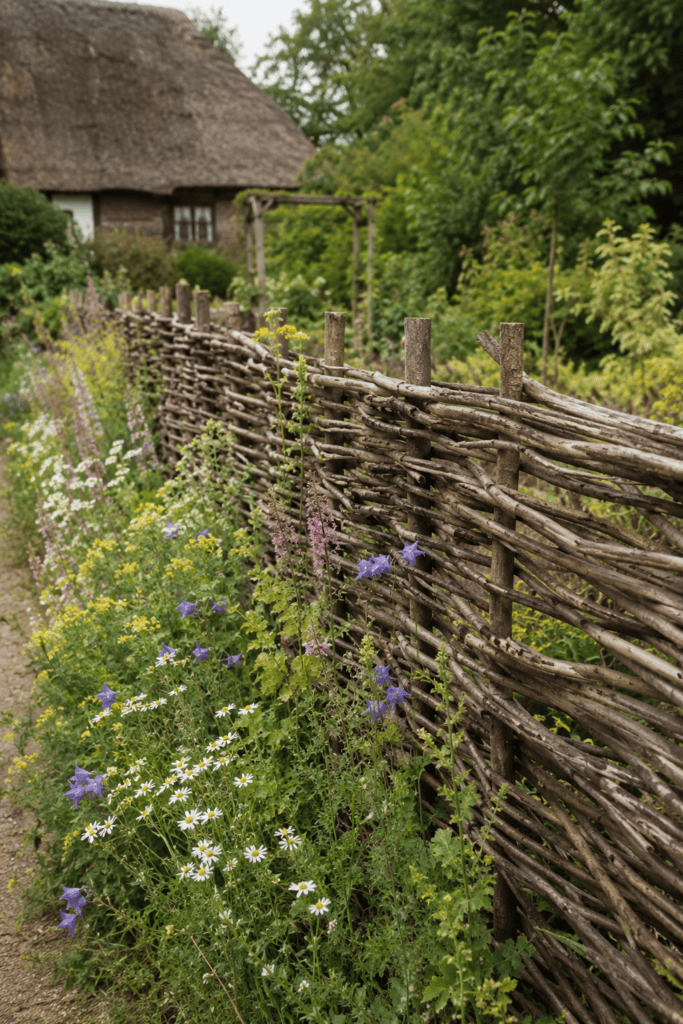
This is the fence for the person who wants their garden to look like it belongs in an English countryside painting. Wattle fencing is woven from flexible branches, usually willow or hazel, and it has this charming, handmade texture that store-bought fences just can’t replicate.
- Cost: Very affordable if you DIY it
- Lifespan: Shorter than wood or vinyl (5-7 years)
- Vibe: Cottagecore before cottagecore was a thing
10. Chain Link Fence (Dressed Up)
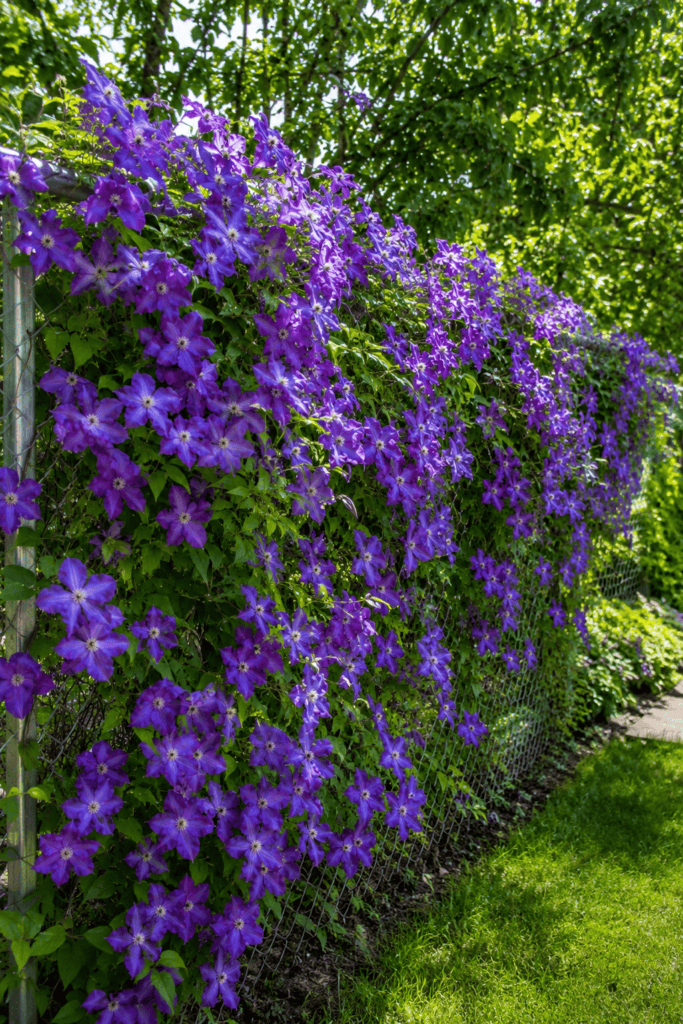
I know, I know—chain link has a reputation for being the ugly duckling of fencing options. But hear me out: dress it up with climbing vines like clematis or morning glory, and suddenly it disappears behind a wall of flowers. Chain link fencing is also the most budget-friendly option on this list by a mile.
Is it glamorous on its own? Not really. But give it a growing season with the right vines, and nobody will remember it started out as chain link.
11. Board-on-Board Fence
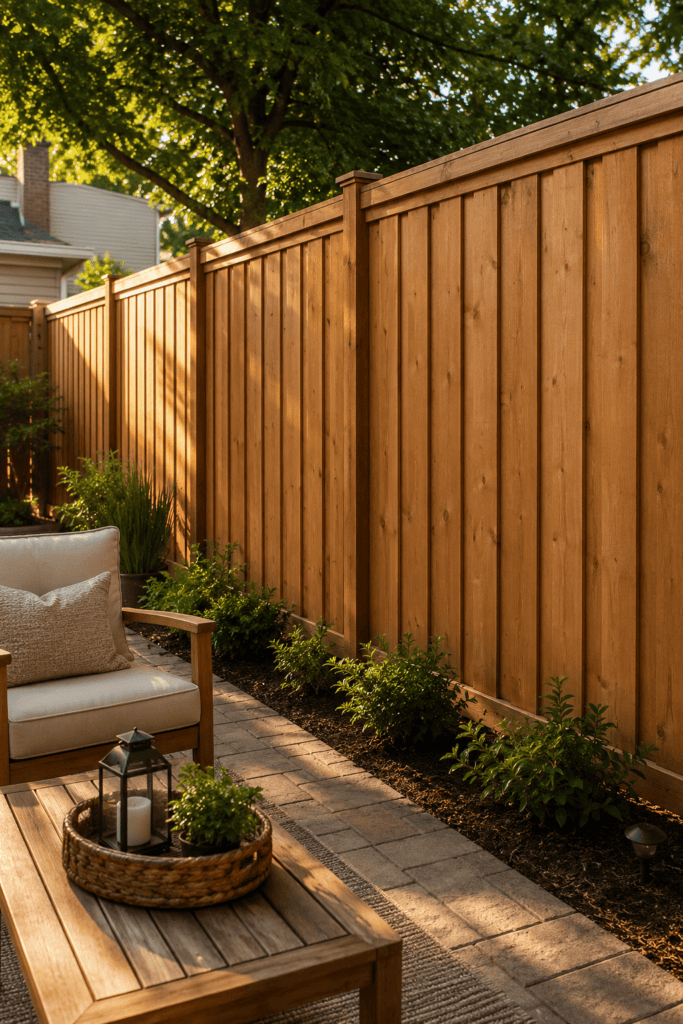
This design overlaps vertical boards so there are zero gaps, giving you total privacy from both sides of the fence. I love this style because it looks finished from your yard and your neighbor’s yard, which is more than I can say for standard privacy fencing.
- Privacy level: Maximum
- Cost: Moderate to high
- Best material: Cedar or pressure-treated pine
If you’ve ever dealt with a nosy neighbor or just want to sunbathe without an audience, this is the design I’d point you toward first. It costs more than a basic single-layer privacy fence because you’re essentially using more lumber per linear foot, but the payoff in actual seclusion is significant.
12. Gabion Fence (Stone-Filled Wire Cages)
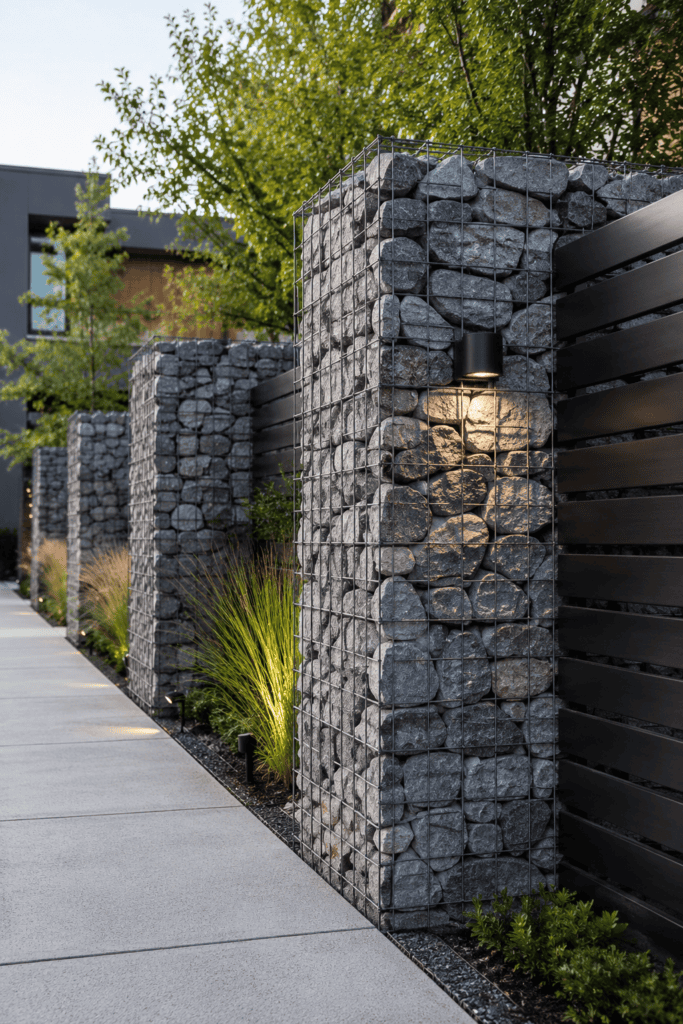
Gabion fencing is exactly what it sounds like: wire cages filled with stone or rock. It’s heavy, permanent, and has this raw, architectural look that works incredibly well in contemporary gardens. I’ve only seen this done professionally, and honestly, DIYing this one isn’t for beginners.
This fence isn’t going anywhere. If you want something that will outlive you, this is probably it.
13. Trellis Fence
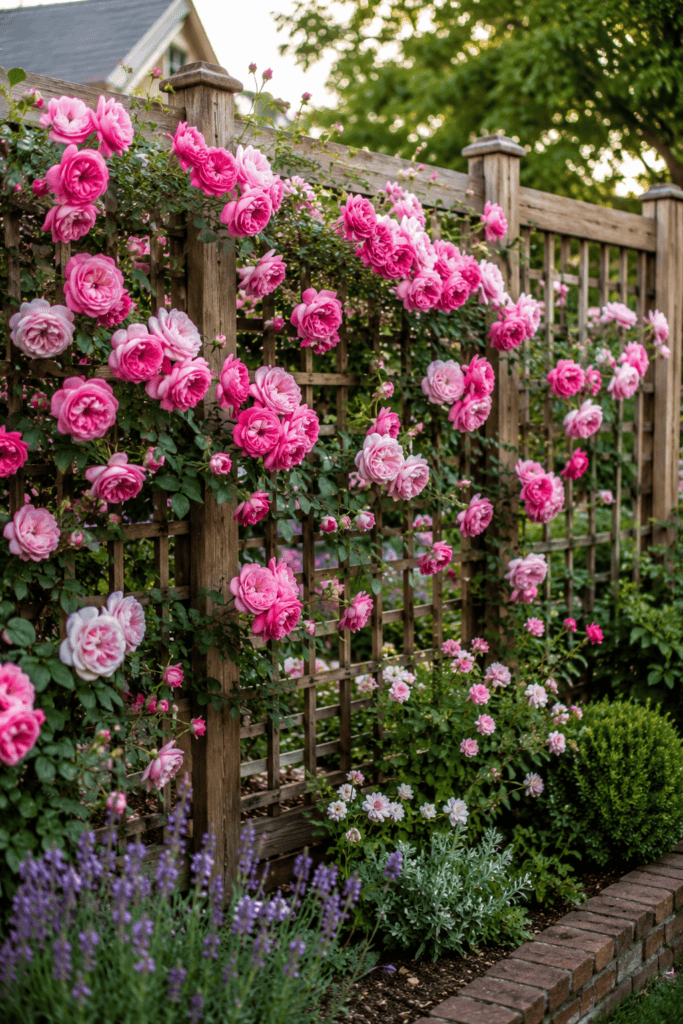
A trellis fence serves double duty: it’s a boundary and a built-in support structure for climbing plants like roses, jasmine, or grapevines. I built a trellis section along my back fence specifically for a climbing rose, and three summers later, it’s the single most photographed corner of my yard.
- Best for: Gardeners who want function and beauty
- Maintenance: Requires occasional plant training
- Style bonus: Changes with the seasons
14. Composite Fence
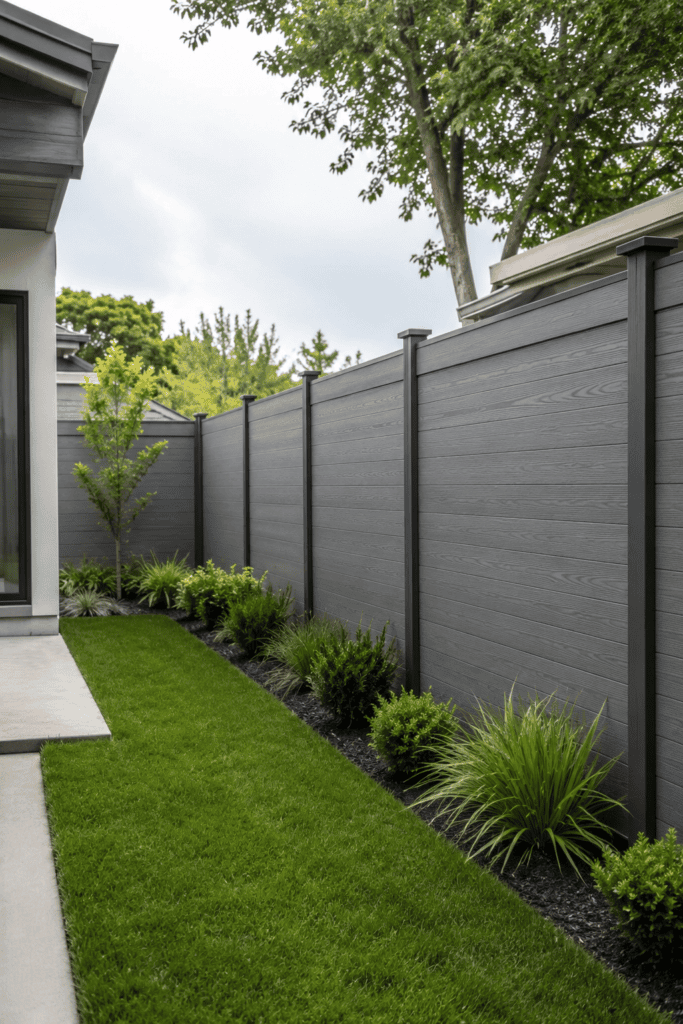
Composite fencing blends recycled wood fibers with plastic, giving you the look of wood without the rot, splintering, or endless staining. It costs more upfront than traditional wood, but I’d argue it pays for itself over time since you’re not repainting it every few years.
Is it as charming as real wood? Not quite, IMO. But if low maintenance is your top priority, composite is hard to argue with.
15. Mixed-Material Fence
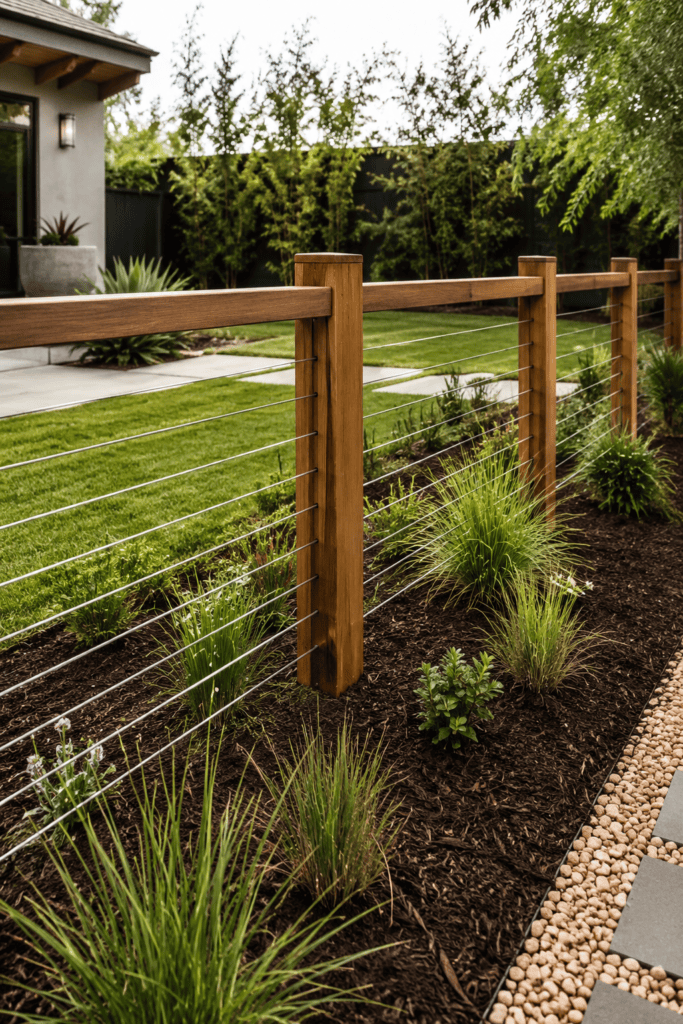
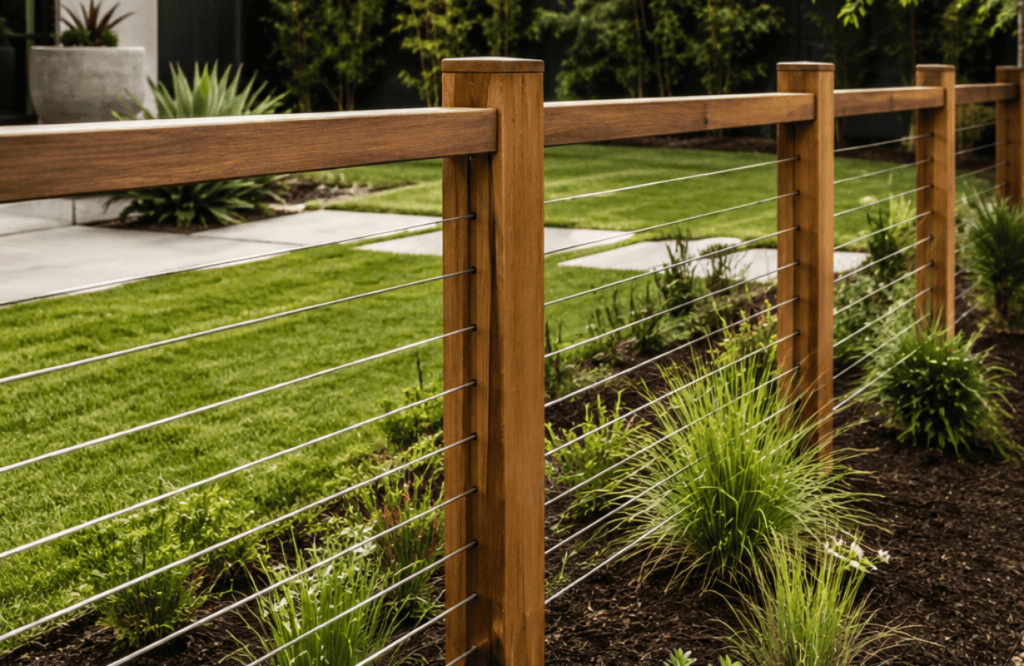
Sometimes the best fence idea is refusing to pick just one material. Combining wood posts with metal panels, or stone bases with wood tops, creates a custom look that no big-box store fence can replicate. My favorite version I’ve seen combined cedar posts with horizontal cable wire, giving an open, modern feel while still marking a clear boundary.
This approach takes more planning, sure. But the payoff is a fence that actually looks like you designed it, not like you grabbed the first option at the hardware store 🙂
How to Actually Choose Between These Options
With fifteen ideas thrown at you, picking one probably feels overwhelming right now. So let’s simplify it. Ask yourself these three questions before you commit to anything.
What’s Your Actual Priority?
Privacy, aesthetics, and budget rarely align perfectly, so figure out which one matters most to you. If privacy is non-negotiable, board-on-board or vinyl privacy fencing should be at the top of your list. If budget rules everything, chain link or split rail will save you the most money without sacrificing durability.
How Much Maintenance Are You Willing to Do?
Be honest with yourself here, because I’ve seen too many people buy a gorgeous wood fence and then never get around to restaining it. Low-maintenance options like vinyl, composite, and metal will save you weekends you didn’t know you were losing. High-maintenance options like wood and wattle need real upkeep to stay looking good.
What’s Your Climate Like?
Humid climates chew through untreated wood fast, while extreme cold can crack certain vinyl products if they’re low quality. Coastal areas deal with salt corrosion on metal fencing, which matters if you’re near the ocean. Match the material to your actual weather, not just the weather you wish you had.
Quick Comparison: Which Fence Fits Your Yard?
| Fence Type | Privacy Level | Maintenance | Budget Friendly |
|---|---|---|---|
| Wood Picket | Low | Moderate | Yes |
| Vinyl Privacy | High | Very Low | Moderate |
| Wrought Iron | Low | Low | No |
| Bamboo | Moderate | Moderate | Yes |
| Hedge (Living) | High (mature) | High | Yes |
| Composite | High | Very Low | Moderate |
FYI, this table isn’t exhaustive, but it should give you a solid starting point for narrowing things down based on what actually matters to you: privacy, upkeep, or cost.
Final Thoughts
Choosing a fence isn’t just about function. It’s about setting the tone for your entire outdoor space, and I genuinely believe most people underestimate how much a fence affects a yard’s overall feel. Whether you go rustic with split rail, bold with corrugated metal, or classic with a painted picket line, the right choice comes down to how you actually use your yard, not just how it looks in photos.
So which one caught your eye? Maybe it’s time to finally replace that sad, leaning fence panel you’ve been ignoring since spring.