
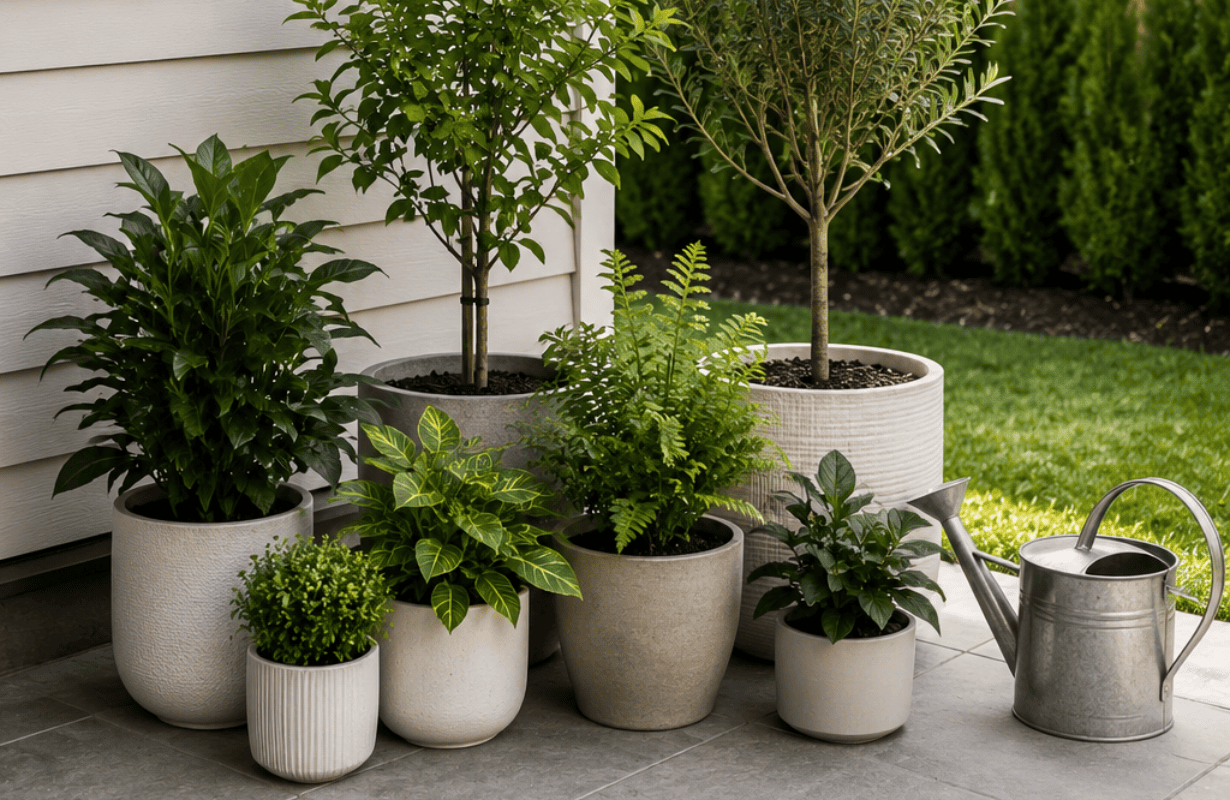
If you’ve ever stood in your backyard holding a half-dead fern wondering where it all went wrong, you’re not alone. Small backyards are brutal for plants: not enough sun in one corner, too much heat radiating off the fence in another, and barely enough square footage to experiment before you’ve wasted a whole Saturday and forty bucks at the garden center.
Here’s the thing: most advice about “easy plants” is written for people with sprawling yards and forgiving climates. That’s not you. You’ve got a patio, maybe a strip of dirt along the fence, and a schedule that doesn’t leave room for daily watering rituals. So let’s talk about the best low-maintenance plants for small backyards the ones that actually hold up when you’re busy, when it’s 95 degrees in July, and when you genuinely just want your outdoor space to look good without babying it.
This isn’t a generic “top 10 plants” list copied from a nursery catalog. It’s what actually works when space, time, and patience are all limited.
Why Small Backyards Kill More Plants Than Big Ones
This sounds backwards, but small spaces are actually harder to plant than large ones. Here’s why.
In a big yard, a struggling plant is one of fifty. You barely notice it. In a small backyard, every plant is on display — there’s no hiding a crispy, sun-scorched shrub behind six other shrubs. Every decision matters more because there’s less room for error and less room to just plant around a mistake.
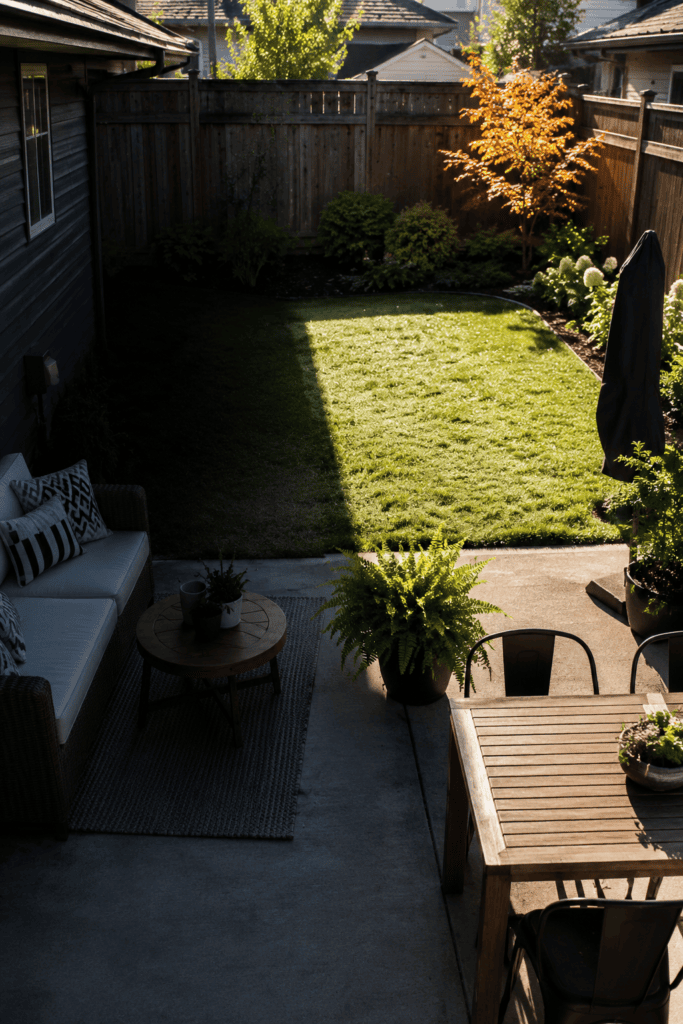
Small yards also tend to have more extreme microclimates packed into less space. A patio surrounded by fencing and a house wall creates a heat trap. That corner near the AC unit? Bone dry. The strip along a shaded fence line? Practically a rainforest by comparison. Most people plant the same thing across their whole yard and then wonder why half of it dies — it’s not bad luck, it’s that one small yard can behave like three completely different climates at once.
The Real Reason “Easy” Plants Still Die
Most people get this wrong: they assume “low-maintenance” means “ignore it completely.” It doesn’t. Low-maintenance means forgiving, not invincible. A drought-tolerant plant still needs consistent watering for its first month or two while roots establish. Skip that step, and even the toughest succulent or ornamental grass will fail — not because it’s fussy, but because it never got the chance to build the root system that makes it low-maintenance in the first place.
That establishment period is the single most skipped step in backyard gardening, and it’s why so many people swear a certain plant “just doesn’t work” for them when really, it never got a fair start.
Key Principles Before You Buy Anything
Match the Plant to Your Actual Conditions, Not the Tag
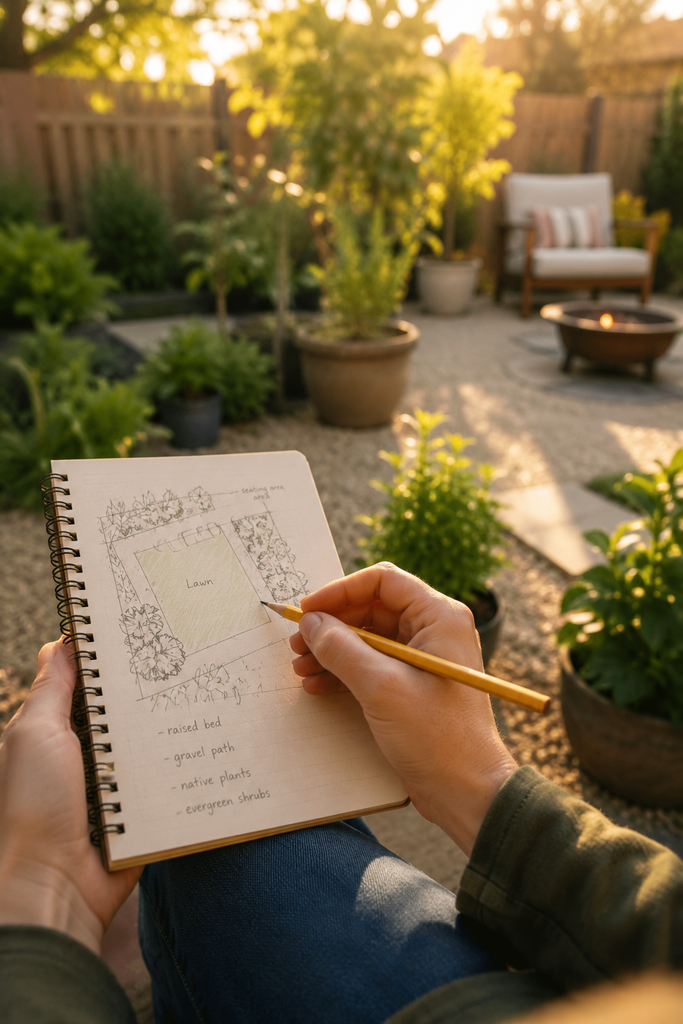
Plant tags are optimistic at best. They’re written for average conditions across an entire growing zone, not your specific patio with a west-facing wall that turns into a frying pan every afternoon. Before buying anything, spend a day actually watching your space — where the sun hits at 9am, at noon, at 4pm. Small backyards fool people because a spot can look shady in the morning and blazing by mid-afternoon.
Fewer Plant Varieties, More Repetition
This is counterintuitive, but one of the best tricks for a low-maintenance small backyard is to plant fewer types of plants, not more. Here’s why it works: when you have five plants of one variety instead of five different plants, you only need to learn one watering schedule, one pruning routine, one set of warning signs for stress or disease. Diversity sounds nice on paper, but in a small space it usually just means five different maintenance manuals you now have to remember.
Vertical and Container Space Counts
If your yard is small, your ground space is limited — but your vertical space usually isn’t. Trellises, wall planters, and raised containers let you grow more without demanding more square footage or more water (since containers can be grouped on efficient drip systems). This isn’t just a space-saving trick — it also keeps plants out of reach of foot traffic, pets, and accidental weed-whacker massacres.
The Best Low-Maintenance Plants for Small Backyards
For Full Sun and Heat
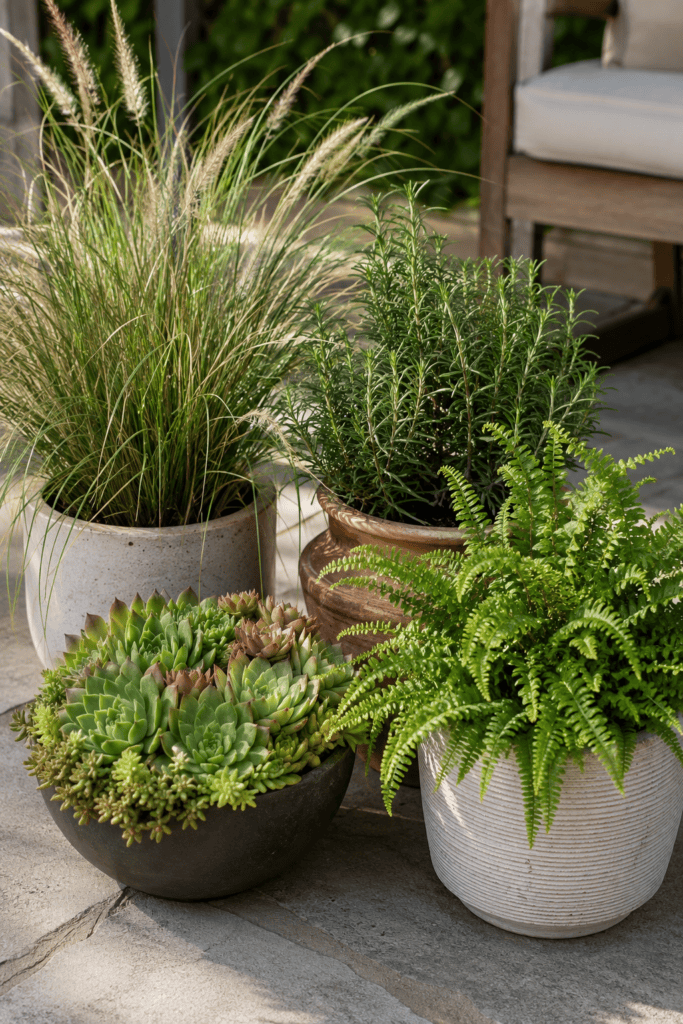
Ornamental grasses (like Blue Fescue or Little Bluestem) are criminally underused in small yards. They need almost no water once established, they don’t need pruning more than once a year, and they add movement and texture without demanding attention. What actually works is planting them in odd-numbered clusters of three — it reads as intentional instead of sparse.
Sedum and other succulents thrive on neglect. Overwatering is actually the main way people kill these, not underwatering — so if your instinct is to “help” a struggling plant with more water, sedum is the wrong plant for that impulse. Let the soil dry out completely between waterings.
Russian sage handles heat, poor soil, and irregular watering better than almost anything else on this list, and it blooms for months. It also doesn’t need deadheading to keep flowering, which saves an entire category of maintenance most gardeners don’t think about until they’re doing it every weekend.
For Shade or Partial Shade
Hostas get a bad reputation for attracting slugs, but in a small, well-drained backyard bed, they’re genuinely low-effort — they spread on their own, tolerate a wide range of soils, and come back reliably every year without dividing for several seasons.
Heuchera (Coral Bells) gives you color without flowers, which matters more than people realize. Flowering plants generally need more consistent care to keep blooming — deadheading, fertilizing, watching for pests drawn to blooms. Foliage plants like Heuchera skip all of that and still look intentional and lush.
Ferns in the right shaded, moist spot are nearly self-sufficient. The mistake people make is planting ferns in a spot that’s shady but also dry — shade alone doesn’t make a spot fern-friendly. Check the soil moisture, not just the sun exposure.
For Containers and Small Patios
Boxwood in pots gives you that clean, structured look without needing an actual hedge’s worth of space or maintenance. Trim it once or twice a year and it holds its shape.
Rosemary does double duty as a low-maintenance ornamental and something you can actually cook with. It’s drought-tolerant, doesn’t mind poor soil, and a single plant in a container can last years with almost no intervention beyond an occasional trim.
A Simple Step-by-Step Approach for Planting a Low-Maintenance Backyard
1. Map your sun exposure over one full day. Don’t guess — actually check morning, midday, and late afternoon light in each area you plan to plant.
2. Pick 3–4 plant varieties max, matched to the different microclimates you found, not one variety forced into every spot.
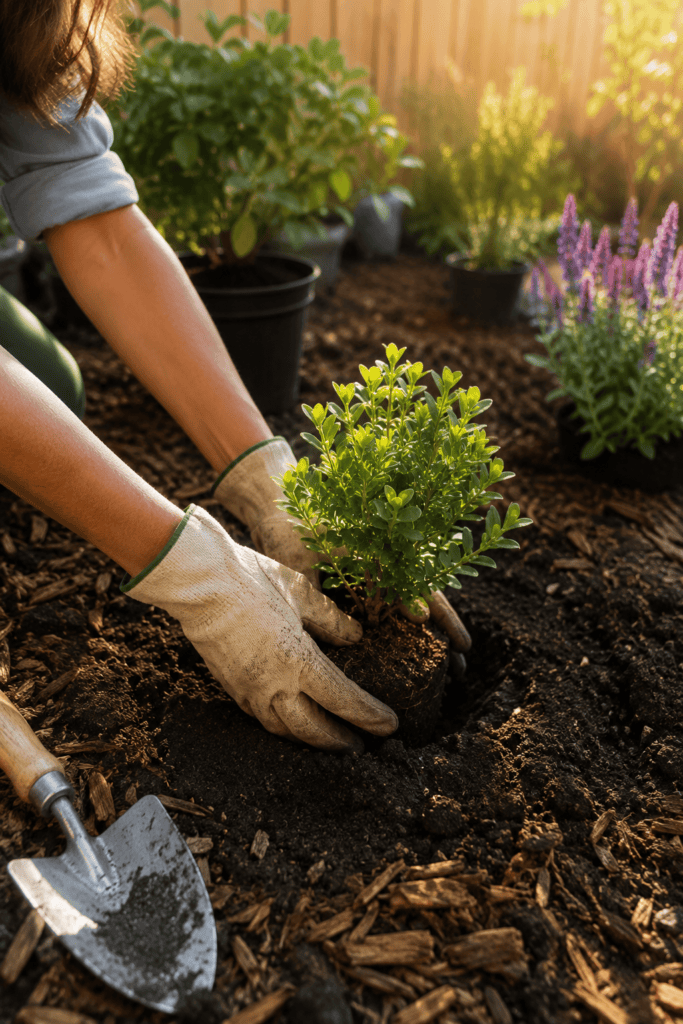
3. Water consistently for the first 4–6 weeks after planting, even for “drought-tolerant” varieties. This establishment window is non-negotiable no matter what the plant tag promises.
4. Mulch everything. A two-to-three-inch layer of mulch cuts watering needs significantly by slowing evaporation, and it suppresses the weeds that turn a low-maintenance yard into a weekend chore.
5. Group plants with similar water needs together. Mixing a thirsty plant next to a drought-tolerant one means you’re either overwatering one or underwatering the other — there’s no watering schedule that satisfies both.
Practical Tips That Actually Make a Difference
- Skip anything labeled “fast-growing” unless you actually want to prune regularly — fast growth almost always means more maintenance, not less.
- Avoid plants that need regular fertilizing to look good; if a plant’s health depends on feeding it every few weeks, it’s not really low-maintenance, no matter what else it has going for it.
- Check your USDA hardiness zone before buying anything — a plant that’s low-maintenance in Georgia can be a nightmare (or dead by January) in Minnesota.
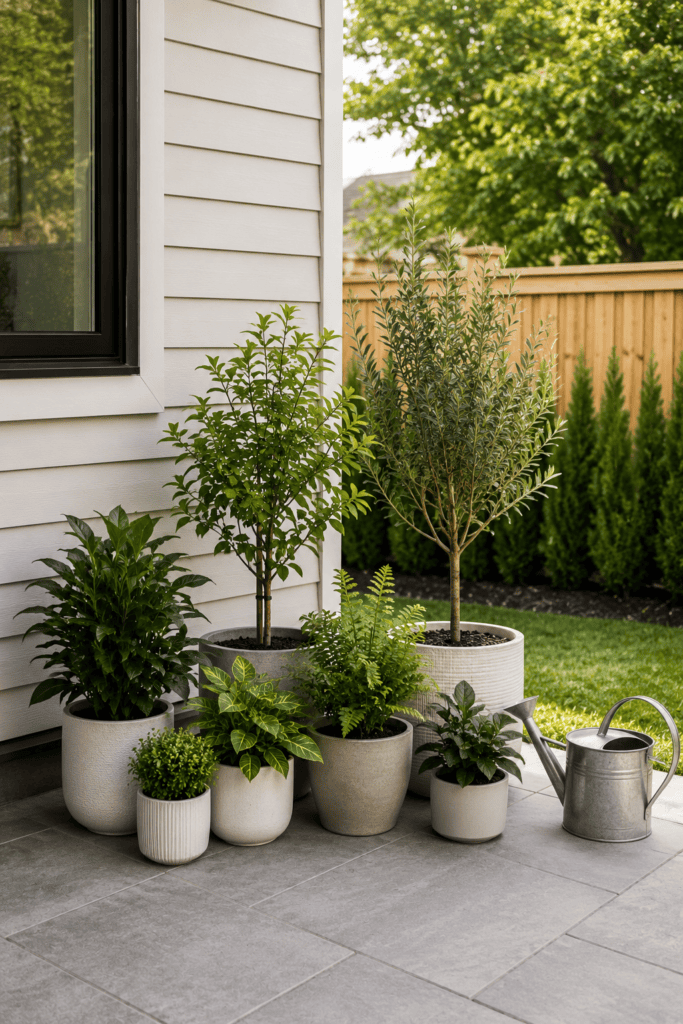
- Group containers together rather than scattering them — it makes watering faster and it looks more deliberate.
The Bottom Line
A low-maintenance backyard isn’t about finding magic plants that thrive on neglect from day one it’s about matching the right plants to your actual conditions, giving them a fair start, and keeping the variety simple enough that you’re not juggling ten different care routines. Start with your sun map, pick a handful of the plants above suited to what you actually have, and give them that first month of real attention. After that, your backyard genuinely starts taking care of itself, which is the whole point.