

If you love spaces that feel warm, stylish, and effortlessly cool, mid-century modern apartment decor probably already has your attention. It hits that sweet spot between clean minimalism and cozy personality, which explains why so many people keep coming back to it. You get the sleek lines, the gorgeous wood tones, the sculptural lighting, and just enough retro charm to make your apartment feel interesting instead of bland.
I’ve always liked how this style makes a space look polished without feeling stiff. It doesn’t beg for attention, but it definitely gets it. And the best part? You don’t need a huge budget or a massive apartment to make it work. A few smart choices can completely shift the vibe.
In this article, I’m sharing 15 mid-century modern apartment decor ideas that can help you create a home that feels balanced, inviting, and actually livable. Some ideas make a bold statement, others quietly pull the whole room together, and honestly, that mix is what makes this style so good. Ready to give your apartment that timeless look without making it feel like a furniture showroom? Let’s get into it.
1. Start With a Walnut Wood Foundation
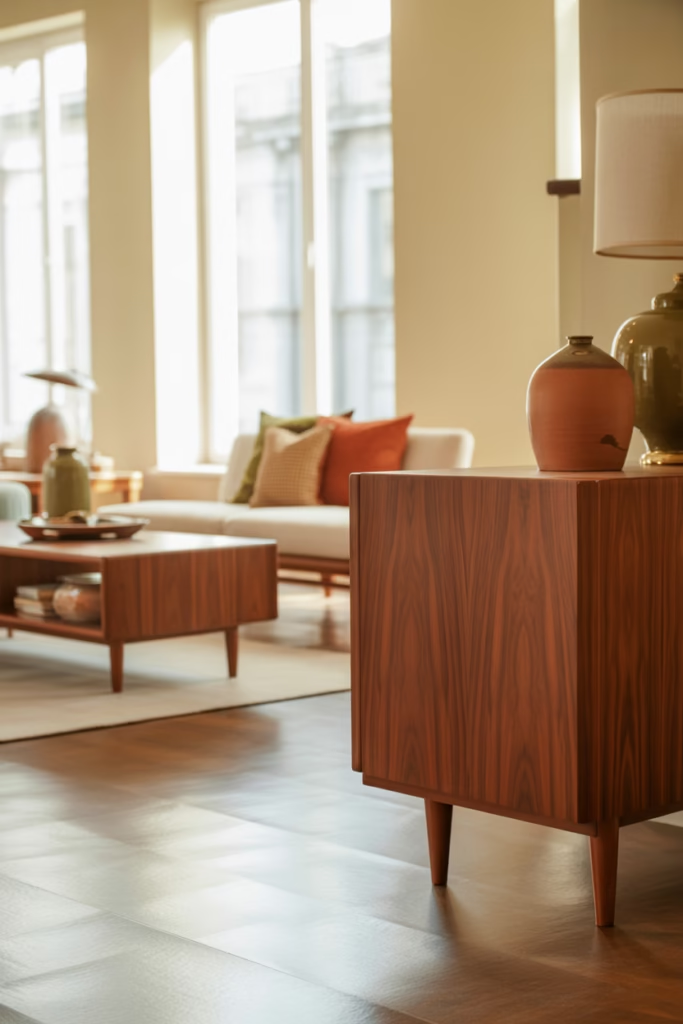
Walnut wood is the backbone of mid-century modern design. Whether it’s a sideboard, a coffee table, or even just a small accent shelf, that warm, medium-toned wood instantly anchors the aesthetic.
The beauty of walnut is that it plays well with almost every color palette — warm whites, mustard yellows, burnt oranges, even deep teals. It doesn’t fight for attention; it just quietly holds everything together.
Look for pieces with tapered legs — that’s the telltale mid-century signature. A walnut dining table with angled legs transforms a dining room from generic to genuinely stylish without much effort.
2. Go Low With Your Furniture
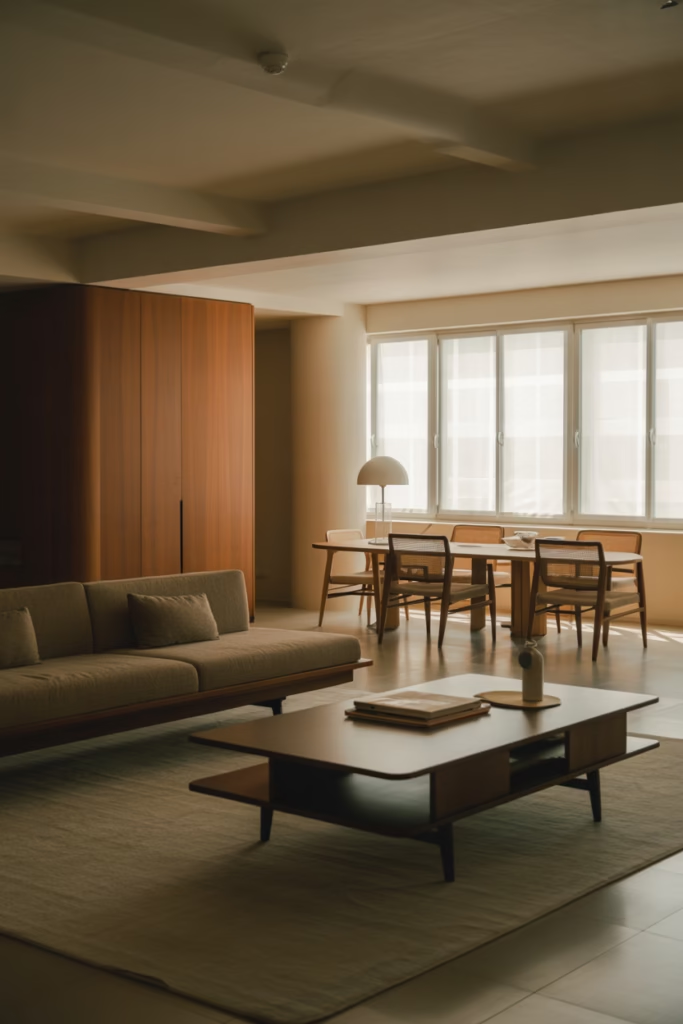
Ever noticed how mid-century modern spaces feel so grounded and calm? That’s largely because the furniture sits low to the floor. Low-profile sofas, platform beds, and squat coffee tables create a visual flow that makes rooms feel larger and more intentional.
This works especially well in apartments where ceiling height is average or lower. Low furniture draws the eye horizontally, which tricks the brain into perceiving more space.
- Choose sofas with seat heights around 15–17 inches
- Opt for platform or low-profile bed frames without bulky headboards
- Keep coffee tables at or slightly below sofa arm height
3. Bring In an Eames-Style Lounge Chair
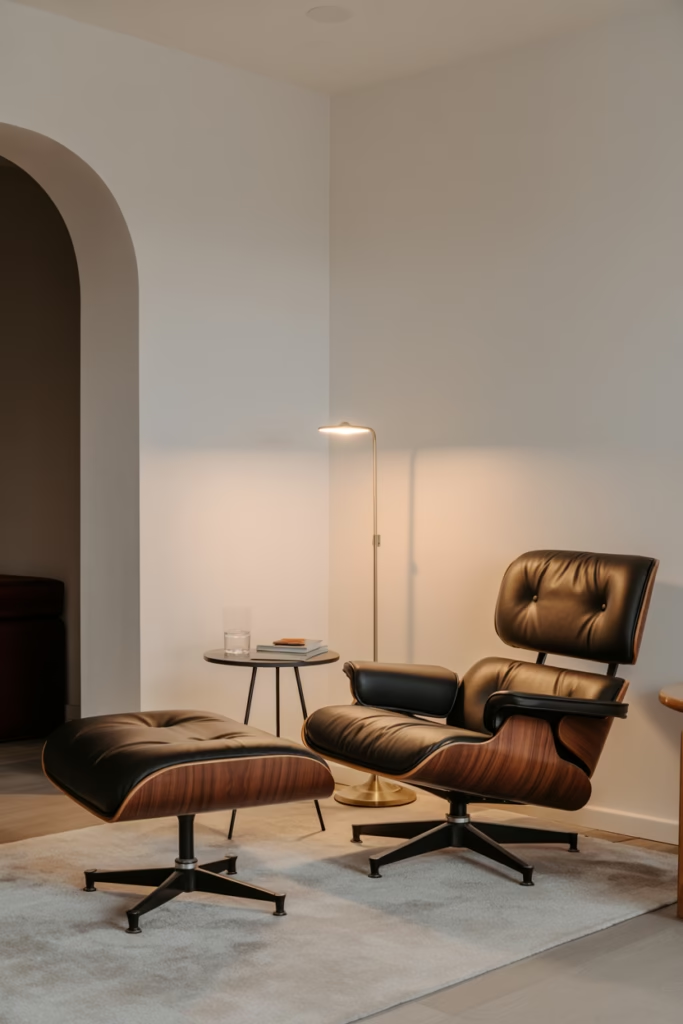
Okay, I know — the real Eames Lounge Chair costs a small fortune. But here’s the thing: there are excellent replicas and inspired pieces at every price point that capture the same energy. A molded shell chair or a tufted leather lounge with walnut legs brings instant mid-century credibility to any corner of your apartment.
Position it near a floor lamp and a small side table, and you’ve basically created the perfect reading nook. IMO, this single piece does more for a room’s personality than almost anything else you can buy.
4. Use an Earthy, Retro Color Palette
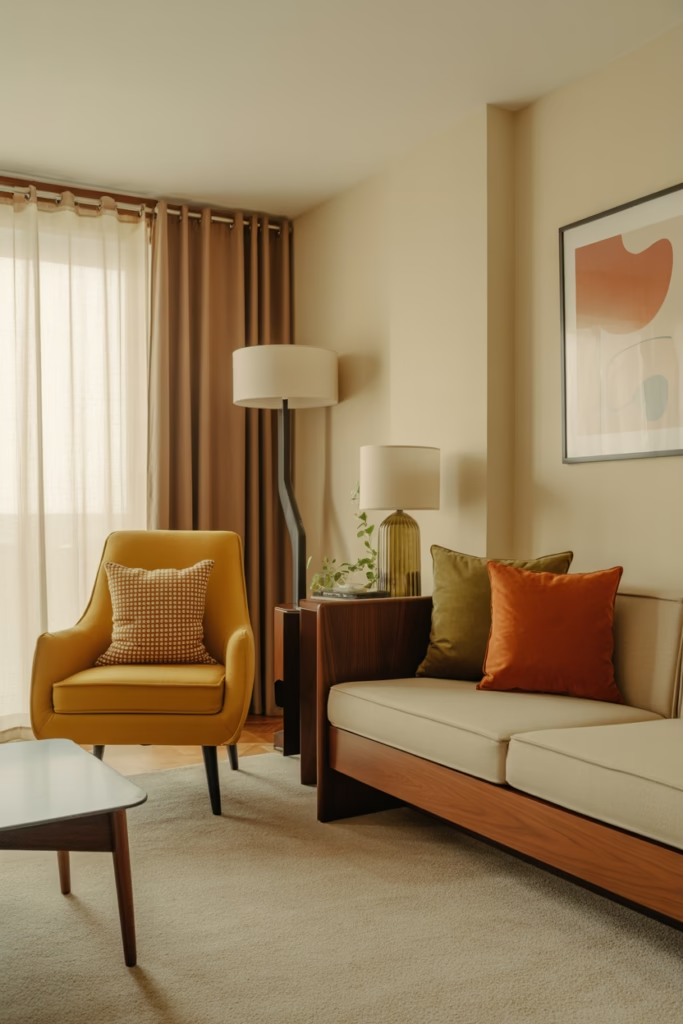
Mid-century modern color isn’t about being bold for boldness’s sake — it’s about warmth and intention. Think:
- Mustard yellow — works as an accent wall, throw pillows, or a statement armchair
- Burnt orange — especially good in textiles and ceramics
- Olive green — incredible as a sofa color or in a velvet accent chair
- Teal and turquoise — best used sparingly, in art or decorative objects
- Warm white and cream — ideal for walls and larger furniture pieces
The key is keeping your base neutral and letting one or two accent colors do the heavy lifting. You don’t need to paint every wall terracotta to nail this look.
5. Layer in Organic Shapes
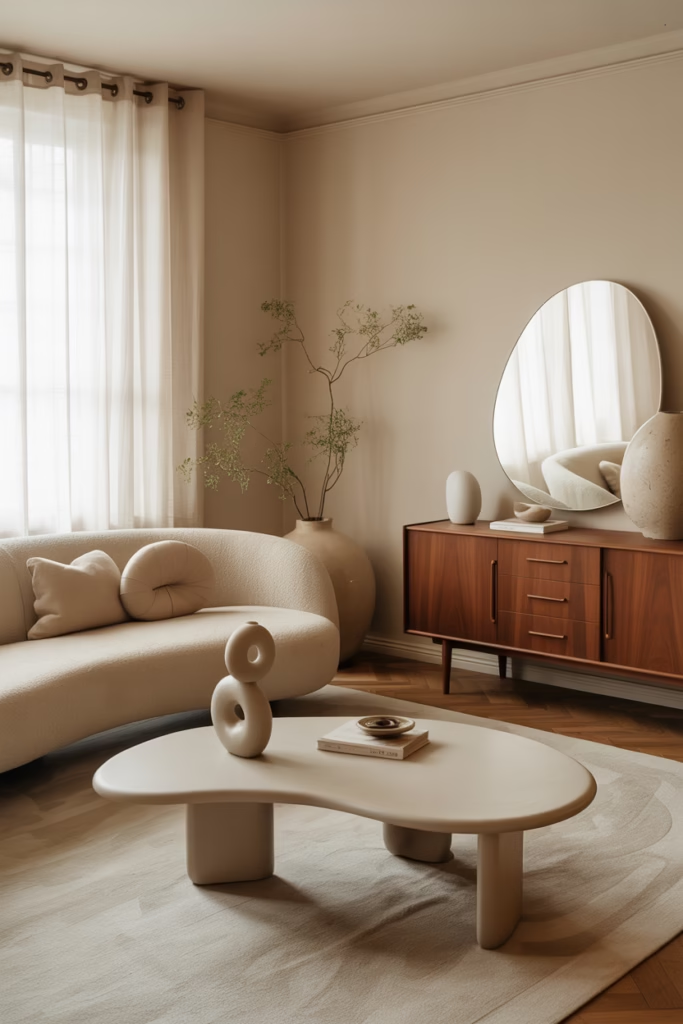
Mid-century modern isn’t all straight lines and sharp angles. One of the most overlooked elements of the style is its love for organic, nature-inspired shapes — kidney-shaped coffee tables, round pendant lights, curved sofas, and abstract art.
These soft curves balance the geometric furniture and keep the space from feeling too rigid or cold. A round tulip-style dining table, for instance, softens a room that has a lot of angular elements.
Look for:
- Blob-shaped or irregular mirrors
- Curved accent chairs
- Abstract sculptural decor pieces
- Round rugs in earthy tones
6. Pick the Right Rug (This One Matters More Than You Think)
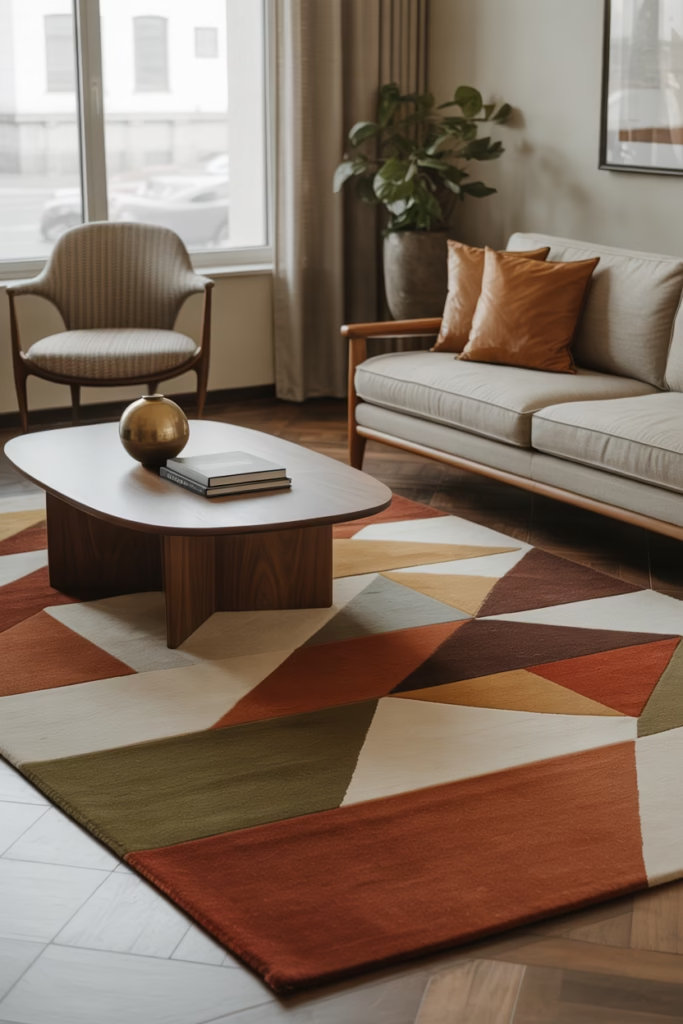
Rugs in mid-century modern spaces serve a specific purpose — they define zones and add texture without competing with the furniture. A geometric patterned rug in warm tones does a lot of the visual work in tying a seating arrangement together.
Shag rugs work beautifully here too, especially in cream or brown tones. They add tactile warmth that balances out the harder surfaces like wood and metal.
Quick rug rules for MCM spaces:
- Go large — the rug should sit under the front legs of all major seating
- Stick to patterns that are graphic but not overwhelming (think simple geometric repeats)
- Avoid anything too ornate or Persian — it’ll fight the aesthetic
7. Add a Statement Floor Lamp
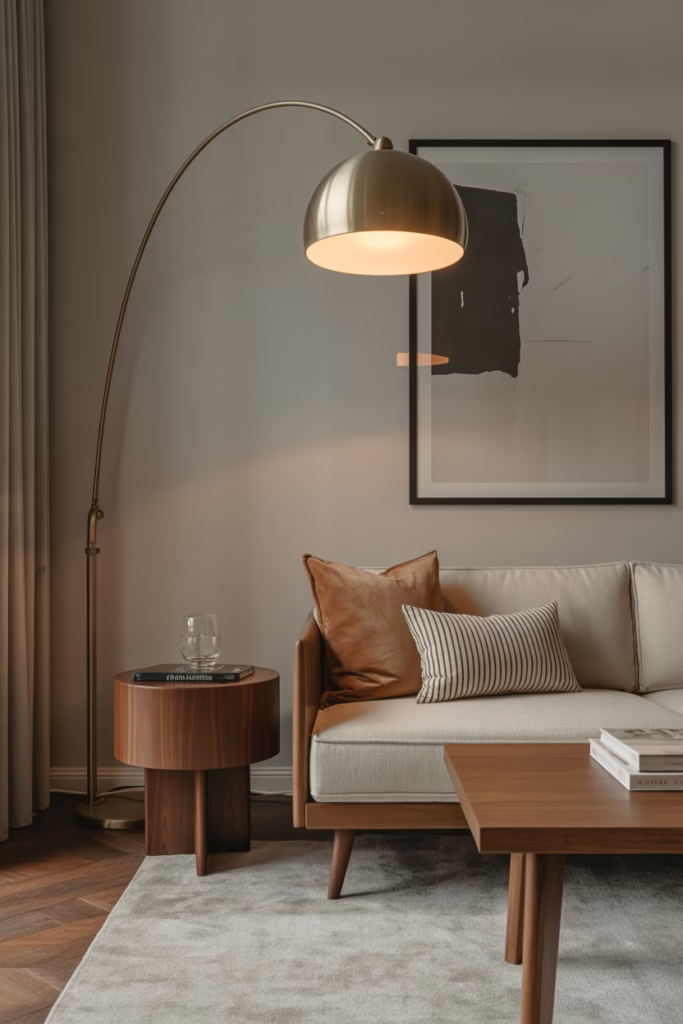
If you’re sleeping on floor lamps, please reconsider :). Lighting is one of the fastest ways to shift the feel of a room, and mid-century modern floor lamps are genuinely iconic. The arc lamp — a tall curved arm sweeping over a sofa or chair — is the most recognizable, and for good reason.
Brass and matte black are the best finishes for MCM lighting. Avoid chrome if you can; it reads more contemporary than retro.
A well-placed arc lamp over a reading chair or the end of a sofa immediately elevates the entire seating area. It’s functional, sculptural, and honestly kind of dramatic in the best way.
8. Mount Floating Shelves With Purpose
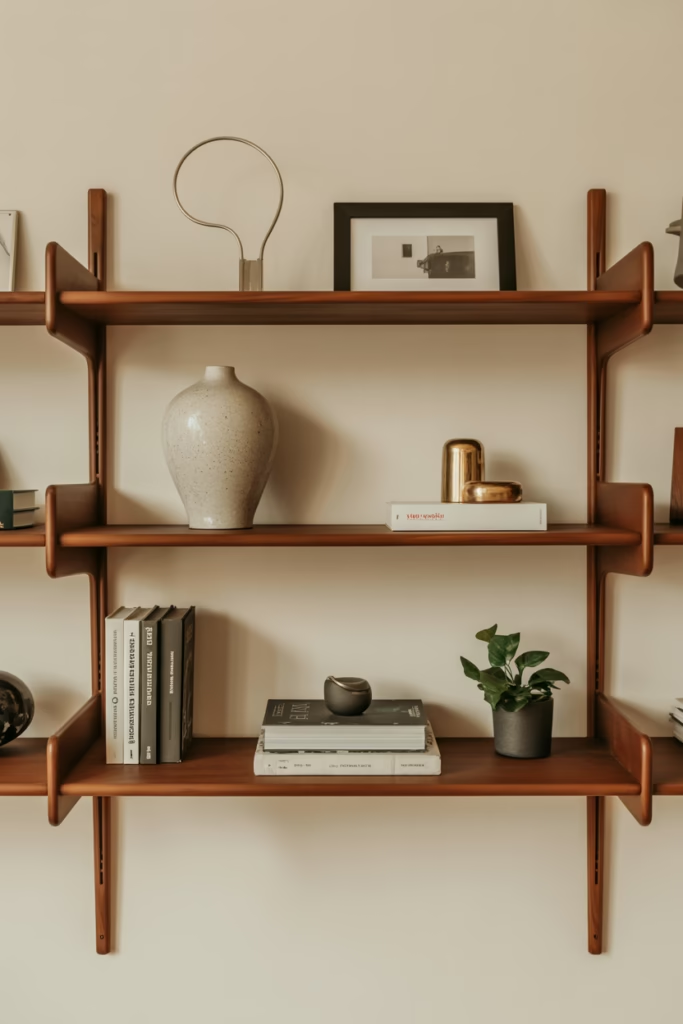
Here’s where a lot of people go wrong — they put up shelves and then fill them with random stuff. Floating shelves in a mid-century modern apartment need curation, not clutter.
Think: a small potted plant, one or two art objects, a few hardcover books turned spine-out, and maybe a ceramic vase. That’s it. The shelf should feel intentional and a little spare.
Walnut or teak floating shelves look best here. Pair them with brass bracket hardware for that extra MCM detail that people notice without knowing why the room feels so cohesive.
9. Let Plants Do the Heavy Lifting
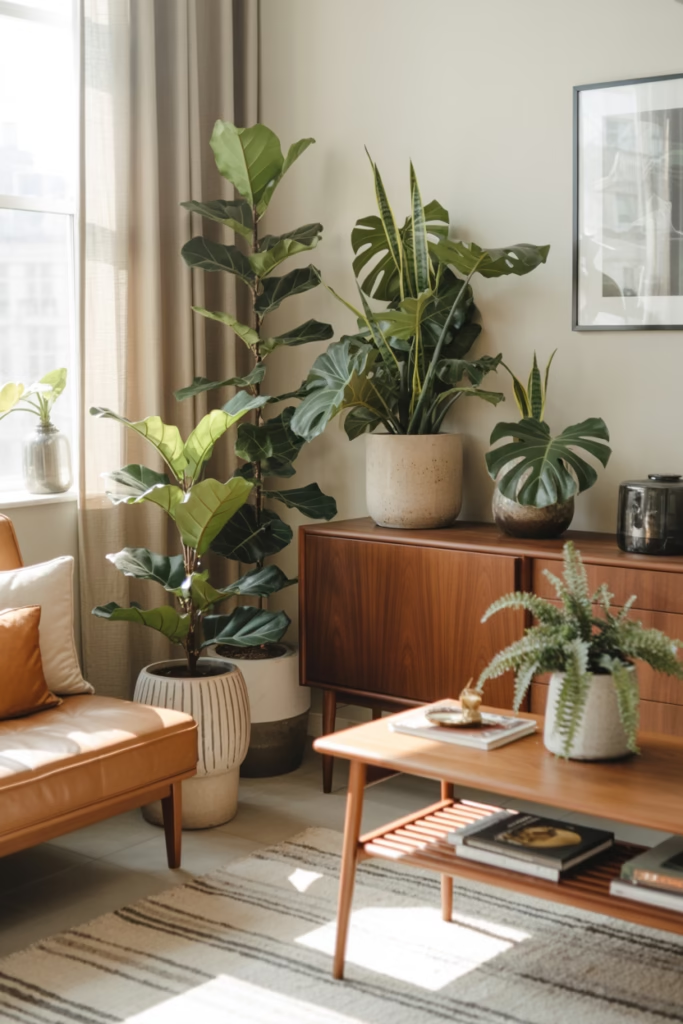
Mid-century modern and houseplants were basically made for each other. The style borrows heavily from nature — organic shapes, warm wood tones, earthy colors — so live plants feel completely at home here.
The classics work best:
- Fiddle leaf fig — tall, dramatic, sculptural
- Monstera deliciosa — lush, iconic, and forgiving
- Snake plant — works in any light condition
- Bird of paradise — a statement plant for larger corners
Use simple ceramic or textured planter pots in warm neutrals or terracotta. Avoid anything too modern-minimalist (stark white geometric pots) or too rustic (raw wicker baskets without liners).
10. Hang Abstract Art
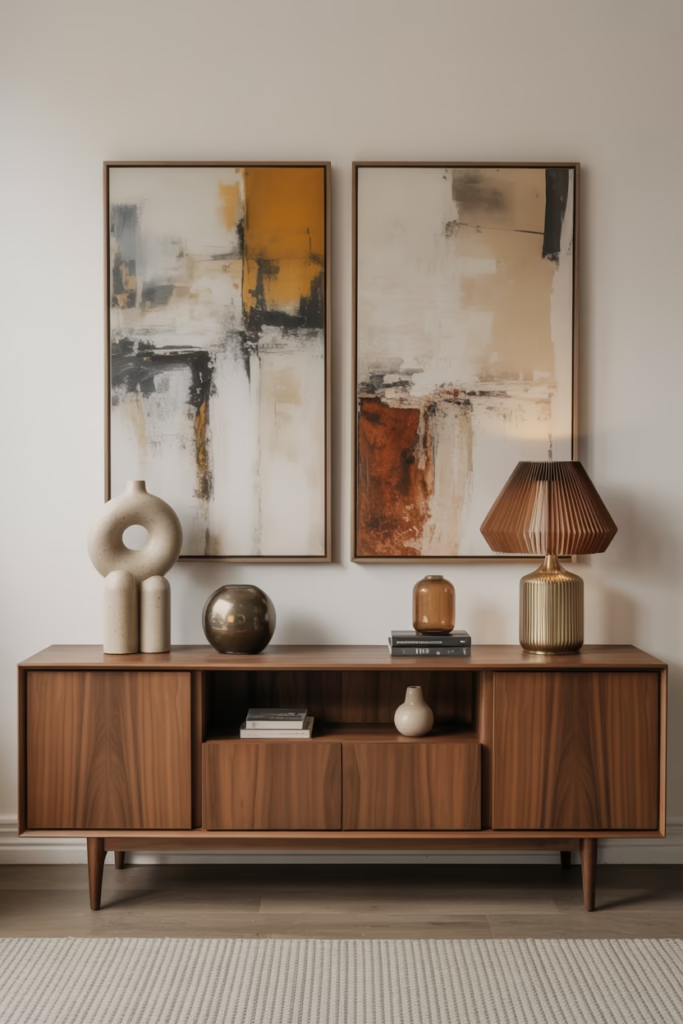
What kind of art belongs in a mid-century modern apartment? Abstract, graphic, and bold — but not maximalist. Think geometric prints, abstract expressionist pieces, and simple line art in warm tones.
Mid-century modern art doesn’t have to be expensive. Some of the best pieces I’ve seen in these spaces are affordable prints from independent artists that just nail the right color palette and composition.
A few tips:
- Go large — one big piece beats a gallery wall in most MCM spaces
- Stick to a frame style: thin black metal or warm wood
- Let the art be the focal point; don’t crowd it with other decor
11. Choose a Sideboard or Credenza Over a Media Console
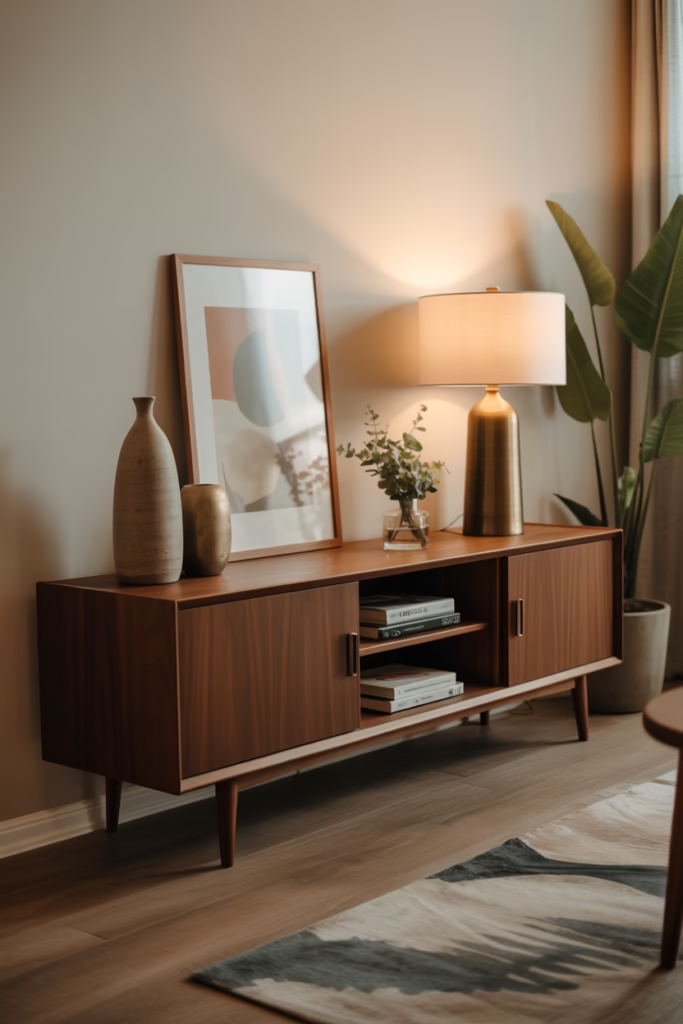
Can we talk about how underrated the credenza is? A low, long sideboard or credenza is one of the most functional and aesthetically pleasing pieces of furniture you can own, especially in an apartment.
Use it as a TV stand, a bar, extra storage, or a display surface. A walnut credenza with hairpin legs or angled tapered legs looks incredible against a wall and immediately reads as authentically mid-century modern.
Style the top with a lamp, a plant, and one or two decorative objects. Don’t over-stuff it. The credenza should feel like it’s doing you a favor, not holding a yard sale.
12. Incorporate Brass Hardware and Accents
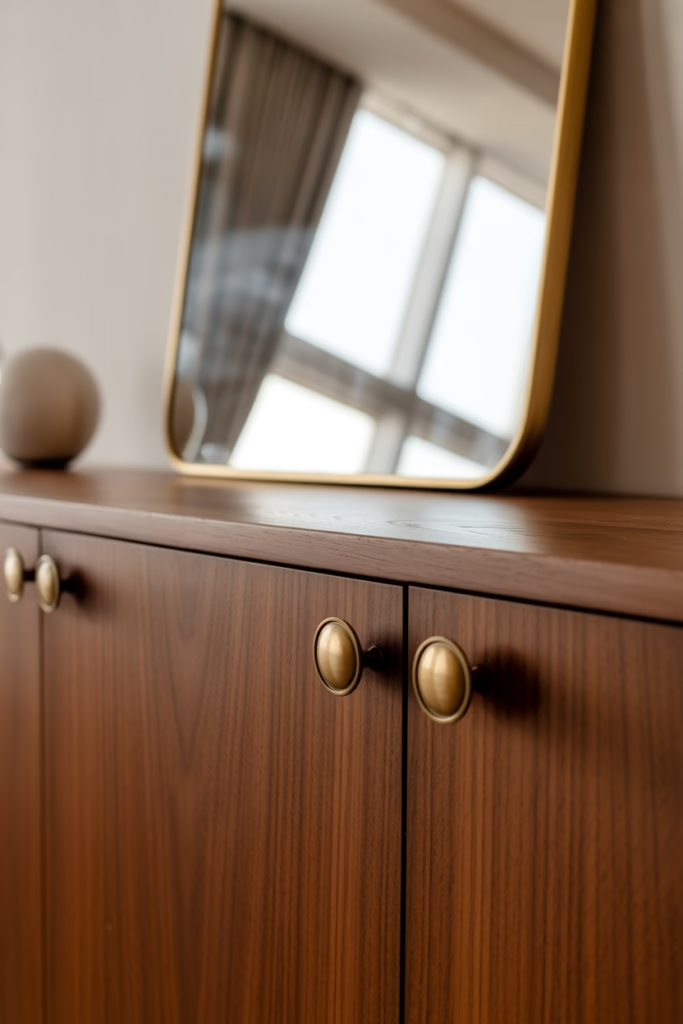
Brass is the metal of mid-century modern. Not gold, not chrome — warm, slightly matte, aged-looking brass. You’ll find it in light fixtures, cabinet pulls, side table legs, mirror frames, and decorative objects.
The beauty of brass is that you don’t need a lot of it. Swapping out your kitchen cabinet pulls, updating a lamp, or adding a brass-framed mirror makes a surprisingly big impact without a full renovation.
FYI — unlacquered brass develops a patina over time, which only looks better in a mid-century modern context. Lean into the aging; it adds character.
13. Use Textured Textiles for Warmth
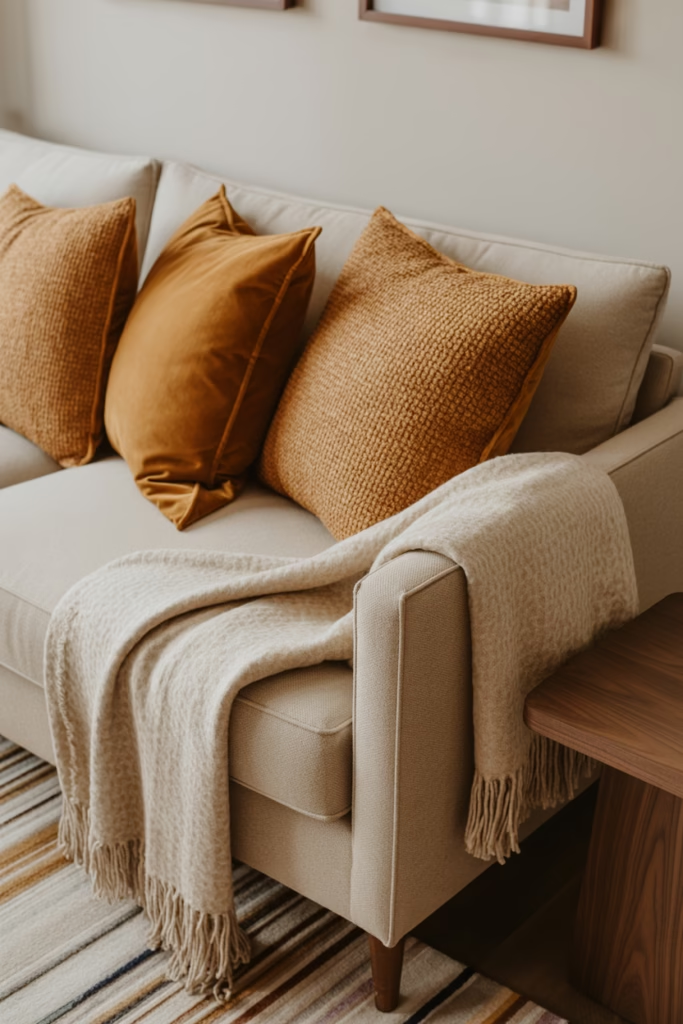
Texture is what stops a mid-century modern space from feeling sterile. The clean lines and functional furniture are the bones; textiles are how you make it feel like home.
Layer in:
- Boucle or bouclé-adjacent fabric on accent chairs or small sofas
- Wool or chunky knit throw blankets draped over a sofa arm
- Velvet cushions in mustard, olive, or rust tones
- Jute or sisal table runners for a natural, organic feel
Mix your textures but keep the color palette cohesive. A mustard velvet pillow, an olive boucle chair, and a cream wool throw can all live together beautifully if they’re working within the same warm palette.
14. Don’t Ignore the Ceiling
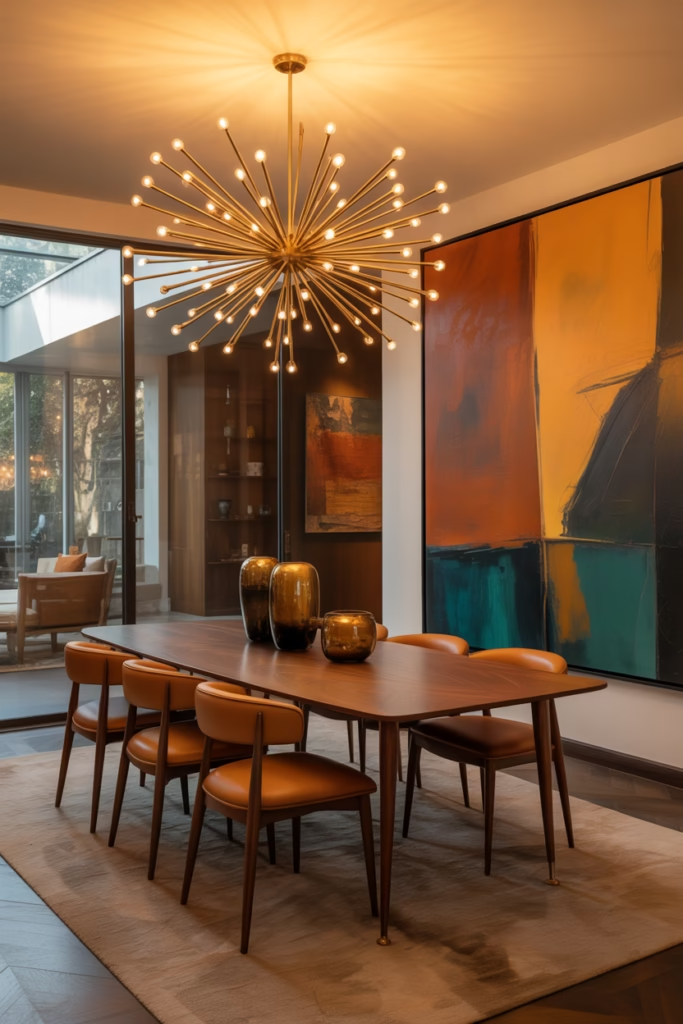
Most people decorate their apartments from the floor up and completely forget the ceiling exists. A statement ceiling fixture completely changes the energy of a room, and mid-century modern pendant lights are extraordinary.
Sputnik chandeliers — those starburst multi-arm fixtures — are the most iconic MCM lighting choice and they work in dining rooms, living rooms, and even bedrooms. They’re sculptural, a little theatrical, and they photograph beautifully :/
If a Sputnik feels too bold, go for a simple globe pendant in smoked glass or a paper lantern-style fixture with a warm-toned shade. Either way, upgrade from the builder-grade flush mount — it’s worth it.
15. Edit Ruthlessly — Less Is Always More
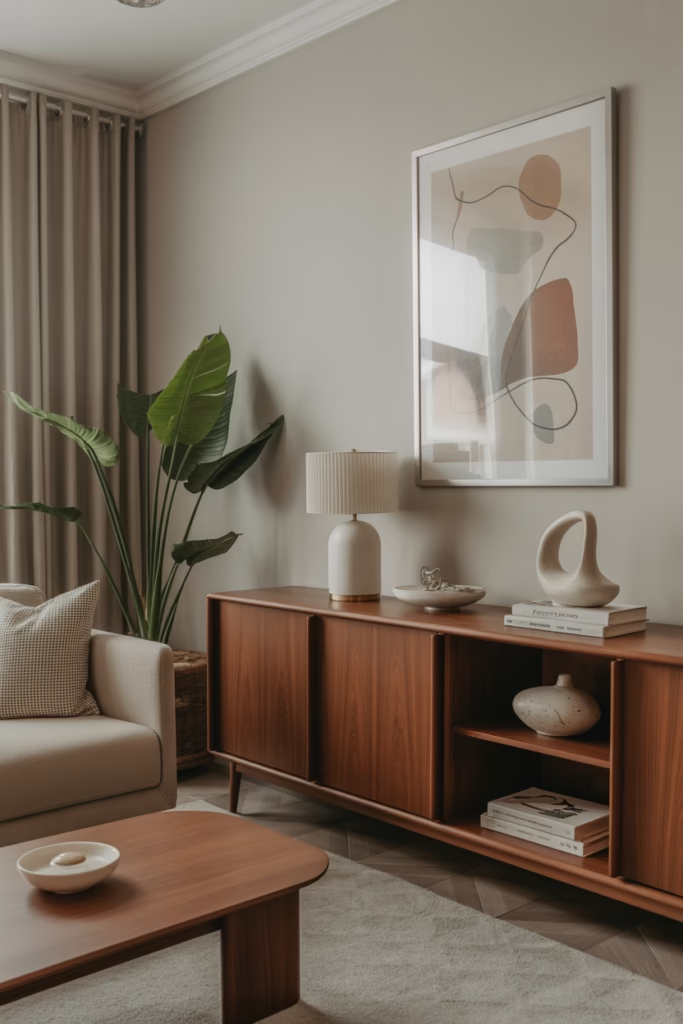
Here’s the one piece of advice that makes or breaks a mid-century modern apartment: you have to edit. The style is intentionally spare. Every object should earn its place.
This doesn’t mean the space has to feel cold or empty. It means each piece — the lamp, the plant, the art, the ceramic bowl on the credenza — should feel deliberate. When you walk into a well-done MCM space, you notice the things that are there, not the things that aren’t.
A good editing checklist:
- Remove anything that doesn’t fit the color palette
- Eliminate duplicate decorative objects (you don’t need three vases)
- Clear surfaces down to 2–3 items maximum
- Store everyday clutter inside the credenza, sideboard, or closed storage
If your room feels “off” and you can’t figure out why, the answer is almost always that there’s too much stuff. Pull things back and let the furniture breathe.
Bringing It All Together
Mid-century modern apartment decor is genuinely one of the most rewarding styles to work with because it has clear rules but enough flexibility to feel personal. The walnut wood, the low furniture, the earthy palette, the brass accents, the organic shapes, these aren’t arbitrary trends. They’re a cohesive design language that’s held up for 70 years and isn’t going anywhere.
You don’t have to implement all 15 ideas at once. Start with two or three, maybe a credenza, a floor lamp, and a curated rug, and build from there. The style rewards patience and thoughtful additions over rushed, all-at-once makeovers.
And honestly? Once you start noticing mid-century modern details, you can’t stop. You’ll walk into every coffee shop and hotel lobby and immediately clock the tapered legs, the brass fixtures, the abstract art. It’s a little obsessive, but that’s just part of the charm.