

If your dining room feels bland, crowded, or weirdly unfinished, mid-century modern style can fix that fast. It brings clean lines, warm wood, sculptural lighting, and just enough personality to make the room feel polished without looking like you tried too hard. And honestly, isn’t that the dream?
I’ve always loved mid-century modern dining room ideas because they strike that rare balance between stylish and livable. You get timeless shapes, cozy textures, and furniture that actually feels welcoming instead of stiff and museum-like. No offense to overly fussy dining rooms, but who wants to eat pasta under the pressure of a room that looks scared of red sauce?
In this guide, I’ll walk you through 17 mid-century modern dining room ideas that look beautiful, feel practical, and work in real homes. Whether you want a full makeover or just a few smart updates, you’ll find plenty of inspiration here.
1. Start With a Warm Wood Dining Table
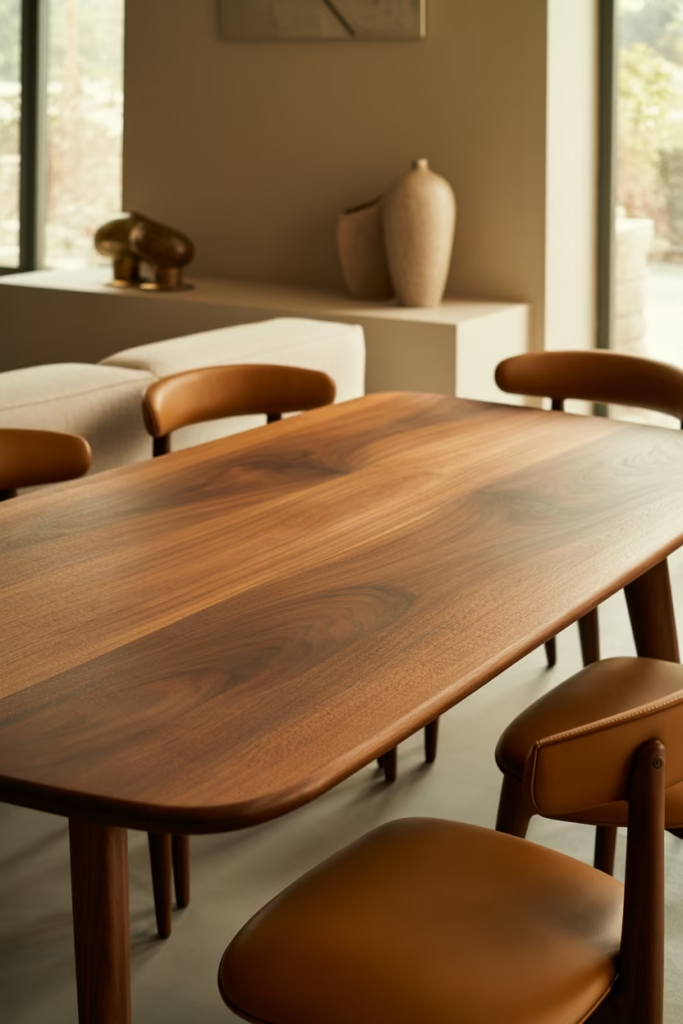
A good mid-century modern dining room almost always begins with the table. Look for walnut, teak, or oak finishes with clean lines, tapered legs, and a simple silhouette. That warm wood tone instantly gives the room the grounded, classic feel that mid-century spaces do so well.
I always think the table sets the emotional tone of the room. If you pick a bulky, heavy design, the whole space starts to feel stiff. If you choose a table with slim legs and organic warmth, the room feels lighter and more inviting. Ever noticed how one piece can change everything?
If you want the look to feel authentic, focus on these details:
- Walnut or teak finish
- Rounded corners or soft edges
- Tapered or angled legs
- Minimal ornamentation
- A low-profile shape
A pedestal table can work too, but I usually prefer classic four-leg designs for this style. They feel more rooted in true mid-century design, and they pair beautifully with iconic dining chairs.
2. Mix and Match Dining Chairs
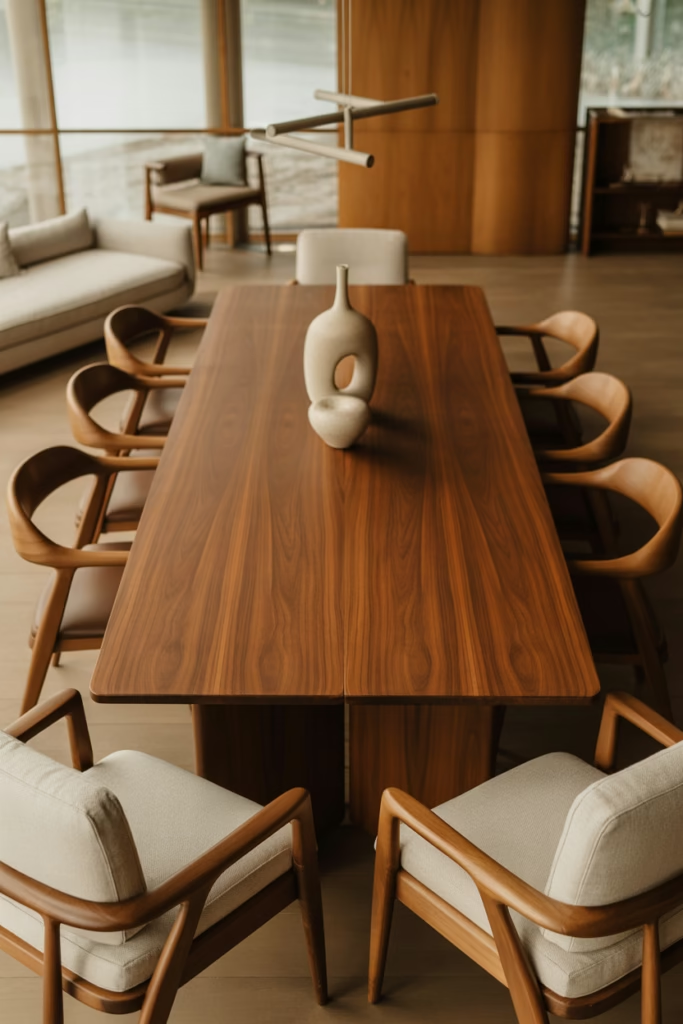
Perfectly matched chair sets can look nice, sure, but they can also feel a little too safe. Mixed dining chairs give a mid-century modern dining room more personality and a more collected, lived-in feel. And no, the dining room police won’t arrest you for using two styles at one table 🙂
A simple way to do this involves using one style on the sides and another at the heads of the table. For example, you can pair molded wood or woven side chairs with upholstered armchairs at each end. That small contrast creates visual interest without making the room feel chaotic.
Chair combinations that work well
- Wood-framed side chairs with upholstered end chairs
- Wishbone chairs with a bench on one side
- Bentwood chairs mixed with leather seats
- Black chairs paired with warm oak or walnut tones
I like this approach because it makes the room feel less like a showroom. Real homes need a little character. If everything matches too perfectly, the space can start giving “furniture catalog with no actual humans inside” energy.
3. Choose a Statement Light Fixture
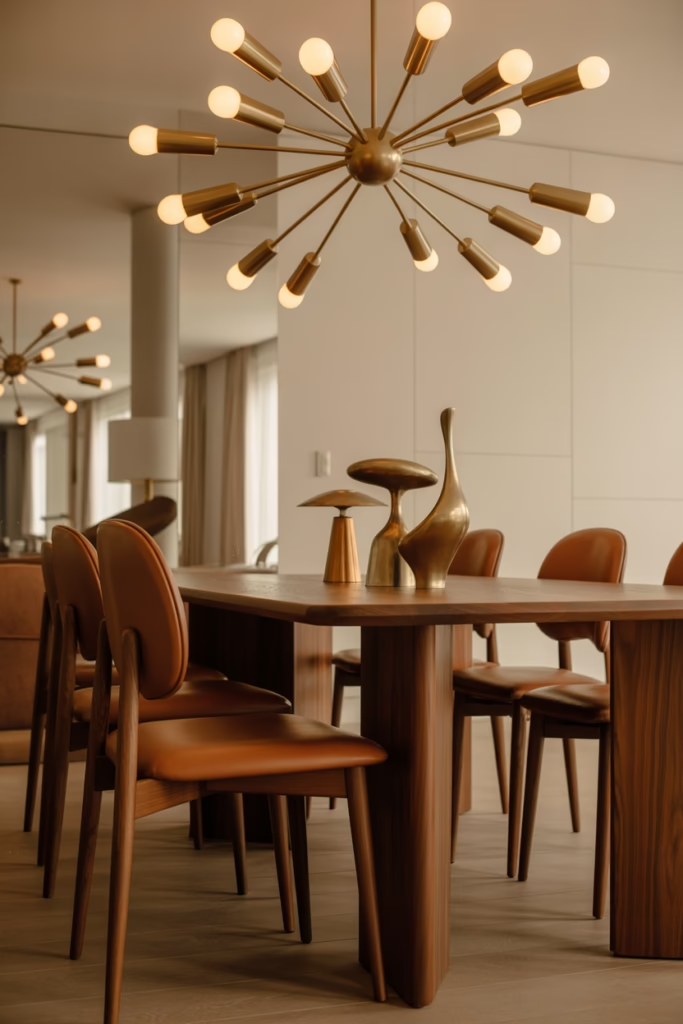
Lighting does a lot of heavy lifting in a dining room. A strong mid-century modern chandelier or pendant can instantly anchor the space and make even a basic table look intentional. If your room feels flat, this often fixes it.
Look for fixtures with sputnik arms, globe bulbs, cone shades, or brass details. Those shapes bring in that retro-meets-modern edge that mid-century design nails so well. I’ve seen rooms go from forgettable to “wait, this is kind of amazing” just by swapping a light fixture.
What to look for in mid-century dining lighting
- Brass, black, or mixed-metal finishes
- Geometric or starburst forms
- Opal glass globes
- Cone or dome shades
- Warm light temperature
Warm lighting matters more than people think. Harsh white bulbs can make your beautiful walnut table look sad and slightly judgmental. Go warm, and the whole room feels softer and more inviting.
4. Add a Credenza or Sideboard
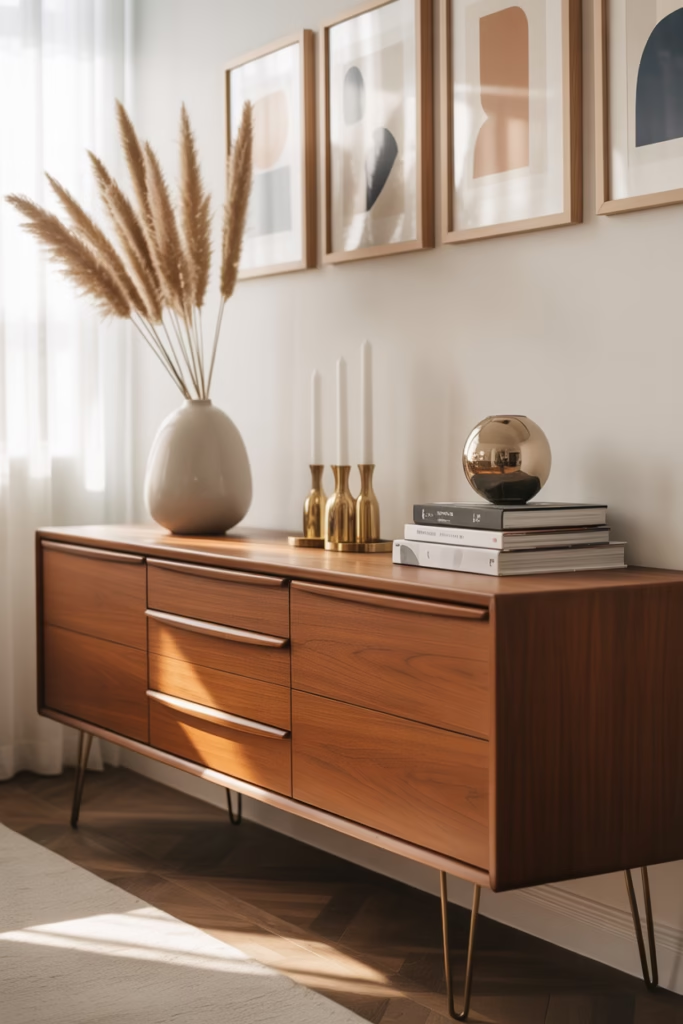
If you want your dining room to feel complete, bring in a mid-century modern sideboard. It adds storage, balances the room, and gives you a surface for styling. Plus, it hides the random stuff you don’t want on the table, which feels like a win.
Mid-century sideboards usually feature flat-front drawers, wood grain detail, slim legs, and minimal hardware. They look sleek, but they still feel warm and useful. That mix of beauty and practicality makes them one of my favorite pieces in this style.
You can use a sideboard to store:
- Placemats and table linens
- Serving bowls and trays
- Candles and seasonal decor
- Extra glassware
- Board games if your dining room doubles as hangout space
And yes, a styled sideboard can make your dining room look more expensive. Add a lamp, a stack of books, a ceramic vase, and maybe one sculptural object. Suddenly the room looks curated instead of accidental.
5. Use a Neutral Base With Earthy Color
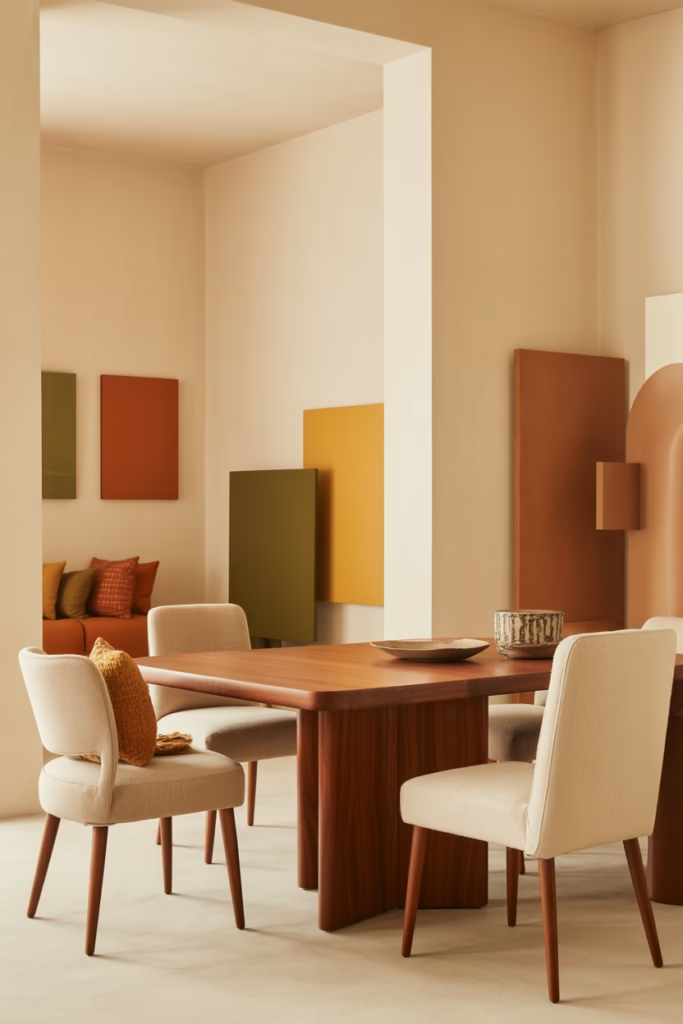
A lot of people think mid-century modern means all brown, all orange, all the time. It doesn’t. The best mid-century modern dining room color schemes usually start with a neutral base and layer in earthy, rich accents.
Think warm white walls, beige upholstery, soft greige, or muted taupe, then bring in olive green, rust, ochre, terracotta, or deep blue. These colors feel grounded and timeless without making the room look themed. That matters, because nobody wants a dining room that feels like a 1962 sitcom set unless that’s very specifically your thing.
Great accent colors for this style
- Olive green
- Rust
- Burnt orange
- Mustard
- Terracotta
- Deep navy
- Charcoal
I usually like to keep the bigger surfaces calm and add color through art, chairs, curtains, or a rug. That way, the space feels flexible. If you get tired of one shade later, you can switch it out without replacing half the room.
6. Try a Round Table for a Softer Look
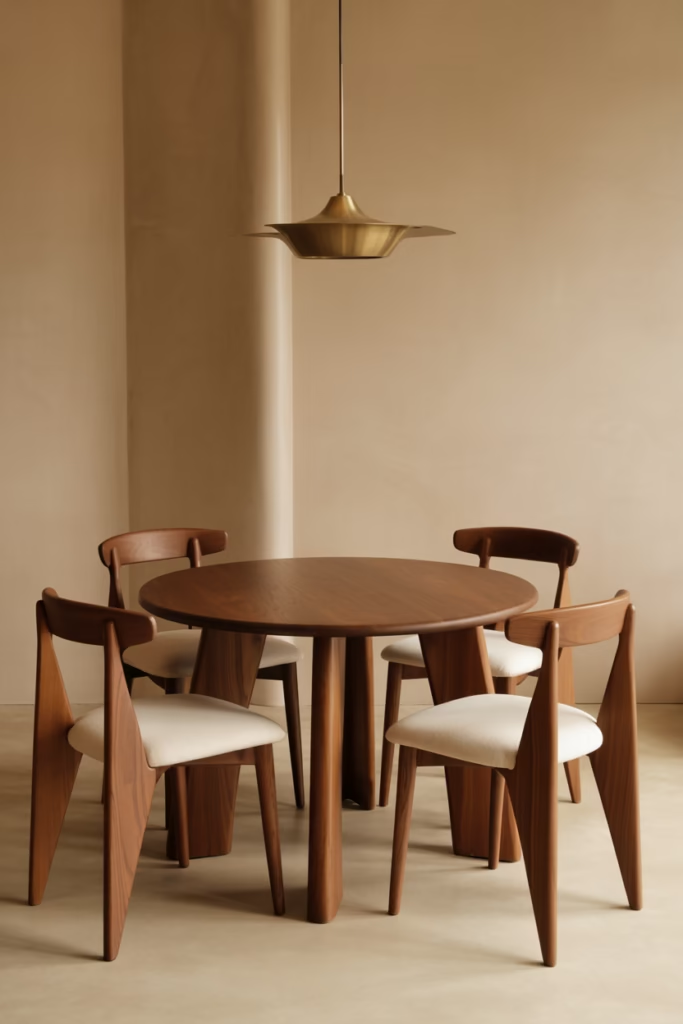
Not every dining room needs a long rectangular table. In fact, a round dining table often works better in smaller spaces or square rooms. It softens the layout and keeps the room from feeling too rigid.
Mid-century modern design loves organic curves, so a round table fits right in. A tulip table can work if you like a slightly more iconic look, but I personally love a round wood table with subtle tapering and clean joinery. It feels warm, easy, and less “look at me, I know design history.”
A round table works especially well if you want:
- Better flow in a tight room
- More conversation-friendly seating
- A softer visual shape
- A casual but elevated feel
Ever tried squeezing around sharp table corners in a small dining room? Exactly. A round table solves that nonsense fast.
7. Bring in Iconic Mid-Century Shapes
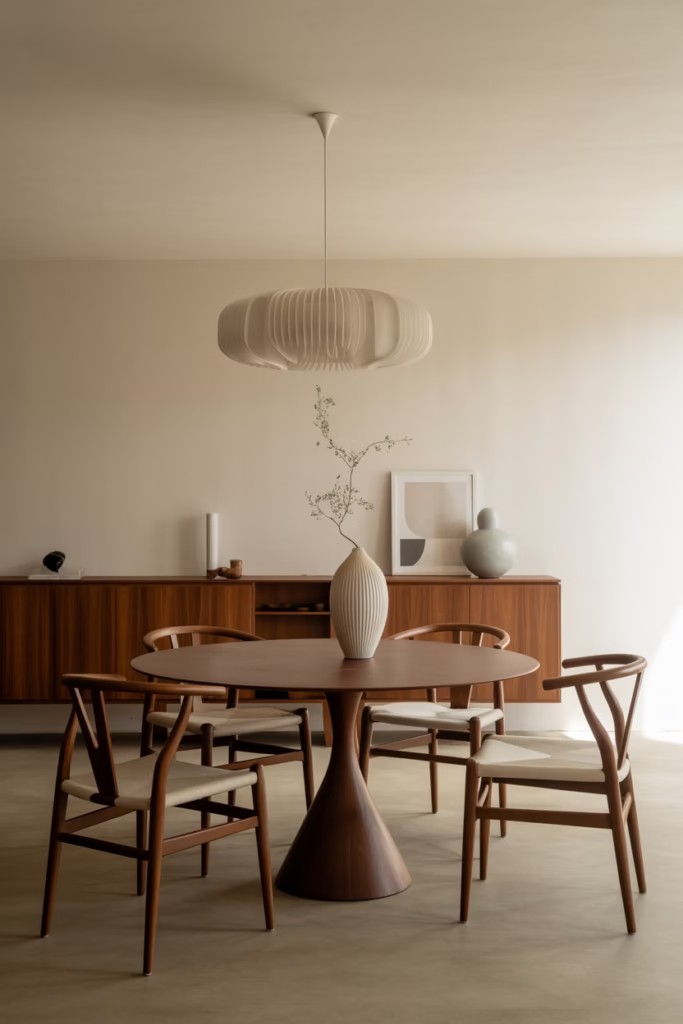
One of the easiest ways to nail the look involves using furniture with iconic mid-century silhouettes. You don’t need to turn your dining room into a design museum, but a few recognizable shapes can make the style feel intentional.
Think about Eames-inspired molded chairs, wishbone chairs, spindle-back forms, tulip bases, or sculptural light fixtures. These shapes have lasted for a reason. They look clean, balanced, and surprisingly current even now.
Best way to use iconic pieces
- Choose one or two statement silhouettes
- Balance them with simpler supporting pieces
- Keep finishes cohesive
- Avoid crowding the room with too many “designer” moments
IMO, restraint matters here. If every item screams for attention, the room starts to feel a little dramatic. One iconic chair shape and a great light fixture usually do more than enough.
8. Layer in Texture With Upholstery and Fabric
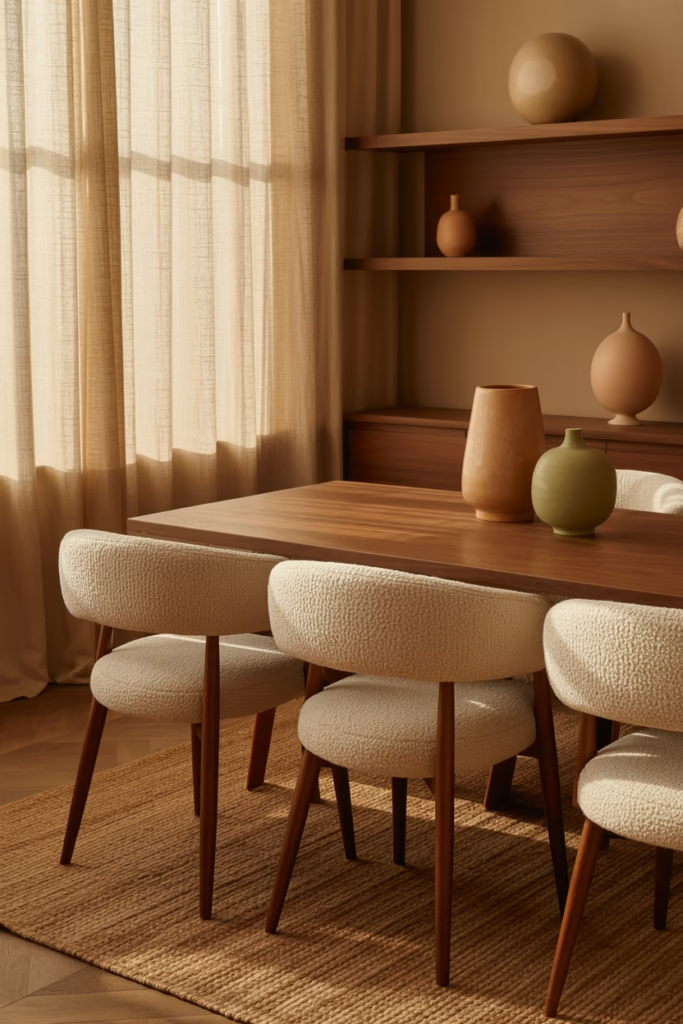
Mid-century modern rooms can feel sleek, but they should never feel cold. Texture keeps the space from looking flat or overly staged. In a dining room, fabric does that job beautifully.
Try bouclé chairs, linen curtains, wool rugs, or textured seat cushions. Even a simple woven shade or a soft runner can add warmth. I love this trick because it softens all the wood and metal without fighting the clean lines.
Easy ways to add texture
- Upholstered seat cushions
- Nubby or woven fabrics
- Natural fiber rugs
- Linen drapery
- Ceramic decor with matte finishes
If the room feels too sharp, texture usually fixes it. Clean lines need something soft around them, or the whole room starts to feel like it might critique your dinner plating.
9. Use a Rug to Define the Space
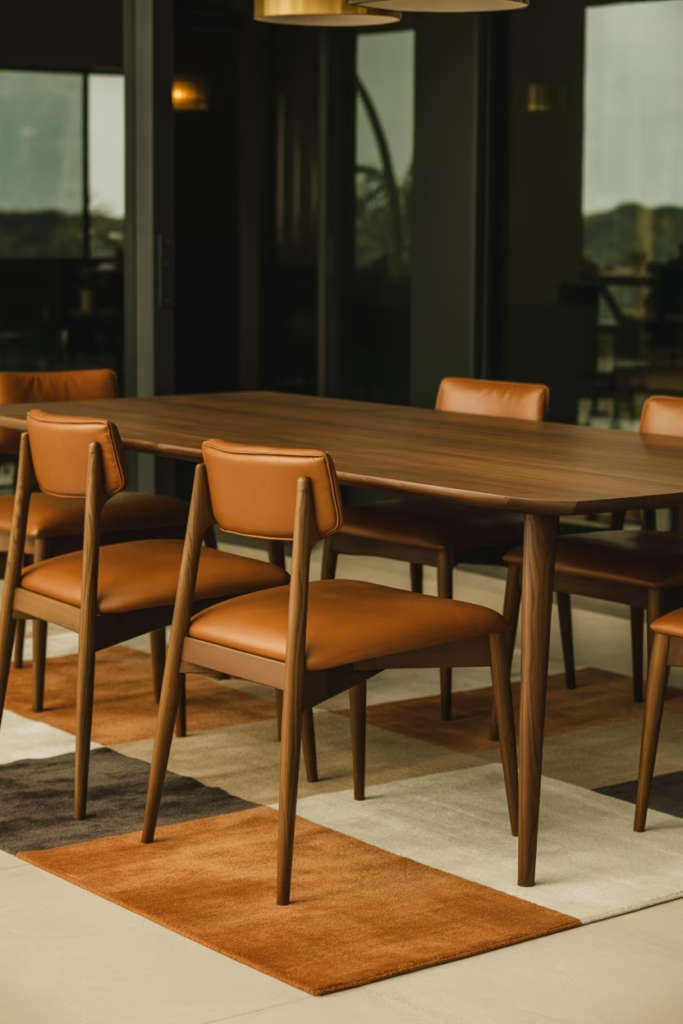
A rug can completely change how your dining room feels. It grounds the furniture, adds color and pattern, and helps the room feel finished. In open-plan homes, it also creates a clear visual zone for the dining area.
For a mid-century modern dining room rug, I’d look for low-pile options with geometric patterns, subtle vintage-inspired motifs, or simple solids in earthy tones. Low pile matters because chairs need to slide without starting a daily wrestling match.
Choose a rug that extends beyond the table enough to keep all chair legs on it, even when you pull chairs out. That usually means going bigger than you think. Tiny rugs under dining tables almost always look awkward, and they make the whole room feel slightly confused.
10. Hang Bold but Simple Art
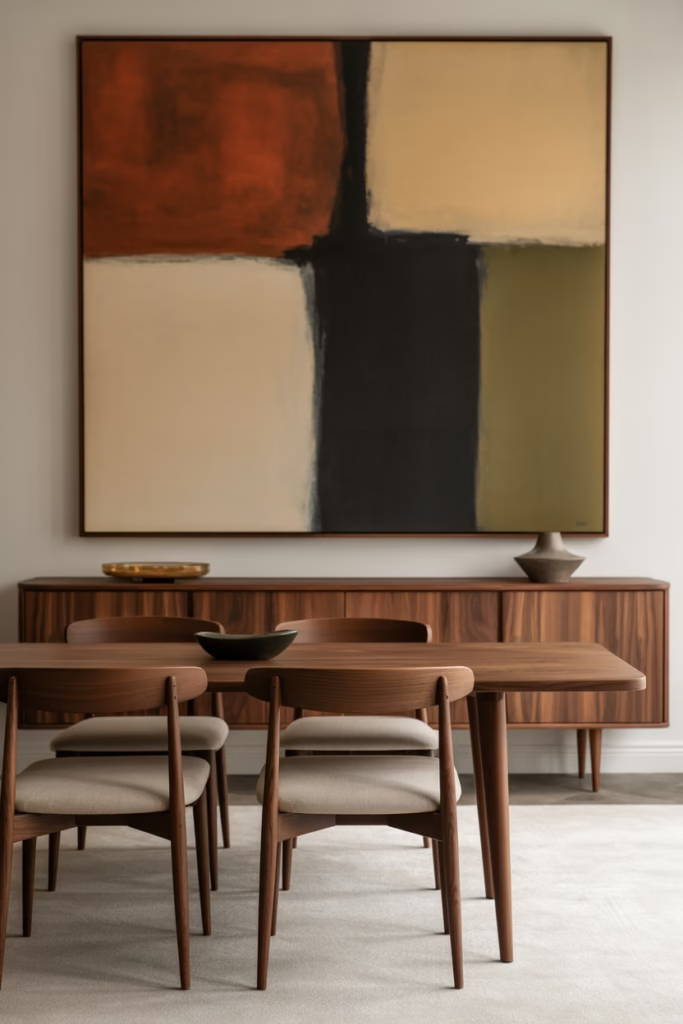
Art gives a dining room soul. In a mid-century space, the best art usually feels graphic, abstract, minimal, or color-blocked. You want something with personality, but you don’t need a wall that looks like it drank three espressos.
Large-scale art works especially well over a sideboard or on the main wall near the table. I like pieces with warm neutrals, black accents, rust tones, or muted greens. Those shades play nicely with wood and brass without stealing the whole show.
Art ideas for a mid-century dining room
- Abstract line drawings
- Color-block prints
- Vintage-inspired posters
- Geometric canvases
- Minimal black-and-white photography
If you want a more personal feel, create a small gallery wall with a mix of prints and vintage finds. Just keep the frames simple and the layout tidy. Mid-century style likes personality, but it also likes order.
11. Don’t Ignore the Walls
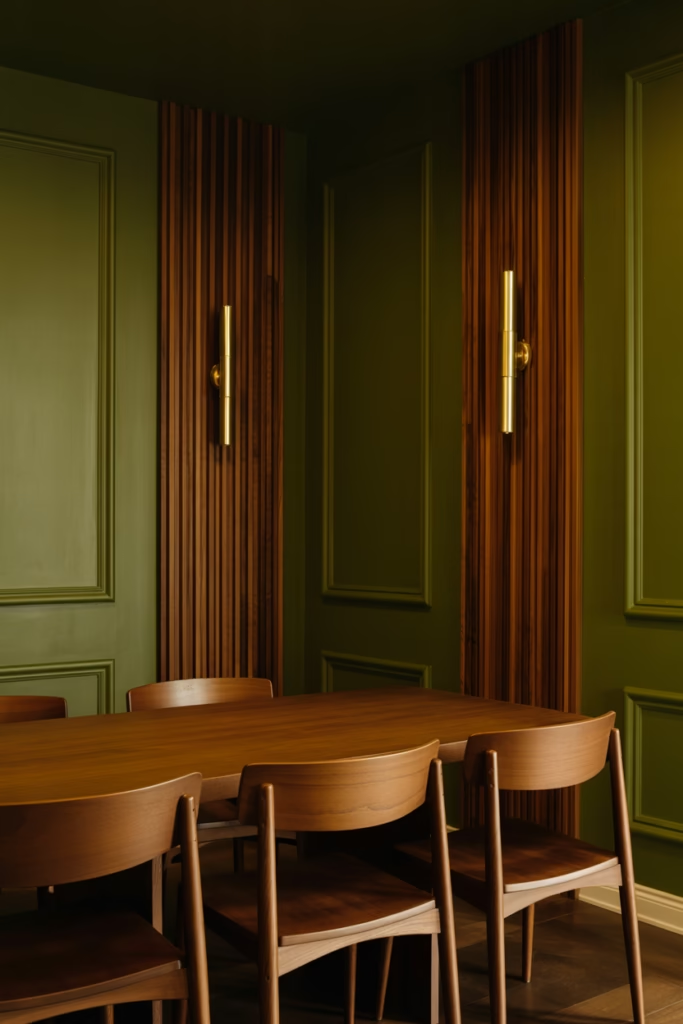
A lot of people style the table, chairs, and lighting, then leave the walls doing absolutely nothing. That’s a missed opportunity. Walls shape the whole mood of the room.
Paint can work wonders here. Warm white, soft beige, olive, clay, or smoky blue all pair beautifully with mid-century furniture. If you want more drama, try wood paneling, vertical slats, or even wallpaper with a subtle geometric pattern.
Good wall treatments for this look
- Warm neutral paint
- Wood slat accents
- Geometric wallpaper
- A single darker feature wall
- Wall sconces in brass or black
I usually avoid anything too cold or stark. Bright white can look clean, but it often strips the warmth from the room. Mid-century modern dining rooms need some softness, or they start feeling more corporate than cozy.
12. Add Plants for a Lived-In Feel
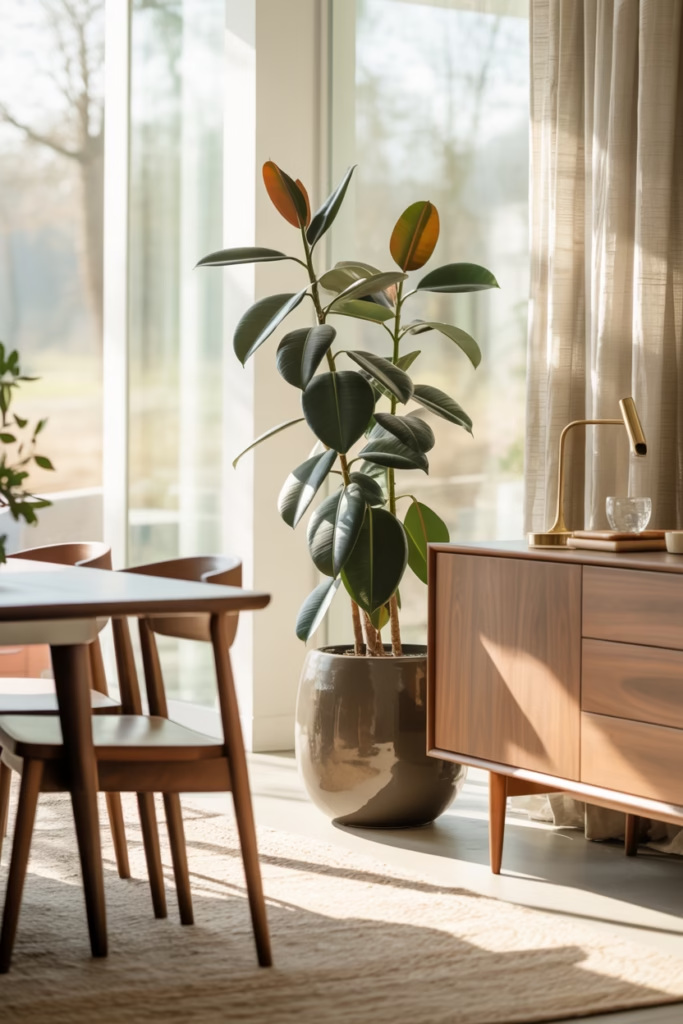
Plants and mid-century modern style go together ridiculously well. The clean lines of the furniture make greenery pop, and the greenery keeps the room from feeling too designed. It’s a very fair trade.
A tall rubber plant, fiddle leaf fig, or olive tree can fill an empty corner beautifully. If you have less room, use a ceramic planter on the sideboard or a trailing plant on a shelf. FYI, plants also help a dining room feel fresh, even when the rest of life looks mildly chaotic.
The key involves keeping the planter simple. Go for ceramic, terracotta, matte black, or woven baskets instead of anything too ornate. You want the plant to add softness, not start a style argument with the furniture.
13. Keep the Decor Minimal but Intentional
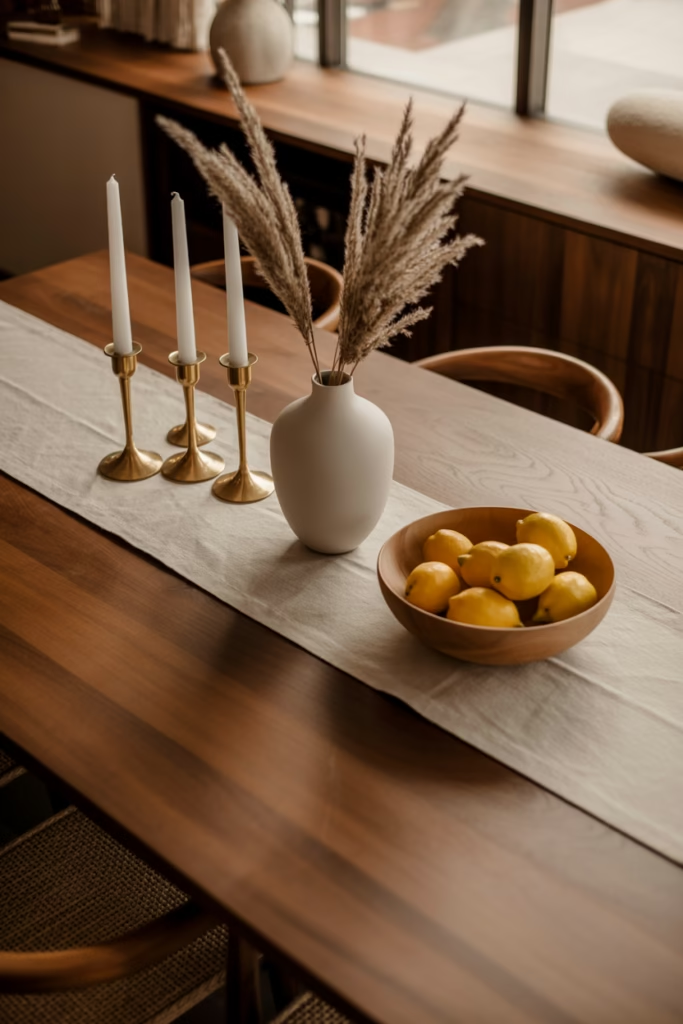
Mid-century modern dining rooms rarely look cluttered. They feel edited. Every object seems chosen on purpose, which makes the room feel calm and stylish without trying too hard.
That doesn’t mean you need an empty table and one lonely vase forever. It means you should choose decor with care. A few strong pieces will always work better than ten random ones.
Decor pieces that fit the style
- Ceramic vases
- Brass candlesticks
- Stacked design books
- Wooden bowls
- Sculptural objects
- Simple linen runners
I like to style in small groups of three. A vase, a candleholder, and a bowl usually do the trick. If I keep adding “just one more thing,” the room quickly loses that crisp mid-century ease. Tragic, but true.
14. Mix Wood Tones the Right Way
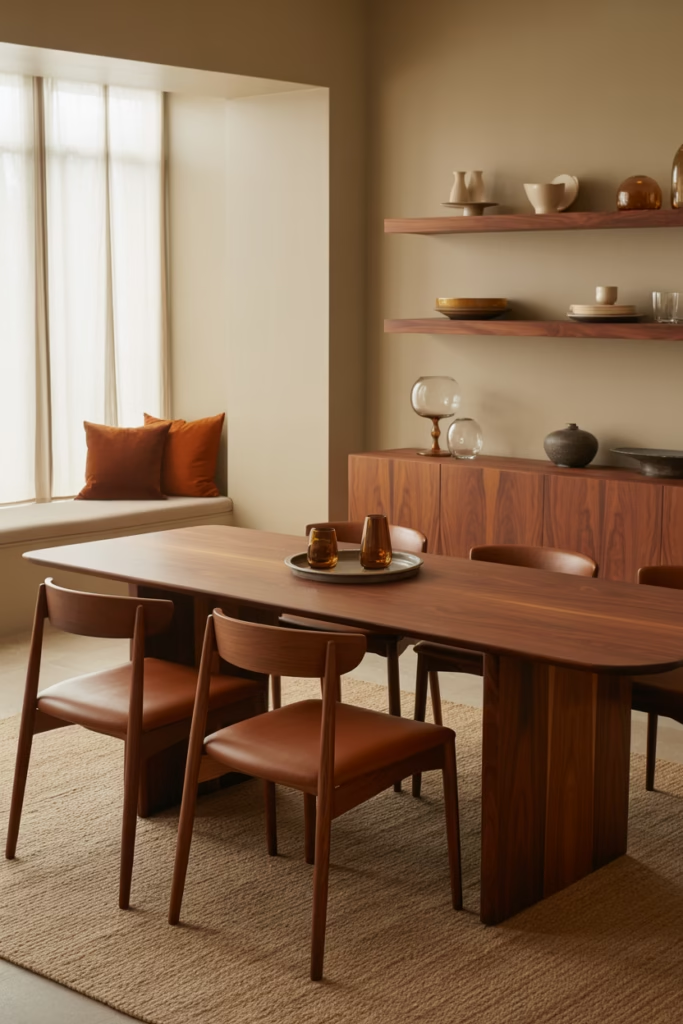
A lot of people panic about mixing woods. Please don’t. A mid-century modern dining room actually looks more layered and real when you mix wood finishes thoughtfully.
The trick involves keeping the undertones compatible. Warm walnut, medium oak, and teak often work beautifully together because they share that golden richness. If you throw in one cool gray-toned wood, the room can feel disconnected fast.
Simple rules for mixing woods
- Stick to mostly warm undertones
- Repeat each tone at least twice
- Use one dominant wood finish
- Break up similar tones with fabric, metal, or paint
- Don’t force exact matching
I prefer a dominant table finish, then supporting tones through chairs, sideboards, or frames. The result feels layered instead of flat. And honestly, exact matching can look a little too eager anyway.
15. Use Black Accents for Contrast
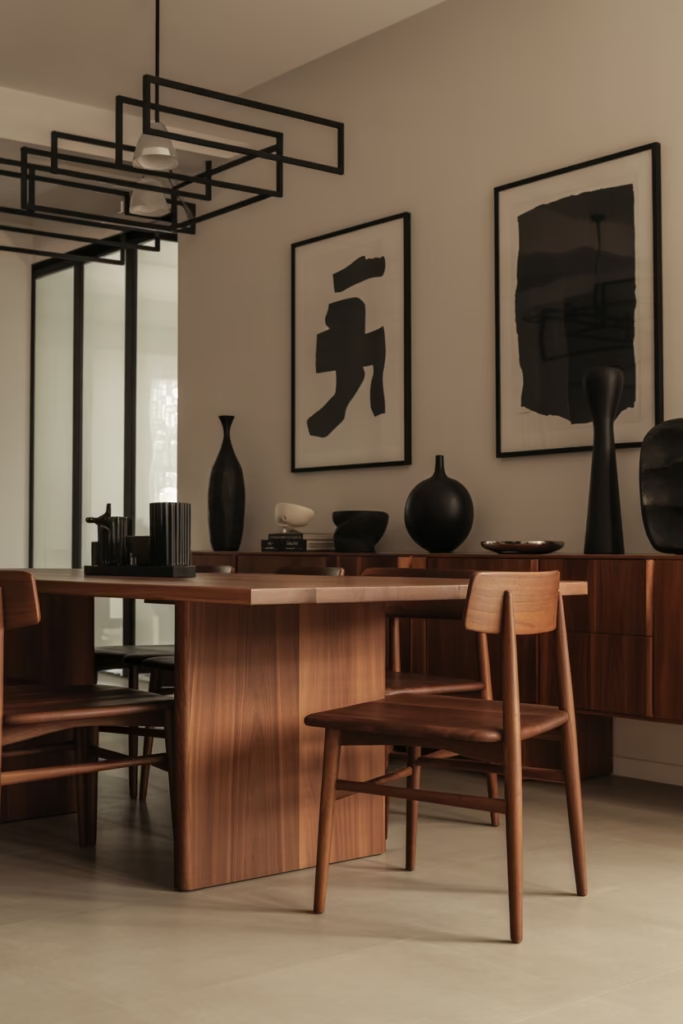
Mid-century spaces often need a little contrast to stay sharp. Black accents add structure and definition without overpowering the room. Think of them as eyeliner for your dining room, but less stressful.
You can bring in black through chair frames, lighting, picture frames, candleholders, or curtain rods. Even a small amount helps anchor all the warm wood and earthy tones. Without contrast, the room can start blending into one long beige sentence.
A few ways to use black well:
- Black metal light fixtures
- Black-framed art
- Dining chairs with black legs
- A black ceramic vase
- Thin black window trim
You don’t need much. In fact, a little usually works best. Too much black can push the room away from warm mid-century charm and into something moodier and more industrial.
16. Make It Functional for Real Life
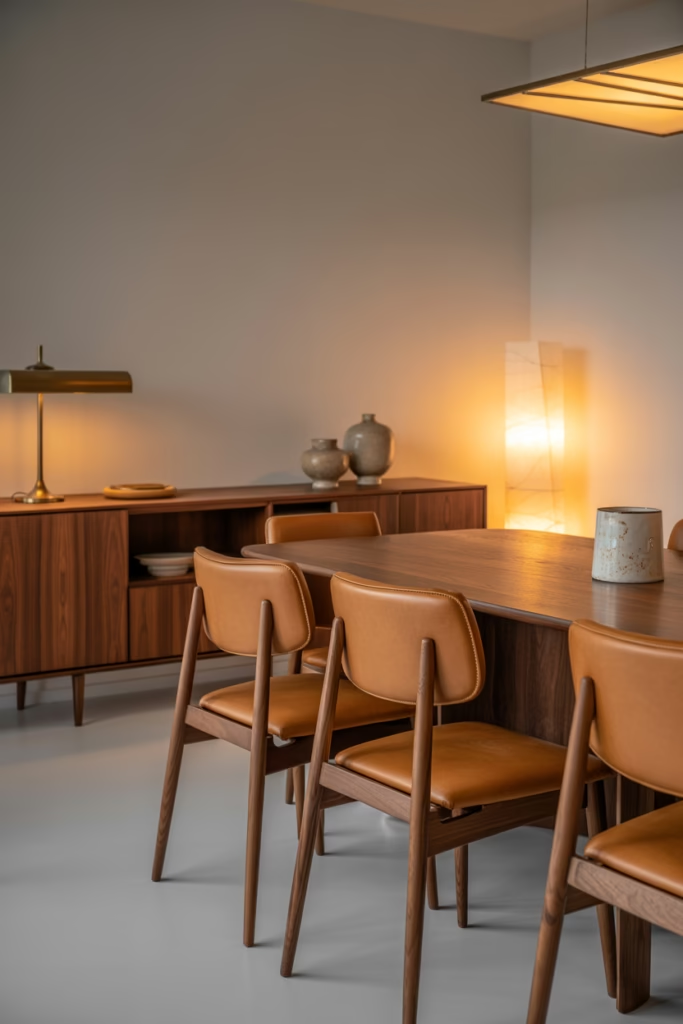
A beautiful dining room still needs to function. If you actually use the room for weeknight dinners, work sessions, crafts, or chaotic family gatherings, design choices need to support real life. Pretty matters, but usability matters too.
Choose finishes that hide wear, chairs that feel comfortable, and layouts that allow easy movement. I always check whether I can actually pull a chair out without bumping a wall or sideboard. Glamorous? No. Important? Very.
Practical tips that still look stylish
- Choose easy-clean upholstery or wood seats
- Leave enough walking space around the table
- Use closed storage for clutter
- Pick durable finishes over precious ones
- Add dimmable lighting for flexibility
This style works best when it feels effortless. If your dining room looks great but annoys you every day, something went wrong. Design should help your life, not boss it around.
17. Balance Vintage Pieces With Modern Updates
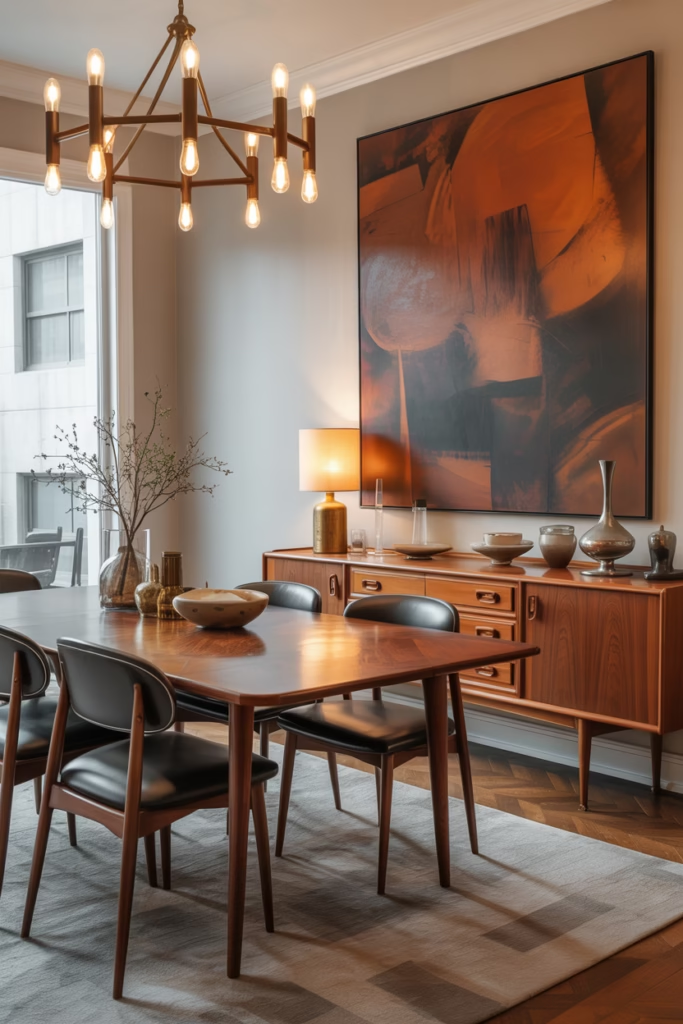
Some of the best mid-century modern dining room ideas come from mixing vintage-inspired charm with current finishes and comfort. You don’t need all-original furniture from the 1950s. You just need the right balance.
A vintage sideboard paired with newer chairs can look amazing. A retro chandelier over a modern table can feel fresh and collected. I love this approach because it gives the room depth without making it feel dated.
What this mix does well
- Keeps the room from feeling too theme-heavy
- Adds character and authenticity
- Lets you prioritize comfort and budget
- Creates a layered, personal look
Ever walk into a room that feels too perfect and somehow totally forgettable? That usually happens when everything comes from the same store at the same time. Mixing old and new adds soul, and soul wins every time.
How to Pull the Whole Look Together
If you feel overwhelmed, keep it simple. You don’t need every idea in this list. You need a few strong choices that work together.
Start with the foundation:
- Pick a warm wood dining table.
- Add comfortable chairs with clean lines.
- Choose a statement light fixture.
- Ground the room with a rug or sideboard.
- Finish with art, texture, and a few intentional accessories.
That’s really the formula. Everything else just helps you personalize it.
When I style a mid-century modern dining room, I always focus on balance. I want the room to feel warm but not heavy, stylish but not stiff, curated but not precious. That sweet spot makes the space feel timeless, which explains why people keep coming back to this look decade after decade.
Common Mistakes to Avoid
Even a beautiful style can go sideways if you overdo it. Mid-century modern works best when it feels edited and natural.
Watch out for these common mistakes:
- Using too many retro-themed pieces at once
- Choosing furniture that looks good but feels uncomfortable
- Skipping texture and making the room feel flat
- Using cold lighting
- Buying a rug that’s too small
- Matching every single wood tone
- Overdecorating the table and sideboard
If I had to pick the biggest mistake, I’d say people often confuse “minimal” with “empty.” A good mid-century modern dining room feels warm, layered, and lived-in. It doesn’t feel like nobody has eaten there since 1964.
Final Thoughts
The best mid-century modern dining room ideas combine warm wood, clean lines, sculptural lighting, earthy color, and practical comfort. You don’t need a huge budget or a perfectly architect-designed home to make this style work. You just need a few smart choices and a little restraint.
Start with one idea that excites you most. Maybe that’s a new light fixture, a walnut table, mixed chairs, or a sideboard that finally gives you hidden storage. Small changes can shift the whole mood of the room, and that’s the fun of it.
And honestly, if your dining room ends up looking timeless, cozy, and a little cooler than everyone expected, that’s a pretty great outcome :/