

A plain concrete slab can feel a little… uninspired. But give it the right design, layout, and styling, and it can turn into one of the best spots in your entire backyard.
I’ve always liked concrete patios because they give you a solid, affordable base without locking you into one look forever. You can stain them, stamp them, paint them, border them, furnish them, and basically make them work with whatever vibe you want. Want something modern? Cozy? Low-maintenance? A little fancy without spending your entire personality on pavers? Concrete can do that.
If you’ve been searching for concrete back patio ideas that actually look good in real life, not just in suspiciously perfect photos, you’re in the right place. Here are 15 concrete back patio ideas that can help you build a backyard space that feels stylish, usable, and a lot less boring.
1. Go for a stamped concrete patio
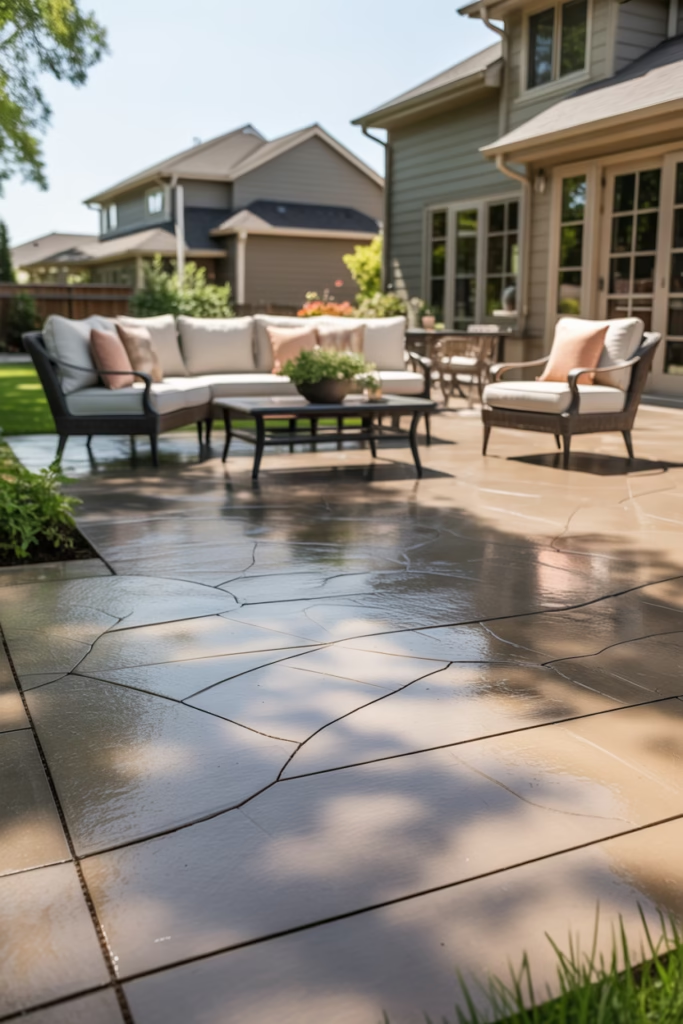
If you want concrete that doesn’t look like plain concrete, stamped concrete solves that problem fast. Contractors press patterns into wet concrete so the surface mimics stone, brick, tile, or even wood.
I like stamped concrete because it gives you a high-end look without the high-end material cost. It also works well if you want the charm of natural stone but not the weeds, shifting, and annoying maintenance. Ever watched weeds grow between pavers like they pay rent there? Yeah, same.
Why stamped concrete works
- It creates the look of flagstone, slate, brick, or wood planks
- It costs less than many natural materials
- It offers a more seamless surface for furniture
- It gives your patio more visual texture and depth
Choose a pattern that matches your home’s style. A slate-look finish suits modern and transitional homes, while a brick pattern often feels warmer and more traditional.
2. Add color with stained concrete
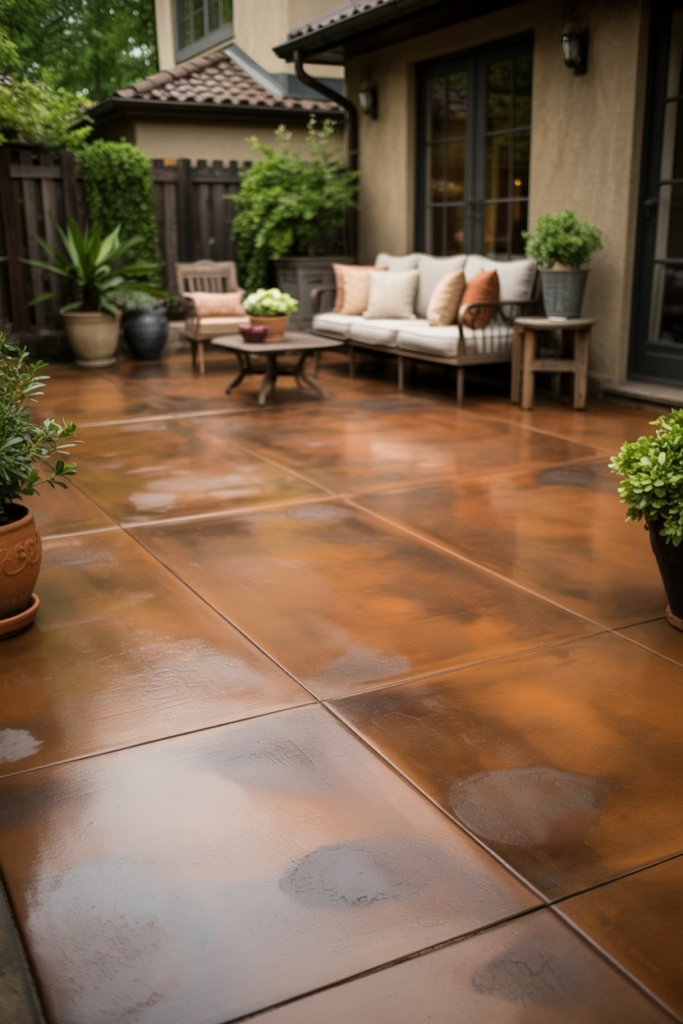
A gray slab can feel cold, but stained concrete adds personality without making the patio look overdone. Acid stains and water-based stains both change the surface tone and create a richer finish.
I’ve always thought warm earth tones look especially good on a back patio. Browns, soft terracottas, charcoal shades, and muted taupes usually blend beautifully with landscaping. Why settle for plain gray if you can make the whole patio feel custom?
Best stain colors for outdoor patios
- Warm brown for a natural, grounded look
- Charcoal for a sleek, modern patio
- Terracotta for a Mediterranean or rustic vibe
- Soft beige for a bright, relaxed feel
Staining works best when you want subtle character instead of a dramatic makeover. It won’t hide every flaw, but it will make the patio feel much more intentional.
3. Create contrast with a concrete border
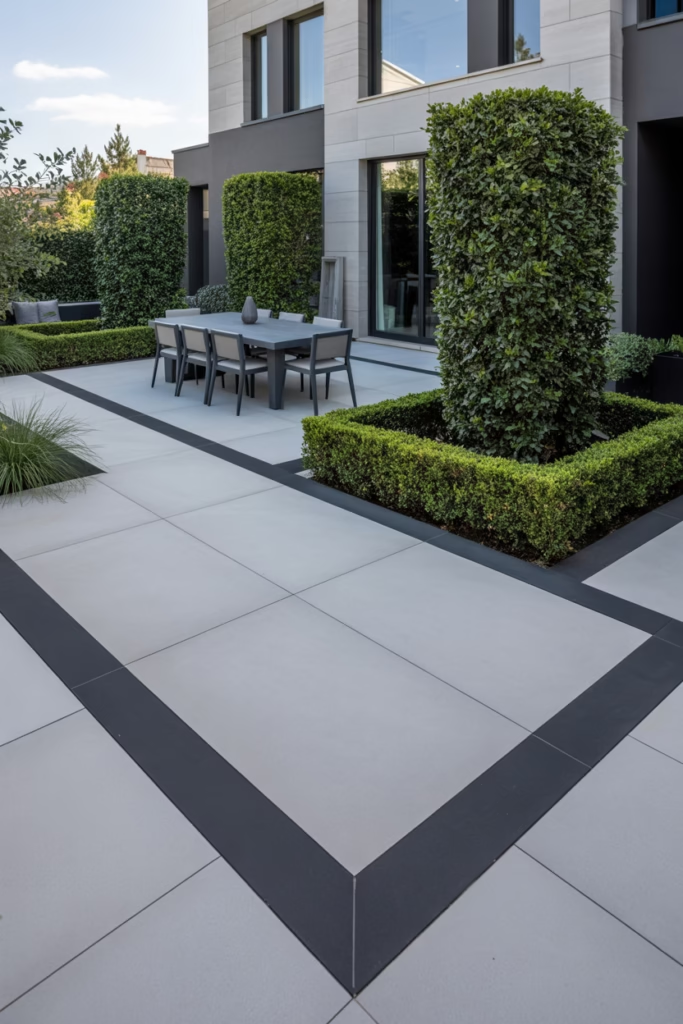
One of my favorite concrete back patio ideas uses a contrasting border. This simple detail makes a basic patio look finished, framed, and way more expensive than it actually is.
You can use a darker stain, a different stamp pattern, or even a textured edge to define the perimeter. That small contrast adds structure and makes the whole patio design feel more polished.
Border ideas to consider
- A dark charcoal border around a light concrete slab
- A brick-style stamped edge around smooth concrete
- A wide geometric border for a modern patio layout
- A curved border to soften a rectangular patio
This idea works especially well for larger patios. It breaks up the visual mass and keeps the space from looking like one giant parking pad :/
4. Split the patio into zones
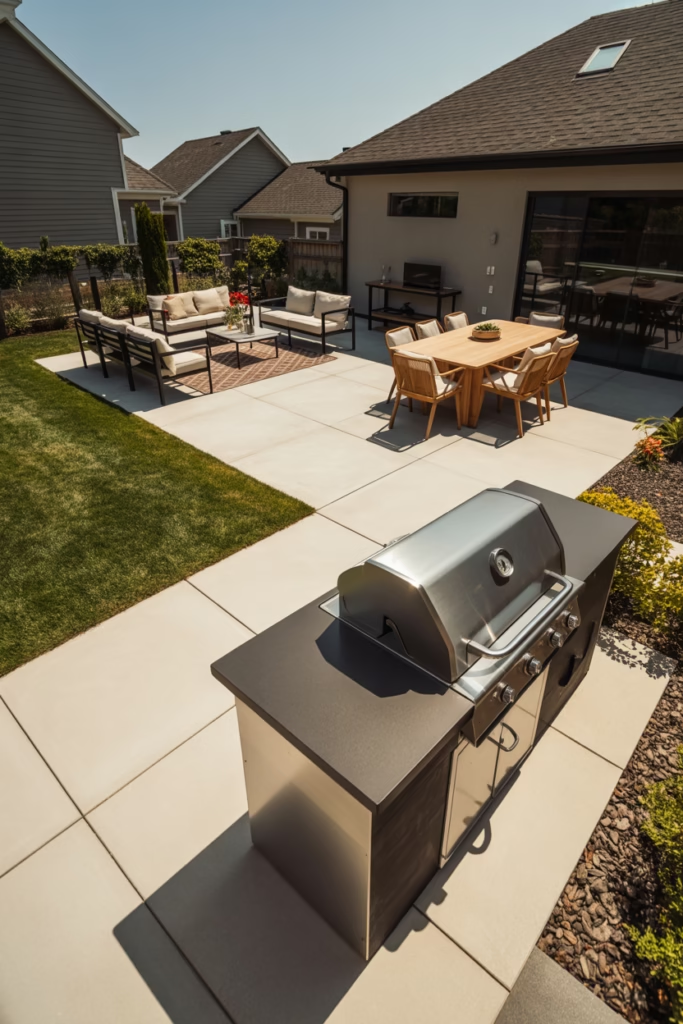
A big concrete patio can feel empty if you don’t give it purpose. I always recommend dividing the space into clearly defined zones for lounging, dining, cooking, or entertaining.
You don’t need walls or giant planters everywhere to do this. Use furniture placement, outdoor rugs, lighting, or slight level changes to guide the layout. Doesn’t a backyard feel better when each area actually knows its job?
Easy patio zones
- A dining zone with a table and chairs
- A lounge zone with cushioned seating
- A grill zone with prep space
- A fire pit zone for evening hangouts
Zoning makes your patio more functional, especially if you entertain often. It also helps smaller patios feel smarter, not crowded.
5. Pair concrete with wood accents
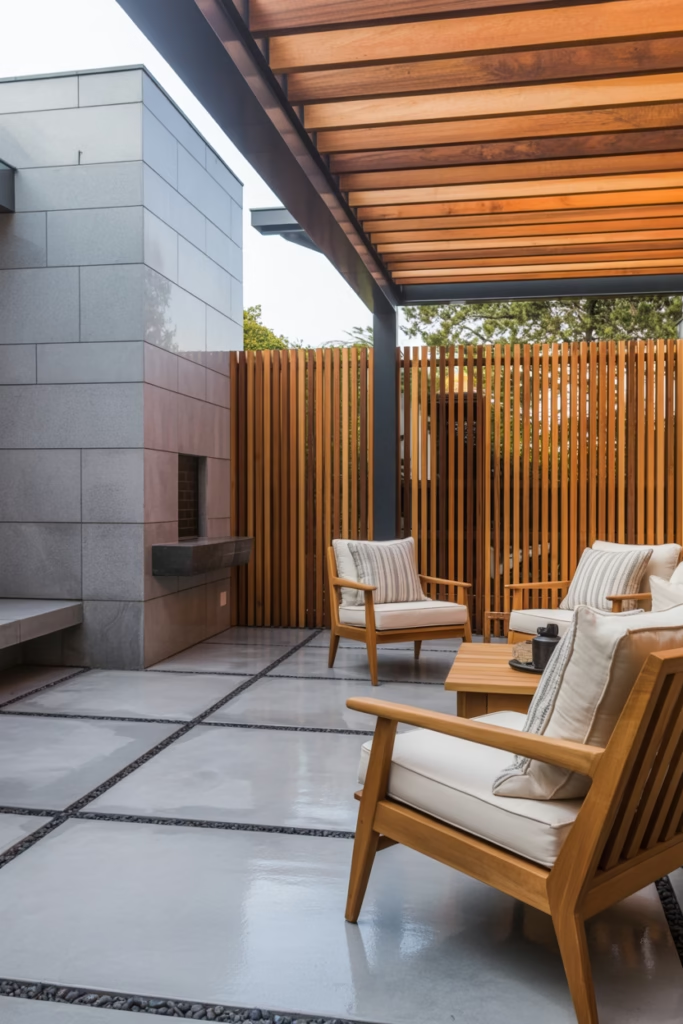
Concrete can look a little hard and cool on its own, so I love balancing it with wood accents. That contrast feels fresh, relaxed, and visually warm.
You can bring in wood through pergolas, outdoor furniture, privacy screens, benches, or planters. Even a small cedar side table can soften the whole setup. IMO, this combo almost always works because the materials balance each other naturally.
Great wood additions for a concrete patio
- A wood pergola over the seating area
- A teak dining set
- A slatted privacy wall
- Built-in wood bench seating
- Large wood planters
If you want a backyard that feels designer-inspired but still livable, this mix gives you that sweet spot.
6. Add a pergola over the patio
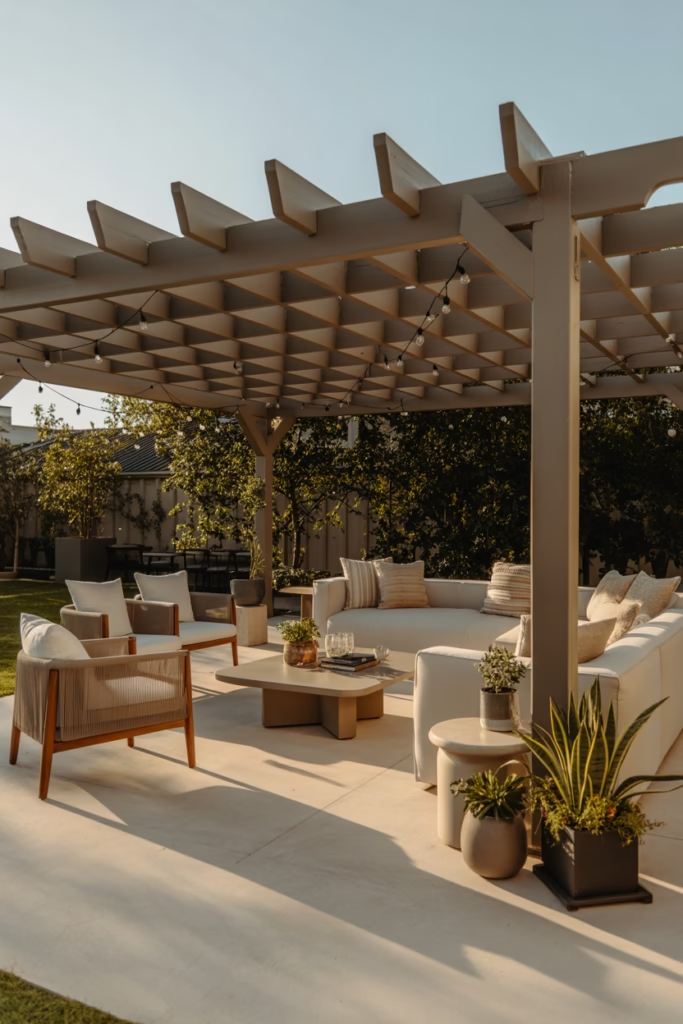
A pergola changes everything. It gives your concrete patio height, structure, and just enough shade to make hot afternoons more tolerable.
I’ve seen plain patios turn into outdoor rooms the second a pergola goes up. Suddenly the space feels intentional instead of forgotten. Funny how a few overhead beams can make a slab look like a lifestyle choice.
Benefits of a pergola
- It adds visual structure
- It provides partial shade
- It supports string lights or climbing plants
- It helps define the patio as a destination
Paint the pergola white for a crisp coastal look, go black for modern contrast, or keep the wood natural for a warmer feel.
7. Try a brushed concrete finish for a clean, modern look
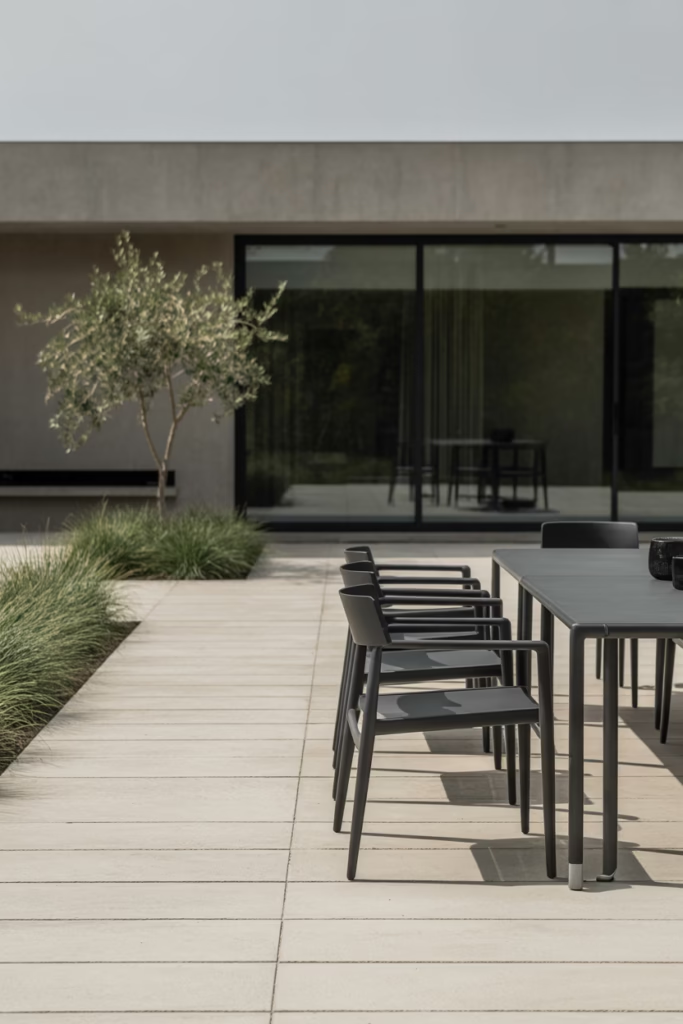
Not every patio needs decorative patterns or dramatic color. Sometimes simple brushed concrete looks the best, especially if you love a modern or minimalist style.
A brushed finish gives the surface subtle texture and better traction. It also looks clean, understated, and easy to style. If your furniture or landscaping already makes a statement, this quieter patio finish can keep things balanced.
Why brushed concrete appeals to modern homeowners
- It offers a clean, streamlined appearance
- It improves slip resistance
- It costs less than many decorative finishes
- It works with almost any outdoor furniture style
This choice feels especially right for contemporary homes, black-and-white palettes, or yards with architectural landscaping.
8. Build in a concrete fire pit area
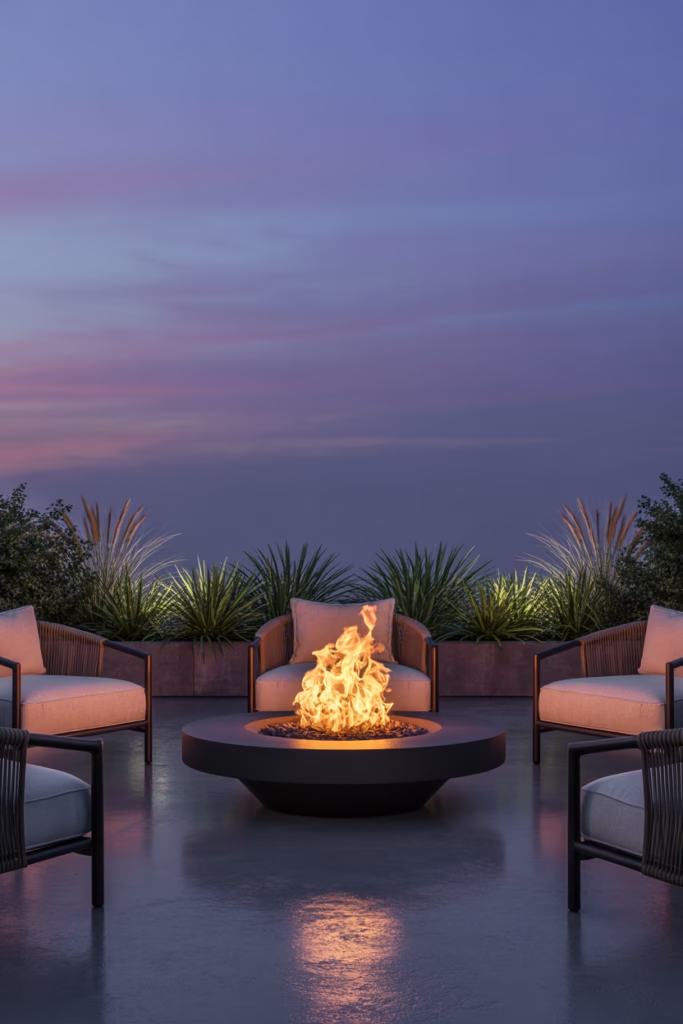
A fire pit instantly makes a patio feel more social. People gather around fire without needing instructions, which honestly makes it one of the easiest wins in backyard design.
You can place a portable fire pit on the patio or build a permanent concrete fire pit area as a focal point. Either way, make sure you leave enough room for seating and safe clearance around the flames.
Fire pit layout tips
- Keep the seating circle comfortable and open
- Use weather-resistant chairs with cushions
- Add side tables so guests have a place for drinks
- Leave clear walking space around the fire pit
If you want your patio to earn its keep in cooler months, this idea does the job fast.
9. Combine concrete with gravel or grass strips
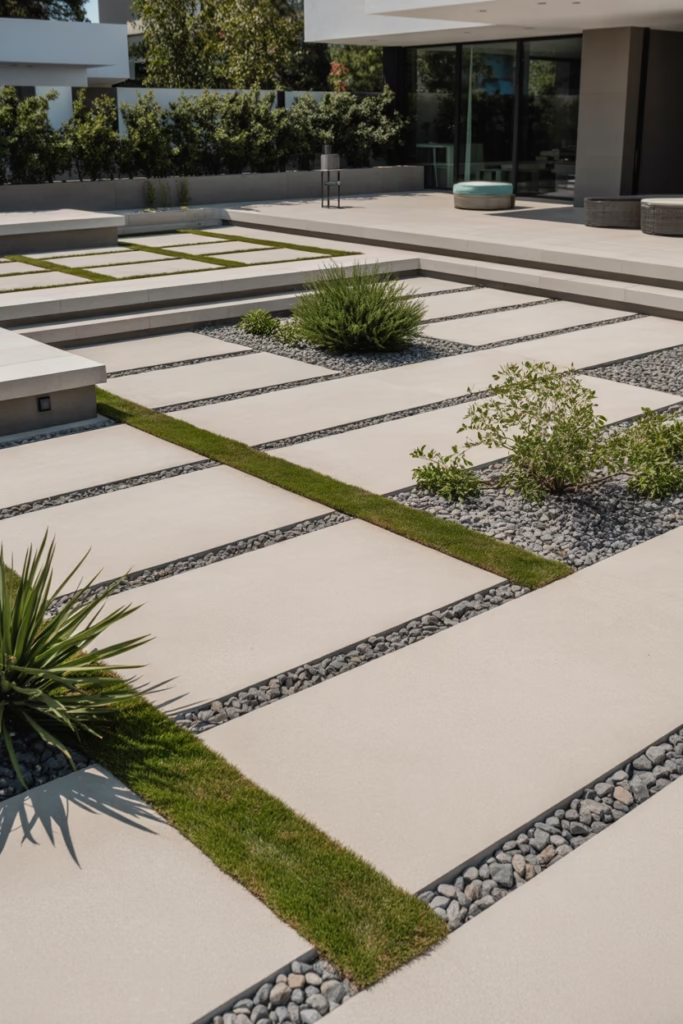
If you want something more custom, combine concrete with gravel sections or grass joints. This creates a more architectural look and breaks up a large slab beautifully.
I love this approach for modern, desert, and minimalist landscapes. Concrete pads with gravel in between feel airy and expensive, even when the design stays pretty simple. Ever notice how spacing things out somehow makes them look fancier? Backyard magic.
Popular combo layouts
- Large concrete squares with gravel joints
- Narrow grass strips between concrete bands
- Stepping-style patio pads connected by stone
- Concrete seating area edged with decorative gravel
This style usually works best when you plan the whole backyard together. Randomly adding gravel next to concrete can look unfinished if you don’t tie the design together.
10. Use large planters to soften the slab
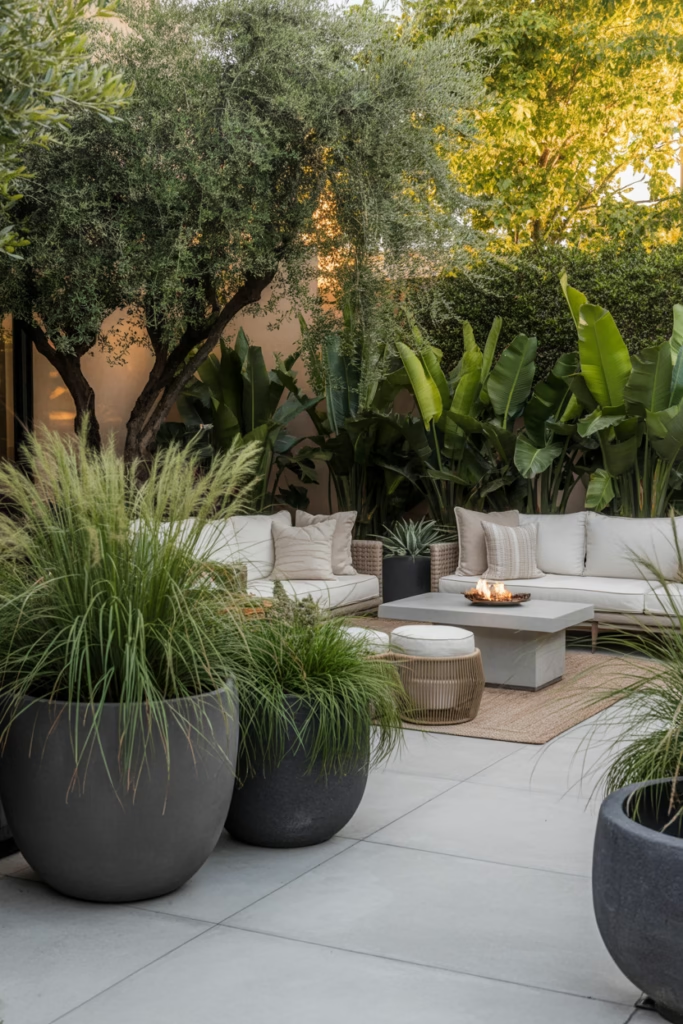
Concrete patios benefit from softness. Plants do that quickly, and oversized planters make a strong impact without any major construction.
Tall grasses, olive trees, boxwoods, palms, lavender, and flowering shrubs all work well depending on your climate and style. I especially like using planters in corners because they anchor the patio visually and make the space feel layered.
Best places for patio planters
- In empty corners
- Near the entry to the patio
- Around a dining area
- Beside steps or transitions
- Along the edge for privacy
Choose planters in materials that support your style. Concrete, ceramic, terracotta, and matte black finishes all pair nicely with patio surfaces.
11. Add outdoor lighting for evening use
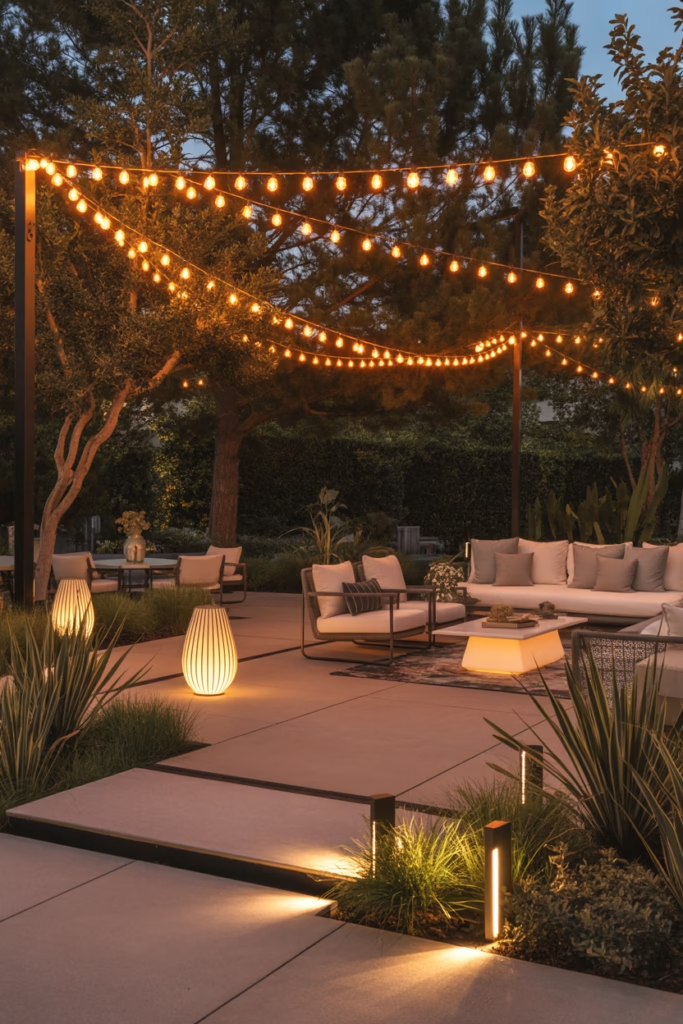
A patio that looks good during the day but feels gloomy at night misses half its potential. Outdoor lighting makes the space more inviting, more functional, and way more atmospheric.
String lights create charm fast, but don’t stop there. Layer in sconces, lanterns, pathway lights, or recessed lighting if your setup allows it. Why build a great patio if you can’t enjoy it after sunset?
Patio lighting ideas
- String lights under a pergola
- Lanterns around the lounge area
- Solar pathway lights near the edges
- Wall sconces on the back exterior wall
- LED step lights for multi-level patios
Good lighting flatters everything. It softens concrete, highlights plants, and makes even a basic setup feel cozy.
12. Design a concrete patio with built-in seating
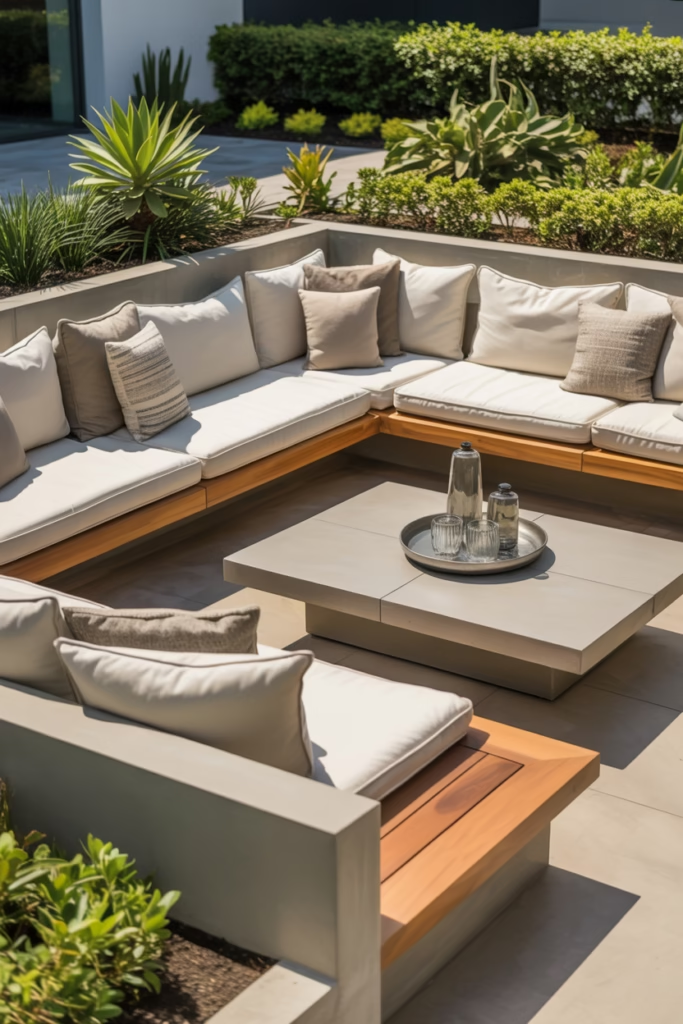
Built-in seating gives a patio a custom feel that loose furniture sometimes can’t match. It also saves space and keeps the layout neat.
Concrete benches work especially well on smaller patios or around fire pits. Add seat cushions and throw pillows so the setup feels welcoming instead of harsh. Nobody wants to sit on bare concrete for long unless they enjoy discomfort as a hobby.
Why built-in seating works
- It saves floor space
- It creates a tailored, permanent look
- It reduces the need for extra furniture
- It works well with modern and minimalist designs
You can finish built-in seating with stucco, wood tops, or painted surfaces depending on your style.
13. Extend the patio into a dining and grilling space
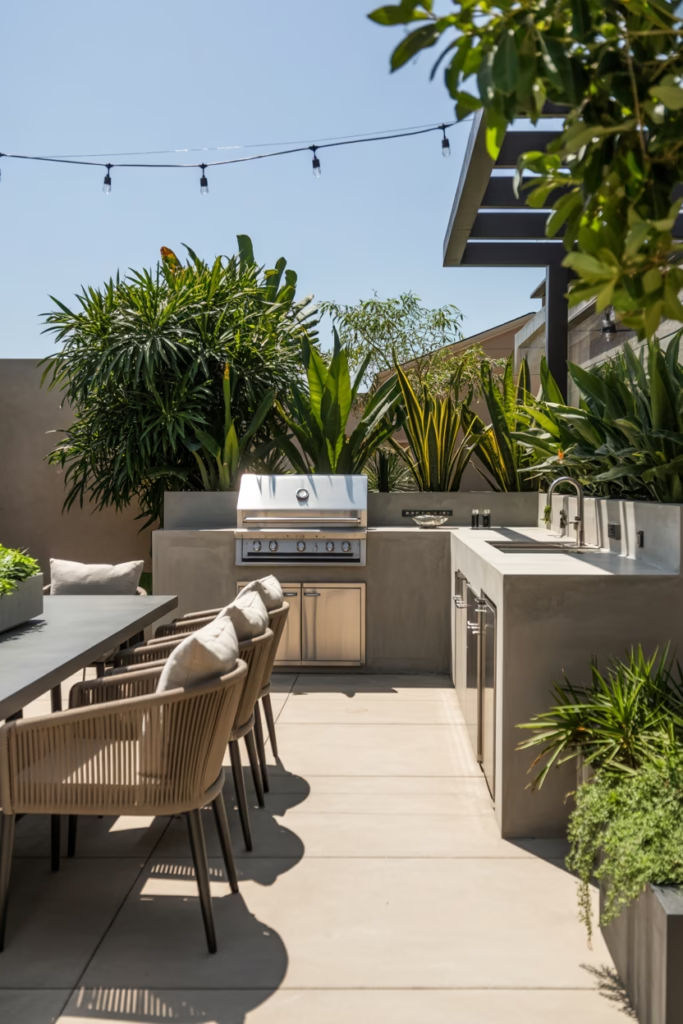
A concrete back patio becomes much more useful when you plan it around actual living. I always suggest creating enough room for both dining and grilling, especially if you cook outside often.
Keep the grill area practical and leave enough distance from the dining table so smoke doesn’t crash dinner. Add a prep cart, storage bench, or outdoor cabinet if space allows. FYI, a patio that supports real meals usually gets used a lot more than one that only looks pretty in photos.
Essentials for a functional dining patio
- A durable outdoor dining table
- Comfortable chairs with washable cushions
- Easy access to the grill
- Shade from an umbrella or pergola
- Lighting for evening meals
This setup turns your patio into a true extension of the house, not just a decorative afterthought.
14. Use a concrete patio for a cozy small backyard
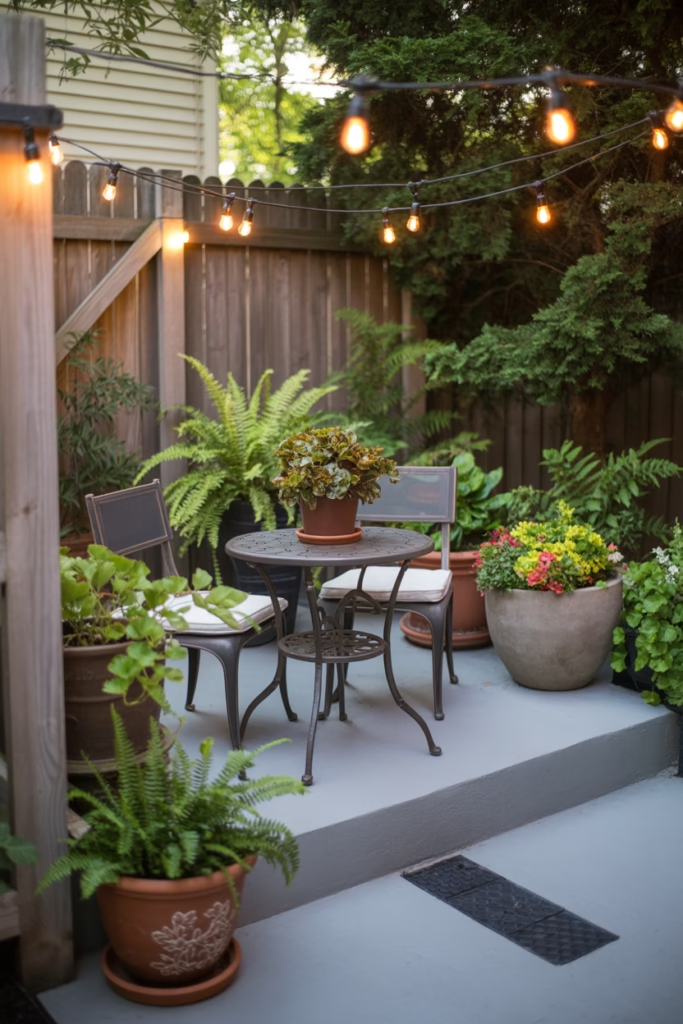
Small backyards can absolutely handle stylish patios. In fact, concrete often works even better in compact spaces because it keeps the layout simple and low-maintenance.
The trick is choosing the right scale. Use slim furniture, avoid clutter, and focus on one clear purpose for the patio. Do you want a quiet coffee spot, a tiny dining area, or a lounge corner? Pick one and make it great.
Small concrete patio tips
- Choose compact furniture
- Stick to a tight color palette
- Use vertical planters to save floor space
- Add one focal point, like a bistro set or fire bowl
- Keep décor simple and intentional
I’ve seen tiny patios look incredibly inviting with just two chairs, a small table, and a few great plants. You don’t need a giant yard to make the space feel special 🙂
15. Keep it simple with a sleek minimalist patio
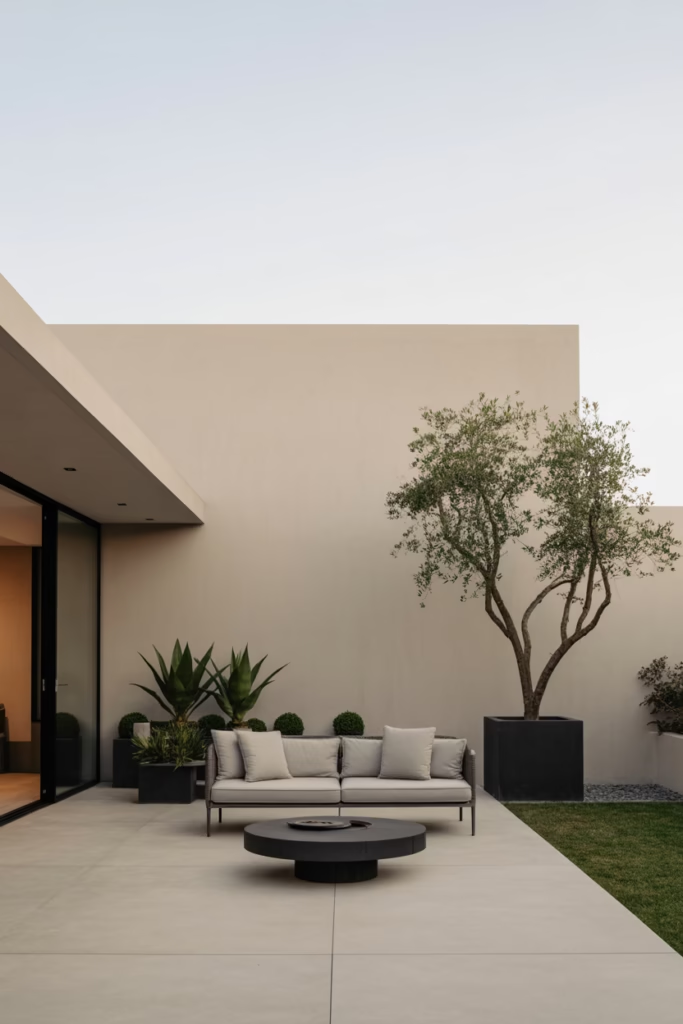
Sometimes the best patio idea involves doing less, not more. A minimalist concrete patio feels calm, modern, and surprisingly luxurious when you style it well.
Use clean lines, restrained colors, and a few strong materials. Think black planters, neutral cushions, a streamlined sofa, and maybe one sculptural tree. If you hate visual clutter, this approach feels like a breath of fresh air.
What makes a minimalist patio work
- A simple concrete finish
- Limited, cohesive colors
- Furniture with clean lines
- Intentional negative space
- A few high-impact accessories
Minimalism doesn’t mean boring. It means every choice matters more.
How to choose the best concrete back patio idea for your yard
With so many concrete back patio ideas, picking one can feel weirdly hard. I usually start with function first, because a pretty patio that doesn’t support how you live gets old fast.
Ask yourself these questions before you commit:
- Do you want the patio mainly for lounging, dining, entertaining, or cooking?
- Does your home style lean modern, rustic, farmhouse, traditional, or minimalist?
- How much maintenance do you honestly want to deal with?
- Do you need shade, privacy, or extra lighting?
- Will you use the space year-round or only in warm weather?
Once you answer those, the right design gets much clearer. A stamped patio with a fire pit suits one household, while a brushed concrete patio with planters and a dining set suits another.
Concrete patio ideas: design tips that make a big difference
Even the best patio concept can fall flat if the details don’t work together. A few smart design choices can elevate the whole space.
Focus on texture
Concrete looks better when you mix in different textures.
- Pair smooth concrete with woven furniture
- Add wood, metal, and fabric
- Use plants to soften hard edges
Think about color
Concrete doesn’t need to stay builder-grade gray forever.
- Warm tones feel more inviting
- Charcoal and black look modern
- Sand and beige brighten shady yards
Don’t forget comfort
A patio should look good, but it should also feel good.
- Use cushions and outdoor rugs
- Add shade where you sit most
- Include lighting for evening use
These details sound small, but they completely change the experience of the space.
Are concrete patios a good idea?
Yes, and I say that as someone who appreciates materials that don’t create unnecessary drama. Concrete patios offer durability, versatility, and value, which makes them a smart option for many backyards.
They also adapt easily to different budgets and styles. You can keep them basic, dress them up, or renovate them over time. That flexibility matters a lot when your taste evolves or your budget shows up late to the party.
Main benefits of concrete patios
- Affordable compared to many premium materials
- Durable in a range of climates
- Customizable with stains, stamps, and finishes
- Low-maintenance compared to more complex surfaces
- Easy to style for modern, rustic, or traditional homes
Like any surface, concrete can crack over time, especially with poor installation or shifting ground. But when professionals install it correctly and you maintain it well, it can last for many years.
Final thoughts on concrete back patio ideas
A concrete patio doesn’t have to look plain or predictable. With the right layout, finish, furniture, and styling, it can become one of the most attractive parts of your backyard.
If I had to choose a few favorite concrete back patio ideas, I’d start with stamped concrete, wood accents, a pergola, layered lighting, and large planters. Those features consistently make patios feel warmer, more useful, and more pulled together.
So, which direction fits your yard best? Go modern, cozy, minimalist, or a little bold. Your backyard patio should feel like a place you actually want to use, not just a slab you walk past on the way to somewhere better.