
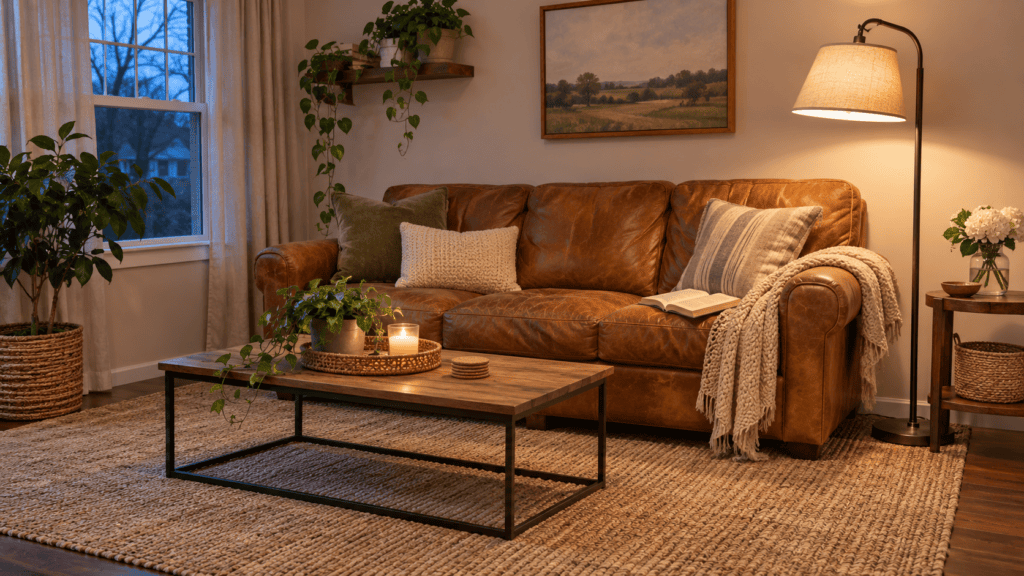
You know that corner of the living room you keep trying to fix? First it got a basket. Then a floor lamp. Then a chair that looked smaller online. Now the corner is full, the room still feels awkward, and the chair has become a very expensive place to leave laundry.
It’s easy to get stuck there because shopping feels like progress. Measuring the space behind the couch feels like homework. But ten minutes with a tape measure can tell you more about what your room needs than another hour of scrolling through before-and-afters.
Here’s the thing, a good room makeover usually starts with something ordinary you want to make easier. Maybe you want to read in bed without turning on the overhead light. Maybe you’re tired of moving the coffee table every time someone needs to get to the patio door. Once you can name the problem, the decisions get easier. This guide walks you through how to plan a room makeover from start to finish, from figuring out what bothers you to deciding when the room is actually done.
Start With What You Want the Room to Do
Pay attention to what you already do in there
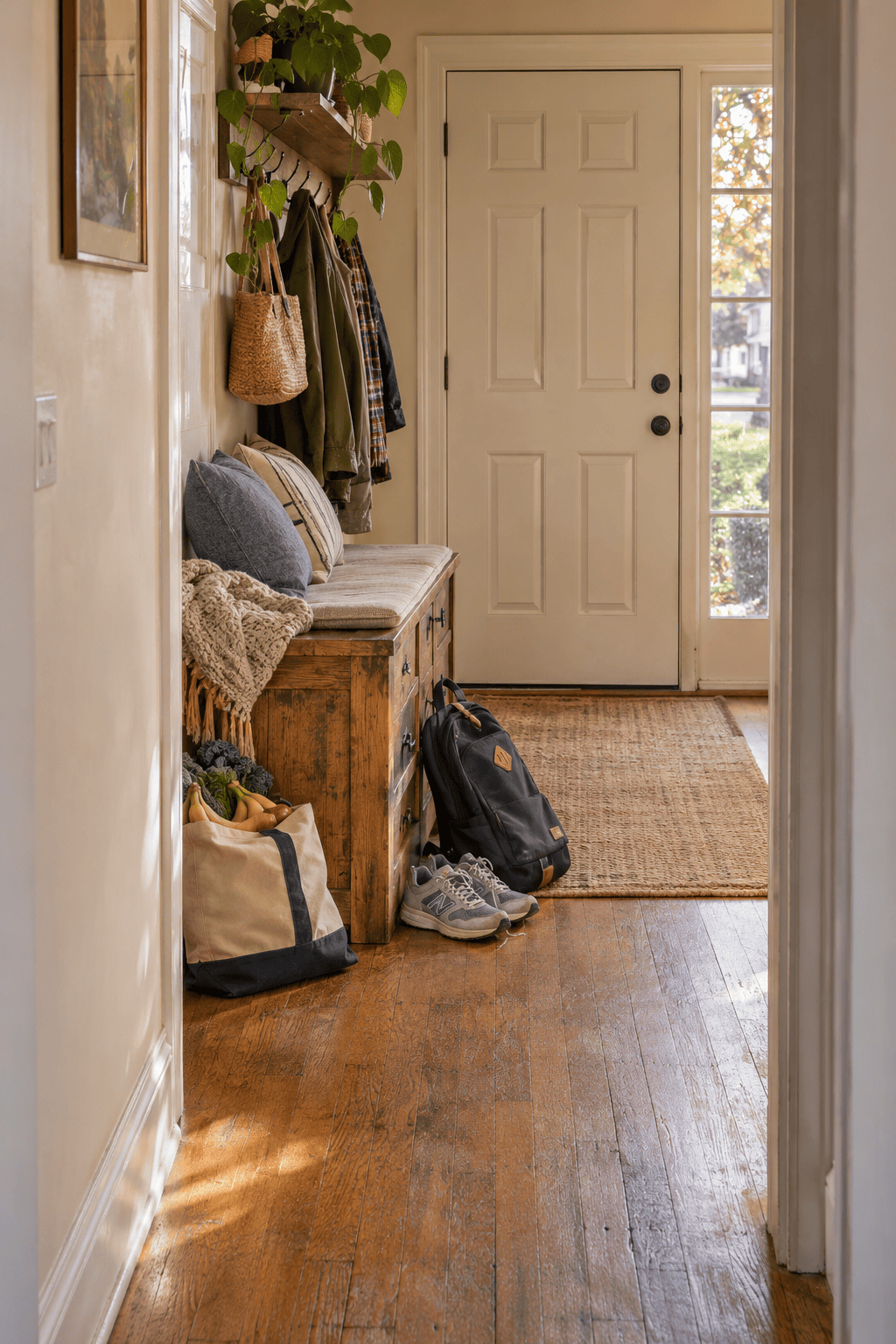
Walk through the room at the time you use it most. An entryway can look perfectly fine at noon. At 5:30, when two people are taking off shoes and someone is trying to get past with groceries, you can see exactly where it breaks down. A deep storage bench might hold every shoe and still make the doorway harder to use. A slim cabinet on the adjoining wall might solve both problems.
Pick two or three changes you’d notice on a normal day. For a bedroom, that might mean opening the dresser all the way, having a place to set a glass of water, and being able to read after your partner falls asleep. Those are specific enough to guide decisions. “Make the bedroom cozier” could send you shopping for anything from a throw blanket to a new bed.
Decide what’s staying before you make a mood board
Write down the furniture and finishes that are staying, especially the big, expensive ones. A brown leather sofa, honey-oak floors, and a red brick fireplace already give you a lot of color to work with. If your inspiration photos are all white linen sofas and pale floors, pay attention to smaller details you could borrow, like the relaxed curtains or the mix of wood and woven textures.
Separate pieces you genuinely want to keep from pieces you’re keeping for now. That distinction can save money. If you expect to replace the old recliner next year, you probably don’t want to spend $350 on a rug chosen mainly to match it.
Measure the Room and Test the Layout Before You Shop
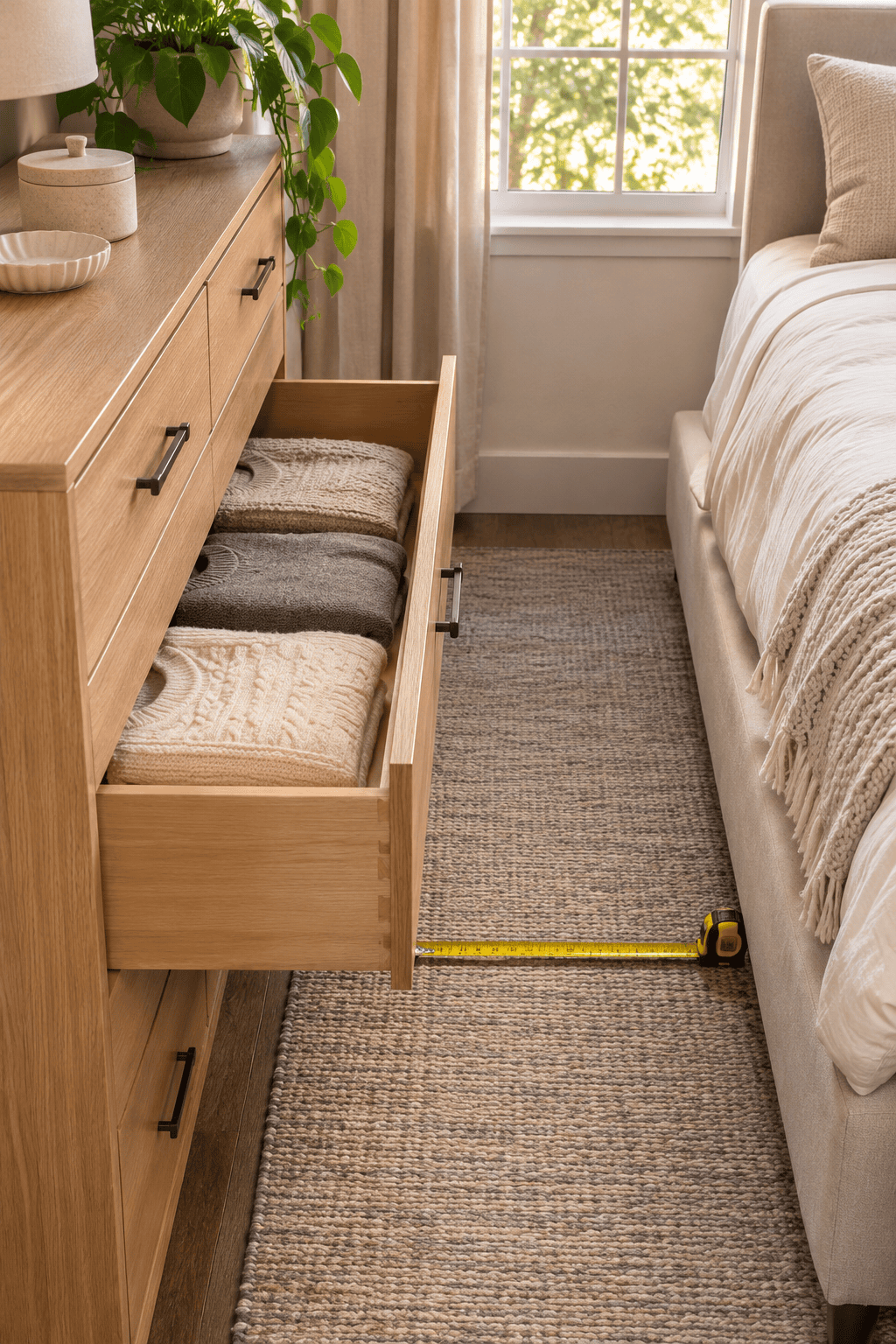
Measure the room with the doors and drawers open
Record the wall lengths and note where the windows, outlets, vents, and doors are. Then measure what happens when the room is in use. How far does the closet door swing? How much room does the dresser drawer take when it’s open? Can you pull out a dining chair and still get to the kitchen?
Take a photo of each wall and jot the measurements on the photos. It’s much easier to look at a picture and see that an outlet sits six inches inside your proposed bookcase spot than to decode a page of numbers in a furniture store. For large purchases, check the delivery route too. A sectional can fit beautifully in the basement and still get stuck at the turn in the stairs.
Tape out the furniture and try living with it
Most people get this wrong when they measure a sofa. They check whether it fits along the wall and forget to check what the extra depth will do to the walkway. Run painter’s tape around the full footprint of the sofa, or use empty boxes to get a better sense of its bulk. Then walk the route you actually use. Carry the laundry basket through. Open the patio door. Try getting from the sofa to the kitchen with a plate in your hand.
If you’re weighing two layouts, think about which inconvenience you’d rather live with. Floating the sofa might make TV watching more comfortable while squeezing the path from the front door. If you walk that path twenty times a day and watch TV a couple of nights a week, the room has already given you a pretty good answer.
Set a Room Makeover Budget Around the Changes You’ll Feel
Give the biggest everyday problem first claim on the money
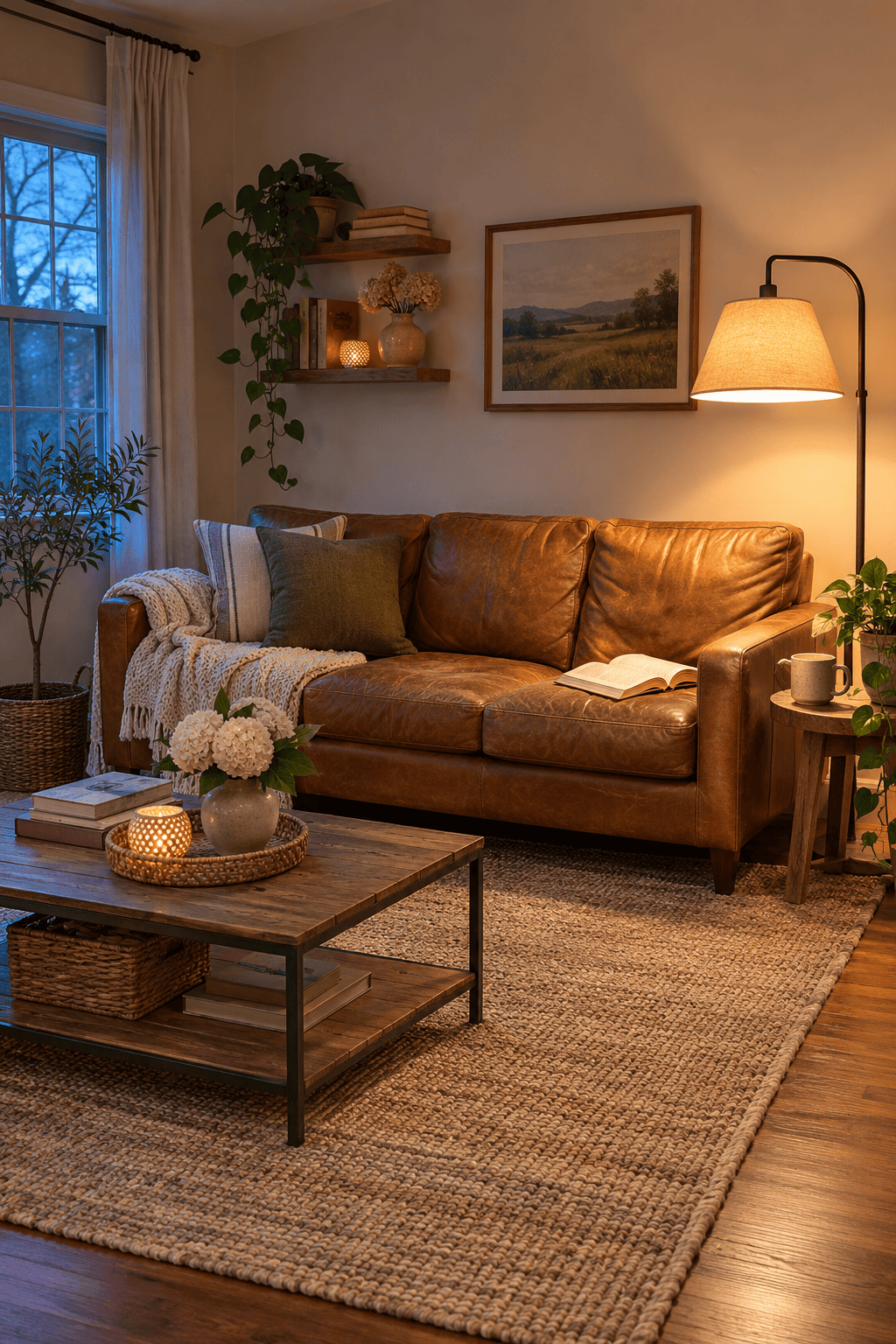
Say you have $800 for a living room refresh. The sofa is comfortable, but the room is dim after dinner and the only rug is so small it slides under the coffee table. One way to use that budget would be $300 for a larger rug and pad, $175 for lighting, $150 for curtains and hardware, and $75 for paint and supplies. That leaves $100 for delivery, returns, or the small things that always seem to add up.
If the sofa seat is so low that you struggle to get up, spend the money differently. You might keep the curtains and put most of the budget toward a secondhand sofa you can sit on before buying. Let the way the room feels to use determine where you spend.
Price the whole purchase before you commit
A pair of $40 curtain panels can turn into a $150 project once you add a rod, rings, and a second pair for enough fullness. A secondhand dresser loses some of its appeal if you have to rent a truck to pick it up. Add those costs while you’re comparing options. For rugs and furniture bought online, check whether you’d have to pay return shipping and keep the packaging.
Give each big item a spending limit before you start shopping. Going $50 over on a lamp may be fine if you can take $50 out of another category. It’s much easier to make that trade when the full budget is in front of you.
Choose Colors and Materials in the Order That Gives You Options
Start with the item that’s hardest to match
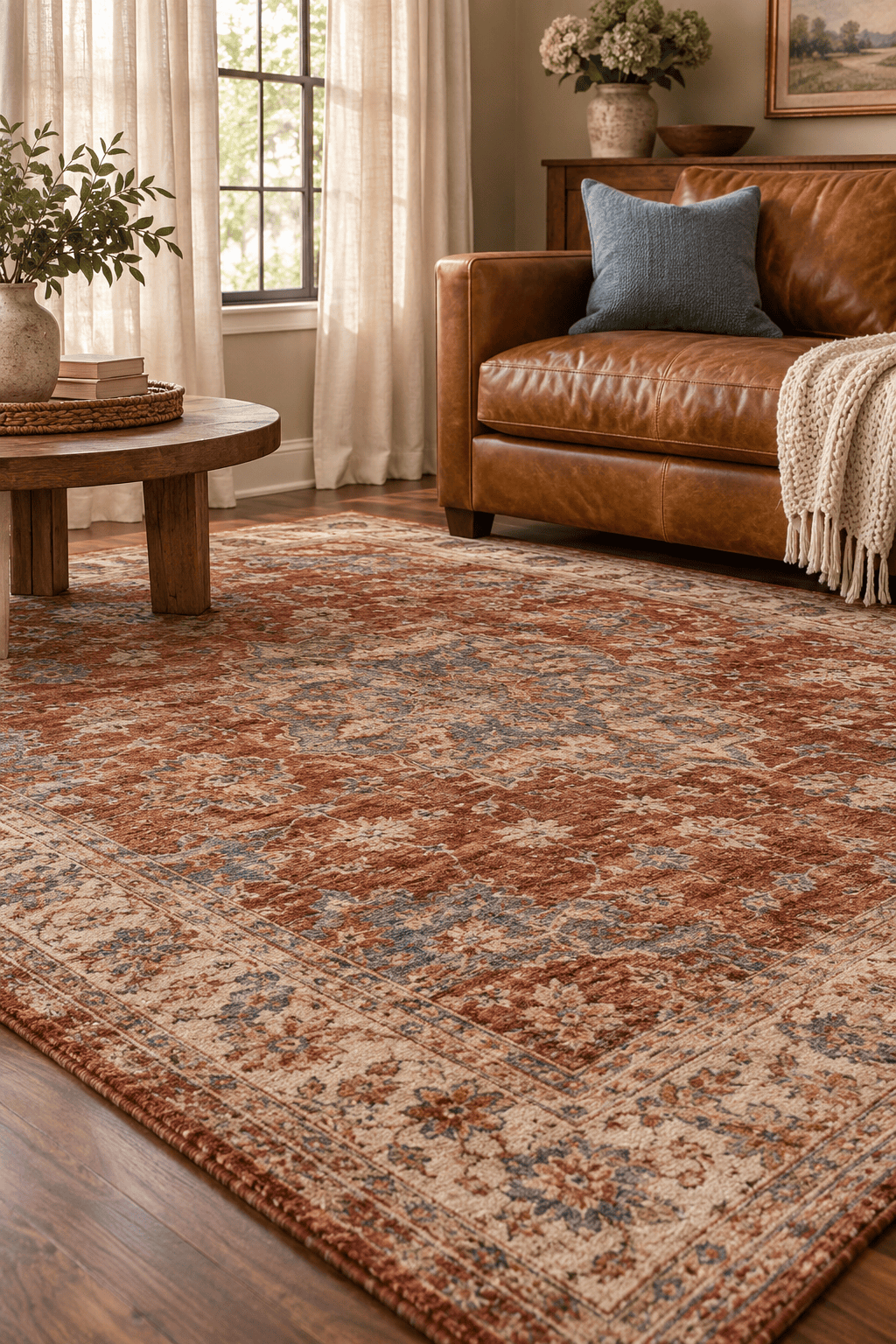
What actually works is choosing around the finish or fabric you have the fewest options for. If there’s a patterned rug you love, use it to narrow down paint colors. If you’re keeping a green velvet sofa, see how it looks with your floor and the rest of the upholstery before you order curtains. Paint comes in enough shades that it can usually wait until those bigger choices are settled.
For example, a rug with rust, faded blue, and cream might look best with the cream picked up in the curtains and the blue repeated in one pillow. You can leave the rust mostly in the rug. It’ll have more impact there than it would if every surface had a little orange something on it.
Check samples under the light you actually use
Look at paint samples next to the trim, flooring, and furniture that will stay. Move the sample from the brightest wall to the darkest one. Then look again after sunset with your usual lamps on. A soft white that looks lovely by the window may go noticeably yellow beside cool white trim at night.
Do the same with fabrics where you can. Hold a curtain sample upright near the window and lay a rug sample flat on the floor. Light hits those surfaces differently. A gray-beige rug that looks warm on your phone might read pink against your existing wood floor. That’s a much easier decision to revisit when you’re holding a swatch.
Do the Messy Work First and Leave Time Between Purchases
Plan around what has to happen first
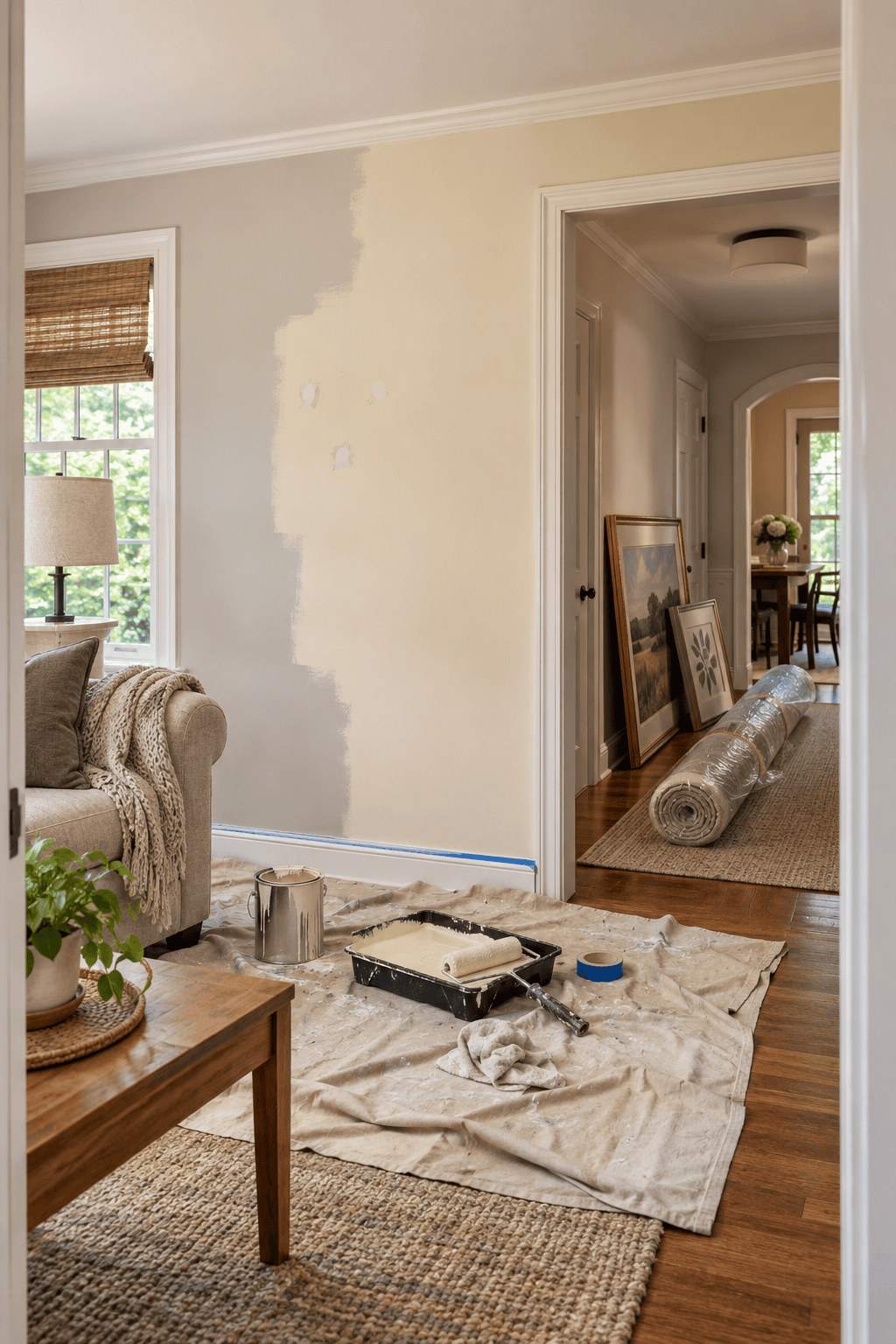
If you’re patching picture holes, painting the walls, and assembling a bookcase, get the wall work done while you have room to move. A rug can stay rolled up until the paint work is finished. Hang artwork after the main furniture is in place, when you can judge the gap above the sofa and see where a lamp might block the view.
Your shopping order can be different from your installation order. If the sofa you’ve measured and tested has a long lead time, order it early and paint while you wait. If you’re choosing a floor lamp to go beside it, hold off until you can sit on the sofa and see how much space is left. The lamp that looked tucked away on your sketch might end up right in your line of sight.
Give yourself a usable room between work sessions
If the makeover will take a few weekends, think about how you’ll live in the room on Tuesday. For a bedroom, you might paint and reassemble the bed one weekend, then deal with the dresser and curtains the next. Keep sheets, a lamp, and the clothes you’ll need for the week somewhere you can reach.
Put the items you’re waiting on in one simple list with their measurements, order dates, and return deadlines. This is where a room makeover planner earns its keep. When the rug arrives, you can see how long you have to try it in the room and whether the other pieces will arrive in time to judge them together.
Finish by Using the Room for a Few Days
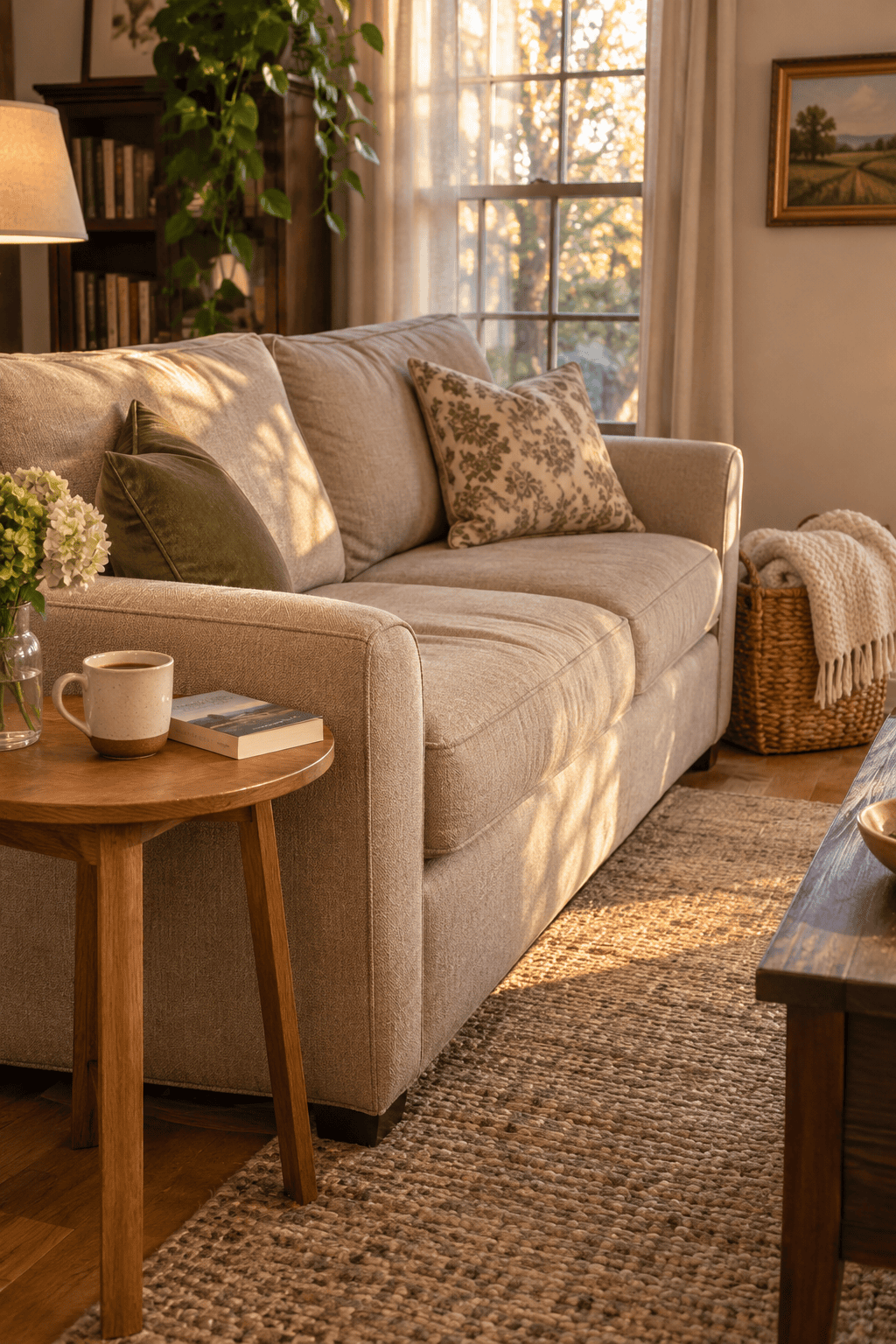
Notice what you still reach for or move out of the way
Spend a few normal evenings in the room before you buy the last round of accessories. If you keep balancing your coffee on the arm of the sofa, a small table within reach will do more for you than a decorative bowl on the far side of the room. If you keep dragging a dining chair over to a window to read, you’ve just found a better spot for the accent chair.
Pay attention to where things pile up as well. A basket beside the sofa might be exactly where the blankets need to go. A basket across the room might stay beautifully empty while the blankets live on the sofa. How you use the room will tell you where the finishing touches belong.
Give the room a stopping point
Go back to the two or three things you wanted to improve. Can you open the dresser? Does the reading light fall on the page? Can two people get through the entryway with their bags? If those things are working and you enjoy spending time there, you can call the makeover finished.
Leave a little space for whatever you find over time. An empty spot on the wall is fine. You get to wait for art you actually want to look at every morning.
Start With the Thing That Bothers You Most
If you’re wondering how to plan a room makeover from start to finish without getting overwhelmed, pick one thing you can check today. Open the dresser drawer all the way. Sit where you usually sit after dinner and see which light you reach for. Walk from the front door to the kitchen with both hands full. That small test gives you a better starting point than trying to picture the entire finished room at once.
Write down what you want to change, what’s staying, and what you’re willing to spend. Then try the cheapest useful change first. Move the chair, borrow a lamp from another room, or tape out a smaller coffee table. You’ll learn something about the room before you spend a dollar, and your next decision will be a whole lot easier.