
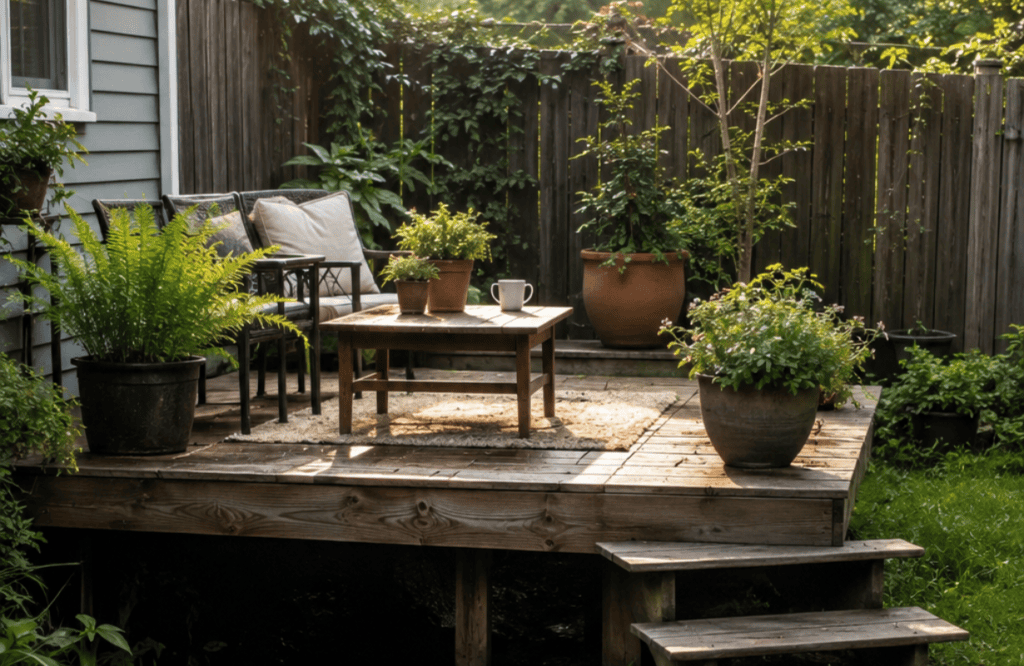
My weekends used to disappear into my backyard. Mowing, edging, weeding, then doing it all again seven days later. I finally hit a breaking point and decided my yard needed to work for me, not the other way around. So I spent an entire summer testing low maintenance backyard ideas, and I’m sharing every single one that actually held up.
This isn’t a list of Pinterest fantasies that fall apart the second real weather hits. These are ideas I’ve either used myself or watched work in a neighbor’s yard for years. Grab a coffee, and let’s get your weekends back.
Here’s the thing nobody tells you when you buy a house: the yard is a living, growing thing that doesn’t care about your schedule. It grows whether you’re ready for it or not, and it definitely doesn’t care that you had plans this Saturday. Low maintenance doesn’t mean zero effort—it means you front-load the work once instead of repeating it forever.
That mindset shift changed everything for me. Every idea on this list follows the same rule: spend a little more time or money upfront so you spend way less time later. Some of these are weekend projects, some are single-afternoon fixes, and a few just require swapping one plant for another. Mix and match based on what your yard actually needs.
1. Swap Grass for Gravel Zones
Grass is high-maintenance and, honestly, kind of a diva. It wants water, fertilizer, mowing, and constant attention.
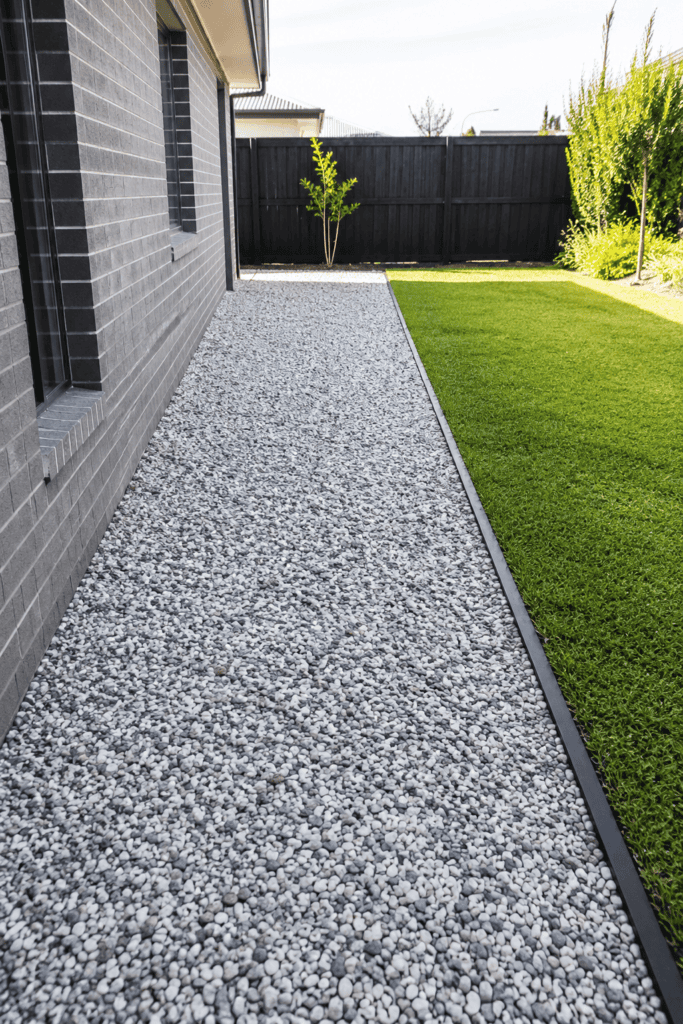
Gravel zones solve this instantly. Pick a section of your yard, lay down landscape fabric, and pour in a few inches of decorative gravel. No watering, no mowing, and it looks intentional rather than neglected.
I did this along my side yard where grass never grew well anyway. Three years later, it still looks exactly the same as day one.
Picking the Right Gravel
Not all gravel is created equal, and this is one of those details people skip and regret. Pea gravel is smooth, comfortable underfoot, and great for pathways. Crushed granite compacts tighter and works better under furniture or fire pits. Go smaller and rounder for walking areas, and larger and angular for anything that needs to stay put.
2. Go Big on Mulch Beds
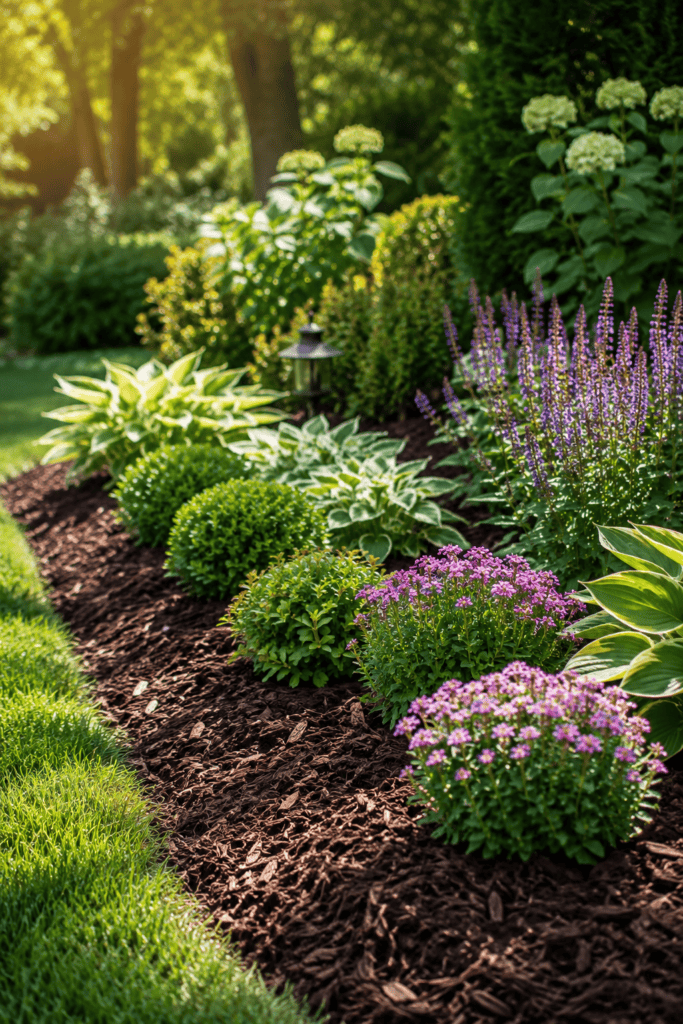
Mulch beds are the unsung hero of easy yards. They suppress weeds, retain moisture, and give your plants a tidy border to live in.
- Wood chip mulch breaks down slowly and feeds the soil
- Rubber mulch lasts for years without decomposing
- Rock mulch works great in dry climates
IMO, wood chips give the best natural look, but if you want to mulch once and forget about it, rock is the way to go.
3. Install Artificial Turf
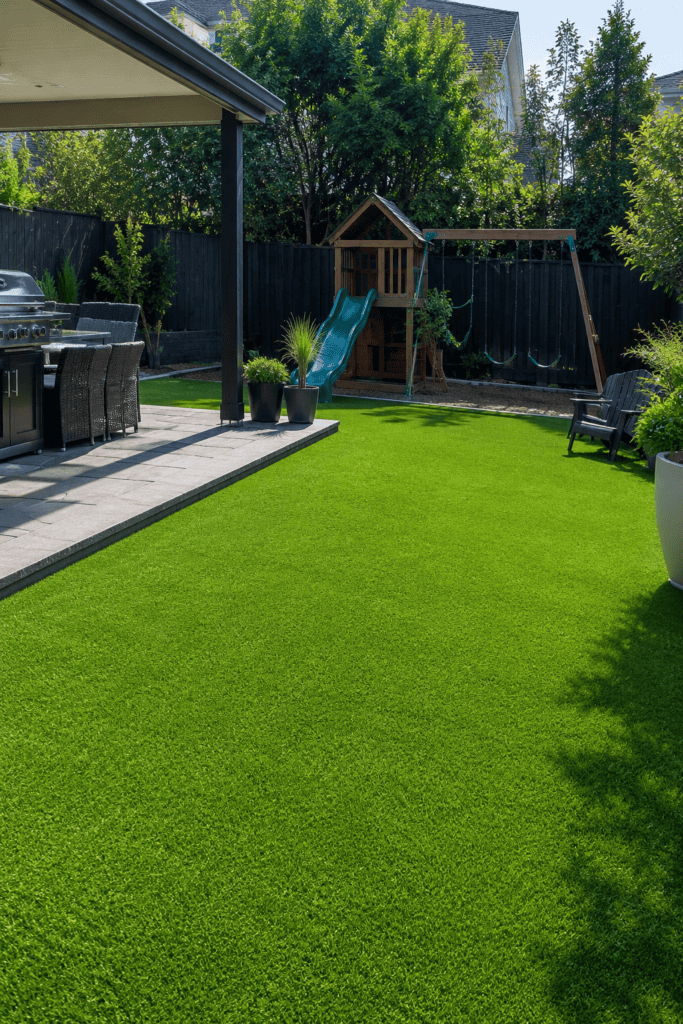
I resisted artificial turf for years because I thought it looked fake. Modern turf has come a long way, and IMO the good stuff is nearly impossible to spot from a few feet away.
It never needs mowing, never turns brown in a drought, and your kids or dogs can wreck it without you caring. The upfront cost is real, but you’ll never buy a lawnmower again.
Do the math before you dismiss it. Add up what you currently spend on a mower, gas, fertilizer, weed killer, and either your time or a lawn service, then multiply that by ten years. Turf usually wins that comparison, and that’s before you factor in the hours you get back every single week.
4. Plant Native Species Only
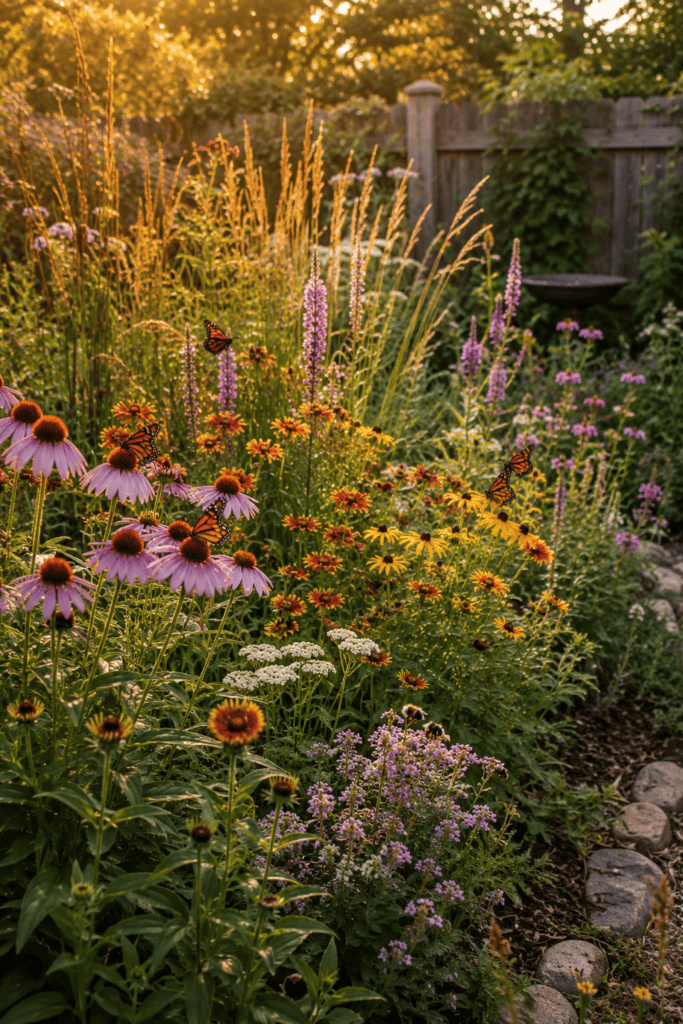
Ever wondered why some yards thrive with zero effort while others need constant babying? The answer is almost always native plants.
Native species evolved for your exact climate, soil, and rainfall patterns. They don’t need extra watering, fertilizing, or coddling because they’re already built for the job. Check with a local nursery for a list specific to your region—this single change transforms a high-maintenance yard into a low-maintenance one.
I made this swap in my own yard after killing three separate rounds of imported ornamental shrubs. The native replacements I planted have survived two droughts and a rough winter without any help from me. That’s the difference between fighting your climate and working with it.
5. Build a Raised Deck Over Problem Soil
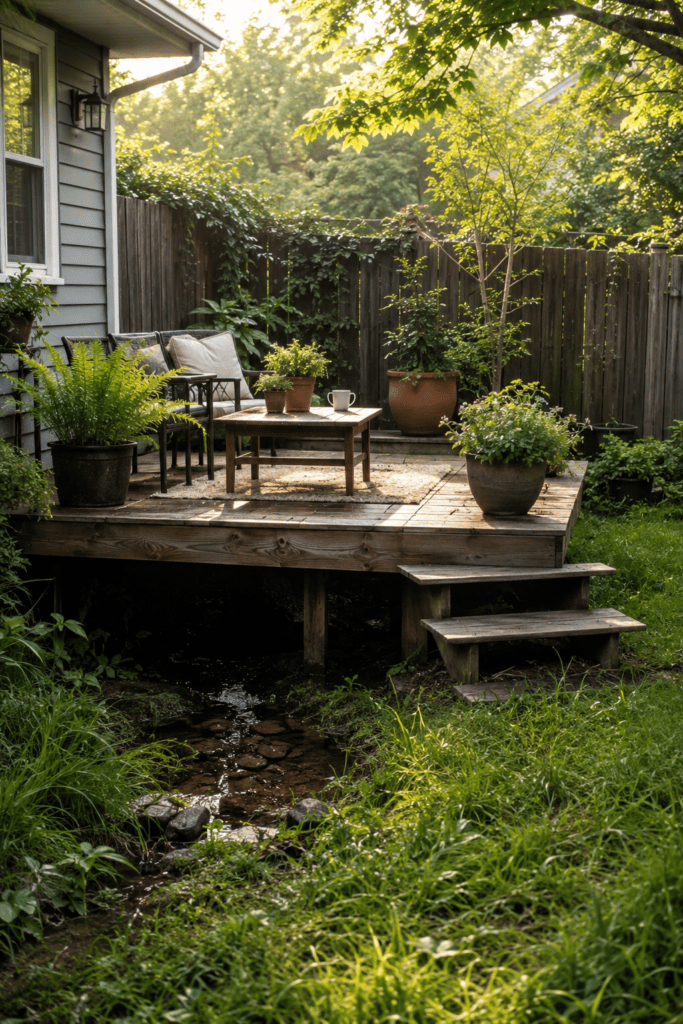
Some yards have soil that just refuses to cooperate. Rocky, clay-heavy, or perpetually soggy ground makes gardening a losing battle.
Instead of fighting it, build a raised deck right over the problem area. You get usable outdoor space instantly, and you never have to think about that soil again.
A friend of mine had a low corner of his yard that turned into a swamp every spring. He gave up trying to grow anything there and built a small elevated deck instead. Now it’s his favorite spot for morning coffee, and the drainage problem simply stopped being his problem.
6. Use Perennials Instead of Annuals
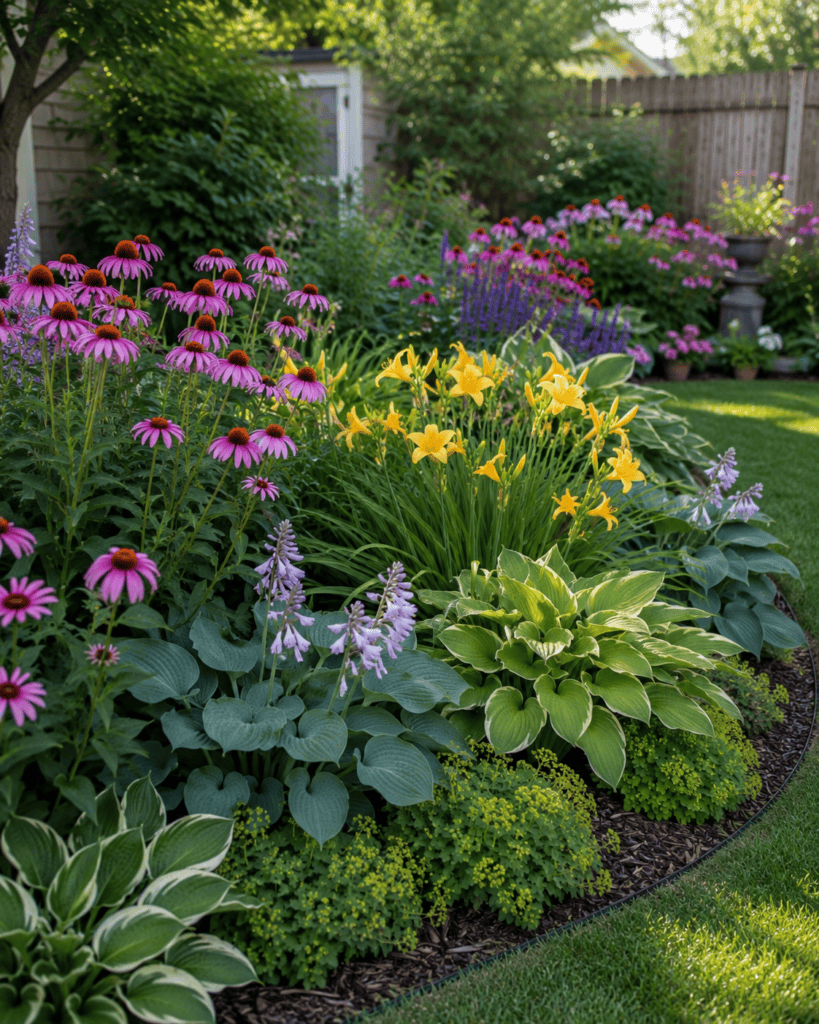
Annuals look great for one season, then die and demand replanting every single year. Perennials come back on their own, year after year, without you lifting a finger.
- Coneflowers bloom for months and attract pollinators
- Hostas thrive in shade with almost no care
- Daylilies spread and fill space naturally
I switched my front bed to all perennials, and my spring planting routine went from a full weekend to about twenty minutes.
The one catch? Perennials take a season or two to really fill in and look full. IMO that patience is worth it, since you’re trading one slightly awkward first year for a decade of beds that basically take care of themselves.
7. Create a Gravel Patio Instead of Pavers
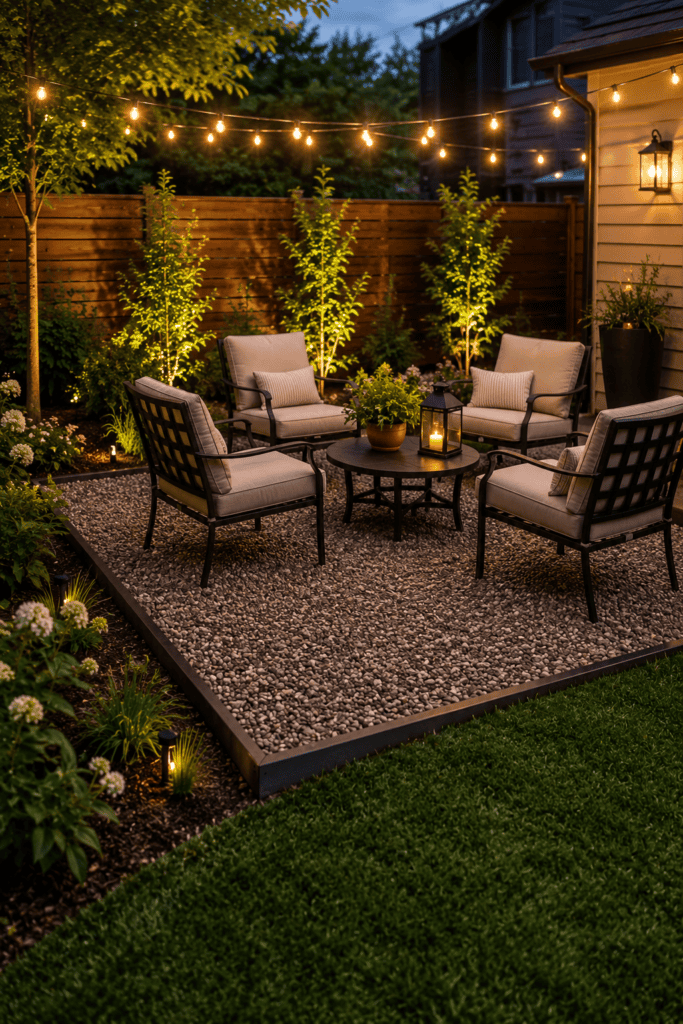
A full paver patio looks stunning, but it’s also expensive and can shift or crack over time. A gravel patio gives you a similar outdoor living space for a fraction of the cost and effort.
Just add a steel or wood edge to keep the gravel contained, and you’re set. No sealing, no re-grouting, no drama.
If you want it even more stable underfoot, compact a base layer before adding the top gravel. It takes an extra hour but keeps the surface from shifting when you drag chairs around. Trust me, wobbly patio furniture gets old fast.
8. Add Ground Cover Instead of Traditional Grass
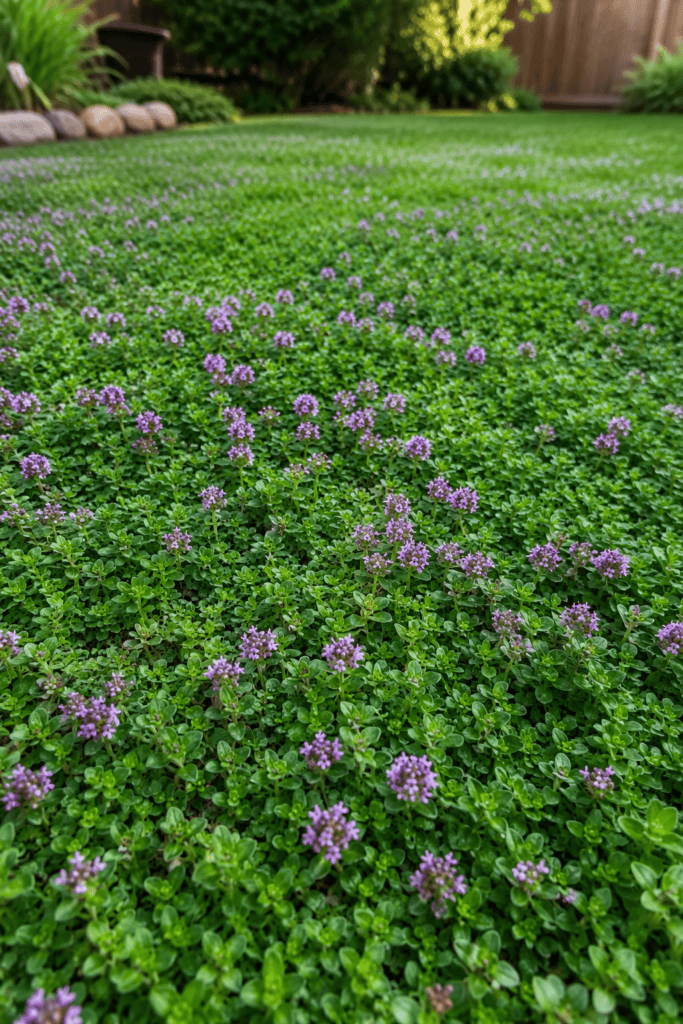
Ground covers like creeping thyme or clover spread low and dense, choking out weeds naturally. They need way less water than grass and almost never need mowing.
Clover, in particular, actually improves your soil by adding nitrogen back into it. Ever wondered why your grandma’s yard always had a few clover patches? Turns out she was onto something.
9. Set Up a Drip Irrigation System
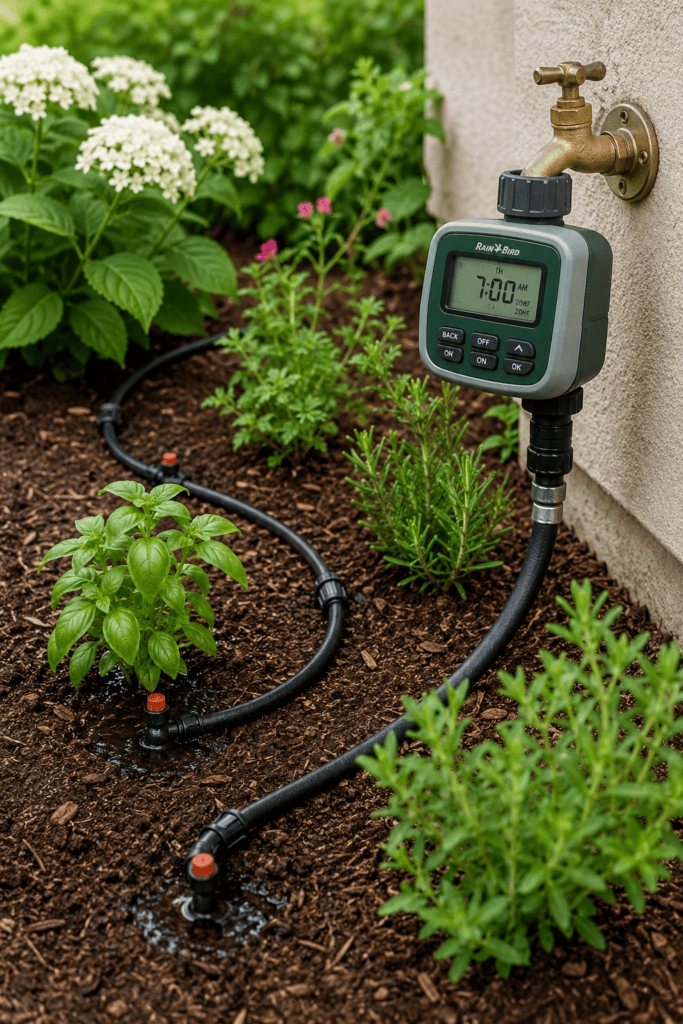
If you’re keeping any plants at all, drip irrigation removes the guesswork entirely. Set a timer, and your plants get exactly the water they need without you standing there with a hose.
I’ll admit, installing mine took an afternoon I wasn’t thrilled about. But that one afternoon saved me hundreds of hours over the following years, so I’d call that a win.
Most kits these days are genuinely beginner-friendly, with color-coded connectors and no special tools required. Pair it with a simple timer, and your plants get watered even when you forget—or when you’re on vacation and definitely not thinking about your begonias.
10. Go Vertical With Container Gardens
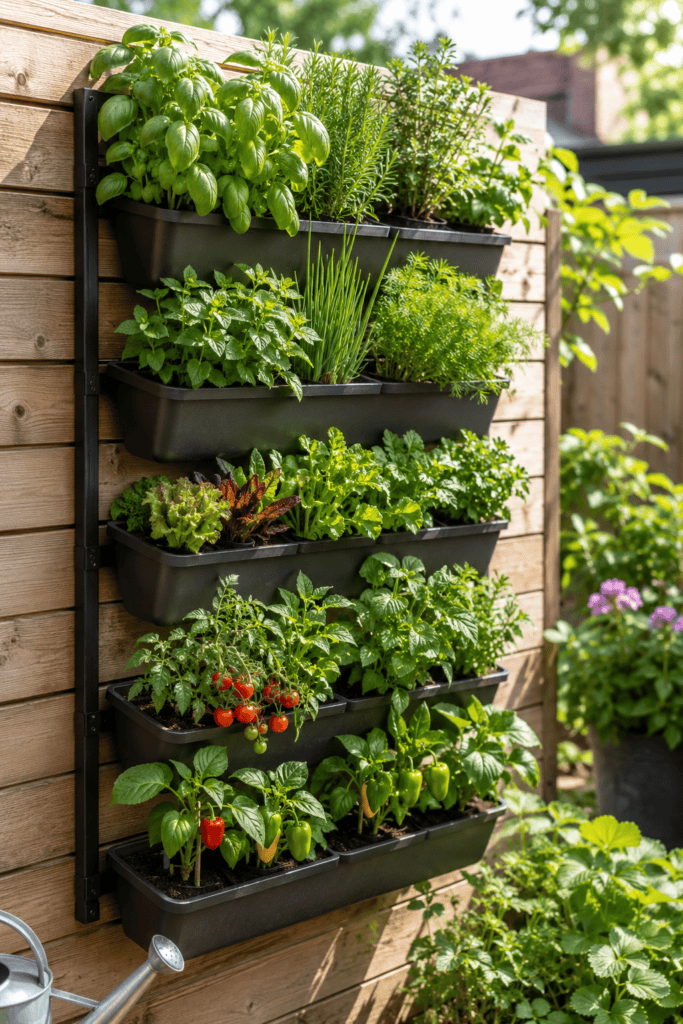
Ground-level gardens mean constant bending, weeding, and battling pests that live in soil. Vertical container gardens sidestep most of that.
- Herbs and small vegetables thrive in wall-mounted planters
- Fewer weeds since there’s less exposed soil
- Easier to reach for watering and harvesting
It’s a small shift that makes a noticeably bigger difference than you’d expect.
11. Install Permanent Edging
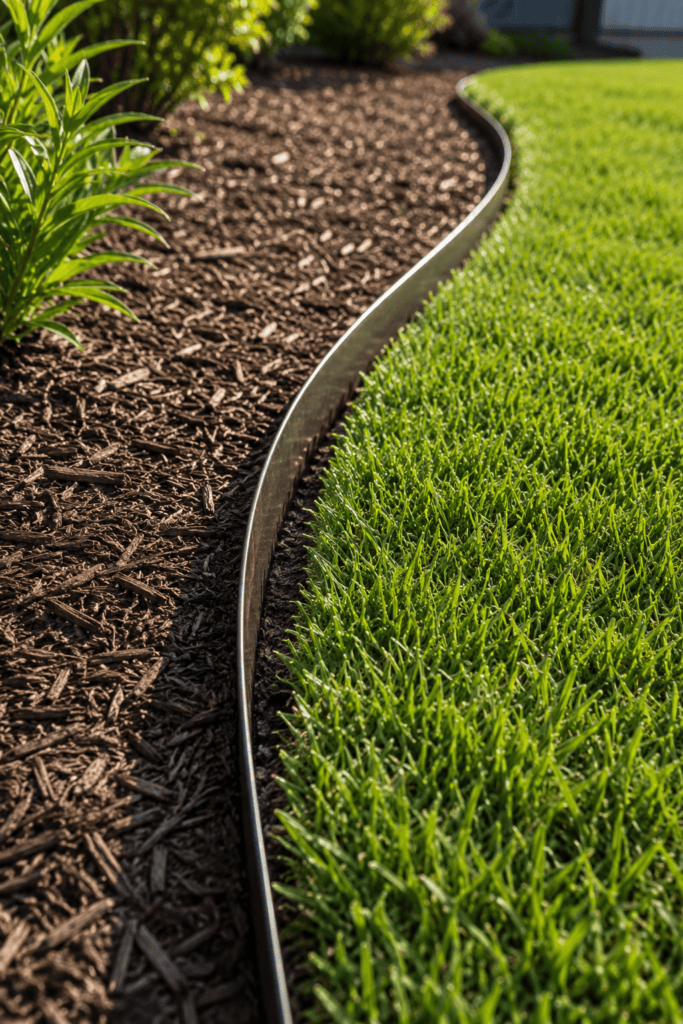
Nothing eats up a Saturday like re-cutting sloppy grass edges around beds and walkways. Permanent edging—metal, stone, or heavy-duty plastic—keeps everything in its lane for good.
Once it’s in, you’ll never trim an edge again. It’s one of those upgrades that seems minor until you realize how much time it actually saved you.
Metal edging holds the cleanest line and practically disappears once it’s installed. Stone edging costs more but adds a decorative element if that fits your yard’s style. Either way, this is the kind of unglamorous fix that pays off every single week for years.
12. Choose a Fire Pit Over a Full Garden Bed
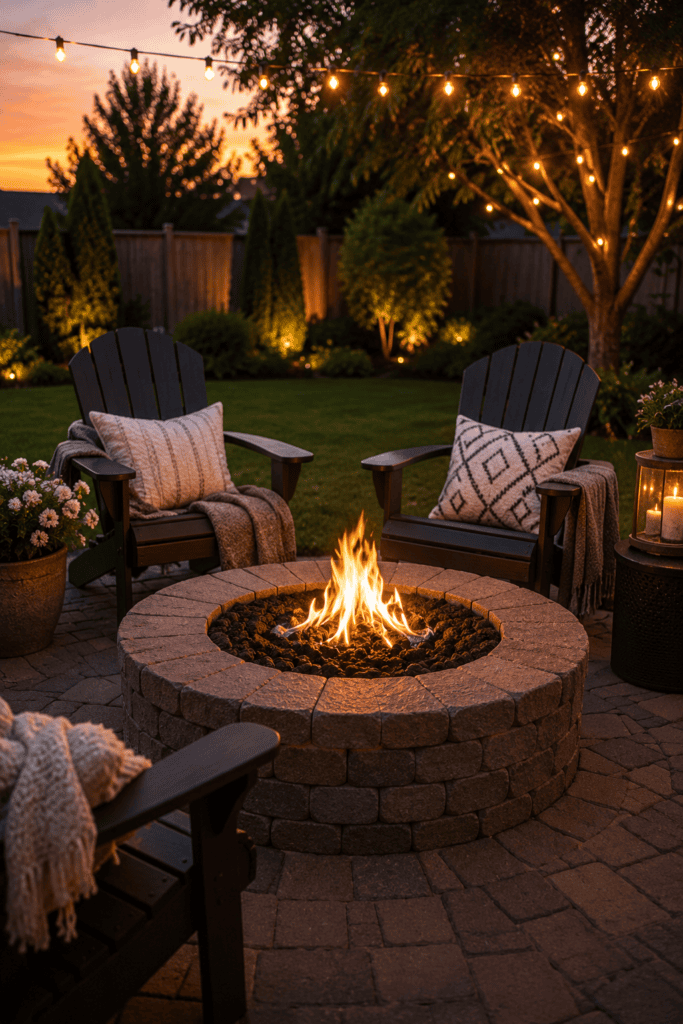
If you’re torn between planting another garden bed or building a hangout spot, go with the fire pit. It requires zero watering, zero weeding, and gives you way more use out of your backyard.
I built mine out of simple paver stones over a weekend, and it’s genuinely become the most-used spot in my whole yard. Funny how the “lazy” option turned out to be the best one.
13. Use Landscape Fabric Under Everything
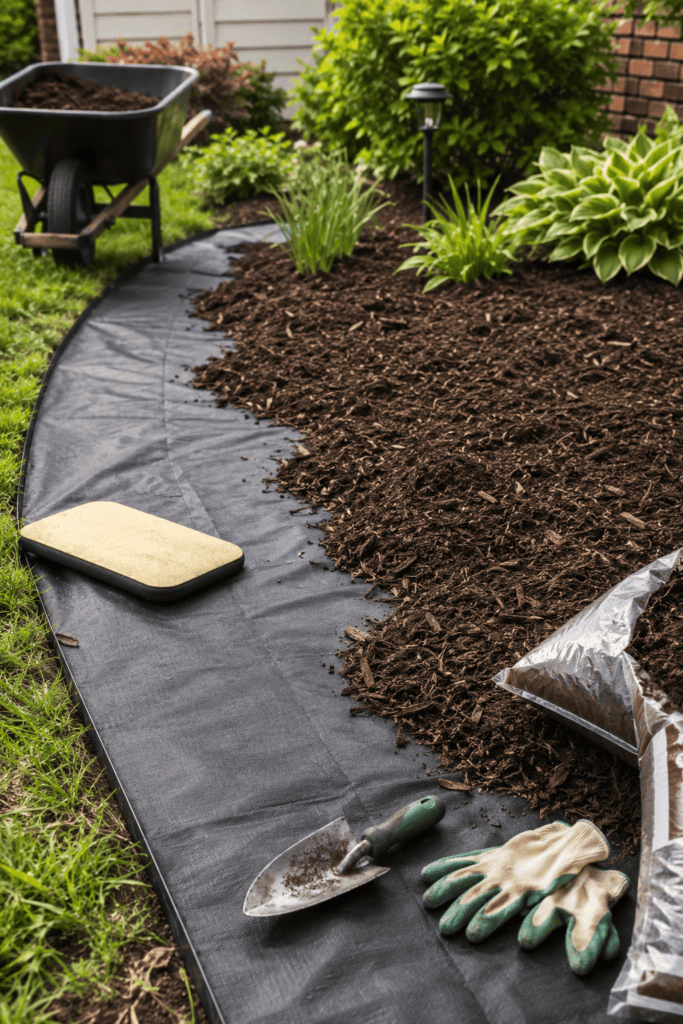
Landscape fabric is the quiet hero nobody talks about enough. Laid under gravel, mulch, or gardens, it blocks weeds from ever pushing through in the first place.
Skipping this step is the number one reason people end up back on their knees pulling weeds within a month. Don’t skip it—future you will be grateful.
14. Add a Pergola With Climbing Vines
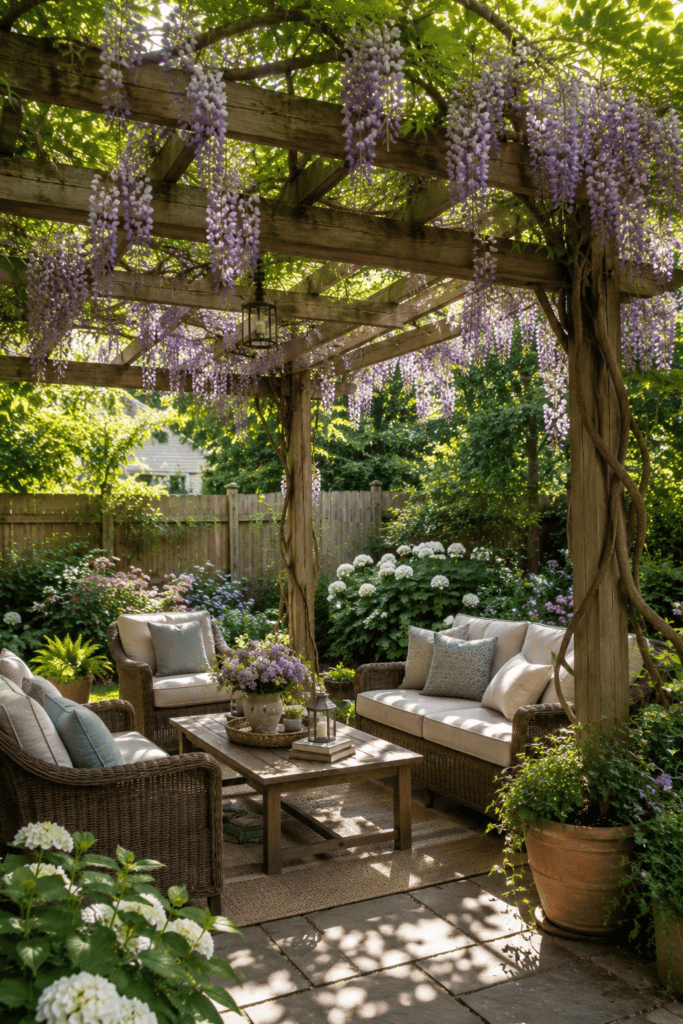
A pergola gives you shade and structure without the maintenance of a full tree. Pair it with a low-care climbing vine, and you get a gorgeous, natural canopy that mostly takes care of itself.
- Wisteria offers dramatic blooms with minimal care once established
- Climbing hydrangea thrives in shade and needs little pruning
- Clematis adds color without demanding constant attention
Give the vine a season to establish itself, and after that, it mostly just does its own thing. A quick trim once a year keeps it from taking over the neighbor’s fence, and that’s about the extent of the upkeep.
15. Replace Flower Beds With Succulent Gardens
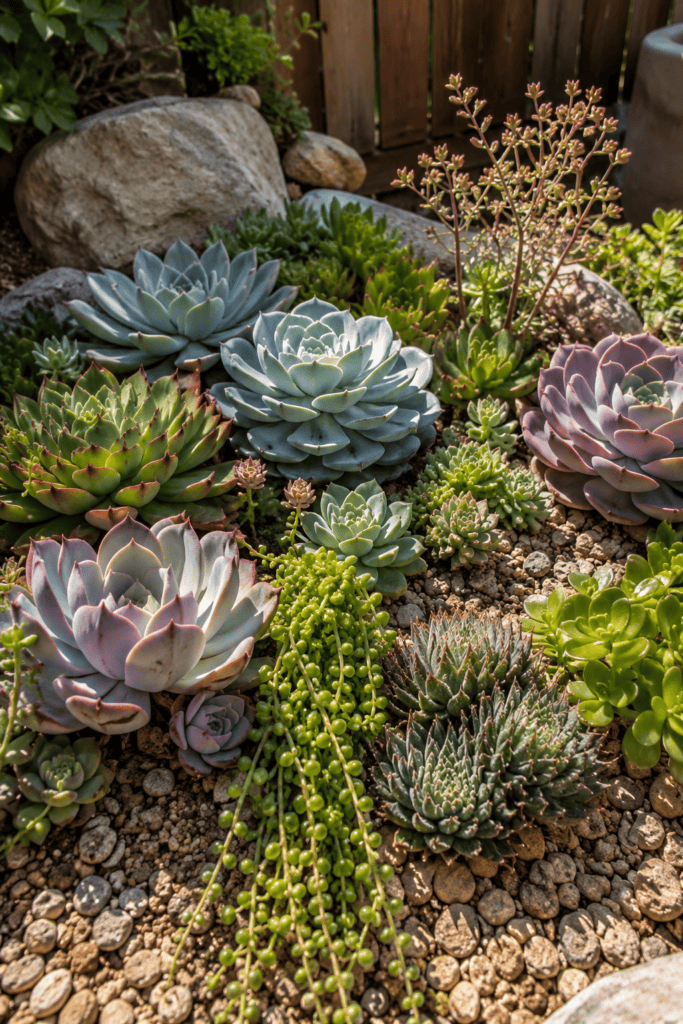
Succulents are basically the low-maintenance backyard MVPs. They store water in their leaves, so they thrive on neglect—which honestly describes my gardening style perfectly 🙂
They work especially well in dry climates or sunny spots where other plants struggle. Once established, they need watering maybe once every couple of weeks.
Mix a few varieties together for texture—rosette shapes next to trailing types create a look that feels curated even though you barely lifted a finger. Ever wondered why hotel landscaping so often leans on succulents? Now you know their secret too.
16. Build a Simple Dry Creek Bed
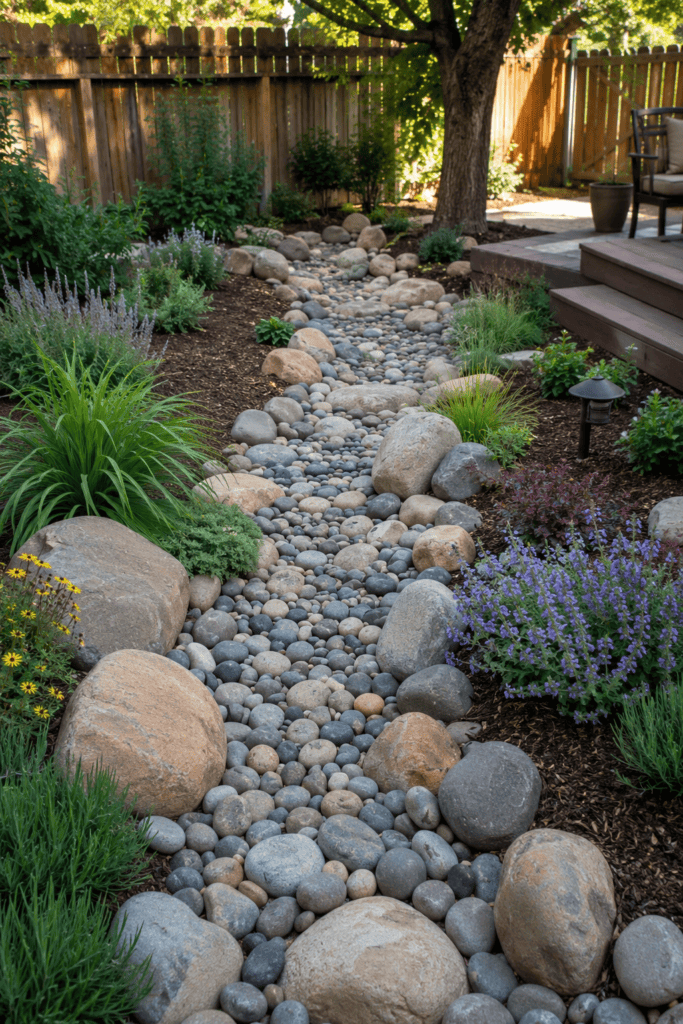
If your yard has drainage issues, don’t fight it—work with it. A dry creek bed made of river rock channels water away naturally while doubling as an attractive design feature.
It solves a real problem and looks like you planned it that way all along. Two birds, one very low-effort stone.
17. Automate Your Outdoor Lighting
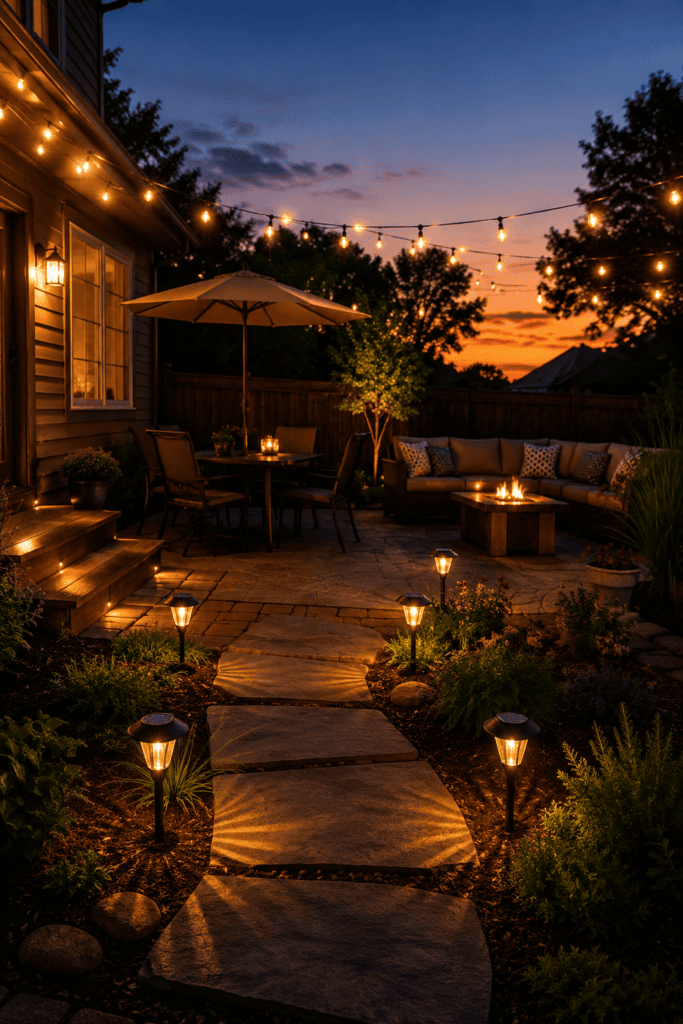
Solar-powered or smart outdoor lighting means you never touch a switch or run wiring. Set it once, and it turns on and off automatically, forever.
It adds ambiance to your low-maintenance setup without adding a single task to your to-do list. FYI, solar options have gotten genuinely bright and reliable in the last few years—not the dim, flickering ones from a decade ago.
How to Prioritize These Ideas
Seventeen ideas is a lot to take in at once, so let’s talk strategy for a second. You don’t need to tackle all of these in one weekend, and honestly, trying to would probably burn you out before you finished the first project.
Start With Your Biggest Time Drain
Think about what eats up the most of your weekend right now. If it’s mowing, tackle turf or gravel zones first. If it’s weeding, permanent edging and landscape fabric should jump to the top of your list.
Budget in Phases
- Under $200: mulch beds, ground cover, landscape fabric
- $200–$1,000: gravel patio, drip irrigation, permanent edging
- $1,000+: artificial turf, raised deck, pergola
Knock out the cheap wins first. They build momentum, and honestly, seeing quick results makes the bigger projects feel way less intimidating.
Final Thoughts
Your backyard shouldn’t feel like a second job. Every idea here trades a little upfront effort for years of nearly hands-off enjoyment, and honestly, that trade is always worth it.
Pick two or three ideas from this list that fit your space and budget, and start there. You don’t need to overhaul everything at once—small changes compound fast, and before long you’ll notice weekends opening up that used to belong to your lawnmower.
I’m not saying you’ll never touch your yard again. You’ll still want to enjoy it, sit in it, maybe tweak a planting bed here and there because gardening can be genuinely fun when it’s a choice and not a chore. What changes is the constant grind of upkeep that used to hijack your free time.