
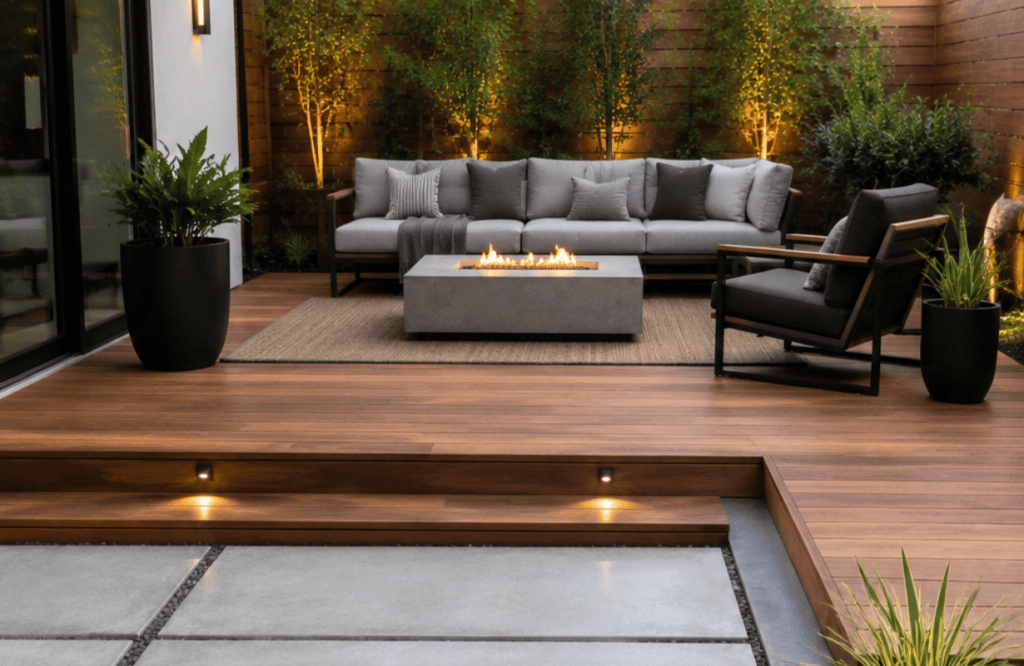
Your garden is stuck in 2010 and you know it. Maybe it’s the same tired flower beds your parents planted, or maybe you inherited a yard that looks like nobody’s touched it since the Obama administration. Either way, I’ve spent the last few years ripping out overgrown hedges and rebuilding my own backyard from scratch, and I’ve made every mistake possible so you don’t have to.
I’m not a landscape architect. I’m just someone who got tired of a boring yard and fell down a very expensive rabbit hole. What I found on the other side is a set of ideas that actually work.
Some of these ideas cost almost nothing. Others require a real budget and maybe a weekend of hard labor (or a phone call to a contractor if your back is smarter than mine). Either way, you’ll walk away from this list with actual options instead of vague inspiration. Let’s get into it.
1. Ditch the Grass for Gravel Gardens
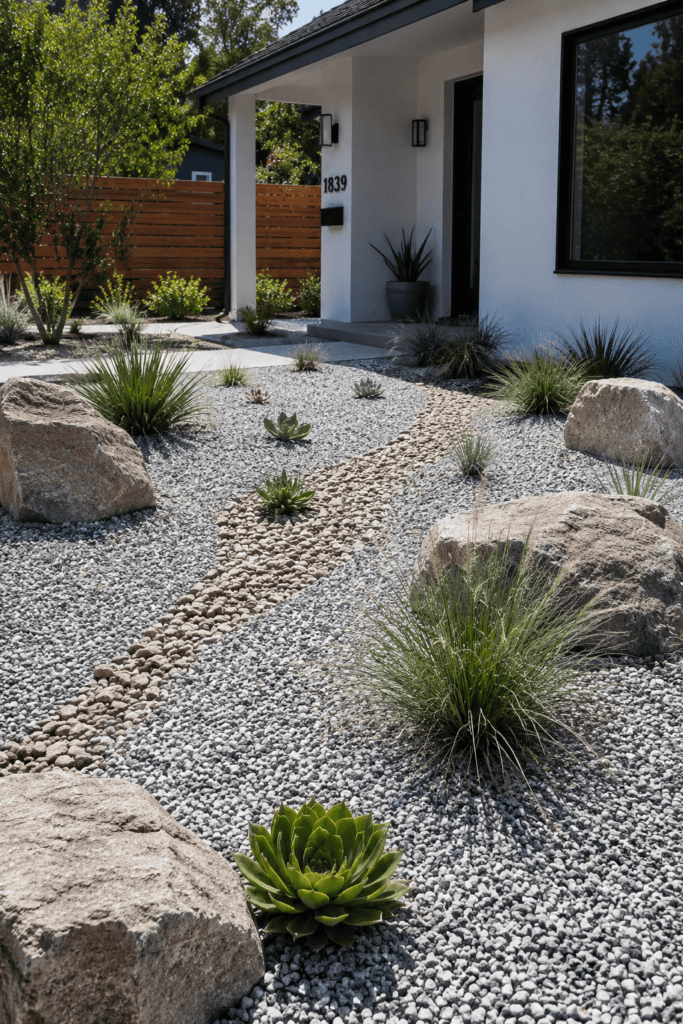
Grass is needy. It wants water, mowing, fertilizer, and your undivided attention every single weekend. A gravel garden asks for none of that.
I switched half my front yard to gravel with drought-tolerant plants poking through, and I haven’t touched a lawnmower in two years. IMO, that alone is worth the switch. Add some larger stones or boulders for visual weight and you’ve got a low-maintenance look that reads as intentional, not lazy.
Picking the Right Gravel
Not all gravel looks the same, and this trips people up constantly. Pea gravel gives you a softer, more casual look. Crushed granite compacts better underfoot and works well for paths. I went with a mix of both—crushed granite for the walkway, pea gravel for the planting beds—and the contrast in texture makes the whole yard feel more designed.
2. Vertical Gardens for Small Spaces
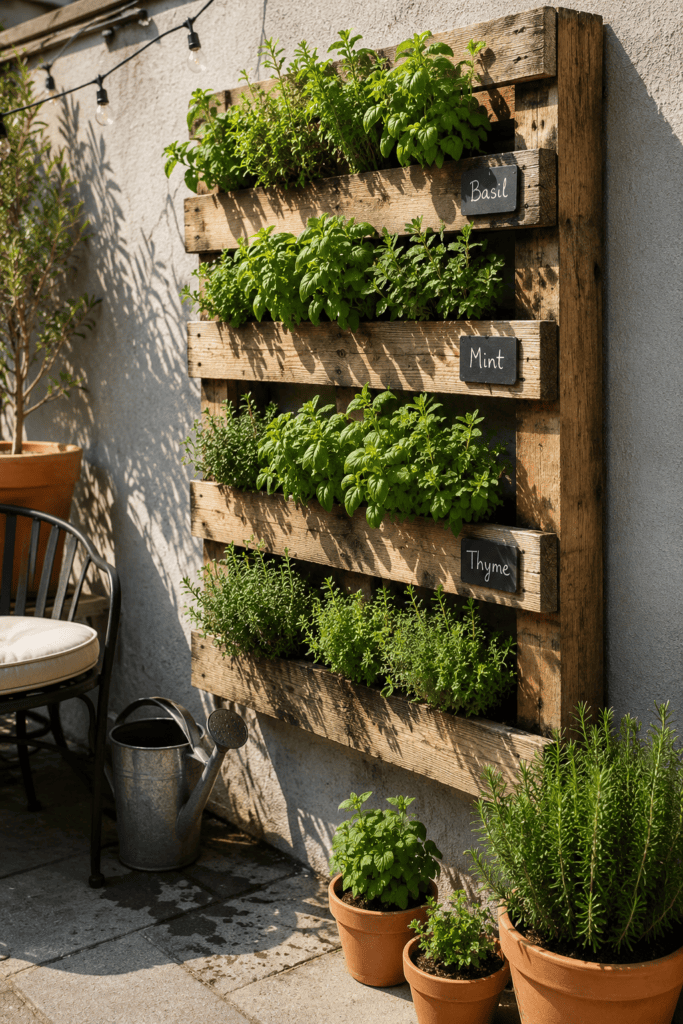
Got a tiny patio or a narrow side yard? Go vertical. Wall-mounted planters, living walls, or simple trellis systems let you grow way more in way less square footage.
I built a vertical herb wall out of repurposed wood pallets, and it’s honestly one of the better decisions I’ve made. It’s functional, it looks great on camera, and it keeps my basil within arm’s reach of the kitchen. Ever wonder why restaurants love these walls so much? Because they work.
Beyond herbs, vertical structures work great for trailing flowers, small succulents, or even a compact vegetable garden if you go with pocket-style planters. The key is drainage—if water pools at the bottom of each pocket, you’ll rot roots fast. Trust me, I found that out the hard way with my first attempt.
3. Corten Steel Edging and Planters
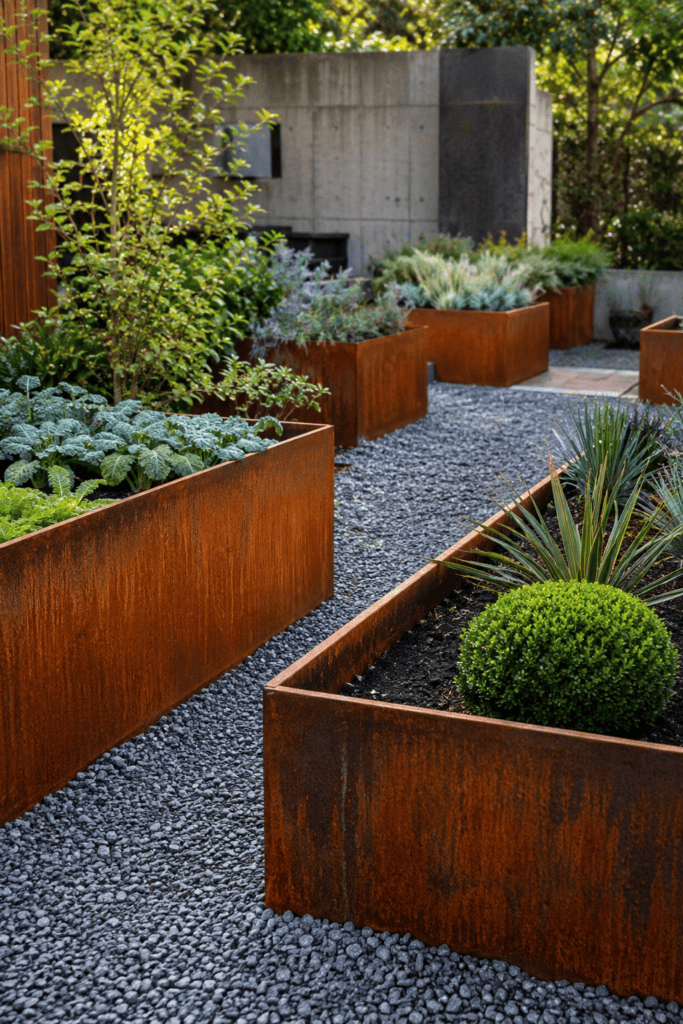
Corten steel (that rusted-looking metal you’ve seen in high-end landscaping photos) has become the darling of modern garden design, and for good reason. It develops a stable rust patina that stops corroding once it forms, so it looks intentional rather than neglected.
- Use it as raised bed edging for clean, sharp lines
- Build full planter boxes for a striking focal point
- Mix with concrete or gravel for industrial-meets-natural vibes
I’ll be honest: it’s pricier than wood. But wood rots and this stuff basically doesn’t, so you’re paying for decades of not replacing anything. Think of it as the “buy it once” tax on garden materials.
4. Fire Pits That Aren’t an Afterthought
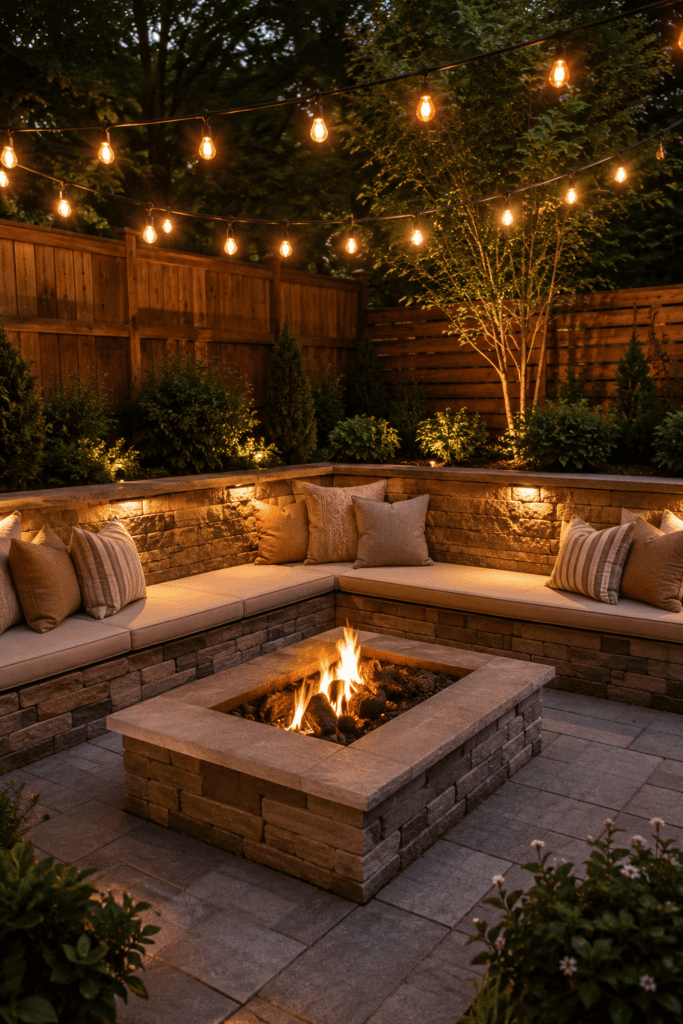
A fire pit shouldn’t be a random ring of stones you bought in a five-minute panic before a barbecue. Built-in fire features—whether gas or wood-burning—anchor an entire outdoor living space.
Pair it with built-in seating and you’ve created a legitimate gathering spot, not just a hole where you occasionally burn marshmallows. My neighbors started “casually stopping by” way more often after I put mine in. Coincidence? I doubt it.
If you’re torn between gas and wood-burning, here’s my honest take: gas is more convenient and starts with the flip of a switch, but wood-burning gives you that actual campfire crackle and smell that gas just can’t replicate. I went with wood for the ambiance and haven’t regretted it, even though it means occasionally dealing with smoke blowing the wrong direction.
5. Native Plant Landscaping
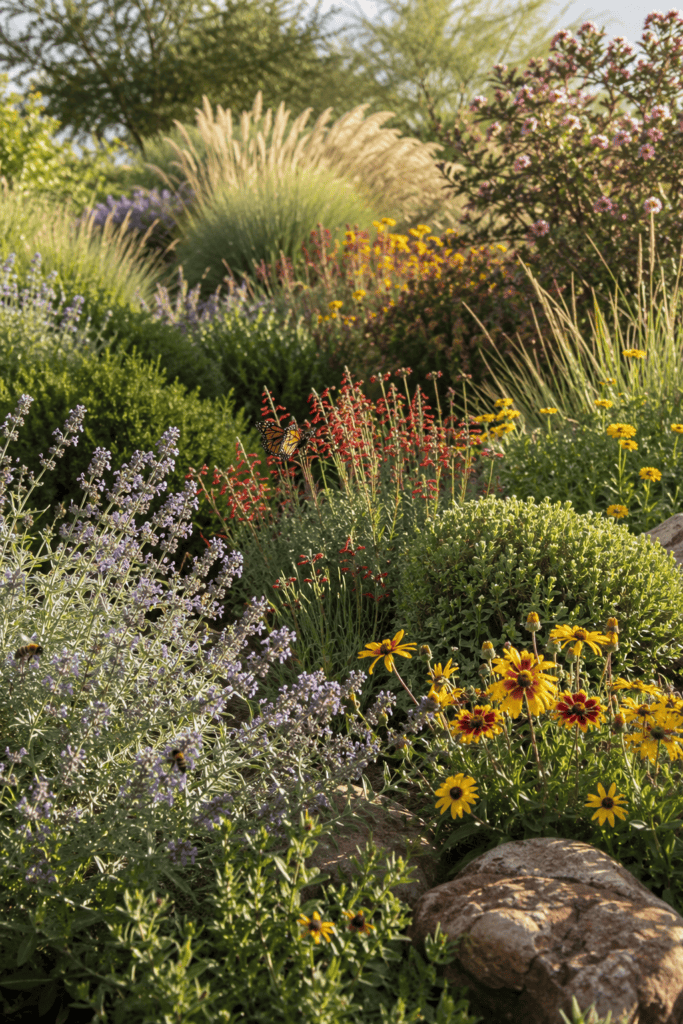
Here’s an unpopular opinion: most exotic ornamental plants are more trouble than they’re worth. Native plants are adapted to your local climate, which means less watering, less fertilizing, and fewer visits from confused pests.
They also support local pollinators, which is a nice bonus if you like actually having bees and butterflies around instead of just Instagram photos of them. Check with a local nursery for species specific to your region—this isn’t a one-size-fits-all situation, and what thrives in one climate can flat-out die in another.
Why This Matters Long-Term
Native plants also tend to have deeper, more established root systems since they’ve evolved for your exact soil and rainfall patterns. That means better erosion control and less need for irrigation once they’re established. It’s a slower payoff than an instant Home Depot flat of annuals, but it’s the difference between a garden that survives a drought and one that doesn’t.
6. Modern Water Features Without the Pond Maintenance
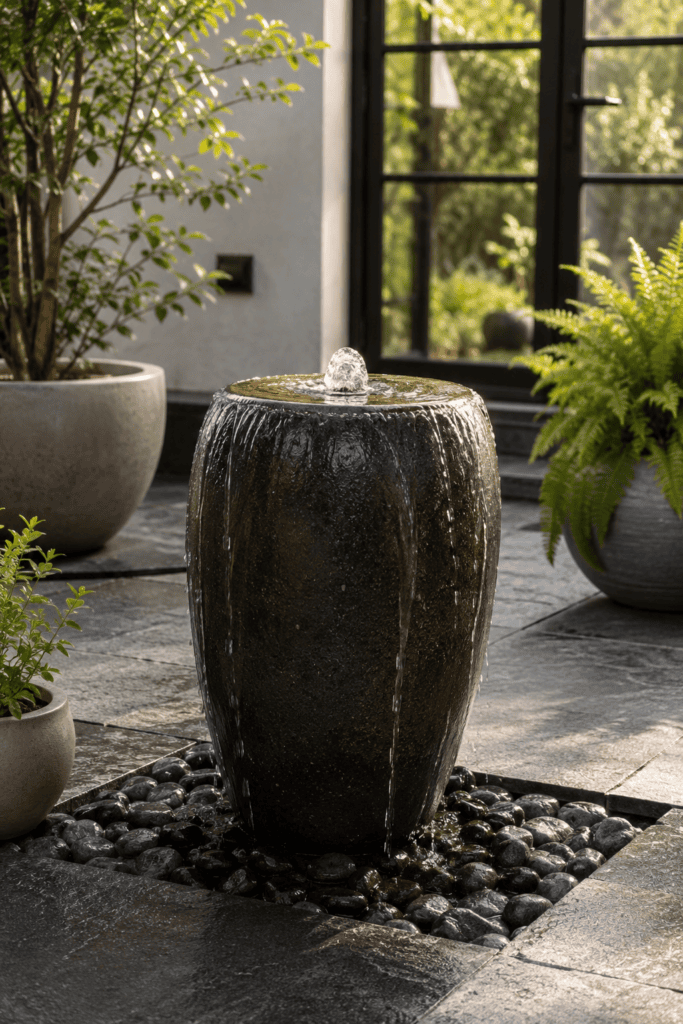
Nobody wants a murky backyard pond that turns into a mosquito breeding ground by July. Sleek water features—think slim water walls, bubbling urns, or minimalist stone basins—give you that calming water sound without the algae headache.
I installed a simple bubbling urn fountain near my patio, and it’s shockingly low-maintenance. Fill it, plug it in, done. It also does a decent job of drowning out my neighbor’s leaf blower, which is a bonus nobody talks about enough.
7. Outdoor Kitchens for the Grill Obsessed
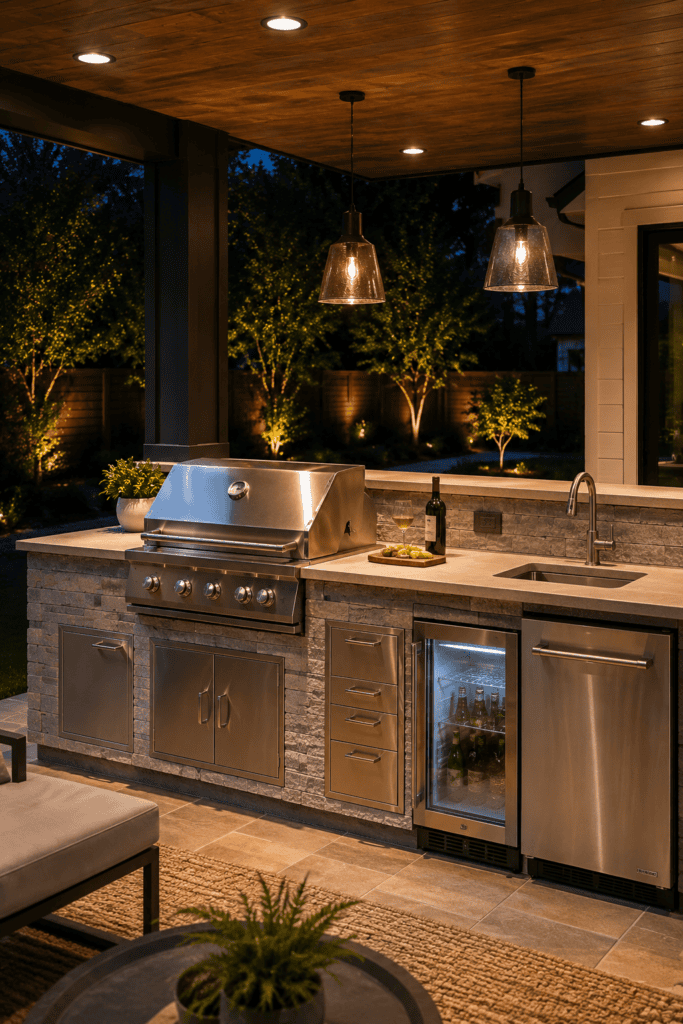
If you’re grilling more than twice a summer, an outdoor kitchen pays for itself in convenience. No more sprinting inside for a spatula while your steak burns.
- Built-in grill and prep counter
- Small fridge for drinks (non-negotiable, honestly)
- Weatherproof cabinets for storage
- A sink, if your budget and plumbing allow it
You don’t need a full restaurant setup. Even a modest counter and grill combo beats hauling everything outside one trip at a time. I started with just a grill and a counter, and I’ve slowly added pieces over two summers—so don’t feel like you need to build the whole thing at once.
8. Sculptural Grasses Over Manicured Hedges
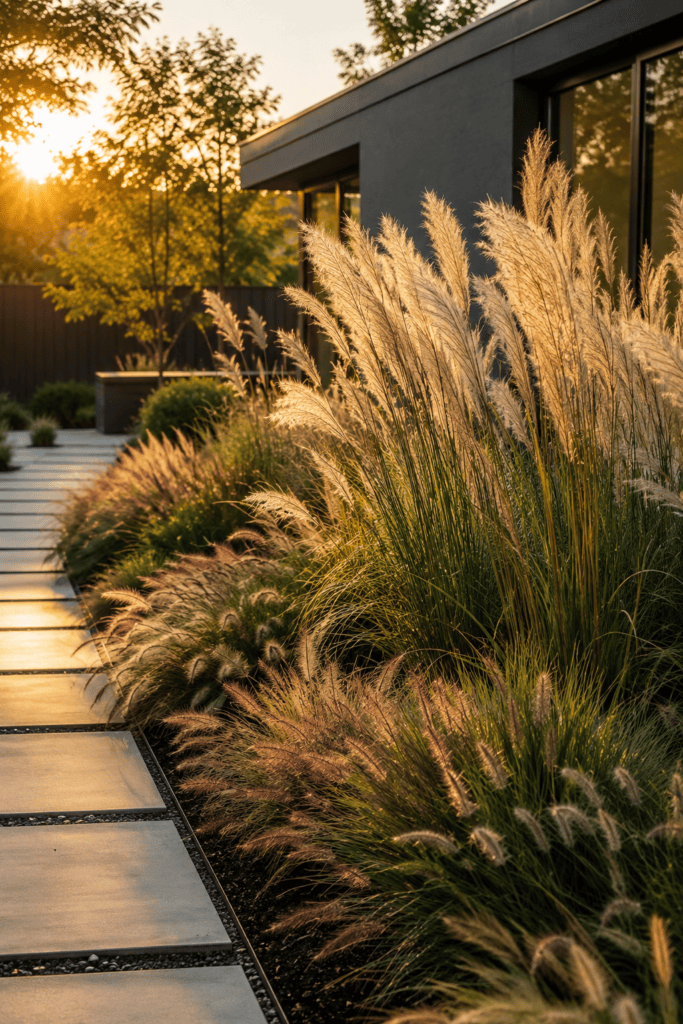
Ornamental grasses move with the wind, add texture year-round, and require almost zero pruning compared to formal hedges. Feather reed grass, fountain grass, and switchgrass are all solid choices depending on your climate.
I swapped a row of boxwoods for a mix of grasses, and the difference in maintenance time is embarrassing. I spent hours trimming those hedges into shape. The grasses just do their own thing beautifully, and I get to enjoy my weekends instead.
They also add movement to a garden that hedges simply can’t. There’s something satisfying about watching grasses sway in the wind that a perfectly clipped boxwood will never give you.
9. Minimalist Zen Gardens
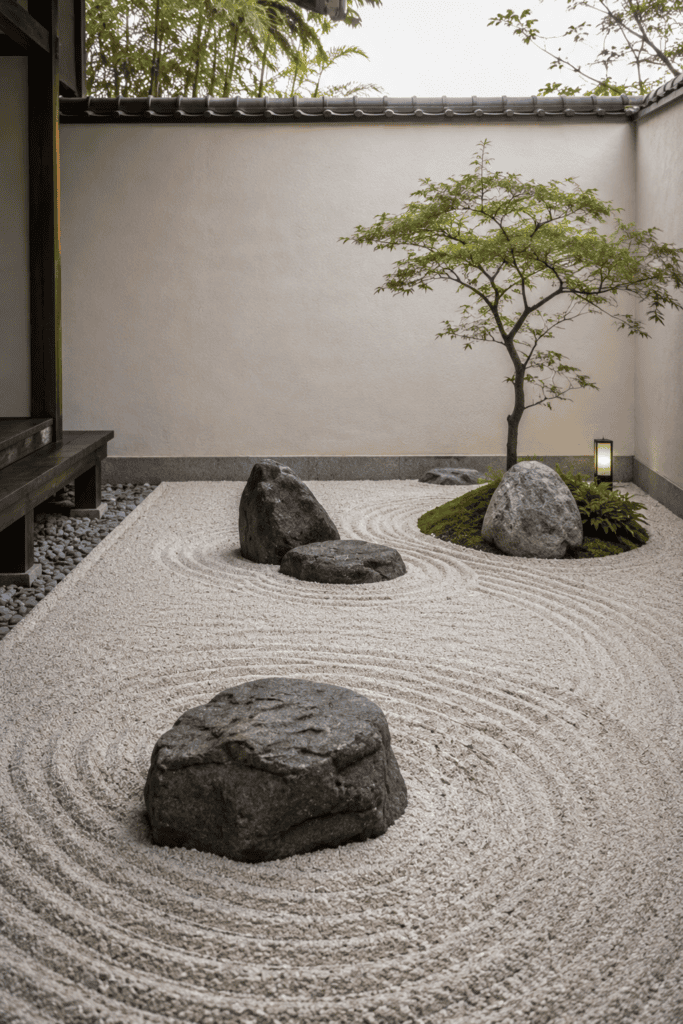
Not every garden needs to burst with color. A Zen-inspired garden—raked gravel, a few carefully placed rocks, minimal planting—creates a genuinely calming space that’s also stupidly easy to maintain.
This isn’t about copying a Japanese temple garden wholesale. It’s about borrowing the principle: less clutter, more intention. Even a small corner done this way can feel like a mental reset button after a long day.
10. Raised Garden Beds With Clean Lines
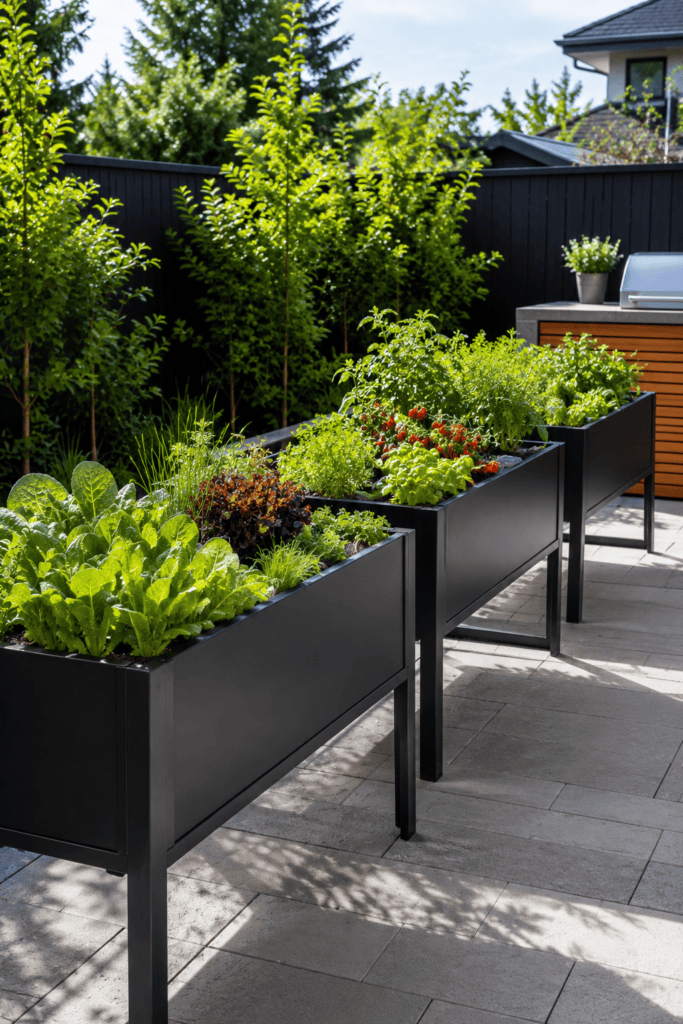
Forget the rustic, uneven wooden raised beds from a decade ago. Modern raised beds use clean geometric shapes, powder-coated metal, or smooth concrete for a look that fits a contemporary yard.
They also make gardening dramatically easier on your back—no more crouching over ground-level beds. I built mine at counter height and genuinely can’t imagine going back. Your knees will thank you later, and so will your lower back after a long weekend of planting.
11. Statement Lighting
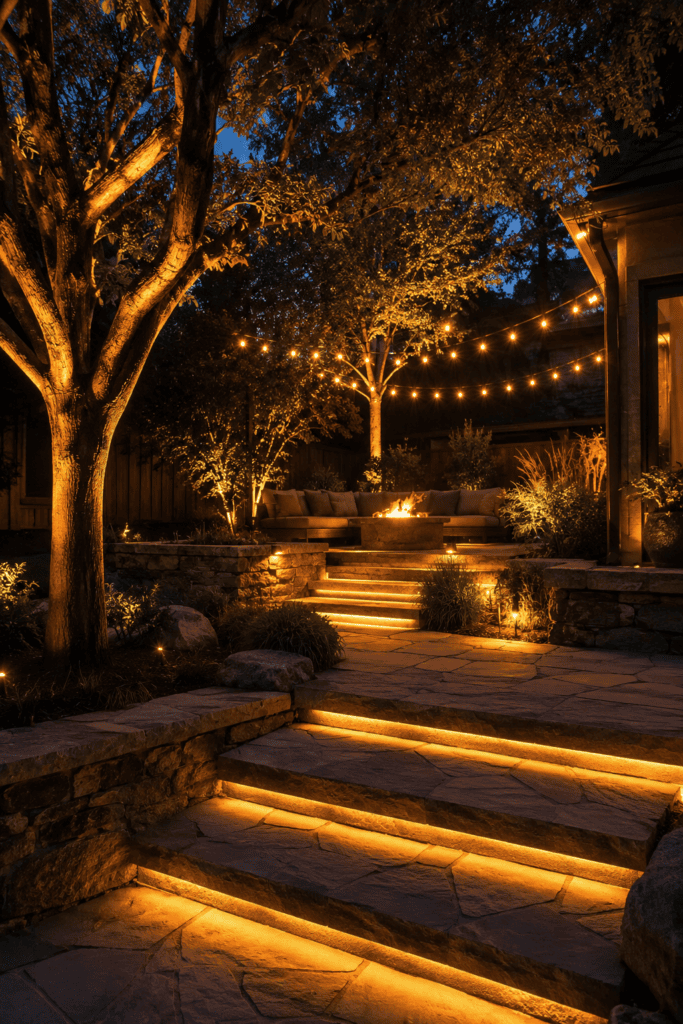
Garden lighting used to mean a few solar path lights that died within a season. Modern outdoor lighting does so much more:
- Uplighting on trees for dramatic shadows
- Low-voltage LED strips along steps or edges
- Pendant or string lighting over seating areas
- Motion-activated spotlights for both style and security
Good lighting extends your usable hours well into the evening. It’s also, IMO, the single most underrated upgrade for making a garden feel finished rather than half-done. A garden that looks great at 2 p.m. but disappears into darkness at 8 p.m. is only doing half its job.
12. Living Fences and Green Screens
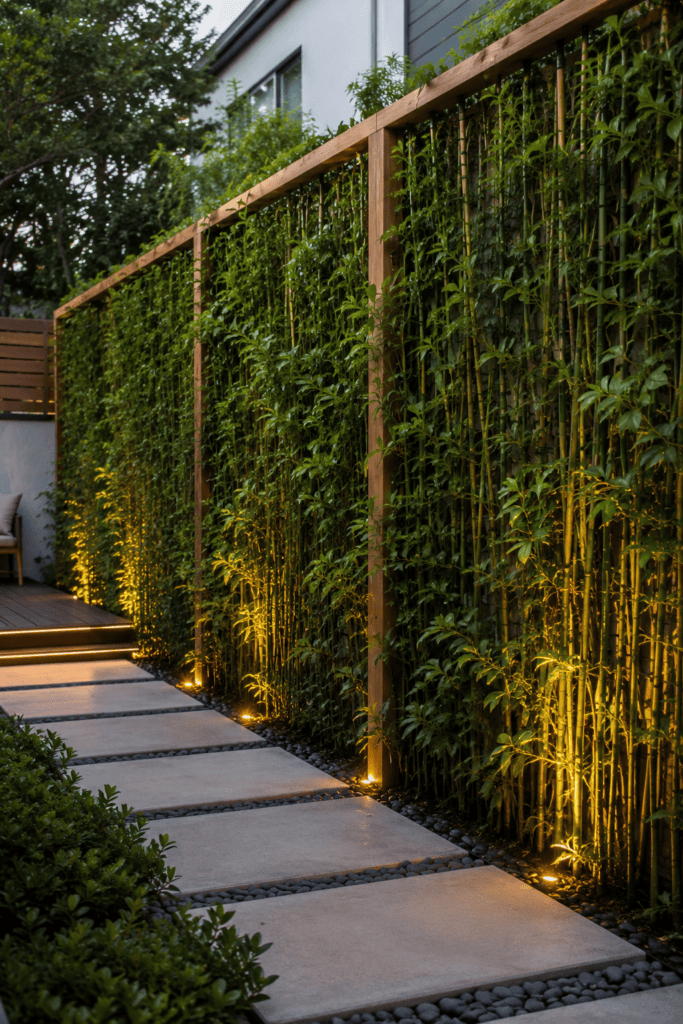
Instead of a solid wood fence, consider a living fence—dense hedging, bamboo, or trained climbing plants on a frame. It gives you privacy without the “walled-in prison yard” feeling that solid fencing sometimes creates.
Bonus: it’s usually cheaper than a full custom fence installation, and it keeps improving as it grows rather than weathering and needing replacement. Just make sure whatever you plant isn’t invasive in your area, or you’ll be fighting it forever—ask me how I know.
13. Multi-Level Terracing on Sloped Yards
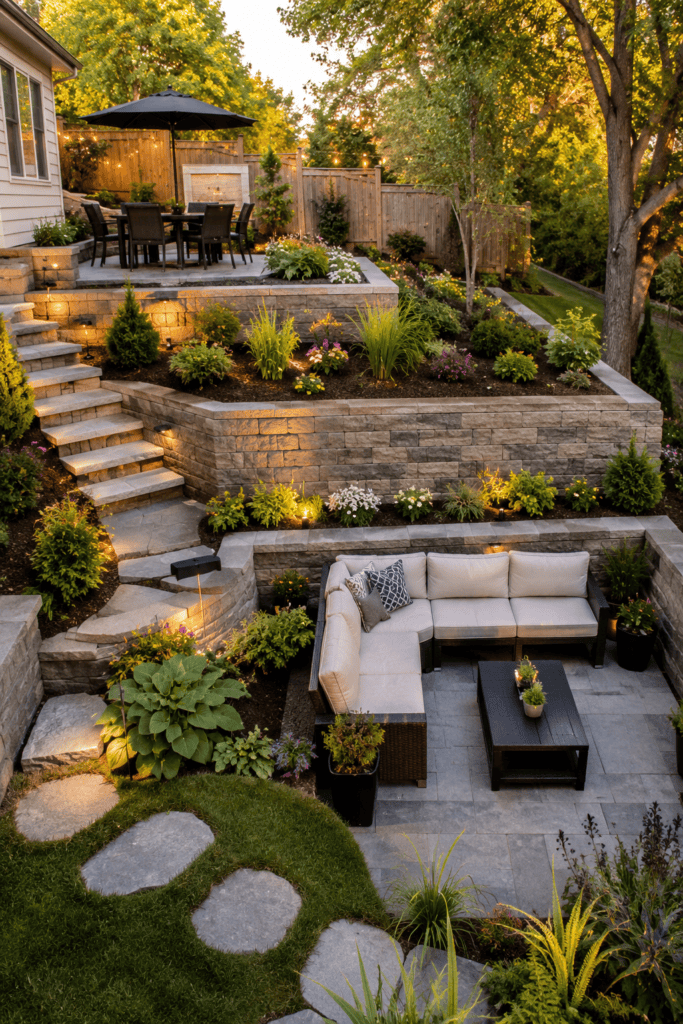
Got a sloped yard? Stop fighting the slope and start using it. Terraced levels create distinct zones—a dining area up top, a lounge area below, a garden bed tucked into the middle tier.
This isn’t a weekend DIY project unless you really know what you’re doing with retaining walls. But the payoff is a yard that feels like three gardens in one instead of one awkward hill you avoid mowing. If you’re not confident with structural retaining walls, this is one area where hiring a professional actually makes sense.
14. Concrete and Wood Combinations
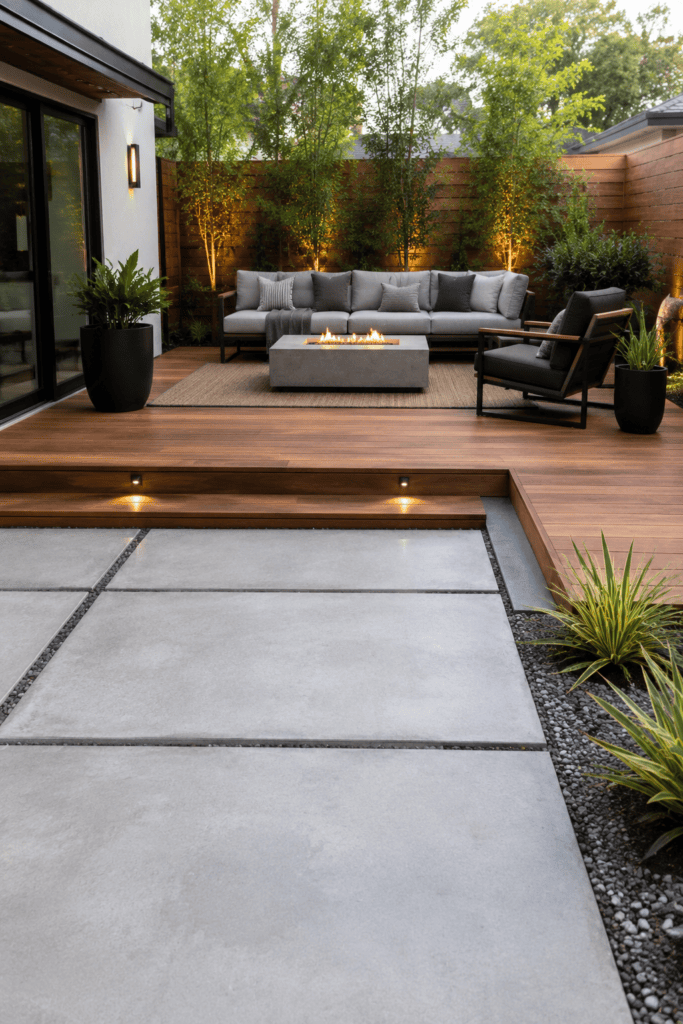
Concrete pavers paired with wood decking is one of those combos that just works visually. The cool, industrial concrete contrasts with the warmth of natural wood, and together they read as deliberately modern rather than mismatched.
Use concrete for high-traffic paths and wood for lounge or dining platforms. I did this on my own patio, and honestly, it photographs better than half the stuff I see in “professional” garden magazines. Not that I’m bragging. Okay, maybe a little.
15. Edible Landscaping
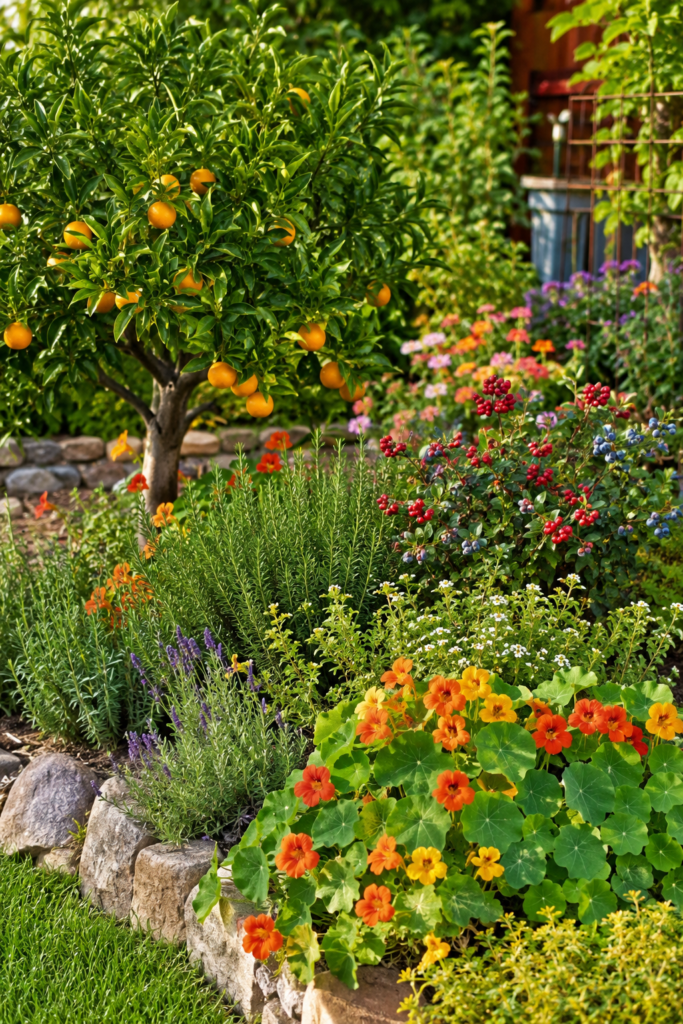
Who says a garden has to be purely decorative? Edible landscaping blends fruit trees, berry bushes, and herbs directly into your ornamental beds instead of hiding them in a separate vegetable patch.
- Dwarf fruit trees as structural anchors
- Herbs as fragrant, low-growing borders
- Berry bushes as flowering, fruiting hedges
- Edible flowers like nasturtiums for color and garnish
It’s functional, it’s beautiful, and it means free snacks all summer. What’s not to love? I planted a couple of dwarf citrus trees two years ago, and they’ve quietly become the centerpiece of my whole backyard.
16. Bold Color-Blocked Planting
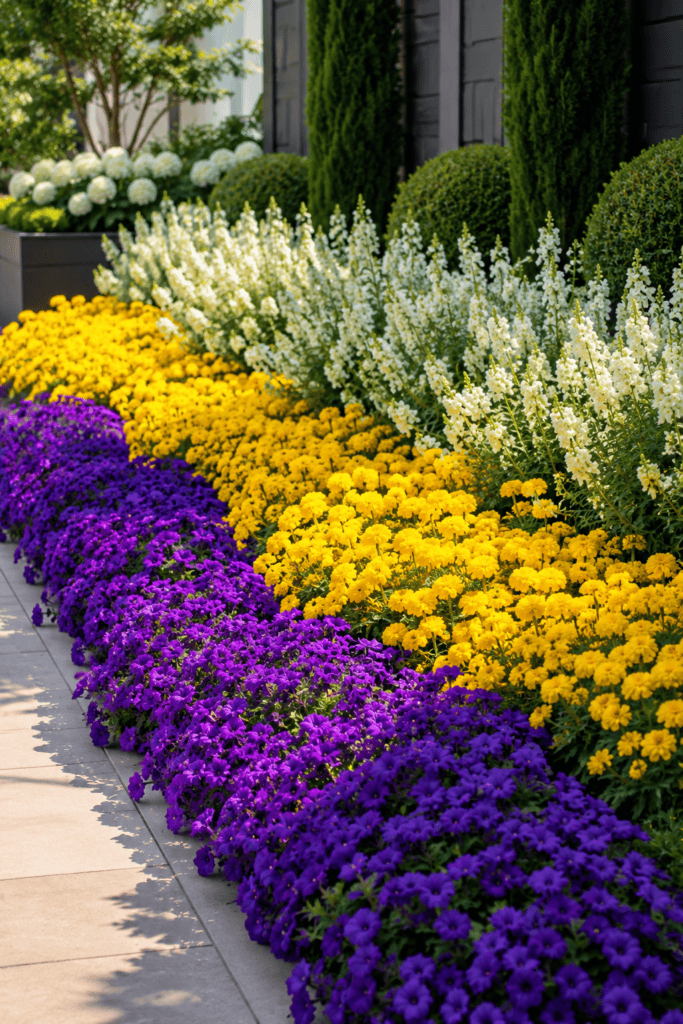
Ditch the scattered, “one of everything” flower bed. Color-blocked planting—large swaths of a single plant variety grouped together—creates serious visual impact and reads as far more modern and intentional.
I regrouped my flower beds this way last spring, and the difference was immediate. Instead of a chaotic mix, each section reads as a clear, bold statement. It’s a small shift with a genuinely big payoff, and it costs nothing but a Saturday afternoon of replanting.
17. Smart Irrigation Systems
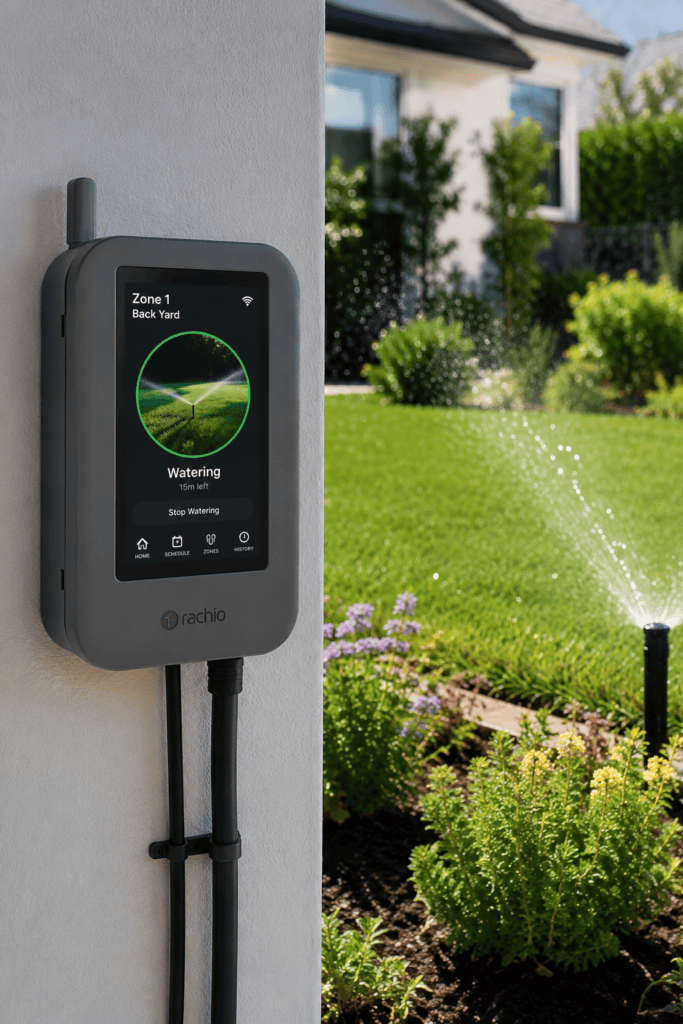
Finally, the least glamorous but arguably most useful upgrade: smart irrigation. Wi-Fi-connected controllers adjust watering based on actual weather data, so you stop overwatering after a storm or underwatering during a heat wave.
FYI, this is the upgrade that saves you the most money long-term, even though nobody posts about it on social media. It’s not sexy, but neither is a dead lawn or a water bill that makes you wince :/
Wrapping This Up
A modern garden isn’t about spending a fortune or copying every trend you see online. It’s about picking a handful of ideas that fit your space, your climate, and how you actually use your yard. Start with one or two changes—maybe swap in some native plants, add a fire pit, or finally invest in decent lighting—and build from there.
You don’t need to overhaul everything in one summer. I certainly didn’t. Most of these changes happened one project at a time, spread across a couple of years, and the yard still evolved into something I genuinely enjoy sitting in every evening.
If I had to rank priorities for someone starting from zero, I’d say lighting and irrigation come first—they’re not flashy, but they make everything else in your garden actually usable and sustainable. After that, pick whatever excites you most, whether that’s a fire pit for entertaining or native plants for the “I barely have to do anything” lifestyle. There’s no wrong order here, just a budget and a calendar.