
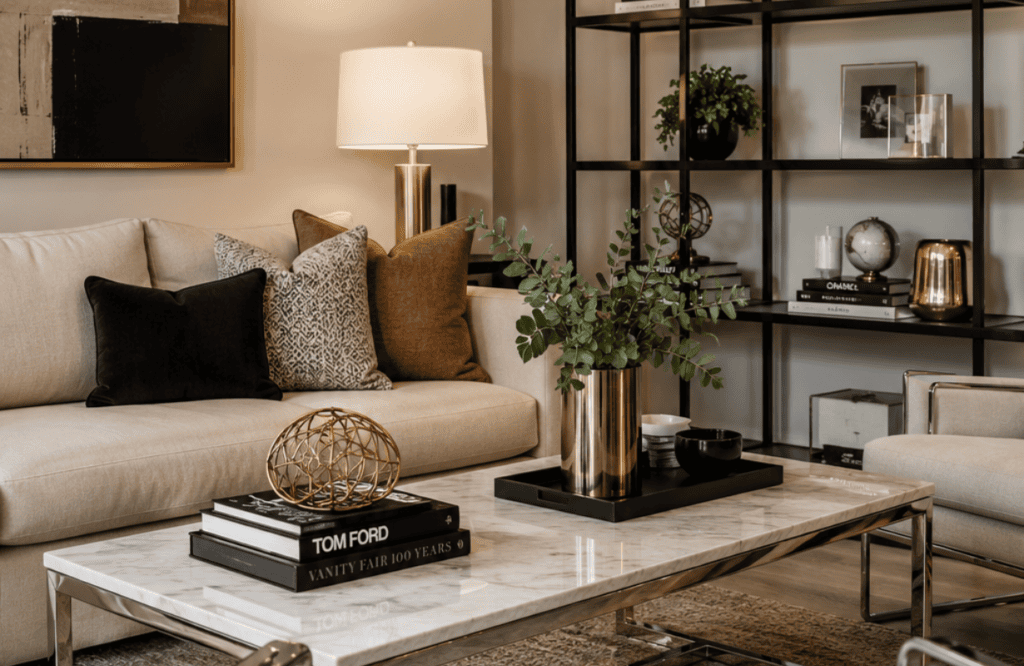
Luxury living rooms get a bad rap for looking untouchable, like you need a decorator on retainer just to sit down. That’s not actually true, and honestly, it’s kind of a myth worth busting. The best modern luxury living rooms aren’t about spending the most money; they’re about making fewer, smarter choices and letting those choices do all the talking.
Ever notice how some rooms just feel expensive, even when you can’t pinpoint why? It usually comes down to a handful of things: a tight color palette, good lighting, quality materials, and furniture that actually fits the scale of the space. Nail those basics and the “luxury” part takes care of itself.
That’s exactly what this list is built around. We’ve pulled together 17 modern luxury living rooms, each representing a distinct style — from warm minimalism to full-on maximalism so you’ve got real options no matter your taste, budget, or square footage. Some lean moody, some lean bright, some borrow from decades past and reinvent them for right now.
Whether you’re planning a full renovation or just want a few ideas to steal for your next furniture haul, there’s something here worth bookmarking.
Let’s get into it.
1. The Warm Minimalist Living Room
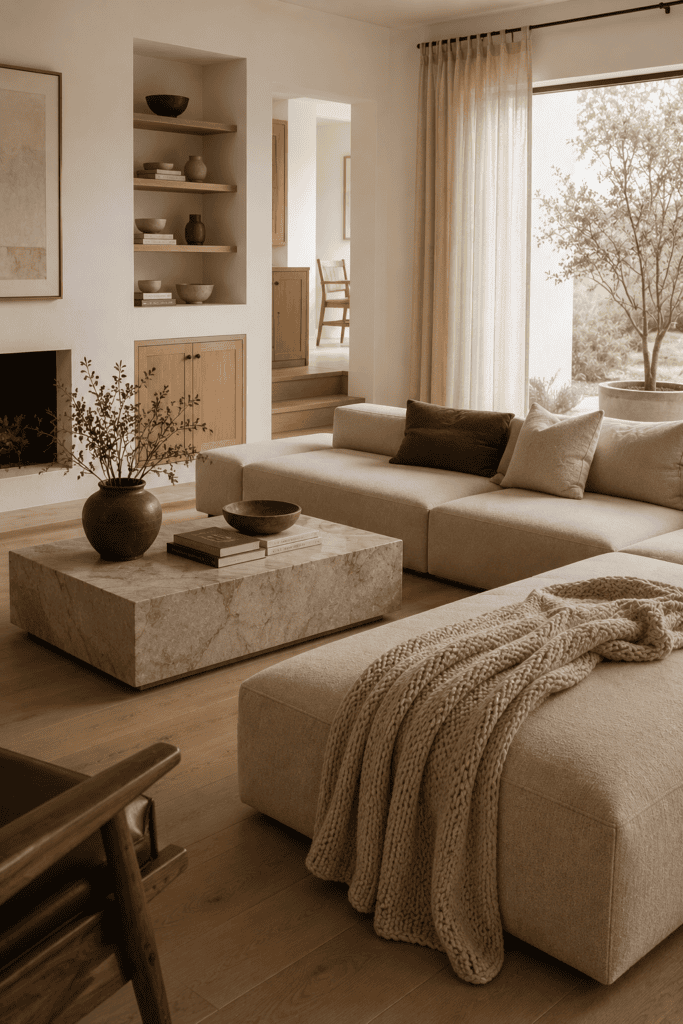
Minimalism gets a bad reputation for feeling cold, but this style flips that completely. Think soft neutrals, natural wood tones, and clean lines that still feel inviting. The trick is texture—linen throws, a chunky knit blanket, maybe a stone coffee table.
I tried this in my own place and honestly? Less clutter meant less stress. Who knew. The hardest part isn’t buying furniture, it’s editing what you already own down to the pieces that actually earn their spot.
A warm minimalist room usually leans on a tight color palette—think three or four shades max—and lets material contrast do the heavy lifting instead of pattern. Oak against linen against stone creates depth without adding visual noise. It’s a style that rewards patience, honestly, because you’ll want to buy more stuff than the look actually needs.
2. The Statement Ceiling Room
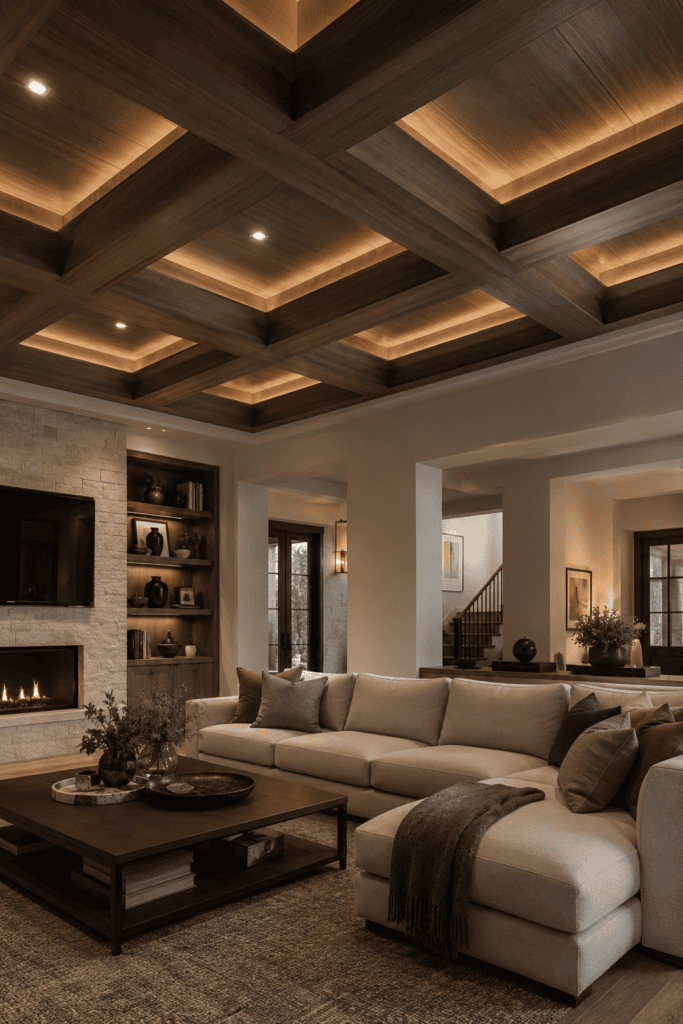
Ever walk into a room and immediately look up? That’s the goal here. Coffered ceilings, exposed beams, or a bold paint color on the fifth wall (yes, the ceiling counts) instantly elevate a space.
- Coffered wood panels for a classic, architectural feel
- Matte black paint for drama
- Recessed lighting built into ceiling grooves
- Exposed wooden beams for a more rustic-luxury combo
IMO, this is one of the most underrated design moves out there. Most people spend their entire budget on furniture and completely forget the ceiling exists, which is a shame because it’s basically free real estate for making a room memorable.
3. The Monochrome Statement
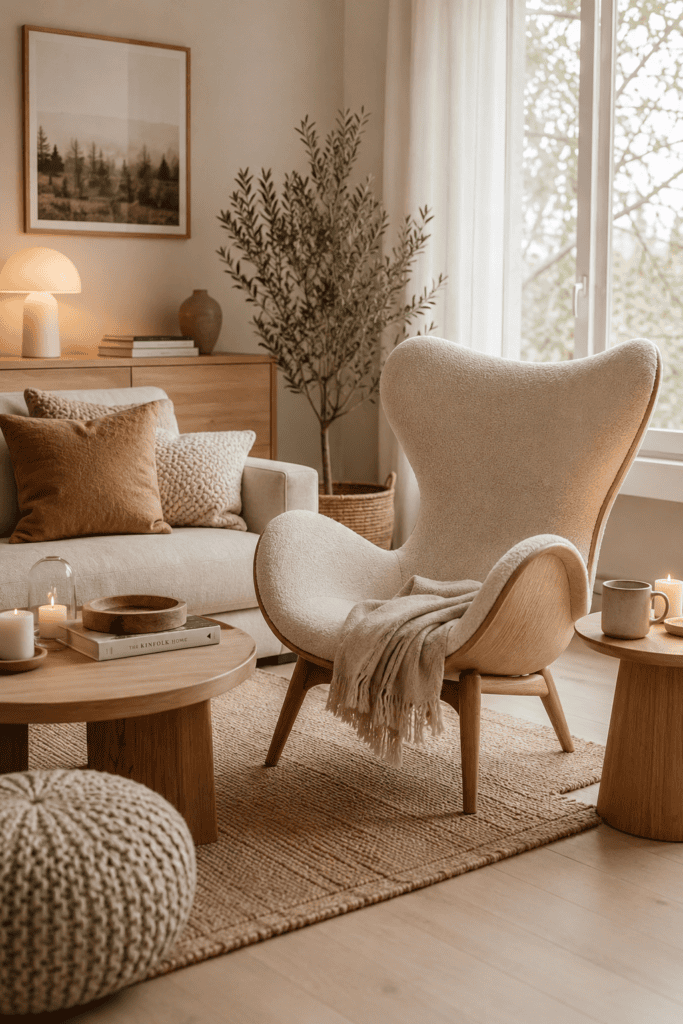
One color, endless depth. Monochrome living rooms rely on varying shades and textures of a single hue—charcoal, cream, or deep navy—to create visual interest without a rainbow of accent colors.
It sounds simple, but pulling it off takes a good eye. Too flat and it reads boring; too busy and you lose the whole point. The secret is layering at least three or four different textures within that one color family—a matte wall, a glossy vase, a nubby wool rug, a smooth leather chair.
Lighting matters more here than in almost any other style on this list. Warm bulbs bring out the richness in dark monochrome palettes, while cooler light can wash everything out and make the whole room feel flat. Test your bulbs before committing.
4. The Glass-and-Steel Modern Loft
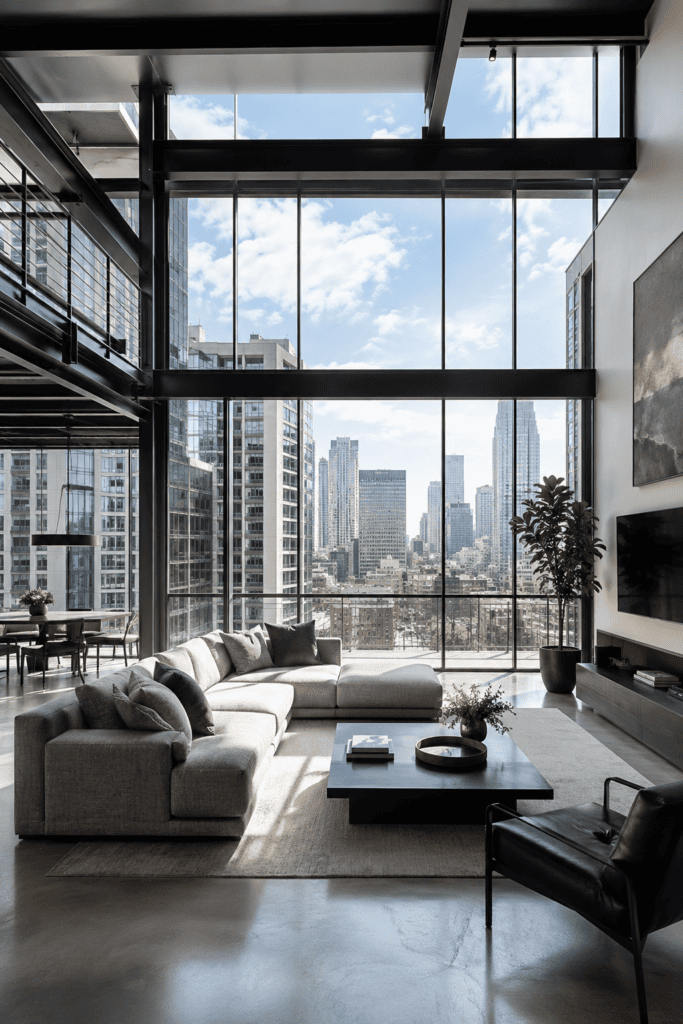
This is for the person who wants their living room to look like it belongs in an architecture magazine. Floor-to-ceiling windows, exposed steel beams, and minimal window treatments let the outside do the decorating for you.
I’ll admit, I’m a little jealous of anyone who pulls this off. Not all of us have a skyline view, though :/ But even without a dramatic view, you can borrow the bones of this style—slim black window frames, steel shelving units, and glass-top tables all bring that industrial-modern edge indoors.
The furniture in these spaces tends to sit low and lean, letting the architecture stay the star of the show. Overstuffed sectionals fight with this look; sleek, low-profile pieces complement it.
5. The Art Deco Revival
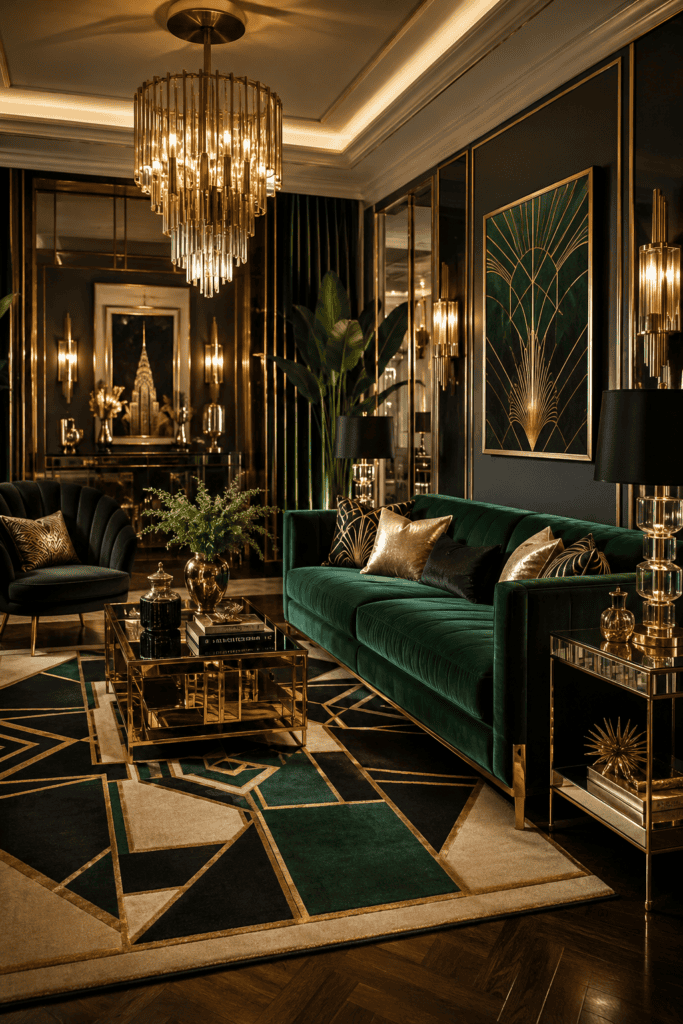
Bold geometric patterns, brass accents, and rich jewel tones make a comeback in this style. Art Deco brings glamour without going overboard, especially when balanced with modern furniture silhouettes.
Key Elements to Nail This Look
- Brass or gold hardware and light fixtures
- Velvet upholstery in emerald or sapphire
- Geometric rugs or wallpaper
- Mirrored or lacquered surfaces for extra shine
This style rewards confidence. Half-hearted Art Deco just looks like a hotel lobby that’s trying too hard. Go all in on at least one bold piece—a statement chandelier or a velvet sofa—and keep everything else quiet so that piece can do its job.
6. The Scandinavian-Luxury Hybrid
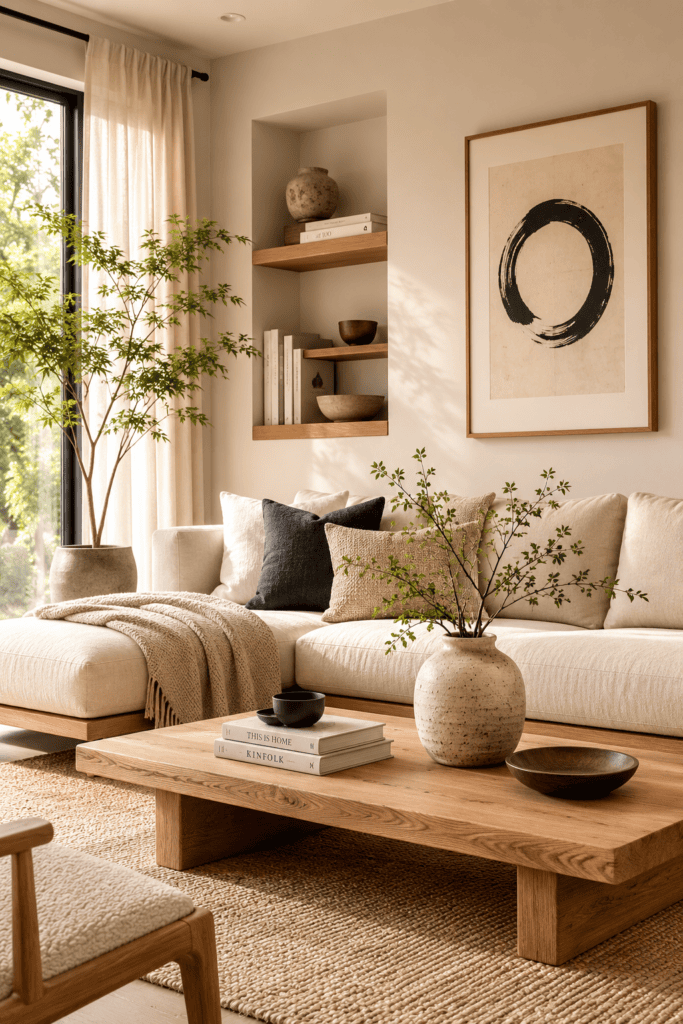
Scandi design usually means function first, but add a luxury twist and you get something special. Hygge meets high-end: soft textiles, warm lighting, and one or two statement pieces that justify the splurge.
Ever notice how the best rooms feel lived-in but still polished? That’s this style in a nutshell. The furniture tends to be simple in shape but excellent in material—solid wood instead of veneer, wool instead of synthetic blends.
This is also one of the more forgiving styles on this list for smaller spaces. Light woods and pale palettes make rooms feel bigger than they are, which is a nice bonus if you’re working with square footage that isn’t exactly luxurious.
7. The Dark Academia Living Room
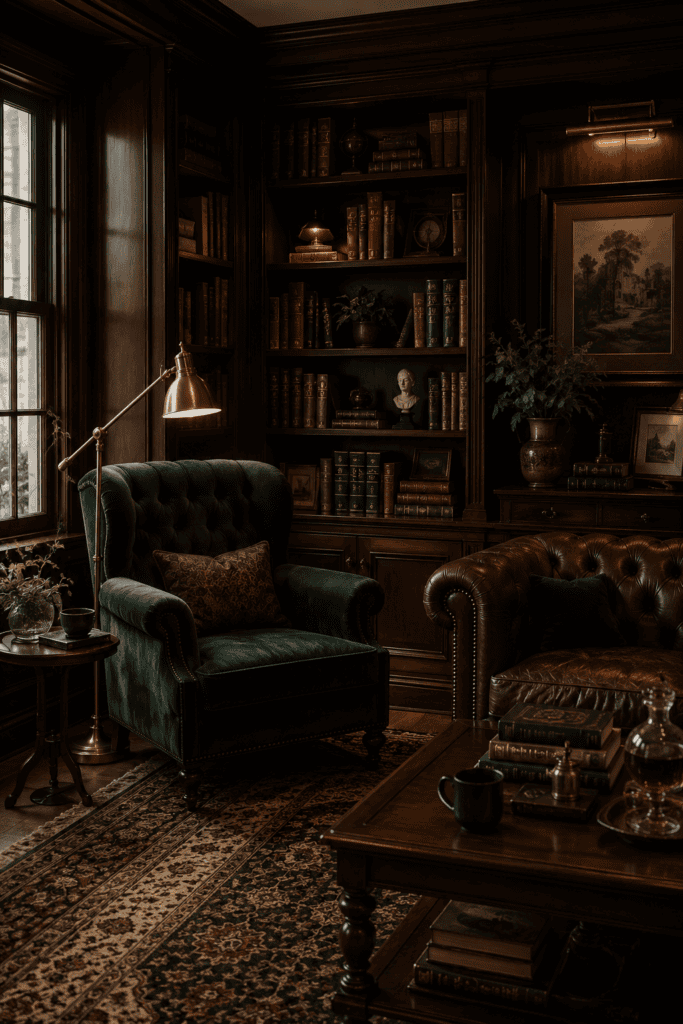
Deep greens, mahogany wood, and leather furniture give this room a moody, intellectual vibe. Built-in bookshelves are basically mandatory here—this look demands a library energy.
I love this style for anyone who wants their living room to feel like a cozy study you never want to leave. Layer in brass reading lamps, an oversized leather armchair, and a rug with a subtle pattern to complete the effect.
The lighting in this style should be warm and low—think table lamps over overhead fixtures. Nothing kills dark academia faster than a bright white ceiling light glaring down on all that rich wood.
8. The Curved Furniture Trend
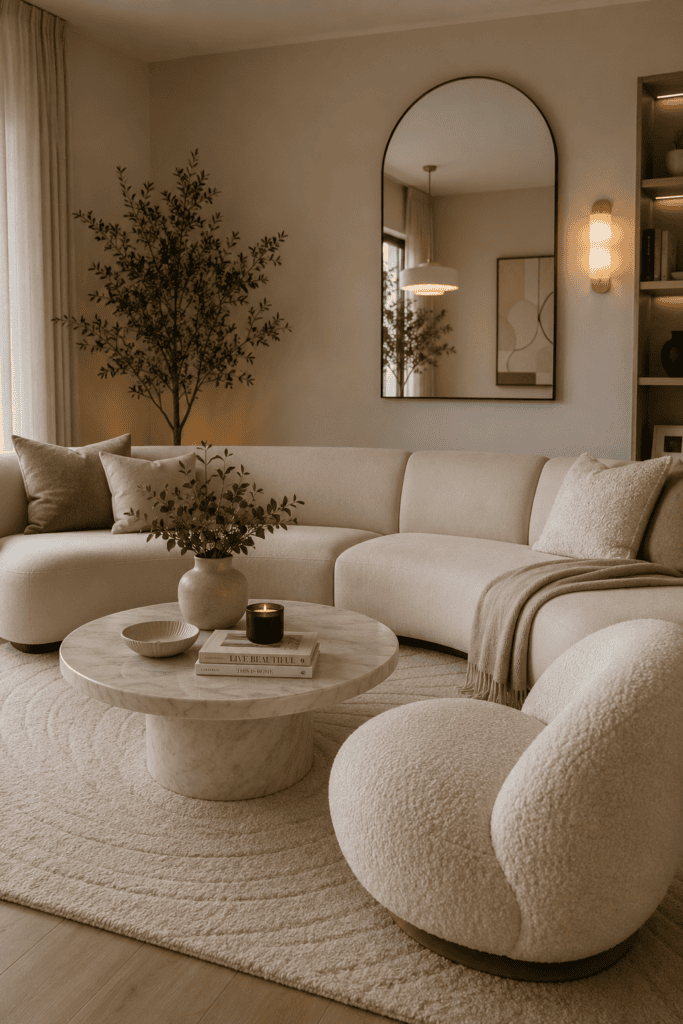
Straight lines are so last decade. Curved sofas, round coffee tables, and organic shapes are dominating luxury interiors right now, softening the whole room instantly.
- Curved sectional sofas as the anchor piece
- Round or oval coffee tables to break up sharp angles
- Arched doorways or mirrors for extra flow
- Organic-shaped accent chairs in bouclé or velvet
This trend isn’t going anywhere soon, and honestly, I get why. Curves make a room feel friendlier and easier to move through, which matters more than people realize when you’re actually living in a space day to day, not just photographing it.
9. The Japandi Fusion
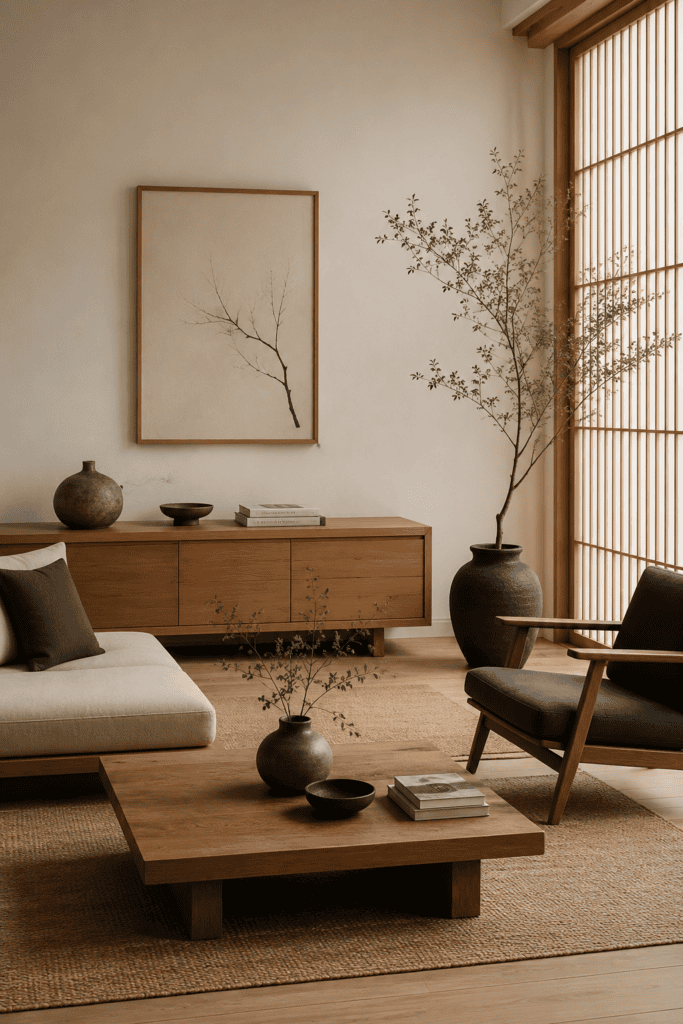
Japanese minimalism plus Scandinavian warmth equals Japandi—a style that’s basically unstoppable right now. Low-profile furniture, natural materials, and a whole lot of negative space define this look.
Honestly, this might be my favorite on the list. It’s calm without being sterile, which is a hard balance to strike. The palette usually stays in the neutral zone—beige, charcoal, soft green—with the occasional dark wood accent for contrast.
What sets Japandi apart from plain minimalism is the emphasis on craftsmanship. A single handmade ceramic vase or a well-joined wooden table says more here than a room full of mass-produced accessories ever could.
10. The Maximalist Luxury Room
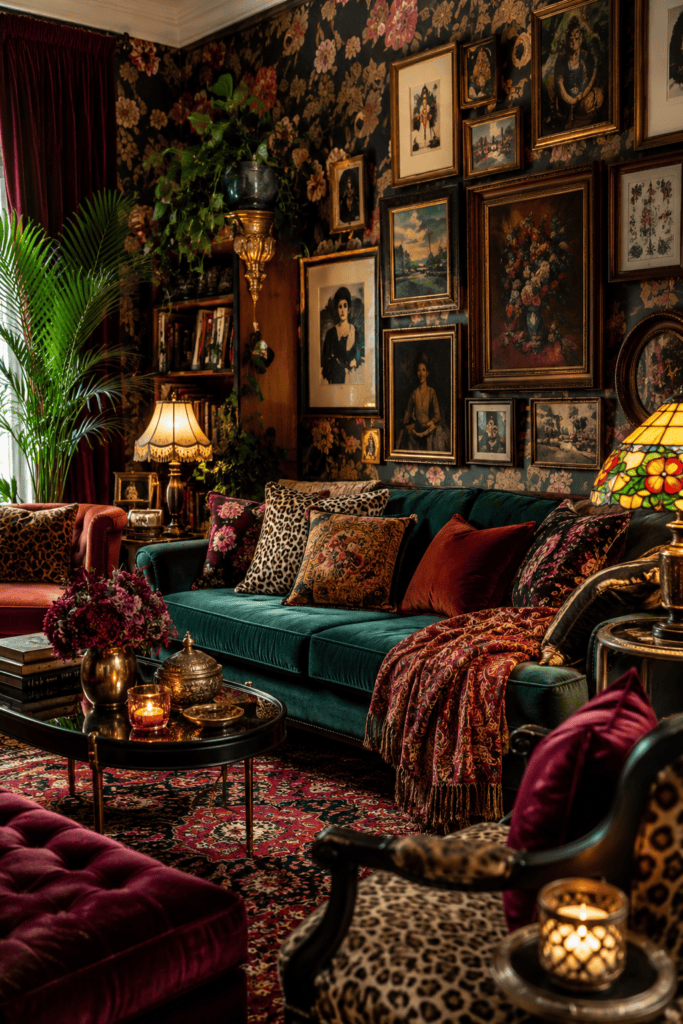
Not everyone wants restraint, and that’s fine. Maximalism is about layering patterns, colors, and collected pieces until the room feels rich and personal.
This one takes confidence. Get it wrong and it looks chaotic; get it right and it’s unforgettable. The trick, IMO, is having one unifying thread—a color palette, a era of furniture, a collection theme—that ties all the chaos together instead of letting it feel random.
Maximalist rooms also tend to age better emotionally than minimalist ones, if I’m honest. They tell a story about the people who live there, which is something a stark, empty room just can’t do.
11. The Industrial-Chic Living Room
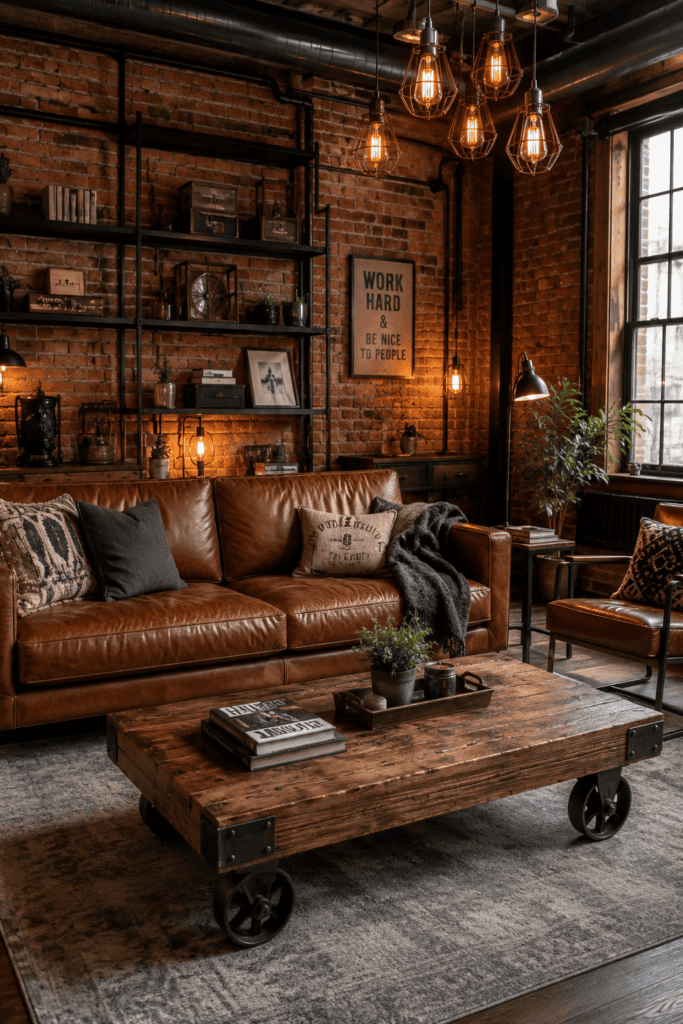
Exposed brick, black metal fixtures, and leather seating give this style its edge. Industrial-chic works especially well in converted lofts or older homes with existing architectural bones.
What Makes This Style Work
- Exposed structural elements (brick, pipes, ductwork)
- Warm leather furniture to offset the cold materials
- Vintage-inspired lighting fixtures
- Reclaimed wood accents to soften the hard edges
The balance here is everything. Too much raw material and the room feels unfinished; too much polish and you lose the industrial edge entirely. Aim for roughly seventy percent raw, thirty percent refined, and you’ll land in the sweet spot.
12. The Coastal-Luxury Blend
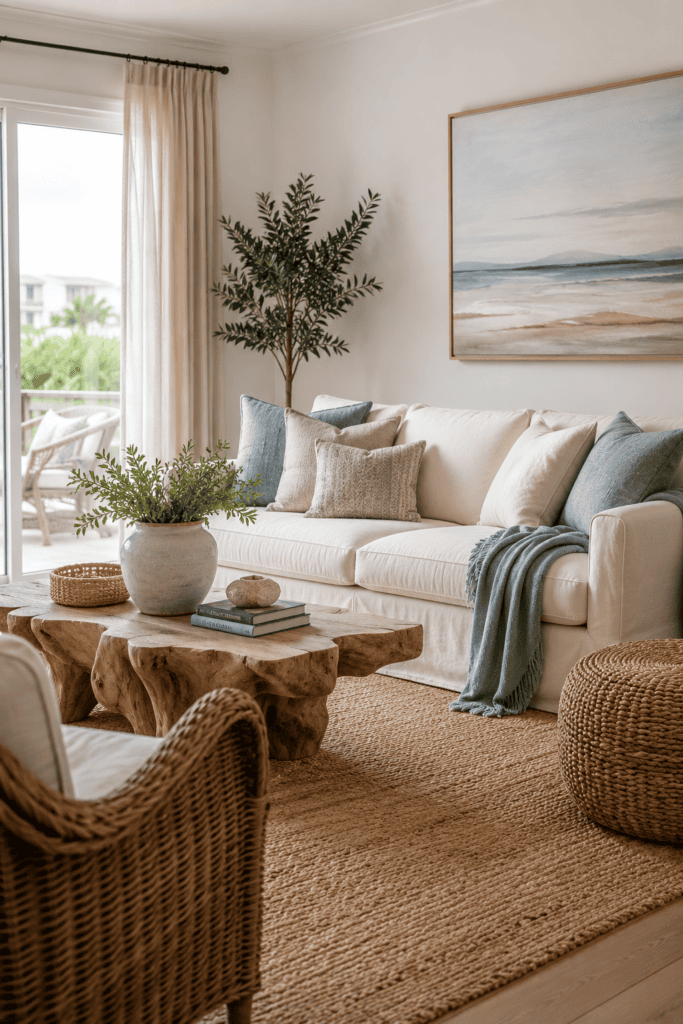
Forget beachy kitsch—this is coastal design done with restraint. Soft blues, sandy neutrals, and natural fibers like jute or rattan bring the vibe without the seashell-covered mirror frame.
I’ve seen this go wrong so many times. The line between “elegant coastal” and “beach gift shop” is thinner than you’d think. Skip the anchor motifs and nautical rope entirely—let the color palette and natural textures do the talking instead.
Linen slipcovers, woven baskets, and a driftwood-toned coffee table go a long way here. The goal is a room that feels breezy and relaxed without ever tipping into theme-park territory.
13. The Bold Wallpaper Statement Room
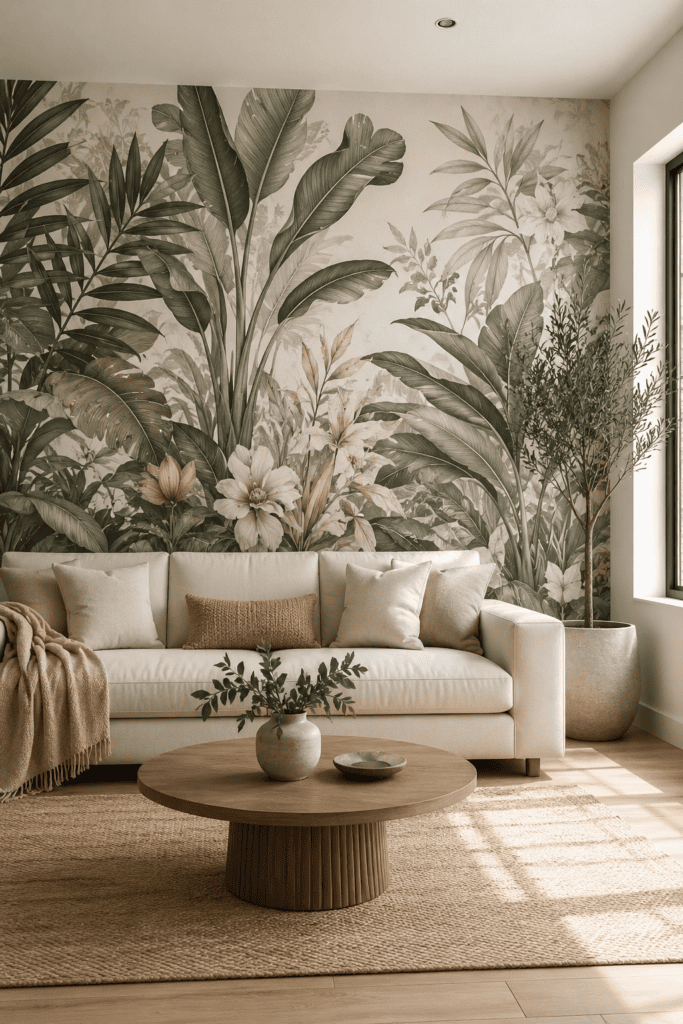
Wallpaper is back, and it’s not messing around. A single accent wall with a dramatic pattern—botanical prints, abstract art, or metallic textures—can transform an otherwise plain room instantly.
Ever wondered why designers keep coming back to this trick? Because it works, every single time. One bold wall gives a room personality without the commitment (or cost) of wallpapering the entire space.
Pair a statement wall with simple furniture in solid colors. The wall is doing enough visual work on its own—it doesn’t need competition from a patterned sofa too.
14. The Mixed-Metal Modern Room
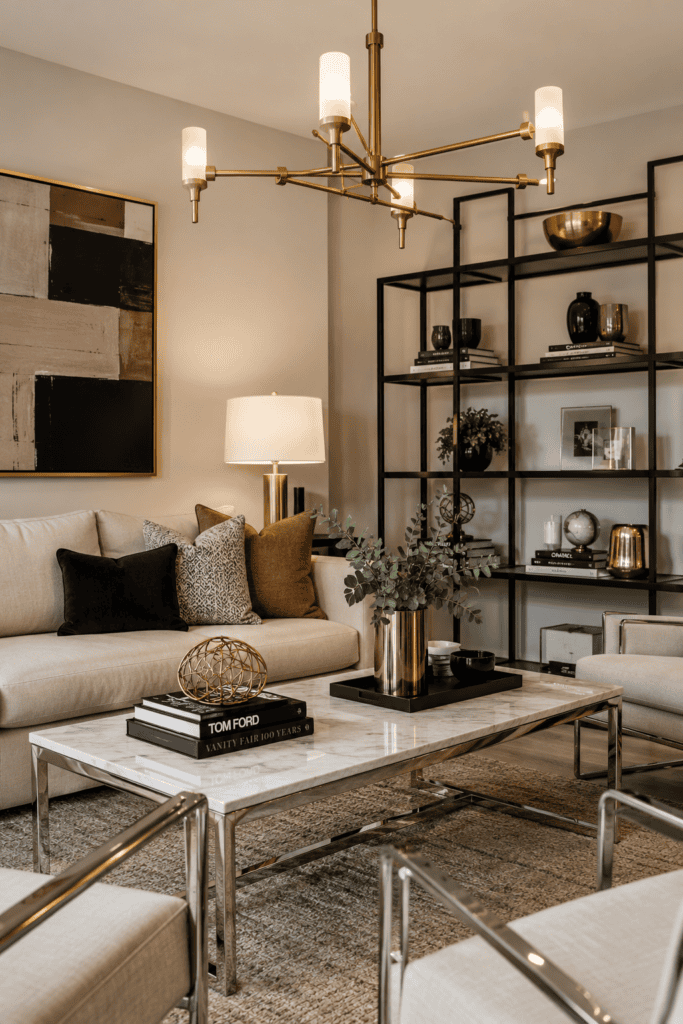
Gold and black. Brass and chrome. Mixing metals used to be a design no-no, but modern luxury rooms embrace it. The key is consistency—pick two metals max and repeat them throughout the space.
- Brass light fixtures paired with black metal shelving
- Chrome accents balanced with warm gold hardware
- Consistent metal tones across furniture legs and frames
- A dominant metal (roughly 70%) with a secondary accent metal (30%)
This style is deceptively tricky. It looks effortless in photos, but getting the ratio right takes some trial and error. Start with one dominant metal and add the second sparingly until it feels balanced.
15. The Biophilic Living Room
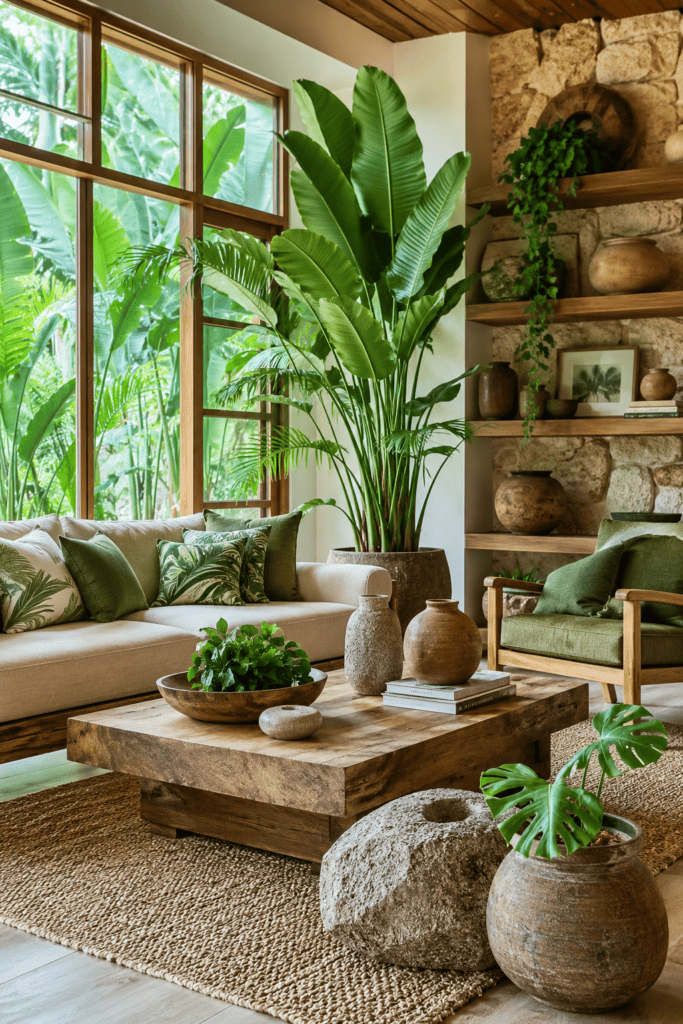
Biophilic design brings nature indoors—think oversized plants, natural wood, and materials that mimic organic textures. It’s not just trendy; there’s real research showing it reduces stress.
I added two large plants to my living room and immediately felt like I leveled up my space. Cheap trick, big payoff. Beyond plants, this style also leans on natural light, unfinished wood grain, and stone or clay accessories that echo the outdoors.
If you’re not confident with plant care (no judgment, I’ve killed my fair share), start with hardy options like snake plants or pothos. They forgive neglect, which is more than I can say for myself some weeks.
16. The Retro-Modern Fusion
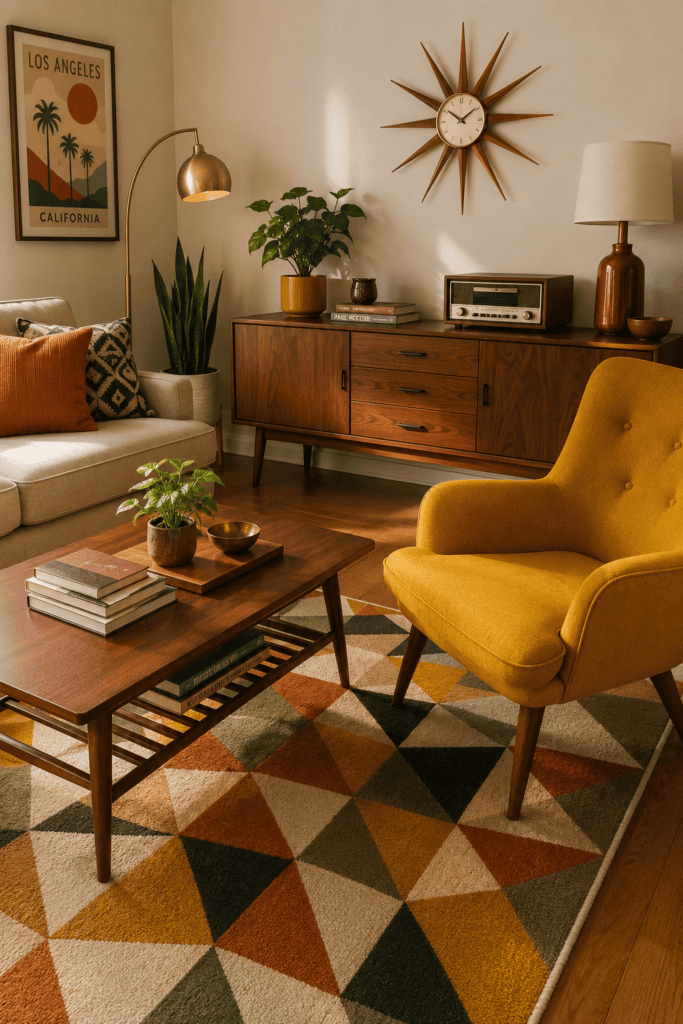
Mid-century shapes meet contemporary finishes in this playful style. Tapered wood legs, bold accent chairs, and geometric patterns nod to the past while feeling completely current.
This one’s fun because it doesn’t take itself too seriously. FYI, it’s also one of the easier styles to DIY on a budget, since vintage-inspired furniture is widely available at every price point, from thrifted finds to high-end reproductions.
A single statement chair in a saturated color—mustard, burnt orange, teal—can anchor an entire room in this style. Everything else can stay relatively neutral and let that one piece carry the retro energy.
17. The All-White Luxury Room
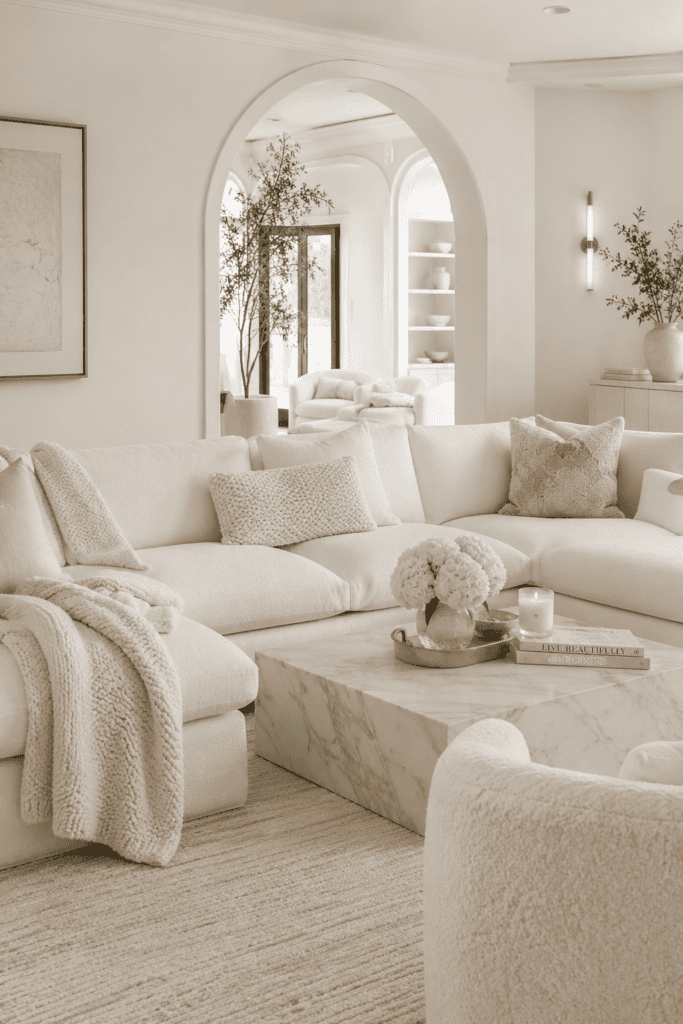
Last but definitely not least: the all-white living room. Layered textures—bouclé, wool, marble—keep this look from feeling flat or clinical. It’s a classic for a reason.
I know what you’re thinking: “impossible with kids or pets.” And yeah, fair point. But performance fabrics have come a long way, so it’s more doable than it used to be. Look for indoor-outdoor rated upholstery if durability is a real concern.
The key to an all-white room that doesn’t feel sterile is temperature—warm whites, ivories, and off-whites feel inviting, while stark, cool whites can read clinical fast. Mix a few warm undertones in and the whole room softens instantly.
How to Choose the Right Style for Your Space
With 17 options on the table, picking one can feel overwhelming. Here’s how I’d narrow it down:
- Consider your existing architecture. Exposed brick? Lean industrial. Big windows? Go glass-and-steel.
- Think about maintenance. All-white rooms and light fabrics need more upkeep than dark, moody spaces.
- Match your lifestyle. Maximalism suits collectors; minimalism suits people who hate clutter (no judgment either way).
- Set a realistic budget. Some looks, like Art Deco, lean expensive fast. Others, like Scandinavian-luxury, scale more easily.
- Factor in natural light. Dark academia and moody monochrome need good light sources to avoid feeling like a cave.
Ever notice how the best living rooms don’t try to do everything at once? Pick a lane and commit—that’s the real secret. A room that half-commits to five styles at once usually ends up looking confused rather than curated.
Common Mistakes That Ruin an Otherwise Great Room
Since we’re being honest with each other, let’s talk about what goes wrong. I’ve made most of these mistakes myself, so consider this a friendly warning.
- Overcrowding the space. More furniture doesn’t equal more luxury—it usually just equals less room to walk around.
- Ignoring scale. A tiny coffee table in a huge room (or vice versa) throws off the whole balance.
- Skipping layered lighting. One overhead light is never enough. Mix ambient, task, and accent lighting for depth.
- Matching everything too perfectly. A little imperfection—a vintage find, an asymmetrical shelf arrangement—makes a room feel collected rather than staged.
Final Thoughts
There you have it 17 modern luxury living rooms to steal ideas from, whether you’re doing a full renovation or just swapping out a few throw pillows. Luxury doesn’t have to mean expensive; it means intentional. Every piece in the room should earn its spot.
So which style are you leaning toward? Personally, I’m still torn between Japandi and dark academia, which tells you a lot about my indecisive nature. Whatever you choose, just remember: your living room should feel like you, not like a showroom nobody’s allowed to sit in.