
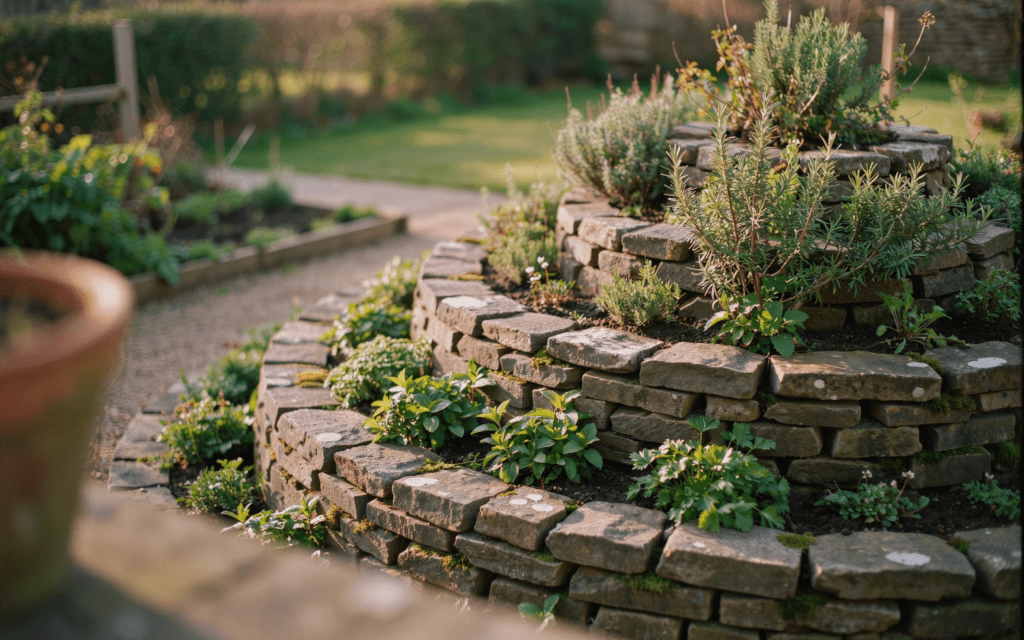
So you’ve got a garden or maybe just a patch of outdoor space you’ve been staring at for months, wondering what on earth to do with it. Sound familiar? Round garden designs are one of those ideas that look impossibly elegant in magazines but actually work brilliantly in real life too. They soften hard lines, create flow, and honestly, they just look expensive even when they’re not.
I’ve spent a ridiculous amount of time obsessing over garden layouts, and I can tell you this: a well-executed round garden design transforms an ordinary outdoor space into something that feels intentional, lush, and genuinely beautiful. Let’s get into 15 chic ideas that you can actually use.
1. The Classic Circular Flower Bed
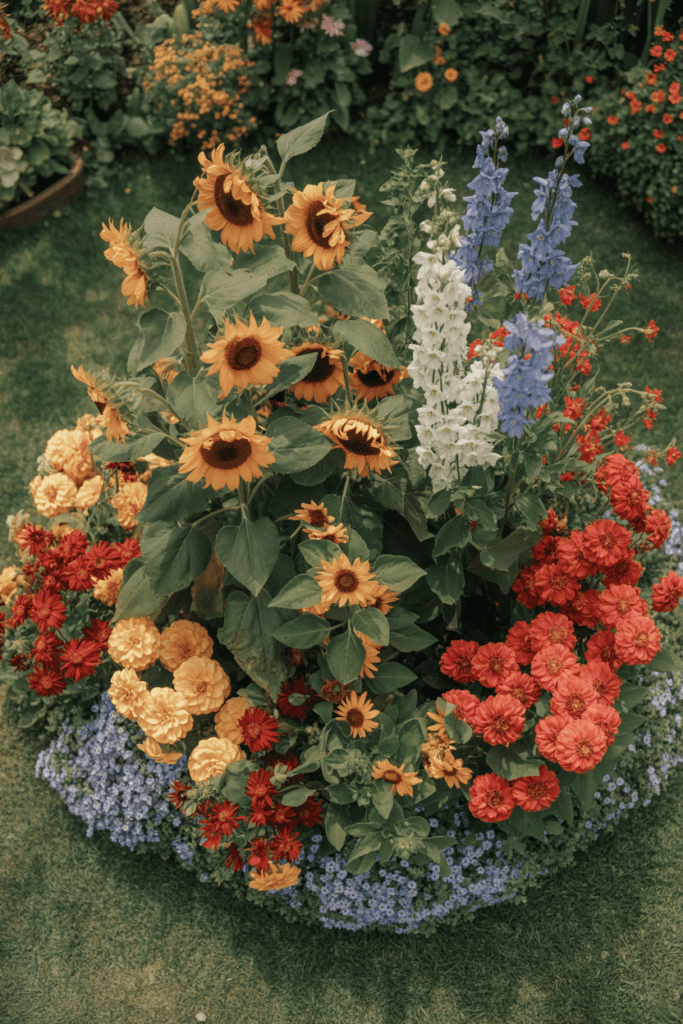
Let’s start with the OG of round garden ideas — the circular flower bed. It’s timeless, versatile, and works in almost any garden size.
Plant taller flowers like delphiniums or sunflowers at the center, then layer outward with medium-height blooms like dahlias, and finish the edges with low-growing ground cover like alyssum or lobelia. This tiered planting approach creates depth and drama without needing a design degree.
The key here? Choose a color palette and stick to it. A mix of warm oranges, reds, and yellows feels vibrant and energetic. Cool purples, blues, and whites give a more serene vibe. IMO, the warm palette wins every time for a statement bed.
2. Round Herb Spiral Garden
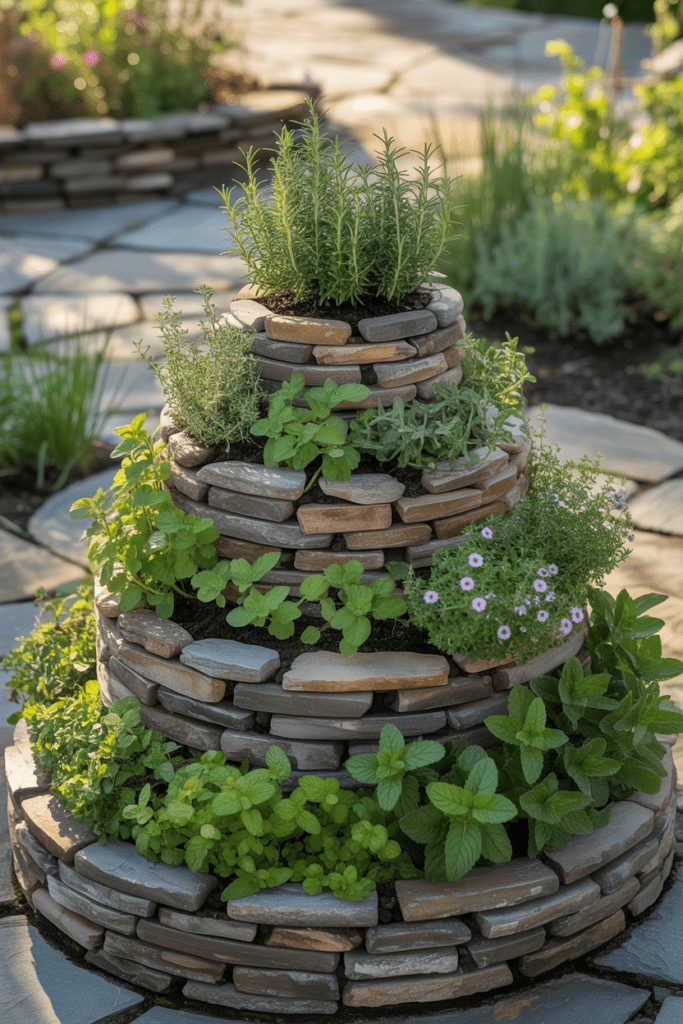
This one is a personal favorite — and it’s genuinely functional, not just pretty. A herb spiral is a circular raised bed built in a spiral shape so that each level creates a slightly different microclimate.
Drought-tolerant herbs like rosemary and thyme go at the top where it’s drier. Moisture-loving herbs like mint and parsley sit at the bottom where water naturally collects. You get an entire herb garden in roughly a two-meter diameter circle.
Plus, it looks absolutely stunning. Visitors always ask about it first. Build the structure with natural stone or reclaimed brick for extra texture and warmth.
3. Pebble Mosaic Circle
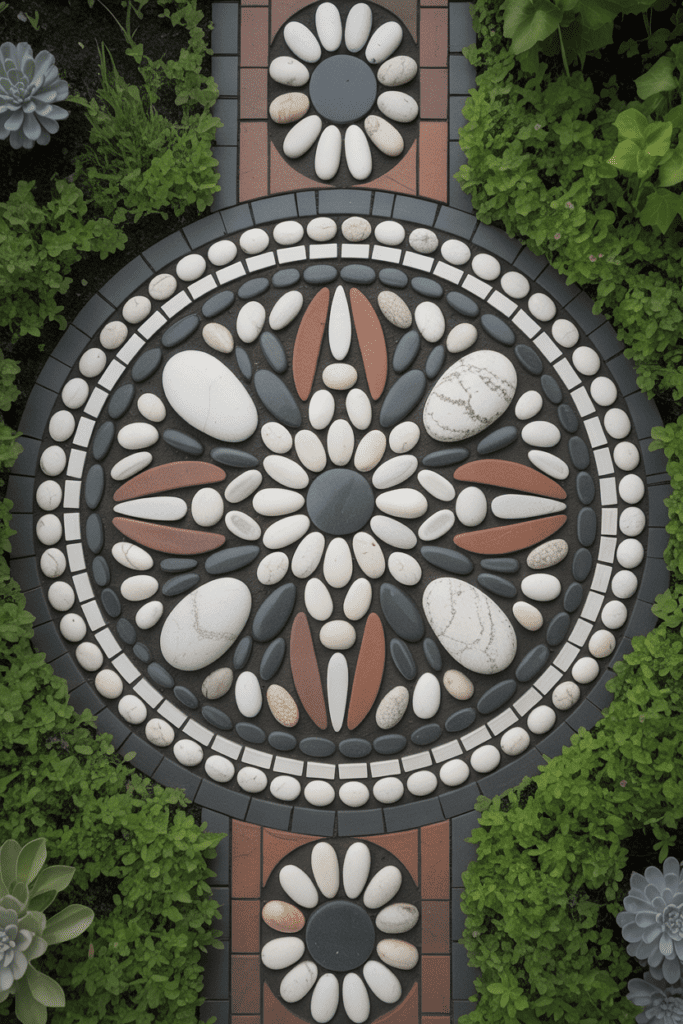
Want something that doubles as garden art? A pebble mosaic circle placed as a focal point — at the end of a path, in the center of a lawn, or as a patio feature — adds serious visual interest.
Collect smooth pebbles in contrasting colors (white, grey, black, terracotta) and set them into mortar in geometric or floral patterns. The work takes a weekend, but the result lasts for decades. It’s one of those projects that looks like it cost a fortune but really doesn’t.
You can even make it interactive by placing it as a stepping area between planting beds. Every step feels intentional when you’re walking on something you designed yourself.
4. The Round Lawn with Curved Borders
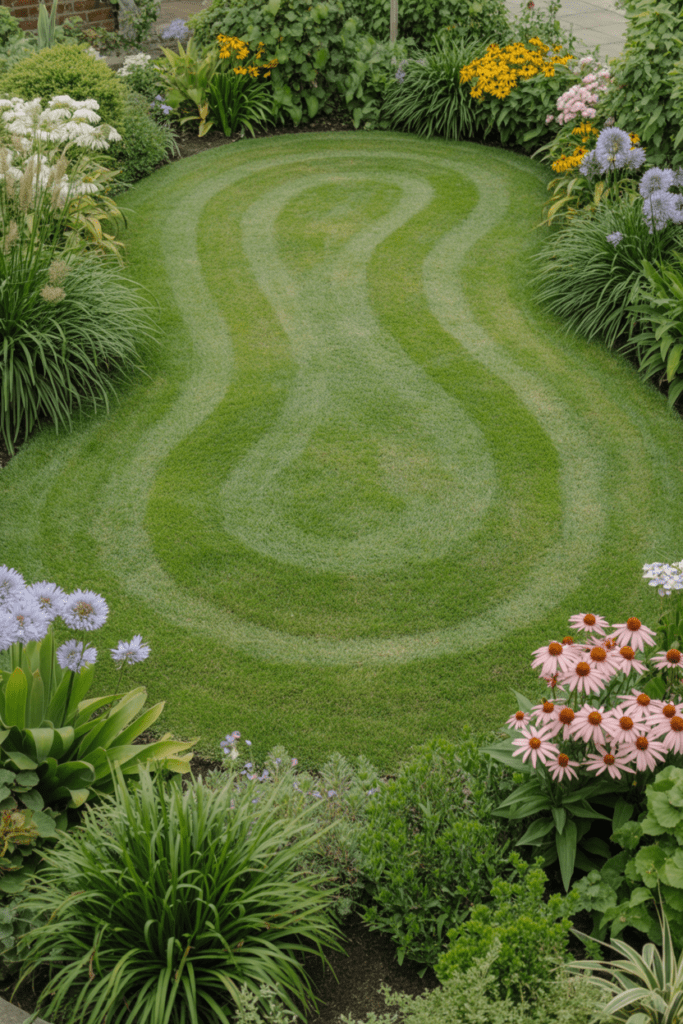
Sometimes the simplest idea is the most effective. Take your existing lawn and reshape it into a perfect circle, then plant curved planting borders all around the perimeter. Instantly, your garden looks designed rather than accidental.
Mow the edges cleanly with a half-moon edging tool, and plant the borders with a mix of perennials that offer year-round interest — think ornamental grasses, agapanthus, rudbeckia, and echinacea. The circular lawn acts as a visual anchor, and everything around it radiates outward naturally.
This approach works especially well in small to medium gardens because the clear central space makes the area feel larger than it actually is. Worth trying 🙂
5. Circular Water Feature Garden
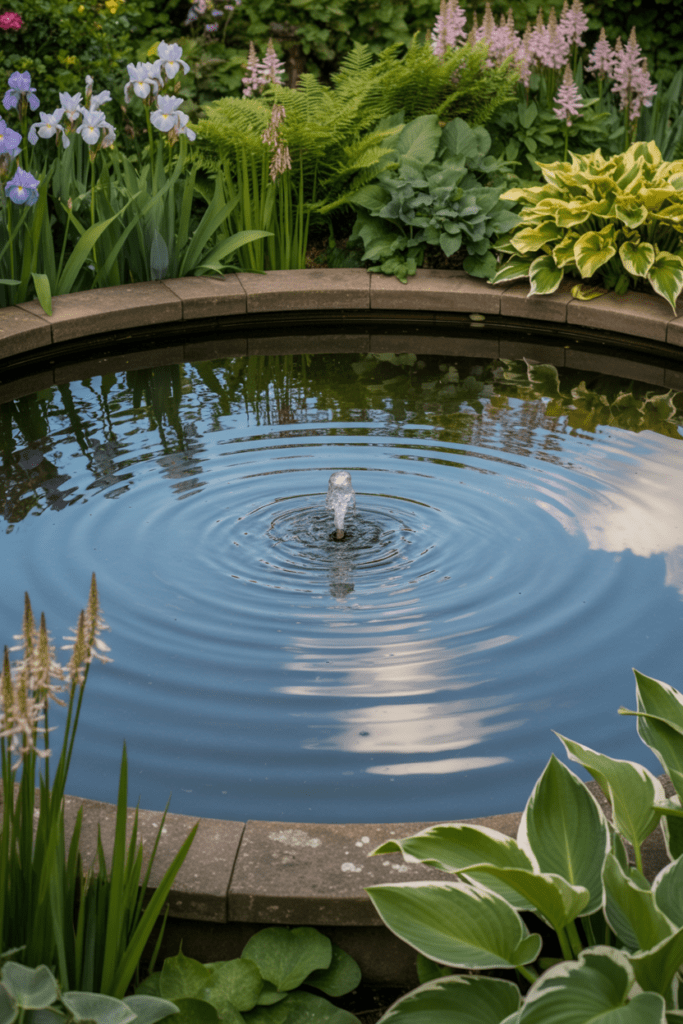
Water and circles are basically best friends. A round pond or water feature at the center of a garden creates an immediate focal point and brings in sound, movement, and wildlife.
Surround your circular pond with moisture-loving plants — irises, hostas, astilbes, and ferns all thrive near water and create a lush, layered look. Add a simple solar-powered fountain jet at the center for that satisfying water sound without the electricity costs.
FYI, even a half-barrel water feature shaped into a small circular planting arrangement works beautifully on a patio or in a tight courtyard space. Scale doesn’t limit this idea at all.
6. Raised Round Planting Beds in Metal
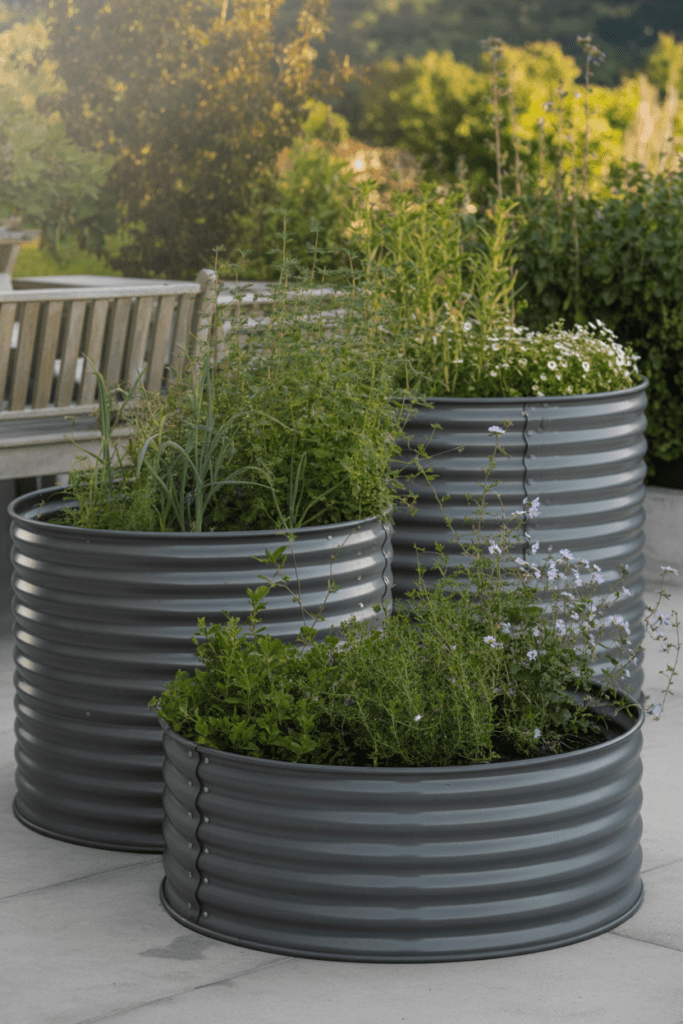
Galvanized steel raised beds have been having a moment, and honestly, they deserve it. A round galvanized raised bed looks sleek, modern, and industrial-chic — especially when planted with trailing herbs, wildflowers, or ornamental vegetables.
The metal heats up the soil earlier in spring, extending your growing season. It’s also incredibly durable and low-maintenance — no rotting, no replacing, no fuss. Choose 70–80cm diameter beds for single feature plants, or cluster three beds of varying heights together for a sculptural group effect.
Paint or powder-coat the metal in matte black, sage green, or terracotta to match your garden’s color story. These beds photograph incredibly well too, if you care about that sort of thing.
7. The Round Seating Area with Planting Surround
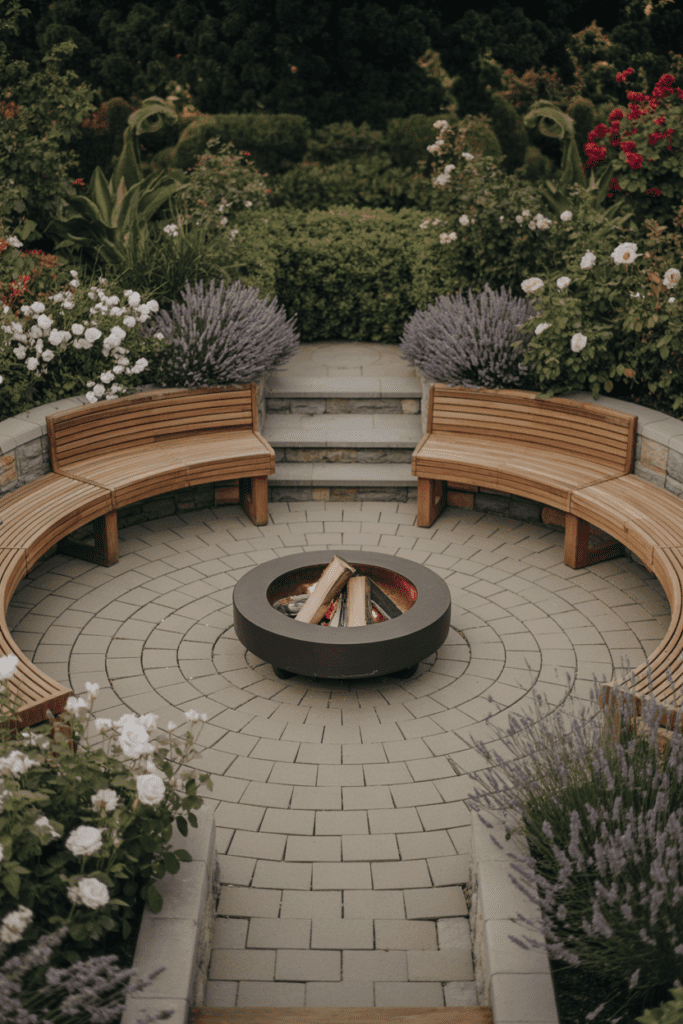
Why should sitting areas always be rectangular? A circular seating area — paved in natural stone, reclaimed brick, or poured concrete — surrounded by a curved planting border feels intimate and intentional.
Place a round fire pit or a bistro table at the center, add curved bench seating around the perimeter, and plant the outer border with fragrant plants like lavender, roses, and nepeta. When you sit inside this space, you feel genuinely cocooned by the garden rather than just next to it.
This is the kind of garden feature that makes summer evenings feel genuinely special. Fragrant planting at arm’s reach is the detail that elevates everything.
8. Circular Vegetable Garden with Radiating Beds
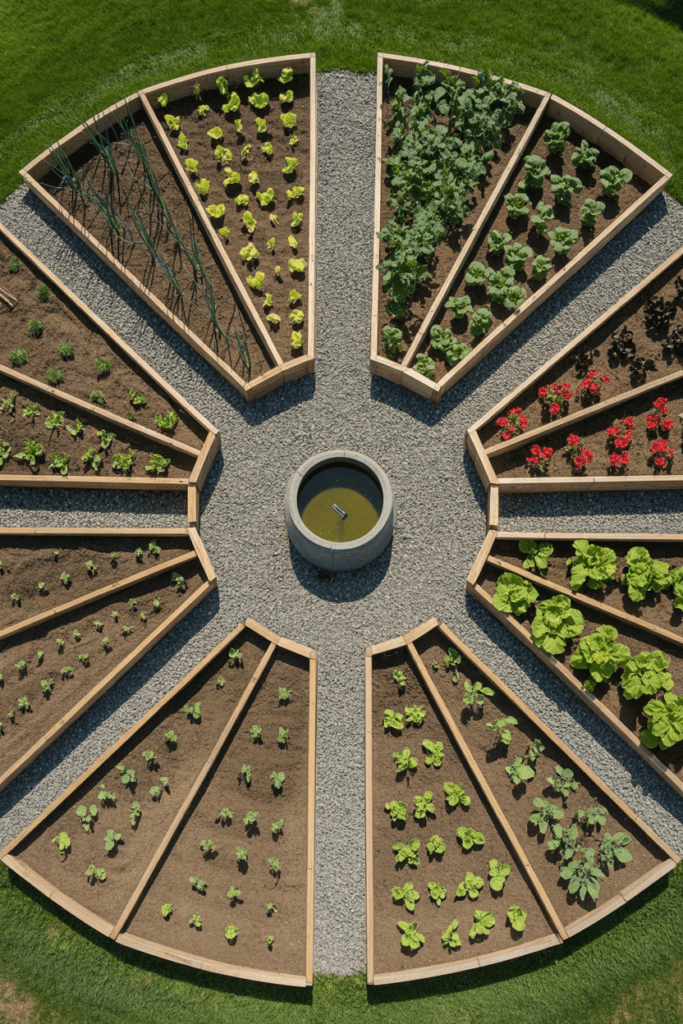
The wheel garden or wagon wheel vegetable layout divides a circle into radiating triangular or wedge-shaped beds separated by narrow paths. It’s efficient, beautiful, and surprisingly easy to manage.
Each wedge holds a different crop, which makes crop rotation straightforward — just rotate each crop one section clockwise each season. Place a central water source (a standpipe, a watering can station, or a small trough) at the hub of the wheel so watering is always easy regardless of which bed you’re working in.
This layout works brilliantly in full sun spots and makes the productive part of your garden look as beautiful as the ornamental parts. No more guilty vegetable patch hidden behind a fence.
9. Wildflower Circle Garden
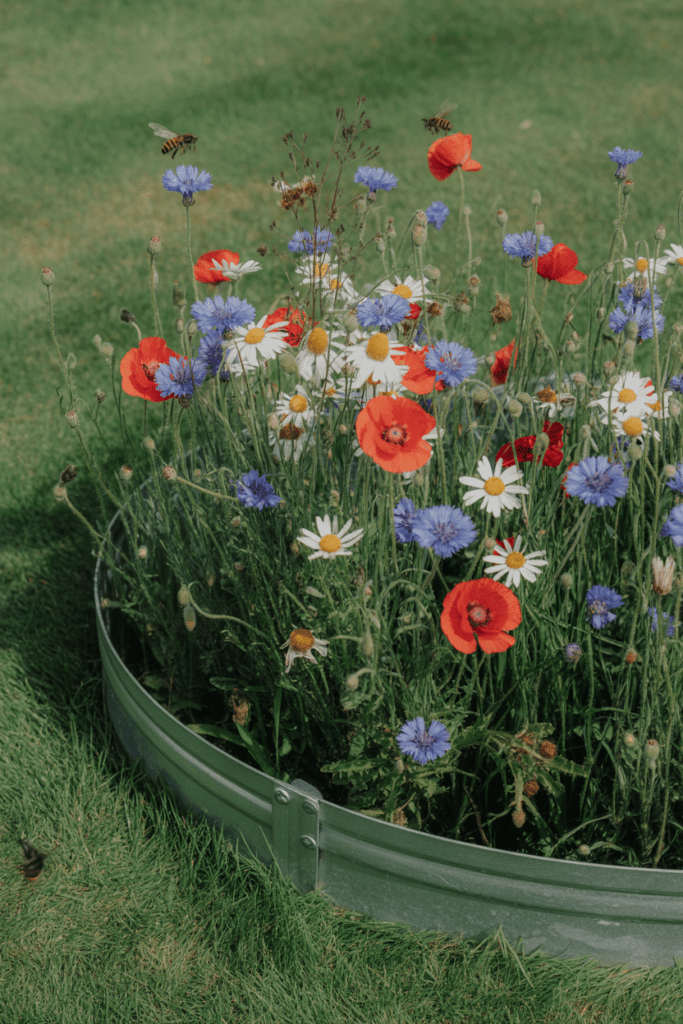
Ever wondered why wildflower meadows look so effortlessly beautiful? They’re basically doing the hard work for you. A circular wildflower patch — even just two or three meters across — creates a buzzing, colorful focal point that wildlife absolutely loves.
Prepare the ground properly by removing all existing grass and weeds, then sow a quality wildflower mix directly onto bare soil. Cornflowers, poppies, ox-eye daisies, and field scabious all establish quickly and self-seed, so the display improves year on year.
Edge the circle cleanly with metal lawn edging to keep the wildness looking intentional rather than neglected. That single detail makes all the difference between “designed wildflower garden” and “forgot to mow.”
10. Round Zen Garden with Raked Gravel
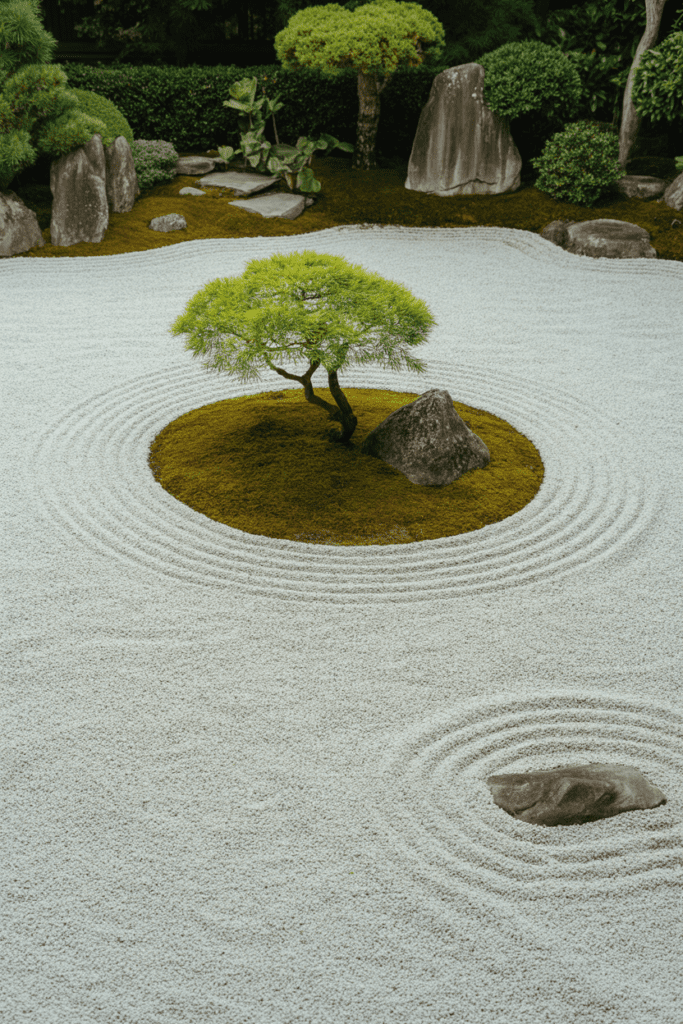
Japanese garden design has understood the power of circles for centuries. A round Zen garden featuring raked gravel, carefully placed rocks, and minimal planting creates a space that feels genuinely peaceful.
Use angular rocks of varying sizes as focal points, half-buried in raked white or grey gravel to suggest permanence and weight. Add a single specimen plant — a clipped Japanese maple, a cloud-pruned box ball, or a sculptural bamboo clump — as the living element.
Keep everything else minimal. The power of a Zen garden comes from what you don’t add, not from what you do. Restraint is honestly the hardest design skill to master, but it pays off enormously here.
11. The Sunken Circular Garden
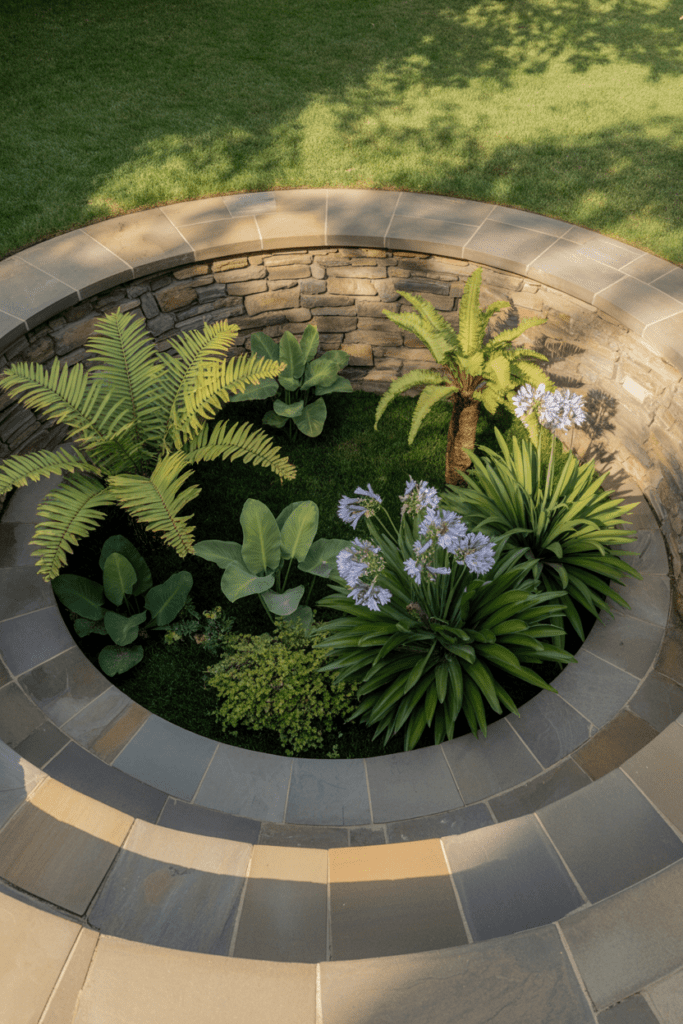
This one requires more effort, but the payoff is spectacular. A sunken circular garden — excavated roughly 60cm below the surrounding lawn level — creates a sheltered, private microspace within your garden.
Build the walls with natural stone or railway sleepers, add curved steps leading down, and plant the sunken area with lush, slightly exotic planting that benefits from the wind shelter — tree ferns, agapanthus, cannas, and bananas all thrive in these protected conditions.
The sunken level also creates a natural amphitheater effect when entertaining — guests sitting in the sunken space feel genuinely separated from the everyday garden above. It’s theatrical in the best possible way.
12. Circular Rose Garden
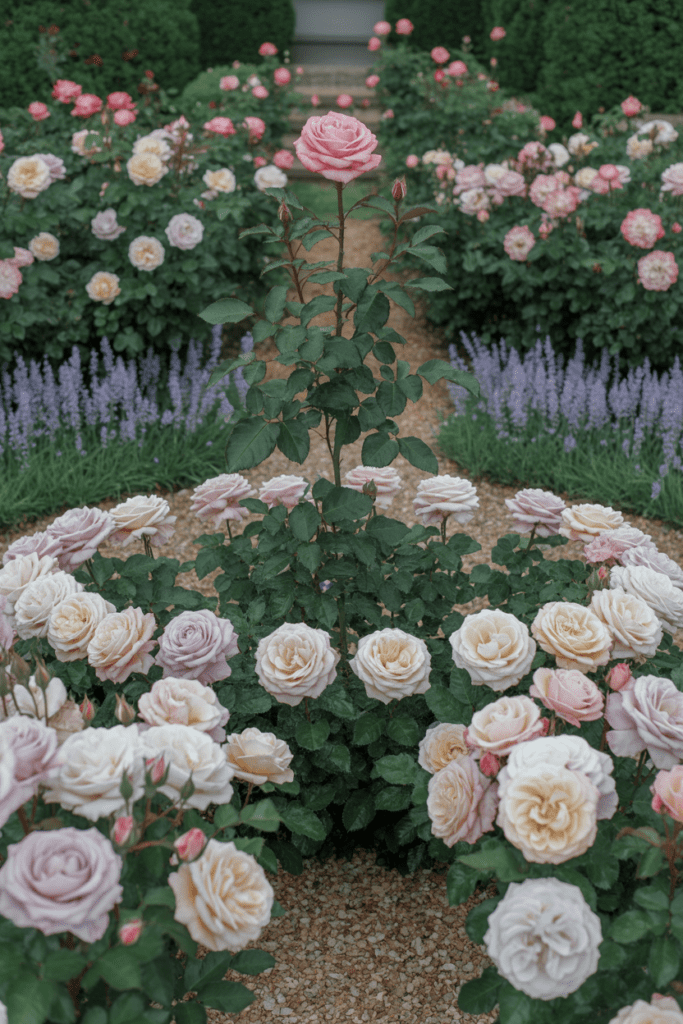
Roses and circular layouts are a combination so classic it almost feels like cheating, but there’s a very good reason people keep returning to it — it works beautifully, every single time.
Plant a central standard rose as the vertical focal point, surrounded by shrub roses in a concentric ring, with a low-growing rose variety or a lavender edging at the outer circle. Choose a harmonious color palette — blush pinks and creams for a romantic feel, deep crimsons and purples for drama.
Add a simple obelisk or arch at the center instead of a standard rose if you prefer a structural element to train climbing roses up. The height contrast against the lower surrounding planting adds instant sophistication.
13. Circular Children’s Garden
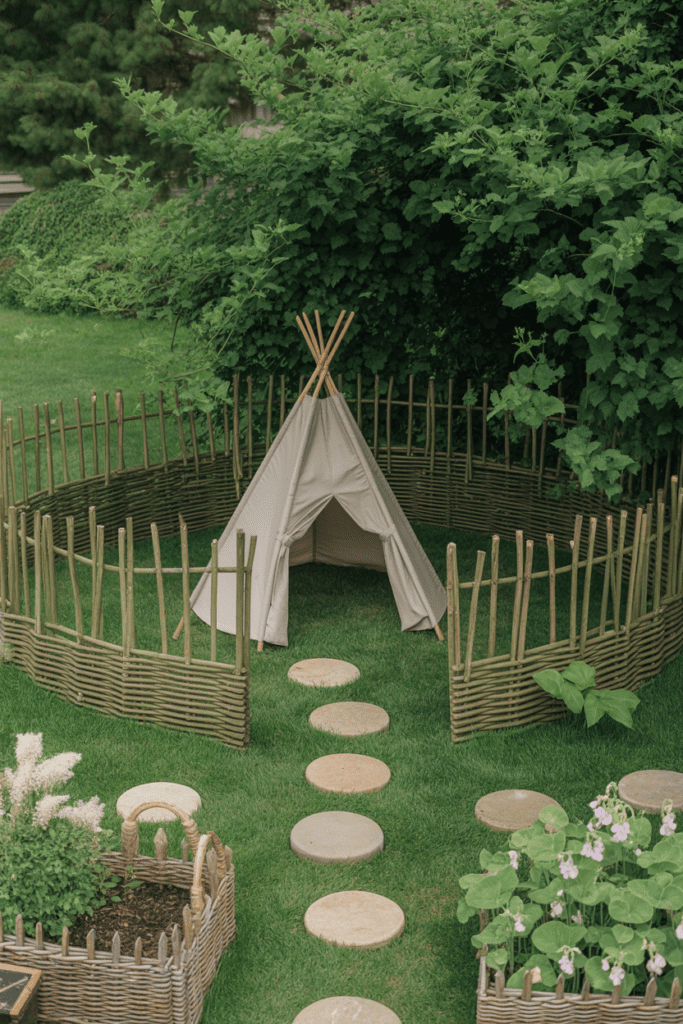
Gardens aren’t just for adults — though we do tend to design them that way. A circular children’s garden creates a dedicated space that feels magical and enclosed without being separate from the main garden.
Use willow hurdle fencing bent into a circle to create the boundary, then fill the interior with:
- A simple digging area for little hands
- Sensory plants like lamb’s ear, mint, and sweet peas they can touch and smell
- Stepping stones in circular patterns to hop between
- A small teepee or den space at the center
Children engage so much better with gardens when they have a space that feels genuinely theirs. This design encourages outdoor time, creativity, and connection with nature from an early age.
14. Circular Orchard or Fruit Tree Arrangement
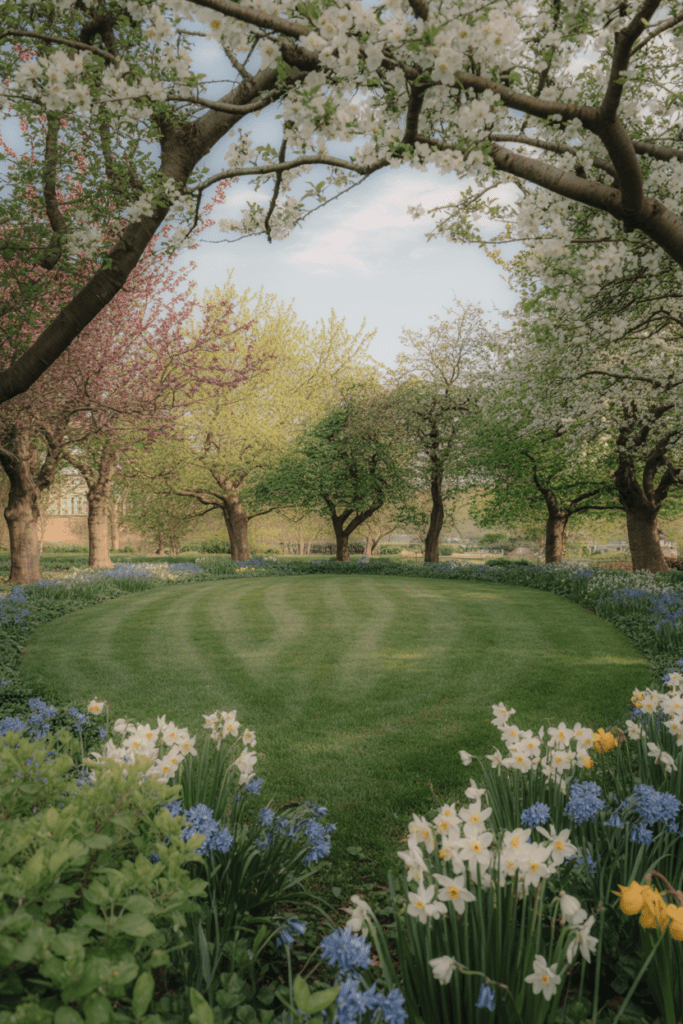
Plant fruit trees in a circular arrangement rather than the usual row layout, and you get both a productive orchard and a genuinely beautiful garden feature. Space five to seven trees equidistantly around a circle of roughly 8–10 meters, with a central open lawn area.
Choose trees on dwarfing or semi-dwarfing rootstocks so they stay manageable in size. Mix varieties for cross-pollination and extended harvesting — apples, pears, plums, and cherries all work beautifully together in this layout.
Underplant each tree with bulbs and wildflowers — bluebells, daffodils, and cow parsley all look magical beneath fruit trees in spring. The circular arrangement also makes harvesting easy since you can walk the perimeter without trampling anything.
15. The Multi-Level Circular Garden Design
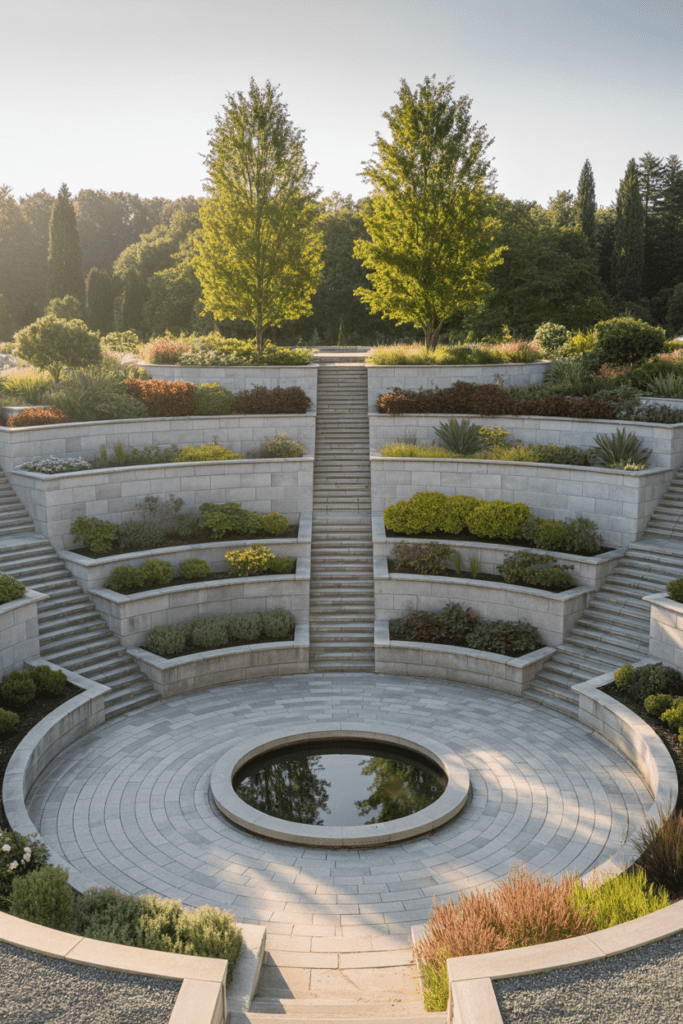
The most ambitious idea for last — the multi-level circular garden uses concentric circles at different heights to create a tiered, amphitheater-style garden landscape. Think of it as a wedding cake made of plants and stone.
Each tier serves a different purpose:
- Top tier: Specimen trees or tall structural plants
- Middle tier: Mixed perennial planting and shrubs
- Lower tier: Ground cover, low grasses, and seasonal bulbs
- Ground level: Lawn, paving, or a water feature as the central focal point
Building this requires proper groundwork — retained walls or terracing — but the result is genuinely extraordinary. It creates drama, depth, and interest from every angle, and it photographs like something from a high-end garden design magazine.
If you want one garden project that makes a permanent, unforgettable statement, this is the one to consider.
Bringing It All Together
Round garden designs work because circles are naturally harmonious — our eyes follow them comfortably, they create flow, and they soften the hard angles that buildings and fencing inevitably introduce into outdoor spaces.
The 15 ideas above range from quick weekend projects (pebble mosaics, wildflower circles) to ambitious multi-season builds (sunken gardens, multi-level designs). The beauty is that you don’t need to do everything — one well-executed round feature can transform an entire garden.