
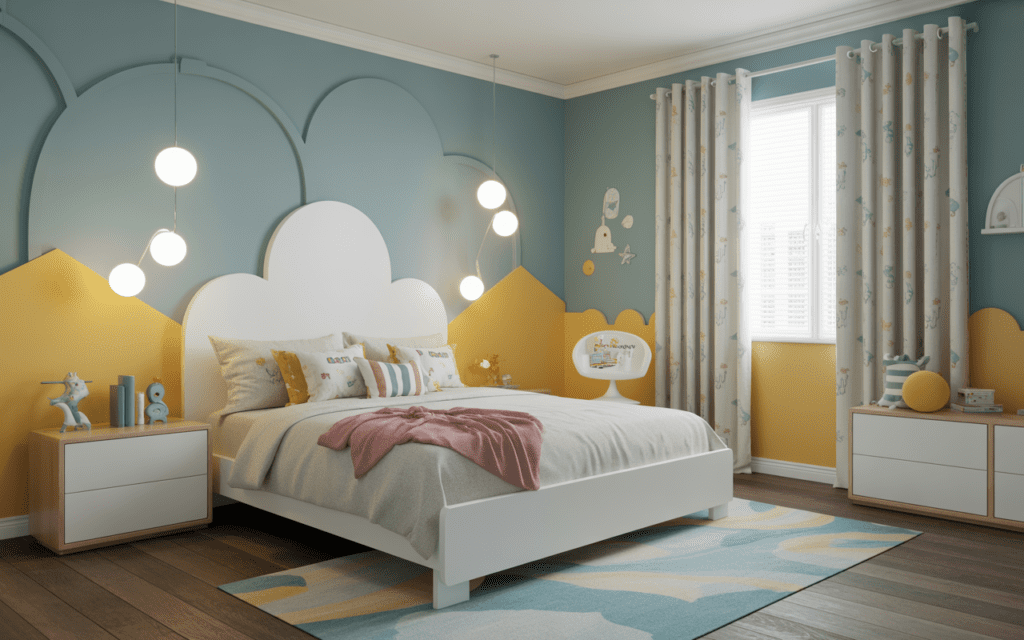
A kid’s bedroom is never just a bedroom. It’s a fort, a reading corner, a race track, a snack zone, a homework table, and sometimes a place where socks mysteriously disappear forever. So when you decorate it, you’re not just picking cute colors and furniture. You’re building a space that needs to feel fun, practical, and flexible enough to survive changing tastes, growing bodies, and the occasional glitter explosion.
I’ve always liked kids’ rooms that feel playful without becoming visually overwhelming. You want a space that sparks imagination, but you also want one that helps with sleep, storage, and everyday routines. That balance sounds simple until you realize a six-year-old may love dinosaurs this month and outer space next month. Still, with the right kids’ bedroom décor ideas, you can create a room that feels special now and still makes sense later.
Start with a Theme That Feels Fun, Not Forced
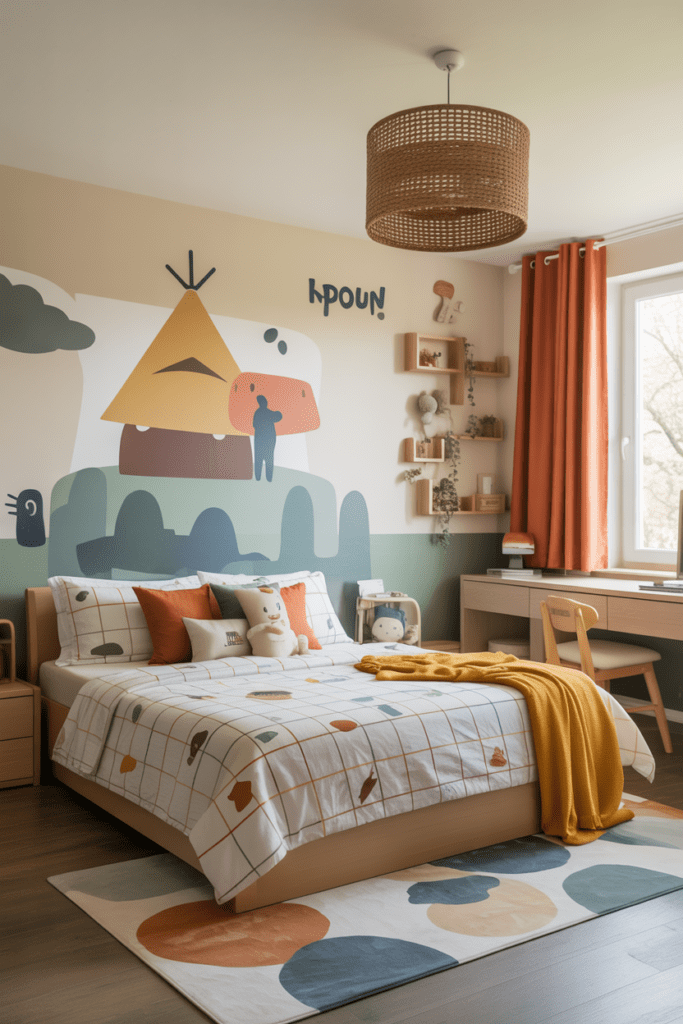
The easiest way to make a kids’ bedroom feel cohesive is to start with a theme. That doesn’t mean you need to turn the room into a movie set. In fact, the best themes usually feel light and flexible. Think space, jungle, rainbows, animals, ocean life, sports, or a favorite storybook vibe. A theme gives you a starting point, and that makes every other decision easier.
What I like most about this approach is that it keeps the room from looking random. You don’t end up with one wall in stars, one rug in stripes, and one lamp shaped like a dinosaur for no good reason. Sure, that kind of mix can sound fun in theory, but in practice it often looks chaotic. A clear theme helps the room feel intentional while still leaving plenty of room for personality. If you want the décor to last longer, choose a broad theme instead of a super-specific one. “Adventure” ages better than “one exact cartoon character,” FYI.
Use Color to Set the Mood
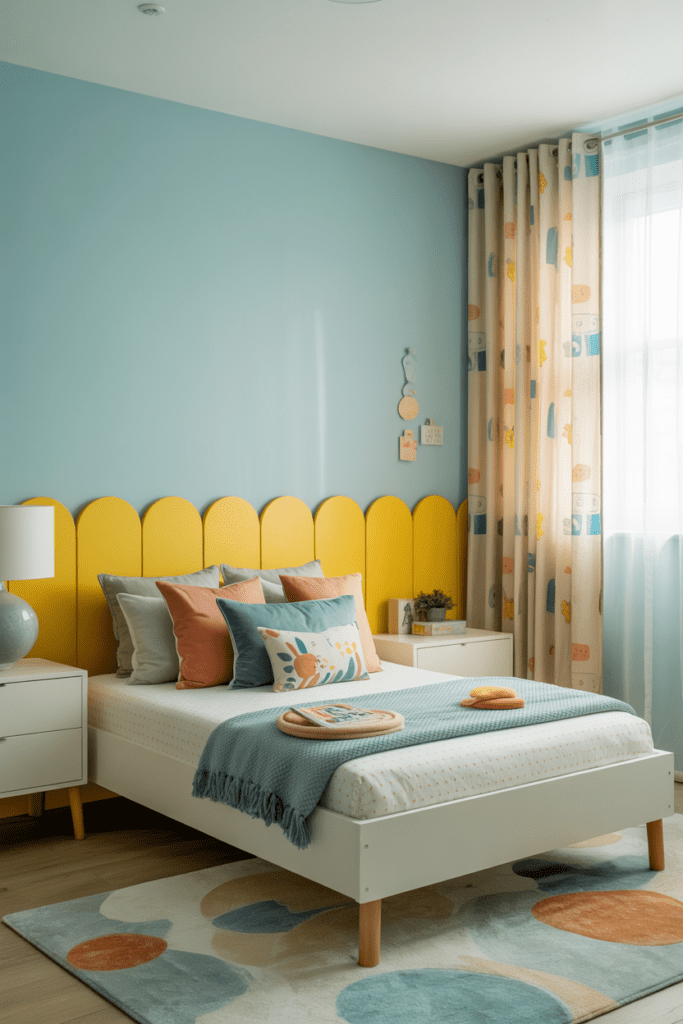
Color matters a lot in kids’ room design because it shapes how the room feels the moment you walk in. Bright colors can make the space feel lively and cheerful, while softer shades can make it feel calming and cozy. The trick is not to use every color at once just because they all look cute separately. A room with too many loud colors can start to feel busy fast.
I usually recommend choosing one main color and a few accents. For example, soft blue with mustard yellow, blush pink with white, or green with natural wood tones can all work beautifully. These combinations feel playful without becoming overwhelming. You can always add smaller pops of color through pillows, curtains, wall art, or storage bins. That way, if your child changes interests later, you can update the accent pieces instead of repainting the whole room. Isn’t that the dream?
Add an Accent Wall for Instant Personality
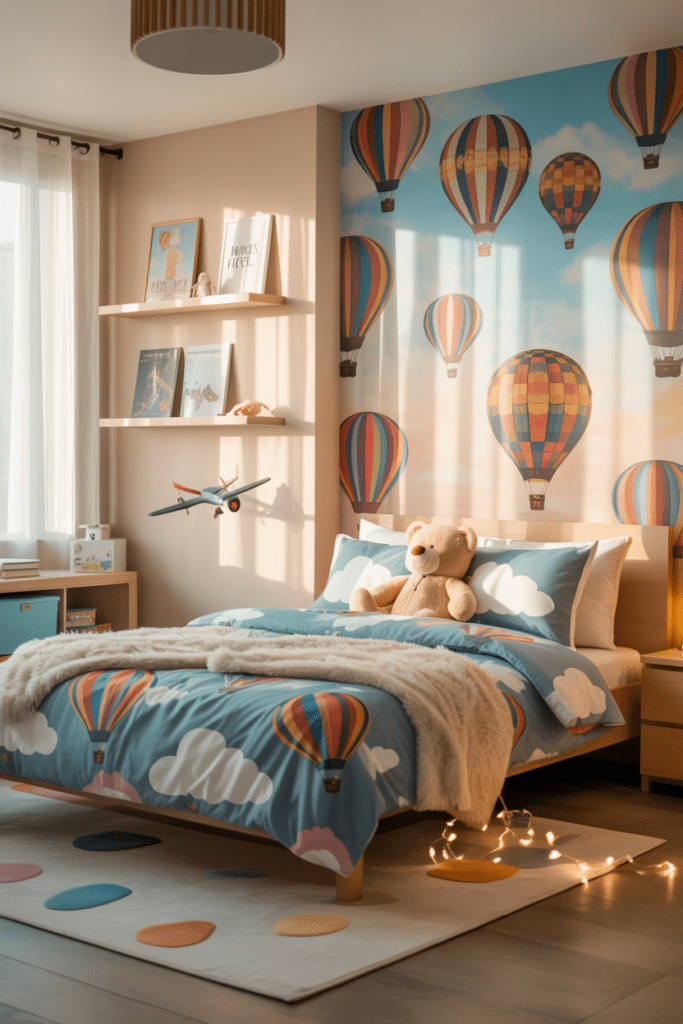
If you want one easy upgrade that changes the whole room, go for an accent wall. It gives the bedroom a focal point and adds character without demanding a full makeover. You can paint one wall in a bold color, use peel-and-stick wallpaper, or even try a mural if you want something more artistic.
I like accent walls because they make the space feel designed rather than assembled. A mountain mural behind the bed can turn a basic room into a little adventure zone. A soft cloud pattern can make the room feel dreamy and calm. And a striped wall? That can add just enough energy without making the whole room feel too loud. The best part is that accent walls often cost less than decorating every surface, but they still make a big visual impact.
Pick Furniture That Does More Than One Job
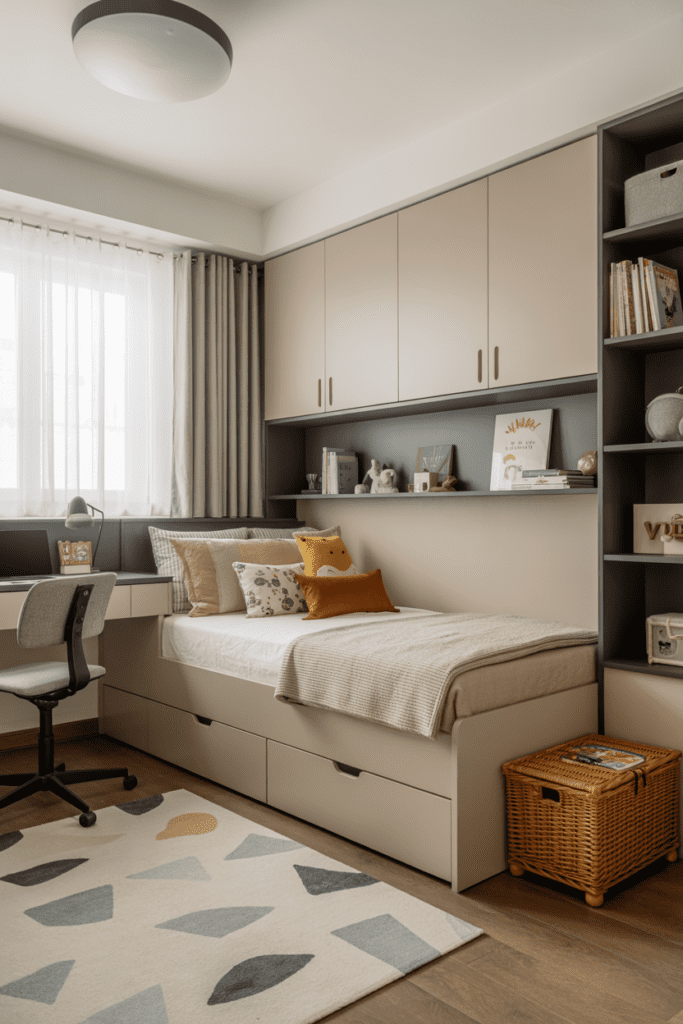
Kids’ furniture should be cute, but it should also work hard. If a piece can look nice and solve a storage problem at the same time, that’s a win in my book. Beds with drawers underneath, desks with shelves, benches with hidden compartments, and bookcases that double as display areas all help you get more value out of the room.
I always think multifunctional furniture makes sense in kids’ rooms because space disappears fast. Toys take over. Clothes multiply. Books somehow spread everywhere. So anything that helps keep the room organized without taking up too much floor space deserves attention. And yes, rounded edges and sturdy materials matter too, because kids treat furniture like it came with a built-in obstacle course. Stylish and durable beats fragile and pretty every time.
Create a Cozy Reading Corner
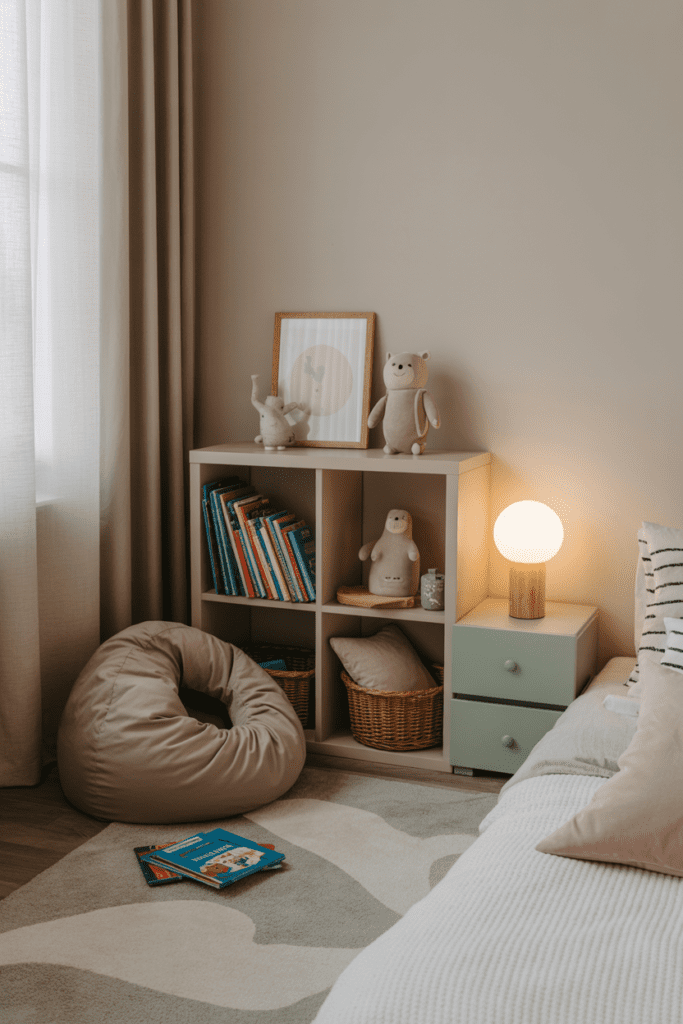
A reading corner can completely change the feel of a bedroom. It gives the room a quiet zone and encourages a habit that parents secretly hope will replace random wall climbing. You don’t need a huge setup either. A small chair, a floor cushion, a soft rug, and a basket of books can work just fine.
What makes a reading nook feel special is the atmosphere. Add a warm lamp or a string of fairy lights, and suddenly the corner feels like a tiny escape. If the room has space, place the nook near a window so your child gets natural light during the day. I’ve noticed that when a child has a clearly defined cozy spot, they tend to use it more. Maybe it’s the sense of ownership. Maybe it’s just nice to have a corner that doesn’t involve toys screaming for attention.
Make Storage Easy and Visible
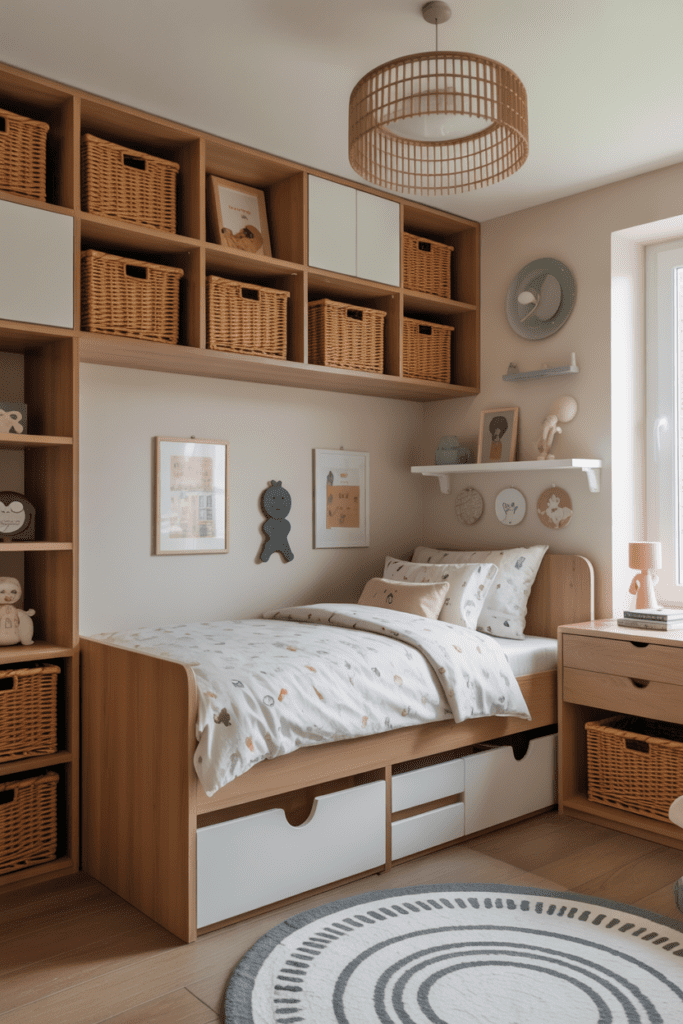
Let’s be honest: kids are not born with strong organization skills. That’s why storage in a kids’ bedroom has to be simple, visible, and easy to use. If a child has to work too hard to put something away, the thing will probably end up on the floor instead. Realistic, right?
Open bins, low shelves, baskets, and labeled boxes usually work better than complicated systems. The goal is to make cleanup feel quick rather than frustrating. I also like storage that blends into the décor. Woven baskets, fabric bins, or colorful toy boxes can look charming while still holding all the random pieces that seem to breed overnight. Under-bed storage can help too, especially in smaller rooms where every inch counts. When storage feels natural, the whole room stays calmer.
Add a Play Zone If Space Allows
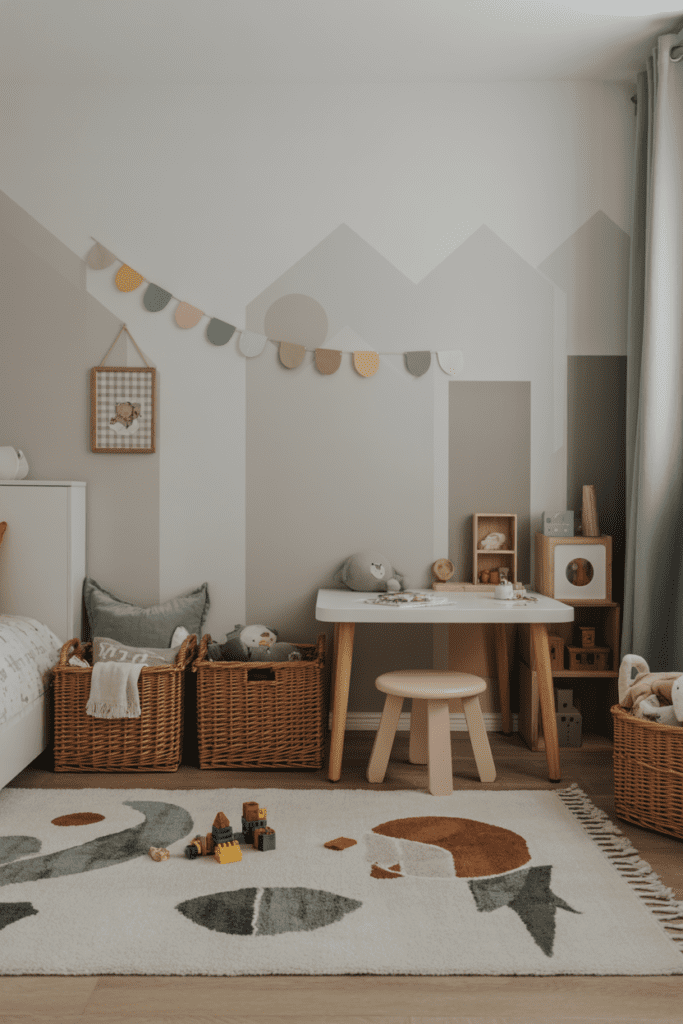
A bedroom that includes a small play zone feels much more complete. It gives kids a dedicated place for imagination and helps separate playtime from bedtime. That separation matters more than people think because it gives the room some structure. Otherwise, the bed becomes a jungle gym and the whole room starts acting like one giant toy box.
You don’t need a massive area for this. A soft play mat, a small rug, a low table, or a basket of favorite toys can define the zone clearly. For younger children, you might add blocks, pretend-play items, or art supplies. For older kids, the play zone might shift into a craft corner or a game area. The key is to let the room support how your child actually spends time, not how a catalog thinks childhood looks.
Use Lighting to Make the Room Feel Warm
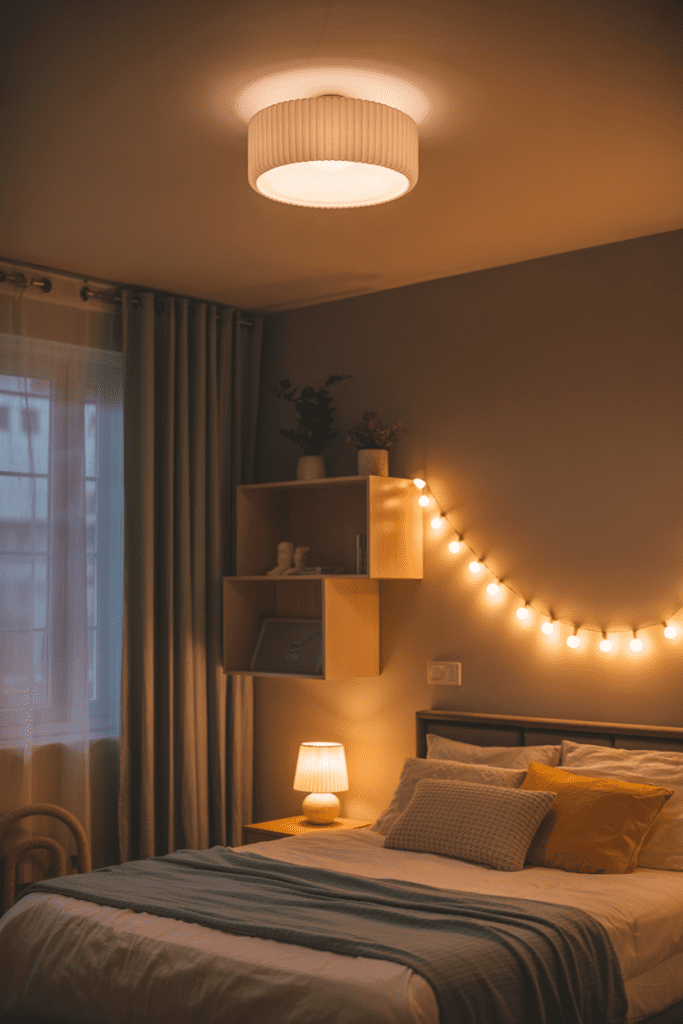
Lighting plays a bigger role than most people realize. A room with harsh lighting can feel cold and stiff, while layered lighting makes it feel soft and inviting. In a kid’s bedroom, that usually means combining ceiling light, bedside light, and one small decorative source like fairy lights or a night lamp.
I’m a big fan of warm lighting in kids’ rooms because it helps create a bedtime mood. Bright overhead light works fine when you need to clean or get dressed, but softer lighting makes the room feel calmer at night. Lamps shaped like clouds, moons, stars, or animals can also add a playful touch without overwhelming the room. The point is to make the room usable at every time of day, not just cute in daylight.
Choose Rugs That Add Comfort and Style
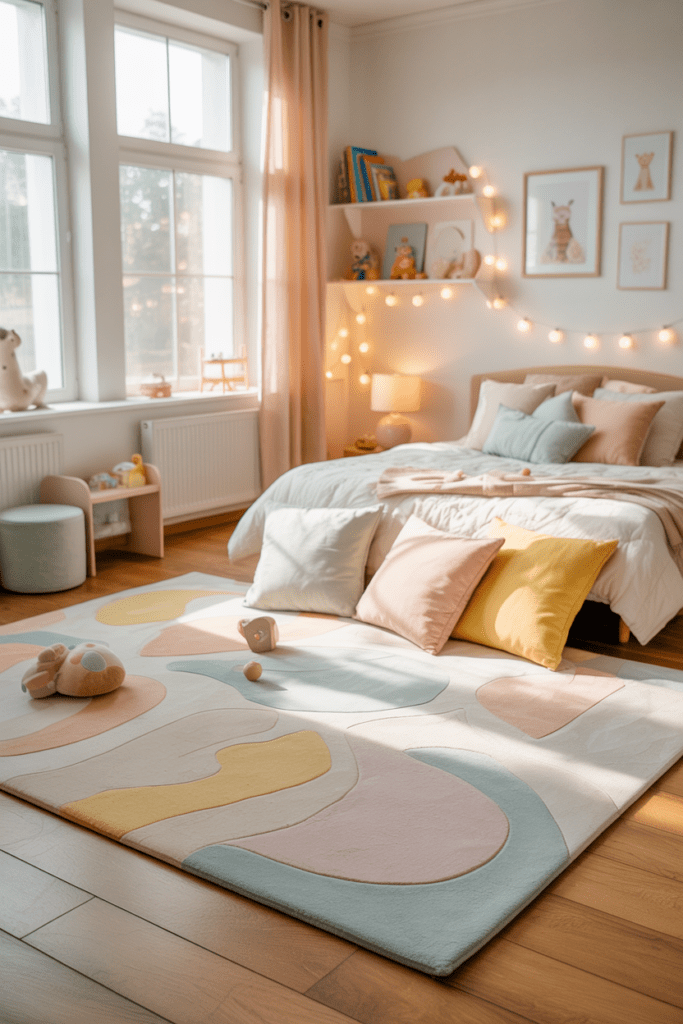
A rug does more than decorate the floor. It softens the room, adds warmth, and gives kids a comfortable place to sit, crawl, play, or build things. In a bedroom with hard flooring, a good rug can change the entire experience of the room. Suddenly it feels less like a box and more like a real living space.
When picking one, I usually look for something soft, easy to clean, and tough enough to handle daily use. Fun shapes and patterns can make the room feel more playful, but the rug should still fit the rest of the décor. A round rug can soften a room with lots of straight lines, while a patterned rug can add energy to a simpler space. The nice thing is that rugs also help anchor the furniture, so the room feels more pulled together. It’s a small detail, but it makes a surprisingly big difference.
Display Art and Crafts Proudly
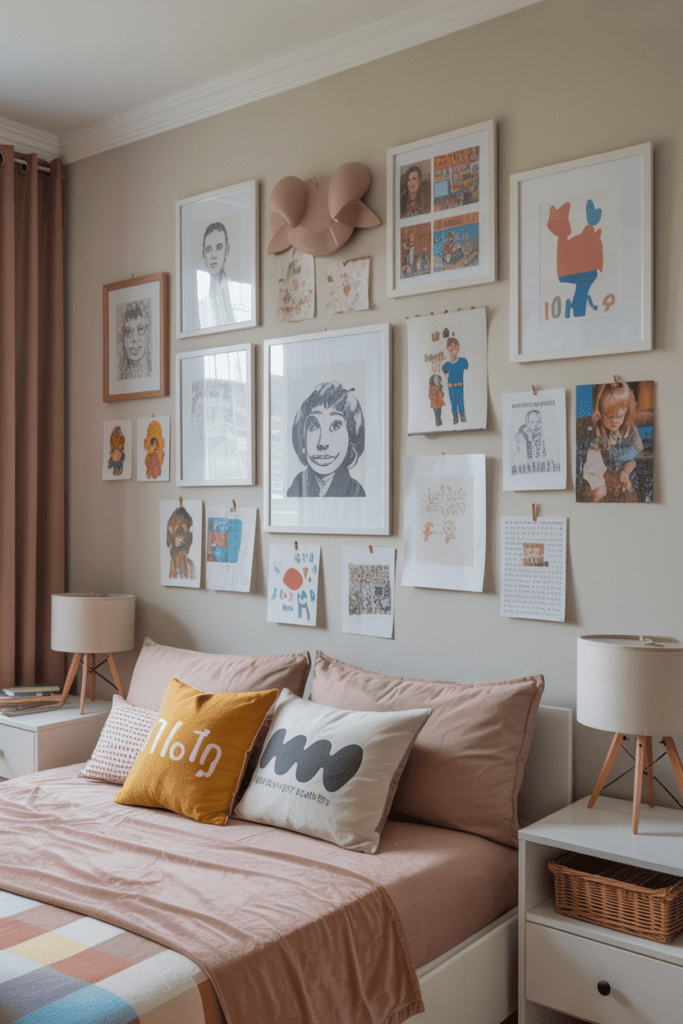
Kids love seeing their own creations on the wall, and honestly, they should. Their drawings, paintings, and crafts bring a sense of personality that store-bought décor can’t always match. A wall full of framed art or clip-up displays makes the room feel alive and personal.
This idea works especially well because you can keep changing it as new masterpieces appear. One week it’s a rainbow cat, the next it’s a rocket ship with six suns for no reason at all. That constant rotation actually adds charm. If you want a polished look, use matching frames or a neat hanging system. If you want something more casual, clipboards or strings with clothespins work beautifully. Either way, the room gets a personal touch that feels warm and real.
Add Shelves for Display and Storage
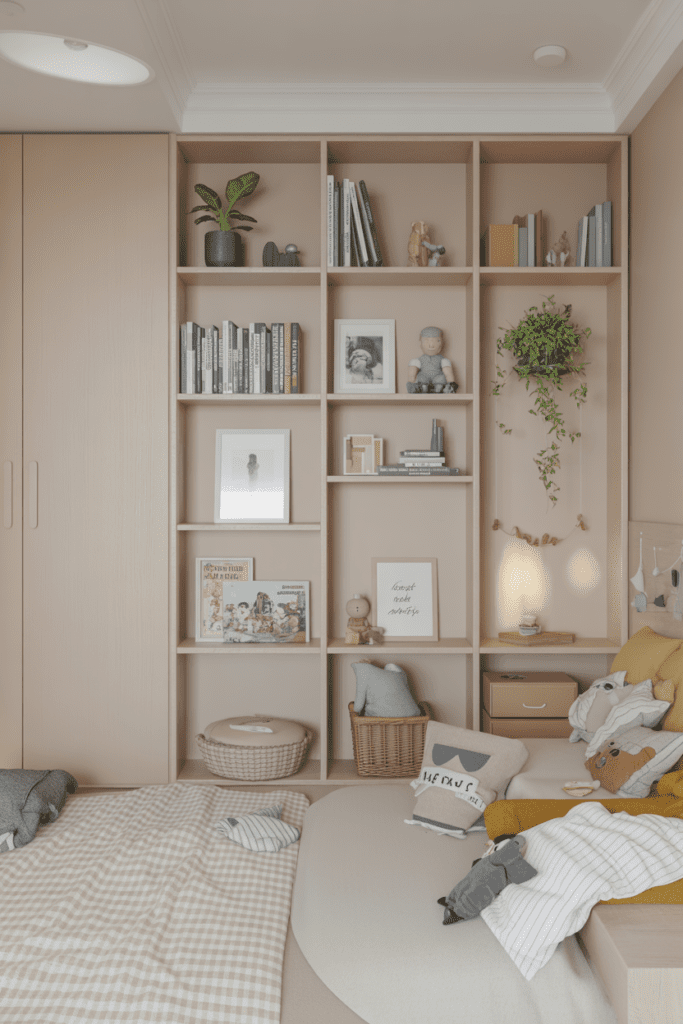
Shelves are one of those décor elements that quietly do everything. They hold books, toys, trophies, frames, and little treasures while freeing up floor space. They also give you a chance to show off a child’s favorite things in a way that feels decorative instead of cluttered.
I like using shelves because they strike a nice balance between storage and style. A few books, a small stuffed toy, a framed photo, and one decorative object can create a sweet little vignette. The trick is not to overpack them. If you cram every inch full of things, the shelf starts looking messy instead of charming. Keep it light, keep it intentional, and the room will feel more organized almost automatically.
Try a Canopy or Bed Tent
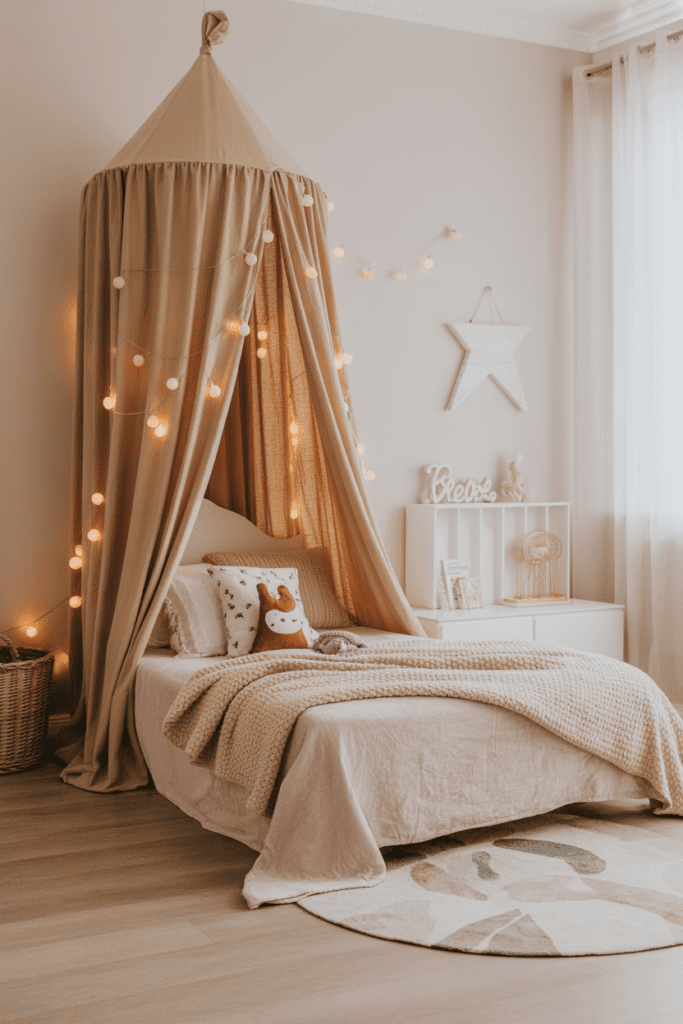
If you want instant whimsy, a canopy or bed tent can work wonders. It gives the bed a sense of magic and turns a normal sleeping area into a cozy little hideaway. Kids usually love this kind of feature because it feels private, imaginative, and just a bit special.
You can go with a soft fabric canopy, a hanging drape, or a tent-style frame depending on the look you want. I think this idea works especially well in younger kids’ rooms because it adds drama without needing much space. And let’s be real, children love anything that makes them feel like they’re in a secret fort. Why fight that instinct when you can use it to make bedtime more appealing?
Personalize the Room
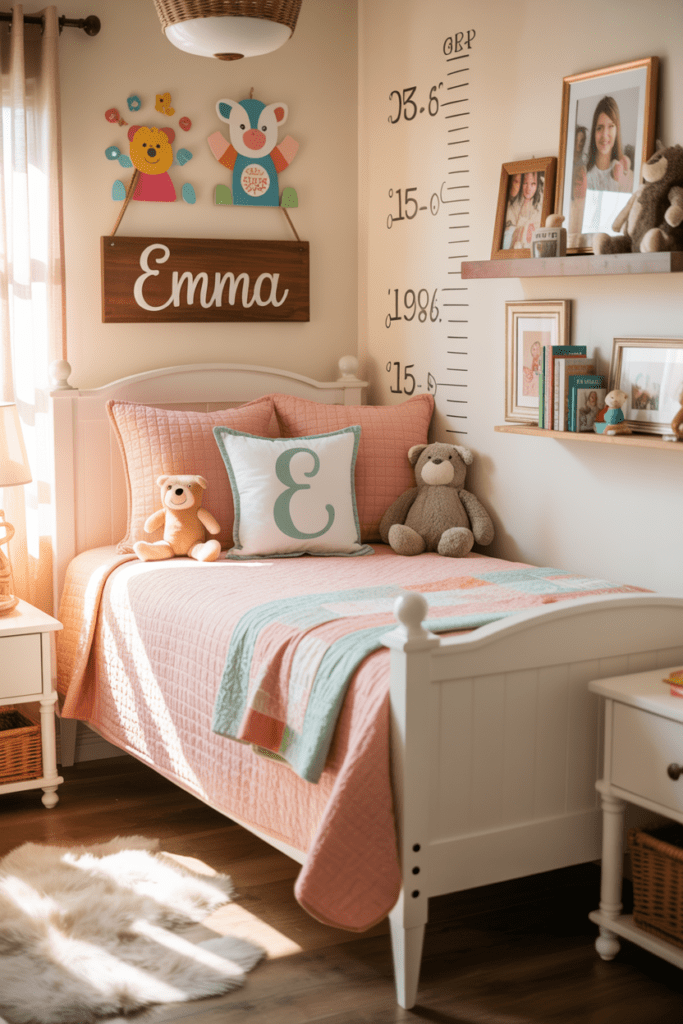
Personal details make a kids’ bedroom feel truly theirs. A name sign above the bed, monogrammed cushions, custom wall art, or even a photo collage can make the room feel warm and unique. Those touches matter because they help the child connect with the space on a deeper level.
The best part about personalization is that it doesn’t need to cost much. Sometimes a simple painted name sign or framed favorite quote adds enough character on its own. You can also match personalized items to the room’s theme so they feel naturally integrated instead of tacked on. When a child sees their own name or artwork in the room, the space feels more special. That sense of belonging matters more than people think.
Mix Patterns With Some Control
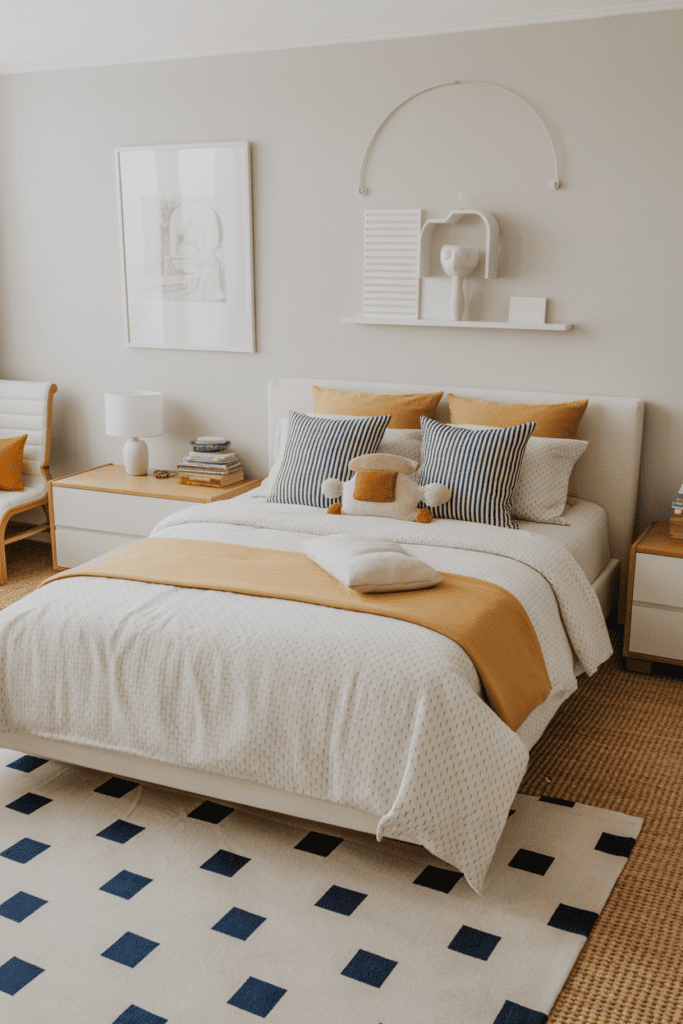
Patterns can make a room feel lively, but too many can create visual chaos. The secret is to mix them carefully. A striped pillow, a dotted sheet, and a patterned rug can all work together if they share a similar color palette.
I like this approach because it gives the room depth without making it too busy. You don’t have to choose between plain and playful. You can have both. The easiest way to keep things balanced is to pair one bold pattern with one softer one, then use solid colors to calm the look. That formula usually works better than trying to make every surface shout for attention at once. And no, that does not make the room more “exciting.” It usually just makes it exhausting.
Design for the Future
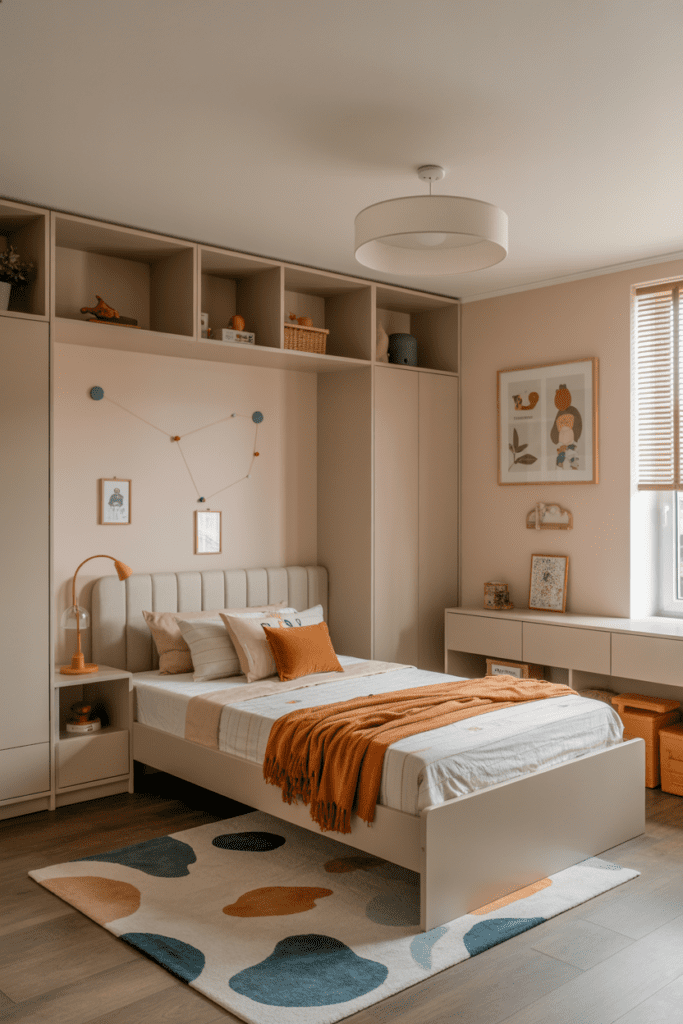
This might be the most practical kids’ bedroom décor tip of all. Children change, and they change fast. Their favorite colors, hobbies, and characters can shift before you’ve even finished hanging the curtains. So when you decorate, think about what can stay and what should be easy to replace.
Neutral furniture, flexible storage, removable wall décor, and classic rugs all make it easier to update the room later. You can let the personality live in smaller items like bedding, cushions, posters, and accessories. That way, when your child moves from rockets to robots or from butterflies to basketball, you won’t have to redo everything. Smart design saves money and stress, which makes it one of those rare life choices that feels good twice.
Add a Chalkboard or Whiteboard Wall
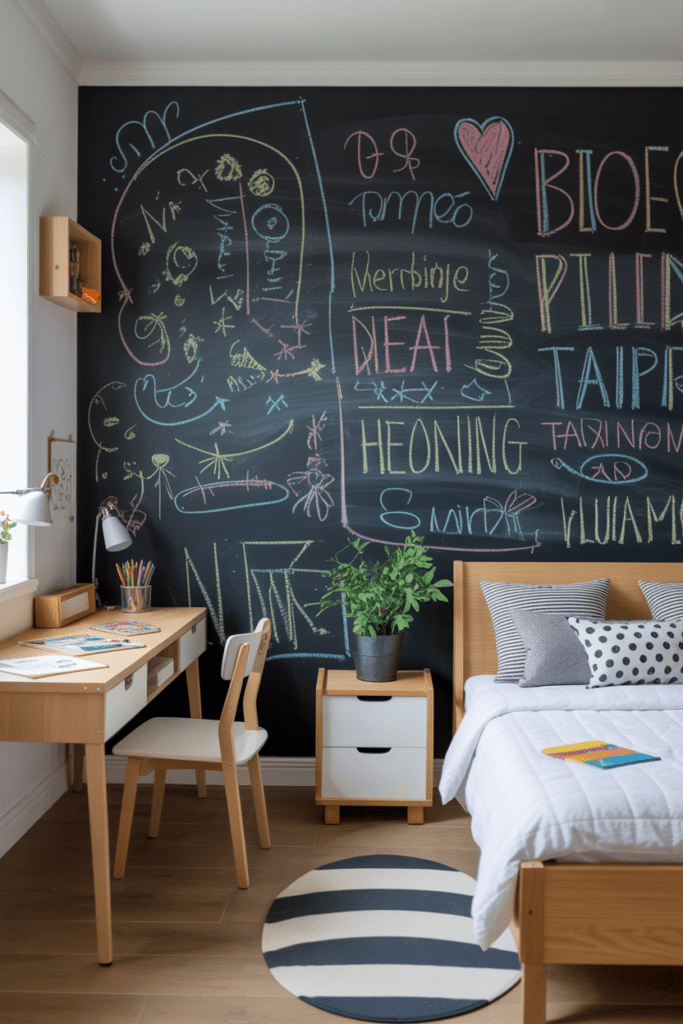
A chalkboard or whiteboard wall gives kids a place to draw, scribble, plan, and occasionally write something that looks suspiciously like a grocery list for imaginary snacks. It’s one of those décor ideas that feels playful and practical at the same time.
You can paint one wall with chalkboard paint or install a small board section near the desk or play area. It works especially well for kids who love to sketch, practice letters, or make little signs for their “shop,” “rocket base,” or whatever their current universe happens to be. The best part is that it keeps creative energy on the wall instead of the furniture. And that’s always a win.
Bring in Indoor Plants or Faux Greenery
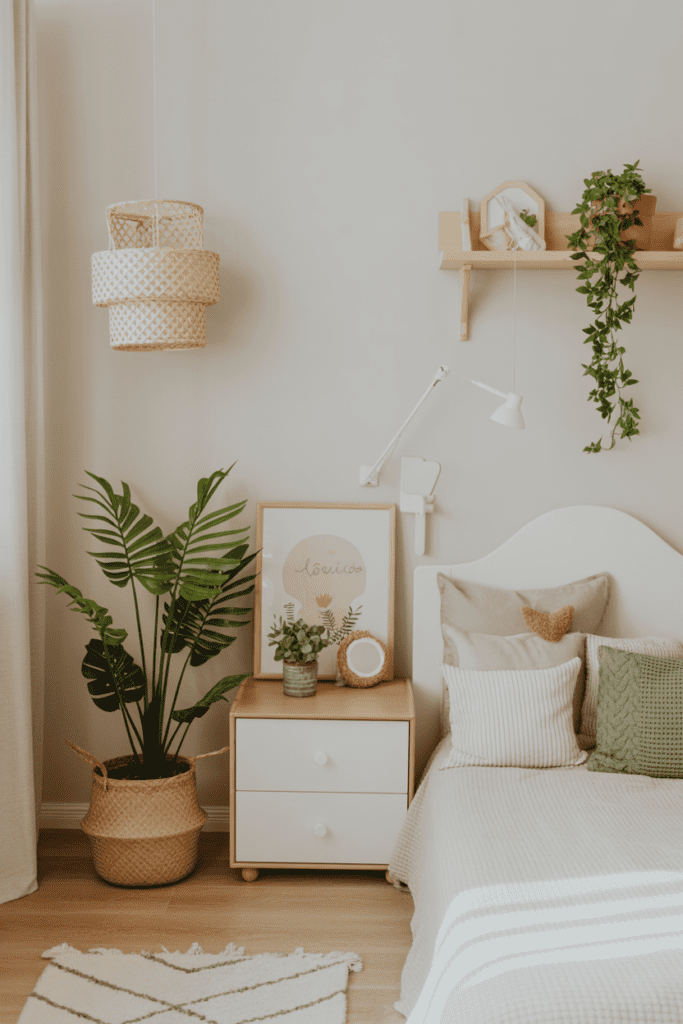
A little greenery can make a kids’ room feel fresher and more balanced. Real plants add life and soften the look of colorful décor, while faux plants give you the same visual effect without the whole “remember to water it” problem. Let’s be honest, that second option often feels more realistic.
Small, kid-safe plants like spider plants or snake plants can work in the right room if you want the real thing. But faux greenery, like mini potted plants or hanging vines, can add charm without extra maintenance. This works especially well if the room has a lot of bright colors or bold patterns, because the greenery helps calm everything down a bit.
Conclusion
Great kids’ bedroom décor isn’t about making a room look perfect. It’s about making a room feel happy, useful, and easy to live in. The best spaces usually combine a little imagination with a lot of practical thinking, and that’s exactly what makes them work.
If you keep the room playful, use storage wisely, and build in flexibility for the future, you’ll end up with a space your child can actually enjoy every day.