
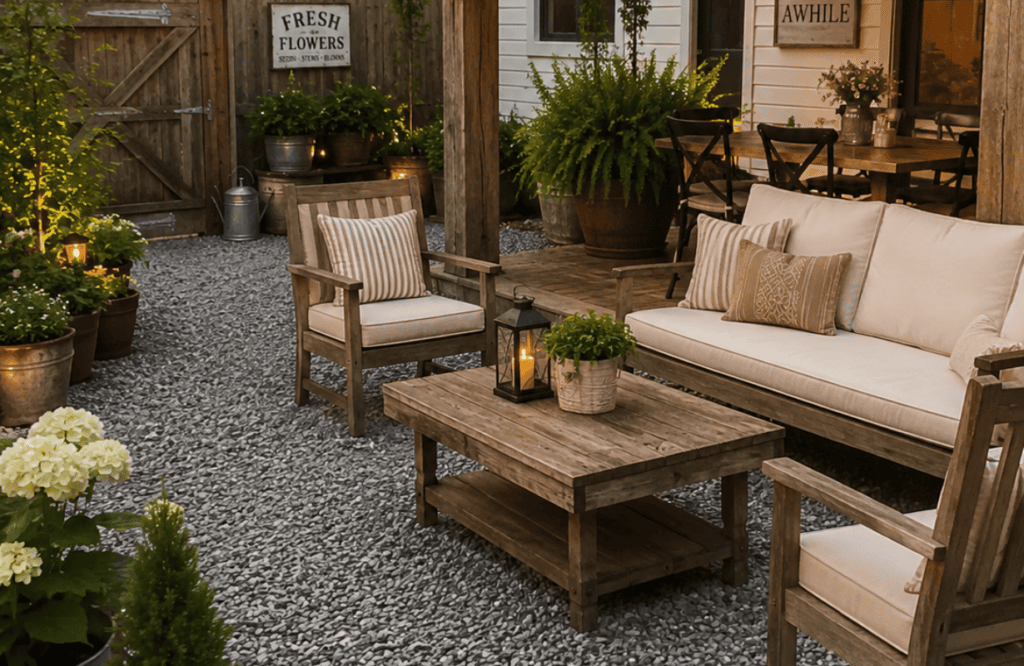
So you want a patio that doesn’t cost you a kidney to install? Good. Gravel patios are the unsung heroes of backyard makeovers, and I’m about to show you why.
I ripped out a cracked concrete slab in my own backyard two summers ago and replaced it with gravel. Best decision I made that whole year, and I say that as someone who also bought a hammock swing that broke within a month. Gravel just works, and it works without draining your bank account or your weekend.
Gravel patios give you texture, drainage, and a laid-back vibe that pavers and concrete can’t touch. They’re forgiving if you mess up the install. They drain rain like a champ. And IMO, they just look better with plants and string lights than a slab of gray concrete ever could.
Here are 13 gravel patio ideas that’ll get your creative gears turning, whether you’re working with a tiny balcony-adjacent yard or a sprawling suburban lot.
1. The Classic Pea Gravel Lounge Area
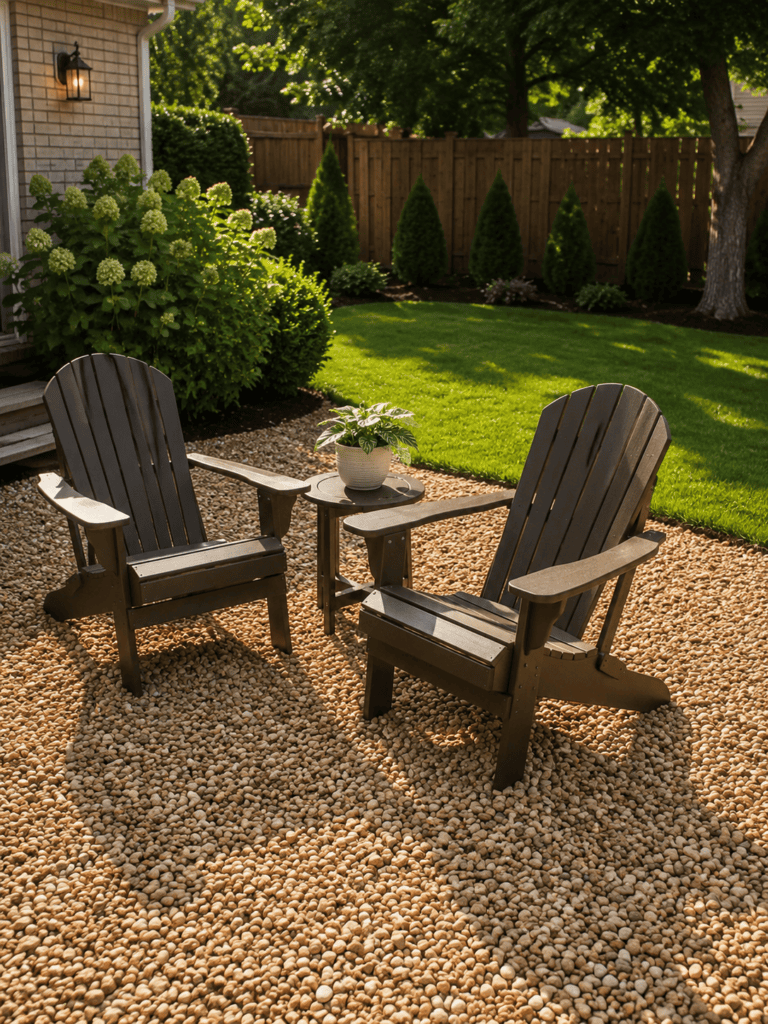
Pea gravel is the gateway drug of hardscaping materials. It’s smooth, it’s affordable, and it’s everywhere at your local landscape supply yard for a reason.
Why it works:
- Smooth, rounded stones feel comfortable underfoot (bare feet included)
- Comes in warm tan, gray, and even pinkish tones
- Compacts nicely without turning into concrete
I went with pea gravel for my first patio attempt because I read it was “beginner-friendly.” Turns out that’s true. Just don’t skip the compacted base layer underneath, or you’ll be raking gravel back into place every other week. Trust me on this one.
2. Gravel Patio With a Fire Pit Centerpiece
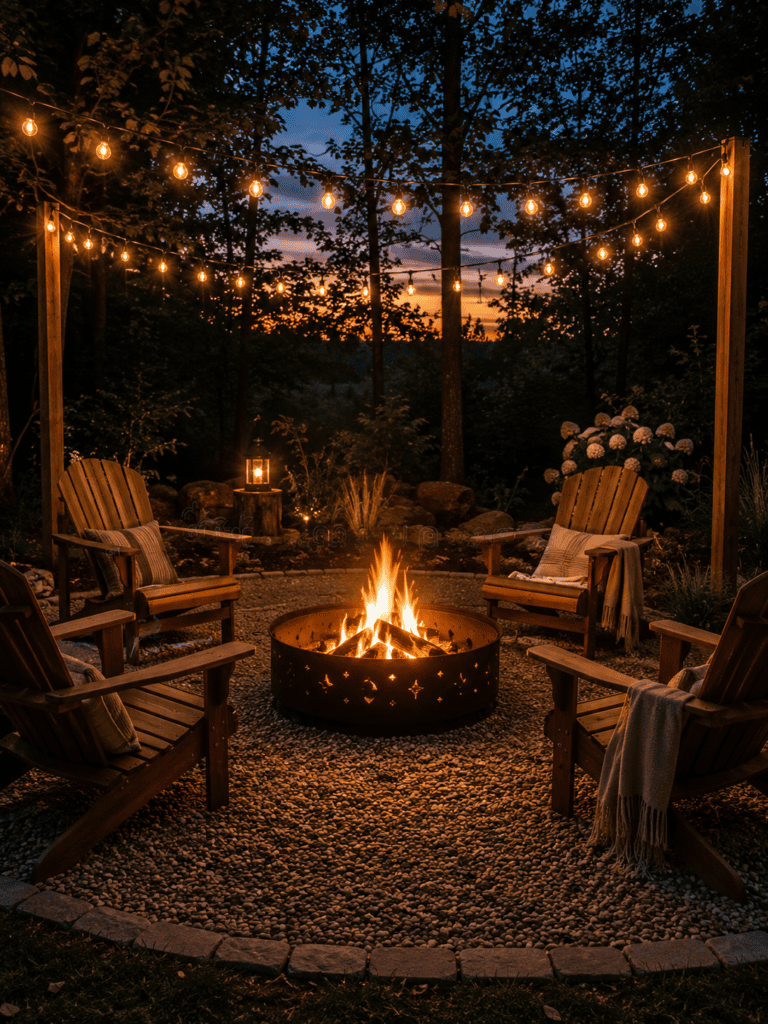
Ever wondered why fire pits and gravel go together like peanut butter and jelly? It’s because gravel is naturally heat-resistant and doesn’t scorch or melt the way some other surfaces do.
Build a circular gravel patio and drop a steel fire pit or a simple ring of stacked stone right in the middle. Add a few Adirondack chairs. Boom—instant hangout spot for chilly evenings.
A few tips:
- Keep gravel at least 3 feet from the fire pit’s edge to avoid heat damage to nearby plants
- Choose larger gravel (¾ inch or bigger) near the fire pit so wind doesn’t scatter it
- Add a metal fire ring liner for extra safety, especially if kids or pets roam the yard
3. Minimalist Gravel Patio With Concrete Pavers
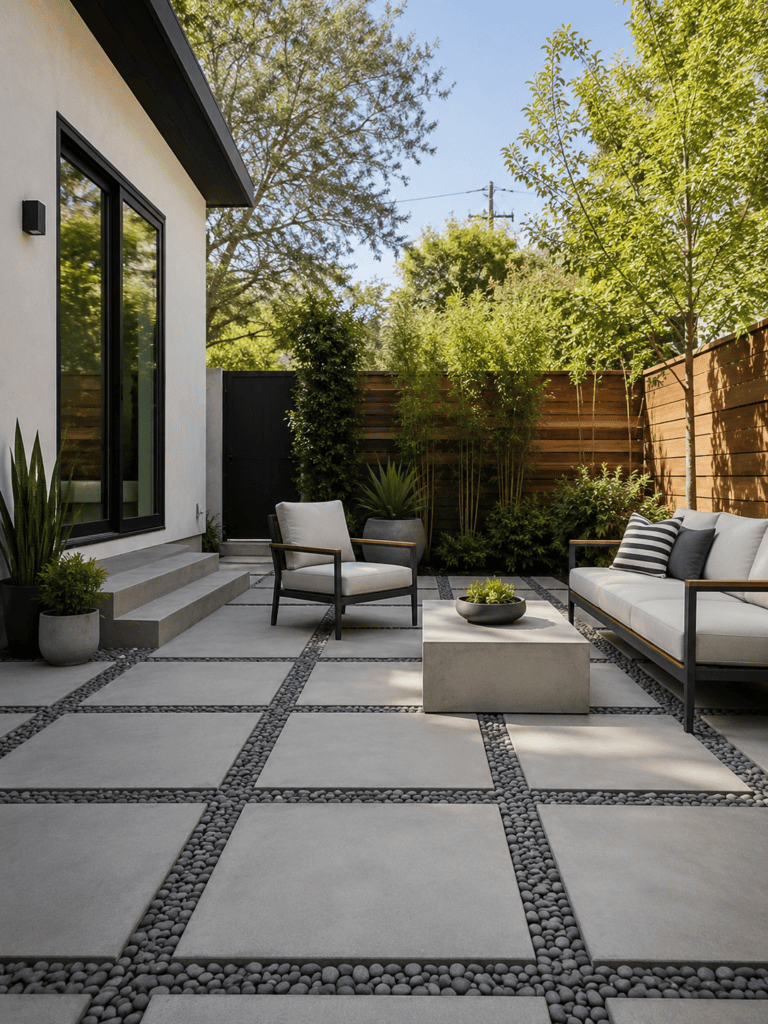
This one’s for the person who can’t fully commit to gravel but also can’t commit to a full concrete slab. Combining large concrete pavers with gravel infill gives you a modern, architectural look without the price tag of solid hardscaping.
I’ve seen this style called “stepping stone patios,” and honestly, that name undersells how sharp it can look. The contrast between the smooth pavers and the textured gravel creates visual interest that a single-material patio just can’t replicate.
Space your pavers evenly, fill the gaps with gravel, and you’ve got yourself a patio that looks straight out of a design magazine.
4. Zen Garden-Inspired Gravel Retreat
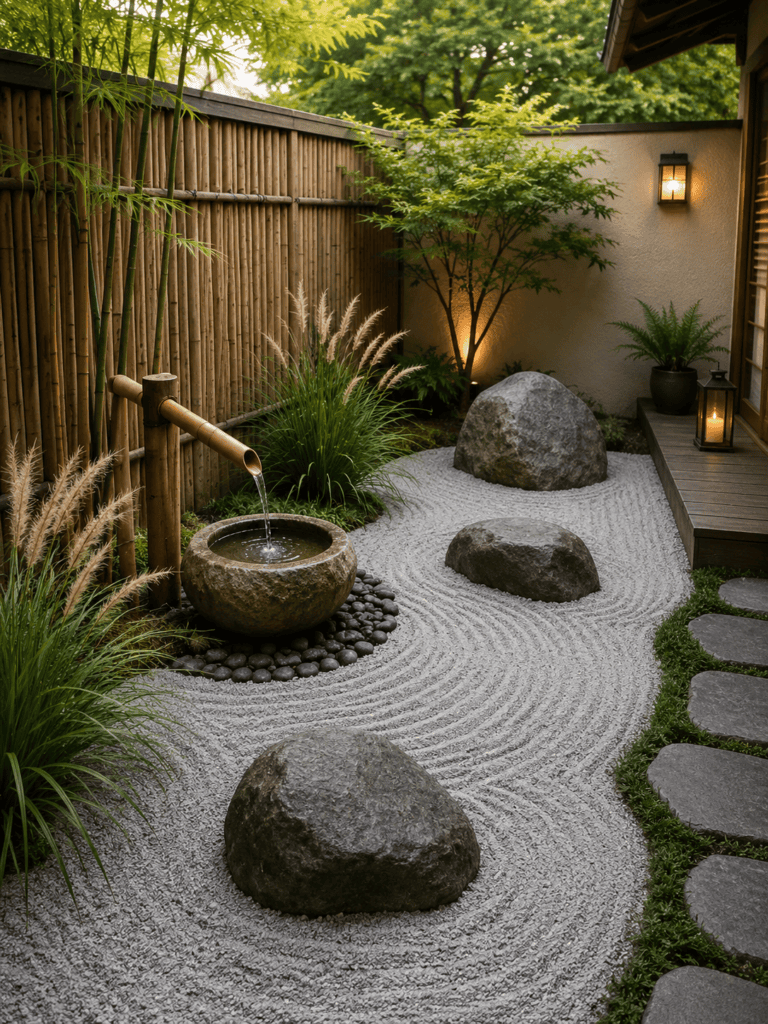
If you’re chasing that calm, meditative backyard energy, a Zen-inspired gravel patio delivers in spades. Think raked gravel patterns, a few strategically placed boulders, and minimal furniture.
This style works especially well in small spaces. A tiny courtyard or side yard transforms into a peaceful retreat with surprisingly little effort. Add a small bamboo water feature, and you’ve basically built a spa you never have to pay membership fees for.
Key elements:
- Fine gravel or decomposed granite for that clean, rakeable texture
- One or two large accent stones or boulders
- Simple, low-maintenance plants like ornamental grasses or moss
5. Gravel Patio With a Built-In Fireplace
Take the fire pit idea and level it up. A built-in outdoor fireplace surrounded by gravel gives your patio a cozy, almost indoor-outdoor living room feel.
This is a bigger project, no doubt about it. You’ll want a solid foundation and probably a contractor if masonry isn’t your thing. But the payoff is huge—an outdoor space that functions well into the fall and even winter months, depending on where you live.
6. Multi-Level Gravel Terraces
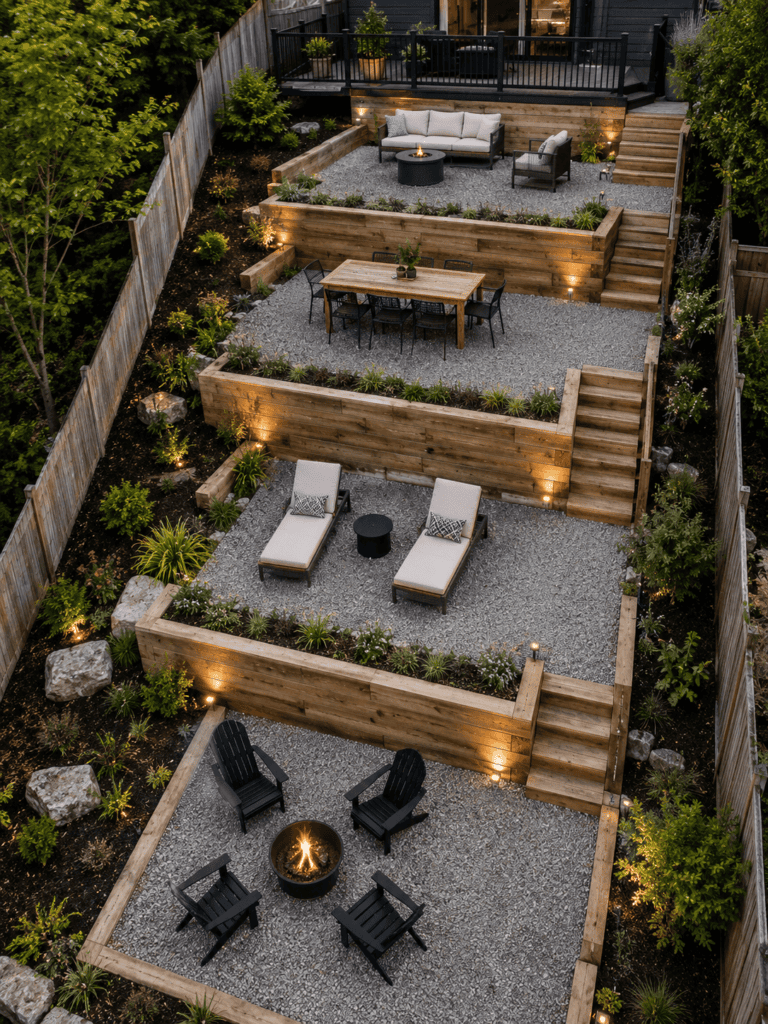
Got a sloped backyard? Don’t fight it—work with it. Terraced gravel patios turn an awkward slope into multiple functional outdoor rooms.
Each level can serve a different purpose. One tier for dining, another for lounging, maybe a third tucked away for a quiet reading nook. Retaining walls made from timber, stone, or concrete block separate the levels and keep everything from sliding downhill during a rainstorm.
This is probably the most labor-intensive idea on this list, but IMO it’s also one of the most impressive when it’s done right.
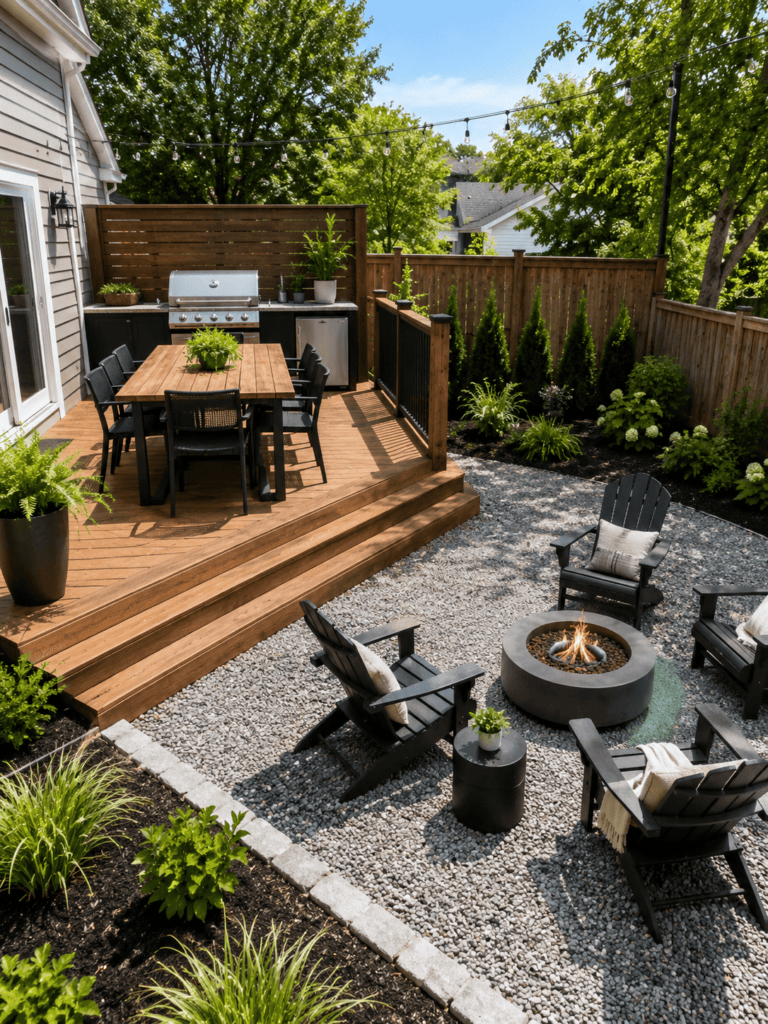
7. Gravel Patio Paired With Wood Decking
Mixing materials isn’t cheating—it’s smart design. Combining gravel with a wood or composite deck creates zones within your outdoor space without needing walls or fences.
Use the deck for dining and cooking (grills love a solid, flat surface), and let the gravel section handle lounging or a fire feature. The visual break between materials naturally guides foot traffic and defines each area’s purpose.
Benefits of this combo:
- Deck stays dry and stable for furniture and grilling equipment
- Gravel handles drainage in areas prone to pooling water
- Creates natural “rooms” in an otherwise open yard
8. Crushed Granite Patio for a Rustic Look
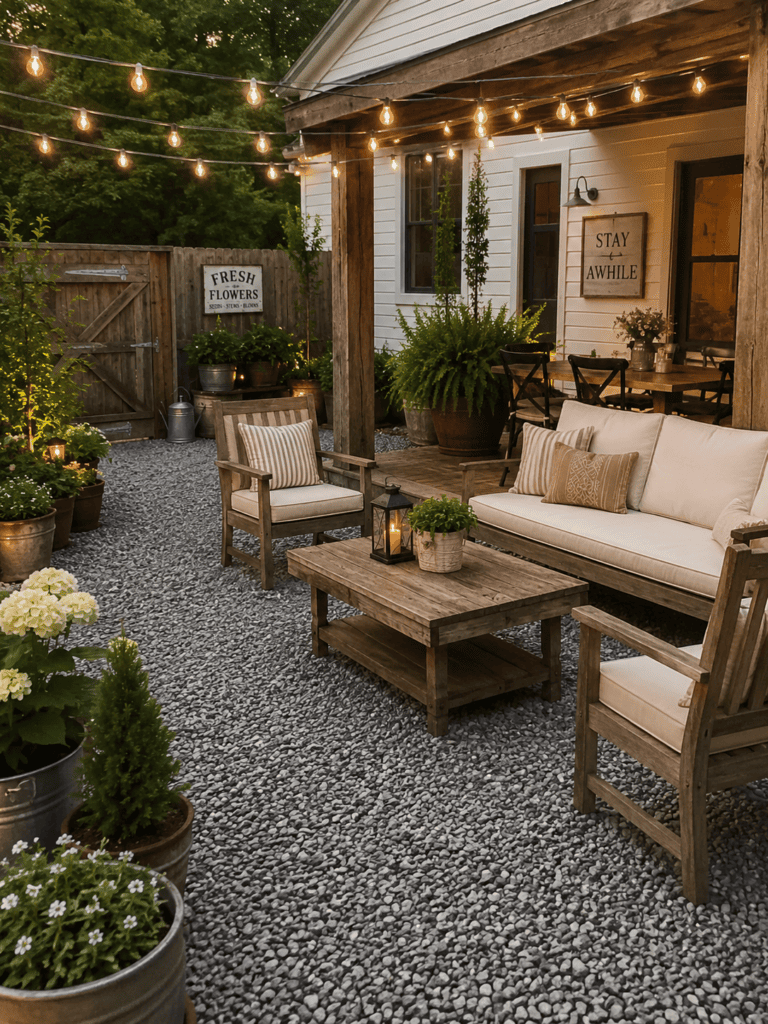
Crushed granite has a rougher, more rustic texture than pea gravel, and it compacts harder, which means less shifting under furniture legs. If you want something a little more rugged and less “manicured English garden,” this is your material.
I switched a section of my own patio to crushed granite after getting tired of pea gravel migrating into my flower beds every time it rained hard. Crushed granite stays put better, and honestly, it looks great with rustic wood furniture or a farmhouse-style outdoor setup.
9. Gravel Patio With a Pergola Overhead
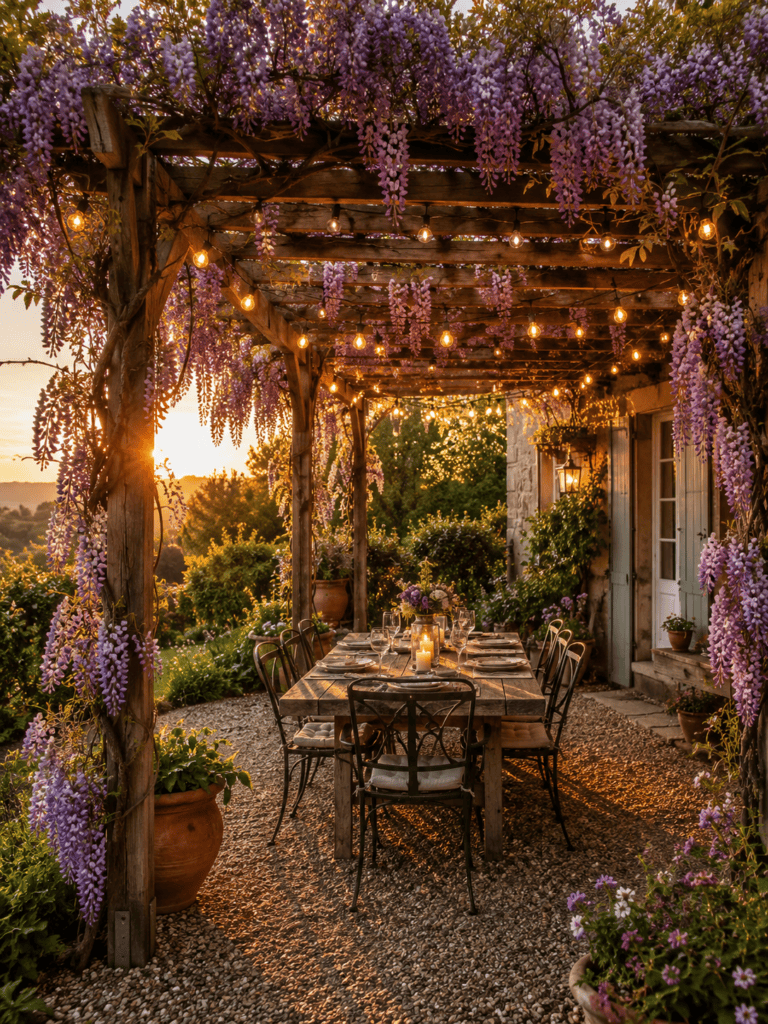
A pergola transforms a flat gravel space into an actual destination. Add climbing vines like wisteria or clematis, and you’ve got natural shade that gets prettier every year.
This idea works beautifully for dining areas since it gives you shelter from direct sun without fully enclosing the space. String lights woven through the pergola beams make it magical after dark—cheesy as that sounds, it’s true.
Consider adding:
- Retractable canopy for adjustable shade
- Outdoor curtains for privacy and wind protection
- Hanging planters along the beams for extra greenery
10. Gravel Pathway Leading to a Hidden Patio
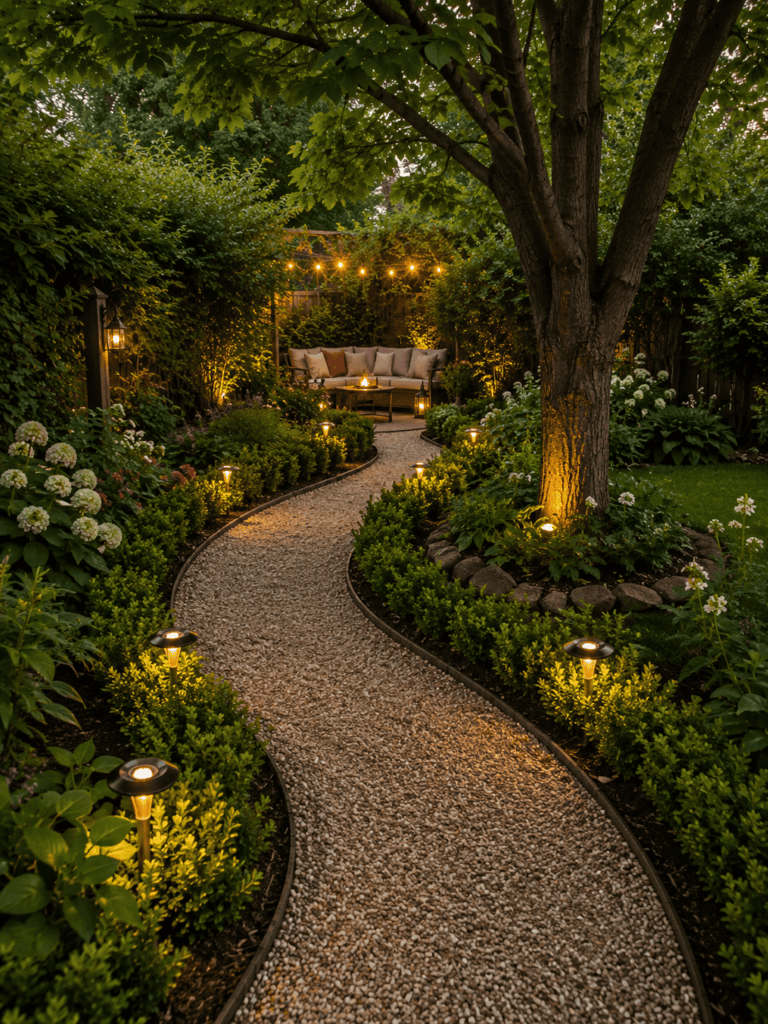
Sometimes the journey matters as much as the destination. A winding gravel pathway that leads to a tucked-away patio creates anticipation and makes a small backyard feel bigger than it actually is.
Line the path with low-growing plants or solar lights, and curve it around a tree or garden bed rather than making it a straight shot. This one’s all about the reveal—your guests walk the path, turn the corner, and suddenly there’s a cozy seating area waiting for them.
11. Gravel Patio With Built-In Planters
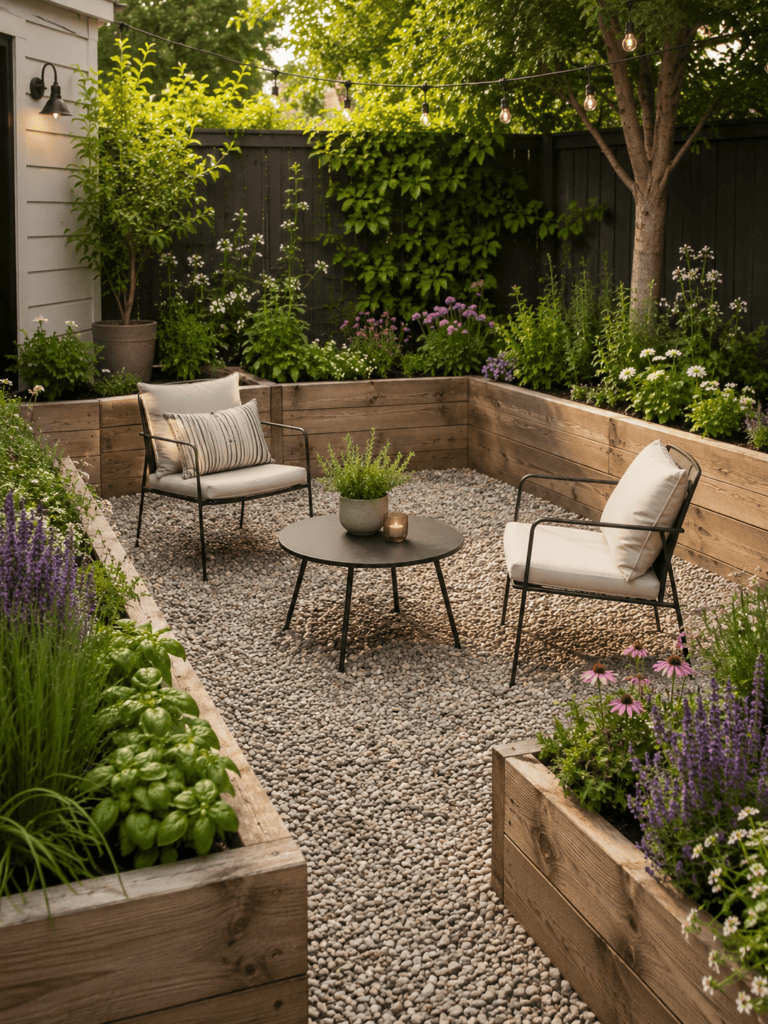
Why treat hardscaping and landscaping as separate projects? Built-in planter boxes integrated directly into a gravel patio blur the line between the two, and the result looks intentional rather than like an afterthought.
Use raised wood or stone planters at the edges of your gravel area. Fill them with herbs if you’re near the kitchen, or ornamental grasses and flowers if you just want color. Either way, it softens the hard edges of the patio and adds year-round visual interest.
12. Industrial-Style Gravel Patio With Metal Accents

Not every gravel patio has to look cottagey or soft. Pair gray or black gravel with metal furniture, steel planters, and dark wood accents for a sleek, industrial vibe.
This style suits modern homes especially well, and it’s surprisingly low-maintenance since darker gravel hides dirt and stains better than lighter shades. Add a few Edison bulb string lights, and you’ve got an outdoor space that looks like it belongs in a design catalog, not a suburban backyard.
13. Gravel Patio Dining Area With a Pergola-Free Canopy
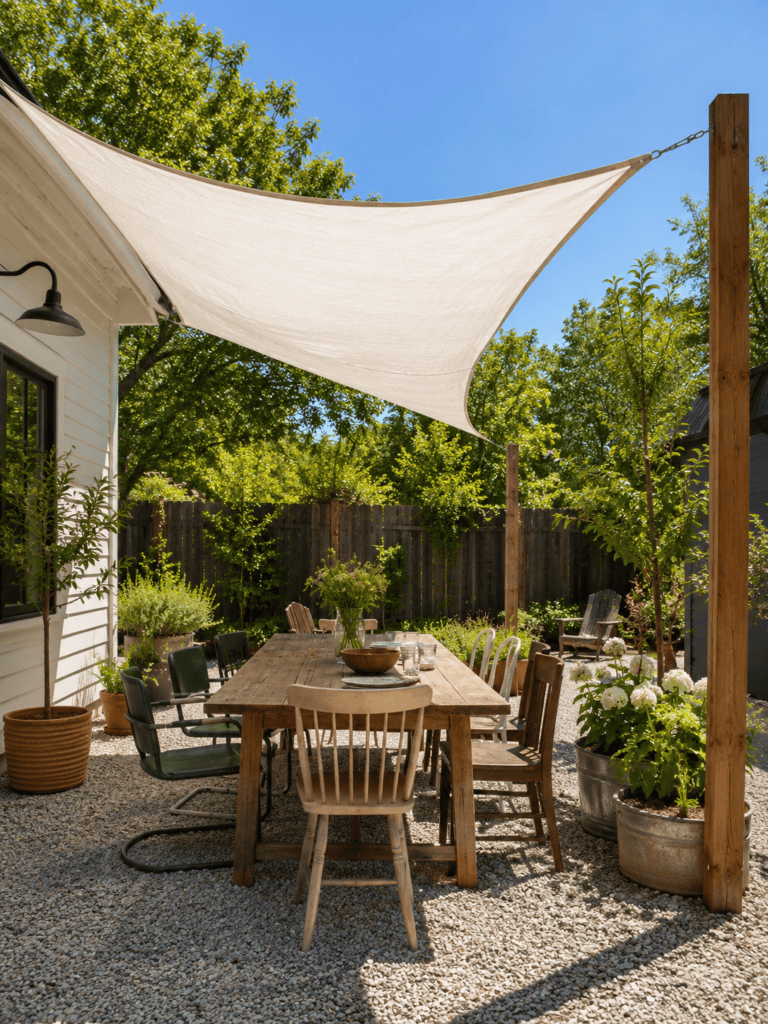
Not everyone wants to build a full pergola, and that’s fair—they’re pricey and take real construction skill. A simpler shade sail or canvas canopy stretched over a gravel dining area gets you 90% of the benefit for a fraction of the cost and effort.
Set up a sturdy outdoor table, mismatched-but-charming chairs, and a shade sail anchored to your house and a couple of posts. It’s quick, it’s affordable, and it still gives your gravel patio that finished, purposeful look.
Choosing the Right Gravel for Your Patio
Not all gravel is created equal, and picking the wrong type is a rookie mistake I’ve absolutely made before. Here’s a quick rundown so you don’t repeat my errors.
Popular gravel types for patios:
- Pea gravel – smooth, comfortable, great for lounging areas
- Crushed granite – rugged texture, compacts well, low shifting
- River rock – larger stones, best for borders or accents rather than walking surfaces
- Decomposed granite – fine texture, ideal for Zen-style or rakeable patios
- Marble chips – bright, decorative, works well in smaller accent areas
I’ll be honest: I underestimated how much gravel size affects comfort. Bigger stones look great in photos, but they’re murder on bare feet. If you’re building a lounge area where people kick off their shoes, go smaller and smoother every time.
Prepping Your Base: The Step Everyone Skips
Here’s the part nobody wants to hear, but I’m telling you anyway because I learned it the hard way: your base layer matters more than the gravel itself.
Skip proper prep, and your beautiful new patio turns into a weedy, uneven mess within a season. I know because my first attempt did exactly that.
Basic base prep steps:
- Excavate the area to about 4–6 inches deep
- Install a landscape fabric to block weeds from pushing through
- Add a layer of crushed stone or gravel base and compact it thoroughly
- Install edging (metal, plastic, or stone) to keep gravel from spreading into your lawn
- Add your top layer of decorative gravel and rake it level
Do this right, and your patio stays put for years with minimal maintenance. Skip it, and you’ll be fighting weeds and gravel migration constantly. :/
Maintenance: Is Gravel Really Low-Maintenance?
Mostly, yes—but let’s not pretend it’s zero-maintenance, because that’s just not honest. Gravel patios need occasional raking to keep the surface even, and you’ll want to top off the gravel every year or two as it naturally settles and scatters.
Ongoing upkeep includes:
- Raking to redistribute gravel and knock down weeds
- Spot-treating weeds that push through the landscape fabric edges
- Adding fresh gravel every 1–2 years depending on foot traffic
- Blowing off leaves and debris (a leaf blower does this in minutes)
Compare that to concrete, which cracks and stains and basically demands a pressure washer visit every summer, and gravel starts looking pretty easy by comparison.
Final Thoughts
Gravel patios hit that sweet spot between affordable, attractive, and genuinely practical. Whether you’re going full Zen garden minimalist or building a fire-pit hangout spot for weekend barbecues, there’s a version of this idea that fits your space and budget.
FYI, you don’t need to pick just one idea from this list—plenty of these combine beautifully, like pairing a pergola with built-in planters, or mixing pavers with a fire pit setup. Mix and match until it feels like your backyard, not a Pinterest board you’re trying to recreate exactly.