
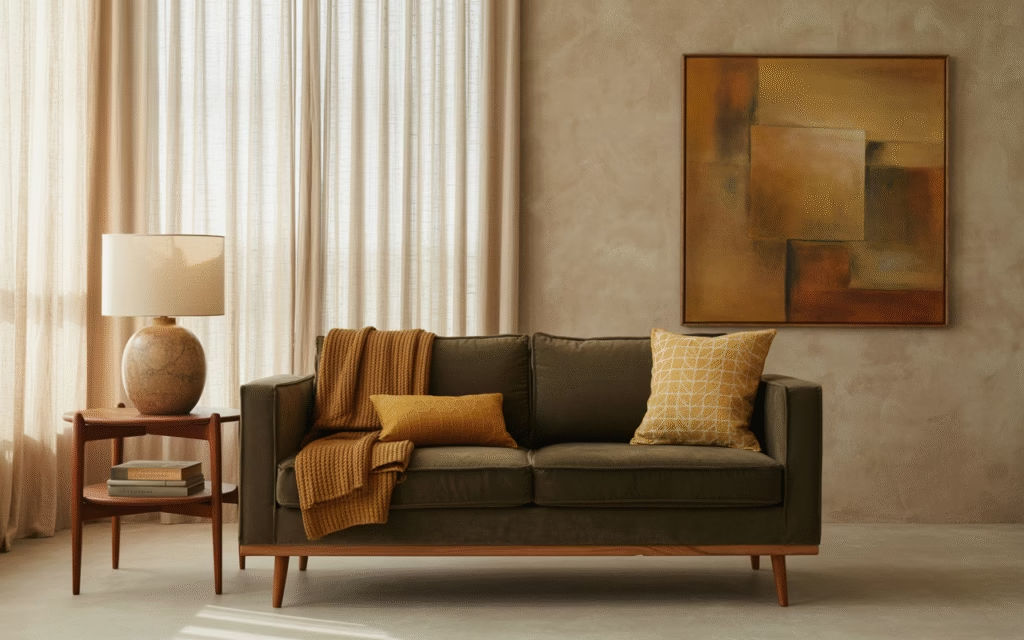
Retro living room design blends nostalgic charm with modern functionality, offering warm, inviting spaces filled with personality and character. As someone who’s styled dozens of homes from city apartments to heritage bungalows I’ve found that a retro touch brings timeless joy without feeling outdated, especially when thoughtfully curated.
If you’ve ever walked into a space and thought, “This feels like a warm hug from the past,” you’ve likely experienced a well-executed retro look. The key isn’t about cloning a 1970s living room exactly as it was it’s about selecting the best elements from the 60s, 70s, and early 80s and adapting them to today’s living standards. Whether you’re starting from scratch or refreshing a tired space, these 15 ideas are practical, budget-conscious, and tested in real homes.
Start with a Warm Color Foundation

Before you shop for furniture, pause and think about color. Warm, earthy tones like terracotta, olive green, burnt orange, and mustard yellow are the lifeblood of retro design. I once helped a client in Pune transform her beige living room into a 1970s-inspired retreat using a single wall painted in ochre Pantone15−1054TPXPantone15−1054TPX, immediately warming up the entire space.
Use a 60-30-10 rule: 60% dominant neutral (cream, beige, or warm grey), 30% secondary warm tone (like rust or avocado), and 10% accent (mustard or teal). This keeps the room balanced and inviting, not overwhelming. For paint, choose matte or eggshell finishes—high gloss wasn’t a thing back then, and it breaks the mood.
Embrace Wood Paneling—But Lighten It Up

Wood paneling gets a bad rap thanks to dark, heavy 70s installations. But today’s retro spaces use light oak or walnut vertical slats panelled on a single feature wall. In a 2023 renovation, I applied pale oak strips vertically behind a modular sofa—this added texture without closing in the room.
A pro tip: leave a 2 cm gap between slats to create subtle shadow lines. You can install pre-finished panels in under a day for around ₹1,200 per sqm (approx. $14/sqft). Avoid full-room paneling unless you have high ceilings—overdone, it can feel cave-like.
Choose Iconic, Curved Furniture

Forget boxy modern sofas. Retro living rooms thrive on soft curves and generous silhouettes. The real secret? Pieces like the Eames lounge chair or the Panton chair aren’t just classics—they’re designed for comfort that lasts decades.
In my own home, a velvet-upholstered curved sofa in deep moss green became the anchor of the living room. Paired with a low-profile teak coffee table, it created a lounging zone that guests never want to leave. For smaller spaces, opt for furniture with visible legs—that lifts the eye and makes the room feel larger.
Layer Textures for Depth

Flat spaces feel sterile. Retro design is all about tactile contrast. Think shaggy rugs underfoot, velvet cushions, woven macramé wall hangings, and smooth ceramic lamps.
A personal favorite combo: a 300×400 cm shaggy area rug in cream layered over a flat-weave jute rug. This adds softness without making cleaning impossible. Top it with 3–4 cushions in contrasting fabrics—corduroy, velvet, and linen. For wall texture, a large macramé piece (100×150 cm) instantly adds boho-retro charm.
Use Statement Lighting

Lighting sets the mood. Gone are the days of a single ceiling bulb. Instead, layer lighting sources to create cozy pools of light.
A Sputnik chandelier or an atomic starburst lamp makes a dramatic focal point. But don’t forget floor and table lamps. I once rescued a 1970s brass torchère lamp from a flea market for ₹800—after rewiring and a cleaning, it now casts a warm glow in my reading nook. You can DIY pendant lamps using retro-patterned fabric shades for under ₹1,500.
Add Retro-Style Flooring

Unless you’re committed to full shag carpet (which I don’t recommend for maintenance), go for terrazzo tiles or checkered vinyl flooring. Terrazzo—especially in muted tones with flecks of grey and beige—adds subtle retro flair.
For renters or budget projects, vinyl tiles with 70s patterns (like black-and-white checker or geometric grids) are easy to install and remove. I used 45×45 cm faux terrazzo vinyl tiles in a 12 sqm flat in Mumbai—total cost under ₹3,000, and it took just one weekend.
Go Bold with Wallpaper

Patterned walls were huge in the 50s and 60s. Today, use wallpaper on one accent wall to avoid overwhelming the room.
Boomerang, sunburst, and abstract floral patterns work well. I’ve had great success with peel-and-stick wallpapers—especially in rental spaces. One client used a vintage-inspired floral mural behind her TV console, which became the conversation starter at every gathering.
Display Vintage Art & Neon

Art personalizes a space. For retro appeal, mix vintage posters, framed record covers, and small neon signs. A 50×70 cm vintage jazz poster adds instant character.
For a playful touch, a small neon sign in cursive (“Groovy” or “Dream”) can be mounted above a bar cart or console. These range from ₹1,800 to ₹4,500 online and plug into standard sockets. Just use them sparingly—a single neon accent is enough.
Style a Retro Bar Cart

Even if you don’t drink, a bar cart is a functional retro statement. Pick one with brass trim and glass shelves. Style it with vintage glasses, a retro decanter, and a few decorative bottles.
I use mine as a mini bar and a display unit for ceramic collectibles. It’s also mobile—perfect for shifting to the balcony during evening gatherings. Thrift stores often have these for under ₹1,200—just give them a polish and they look brand new.
Bring in Houseplants

The 60s and 70s were obsessed with indoor greenery. Tall plants like fiddle-leaf figs, monstera, or rubber plants in woven baskets add life and softness.
Use macramé plant hangers near windows—they’re both functional and stylish. I’ve seen a single large monstera in a corner breathe instant life into an otherwise dull room. Water them weekly and dust leaves monthly to keep them thriving.
Mix Eras Thoughtfully

While retro style pulls from multiple decades, don’t mix too many eras at once. A room with 50s furniture, 70s wallpaper, and 80s neon can feel chaotic.
Instead, anchor your design in one decade—say, the 70s—and add subtle nods to others. For example, a 70s velvet sofa with a single 50s-style Eames chair as an accent keeps the look cohesive.
Use Glass and Lucite Furniture

Acrylic or lucite pieces—like coffee tables or side tables—add a 1980s twist without cluttering the space. Because they’re transparent, they create openness in smaller rooms.
I added a lucite side table next to a heavy wooden armchair—it balanced the visual weight perfectly. These are widely available online for ₹1,000–₹2,500 and need only a quick wipe to keep clean.
Create a Gallery Wall

A gallery wall with vintage frames, old photos, and retro prints tells a story. Use mismatched frames in brass, wood, and black for authenticity.
Lay them out on the floor first, then mount using picture hooks. I recommend spacing frames 5–7 cm apart for a curated look. This personal touch costs little but adds immense charm.
Prioritize Comfort Over Trends

Retro design isn’t about looking like a museum. It’s about living comfortably with style. Avoid brittle plastic chairs or low sofas that are hard to get out of.
Instead, choose pieces that invite lounging. A deep-seated sofa with down-filled cushions will be used daily, not just admired. Remember, the 70s were about relaxation—your space should reflect that spirit.
Keep It Real: Avoid Common Mistakes
Even the best ideas can go wrong. Overdoing patterns—like combining bold wallpaper, shag rugs, and busy cushions—can overwhelm. Stick to one or two statement elements.
Also, avoid dark, enclosed spaces. Retro doesn’t mean dim. Use mirrors and lighter walls to reflect light. I’ve learned that safety is key—always secure hanging chairs and shelves to wall studs.
FAQs
Can I do retro design on a budget?
Absolutely. Shop thrift stores, online marketplaces, and flea markets. A vintage armchair can be reupholstered for ₹2,500, and peel-and-stick wallpaper costs under ₹500 per roll.
Is retro design suitable for small spaces?
Yes. Use light colors, leggy furniture, and mirrors to maintain openness. A single retro accent piece—like a round mirror or a Panton chair—can set the tone without crowding.
How do I update a retro space without losing its charm?
Keep the core elements—color, texture, furniture shape—but use modern materials. For example, a velvet sofa with hidden USB charging ports blends old and new seamlessly.
Can I mix retro with modern minimalist style?
Yes, but keep it balanced. A retro sofa in a minimalist room works; a full retro room with modern clutter doesn’t. Let one style lead and the other support.
Do retro colors go out of style?
Not really. Earthy tones are timeless. Even if trends shift, warm colors remain inviting. Paint changes are easy—so you’re never locked in.
Are shag rugs practical?
For full carpets, not really—they trap dust. But shaggy rugs in low-traffic corners or as bedside accents are cozy and easy to clean if synthetic.
Whether you’re drawn to the groovy 70s or the sleek 50s, retro design at its best feels lived-in, joyful, and personal. These tips aren’t just theory—they’re from years of real projects, mistakes, and successes. Start small, trust your gut, and let your space tell a story.
Final thoughts
In my experience, the most successful retro living rooms don’t try to replicate a museum they borrow the spirit of the era and make it livable today. What works best is picking a decade to anchor the look, choosing two or three standout elements (a curved sofa, a patterned wall, a starburst light), and letting everything else support those choices with warmth and texture.
I’ve found that small, confident changes add up fast: a single ochre wall, a shaggy rug layered over jute, a brass lamp with a warm 2700K bulb, a thrifted bar cart styled with intention. Start with color and lighting, then add shape and texture, and finish with art and plants. If something feels off, simplify the patterns and lighten the walls retro should feel cozy, not cluttered.
Be patient with sourcing and trust the process. Vintage finds take time, but the hunt is half the joy and often the best way to keep costs sensible. Above all, design for real life: deep seating, forgiving fabrics, easy-care rugs, and safe, secure installations. When the space invites lingering conversations and quiet evenings with a record spinning, that’s when the retro magic feels right at home.