
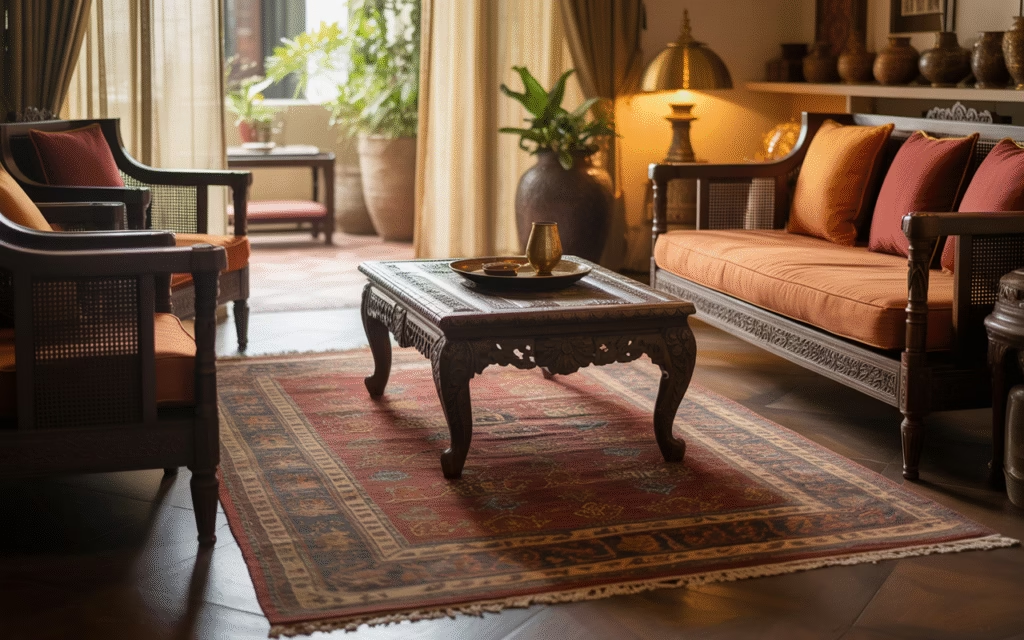
Most living rooms do the job sofa, TV, coffee table but they rarely feel like “us.” In my experience, an Indian living room becomes unforgettable when culture and comfort meet in small, intentional ways: one confident accent wall, a handcrafted piece with soul, textiles that invite touch, and lighting that flatters every corner. What works best is starting simple and building in layers colour, materials, layout, then character. I’ve found that even a compact puja nook, a jaali divider, or a well-placed jhoola can shift the whole mood without a renovation. This guide shares 13 tested ideas with measurements, costs, and quick steps so the room looks warm, functions better, and finally feels like home.
Start with a Warm Color Foundation

What works best is beginning with a base palette that reflects the soul of Indian interiors—rich, warm, and inviting. I recommend using mustard yellow, emerald green, or terracotta on one accent wall (3m x 2.5m or 10ft x 8ft) to anchor the space. These colours not only honour tradition but also enhance natural light, making rooms feel larger. For balance, keep the remaining walls in light beige or cream, which are also Vastu-approved to maintain positive energy flow. This approach costs approximately ₹1,500–₹2,000 for high-quality emulsion paint per wall and can be completed over a weekend. Avoid dark red or black, as they absorb energy and create a heavy atmosphere according to Vastu principles.
Use Handcrafted Natural Materials

Indian homes shine when natural textures take center stage. I’ve consistently found that teak or rosewood furniture adds depth and longevity to any living room. A medium-sized carved coffee table (1.2m x 0.6m or 4ft x 2ft) from a local artisan costs around ₹8,000–₹15,000 and becomes a conversation starter. For flooring, vitrified tiles or Kota stone are ideal for Indian climates, costing ₹120–₹200 per sq. ft., and they pair beautifully with handmade rugs from Panipat or Jaipur. These rugs, typically sized 2m x 3m (6.5ft x 10ft), range from ₹5,000 to ₹20,000 depending on wool or silk content, and add both comfort and authenticity. Pro tip: Layer a smaller dhurrie rug (₹1,500–₹3,000) over a larger neutral one to introduce pattern without clutter.
Bring in Regional Art and Murals

One of the most impactful changes I’ve made in my own projects is incorporating regional folk art. A Warli or Madhubani mural on a feature wall instantly grounds the space in Indian heritage. These can be hand-painted or applied as high-quality wall decals (₹2,000–₹6,000 for a 3m x 2.5m area). I once transformed a dull corner with a Gond art panel—a ready-made piece from a local market cost just ₹3,200 and took under an hour to install. For a budget-friendly alternative, frame traditional Patachitra or Phad paintings (₹1,000–₹4,000 each) and group them in a gallery wall. This personal touch not only supports artisans but adds narrative depth to your decor.
Layer with Authentic Textiles

Fabrics are where Indian living rooms truly come alive. I always suggest using cotton or silk curtains in indigo, saffron, or deep maroon to frame windows. Pair them with cushion covers featuring paisley, elephant, or tribal prints—these small accents (₹300–₹800 each) can be swapped seasonally. In my Mumbai flat, I used Chanderi fabric for sofa throws and noticed an immediate uplift in texture and elegance. For seating, embroidered floor rugs or jute dhurries add softness and cultural nuance. Avoid synthetic blends—they lack the breathability and sheen of natural fibres, especially in humid climates.
Add a Statement Jhoola or Swing

Nothing says “Indian home” quite like a jhoola. I installed a wooden swing with rope suspension in my parents’ living room (2m long, supports 150kg), and it’s become the family’s favourite spot. These range from ₹6,000 to ₹12,000 and require sturdy ceiling joists or a metal frame for support. For apartments, consider a compact wall-mounted version or a swing chair that fits in a corner. A handwoven jute swing adds rustic charm, while a metallic haveli-style one brings regal flair. This piece works best in corners with natural light, creating a cozy reading nook.
Create a Jaali-Style Room Divider

Jaali panels are a timeless element that add privacy without blocking light. I’ve used laser-cut wooden dividers (1.8m x 2.4m or 6ft x 8ft) between living and dining areas, costing ₹9,000–₹16,000. They cast beautiful shadow patterns during the day and can be backlit with LED strips for evening drama. For renters or budget-conscious homeowners, metal or MDF jaali screens (₹3,000–₹7,000) are excellent alternatives. Place them behind the sofa or as a TV backdrop to add depth. Avoid plastic versions—they lack durability and visual weight.
Integrate Brass and Terracotta Accents

Metallic and earth elements bring balance. Brass oil lamps (diyas), Urulis, and mirror frames instantly elevate decor. I keep a brass diya set on my coffee table—it’s both functional and symbolic, especially during evenings. Terracotta vases or horses (₹400–₹1,200 each) add warmth and are perfect for entryway tables. For a modern twist, pair matte black metal frames with antique brass sculptures. These pieces don’t need to be expensive; Chor Bazaar in Mumbai has authentic finds under ₹2,000.
Choose a Traditional Yet Functional TV Unit

The TV is a modern necessity, but its unit doesn’t have to be ordinary. I recommend a carved wooden TV unit made of Sheesham or teak (2.4m wide x 0.5m deep or 8ft x 1.6ft), costing ₹12,000–₹25,000. It should have closed storage to hide electronics and open shelves for displaying Dhokra art or hand-painted vases. Position it on the southeast wall, as per Vastu, to avoid blocking positive energy flow. For smaller spaces, a floating unit with jaali back panel saves floor space while maintaining tradition.
Design a Puja Corner Within the Living Room

Most Indian homes include a puja corner, and it deserves thoughtful placement. According to Vastu, it should be in the northeast corner of the living room, kept clutter-free and well-lit. I use a compact wooden altar (1m x 0.6m or 3.3ft x 2ft) with carved motifs, costing ₹5,000–₹9,000. Add a brass lamp, bell, and small idol—all available at Satguru’s or local markets. Keep the area clean and fresh with daily offerings. For renters, a wall-mounted puja unit works perfectly.
Use Layered Lighting for Ambience
Lighting sets the mood. I always combine three layers: a chandelier (or Punjabi-style phool Jhari) for grandeur, table lamps for warmth, and LED strips for functionality. A brass or copper diya chandelier (₹8,000–₹18,000) becomes a focal point. For reading, swing-arm wall lamps (₹2,500–₹5,000) save space. Use warm-white bulbs (2700K) throughout to maintain a cozy atmosphere. Avoid harsh cool lighting—it disrupts the room’s warmth.
Incorporate a Jharokha-Inspired Shelf

Jharokha-style shelves add royal charm. I built a wall-mounted wooden jharokha (1.5m wide) with arched opening and mirrored back, costing ₹7,000. It’s perfect for displaying collectibles, books, or small brass items. These work well above sofas or as standalone features. For a simpler version, use ready-made jharokha frames (₹2,000–₹4,000) from decor stores like Vaaree.
Use Regional Prints in Upholstery

Don’t underestimate the power of fabric. I’ve reupholstered old sofas with Sanganeri block prints and Kalamkari fabric, transforming tired furniture into statement pieces. These textiles cost ₹300–₹600 per metre and are durable when lined with cotton backing. For dining chairs, Paisley-printed seat covers add rhythm without overwhelming. Always pre-wash fabric to avoid shrinkage.
Follow Vastu for Furniture Layout

Vastu isn’t just tradition—it’s smart design. Place heavy furniture like sofas against the south or west wall to create stability. Keep the northeast corner open for energy flow. Ensure seating allows family members to face north or east while sitting—a simple shift that improves conversation and light access. Leave a 5–10 cm gap between sofas and walls to allow air circulation. This layout costs nothing to implement but makes a noticeable difference in comfort.
FAQs
What are the most affordable ways to add Indian decor?
Switch cushion covers, use diya sets, hang small folk art prints, and place terracotta vases—total cost under ₹3,000.
Can I mix modern furniture with Indian decor?
Absolutely. Pair a sleek sofa with a carved wooden coffee table and brass accents—this fusion works best for small spaces.
Where should the TV be placed as per Vastu?
Install it on the southeast wall; avoid northwest or southwest for optimal energy flow.
How do I choose the right rug size?
The rug should extend at least 15–20 cm beyond the sofa on all sides—typically 2m x 3m for a standard setup.
Are antiques necessary for authentic decor?
Not at all. High-quality reproductions from Oshiwara Market or online stores like The Bombay Store offer the look without the price tag.
Wrap Up
If this sounds like a lot, breathe rooms come together one decision at a time. I’ve found that starting with the colour base and one handcrafted anchor piece sets the tone, and the rest follows naturally. What works best is choosing a few elements that feel personal textiles from a region loved, a swing that invites conversations, a brass diya that warms up evenings. In my experience, the most beautiful Indian living rooms aren’t perfect; they’re lived-in, layered, and loved. Pick two ideas to do this week, two next month, and let the space grow with the home. That’s how a room stops being a project—and becomes a place everyone wants to be.