
I killed three “low-maintenance” wildflower mixes before I figured out what I was doing wrong. So if you’re standing in your backyard right now wondering why your patch looks more like a weed lot than a magazine cover, I get it. This isn’t a “wildflowers are easy, just toss seeds and walk away” article — that advice is why so many of us end up frustrated. This is what actually worked for me, plus what I wish someone had told me sooner.
Wildflower gardens do save you time, water, and money once they’re established. They also bring in bees, butterflies, and birds like nothing else in the yard. But getting there takes a little strategy. Let’s get into 13 ideas that’ll get you a garden you’re actually proud of.
1. Start With a “Meadow in a Box” Mix for Your Region
The single biggest mistake I made early on? Buying a generic wildflower mix off a shelf without checking if it matched my climate. Half the seeds never germinated because they needed a cold snap I don’t get here.
Region-specific mixes matter more than pretty packaging. Look for seed companies that sell by USDA hardiness zone or by state — American Meadows and Prairie Moon Nursery both do this well. IMO, this one decision determines whether your first year is a triumph or a total flop.
- Check your hardiness zone before you buy anything
- Look for “regional native mix” rather than “wildflower mix” on the label
- Read the germination instructions — some seeds need cold stratification
2. Layer Your Bloom Times So Something’s Always Happening
Ever plant a gorgeous wildflower patch that looks incredible in June and completely dead by August? Yeah, me too. That’s what happens when every flower in your mix blooms at the same time.
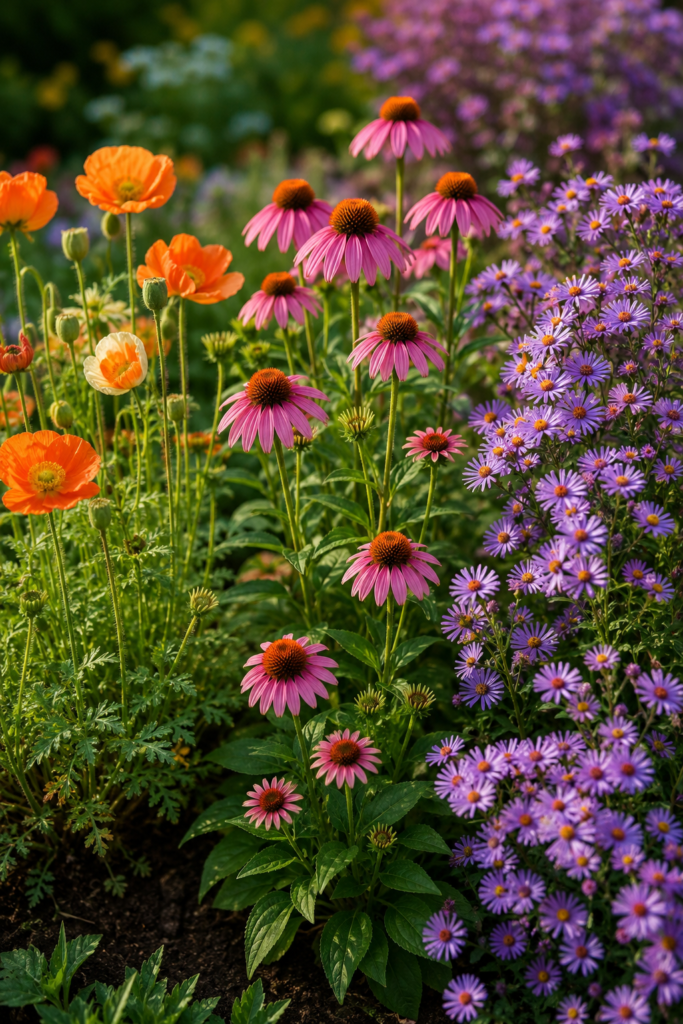
Succession planting is the fix. Mix early bloomers like California poppies with mid-season stars like coneflowers, then finish strong with fall bloomers like asters and goldenrod. This keeps color — and pollinators — showing up from spring through frost.
I now sketch out a rough bloom calendar before I plant anything. It sounds like overkill, but it’s saved me from staring at a brown patch of dirt every July.
3. Prep the Soil Like You Mean It
Here’s the part nobody wants to hear: wildflowers aren’t as low-effort as the seed packets promise, at least not at first. Soil prep is non-negotiable if you want decent germination rates.
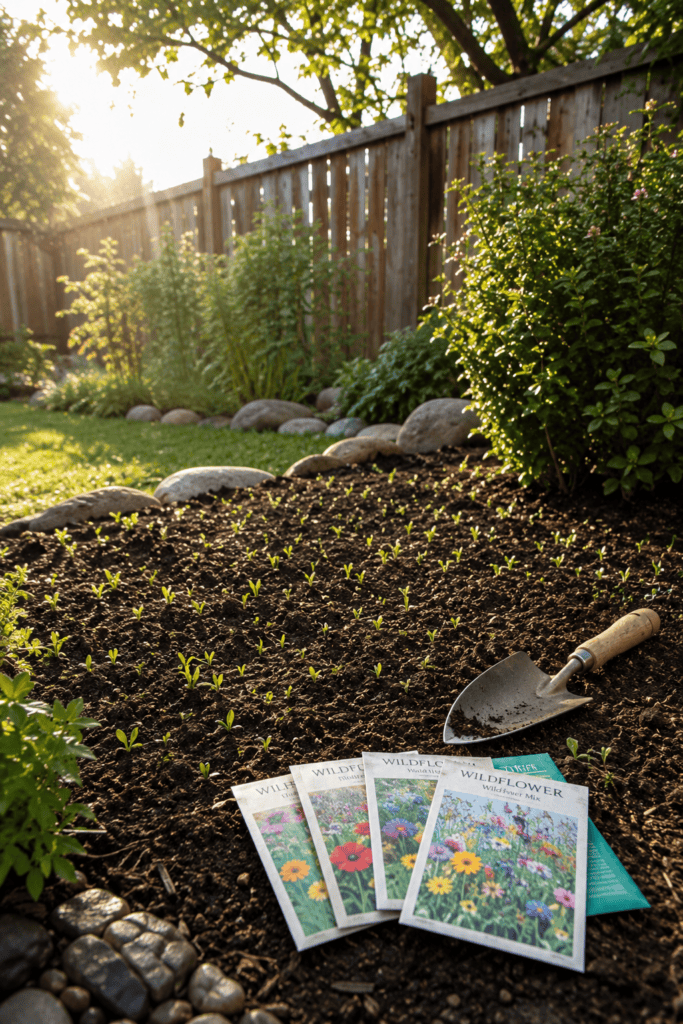
Most wildflowers actually prefer poor, well-drained soil over rich garden soil — too many nutrients and you’ll get leggy plants and more weeds than flowers. Clear existing grass and weeds completely before seeding, because wildflower seedlings lose that competition every single time.
- Remove existing vegetation down to bare soil
- Avoid adding compost or fertilizer (seriously, skip it)
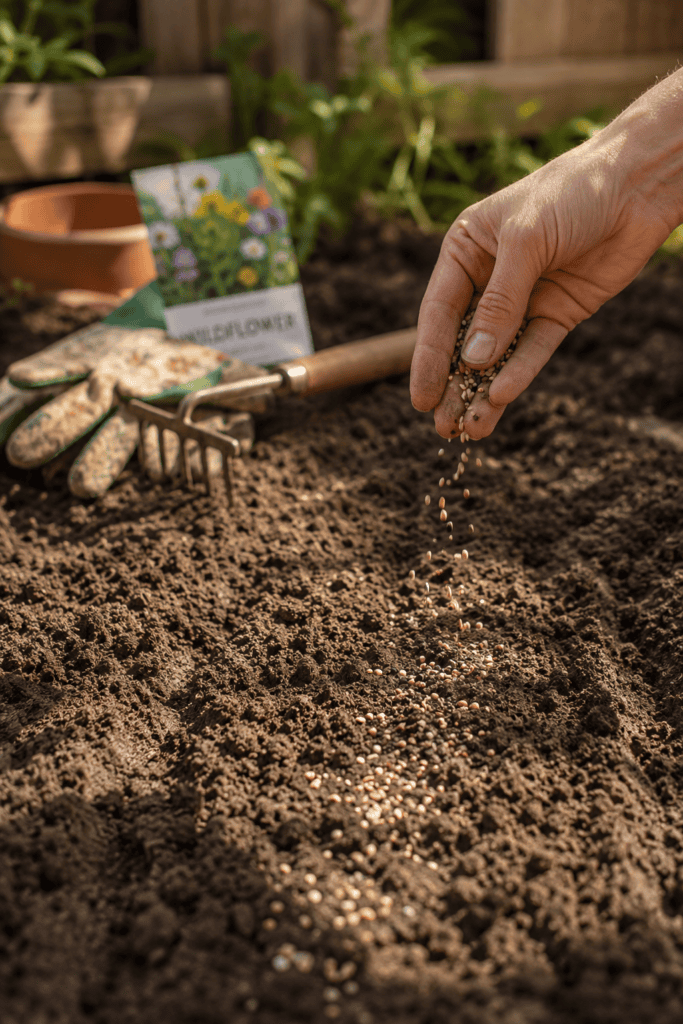
- Rake the soil lightly to create good seed-to-soil contact
- Water gently right after seeding to settle everything in
4. Go Big with a Native Prairie Patch
If you’ve got the space, a native prairie-style planting is one of the most rewarding wildflower projects you can take on. Think big bluestem grass mixed with black-eyed Susans, purple coneflower, and butterfly milkweed.
This isn’t a quick weekend project — a true prairie patch takes two to three years to fully establish. But the payoff is a self-sustaining ecosystem that needs almost no watering once it’s rooted in. I planted a small prairie strip along my back fence, and by year three it was pulling in more monarch butterflies than my actual milkweed bed.
5. Use Wildflowers as a Lawn Alternative
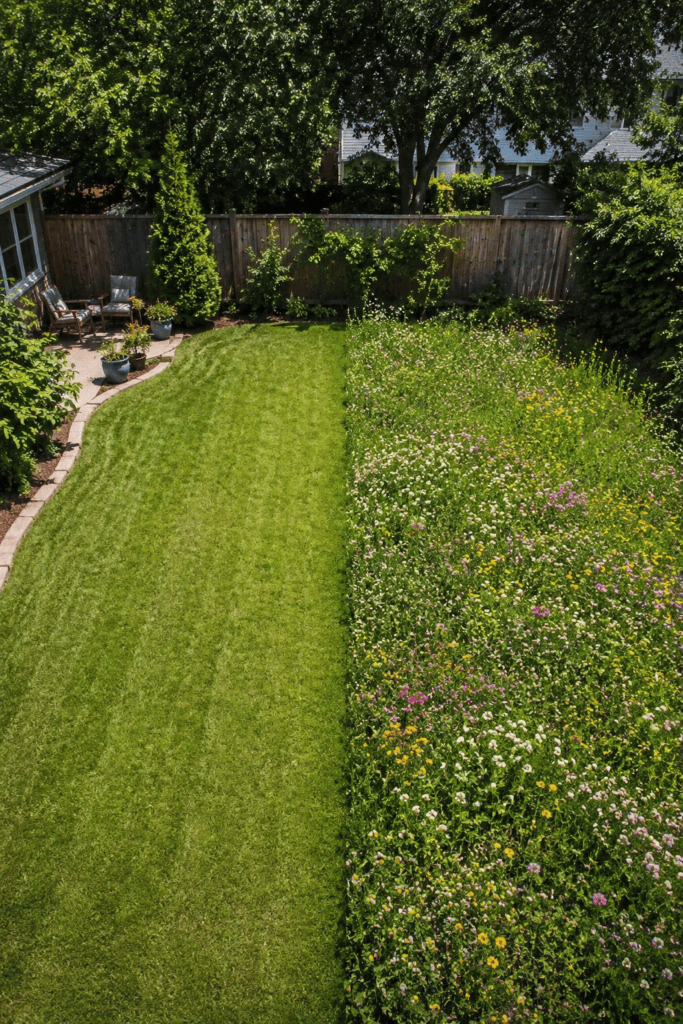
Sick of mowing? Same. Swapping part of your lawn for a wildflower meadow cuts down on mowing, watering, and the general guilt of maintaining a water-hungry patch of grass that serves basically no purpose.
Clover lawns and low-grow fescue mixed with creeping thyme and self-heal give you something that still looks tidy but needs a fraction of the upkeep. You’ll mow maybe twice a season instead of weekly. My neighbors thought I was letting the lawn die. Joke’s on them — my water bill dropped and theirs didn’t.
6. Build a Pollinator Border Along Fences and Walkways
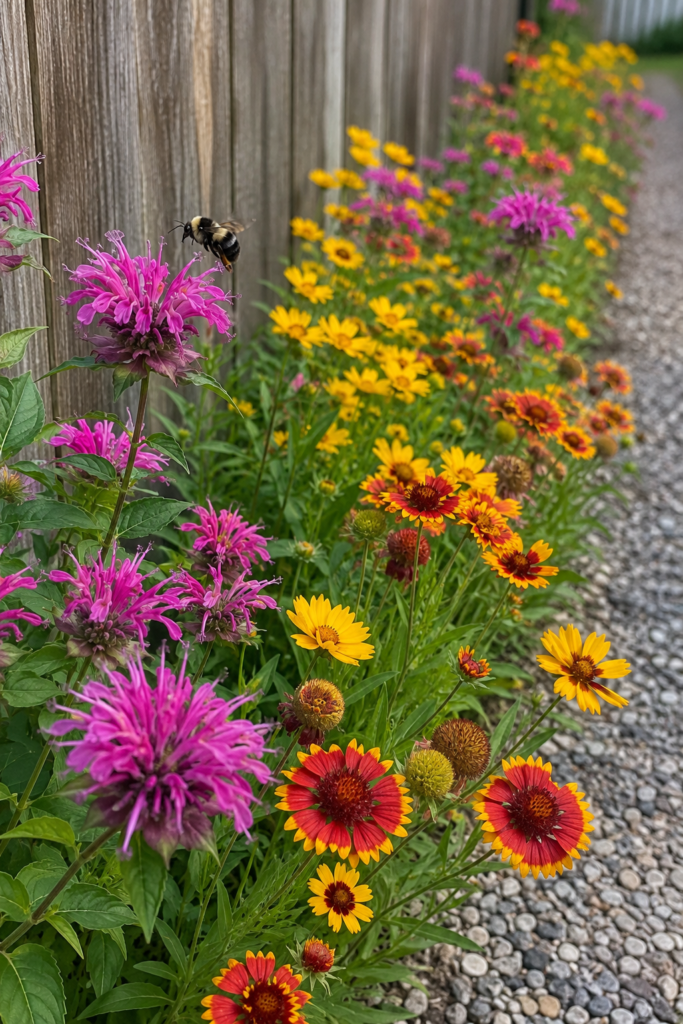
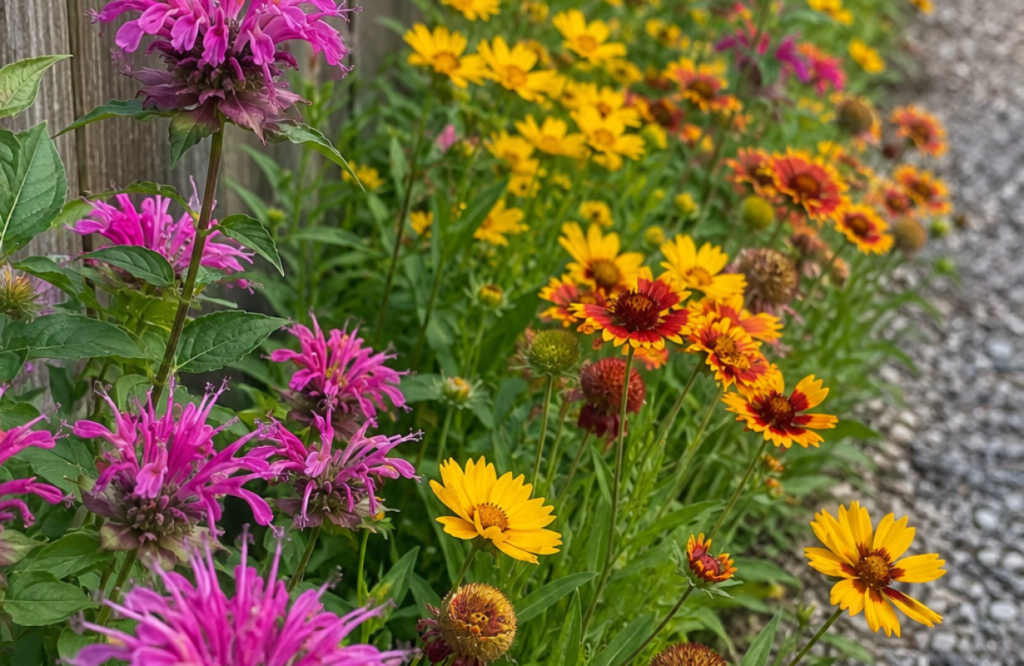
Not everyone wants a full meadow, and that’s fine. A pollinator border — a narrow strip of wildflowers along a fence line, driveway, or walkway — gives you the same visual and ecological benefits in a much smaller footprint.
What to Plant in a Narrow Border
- Bee balm for height and serious bee traffic
- Blanket flower for continuous summer color
- Lance-leaf coreopsis for a tidy, compact habit
- Wild bergamot for fragrance and hummingbird visits
This is honestly my favorite entry point for beginners. It’s small enough to manage but showy enough that you’ll want to expand it next season.
7. Try a Container Wildflower Garden if Space Is Tight
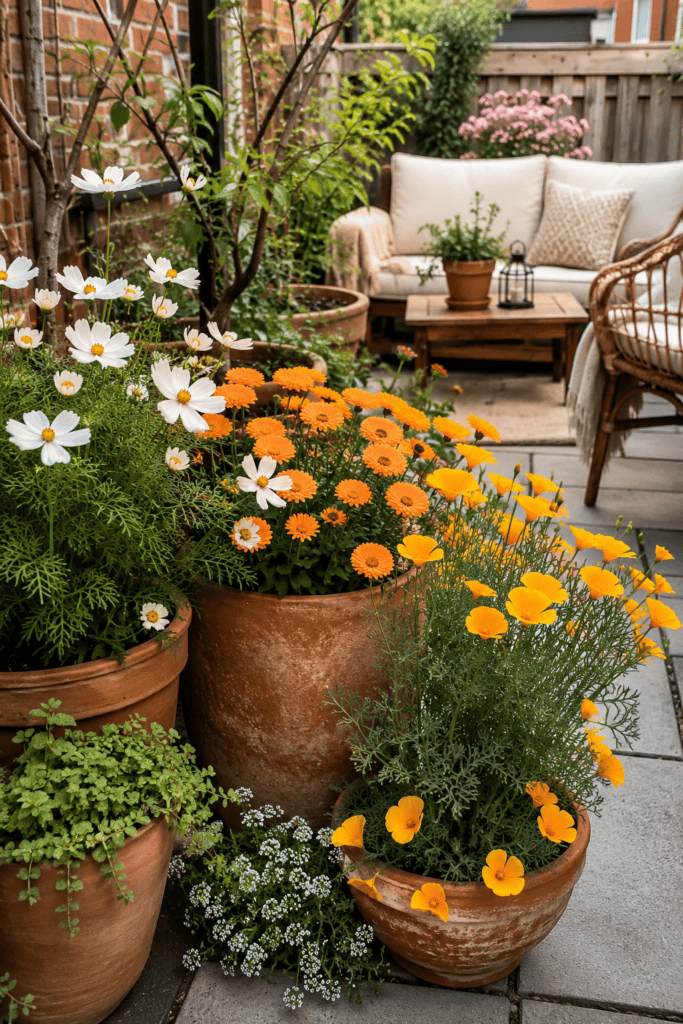
No yard? No problem. Wildflowers work surprisingly well in large containers, raised beds, or even window boxes. Choose compact varieties like dwarf cosmos, calendula, or California poppies that won’t outgrow the pot.
Containers also let you control soil quality precisely, which sidesteps a lot of the soil-prep headaches from idea #3. Just don’t skimp on pot size — wildflowers need root room to establish properly, and a cramped pot will stunt everything.
8. Mix in Ornamental Grasses for Structure
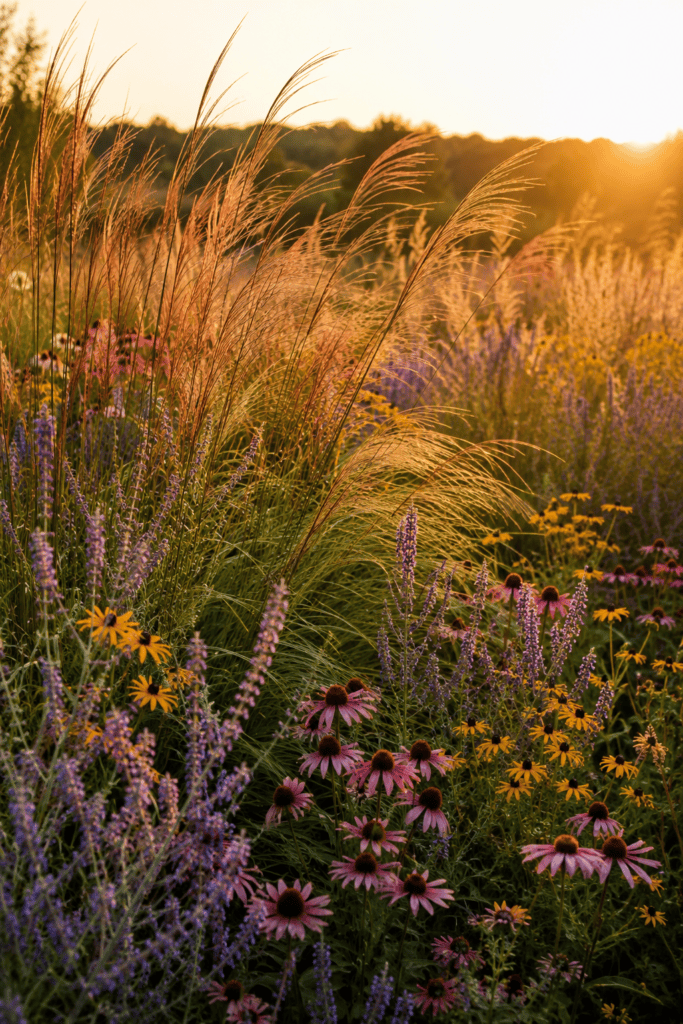
Wildflowers on their own can look a little chaotic by midsummer — pretty, sure, but structureless. Adding ornamental grasses like little bluestem or prairie dropseed gives the whole planting some backbone.
Grasses also do double duty: they provide winter interest after the flowers fade, and their root systems help hold soil in place. I added switchgrass to my meadow border two years ago, and it completely changed how the space reads — less “abandoned lot,” more “intentional design.”
9. Plan for Deadheading (Or Deliberately Don’t)
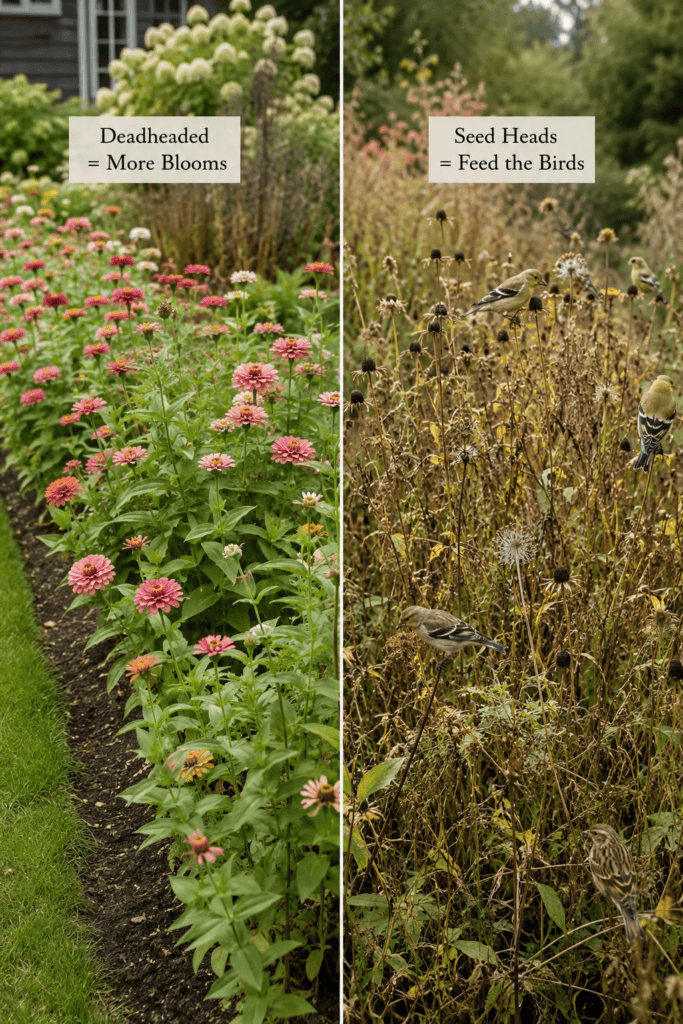
Here’s a genuine debate in the wildflower world, and IMO both sides have a point. Deadheading — removing spent blooms — extends flowering and keeps things looking neat. But leaving seed heads intact feeds birds through fall and winter and lets your patch reseed itself.
My honest take? Deadhead your front-yard border where appearance matters, and leave your back-fence meadow alone. You get the best of both approaches without extra guilt about which camp you’re supposed to be in.
10. Add a Water Feature to Draw in More Wildlife
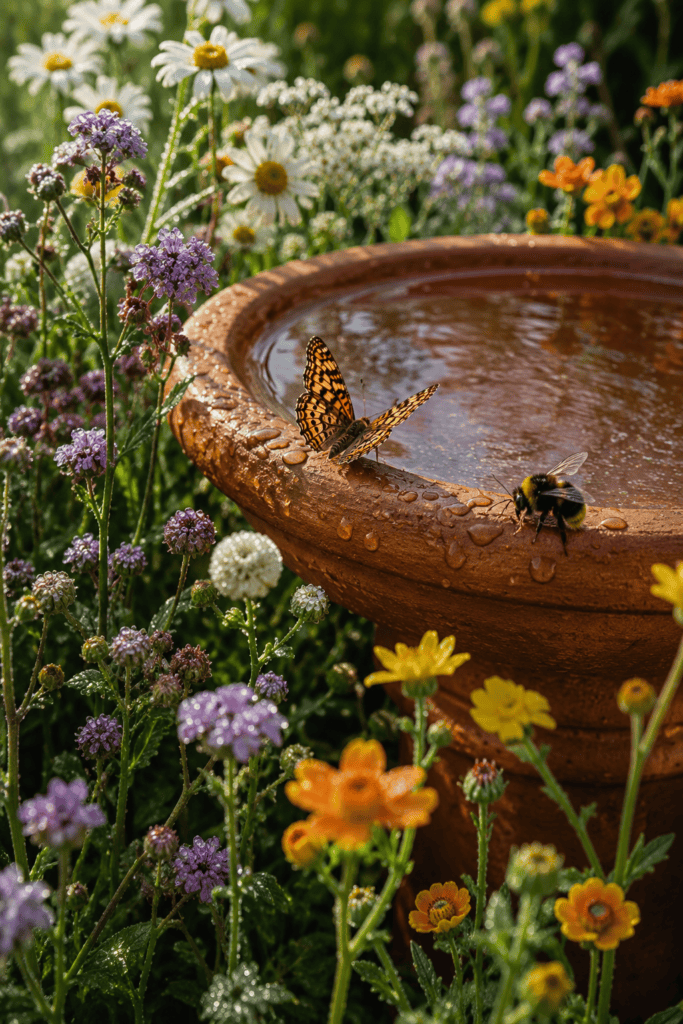
A wildflower garden without water is only doing half the job. Even a shallow bird bath or a small dish of water with flat stones for landing spots will pull in more bees, butterflies, and birds than flowers alone.
- Keep water shallow (1–2 inches) for pollinator safety
- Change the water every few days to avoid mosquitoes
- Place it near — but not directly in — your densest planting area
I added a simple terracotta saucer near my coneflowers last spring, and the difference in bee traffic was honestly kind of ridiculous. 🙂
11. Create Pathways So You Can Actually Walk Through It
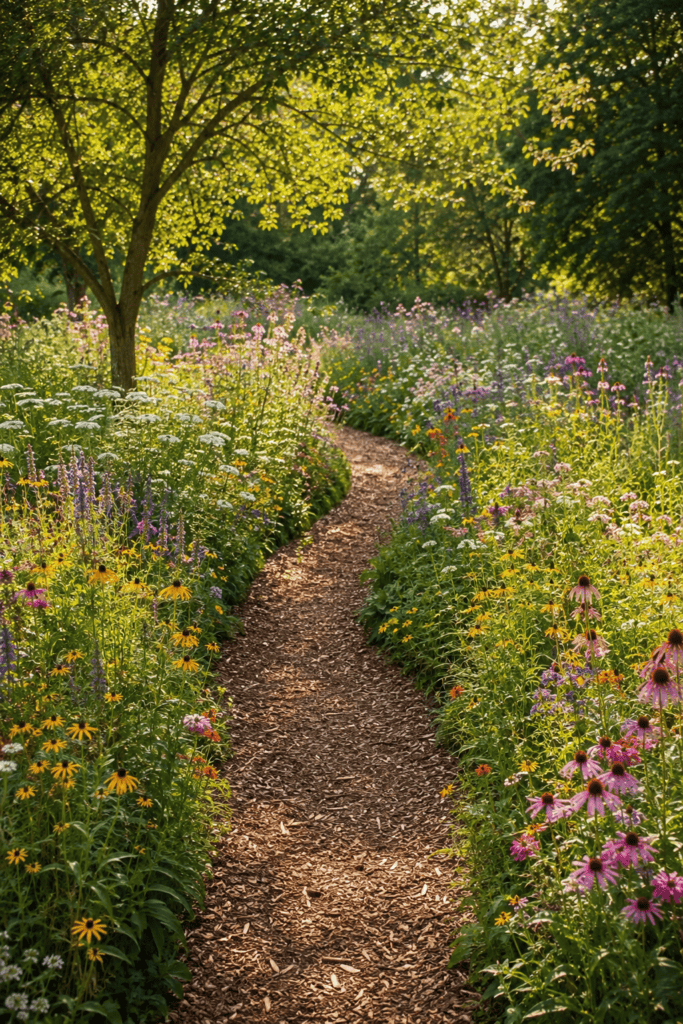
A wildflower meadow with no paths just becomes an overgrown mess you avoid. Mowed or mulched pathways through your planting let you actually enjoy what you’ve grown, and they give the whole space a sense of intention rather than neglect.
Curved paths look more natural than straight ones, and they slow you down enough to actually notice what’s blooming. This is a small detail that makes a massive difference in how “designed” your garden feels versus how “forgotten” it feels.
12. Don’t Skip the First-Year Maintenance
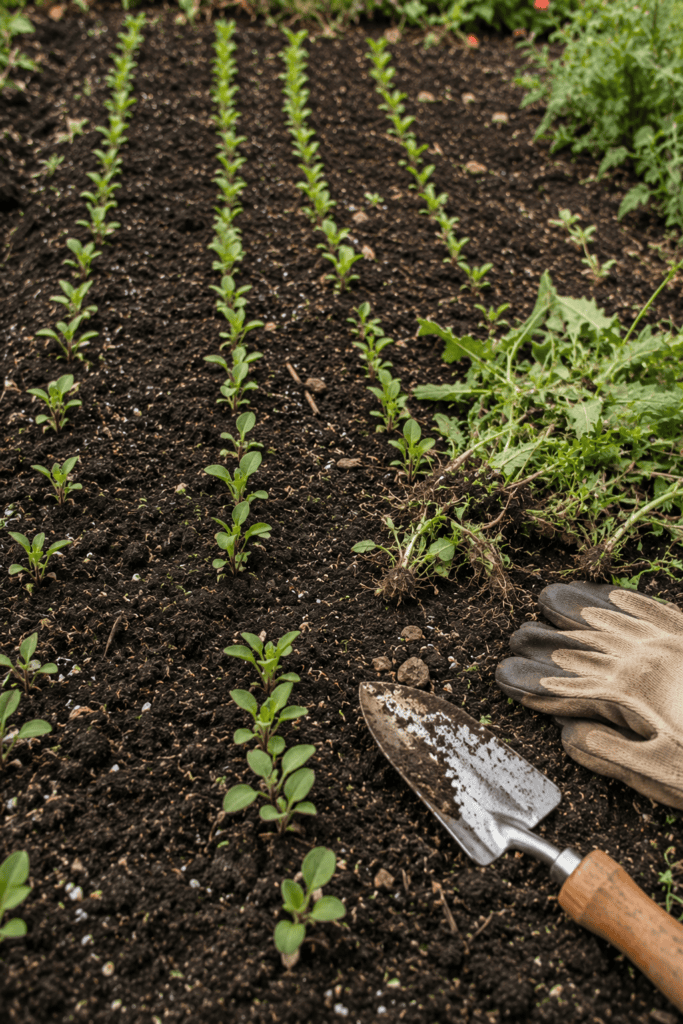
This is the part every seed packet conveniently glosses over. Year one is weed-management year, full stop. Your wildflower seedlings are tiny and slow, and weeds will absolutely try to choke them out if you let them.
- Hand-pull weeds weekly for the first two to three months
- Mow the whole area to about 4–6 inches if weeds get ahead of you (this won’t hurt young wildflower seedlings)
- Water during dry spells until plants are established
- Resist the urge to fertilize — poor soil is your friend here
FYI, this is the step most people skip, and it’s exactly why their “easy” wildflower patch turns into a weed field by August.
13. Overseed Each Fall for a Fuller Meadow Over Time
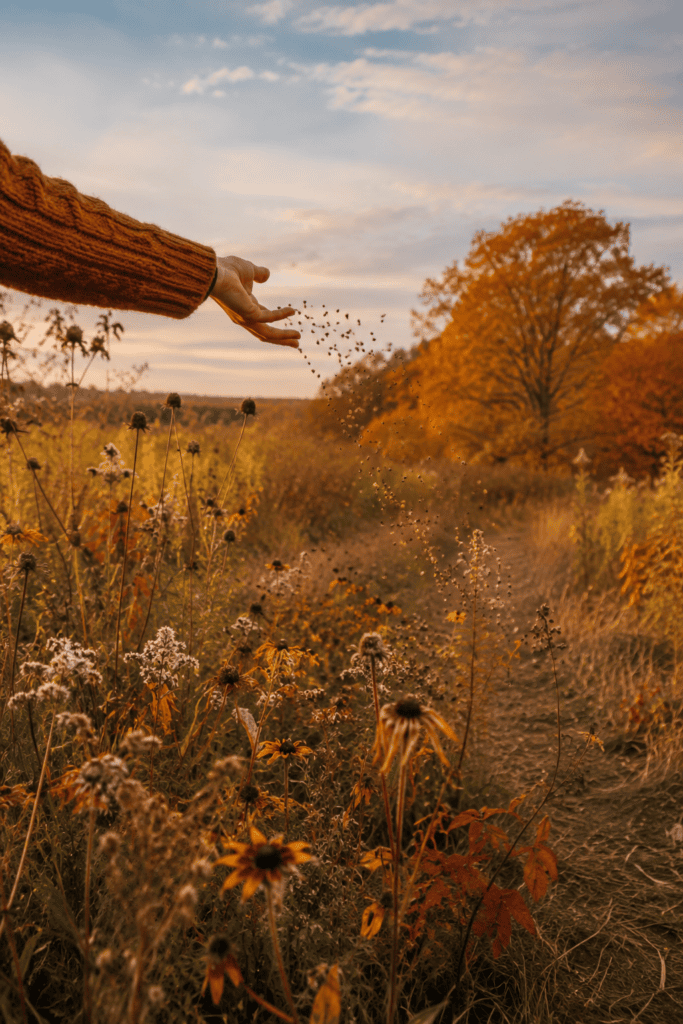
Even a well-established wildflower garden benefits from a light overseeding every autumn. Bare patches open up naturally as plants die back or get outcompeted, and a fresh scattering of seed each fall keeps the density up without starting over.
I overseed my meadow border every October, right before the first frost, so winter cold does the stratification work for me. It’s maybe twenty minutes of effort for a noticeably fuller garden come spring. Small habit, disproportionately big payoff.
Final Thoughts
A great wildflower garden isn’t really about tossing seeds and hoping for the best — it’s about picking the right mix for your region, prepping your soil properly, and giving that first year the attention it actually needs. Do that, and you’ll have a low-maintenance, pollinator-packed garden that gets better every single year.
So which of these thirteen ideas are you trying first? Whatever you pick, give it a real season before you judge the results — wildflowers reward patience way more than they reward perfection.